 Unearth The Voyage

Baby Boomers have earned a reputation for sticking to what they know and love. While younger generations rush to embrace every new trend, Boomers have mastered the art of saying no to things that don’t quite fit their lifestyle. From social media habits to financial choices, they’ve drawn clear lines about what works for them and what simply doesn’t.
1. Become daily TikTok scrollers
Most Boomers aren’t spending hours watching dance videos and viral challenges on TikTok. Research shows they prefer other ways to spend their free time, like reading books or watching television programs they’ve enjoyed for years.
Short-form video content doesn’t appeal to everyone, especially those who grew up with longer, more detailed storytelling. Boomers often find TikTok overwhelming or simply not worth the time investment.
Instead of jumping on trending sounds, they stick with entertainment that feels more familiar and comfortable to them.
2. Treat Instagram like a must-have app
While Instagram dominates younger people’s phones, Boomers generally don’t consider it essential. They might have an account to see grandkids’ photos, but daily scrolling through filtered selfies isn’t their thing.
The pressure to post perfect pictures and keep up with stories feels more like work than fun for many older adults. They’d rather connect through phone calls or face-to-face visits.
Instagram’s constantly changing features and algorithms can feel confusing too. Boomers prefer straightforward communication without all the extra bells and whistles that come with the platform.
3. Get their news mainly from social media
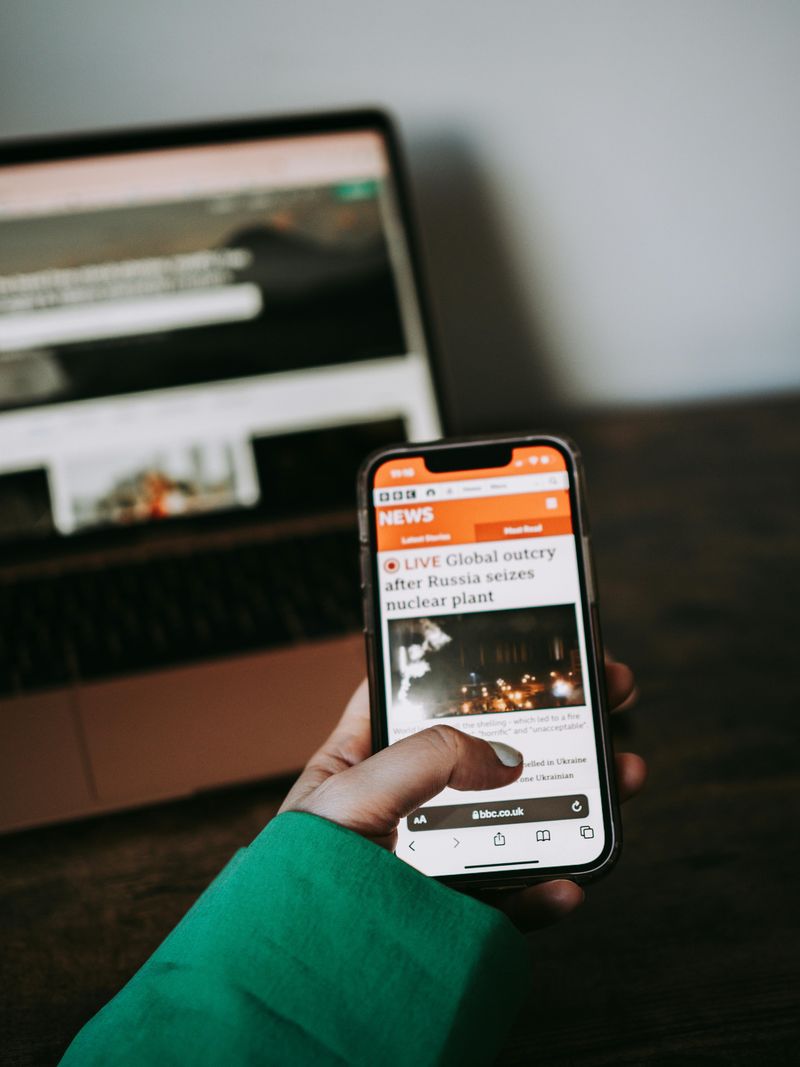
Boomers remain skeptical about getting news from Facebook or Twitter feeds. They remember when journalism meant trusted reporters and fact-checked stories, not random posts from unknown sources.
Many worry about misinformation spreading through social platforms. They’ve seen too many fake stories shared by well-meaning friends who didn’t verify the facts first.
Instead, they turn to established news outlets, whether on TV or through newspaper subscriptions. Traditional sources feel more reliable and credible, even if younger people think they’re outdated for sticking with them.
4. Make podcasts their default news source

Podcasts haven’t replaced traditional news sources for most Boomers. While some enjoy occasional podcast episodes, they don’t rely on them for daily updates about current events.
The format requires dedicated listening time with headphones or speakers, which doesn’t fit everyone’s routine. Many prefer watching news anchors on television where they can see facial expressions and visual context.
Finding quality podcasts among thousands of options also feels overwhelming. Boomers typically stick with the news delivery methods they’ve trusted for decades rather than experimenting with audio-only formats.
5. Trust AI chatbots as a regular place to get news

Artificial intelligence might be everywhere, but Boomers aren’t asking chatbots for their daily news updates. The idea of getting information from a computer program instead of human journalists doesn’t sit right with them.
They question how AI decides what’s important and whether it can truly understand complex political or social issues. Human judgment still matters when it comes to reporting significant events.
Most Boomers prefer news sources with real editors and reporters who can be held accountable. Technology is useful for many things, but replacing trusted journalism isn’t one of them.
6. Give up TV news (or pretend it’s “dead”)

Television news remains a cornerstone of how Boomers stay informed about the world. They’re not declaring it dead or switching entirely to online sources anytime soon.
There’s something comforting about sitting down for the evening news broadcast. It’s a ritual many have followed for forty or fifty years, and they see no reason to abandon it now.
While younger people stream everything, Boomers appreciate the structure and reliability of scheduled programming. Network news anchors feel like familiar friends delivering important information at predictable times each day.
7. Go “digital wallet only” at checkout
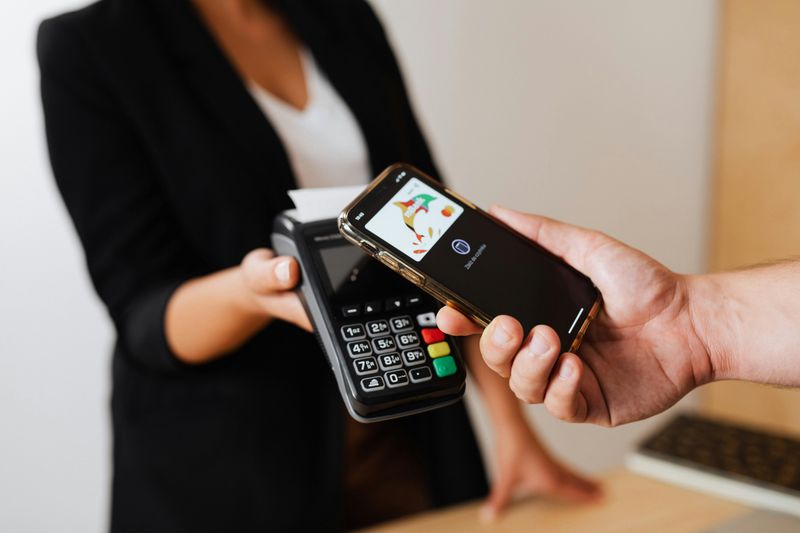
Cash and credit cards still fill Boomer wallets, and they’re not abandoning them for phone-based payment systems. Tapping a smartphone to pay feels unnecessary when pulling out a card works perfectly fine.
Many worry about security risks or technology glitches that could leave them unable to pay for purchases. Physical payment methods provide backup options and peace of mind.
Learning new payment technology also requires time and patience that not everyone wants to invest. Traditional payment methods have worked reliably for decades, so why fix what isn’t broken in their eyes?
8. Lean on Buy Now, Pay Later for everyday purchases

Splitting payments into installments for regular purchases doesn’t appeal to most Boomers. They grew up learning to save money before buying things, not the other way around.
Buy Now, Pay Later services can lead to overspending and tracking multiple payment schedules feels complicated. Boomers prefer knowing exactly what they owe and when.
The idea of financing groceries or clothing through payment plans seems financially risky to them. They’d rather wait until they have enough money saved up or simply skip the purchase altogether if needed.
9. Bet their savings on crypto
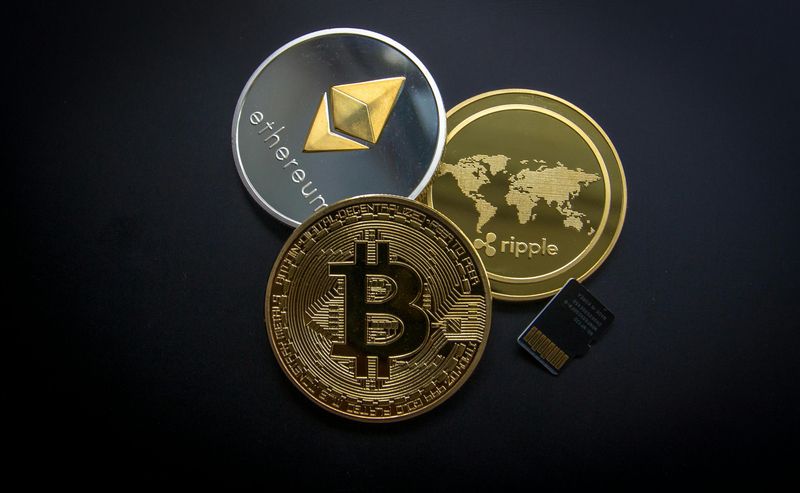
Cryptocurrency investments don’t tempt most Boomers who spent careers building retirement savings through traditional means. Digital currencies feel too volatile and unpredictable for money they’ll need in coming years.
Understanding blockchain technology and crypto markets requires research that many find confusing or unnecessary. Stocks, bonds, and savings accounts offer clarity that Bitcoin simply doesn’t provide.
Stories about crypto crashes and lost digital wallets only reinforce their skepticism. Boomers prefer investments they can explain to their financial advisors without needing a technology degree to understand the basics.
10. Make online dating a regular habit

Swiping through dating profiles isn’t how most single Boomers hope to meet someone special. They remember when dating meant meeting people through friends, community activities, or chance encounters in real life.
Online dating feels impersonal and sometimes even unsafe to older adults. Creating profiles and messaging strangers doesn’t come naturally to people who dated before the internet existed.
Many prefer meeting potential partners through shared interests like volunteer work, church groups, or hobby clubs. Face-to-face connections feel more genuine and comfortable than digital interactions with people they’ve never actually met before.
11. Swipe Tinder in their 70s
Tinder specifically holds little appeal for Boomers, who associate it with hookup culture rather than meaningful relationships. The fast-paced swiping based mainly on photos feels shallow and uncomfortable.
Most people in their 70s aren’t interested in the casual dating scene that Tinder is known for. They value deeper connections and compatibility over quick judgments based on appearance.
If Boomers do try online dating, they typically choose platforms designed for their age group with more detailed profiles. Tinder’s reputation and format just don’t match what older adults want from romantic relationships at this stage.
12. Use text messages as their main way to communicate

Despite text messaging and social media, many Boomers still prefer picking up the phone for important conversations. Hearing someone’s voice provides context that typed messages simply cannot convey.
They value real-time conversation where misunderstandings can be immediately cleared up. Texting feels impersonal for discussing anything meaningful, and emojis don’t replace actual human emotion.
Phone calls also feel more efficient for complex topics that would require dozens of back-and-forth messages. While they might text for quick updates, genuine connection still happens through voice conversations for this generation.
13. Act like AI tools are already part of their daily routine

Artificial intelligence hasn’t become a regular part of most Boomers’ daily lives. While they might use some AI-powered features without realizing it, they’re not actively seeking out AI tools for everyday tasks.
Voice assistants like Alexa or Siri might answer occasional questions, but they’re not essential household members. Most Boomers prefer doing things themselves rather than asking a device for help.
The hype around AI feels overblown to many older adults who’ve seen technology trends come and go. They’ll wait to see which tools actually prove useful before incorporating them into their established routines.
14. Wear a smartwatch just because everyone else does

Smartwatches haven’t replaced traditional watches for most Boomers. They appreciate classic timepieces that don’t need charging every night or send constant notifications to their wrists.
Checking a watch should tell you the time, not distract you with messages and app alerts. Many find smartwatches unnecessarily complicated when a regular watch does the job perfectly well.
Some Boomers own smartwatches for health tracking but don’t use most features. They certainly won’t buy one just to keep up with trends when their reliable old watch still works beautifully after years of service.



