 Unearth The Voyage
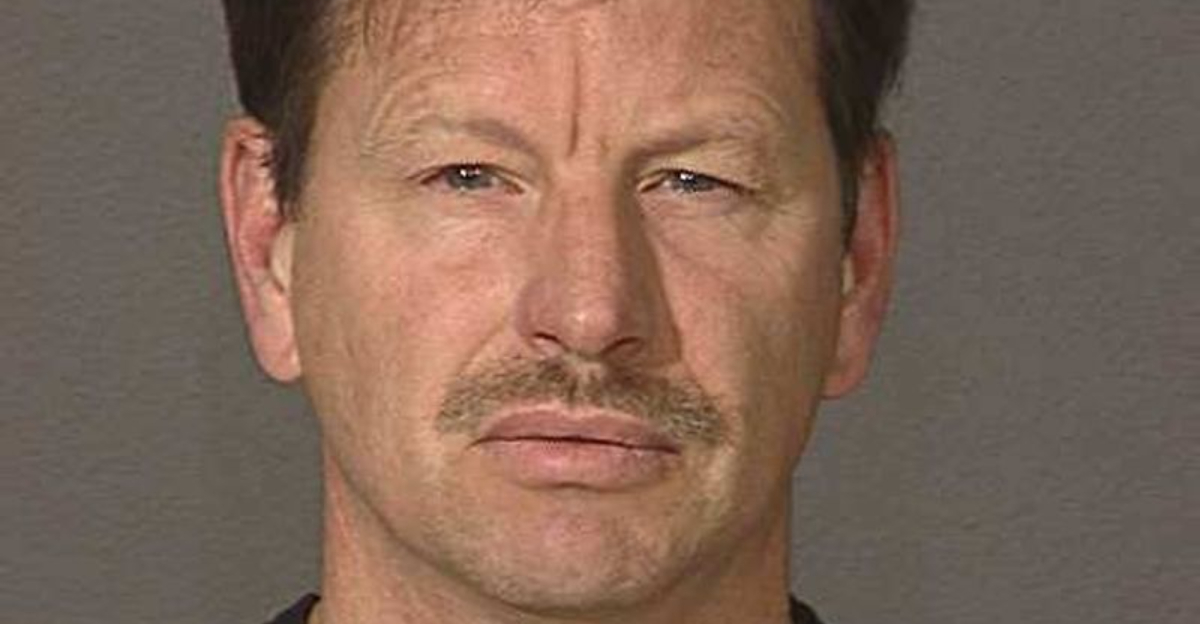
Throughout history, certain criminals have committed acts so disturbing that their names became permanently etched into public memory. Serial killers have fascinated and horrified people for generations, prompting countless investigations, books, films, and documentaries.
Understanding these cases helps us grasp how such crimes happen and how law enforcement works to stop them. Here is a look at 14 of the most infamous serial killers the world has ever known.
1. Jack the Ripper (UK)
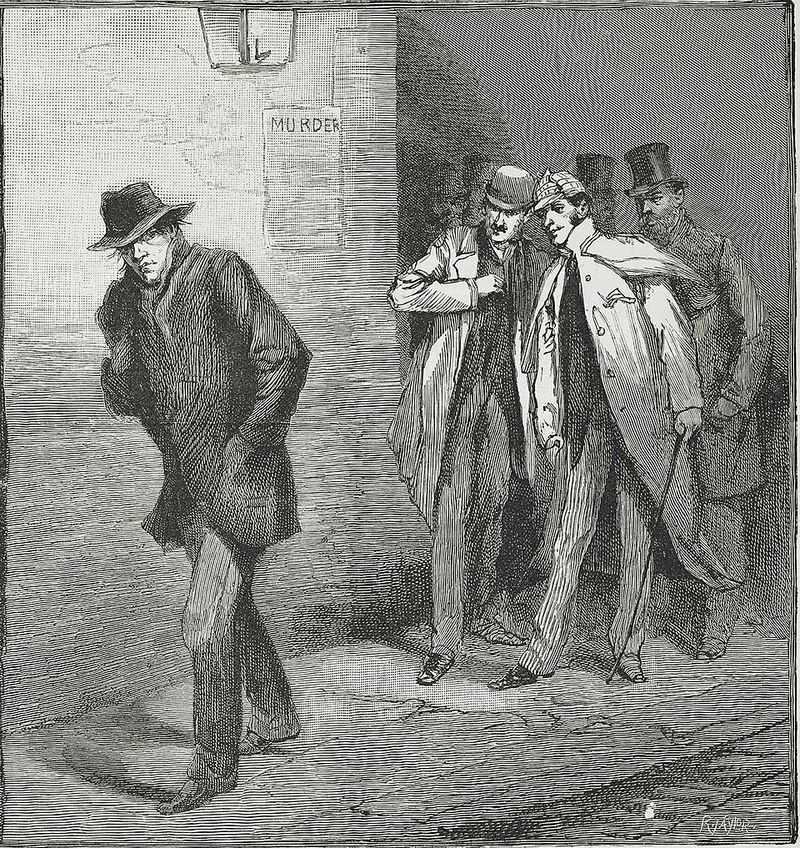
No name in criminal history carries more mystery than Jack the Ripper. In the autumn of 1888, a series of brutal murders shook the Whitechapel district of London, leaving police and the public in a state of fear and confusion.
At least five women, mostly street workers, were killed in a short span of time.
What made the case so haunting was that the killer was never identified. Letters purportedly from the killer were sent to police and newspapers, taunting investigators and fueling public panic.
Whether those letters were genuine remains debated to this day.
Dozens of suspects have been named over the decades, ranging from local tradesmen to members of the royal household. No definitive conclusion has ever been reached.
The case remains officially unsolved, making Jack the Ripper the most enduring cold case in modern criminal history.
2. Ted Bundy (USA)
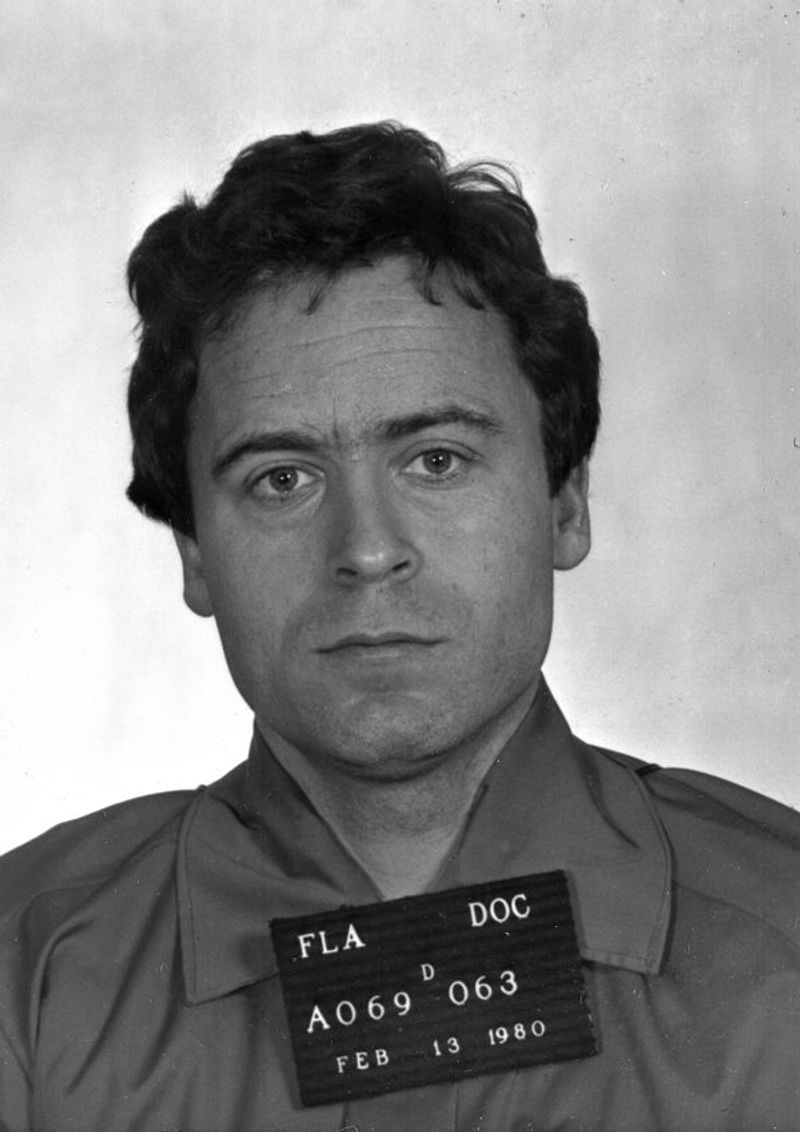
Few criminals in American history have been as chilling as Ted Bundy, largely because he appeared so normal. Charming, educated, and articulate, Bundy used his good looks and friendly manner to lure victims, making him one of the most deceptive killers ever studied by law enforcement.
Active during the 1970s, Bundy confessed to murdering 30 women across several U.S. states, though investigators believe the actual number may be higher. He escaped from custody twice before finally being captured in Florida in 1978.
Bundy represented himself during his trial, which was televised and drew national attention. He was convicted and executed in Florida’s electric chair in 1989.
His case transformed how the FBI approached criminal profiling, and he remains one of the most studied serial killers in American criminology. Bundy himself acknowledged the danger of his own charm.
3. Jeffrey Dahmer (USA)

Jeffrey Dahmer’s name became synonymous with horror after his arrest in 1991 shocked the entire world. Between 1978 and 1991, Dahmer murdered 17 young men and boys in Ohio and Wisconsin, committing acts that went far beyond what most people could comprehend.
His crimes involved drugging, strangling, and disturbing acts that investigators found deeply traumatizing.
Dahmer was caught when one of his intended victims escaped and flagged down police officers in Milwaukee. What officers discovered inside his apartment left even seasoned investigators shaken.
Evidence of his crimes was preserved throughout his home.
At trial, Dahmer pleaded guilty but insane. The jury rejected the insanity defense, and he was sentenced to 16 consecutive life terms.
In 1994, he was beaten to death by a fellow inmate in prison. His case prompted major discussions about mental health, the justice system, and law enforcement failures that allowed his crimes to continue for so long.
4. John Wayne Gacy (USA)
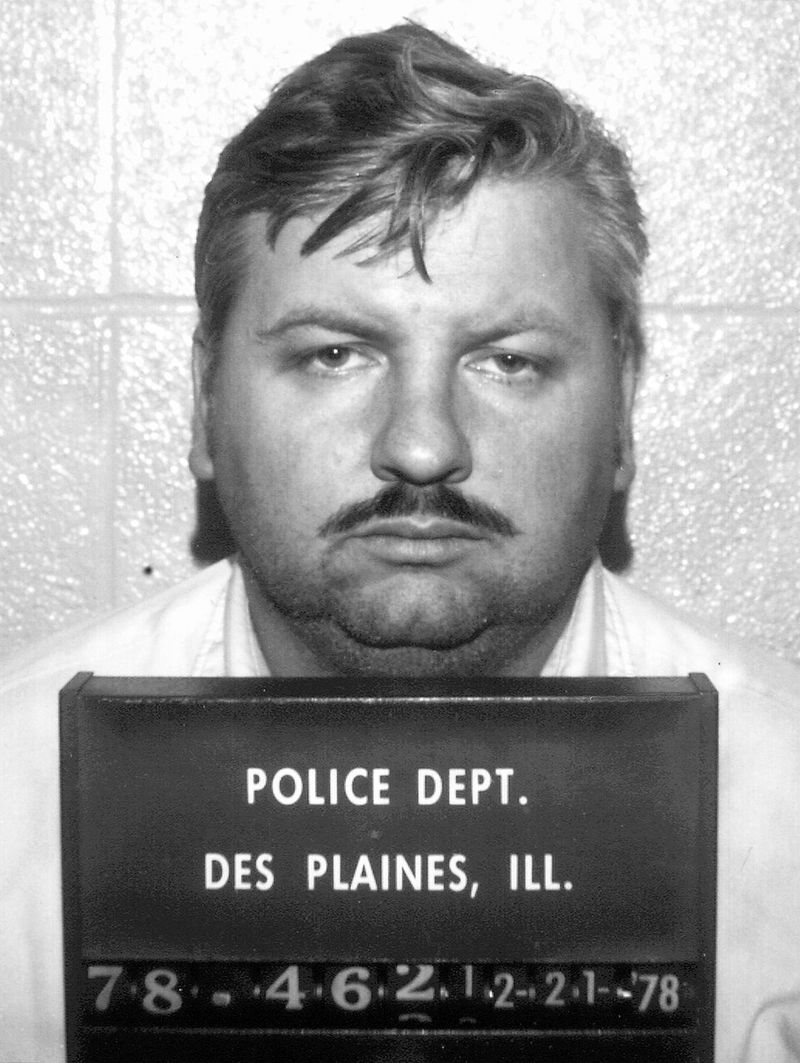
To his neighbors, John Wayne Gacy was a well-liked community figure in suburban Chicago. He threw neighborhood parties, volunteered at local events, and even performed as a clown at children’s birthday parties under the name “Pogo the Clown.” Behind that cheerful facade, however, lived one of America’s most dangerous killers.
Between 1972 and 1978, Gacy murdered 33 young men and boys, burying most of them beneath the crawl space of his home. He was only caught after the disappearance of a 15-year-old boy led investigators to his property.
The discovery of the bodies stunned the entire country.
Gacy was convicted on all 33 counts of murder and was executed by lethal injection in Illinois in 1994. His case raised serious questions about how dangerous individuals can hide in plain sight within their communities.
His paintings of clowns, created while on death row, have sold for surprising sums.
5. Aileen Wuornos (USA)

Aileen Wuornos stood out in the world of criminal history for a grim reason: she was one of the very few women ever classified as a serial killer. Between 1989 and 1990, she shot and killed seven men along Florida highways, claiming she acted in self-defense after being assaulted.
Prosecutors argued the evidence pointed to premeditated murder. Wuornos had a deeply troubled childhood marked by abuse and neglect, and she had been living a difficult life on the margins of society before the killings began.
Her case drew enormous media coverage and became the subject of a major Hollywood film.
She was convicted and sentenced to death for six of the murders. Wuornos was executed in Florida in 2002.
Her story sparked ongoing debate about how the criminal justice system handles women who have experienced severe trauma, and whether circumstances can ever justify taking another person’s life.
6. Richard Ramirez (USA)
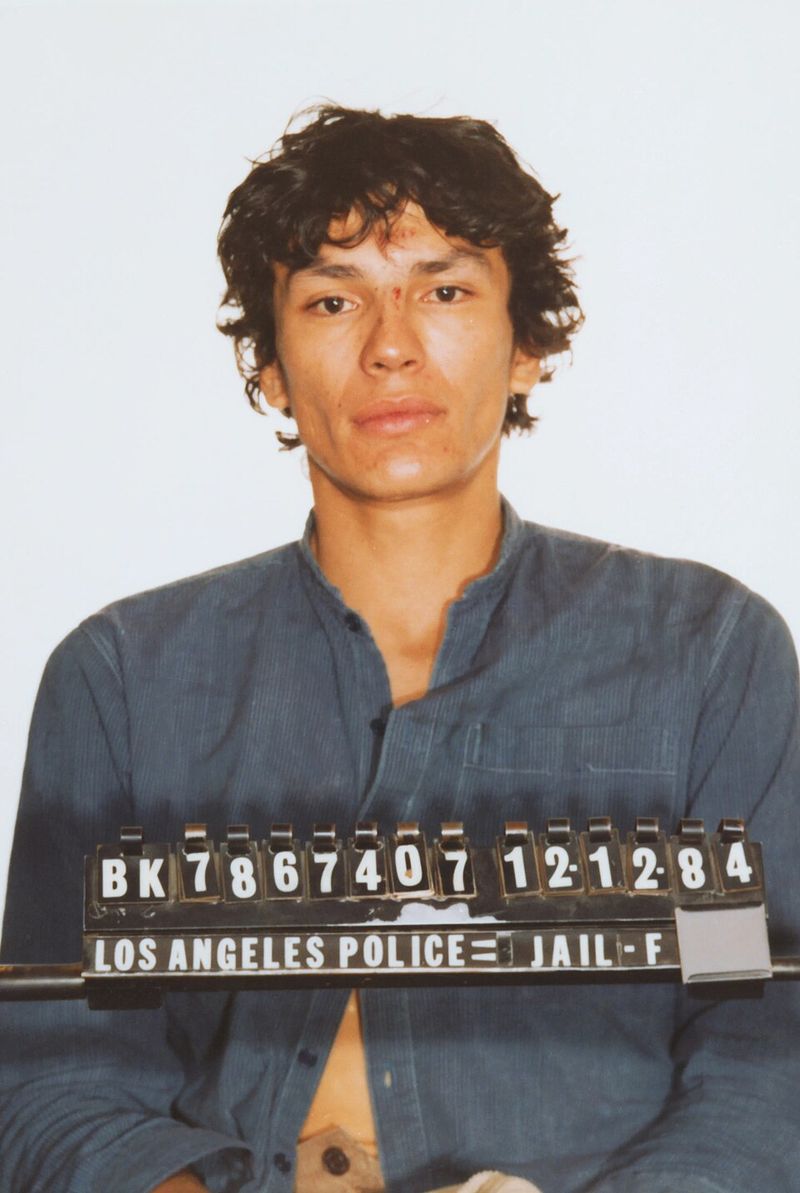
Richard Ramirez terrorized the Los Angeles area during the summer of 1985 in a way that made residents afraid to sleep with their windows open. Known as “The Night Stalker,” he broke into homes under cover of darkness, attacking victims of all ages and backgrounds with little apparent pattern, which made him extremely difficult for police to track.
Ramirez committed at least 13 murders, along with numerous assaults and other violent crimes. He left satanic symbols at crime scenes, adding an eerie dimension to an already terrifying series of attacks.
His capture came after members of the public recognized him from a widely circulated composite sketch and held him until police arrived.
At trial, Ramirez showed no remorse and made disturbing statements to the court. He was convicted on 13 counts of murder and sentenced to death.
He died of natural causes on California’s death row in 2013, never having been executed.
7. Harold Shipman (UK)
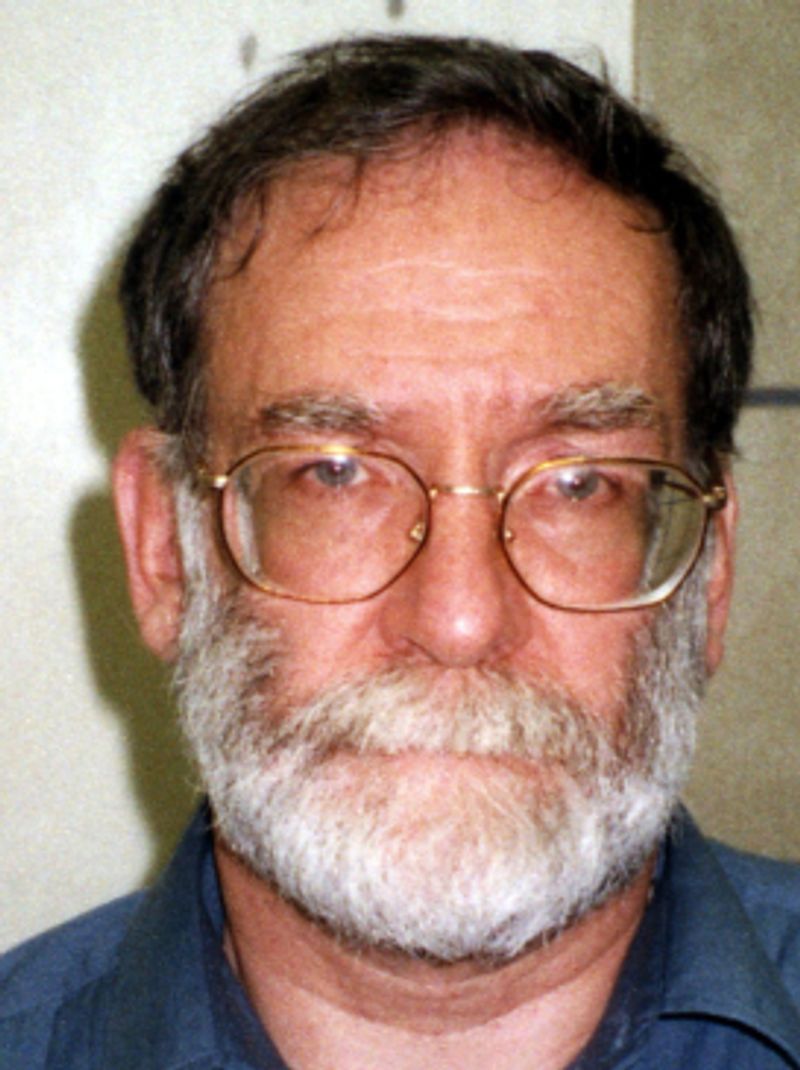
Harold Shipman was a trusted family doctor in Hyde, England, who appeared to be a dedicated and caring physician. Patients and colleagues respected him.
What no one knew for years was that he was systematically killing the very people he was supposed to heal.
Shipman is believed to have murdered at least 218 patients, though some estimates place the number closer to 250, making him the most prolific convicted serial killer in British history. He used lethal doses of diamorphine, a medical form of heroin, and then falsified death certificates to avoid suspicion.
Most of his victims were elderly women.
He was finally caught after the daughter of one of his victims, herself a doctor, grew suspicious and reported her concerns to authorities. Shipman was convicted in 2000 of 15 murders and sentenced to life in prison.
He was found hanged in his cell in 2004, leaving many unanswered questions about his true motivations.
8. Andrei Chikatilo (Russia)
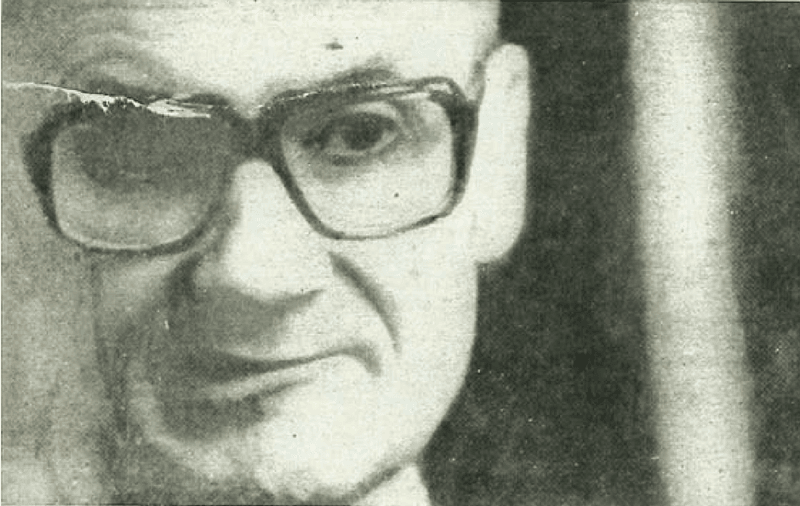
Andrei Chikatilo committed his crimes across the Soviet Union over more than a decade, and the political system of the time made it even harder to catch him. Between 1978 and 1990, he murdered at least 52 women and children in various regions of what is now Russia and Ukraine.
He was a schoolteacher and factory worker, blending into everyday Soviet life.
Investigators struggled for years to build a case, partly because Soviet authorities were reluctant to admit that a serial killer was operating within their borders. The very concept of a serial killer was considered a Western problem at the time, which delayed the investigation significantly.
Chikatilo was eventually arrested after a massive manhunt involving thousands of officers. At trial, he was placed in a metal cage in the courtroom for security reasons.
He was convicted of 52 murders and executed by a single gunshot in 1994. His case is still studied extensively in criminology programs worldwide.
9. Gary Ridgway (USA)
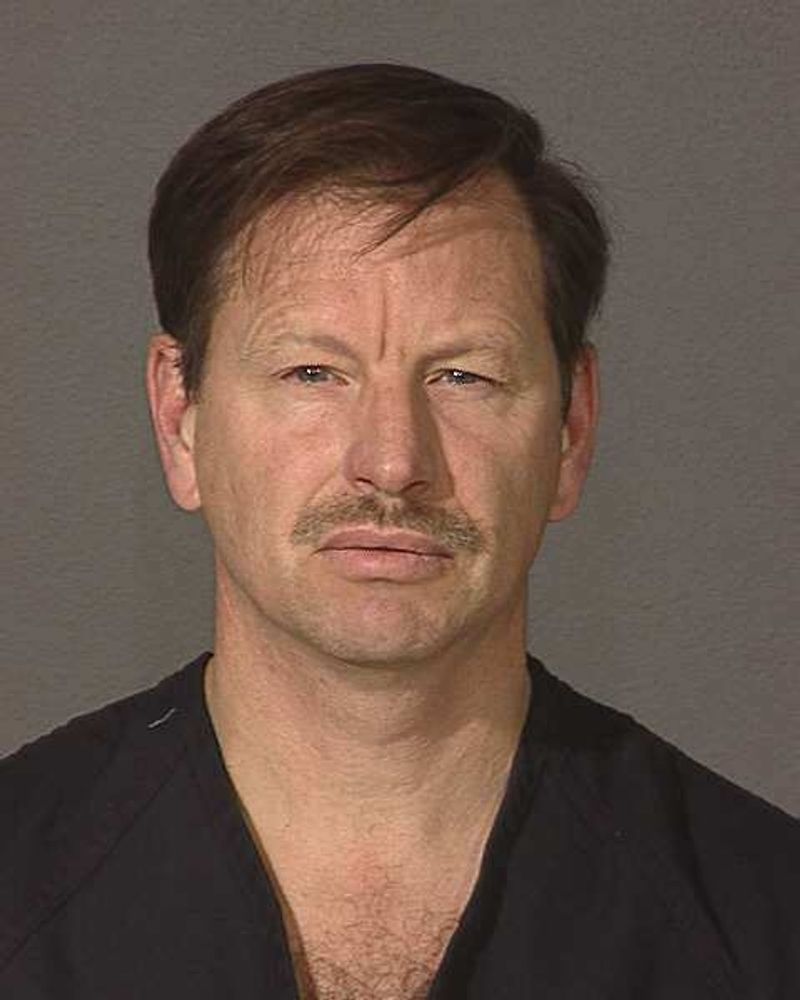
Gary Ridgway earned the grim title of America’s most prolific convicted serial killer. Known as “The Green River Killer,” he confessed to murdering 49 women in Washington State, though investigators believe the actual count could be higher.
His crimes began in the early 1980s and continued for nearly two decades before he was caught.
Ridgway specifically targeted vulnerable women in the Seattle-Tacoma area, and many cases went unsolved for years due to the sheer number of victims and the gaps between crimes. Advances in DNA technology ultimately linked him to the murders.
He was arrested in 2001 and pleaded guilty in 2003 as part of a deal to help locate victims’ remains.
He received 49 consecutive life sentences without the possibility of parole. Ridgway cooperated with investigators for years after his conviction, helping to identify more victims.
His case highlighted both the limitations and the power of forensic science in solving cold cases.
10. Edmund Kemper (USA)
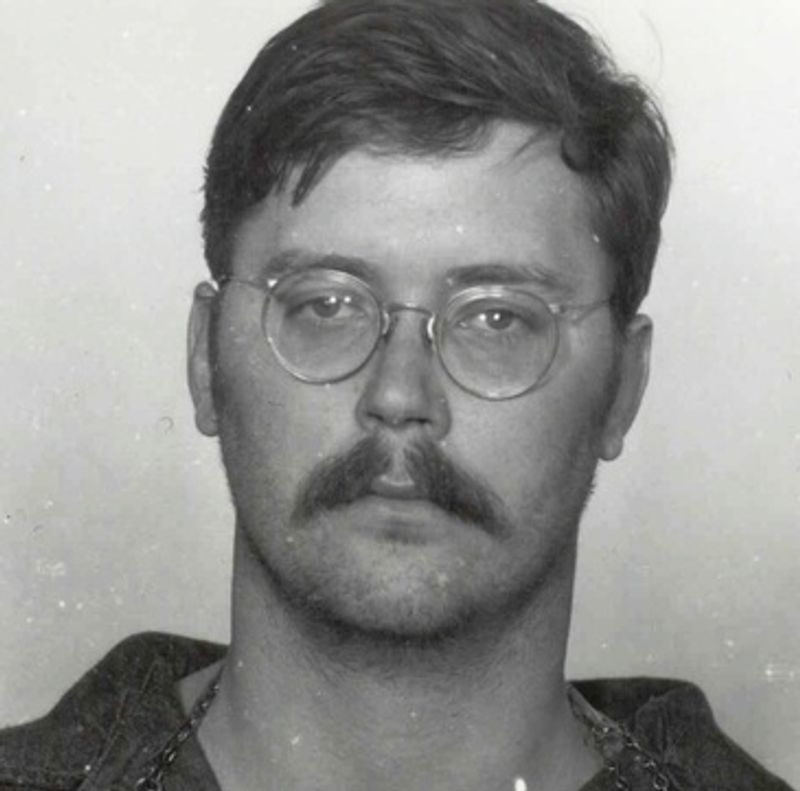
Edmund Kemper stood out even among notorious criminals because of his extraordinary intelligence and unsettling self-awareness. Standing six feet nine inches tall, Kemper had an IQ measured at 145 and could discuss the psychology of his own crimes with clinical precision, something that made him both valuable to FBI researchers and deeply unnerving.
Between 1964 and 1973, Kemper killed 10 people, including his own grandparents as a teenager and later his mother. He targeted young female hitchhikers near the University of California, Santa Cruz campus, and his crimes were marked by a disturbing methodical quality.
Kemper turned himself in to police after killing his mother, reportedly because he felt his crimes were tied to her. He was convicted and sentenced to life in prison.
For decades, he cooperated with FBI profilers, helping to shape the modern science of criminal profiling. His interviews with agents helped lay the groundwork for understanding predatory killers.
11. Dennis Rader (USA)

Dennis Rader terrorized the Wichita, Kansas area for over three decades without being caught, and what made his case particularly unsettling was how ordinary his life appeared. He was a church president, a compliance officer, a husband, and a father.
No one around him suspected a thing.
Rader called himself the “BTK Killer,” a name derived from his own description of how he committed his crimes: bind, torture, kill. Between 1974 and 1991, he murdered 10 people and sent taunting letters to police and media, then went silent for years.
His downfall came when he began communicating with investigators again in 2004, eventually asking if a floppy disk could be traced. Police said no. It could be, and it was.
He was arrested in 2005 and pleaded guilty to all 10 murders. Rader was sentenced to 10 consecutive life terms and remains incarcerated in Kansas today.
12. H.H. Holmes (USA)
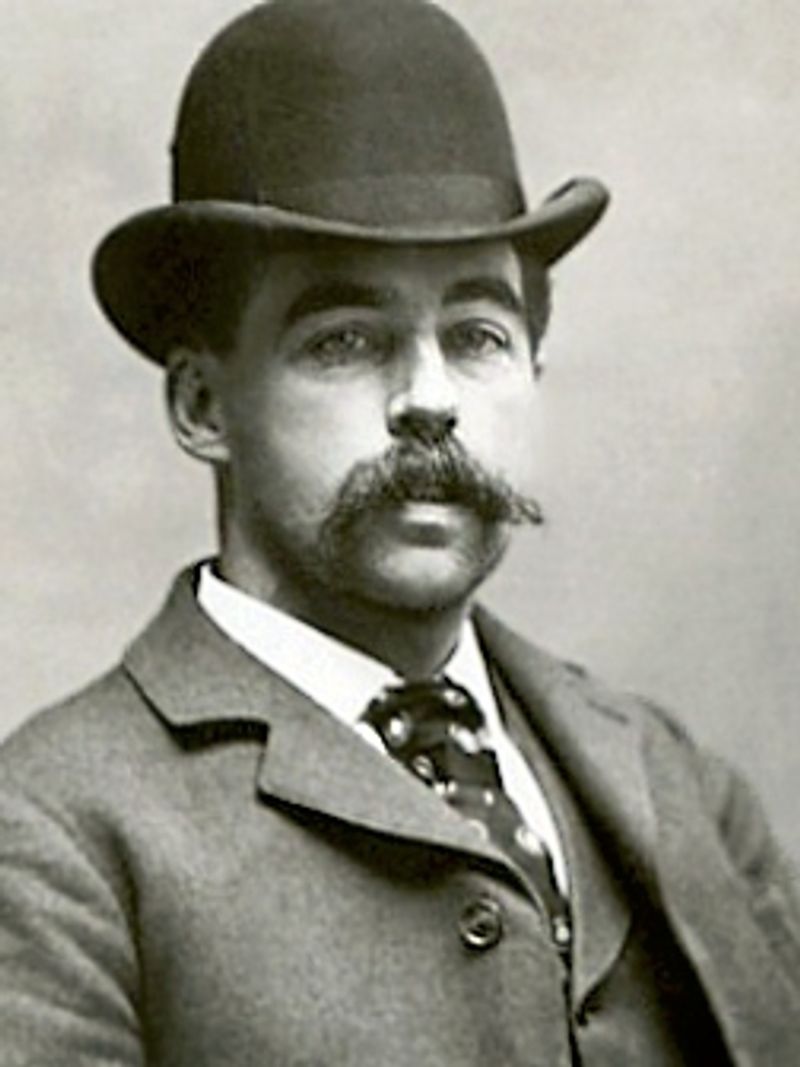
Herman Webster Mudgett, better known as H.H. Holmes, was America’s first widely recognized serial killer, and he operated with a level of premeditation that was almost architectural.
He constructed a massive building in Chicago specifically designed to facilitate his crimes, complete with hidden rooms, trapdoors, and a basement equipped with a furnace and dissection table.
Holmes opened his so-called “Murder Castle” just in time for the 1893 World’s Columbian Exposition in Chicago, using the flood of tourists and job-seekers as a pool of potential victims. The exact number of his victims is unknown, with estimates ranging from nine to more than 200.
Holmes himself gave conflicting accounts.
He was eventually caught through a fraud investigation and confessed to 27 murders before recanting parts of his story. Holmes was hanged in Philadelphia in 1896.
His story was brought to wide modern attention through Erik Larson’s bestselling book “The Devil in the White City,” published in 2003.
13. Albert Fish (USA)
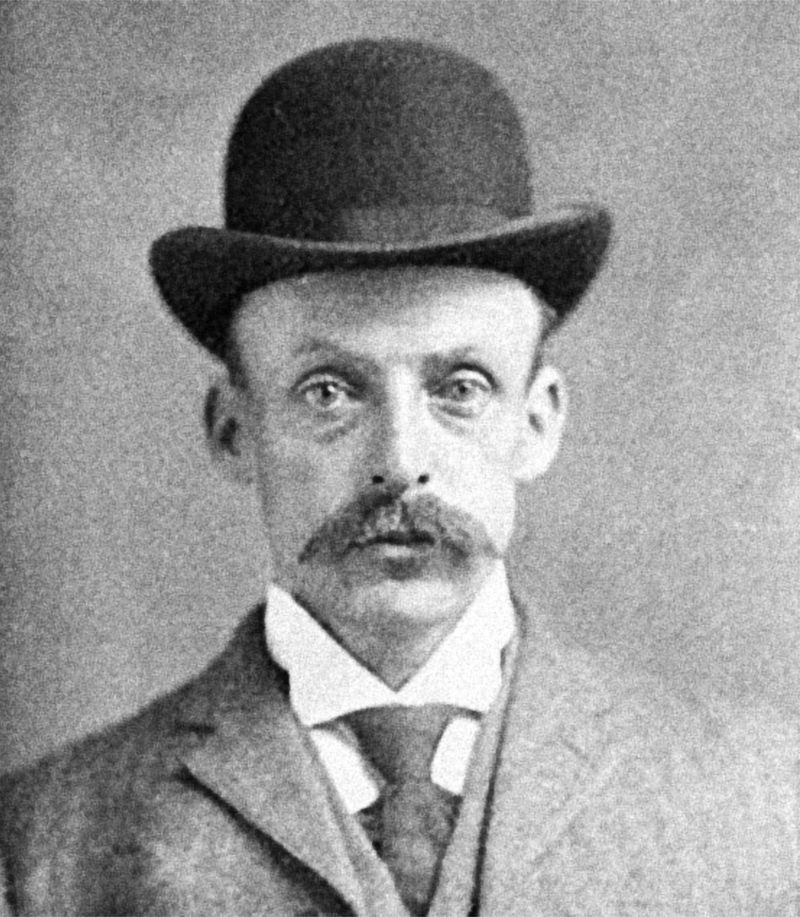
Albert Fish was already in his late 50s when he was finally arrested, but investigators came to believe his crimes had stretched back decades. Known by several grim nicknames in the press, Fish was a mild-looking grandfather figure whose appearance gave no hint of the disturbing acts he had committed against children across multiple states.
Fish was convicted of the kidnapping and murder of 10-year-old Grace Budd in 1928, a crime that came to light after he sent a letter to the girl’s mother years later describing what he had done. That letter led police directly to him.
Investigators suspected him of harming many more children over the years.
At trial, psychiatrists debated his sanity at length. The jury found him legally sane and guilty.
Fish was executed in the electric chair at Sing Sing Prison in New York in 1936. His case remains one of the most disturbing in early American criminal history, studied for its psychological complexity.
14. Charles Sobhraj (Asia)
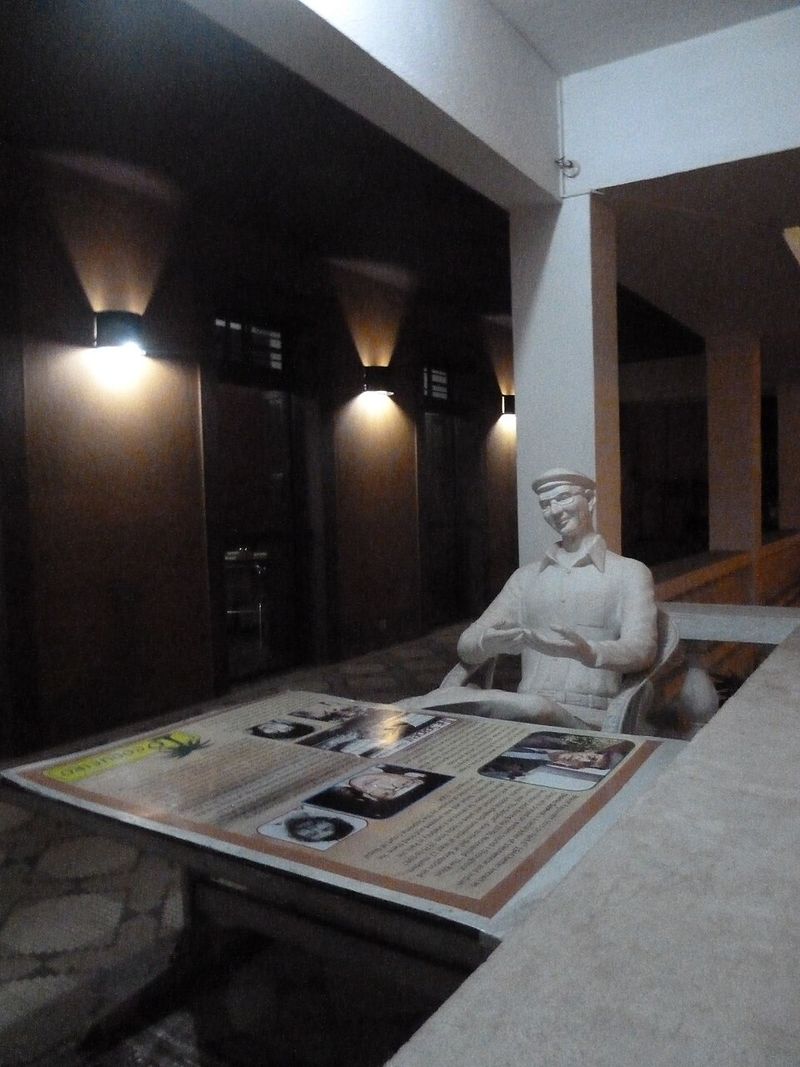
Charles Sobhraj moved through Asia in the 1970s like a ghost, charming tourists, assuming false identities, and leaving a trail of victims across Thailand, Nepal, India, and beyond. Nicknamed “The Serpent” for his ability to slip out of seemingly impossible situations, Sobhraj targeted Western backpackers traveling the so-called Hippie Trail through Southeast Asia.
He is believed to have murdered at least 12 people, though the true number may be higher. Sobhraj would befriend travelers, sometimes posing as a gem dealer or tour guide, before drugging and robbing them.
Some victims were killed when they discovered his true identity.
Remarkably, Sobhraj escaped prison multiple times across different countries. He was eventually sentenced in Nepal in 2003 and served time there before being released in 2022 at the age of 78.
His life inspired books, documentaries, and a widely watched Netflix drama series, keeping his story alive for new generations.



