 Unearth The Voyage
Remember when dessert meant something truly special? Before fancy pastry shops and complicated recipes took over, American kitchens turned out incredible sweets that brought families together around the table. Many of these beloved treats have faded from memory, replaced by modern desserts that just don’t have the same charm. It’s time to bring back these forgotten classics and share them with a whole new generation of dessert lovers.
1. Baked Alaska
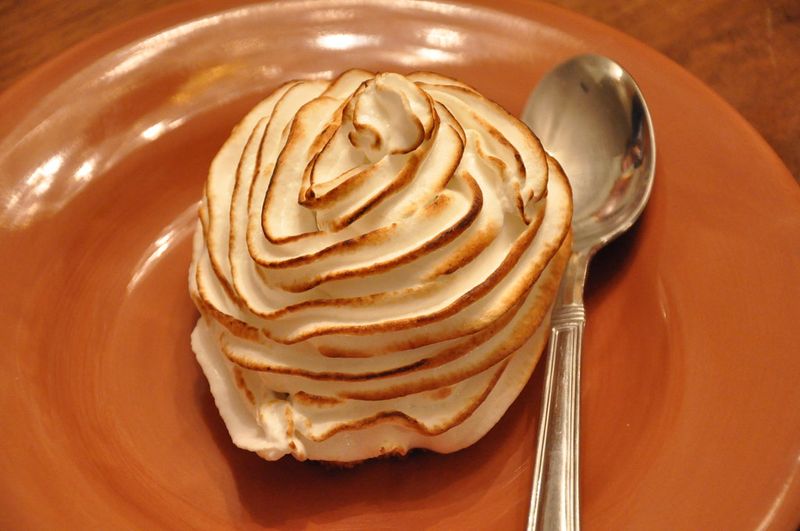
Picture this: a dome of fluffy meringue hiding layers of cake and ice cream, then torched until golden brown. That’s the magic of Baked Alaska, a dessert that looks impossible but tastes like heaven.
The best part? The ice cream stays frozen while the meringue gets toasted, creating hot and cold in every bite. Sponge cake forms the base, holding your favorite ice cream flavors before getting wrapped in sweet, pillowy meringue. When you slice through all those layers at the dinner table, everyone gasps at the reveal.
This showstopper dessert became famous in fancy restaurants during the 1800s. Home cooks loved making it for celebrations because it proved their baking skills. Today, most people have never even heard of it, which is honestly tragic. With just a kitchen torch or hot oven, you can bring this spectacular treat back to life and become the hero of every dinner party.
2. Pineapple Upside-Down Cake
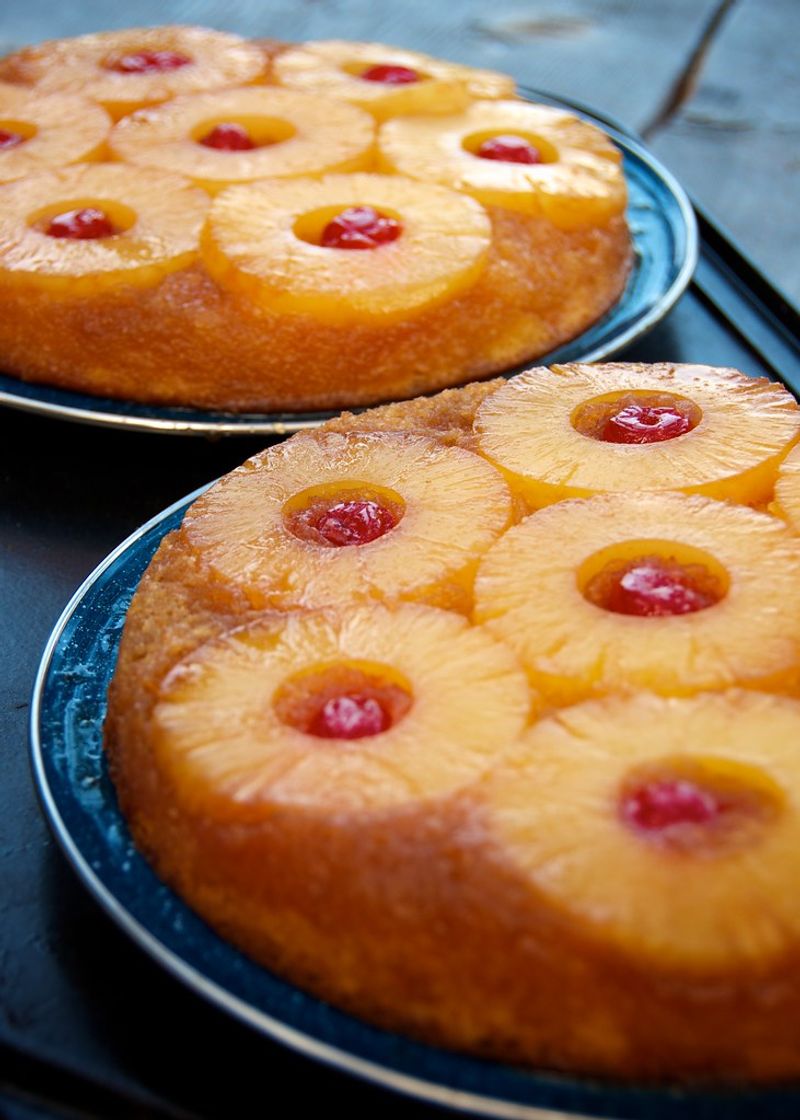
Golden pineapple rings swimming in buttery caramel, sitting pretty on top of tender yellow cake. This retro dessert flips everything you know about baking upside down, literally.
Grandmas everywhere made this cake because it looked fancy without requiring fancy skills. You arrange pineapple slices and cherries in the bottom of a cast-iron skillet, pour cake batter over them, then bake until perfect. After cooling for just a few minutes, you flip the whole thing over onto a plate. The fruit becomes a gorgeous caramelized topping that makes store-bought cakes look boring.
During the 1950s and 60s, this cake appeared at every potluck and church social. The sweet-tart pineapple balanced the rich cake perfectly, and the presentation always impressed guests. Canned pineapple made it affordable and available year-round. Modern bakers have forgotten how easy and delicious this classic really is, but one taste will remind you why it deserves a spot back in regular rotation.
3. Icebox Cake
No oven? No problem! Icebox cake proves that amazing desserts don’t always need baking. Just stack chocolate wafers with whipped cream, refrigerate overnight, and watch magic happen.
The cookies soften as they absorb moisture from the cream, transforming into cake-like layers that slice beautifully. Your friends will swear you spent hours in the kitchen, but you’ll know the truth. This dessert became popular when refrigerators (called iceboxes back then) became common in American homes during the 1930s. Busy moms loved having a make-ahead dessert that impressed without stress.
You can get creative with flavors too. Try graham crackers with strawberry cream, or vanilla wafers with banana pudding layers. The basic method stays the same, but the possibilities feel endless. Kids especially love helping stack the layers, making this a perfect family project. After decades of complicated dessert trends, maybe it’s time we appreciated the genius of simplicity again. This forgotten classic deserves way more love than it gets.
4. Bananas Foster
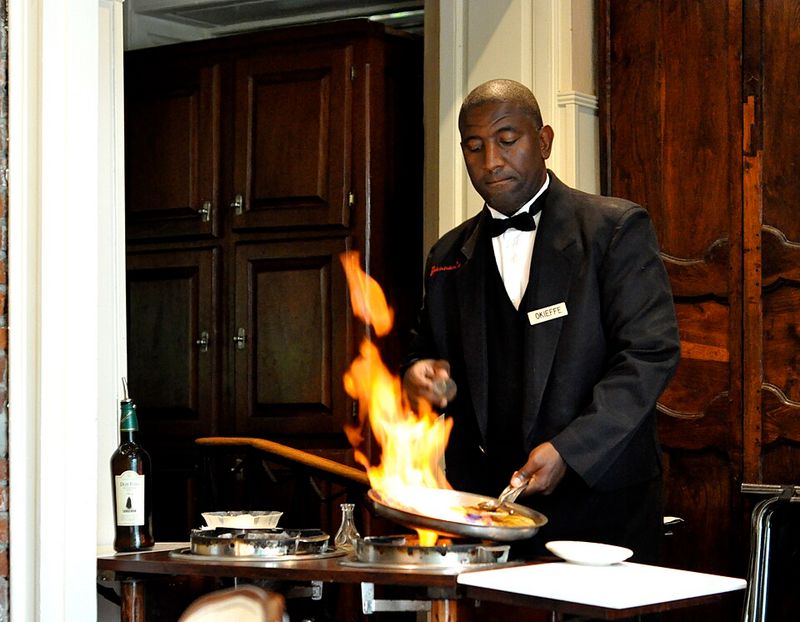
Few desserts deliver drama quite like Bananas Foster. Imagine bananas sizzling in butter, brown sugar, and cinnamon before rum gets added and ignited into beautiful blue flames right at your table.
This theatrical dessert was born in 1950s New Orleans at Brennan’s Restaurant. The city imported tons of bananas through its port, so creative chefs found delicious ways to use them. The flambé technique not only looks incredible but also burns off the alcohol while leaving behind deep, complex flavors. Those caramelized bananas get spooned over vanilla ice cream, creating the perfect balance of warm and cold, sweet and rich.
Restaurant dining rooms would go silent when servers wheeled out the flaming pan, and everyone would watch the show. Home cooks can recreate this excitement with proper safety precautions. The whole process takes maybe ten minutes, but the memories last forever. Why did we stop making desserts this fun and interactive? Bringing back Bananas Foster means bringing back joy and celebration to everyday meals.
5. Boston Cream Pie
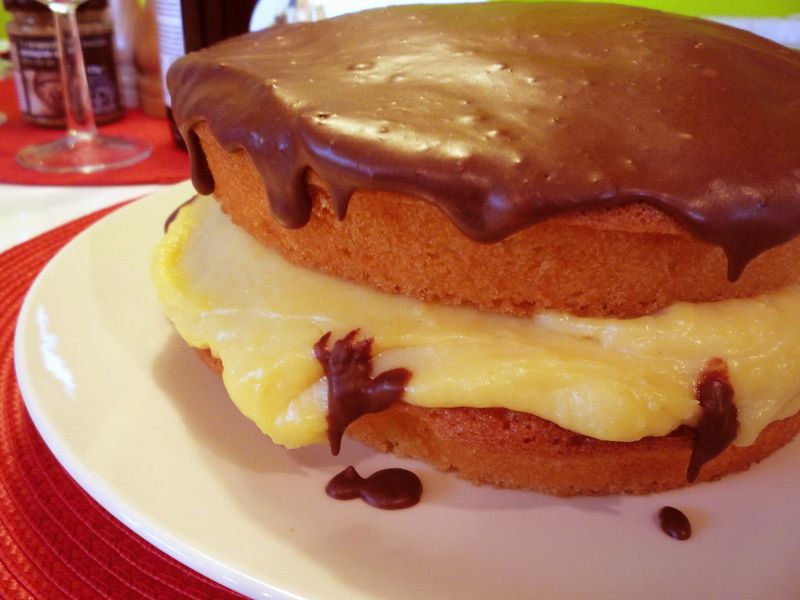
Here’s a fun secret: Boston Cream Pie isn’t actually pie at all. It’s a glorious cake filled with silky vanilla custard and crowned with shiny chocolate glaze.
The Parker House Hotel in Boston created this beauty back in 1856, and Massachusetts later made it their official state dessert. Two layers of tender sponge cake sandwich rich pastry cream in the middle, while chocolate ganache drips down the sides. Every component is simple on its own, but together they create something extraordinary. The contrast between fluffy cake, smooth custard, and glossy chocolate makes each bite feel special.
Bakeries used to display these cakes prominently in their windows, tempting everyone who walked past. Home bakers took pride in mastering the custard filling, which required patience and attention. Today, most people only know Boston Cream Pie as a donut flavor, which honestly feels like a crime. The original cake version deserves to reclaim its throne as an American dessert icon worth making from scratch.
6. Indian Pudding
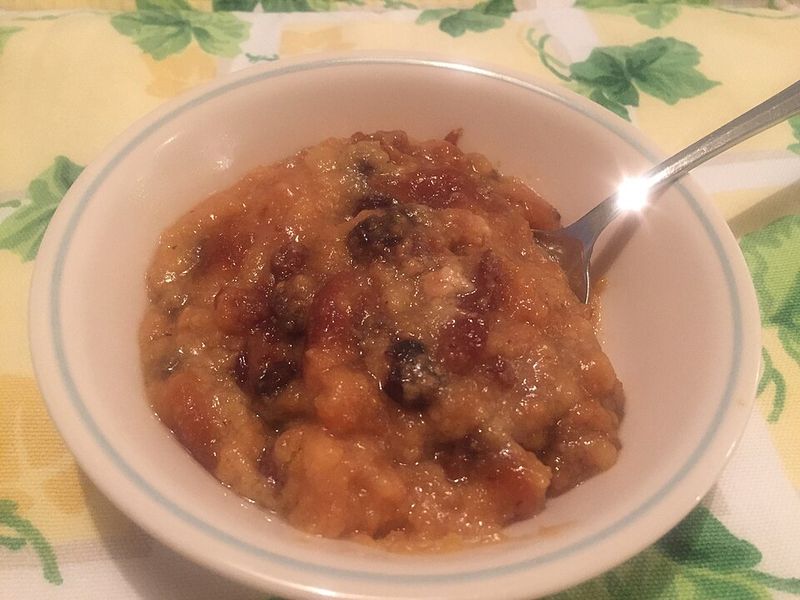
Colonial America gave us this humble treasure made from cornmeal, molasses, and warming spices. Indian Pudding bakes low and slow until it transforms into something between porridge and custard.
Early settlers adapted English hasty pudding using cornmeal (which they called Indian meal) instead of wheat. The result became a New England staple, especially during cold months when its cinnamon and ginger warmth felt extra comforting. You mix cornmeal with milk, molasses, butter, and spices, then let it bake for hours until deeply caramelized. The long cooking time develops incredible depth of flavor that quick desserts just can’t match.
Serve it warm with vanilla ice cream or heavy cream, and suddenly you understand why generations loved this simple treat. The texture might seem unusual to modern palates at first, but give it a chance. This dessert connects us directly to American culinary history in the most delicious way possible. Plus, your house will smell absolutely amazing while it bakes, which counts as a bonus.
7. Peach Melba
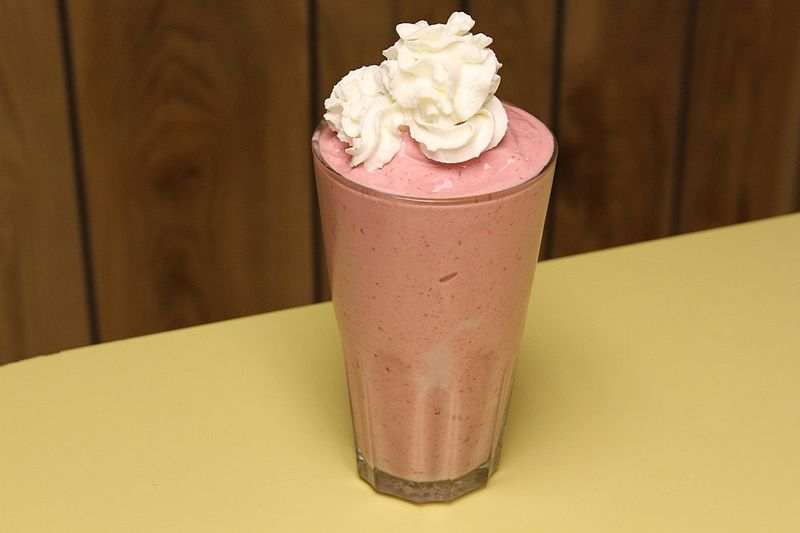
A famous French chef created this elegant dessert in 1892 to honor an Australian opera singer. Peach Melba combines poached peaches, vanilla ice cream, and raspberry sauce into something that tastes like summer itself.
The name came from Dame Nellie Melba, whose beautiful voice inspired Auguste Escoffier to create an equally beautiful dessert. Ripe peaches get gently poached in vanilla syrup until tender but not mushy. The fruit sits atop creamy vanilla ice cream, then gets crowned with vibrant raspberry purée. Each component shines individually, but together they create perfect harmony.
This dessert graced fancy restaurant menus throughout the early 1900s, representing sophistication and refinement. Home cooks made simplified versions for special occasions, proving that elegance doesn’t always require complexity. The fresh fruit flavors let quality ingredients speak for themselves without heavy additions or complicated techniques. Why did we abandon such graceful simplicity? Peach Melba deserves a comeback in our world of over-the-top desserts loaded with too many competing flavors and textures.
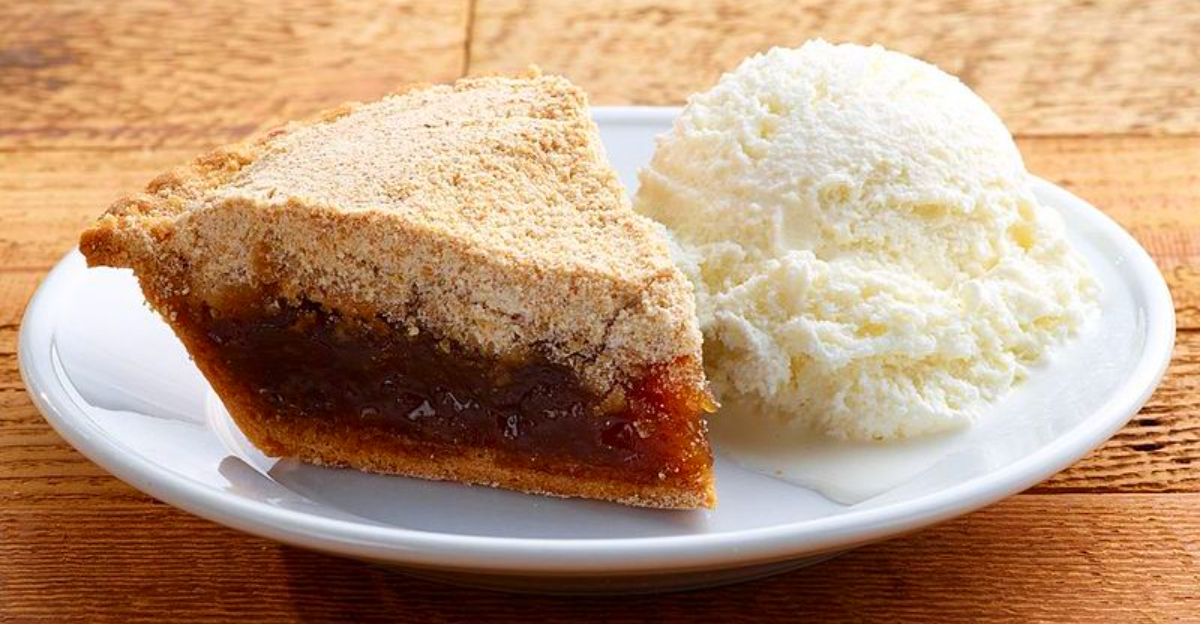
8. Shoofly Pie
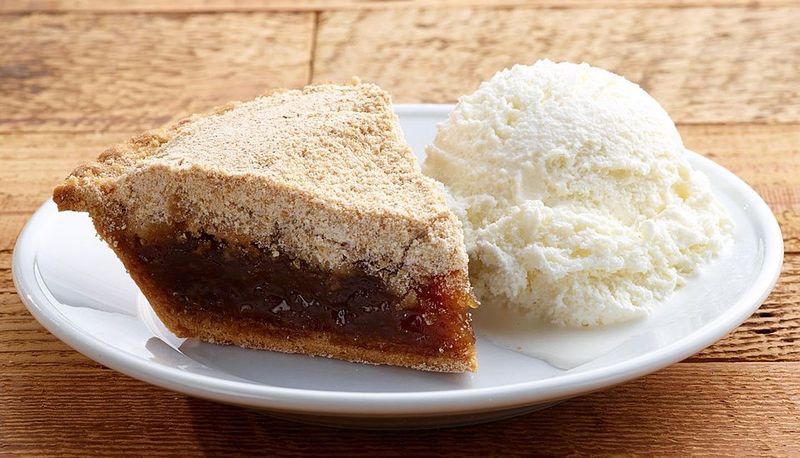
Pennsylvania Dutch communities created this sweet molasses pie with a crumbly topping that supposedly attracted so many flies, you had to shoo them away. Hence the quirky name that makes everyone smile.
The filling tastes like gingerbread in pie form, rich with molasses and warming spices. A generous crumb topping adds texture and sweetness to balance the deep, slightly bitter molasses notes. Some versions have more gooey filling (called wet-bottom), while others feature more crumbs (dry-bottom). Both styles have passionate fans who debate which version reigns supreme.
Farm families loved Shoofly Pie because the ingredients stayed fresh in the pantry year-round, no refrigeration needed. It became a breakfast staple in some households, paired with hot coffee on chilly mornings. The pie’s bold flavor profile might surprise modern taste buds used to milder sweets. But once you develop a taste for it, nothing else quite satisfies that craving. This regional treasure deserves recognition beyond Pennsylvania borders as a legitimate American classic.
9. Bread Pudding with Hard Sauce
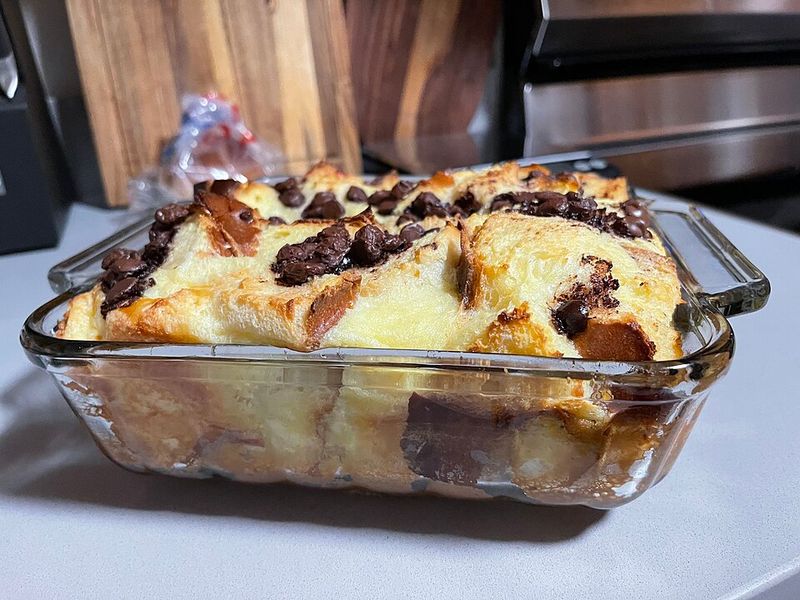
Stale bread becomes treasure in this comforting dessert that transforms yesterday’s leftovers into something special. Bread pudding proves that the best recipes often come from making do with what you have.
Cubes of day-old bread soak up a rich custard made from eggs, milk, sugar, and vanilla. Raisins and cinnamon add extra flavor before everything bakes until golden and slightly crispy on top. The magic happens when you top warm bread pudding with hard sauce, a sweet butter-based topping flavored with rum or brandy. As it melts into the warm pudding, pure comfort happens in every spoonful.
Depression-era cooks relied on this dessert to avoid wasting food while still treating their families to something sweet. The recipe is forgiving and adaptable, working with any bread type and whatever spices or dried fruit you have available. Fancy restaurants charge premium prices for bread pudding now, but it remains humble at heart. Making it at home connects us to generations of resourceful cooks who knew that simple ingredients plus love equals magic.
10. Coconut Cream Pie
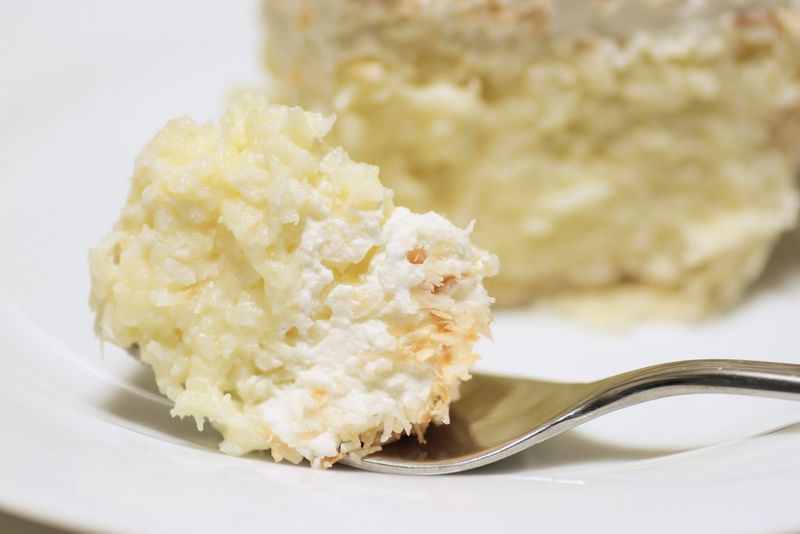
Clouds of coconut-flavored cream piled high in a flaky crust, topped with whipped cream and toasted coconut flakes. This diner classic deserves way more respect than it gets in our modern dessert world.
The filling combines coconut milk and shredded coconut with vanilla custard for intense tropical flavor. A buttery pie crust holds everything together, while toasted coconut on top adds crunch and visual appeal. Good coconut cream pie strikes the perfect balance between sweet and rich without becoming cloying. The texture should be smooth and silky, not gummy or artificial tasting like some store-bought versions.
Roadside diners across America once featured coconut cream pie as their signature dessert, displayed proudly in rotating cases. Waitresses would recommend it to uncertain customers, knowing one bite would create instant converts. Somewhere along the way, coconut cream pie lost its status as a must-have dessert. Maybe people got distracted by trendier options, or maybe they just forgot how good homemade versions taste. Either way, it’s time this creamy, dreamy classic reclaimed its rightful place on dessert menus everywhere.
11. Lemon Chiffon Cake
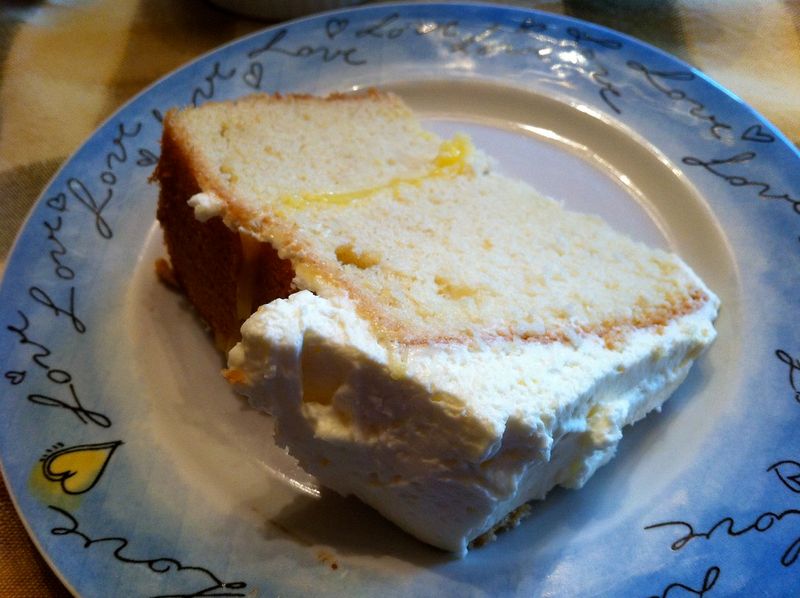
Lighter than air but packed with bright lemon flavor, chiffon cake revolutionized American baking when it appeared in the 1920s. The recipe stayed secret for decades before finally being shared with home bakers everywhere.
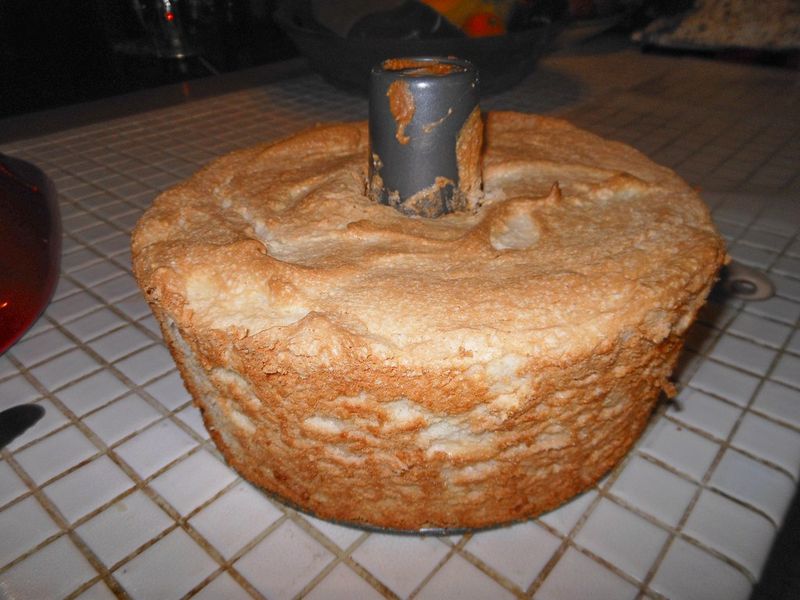
This cake uses oil instead of butter, plus beaten egg whites for incredible height and tenderness. The result falls somewhere between sponge cake and angel food cake, but somehow better than both. Lemon zest and juice give it sunshine flavor that tastes refreshing rather than heavy. The texture practically melts on your tongue, making it impossible to eat just one slice.
A California insurance salesman invented chiffon cake and sold it to General Mills in 1947 for a small fortune. Home bakers went crazy trying to recreate the impossibly light texture. Special tube pans with removable bottoms became essential kitchen equipment. Today, most people have never experienced real chiffon cake, which seems wrong. The technique requires a bit of practice, but the results absolutely justify the effort. This forgotten gem proves that sometimes old recipes really are better than anything new.
12. Ambrosia Dessert
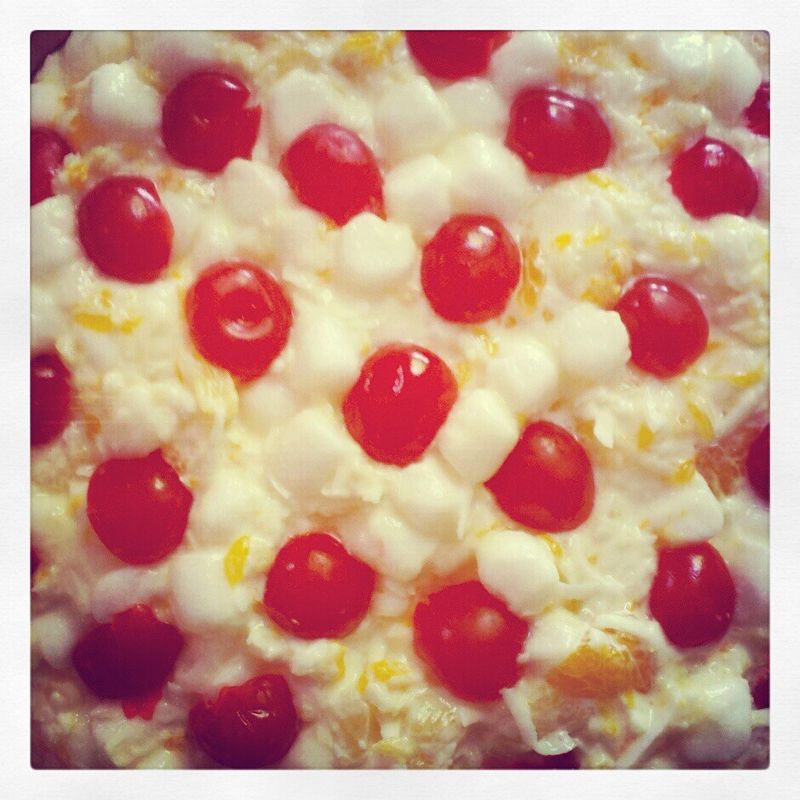
Named after the food of Greek gods, Ambrosia combines tropical fruits, coconut, and cream into something that tastes like a party in a bowl. Southern families especially loved this sweet salad at holiday gatherings.
The classic version mixes mandarin oranges, pineapple chunks, shredded coconut, mini marshmallows, and sour cream or whipped cream. Some cooks add maraschino cherries for extra color and sweetness. Everything gets stirred together and chilled until the flavors meld into something greater than the sum of its parts. The combination of textures keeps things interesting, with soft fruit, chewy coconut, and fluffy marshmallows in every spoonful.
Church potlucks and family reunions always featured at least one bowl of Ambrosia on the dessert table. The recipe is endlessly adaptable, with regional and family variations adding pecans, bananas, or other fruits. Critics might call it retro or kitschy, but fans know better. This dessert brings joy without pretension, which feels increasingly rare. Maybe that’s exactly what modern dessert tables need: less fussiness and more fun. Ambrosia reminds us that simple pleasures often taste the sweetest.
13. Stack Cake
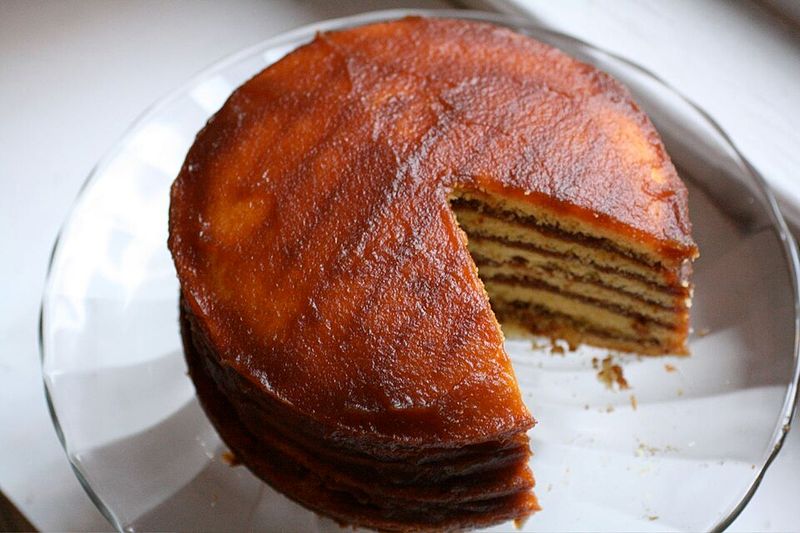
Appalachian mountain communities created this unique cake featuring thin layers stacked with spiced apple filling. Wedding guests would each bring a layer, and the taller the finished cake, the more popular the bride.
Each layer is more like a large cookie than traditional cake, rolled thin and baked separately. Dried apple filling (cooked with spices until thick) goes between every layer, then the whole thing sits for a day or two. As the cake rests, moisture from the filling softens the layers into something truly special. The result tastes like apple pie and gingerbread had a delicious baby, with deep spice notes and concentrated apple flavor.
This cake represents resourcefulness and community, created when ingredients were scarce but generosity was abundant. The labor-intensive process meant stack cake only appeared at important celebrations. Modern bakers might find the technique unusual, but the flavor absolutely delivers. The cake actually improves with age, tasting even better after three or four days. Reviving stack cake means preserving an important piece of American food history while enjoying an absolutely delicious dessert.
14. Floating Island
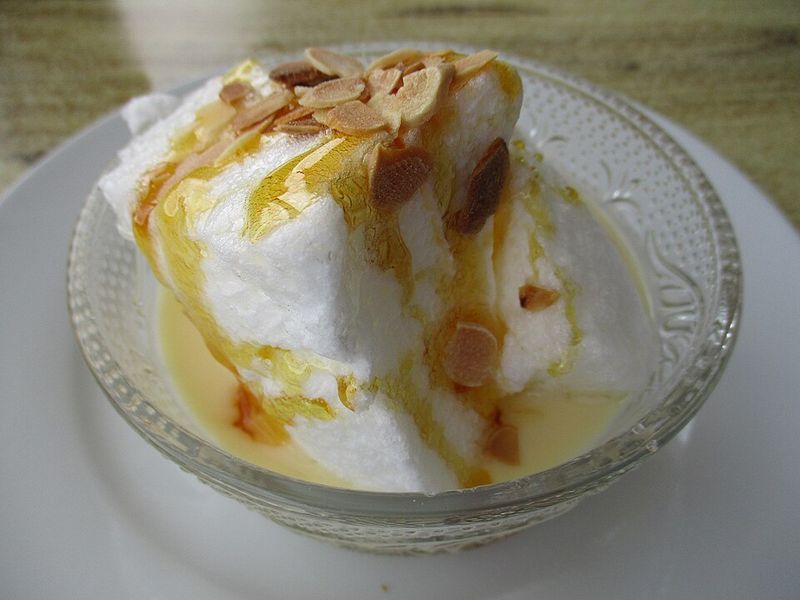
Billowy poached meringue floats on a sea of vanilla custard, drizzled with golden caramel. This French-inspired dessert (called Île Flottante) became an American restaurant favorite that somehow disappeared from most menus.
Making it requires two components: crème anglaise (thin vanilla custard) and meringue poached in simmering milk or water. The meringue puffs up beautifully, becoming light as air with a slightly firmer exterior. When you place these snowy clouds on the custard and drizzle caramel over top, the presentation looks absolutely stunning. The contrast between cool, silky custard and sweet, airy meringue creates textural magic.
French restaurants in America served Floating Island as the ultimate elegant ending to fancy meals. Home cooks attempted it for dinner parties, hoping to impress guests with their sophisticated dessert skills. The components are actually quite simple, though they require patience and gentle handling. Why did such a beautiful, delicious dessert fall out of favor? Perhaps modern diners forgot that elegance doesn’t require complexity. Bringing back Floating Island means reclaiming the lost art of graceful, timeless desserts.



