 Unearth The Voyage
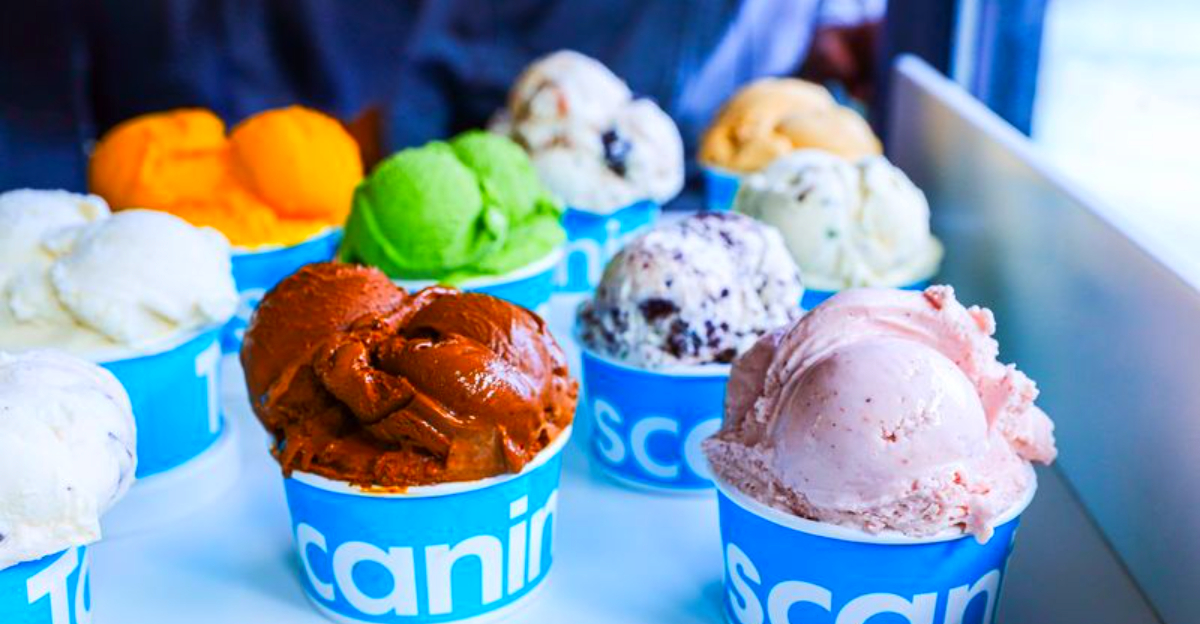
Ice cream history is not just about flavors. It is also tied to roadside travel, dairy science, family outings, and the survival of hand-crafted methods in a fast-moving world.
Across the United States, a handful of shops still churn and freeze ice cream the traditional way, preserving techniques that existed long before industrial production reshaped the business. Keep reading to discover how these counters, creameries, and custard stands keep a small but lasting piece of American food culture alive.
1. Ted Drewes Frozen Custard – St. Louis, Missouri
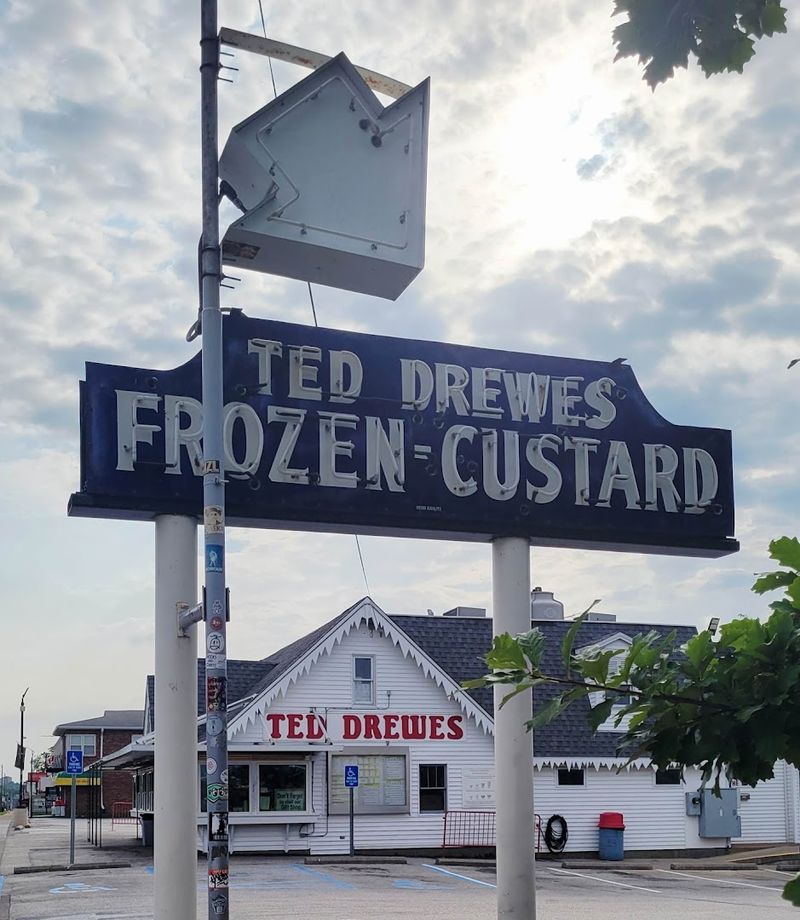
Roadside dessert culture has a few royalty-level names, and Ted Drewes belongs near the top of the list. Operating in St. Louis since 1929, the stand became a Route 66 landmark by serving frozen custard so thick that its famous concretes are often flipped upside down before handing them over.
That trick is memorable, but the larger story is about continuity. Frozen custard differs from standard ice cream because it includes egg yolks and is churned with less air, producing a denser result, and Ted Drewes has stayed committed to traditional custard machines through decades of restaurant fads.
The business also reflects automobile-era America. As car travel reshaped leisure in the 1930s through the 1950s, stands like this became ritual stops, linking dessert with highways, local pride, and summer routines.
Its survival says plenty about regional loyalty. While chains expanded everywhere, Ted Drewes kept proving that a single-purpose stand, doing one thing well, can still outlast trendier ideas by several generations.
2. Leopold’s Ice Cream – Savannah, Georgia
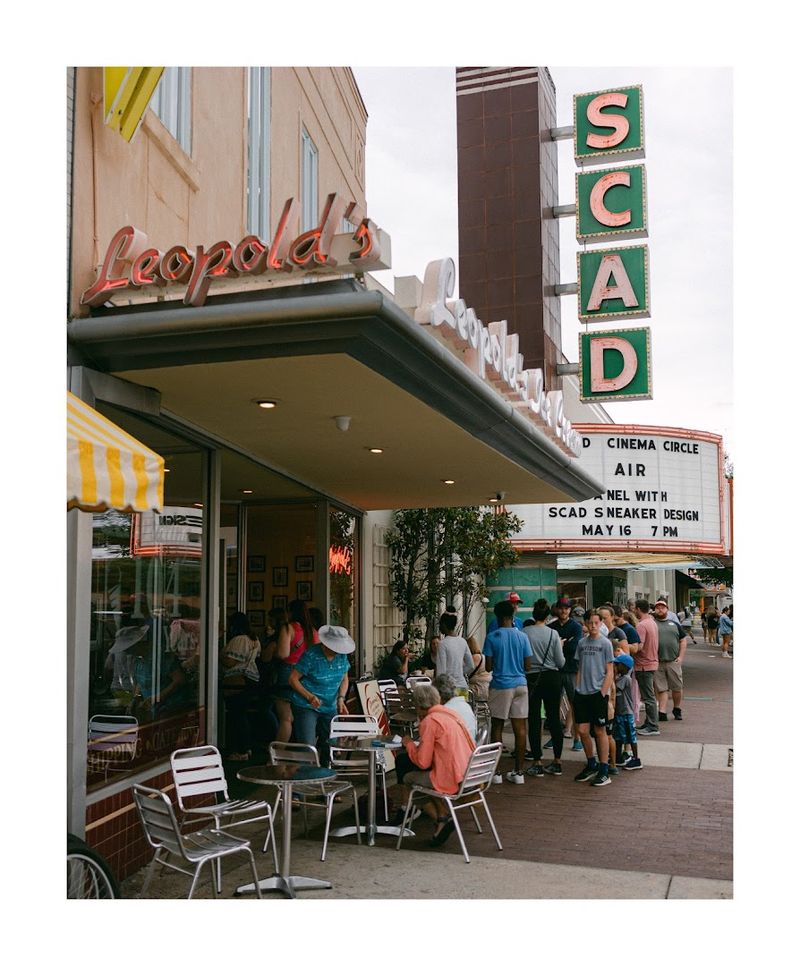
Few dessert counters carry a birth year as proudly as Leopold’s, which first opened in Savannah in 1919. Founded by Greek immigrant brothers, the shop built its reputation on house-made ice cream, a polished soda fountain format, and recipes that stayed close to the original playbook even as American eating habits changed around it.
Its long timeline makes it especially revealing. Leopold’s lived through Prohibition-era refreshment culture, wartime rationing adjustments, postwar downtown shopping patterns, suburban competition, and the later revival of historic city centers.
The shop’s methods remain central to its identity. Ice cream is still made using traditional recipes and classic flavors, with a style that values consistency over gimmicks, which is harder than trend-chasing but much better for building a century of customer trust.
There is also a film-world footnote, thanks to the Leopold family’s Hollywood connections, yet the place never became just a novelty stop. It stayed what it was meant to be: a real city institution that still makes the product by hand.
3. Penn State Berkey Creamery – State College, Pennsylvania
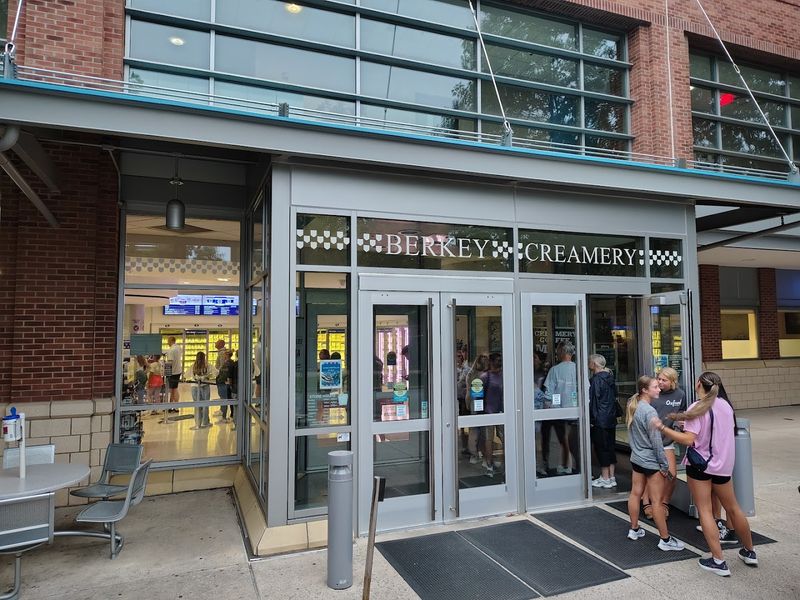
College towns usually brag about football, libraries, or legendary sandwiches, but Penn State has long had another argument ready. The Berkey Creamery, tied to the university’s agricultural and dairy programs, became one of America’s best-known campus creameries by producing fresh ice cream daily and treating frozen dessert as both food and public education.
That academic connection gives it unusual depth. University creameries emerged from land-grant missions that emphasized practical science, food production, and training, so Berkey represents a period when higher education directly shaped regional farming and consumer habits.
Its ice cream is not symbolic. The creamery makes large amounts on campus, selling to students, alumni, and visitors who often build traditions around certain flavors, especially during football weekends and graduation trips.
What makes it feel old-school is the visible link between dairy source, production, and community. Instead of hiding the process behind branding, Berkey keeps the craft connected to instruction, place, and local pride, which is a very sturdy recipe for longevity.
4. Mitchell’s Ice Cream – Cleveland, Ohio
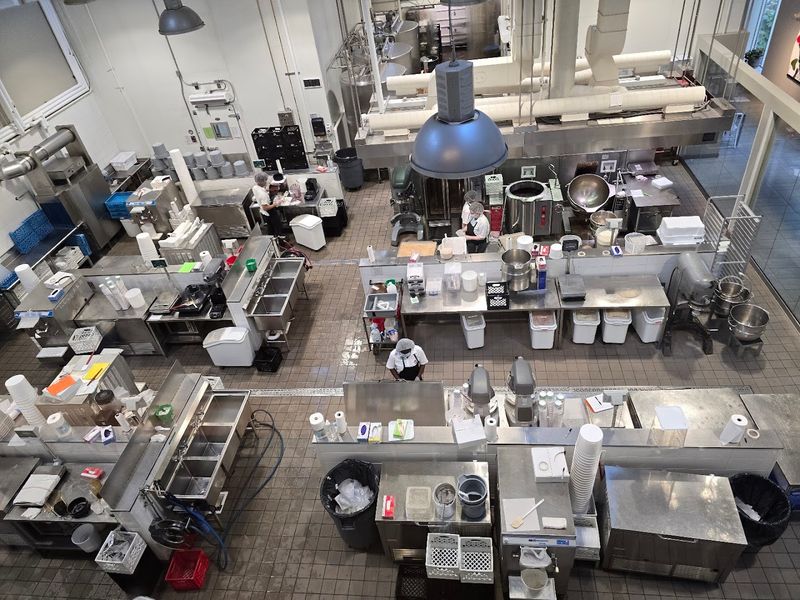
Watching ice cream get made can turn a routine scoop into a minor civic event, and Mitchell’s understands that perfectly. This Cleveland family-run shop built its identity around transparency, letting visitors see production while reinforcing that handmade ice cream is not marketing language but a daily process carried out in full view.
That visibility matters more than it first appears. In an era when food manufacturing often moved farther from public sight, open production spaces helped restore trust and curiosity, especially for customers who wanted to know what small-batch actually looked like.
Mitchell’s also connects to Cleveland’s broader story of reinvention. As many older industrial cities leaned harder into local businesses and neighborhood loyalty, shops like this turned craftsmanship and regional sourcing into a form of civic confidence rather than a retro performance.
The old-school quality comes from method and scale. Ice cream is made by hand in manageable batches, with freshness and direct observation doing the work that giant brands usually try to replace with advertising copy and freezer-case abundance.
5. Toscanini’s – Cambridge, Massachusetts
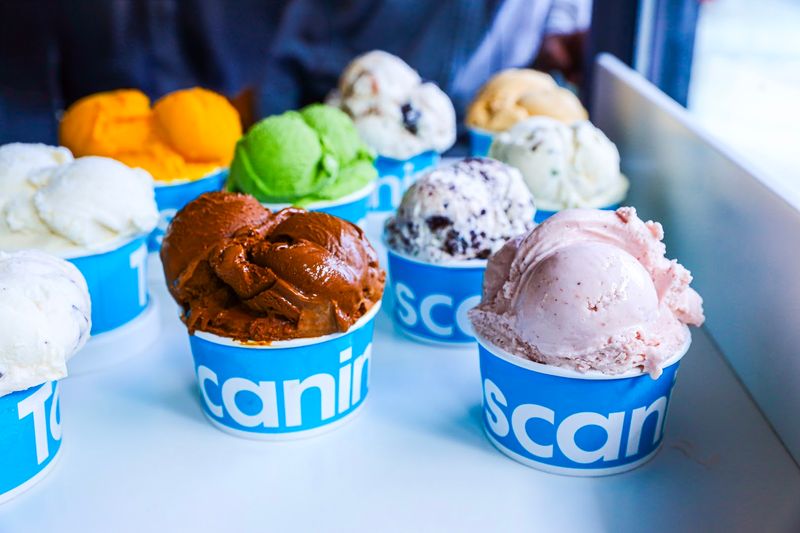
Some ice cream shops chase nostalgia, but Toscanini’s built its reputation by making old-fashioned technique feel intellectually current. Opened in Cambridge in 1981, the shop became famous for rich small-batch ice cream made on-site and for flavors that moved well beyond the standard vanilla-chocolate-strawberry script.
Its connection to the city matters. Surrounded by universities, bookshops, and fiercely opinionated regulars, Toscanini’s turned experimentation into part of its identity, with combinations such as burnt caramel and B3, its brown sugar, brown butter, brownie favorite.
The hand-crafted approach is the real anchor. Small production runs allow tighter control over texture, mix-ins, and freshness, which helps explain why the shop earned national praise long before artisanal ice cream became a crowded category.
What keeps it old-school is not a retro costume. It is the insistence that ice cream should still be made nearby, in manageable batches, by people who treat each tub like something worth arguing over.
6. The Franklin Fountain – Philadelphia, Pennsylvania
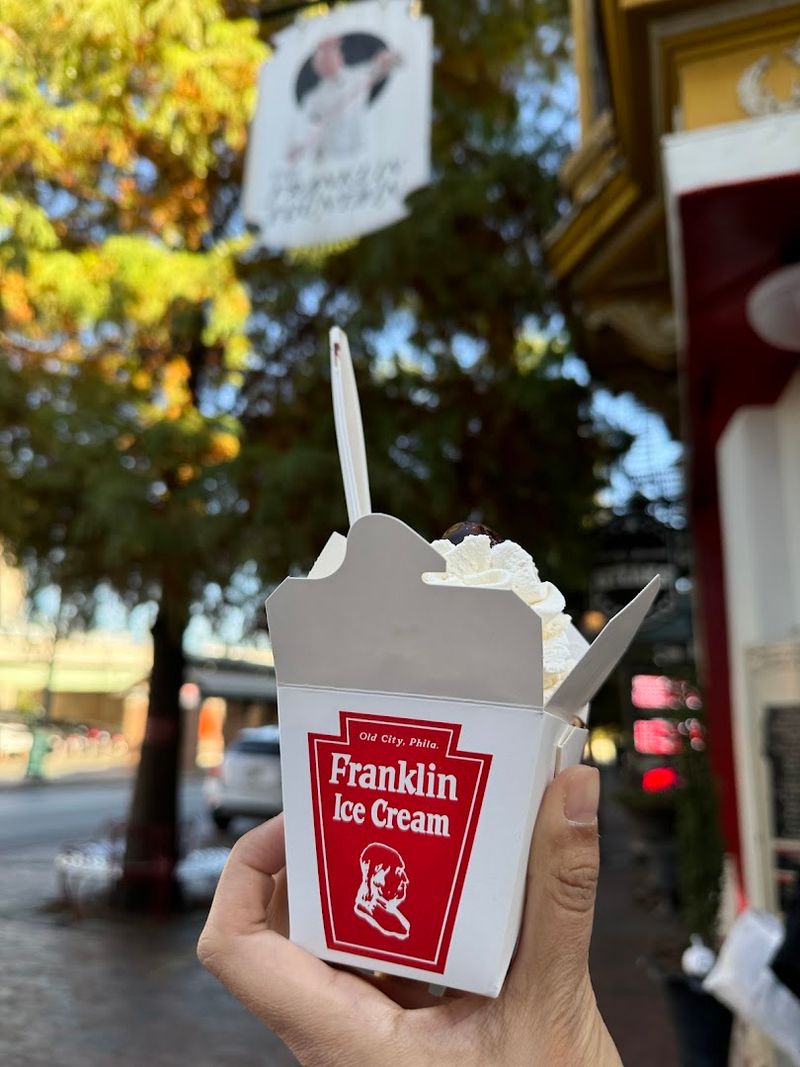
If a soda fountain could file paperwork proving its devotion to history, The Franklin Fountain would have a strong case. Opened in Philadelphia in 2004, it is newer than many shops on this list, yet its entire concept is built around reviving nineteenth- and early twentieth-century fountain culture through traditional techniques, period styling, and small-batch ice cream.
That approach works because the history is specific. American soda fountains were once social centers tied to pharmacies, downtown shopping streets, and formal counter service, and The Franklin Fountain leans into that documented tradition instead of offering a vague old-time look.
The ice cream itself follows the same logic. Small-batch production, classic preparations, and historically informed sundaes and phosphates create a menu that treats dessert as cultural reconstruction with a scoop on top.
There is wit in the presentation, but the operation is serious about process. Rather than treating the past like wallpaper, the shop rebuilds an older style of urban treat culture that many cities lost when chain convenience and suburban habits took over.
7. Island Creamery – Chincoteague, Virginia
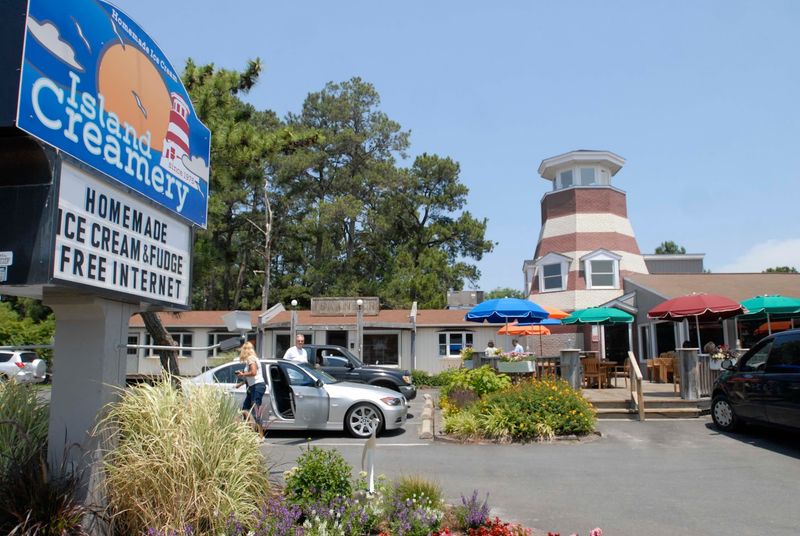
Beach towns often fill up with temporary attractions, but Island Creamery became something sturdier than a vacation habit. Since 1975, the Chincoteague shop has built a loyal following for fresh handmade ice cream, proving that a seasonal destination can still support serious craft rather than defaulting to generic quick-serve shortcuts.
Its location shapes its cultural role. Chincoteague draws families returning year after year, and places like Island Creamery become part of that repeat geography, joining motels, boardwalk routines, and postcard landmarks in the architecture of memory.
The shop’s success also says something about changing consumer expectations. As travelers grew more interested in local food identities during the late twentieth century, handmade production became a marker of authenticity that visitors actively sought out.
Still, the appeal is not just branding language. Island Creamery makes the case through method, with small batches and careful flavor work supporting a reputation that extends well beyond the island itself.
In other words, it earns its lines the old-fashioned way.
8. The Purple Door Ice Cream – Milwaukee, Wisconsin
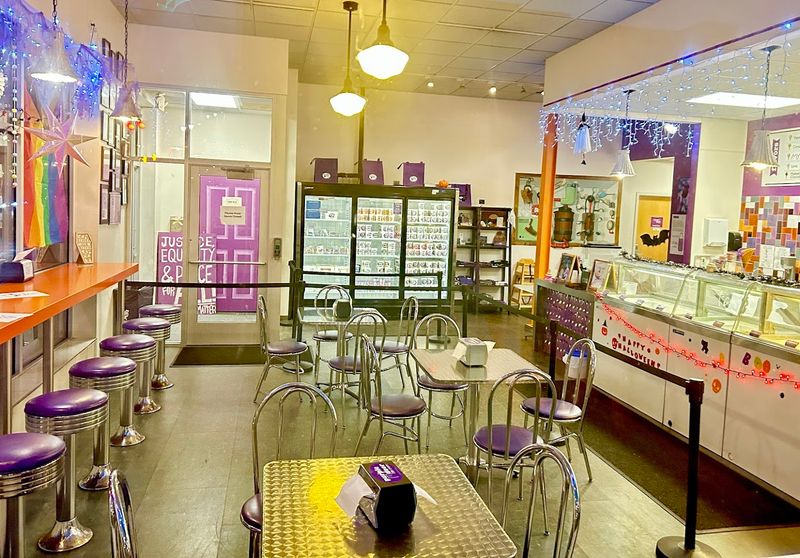
Not every old-school spirit arrives in antique packaging, and The Purple Door shows why that matters. Founded in Milwaukee in 2011, the shop is comparatively young, yet its commitment to small-batch handcrafted ice cream places it squarely in the tradition of independent makers who rely on process, imagination, and local loyalty rather than industrial sameness.
Its flavor list helped make it stand out. Alongside classics, The Purple Door gained attention for combinations that reflect regional tastes and contemporary curiosity, proving that handmade tradition does not require a museum voice or a fixed menu from 1952.
That balance is historically interesting. The modern craft food movement often borrows from older production habits such as smaller runs, direct retail, and stronger ingredient oversight, essentially reintroducing methods that mass production once pushed aside.
What makes the shop fit this list is the seriousness behind the fun. The colors may be modern and the ideas playful, but the underlying logic is familiar: make it in small batches, keep quality visible, and let the neighborhood decide whether it deserves to last.
9. Bi-Rite Creamery – San Francisco, California
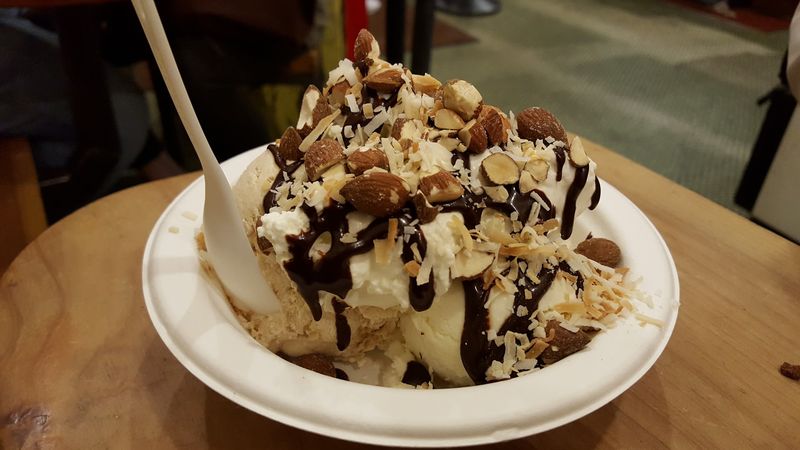
Long lines usually signal hype, but Bi-Rite Creamery built its following on production choices that are older than the buzz around them. Opened in San Francisco in 2006, the shop became widely known for organic handmade ice cream churned in small batches, linking contemporary ingredient standards with methods that predate supermarket uniformity.
That combination fit its city and moment. In the early twenty-first century, consumers increasingly cared about sourcing, dairy quality, and local food networks, and Bi-Rite translated those concerns into a neighborhood scoop shop without losing the plain pleasure of getting dessert after dinner.
The company’s emphasis on small runs matters because scale affects texture, freshness, and flexibility. Smaller batches allow closer adjustment and faster turnover, which is part of why artisanal ice cream often feels more distinct even before the first spoonful.
Bi-Rite is old-school in a selective way. It does not pretend to be a century-old parlor, but it restores the once-common idea that ice cream should be made carefully, sold nearby, and tied to the values of the surrounding community.
10. Ample Hills Creamery – Brooklyn, New York
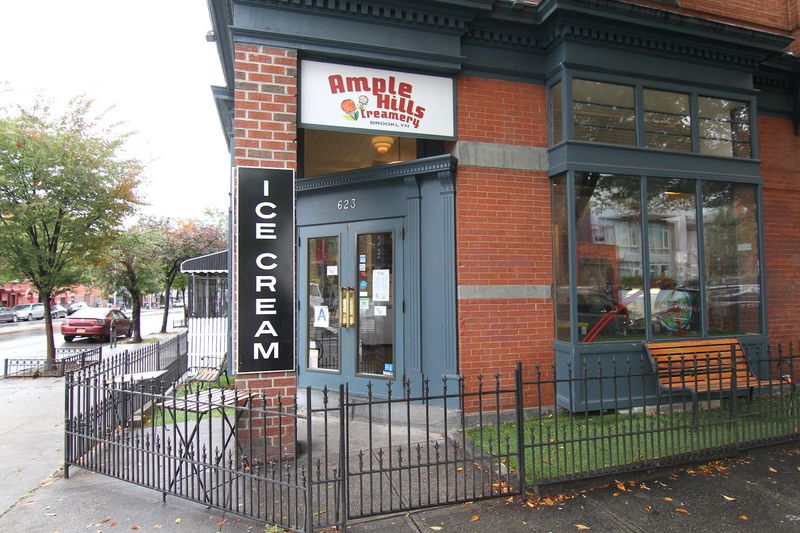
Brooklyn has a talent for turning local production into neighborhood theater, and Ample Hills used that talent well. Founded in 2011, the company became known for creative mix-ins folded into small-batch ice cream, pairing classic churning methods with names and combinations that felt playful without losing sight of the craft underneath.
Its rise reflected a broader shift in American dessert culture. Customers increasingly wanted products that felt specific rather than standardized, and mix-in heavy pints offered a way to combine handmade credibility with a sense of novelty that chains often delivered less convincingly.
The old-school element sits in the production model. Small batches allow better control over base texture and distribution of ingredients, which matters greatly when cookies, candies, or cake pieces are part of the structure and not just decoration.
Ample Hills also showed how modern independent food brands borrow from older local business traditions. Even with contemporary branding, the formula remains familiar: make it nearby, give regulars something to talk about, and let each batch feel more personal than mass-market freezer logic.
11. Jeni’s Splendid Ice Creams – Columbus, Ohio
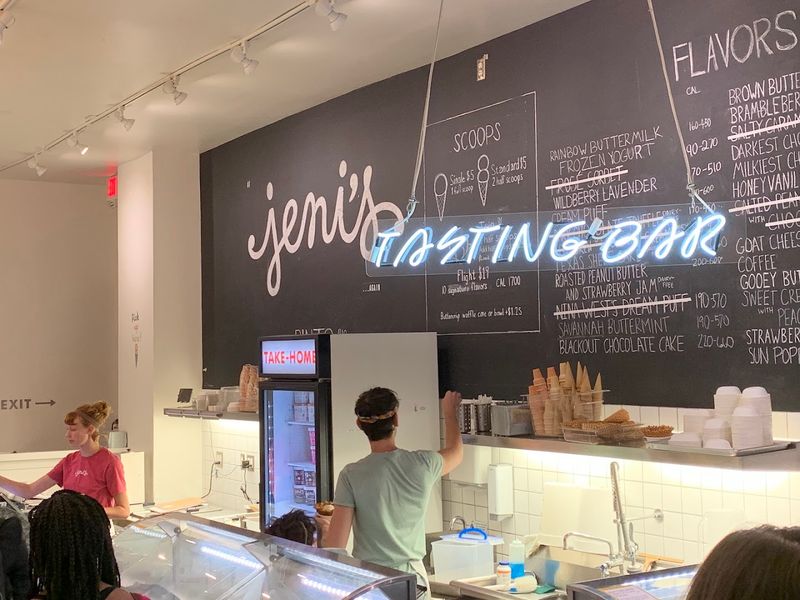
Before it became a national name, Jeni’s was a small Columbus operation with a very specific point of view. Founded by Jeni Britton in 2002, the business focused on handcrafted ice cream with distinctive flavor development, careful dairy formulation, and an insistence that texture and ingredient quality deserved as much attention as clever packaging.
Its influence reaches beyond one company. Jeni’s helped define the early twenty-first-century artisanal ice cream boom, when consumers began treating scoop shops with the same seriousness previously reserved for coffee roasters, bakers, and farm-driven restaurants.
Even as the brand expanded, the original appeal came from small-batch thinking. Flavor design, ingredient sourcing, and a less industrial approach to overrun and structure all signaled a return to hands-on priorities that older neighborhood makers would have recognized immediately.
That is why Jeni’s belongs in this conversation. It is not old-school because it looks antique.
It is old-school because it revived the idea that ice cream can be a craft product first and a retail category second, which reshaped the market around it.
12. Moorenko’s Ice Cream – Silver Spring, Maryland
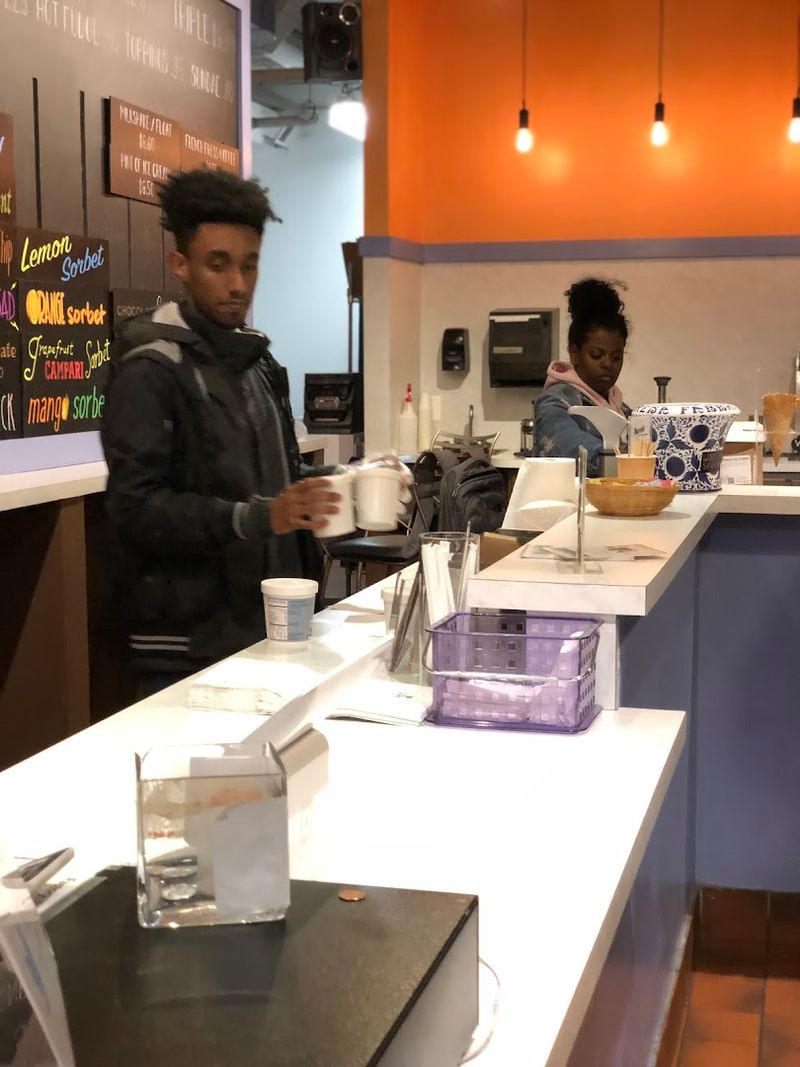
Richness can be a technical choice, not just a selling point, and Moorenko’s built a reputation around that distinction. The Silver Spring shop became known for using high-butterfat cream and traditional churning methods, producing a dense style that recalls older premium ice cream standards before lightness and air became common shortcuts.
That formula puts the focus on composition. Butterfat percentage, overrun, and batch size all affect body and consistency, so Moorenko’s appeal rests as much on food science as on branding, which is very much in line with classic creamery logic.
The shop also reflects the persistence of suburban independent businesses. Silver Spring sits in a region crowded with chain options, yet Moorenko’s carved out a place by offering something clearly differentiated and locally rooted.
Its old-school character comes from respecting fundamentals. Instead of chasing novelty for its own sake, the creamery lets method carry the story, reminding you that one of the oldest ways to stand out in dessert is to make the base better and refuse to rush the churn.
13. Whitey’s Ice Cream – Moline, Illinois
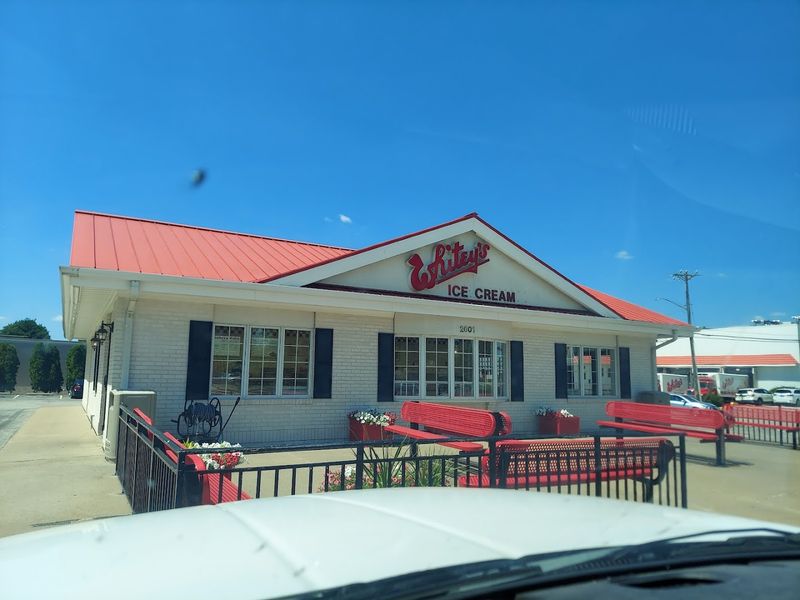
Midwestern institutions often skip grand speeches and just keep serving, which is part of Whitey’s appeal. Founded in 1933 in Moline, the shop grew into a regional favorite by making fresh ice cream with a straightforward style that values consistency, community recognition, and long-term trust over constant reinvention.
Its timeline overlaps with several big shifts in American eating. Whitey’s began during the Depression, operated through wartime and postwar changes, adapted to television-age family routines, and stayed relevant as fast-food chains and supermarket desserts expanded across the country.
That staying power depends on more than habit. Shops that last this long usually become part of local ceremony, appearing in family celebrations, after-school stops, first jobs, and multi-generational debates over the correct flavor choice, which can be surprisingly serious business in the Midwest.
Whitey’s feels old-school because it never had to perform old-schoolness. It simply kept making the product fresh, serving its region faithfully, and proving that hand-crafted dessert traditions can survive not by being rare, but by becoming thoroughly woven into everyday life.
14. Richardson’s Ice Cream – Middleton, Massachusetts
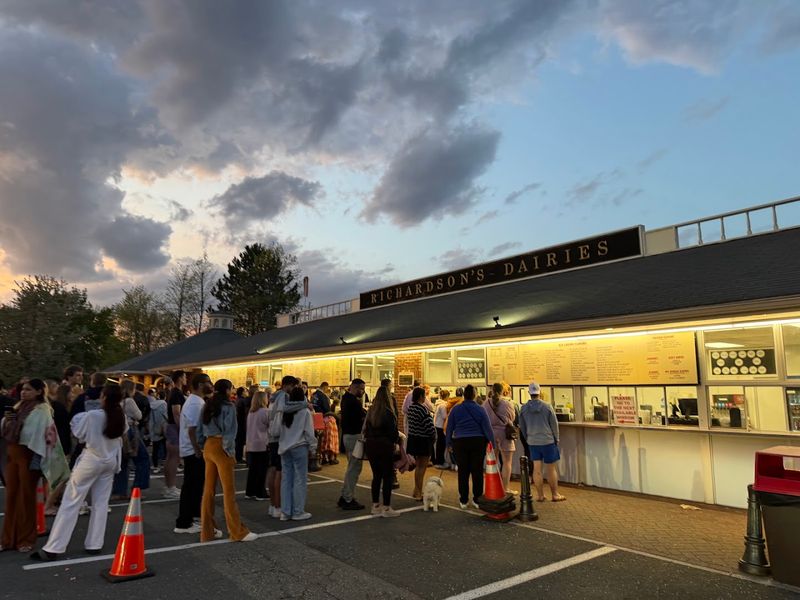
When the dairy farm and the ice cream stand belong to the same family story, the old-fashioned label actually means something. Richardson’s in Middleton traces its roots to a family farm operation, and that direct link between milk production and retail ice cream gives the business a continuity many scoop shops can only describe on a sign.
Farm-based ice cream has deep American roots. Before massive consolidation reshaped dairy distribution, many local creameries depended on nearby herds, short transport distances, and direct relationships between agricultural production and community sales.
Richardson’s preserves part of that model. As a family-owned dairy farm producing ice cream the old-fashioned way, it keeps the chain of custody unusually visible, which helps explain why visits feel tied to place rather than interchangeable with any random dessert stop.
The shop also shows how rural and suburban histories meet. As surrounding areas changed, the farm remained a point of continuity, offering a version of handmade ice cream grounded not in decorative nostalgia but in the practical fact that the source and the scoop are still closely connected.



