 Unearth The Voyage
Some bands and artists leave behind just one album, yet that single record manages to outlast entire careers. Whether cut short by tragedy, creative burnout, or simple circumstance, these musicians poured everything into one release and walked away legends.
Their albums still fill playlists, inspire new artists, and spark debates decades later. Here are 14 one-album wonders that proved you only need one shot to make history.
1. Lauryn Hill – The Miseducation of Lauryn Hill (1998)
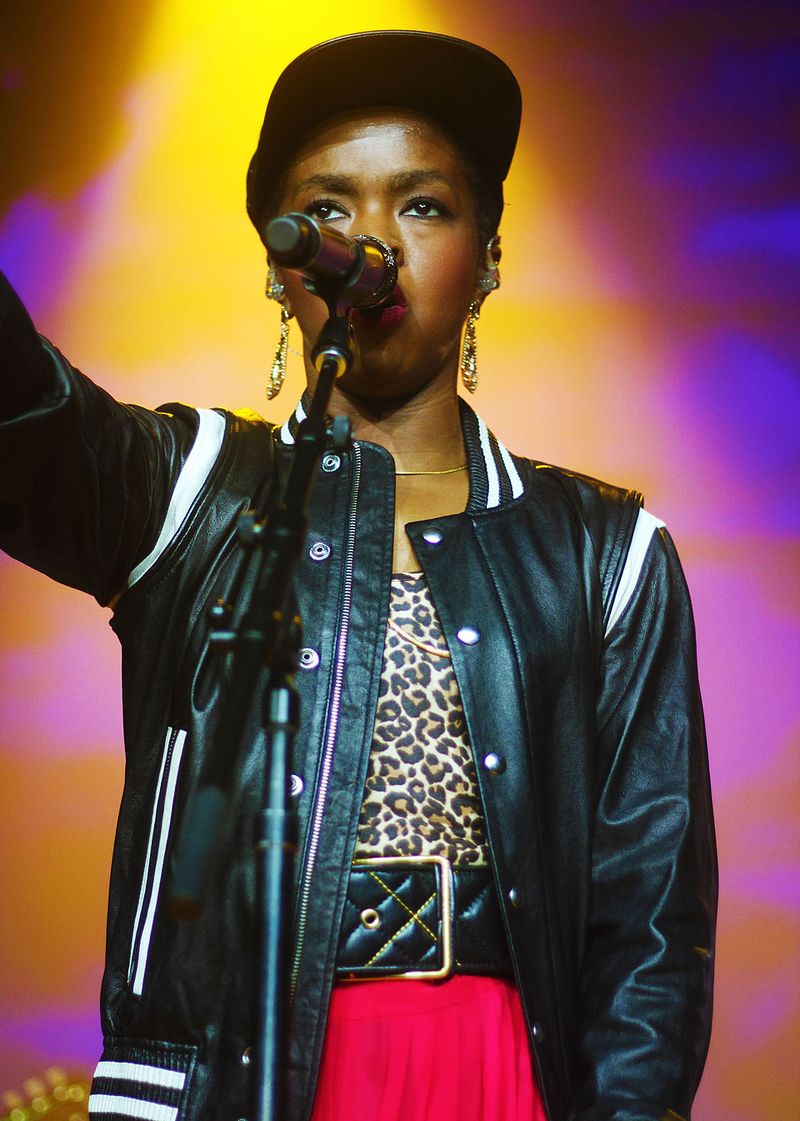
Few debut solo albums have ever landed with the force of Lauryn Hill’s 1998 masterpiece. Blending R&B, hip-hop, reggae, and soul, the record felt like nothing else on radio at the time.
It won five Grammy Awards, including Album of the Year, making Hill the first woman to achieve that feat in a single night.
Songs like “Doo Wop (That Thing)” and “Ex-Factor” became instant classics that still resonate with listeners today. Hill wrote and produced nearly every track herself, which was rare for any artist, let alone a debut solo act.
The emotional depth of the album reflected real-life heartbreak and spiritual growth.
Despite the massive success, Hill never released a second studio album. She has occasionally performed live and released loose tracks, but nothing has matched this record’s impact.
For many fans, this album is simply untouchable.
2. Jeff Buckley – Grace (1994)
Jeff Buckley had a voice that stopped people mid-conversation. Released in 1994, Grace showcased a young singer with extraordinary range and emotional intensity that felt almost supernatural.
His cover of Leonard Cohen’s “Hallelujah” became one of the most celebrated vocal performances in rock history.
The album blended rock, folk, and art-pop in a way that was genuinely ahead of its time. Critics were respectful upon release, but the record grew into a full-blown classic over the following decades.
Buckley was working on his second album when he drowned in the Mississippi River in 1997 at just 30 years old.
Grace has since been included on countless greatest albums lists, including Rolling Stone’s top 100. What makes it especially haunting is knowing it was all we ever got.
Every song feels like a farewell that Buckley himself never intended.
3. The Postal Service – Give Up (2003)
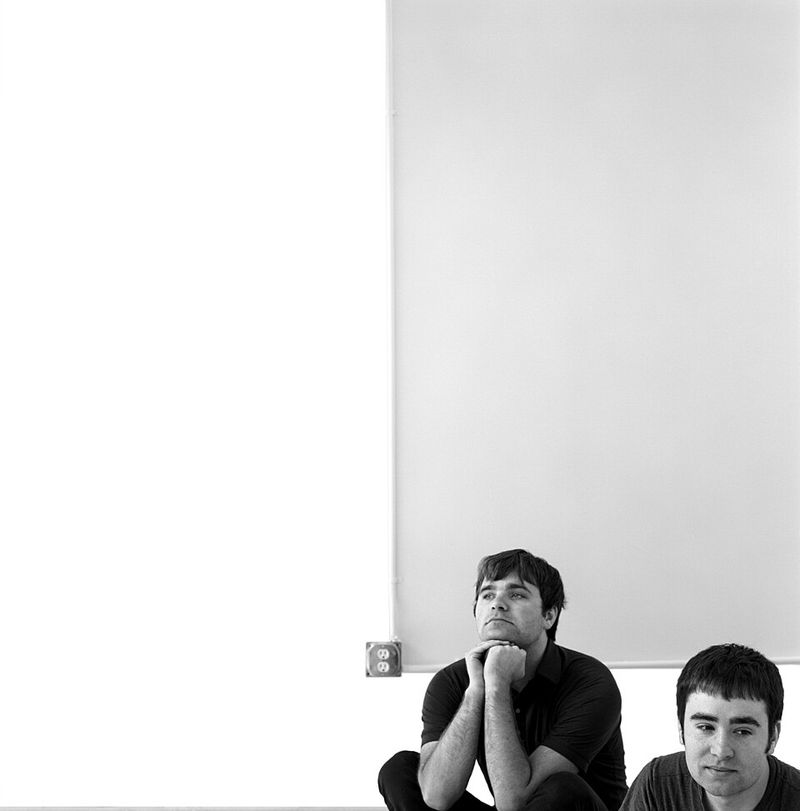
Give Up was born out of an unusual creative process. Ben Gibbard and Jimmy Tamborello literally mailed hard drives back and forth to each other, layering beats and vocals across the country.
The result was a tender, electronic-driven album that felt both intimate and cinematic at the same time.
Tracks like “Such Great Heights” and “The District Sleeps Alone Tonight” became anthems for a generation of indie music fans. The album sold over a million copies despite receiving almost no mainstream radio push, which was remarkable for its era.
It showed that word-of-mouth and online music communities could carry a record far.
The duo reunited briefly in 2013 for the album’s tenth anniversary, performing it live to sold-out crowds. But a true follow-up studio album never arrived.
Give Up remains one of the most beloved cult records of the early 2000s indie scene.
4. Temple of the Dog – Temple of the Dog (1991)
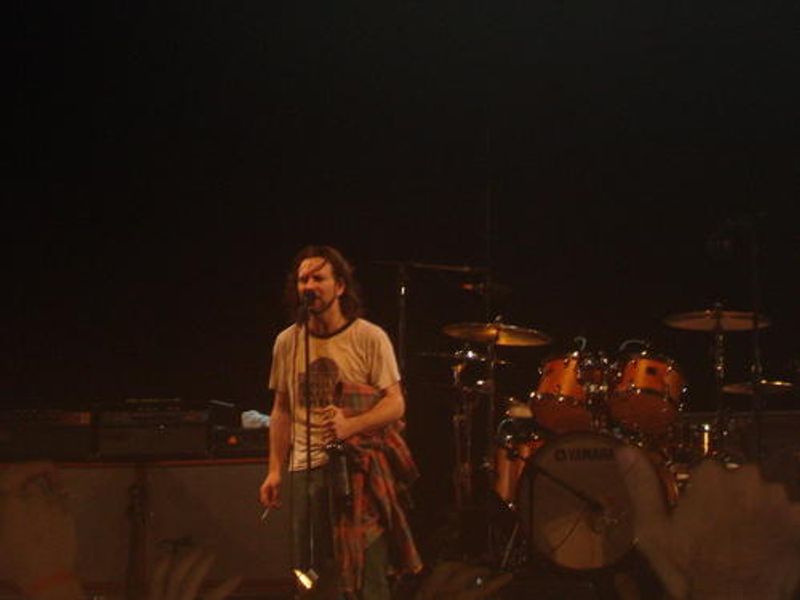
Temple of the Dog was never meant to be a permanent band. It started as a heartfelt tribute to Andrew Wood, the late frontman of Mother Love Bone, written by his close friend Chris Cornell.
What followed was a deeply emotional recording session that brought together members who would soon become rock royalty.
Pearl Jam’s Eddie Vedder joined Cornell on vocals, and the resulting chemistry was undeniable. The track “Hunger Strike” became a radio staple, featuring one of the most memorable vocal duets in grunge history.
The album was recorded before Pearl Jam had even released their own debut, making it a fascinating historical snapshot.
The record initially sold modestly but exploded in popularity after both Pearl Jam and Soundgarden became massive names. A 25th anniversary tour in 2016 proved that fans still had enormous love for this project.
One album was all it ever needed to be.
5. Derek and the Dominos – Layla and Other Assorted Love Songs (1970)
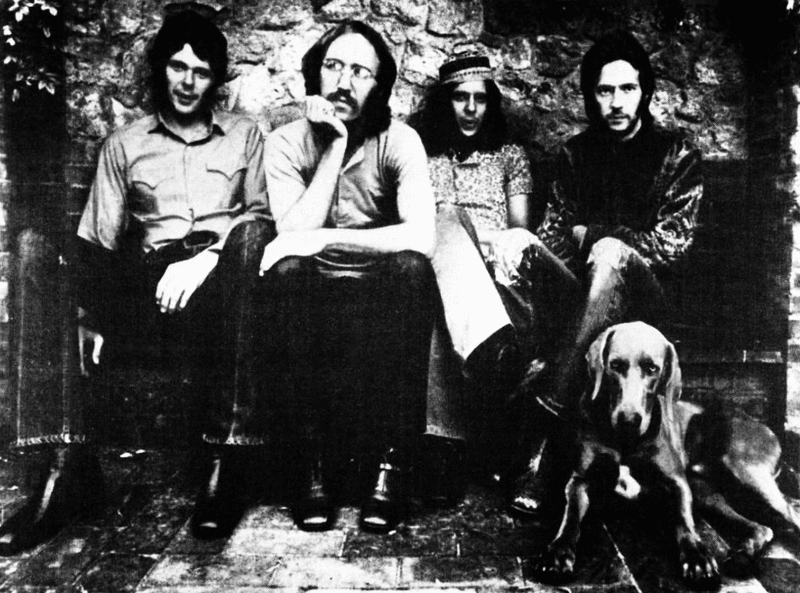
Eric Clapton was in emotional freefall when he made this record. Desperately in love with Pattie Boyd, who was married to his close friend George Harrison, Clapton channeled every ounce of longing and pain into these songs.
The result was raw, bluesy, and absolutely unforgettable.
The album’s title track, “Layla,” is widely considered one of the greatest guitar riffs ever recorded. Duane Allman of the Allman Brothers Band joined the sessions and elevated the music to another level entirely.
His slide guitar work alongside Clapton created a chemistry that has rarely been matched in rock history.
Derek and the Dominos only performed together for a short time before internal tensions and substance struggles tore the band apart. No second album was ever completed.
Yet Layla and Other Assorted Love Songs stands as proof that even a band in chaos can produce something timeless and extraordinary.
6. Sex Pistols – Never Mind the Bollocks (1977)
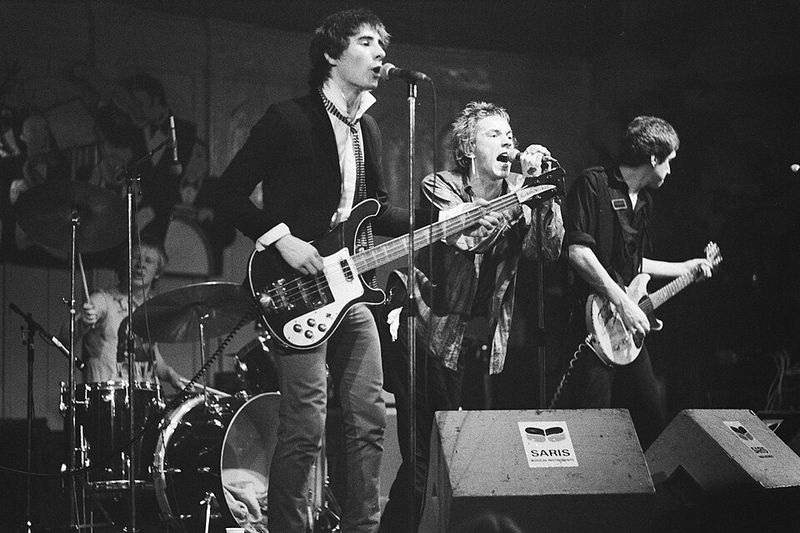
Loud, reckless, and deliberately offensive, Never Mind the Bollocks arrived like a hand grenade thrown into the polished world of 1970s rock. The Sex Pistols had been causing chaos in the UK music scene for months before this record even dropped.
When it finally did, it rewrote what rock music was allowed to sound like and say.
Tracks like “Anarchy in the U.K.” and “God Save the Queen” were banned by the BBC, which only made them more popular. The album hit number one in the UK despite being pulled from many store shelves.
That contradiction said everything about the cultural moment punk had created.
The band imploded within months of the album’s release, with frontman Johnny Rotten famously asking the crowd at their final show if they felt cheated. One album.
One explosive moment. The Sex Pistols proved that longevity is not required to change music forever.
7. Blind Faith – Blind Faith (1969)
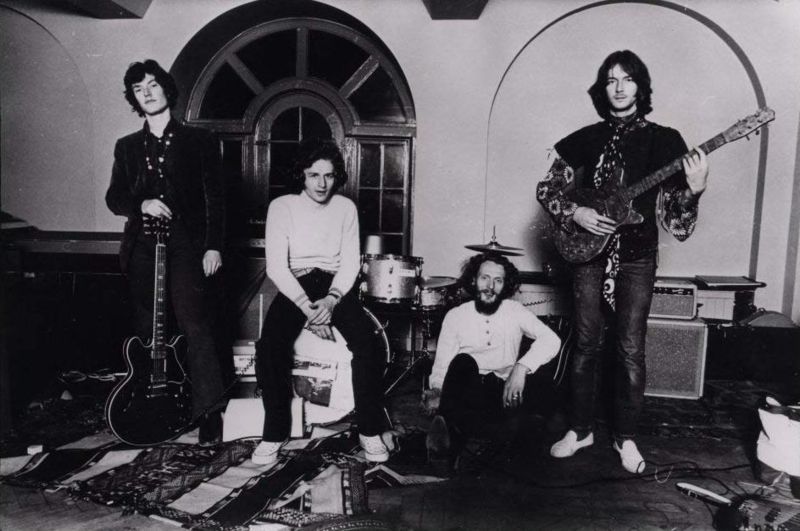
When Eric Clapton, Steve Winwood, Ginger Baker, and Ric Grech joined forces in 1969, the music world was buzzing with anticipation. This was a supergroup in the truest sense, combining members of Cream and Traffic into one ambitious project.
The expectations were enormous, and the pressure was equally intense.
Their self-titled debut featured standout tracks like “Can’t Find My Way Home” and “Presence of the Lord,” which showcased Winwood and Clapton at the height of their creative powers. The album debuted at number one on both sides of the Atlantic, a remarkable achievement for any new band.
But creative differences and the overwhelming weight of expectations caused the group to fracture almost immediately after their debut tour. They never recorded another album together.
Blind Faith left behind just one record, but it remains a shining example of what happens when genuinely great musicians find each other at exactly the right moment.
8. Neutral Milk Hotel – In the Aeroplane Over the Sea (1998)
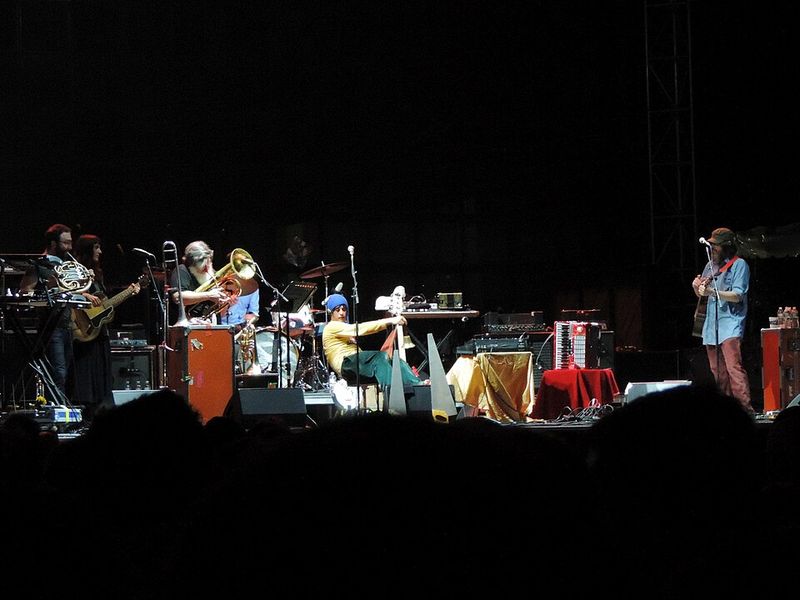
Strange, poetic, and unlike anything else released in 1998, In the Aeroplane Over the Sea was mostly ignored when it first came out. Jeff Mangum had crafted something deeply personal and surreal, inspired in part by his emotional response to reading The Diary of a Young Girl by Anne Frank.
The songs were raw, chaotic, and oddly beautiful.
Over the following decade, the album quietly became one of the most talked-about cult records in indie music history. By the mid-2000s, it was being passed between college students like a sacred artifact.
Songs like “Holland, 1945” and “Two-Headed Boy” became defining tracks for a generation of indie fans.
Mangum largely disappeared from public life after the album’s release, adding to its mystique. He reunited with the band for a brief touring period in the early 2010s but released no new studio material.
This album is now considered a masterwork of lo-fi indie folk.
9. Operation Ivy – Energy (1989)

Before Tim Armstrong and Matt Freeman became the driving force behind Rancid, they were tearing up Bay Area venues with Operation Ivy. Energy, their only full-length studio album, was released on Lookout Records in 1989 and captured a young band playing with incredible urgency and joy.
The whole record feels like it was recorded in one long, breathless sprint.
Mixing ska rhythms with hardcore punk energy, Operation Ivy helped define a sound that would explode in the 1990s. Tracks like “Sound System” and “Knowledge” became anthems in the underground punk scene.
The band broke up just months after the album’s release, which only added to the record’s legendary status.
Energy sold hundreds of thousands of copies over the years, which is remarkable for a small-label punk record from the late 1980s. Generations of punk and ska fans have cited it as a foundational influence.
One album, and Operation Ivy earned a permanent place in punk history.
10. Young Marble Giants – Colossal Youth (1980)
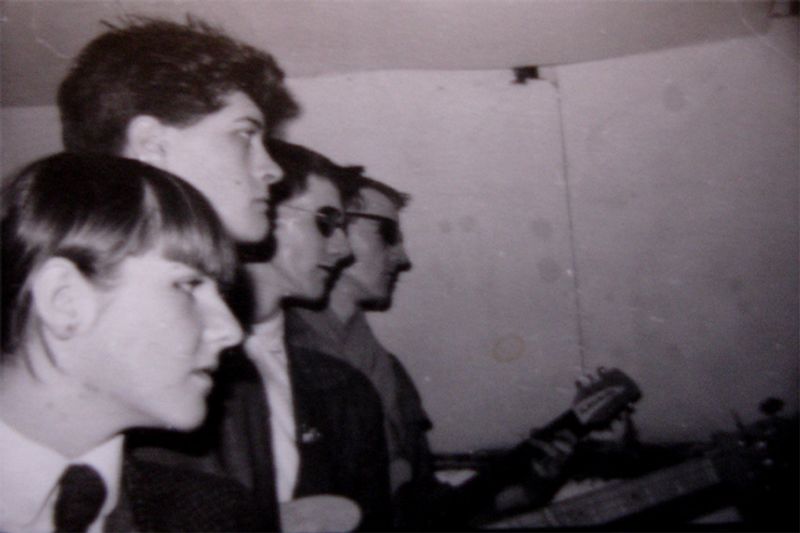
Colossal Youth sounds like a whisper in a world full of shouting. Young Marble Giants stripped their music down to almost nothing, using minimal guitar, a drum machine, and Alison Statton’s eerily calm vocals to create something genuinely unlike anything else of its era.
The restraint was the point, and it worked beautifully.
Released in 1980 on Rough Trade Records, the album was quietly influential in ways that took years to fully appreciate. Artists from Yo La Tengo to Kurt Cobain have cited the record as a major touchstone.
Its sparse, haunting quality feels just as fresh and strange today as it did over four decades ago.
The band broke up shortly after releasing the album and a few EPs, leaving Colossal Youth as their only proper full-length statement. That single record earned them a revered spot in post-punk history.
Sometimes less really is more, and Young Marble Giants proved it definitively.
11. The La’s – The La’s (1990)
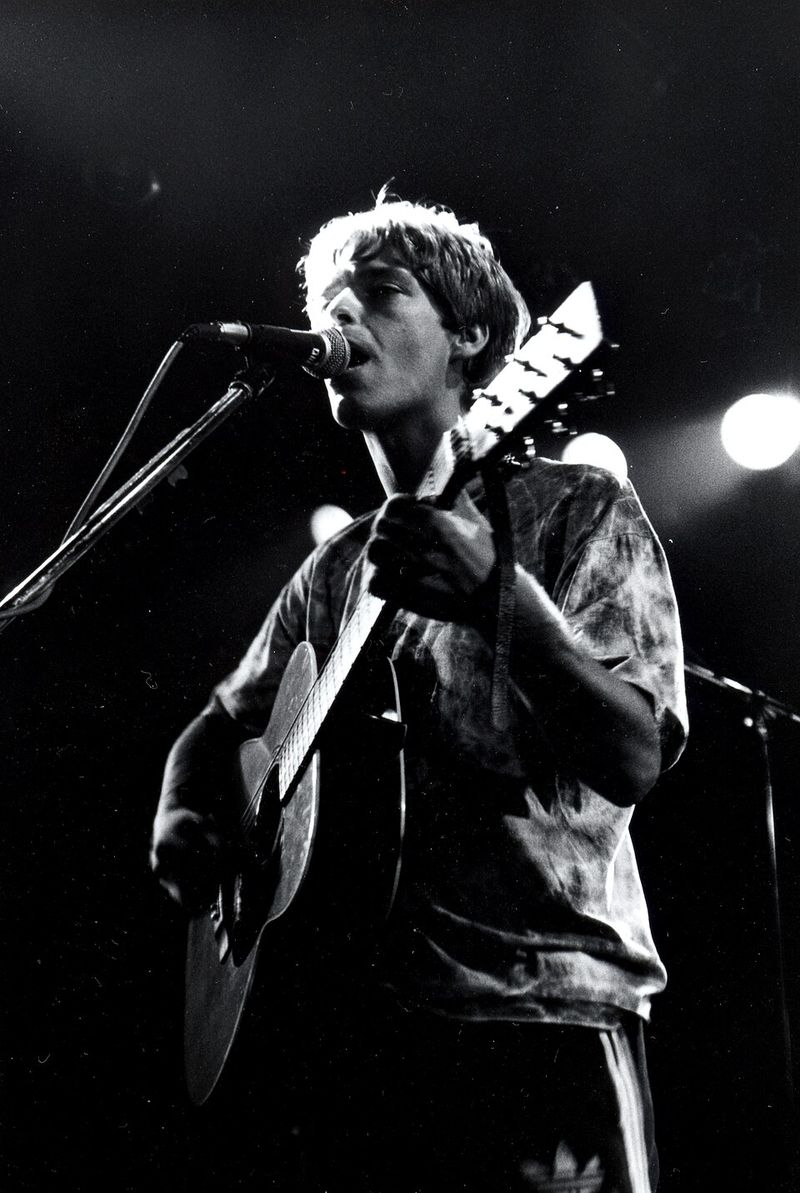
“There She Goes” is one of those songs that seems to exist outside of time. It floats into your ears and stays there for days, effortlessly catchy and strangely melancholic all at once.
That song alone would have been enough to cement The La’s in music history, but their self-titled debut album had much more to offer.
Led by the obsessive and notoriously difficult Lee Mavers, the band spent years in the studio chasing a sound that Mavers felt could never be perfectly captured. The final album was released in 1990, but Mavers publicly disowned it, calling the production inadequate.
Fans, however, disagreed loudly and enthusiastically.
Despite his dissatisfaction, the album became a beloved classic of British indie rock. Mavers never led the band to a second album, leaving this record as the only official studio statement from one of the UK’s most promising acts.
The mystery around it only deepened its appeal.
12. American Football – American Football (1999)
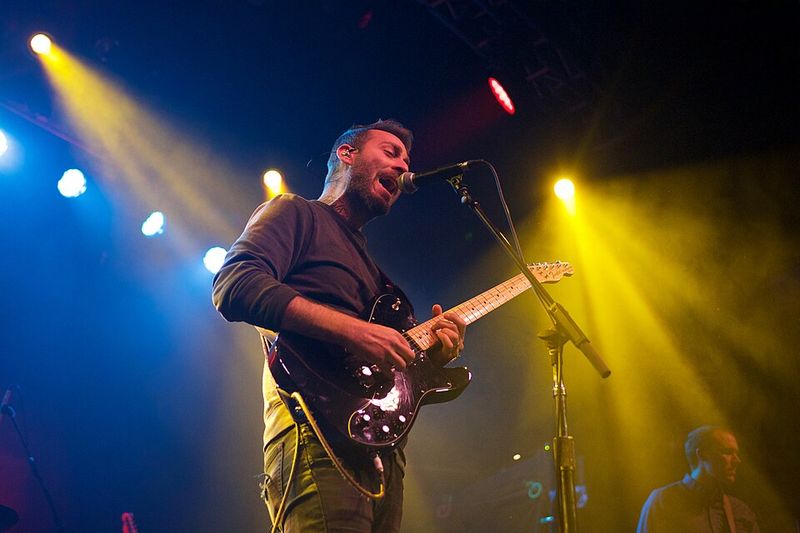
That house on the album cover has become one of the most recognized images in emo music. American Football’s debut album, released in 1999 on Polyvinyl Records, was a quiet, intricate record built on interlocking guitar patterns, jazz-influenced rhythms, and Mike Kinsella’s understated vocals.
It barely made a ripple on release.
Over the following decade, the album became one of the most shared and discussed records in online music communities. It was the sound of late nights, unfinished feelings, and the kind of melancholy that is hard to put into words but easy to recognize.
Tracks like “Never Meant” became deeply personal touchstones for countless listeners.
The band reunited and released a second album in 2016, followed by a third in 2019. But this debut remains the definitive American Football statement.
It defined an entire subgenre of emo and proved that quiet music can carry enormous emotional weight.
13. Them Crooked Vultures – Them Crooked Vultures (2009)
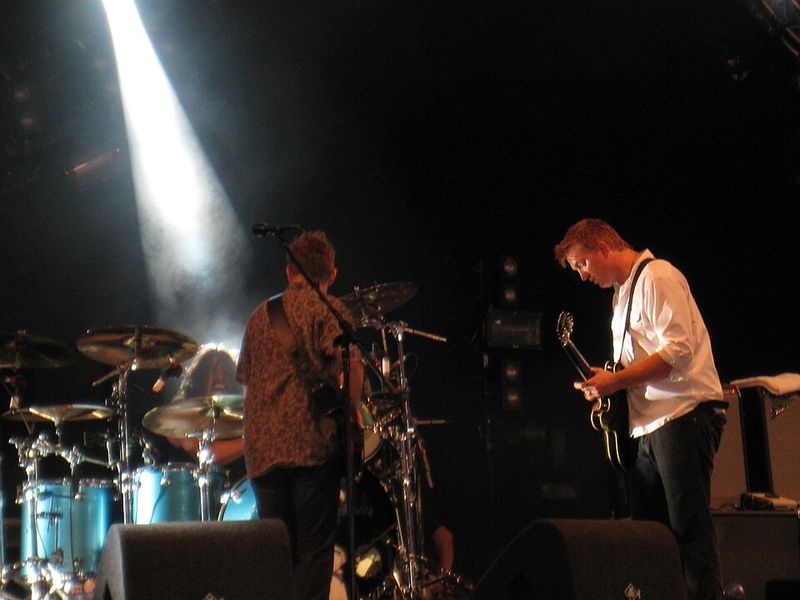
Putting Dave Grohl, Josh Homme, and John Paul Jones in the same band sounds like something a music fan might dream up after a long night of listening to records. But it actually happened in 2009, and the result was one of the most exciting hard rock albums of that decade.
Them Crooked Vultures brought together three generations of rock royalty.
The album was recorded in secret and announced with almost no warning, which made its arrival feel like a genuine event. Tracks like “No One Loves Me and Neither Do I” and “Mind Eraser, No Chaser” showcased a band that was having enormous fun playing loud, riff-driven rock.
Jones brought a classic rock gravitas that grounded the whole project.
Despite winning a Grammy and touring extensively, the band never followed up with a second album. All three members returned to their main projects and the supergroup quietly dissolved.
That one album remains a satisfying, full-throttle rock experience that fans still revisit regularly.
14. Snake River Conspiracy – Sonic Jihad (2000)

Snake River Conspiracy came out of nowhere in 2000 with a record that blended industrial rock, electronic production, and vocalist Tobey Torres’s striking delivery into something genuinely compelling. Sonic Jihad had a sleek, aggressive sound that fit perfectly into the late-1990s industrial rock landscape without feeling derivative.
Standout tracks like “Breed” and their cover of “How Soon Is Now” earned the band real attention.
Their version of the classic Smiths song introduced them to a wide audience and became something of a calling card. The production was polished and punchy, and Torres had a voice that cut through the dense layers of sound with ease.
It felt like the beginning of a serious career.
But a second album never materialized. The band quietly dissolved, leaving Sonic Jihad as their only statement.
For fans of late-90s industrial and dark electronic rock, this record remains a hidden gem well worth seeking out today.



