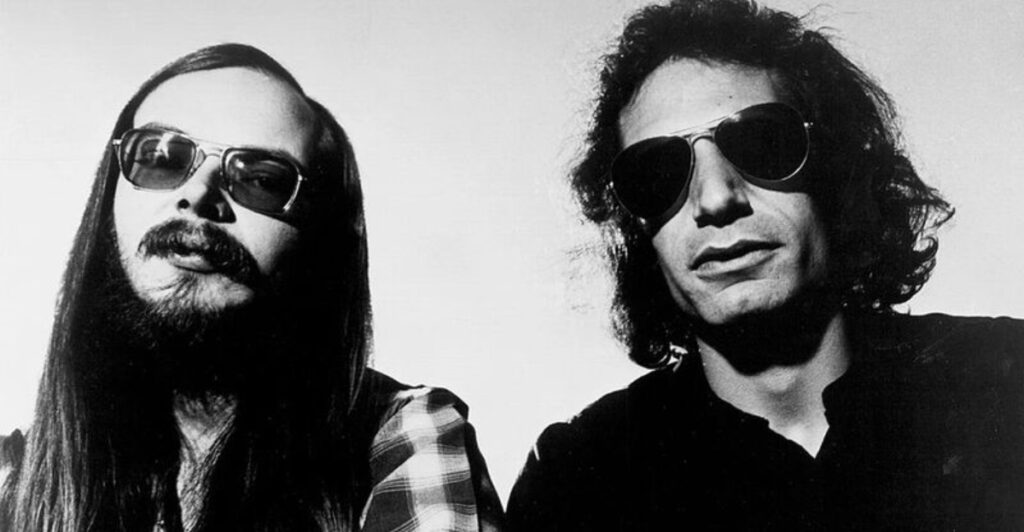
Generation Jones grew up with FM radio, album cuts, and rock songs that went beyond the biggest hits. While the major anthems still play, many defining tracks from that era have faded from regular rotation.
This list brings back 14 overlooked songs that helped shape that generation’s musical identity. Here are the tracks worth revisiting – and why they still hold up today.
1. “Just Remember I Love You” – Firefall (1977)
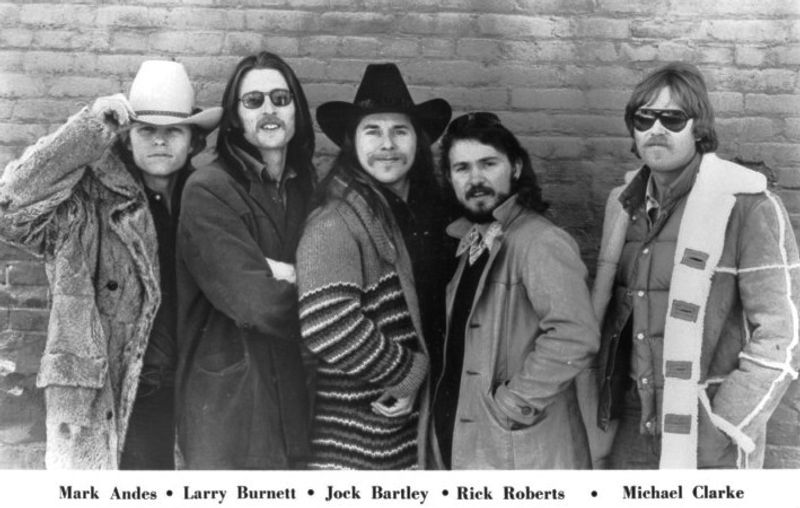
Firefall never became a household name, but this single from 1977 reached number 11 on the Billboard Hot 100 and held its own against much more famous competition. The band came out of Boulder, Colorado, and their sound carried a distinctly Western American feel that set them apart from the Los Angeles soft rock scene.
The track blends country-influenced harmonies with polished radio production, landing somewhere between the Eagles and Poco without copying either. That balance was a genuine achievement for a band working with a modest budget and limited label support.
What makes this song particularly resonant for Generation Jones listeners is its emotional directness. There is no irony in it, no posturing, just a clean and honest sentiment delivered with real craft.
Modern classic rock radio almost never plays it, which is a genuine oversight given how well it represents the harmonic ambitions of the era.
2. “Slow Ride” – Foghat (1975)
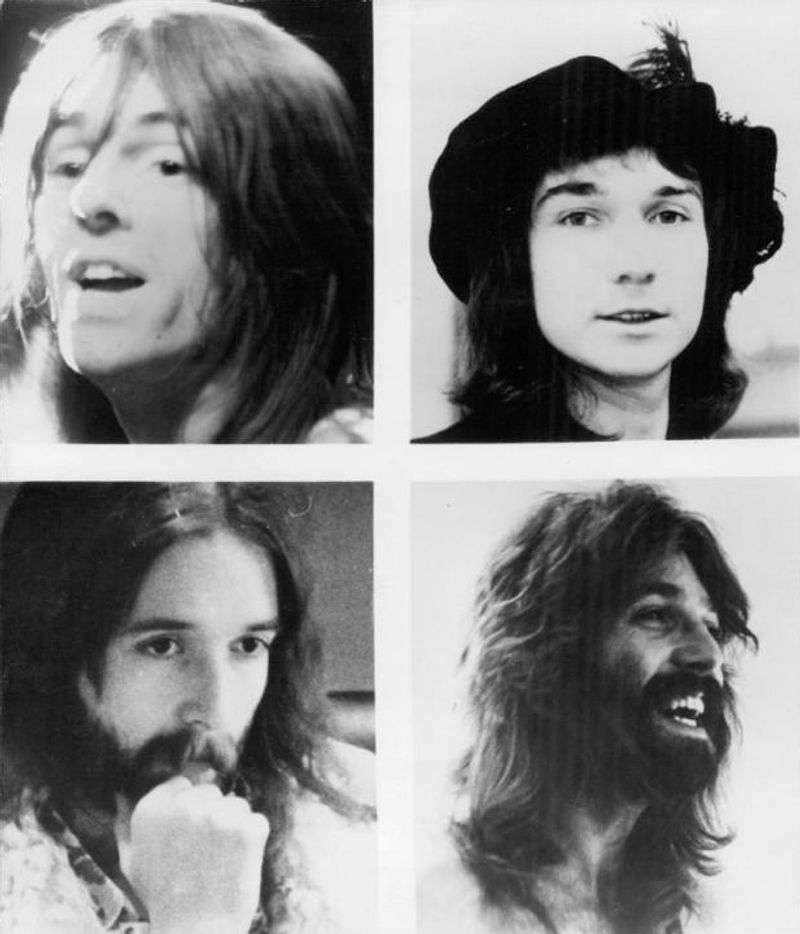
Peaking at only number 20 on the Billboard Hot 100 in 1975, this track never received the commercial recognition its staying power deserved. Foghat was a British blues-rock band that relocated to the American market and found an audience hungry for something heavier than soft rock but more groove-oriented than straight metal.
The song runs over eight minutes in its full album version, built on a repetitive but hypnotic guitar riff that rewards patience. Radio edits trimmed it significantly, which may explain why casual listeners underestimated its depth.
The full version became a staple of album-oriented rock stations that were willing to let tracks breathe.
For Generation Jones, this song represented something important: rock music that was physical and driving without being aggressive or alienating. It showed up at parties, in cars, and on mixtapes throughout the late 1970s.
Its absence from most modern classic rock playlists remains one of the more puzzling omissions of the format.
3. “It’s Over” – Boz Scaggs (1976)

Released as the lead single from Silk Degrees, this track arrived at a moment when soft rock and soul were converging on FM radio in ways that felt genuinely new. The album itself became a cultural touchstone in 1976, selling over five million copies in the United States alone.
Bigger singles like “Lowdown” and “Lido Shuffle” pulled most of the attention, leaving “It’s Over” to exist in a quieter corner of the record. That quiet quality is actually what makes it stick.
The arrangement is restrained, the emotion is earned rather than performed, and Scaggs delivers the vocal with a maturity that matched the sensibility of an older millennial audience still figuring out adulthood.
Generation Jones listeners recognized something real in that restraint. The song never overstayed its welcome, clocking in cleanly and leaving a lasting impression without demanding anything dramatic in return.
4. “FM (No Static at All)” – Steely Dan (1978)
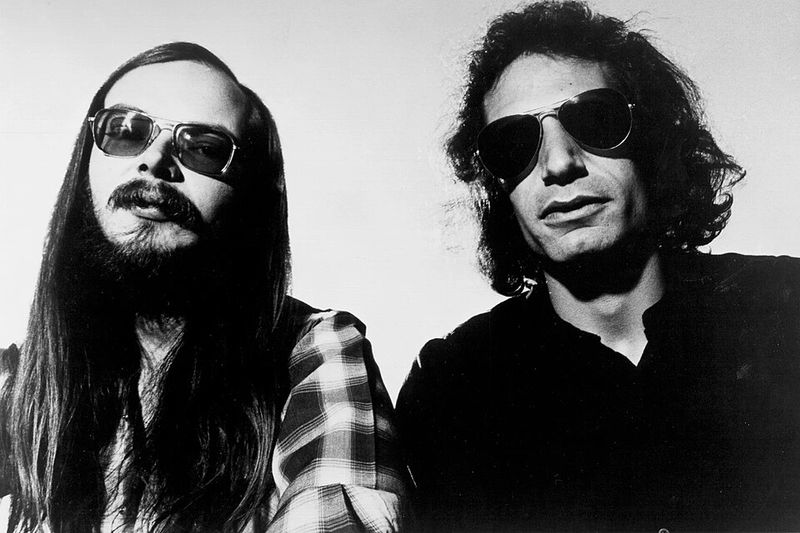
Written specifically for the 1978 film of the same name, this track captures something very specific about how Generation Jones experienced music. FM radio was not just a technology in the late 1970s, it was a lifestyle marker, and this song understood that completely.
Steely Dan rarely wrote simple songs, but this one has an accessibility that their studio albums sometimes avoided. The jazz-rock structure is still there, but the hook is immediate and the production is polished without feeling cold.
It peaked at number 22 on the Billboard Hot 100, which is surprisingly modest given how well it represents the era.
The song has since faded from regular rotation despite being one of the cleaner examples of late-70s FM rock craft. For anyone who spent formative years with a radio dial between their fingers, this track functions almost like a time stamp.
5. “Jackie Blue” – The Ozark Mountain Daredevils (1975)
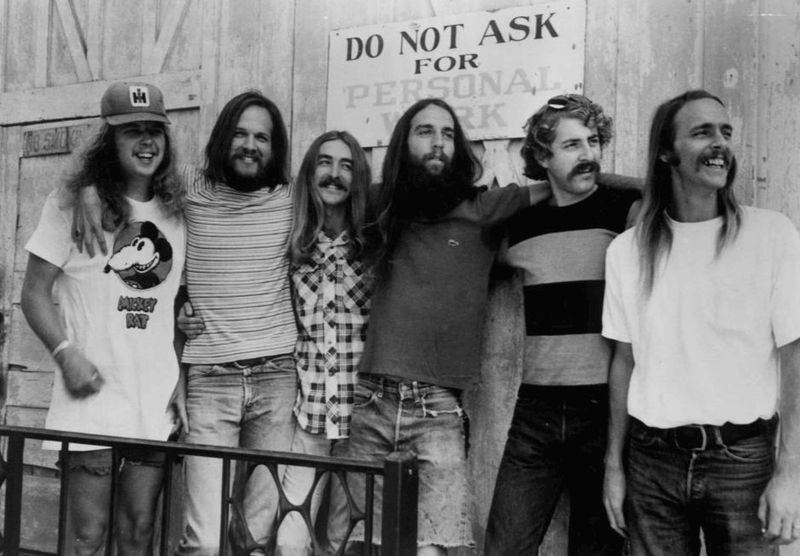
Few songs from 1975 had a hook as immediately memorable as this one, yet it peaked at number 3 on the Billboard Hot 100 and then largely disappeared. The Ozark Mountain Daredevils were a Missouri-based band with a sound rooted in country rock, folk, and soft pop, but this particular track had an edge that their other work rarely matched.
The lyrics describe a woman living a secretive, self-contained life, and there is a subtle tension running beneath the polished surface that keeps it from feeling too comfortable. That combination of accessibility and unease is part of what made it stand out in a crowded field.
Generation Jones listeners who caught it on AM radio during its original run often remember it vividly, while younger audiences have almost no frame of reference for it at all. It has the qualities of a song that should have become a classic rock standard but somehow slipped through the cracks of cultural memory.
6. “Fooled Around and Fell in Love” – Elvin Bishop (1975)
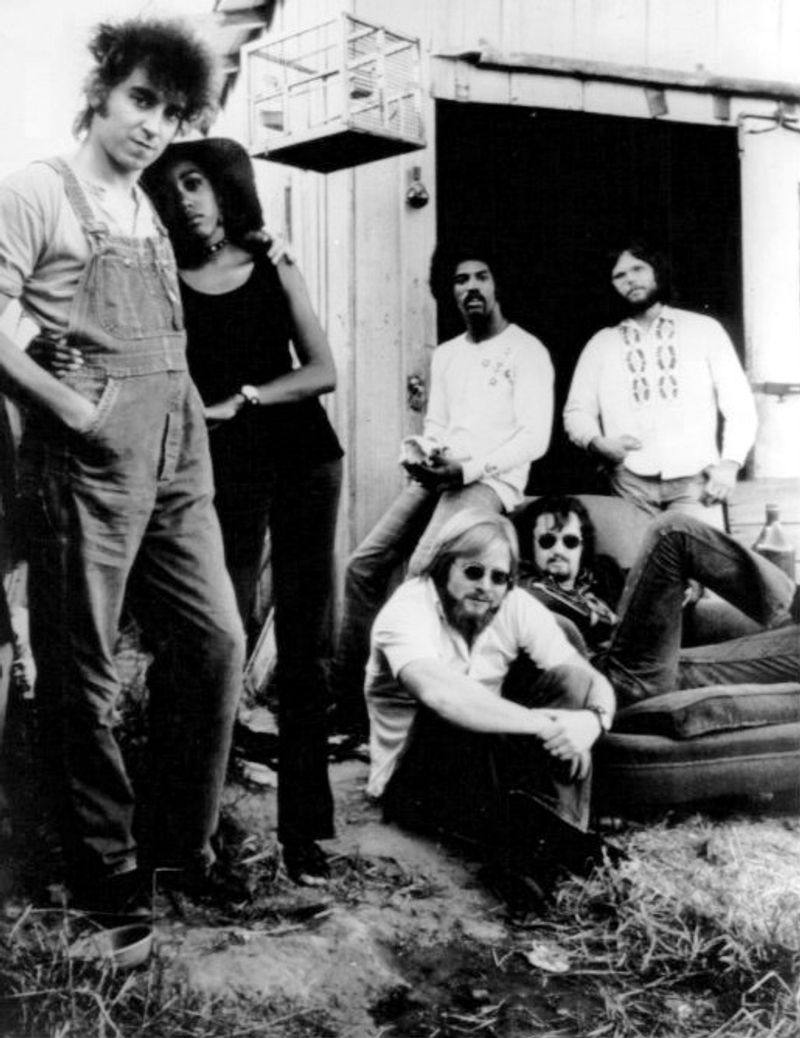
The voice most people remember on this track belongs to Mickey Thomas, not Elvin Bishop himself, and that small piece of trivia tells you something about how the song operates. Bishop wrote and produced it, but Thomas delivered the vocal performance that turned it into a genuine hit, reaching number 3 on the Billboard Hot 100 in 1976.
The song has a warmth and looseness that studio-polished tracks from the same period often lacked. It sounds like something recorded with real people in a real room, which was becoming less common as production technology grew more sophisticated throughout the mid-1970s.
Mickey Thomas later went on to front Starship, which meant his vocal legacy got attached to a very different sound. That shift in context may have contributed to this earlier work being overlooked.
For Generation Jones, the track carries the uncomplicated charm of a period when Southern rock and soft pop were briefly sharing the same radio space.
7. “Rock ‘n’ Roll Damnation” – AC/DC (1978)
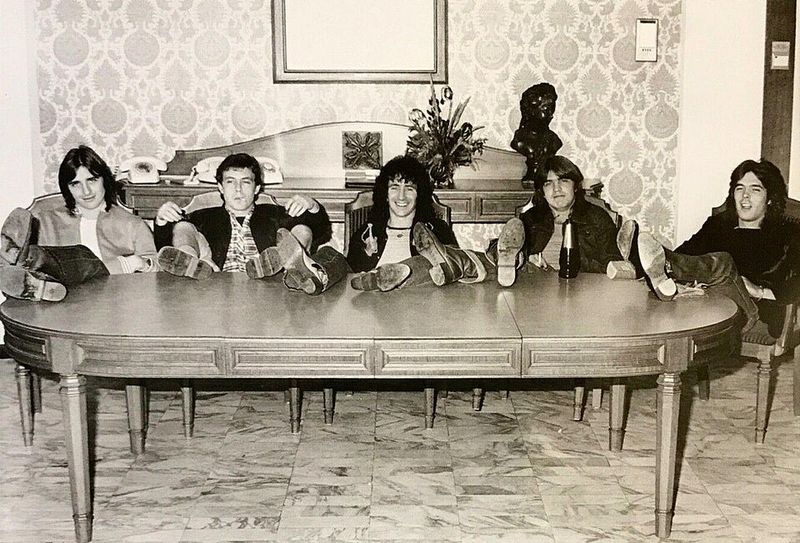
AC/DC’s reputation rests heavily on a handful of massive anthems, but this lead single from the 1978 album Powerage shows a side of the band that their greatest hits compilations rarely capture. Compared to their harder material, this track has a cleaner, more radio-friendly structure with handclaps and a mid-tempo groove that made it genuinely accessible.
It reached number 24 in the United Kingdom and helped establish the band’s credibility in markets that had not yet fully embraced their rawer work. Bon Scott’s vocal delivery here is sharp and controlled rather than confrontational, which gives the song a different energy from the tracks that later defined the band’s legacy.
Generation Jones listeners who were following hard rock in the late 1970s often cite this as a forgotten highlight of the Bon Scott era. It never appears on setlists and rarely shows up on radio, making it one of the more genuinely buried tracks in a catalog that most people think they already know completely.
8. “20th Century Boy” – T. Rex (1973)
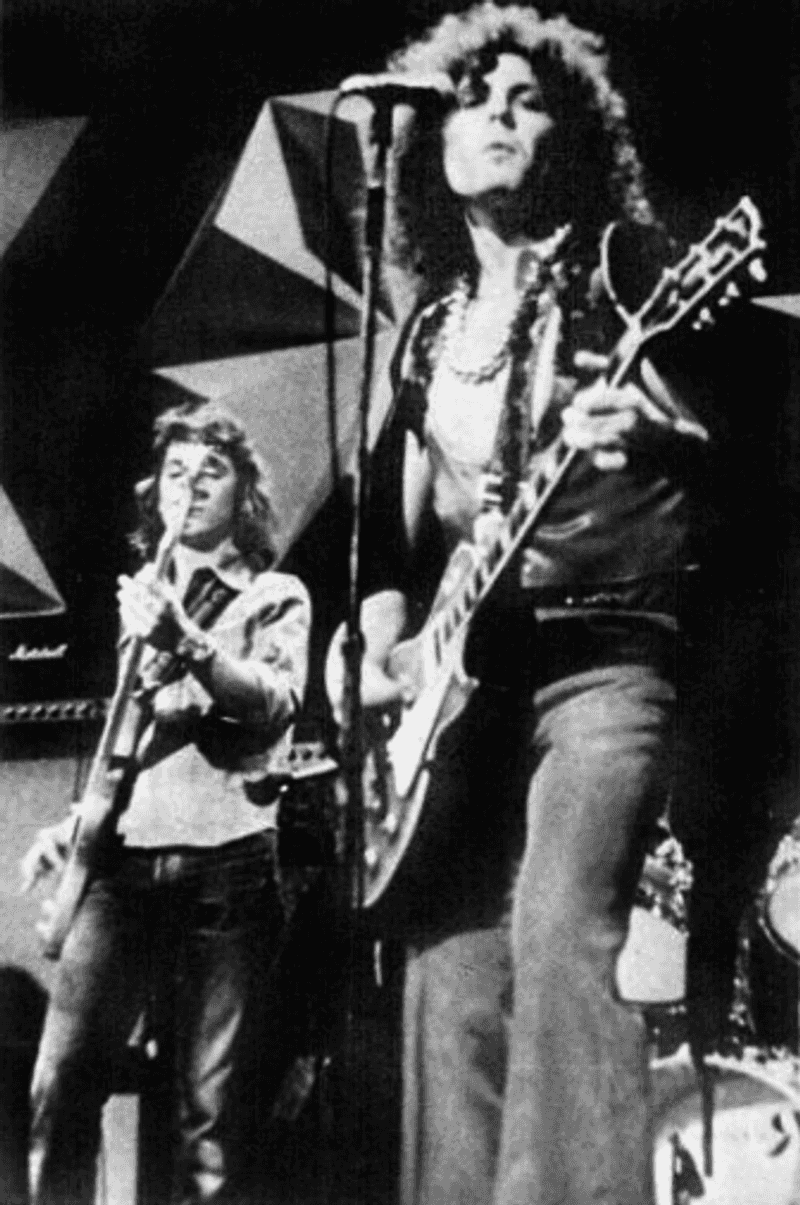
Marc Bolan wrote this track as a direct statement of glam rock identity, and it arrived in 1973 at the peak of T. Rex’s commercial power in the United Kingdom.
The guitar riff is one of the most direct and forceful in the entire glam rock catalog, built on a repetitive structure that prioritizes impact over complexity.
Interestingly, the song was not included on any T. Rex studio album at the time of its release, existing instead as a standalone single.
That decision meant it missed the album-buying audience and relied entirely on radio play and single sales to find its audience.
American listeners were slower to pick it up than British ones, but Generation Jones members who caught it through import records or late-night radio often developed a strong attachment to it. The raw guitar sound holds up remarkably well against modern production standards, yet it almost never appears on American classic rock playlists.
9. “Let Me Roll It” – Wings (1973)
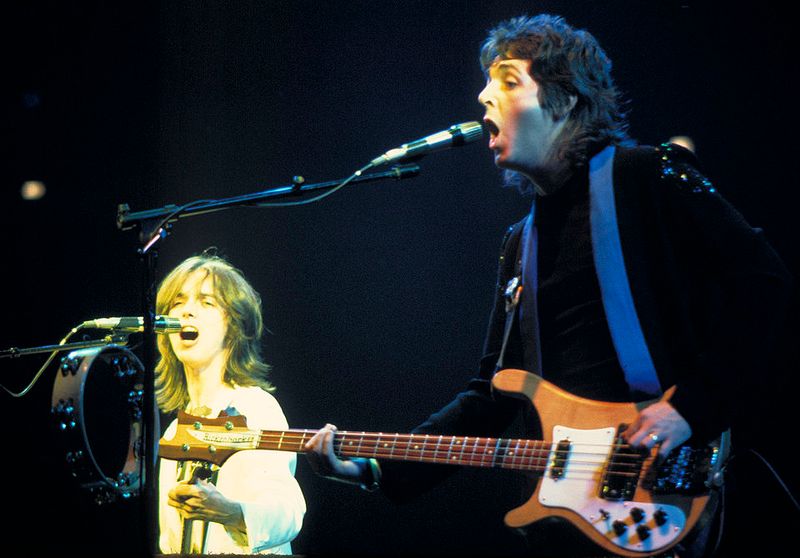
From the 1973 album Band on the Run, this track stands out as one of McCartney’s most deliberately stripped-down recordings of the decade. The guitar tone has a deliberate rawness to it that was unusual for a McCartney production, and the rhythm section drives the song with a physicality that his more polished work sometimes avoided.
At the time of release, music critics and fans alike noted the song’s similarity in feel to certain John Lennon recordings, which generated considerable commentary. McCartney has never confirmed or denied the connection, and that ambiguity has followed the track through decades of discussion.
It remains buried beneath the more celebrated tracks on the same album, particularly “Jet” and “Band on the Run” itself. For Generation Jones listeners who bought the LP and played it front to back, this track was often a quiet favorite, recognized for its directness in a catalog that sometimes favored polish over power.
10. “After the Thrill Is Gone” – Eagles (1975)
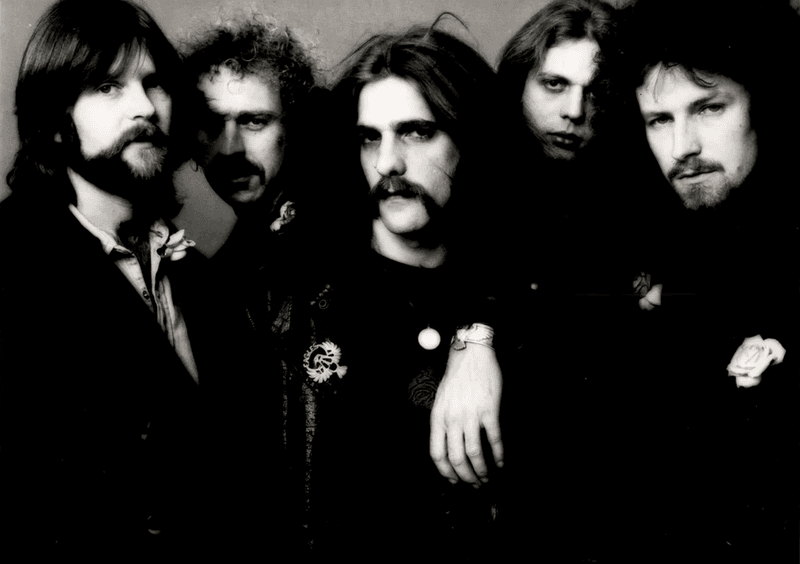
The Eagles released five studio albums before Hotel California arrived in 1977 and permanently redirected how the world heard their catalog. One of These Nights, released in 1975, contains some of the band’s most sophisticated songwriting, and this album track is a strong example of that quality.
Don Henley and Glenn Frey co-wrote it as a meditation on the aftermath of passion, and the lyrical maturity is notable even by Eagles standards. The arrangement is quieter and more reflective than the band’s more celebrated work, which may explain why it rarely gets included in retrospective discussions.
Generation Jones listeners who were in their early twenties when this album came out often encountered it at a moment when its themes felt personally relevant. The song asks questions about what comes after excitement fades, and those questions age well.
Its absence from most classic rock radio formats is a genuine gap in how that era gets represented today.
11. “Welcome to the Machine” – Pink Floyd (1975)
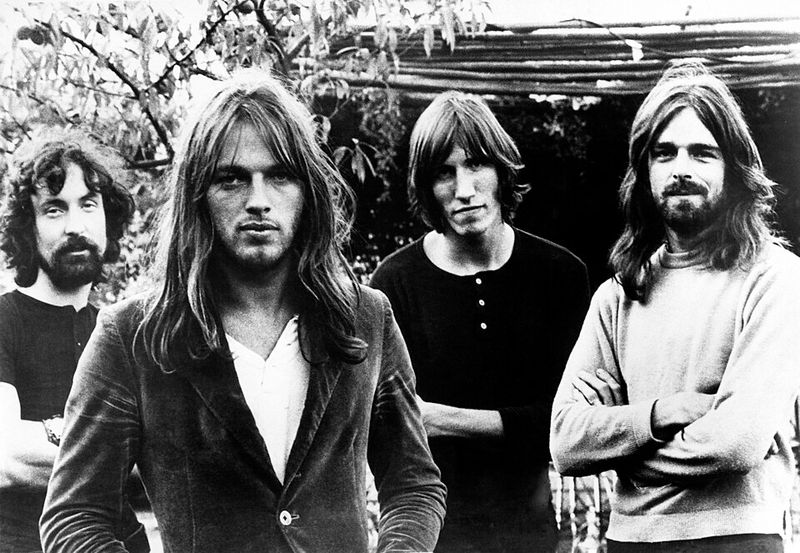
Pink Floyd released Wish You Were Here in 1975 as a direct response to the commercial and personal pressures that had reshaped the band following the massive success of The Dark Side of the Moon. This track opens the album’s second side and functions as a critique of the music industry, delivered through a synthesizer-heavy arrangement that was genuinely unsettling by the standards of its time.
It was never released as a single, which meant its audience was entirely album-oriented. That decision limited its radio exposure but also protected it from the kind of overplay that diminished other tracks from the same period.
The song’s structure is built around synthesizer textures and processed voices rather than conventional instrumentation, making it one of the more sonically adventurous tracks in the band’s catalog. Generation Jones listeners who engaged with it as part of the full album experience often cite it as one of the more intellectually honest statements in 1970s rock.
12. “Toys in the Attic” – Aerosmith (1975)
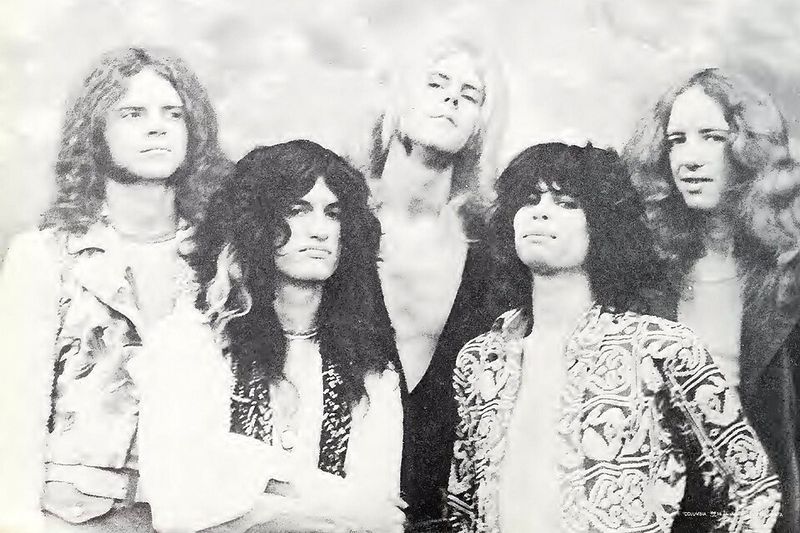
Aerosmith’s third album arrived in 1975 and contained the two songs that would eventually define their classic-era reputation: “Sweet Emotion” and “Walk This Way.” The title track, however, is a compact and ferocious piece of hard rock that rarely gets the same level of attention despite being one of the most energetic performances on the record.
Running under three minutes, the song is almost aggressive in its efficiency. There is no extended solo, no slow build, just a direct assault of riff-driven rock delivered at a pace that most bands could not sustain.
Steven Tyler’s vocal performance matches the tempo without losing clarity, which was a genuine technical achievement in a live-to-tape recording environment.
The track has been largely overshadowed by its more famous album mates for five decades, which is a reasonable outcome given the quality of the competition. Still, for Generation Jones listeners who knew the album in full, it represents a version of Aerosmith that later fame somewhat obscured.
13. “In the Light” – Led Zeppelin (1975)
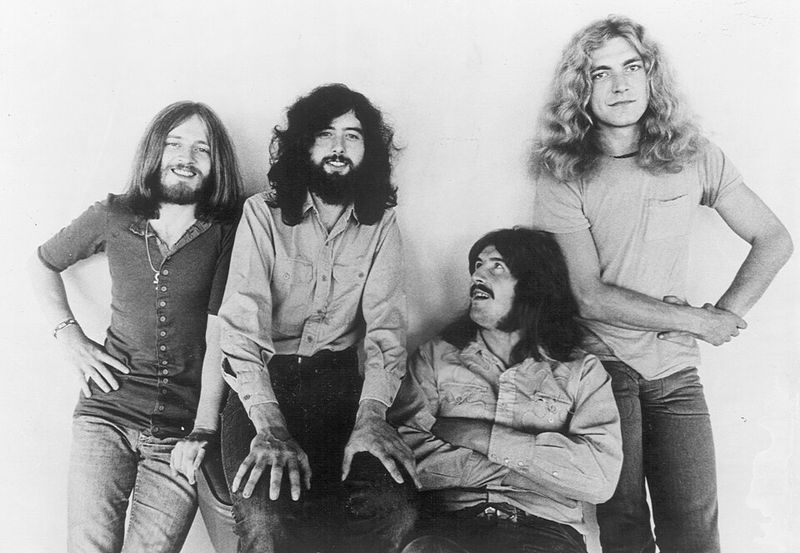
Physical Graffiti, released in February 1975, was Led Zeppelin’s most ambitious studio project, a double album that covered more stylistic ground than any single-disc release could have contained. This track opens the second disc and is among the most structurally complex pieces in the band’s entire catalog, drawing on Indian classical music and medieval European tonality simultaneously.
Robert Plant’s vocal approach on this track is notably different from his more celebrated performances, favoring a sustained, droning quality over the high-register power that defined songs like “Whole Lotta Love.” That shift in approach is one reason the track gets less attention despite its considerable craft.
John Paul Jones’s synthesizer introduction runs for nearly two minutes before the full band enters, which is an unusual structural choice that rewards attentive listening. Generation Jones listeners who worked through the album carefully often came away with this track as a personal highlight, even if they rarely heard anyone else mention it.
14. “Hot Love” – T. Rex (1971)
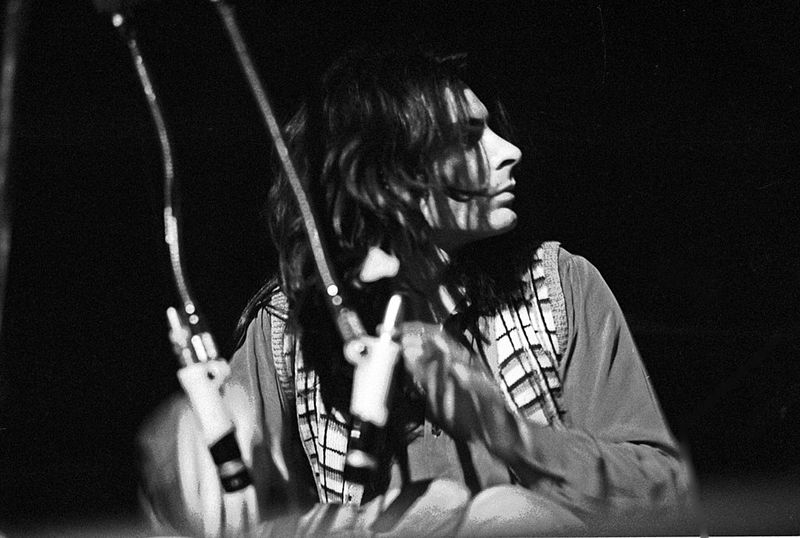
Before glam rock had a name, Marc Bolan was already building its vocabulary. Released in February 1971, this single spent six weeks at number one on the UK Singles Chart and introduced a generation of British teenagers to a sound that was simultaneously rooted in 1950s rock and roll and pointed toward something entirely new.
The song’s structure is deceptively simple: a repetitive guitar figure, a minimal rhythm section, and a chorus that relies on group vocals rather than elaborate harmonies. That simplicity was a strategic choice, not a limitation, and it gave the track a directness that more technically ambitious records from the same period lacked.
American audiences were slower to connect with T. Rex than British ones, but Generation Jones members who discovered Bolan through import records or older siblings often trace their interest in glam rock directly to this track.
Its influence on the decade that followed it was substantial, even if the song itself rarely gets credited for that role.
Share this story