 Unearth The Voyage
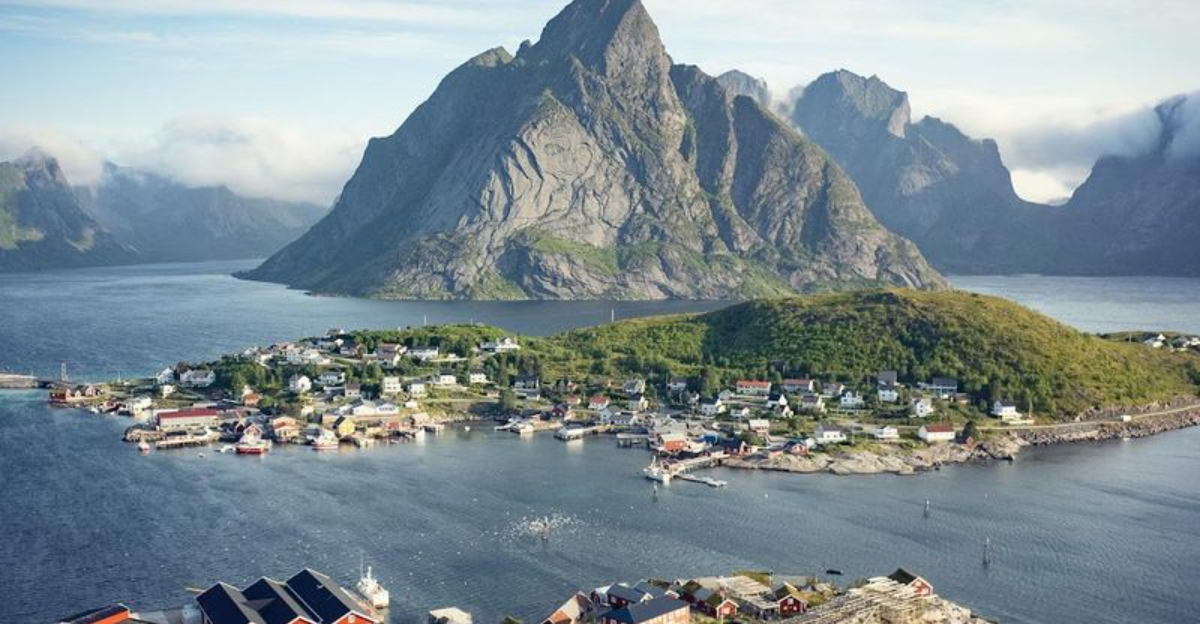
Sometimes the best thing you can do for your brain is lose the Wi-Fi password. Whether your screen time report is making you sweat or you just need a serious reset, the world has some genuinely spectacular places designed to help you unplug.
From frozen Arctic islands to sun-drenched archipelagos, these 14 destinations will have you trading notifications for something far better. Pack light, leave the charger at home, and let the landscapes do the talking.
The Faroe Islands, Denmark
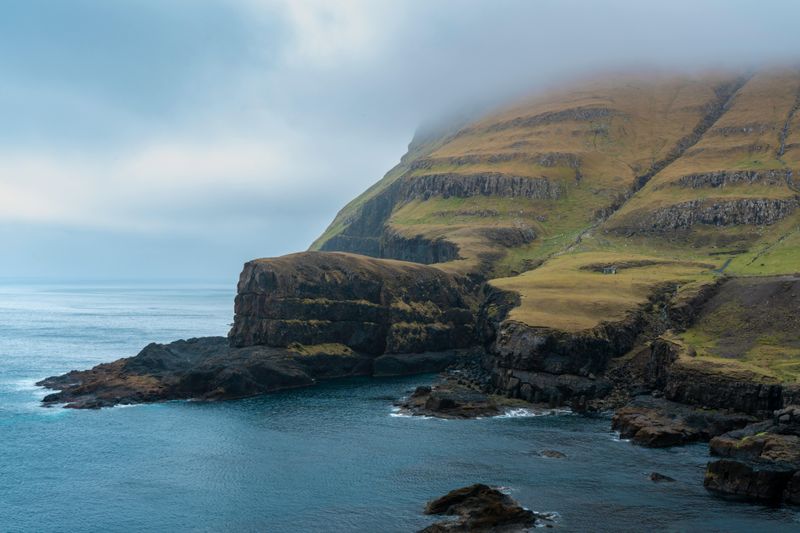
Eighteen islands, zero skyscrapers, and enough dramatic cliffs to make your Instagram feed feel deeply inadequate. The Faroe Islands sit between Norway and Iceland, and they operate on their own slow, wind-swept schedule.
Sheep outnumber people here, which tells you a lot about the vibe.
There are no theme parks, no massive resort chains, and honestly, the weather alone will keep you off your phone. You will be too busy watching fog roll over volcanic ridges to care about breaking news.
The official tourist board leans hard into unspoiled nature and hidden treasures, which is exactly what this archipelago delivers.
The small communities feel genuinely welcoming rather than tourist-polished. Local ferries connect the islands, and the pace of travel between them is part of the experience.
If slow travel sounds like your kind of therapy, the Faroe Islands will exceed every expectation you did not even know you had.
Raja Ampat, Indonesia
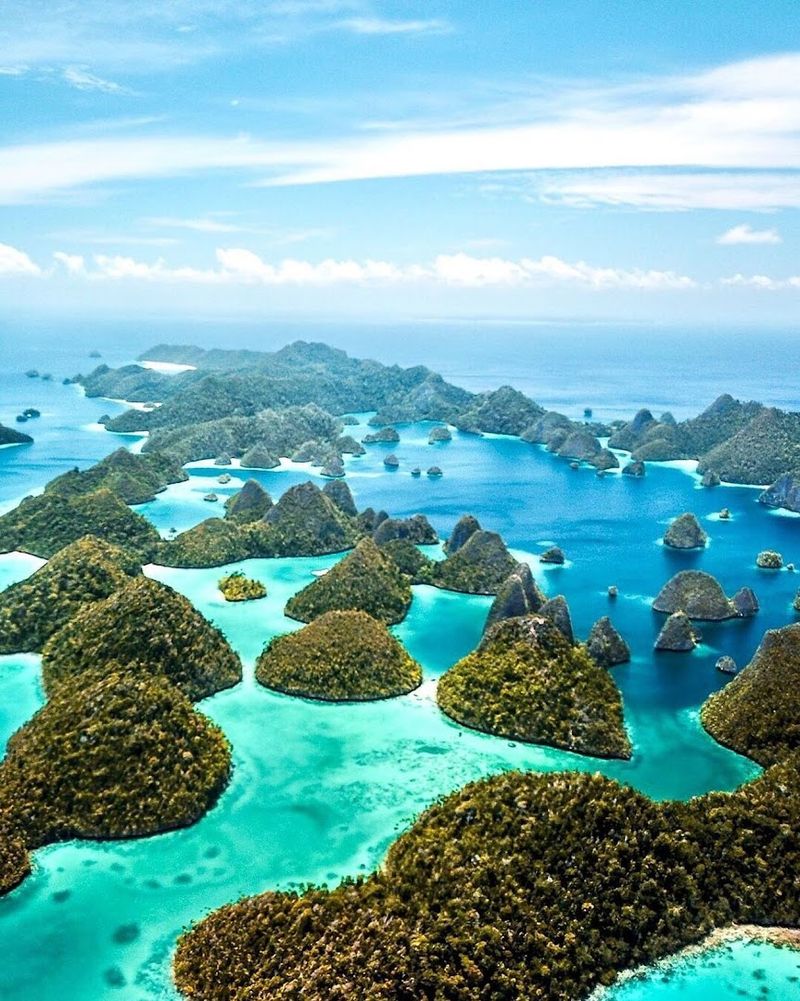
There is a reason Raja Ampat keeps showing up on every serious traveler’s bucket list, and it has nothing to do with rooftop bars or airport lounges. This remote corner of Indonesia sits in the Coral Triangle, home to more marine species than almost anywhere else on the planet.
The fish are not impressed by your follower count.
Staying in a local homestay in a village like Arborek means your days are shaped by tides, meals, and conversations rather than push notifications. Indonesia’s official tourism site highlights these community-based stays as a core part of the Raja Ampat experience.
That is a very good sign.
Snorkeling here feels less like an activity and more like a full personality adjustment. The water is so clear and so alive that you genuinely forget what you were stressed about.
A detox that works on you without you even noticing is the best kind there is.
Fogo Island, Newfoundland and Labrador, Canada
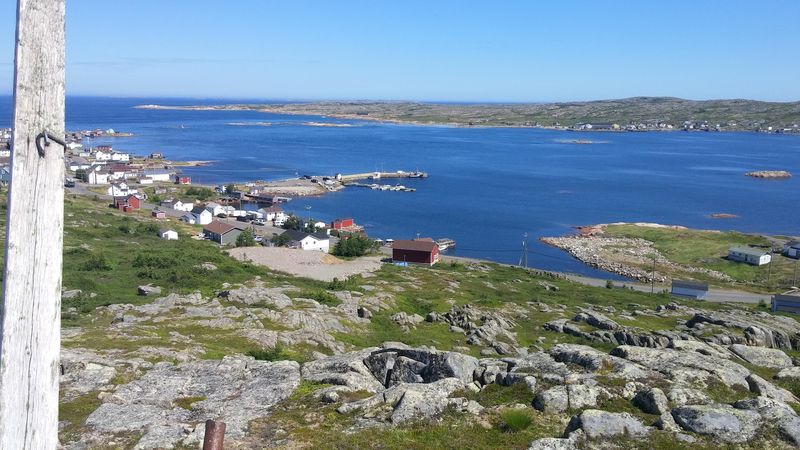
Fogo Island is the kind of place that makes you feel like the rest of the world is the weird one. Sitting off the northeast coast of Newfoundland, this small island requires a ferry to reach, which is already doing a lot of the detox work for you.
There is no rushing the ocean.
The island’s identity is deeply tied to its own landscape and community rather than to any trend cycle. Whether you stay at the architecturally famous Fogo Island Inn or a simpler local option, the island’s rhythm takes over quickly.
Walks along the coast, conversations with locals, and cold Atlantic air have a way of rearranging your priorities.
What makes Fogo genuinely special is that the remoteness feels purposeful rather than accidental. The island has invested in its own creative and cultural life, which means visitors find something real here.
You leave feeling like you actually went somewhere, not just escaped somewhere.
Svalbard, Norway
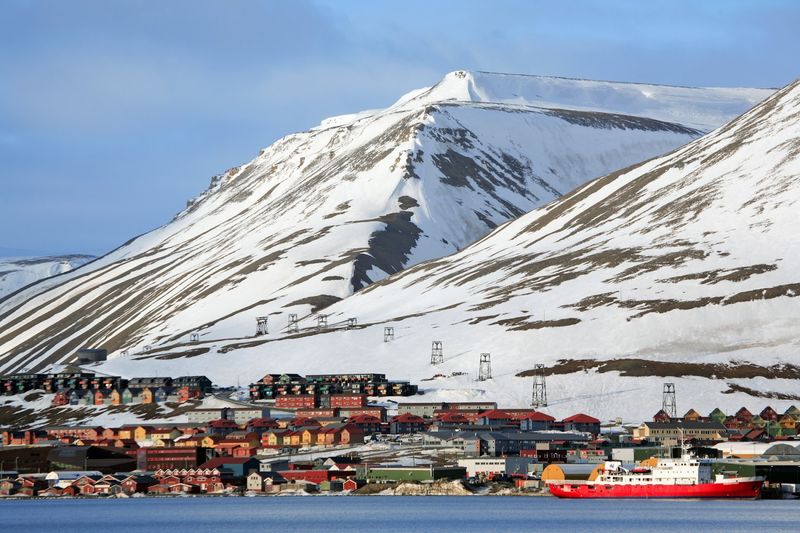
Svalbard sits at 78 degrees north, which means polar bears outnumber permanent residents and the sun either refuses to set or refuses to rise depending on the season. This is not a casual long-weekend destination.
This is the real Arctic, and it commands your full attention from the moment you land.
Visit Svalbard presents the archipelago as a year-round High Arctic experience, with guided tours covering everything from glacier hikes to snowmobile expeditions. The infrastructure in Longyearbyen is surprisingly solid, but the wilderness starts almost immediately outside town.
Your phone signal, however, does not always follow.
There is something genuinely humbling about being in a place where nature holds all the cards. You are not the most interesting thing in Svalbard.
The glaciers are. The Arctic foxes are.
That shift in perspective is exactly the point of a proper detox, and Svalbard delivers it without apology or compromise.
The Route of Parks of Patagonia, Chile
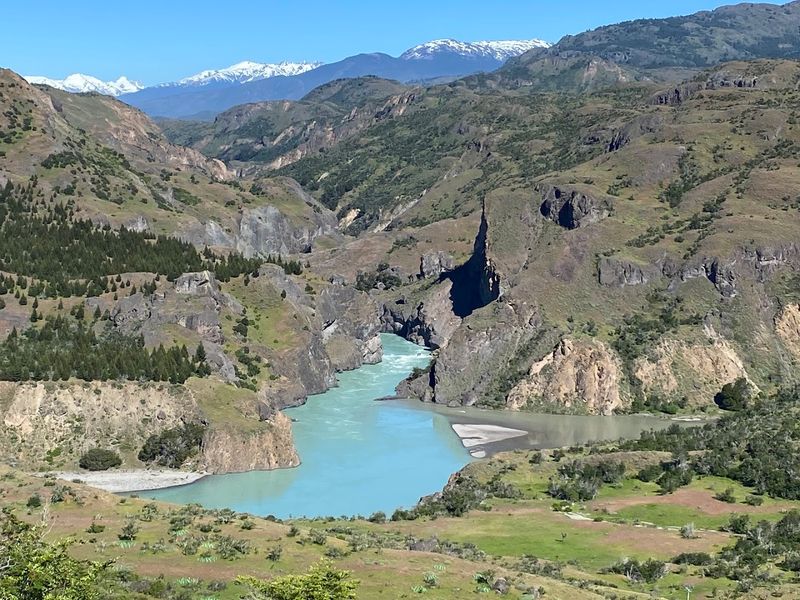
A 2,800-kilometer route connecting 17 national parks is not a trip you scroll through. Chile’s Route of Parks is a moving detox, the kind where the scenery changes faster than your mood ever could on a couch.
Patagonia has a way of making everything else feel very small and very far away.
Chile’s official tourism guide frames this route as a journey through some of the most dramatic and least-touched landscapes in the Southern Hemisphere. Long drives on gravel roads, surprise condor sightings, and glaciers that look fake but are very much real are all part of the deal.
Notifications feel genuinely irrelevant out here.
This one suits travelers who want movement rather than stillness. You are not parked at a single resort watching the same lake.
You are covering ground, crossing rivers, and waking up in a different corner of wilderness each morning. That sense of forward motion is its own kind of mental reset.
Fiordland, New Zealand
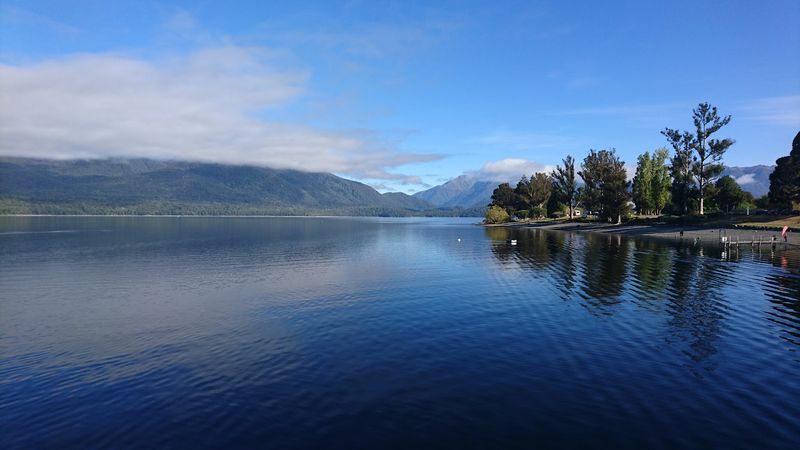
Fiordland is the part of New Zealand that makes the rest of New Zealand feel like a warm-up act. Milford Sound alone has been making jaws drop for centuries, and Doubtful Sound is somehow even more dramatic and even less crowded.
The scenery here does not ease you in gently.
New Zealand’s Department of Conservation manages Fiordland National Park with a clear emphasis on preservation over convenience, which keeps the experience raw and genuinely wild. Hiking the Milford Track or kayaking through the fiords puts you inside the landscape rather than just in front of it.
That is a very different kind of travel.
The gateway town of Te Anau is small, outdoorsy, and refreshingly free of the usual tourist-town noise. Most visitors are too tired from hiking or too awestruck by waterfalls to spend much time online.
Fiordland rewards people who show up ready to move, look, and actually be somewhere instead of just documenting it.
Finnish Lakeland, Finland
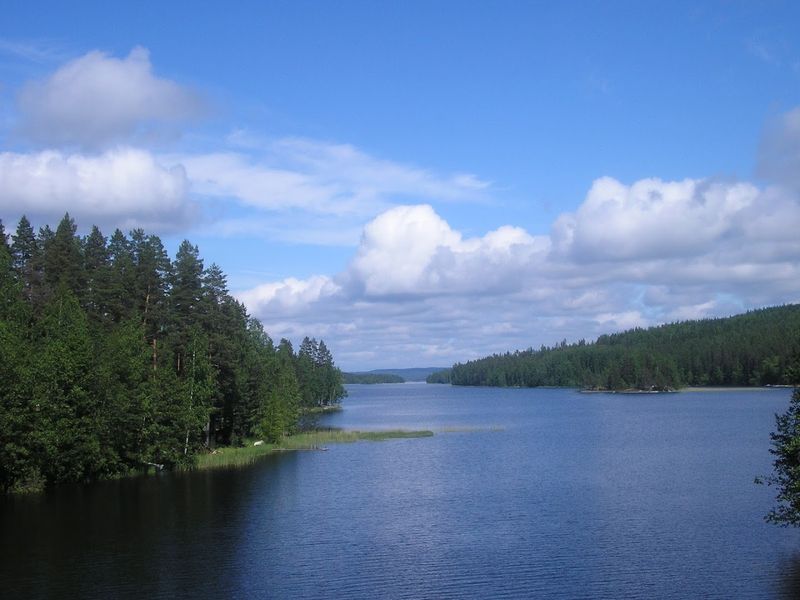
Not every digital detox needs to involve crampons and altitude sickness. Finnish Lakeland makes a compelling case for the quieter kind of reset, the one involving a lakeside sauna, a wooden dock, and approximately zero agenda.
Finland has roughly 188,000 lakes, so the odds of finding a good one are excellent.
Visit Finland describes the region as a landscape of forests, water, cottages, and wildlife, with saunas playing a central cultural role rather than a hotel amenity role. There is a real difference between a sauna you book as an add-on and a sauna that is just part of daily life.
Here, it is the latter.
I tried this kind of slow travel once, and the hardest part was accepting that doing nothing was actually the plan. Finnish Lakeland is built for that acceptance.
Long evenings on the water, birch-scented air, and the kind of silence that actually feels comfortable will recalibrate you faster than any app ever could.
The Azores, Portugal
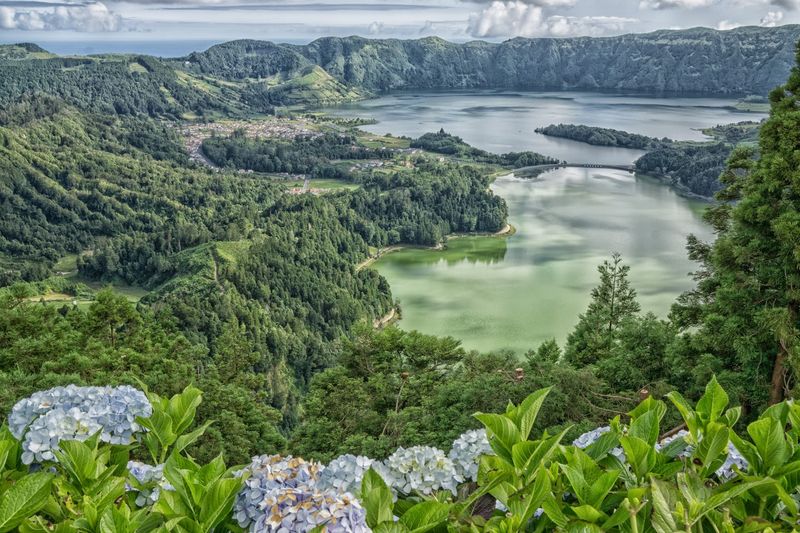
The Azores are nine volcanic islands dropped into the middle of the Atlantic, and they have been quietly perfecting the art of the slow travel experience long before it became a trending hashtag. Visit Azores brands the archipelago as sustainable by nature, which is not just good marketing.
It is a genuine reflection of how the islands operate.
Hiking crater lakes, watching sperm whales breach from a boat, and soaking in geothermal hot springs are all on the menu. None of those activities require a strong Wi-Fi signal, and all of them are better without one.
Inter-island travel by small plane or ferry adds to the feeling of being genuinely far from your usual routine.
The Azores hit that rare sweet spot of being accessible enough to reach without a month of planning but remote enough to feel like a real escape. That balance is hard to find, and the islands wear it well.
Your out-of-office message will feel very earned here.
Mongolia’s Community-Based Travel Regions
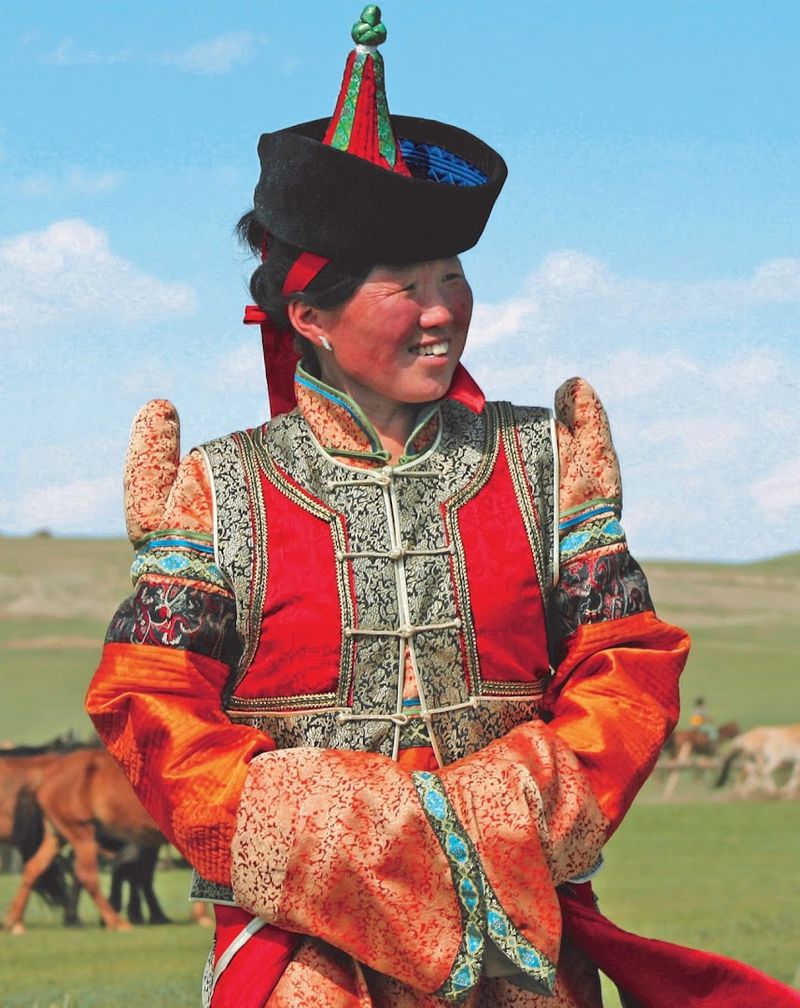
Mongolia is the country with the lowest population density in the world, which means the silence out on the steppe is not a selling point, it is just the reality. There is no ambient city noise.
There is wind, and there are horses, and there is an enormous sky that makes you feel appropriately small.
Official Mongolia tourism pages focus heavily on nomadic heritage and community-based tourism, where travelers stay with local families, help with daily tasks, and experience a way of life that has not been redesigned for Instagram. That cultural depth is what separates this from a standard nature trip.
Connectivity in the countryside is minimal by default rather than by design, which removes the temptation entirely. You are not choosing to unplug.
You simply cannot plug in, and after the first day, you stop wanting to. Mongolia is the kind of detox that rewires something in your thinking rather than just pausing it temporarily.
Kangaroo Island, South Australia
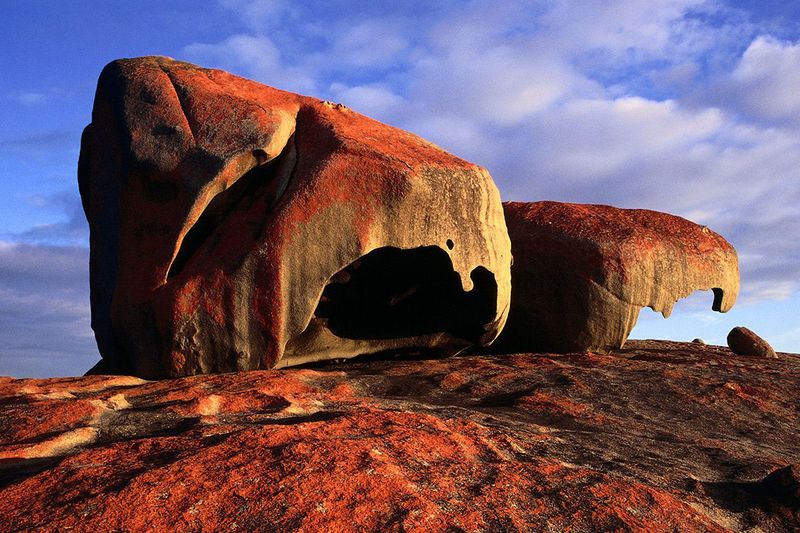
South Australia’s tourism board describes Kangaroo Island as minutes from the mainland but a world away from city life, which is either great copywriting or just the honest truth. Probably both.
The island is home to sea lions, koalas, echidnas, and more kangaroos than you will ever see anywhere else, and none of them care about your data plan.
Getting around Kangaroo Island requires actual planning, the kind involving ferry timetables, distances between parks, and decisions about where to sleep rather than which app to open. That logistical grounding is oddly satisfying.
You are navigating a real place with real constraints, and it feels good.
The island bounced back impressively after the devastating 2019 and 2020 bushfires, and visiting now directly supports local conservation and tourism recovery. The wildlife encounters here are not staged or behind glass.
A sea lion once waddled past my towel without a second glance. Kangaroo Island operates entirely on its own terms, and that is the whole point.
Laikipia, Kenya
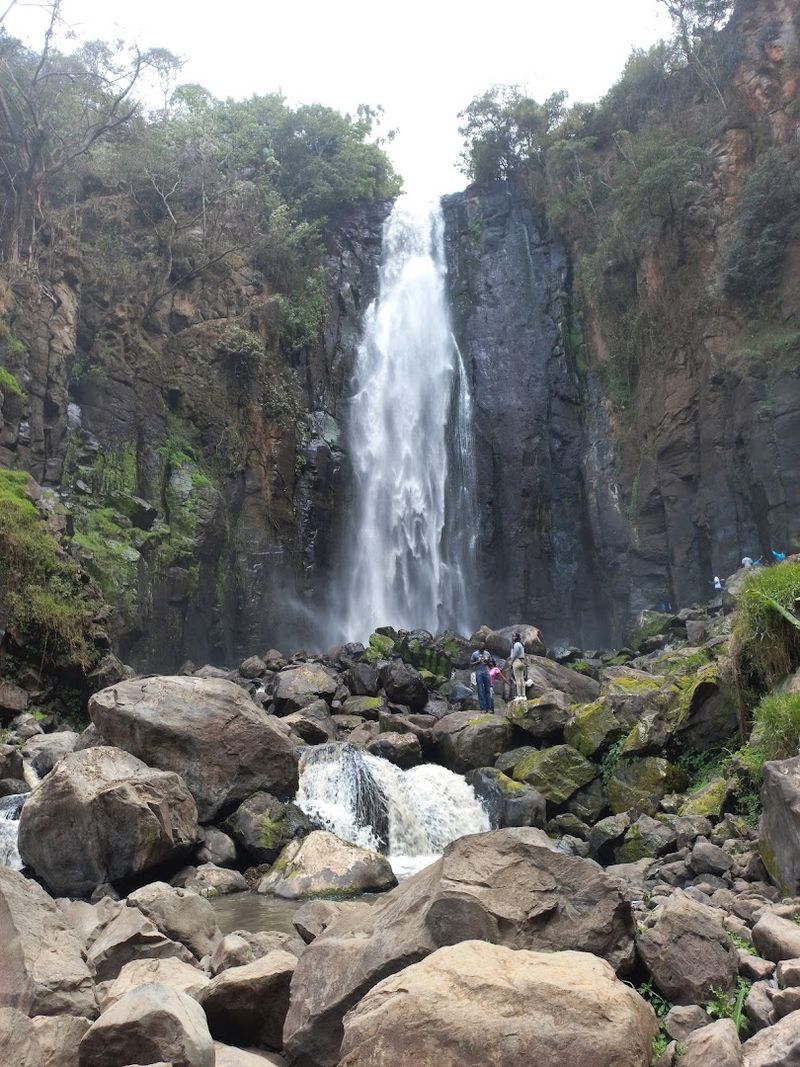
Laikipia sits on Kenya’s northern circuit, away from the Masai Mara crowds, and it has a very different energy. This is a landscape of private conservancies, community ranches, and wildlife corridors where elephants, wild dogs, and reticulated giraffes move through land that is managed as much for them as for visitors.
The ecosystem sets the pace, not the itinerary.
Magical Kenya’s destination material points travelers toward camps, lodges, and sanctuaries that require multi-leg journeys to reach, which naturally slows everything down before you even arrive. Bush planes, dusty roads, and early morning game drives do not leave much room for scrolling.
The mornings here start before sunrise and the days fill up without any help from a screen.
What makes Laikipia different from a standard safari is the depth of engagement available. Some properties offer conservation volunteering, night drives, or walking safaris that keep you genuinely absorbed.
This is a detox that replaces your usual habits with something far more interesting than anything your feed could offer.
The Cederberg, South Africa
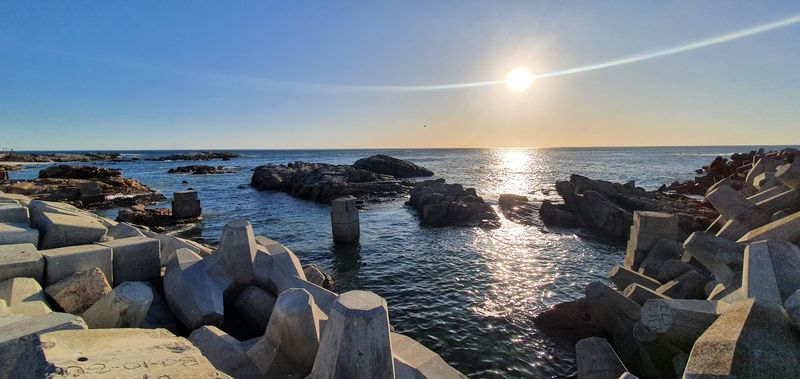
Just a couple of hours north of Cape Town, the Cederberg feels like a completely different country. The red sandstone formations are extraordinary, the fynbos-covered valleys are vast, and the population density drops sharply the moment you leave the highway.
It is the kind of place that makes a long weekend feel like a full reset.
The official Cederberg tourism site describes the region as wilder and warmer than the Cape, with wilderness areas, hiking trails, mountain biking routes, and scattered accommodation options that range from basic camping to comfortable farm stays. That variety means you can calibrate the level of roughing it to suit your comfort zone.
Rock art left by the San people thousands of years ago is scattered throughout the mountains, and stumbling across it on a hike adds a quietly powerful dimension to the trip. The Cederberg does not need a glossy marketing campaign.
It just needs you to show up, put the phone away, and look around. The landscape handles the rest.
Lofoten, Norway
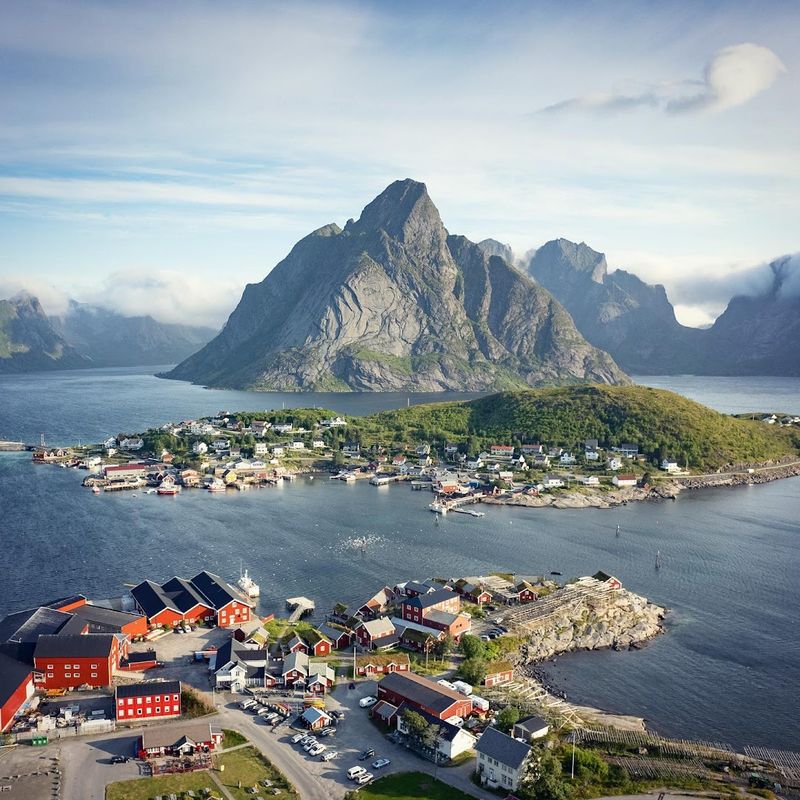
Yes, Lofoten is all over social media. Yes, it still absolutely deserves a spot on this list.
The trick is that the actual experience of being in Lofoten is genuinely nothing like the filtered version. The wind is real, the hikes are steep, and the fishing villages are small and working rather than decorative.
Visit Norway highlights kayaking, northern lights chasing, midnight sun hiking, and community life across the islands as the core of what Lofoten offers. That combination of physical activity and natural spectacle keeps you too busy and too awestruck to spend much time on your phone.
The landscape earns your attention without trying.
Staying in a traditional rorbu, a converted fisherman’s cabin right on the water, is one of those experiences that sounds charming and turns out to be even better than expected. The sound of the water, the weight of the wooden walls, and the complete absence of anything resembling a conference call make Lofoten a detox that actually sticks.
The Isle of Eigg, Scotland
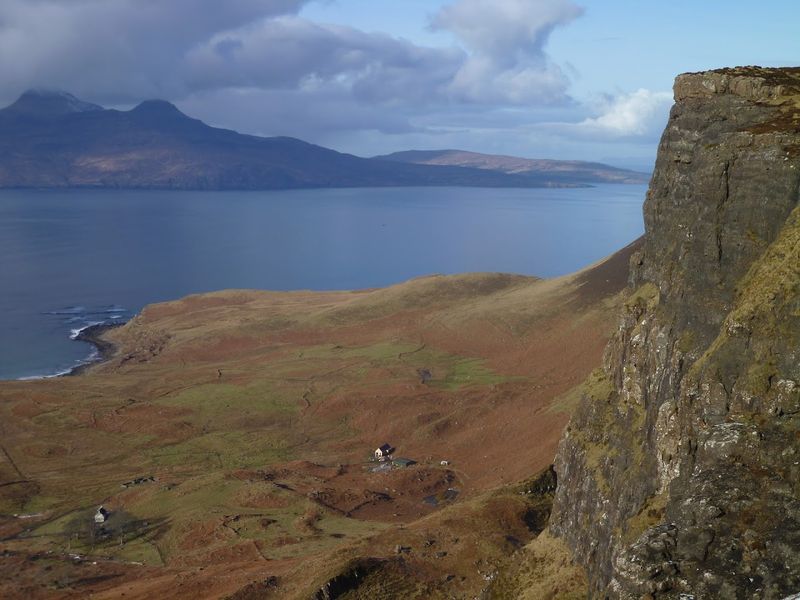
Eigg is one of those places that sounds almost too good to be true until you actually look it up. This small Scottish island in the Inner Hebrides is community-owned, powered almost entirely by renewable energy, and home to fewer than 100 permanent residents.
It is a genuinely functioning alternative to the way most of the world operates.
The island’s official site describes Eigg as rich in wildlife, history, and outdoor exploration, with accommodation options ranging from wooden cabins to camping pods scattered across the landscape. The ferry from Mallaig is the only way in, and the crossing already starts doing the mental work of separating you from your usual routine.
There are no chain restaurants, no traffic lights, and no mobile signal in most of the island. What there is: golden eagles, ancient rock formations, friendly locals who actually know each other, and the kind of quiet that takes a full day to get used to.
Eigg is small, specific, and surprisingly complete.



