 Unearth The Voyage
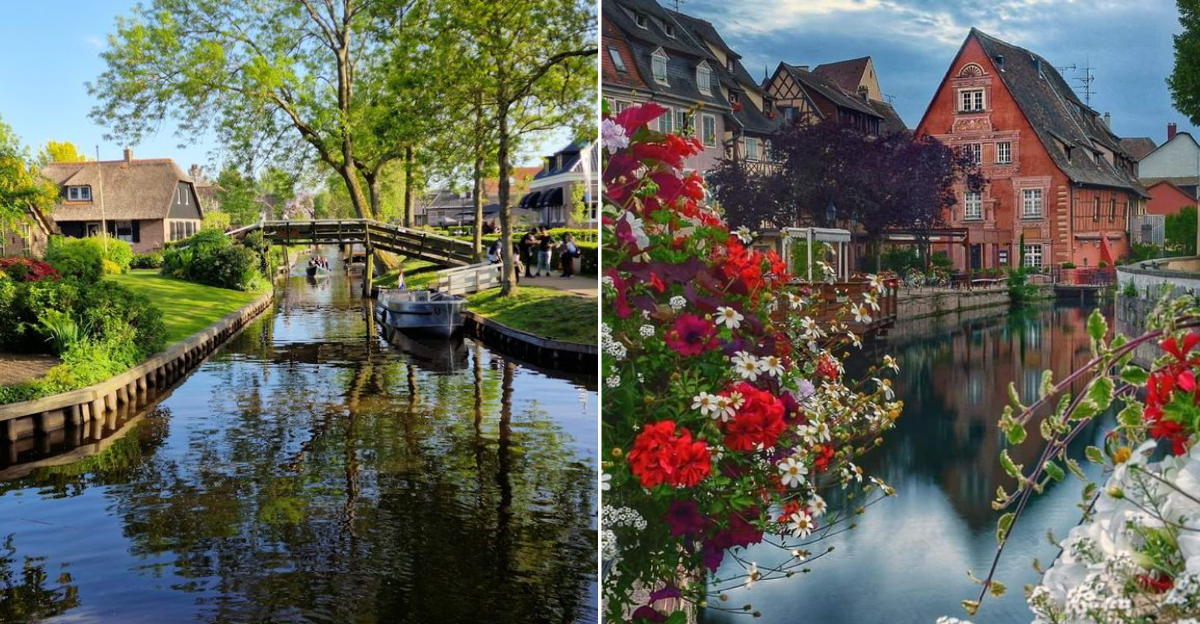
Some places on Earth are so beautiful they barely feel real. Walking through them feels less like tourism and more like stepping into the pages of a book you read as a kid.
From pastel-colored villages perched on cliffs to lantern-lit streets reflected in canals, these destinations have a quality that photographs struggle to capture. Here are 14 places around the world that look exactly like a storybook setting.
Hallstatt, Austria
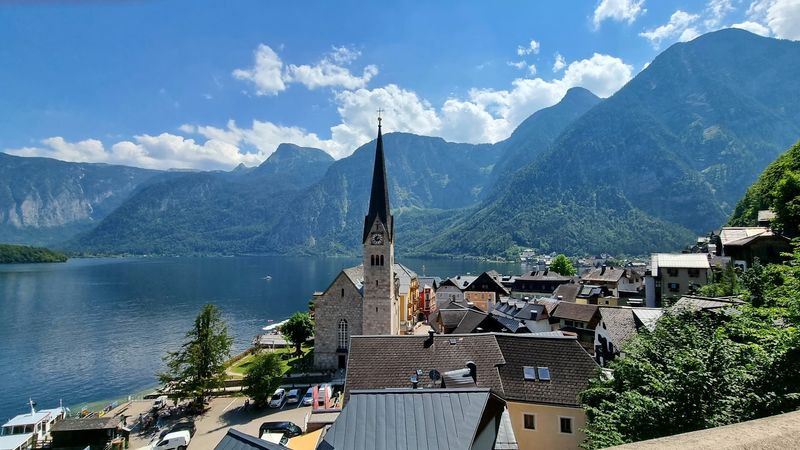
Hallstatt is the kind of town that makes you double-check whether you accidentally walked into a postcard. Pastel houses line the edge of a glassy alpine lake, with mountains rising sharply behind them.
The whole scene looks almost digitally enhanced, but it is completely real.
The village is one of the oldest continuously inhabited settlements in Europe, with salt mining history dating back over 7,000 years. That means the charm here is not manufactured for tourists.
It grew organically over millennia.
Getting there requires a short ferry ride or a drive through winding mountain roads, which honestly adds to the adventure. The official tourist office in the village center makes planning a visit straightforward.
Visit in early morning when the crowds are thin and the lake is still. That is when Hallstatt earns every bit of its storybook reputation.
Colmar, France
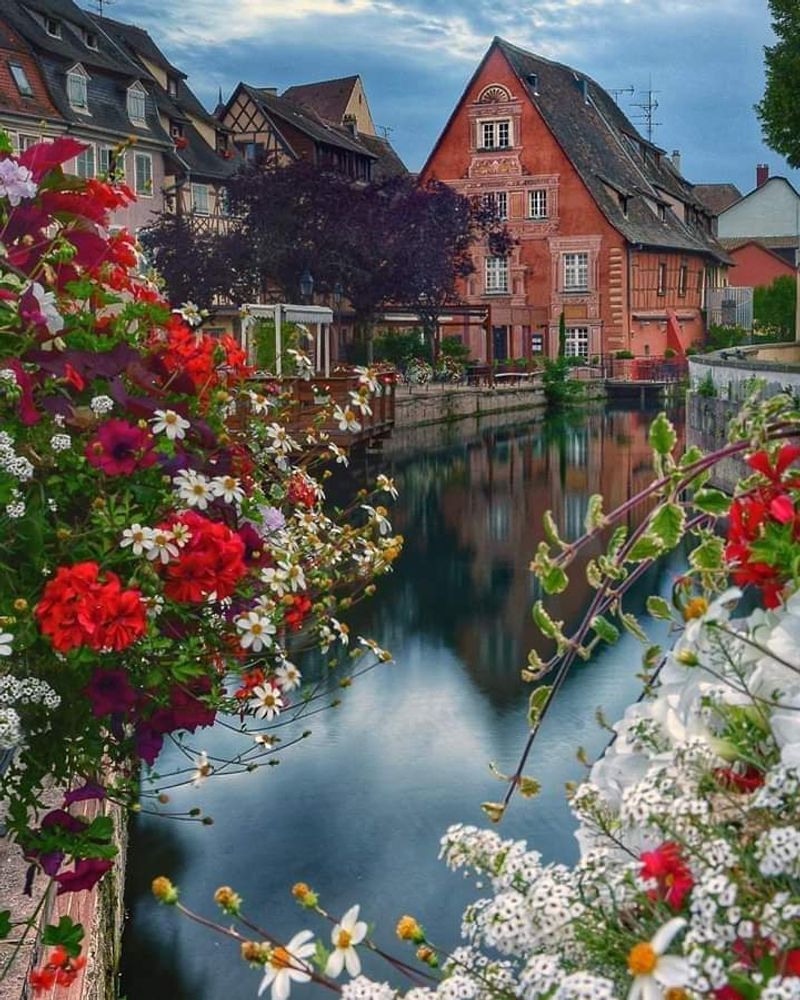
Colmar did not get the memo that real towns are supposed to look ordinary. Its half-timbered houses come in shades of mustard, coral, and sage green, leaning slightly over canals in the most photogenic way possible.
The neighborhood nicknamed Little Venice alone is worth the trip.
Located in the Alsace region of northeastern France, Colmar has managed to preserve its medieval architecture better than almost anywhere else in Europe. It escaped major destruction during both World Wars, which feels like a small miracle given its location.
The town hosts a famous Christmas market each winter, when the lights and decorations push the fairy-tale atmosphere into full overdrive. Year-round, the official tourist office provides solid visitor resources.
Stroll through the old tanner’s quarter on a quiet afternoon and you will quickly understand why Colmar is said to have inspired the village in Beauty and the Beast.
Giethoorn, Netherlands
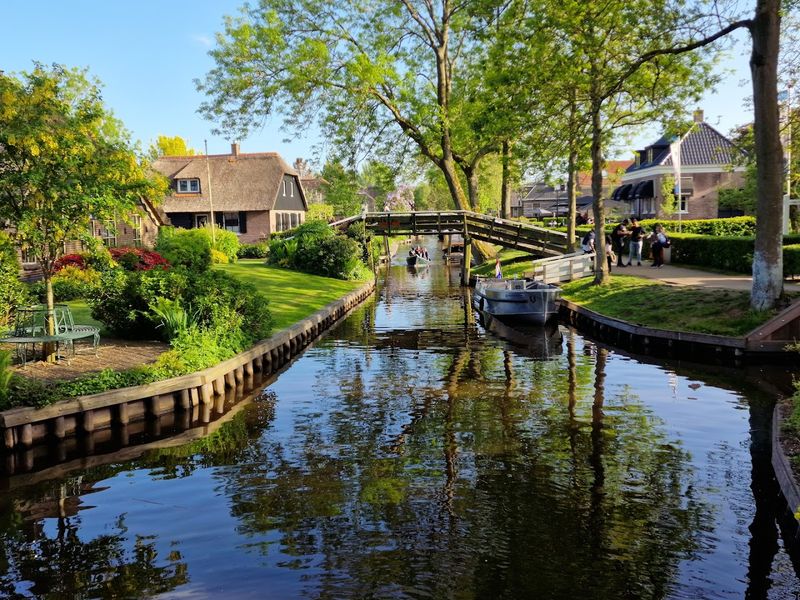
There are no roads in the center of Giethoorn. None.
Getting around means hopping in a flat-bottomed boat, crossing one of its 176 bridges, or simply walking along the grassy footpaths that wind between the cottages. It is either deeply charming or mildly inconvenient, depending on your mood.
The village sits in the province of Overijssel and was originally settled by peat cutters in the 13th century. Over time, the pits they dug filled with water and became the canals that now define the place entirely.
Renting a whisper boat, which runs on a quiet electric motor, is the classic way to explore. You drift past thatched-roof farmhouses and wooden bridges at a pace that forces you to actually slow down and look around.
Official tourism guidance is available online, and the village welcomes visitors throughout the year. It is genuinely one of the quietest places in the Netherlands.
Shirakawa-go, Japan
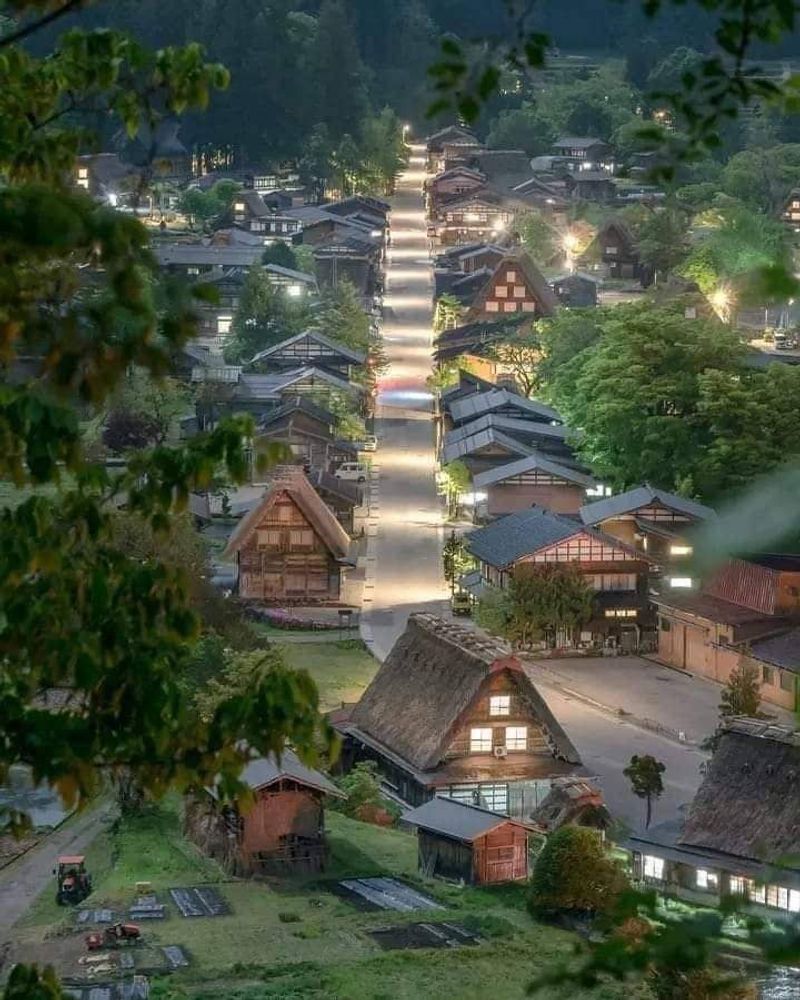
Snow turns Shirakawa-go into something that belongs in a Japanese folk tale. The steep thatched roofs of the gassho-zukuri farmhouses pile up with snow like something out of an illustrated winter scene, and the surrounding mountains complete the effect without any help from a filter.
The name gassho-zukuri literally means hands in prayer, referring to the steep angle of the roofs designed to shed heavy mountain snowfall. Some of these structures are over 250 years old and still standing strong.
That is genuinely impressive engineering wrapped in extraordinary aesthetics.
The village is a UNESCO World Heritage Site, and the official village website along with Japan’s national tourism resources make it easy to plan a visit. The winter illumination events, held on select evenings from January through February, are particularly popular.
Booking accommodation well in advance is strongly recommended. Shirakawa-go rewards visitors who do their homework before arriving.
Lake Bled, Slovenia
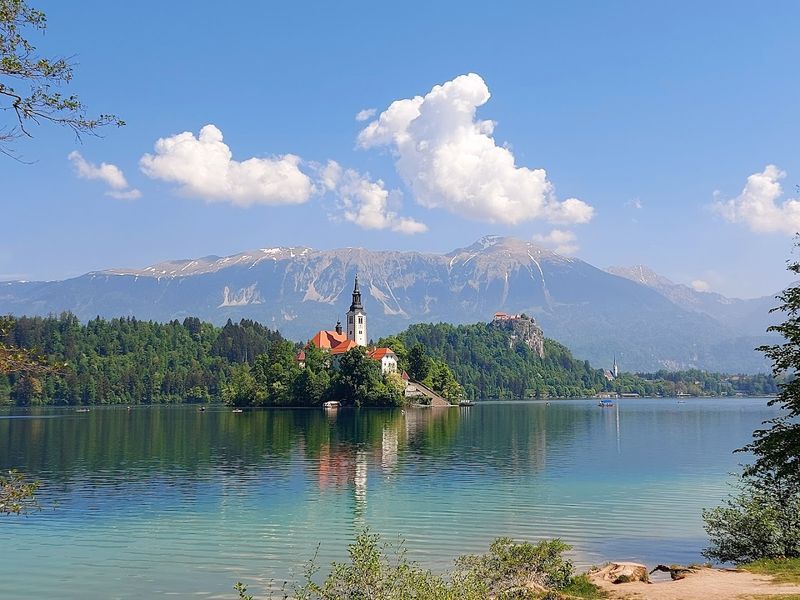
A lake with a tiny island in the middle, a church on that island, and a castle on a cliff overlooking everything. That setup sounds like the opening line of a fantasy novel, but Lake Bled is 100 percent real and absolutely worth the hype.
The island church, formally called the Church of the Assumption of Mary, dates back to the 17th century. Tradition says that ringing the church bell grants wishes, which explains the line of tourists waiting to pull the rope on any given afternoon.
Reaching the island requires a ride on a traditional wooden rowboat called a pletna, which has been operated by local families for generations. The active official tourism portal for Bled makes planning accommodation and activities straightforward.
For the most dramatic view of the whole scene, hike up to Ojstrica viewpoint early in the morning. The effort is absolutely worth it.
Český Krumlov, Czech Republic
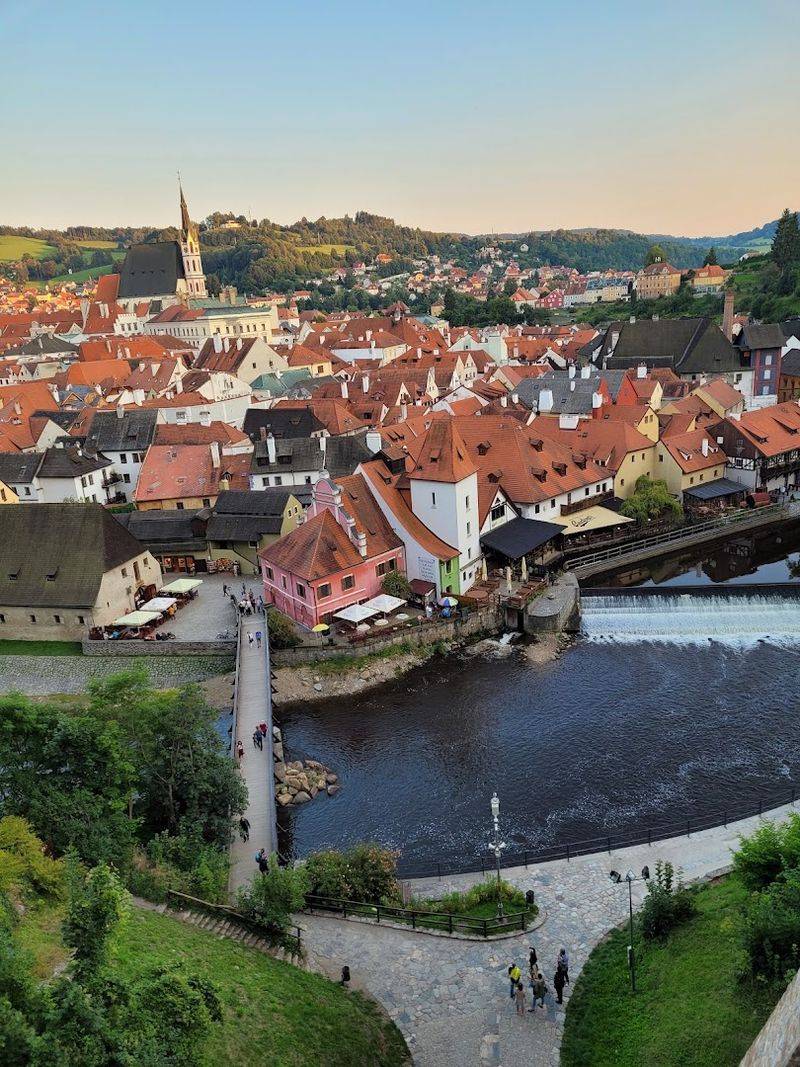
Český Krumlov is what happens when a medieval town refuses to move on, and the result is spectacular. The Vltava River wraps around the old town in a dramatic horseshoe curve, and a massive castle complex looms above it all like it was placed there specifically for visual effect.
The town has fewer than 14,000 permanent residents, which gives it an intimate, almost theatrical quality. Walking its winding cobblestone streets feels less like sightseeing and more like wandering through a film set that nobody remembered to pack up.
The castle itself is one of the largest in Central Europe and includes a Baroque theater with original stage machinery still intact. The active tourism portal, tourist information center, and official castle site all provide current visitor information.
Summer brings theater performances in the castle gardens, which adds yet another layer of magic to an already absurdly picturesque destination. Plan ahead, because accommodation fills up fast.
Rothenburg ob der Tauber, Germany
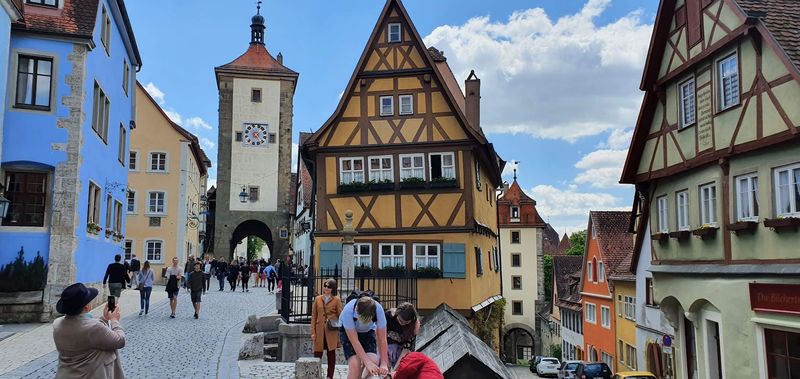
Walking through Rothenburg ob der Tauber feels like someone hit pause on the 15th century and forgot to press play again. The city walls are intact.
The towers are standing. The half-timbered houses lean over cobblestone lanes in a way that makes every corner feel like a scene from a Brothers Grimm story.
One genuinely fun fact: the town was saved from demolition during World War II partly because an American general accepted a personal appeal from a former mayor. That story alone deserves its own storybook.
The Schneeball, a deep-fried pastry dusted with powdered sugar, is the local specialty and an excellent reason to stop at any bakery on the main square. The city’s official tourism service is fully active and offers current planning information, guided tours, and accommodation options.
Christmas in Rothenburg is particularly famous, but the town holds its charm in every single season without exception.
Bruges, Belgium
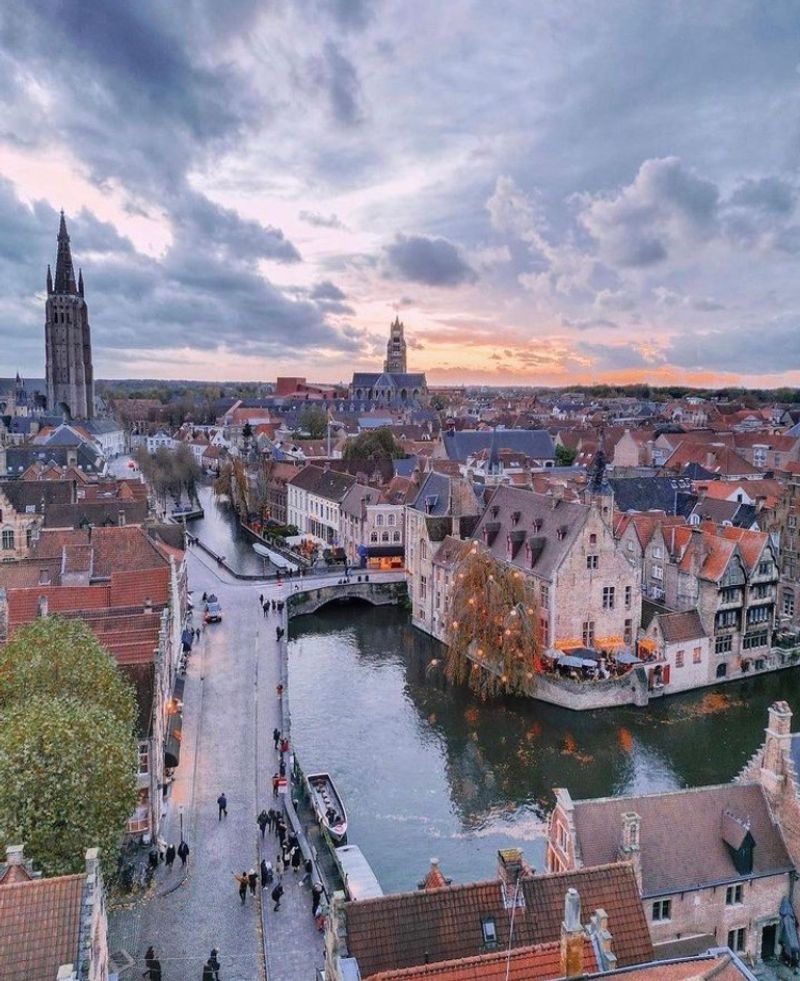
Bruges is the city that time apparently decided to leave alone. Canals run between rows of medieval brick buildings, swans drift past stone bridges, and the whole place glows with a warmth that feels deliberately cinematic.
Spoiler: it is not staged.
The city was one of the most important trading hubs in medieval Europe, and much of that wealth went directly into building the gorgeous architecture that survives today. When trade routes shifted in the 16th century, Bruges essentially froze in place economically, which accidentally preserved it beautifully.
The belfry tower in the main square offers a panoramic view of the rooftops that is worth every one of its 366 steps. The official visitor site currently offers tickets, guided walks, and planning tools.
Belgian chocolate shops and waffle stands are never more than a few steps away, which is either a delightful perk or a dangerous temptation depending on your self-control levels.
Sintra, Portugal
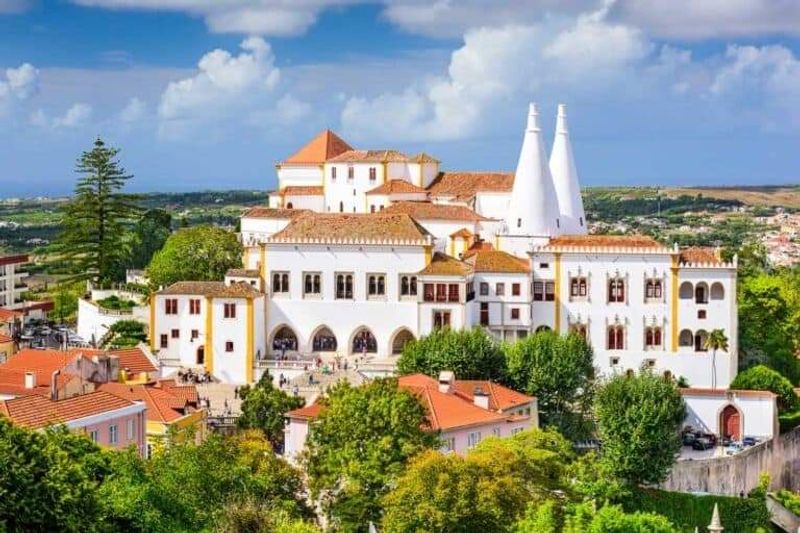
Sintra has palaces the way other towns have coffee shops: there are several, they are all extraordinary, and you will struggle to choose just one. Perched in forested hills above Lisbon, the town is packed with 19th-century Romanticist architecture that went completely over the top in the best possible way.
The Pena Palace is the undisputed showstopper. Its yellow and red towers rise above the treeline like something designed by a very enthusiastic architect who was also clearly having the time of their life.
It is a UNESCO World Heritage Site and one of the most photographed buildings in Portugal.
Day trips from Lisbon are common, but staying overnight allows access to the quieter, more atmospheric side of Sintra. Official tourism and monument management sites keep visitor information current and up to date.
The forest trails connecting the palaces and gardens are genuinely worth exploring on foot rather than rushing between sites by car.
Alberobello, Italy
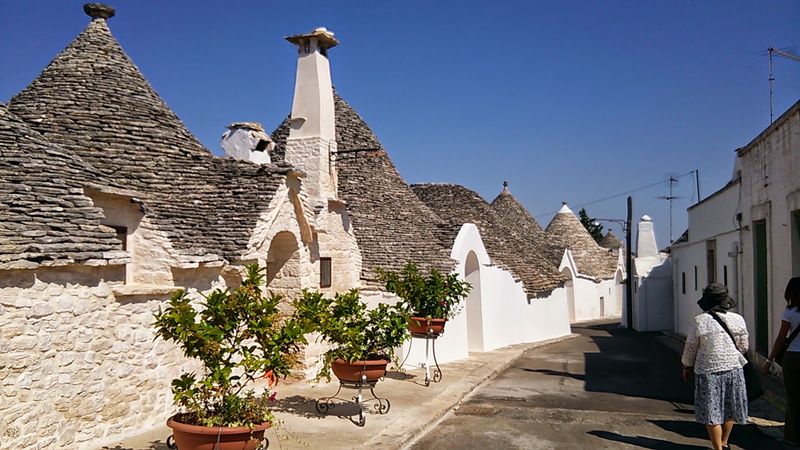
Alberobello has a secret weapon: the trulli. These white limestone buildings with conical grey roofs look like they belong in a hobbit village, and there are over 1,500 of them concentrated in a small area of Puglia.
Nowhere else in the world looks quite like this.
The trulli were originally built without mortar so they could be quickly dismantled to avoid property taxes, which is honestly one of the most creative acts of civic rebellion in architectural history. Today they are a UNESCO World Heritage Site and a major reason people visit southern Italy.
Many trulli have been converted into shops, restaurants, and guesthouses, meaning you can actually sleep inside one if you book early enough. That detail alone upgrades this from sightseeing to full-on storybook experience.
Official tourism resources for Alberobello and the broader Puglia region provide current visitor guidance. The town is most enjoyable in the quieter shoulder seasons of spring and autumn.
Annecy, France
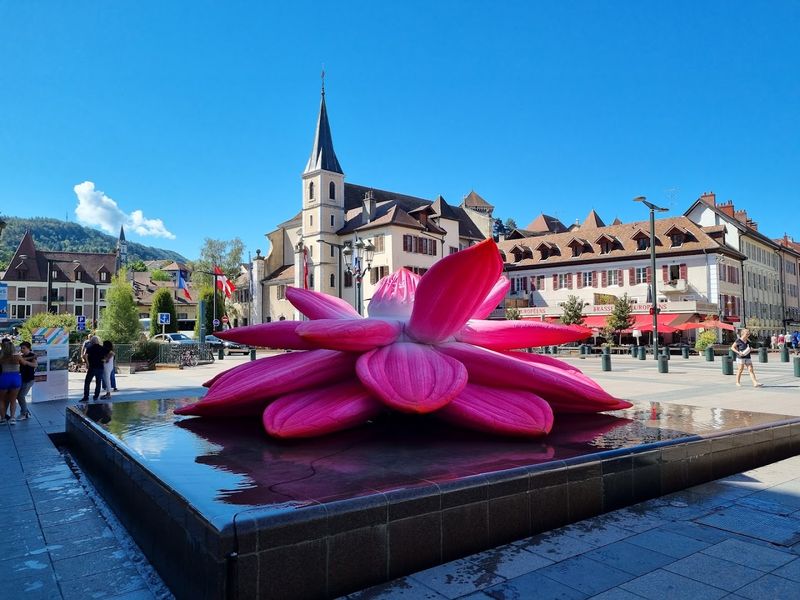
Annecy is sometimes called the Venice of the Alps, which is a comparison that undersells it slightly. Yes, there are canals.
Yes, there are pastel buildings. But there is also a crystal-clear mountain lake the color of a swimming pool and the Alps rising in the background, which Venice cannot claim.
The old town sits at the point where the Thiou River flows out of Lake Annecy, creating a network of small waterways lined with flower-covered buildings. The Palais de l’Isle, a tiny medieval island prison in the middle of the canal, is the town’s most iconic landmark and deeply photogenic despite its grim history.
Markets in the old town run on Tuesday, Friday, and Sunday mornings and are excellent for local cheese, charcuterie, and general people-watching. The Lake Annecy Tourist Office is active and provides current visitor services, accommodation help, and event information.
Summer weekends get busy, so arriving early in the day is genuinely good advice.
Hoi An, Vietnam
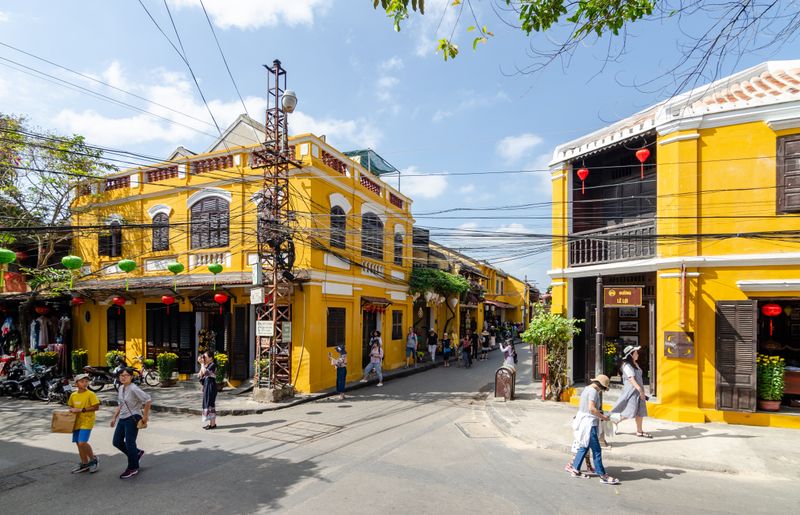
After dark, Hoi An does something remarkable. Paper lanterns in every color hang from buildings, float on the river, and cast a warm glow over the entire ancient town.
It is genuinely one of the most atmospheric evenings you can have anywhere in Southeast Asia.
The old town is a remarkably well-preserved example of a Southeast Asian trading port from the 15th to 19th centuries, and it earned UNESCO World Heritage status in 1999. Japanese merchants, Chinese traders, and European colonizers all left their mark on the architecture, creating a layered visual mix that is unlike anywhere else in Vietnam.
The Full Moon Lantern Festival, held monthly, is when the town turns off electric lights entirely and relies solely on candles and lanterns. Tickets, tours, and heritage information are available through Vietnam’s official tourism resources and the city’s world heritage channels.
Renting a bicycle to explore the surrounding rice paddies and villages is a genuinely underrated way to spend a morning here.
Gruyères, Switzerland
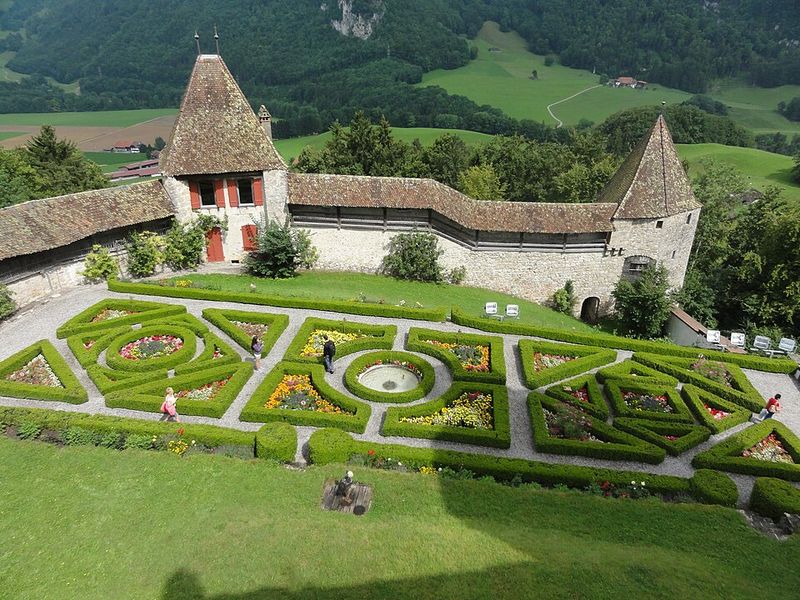
Gruyères sits on a hilltop like it was placed there for maximum dramatic effect, which, to be fair, medieval builders often had in mind. The single cobblestone main street runs up through the village to a 13th-century castle at the top, and the surrounding countryside is the exact shade of green you expect from a Swiss chocolate commercial.
Yes, the cheese is real and local. The region produces the famous Gruyère cheese, and the nearby cheese factory offers tours that explain the whole process.
It is educational, aromatic, and ends with tastings, which is a winning combination by any measure.
The castle houses a museum with historical exhibits and a room dedicated to the work of H.R. Giger, the Swiss artist who designed the creature in Alien.
That is a genuinely unexpected plot twist for a medieval hilltop village. Official tourism offices and Switzerland Tourism both promote the village actively, with current visitor information covering the castle, museums, and local food experiences.
Èze, France
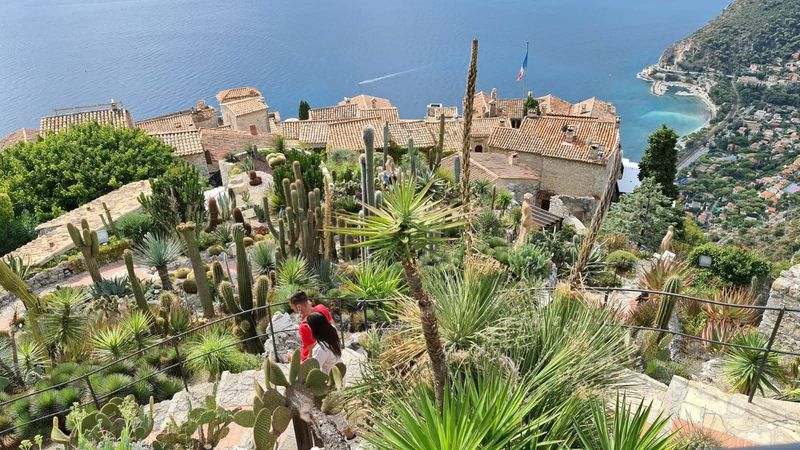
Èze is clinging to a cliff above the Mediterranean at about 429 meters, which makes it either thrillingly dramatic or mildly terrifying depending on how you feel about heights. The views from the top stretch across the coastline all the way to Corsica on a clear day.
The village is essentially a maze of narrow stone alleyways, archways, and hidden staircases built into the rock. At the very top sits an exotic cactus garden where the old castle once stood.
It is an oddly perfect combination of medieval ruins and botanical curiosity.
Fragonard, the famous Provencal perfume house, operates a factory and boutique in Èze, which explains why the village always smells suspiciously wonderful. The official tourism office and municipal resources are active, with current visitor information for both the village and the garden.
Getting there from Nice or Monaco takes under 30 minutes by car, making it a very easy day trip with a very high payoff.



