Some meals stick with you long after the trip is over. Not because of the fancy decor or the Instagram-worthy plating, but because the food, the place, and the moment all clicked together in a way that no museum or monument could match.
I have stood in front of some of the world’s most famous landmarks and felt less moved than I did sitting at a wooden table with a plate of roast suckling pig in Madrid. These 14 restaurants around the world do exactly that: they turn a meal into a memory you will carry home in your bones.
Katz’s Delicatessen, New York, New York
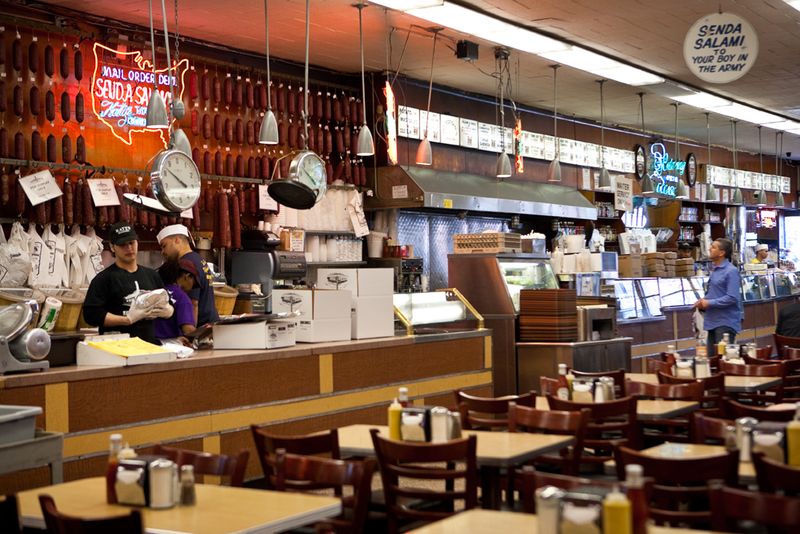
There is a sign hanging at one specific table inside Katz’s Delicatessen that reads: “Where Harry Met Sally.” If that does not tell you everything about this place’s cultural footprint, the pastrami sandwich will finish the argument.
Katz’s has been feeding New Yorkers since 1888. You grab a ticket at the door, shuffle to the counter, watch a guy hand-slice more meat than you thought one sandwich could hold, and then find a seat in a room buzzing with pure New York energy.
The pastrami is fatty, peppery, smoky, and piled so high it is structurally questionable. A pickle comes on the side without asking.
Nobody is trying to impress you with presentation here, and that honesty is exactly what makes it great. Times Square has its billboards, but Katz’s has the better story.
First-timers always leave a little stunned.
L’Antica Pizzeria da Michele, Naples, Italy
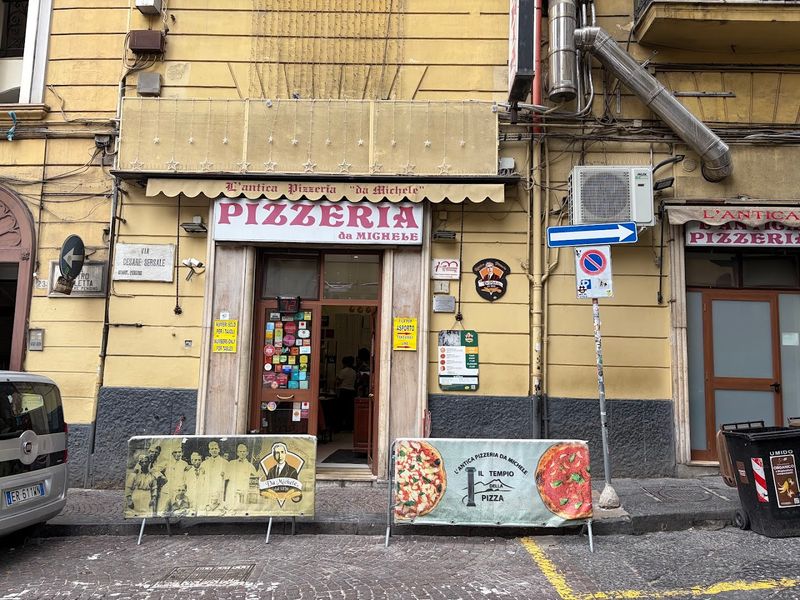
Naples takes pizza personally, and nobody takes it more personally than da Michele. Open since 1870, this legendary spot only serves two options: marinara and margherita.
That is it. No customization, no extras, no apologies.
The room is wonderfully no-nonsense. Plastic chairs, paper placemats, fluorescent lighting, and a queue that wraps outside because the locals and tourists both know what is good.
The dough is soft, charred at the edges, and slightly wet in the center the way authentic Neapolitan pizza is supposed to be.
I ordered the margherita on my first visit, expecting something familiar. What arrived was nothing like what I had eaten anywhere else.
The simplicity felt almost radical. Da Michele is proof that restraint, done with conviction, beats any overcrowded menu.
If pizza had a birthplace worth visiting, this wood-fired room in Naples is it.
Japanese Soba Noodles Tsuta, Tokyo, Japan
Tsuta made history in 2015 when it became the first ramen restaurant in the world to earn a Michelin star. That alone is worth talking about.
But the real story is in the bowl.
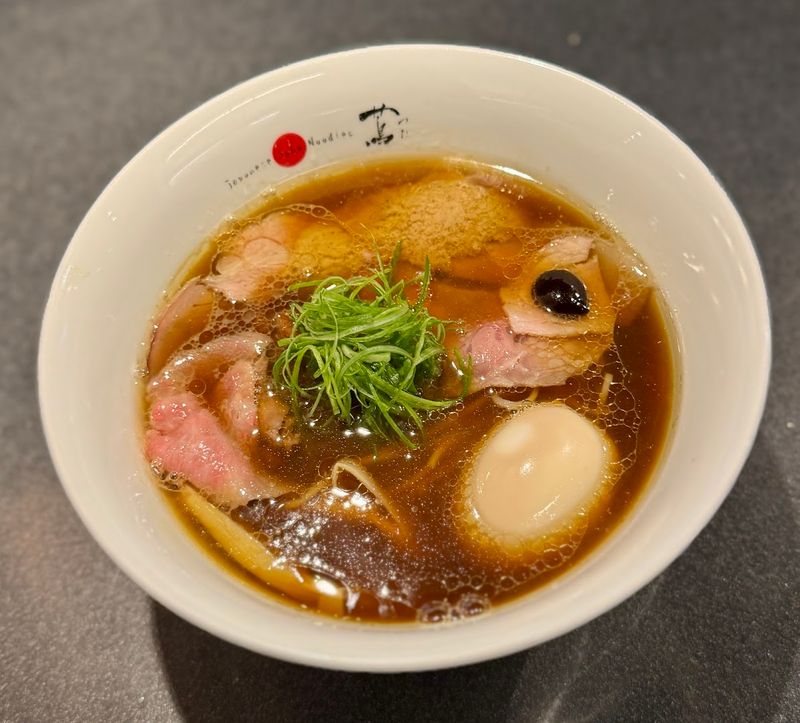
The broth is built from soy, clams, chicken, and a finishing drizzle of black truffle oil. It sounds like someone got carried away, but it works in a way that feels quietly brilliant.
The noodles are thin, springy, and made fresh. Every element earns its place.
Getting a seat used to require lining up before dawn. The restaurant has since expanded, making it a bit more accessible, but the precision has not slipped.
Tokyo has a gift for taking humble street food and elevating it without losing its soul, and Tsuta is the best example of that. One bowl here resets your expectations for every ramen you will eat afterward.
JUMBO Seafood East Coast Seafood Centre, Singapore
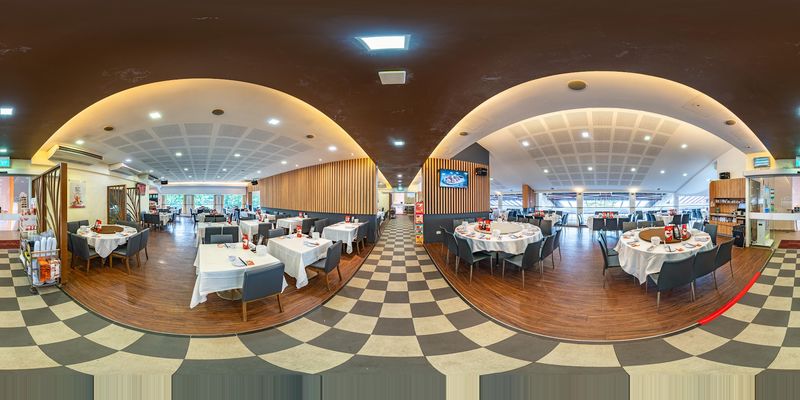
Chili crab is Singapore’s unofficial national dish, and JUMBO Seafood at East Coast Park is where most food-obsessed travelers make their pilgrimage. The setting alone earns points: open-air tables, sea breeze, and the sound of shells cracking at every table around you.
The sauce is the main character here. Thick, tangy, slightly sweet, and just spicy enough to keep things interesting.
You scoop it up with deep-fried mantou buns and accept that your hands will be completely covered in sauce by the end. That is not a problem.
That is the experience.
Sharing this meal with a group makes it even better. It is loud, communal, and joyful in a way that feels very true to Singapore’s food culture.
No white tablecloths, no hushed tones. Just great seafood and a city that genuinely loves feeding people well.
Book ahead, especially on weekends.
Botín, Madrid, Spain
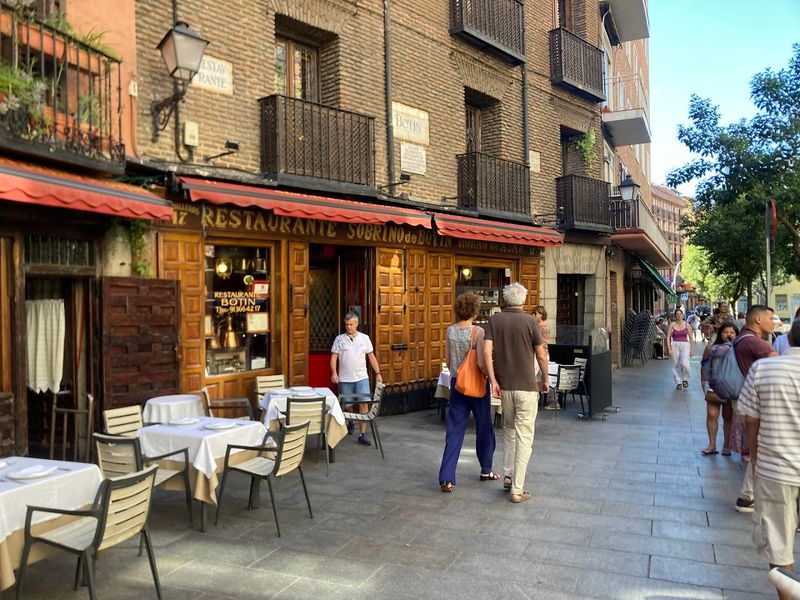
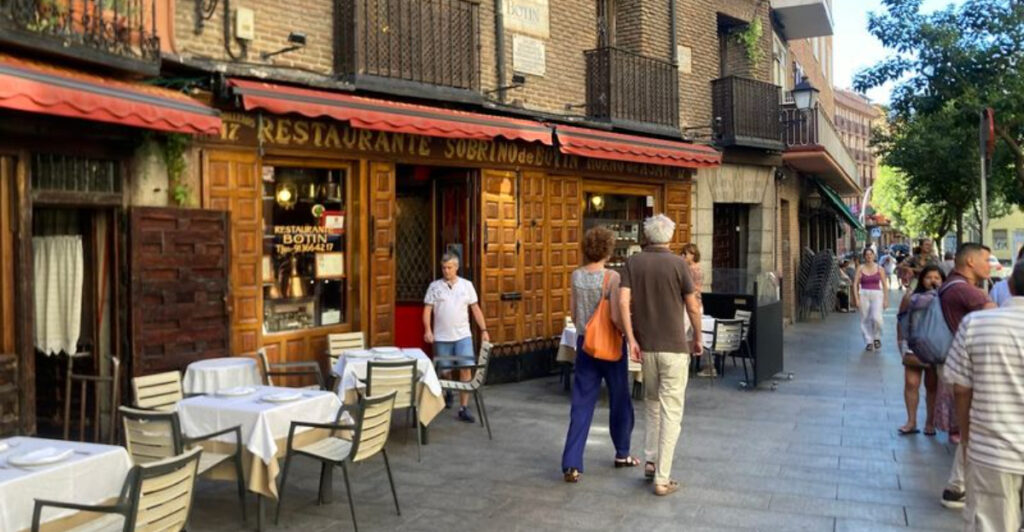
The Guinness World Records agrees with every traveler who has ever walked through Botín’s door: this is officially the world’s oldest continuously operating restaurant, open since 1725. That is not a marketing gimmick.
That is nearly 300 years of roast suckling pig coming out of the same wood-fired oven.
The room feels lived-in in the best way possible. Stone walls, low ceilings, wooden beams, and waitstaff who move like they have been doing this for decades.
It is old Madrid in the most honest form.
Skip the Royal Palace for one evening and book a table here instead. The cochinillo asado, or roast suckling pig, practically melts before you even reach for your fork.
Botín does not try to modernize itself, and that stubbornness is its greatest charm. Some places earn their reputation honestly, and this is one of them.
La Mère Brazier, Lyon, France
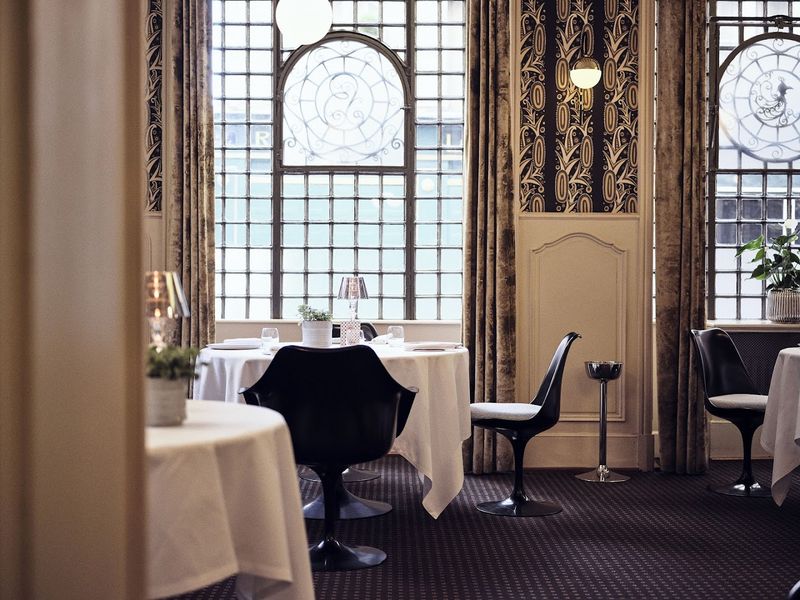
Eugénie Brazier earned six Michelin stars across two restaurants in 1933, becoming the most decorated chef in the world at the time. She was also a woman in an industry that was not exactly welcoming to them.
La Mère Brazier carries that legacy with quiet pride.
Lyon is already considered the gastronomic capital of France, which is a bold title in a country that takes food very seriously. Eating at La Mère Brazier inside that context feels like sitting at the center of something important.
The cooking today is led by chef Mathieu Viannay, who has maintained the restaurant’s two Michelin stars while honoring the original spirit. Dishes are precise, elegant, and deeply rooted in the Lyon tradition.
This is not a meal you rush. You sit, you eat slowly, and you appreciate that some restaurants are more than just restaurants.
They are living history lessons with better wine.
Hofbräuhaus München, Munich, Germany
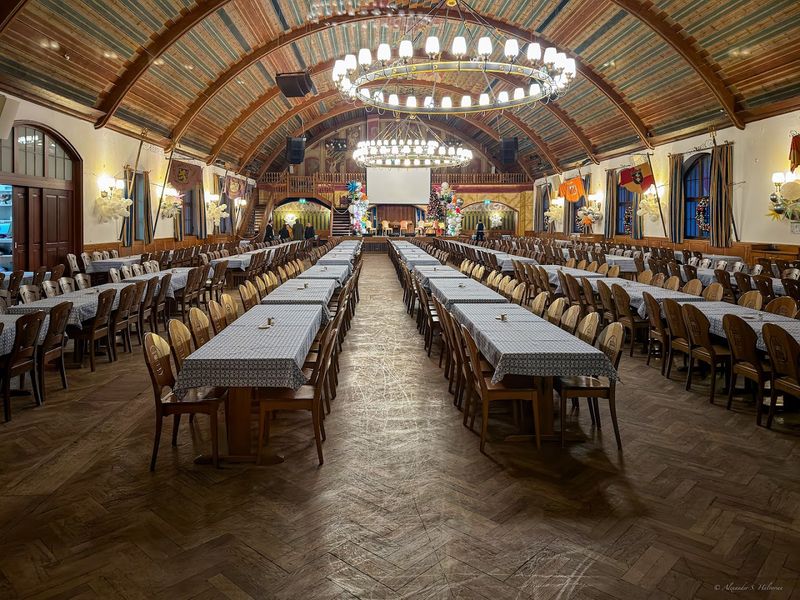
Built in 1589 as a royal brewery, Hofbräuhaus München has outlasted empires and still manages to fill every bench by noon. That is a pretty solid track record for a beer hall.
The experience is full-contact Bavarian culture. You sit at long communal tables next to strangers who quickly stop being strangers once the liter steins arrive.
A brass band plays oompah music from a raised platform. Pretzels the size of your head show up without much fanfare.
Pork knuckle, sausages, and sauerkraut follow shortly after.
Munich has beautiful architecture and world-class museums, but Hofbräuhaus is where the city feels most alive. It is genuinely festive every single day, not just during Oktoberfest.
Tourists and locals share the same benches and the same beer, which says something nice about the place. Arrive with an empty stomach and an open schedule.
You will not be leaving early.
St. JOHN, London, England
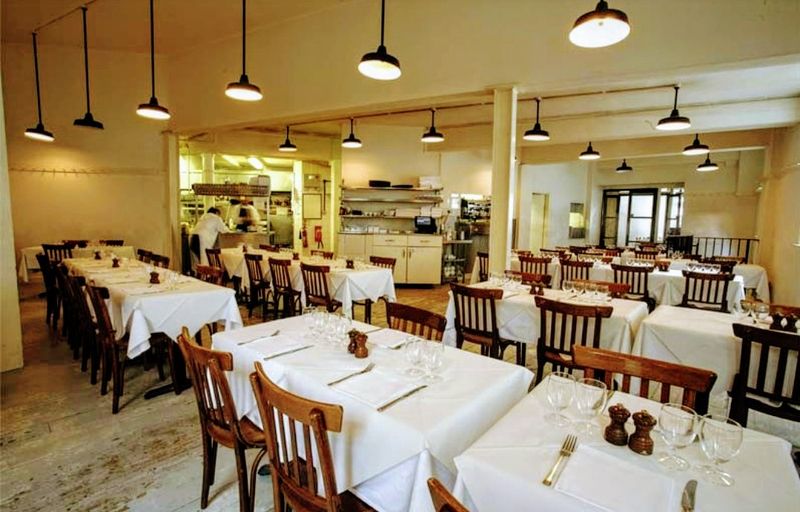
St. JOHN opened in a former smokehouse in Smithfield in 1994 and immediately made chefs around the world pay attention. Fergus Henderson’s nose-to-tail philosophy was not a trend.
It was a conviction, and the food has always tasted like it means something.
The room is deliberately spare. White walls, plain tables, no fuss.
The menu changes daily based on what is available, which means every visit is slightly different. Bone marrow on toast with a parsley salad is the dish people mention most, and for good reason.
It is brilliant in its simplicity.
St. JOHN does not compete with London’s flashier restaurants. It does not need to.
Its influence runs through a generation of British chefs who learned that confidence and restraint produce better food than decoration ever could. For travelers who want a meal with genuine culinary weight, this quiet room in Clerkenwell delivers more than most landmark dinners ever will.
El Celler de Can Roca, Girona, Spain
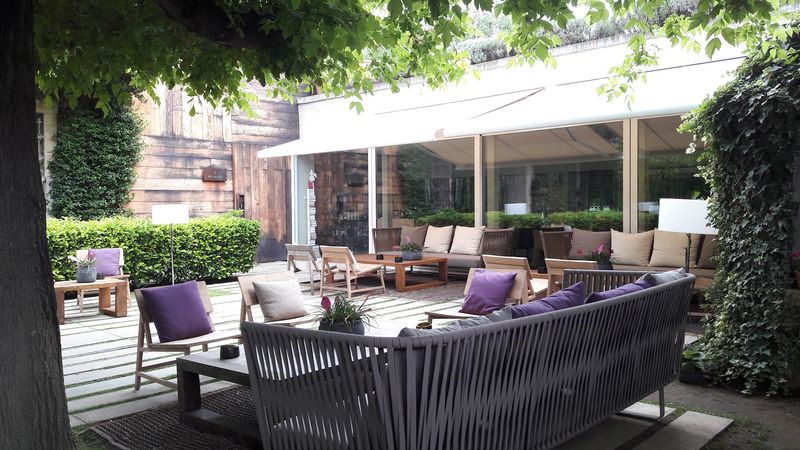
Three brothers. One restaurant.
Multiple times ranked number one in the world. The Roca family opened El Celler de Can Roca in 1986 just steps away from their parents’ modest restaurant, and the story has not stopped being remarkable since.
Joan handles the kitchen, Josep manages the wine, and Jordi runs pastry. Each one is considered among the best in the world at what they does.
The result is a meal that feels completely unified, like it was designed by a single brilliant mind rather than three separate people.
The tasting menu draws on memory, Catalan tradition, and genuine creativity. Courses arrive that reference childhood, landscape, and history in ways that feel earned rather than gimmicky.
Girona is a beautiful medieval city worth visiting on its own, but for many food travelers, the restaurant is the main event. Book months in advance.
The wait is absolutely worth the meal.
Osteria Francescana, Modena, Italy
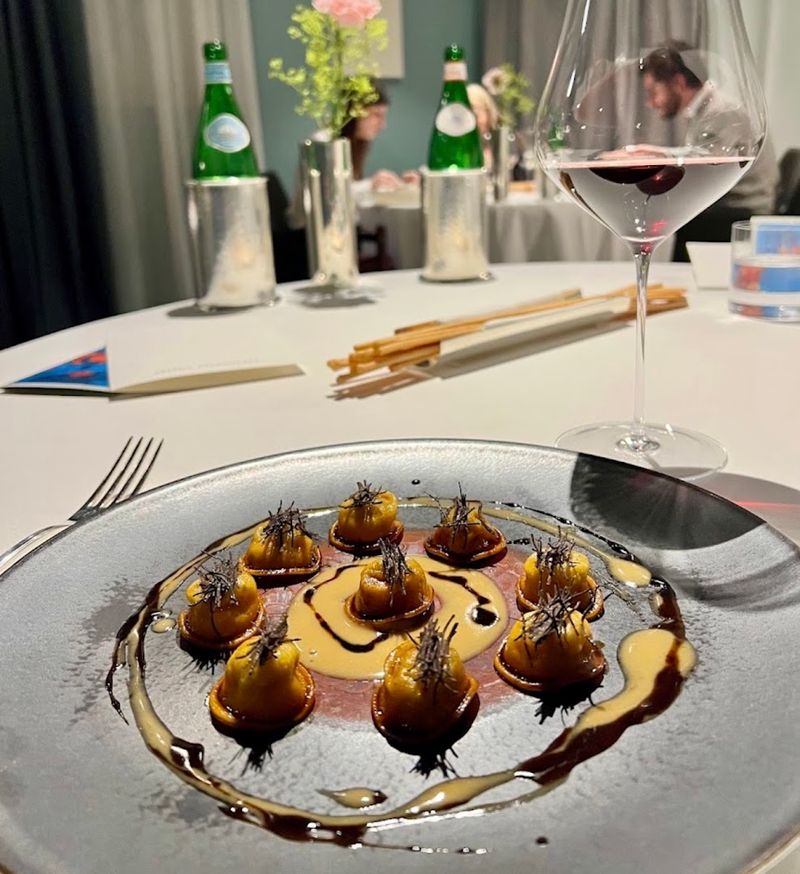
Massimo Bottura once served a dish called “Oops! I Dropped the Lemon Tart” which was literally a smashed tart plated to look like an accident.
It won people over completely. That playfulness runs through everything at Osteria Francescana.
The restaurant sits on a quiet cobblestone street in Modena, a city better known for Ferraris and balsamic vinegar. Bottura takes both the culinary traditions of Emilia-Romagna and the art world seriously, and somehow makes them share a plate without either feeling out of place.
Dishes here reference Thelonious Monk, the Italian countryside, and grandmother’s recipes all at once. It sounds like a lot, but it lands with surprising emotional clarity.
Twice named the best restaurant in the world, Osteria Francescana still feels personal rather than institutional. For travelers who think of food as a form of storytelling, this is one of the most compelling chapters available anywhere on earth.
Central, Lima, Peru
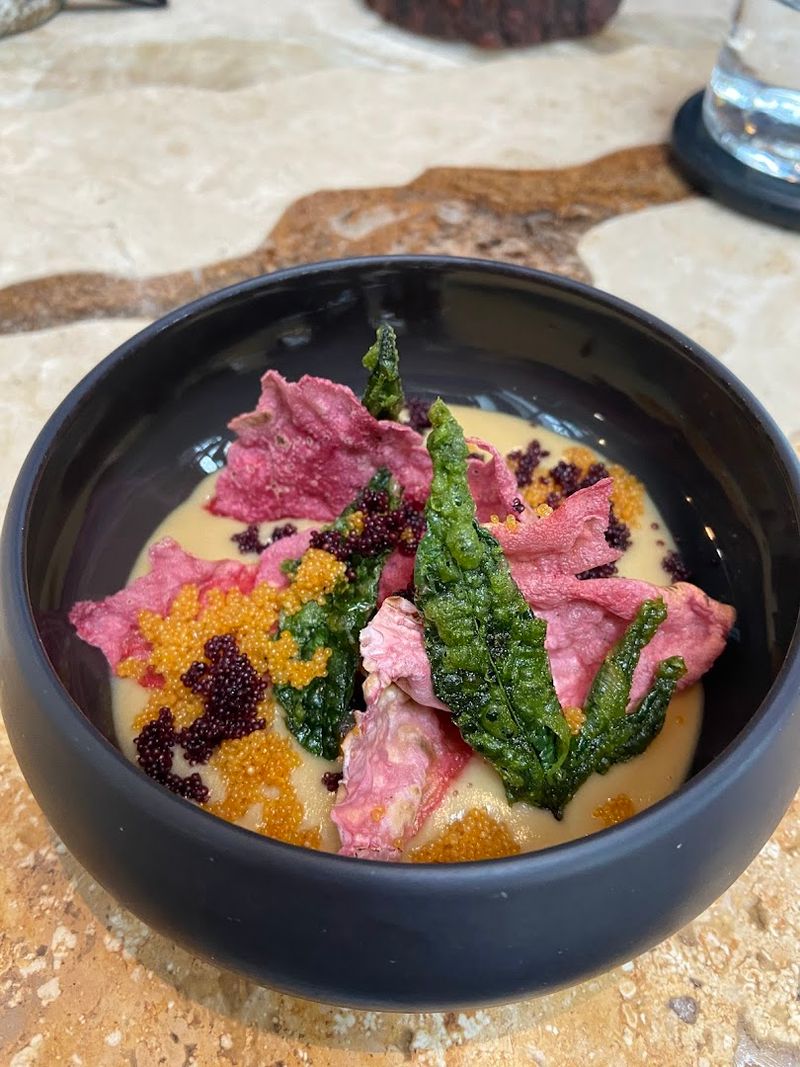
Chef Virgilio Martinez built Central around a single organizing idea: Peru is one of the most biodiverse countries on earth, and a meal should reflect that. The tasting menu is structured by altitude, moving from deep ocean ecosystems up through the Andes to the Amazon basin.
Each course comes labeled with its elevation and the ingredients it represents. It sounds academic, but it eats like an adventure.
Flavors show up that most diners have never encountered before, sourced from ecosystems that many people did not know existed.
Lima has become one of the world’s most exciting food cities, and Central sits at the top of that conversation. Mater Iniciativa, the research arm behind the restaurant, spends months documenting and sourcing ingredients from across Peru.
That work shows in every bite. A meal here does not just taste good.
It teaches you something about a country that no guidebook quite captures the same way.
A Casa do Porco, São Paulo, Brazil
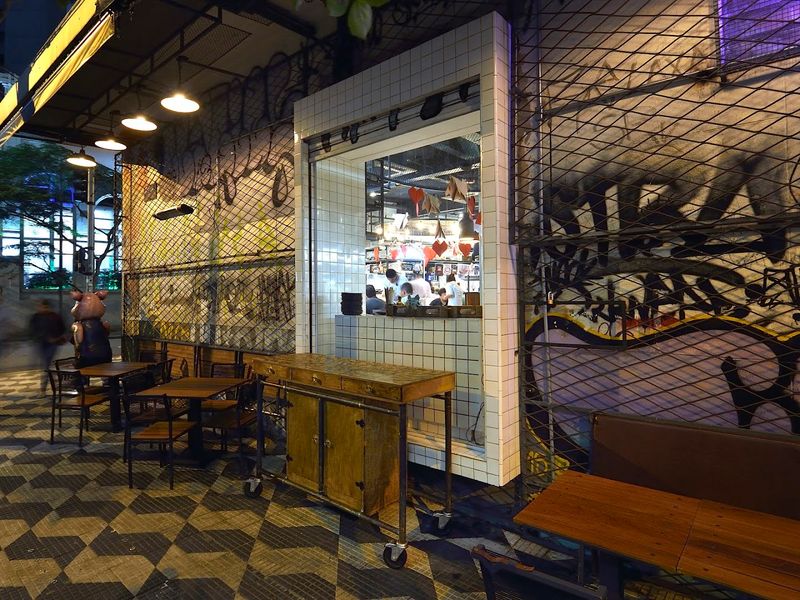
The name translates to “The House of Pork,” and A Casa do Porco commits to that identity with zero hesitation. Chef Jefferson Rueda grew up on a pig farm in interior São Paulo, and that background shows in how confidently and creatively the restaurant handles its main ingredient.
The menu swings from a whole roasted pig served tableside to inventive snacks, sandwiches, and fermented drinks. There is a natural wine bar attached.
The energy is high, the room is packed, and the food rewards the chaos.
Ranked among the best restaurants in Latin America and the world, A Casa do Porco manages to feel accessible without dumbing anything down. It is sophisticated cooking that still wants you to have fun.
São Paulo moves fast and eats boldly, and this restaurant captures both qualities better than almost anywhere else in the city. Reserve well in advance.
Dooky Chase’s Restaurant, New Orleans, Louisiana
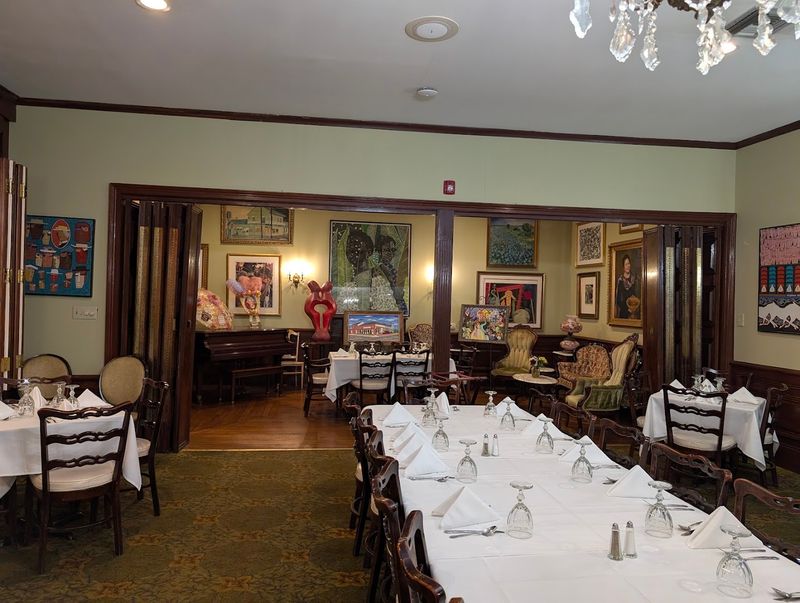
Leah Chase cooked for presidents, civil rights leaders, and neighborhood regulars with the same level of care, and that philosophy is baked into every corner of Dooky Chase’s. The restaurant opened in 1941 and became a gathering place during the Civil Rights Movement when mixed-race meetings were illegal in most of New Orleans.
The walls are covered in an extraordinary collection of African American art, assembled by Leah Chase herself over decades. Eating here means sitting inside a museum that also happens to serve some of the finest Creole food in Louisiana.
The fried chicken is famous for good reason. So is the gumbo z’herbes, a Holy Thursday tradition that has drawn crowds for generations.
Leah Chase passed away in 2019 at age 96, but the restaurant continues under her family. New Orleans has no shortage of places to eat, but Dooky Chase’s carries a weight and a warmth that very few restaurants anywhere in the world can match.
Quintonil, Mexico City, Mexico
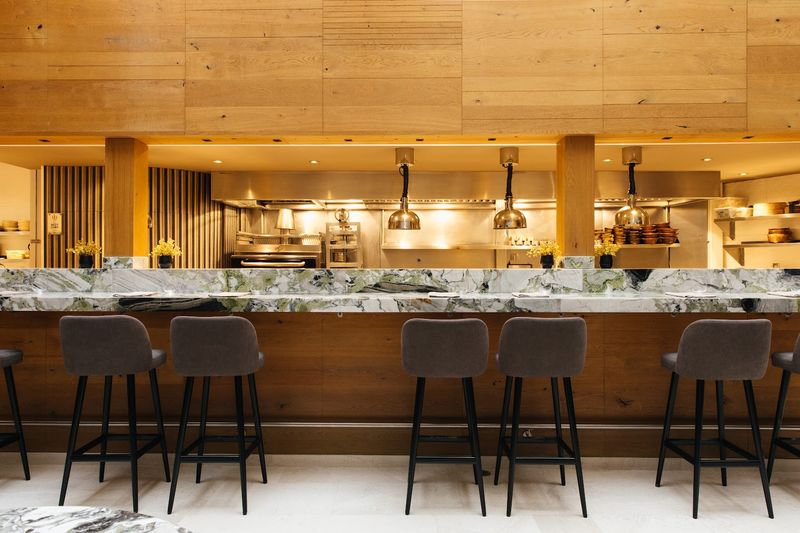
Chef Jorge Vallejo opened Quintonil in 2012 after working at Noma, and brought back a clear conviction: Mexican ingredients deserve the same precision and respect that any world-class kitchen gives its produce. The restaurant’s name comes from a wild herb used in traditional Mexican cooking.
The tasting menu moves through native plants, heirloom corn, insects, and coastal ingredients in a way that feels genuinely rooted rather than performative. Dishes are technically accomplished but never cold or showy.
Warmth runs through the whole meal.
Mexico City’s food scene has exploded in recent years, with Quintonil consistently ranked among the best restaurants in Latin America. What makes it stand apart is the balance.
It is ambitious without losing its connection to the street food and home cooking traditions that inspired it. For travelers trying to understand the depth of Mexican cuisine beyond tacos and guacamole, a meal at Quintonil is one of the most rewarding places to start.
Share this story