Travel has a funny way of making ordinary calendars feel completely irrelevant. One moment you’re checking flight times, and the next you’re standing inside a palace, exploring a centuries-old fortress, or wandering through gardens once reserved for kings and queens.
Some destinations seem built specifically for travelers who enjoy a little grandeur mixed with their sightseeing.
The locations on this list aren’t simply beautiful places to visit. They represent centuries of history, remarkable architecture, fascinating traditions, and stories that still shape their countries today.
A few served as royal residences. Others became symbols of power, culture, or national identity.
Together, they offer experiences that feel distinctly different from a standard vacation itinerary.
Expect sprawling castles, ornate halls, carefully designed landscapes, and enough historical intrigue to fill several television seasons. Some destinations impress through sheer size, while others win visitors over with unusual details, surprising backstories, or traditions that continue in the present day.
Pack your curiosity alongside your passport. These 14 regal locations prove that a vacation can be both educational and entertaining, with plenty of opportunities to feel like you’ve stepped into a chapter of world history.
1. Buckingham Palace (United Kingdom)
A building with 775 rooms tends to make an ordinary house tour look rather modest.
Buckingham Palace has served as the official London residence of British monarchs since Queen Victoria’s reign in 1837, and it remains one of the most recognizable royal residences anywhere on Earth. The palace sits at the center of national celebrations, state visits, and ceremonial events that attract attention far beyond the United Kingdom.
While many people know it from television broadcasts and postcard racks, seeing the palace in person reveals its remarkable scale. The famous balcony alone has become part of countless historic moments.
Visitors can explore the State Rooms during selected periods of the year, gaining access to spaces filled with paintings, furniture, and decorative arts collected across generations of royal history. The Throne Room and Ballroom frequently rank among the highlights, not because they are flashy, but because they offer a direct connection to major events that shaped modern Britain.
Outside, the Changing of the Guard continues to draw large crowds eager to witness one of London’s most enduring traditions. Between the ceremony, the palace gardens, and nearby landmarks such as St. James’s Park, this destination delivers far more than a quick photo opportunity.
2. Palace of Versailles (France)
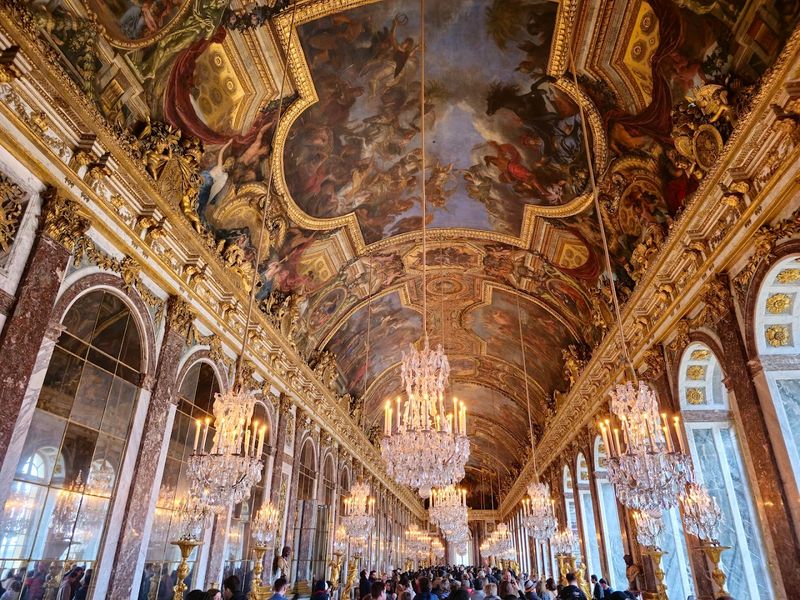
Some rulers leave behind portraits. Louis XIV left behind an entire statement piece.
The Palace of Versailles transformed from a hunting lodge into one of the most influential royal residences in European history. Located just outside Paris, the estate became the center of French political life for more than a century and helped define ideas about royal power, architecture, and landscape design.
Its immense size still surprises visitors today, especially those who arrive expecting only a grand building and discover an enormous complex extending far beyond the palace walls.
The Hall of Mirrors remains the headline attraction, featuring rows of mirrors facing equally impressive windows overlooking the gardens. Yet Versailles rewards travelers who venture beyond the famous rooms.
The expansive grounds include fountains, sculptures, wooded paths, and smaller retreats used by members of the royal family. Marie Antoinette’s estate provides an especially interesting contrast to the palace itself, offering a glimpse into how royalty sought privacy away from formal court life.
A full day barely scratches the surface here. Between architectural details, historical exhibits, and the sheer scale of the gardens, Versailles turns a history lesson into an unforgettable vacation experience.
3. Neuschwanstein Castle (Germany)
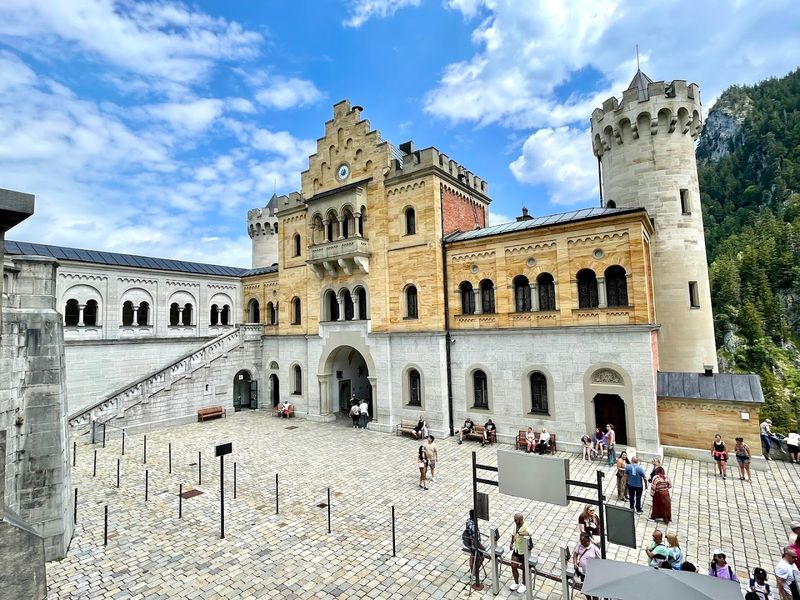
Fairy tales owe this place a thank-you note.
Perched in Bavaria’s Alpine landscape, Neuschwanstein Castle looks so theatrical that many first-time visitors assume it must have been designed for a movie set. In reality, King Ludwig II of Bavaria commissioned the castle during the nineteenth century as a personal retreat inspired by medieval legends and romantic ideals.
The result became one of Germany’s most famous landmarks and one of the world’s most photographed castles.
Despite its medieval appearance, Neuschwanstein incorporated surprisingly modern features for its time, including running water and advanced heating systems. Guided tours reveal richly decorated interiors filled with references to German mythology, operas by Richard Wagner, and the king’s imaginative vision.
The surrounding region adds another layer to the experience. Nearby lakes, mountain viewpoints, and walking trails provide spectacular perspectives of the castle.
Many travelers spend as much time searching for the perfect photograph as they do exploring the interior. Even so, the castle’s true appeal lies in its ability to blend history, architecture, and imagination into a destination that feels genuinely unique.
4. Mysore Palace (India)
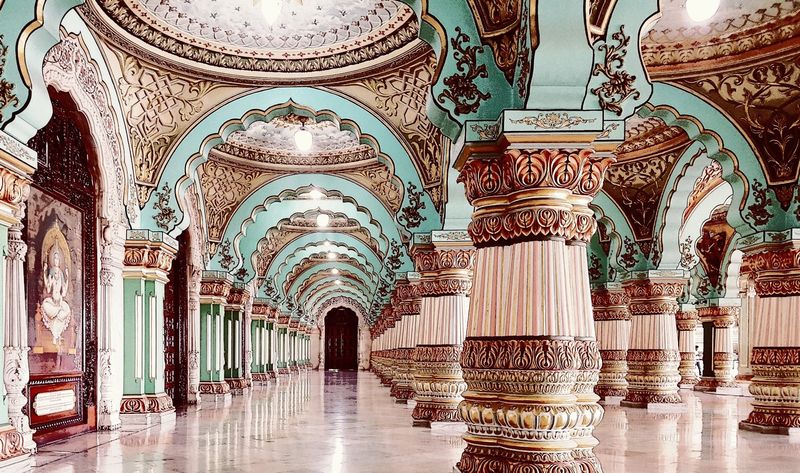
Few buildings understand the power of a dramatic entrance quite like this one.
Mysore Palace stands as one of India’s most celebrated royal residences and serves as a centerpiece of Karnataka’s cultural heritage. The current structure, completed in the early twentieth century, combines Hindu, Islamic, Rajput, and Gothic architectural influences into a design that manages to feel both elegant and imposing.
Its domes, arches, and intricate detailing create a profile unlike any European palace.
Inside, visitors encounter richly decorated halls, ornate ceilings, carved doors, and royal artifacts that illustrate the lifestyle of the Wadiyar dynasty. The palace’s Ambavilasa Hall often captures attention thanks to its elaborate craftsmanship and colorful design elements.
Beyond architecture, Mysore Palace remains deeply connected to living traditions. During the annual Dasara festival, the palace becomes a focal point for celebrations that attract enormous crowds.
Thousands of lights illuminate the structure, turning an already remarkable building into one of India’s most memorable sights. The surrounding city offers museums, markets, and cultural attractions that complement a palace visit and help explain why Mysore continues to hold such an important place in Indian history.
5. Prague Castle (Czech Republic)
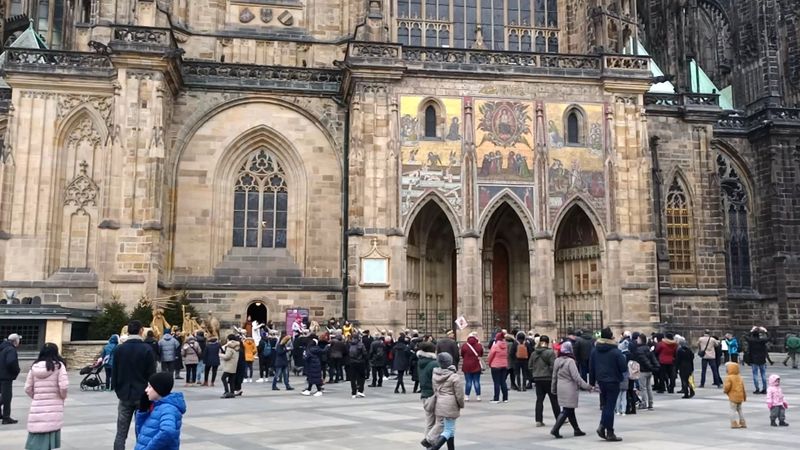
Here’s a travel fact worth keeping handy: this castle complex covers more area than many small towns.
Prague Castle dominates the Czech capital from its hilltop position overlooking the Vltava River. Established in the ninth century, it has served as the seat of kings, emperors, and presidents, making it one of the most historically significant locations in Central Europe.
Rather than a single structure, it consists of an enormous complex containing churches, courtyards, palaces, gardens, and government buildings.
St. Vitus Cathedral often steals the spotlight with its Gothic architecture and remarkable stained-glass windows. Yet the castle’s appeal extends far beyond one landmark.
Visitors can explore Golden Lane, where colorful historic houses line a narrow street, or tour sections connected to Bohemian rulers and Holy Roman Emperors. The changing architectural styles visible throughout the complex reveal centuries of development and political change.
Add panoramic city views to the equation, and Prague Castle becomes much more than a historic site. It serves as an ideal starting point for understanding the city itself and offers enough attractions to occupy even the most enthusiastic history enthusiast.
6. Château de Chambord (France)
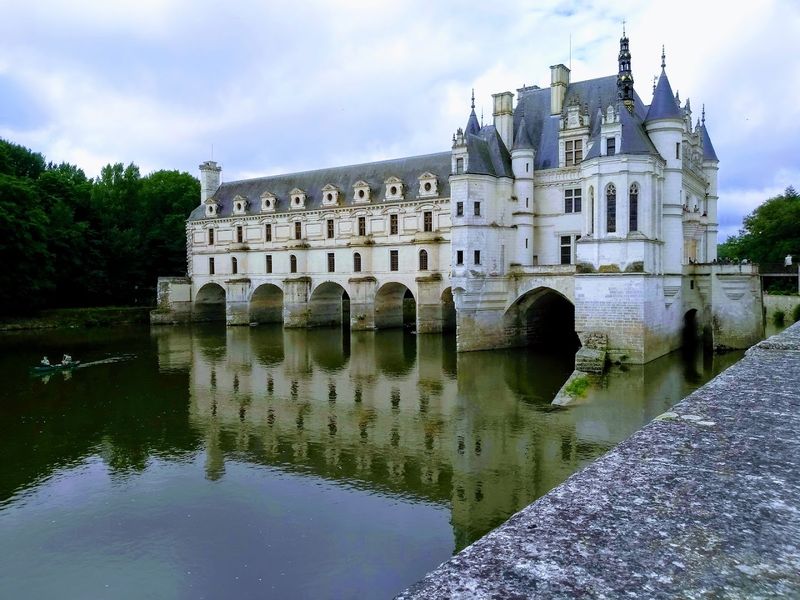
Architectural ambition reached extraordinary levels here.
The Château de Chambord ranks among the most impressive castles in France’s Loire Valley and remains a masterpiece of Renaissance design. Commissioned by King Francis I in the sixteenth century, the château reflects the influence of Italian artistic ideas while maintaining a distinctly French identity.
Its skyline of towers, chimneys, and decorative elements creates one of Europe’s most recognizable silhouettes.
The structure contains hundreds of rooms and an extraordinary double-helix staircase that has fascinated visitors for generations. Popular tradition links the staircase’s design to Leonardo da Vinci, though historians continue to debate the extent of his involvement.
Beyond the building itself, the estate includes extensive parkland enclosed by one of the longest walls in France. Wildlife, cycling routes, and walking paths make the grounds just as appealing as the château.
Travelers often arrive expecting a castle tour and leave talking equally about the surrounding landscape. Chambord succeeds because it combines historical significance with architectural creativity on a scale few destinations can match.
7. Topkapi Palace (Turkey)
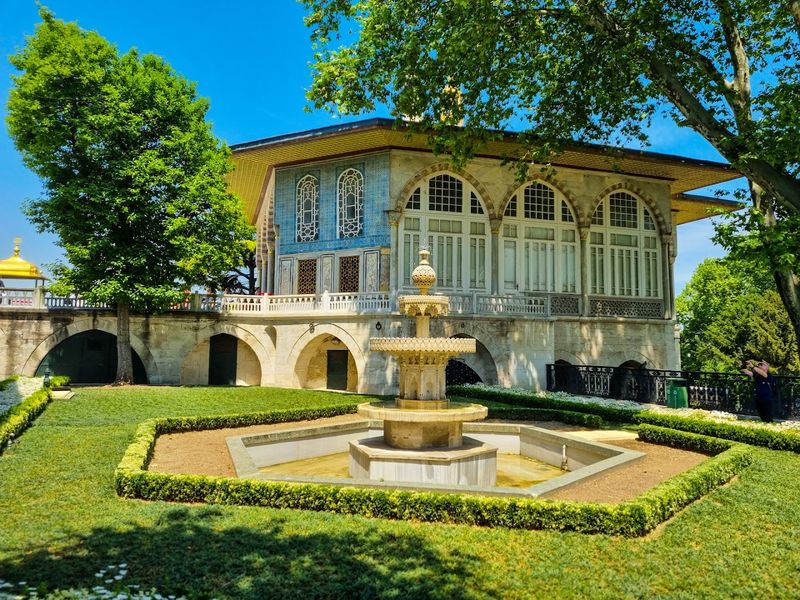
Power, politics, and priceless treasures shared the same address for centuries.
Topkapi Palace served as the administrative and residential center of the Ottoman Empire for nearly four hundred years. Positioned on a prominent site overlooking Istanbul’s waterways, the palace complex housed sultans, officials, servants, and countless activities essential to governing one of history’s great empires.
Its strategic location offers spectacular views that remain impressive even in a city famous for remarkable scenery.
Unlike many European palaces built around grand symmetry, Topkapi developed over time through interconnected courtyards, pavilions, and specialized spaces. Visitors can explore imperial chambers, treasury collections, ceremonial halls, and sections of the famous harem.
The palace museum contains artifacts that reflect the empire’s reach across multiple continents and cultures. Every courtyard reveals a different aspect of Ottoman administration and daily life.
Rather than presenting a single architectural style, Topkapi tells a layered story of expansion, diplomacy, and tradition. That complexity helps explain why it remains one of Turkey’s most compelling historical destinations.
8. Royal Palace of Madrid (Spain)
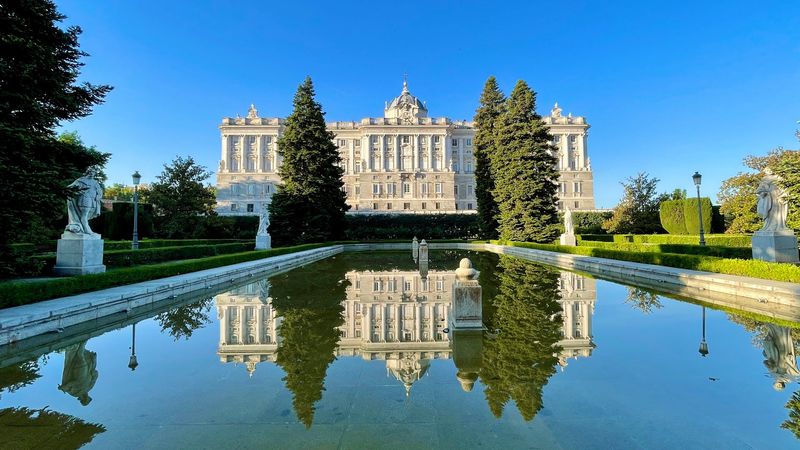
Spain’s royal residence operates on a simple principle: bigger is better.
The Royal Palace of Madrid contains more than 3,000 rooms, making it one of Europe’s largest functioning royal palaces. Although Spain’s royal family resides elsewhere, the palace continues to host official ceremonies and state events.
Its prominent location near Madrid’s historic center ensures that visitors can easily combine palace exploration with other major attractions.
Inside, richly decorated rooms showcase centuries of Spanish craftsmanship, art, and design. Highlights include the Royal Armoury, ceremonial halls, and impressive collections of paintings, clocks, and furniture.
The Throne Room often becomes a favorite stop because of its remarkable preservation and historical significance. Outside, the surrounding plazas and gardens provide opportunities to appreciate the building’s enormous scale.
The palace also offers insight into Spain’s evolution as a kingdom and later a modern constitutional monarchy. Every room seems determined to remind visitors that royal residences were never intended to be modest.
9. Himeji Castle (Japan)
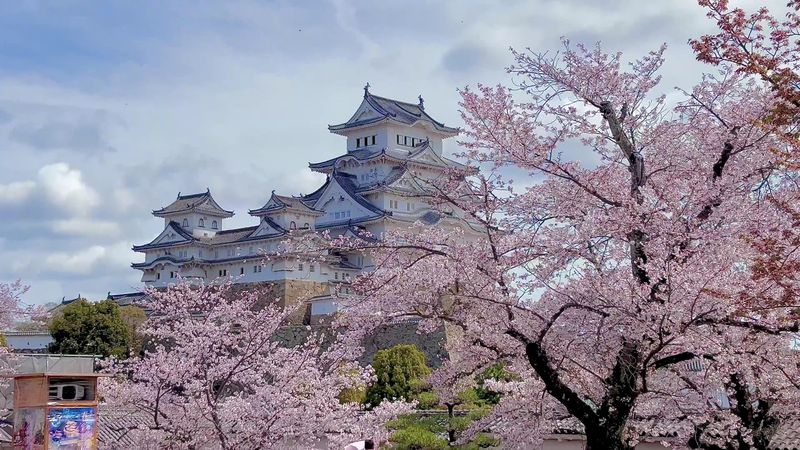
White walls and perfect proportions helped earn this castle a legendary reputation.
Himeji Castle stands among Japan’s finest surviving feudal castles and remains one of the country’s most treasured historic sites. Originally developed centuries ago and expanded substantially in the early seventeenth century, the castle avoided many of the conflicts and disasters that damaged similar structures elsewhere.
As a result, visitors encounter an unusually authentic example of Japanese castle architecture.
The complex combines military strategy with elegant design. Defensive features include maze-like pathways, gates, and carefully planned approaches intended to slow potential attackers.
At the same time, the castle’s appearance conveys refinement rather than intimidation. Its bright exterior led to the popular nickname “White Heron Castle.” Climbing through the interior reveals steep staircases, observation points, and structural details that illustrate how the complex functioned during Japan’s feudal era.
The surrounding grounds become especially popular during cherry blossom season, but Himeji’s historical value extends well beyond seasonal beauty. It provides one of the clearest windows into Japan’s architectural and political past.
10. Schönbrunn Palace (Austria)
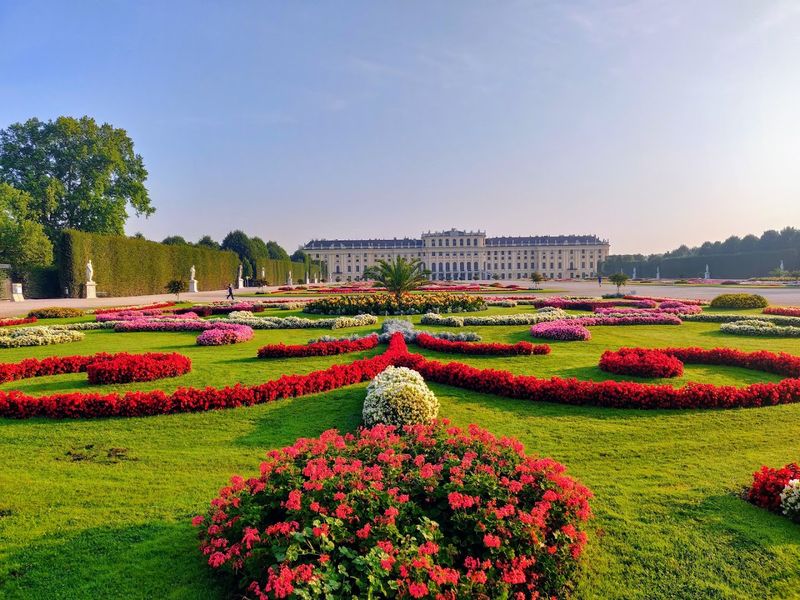
Royal summer homes apparently follow different rules than everyone else’s vacation properties.
Schönbrunn Palace in Vienna served as the principal summer residence of the Habsburg dynasty and grew into one of Austria’s most important landmarks. With over a thousand rooms and expansive gardens, the estate reflects centuries of imperial influence across Central Europe.
Its yellow exterior has become instantly recognizable to visitors exploring Vienna.
Tours introduce guests to the lives of emperors, empresses, and court officials who shaped European history. Particular attention often focuses on Empress Maria Theresa and Emperor Franz Joseph, whose stories remain closely tied to the palace.
The gardens contribute significantly to the experience. Visitors can explore fountains, sculptures, pathways, and the famous Gloriette structure overlooking the estate.
Schönbrunn also includes one of the world’s oldest zoos, adding another dimension to a visit. The combination of architecture, history, and outdoor attractions ensures that travelers can easily spend an entire day discovering different corners of the property.
11. Pena Palace (Portugal)
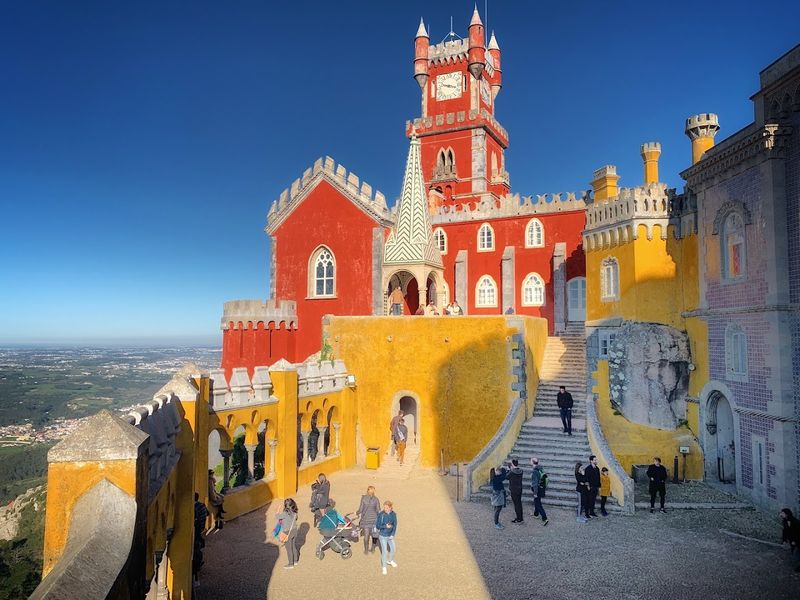
Color appears to have won every architectural argument here.
Pena Palace rises above the hills of Sintra in Portugal with a vibrant appearance that immediately distinguishes it from more traditional royal residences. Built during the nineteenth century, the palace reflects Romanticism’s fascination with history, imagination, and eclectic design.
Bright colors, decorative details, and mixed architectural influences create a structure that seems determined to stand apart from convention.
Its hilltop setting offers sweeping views across the surrounding landscape, making the journey almost as rewarding as the destination itself. Interior rooms preserve much of their historical arrangement, allowing visitors to understand how Portuguese royalty used the palace.
Outside, extensive parklands feature winding paths, gardens, lakes, and hidden viewpoints. Exploration becomes part treasure hunt, part history lesson.
Pena Palace captures attention because it embraces creativity without restraint. Every tower, terrace, and decorative feature contributes to a destination unlike any other royal residence in Europe.
12. Forbidden City (China)
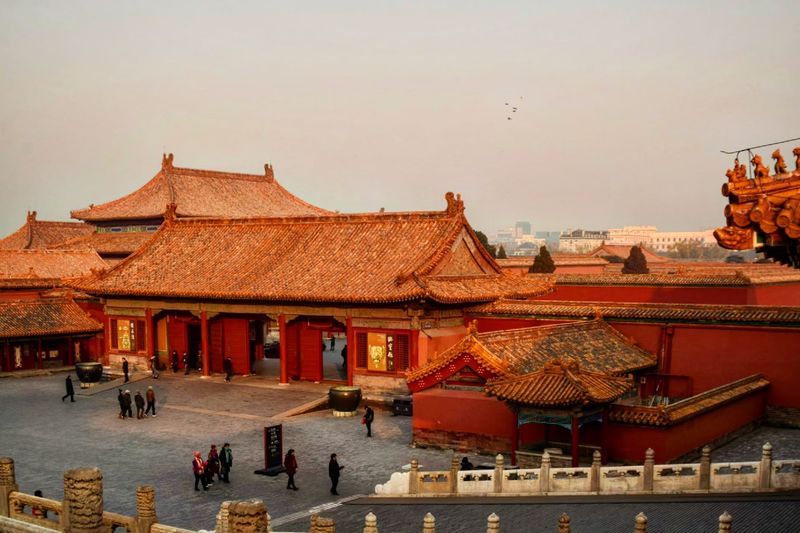
A former imperial headquarters with nearly a thousand buildings tends to command attention.
The Forbidden City served as the home of Chinese emperors for almost five centuries and remains one of the world’s most significant palace complexes. Located in Beijing, it functioned as both a political center and a symbol of imperial authority.
Access was once strictly controlled, reinforcing the sense of importance surrounding the site.
Today, visitors can explore vast courtyards, ceremonial halls, residential areas, and museum exhibits that reveal details about life within the imperial court. The scale becomes apparent quickly.
Structures seem to continue in every direction, connected through carefully planned layouts reflecting traditional Chinese principles. Decorative details, symbolic motifs, and historical artifacts add depth to the experience.
The complex’s influence extends beyond architecture, shaping art, governance, and cultural traditions across generations. Few destinations offer such a comprehensive look at the workings of a major empire.
13. Alcázar of Seville (Spain)
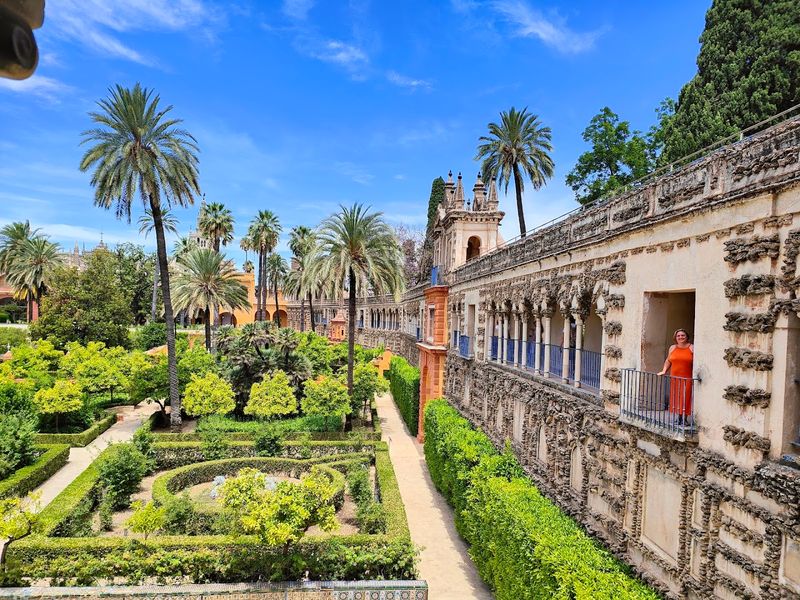
History left its fingerprints on nearly every wall here.
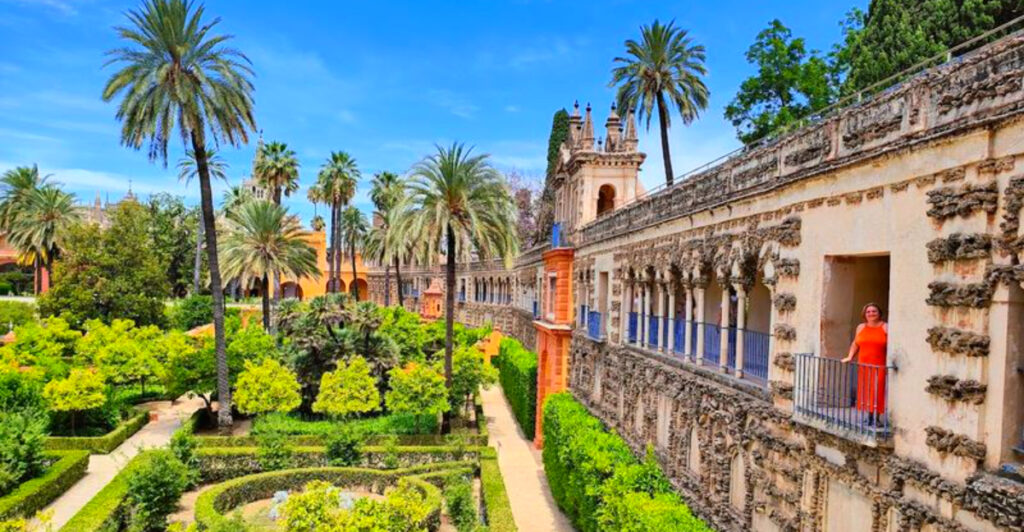
The Alcázar of Seville showcases centuries of architectural evolution through a remarkable blend of Islamic, Gothic, Renaissance, and Baroque influences. Originally developed as a fortress, it later became a royal residence and continues to serve official functions today.
That ongoing connection to Spain’s monarchy gives the site a rare sense of continuity.
Intricate tilework, carved ceilings, decorative courtyards, and elegant gardens create a richly detailed environment without overwhelming visitors. The Palace of Pedro I often receives special attention because of its outstanding Mudéjar design.
Beyond visual appeal, the Alcázar tells a story about cultural exchange and historical change in southern Spain. The gardens offer additional opportunities to explore pathways, pavilions, and landscaped spaces that complement the palace buildings.
Every section contributes a different chapter to the site’s long and fascinating history.
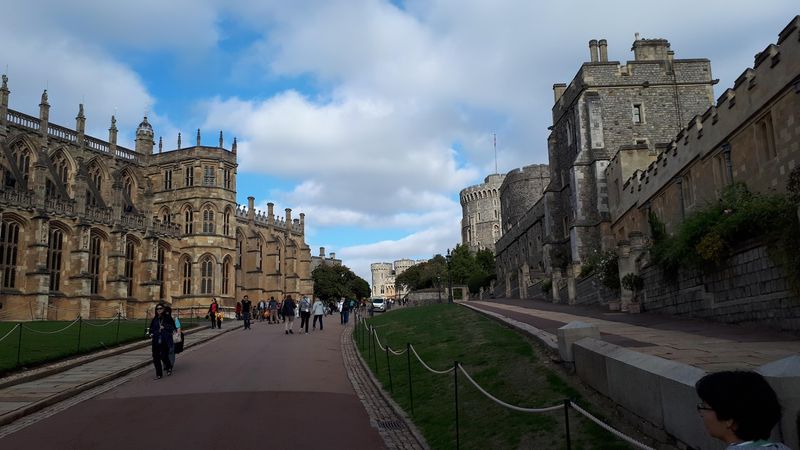
14. Windsor Castle (United Kingdom)
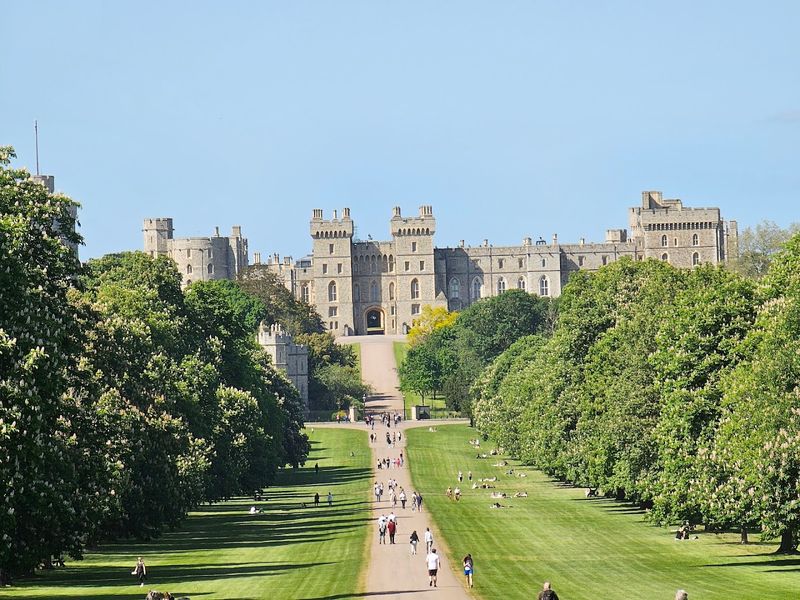
Age alone would make this place remarkable, but Windsor has plenty of other credentials to brag about.
Windsor Castle holds the distinction of being the world’s oldest and largest occupied castle. For more than nine centuries, it has maintained close ties to the British monarchy and remains an active royal residence today.
Its long history allows visitors to trace architectural and political developments across multiple eras.
The State Apartments showcase impressive collections of art and decorative objects accumulated over centuries. St. George’s Chapel adds another layer of significance through its architectural beauty and royal connections.
Numerous monarchs are associated with the castle, making it one of Britain’s most historically important sites. Visitors often appreciate the balance between grandeur and functionality.
Unlike many historic residences preserved solely as museums, Windsor continues to play a role in contemporary royal life. That living connection gives the castle an energy and relevance that few historic landmarks can match.
As a final stop on this journey through regal destinations, Windsor provides a fitting reminder that history is not always confined to the past.
Share this story