Some trips are planned around landmarks, but the best ones are planned around meals. Asia is home to a jaw-dropping range of restaurants, from smoky street-side grills to temples of fine dining with year-long waiting lists.
Whether you are chasing Michelin stars or legendary roasted goose, this continent delivers food experiences that stay with you long after the last bite. Here are 14 restaurants across Asia that are absolutely worth booking a flight for.
The Chairman – Hong Kong
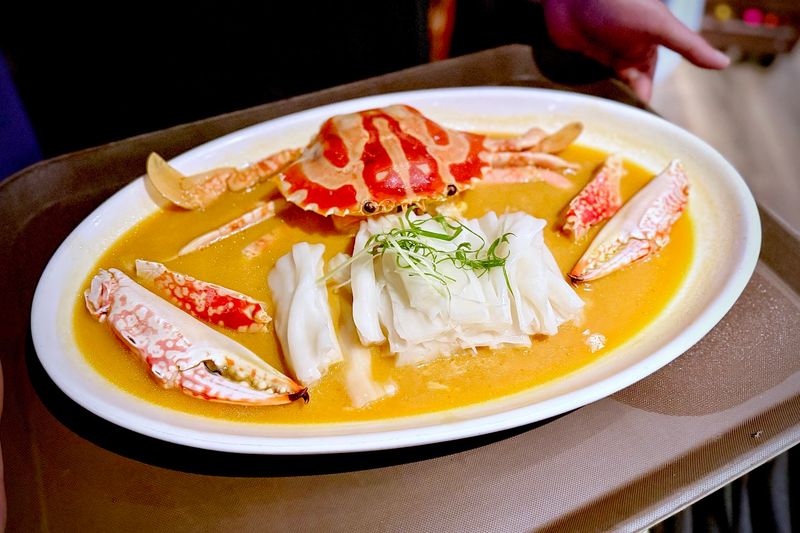
Asia’s Best Restaurant of 2026 did not earn that title by accident. The Chairman in Hong Kong has been quietly rewriting the rules of Cantonese cooking for years, and the food world finally caught up.
Chef Danny Yip sources hyper-local, seasonal ingredients and pairs them with deeply traditional techniques that most kitchens have long forgotten.
The result is a menu that feels both ancient and completely alive. Dishes like steamed crab with aged Shaoxing wine are deceptively simple but built on years of careful sourcing.
Every ingredient has a story, and the kitchen makes sure you feel it.
Getting a reservation is genuinely competitive. Book months in advance and treat it like the event it is.
If you are visiting Hong Kong and only have one special dinner in the budget, this is the one. No debate needed.
Sorn – Bangkok, Thailand
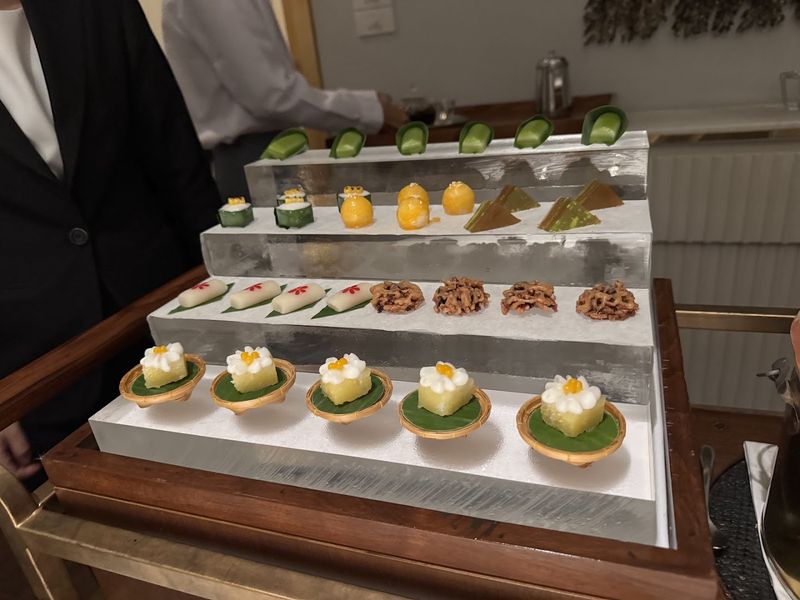
Thailand finally got its first three-Michelin-star restaurant, and it was Sorn that crossed the finish line. Chef Supaksorn Jongsiri built this place as a full love letter to Southern Thai cuisine, a regional style that is bolder, spicier, and more complex than most visitors expect.
Every ingredient is sourced locally, and the cooking methods are rooted in tradition rather than trend. This is not fusion.
This is Southern Thai food treated with the seriousness it has always deserved but rarely received outside the region.
I once assumed Bangkok was all about street food, and Sorn completely flipped that assumption on its head. The tasting menu takes you through flavors that feel like a culinary road trip from Bangkok to the southern coast.
Expect heat, depth, and a few moments where you just stop talking and stare at your plate.
Den – Tokyo, Japan
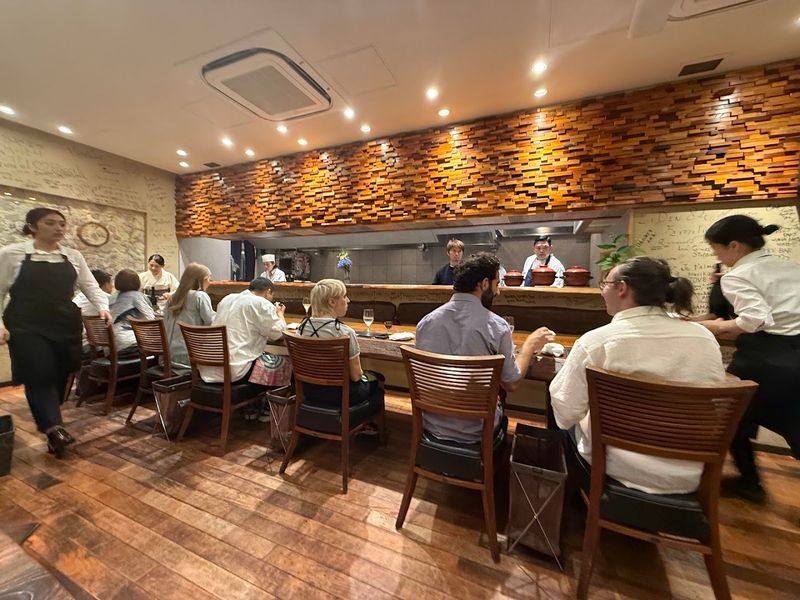
Chef Zaiyu Hasegawa once put a salad inside a tin can as a nod to convenience store culture. That tells you everything you need to know about Den.
This Tokyo restaurant is a regular on Asia’s 50 Best list not because it plays it safe, but because it plays with your feelings in the best possible way.
Den is famous for storytelling through food. Each dish carries a personal reference, a cultural joke, or a moment of pure nostalgia.
The cooking is technically brilliant, but the heart behind it is what makes people fly to Tokyo specifically for this meal.
The vibe is warm and surprisingly relaxed for a restaurant at this level. Hasegawa often comes out to chat with guests, which feels rare and genuinely special.
Come hungry, come curious, and leave room for the dessert, which will probably make you smile out loud.
Le Du – Bangkok, Thailand
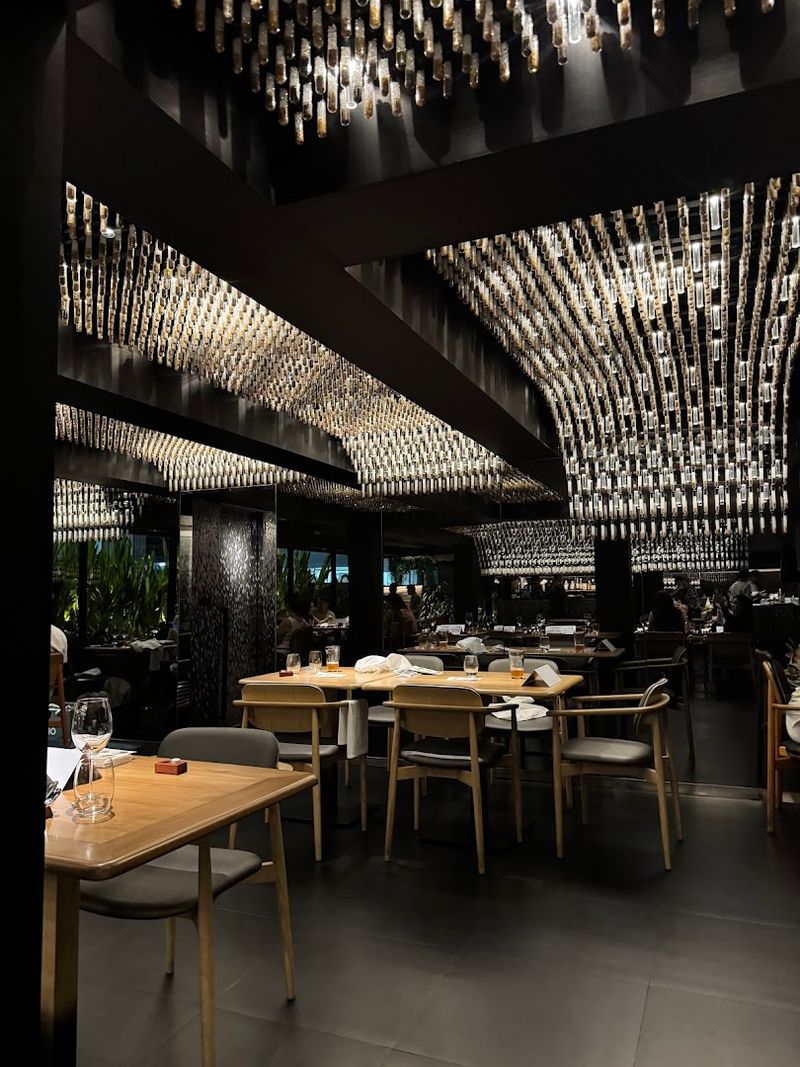
Chef Thitid Tassanakajohn, known as Ton, trained in New York before returning to Thailand with a mission: make Thai ingredients the star of modern fine dining. Le Du, which means season in Thai, is built entirely around that idea.
The menu changes with what is fresh, local, and at its peak.
This is not Thai food with a Western makeover. It is Thai food with Thai confidence, presented with precision and a clear point of view.
Dishes are elegant without being fussy, and every plate feels like a deliberate choice rather than a performance.
Le Du consistently ranks among Asia’s best restaurants, and the buzz is fully earned. The wine program is also seriously impressive, which is not always a given at restaurants focused so heavily on local produce.
Book ahead, dress smart, and let Chef Ton take the wheel completely.
Gaggan Anand – Bangkok, Thailand
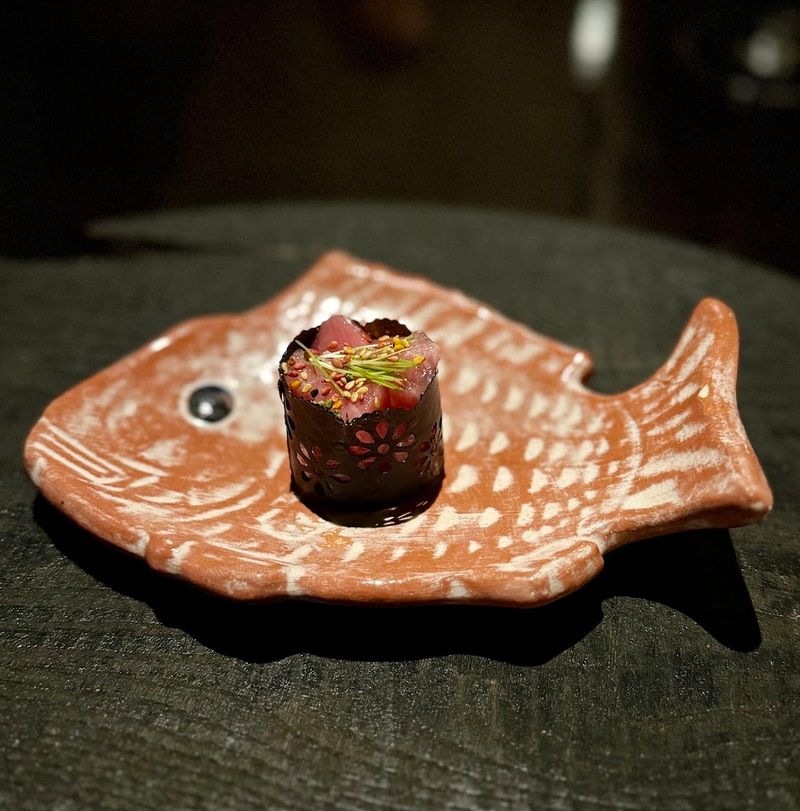
Eating at Gaggan Anand is less like dining and more like attending a one-man show where the chef is the writer, director, and lead actor. Chef Gaggan Anand serves progressive Indian cuisine through a multi-course emoji menu, yes, an emoji menu, where each dish is represented by a small icon and zero explanation.
The food is bold, clever, and occasionally shocking in the best way. Techniques borrowed from molecular gastronomy meet deeply rooted Indian flavors, creating combinations that should not work but absolutely do.
It is the kind of meal you spend weeks trying to describe to people who were not there.
Bangkok is already a city worth visiting for food alone, and Gaggan Anand is one of the main reasons why. The restaurant is loud, energetic, and full of personality.
If you prefer quiet, understated dining, this might not be your table. But you would be missing something extraordinary.
Quintessence – Tokyo, Japan
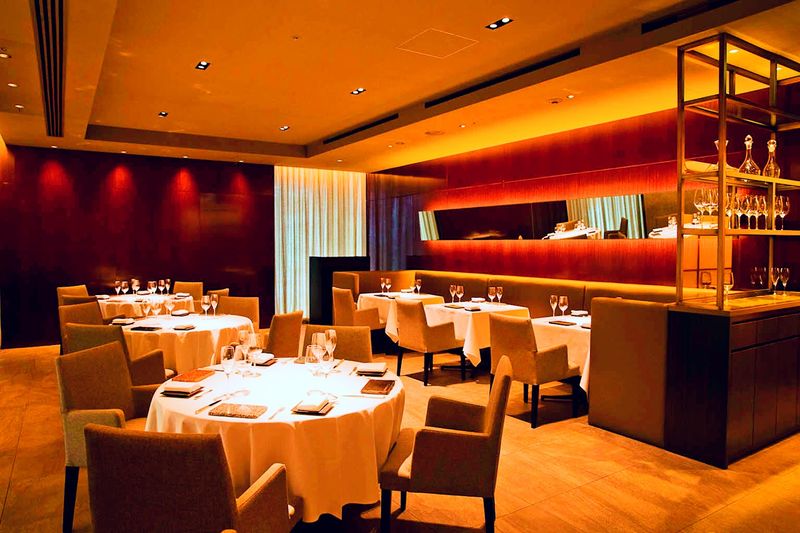
Getting a reservation at Quintessence is said to be harder than getting tickets to a sold-out concert in a venue that only holds twelve people. This three-Michelin-star Tokyo restaurant, led by Chef Shuzo Kishida, delivers French cuisine with a level of Japanese precision that feels almost unfair to French chefs everywhere.
The cooking philosophy here is built on restraint. Ingredients are treated with extraordinary respect, and the menu is shaped by what is seasonal and pure rather than what is flashy.
It is the kind of food that makes you eat slowly because you do not want it to end.
Quintessence is not cheap, and the reservation process requires patience and planning. But regulars will tell you it is one of the most quietly profound dining experiences in all of Asia.
Sometimes the most memorable meals are the ones that whisper rather than shout.
Burnt Ends – Singapore
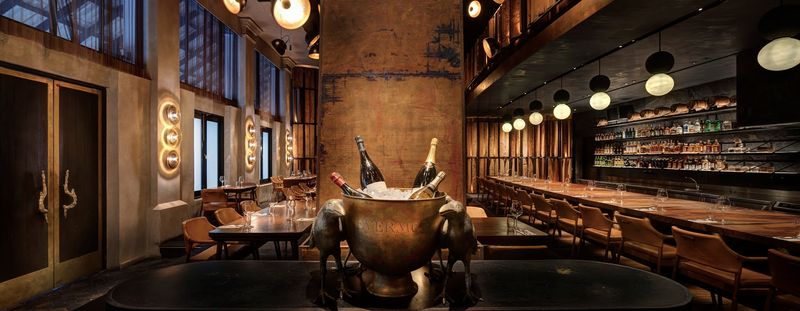
Chef Dave Pynt built a custom four-tonne, dual-cavity oven and a wood-fired grill to anchor Burnt Ends, and every single dish on the menu exists to justify that commitment. This Singapore restaurant took the concept of Australian barbecue and turned it into a Michelin-starred experience that nobody saw coming.
The open kitchen is part of the show. Watching the fire work is genuinely entertaining, and the smell alone is enough to make you forget you ever had dietary restrictions.
Dishes like the pulled pork sanger and the burnt ends themselves have become cult favorites among regulars.
Walk-ins are nearly impossible, and the online reservation system fills up within minutes of opening. Set an alarm and try your luck.
The wait is worth it, and if you land a counter seat facing the kitchen, consider yourself one of the lucky ones in Singapore that week.
Masque – Mumbai, India
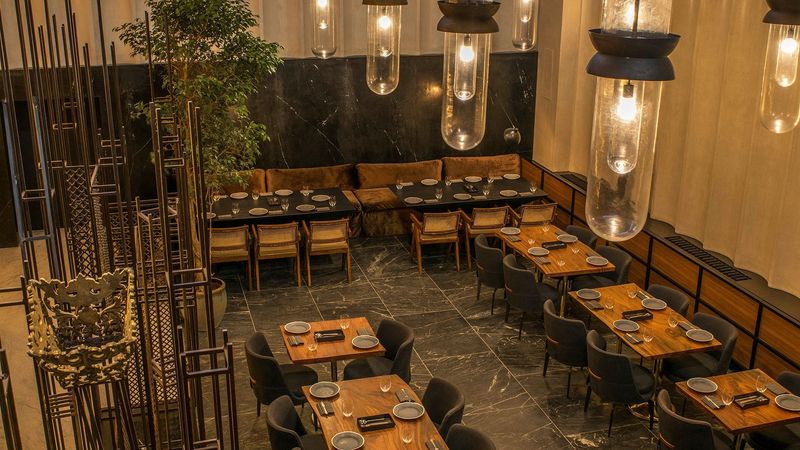
Mumbai has always been a city that knows how to eat, but Masque is doing something the city had not quite seen before. Chef Prateek Sadhu built the entire menu around ingredients sourced from across India, many of them obscure, forgotten, or simply never given a fine dining spotlight.
The result is a tasting menu that reads like a geography lesson and tastes like a revelation. Ingredients from Ladakh, the Northeast, and coastal regions appear on the same plate, creating a portrait of Indian food that goes far beyond the usual suspects.
It is ambitious, and it absolutely delivers.
Masque has been earning global recognition steadily, and the food world is paying close attention. For travelers visiting Mumbai, this is the restaurant that answers the question of what Indian fine dining looks like when it stops apologizing for being Indian.
The answer, it turns out, is stunning.
Evett – Seoul, South Korea
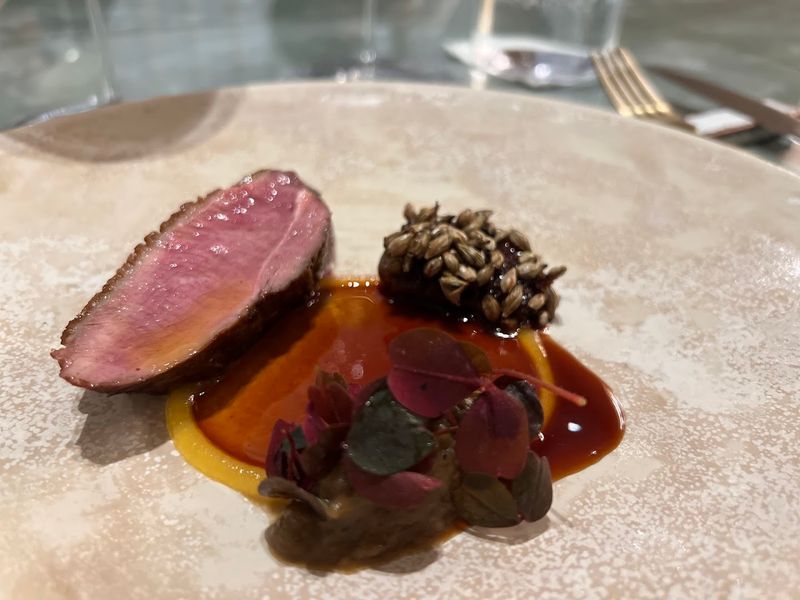
Seoul has no shortage of excellent restaurants, but Evett earned its two Michelin stars in 2025 by doing something genuinely its own. The kitchen blends Korean flavors with global culinary influences in a way that feels natural rather than forced, and the wine pairings are exceptional enough to deserve their own conversation.
Chef Eric Thesis approaches Korean ingredients with both reverence and curiosity. The menu is not a Korean food tour, but Korean identity runs through every dish like a quiet thread that ties everything together.
It is subtle, smart, and deeply satisfying.
Seoul is one of those cities where the food scene moves fast, and Evett has managed to stay ahead of the curve. First-time visitors to the city often overlook fine dining in favor of street food, which is understandable.
But Evett makes a strong case for sitting down, slowing down, and letting someone else make all the decisions for a night.
La Maison 1888 – Da Nang, Vietnam
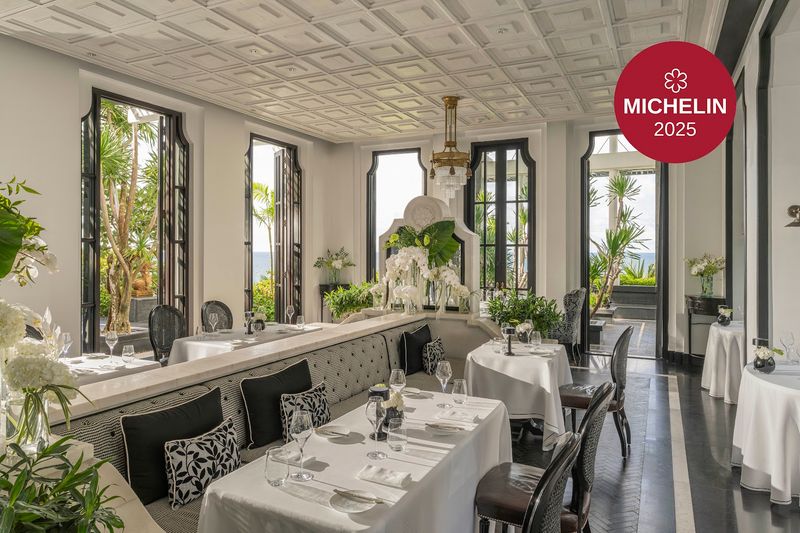
Sitting inside a stunning colonial-era resort in Da Nang, La Maison 1888 manages to be both a great restaurant and a great excuse to visit Vietnam’s central coast. The Michelin star is deserved, but the setting adds a layer of drama that most dining rooms simply cannot compete with.
The menu blends French technique with Vietnamese ingredients, which sounds like a familiar formula but feels fresh here. Chef Pierre Gagnaire, the French culinary legend who shaped the restaurant’s identity, brought a level of seriousness that elevates every dish on the menu.
Da Nang is increasingly popular with travelers, and La Maison 1888 is one of the reasons foodies specifically add it to their itineraries. The coastal setting, the refined cooking, and the thoughtful service make for an evening that feels almost too good for a Tuesday.
Book it anyway. Especially on a Tuesday.
Iggy’s – Singapore
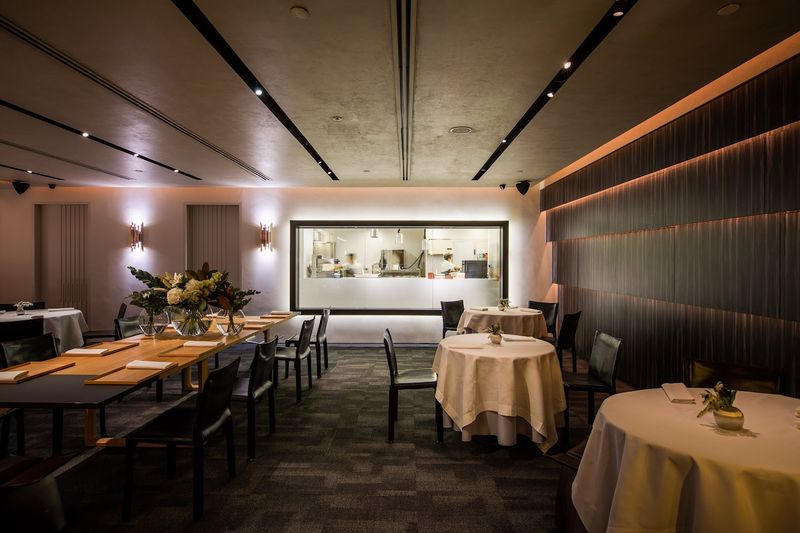
Iggy’s has been part of Singapore’s dining conversation long enough to have seen trends come and go while staying quietly relevant throughout. Founded by Ignatius Chan, this Michelin-starred restaurant built its reputation on a world-class wine list and food that knows exactly what it wants to be.
The cooking leans European with Asian touches, and the execution is consistently excellent. What makes Iggy’s stand out is not a single signature dish but the overall experience of a room that takes hospitality seriously without taking itself too seriously.
That balance is rarer than it sounds.
Long-time Singapore residents treat Iggy’s like a trusted old friend, somewhere you return to for important occasions and always leave satisfied. For first-time visitors to the city, it is a masterclass in what a mature, confident restaurant looks like.
The wine list alone could keep you busy for the entire evening, which is honestly not the worst problem to have.
Yat Lok – Hong Kong
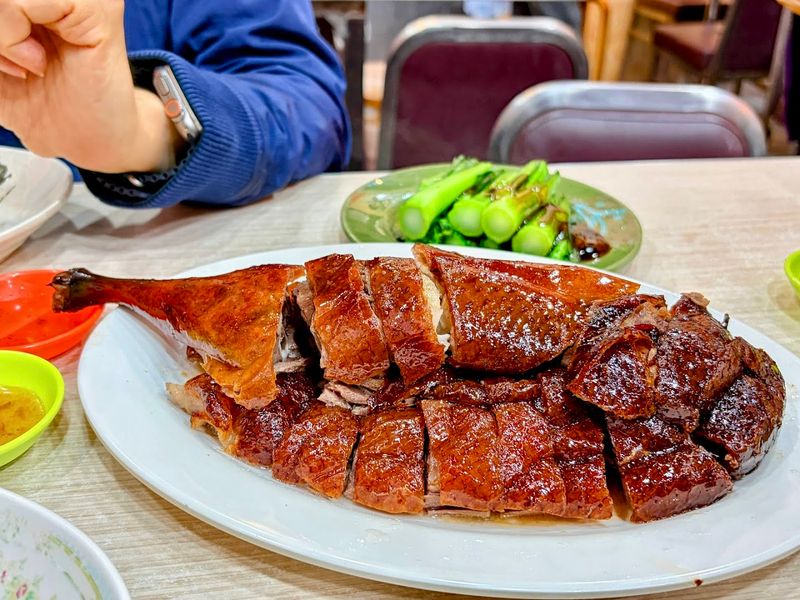
Not every legendary restaurant needs white tablecloths. Yat Lok in Hong Kong has been serving some of the best roasted goose in the city for decades, and the queue outside the door on any given lunchtime is all the review you need.
Michelin agreed and gave it a star, which surprised nobody who had eaten there.
The goose is the whole point. Crispy skin, juicy meat, and a char siu that holds its own alongside it.
The menu is short, the tables are close together, and the turnover is fast. It is not a lingering kind of place, but it is an absolutely essential one.
Locals have been eating here since before it was famous, and tourists now line up alongside them without any sense of awkwardness. That mix says something.
Yat Lok is one of those rare spots where the hype and the reality are perfectly aligned, bite for glorious bite.
Baan Tepa – Bangkok, Thailand
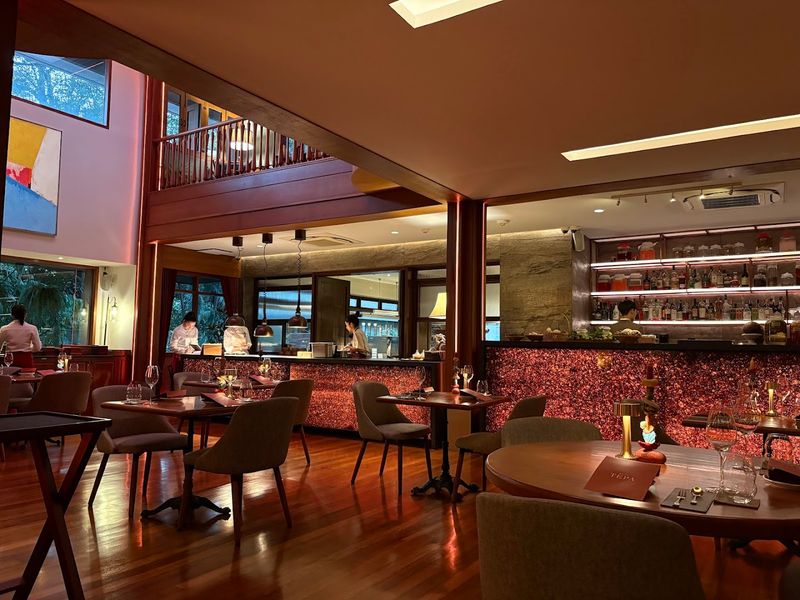
Chef Chudaree Debhakam, known as Tam, runs Baan Tepa from a property that includes its own garden, and that detail tells you a lot about what kind of restaurant this is. Sustainability is not a marketing angle here.
It is baked into every decision, from sourcing to cooking to plating.
The food is creative Thai cuisine that feels rooted in the land rather than the trend cycle. Ingredients grown steps from the kitchen end up on the plate with minimal interference, which takes more skill than it sounds.
The menu shifts with the seasons and the garden, keeping every visit genuinely different.
Baan Tepa has been climbing the Asia’s 50 Best list steadily, and the recognition is well earned. Bangkok’s dining scene is crowded with talent, but this restaurant has carved out a lane that is entirely its own.
It is the kind of place that makes you care about where your food comes from, even before the first course arrives.
Ru Yuan – Hangzhou, China
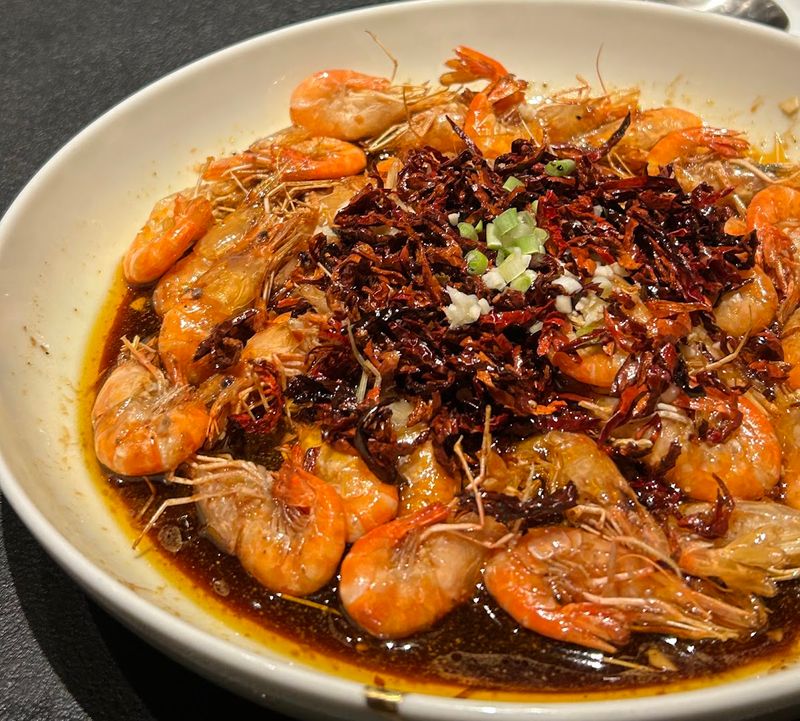
Hangzhou has been celebrated for its food culture since the Song Dynasty, and Ru Yuan is making sure that legacy stays very much alive in the present. This newer entry on Asia’s Best Restaurants list is turning heads with refined Chinese cuisine that respects tradition while embracing a modern sensibility.
The cooking draws on the Zhejiang culinary tradition, which prizes freshness, lightness, and natural sweetness over heavy sauces or bold spice. It is a style that rewards attention, and Ru Yuan gives it the platform it deserves.
Each dish is considered, precise, and quietly impressive.
Hangzhou itself is worth the visit, with West Lake and centuries of history just outside the restaurant door. Adding Ru Yuan to the itinerary turns a cultural trip into a full sensory journey.
For travelers exploring China beyond Beijing and Shanghai, this restaurant is a very compelling reason to head to Zhejiang province.
Share this story