 Unearth The Voyage
Road trips changed how Americans ate, and a humble bun with a snappy sausage rode shotgun through the 1920s roadside boom, the postwar interstate buildout, and the farm-to-market revival of the 1990s. Roadside markets kept pace, pairing seasonal produce with quick-fire grills that turned regional sausage traditions into portable history.
You get more than lunch at these stops, you get a map of migration, industry, branding, and local pride from Texas kolache country to New England orchard lanes. Keep reading to trace how hot dogs became the democratic souvenir of American drives, one market counter at a time.
1. Hruska’s Kolaches & Sausage – Ellinger, Texas
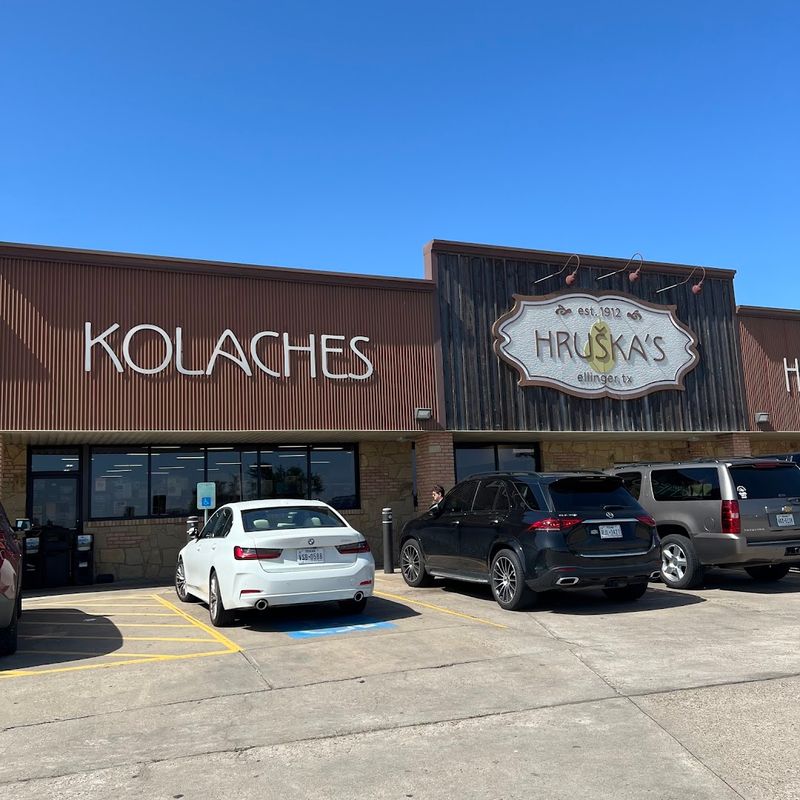
Gas stations once doubled as community outposts in rural Texas, and this market kept that spirit by blending road fuel with Czech-Texan baking. You come for a grilled dog, then notice the dough traditions that arrived with 19th century immigrants.
Kolaches anchored social life after church picnics, and sausage making followed rail-era meatpacking across the state. By midcentury, Highway 71 traffic made quick-service counters essential, with hot dogs bridging convenience and heritage.
The market’s grill reflects a hybrid timeline, where Central European spice profiles meet postwar roadside efficiency. You see it in the snap, the mustard, and the occasional jalapeno nod to regional heat.
What makes the stop memorable is continuity. Recipes pass through families, but the counter layout answers to inflow patterns shaped by weekend lake traffic, pipeline crews, and school teams on the move.
That blend of tradition and practicality keeps the place rooted in local history while still serving the steady rhythm of the highway.
2. Burt’s Farm Market – Dawsonville, Georgia
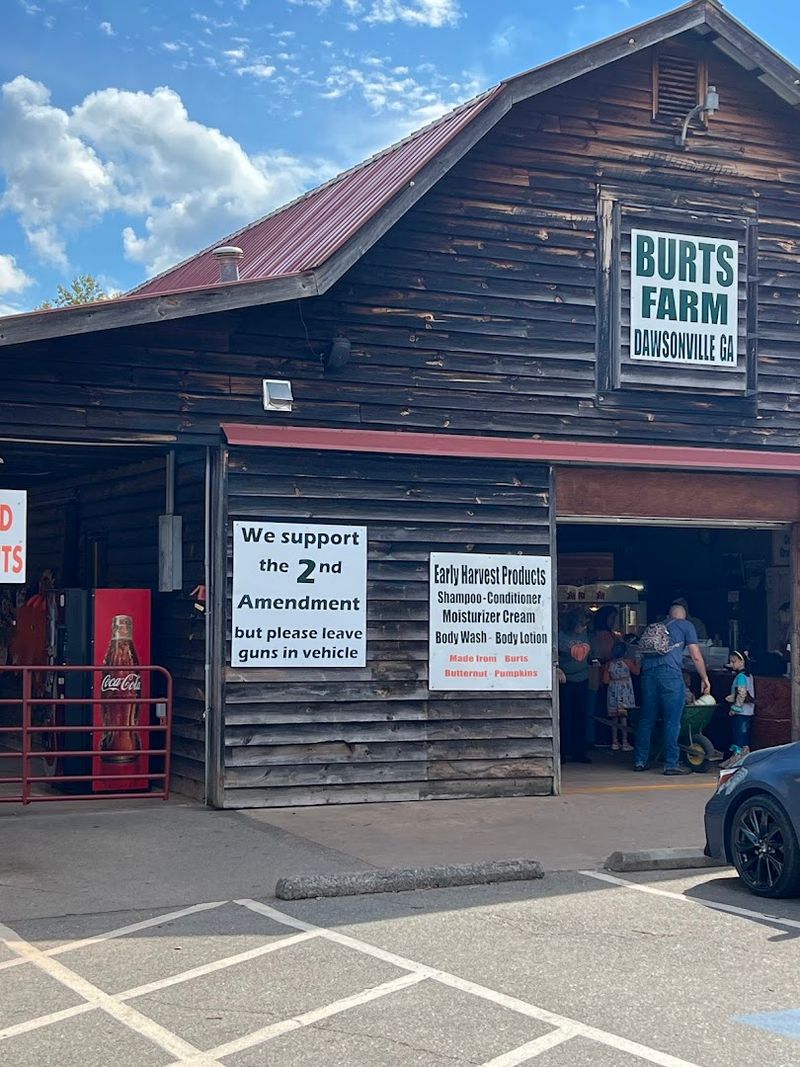
Stock-car lore and farm rows cross paths in Dawsonville, where weekends bring families and gearheads the same way. The market learned to serve crowds that move quickly, so the grill delivers hot dogs beside seasonal harvests.
Georgia’s highway expansion in the 1950s pulled farm stands closer to traffic patterns, and markets answered with quick menus. A frank with onion and slaw became the no-delay option between pumpkin patches and museum stops.
Local beef producers and regional bun suppliers shaped flavor more than trend cycles. You taste county-level supply chains in the straightforward toppings and consistent snap.
The appeal is practical. You manage kids, pick apples or pumpkins, and still get lunch anchored in Southern coleslaw traditions borrowed from barbecue counters.
3. The Apple Barn & Cider Mill – Sevierville, Tennessee
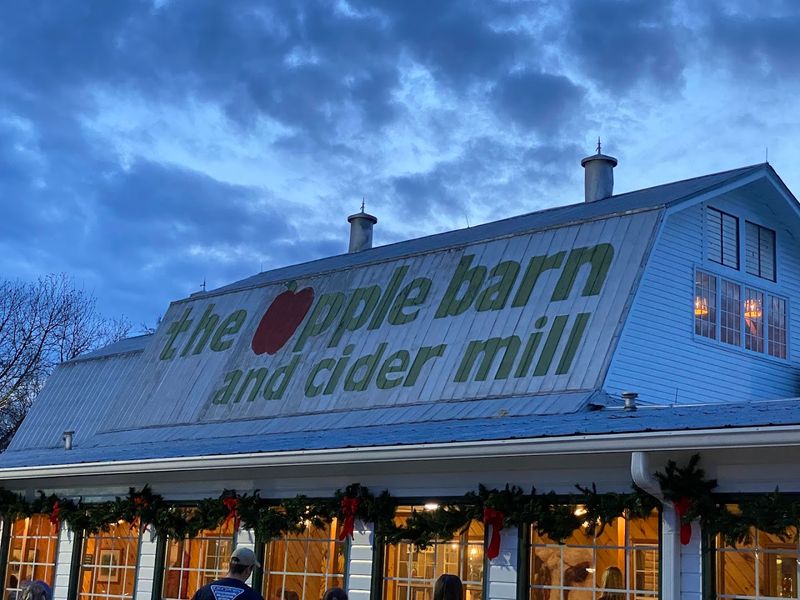
Tourism reshaped lunch in Sevierville when Smokies traffic accelerated after World War II. Markets that once sold crates now curate experiences, and a grilled hot dog fits the schedule between tastings and trolley stops.
Cider mills built reputations on seasonal surges, then installed fast-service counters to keep lines moving. The frank became a neutral canvas for apple-based relishes and vinegars that tie lunch to the mill’s core craft.
By the 1980s, destination retail blurred with farm heritage. Packaging, signage, and queue design drew from theme-park logic while retaining real production on site.
You get a dog, sip cider, and participate in a local economy that values throughput without losing the thread of orchard work. It shows how roadside food evolved with tourism math.
4. Red Apple Farm – Phillipston, Massachusetts
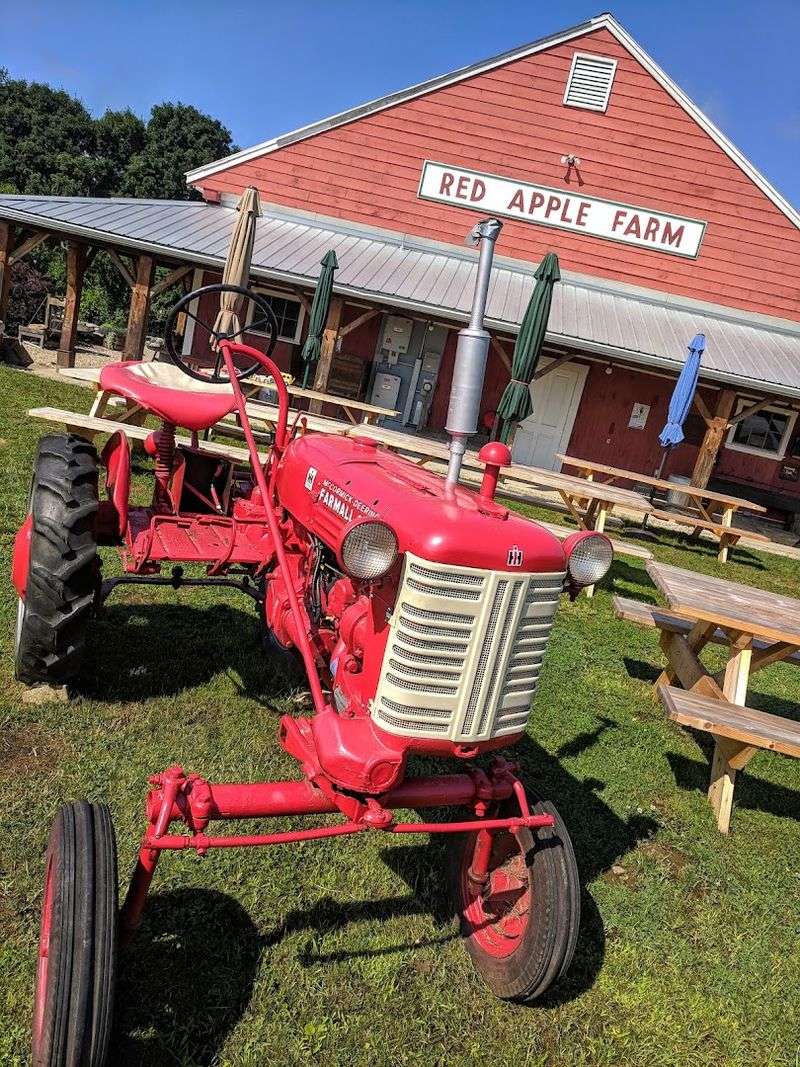
New England orchards have long balanced harvest revenue with year-round cash flow. This farm leaned on a grill to carry spring and summer, using hot dogs to complement doughnuts, cider, and preserves.
Roadside food gained momentum when Route 2 carried city visitors into orchard towns. A frank let visitors keep moving, but toppings honored local production, from sharp mustards to maple-tinged relishes.
By the early 2000s, agritourism marketing upgraded shelters, menus, and payment systems. The dog stayed modest, a steady option alongside hayrides and farm classes.
You notice the calibrated simplicity. It is not a stunt food, just a dependable anchor that lets seasonal items shine, and it has roots in Depression-era thrift and postwar convenience culture.
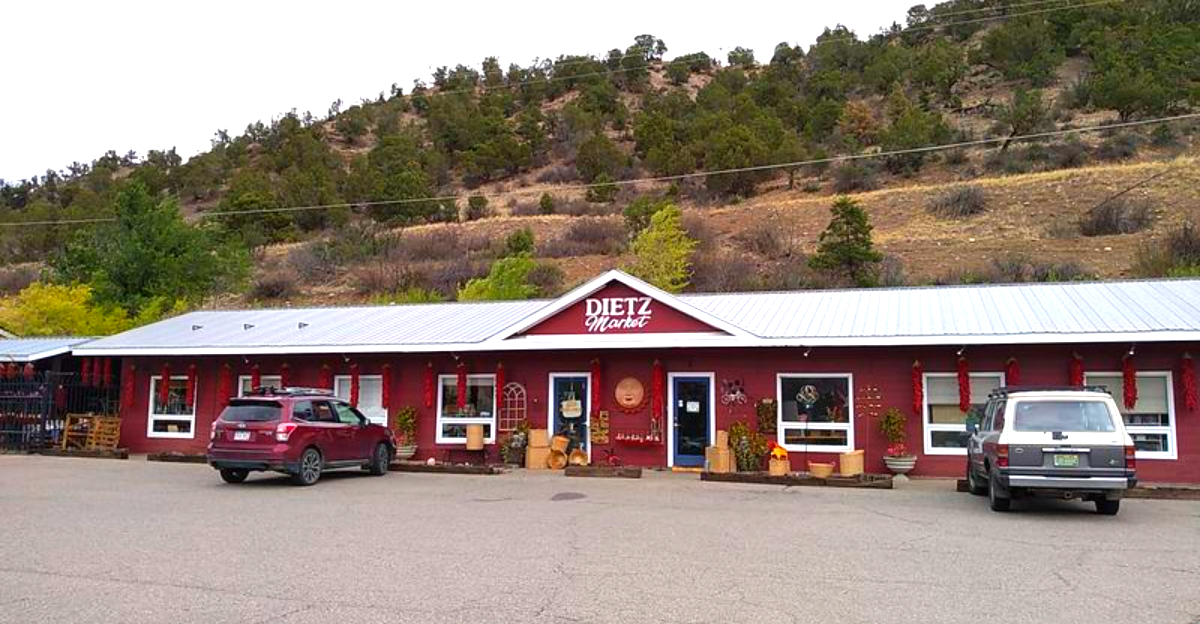
5. Dietz Market – Seven Valleys, Pennsylvania
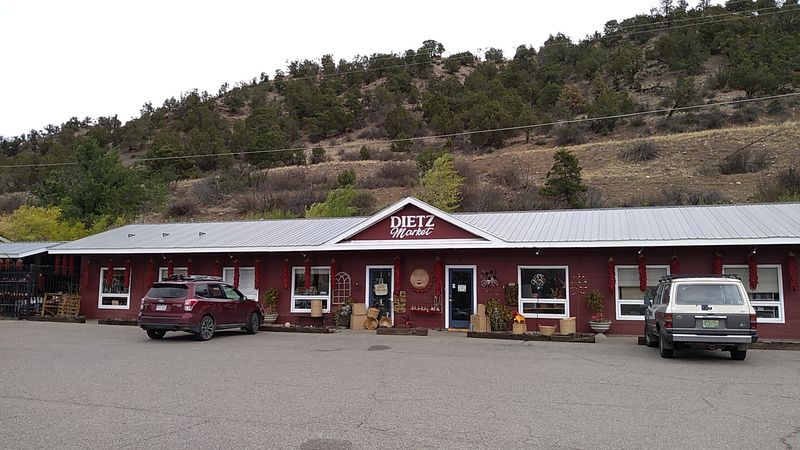
Freight once ran thick through York County, and small towns learned to feed crews fast. This market channels that habit, stacking a grill beside shelves of pantry staples tied to Pennsylvania Dutch canning traditions.
Seven Valleys grew with rail spurs and cigar factories, and lunch meant quick proteins with minimal fuss. A hot dog fit the bill, portable and customizable, adjusted by mustard styles that migrated from city delis.
By the 1970s, weekend cyclists discovered these backroads, and counters added longer hours and outdoor tables. The market adapted, pairing grilled franks with chow-chow and sweet-onion relishes from local producers.
You get the sense of continuity without pretense. The dog anchors a basket that might include whoopie pies, half-sours, and a soda bottled within the county, tying convenience to regional memory.
6. The Farm Stand at Miller’s – Lake George, New York
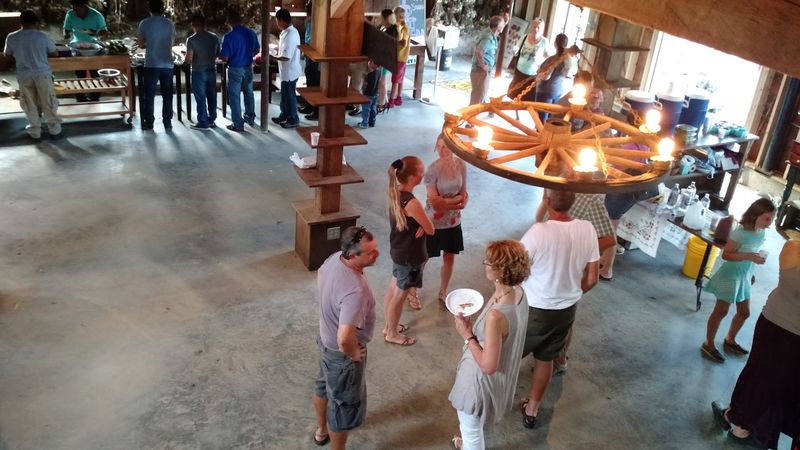
Vacation traffic near Lake George trained markets to think in checklists. Fuel, maps, berries, and fast food share the same footprint, so a hot dog counter turned into a dependable pivot between errands.
As motels multiplied after the 1950s, quick-service standards crept into farm stands. The grill’s role was to keep families on schedule while showcasing local onions and ketchups from nearby processors.
Regional beef and bun suppliers stabilized quality through busy weekends. Pricing stayed friendly, a nod to camp budgets and youth groups moving in convoys.
You get a pragmatic lunch that links to Adirondack tourism history without theatrics. The stand’s rhythm mirrors the lake’s calendar, from June buses to September leaf watchers.
7. Cherry Hill Farm Stand – Lancaster County, Pennsylvania
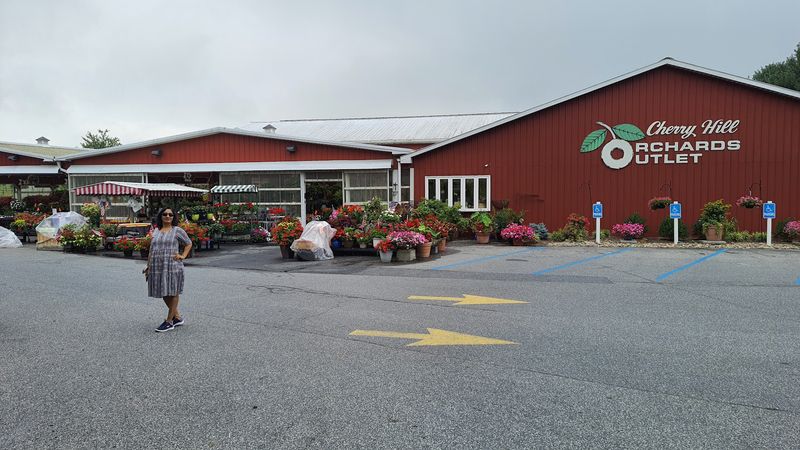
Wagon routes, then trolleys, then cars kept Lancaster commerce nimble. Farm stands learned to meet travelers with plain food that respected time and budget, and a grilled dog fit neatly.
Regional preferences show up in relishes and ketchups leaning sweeter, influenced by local canning traditions. The stand treats the hot dog as a utility player, pairing it with pickles and chips made nearby.
By the 1990s, farm tourism and outlet malls brought heavier weekend crowds. The counter modernized payment and added shade canopies without turning into a theme set.
You eat, look at produce, and read hand-lettered prices that echo thrift values. The dog’s consistency tells you the operation prizes reliability over novelty.
8. Green Bluff Country Store – Mead, Washington
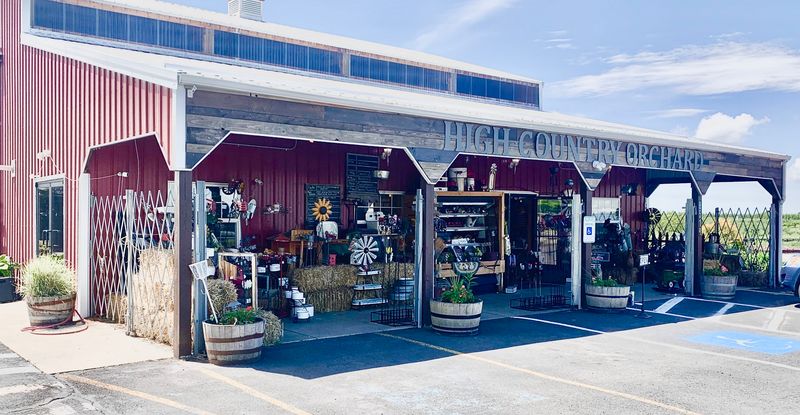
Spokane’s growth pulled day-trippers into Green Bluff, and the store evolved to handle seasonal rushes. A grill provided quick calories that let visitors keep touring farms without a long sit-down.
Northwest stands often favor simple toppings and reliable sourcing. The dog complements the fruit focus, keeping menus agile across cherry, peach, and apple waves.
When farmers banded together for festivals, counters expanded service windows and added portable equipment. The effect is a mobile, cooperative mindset tuned to weekend economics.
You can read a lot in that bun about pacing and logistics. It is a tool that keeps traffic flowing, with quality shaped by local butchers and regional distributors.
9. Russell Orchards Farm Market – Ipswich, Massachusetts
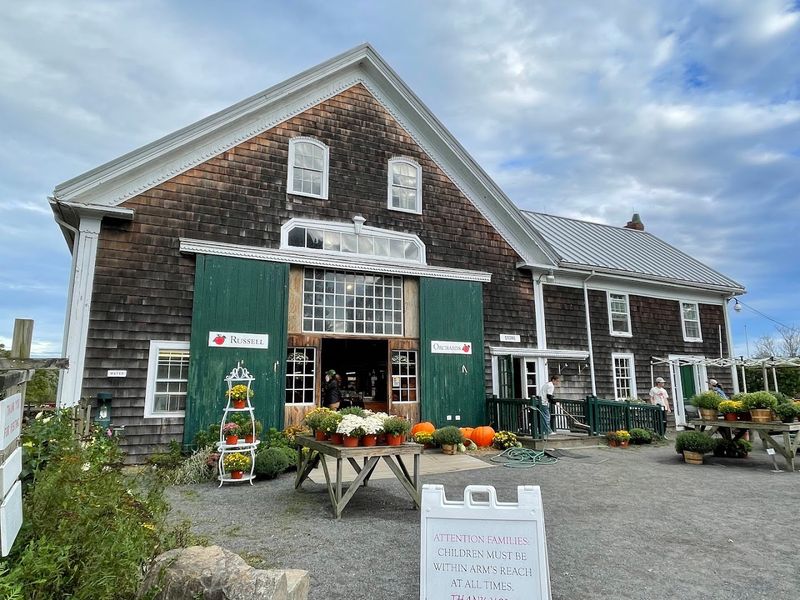
Coastal drives made Ipswich a picnic magnet, and orchards learned to offer swift lunches. The market’s hot dog counter works like a tide chart, spiking on beach days and school field trips.
New England franks carry their own traditions, but this stand keeps embellishments restrained. Mustard, onion, and relish stay central, while cider doughnuts and berries fill the basket.
By the 2010s, point-of-sale systems and queue markers smoothed crowd management. The menu resisted novelty as a brand choice, leaning on regional trust instead.
You leave with proof that basics endure. The orchard sells seasons, the grill sells minutes, and together they balance memory with motion.
10. Wilson Farm Market – Lexington, Massachusetts
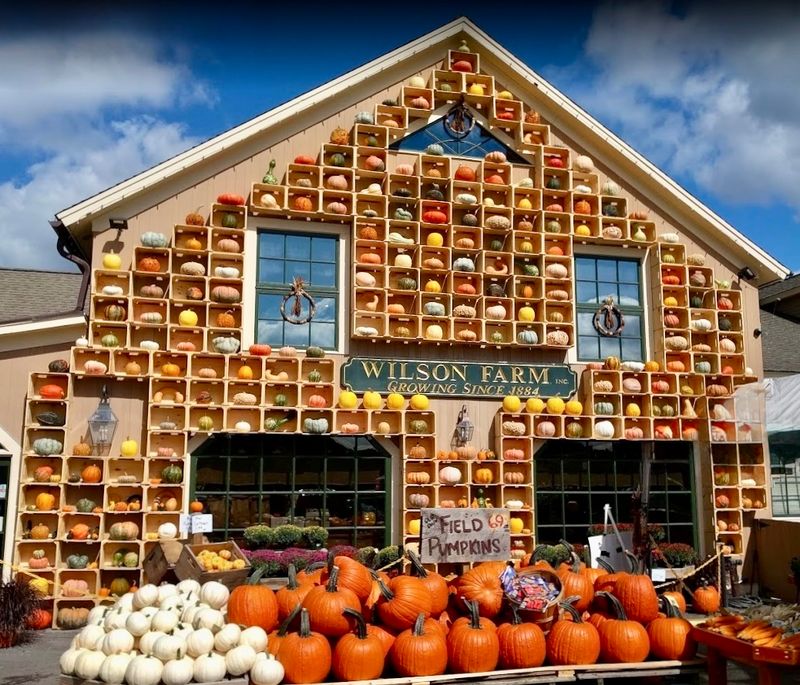
Suburban commuting patterns rewrote lunch habits around Lexington. Farm markets close to arterials tested quick counters, and the hot dog became a steady performer between errands and school pickups.
Cold War era road design favored strip access, and small markets responded by adding parking, shade, and straightforward menus. The dog’s role was to be predictable, with condiments echoing supermarket staples but fresher.
Over decades, incremental upgrades modernized refrigeration and safe holding temperatures. That infrastructure made quality less variable and kept lines short.
You taste the everyday pragmatism of suburbia in a simple order. It is serviceable, efficient, and lightly local, especially when paired with greens and breads baked nearby.
11. Gifford’s Farm Market – Georgetown, Maine
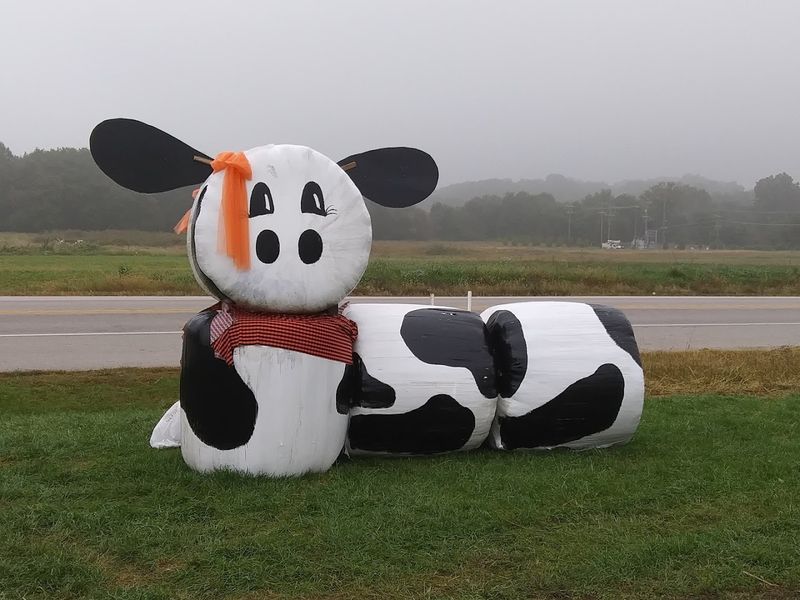
Touring Route 1 taught travelers to expect speed without losing regional character. This market answers with a compact grill turning out hot dogs that play well with Maine’s relish traditions.
Seafood gets the headlines, but the frank is a steadying element between scenic stops. It slots into a menu that flexes with weather and weekend population spikes.
Decades of coastal retail taught quiet discipline. Supplies flow from local bakers and butchers when possible, with distributors covering gaps during peak weeks.
You can keep moving while still buying from a family operation with long memory. The counter is proof that small tools handle big summers.
12. Tuttle Orchards Farm Market – Greenfield, Indiana
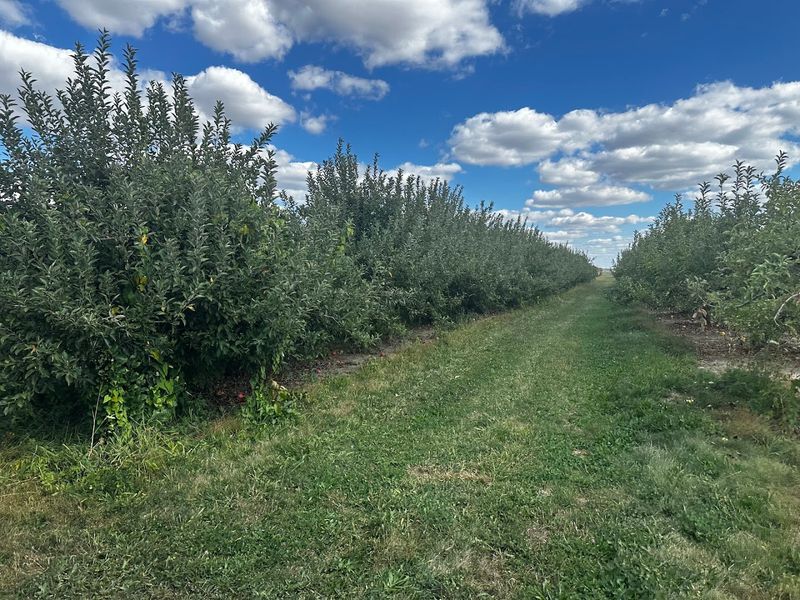
Midwestern farm retail often prizes function over flourish, and this orchard embodies it. The grill delivers hot dogs to keep customers browsing plants, pies, and cider without a long pause.
Indiana’s car culture dates to early manufacturing in nearby cities, so roadside food grew with auto errands. The frank lives comfortably beside bake cases and seed racks.
As agritourism matured, the market adopted clearer signage and seasonal events. The menu avoided fads, letting toppings reflect pantry items families already buy.
You get lunch that respects time and seasonality. It is not precious, it is purposeful, and it keeps the checkout moving.
13. Honey Pot Hill Orchards Farm Store – Stow, Massachusetts
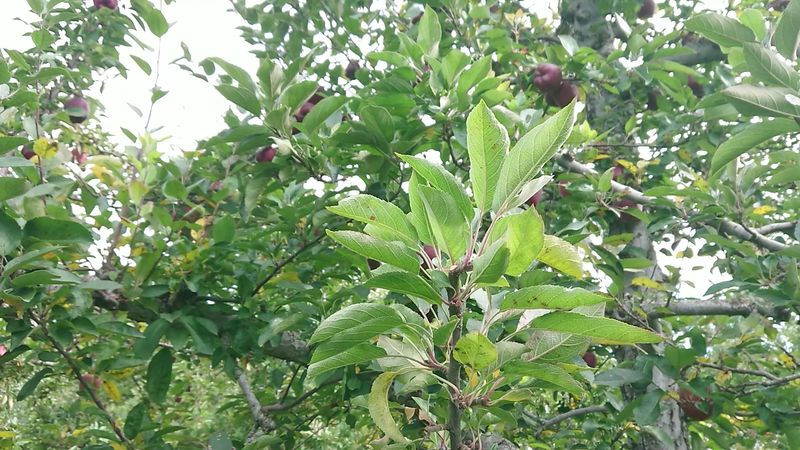
Apple picking crowds operate on schedules built around naps and car seats. The farm store learned to offer reliable hot dogs that minimize decisions while families juggle bags and maps.
Since the 1970s, orchards near Boston adjusted to suburban waves by adding retail corners, signage, and simple hot menus. The dog became the fastest lane through hunger.
Local condiments and bakery sides keep it grounded. The experience is part retail, part field trip, and the grill is the quiet facilitator.
You finish lunch and return to ladders and rows without losing pace. The model is steady because it solves real problems of time and crowd flow.
14. Weaver’s Farm Market – Morgantown, Pennsylvania
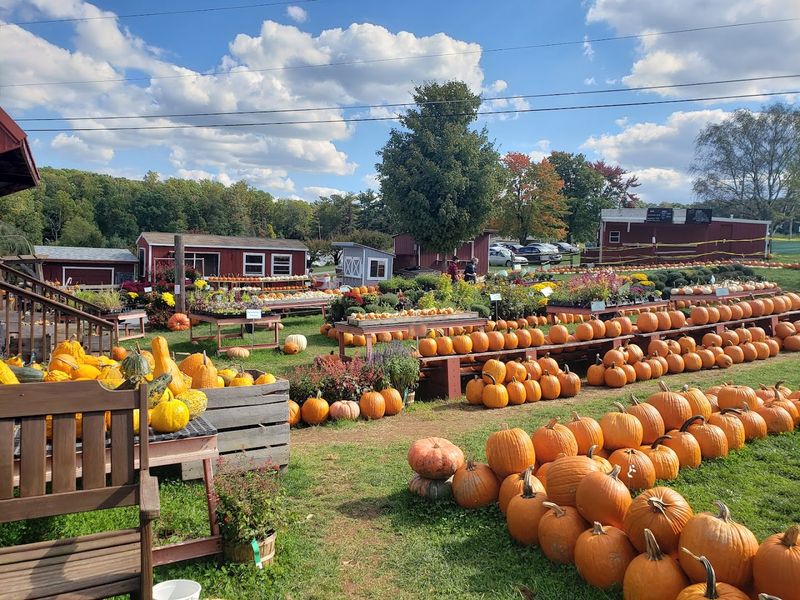
Freight corridors along the Turnpike shaped food stops that value speed and clarity. This market’s hot dog counter fits that pattern, pairing straightforward franks with local relishes and chips.
Pennsylvania’s meatpacking history, from city plants to county butchers, informs texture and spice. The stand emphasizes consistency over novelty, letting baked goods and preserves carry flavor experiments.
Over time, point-of-sale tech and bulk purchasing held prices in line. The grill turns into a tool for family budgets and workers on short breaks.
You get lunch that reflects regional thrift and organization. It is calm, competent, and made to travel.



