 Unearth The Voyage
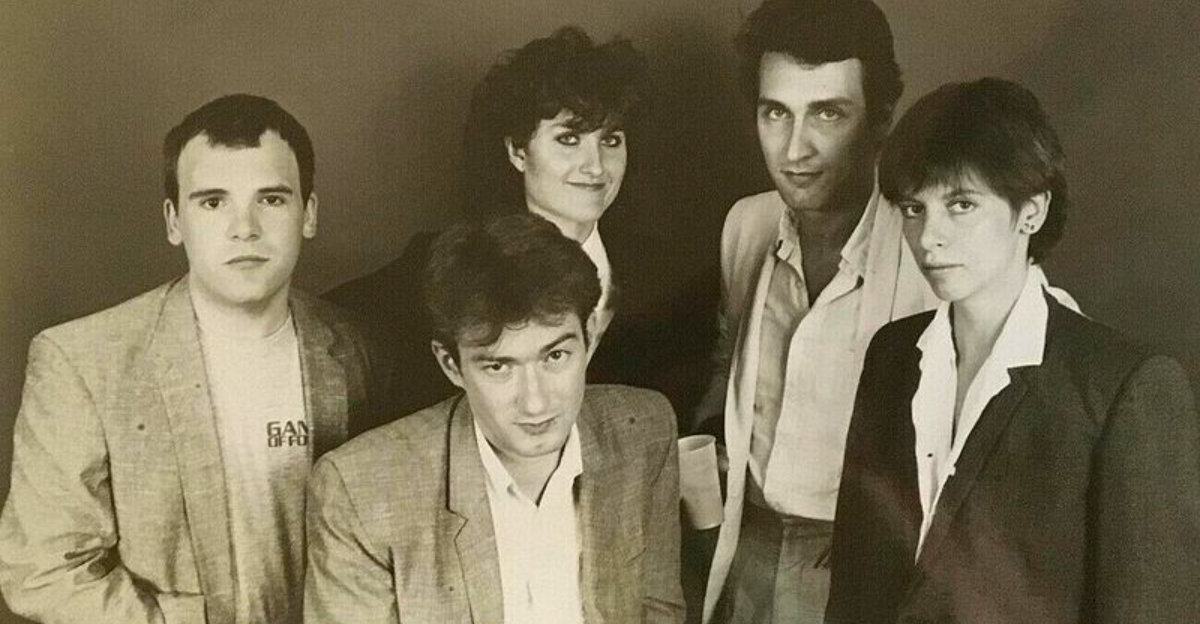
The early 1980s felt like an era built for bold experiments, with punk’s aftershocks pushing rock musicians to rewrite the rules in real time. Critics championed bands that embraced jagged rhythms, wiry guitars, abstract lyrics, and ideas borrowed from art school rather than arena playbooks.
Many of those groups shaped how later scenes sounded, even if airplay, chart positions, and packed venues never followed at the same pace. Keep reading and you will get crisp snapshots of why reviewers raved, how the industry responded, and what you might hear differently when you press play today.
1. The Raincoats
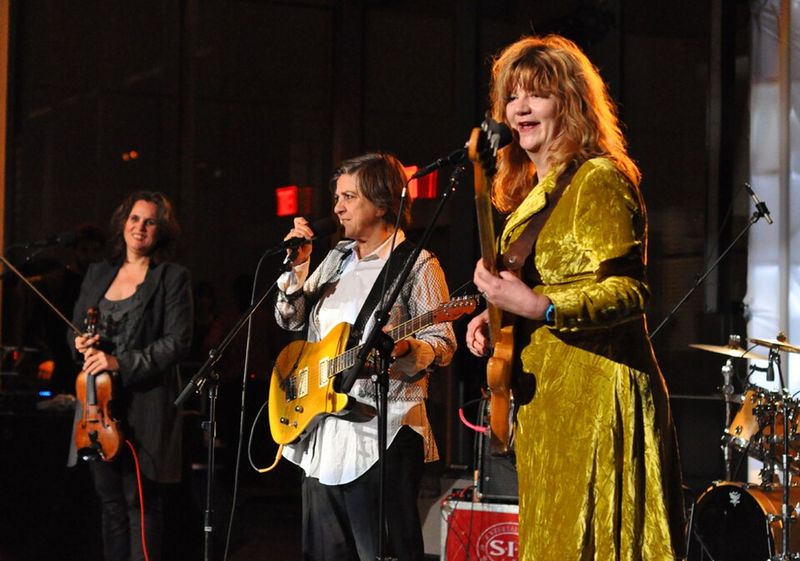
Critics rallied around a group that treated guitars like sketch tools rather than weapons. The Raincoats built songs that sounded handmade, with Ana da Silva and Gina Birch folding violin lines and clattering percussion into crooked pop.
You hear a blueprint for indie ethics on their 1979 debut and the 1981 album Odyshape, which arrived while major labels chased glossy radio hooks. Kurt Cobain’s public fandom in the early 1990s revived interest, yet in the early eighties most listeners wanted smoother productions.
Peel Sessions and Rough Trade distribution amplified their stature among writers who prized risk over polish. The band’s rotating collaborators, including Palmolive of The Slits, reinforced a community model rather than a star system.
If you crave cultural context, their approach fit a London network of collectives, zines, and small venues. You might not sing these choruses at a stadium, but you will recognize how their stubborn independence turned constraints into method.
2. The Feelies
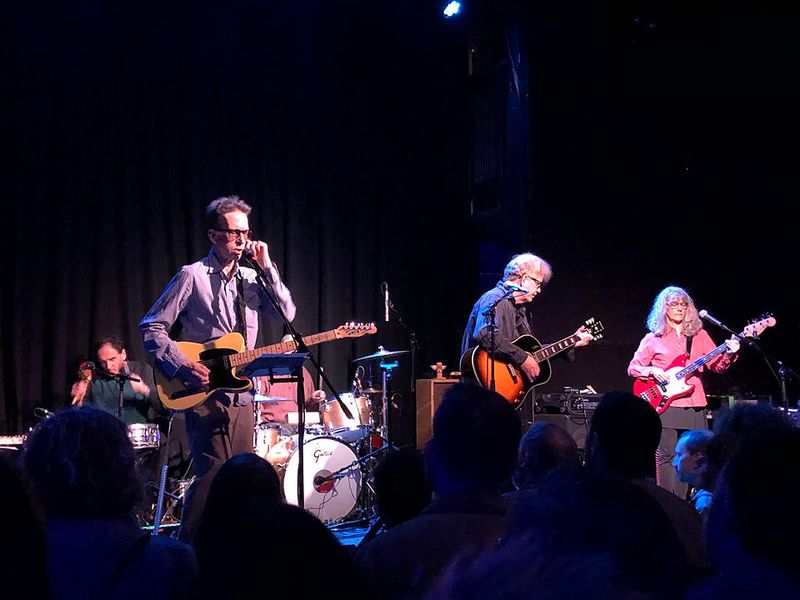
Here is a band that made restraint feel like an action verb. The Feelies threaded nervy precision through jangly guitars, building tension on Crazy Rhythms and later releases without chasing arena volume.
Critics loved the interlocking patterns, which echoed Television and hinted at REM before REM scaled up. Their 1980 debut earned glowing notices, yet low-key stage presence and meticulous tempos kept them off loud playlists.
College radio became home base, where repetition felt hypnotic rather than austere. You can hear their touch in indie’s fondness for clean tones and tight strums that escalate without grand gestures.
They rehearsed like engineers, shaving seconds and silences to shape momentum. Put on forces at play and you notice how the rhythm section drives the melody, nudging you to listen for details that vanish in stadiums.
3. Mission of Burma
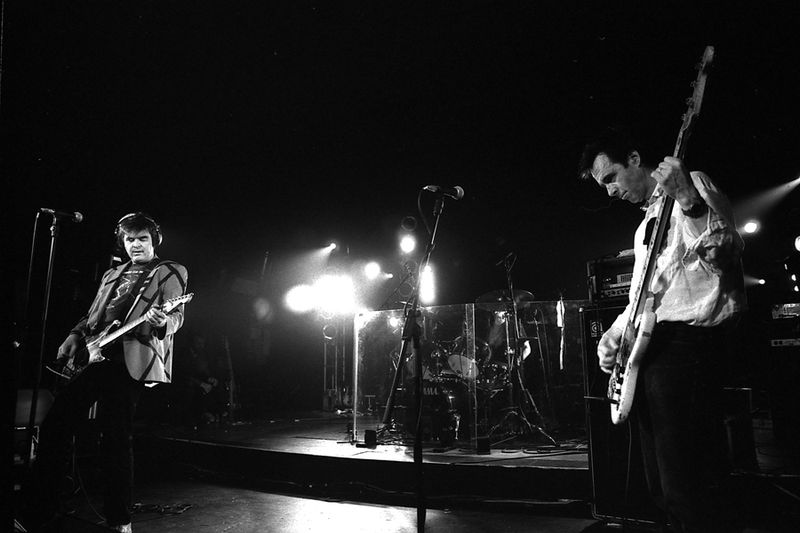
If you want a case study in ambition outpacing infrastructure, start here. Mission of Burma folded tape loops and art-school rigor into punk kinetics, then watched tinnitus and small-market mechanics limit scale.
Signals, Calls, and Marches in 1981 and Vs. in 1982 earned raves for fierce discipline. Critics circled the tape manipulations by Martin Swope, which complicated the trio into a quartet without showboating.
They were loud in service of form, not spectacle. College stations loved Academy Fight Song and That’s When I Reach for My Revolver, while mainstream programmers filed them under too volatile.
Short initial lifespan turned them into myth, fueling the 2000s reunion. When you listen now, the songs feel like proposals for post-hardcore, mapping how structure could spar with noise without collapsing.
4. The dB’s
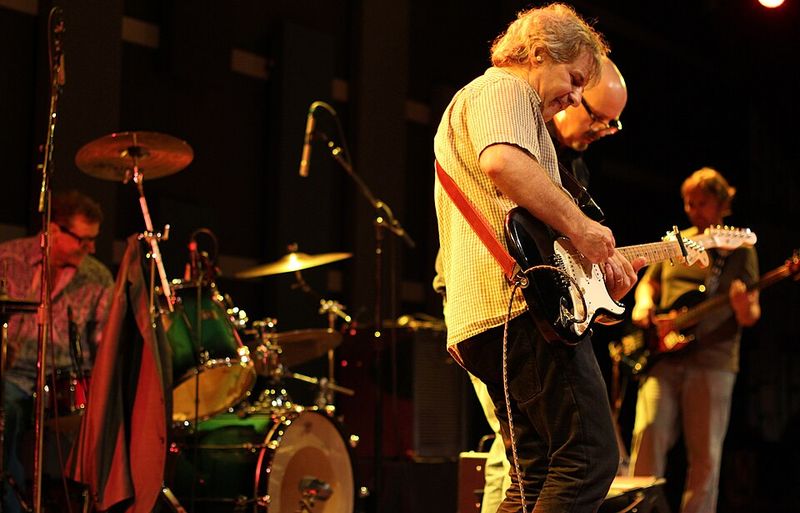
Hooks were never the problem for this crew. The dB’s wrote melodies that could have lived on every mixtape, then paired them with angular arrangements that nudged radio away.
Stands for Decibels in 1981 and Repercussion in 1982 earned reviewer devotion for smart harmonies and quirky pivots. Distribution woes and label turbulence undercut momentum just when MTV tightened gatekeeping.
College radio remained loyal, helping shape the template for guitar-pop that prized craft over swagger. You will hear echoes in later jangle scenes and in any band that lets bridges carry emotional weight.
Peter Holsapple and Chris Stamey traded perspectives like editors, not divas. Spin their records and notice how the choruses feel familiar while the chords keep zigging, a balance that thrills critics more than casual listeners.
5. Gang of Four
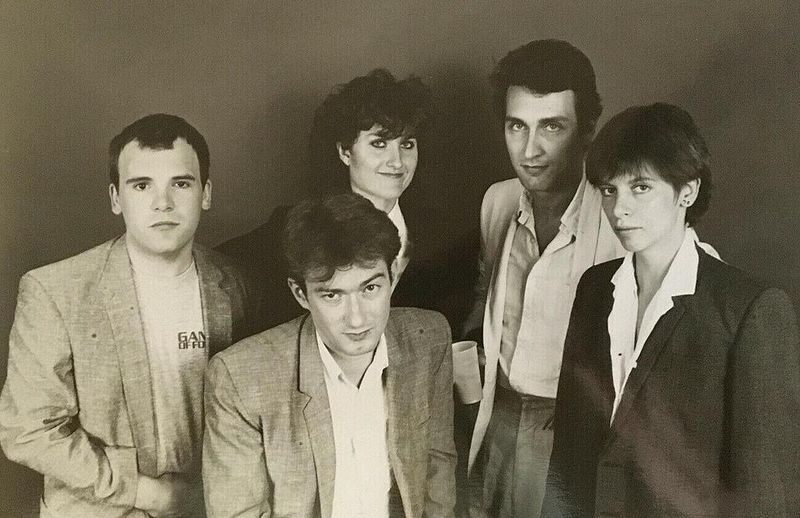
Nothing about this band asked for easy listening or easy politics. Gang of Four fused Marxist critique with jagged funk, making rhythm the argument and guitar scrape the punctuation.
Entertainment! set a standard in 1979, and Solid Gold in 1981 sharpened the formula as MTV-friendly acts rose. Critics admired the structural clarity, the negative space, and the refusal to offer catharsis when contradiction did the job.
Radio programmers hesitated, since irony about consumer culture did not flatter advertisers. Yet you can trace their DNA through Red Hot Chili Peppers, Rage Against the Machine, and countless dance-punk revivals.
Live, they treated feedback like a design element, not a breakdown. If you enter through the singles Damaged Goods or To Hell with Poverty, you will find a catalog that rewards close listening more than casual singalongs.
6. Wire
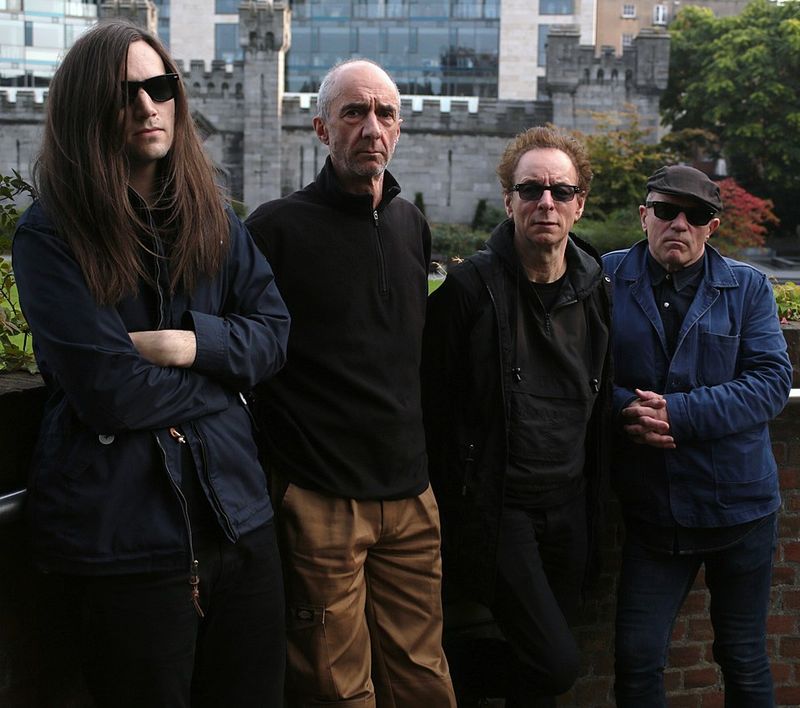
Few groups treated evolution like a mandate quite this strictly. Wire moved from clipped punk on Pink Flag to abstraction on 154, then paused and reconfigured in the early eighties with even colder edges.
Critics followed each pivot with notebooks open, while casual fans missed familiar hooks. The Document and Eyewitness era embraced performance-as-process, turning concerts into experiments that puzzled ticket holders.
When they resurfaced in 1985 with Snakedrill, sequenced rigor replaced ragged rush. Reviewers applauded the modernism as a design choice, reading the band as a living research project.
You can trace their influence through Britpop minimalism and American indie austerity. If you come for singalongs, you may leave with diagrams instead, and that is partly why the acclaim outpaced sales.
7. Pere Ubu
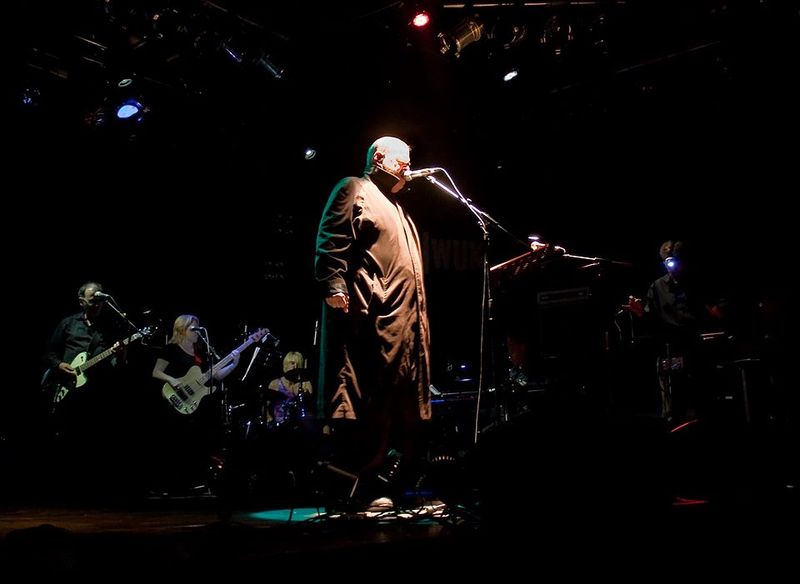
This is what happens when Midwest art-rock refuses to smooth edges. Pere Ubu mixed musique concrète impulses with rock frameworks, giving critics puzzles and fans an uphill learning curve.
The albums New Picnic Time, The Art of Walking, and Song of the Bailing Man carried cult momentum into the early eighties. David Thomas treated vocals like a character study, which charmed writers and confused format-driven radio.
Small labels and shifting lineups kept them agile but hard to market. You hear future post-rock attitudes here, where mood and structure trade places without collapsing the song.
For you, the reward is noticing how odd sounds sit inside tight arrangements. That tension, which reviewers adored, kept mass audiences distant while ensuring long shelf life in critic polls.
8. The Chameleons
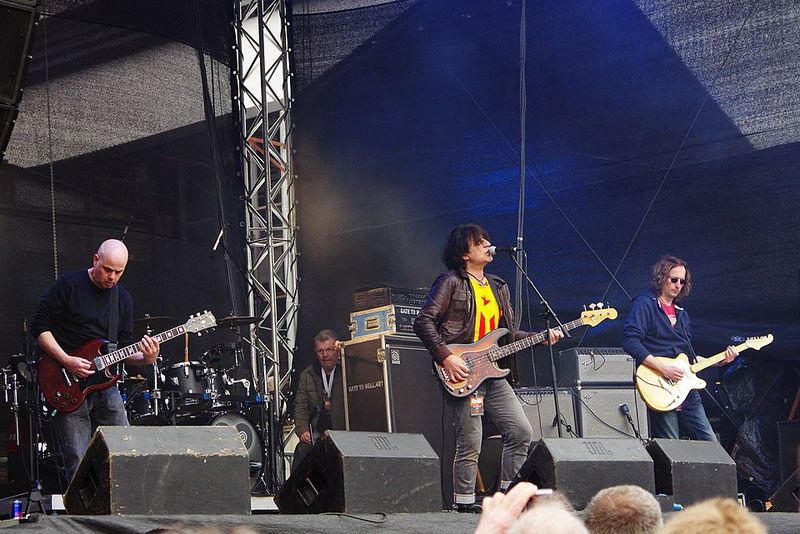
Some bands build cathedrals out of guitar lines, then never charge admission. The Chameleons crafted expansive parts on Script of the Bridge in 1983, earning praise for architecture more than hooks.
Critics admired the interweaving melodies and Mark Burgess’s reflective stance. Labels struggled to package the scale, especially as brighter synth-pop dominated playlists.
Touring built devotion without breaking ceilings. You can hear their influence in post-punk revivals where chorus pedals and delay turn rhythm into landscape.
If you prefer atmosphere that still counts its measures, this catalog rewards you. The gap between acclaim and sales says less about quality than about an industry moment that favored shine over sprawl.
9. Aztec Camera
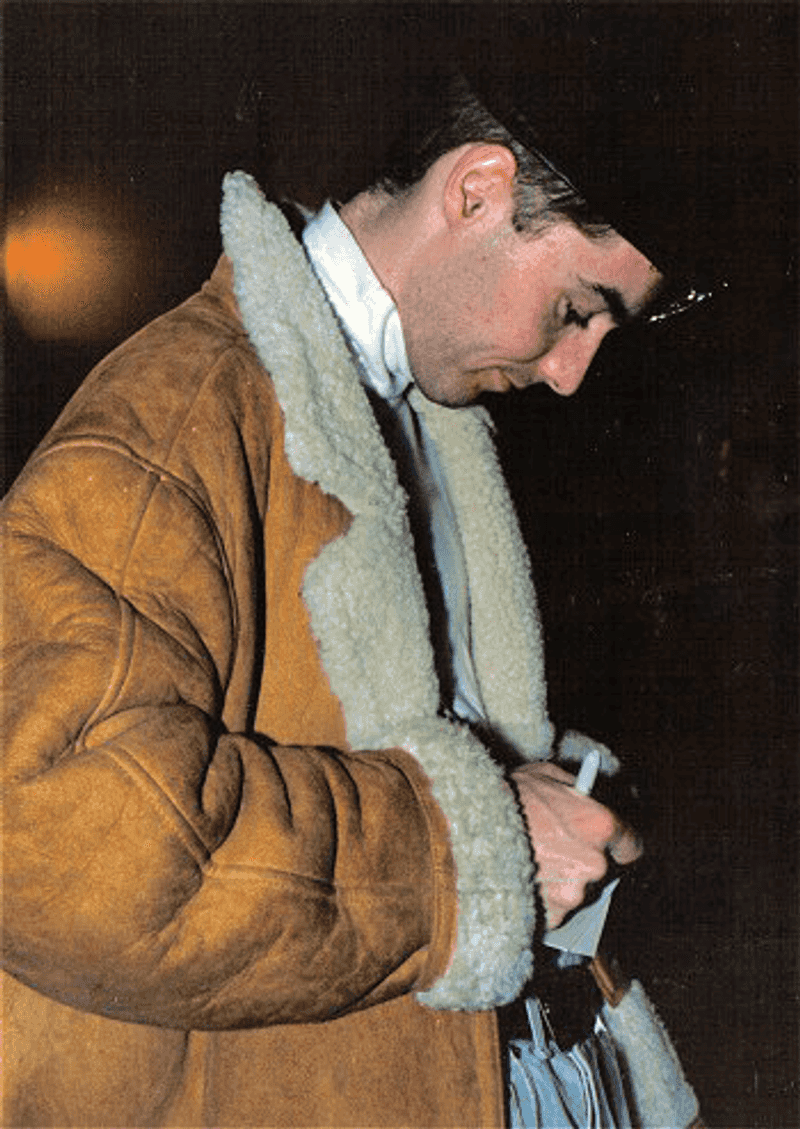
Precision songwriting met youthful calm and decided to stay modest. Aztec Camera, driven by Roddy Frame, delivered High Land, Hard Rain in 1983 with chord voicings that made critics nod appreciatively.
Obvious hitmaking bluster never arrived, which kept radio rotation selective. The craft felt literary without pretension, drawing listeners who valued detail more than volume.
Frame’s guitar fluency offered sparkle in small gestures. College and UK indie charts took notice, while mainstream rock programmers leaned toward bigger drums and simpler choruses.
When you revisit Oblivious or The Boy Wonders, the pleasure sits in smart turns and clean lines. That elegance explains why the reviews soared even when sales settled at respectable rather than dominant.
10. The Soft Boys
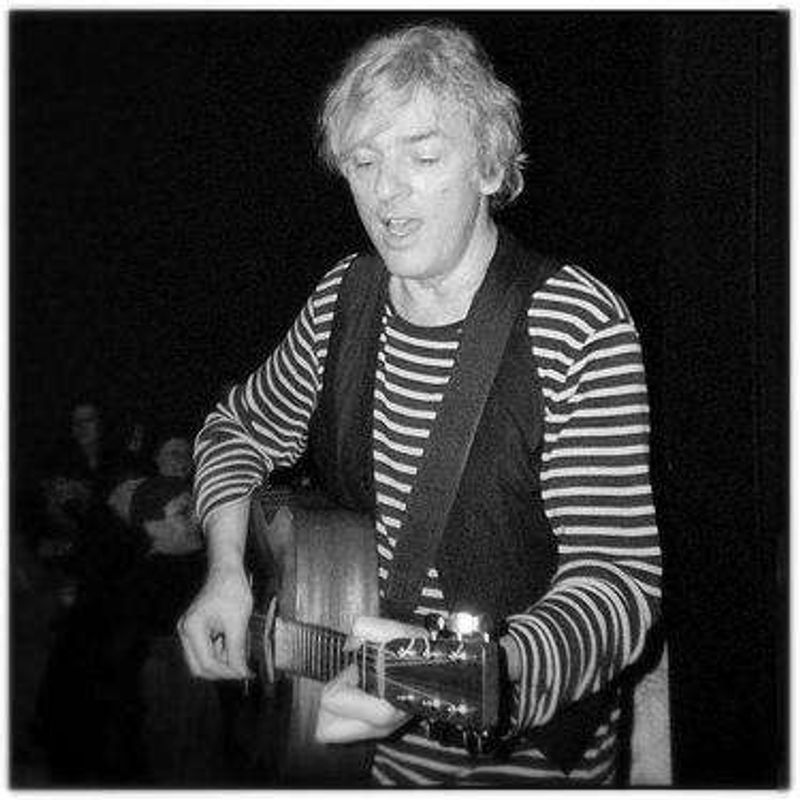
Whimsy and bite shook hands and kept arguing. The Soft Boys, fronted by Robyn Hitchcock, stitched psychedelia to sharp guitar work on Underwater Moonlight, which critics treated like a field guide for odd pop.
Commercial momentum lagged as fashions chased shinier surfaces. The band dissolved by the early eighties, just as jangle and neo-psych acts began mining similar seams.
Reissues and Hitchcock’s solo career reframed the story. You hear templates for college rock’s fondness for surreal humor and nimble leads.
Spin I Wanna Destroy You and note how sarcasm rides melody without blunting it. That balance endeared them to reviewers and cult listeners while leaving mass audiences puzzled.
11. Television Personalities
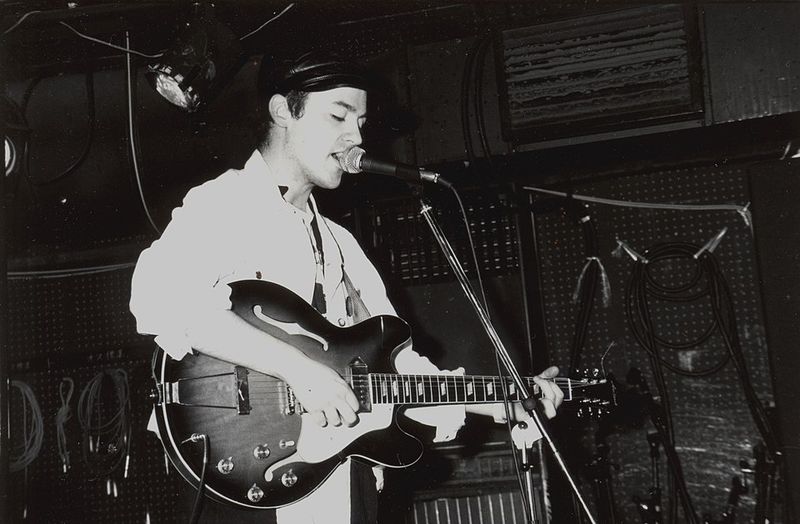
Zine culture set the tone before a single chord rang out. Television Personalities made records that felt like postcards, witty and messy, which reviewers loved for their offhand insight.
Dan Treacy’s songwriting skewered pop myths while sounding like it had been recorded next to a kettle. That lo-fi charm won over critics but confused commercial pipelines that prized sheen.
Albums such as And Don’t the Kids Just Love It mapped a London where scenes and shops carried equal weight. Indie kids collected the references like badges.
If you appreciate songs that read like essays scribbled at a bus stop, this band rewards patience. The small cult following makes sense when the punchlines land slower than radio permits.
12. Rush
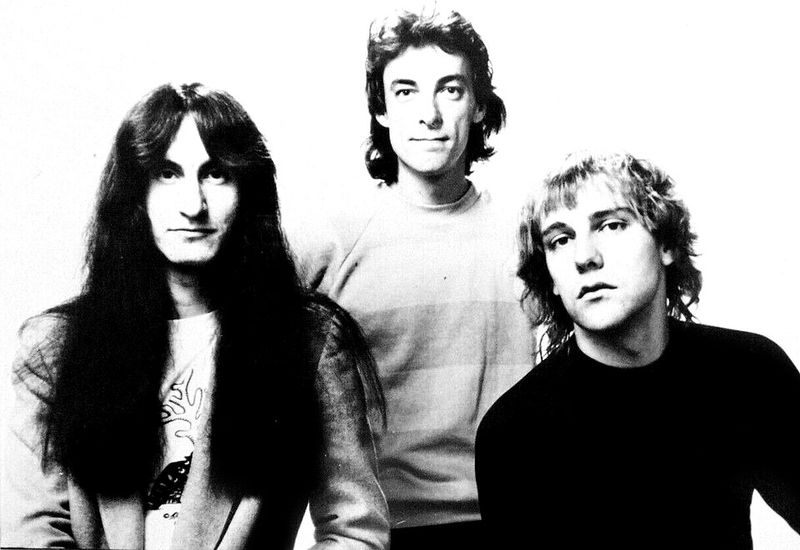
Complexity found a new toolkit when this trio leaned into synths. Rush entered the 1980s balancing virtuosity with technology on Signals, Grace Under Pressure, and Power Windows, which critics parsed like engineering diagrams.
Longtime fans debated keyboards versus riffs while reviewers praised compositional discipline. Chart performance stayed solid but not blockbuster, especially as pop trends shifted toward simpler hooks.
Neil Peart’s lyrics addressed technology, agency, and modern stress. That intellectual bent drew respect from writers who valued ideas presented without swagger.
If you approach the catalog with ears for arrangement, the textures open up. You might prefer the guitar-forward seventies work, but the eighties period shows how a big band managed change without losing identity.
13. The Cramps
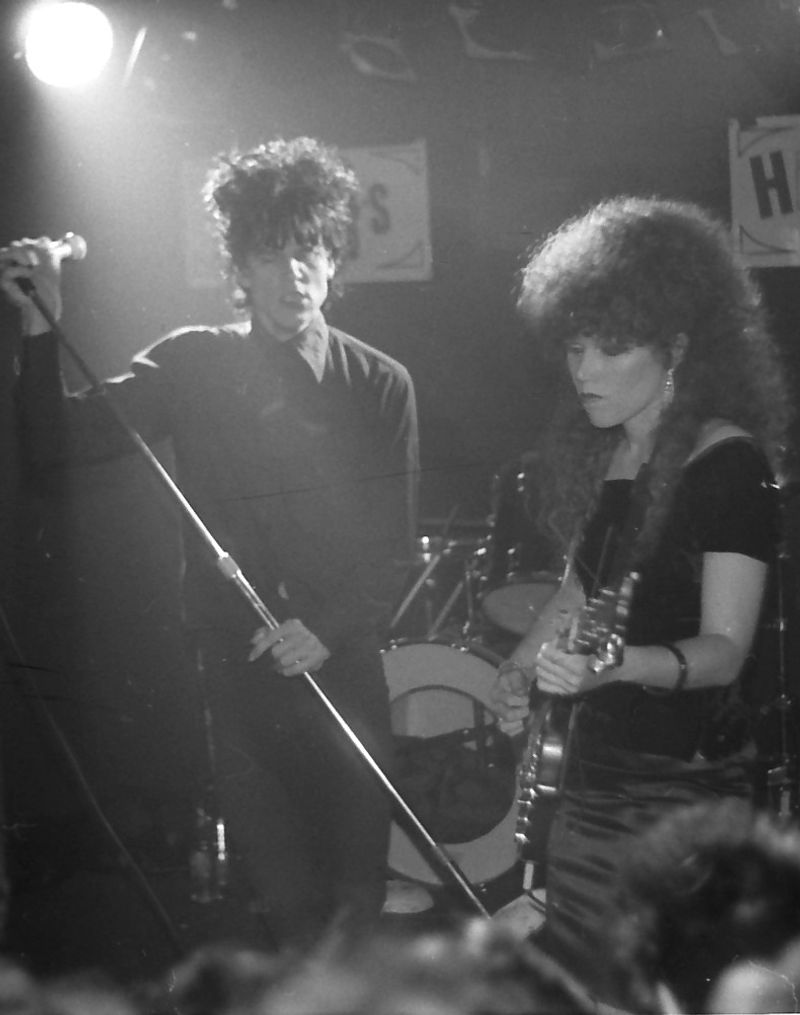
Rock history’s attic got opened and everything got stitched into a new suit. The Cramps fused garage twang, rockabilly forms, and punk attitude into a psychobilly recipe critics devoured.
Albums and comps like Bad Music for Bad People turned rarities into entry points. Mainstream radio showed limited interest in campy menace and B-movie references.
Yet the band mapped a pathway for retro-futurist guitar music that thrives in clubs. You will hear their stamp on garage revivals and any act that treats stagecraft as collage.
The cult never needed mass validation. For listeners chasing lineage, the group offers a quick course in how recycling can produce style rather than pastiche.
14. Big Country
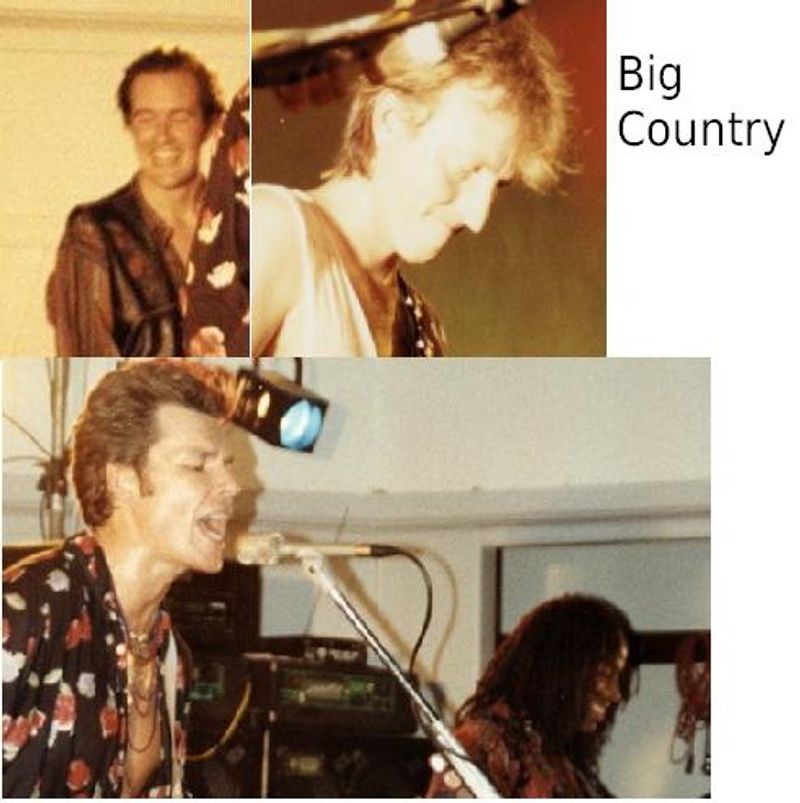
Few bands turned guitar processing into identity quite like this. Big Country used e-bows and effects to mimic pipes on The Crossing in 1983, a sound critics championed as fresh.
Hits arrived, yet the larger arc tilted toward respect rather than dominance. Reviewers admired the clarity of arrangement and Celtic motifs while mainstream audiences sampled singles and moved on.
Albums such as Steeltown presented working-class themes with resolve. Radio leaned toward brighter pop as the decade advanced, narrowing the window for rugged grandeur.
If you revisit In a Big Country, notice how rhythm guitar carries melody lines. The band’s commitment to a distinctive voice secured legacy status that reviews highlight more than chart histories do.



