 Unearth The Voyage
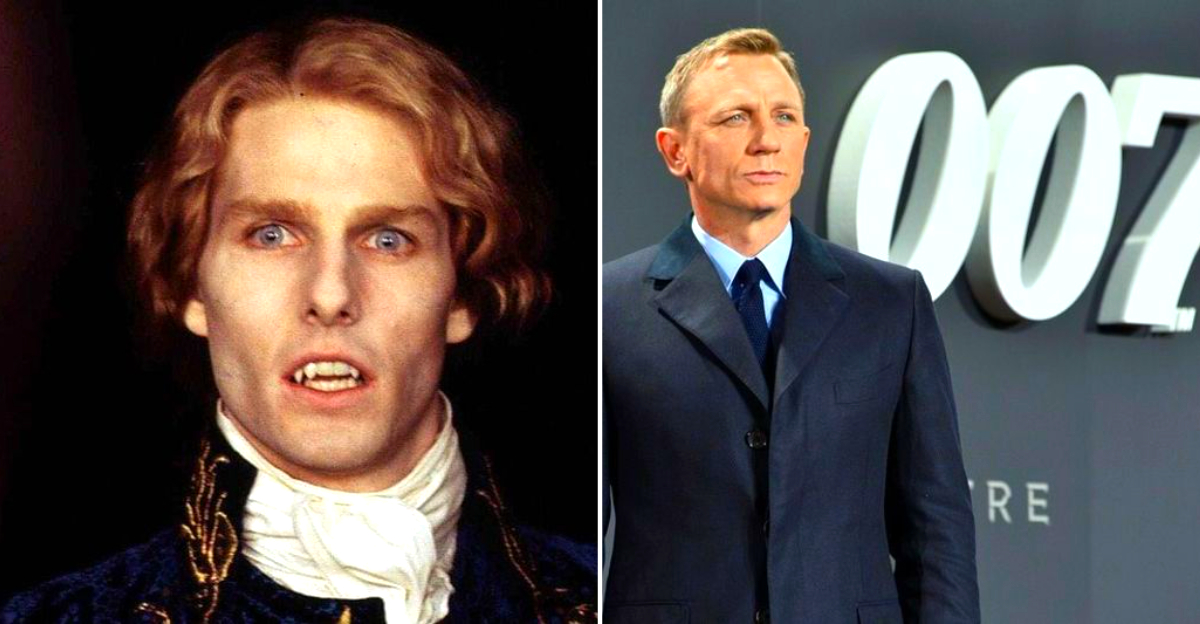
Casting history is full of neat little reversals, and some of the best ones started with public doubt. A performer gets announced, fans raise an eyebrow, and then the finished movie or series arrives and quietly rewrites the argument.
These fourteen choices are worth revisiting because they show how star image, timing, and smart direction can turn a supposed mismatch into the thing people remember most. If you enjoy movie history with a bit of pop culture whiplash, this list has plenty to chew on.
1. Heath Ledger as the Joker
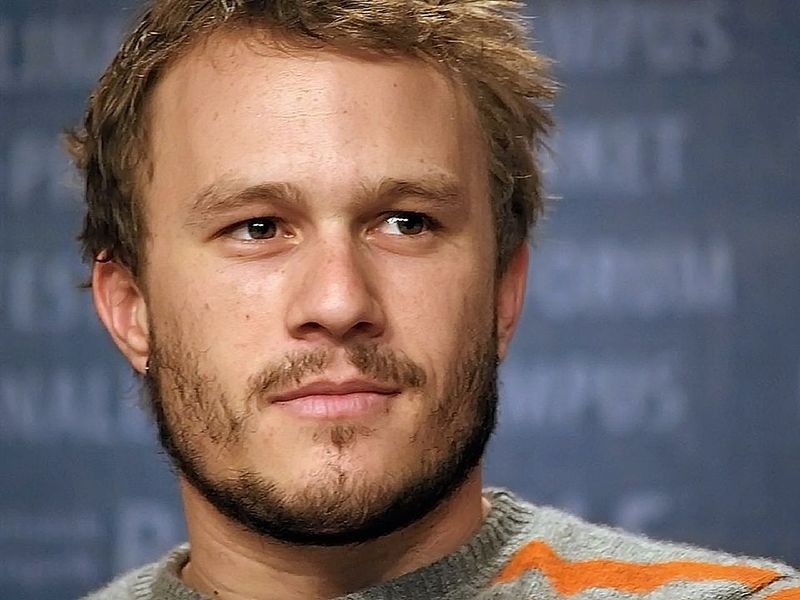
Nobody expected the charming lead from early 2000s romances to become the standard for comic book menace, and that was exactly the point. When Heath Ledger was announced as the Joker for The Dark Knight, plenty of fans treated the news like a category error.
They knew him from 10 Things I Hate About You, A Knight’s Tale, and Brokeback Mountain, not from anything that suggested Gotham’s most chaotic criminal.
Then the film arrived in 2008 and the skepticism looked badly dated. Ledger built a version of the Joker that felt unstable, deliberate, funny, and unnerving without leaning on old comic camp.
You can still see the shift his performance created, because superhero movies afterward became more willing to trust strange casting, darker character work, and actors eager to disappear inside a role rather than simply protect their established screen persona.
2. Robert Downey Jr. as Iron Man
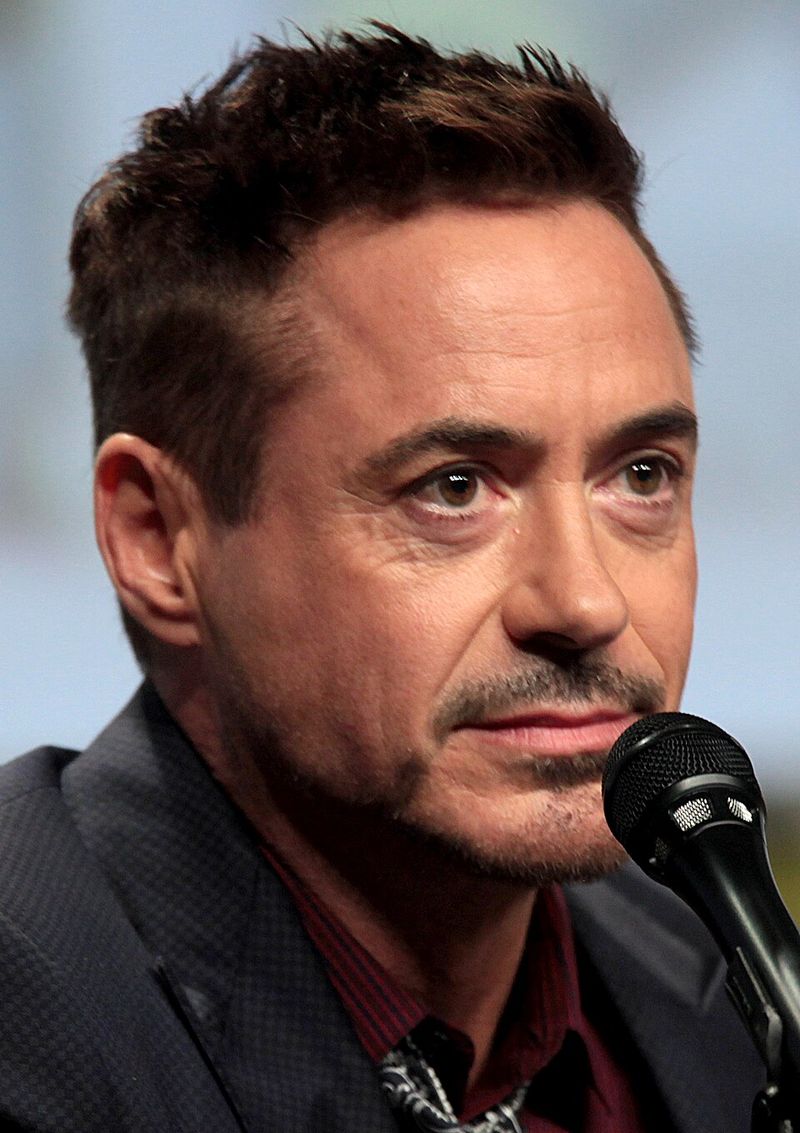
Few casting calls have looked riskier on paper and smarter in hindsight. In 2008, Robert Downey Jr. was admired for his talent, but studios also saw a complicated history that made him seem far from the safest choice for a major franchise launch.
Marvel, still building its movie identity, handed him Tony Stark anyway, and that decision ended up shaping modern blockbuster culture.
What made it work was not just charm, though there was plenty of that. Downey turned Stark into a fast-talking mix of ego, brains, guilt, and wit, which gave Iron Man a personality strong enough to anchor an entire connected universe.
If you watch the first film now, you can feel how much hangs on that performance alone. Without his timing and self-aware confidence, the Marvel formula might have looked mechanical instead of exciting, and the studio’s grand experiment could have stalled before it really began.
3. Michael Keaton as Batman
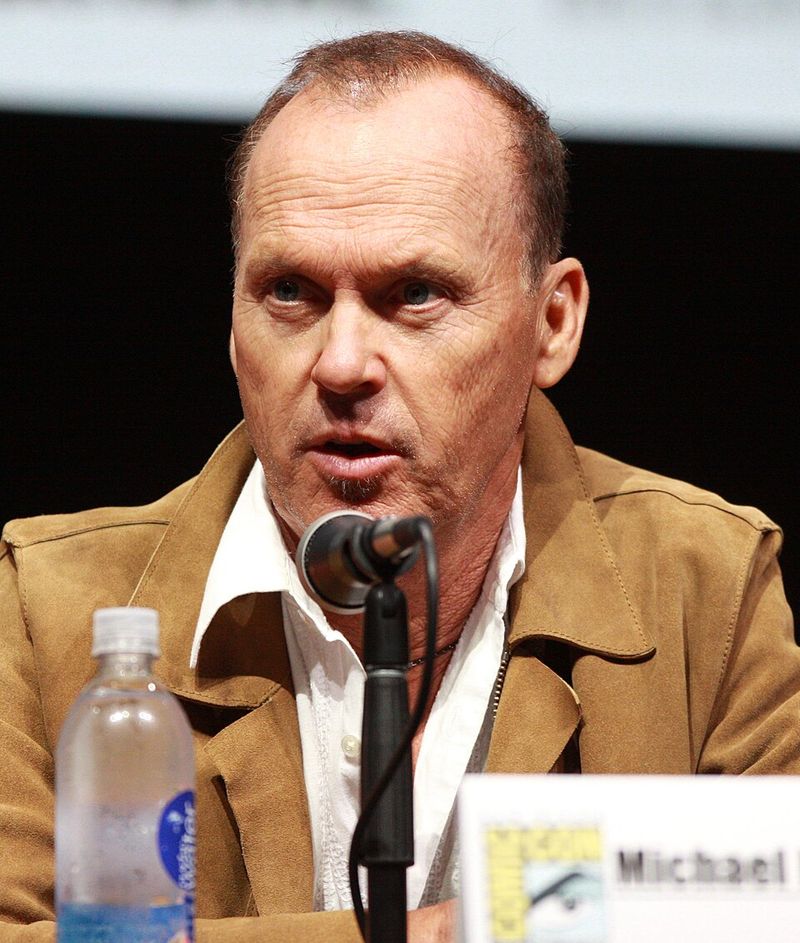
Sometimes a casting announcement tells you more about fan expectations than about the actor. Michael Keaton was largely associated with comedy before Batman hit theaters in 1989, thanks to movies like Mr. Mom and Beetlejuice.
To many readers of comic lore, that seemed absurd, and the protest campaign against his casting became a story of its own before release.
Tim Burton saw something different. Keaton played Bruce Wayne with a withdrawn, eccentric quality that fit Burton’s darker Gotham and helped move Batman away from the bright television legacy that still lingered in popular memory.
You can trace a direct line from that performance to the more serious superhero films that followed in later decades. He did not look like the obvious, square-jawed choice people imagined, but that was part of the success.
Keaton’s Batman felt odd, private, and slightly uncomfortable in his own skin, which made the character more interesting than simple hero posing ever could.
4. Chris Pratt as Star-Lord
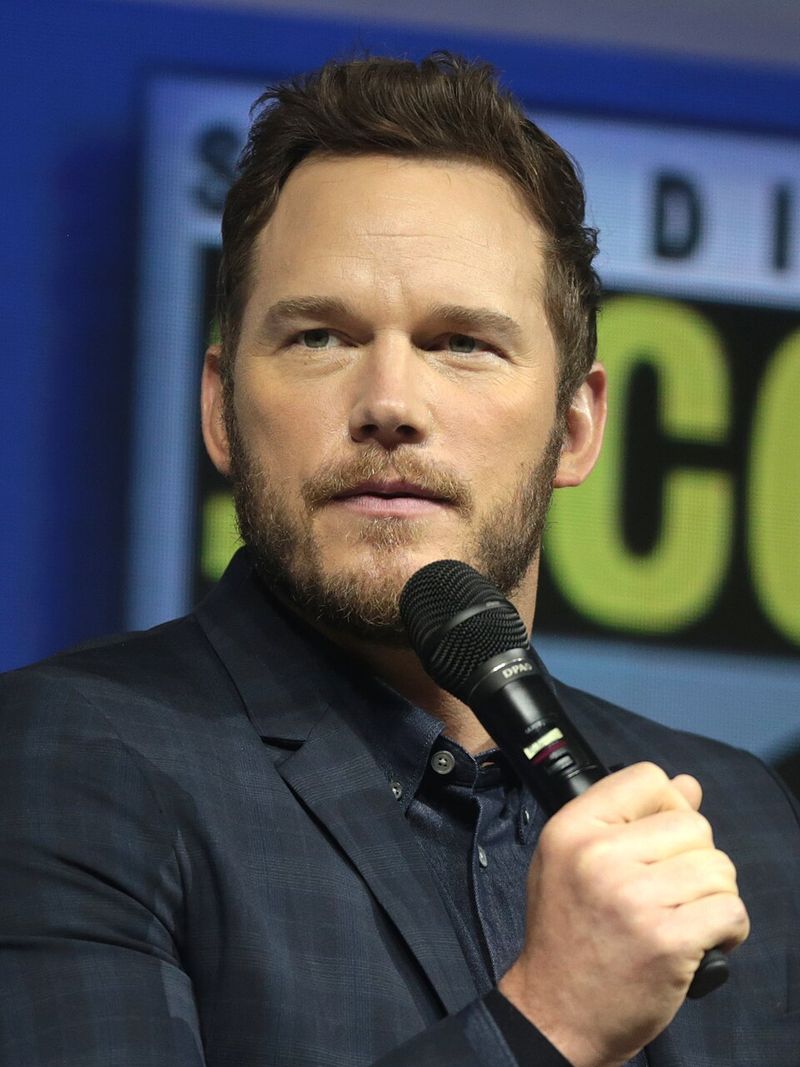
Here is a reminder that sitcom energy can travel surprisingly well into outer space. Before Guardians of the Galaxy, Chris Pratt was best known for comedy, especially his lovable work on Parks and Recreation.
Asking audiences to accept him as the lead of a risky Marvel space movie looked like a gamble, particularly when the property itself was obscure compared with bigger comic brands.
The surprise was how naturally he fit the role. Pratt gave Peter Quill just enough swagger to sell the heroics, while keeping the character loose, immature, and oddly sincere in a way that made the whole film feel accessible.
You can see why the performance clicked with audiences in 2014, when Marvel was expanding beyond grounded heroes and needed a different flavor. He did not arrive as a polished action veteran, which actually helped.
Star-Lord worked because Pratt made him feel like a slightly ridiculous guy trying to improvise his way into competence, and that approach matched the movie’s comic tone perfectly.
5. Hugh Jackman as Wolverine
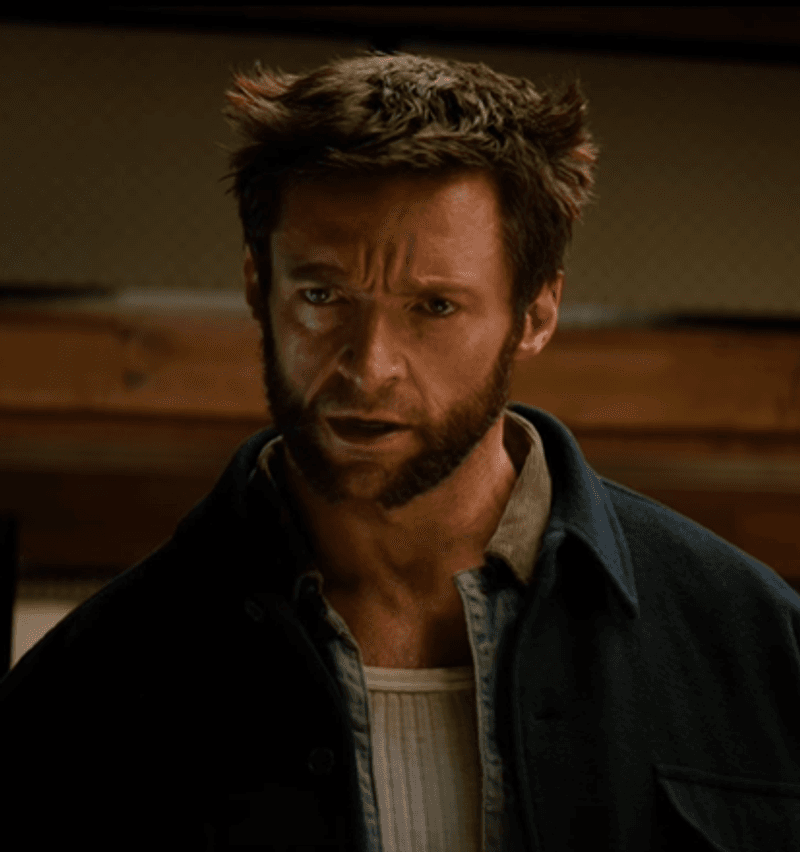
No rule says the perfect comic book adaptation has to begin with the perfect physical match. Hugh Jackman was not the first choice for Wolverine, and on paper he seemed wrong for several familiar reasons.
He was taller than the comics suggested, he carried himself like a trained stage performer, and he did not fit the gruff, compact image many longtime readers preferred.
Yet once X-Men opened in 2000, that debate changed quickly. Jackman brought a sharp mix of anger, wounded restraint, and reluctant charisma that made Wolverine the franchise’s emotional center across multiple films.
What mattered most was not strict visual accuracy but the way he captured the character’s push and pull between isolation and loyalty. You can argue that his version became so dominant it rewrote public understanding of Wolverine altogether.
After two decades of performances, spin-offs, and cultural saturation, the so-called mismatch now looks like one of the clearest cases where instinct beat checklist casting by a wide margin.
6. Bryan Cranston as Walter White
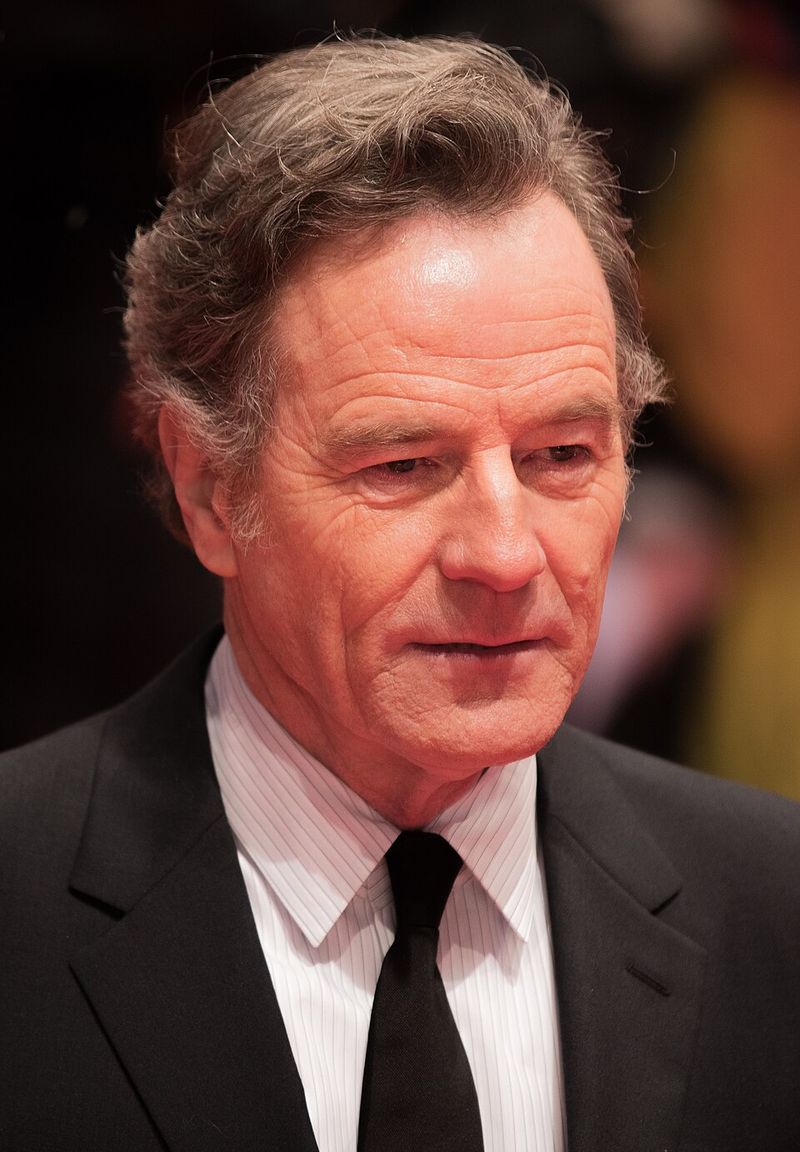
If you had only seen Malcolm in the Middle, this choice might have sounded like a prank. Bryan Cranston had spent years proving he was a brilliant comic actor, especially as the frantic father Hal, and that image was hard for many viewers to shake.
Then Breaking Bad arrived in 2008 and asked audiences to watch him transform into a calculating antihero over five seasons.
The leap worked because Cranston understood control. He did not abandon his comic precision so much as redirect it into timing, tension, and a careful portrait of pride getting dangerously larger.
That made Walter White convincing at every step, from frustrated teacher to someone who believed he could master every situation around him. You can still feel how radical the shift seemed at the time, because television had not fully normalized those kinds of reinventions yet.
His performance helped push prestige TV toward bolder character arcs and reminded everyone that comedic actors often know more about rhythm, restraint, and escalation than they initially get credit for.
7. Jim Carrey in The Truman Show
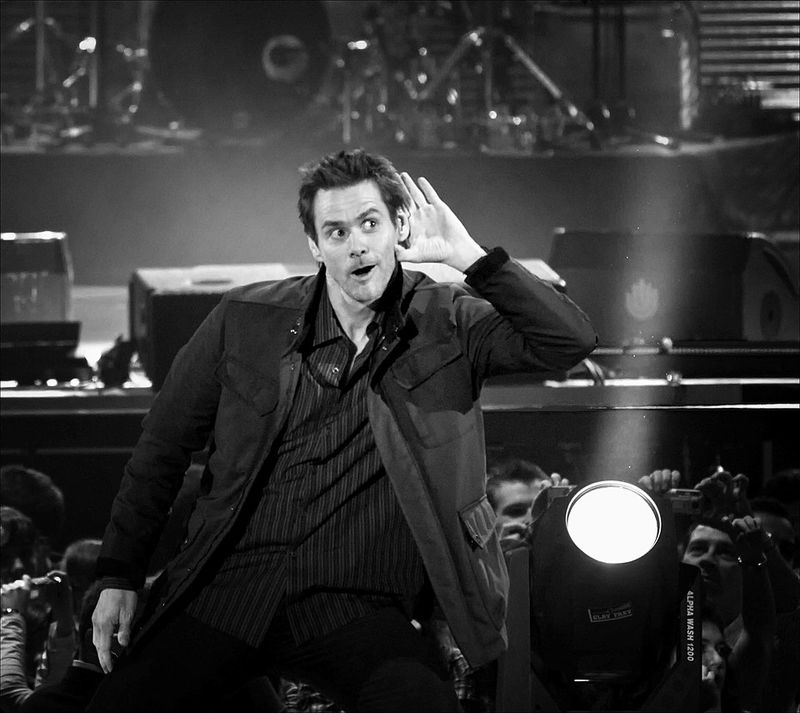
The loudest comic in the room suddenly deciding to lower his voice can be a startling thing to watch. By the late 1990s, Jim Carrey was associated with rubber-faced comedy and enormous screen energy through Ace Ventura, The Mask, and Dumb and Dumber.
Casting him in The Truman Show invited skepticism from people who assumed subtlety was not part of his toolbox.
Peter Weir’s 1998 film proved otherwise. Carrey played Truman Burbank with restraint, decency, and a believable curiosity that grounded a high-concept story about media, surveillance, and manufactured reality before those ideas became everyday conversation.
What makes the performance last is that he never overplayed the awakening at the center of the story. You are not watching a comedian trying to seem serious.
You are watching a skilled performer calibrate his natural openness to fit a role that needed innocence more than flash. The result broadened Carrey’s reputation and showed that a comic persona can conceal a very disciplined dramatic actor waiting for the right material.
8. Matthew McConaughey in True Detective
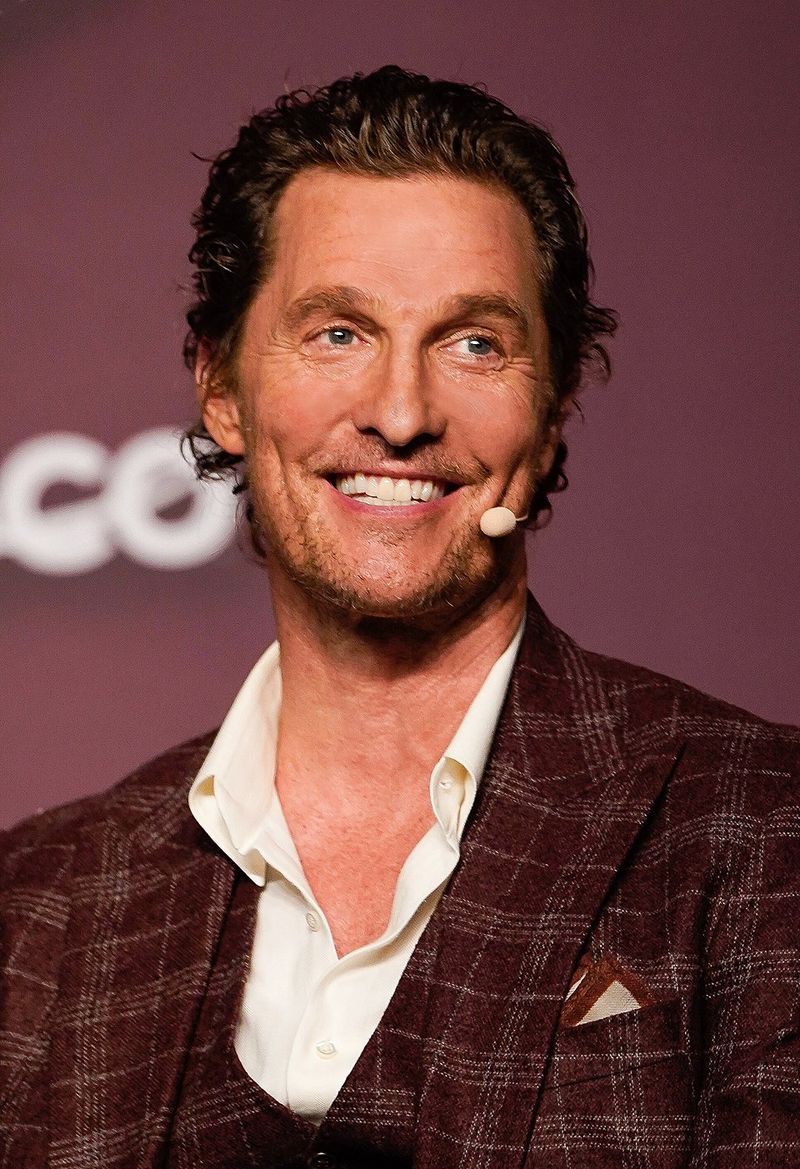
Reputation can trap an actor almost as effectively as bad material. Before True Detective, Matthew McConaughey had talent to spare, but many viewers still linked him primarily with romantic comedies and an easygoing screen charm that seemed too polished for darker territory.
The 2014 HBO series changed that conversation with remarkable speed.
As Rust Cohle, McConaughey delivered something lean, focused, and intellectually restless. He gave the character a severity that felt lived in without turning every scene into a performance lecture, and his chemistry with Woody Harrelson kept the show’s philosophical side grounded in human behavior.
You can place this role right in the middle of the period critics nicknamed the McConaissance, but it did more than polish his image. It reset expectations for what he could carry.
Television also benefited, because the success of True Detective helped confirm that major film actors could take prestige limited series seriously. A part that first looked like a mismatch became the exact vehicle needed to reveal a deeper range hiding in plain sight.
9. Anne Hathaway as Catwoman
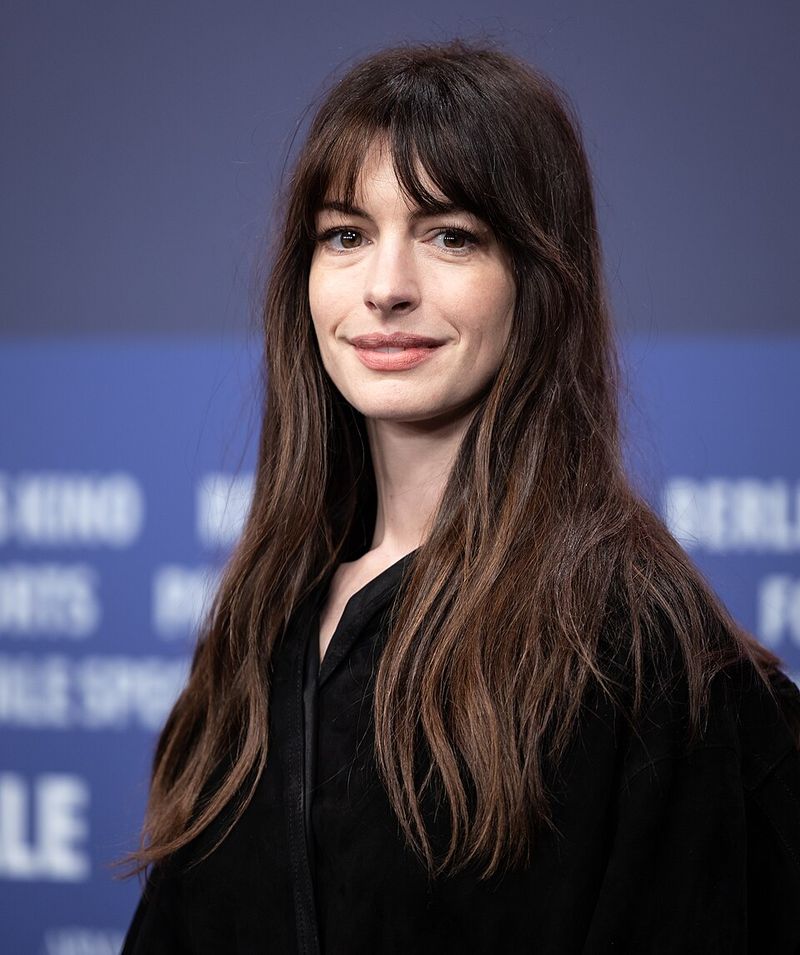
Public doubt tends to arrive quickly whenever a polished star is asked to play someone edged with danger. Anne Hathaway entered The Dark Knight Rises carrying associations with bright charm, prestige dramas, and a generally wholesome public image.
For some fans, that made her seem like an awkward fit for Selina Kyle, a character usually framed as sly, elusive, and harder to pin down.
Her 2012 performance solved the problem by refusing to chase obvious toughness. Hathaway played Catwoman as alert, strategic, and deceptively light on her feet, giving the role a sharp intelligence that fit Christopher Nolan’s grounded approach to Gotham.
She could switch from vulnerability to calculation in a beat, which kept the character interesting even in a crowded film. You can sense how much she understood the assignment: do not imitate earlier versions, but find a modern register that feels agile and self-possessed.
In a franchise built on weighty seriousness, Hathaway added precision and spark, and that balance helped her walk away with many of the movie’s most memorable moments.
10. Tom Cruise as Lestat
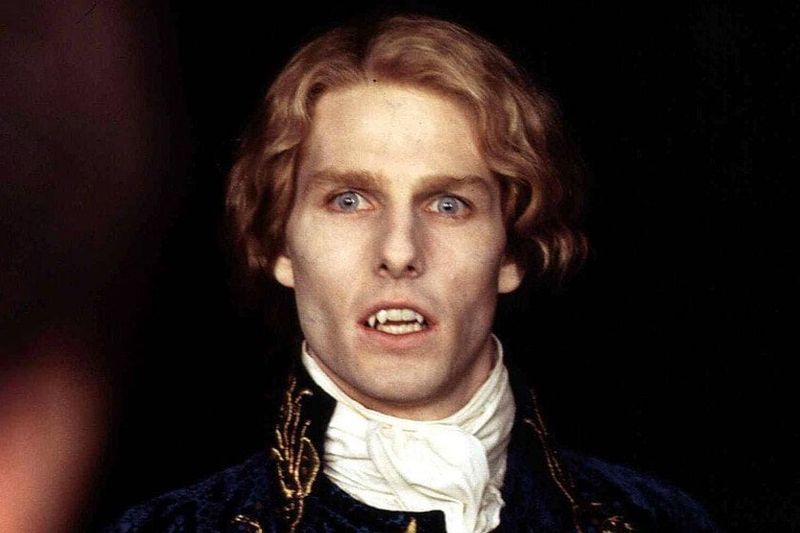
Book fans are rarely shy, and they were especially vocal when this casting news landed. Anne Rice readers had a vivid image of Lestat from Interview with the Vampire, and Tom Cruise did not seem to match it for many of them.
He was one of the biggest movie stars of the era, but his clean-cut intensity looked mismatched with the aristocratic, flamboyant vampire they had in mind.
Then the 1994 film opened and Cruise turned the role into a sly demonstration of control. He played Lestat with vanity, wit, menace, and theatrical confidence, creating a character who felt both vainly amused and constantly dangerous without drifting into parody.
One of the most telling footnotes in casting history followed when Anne Rice herself later praised the performance after initially objecting. You can see why opinions shifted.
Cruise understood that Lestat needed magnetism first, accuracy debates second. His star power, once treated as the problem, became the tool that made the character impossible to ignore and helped the adaptation claim its own identity separate from reader expectations.
11. Keanu Reeves in The Matrix
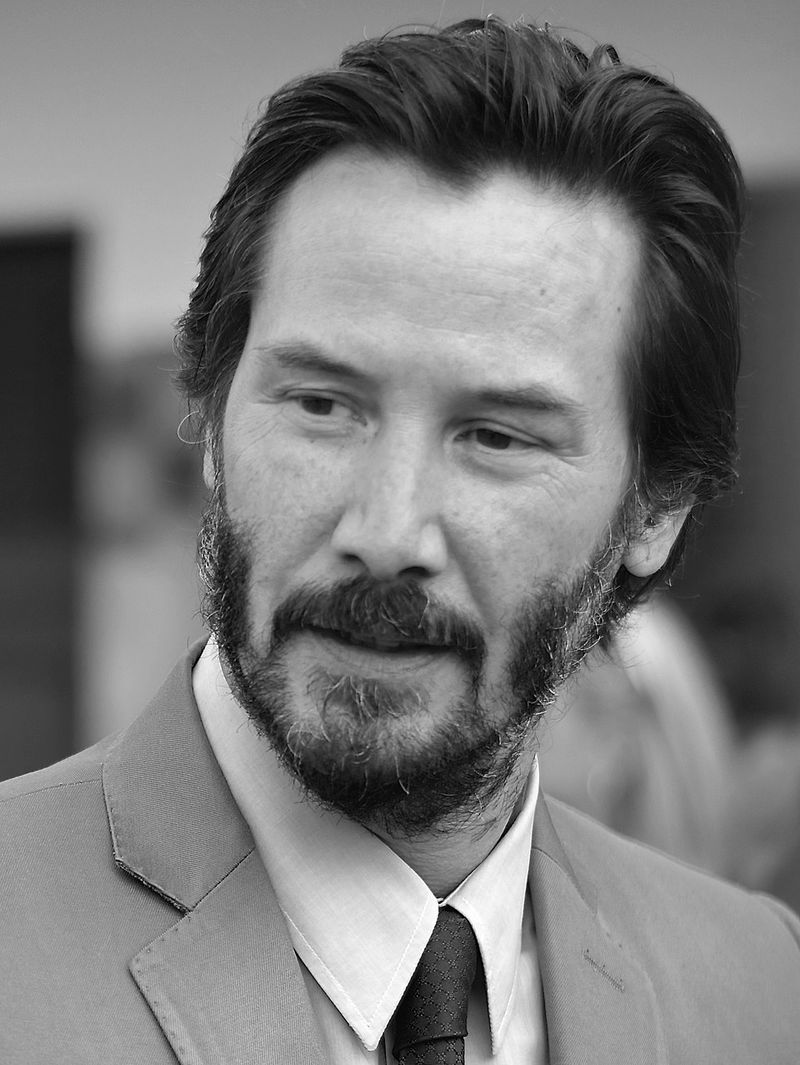
Every so often, an actor’s supposed limitation turns out to be the exact quality a movie needs. Before The Matrix, Keanu Reeves had devoted fans and several hits, but he was not widely framed as a deep philosophical presence.
Casting him as Neo in 1999 therefore looked uncertain to some people, especially in a movie built around abstract ideas, dense mythology, and stylized action.
The brilliance of the choice becomes obvious once you accept what Neo actually requires. Reeves brought stillness, sincerity, and a slightly searching quality that made the character believable as an ordinary person trying to understand an extraordinary system.
If he had played the role with too much verbal flourish or self-conscious gravity, the film’s ideas might have felt heavy. Instead, his calm focus helped the Wachowskis’ world stay clear and accessible.
You can also credit his physical discipline, which gave the action sequences a precision that matched the movie’s formal ambition. What once looked like a modest fit became one of the most defining performances in modern science fiction.
12. Robin Williams in Good Will Hunting
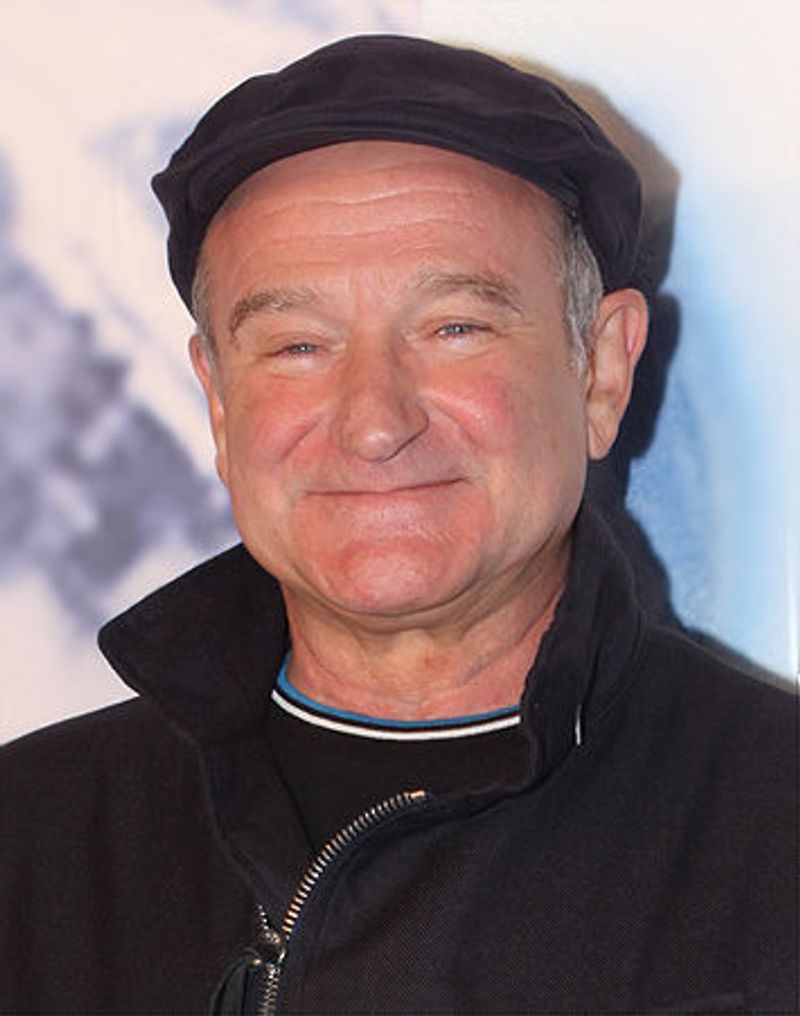
A quieter performance can reveal more than a loud one ever could. Robin Williams was one of the most recognizable comic performers in American entertainment, known for whirlwind improvisation and huge bursts of verbal energy across stand-up, television, and film.
That history made his casting in Good Will Hunting especially intriguing, because the role required patience, gravity, and a willingness to let silence carry meaning.
Williams answered with extraordinary restraint in the 1997 film. As Sean Maguire, he gave the story emotional credibility without trying to dominate it, and his scenes with Matt Damon grounded the movie’s ideas about intelligence, class, and self-protection in lived experience.
You can feel how carefully he modulated every exchange. The warmth is there, but so is discipline, which kept the character from becoming sentimental.
His Academy Award win confirmed what many viewers recognized immediately: this was not a comedian temporarily visiting drama, but a complete actor using only the tools the part actually needed. The surprise was not that Robin Williams could do it.
The surprise was that audiences had underestimated him for so long.
13. Daniel Craig as James Bond
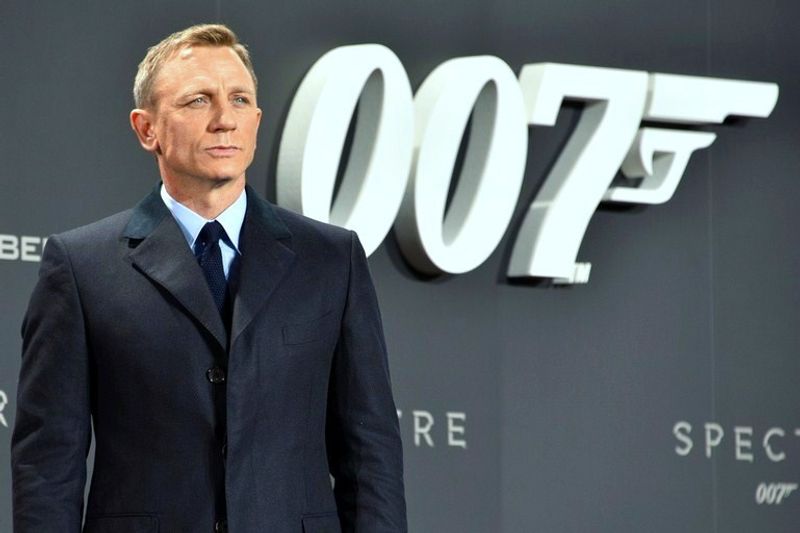
The internet had a field day when Daniel Craig was announced as James Bond. He did not match the smooth, dark-haired image many fans considered essential, and early reactions treated his blond hair almost like a constitutional crisis for the franchise.
That response now looks like a perfect snapshot of how rigid franchise expectations can become before a reboot resets the terms.
Casino Royale, released in 2006, made the debate feel instantly outdated. Craig played Bond as athletic, blunt, wounded, and unusually human, which gave the long-running series a fresh seriousness after years of broader spectacle.
He still had style, of course, but it came attached to visible effort and consequence rather than effortless pose. You can see why the choice mattered historically.
Bond had to change for the twenty-first century, and Craig made that transition credible without abandoning the core appeal of competence and danger. A casting decision mocked at first ended up defining an entire era of the character and influencing how later action franchises approached realism.
14. Johnny Depp as Jack Sparrow
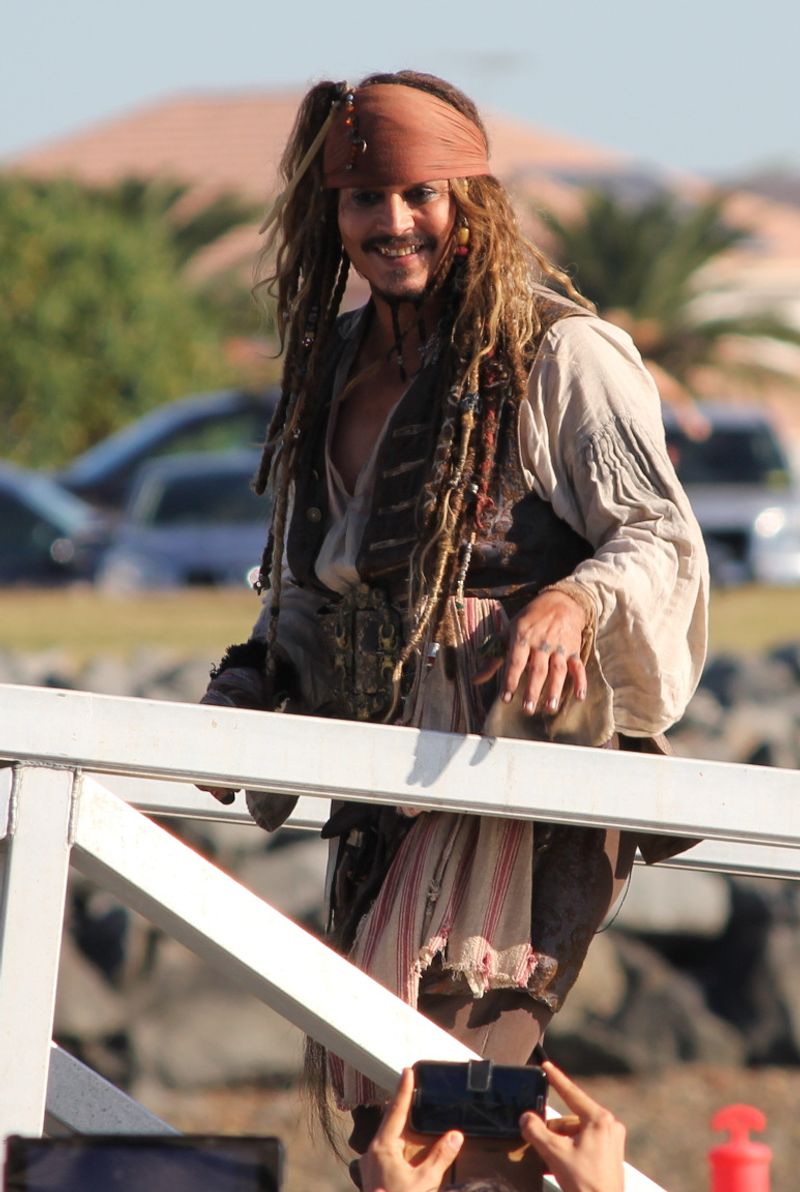
Studio anxiety rarely predicts what audiences will treasure most. When Johnny Depp developed his unusual take on Captain Jack Sparrow for Pirates of the Caribbean: The Curse of the Black Pearl, Disney reportedly worried that the character might confuse viewers or throw the whole movie off balance.
A pirate adventure based on a theme park ride already carried enough uncertainty without an eccentric lead performance on top.
What Depp understood in 2003 was that Sparrow needed to be more than a standard action captain. He made the character slippery, witty, vain, and unexpectedly clever, turning every entrance into a reminder that unpredictability can be a commercial asset when it is anchored by craft.
You can argue that the entire franchise identity formed around that performance once audiences responded. Instead of sinking the film, his choices gave it a personality no generic swashbuckler could have matched.
The role became a pop culture fixture, a Halloween staple, and a case study in how an actor can seize a studio picture and quietly teach the studio what the movie actually is.



