 Unearth The Voyage
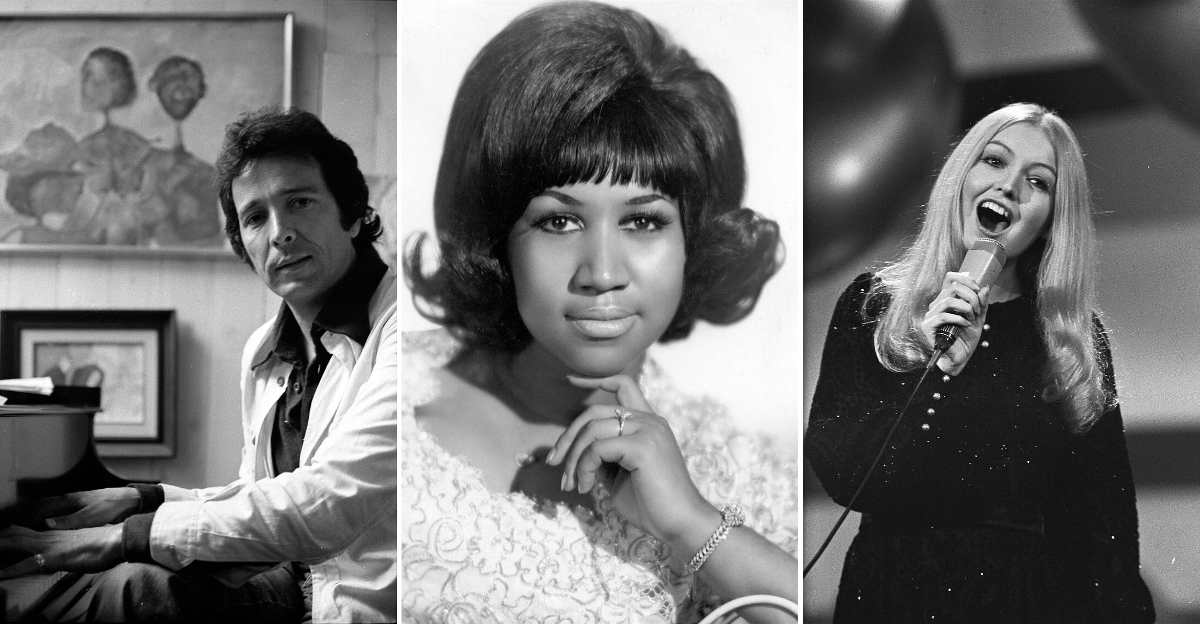
In 1968, a slow dance was never just filler between the hits. It was the moment the room softened, the lights seemed lower, and everyone suddenly paid attention to what was playing.
Some of these songs were huge, some just felt perfect when the night needed them, but all of them helped define how romance sounded that year. If a certain melody once made you stay a little longer by the record player, this list will bring it all rushing back.
1. Stormy – Classics IV
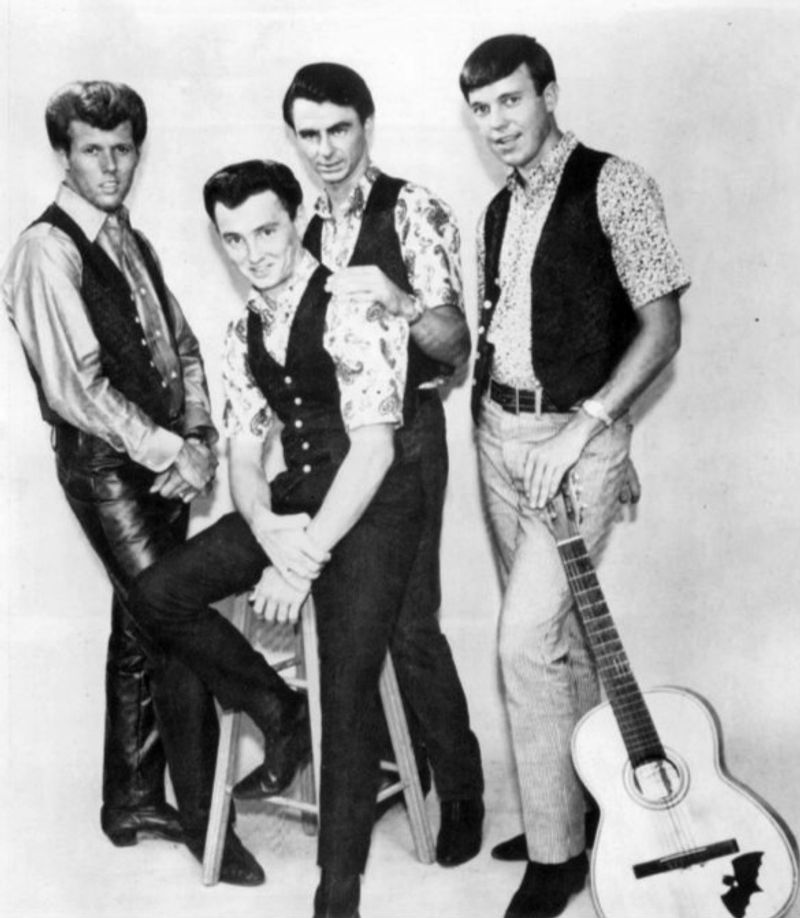
“Stormy” felt like the exact moment a loud room finally exhaled. The groove was gentle, the vocal stayed smooth, and nothing about it tried too hard, which is probably why it slipped so easily into slow dance territory in 1968.
When this one came on, you did not need a dramatic introduction because the song created its own space almost immediately.
There is something wonderfully unhurried about it, like it understands that closeness works best when nobody forces the moment. You can picture couples swaying without much conversation, letting that drifting melody do the work while the rest of the party fades to a blur.
It was romantic without being syrupy, stylish without showing off, and cool without ever turning distant.
That balance made it memorable then, even if it rarely gets mentioned now. “Stormy” did not dominate the room. It simply made people want to move closer and stay there a little longer.
2. Love Is Blue – Paul Mauriat
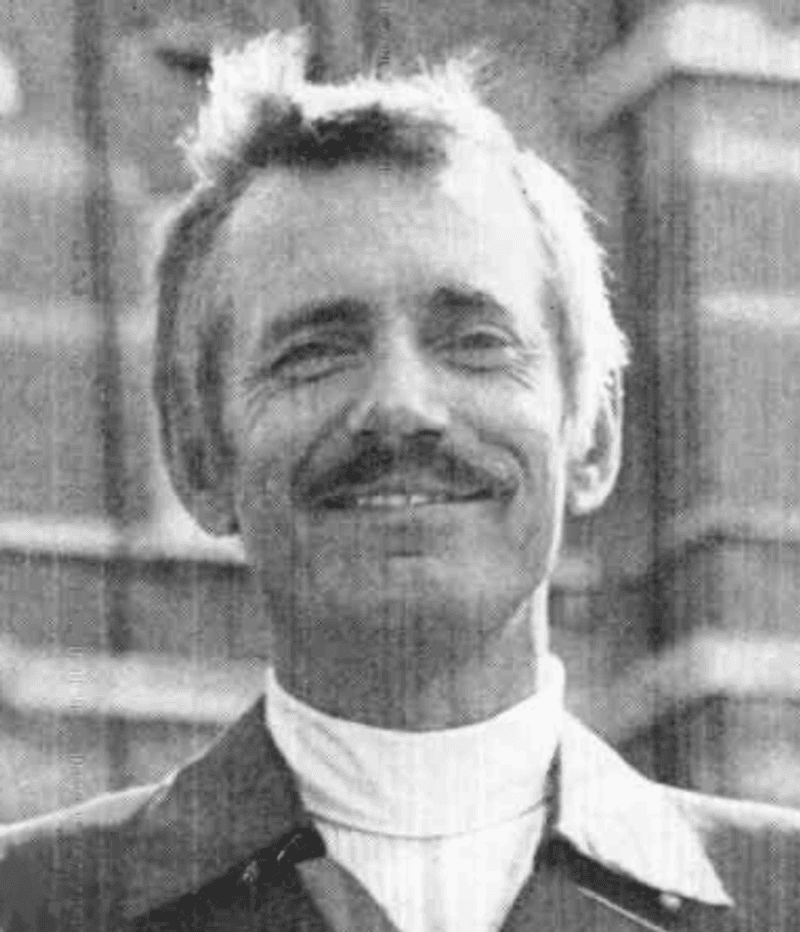
An instrumental does not usually become a defining slow dance memory, but “Love Is Blue” managed it with pure atmosphere. Paul Mauriat’s arrangement floated into a room like a breeze, calm and polished, and suddenly the mood changed without a single lyric being necessary.
In 1968, that kind of softness could be enough to pull people away from the walls and onto the floor.
The beauty of the track is how little it asks from you. It lets the strings and melody carry the emotion, giving dancers space to fill in the rest with glances, silence, and that gentle side to side sway every school gym seemed built for.
It felt elegant without feeling formal, and sentimental without becoming too heavy.
That might be why it has faded from everyday conversation. Songs with big hooks and famous choruses tend to outlast pieces this subtle, but for a lot of people, “Love Is Blue” was exactly the sound of a slow dance done right.
3. Turn Around, Look at Me – The Vogues
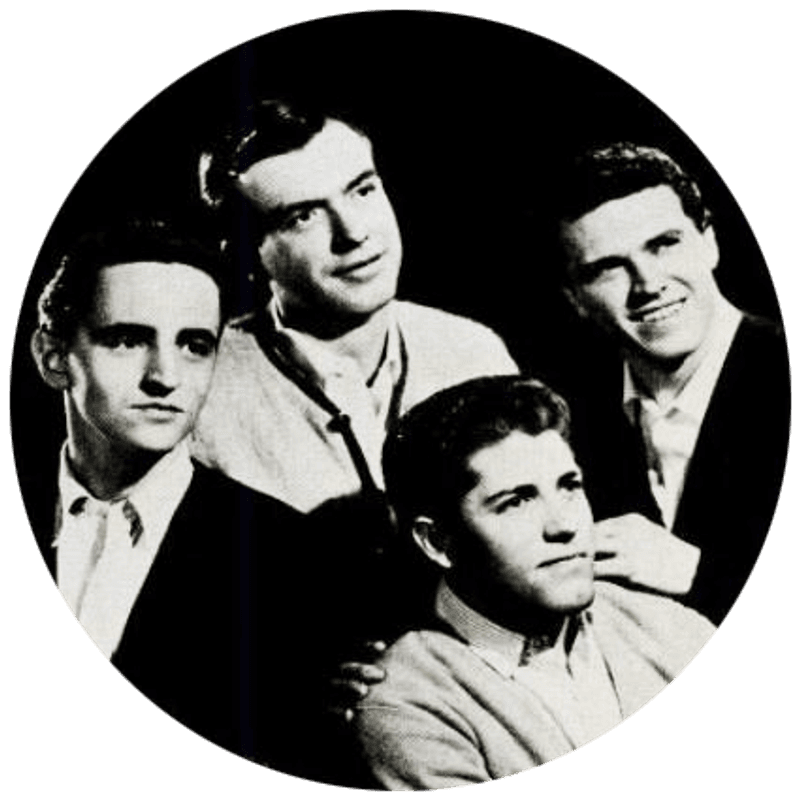
“Turn Around, Look at Me” sounds like it was made for the exact second two people decide to stop pretending they are not waiting for a slow song. The Vogues gave it a polished, sincere sound that feels almost tailor made for a crowded gym, a church hall, or somebody’s living room after the faster records were done.
It has patience, and that patience is what made it hit.
The vocal phrasing is especially important here because it invites stillness instead of performance. You can almost feel conversations trailing off as the song rises just enough to nudge people closer, never pushing too hard or getting too grand.
That restraint gave it a kind of honesty that so many songs chase and never quite reach.
Today it is often remembered as a nice old single, not necessarily a dance floor memory. Back then, though, it was one of those dependable songs that could change the energy of a room with almost no effort at all.
4. This Guy’s in Love with You – Herb Alpert
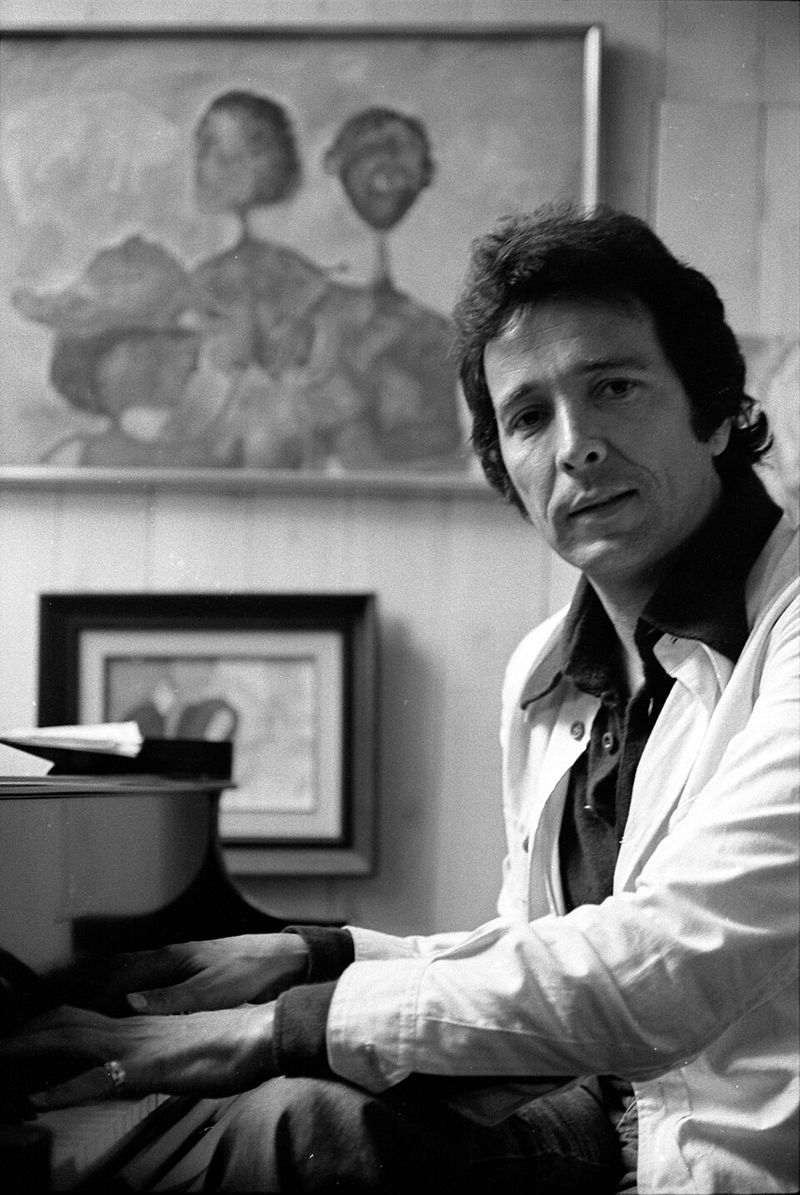
When “This Guy’s in Love with You” started, it felt like the room instantly understood the assignment. Herb Alpert sang it with such restraint that the song never tipped into melodrama, and that made it even more intimate for anyone standing close enough to hear every word.
In 1968, it became the kind of record that could hush a party without killing the mood.
Part of its power came from how direct it was. There is no mystery in the message, just openhearted feeling delivered in a way that sounds personal instead of theatrical, which is exactly why it worked for slow dancing.
You did not need to be bold on the floor when the song itself was already doing the brave part for you.
It is still a known hit, but not always talked about as a dance floor memory first. That is a shame, because for plenty of people, this song was not just popular.
It was the soundtrack to one of the longest three minutes of the night.
5. Those Were the Days – Mary Hopkin
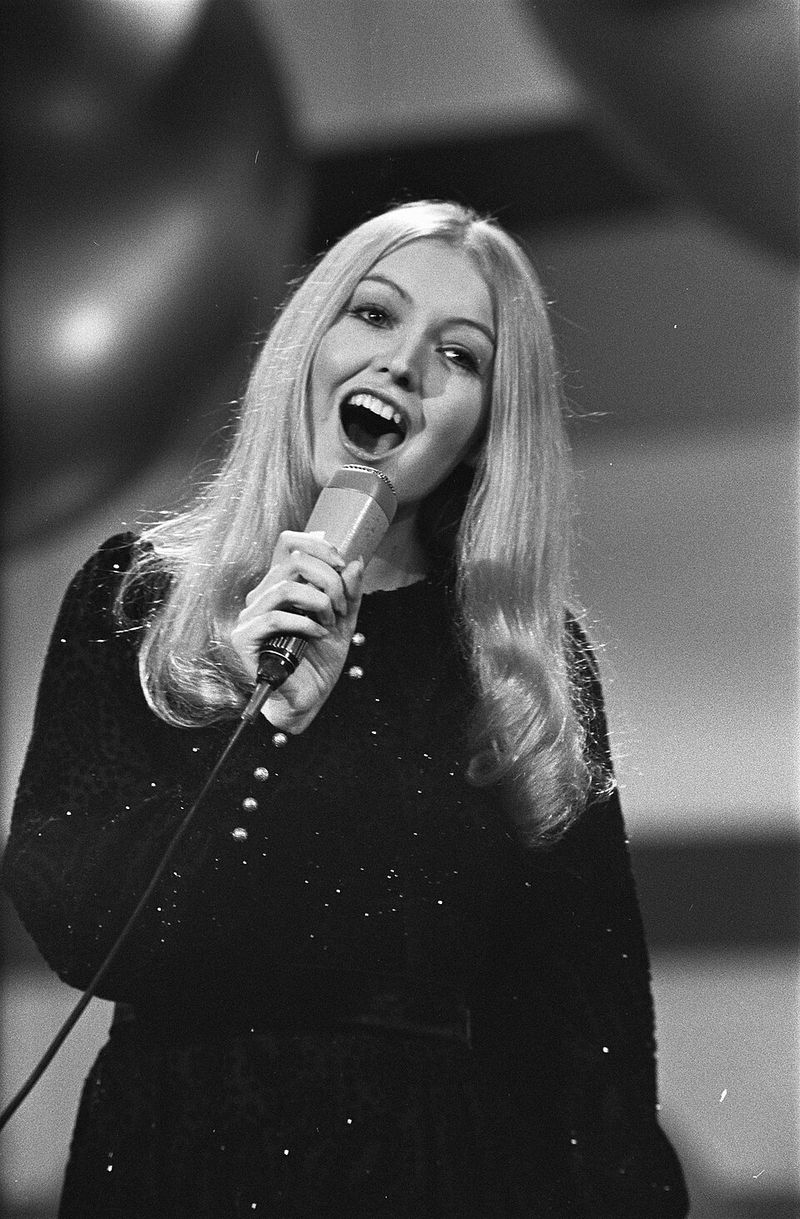
Even when it was brand new, “Those Were the Days” somehow sounded like it was remembering something precious. Mary Hopkin’s voice carried that wistful quality beautifully, and the song turned a simple slow dance into something that already felt nostalgic while it was happening.
In 1968, that emotional pull gave it real staying power in rooms where people wanted the night to mean something.
What makes it stand out is how it wraps romance and memory together. The melody has a gentle sway to it, but there is also a sense of looking back, almost as if dancers were stepping into a future memory they would revisit years later.
That bittersweet edge made it more affecting than a straightforward love song.
People still recognize the title, yet they do not always talk about the role it played at dances. Back then, it was exactly the kind of record that could slow a room down, soften every conversation, and make ordinary teenage moments feel larger than life.
6. You Keep Me Hangin’ On – Vanilla Fudge
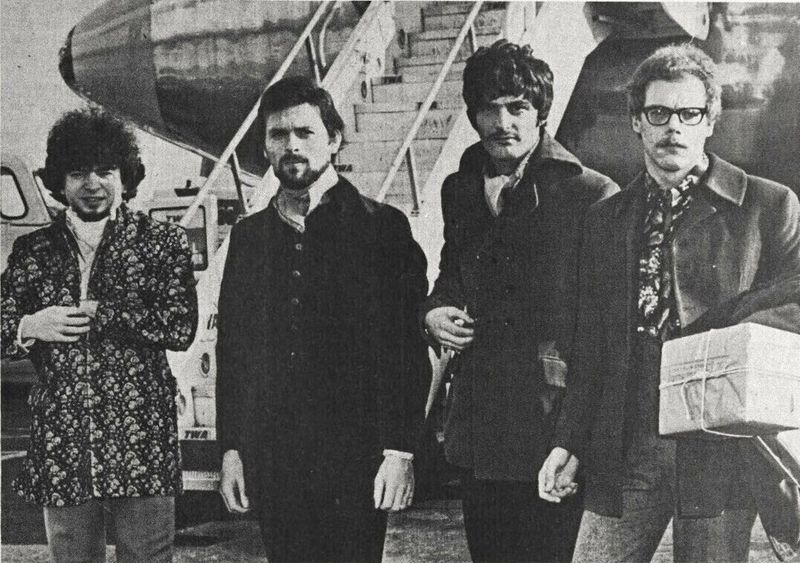
Vanilla Fudge turned “You Keep Me Hangin’ On” into something slower, darker, and far more dramatic than the original, which made it an unexpected fit for certain slow dance moments in 1968. It was not sweet in the usual sense, but it had tension, and sometimes that tension was exactly what gave a dance floor its charge.
When this version played, the air felt thicker and the room seemed to lean in.
The song stretches emotion instead of smoothing it over. That gave couples a different kind of space to move in, one that felt more intense than dreamy, more heavy than floating, but still undeniably intimate.
You can almost picture dim lights, nervous hands, and the strange thrill of hearing a familiar tune transformed into something moodier and bigger.
It is easy to leave this track out of conversations about slow dancing because it does not fit the usual template. Still, that is part of its appeal.
It proved that a slow dance in 1968 could carry edge, drama, and real emotional weight.
7. Honey – Bobby Goldsboro
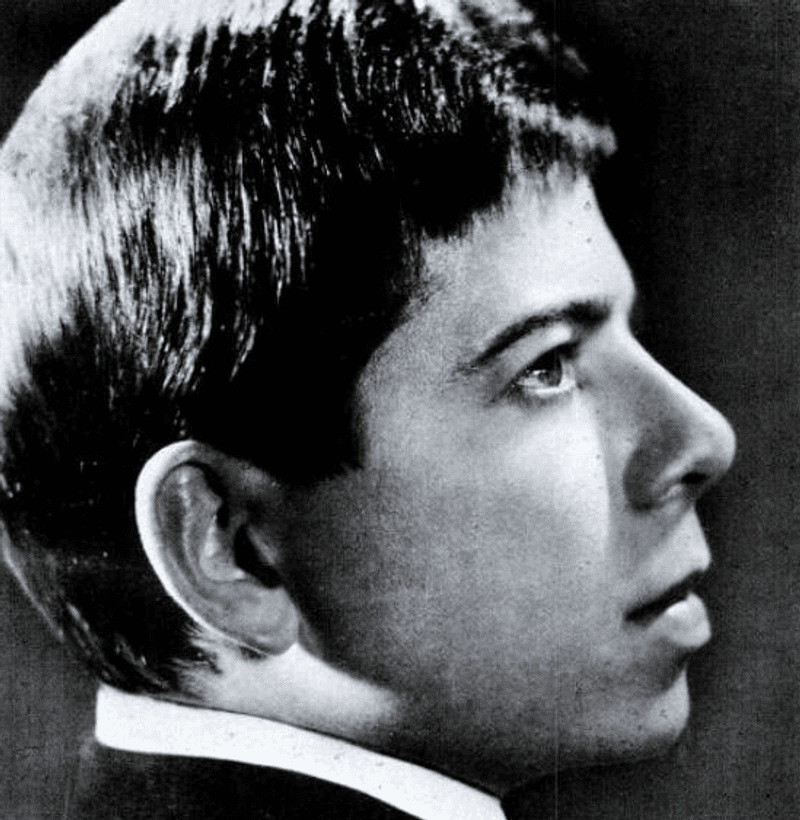
“Honey” was never subtle, and that is exactly why it landed so hard in 1968. Bobby Goldsboro sang it with such open emotion that the whole room could shift the second it came on, turning a noisy gathering into something quieter, almost reverent.
For slow dancing, that directness mattered because the song did not leave anyone guessing about the feeling it wanted to create.
There is a kind of earnest sentimentality here that might feel oversized today, but in the right setting it worked. Couples could sway to it while the story unfolded around them, and the emotional pull was strong enough to make even casual listeners stop talking and listen.
It was less about coolness than connection, and that made it unforgettable for the people who lived through those nights.
Because it wears its heart so openly, “Honey” is sometimes dismissed now. But if you imagine a packed room going still under low lights, you can understand why it once felt like exactly the song the moment needed.
8. A Man Without Love – Engelbert Humperdinck
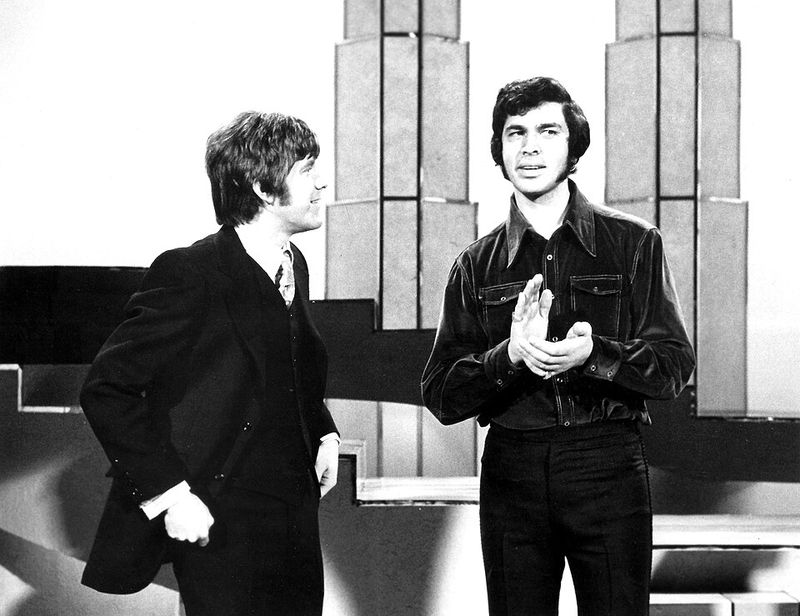
Engelbert Humperdinck had the kind of voice that could make a room feel smaller in the best possible way. On “A Man Without Love,” that rich, controlled delivery wrapped the whole song in longing, giving slow dancers in 1968 something unmistakably romantic to move to.
It did not rush the moment or try to dazzle with clever tricks. It simply held the mood steady.
That steadiness is a big part of why it worked so well. The arrangement leaves room for the vocal to breathe, and every line feels designed for dim lights, hesitant steps, and couples trying not to think too hard about what came after the song ended.
There is patience in it, and patience can be more seductive than grand gestures.
Today, Engelbert is remembered more as a personality than as a slow dance essential. Still, this track deserves another look because it captures an older style of romance so completely.
If you wanted a song that encouraged closeness without any hurry, this was it.
9. I Say a Little Prayer – Aretha Franklin
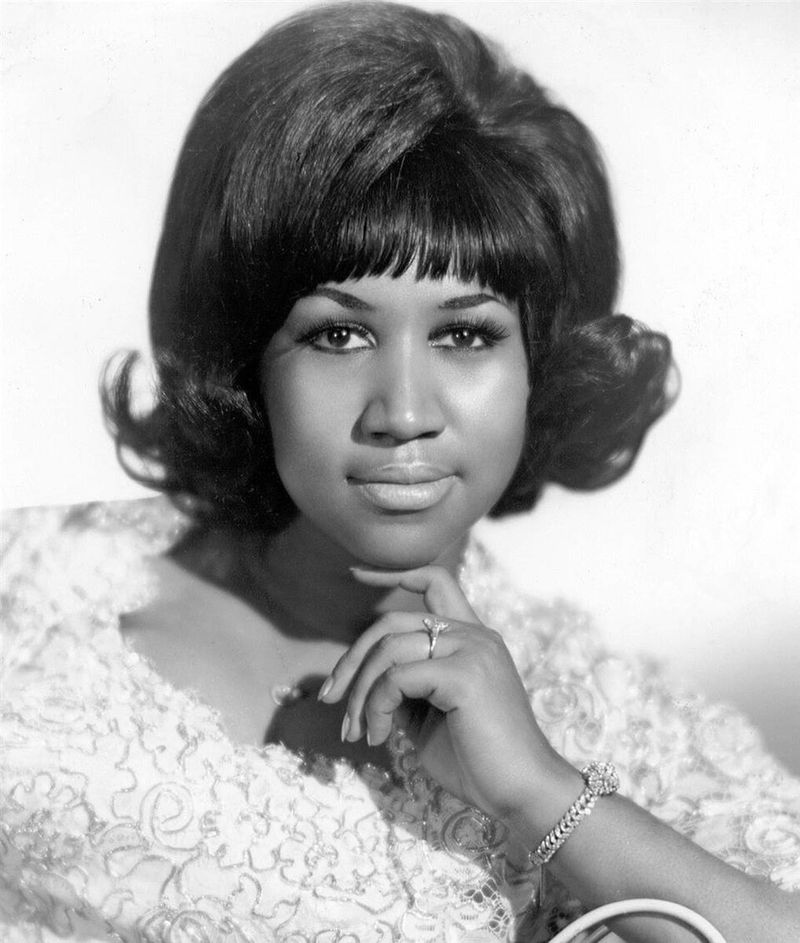
“I Say a Little Prayer” is not a traditional slow dance record, which is part of what makes its place in 1968 so interesting. Aretha Franklin brought so much warmth, phrasing, and emotional intelligence to the song that couples could sway to it even with that lively pulse underneath.
It blurred the line between listening song and dancing song in a way that felt completely natural at the time.
What carries it into slow dance territory is not the tempo alone, but the feeling. Aretha sings with a kind of intimate urgency that makes every line seem personal, and that gave dancers enough emotional ground to meet each other halfway on the floor.
It had motion, soul, and romance all at once, which made it more flexible than many of the obvious ballads.
Because it is often celebrated as a classic performance first, people forget how adaptable it was in real rooms. At school dances and casual parties, this was exactly the kind of record that could keep bodies moving while still bringing people closer.
10. The Look of Love – Sergio Mendes & Brasil ’66
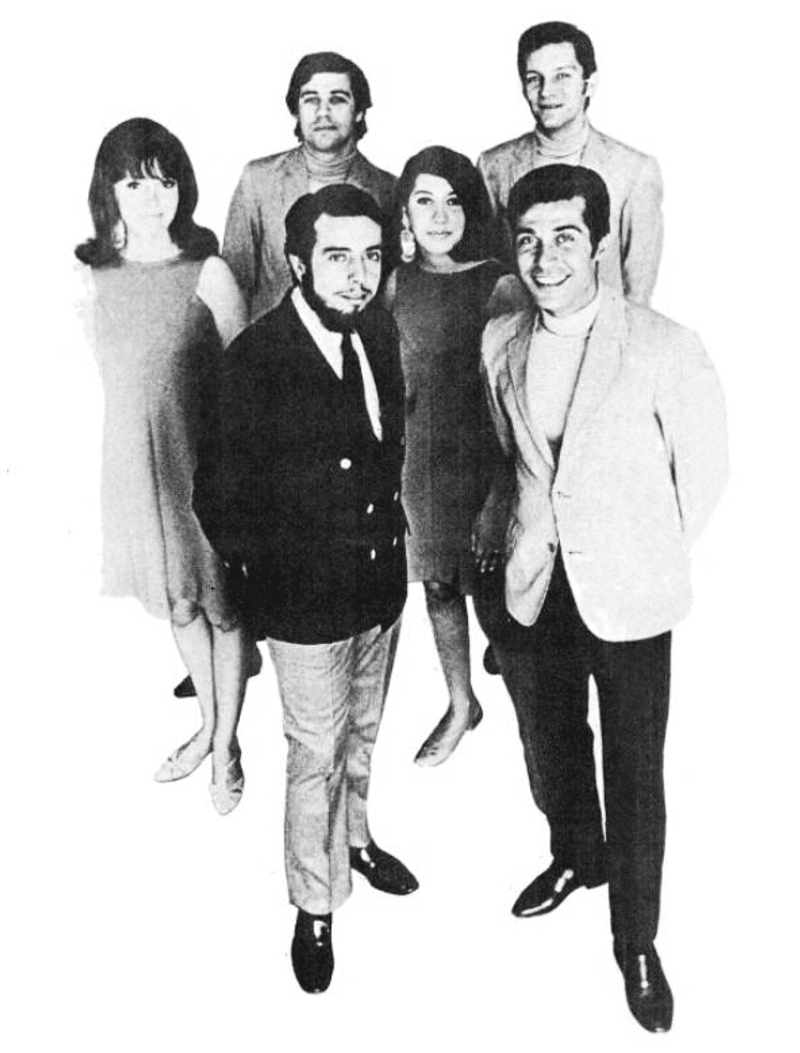
“The Look of Love” in the hands of Sergio Mendes and Brasil ’66 had a softness that felt perfect for the later part of the night. It was smooth, lightly sophisticated, and just breezy enough to keep things from becoming overly serious, which made it a surprisingly effective slow dance pick in 1968.
If the room had already settled, this song knew exactly how to hold that mood.
The arrangement is part of the magic. It gives you rhythm without push, melody without excess, and a gentle sense of elegance that makes closeness feel easy rather than dramatic.
Couples could move with it instead of performing for it, and that subtle distinction is often what separates a good slow dance song from a great one.
Today, the track is usually admired for style and atmosphere more than for dance floor memories. That misses something important.
In the right setting, this version created the perfect kind of hush, where conversation dropped away and the evening seemed to glow a little more softly.
11. By the Time I Get to Phoenix – Glen Campbell
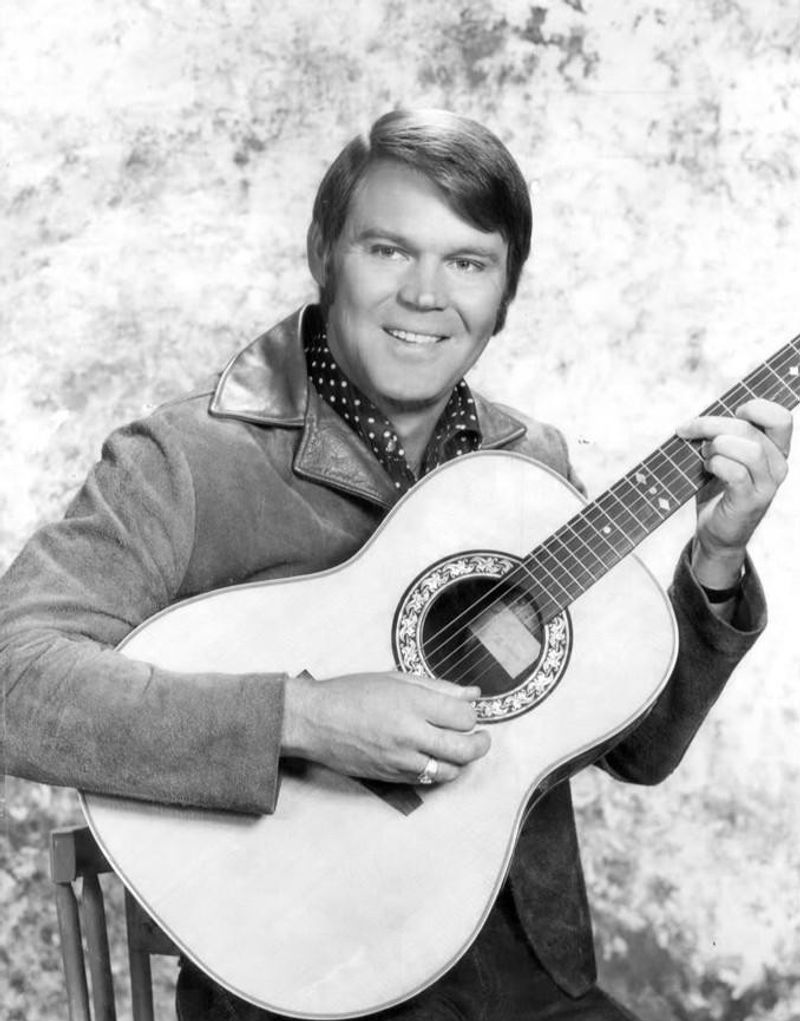
“By the Time I Get to Phoenix” is more reflective than openly romantic, yet that is part of what gave it a place on slow dance floors in 1968. Glen Campbell sang it with such calm ache that the song created connection through distance, letting dancers inhabit a mood that was tender without being overly sweet.
It felt different from the obvious love songs, and sometimes different is exactly what people remember.
The storytelling matters here. Instead of pushing one clear romantic message, the song invites you into a quiet emotional space where regret, longing, and affection all live together.
That complexity gave couples something deeper to move with, especially late in the evening when the room had settled and people were listening more closely than before.
It is not always the first title that comes up in discussions of slow dancing, and that makes sense on paper. But in practice, it worked because feeling mattered more than labels.
This song carried enough heart, patience, and melancholy to hold a whole dance floor.
12. Since You’ve Been Gone – Aretha Franklin
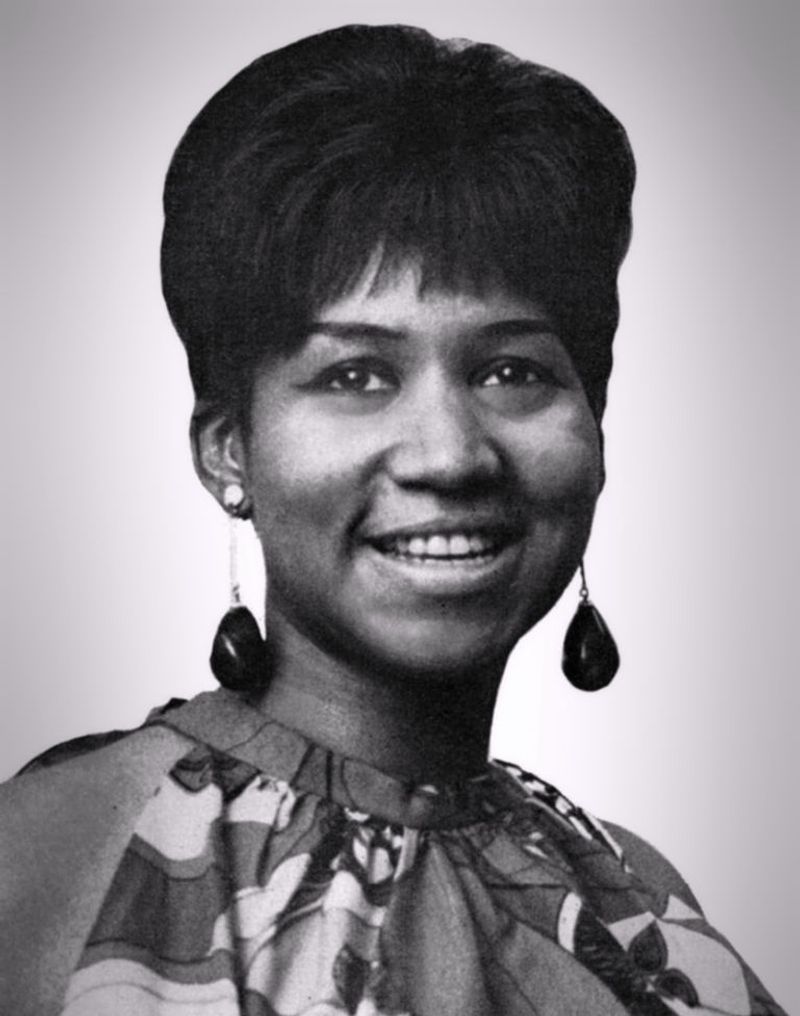
“Since You’ve Been Gone” shows that slow dancing in 1968 did not have to follow one narrow formula. Aretha Franklin brought strength and grit to the song, yet there was still enough warmth and emotional pull for couples to turn it into a close, grounded sway rather than a showy moment.
It felt rooted, direct, and human, which made it powerful in a different way.
Unlike dreamier ballads, this track carries a firmer emotional stance. That gave it a more mature quality on the dance floor, as if the song understood romance could include resilience and hurt as much as softness and hope.
You can imagine people moving to it not because it was delicate, but because it had a pulse and honesty they could feel right away.
It is easy to overlook songs like this when people talk about slow dancing, because the usual image is all soft strings and whispered lyrics. But 1968 was more flexible than that.
This song proved closeness could come from soul, conviction, and a voice that never needed to beg for attention.
13. Elusive Butterfly – Bob Lind
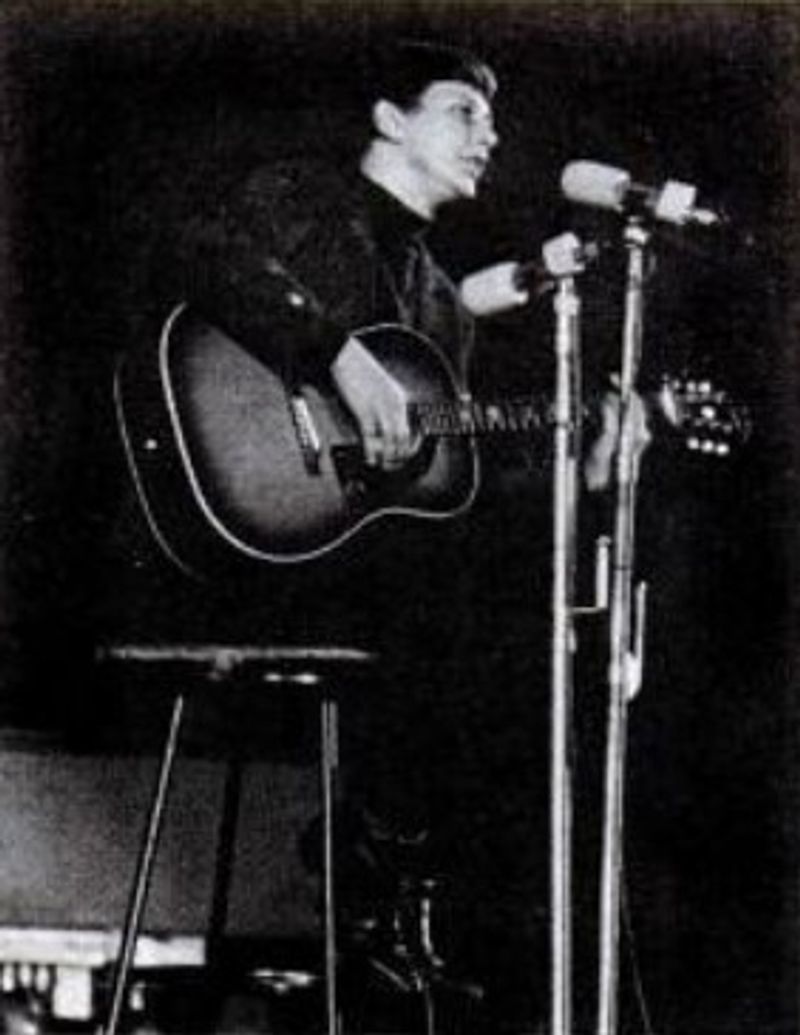
“Elusive Butterfly” has a drifting, almost conversational quality that makes it easy to underestimate now. In 1968, though, that understated tone helped it slide naturally into slow dance rotation, especially in quieter settings where people responded to mood more than chart position.
It did not announce itself as a big romantic moment. It simply created one.
The melody wanders gently, and Bob Lind’s vocal feels more like a close thought than a grand performance. That made the song ideal for those late night stretches when the room had thinned out, voices had dropped, and couples were content to sway without needing the record to do all the emotional work for them.
Its charm came from suggestion rather than force.
That same subtlety may be why the song has faded from broader memory. It never pushed itself to the center of the room.
But for people who heard it in the right place, at the right hour, “Elusive Butterfly” fit a slow dance as naturally as almost anything on the radio.
14. Gentle on My Mind – Glen Campbell
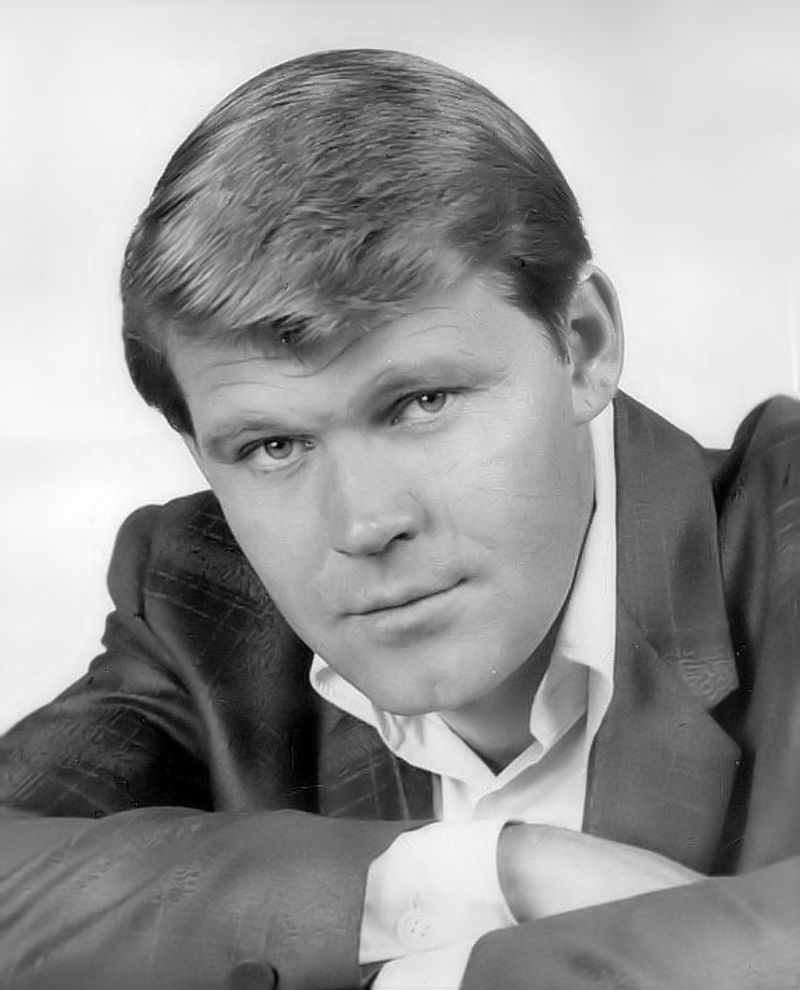
“Gentle on My Mind” is not usually filed under slow dance essentials, but that misses how these moments actually worked in 1968. Glen Campbell gave the song such warmth and intimacy that it often found a place when the night called for something heartfelt rather than conventionally dreamy.
Slow dancing was not always about strict tempo. Just as often, it was about whether a song made people want to stay close.
This one absolutely did. The rhythm moves steadily, yet the tone remains personal and reflective, creating a kind of relaxed intimacy that fit school dances, basement parties, and living room gatherings better than many obvious ballads.
It felt lived in instead of polished for effect, and that honesty gave it surprising staying power in real social settings.
Because it sits between categories, the song is easy to forget in conversations like this. But that in between quality was its strength. “Gentle on My Mind” reminded dancers that romance did not always arrive with strings and whispers.
Sometimes it came through warmth, ease, and recognition.



