 Unearth The Voyage
<p>Some states are seeing more residents pack up and leave than move in from other parts of the country. Yet despite this domestic out-migration, many still manage to grow overall thanks to international arrivals and other factors.
These places lose locals but gain newcomers, creating a fascinating push-and-pull that reveals what truly makes a state worth staying in or coming back to.</p>
1. Illinois – ‘I’m leaving’ energy with a Chicago-sized pullback

Between July 2024 and July 2025, Illinois lost over 40,000 residents to other states. That sounds alarming until you see the bigger picture: international migration brought in nearly 45,000 new arrivals, pushing the state into net-positive territory with a gain of about 4,700 people.
Domestic departures get the headlines, but the full story is more nuanced.
Chicago remains a powerful magnet for career seekers, students, and creatives. World-class universities anchor the region, feeding talent into finance, tech, healthcare, and the arts.
The lakefront lifestyle offers beaches, trails, and skyline views that feel irreplaceable once you experience them daily.
Cultural depth runs through every neighborhood, from museums and theaters to music venues that shaped American sound. Public transit connects communities in ways few Midwestern metros can match.
Affordability varies wildly by zip code, but opportunities remain abundant for those willing to navigate the trade-offs.
Many who leave for sunnier or cheaper pastures eventually circle back, drawn by job networks, family ties, or simply missing the energy. The state’s challenges are real, yet the combination of big-city resources and Great Lakes geography keeps pulling people in, even as others head out.
2. New Jersey – The ‘I’ll just move to PA’ plan that doesn’t last
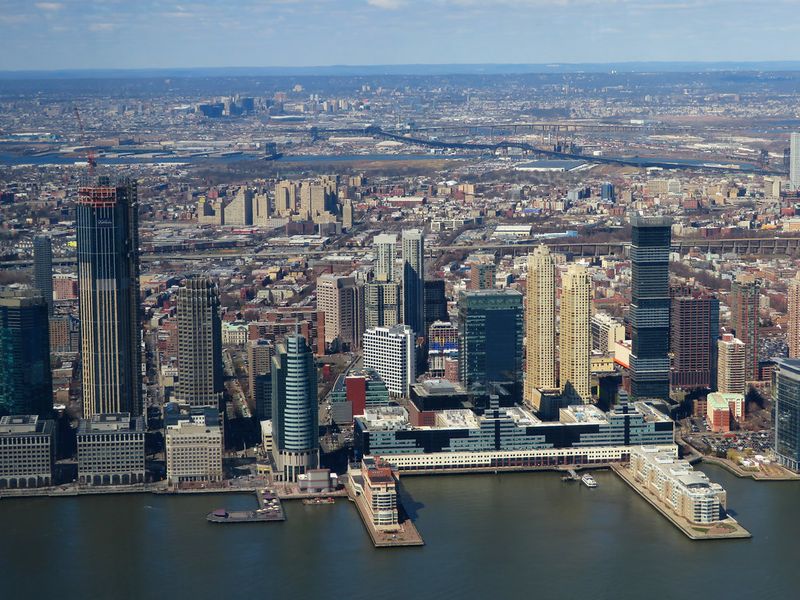
New Jersey watched more than 37,000 residents relocate to other states in the year ending July 2025. Pennsylvania and Florida topped the destination list, with many citing taxes and housing costs as reasons to go.
Yet international migration added over 53,000 people, yielding a net gain of roughly 15,600. The exodus narrative misses half the equation.
Geography is destiny here. You can live in New Jersey and reach Manhattan, Philadelphia, or the Jersey Shore within an hour.
That triangle of access is hard to replicate anywhere else. Dense transit networks, walkable downtowns, and diverse communities create a lifestyle that sprawling suburbs elsewhere cannot match.
Coastal towns offer summer escapes without long-distance travel. Farmland and state parks provide green space between urban corridors.
The state’s size means you are never far from something different, whether it is a city skyline, a hiking trail, or a beach boardwalk.
People leave for lower costs, then realize what they gave up. Commutes lengthen, cultural options shrink, and the convenience of being close to everything fades.
Many return or wish they could, discovering that the trade-offs were steeper than expected. The state keeps growing despite the departures.
3. Massachusetts – Expensive, yes but people keep returning anyway
Over 33,000 residents left Massachusetts for other states between mid-2024 and mid-2025, often chasing affordability elsewhere. International migration countered that loss with more than 40,000 arrivals, bringing the net total to nearly 7,000 new residents.
The high cost of living drives people away, yet the state continues to attract newcomers from around the world.
Higher education and healthcare form the economic backbone. Universities and hospitals employ thousands and draw talent globally, creating a knowledge economy that fuels innovation and opportunity.
Graduates often stay, launching careers in biotech, finance, or tech startups clustered around Boston and Cambridge.
Walkable historic cities offer a quality of life that car-dependent regions cannot replicate. Public transit, bike paths, and compact neighborhoods make daily errands manageable without a vehicle.
Seasons bring fall foliage, winter sports, and beach summers, all within short drives.
There is also an emotional pull. People who grew up here or spent college years in Massachusetts often describe a sense of home that is hard to shake.
They leave for cheaper housing, then find themselves missing the intellectual energy, the density, and the New England identity. The state remains expensive, yet the comeback stories keep happening.
4. Louisiana – Leave for work then miss the soul of the place
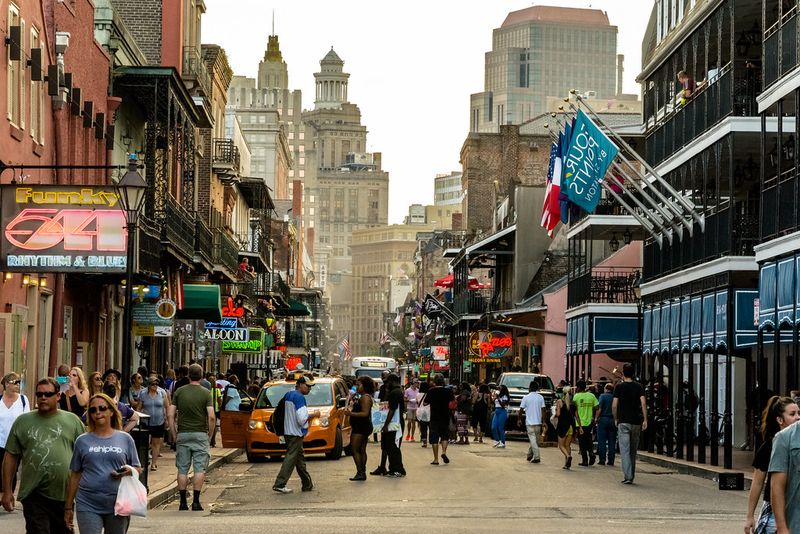
Louisiana lost about 14,400 residents to other states in the year ending July 2025, while international migration brought in nearly 15,000, resulting in a slim net gain of just over 500 people. Economic pressures and storm risks push families away, yet the state holds onto a cultural gravity that few others possess.
Music and food traditions here are not just hobbies; they are woven into daily life. Festivals, second lines, and front-porch gatherings create a social fabric that feels irreplaceable once you experience it.
Family roots run deep, and leaving often means severing connections that span generations.
The landscape itself is distinct. Bayous, swamps, and riverfront towns offer scenery and rhythms found nowhere else in the country.
Seasons revolve around different celebrations, and the calendar is marked by community events rather than corporate holidays.
People relocate for better jobs or safer housing, then realize how much they miss. The food tastes different elsewhere, the music lacks the same edge, and the sense of belonging fades.
Many spend years away before returning, drawn back by the cultural identity that shaped them. Louisiana’s challenges are real, but so is the pull of its soul.
5. Maryland – ‘I’m out’ until you want the convenience back
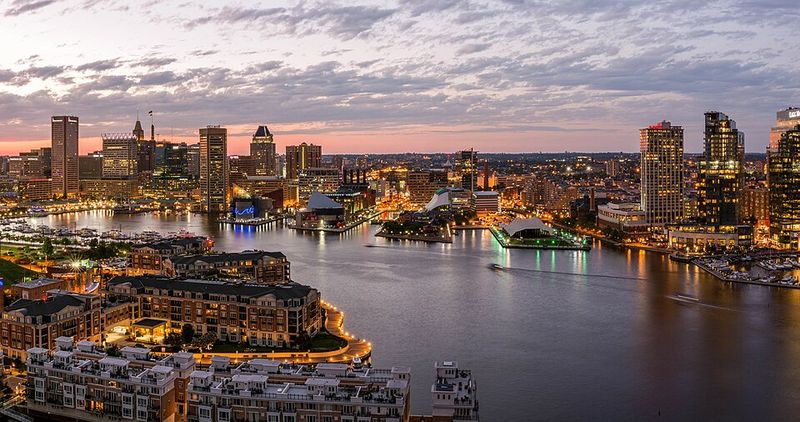
Maryland saw over 12,000 residents leave for other states between July 2024 and July 2025. International migration added more than 20,500, pushing the net total to roughly 8,400 new residents.
Domestic departures often target lower-cost neighbors like Pennsylvania or Virginia, but the state’s unique position keeps drawing people back.
Geography places Maryland at the crossroads of major job markets. You can commute to Washington, D.C., Baltimore, or even Philadelphia depending on where you settle.
Federal agencies, defense contractors, and healthcare systems provide stable employment, while tech and biotech sectors continue expanding.
The Chesapeake Bay defines much of the state’s identity. Waterfront towns offer boating, fishing, and seafood traditions that become part of your routine.
Summers revolve around crab feasts and beach weekends, while fall brings milder weather and scenic drives.
People leave for space or savings, then miss the access. Being close to multiple metros without living in the heart of one is a trade-off many come to appreciate only after losing it.
The state offers a balance between urban convenience and suburban or rural calm. Maryland’s challenges include cost and traffic, yet the convenience factor remains a powerful draw for those who leave and later reconsider.
6. Colorado – Everyone tries, many come back for the mountains

Colorado lost about 12,100 residents to other states in the year ending July 2025, while international migration brought in over 15,300, resulting in a net gain of roughly 3,200 people. Domestic out-migration often heads to neighboring states with lower costs, yet the state continues to attract newcomers drawn by lifestyle promises.
Outdoor recreation is not a weekend hobby here; it is the reason many people move in the first place. Skiing, hiking, mountain biking, and trail running are accessible year-round, often within short drives from urban centers.
Sunshine is abundant even in winter, making outdoor plans reliable.
The quality of life revolves around nature. People who grow accustomed to weekend adventures in the Rockies find it hard to adjust elsewhere.
Flat landscapes and humid climates feel confining after years of mountain access. The state’s appeal is visceral, tied to physical experience rather than abstract benefits.
Many who leave for affordability or job changes report missing Colorado more than they expected. The mountains become non-negotiable, and the active lifestyle feels impossible to replicate.
Return migration is common, with people coming back after trying other places. Colorado’s cost of living and crowding are real issues, yet the pull of the landscape remains powerful for those who experienced it firsthand.
7. Connecticut – Quietly loses domestic movers, quietly gains newcomers
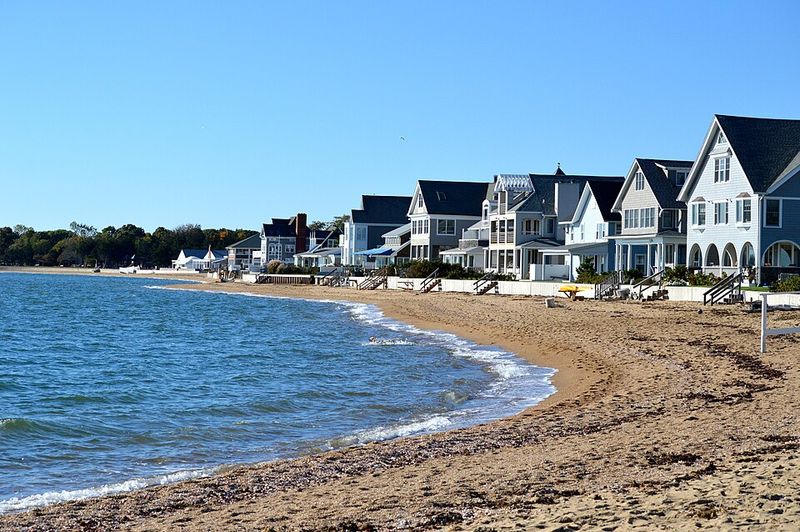
Connecticut lost nearly 6,000 residents to other states in the year ending July 2025, while international migration added over 17,500, yielding a net gain of roughly 11,600 people. The state does not make headlines for growth, yet the numbers reveal a steady inflow that offsets domestic departures.
Small-state living offers unexpected advantages. You can reach coastal towns, rural hills, and urban centers within an hour.
Commutes to New York City or Boston are manageable, making Connecticut a middle ground for those who want access without full urban immersion.
Coastal communities provide New England charm with shoreline access. Fall foliage, historic downtowns, and local farms create a lifestyle that feels rooted in tradition.
Schools and libraries often rank high, drawing families who prioritize education and community resources.
The state flies under the radar, which is part of its appeal. People leave for cheaper housing or warmer weather, then realize they miss the convenience and character.
Connecticut lacks the flash of bigger states, yet it offers a quality of life that becomes clear only after experiencing alternatives. The quiet growth continues, driven by international arrivals and those who return after trying elsewhere.
8. Pennsylvania – People leave but the state still wins the math
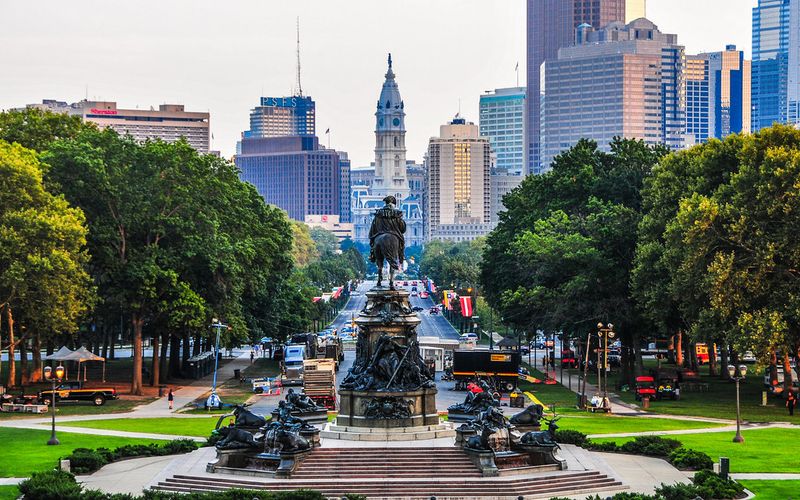
Pennsylvania lost about 2,900 residents to other states between July 2024 and July 2025, a relatively modest number compared to larger states. International migration brought in nearly 27,000 new arrivals, pushing the net total to almost 24,000 new residents.
The state quietly outpaces many peers in overall growth despite domestic departures.
Diversity defines Pennsylvania’s appeal. Philadelphia and Pittsburgh offer big-city jobs, culture, and nightlife.
The Pocono Mountains provide weekend escapes, while small towns and farmland stretch across the central regions. You do not have to choose one lifestyle; the state accommodates multiple preferences within its borders.
Affordability varies but generally remains more manageable than coastal states. Housing costs in mid-sized cities attract young professionals and families priced out of New York or Washington.
Rural areas offer space and quiet without the isolation of more remote states.
People leave for sunbelt warmth or coastal energy, then find themselves missing the balance. Pennsylvania offers four distinct seasons, strong regional identities, and a sense of rootedness that newer states lack.
The state’s growth is not flashy, yet the numbers show a steady pull that outweighs the departures. Many who leave eventually reconsider, drawn back by family, affordability, or the realization that variety matters.
9. Rhode Island – Tiny state, big ‘why did I ever leave?’ factor
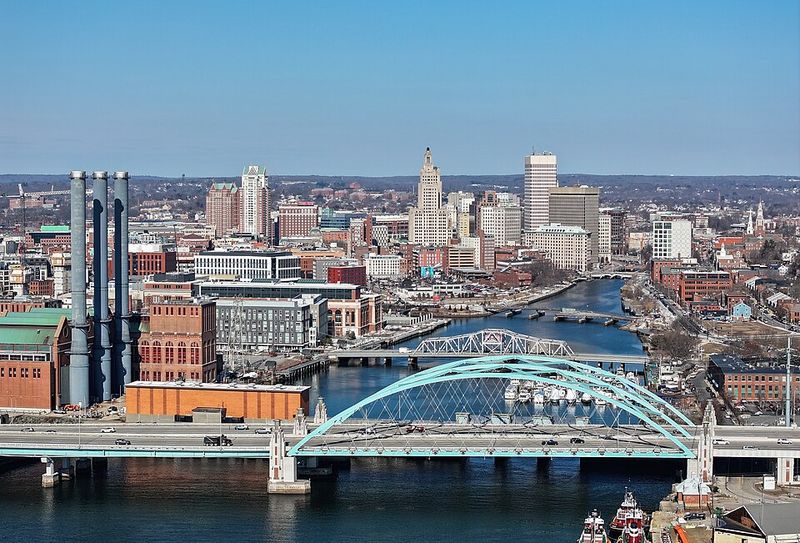
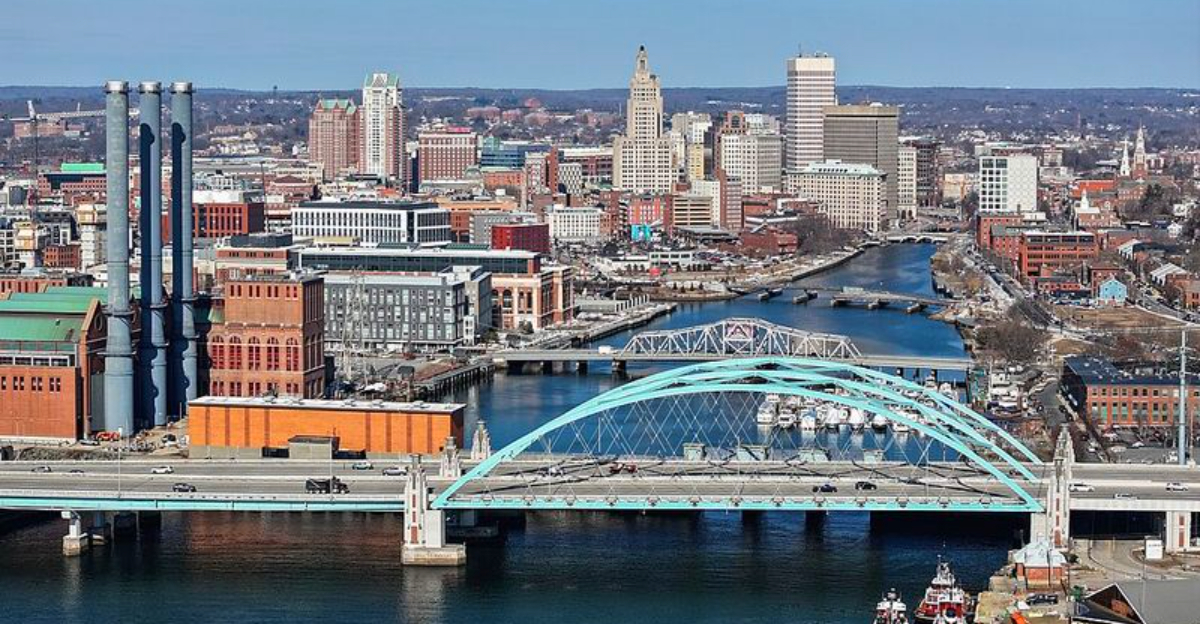
Rhode Island lost about 1,500 residents to other states in the year ending July 2025, while international migration added nearly 6,000, resulting in a net gain of roughly 4,400 people. The state’s small size makes every number feel significant, yet the pattern is clear: people leave, but newcomers keep arriving.
Compact geography is the state’s secret weapon. You can live near the coast, work in Providence, and reach hiking trails or historic sites within 30 minutes.
Weekends feel effortless because travel time is minimal. The ocean is never far, and summer routines revolve around beaches and waterfront dining.
Community ties form quickly in a small state. Neighborhoods feel personal, and local businesses become familiar faces.
The pace is slower than Boston but faster than rural New England, striking a balance that suits many lifestyles.
People leave for bigger job markets or lower costs, then realize how much they miss the ease. Rhode Island lacks the scale of larger states, but that is part of the appeal.
Everything is close, life feels manageable, and the coastline provides a quality of life that is hard to replicate. Many who depart eventually circle back, drawn by the realization that tiny can be better.
10. Iowa – You move away, then remember how livable it is
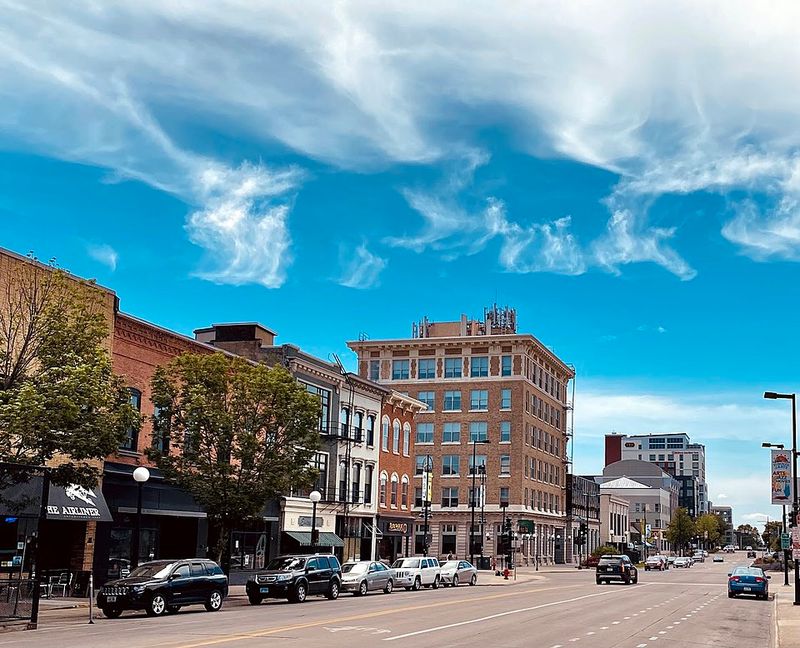
Iowa lost about 970 residents to other states in the year ending July 2025, a small number that suggests relative stability. International migration added nearly 6,000 new arrivals, pushing the net total to roughly 4,900.
The state does not chase headlines, yet the math shows steady growth beneath the surface.
Affordability is real here, not just marketing. Housing costs remain manageable even as other regions surge.
Commutes are short, and space is abundant whether you want a yard, a farm, or a quiet street. The pace of life allows for breathing room that feels increasingly rare elsewhere.
Communities are tight-knit, and people still know their neighbors. Schools and local services function well, and the practical side of life works without constant friction.
Seasons are distinct, with summer festivals, fall harvests, and winter routines that mark the year.
Young people often leave for bigger cities or coastal opportunities, then find themselves reconsidering after years of higher costs and longer commutes. Iowa lacks the drama of other states, but that is part of the appeal.
Life is livable, and the trade-offs become clearer with distance. Many return to raise families or settle down, drawn back by the practicality they once took for granted.
11. Mississippi – Out-migration, yes – yet still net-positive overall
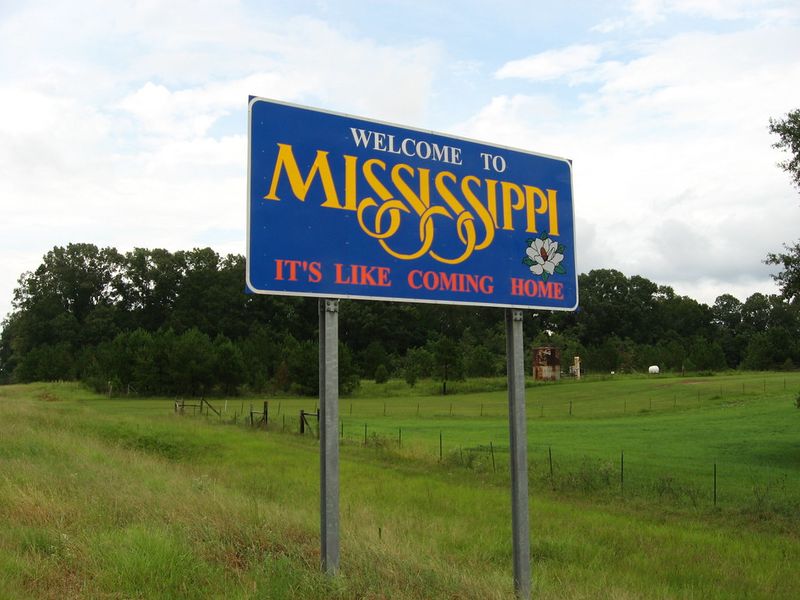
Mississippi lost about 917 residents to other states in the year ending July 2025, while international migration brought in over 7,400, resulting in a net gain of roughly 6,500 people. The state faces economic challenges and out-migration, yet the overall population trend remains positive.
Family ties anchor many residents. Generations live near each other, and leaving often means losing daily contact with parents, siblings, and extended relatives.
Community networks are strong, and people know each other beyond surface interactions. Social support is not just a concept; it is a lived reality.
The cost of living is among the lowest in the nation, making homeownership and financial stability more accessible. Space is abundant, and the pace of life allows for a slower rhythm that many find appealing after experiencing high-pressure environments elsewhere.
People leave for better job opportunities or educational options, then realize what they left behind. The sense of community and the depth of family connections are hard to replicate in faster-moving states.
Many return after years away, drawn back by the realization that belonging matters. Mississippi’s challenges are real, yet the pull of family and community remains powerful enough to bring people home.
The state continues to grow despite the departures.
12. Kansas – Leaves happen but so do returns (and arrivals)
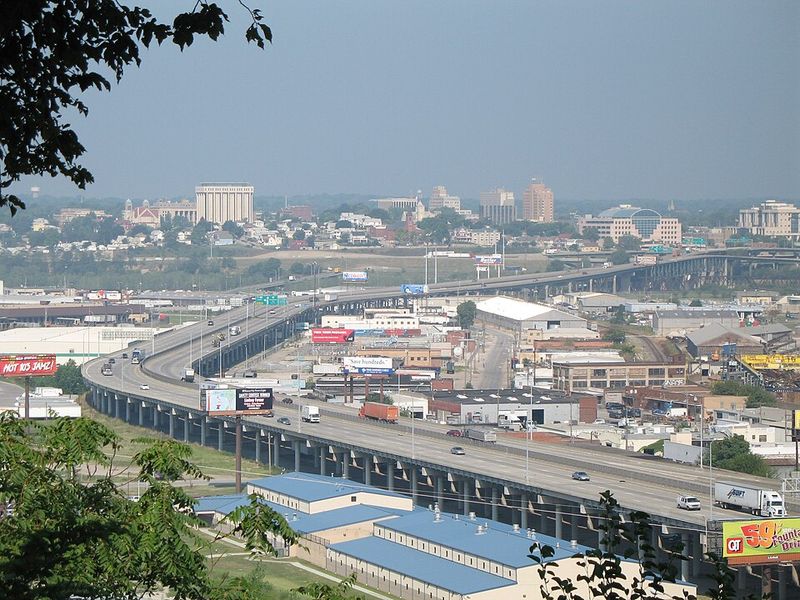
Kansas lost about 519 residents to other states in the year ending July 2025, a modest number that suggests relative stability. International migration added over 7,400 new arrivals, yielding a net gain of roughly 6,900 people.
The state loses some residents but gains more overall, a pattern that often goes unnoticed.
Central location offers practical advantages. You can reach both coasts within a few hours by plane, and major cities like Kansas City straddle state lines, providing urban amenities without the full cost of larger metros.
The cost of living remains manageable, allowing families to build equity and financial security.
Space is abundant, whether you want a suburban yard or rural acreage. Schools and community resources function well, and the pace of life allows for balance between work and personal time.
Seasons are distinct, with hot summers and cold winters that mark the year clearly.
People leave for bigger opportunities or coastal energy, then find themselves reconsidering after experiencing higher costs and longer commutes. Kansas lacks the flash of sunbelt states, but the practicality becomes appealing over time.
Many return to raise families or start businesses, drawn back by the realization that you can build a life here without constant financial strain. The state grows quietly, fueled by arrivals and returns.
13. Nebraska – Not flashy, but the migration total stays positive
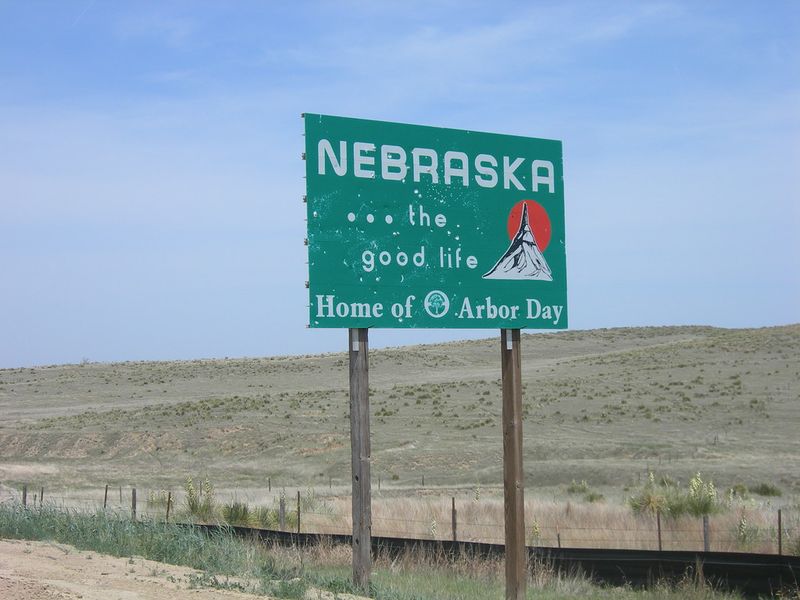
Nebraska lost about 366 residents to other states in the year ending July 2025, the smallest domestic out-migration on this list. International migration added nearly 6,600 new arrivals, pushing the net total to roughly 6,200 new residents.
The state does not chase trends, yet the numbers reveal steady, quiet growth.
Stability defines the Nebraska experience. Jobs in agriculture, healthcare, and finance provide steady employment without the boom-and-bust cycles of other regions.
The cost of living remains low, and housing is accessible even for young families or recent graduates.
Space is abundant, and the pace of life allows for routines that feel sustainable long-term. Commutes are short, and traffic is rarely a major stressor.
Seasons bring variety, from summer heat to winter snow, marking the year with clear changes.
People leave for bigger cities or coastal opportunities, then find themselves missing the normalcy. Life in Nebraska works without constant friction, and that becomes more valuable as people age or start families.
Many return after years elsewhere, drawn back by the realization that stability and space matter. Nebraska lacks the drama of faster-growing states, yet the migration numbers show a consistent pull.
The state grows quietly, fueled by international arrivals and those who come back seeking a steadier life.
14. New Mexico – Domestic outflow, but still net-positive migration
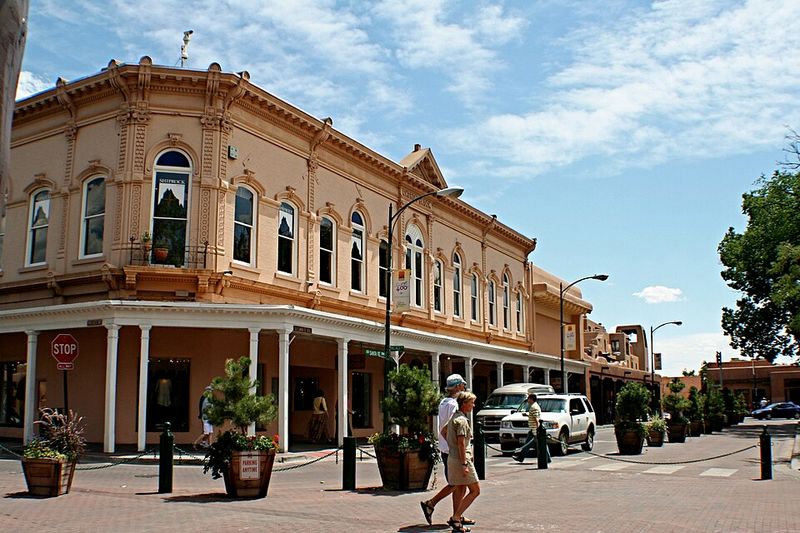
New Mexico lost about 2,300 residents to other states in the year ending July 2025, while international migration brought in nearly 2,900, resulting in a slim net gain of roughly 600 people. The state faces economic challenges and out-migration, yet the overall population trend remains positive.
The landscape is unlike anywhere else in the country. Desert mesas, mountain ranges, and high-altitude plateaus create scenery that feels otherworldly.
Sunsets paint the sky in colors that become part of your daily routine, and the clarity of the light is something photographers and artists chase.
Art and culture are woven into the state’s identity. Galleries, studios, and festivals reflect a creative energy that draws people seeking a different pace.
The blend of Native American, Hispanic, and Anglo influences creates a cultural richness that feels layered and deep.
People leave for better jobs or lower costs, then find themselves missing the landscape and the pace. New Mexico is not for everyone, but those who connect with it often describe it as irreplaceable.
The light, the space, and the cultural presence are hard to find elsewhere. Many return after years away, drawn back by the realization that the place shaped them in ways they did not fully understand until they left.



