 Unearth The Voyage

I still remember sitting at my desk, believing every “fact” I heard because an adult said it with total confidence. It felt safe to trust it.
Then, years later, you stumble across something small that doesn’t add up. One quick search turns into another.
And suddenly you’re looking at your childhood lessons in a whole new light.
That’s the feeling I had when I started digging into the things we were told in elementary school, like they were carved in stone. Some were shortcuts that made a complicated idea easier to teach.
Others were just plain wrong, repeated so often they became “common knowledge.” So I went back through the usual suspects and checked what modern research actually says. Here are 14 classroom classics that science has since debunked, and why the real story is a lot more interesting.
Goldfish Don’t Forget You in 3 Seconds
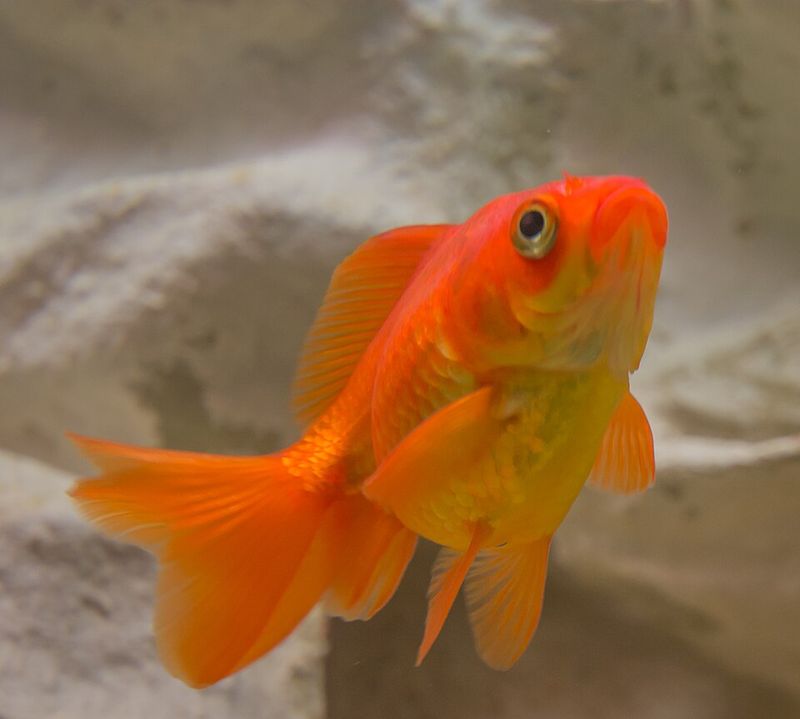
My cousin used to tap the glass every time he fed his goldfish, and within a week, that little swimmer would rush to the corner whenever he approached. Tiny brain, long memory.
Goldfish can learn routines and remember information far longer than a few seconds. Research even shows they can be trained and retain spatial cues and distance measurements.
Scientists have successfully taught goldfish to navigate mazes and respond to specific signals.
The three-second memory myth probably stuck around because it made us feel less guilty about keeping fish in small bowls. But the truth is way cooler.
These underwater pets can recognize their owners, remember feeding schedules, and even learn tricks.
Next time someone tells you goldfish are forgetful, you can drop some knowledge. Studies have shown memory retention lasting months, not seconds.
Their brains might be small, but they’re surprisingly capable.
So if your goldfish seems excited when you walk into the room, it’s not coincidence. They actually remember you.
That’s pretty remarkable for a creature we once thought had the memory span of a sneeze.
Cracking Your Knuckles Won’t Give You Arthritis

Every time I cracked my knuckles in class, someone would gasp and warn me about future arthritis. Annoying?
Yes. Arthritis-causing?
Not proven.
Harvard Health notes there’s no solid evidence that knuckle cracking causes arthritis. The popping sound comes from gas bubbles bursting in the fluid between your joints.
While some studies link it to minor issues like reduced grip strength, the arthritis connection is missing.
One dedicated doctor even cracked the knuckles on one hand for sixty years while leaving the other hand alone. His experiment?
No arthritis difference between the hands. He won an Ig Nobel Prize for his commitment to science and knuckle-popping.
Your parents and teachers meant well with their warnings. But they were repeating a myth that probably started because the sound is unsettling.
It does make people uncomfortable at dinner tables and quiet libraries.
Still, constant knuckle cracking might irritate the joints or weaken your grip over time. So maybe save it for when you’re alone.
Your joints will be fine, but your friendships might suffer from the constant popping soundtrack.
Swallowed Gum Doesn’t Sit in Your Stomach for 7 Years
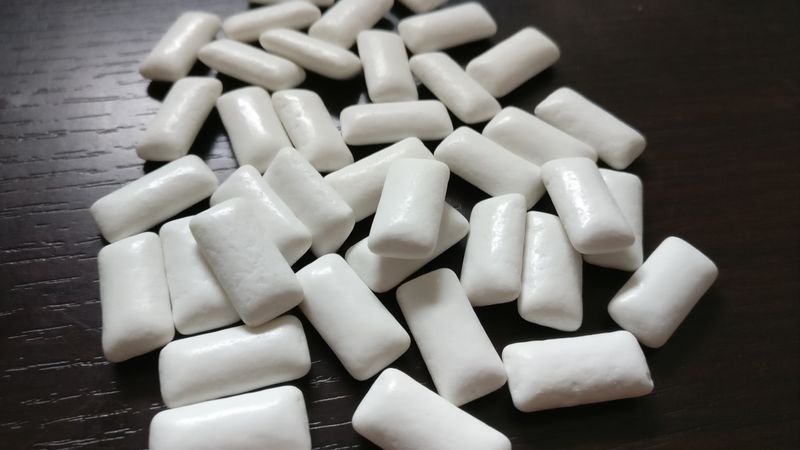
I accidentally swallowed my gum during a spelling test once and spent the next week convinced I’d ruined my insides forever. Your body isn’t a sticky storage unit.
Medical sources explain that while gum base isn’t digested well, it typically moves through your digestive tract and passes like other indigestible stuff. Your stomach can’t break down the synthetic rubber, but your intestines don’t just give up and store it.
The seven-year myth is completely made up. Nobody knows exactly where it came from, but it’s been scaring kids for generations.
Gum passes through your system in a few days, just like corn kernels or seeds.
Your digestive system is pretty efficient at moving things along. Even substances that can’t be broken down chemically still get pushed through by muscle contractions.
Nothing camps out in your stomach for years unless something is seriously wrong.
So if you’ve ever panicked about swallowed gum, relax. It’s already long gone.
Your body handled it just fine without you even noticing. The only thing that lasted seven years was the unnecessary worry.
You’re Not Running on 10% Brain Power
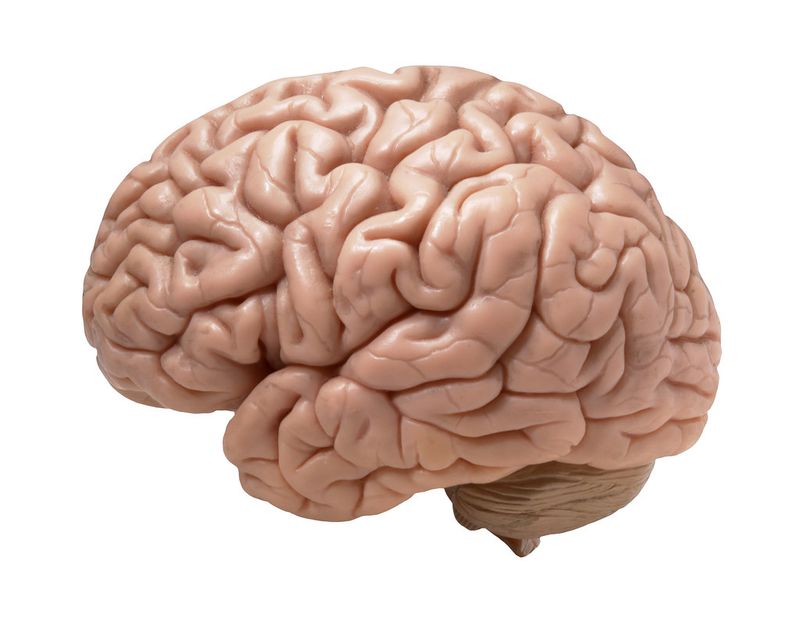
Teachers loved telling us we only use ten percent of our brains, as if we all had ninety percent sitting idle like unused storage space. Your brain is busy even when you’re doing nothing.
Modern neuroscience shows we use many parts of the brain across everyday life. The ten percent claim doesn’t match what brain imaging and brain-injury evidence shows.
MRI scans reveal activity throughout the entire brain, even during simple tasks or rest.
This myth probably persists because it’s motivational. It suggests we all have untapped potential waiting to be unlocked.
But the reality is your brain is already working hard, consuming about twenty percent of your body’s energy despite being only two percent of your weight.
Brain injuries prove this point dramatically. Damage to even small brain areas can cause serious problems.
If we only used ten percent, injuries to the other ninety percent wouldn’t matter. But they do.
Every brain region has a function, from regulating your heartbeat to processing emotions. There’s no silent majority of neurons just hanging out unemployed.
Your brain is fully engaged in keeping you alive and functioning, even when you’re binge-watching TV.
Bats Aren’t Blind – They’re Actually Pretty Skilled
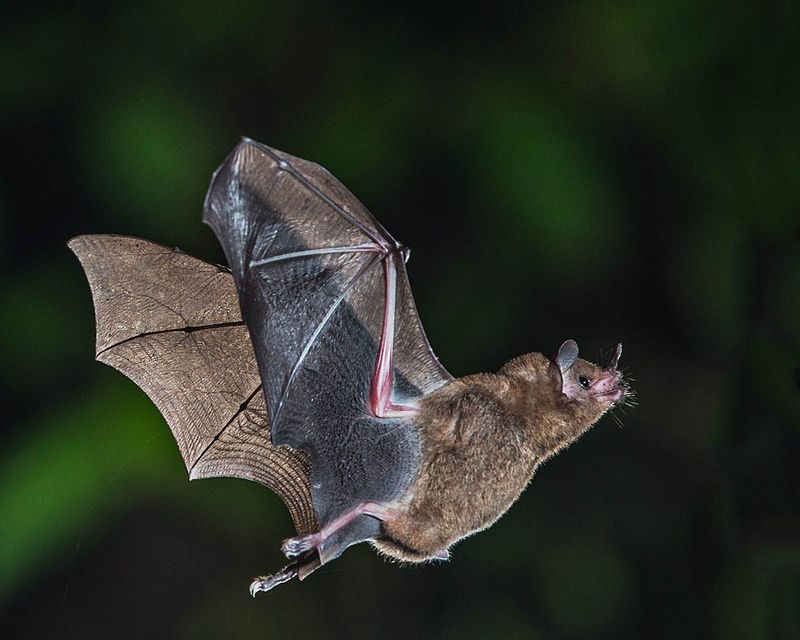
The phrase “blind as a bat” makes zero sense once you learn the truth. They see with ears… and eyes.
The U.S. National Park Service flat-out labels “bats are blind” as a myth.
Bats can see, and many also use echolocation to navigate and hunt in low light. Their vision might not be as sharp as ours in daylight, but it works perfectly fine for their nocturnal lifestyle.
Echolocation is basically biological sonar. Bats emit high-frequency sounds and listen for echoes bouncing back from objects.
This lets them build a sound-map of their surroundings. It’s not a replacement for vision but an additional superpower.
Fruit bats have particularly good eyesight and rely on it heavily. They don’t even use echolocation much.
These bats need to spot ripe fruit in trees, so evolution gave them excellent color vision and large eyes.
The blind bat myth probably stuck because bats are active at night and seem to navigate impossibly well in darkness. People assumed they must be blind and using some other sense.
Half right, but they definitely have working eyes too.
Sugar Doesn’t Automatically Turn Kids into Chaos Tornadoes
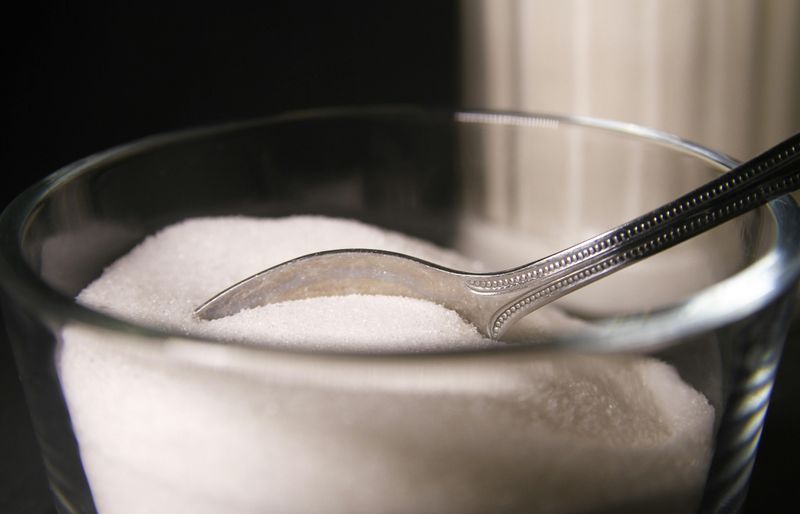
Birthday parties always came with warnings about sugar highs, as if candy transformed children into uncontrollable creatures. The sugar high is often excitement in disguise.
Research reviews and meta-analyses have found little evidence that sugar directly causes hyperactivity in children. Context like parties, stimulation, and expectations can be the real driver.
When kids are excited about celebrating, running around with friends, and staying up late, they act hyper regardless of sugar intake.
Multiple controlled studies have tested this by giving some kids sugar and others placebos, without telling parents which was which. Parents who thought their child had sugar reported more hyperactive behavior, even when the child had received the placebo.
Expectations shape perception.
Sugar does provide quick energy, and kids might feel more energized after eating sweets. But that’s different from the wild behavioral changes parents associate with sugar highs.
The crash that supposedly follows is also questionable.
So next time kids go wild at a party, blame the excitement, games, and social chaos. The cupcakes are innocent bystanders getting a bad reputation they don’t deserve.
No, You Can’t Spot the Great Wall from Space Like a Neon Line

Teachers made it sound like the Great Wall was Earth’s most visible feature from orbit, glowing like a cosmic landmark. It’s huge, but it blends in.
NASA notes that despite the myth, the Great Wall is difficult or impossible to see from Earth orbit without special lenses. It’s definitely not visible from the Moon.
The wall is narrow, and its materials match the surrounding soil color almost perfectly.
This myth gained traction long before space travel even existed. People just assumed something so massive must be visible from space.
When astronauts finally got up there, they had to break the disappointing news.
Some astronauts have claimed to see it under perfect conditions with magnification. But highways, airports, and cities are far more visible from orbit.
The Great Wall doesn’t stand out the way we imagined.
The myth persists in textbooks and trivia, even though it’s been debunked for decades. It’s a testament to how impressive the structure is that we wanted it to be visible from space.
But wanting something doesn’t make it true, no matter how cool it would be.
Hair and Nails Don’t Keep Growing After Death
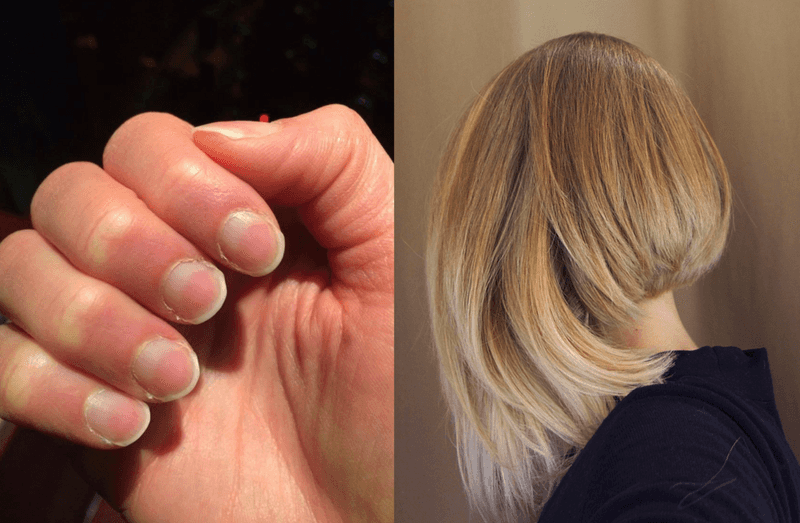
Horror movies love the creepy detail of corpses with growing hair and nails, but it’s pure fiction. It’s a creepy illusion, not real growth.
After death, dehydration can make skin retract, which can expose more hair and nail. This makes it look longer, but growth requires living cellular activity.
Once your heart stops pumping blood and delivering nutrients, cells die. Dead cells can’t grow anything.
The illusion is convincing enough that it fooled people for centuries. As bodies decompose, skin shrinks back from nail beds and hair follicles.
What was previously hidden beneath the skin becomes visible, creating the appearance of growth.
Hair and nail growth depend on cell division in living tissue. These cells need oxygen, nutrients, and functioning biological systems.
Death shuts down all of that immediately. Any apparent growth is just tissue changes during decomposition.
It’s understandable why this myth spread. The visual effect is genuinely eerie, and people in the past didn’t understand decomposition processes.
But modern forensic science has thoroughly explained what’s really happening. No zombie-style growth, just shrinking skin playing tricks on our eyes.
Lightning Can Strike the Same Place Twice (and Often Does)

People use this phrase to suggest rare events won’t repeat, but nature didn’t get the memo. Nature loves tall targets, repeatedly.
NOAA and the National Weather Service both note that lightning can strike the same place many times. Tall, isolated structures are frequent repeat victims.
The Empire State Building gets hit about twenty-five times per year on average.
Lightning follows the path of least resistance to the ground. If a spot is the tallest thing around, it’s the most attractive target every single time.
The conditions that made it likely to be struck once make it likely to be struck again.
This myth probably started as a figure of speech rather than a scientific claim. It sounds wise and comforting when bad things happen.
But taken literally, it’s completely wrong and potentially dangerous.
Storm chasers and meteorologists know that lightning absolutely has favorite spots. Trees that have been struck multiple times show scarring from repeated hits.
If you’re the tallest object in an open field during a storm, lightning might strike you twice before you even hit the ground from the first strike.
Carrots Won’t Give You Super Night Vision

I ate so many carrots as a kid hoping to develop night-vision superpowers, but I still couldn’t see in my dark bedroom. Healthy eyes?
Yes. Night-vision powers?
No.
Carrots contain vitamin A, which supports normal vision, especially if you’re deficient. But the “see in the dark” hype is strongly tied to WWII-era messaging rather than magical eyesight upgrades.
British intelligence spread rumors that their pilots ate carrots to explain their success, hiding the fact they were using radar technology.
The propaganda worked so well that we’re still repeating it generations later. Carrots are genuinely good for eye health, but they won’t let you see better than your genetic baseline.
They prevent vitamin A deficiency, which can cause night blindness, but that’s different from enhancing normal vision.
If you already get enough vitamin A from your diet, extra carrots won’t improve your eyesight further. It’s like filling a gas tank that’s already full.
The benefits max out once your nutritional needs are met.
So enjoy carrots for their actual benefits: fiber, nutrients, and satisfying crunch. Just don’t expect to gain superhero vision from munching them.
Cold Weather Doesn’t Cause Colds

Every winter, someone insists you’ll catch a cold from going outside with wet hair. Colds are caused by viruses, not chilly air.
Winter spikes happen largely because people spend more time indoors close together, plus other seasonal factors. Viruses spread more easily in enclosed spaces where infected people breathe, cough, and sneeze near others.
Cold weather drives us inside, creating perfect conditions for transmission.
Some research suggests cold air might slightly weaken immune response in nasal passages. But you still need exposure to the actual virus to get sick.
Temperature alone won’t make you ill without a pathogen present.
The myth makes intuitive sense because colds and winter coincide perfectly. But correlation isn’t causation.
We blame the weather because it’s visible and obvious, while microscopic viruses are invisible and easy to forget about.
Rhinoviruses and other cold-causing germs also survive longer on surfaces in cold, dry conditions. Lower humidity might help them hang around on doorknobs and handrails.
But again, the virus is the culprit, not the thermometer reading. Bundle up to stay comfortable, but don’t expect your coat to prevent viral infections.
The Tongue Doesn’t Have a Taste Map
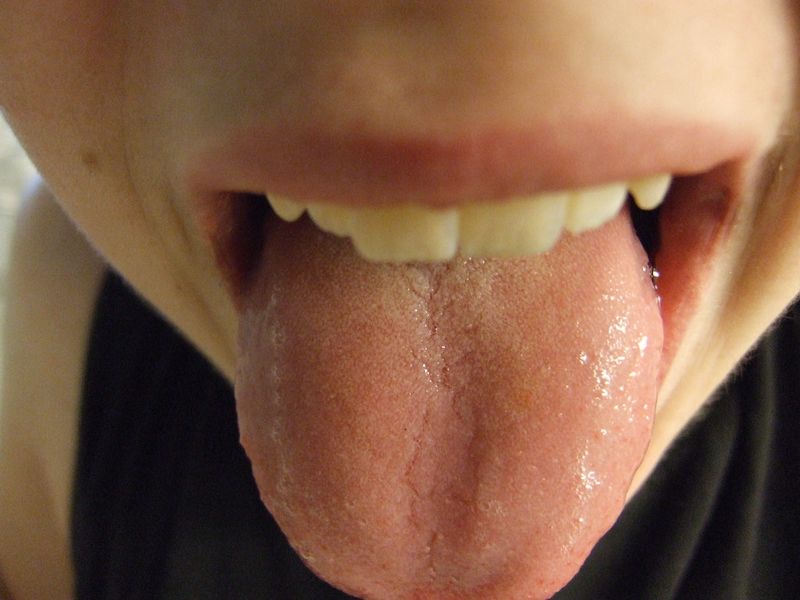
That colorful tongue diagram hung in every classroom, showing sweet at the tip and bitter at the back. That famous tongue diagram is misleading.
Most areas of the tongue can detect all basic tastes, with only minor sensitivity differences. The map originated from a misinterpretation of German research from 1901.
The scientist found slight regional variations, but his work was oversimplified and mistranslated.
Modern taste research shows that all taste buds can detect sweet, salty, sour, bitter, and umami. Some areas might be slightly more sensitive to certain tastes, but the differences are minimal.
You can test this yourself by placing different foods on various parts of your tongue.
The myth stuck around because it was simple, visual, and easy to teach. Textbooks copied it from each other for decades without checking the science.
Teachers repeated it because that’s what they learned.
Now we know taste is far more complex than four zones on a tongue map. Taste buds work together, and flavor involves smell, texture, temperature, and even sound.
That neat little diagram couldn’t capture the real complexity even if it had been accurate.
Shaving Doesn’t Make Hair Grow Back Thicker
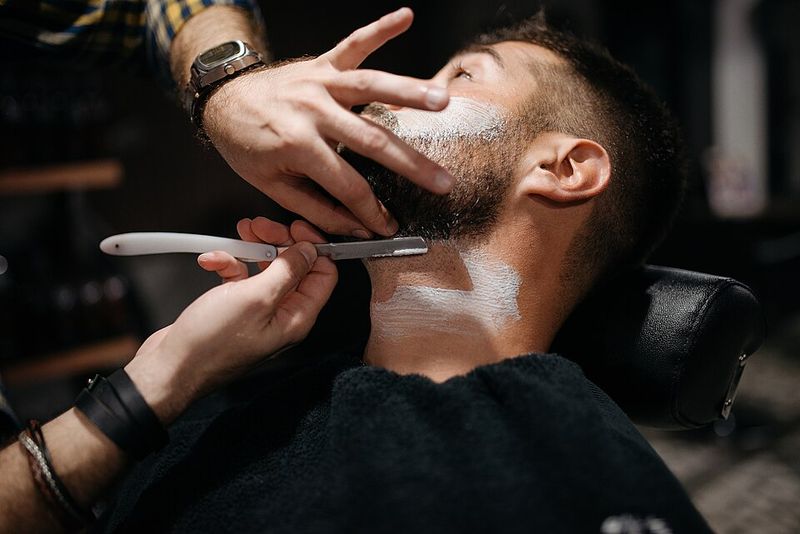
My older brother convinced me that shaving would make my facial hair come in thick and manly. Shaving doesn’t change hair’s thickness, color, or growth rate.
It just leaves a blunt tip, which can feel rougher as it grows out. Unshaved hair has a natural taper that feels softer.
When you cut it, you remove that tapered end and expose the thicker shaft.
The blunt edge catches on your fingers when you touch it, creating the illusion of coarser hair. New growth also hasn’t been bleached by sun exposure yet, so it might appear darker temporarily.
But these are surface-level changes, not actual modifications to the hair follicle.
Hair thickness is determined by genetics and hormones, not by whether you shave it. The follicle deep under your skin has no idea what’s happening to the hair shaft above the surface.
Cutting hair can’t send signals down to change its properties.
This myth probably persists because the timing is coincidental. Many people start shaving during puberty, when hormones naturally cause hair to become thicker and darker.
They credit the razor when biology deserves the recognition.
Touching a Baby Bird Won’t Make Parents Abandon It
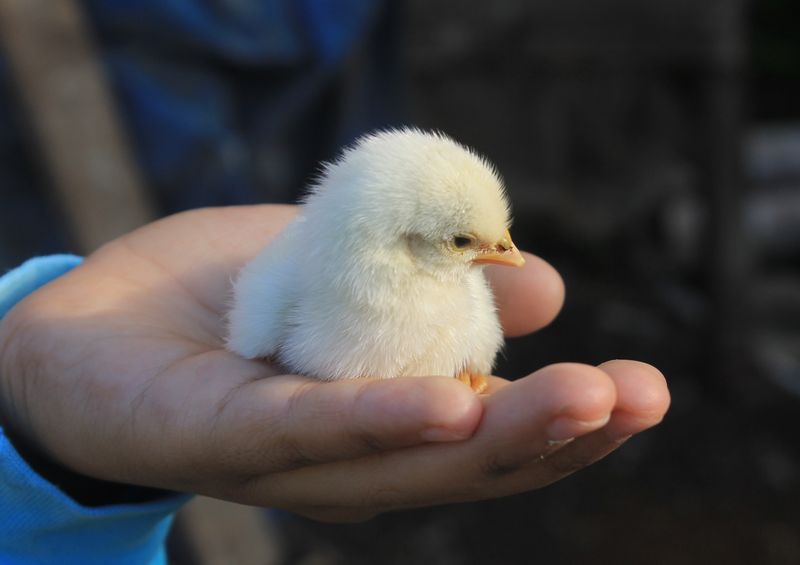
I once found a fallen baby bird and was terrified to touch it because of warnings about parental abandonment. In most cases, that’s a myth.
Many birds have a poor sense of smell, and parents usually won’t abandon a chick just because a human handled it. The parental instinct to care for offspring is incredibly strong.
Birds invest too much energy in their young to give up over a faint scent.
This myth probably started with good intentions, discouraging people from disturbing nests. But it went too far and now prevents people from helping birds that genuinely need assistance.
If you find a baby bird that’s injured or in danger, moving it to safety is usually fine.
The exception is if the bird is a fledgling learning to fly. These awkward teenagers spend time on the ground while their parents watch nearby.
They look helpless but are actually fine. The best help is leaving them alone unless they’re in immediate danger.
If you must handle a baby bird, do it gently and briefly. Return it to its nest if possible, or place it in a sheltered spot nearby.
The parents are probably watching and will resume care once you leave.



