 Unearth The Voyage
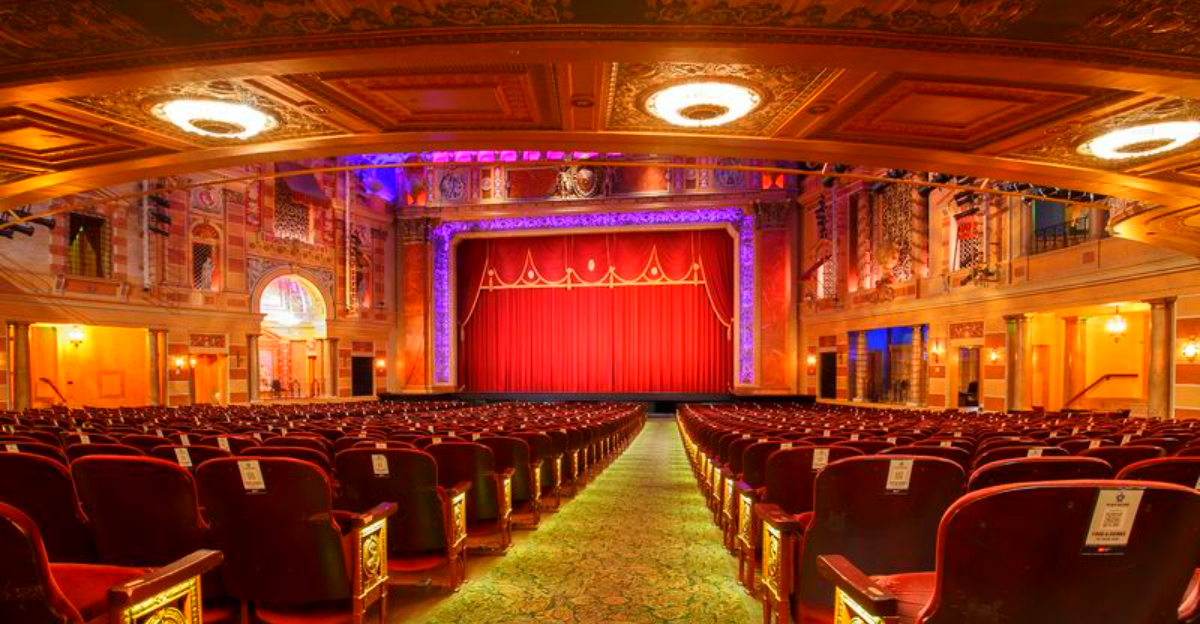
Moviegoing used to come with chandeliers, grand staircases, painted ceilings, and the kind of lobby that made buying a ticket feel like a formal occasion. The good news is that this style did not vanish into old photographs, because a surprising number of American cities still hold onto lavish theaters where the building can be as memorable as the film, concert, or comedy show on stage.
In the cities ahead, you will find landmark venues with dramatic facades, restored interiors, neighborhood followings, and programming that keeps these oversized beauties part of everyday life instead of frozen behind velvet ropes. Some are downtown royalty, some are local favorites with loyal regulars, and all of them prove that going out for a show can still feel bigger than the screen itself, which is a nice upgrade from staring at a laptop while balancing dinner on your knees.
1. New York City, NY – Radio City Music Hall; Beacon Theatre
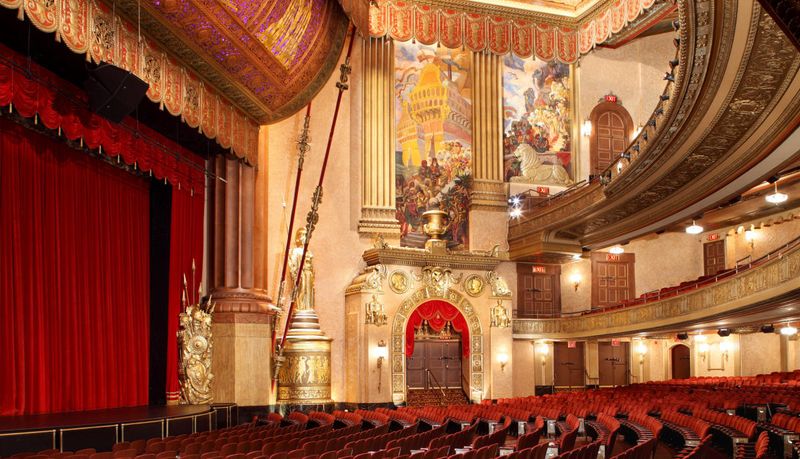
Big-city swagger fits these theaters perfectly, and New York has two heavyweights that still know how to make an entrance. Radio City Music Hall remains an Art Deco landmark with its famous marquee, sweeping auditorium, and a scale that turns any event into a civic occasion rather than a casual night out.
Beacon Theatre brings a different kind of prestige on the Upper West Side, pairing ornate design with a more intimate feel that many concertgoers prefer. You can trace decades of entertainment history through both venues, yet neither one survives as a museum piece, because each still books a busy calendar that keeps the seats occupied.
That practical, present-tense usefulness is the real magic here. One theater sells the grandeur of Midtown in giant letters, the other offers neighborhood polish with a legendary reputation, and together they prove New York still treats performance spaces like architecture worth showing off, not just boxes built to hold a screen.
2. Los Angeles, CA – TCL Chinese Theatre; El Capitan Theatre
Hollywood does not do subtle, and these two theaters are happy to continue that tradition without apology. TCL Chinese Theatre is still one of the most recognizable cinema landmarks in the country, thanks to its forecourt of handprints, unmistakable facade, and ongoing role in premieres that keep it tied to the industry instead of nostalgia alone.
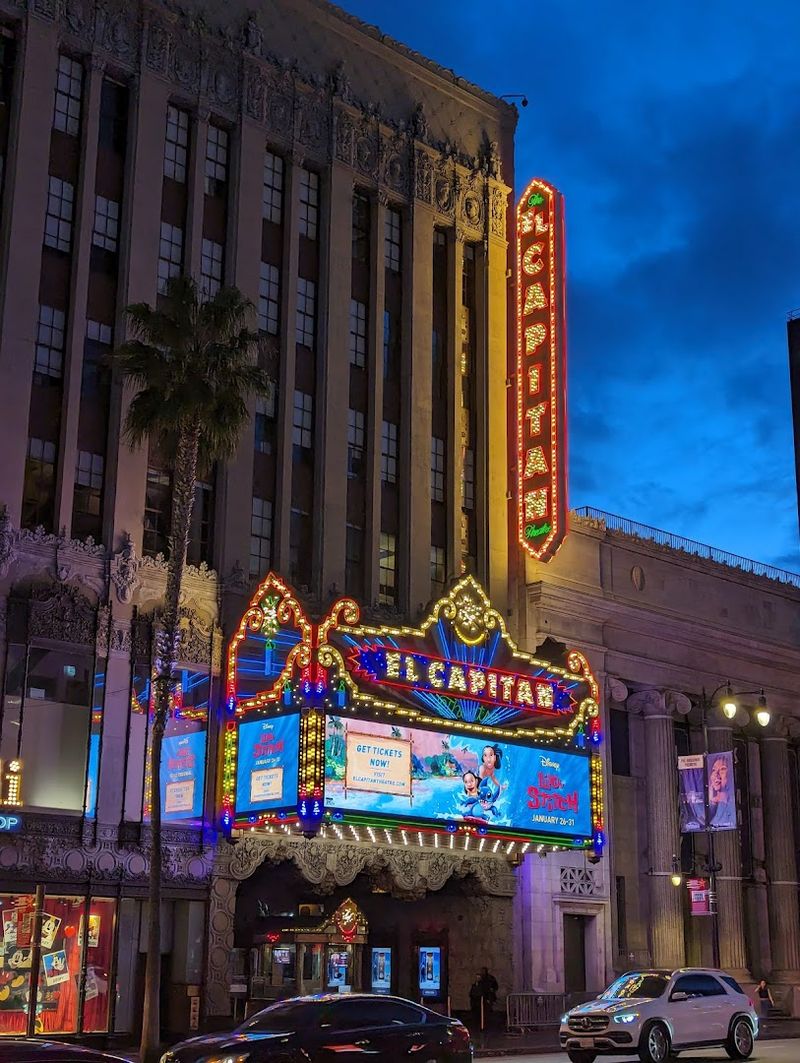
El Capitan Theatre adds another layer of old-school showmanship just down the boulevard, mixing restored ornament with polished presentations that attract families, film fans, and visitors chasing a classic Hollywood evening. It helps that both venues sit in places where movie history is not a side note but part of the neighborhood’s daily identity.
That makes Los Angeles feel less like a city that remembers movie palaces and more like one that still uses them properly. One stop gives you blockbuster mythology in concrete form, the other serves up carefully maintained elegance, and together they remind you that Hollywood still likes a dramatic curtain rise.
3. Chicago, IL – Chicago Theatre; Music Box Theatre
Few marquees earn instant recognition like the one spelling out Chicago, and the Chicago Theatre still wears its fame well. Its French Baroque styling, grand lobby, and central Loop location make it a headliner before any performer even reaches the stage, which is a neat trick for a building approaching a century old.
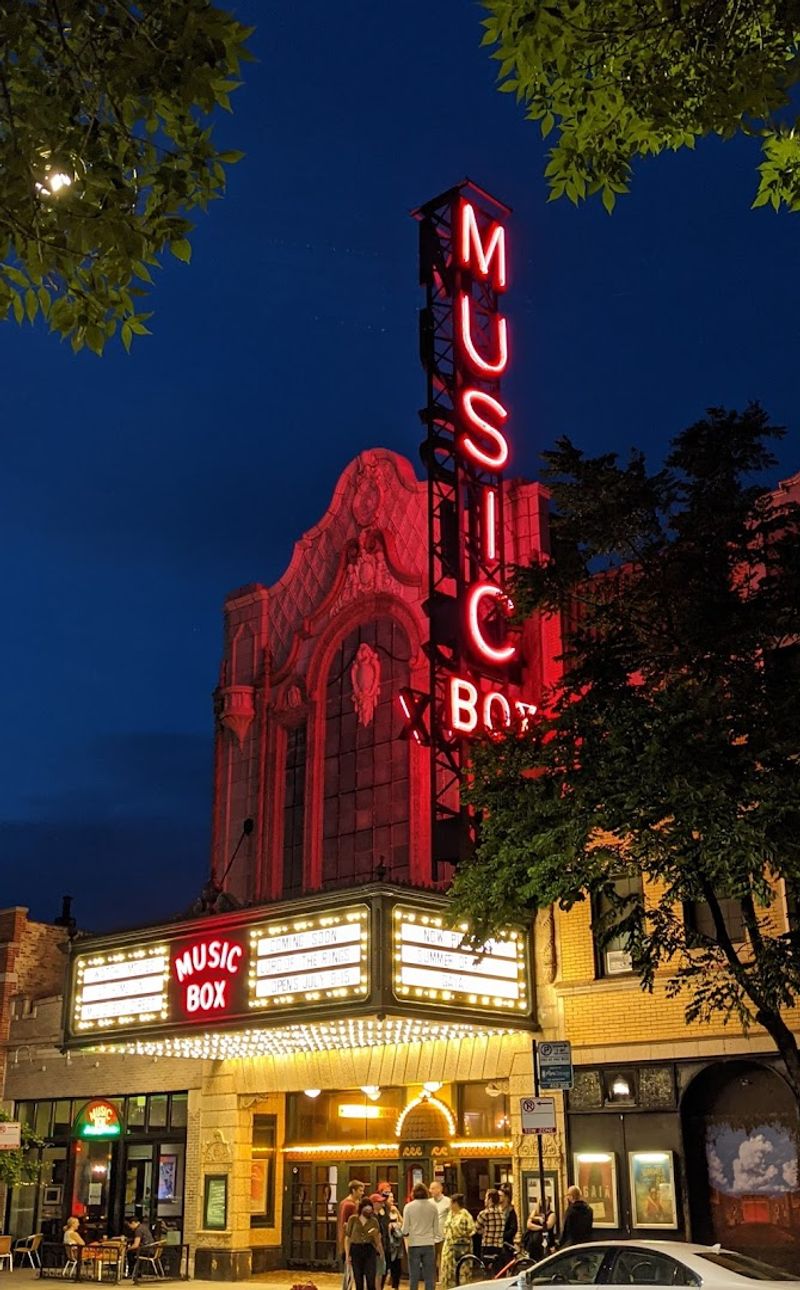
Music Box Theatre plays a different role and that contrast is exactly why the city works so well for palace hunters. This North Side favorite keeps its vintage character while serving film lovers who value repertory screenings, special programs, and a neighborhood theater culture that feels committed rather than ceremonial.
Together, the pair gives Chicago range instead of repetition. One venue thrives on downtown spectacle and civic symbolism, while the other rewards people who read the calendar closely and show up for classics, festivals, and themed events, proving the city still understands that old movie houses can be both landmarks and regular hangouts.
4. San Francisco, CA – Castro Theatre; Balboa Theatre
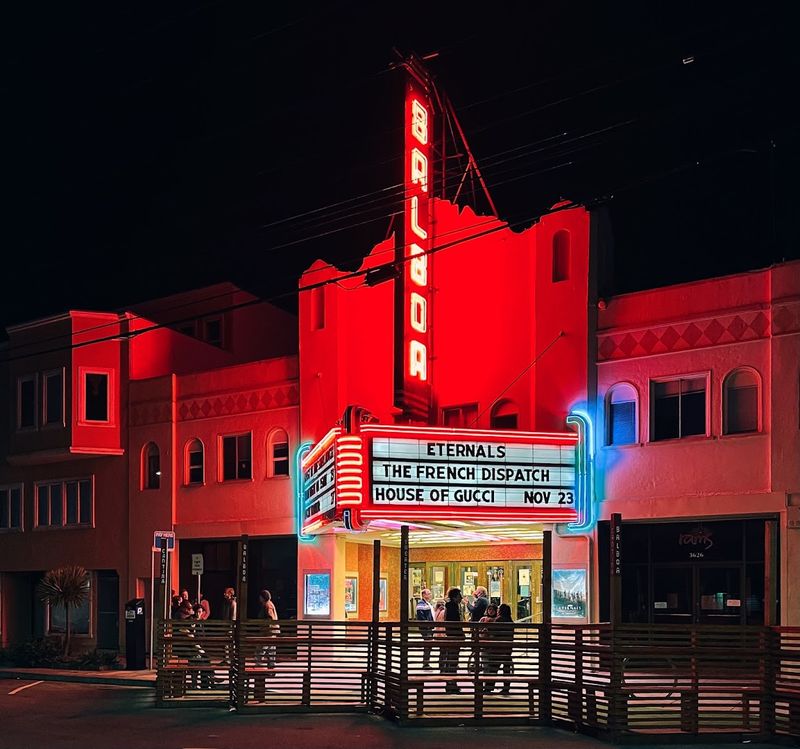
San Francisco keeps its movie-palace credentials interesting by pairing a famous showstopper with a beloved neighborhood survivor. The Castro Theatre is the obvious star, with its bold sign, landmark status, and a history tied to community gatherings, festivals, sing-alongs, and special screenings that make the venue feel socially central as much as architecturally significant.
Balboa Theatre takes a smaller-scale route, but that is part of its appeal. It offers the kind of local loyalty many cities spend years trying to rebuild, with a single-screen personality, practical programming, and an atmosphere shaped by regulars who treat moviegoing like an ongoing habit rather than a once-a-year outing.
This combination gives San Francisco a smart one-two punch. Castro carries the grandeur and public symbolism, Balboa supplies the neighborhood continuity, and together they show that preserving film history is not only about massive downtown rooms – it is also about keeping familiar seats filled week after week.
5. Detroit, MI – Fox Theatre; Redford Theatre
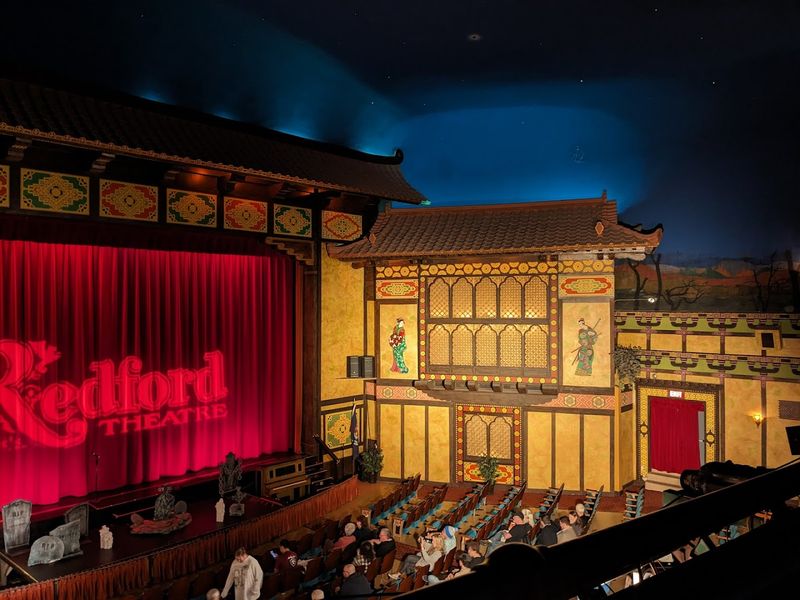
Detroit knows how to go large, and the Fox Theatre proves it with unapologetic confidence. Its lavish design, major downtown presence, and packed schedule of touring productions make it one of those places that can shift your definition of a theater lobby in about thirty seconds, even if you thought you had seen impressive ones before.
Redford Theatre adds a different chapter to the city story, leaning into classic moviegoing traditions with a devoted preservation spirit and a reputation for presenting older films in a setting that still looks the part. That kind of continuity matters, because it keeps the city connected to cinema history through actual use instead of plaques and polite memories.
Detroit benefits from having both scale and sincerity in the same conversation. Fox delivers full-strength architectural flourish in the urban core, Redford supplies a more community-rooted experience, and together they show that old-school theaters here are not decorative leftovers – they remain active pieces of civic identity.
6. Atlanta, GA – Fox Theatre; Plaza Theatre
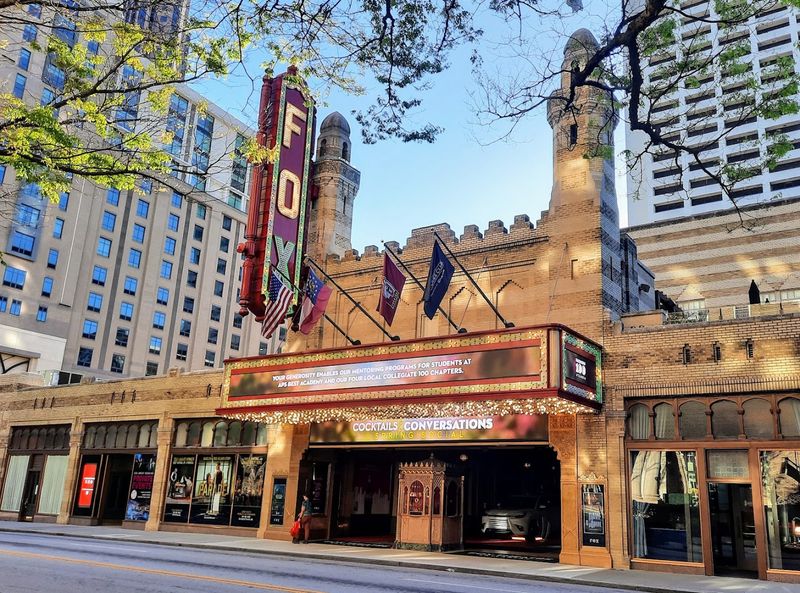
Atlanta plays this category with a smart contrast that keeps things lively. The Fox Theatre is the grand statement piece, famous for its enormous scale, elaborate design, and event calendar that draws audiences for everything from Broadway tours to concerts, making it one of the city’s most visible cultural anchors.
Plaza Theatre takes the opposite lane and wins plenty of affection there. As Atlanta’s oldest operating cinema, it has built a long relationship with local movie fans through repertory screenings, independent films, and a distinctly less formal style that feels approachable without giving up its historic identity.
That pairing works because not every old movie palace has to perform the same job. Fox handles the full-dress version of a night out, Plaza keeps the city’s film culture grounded in repeat visits and loyal habits, and together they prove Atlanta still has room for both sweeping grandeur and the charm of a theater that knows its regular crowd.
7. Philadelphia, PA – Boyd Theatre; Colonial Theatre
Philadelphia’s old-school theater story comes with one complicated chapter and one enduring star. Boyd Theatre remains part of the city’s movie-palace memory because its lavish design and long prominence helped define downtown entertainment for generations, even though its original role faded and preservation debates turned it into a symbol as much as a destination.
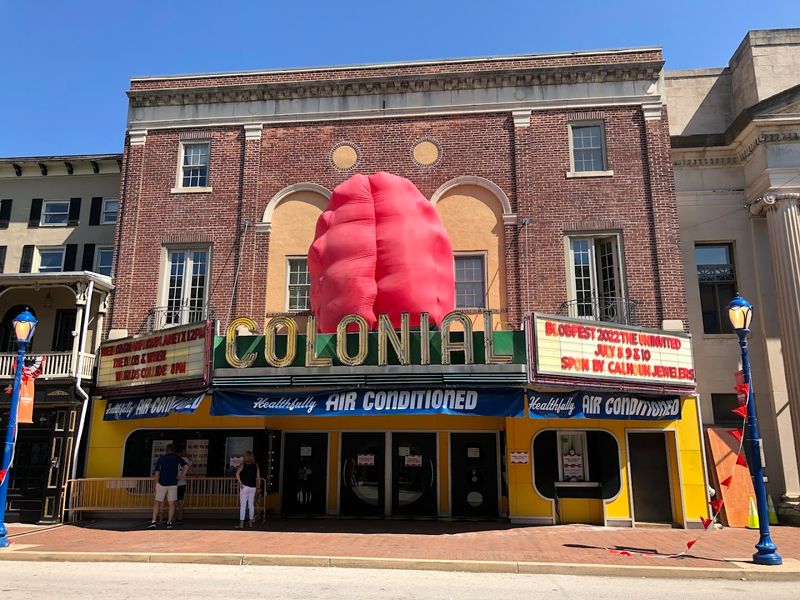
Colonial Theatre, by contrast, gives you a working example of why these places matter. Known well beyond its immediate neighborhood, it offers historic architecture, active programming, and the kind of public affection that keeps a classic theater relevant instead of merely admired from a distance.
This city earns its place on the list because movie-palace culture here is not just about what survives unchanged. It is also about what residents choose to remember, protect, and keep using, and Philadelphia shows both sides clearly – one theater as a powerful reminder of what was, the other as living proof that the tradition still has current value.
8. Boston, MA – Wang Theatre; Coolidge Corner Theatre

Boston brings a nice bit of theatrical range to the table, starting with the Wang Theatre and its sweeping downtown grandeur. Formerly a movie palace and still one of the city’s major performance venues, it offers ornate detailing, a large auditorium, and a sense of occasion that makes even a simple ticket feel upgraded.
Coolidge Corner Theatre gives the city a second historic pillar with a different personality. Its Art Deco style, independent programming, and loyal audience make it a favorite for people who like their moviegoing with a side of smart curation instead of pure blockbuster momentum.
That split keeps Boston from feeling one-note. Wang is the polished big-stage classic, Coolidge Corner is the cinephile institution with neighborhood credibility, and together they show how an older theater can keep evolving without sanding off the features that made it special in the first place, which is harder than it looks and much more interesting when it works.
9. Cleveland, OH – Palace Theatre; Capitol Theatre
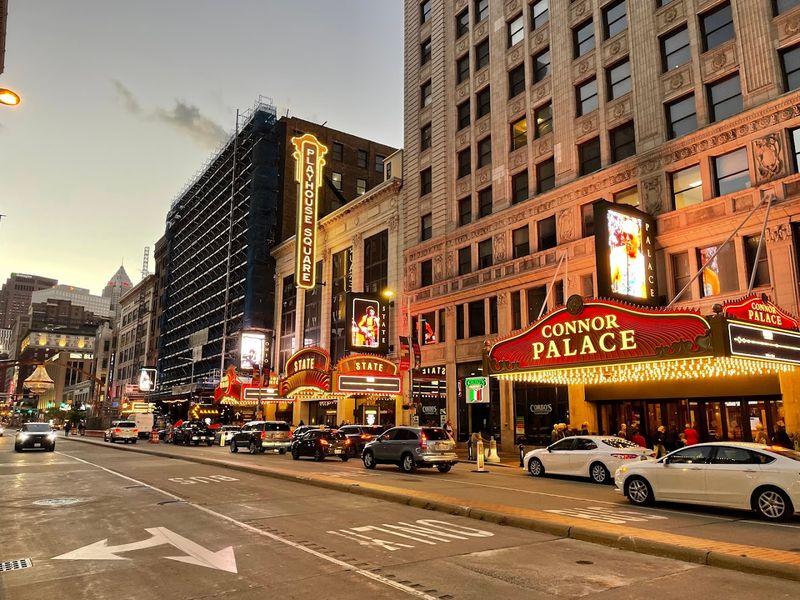
Cleveland earns extra points for giving you both downtown grandeur and neighborhood staying power in the same city. The Palace Theatre stands out with ornate design and a central role in Playhouse Square, where a cluster of historic venues makes the area feel like a serious commitment to preserving performance spaces rather than a lucky accident.
Capitol Theatre complements that with a more local rhythm on the West Side. Restored and actively used, it supports moviegoing in a way that feels practical and community-centered, proving that historic theaters do not need massive scale to matter.
What makes Cleveland especially satisfying is the sense of continuity. Palace Theatre shows how a grand venue can remain part of a larger entertainment district, while Capitol demonstrates how a historic cinema can anchor everyday neighborhood life, and that combination gives the city real credibility for anyone who likes old movie houses that still function as places people actually plan around.
10. Kansas City, MO – Midland Theatre; Uptown Theater
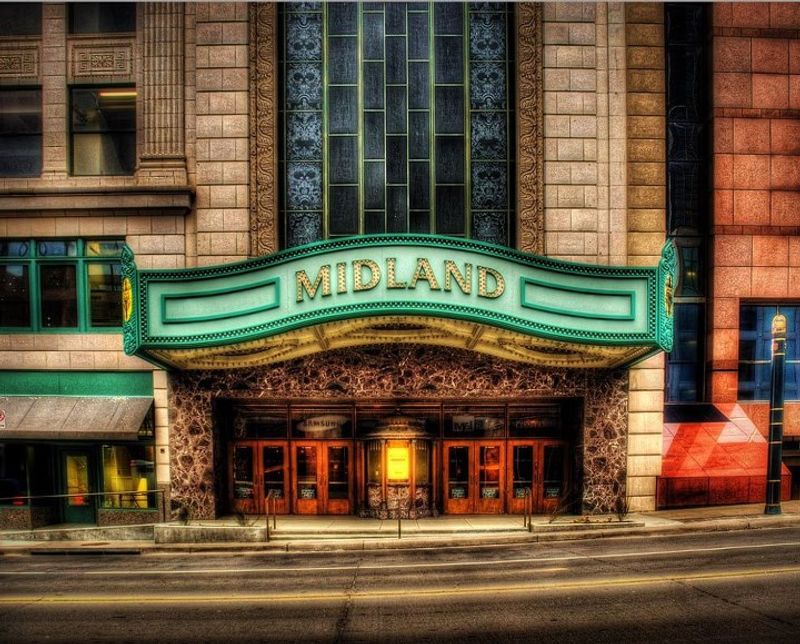
Kansas City keeps its movie-palace résumé stylish with two venues that understand presentation. The Midland Theatre brings ornate architecture, a strong downtown presence, and the kind of decorated interior that reminds you early cinema builders were not interested in keeping things modest when they could aim for memorable instead.
Uptown Theater gives the city another historic heavyweight, this one with a long performance history and a design that still carries plenty of visual character. The fact that both remain tied to live events helps them avoid the stale fate of becoming admired relics with nothing happening inside.
That active use is the key to Kansas City’s appeal. Midland handles the polished grandeur, Uptown contributes additional depth and continuity, and together they create a local lineup that feels substantial rather than symbolic, proving the city still has room for old theaters that were built to impress and have not entirely given up the habit.
11. St. Louis, MO – Fox Theatre; Tivoli Theatre
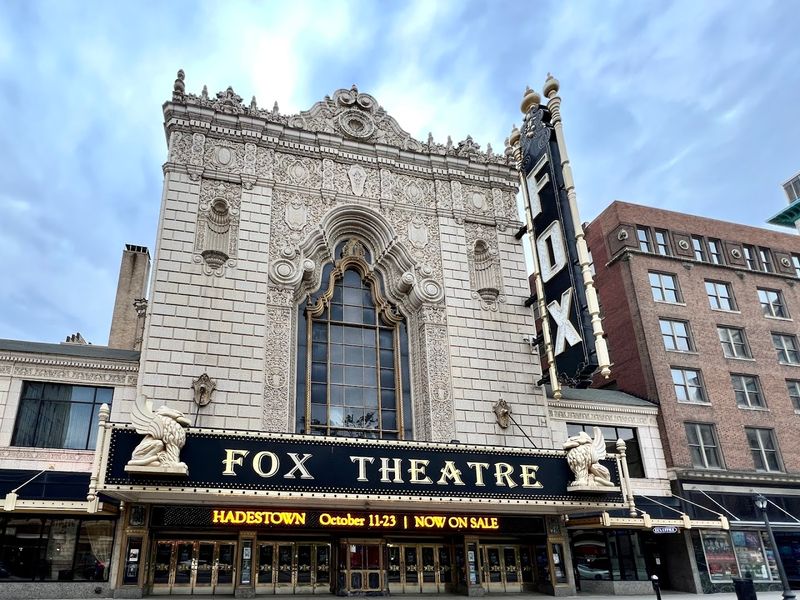
St. Louis does not settle for one memorable theater when it can offer two with very different strengths. The Fox Theatre is the blockbuster of the pair, known for its enormous scale, richly detailed interior, and a downtown presence that makes it a major draw for touring productions and anyone who enjoys architecture with confidence.
Tivoli Theatre has long added a more film-focused identity to the conversation, with a historic facade and a reputation tied to neighborhood movie culture. Even when programming shifts over time, the building’s place in local memory keeps it important to the broader story of how St. Louis watched films beyond the multiplex era.
This city works because the venues do not cancel each other out. Fox offers pure grand-palace energy, Tivoli contributes a more local and cinema-centered tradition, and together they show how historic theaters can support both large-scale performance and everyday cultural life without feeling trapped in the past or overpolished for tourists.
12. Minneapolis, MN – State Theatre; Riverview Theater
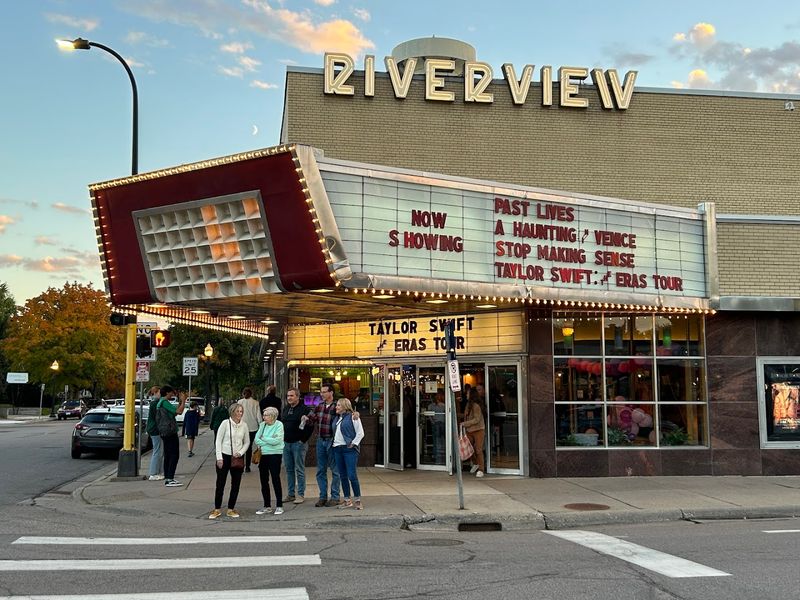
Minneapolis has a theater pairing that covers both polished downtown elegance and neighborhood loyalty with admirable efficiency. The State Theatre, part of the Hennepin Theatre District, brings restored grandeur, a major central location, and a history that ties the city to the golden age of lavish entertainment architecture.
Riverview Theater adds a friendlier, everyday counterpoint without losing its vintage appeal. With its classic exterior, long-running local presence, and affordable moviegoing reputation, it shows how old-school theaters stay meaningful when they remain woven into ordinary routines instead of existing only for special occasions.
That contrast is what makes Minneapolis worth highlighting. State Theatre gives you the formal version of historic spectacle, Riverview keeps things approachable and familiar, and together they make a convincing case that preservation is strongest when one venue handles the big-city glamour while another keeps the neighborhood habit of going to the movies alive.
13. Washington, D.C. – Warner Theatre; Lincoln Theatre
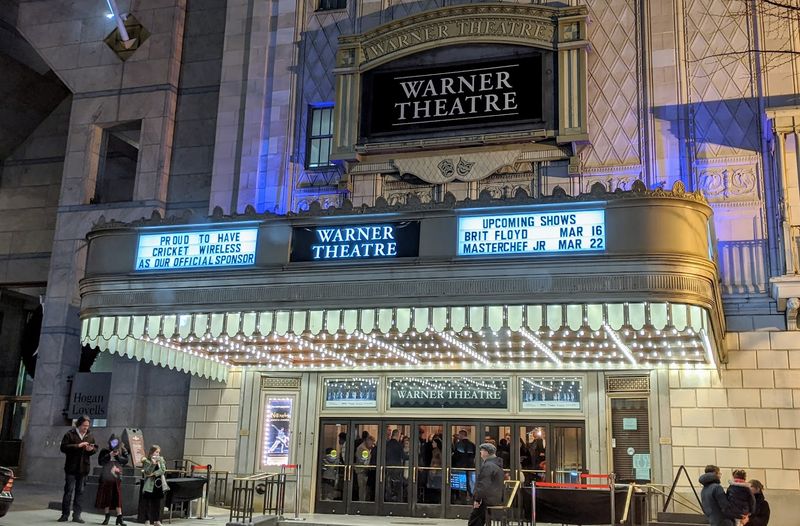
Power suits and policy talk do not get all the attention in Washington, because the city still knows how to stage a proper show. Warner Theatre carries the grand-downtown banner with ornate design, a central location, and a long history of hosting major performances in a room that was built to impress from the start.
Lincoln Theatre adds an equally important layer, especially in the context of cultural history and neighborhood identity. Restored and active, it stands as more than a handsome old building, because its story connects entertainment, community life, and the broader history of U Street in a way that gives the venue lasting relevance.
That combination gives the capital real depth on this subject. Warner offers classic movie-palace scale, Lincoln brings historic meaning tied to place and people, and together they prove Washington preserves these theaters not simply as elegant backdrops but as working spaces that continue to matter in the present tense.
14. New Orleans, LA – Saenger Theatre; Prytania Theatre
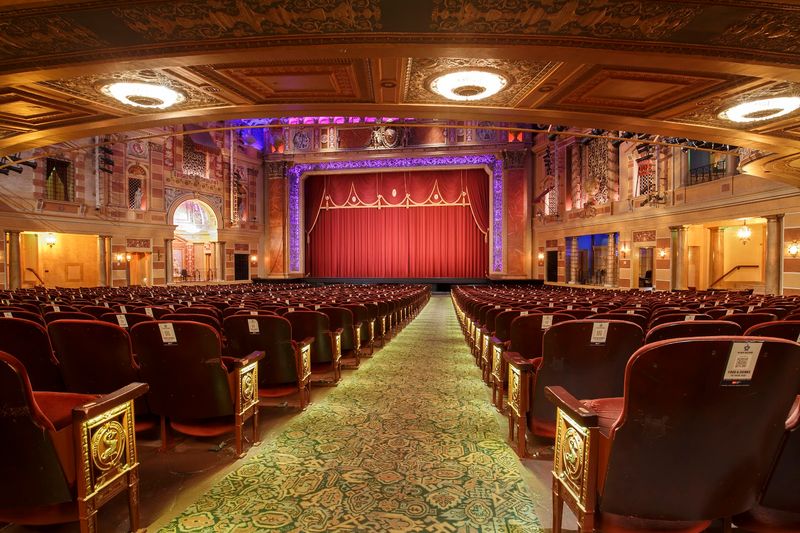
New Orleans could rely on its general reputation for spectacle, but these theaters provide specific proof. Saenger Theatre is the grand centerpiece, a restored landmark with a substantial downtown presence and the kind of elaborate design that reminds you movie palaces once competed very hard to be the most impressive building on the block.
Prytania Theatre keeps the city’s cinema heritage grounded at the neighborhood level. As one of the oldest operating theaters in the South, it offers continuity, local affection, and a scale that feels personal without sacrificing the historic charm people hope to find in a classic movie house.
Together, the pair gives New Orleans a particularly satisfying balance. Saenger handles the formal wow factor, Prytania provides the dependable community connection, and the city benefits from both because preserving theater culture is not just about saving a beautiful room – it is also about keeping the habit of going there alive across generations.



