 Unearth The Voyage
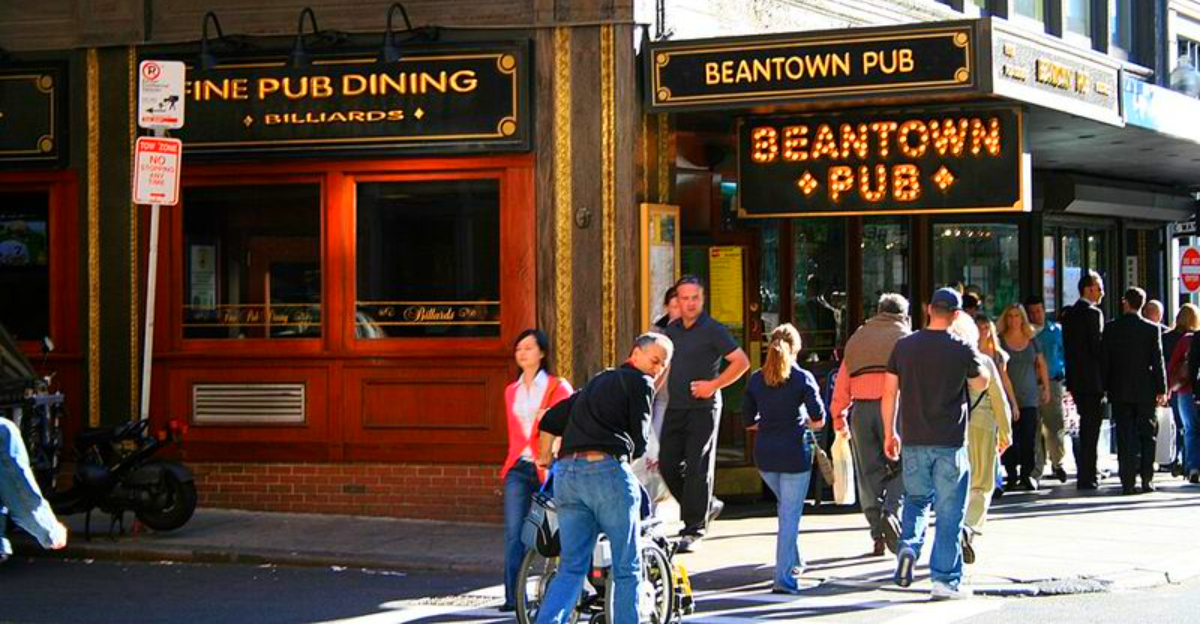
American accents can reveal migration patterns, class history, radio influence, and neighborhood identity faster than a street sign can. A single vowel can hint at port cities, factory towns, old trade routes, or decades of newcomers reshaping local speech.
Some of these voices were sharpened by industry, some by immigration, and some by plain civic stubbornness. Keep reading and you will hear how regional history, pop culture, and daily habits turned ordinary conversation into one of the clearest markers of place in the country.
1. New York City, New York
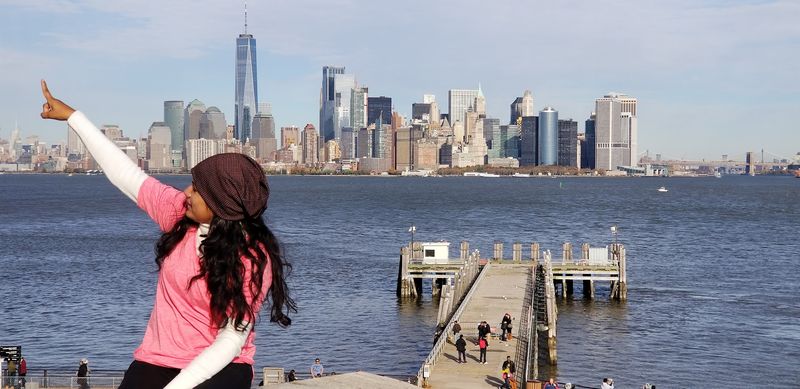
Few city voices arrive with more confidence than New York’s. Its accent developed through dense contact among Dutch roots, British English, German, Irish, Italian, and Jewish communities, then split into borough flavors that locals can debate for hours.
The old non-rhotic style, broad vowels, and quick conversational pace became tied to tenements, transit, corner stores, and midcentury street life. Radio, stand-up comedy, mob films, sitcoms, and sports commentary spread that rhythm nationwide, which is why even people who have never visited can often identify it in seconds.
What makes New York especially interesting is how the accent has shifted with gentrification, new immigration, and changing class signals. Some classic features are softer among younger speakers, yet the city still delivers unmistakable speech patterns in Brooklyn, the Bronx, Queens, Staten Island, and parts of Manhattan where neighborhood identity remains stronger than any voice coach.
2. New Orleans, Louisiana
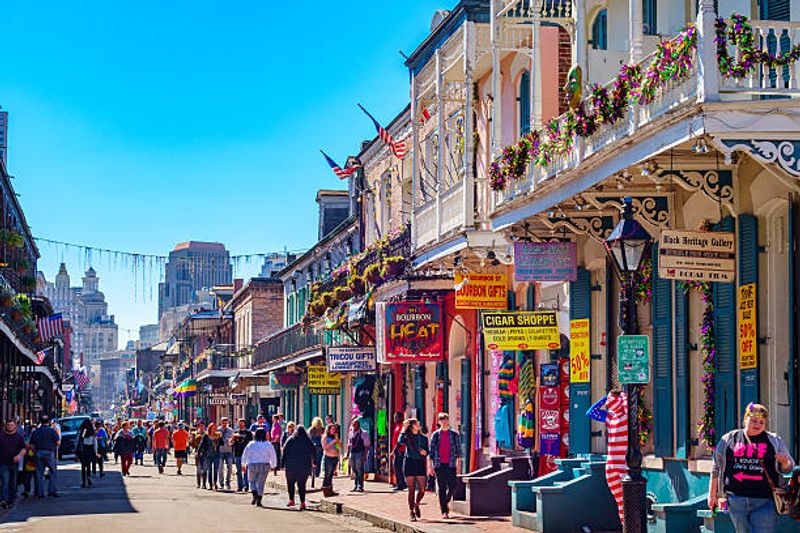
If you expect every Southern city to sound alike, New Orleans corrects that idea quickly. The local Yat accent has long surprised visitors because parts of it resemble older New York speech more than the broad Southern drawl outsiders expect.
That twist comes from the city’s unusual history as a port shaped by French, Spanish, Irish, Italian, German, African, and Caribbean influences, plus major trade links with the Northeast. Neighborhoods mattered enormously, and so did class, with white working-class areas especially preserving the Yat pattern through the twentieth century while Black New Orleans English followed its own rich local development.
Popular culture often flattens the city into jazz clichés, but its speech tells a more precise story about commerce, segregation, migration, and civic identity. Listen for where people place their vowels, how they handle certain consonants, and the conversational rhythm, and the city’s layered history becomes surprisingly easy to hear.
3. Chicago, Illinois
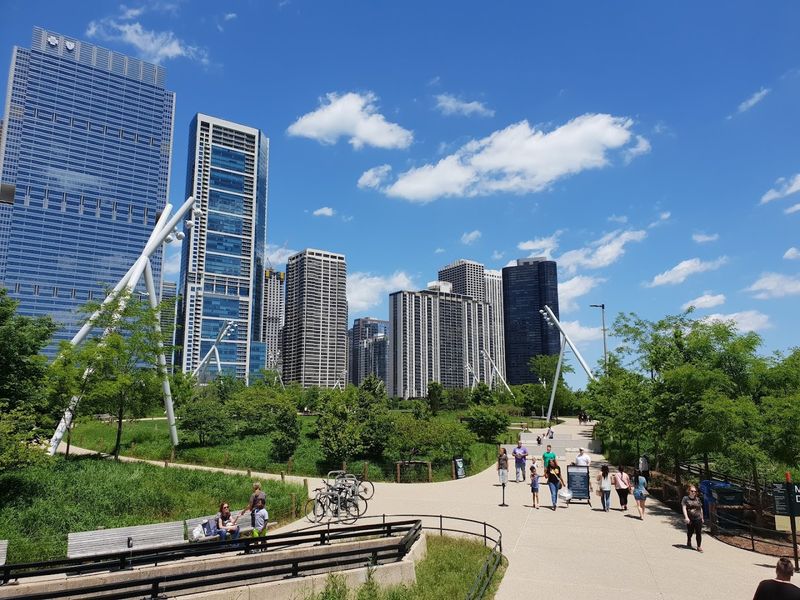
Chicago speech has a way of sounding familiar until one vowel suddenly gives it away. The city’s accent belongs to the Inland North, a region shaped by the Northern Cities Vowel Shift, which altered familiar words in ways linguists have tracked for decades.
Industrial growth pulled in migrants from across the Midwest, Europe, and the American South, and those populations helped create a sturdy urban voice tied to neighborhoods, parish schools, union households, and local sports culture. Television sketches and movie dialogue often exaggerate it, but the real thing tends to appear in short vowels, nasal placement, and certain words like block, bag, and dad.
Chicago also shows how accents evolve as metropolitan areas expand and demographics change. Younger speakers may soften some classic features, yet the city still carries a recognizable pattern that reflects factory-era mobility, Great Lakes settlement history, and a civic habit of speaking with plain efficiency and zero patience for fuss.
4. Pittsburgh, Pennsylvania
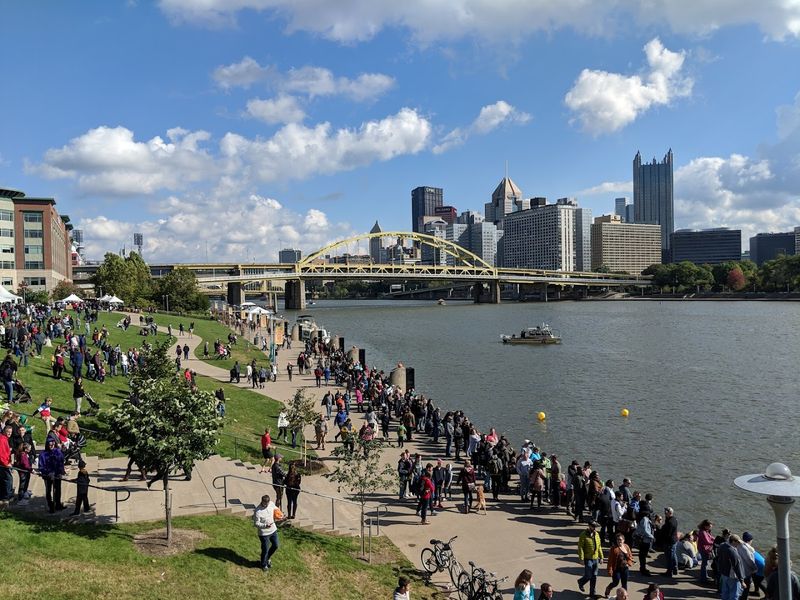
In Pittsburgh, one little word does a lot of civic work: yinz. The city’s speech, often called Pittsburghese, mixes distinctive vocabulary with vowel patterns and grammatical habits that reflect Scots-Irish settlement, industrial labor culture, and relative geographic isolation.
For generations, mills, rivers, and steep neighborhood boundaries kept communities closely connected, which helped local expressions stick. Terms like nebby, jagoff, and red up became markers of belonging, while pronunciation patterns gave the city a cadence that outsiders notice even before the vocabulary starts doing its part.
What keeps Pittsburgh fascinating is that its dialect carries both humor and serious linguistic history. Researchers have linked some features to broader Appalachian speech and some to older regional developments, while locals often use the accent as a badge of pride rather than something to hide.
When you hear it, you are catching traces of steel-town identity, front-porch conversation, and a city that turned ordinary language into hometown shorthand.
5. Philadelphia, Pennsylvania
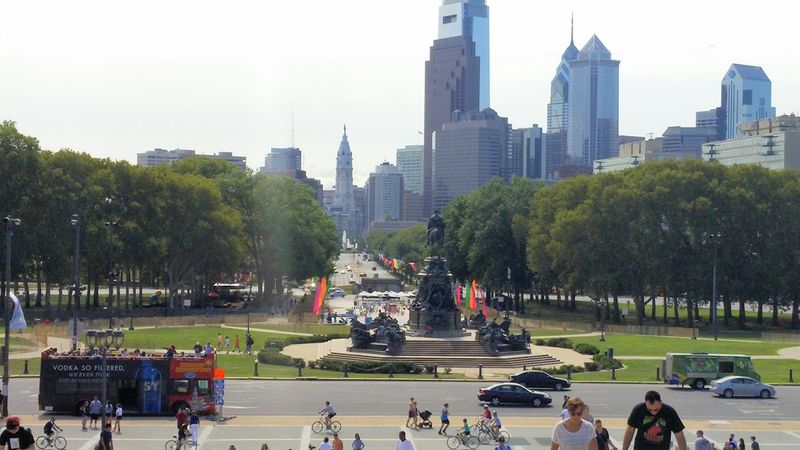
Philadelphia does not waste time introducing itself, and neither does its accent. The city’s speech stands out for sharp vowel shifts, especially in words like water, home, and down, giving everyday conversation a profile that lands somewhere near but not quite like New York or Baltimore.
That difference grew through a long urban history shaped by port commerce, manufacturing, Irish and Italian immigration, Black migration, and fiercely local neighborhood life. The accent became woven into rowhouse blocks, sports fandom, political machines, and a no-nonsense public style that television and film have borrowed for decades, sometimes accurately and sometimes with all the subtlety of a mascot.
Linguists often point to Philadelphia as one of the best-studied urban dialect regions in America because its vowel system changed noticeably over time. You can still hear class, race, and geography inside the city’s speech, which makes it more than a punchline.
It is a living map of local history, told one stubborn syllable at a time.
6. Baltimore, Maryland
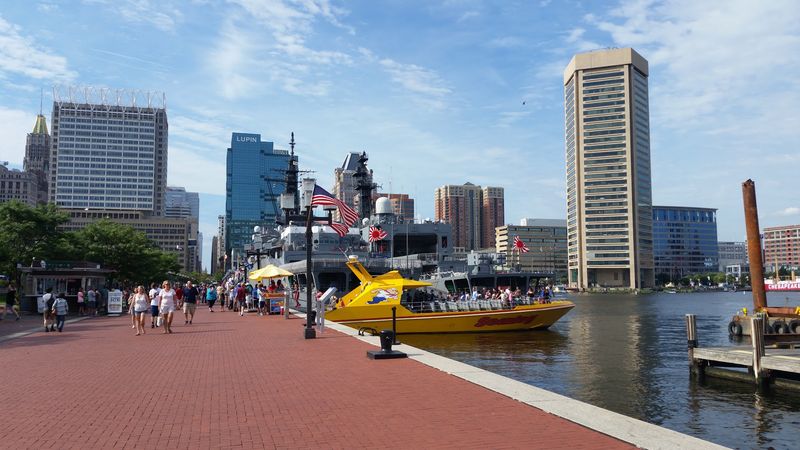
Baltimore speech can confuse first-time listeners in the most interesting way. Its rounded vowels and compressed city rhythm produce famous local renderings like Bawlmer and wooder, but those familiar examples only hint at a deeper regional pattern.
The accent developed in a mid-Atlantic city shaped by shipping, canning, industry, African American cultural influence, and close contact with Philadelphia and other East Coast centers. Distinct neighborhood identities helped preserve local pronunciations, while comedians, politicians, and native actors occasionally carried pieces of the sound into national view without fully explaining where it came from.
What makes Baltimore memorable is its resistance to neat categorizing. It is not quite Southern, not quite Northern, and not simply a variation on Philadelphia, even though listeners often group them together.
The city’s speech reflects its own urban history, from dockside commerce to rowhouse life, and it remains one of the clearest reminders that American accents do not follow state lines as neatly as maps would like.
7. Charleston, South Carolina
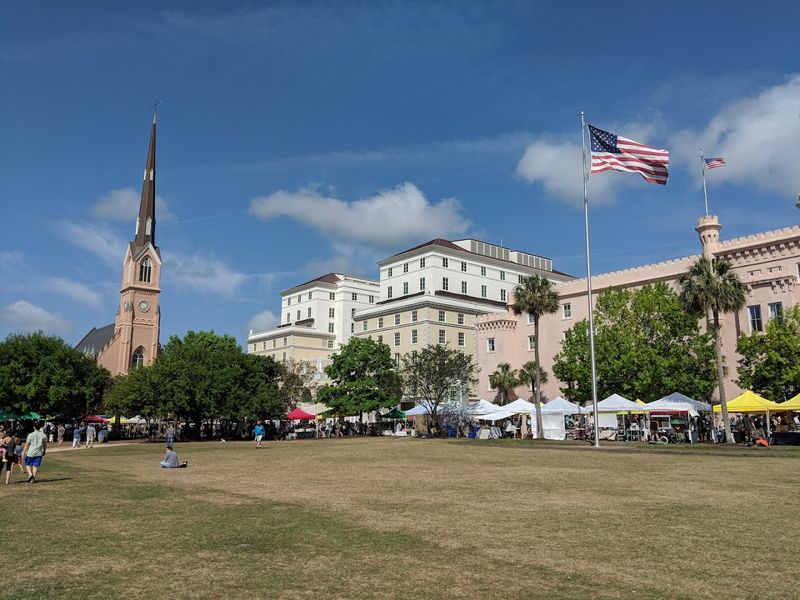
Charleston’s accent carries centuries of social history in a surprisingly compact package. Older versions of local speech were shaped by colonial settlement, Atlantic trade, and sustained contact among English, African, Caribbean, and later American influences in one of the South’s earliest major ports.
Writers have long described certain Charleston voices as refined or almost British, but that label can oversimplify a city with deep racial and class distinctions in speech. The so-called Charleston accent changed over time, especially as tourism, migration, and mass media reduced some older local features, yet traces still survive in pronunciation patterns, phrasing, and conversational pacing among longtime residents.
The city matters linguistically because it reminds you that accents can preserve social structure as much as geography. Charleston English once signaled education, family background, and old local ties in ways outsiders immediately noticed.
Even today, when the accent is less common than it was generations ago, it remains tied to a specific historical world of port commerce, regional prestige, and carefully guarded local identity.
8. Savannah, Georgia
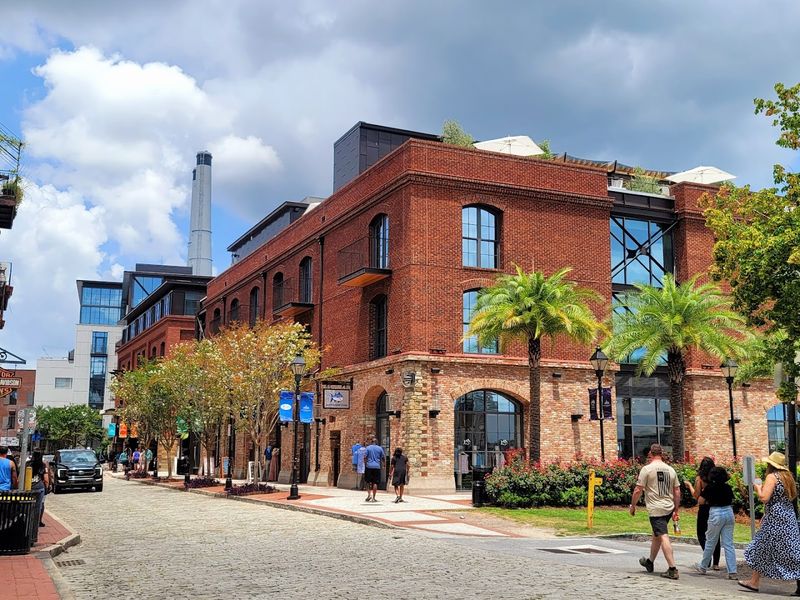
Savannah speaks with a history lesson tucked inside the vowels. The city’s accent is often described as graceful Southern speech, yet its real story is more specific, tied to coastal Georgia, port trade, class divisions, and the cultural exchange that shaped an old Atlantic city.
Nineteenth-century Savannah developed under the influence of English settlers, enslaved Africans, later immigrant communities, and regional elites who treated speech as social display. Over time, local pronunciation patterns blended with broader Southern features, while African American speech traditions contributed powerfully to the area’s linguistic life in ways popular descriptions often ignore.
Today, you are less likely to hear a fully old-line Savannah accent than earlier generations did, partly because of mobility, education patterns, and national media. Even so, longtime locals can still reveal a coastal cadence distinct from inland Georgia.
That matters because Savannah is not just another Southern city in accent terms. Its speech preserves clues about plantation-era hierarchy, maritime networks, and the long transformation of urban Southern identity.
9. Boston, Massachusetts
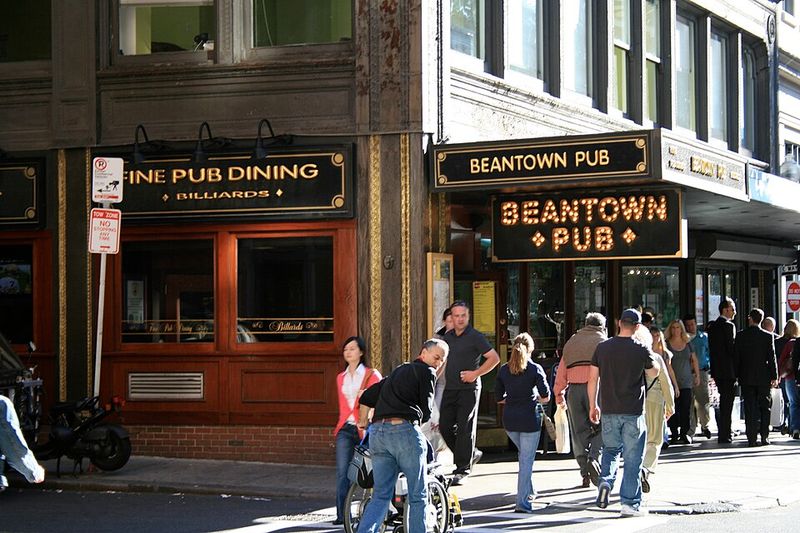
One sentence in Boston, and the alphabet starts negotiating. The city’s famous dropped R did not appear from nowhere, but grew from older English speech patterns that stayed strong in coastal New England through the 1800s.
Class identity shaped it too, since Brahmin speech, working-class neighborhoods, and later media stereotypes all pushed different versions of the accent into public view. By the late twentieth century, films, sports radio, and political impressions turned Boston talk into shorthand for blunt humor, local loyalty, and a certain refusal to smooth anything out for outsiders.
You still hear variation by age, race, and neighborhood, which matters more than the cartoon version suggests. When someone says Harvard Yard or talks about the Sox with that clipped rhythm, you are hearing a city that kept pieces of its colonial past, immigrant history, and working waterfront attitude in everyday speech.
10. Minneapolis, Minnesota
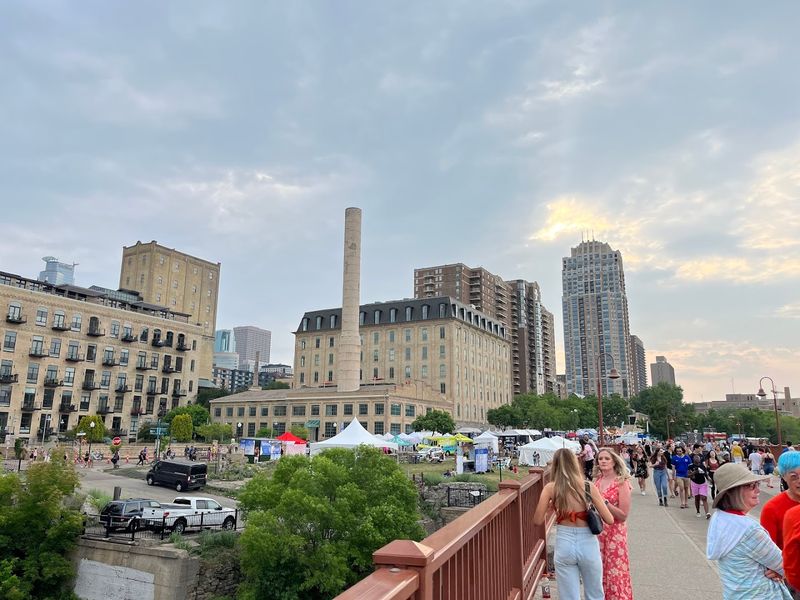
Minneapolis can make ordinary vowels sound like they signed a regional membership card. The city is strongly associated with Upper Midwest speech, a pattern shaped by Scandinavian and German settlement, internal migration, and a public culture that often values steadiness over theatrical delivery.
National audiences partly learned this accent through movies and television, especially late twentieth-century portrayals that leaned hard on long O sounds and extra-polite phrasing. The real version is less cartoonish, but you can still hear it in certain vowels, intonation patterns, and word choices that connect Minneapolis to Minnesota and nearby states across the northern tier.
What is interesting here is the gap between stereotype and daily speech. Not every resident sounds like a film character from 1996, and urban diversity has added many layers to local English, yet the regional imprint remains durable.
When someone from Minneapolis talks, you may be hearing traces of settlement history, Lutheran reserve, broadcasting conventions, and decades of Midwestern self-image packed into a few very recognizable syllables.
11. St. Louis, Missouri
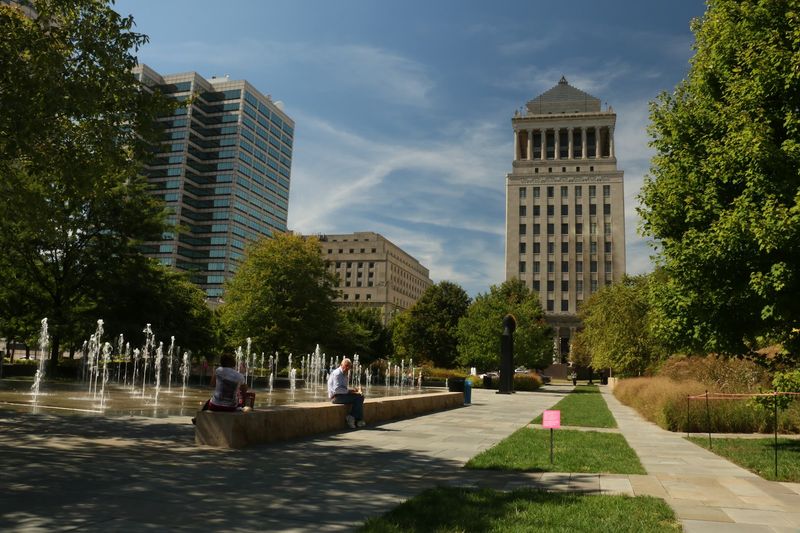
St. Louis hides one of America’s most discussed pronunciation quirks in plain conversation. The city is famous for local renderings that can make forty-four sound like farty-far, a feature that has amused outsiders for years and fascinated linguists for even longer.
Its speech reflects a crossroads city shaped by migration from the Upper South, the Midwest, and large German communities, plus the commercial pull of the Mississippi River. Because St. Louis sat between major dialect regions, local English developed traits that overlap with neighboring areas while still keeping a few signatures that longtime residents defend with good humor and considerable stubbornness.
The accent matters because it shows how regional speech can survive even when people insist they do not have one. Some traditional features are fading among younger speakers, especially in a more mobile metropolitan culture, but the city still carries audible markers of older neighborhood life and local schooling.
Listen closely, and St. Louis sounds like what it is: a borderland city with its own verbal paperwork.
12. Miami, Florida
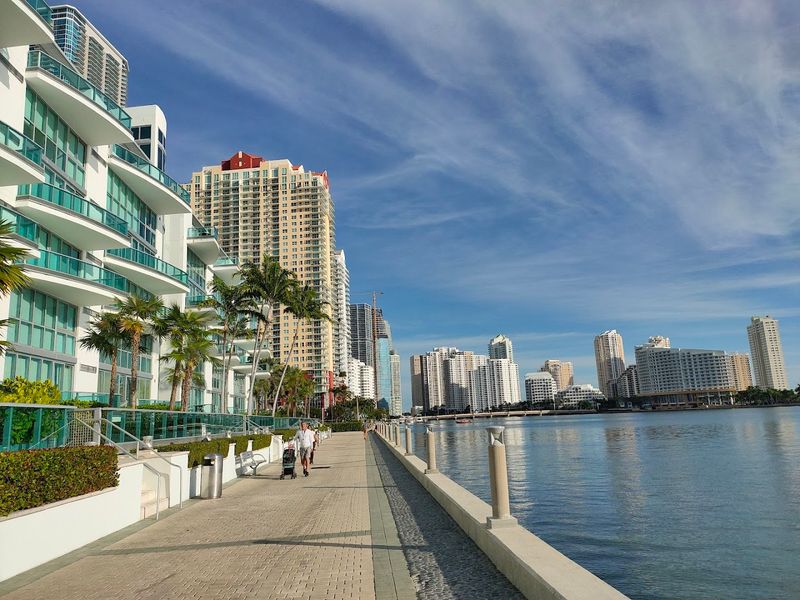
Miami proves that a city can invent a new English rhythm in real time. Its accent is often linked to Spanish influence, especially Cuban Spanish, but the larger story involves repeated migration waves from Latin America and the Caribbean reshaping local speech across schools, businesses, media, and neighborhoods.
Linguists have noted that even English-dominant speakers in Miami may use intonation and phrasing influenced by bilingual environments. That does not mean everyone sounds the same, because Miami includes many communities and language backgrounds, yet there is a recognizable local cadence that sets the city apart from older Southern Florida speech and from standard broadcast English.
This is one of the clearest examples of urban language change happening within living memory. A generation raised in bilingual households and multilingual classrooms turned contact between languages into a stable local feature rather than a temporary phase.
When you hear Miami English, you are hearing immigration history, radio and television markets, and a city that built its identity by making cultural mixture audible.
13. Houston, Texas
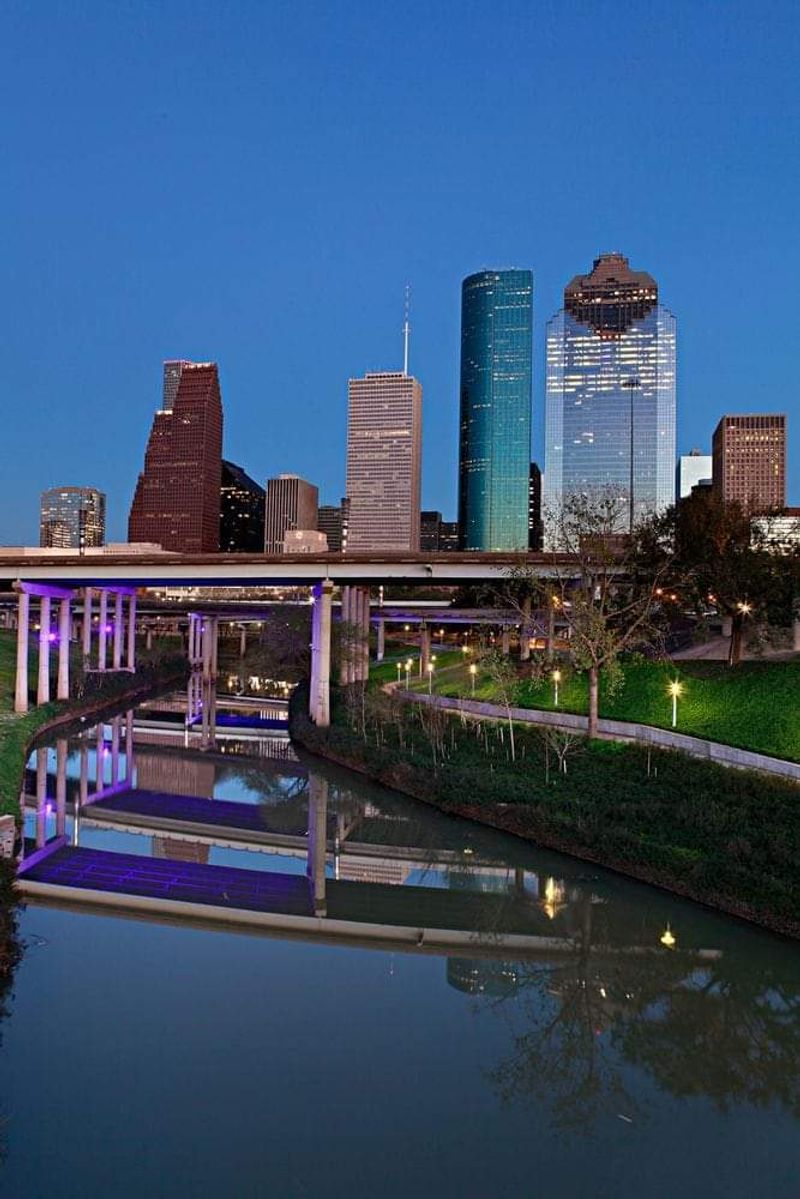
Houston sounds like several American stories talking at once. The city’s speech draws from Texas Southern patterns, Gulf Coast influences, African American linguistic traditions, and decades of migration from Louisiana, Mexico, Asia, and elsewhere, creating a local English that can shift noticeably by neighborhood and background.
That complexity makes Houston hard to reduce to the cowboy voice many outsiders expect from Texas. Energy booms, suburban expansion, public schools, and international business changed who lived there and how people spoke, while local Black and Latino communities shaped the city’s everyday rhythm in ways that deserve more attention than the usual drawl clichés.
You may still hear elongated vowels and familiar Texas phrasing, but Houston often sounds more urban and more mixed than national stereotypes allow. Its accent is not a museum piece preserved under glass.
It is an active record of late twentieth-century growth, Sun Belt economics, and multicultural city life. In other words, Houston tells you a lot about modern America before you even finish the first conversation.
14. Detroit, Michigan
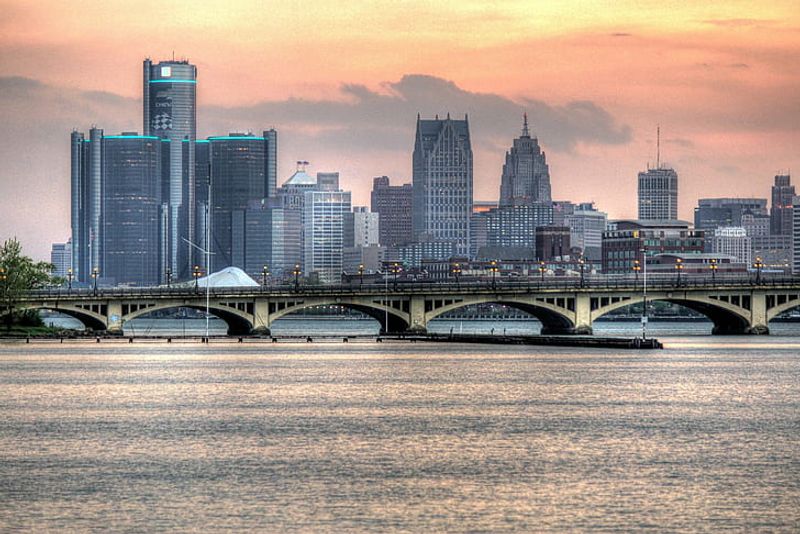
Detroit’s accent rides on Great Lakes history with unmistakable local tuning. It shares traits with other Inland North cities, especially vowel patterns linked to the Northern Cities Vowel Shift, but Detroit adds its own social history through auto industry growth, Black migration, suburbanization, and radio culture.
As factories expanded in the twentieth century, workers arrived from the South, Appalachia, Europe, and Canada, creating a city where multiple speech traditions met and interacted. White Detroit speech and African American Detroit speech developed along different paths, each carrying important markers of neighborhood life, music culture, and class identity that simple regional labels cannot fully capture.
The city’s voice also traveled far through Motown, sports broadcasting, and national news coverage, even when people did not realize what they were hearing. Some traditional vowel features have softened among younger speakers, especially in suburbs, yet Detroit remains distinctly audible within the Great Lakes region.
Listen closely, and the accent reveals industrial expansion, freeway-era separation, and a city that helped define modern urban America.



