 Unearth The Voyage
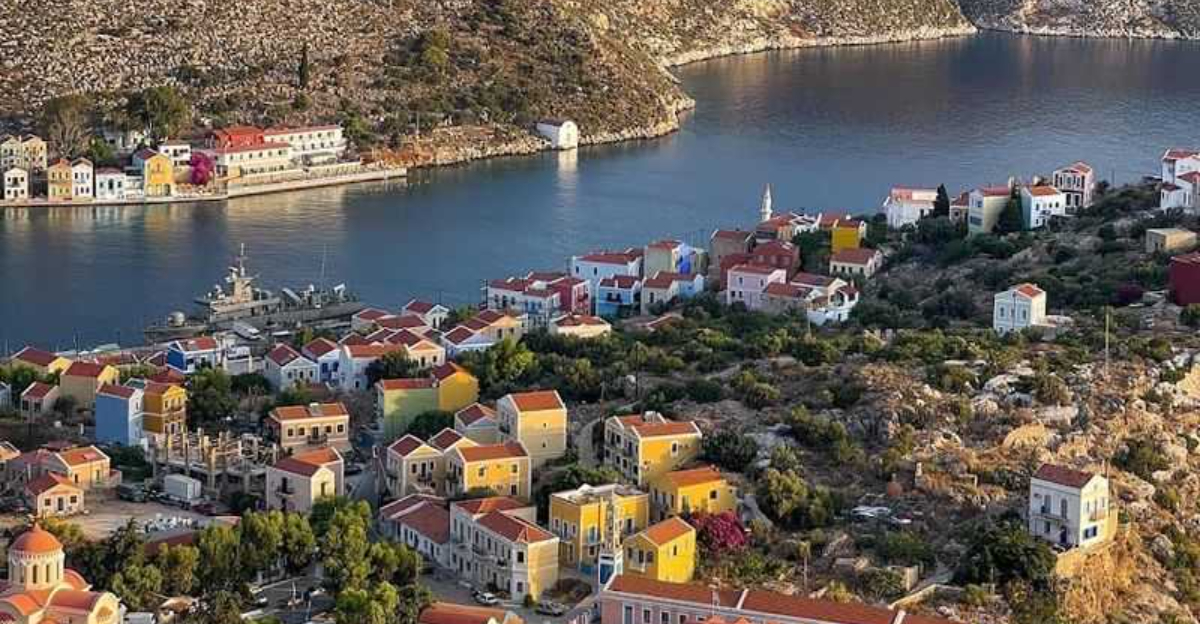
Greece is famous for Santorini sunsets and Athens ruins, but the country has a whole other side most tourists never see. Tucked between mountains, hidden on tiny islands, and scattered along forgotten coastlines are places that feel like they belong to you alone.
I stumbled onto one of these spots by accident a few years ago, and it completely changed how I travel. If you are ready to skip the crowds and find the real Greece, this list is your starting point.
Monemvasia
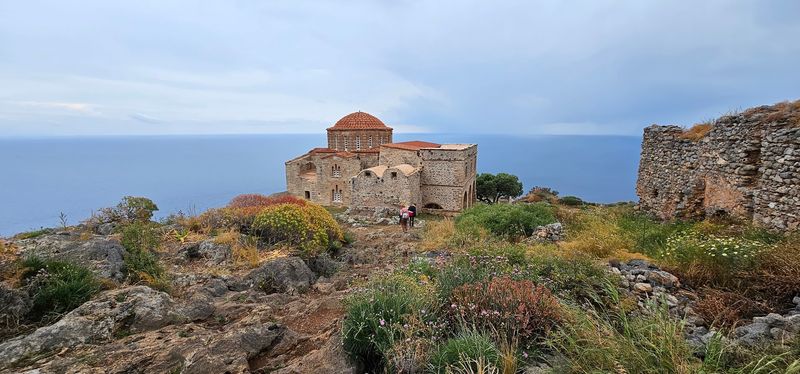
Monemvasia is basically a medieval city that forgot to fall apart. Perched on a giant rock jutting out of the sea in southern Greece, this walled town looks like something straight out of a fantasy novel.
Cars cannot enter, which means the only sounds are footsteps and seagulls.
The single narrow entrance gate is so small you almost miss it. Once inside, you walk through cobblestone lanes lined with stone houses, Byzantine churches, and bougainvillea spilling over old walls.
The upper town ruins offer sweeping views that make every climb worth it.
Stay overnight if you can. The crowds thin out after day-trippers leave, and the town takes on a completely different mood.
Local tavernas serve fresh seafood and local wine. Monemvasia is not just a place to visit.
It is a place to get genuinely lost in, on purpose.
Zagori
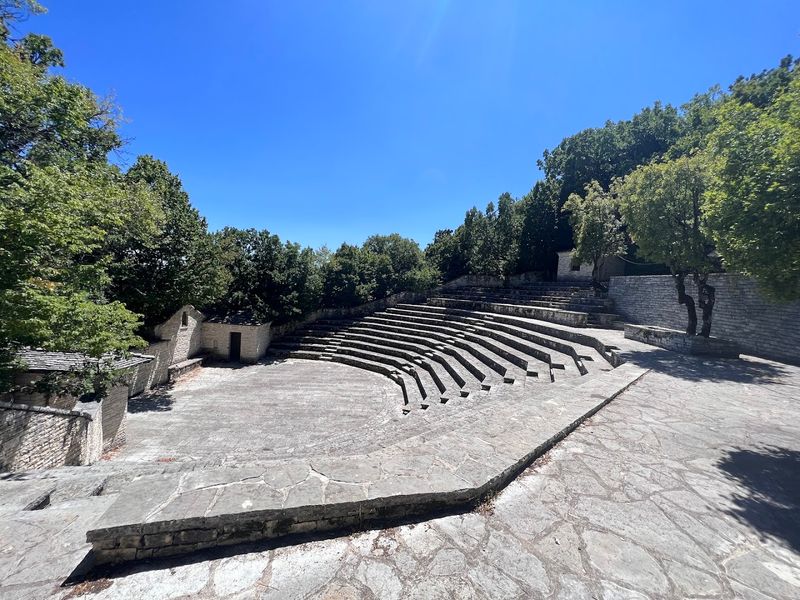
Forty-six stone villages, one jaw-dropping gorge, and zero pretension. Zagori sits in the Epirus region of northern Greece and feels more like Middle Earth than a Mediterranean destination.
The Vikos Gorge here holds a Guinness World Record for being one of the deepest gorges on Earth relative to its width.
The villages, called Zagorochoria, are connected by old stone paths and arched bridges built centuries ago without a single nail. Hiking between them is genuinely one of the best outdoor experiences Greece offers.
Bears and wolves still roam the surrounding Pindus mountains, which is either thrilling or terrifying depending on your personality.
Winter visits are underrated here. Snow-covered stone rooftops and wood-fire tavernas make the whole region feel like a well-kept Greek secret.
Pack good hiking boots, bring a map, and do not rely on phone signal. Zagori rewards those who come prepared and leave their expectations at home.
Prespa Lakes
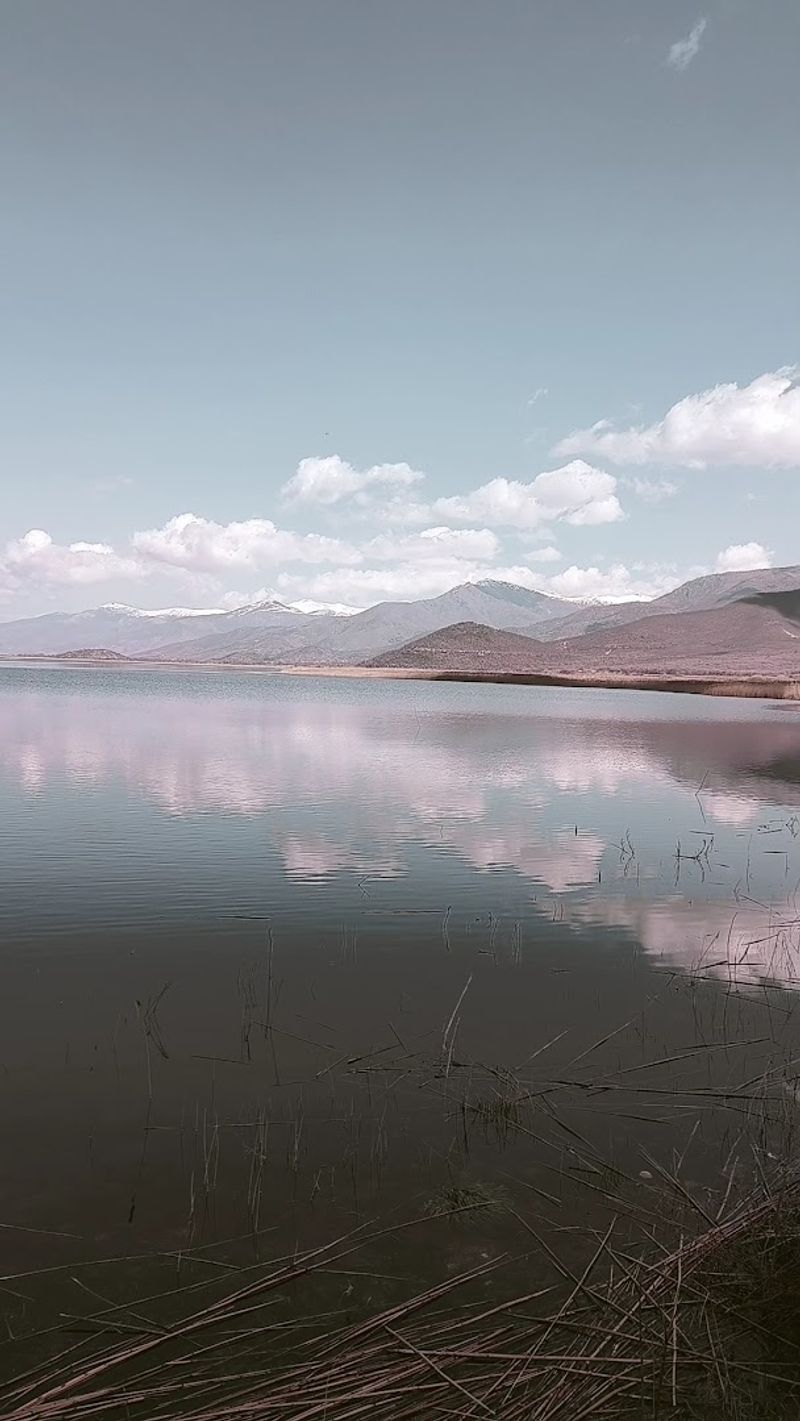
Three countries share these lakes and almost nobody talks about them. Prespa sits at the corner where Greece, Albania, and North Macedonia meet, making it one of the most geopolitically fascinating nature spots in all of Europe.
It is also spectacularly beautiful and completely uncrowded.
The lakes are a protected wetland and home to one of Europe’s largest colonies of Dalmatian pelicans. Watching hundreds of pelicans glide across the water at dawn is the kind of moment that makes you put your phone away.
Tiny fishing villages dot the shoreline, and the locals still make a living from the lake.
Getting here requires a bit of effort since public transport is limited. Renting a car is the smart move.
The drive through the mountains alone is worth the trip. Prespa is the kind of place that reminds you why slow travel beats rushing between tourist attractions every single time.
Pelion
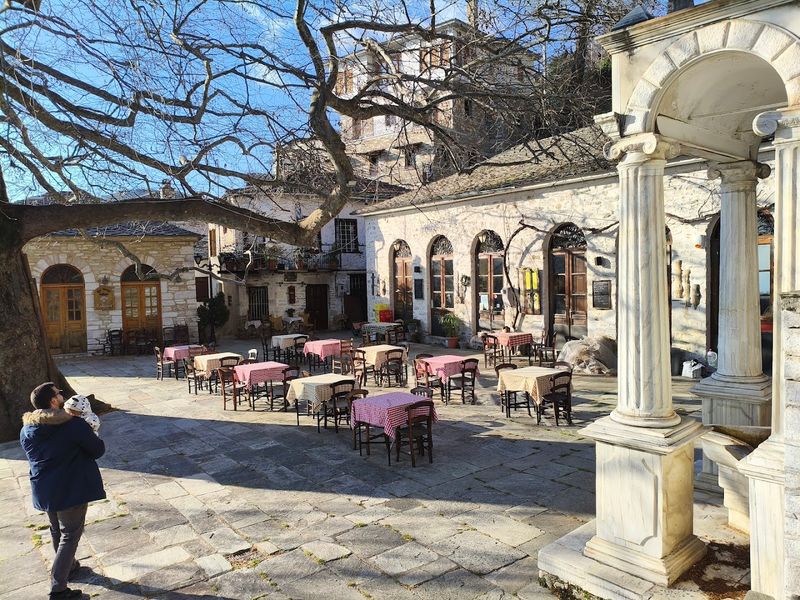
Greek mythology says the centaurs lived here, and honestly, after seeing Pelion, that story makes complete sense. This peninsula in central Greece is covered in dense chestnut and apple orchards, with stone villages perched at impossible angles above glittering bays.
It feels like two destinations in one.
The mountain side is cool, green, and full of shaded hiking trails. The coast below offers some of the clearest water in Greece, with beaches that somehow stay quiet even in summer.
Milies, Makrinitsa, and Tsagarada are among the most charming villages worth exploring on foot.
Local food is a serious highlight here. Spetzofai, a spicy sausage and pepper stew, is the regional specialty and pairs perfectly with a cold local beer after a long hike.
The narrow mountain roads are a bit of an adventure to drive, so take it slow. Pelion is not in a hurry, and neither should you be.
Mani
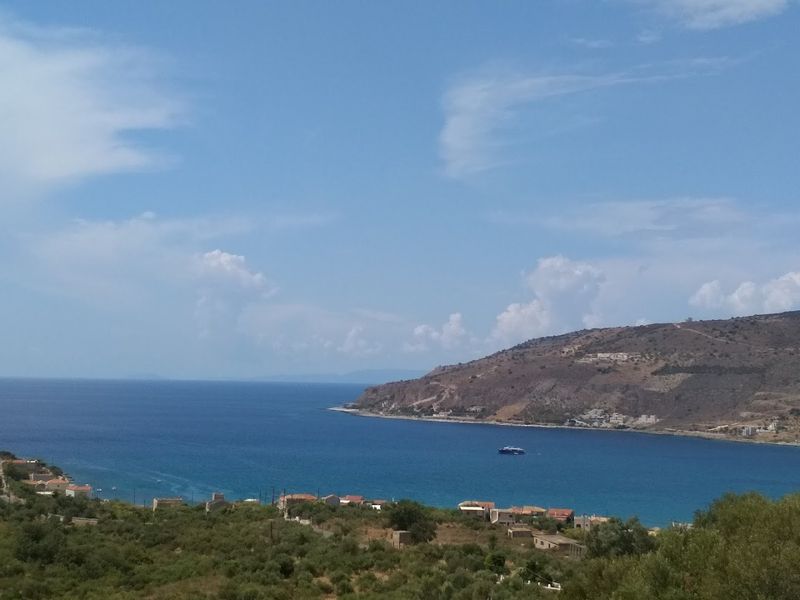
Mani is the kind of place that looks like it dares you to visit. The southernmost finger of the Peloponnese is covered in dramatic stone tower houses, built by local clans who spent centuries feuding with each other and occasionally with the Ottoman Empire.
The landscape is raw, dry, and completely captivating.
The towers were not just homes. They were weapons.
Families would build them taller than their neighbors to gain a military advantage. Some villages are now semi-abandoned, which gives the whole region an eerie, cinematic quality that photographers absolutely love.
Despite its tough reputation, Mani has excellent food and some surprisingly good beaches hidden between the rocky cliffs. Areopoli and Gerolimenas are great bases for exploring.
The locals are famously proud and independent, which is honestly quite refreshing. Come with curiosity and a full tank of gas.
The roads twist constantly, and the scenery around every corner is worth the extra miles.
Folegandros
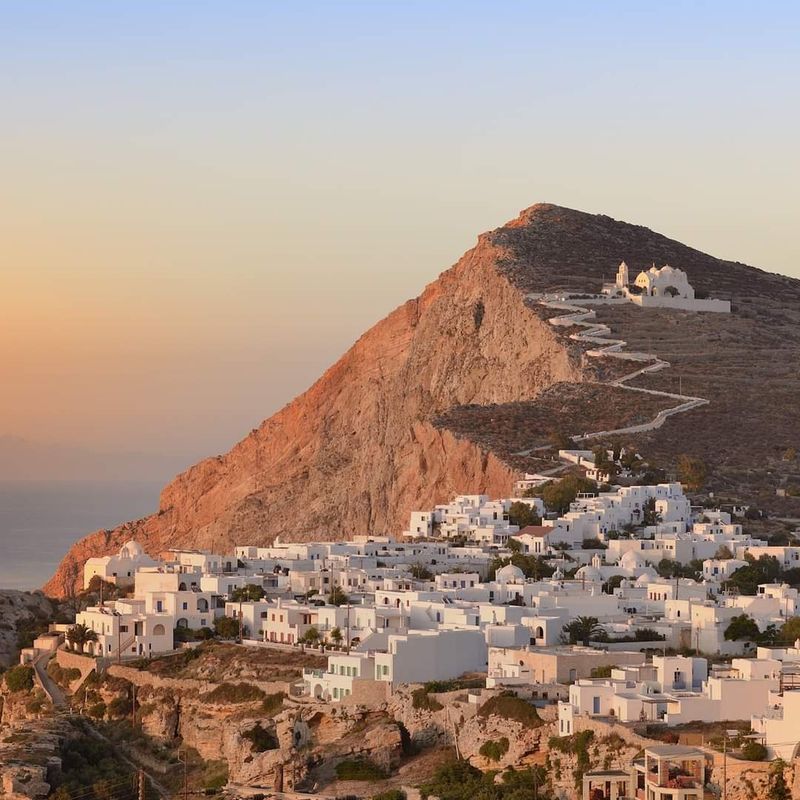
Folegandros has a strict no-nonsense policy on overdevelopment, and the island is all the better for it. There are no chain hotels, no party beaches, and no cruise ship crowds.
What you do get is a clifftop Chora so perfectly preserved it looks like a film set, except it is completely real.
The main village sits on top of a dramatic cliff and has been continuously inhabited since ancient times. Narrow passages between white-washed houses open suddenly onto terraces with views that stop conversations mid-sentence.
The church of Panagia, reached by a steep path, is the island’s most iconic sight.
Folegandros attracts a quieter crowd: readers, hikers, couples, and people who genuinely need a break from noise. The beaches require some effort to reach, often involving a hike or a boat, which keeps them blissfully uncrowded.
One week here feels more restorative than two weeks anywhere else in the Cyclades.
Amorgos
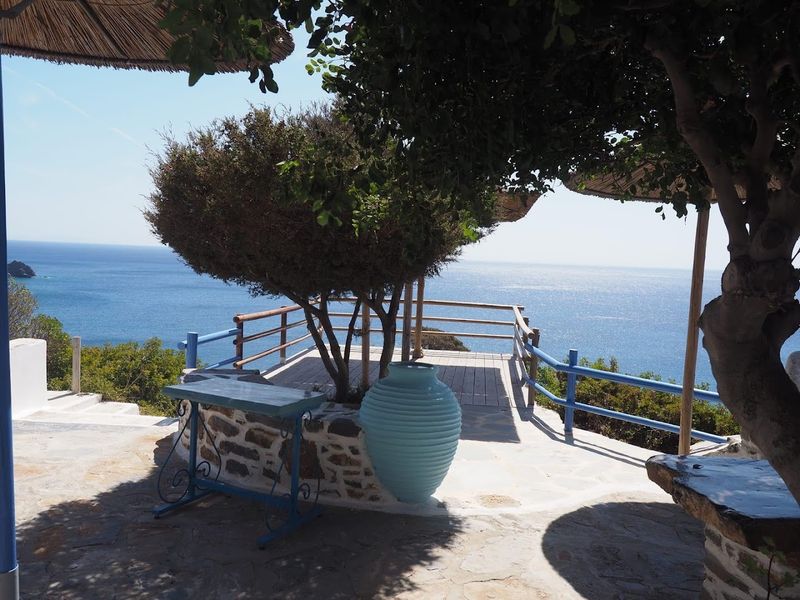
Amorgos is the island that launched a thousand bucket lists after the film The Big Blue was shot here in 1988. Yet somehow, it still feels refreshingly uncrowded.
The Hozoviotissa monastery, built directly into a white cliff above the sea, is one of the most extraordinary buildings in all of Greece.
Visiting the monastery requires modest dress and a willingness to climb 300 rock-cut steps. The monks inside will offer you loukoumades and local liqueur, which makes the climb immediately worthwhile.
The views from the cliff are genuinely hard to process.
Beyond the monastery, Amorgos has excellent hiking trails connecting its three main villages and some of the best diving spots in the Aegean. The island runs on a slower clock than most.
Shops close for afternoon naps, dinner starts late, and nobody seems particularly rushed about anything. That attitude is contagious in the best possible way.
Pack light, stay long.
Astypalaia
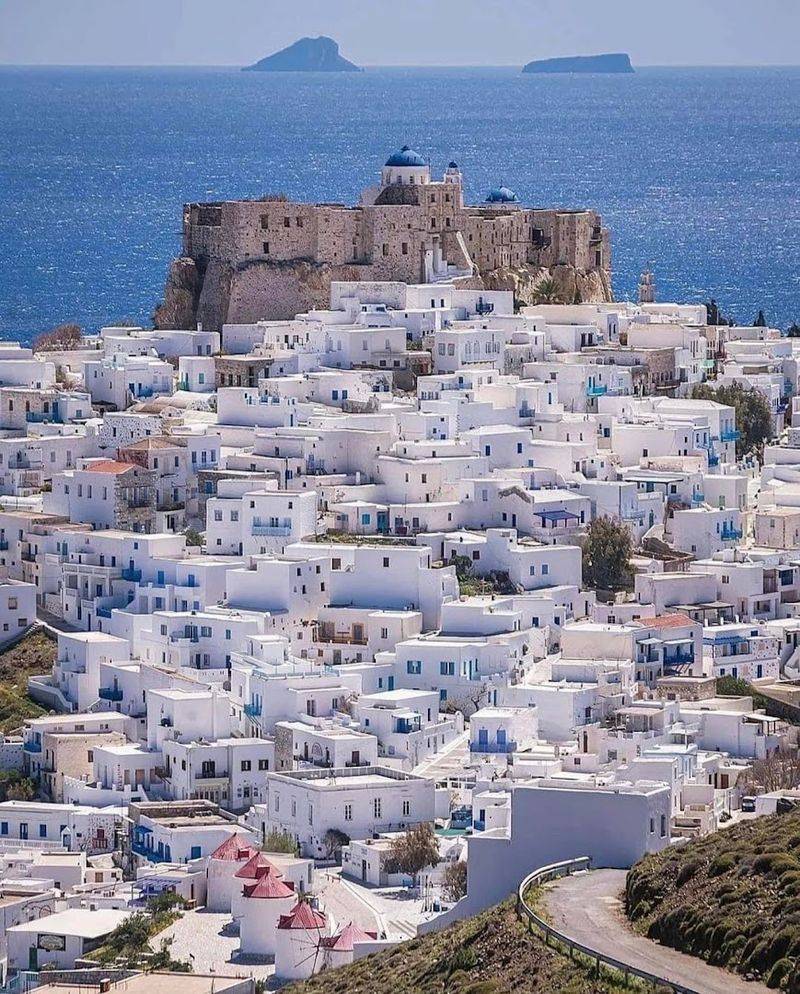
Shaped like a butterfly, Astypalaia is one of those islands that looks almost too pretty to be real when you see it from the ferry. A Venetian castle crowns the hilltop Chora, and the white windmills below it have been photographed from every possible angle.
The whole scene belongs on a postcard.
What makes Astypalaia special is its split personality. The western half is rocky and dramatic with deep blue bays.
The eastern half, connected by a narrow strip of land, is greener and quieter. Renting a scooter and crossing between them in a single day is one of the great small adventures of Greek island travel.
The island sits between the Cyclades and the Dodecanese, which gives it a cultural mix that feels unique. Fish tavernas line the harbor, cats outnumber tourists, and the pace of life is gloriously unhurried.
Astypalaia does not try to impress anyone. It just does, effortlessly and every single time.
Kastellorizo
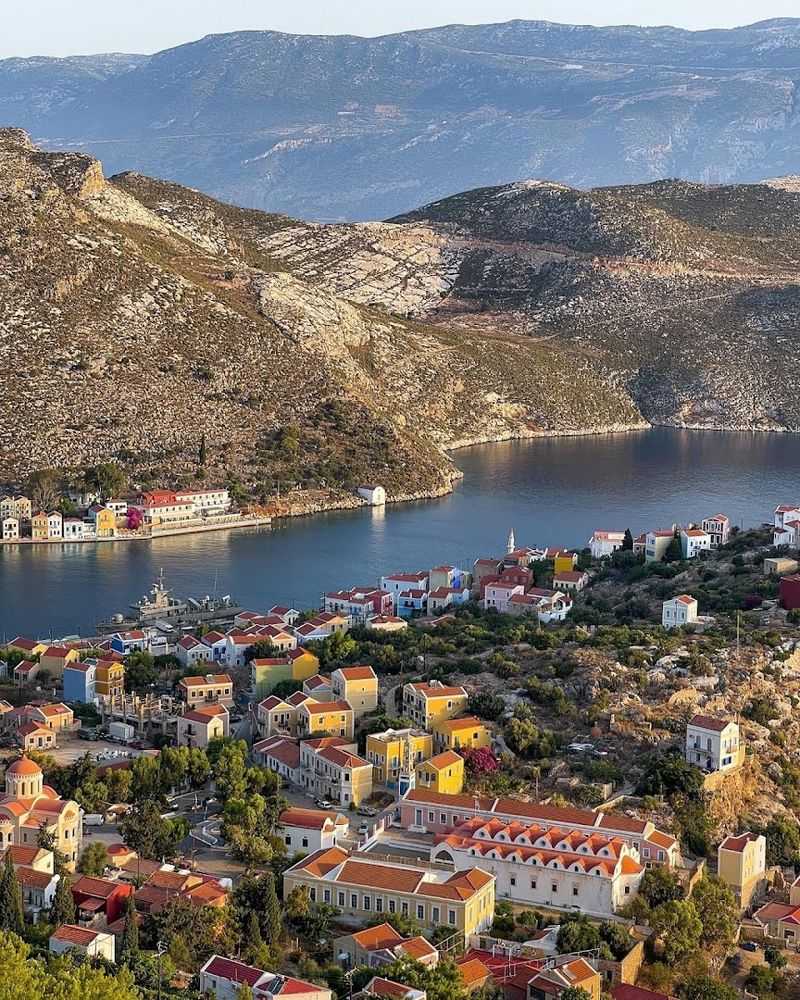
Kastellorizo is so small you can walk the entire harbor front in ten minutes, but this tiny island punches well above its weight in charm. It sits just two kilometers from the Turkish coast and has a history so dramatic it could fill several novels.
The 1944 film Mediterraneo was shot here and won an Oscar, which the locals are still quietly proud of.
The harbor is lined with colorful neoclassical mansions that were once home to a thriving community of over 10,000 people. Today the population is closer to 500, which gives the island a slightly melancholic beauty.
The Blue Cave nearby is one of the most spectacular sea caves in the Mediterranean.
Getting here involves a flight from Rhodes or a ferry, and the effort filters out casual visitors. The people who make it tend to stay longer than planned.
One dinner at a harborside table, watching the lights reflect off the water, and you will understand exactly why.
Limnos
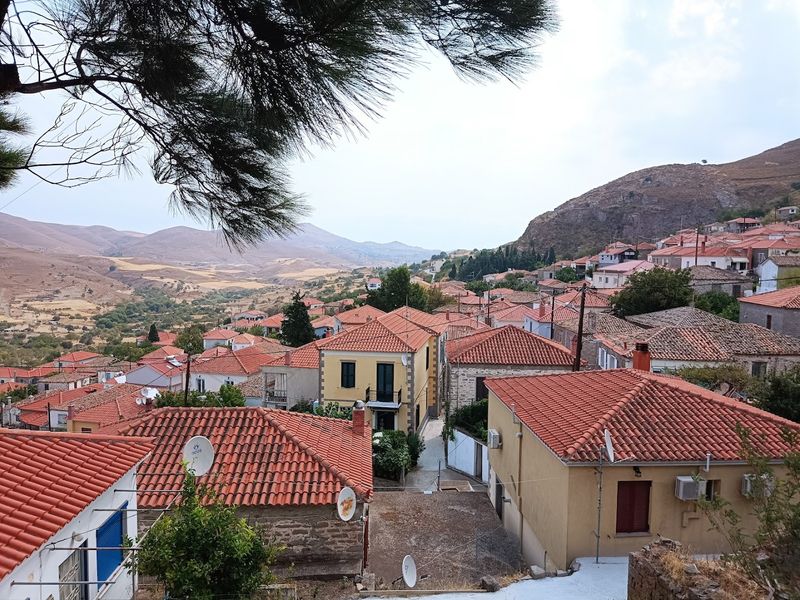
Limnos gets overlooked constantly, and that is a genuine gift for the people who actually show up. This large northern Aegean island has a volcanic landscape unlike anything else in Greece: rolling hills, dramatic rock formations, and wide sandy beaches that stay quiet all summer long.
No package tourists, no party strips.
Myrina, the capital, has a working harbor and a Byzantine castle that looms over the town in a very satisfying way. The local wine, made from the Muscat of Alexandria grape, is worth seeking out specifically.
Pair it with local cheese and fresh octopus and you have yourself a very solid afternoon.
The island also has strong historical significance from World War One, with Mudros Bay serving as the Allied naval base for the Gallipoli campaign. A Commonwealth War Graves cemetery sits quietly outside the town.
Limnos carries its history with dignity. It is not just a beach destination.
It is a place with genuine depth.
Ikaria
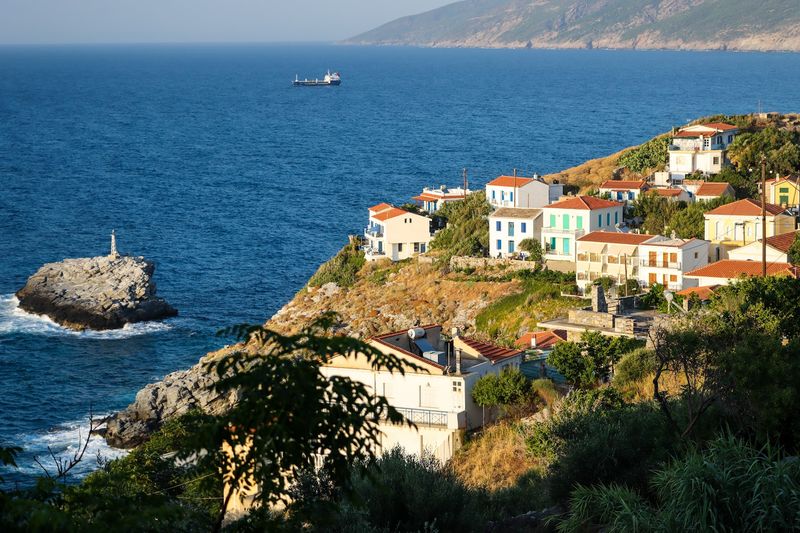
Ikaria is famous for something unusual: its residents forget to die. The island is one of the world’s five Blue Zones, where people routinely live past 90 in excellent health.
Scientists have studied the locals for years trying to figure out the secret. The answer seems to involve red wine, afternoon naps, dancing, and a complete disregard for schedules.
The island runs on its own time, quite literally. Ferries arrive when they arrive.
Restaurants open when the cook feels like it. Festivals, called panegyria, go all night and involve the entire village.
I went to one expecting to leave by midnight. I left at sunrise, dancing with an 85-year-old man who absolutely outpaced me.
Beyond the legendary lifestyle, Ikaria has beautiful hiking trails, thermal hot springs, and wild coastlines with no infrastructure whatsoever. The people are warm but fiercely independent.
Ikaria does not cater to tourists. It just lets you join in, which is far better anyway.
Kythera
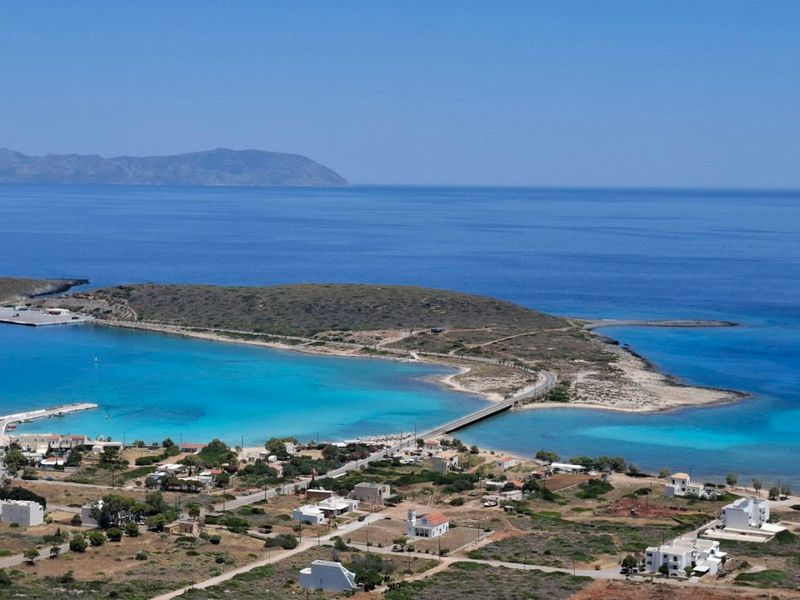
Kythera sits at the bottom of the Peloponnese like a full stop at the end of a sentence, belonging to neither the Ionian nor the Aegean island groups. This geographical awkwardness has kept it wonderfully off the main tourist trail for decades.
Mythology says Aphrodite was born from the sea foam near these shores, which is a very good start for any island.
The island has a Venetian castle, dozens of waterfalls, and a coastline with hidden coves that take some genuine effort to find. That effort is absolutely the point.
Mylopotamos, a village built around a waterfall, is one of the prettiest spots in all of Greece and sees a fraction of the visitors it deserves.
A large Greek-Australian diaspora means the island has a slightly cosmopolitan edge without losing its authentic character. Good coffee, interesting galleries, and excellent tavernas sit alongside crumbling Byzantine churches.
Kythera rewards slow exploration. Give it at least four days and it will reward you generously.
Nisyros
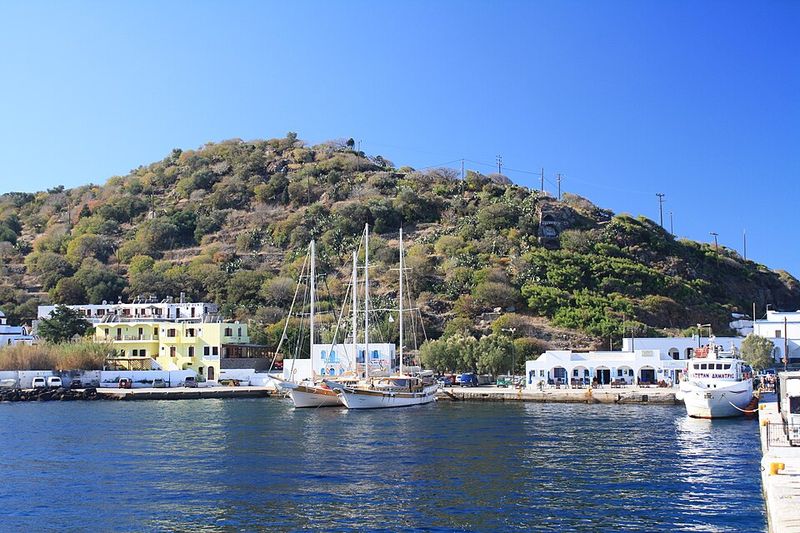
Nisyros is a volcano. An active one.
The entire island is essentially a volcanic crater with a village on top, which is either the coolest or most alarming travel concept depending on your outlook. The caldera in the center of the island hisses and steams and smells strongly of sulfur, and visitors walk right down into it on a path that feels genuinely prehistoric.
The main village of Mandraki is painted in vivid yellow and white, with a Black Castle built from volcanic rock sitting above it. The contrast between the cheerful village colors and the dramatic geology below is quite something.
Local bread baked in wood-fired ovens and pitaroudia, chickpea fritters, are the must-try foods here.
Day-trippers arrive from Kos and leave by afternoon, so staying overnight transforms the experience completely. The island quiets down, the cats come out, and Nisyros becomes entirely your own.
Few places in Greece offer this kind of geological drama paired with such genuine tranquility.
Karpathos
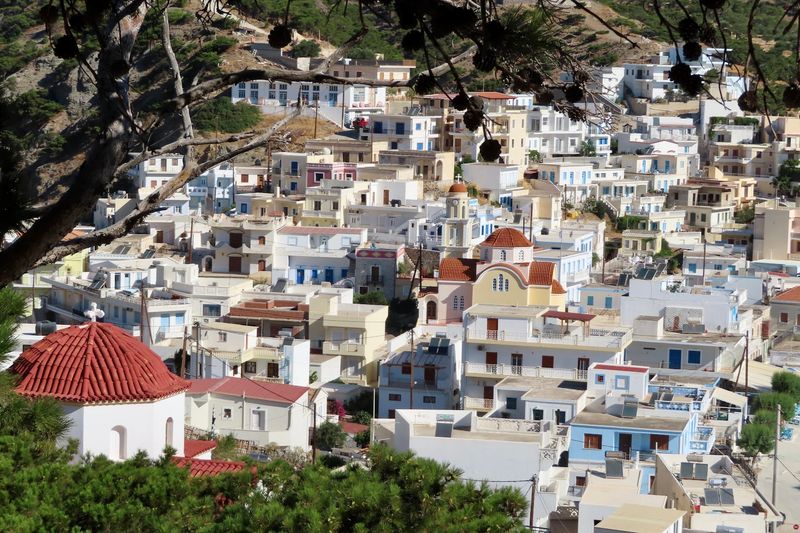
Karpathos sits between Rhodes and Crete and has somehow managed to stay culturally intact in ways that most Greek islands gave up on decades ago. The remote northern village of Olympos is the most striking example: women still wear traditional embroidered dress daily, not for tourists but because that is simply what they do.
It is living culture, not a performance.
The island has two distinct personalities split by a mountain range. The south has developed beaches and good infrastructure.
The north, accessible only by boat or a white-knuckle mountain road, is wild, windy, and extraordinary. Diafani, the northern port, is a good base for exploring the area without the fuss of organized tours.
Karpathos is also a world-class windsurfing destination, with Chicken Bay drawing professionals from across Europe. Even if you have no interest in windsurfing, watching experts get launched off the waves is genuinely entertaining.
The island has range, character, and just enough edge to keep things interesting throughout your stay.



