 Unearth The Voyage
Croatia has become one of Europe’s hottest travel destinations, and 2026 is shaping up to be an incredible year to experience everything this Adriatic paradise has to offer. From ancient Roman ruins and medieval walled cities to pristine national parks and sun-drenched islands, Croatia packs a remarkable variety of experiences into one stunning country.
Whether you’re a history buff, beach lover, foodie, or adventure seeker, this guide will help you make the most of your Croatian journey.
Explore Plitvice Lakes National Park — Majestic Waterfalls & Lakes
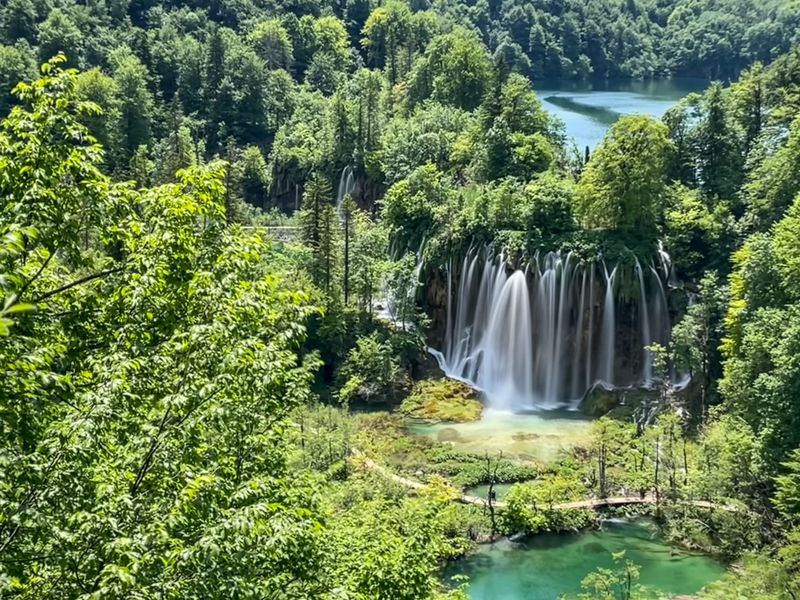
Stepping into Plitvice Lakes feels like entering a fantasy world where water takes center stage in the most spectacular way imaginable. This UNESCO World Heritage Site showcases 16 terraced lakes that spill into each other through countless waterfalls, creating a symphony of rushing water and mist.
The park’s wooden walkways and trails let you get incredibly close to the action without disturbing the delicate ecosystem. You’ll cross right over crystal-clear streams where you can see fish swimming below, and some paths take you so near the falls that you’ll feel the cool spray on your face.
Spring brings wildflowers and full waterfalls fed by snowmelt, while autumn transforms the surrounding beech and fir forests into a riot of gold and crimson. Summer offers the warmest weather but also the biggest crowds, so arriving early morning gives you the best chance at peaceful exploration.
Photography enthusiasts should bring extra memory cards because every turn reveals another postcard-perfect scene. The interplay of light on the turquoise water, especially during golden hour, creates images you’ll treasure forever and makes this natural wonder absolutely unmissable on any Croatian adventure.
Walk the Dubrovnik Old Town & City Walls — History With Views
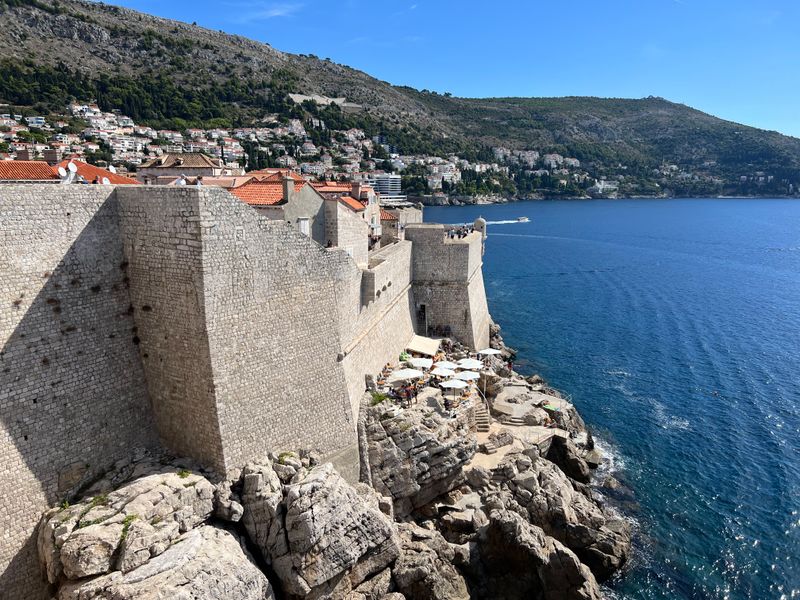
Dubrovnik earned its nickname “Pearl of the Adriatic” for good reason, and walking its massive limestone walls gives you the perfect vantage point to understand why. These fortifications stretch nearly two kilometers and rise up to 25 meters high in places, offering jaw-dropping views at every turn.
The walk takes about two hours if you stop frequently for photos, which you absolutely will. Looking inward, you’ll see a sea of terracotta roofs punctuated by church spires and bell towers, while the outward view showcases the impossibly blue Adriatic crashing against rocky cliffs.
Down in the Old Town itself, marble-paved streets lead past baroque churches, Renaissance palaces, and charming cafés tucked into shaded squares. The main thoroughfare, Stradun, gleams from centuries of foot traffic polishing its limestone to a mirror shine.
Game of Thrones fans will recognize filming locations around every corner, but the city’s real-life history as a powerful maritime republic is even more fascinating. Visit early morning or late afternoon to avoid the cruise ship crowds and the intense midday heat that bounces off those stone walls and makes the walk considerably more challenging than it needs to be.
Island Hop Along the Dalmatian Coast — Sea & Sun Afloat
Croatia boasts over 1,000 islands scattered along its Adriatic coastline, though only about 50 are inhabited, creating the perfect playground for island-hopping adventures. Each island develops its own distinct personality, from party-centric Hvar to sleepy Vis with its hidden beaches and military past.
Regular ferry services connect the major islands, making independent travel easy and affordable. Catamarans offer faster trips between popular destinations, while traditional ferries give you more deck space to soak up sun and sea breeze during the journey itself.
Korčula claims to be Marco Polo’s birthplace and charms visitors with its medieval towers and excellent white wines. Brač produces some of Croatia’s finest stone (used in the White House) and hosts the famous Zlatni Rat beach that shifts shape with currents and winds.
For a more authentic experience, smaller islands like Šolta or Mljet offer quieter villages where fishing boats still outnumber tourist yachts. Pack light since you’ll be hauling luggage on and off boats, and always check ferry schedules in advance because service reduces significantly outside peak summer months, potentially leaving you stranded longer than planned on your island paradise.
Visit Split’s Diocletian’s Palace — Roman Legacy Alive Today
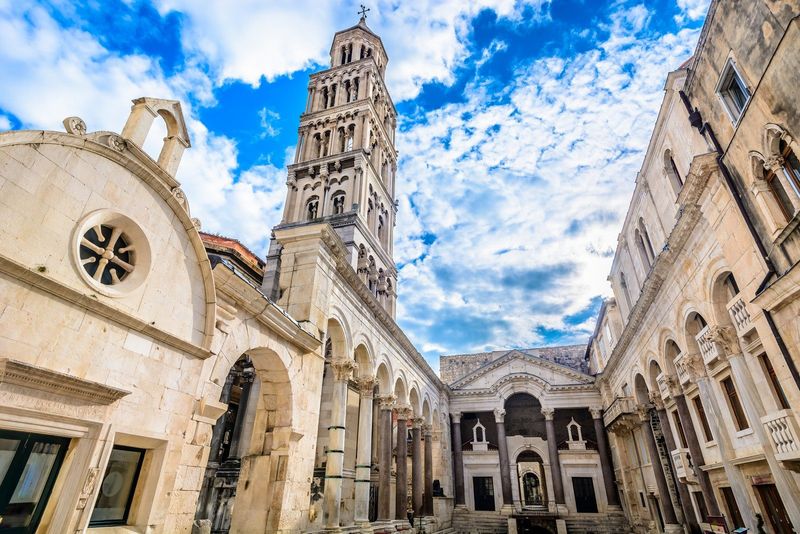
Most ancient ruins sit roped off behind barriers, but Diocletian’s Palace breaks all the rules by functioning as Split’s living, breathing city center where 3,000 people actually reside. Built in the 4th century as the Roman emperor’s retirement villa, this massive complex now houses apartments, restaurants, shops, and even a cathedral built into the former mausoleum.
Wandering through the palace feels like time-traveling through layers of history. Roman columns support medieval houses, Renaissance windows peer from ancient walls, and modern boutiques occupy spaces where imperial guards once stood watch.
The basement halls, which once served as storage and service areas, now host vendors and exhibitions while perfectly preserving the palace’s original layout. Above ground, the Peristyle square serves as Split’s main gathering spot where locals meet for coffee surrounded by 1,700-year-old architecture.
Climbing the cathedral’s bell tower rewards you with panoramic views over Split’s red rooftops and the harbor beyond. The palace covers about half of Split’s Old Town, so comfortable walking shoes are essential for exploring its maze of narrow passages, hidden courtyards, and unexpected architectural treasures around every corner that reveal new details with each visit.
Discover the Roman Amphitheatre in Pula — Ancient Arena
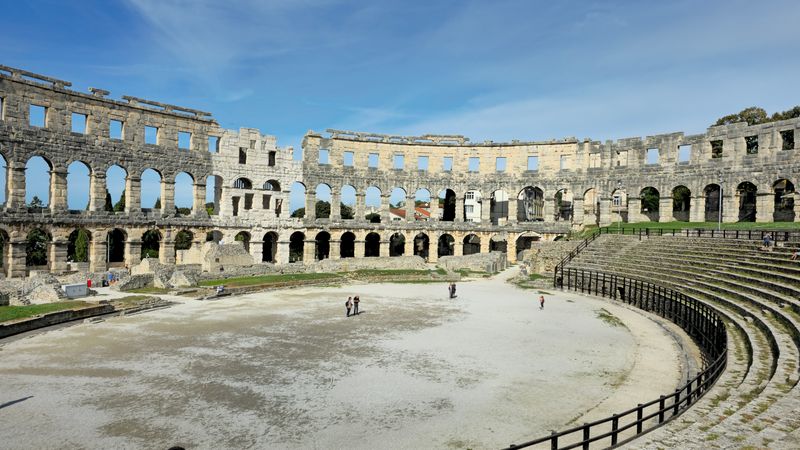
Pula’s Arena stands as one of only six remaining Roman amphitheatres with all four side towers still intact, making it an architectural marvel that rivals even Rome’s Colosseum in preservation quality. Built in the 1st century, this massive structure once hosted gladiatorial combat for up to 20,000 spectators who gathered for blood sport and entertainment.
Walking through the stone corridors where gladiators once prepared for battle sends chills down your spine. The underground passages now house an excellent exhibition on ancient olive oil production and viticulture in Istria, connecting visitors to the region’s agricultural heritage.
The arena floor, where sand once soaked up gladiator blood, now hosts summer concerts and film festivals that pack modern audiences into ancient seating. Standing in the center and looking up at the towering walls helps you imagine the roar of thousands of Romans cheering for their favorite fighters.
Evening visits offer magical lighting that illuminates the honey-colored limestone and creates perfect photography conditions. The amphitheatre’s location right in Pula’s city center means you can easily combine your visit with exploring the town’s other Roman monuments, including temples and triumphal arches that prove this coastal city’s importance in the ancient world.
Swim at Zlatni Rat Beach, Brač — Iconic Adriatic Shore
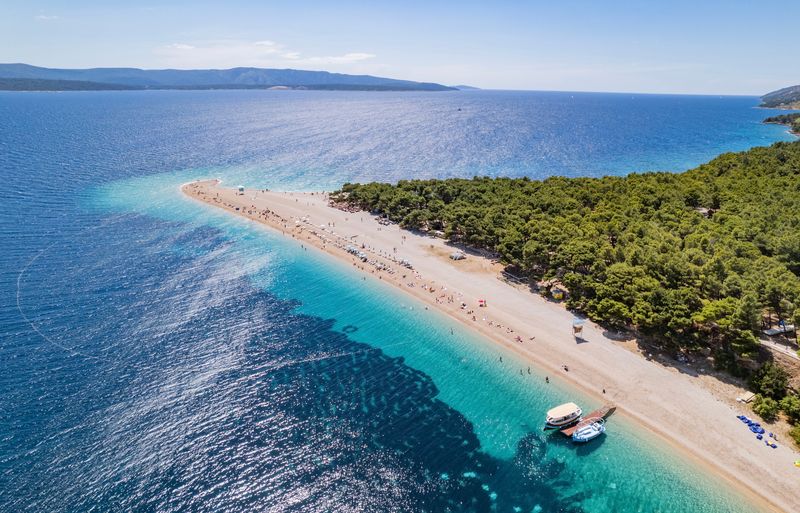
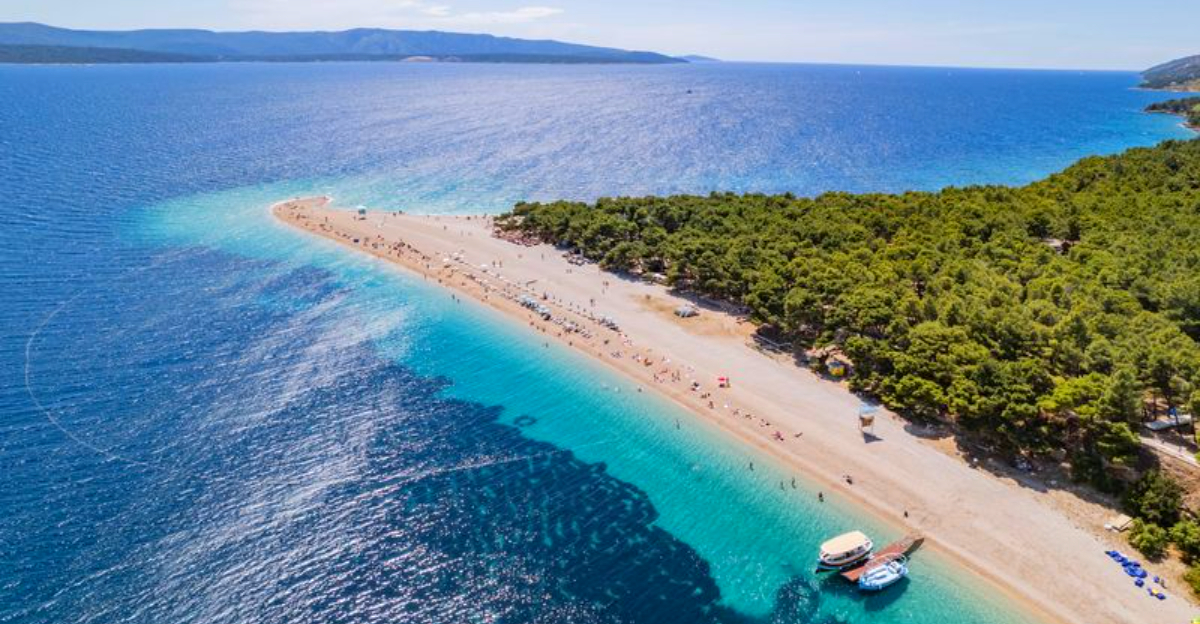
Nature created a masterpiece when it formed Zlatni Rat, a peculiar peninsula of white pebbles that juts into the sea like a giant finger pointing toward the island of Hvar. The beach’s tip constantly shifts direction depending on winds, currents, and waves, meaning it literally looks different every time you visit.
Crystal-clear turquoise water surrounding the spit reaches pleasant temperatures by June and stays warm through September. The pebbles rather than sand mean the water stays remarkably transparent, perfect for snorkeling and spotting fish darting between underwater rocks.
Pine forests behind the beach provide welcome shade during scorching afternoon hours, and their fragrant needles perfume the air with that distinctive Mediterranean scent. The steady winds that shape the beach also make this one of Croatia’s premier windsurfing and kitesurfing spots, with rental equipment and lessons available.
The beach gets absolutely packed during July and August, so visiting in June or September offers a more relaxed experience with equally beautiful weather. Water shoes are highly recommended because those smooth pebbles can be tough on tender feet, especially when heated by the summer sun to temperatures that make walking barefoot a challenging exercise in pain tolerance.
Visit Krka National Park — Waterfalls & Swim Spots
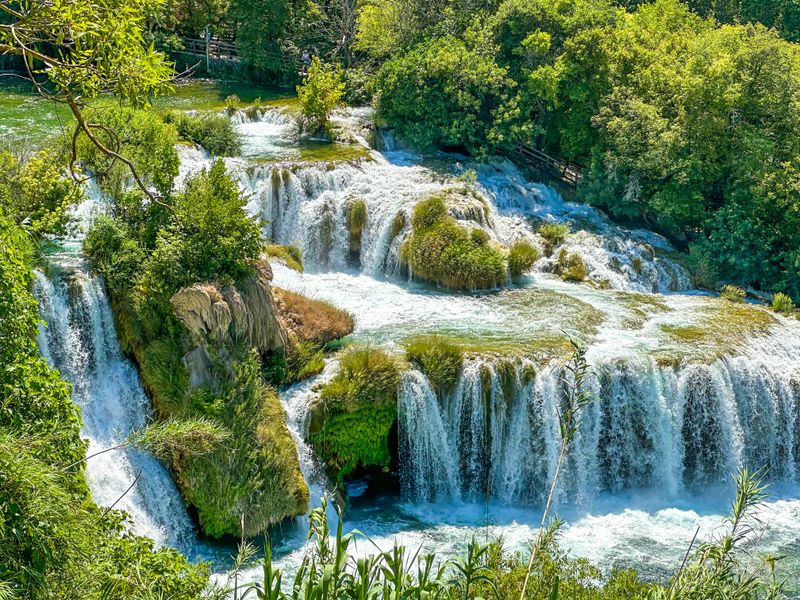
Krka National Park offers something its more famous cousin Plitvice doesn’t: the chance to actually swim near the waterfalls and cool off in nature’s own infinity pool. Skradinski Buk, the park’s main attraction, cascades down 17 steps over 800 meters, creating a natural water park that’s impossible to resist on hot summer days.
Wooden boardwalks and pathways wind through the park, taking you past smaller cascades, old watermills, and viewpoints that showcase the Krka River’s power. The travertine barriers that create the falls continue growing slowly each year as minerals in the water deposit and build up.
Beyond waterfalls, the park protects diverse wildlife including over 220 bird species that make birdwatchers very happy. Boat trips to Visovac Island, where Franciscan monks maintain a monastery filled with rare books and artwork, add cultural depth to your nature experience.
Swimming regulations change periodically based on environmental concerns, so check current rules before planning your dip. The park gets extremely crowded during peak summer, particularly around the swimming areas, so arriving right when gates open or visiting during shoulder seasons provides a more peaceful experience where you can actually hear the waterfalls over the chatter of fellow tourists.
Wander Old Town Rovinj — Romantic Adriatic Gem
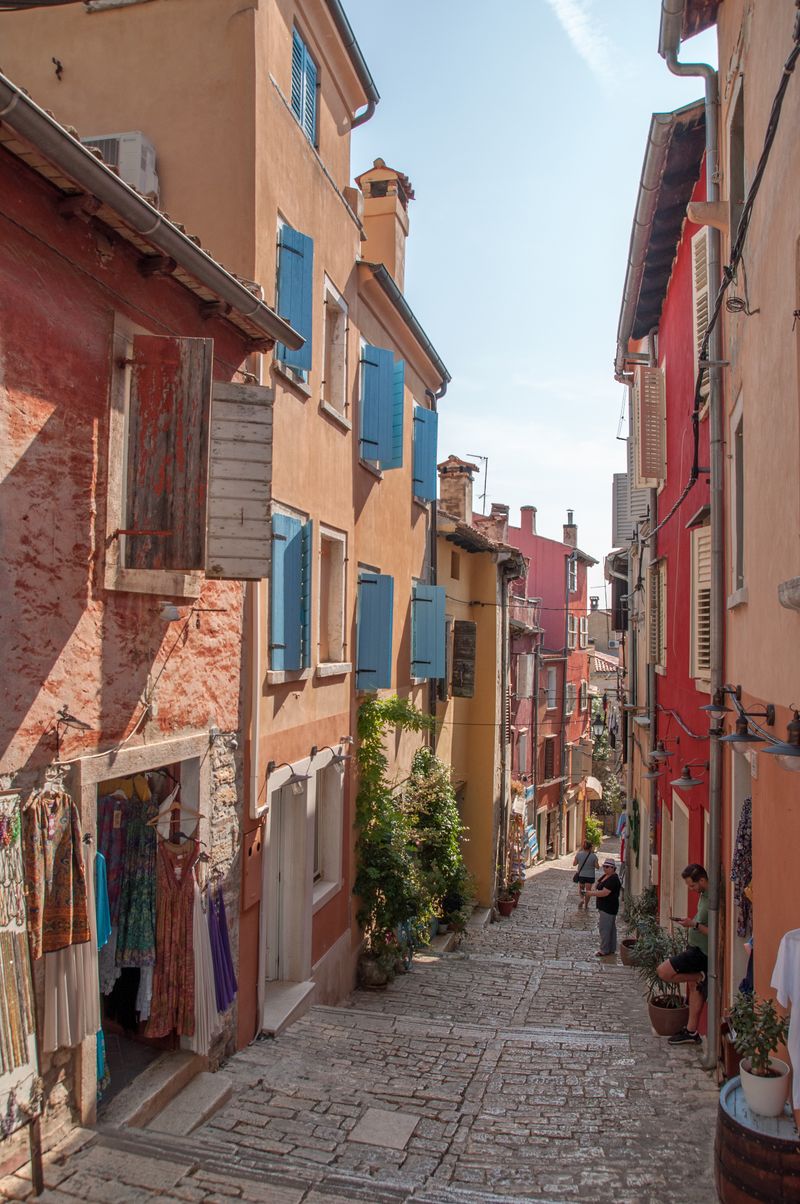
Rovinj rises from the Adriatic like a painting come to life, its pastel-colored houses stacked up a hillside and crowned by the soaring bell tower of St. Euphemia’s Church. This former fishing village on Istria’s western coast maintains an authentic charm that larger tourist hubs sometimes lose.
Narrow cobblestone streets barely wide enough for two people twist up the hill, opening occasionally into tiny squares where cats nap in patches of sunlight. Laundry hangs between buildings, artists sell paintings of harbor scenes, and the scent of grilled fish drifts from family-run restaurants.
The waterfront promenade invites leisurely strolls past bobbing fishing boats and yachts, with the smell of pine trees mixing with sea salt. Climbing to St. Euphemia’s offers rewarding views across Rovinj’s terracotta roofs and the island-dotted sea beyond.
Sunset transforms Rovinj into something magical as golden light washes over the colorful facades and reflects off the water. The town’s small size means you can explore thoroughly in a day, but the romantic atmosphere and excellent seafood restaurants make staying overnight tempting, letting you experience the peaceful early morning hours before day-trippers arrive and fill the narrow streets with camera-clicking crowds.
Try Truffle Hunting & Wine in Istria — Gastronomy & Countryside
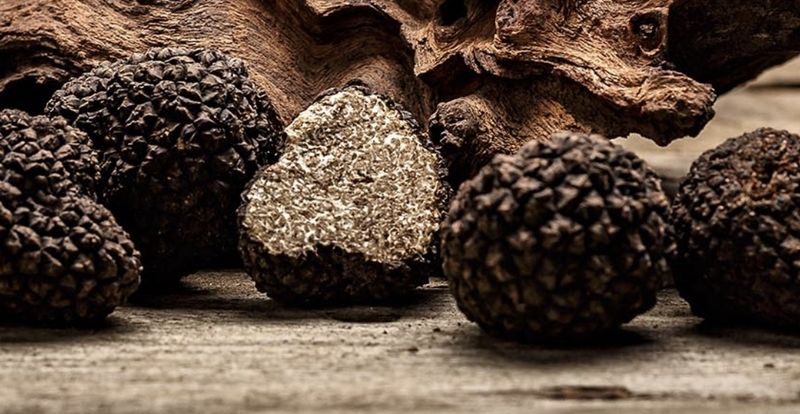
Istria’s forests hide one of the culinary world’s most prized treasures: truffles, those knobbly fungi that command outrageous prices and transform simple pasta into luxury dining. Joining a truffle hunt with a trained dog takes you into oak forests where these aromatic gems grow beneath the soil.
Watching an experienced dog work is genuinely impressive as they sniff out truffles invisible to human senses and gently paw the ground to indicate their find. Hunters carefully extract the precious fungi, and you’ll learn to distinguish white truffles (more valuable and aromatic) from black varieties.
Many truffle hunting experiences include a meal where your morning’s finds get shaved over homemade pasta, eggs, or risotto, releasing their distinctive earthy aroma. Paired with Istrian Malvazija wine, it creates an unforgettable taste of the region’s gastronomic heritage.
The Motovun area is particularly famous for truffles, and autumn is prime season, though you can find black truffles year-round. Beyond truffles, Istria’s wine roads wind through hilltop villages and vineyard valleys where family wineries offer tastings of Malvazija whites and Teran reds, often accompanied by homemade prosciutto and cheese that showcase why Istria earned its reputation as Croatia’s culinary capital.
Visit the Blue Cave on Biševo — Natural Light Wonder
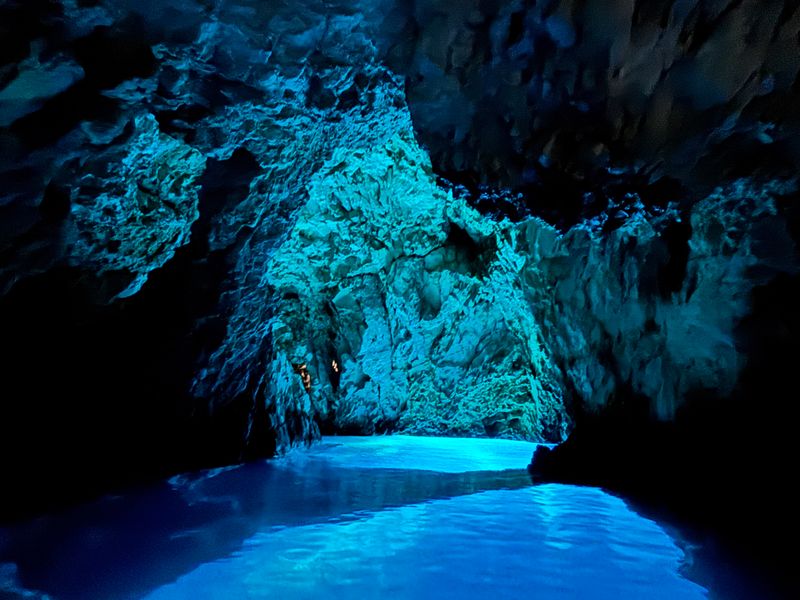
Nature created its own light show inside a small sea cave on Biševo island, where sunlight enters through an underwater opening and refracts through the water to create an otherworldly blue glow. The effect is so surreal that first-time visitors often gasp when their boat glides into the illuminated chamber.
Accessing the cave requires a boat trip from Vis or Hvar, followed by transferring to a smaller vessel that can fit through the narrow entrance. Timing matters enormously because the magical blue light appears most intensely between 11 AM and noon on sunny days when the sun angle is just right.
The entire cave visit lasts only about five minutes as boats rotate through quickly to accommodate waiting visitors, but those minutes feel suspended in time. The water glows such an intense electric blue that it seems artificially lit, yet it’s purely nature’s optical trick.
Swimming isn’t allowed inside to preserve the cave, though the surrounding waters of Biševo offer excellent swimming opportunities. Weather conditions frequently cancel boat trips, so build flexibility into your plans and check conditions the morning of your visit to avoid disappointment when choppy seas keep boats docked at the harbor instead of ferrying enchanted visitors to this luminous natural wonder.
Explore Zagreb — Capital Culture & Vibrant Streets
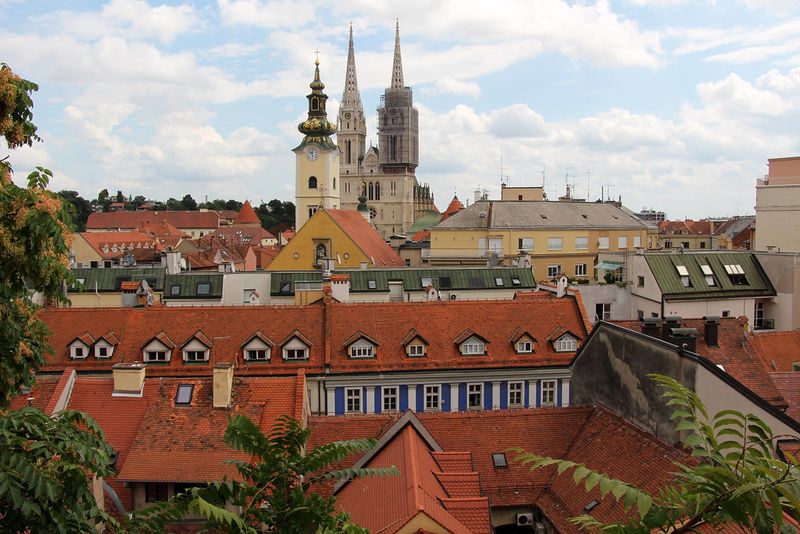
Croatia’s capital often gets overlooked by travelers rushing to the coast, but Zagreb rewards those who linger with its blend of Austro-Hungarian architecture, communist-era quirks, and modern creative energy. The city splits into Upper Town, with its medieval churches and government buildings, and Lower Town, featuring parks, museums, and bustling shopping streets.
St. Mark’s Church with its colorful tile roof displaying Croatian and Zagreb coats of arms serves as Upper Town’s most photographed landmark. Nearby, the funicular railway (one of the world’s shortest) connects upper and lower sections in less than a minute.
Zagreb’s café culture rivals Vienna’s, with locals spending hours over coffee in sidewalk cafés that spill across squares and pedestrian zones. The Dolac Market brings farmers from surrounding countryside to sell fresh produce, cheese, and flowers in a lively open-air bazaar.
Museums range from the quirky Museum of Broken Relationships (displaying mementos from failed romances worldwide) to serious institutions covering Croatian history and art. Tkalčićeva Street offers the city’s best concentration of bars and restaurants for evening entertainment.
Zagreb feels authentically Croatian rather than tourist-oriented, giving you genuine insight into modern life beyond the coastal resort towns that dominate most visitors’ itineraries.
Go Sailing & Snorkeling in the Adriatic — Water Adventures
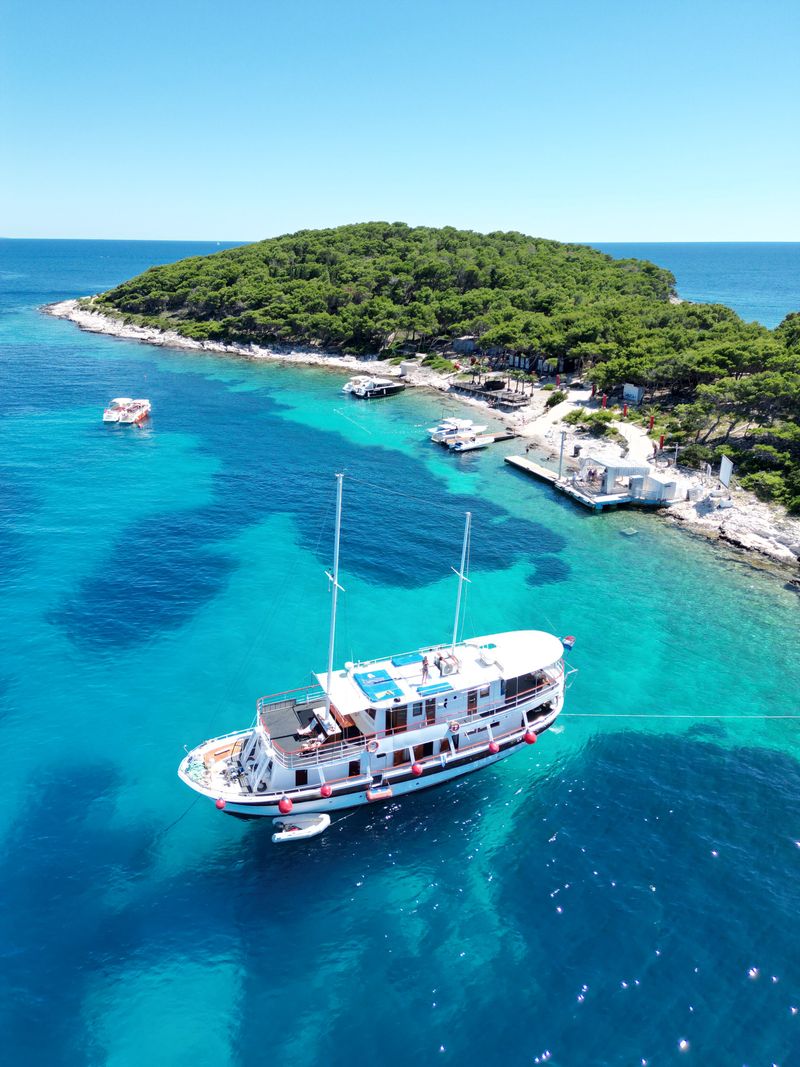
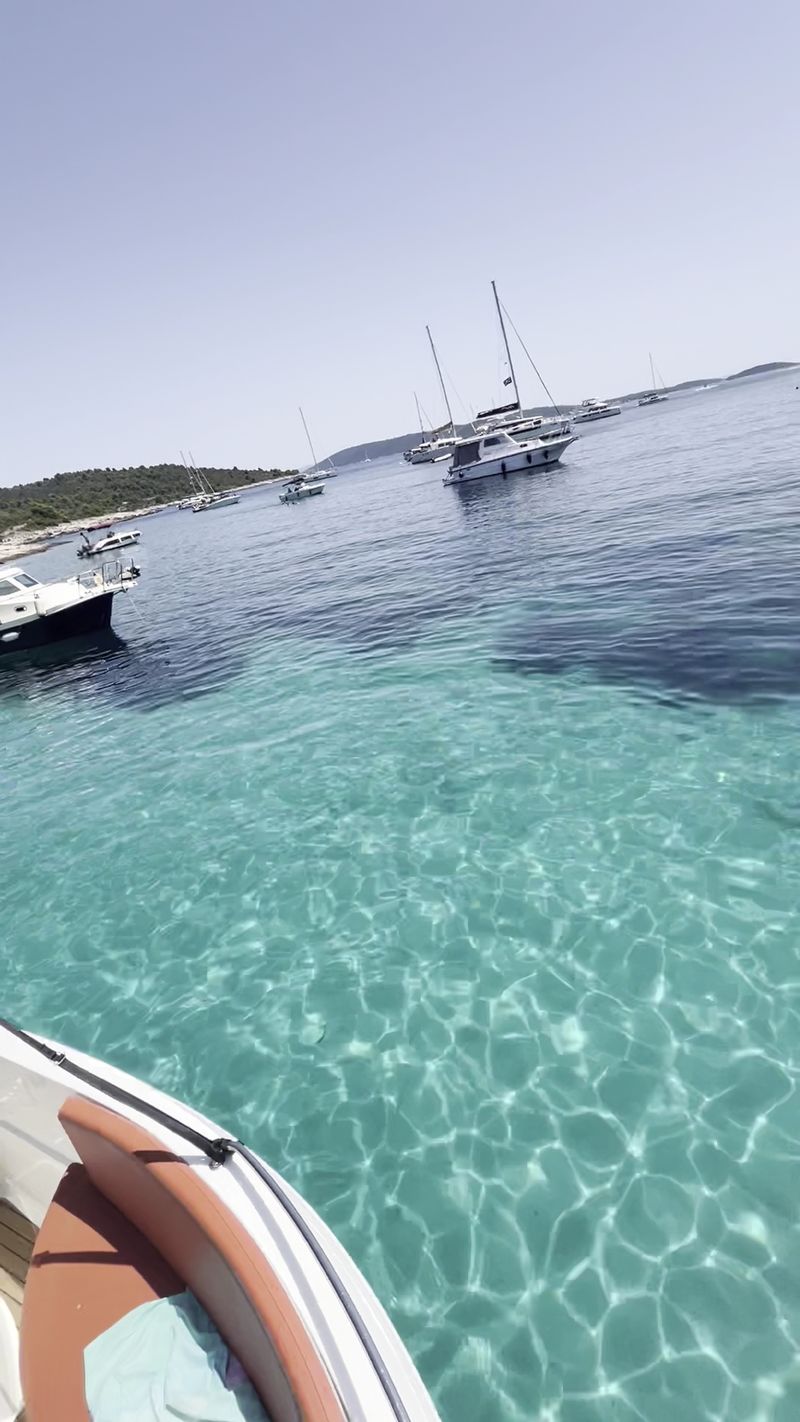
The Adriatic Sea along Croatia’s coast offers some of Europe’s clearest, most inviting waters for sailing and snorkeling adventures that let you discover hidden coves inaccessible by land. Chartering a sailboat, whether bareboat for experienced sailors or with a skipper, gives you freedom to create your own island-hopping route.
Steady summer winds and thousands of sheltered anchorages make Croatian waters ideal for sailing at all skill levels. You’ll navigate between islands, drop anchor in deserted bays, and swim right off your boat into water so transparent you can see the rocky bottom meters below.
Snorkeling reveals an underwater world of rocky reefs, sea urchins, octopuses hiding in crevices, and schools of fish darting through the crystal-clear water. The Adriatic isn’t as biodiverse as tropical seas, but the visibility and peaceful swimming conditions more than compensate.
Popular sailing routes include the Split to Dubrovnik run, stopping at islands along the way, or exploring the Kornati Islands National Park with its 89 islands and dramatic cliffs. Charter companies cluster around Split, Zadar, and Dubrovnik, with week-long charters offering the best value and enough time to truly relax into the sailing lifestyle where your biggest decision involves choosing which perfect bay to anchor in for lunch.
Visit Small Dalmatian Towns — Trogir & Šibenik
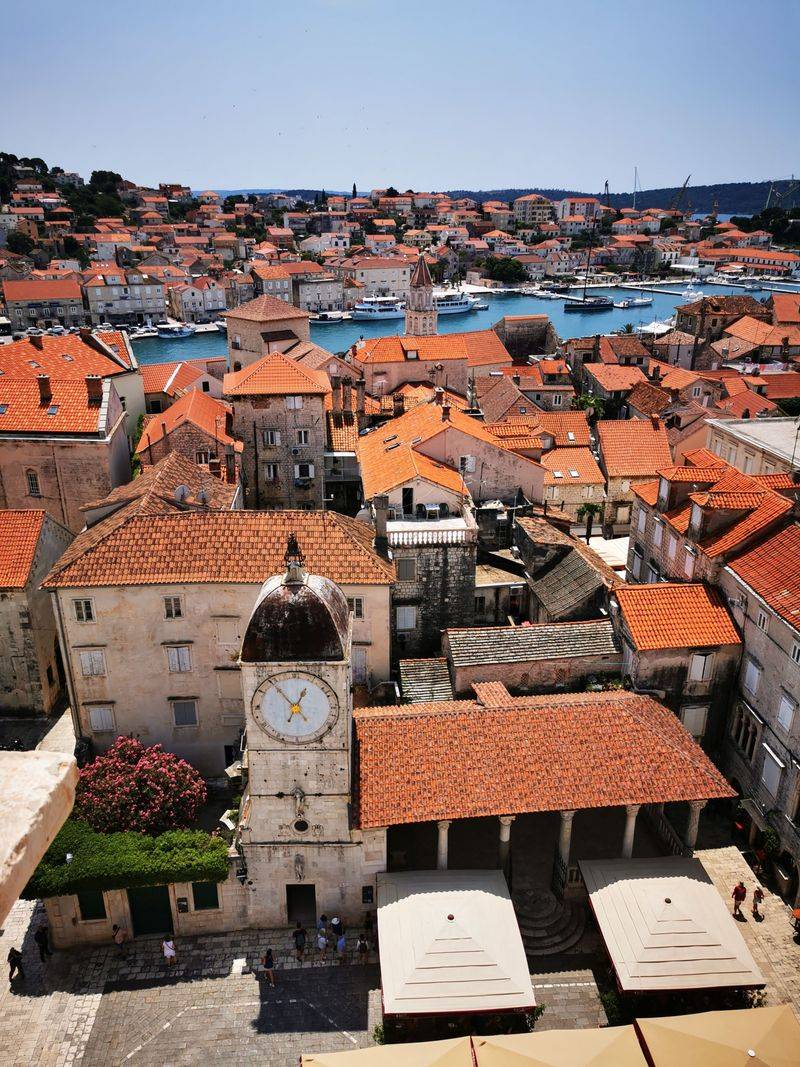
While Dubrovnik and Split grab headlines, smaller Dalmatian towns like Trogir and Šibenik offer equally impressive history without the overwhelming crowds and cruise ship invasions. These UNESCO-listed gems let you experience authentic coastal life at a more relaxed pace.
Trogir occupies a tiny island connected to the mainland by bridges, its medieval core remarkably preserved within ancient walls. The Cathedral of St. Lawrence showcases intricate stone carving, and narrow marble streets wind past Venetian palaces that now house family-run restaurants serving fresh-caught fish.
Šibenik rises in tiers from its harbor, crowned by massive St. Michael’s Fortress that offers sunset views over the city and islands beyond. The Cathedral of St. James, built entirely from stone without mortar or brick, demonstrates Renaissance craftsmanship that earned UNESCO recognition.
Both towns maintain working harbors where local fishermen still bring in daily catches, and you’ll encounter more Croatian conversations than English. Prices for food and accommodation run noticeably lower than major tourist centers while quality remains high.
These towns make excellent bases for exploring nearby Krka National Park and provide a more authentic glimpse into Dalmatian life where tourism enhances rather than dominates the local economy and culture.
Feast on Croatian Cuisine — Olive Oil, Seafood & Local Wines
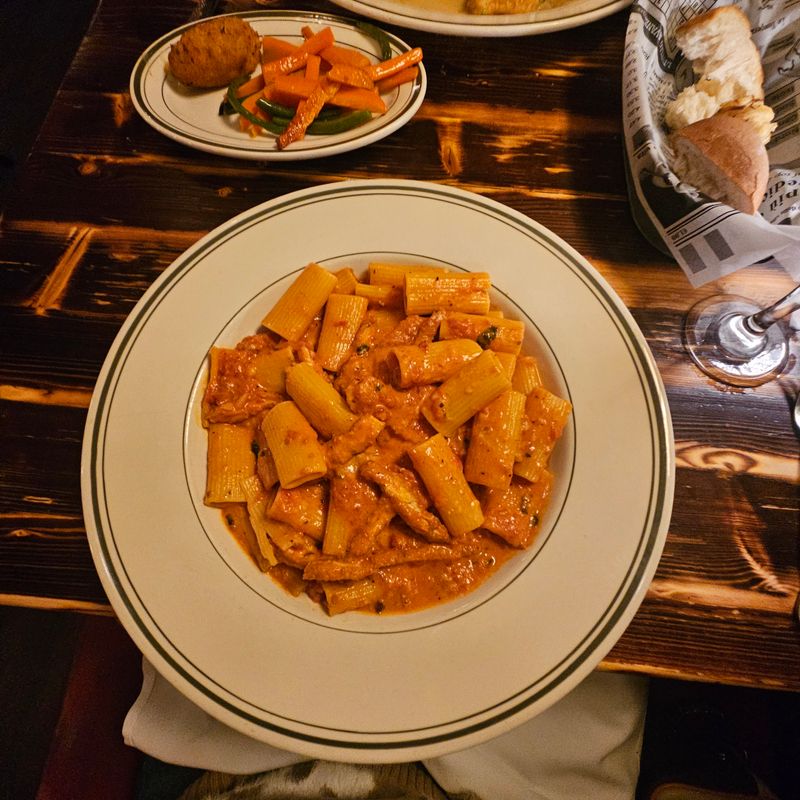
Croatian cuisine deserves equal billing with the country’s scenic attractions, blending Mediterranean, Italian, and Balkan influences into dishes that celebrate regional ingredients and centuries-old traditions. Coastal areas emphasize seafood, while inland regions favor heartier meat dishes and game.
Fresh fish grilled whole with olive oil, garlic, and herbs appears on every coastal menu, often priced by weight and caught that same morning. Octopus salad, black risotto colored with cuttlefish ink, and buzara (shellfish in wine-tomato sauce) showcase Dalmatian cooking at its finest.
Istrian cuisine stands apart with its Italian influences and truffle obsession. Fuži pasta with truffle sauce, Istrian prosciutto, wild asparagus dishes, and maneštra (vegetable-bean soup) reflect the peninsula’s agricultural abundance and culinary sophistication.
Croatian wines are gaining international recognition, particularly Plavac Mali reds from Pelješac and Hvar, and crisp Malvazija whites from Istria. Olive oil production reaches world-class quality, especially in Istria where family producers win international awards.
Don’t skip rakija, the fruit brandy that Croatians drink as a digestif and consider medicinal. Dining in Croatia means lingering over meals, preferably at outdoor tables overlooking the sea, where food becomes part of the total sensory experience of this remarkable country.



