 Unearth The Voyage
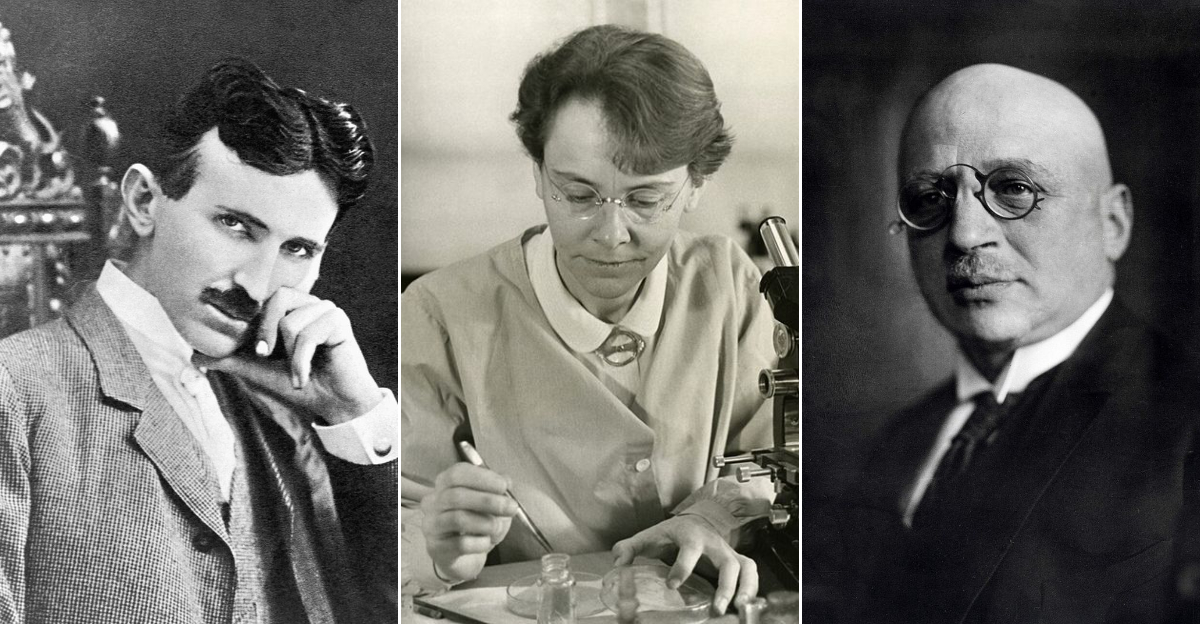
History has a funny habit of laughing at brilliant people before eventually begging them for autographs. Some of the greatest minds who ever lived were called fools, frauds, or flat-out delusional by the very people who should have listened to them.
Their ideas were too big, too strange, or just too far ahead of their time. Spoiler alert: they were right all along.
Galileo Galilei
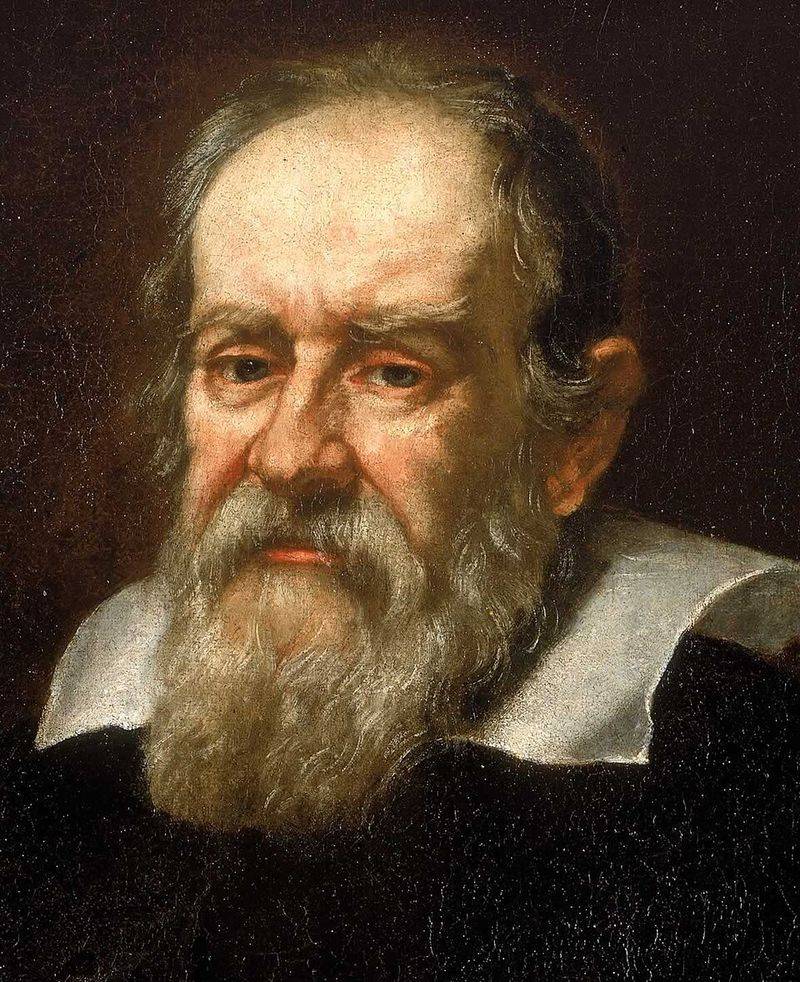
The man pointed a telescope at the sky and got put under house arrest for it. Galileo Galilei dared to say the Earth revolves around the Sun, and the Inquisition was not exactly thrilled about that news flash.
In 1633, he was tried and forced to publicly take it all back.
But here is the thing about truth: it does not stay buried. Galileo spent the rest of his life under house arrest, still writing, still thinking, still being right.
His scientific work laid the groundwork for modern astronomy and physics.
Centuries later, Pope John Paul II officially acknowledged the Church had wronged him. It only took about 350 years for that apology to arrive.
Galileo never got to hear it, but his legacy speaks louder than any verdict ever could. Sometimes being right is a long game, and Galileo played it better than anyone.
Ignaz Semmelweis
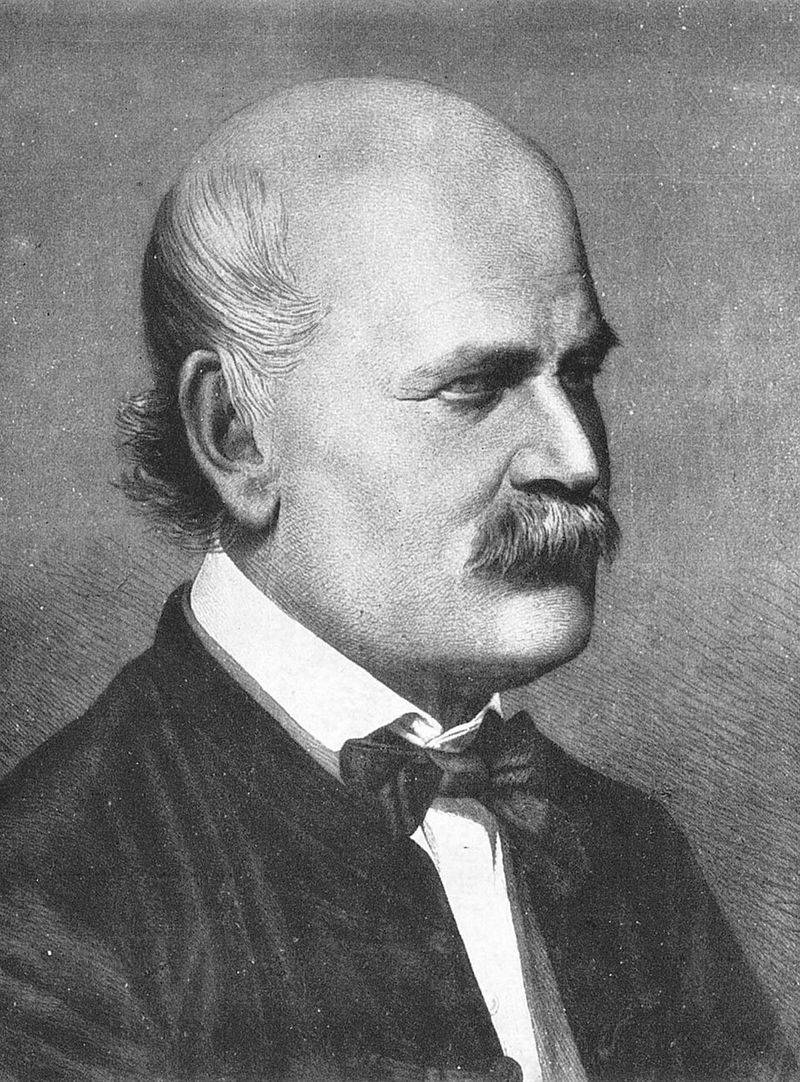
He told doctors to wash their hands and they thought he was the crazy one. In 1847, Ignaz Semmelweis noticed that women giving birth in wards staffed by doctors who came straight from autopsies were dying at alarming rates.
He connected the dots: dirty hands were killing patients.
His colleagues laughed him out of the room. The idea that invisible particles on hands could cause death was too weird for the medical establishment to accept.
Semmelweis pushed hand disinfection anyway, and death rates in his ward dropped dramatically.
He was eventually committed to a mental institution, where he died in 1865. The cruel irony?
He likely died from an infection similar to the one he spent his career fighting. Germ theory was confirmed years later, vindicating everything he argued.
Today, every hospital handwashing protocol traces a direct line back to this dismissed, brilliant, heartbreaking pioneer.
Nikola Tesla
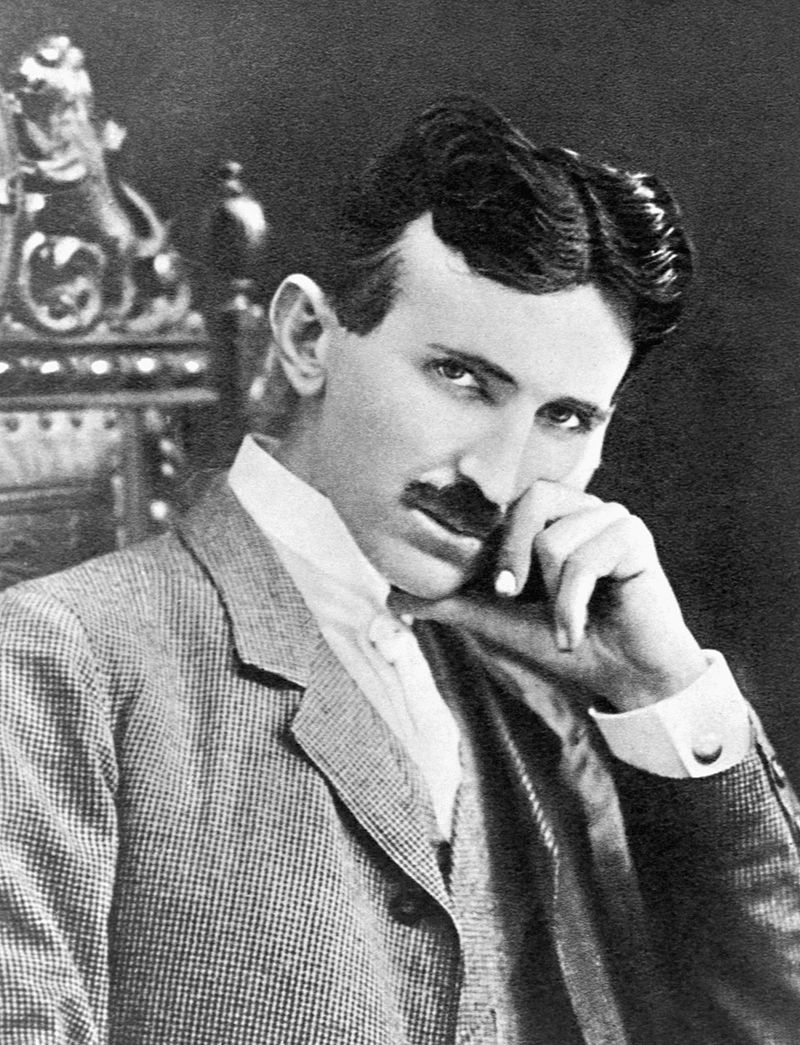
Tesla once made a Colorado Springs laboratory shoot lightning bolts into the sky just to see what would happen. The man was operating on a completely different level from everyone around him.
While Thomas Edison was pushing direct current, Tesla championed alternating current and got dragged through one of history’s most ruthless PR campaigns for it.
Edison spread fear about AC power, famously electrocuting animals in public demonstrations to scare people away from Tesla’s technology. It was messy, it was unfair, and Tesla lost a lot.
But AC power won the War of the Currents, and it is still how electricity travels to your home today.
Tesla died nearly broke in a New York hotel room, his patents largely stripped away. Yet his name is now on the world’s most famous electric car brand, which feels like the universe offering a very delayed, very stylish apology.
Not bad for someone the press once called a madman.
Alfred Wegener
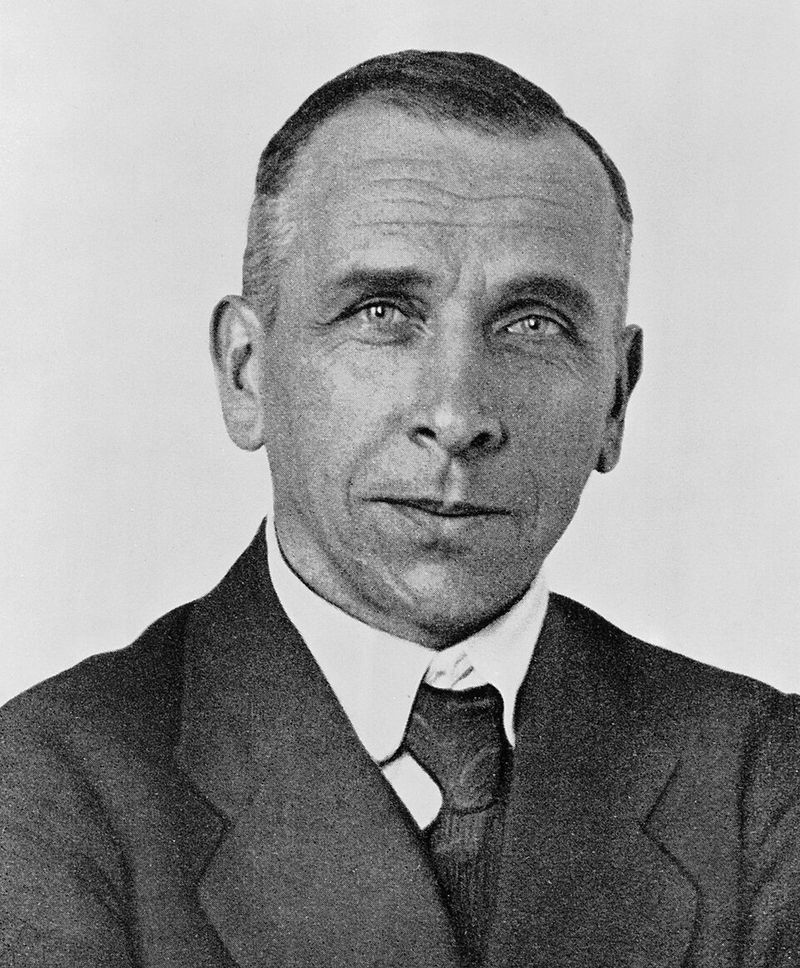
Look at a world map long enough and you will notice South America and Africa look like two puzzle pieces that used to fit together. Alfred Wegener noticed that too, back in 1912, and proposed that all the continents were once one giant landmass that slowly drifted apart.
Geologists called the idea absurd.
The main problem was that Wegener could not explain what force was moving the continents. Without that mechanism, most scientists refused to take him seriously.
He was a meteorologist proposing a geology theory, which did not help his credibility either.
Wegener died in 1930 during a Greenland expedition before anyone fully believed him. Then seafloor spreading was discovered in the 1950s and 60s, and suddenly everything clicked.
His continental drift hypothesis became the foundation of plate tectonics, one of geology’s most important frameworks. Sometimes being a few decades too early is the most frustrating kind of correct.
Rachel Carson
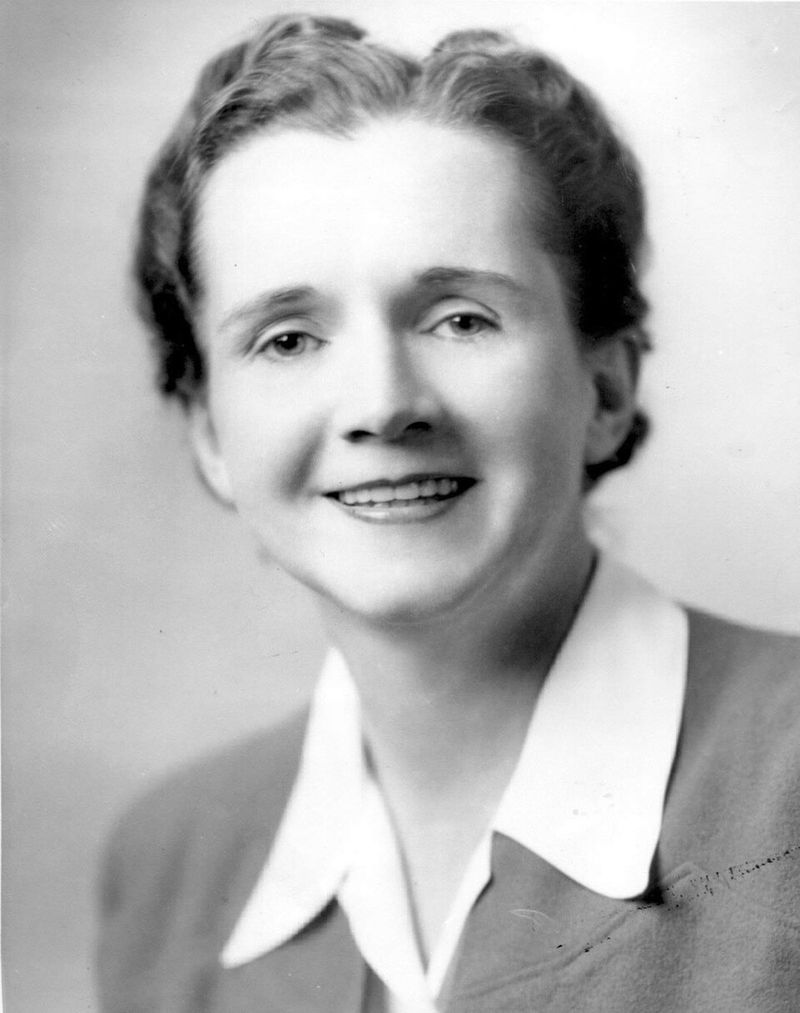
One book changed the entire conversation about how humans treat the planet. Rachel Carson published Silent Spring in 1962, and the chemical industry immediately declared war on her.
She documented how pesticides like DDT were poisoning ecosystems, killing birds, and contaminating water supplies. The response from corporations was swift and vicious.
They called her a hysterical woman with no credibility. Industry groups spent enormous amounts of money trying to discredit her research and her character.
Carson was also battling cancer while writing the book and fighting back against the attacks, which adds a layer of extraordinary courage to an already remarkable story.
She did not live to see the full impact of her work. Carson died in 1964, two years after publication.
But Silent Spring helped spark the modern environmental movement and led directly to the U.S. banning DDT in 1972. The birds came back.
The woman who warned everyone about silence turned out to be the loudest voice in the room.
Gregor Mendel
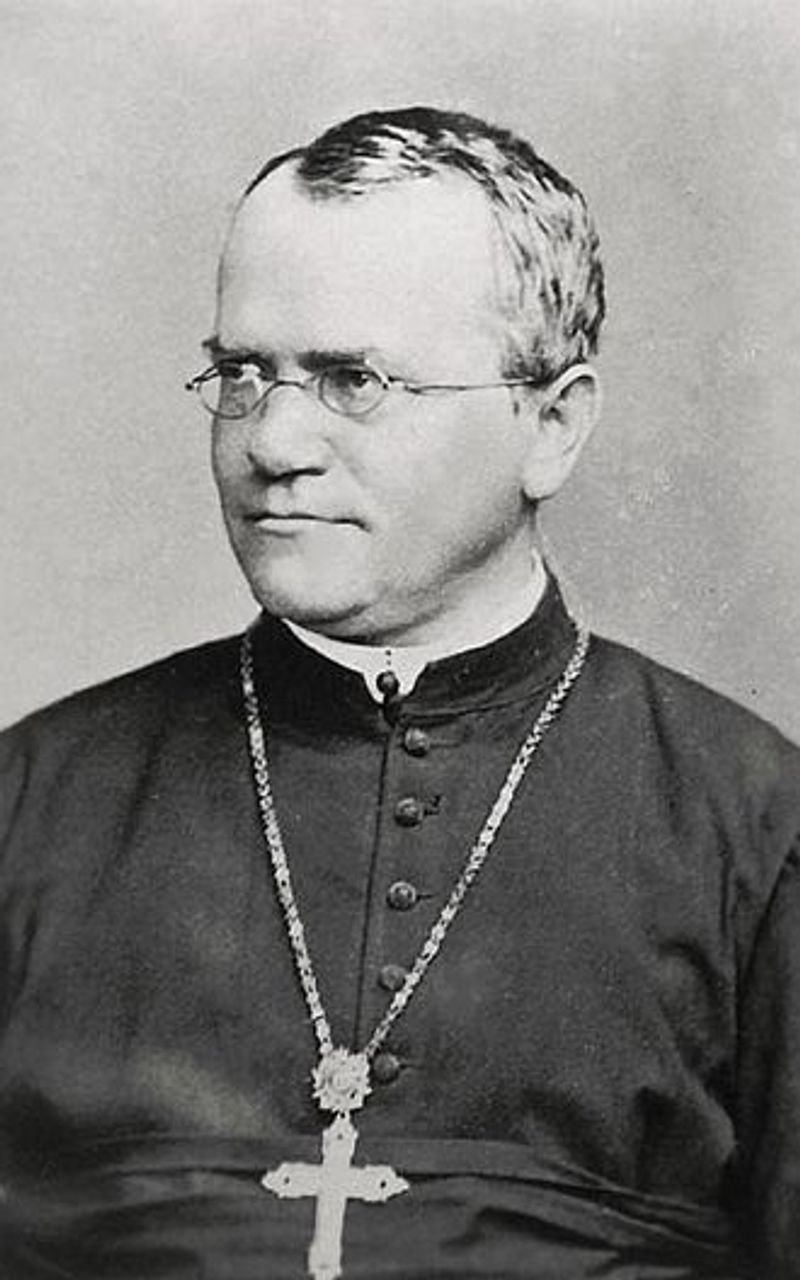
A monk growing peas in a garden turned out to be quietly revolutionizing biology, and nobody noticed for 35 years. Gregor Mendel spent the 1850s and 60s crossbreeding pea plants and carefully tracking which traits showed up in offspring.
His findings revealed predictable patterns of inheritance that no one had documented before.
He presented his work to a local scientific society in 1865 and published it in a regional journal. The response was essentially silence.
The paper sat largely unread for decades while Mendel went on to become an abbot and run his monastery.
He died in 1884 without recognition. Then, in 1900, three different scientists independently rediscovered the same patterns and traced them back to Mendel’s original work.
Suddenly he was the founding father of genetics. His pea plant experiments are now standard curriculum in every biology class on Earth.
Patient, methodical, and overlooked, Mendel is the ultimate posthumous champion of science.
Nicolaus Copernicus
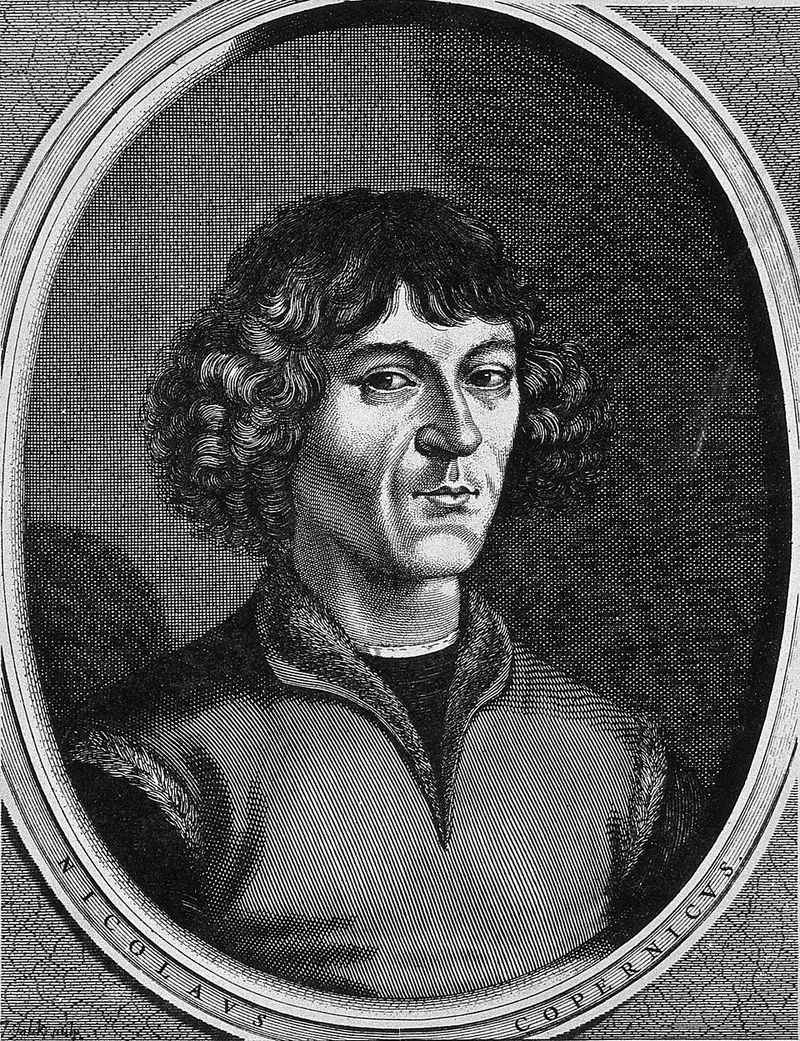
Before Copernicus, the official scientific and religious view was that Earth sat at the center of the universe and everything else revolved around it. Copernicus quietly disagreed and spent decades building the mathematical case for a Sun-centered solar system.
He was careful about publishing it, and with very good reason.
De revolutionibus hit shelves in 1543, reportedly on the same day Copernicus died, which meant he never had to face the full fallout. Church authorities eventually placed the book on the Index of Forbidden Books until it could be corrected to sound less threatening to the old worldview.
That correction never really happened because the book was simply right.
Copernicus did not shout his ideas from rooftops. He was methodical, cautious, and precise.
His heliocentric model was not perfect, but it cracked open a door that Galileo, Kepler, and Newton would eventually walk through. The quiet revolutionary who rearranged the cosmos deserves far more credit than most people give him.
Fritz Haber
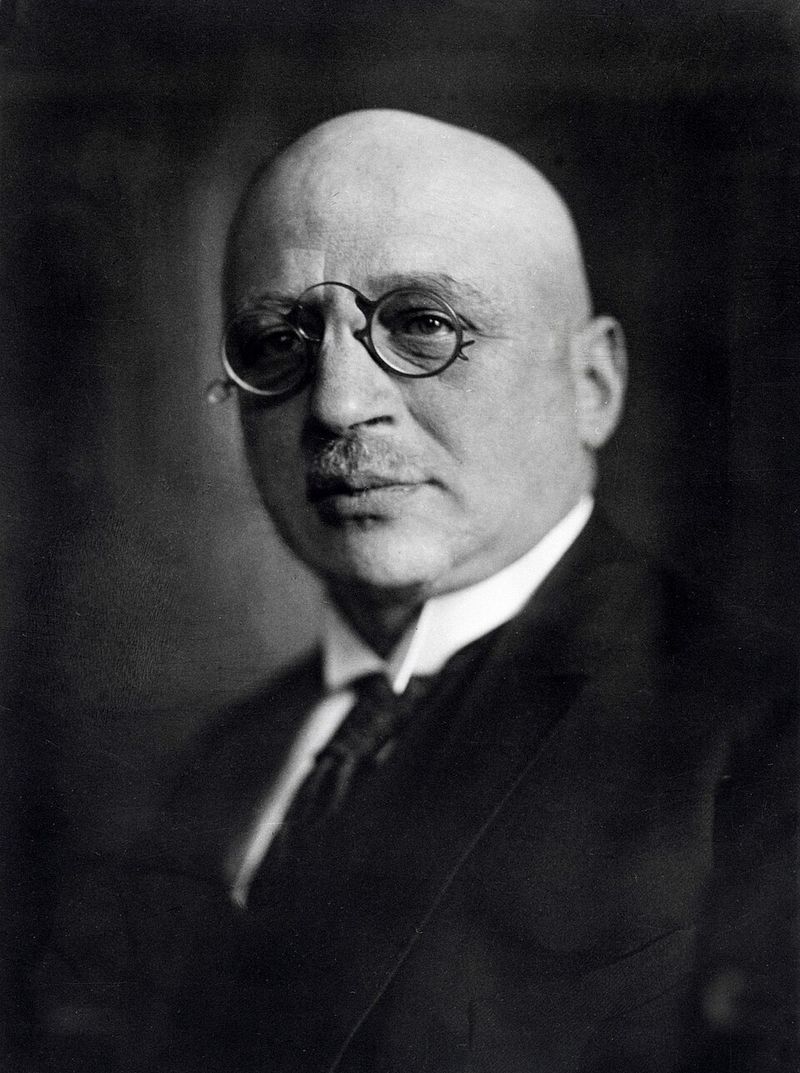
Fritz Haber figured out how to pull nitrogen from the air and turn it into fertilizer, which sounds like a chemistry party trick but actually changed the world. Before the Haber-Bosch process, agricultural nitrogen came from limited natural sources.
Haber’s ammonia synthesis, developed in the early 1900s, made it possible to produce fertilizer on an industrial scale.
Experts at the time were skeptical that his process could work efficiently enough to matter. The technical challenges were enormous, and the idea of fixing atmospheric nitrogen seemed more like wishful thinking than practical chemistry.
Haber pushed through anyway, partnering with engineer Carl Bosch to scale it up.
He won the 1918 Nobel Prize in Chemistry. Today, roughly half the nitrogen in the human body comes from fertilizer produced through his process.
That means Haber’s work feeds nearly half the planet. His legacy is genuinely complicated by his later work in chemical weapons, but his agricultural impact is undeniably enormous and world-changing.
Temple Grandin
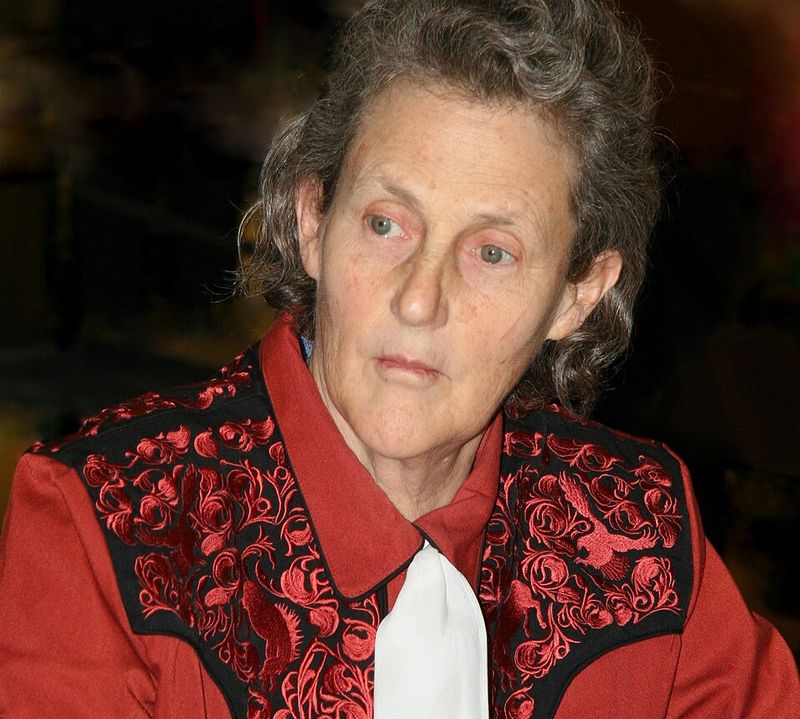
Temple Grandin looked at how livestock were handled and realized the entire industry was doing it wrong, largely because nobody had thought seriously about how cattle actually experience fear. She brought a completely different perspective to the problem, one shaped by her own autism and her ability to think in visual, sensory terms that most designers overlooked.
Her curved chute designs and low-stress handling methods were initially met with skepticism from parts of the industry. Changing the way a massive, entrenched agricultural system operates is not exactly a quick sell.
But her methods reduced animal stress, improved efficiency, and made facilities safer for workers too.
Today, a significant portion of North American livestock facilities use equipment and practices influenced by her work. Major fast-food chains adopted her welfare auditing standards, which pushed industry-wide changes.
Grandin turned a perspective that others once dismissed into one of the most practical and widely adopted reforms in modern agriculture. That is not crazy.
That is genius.
John Snow
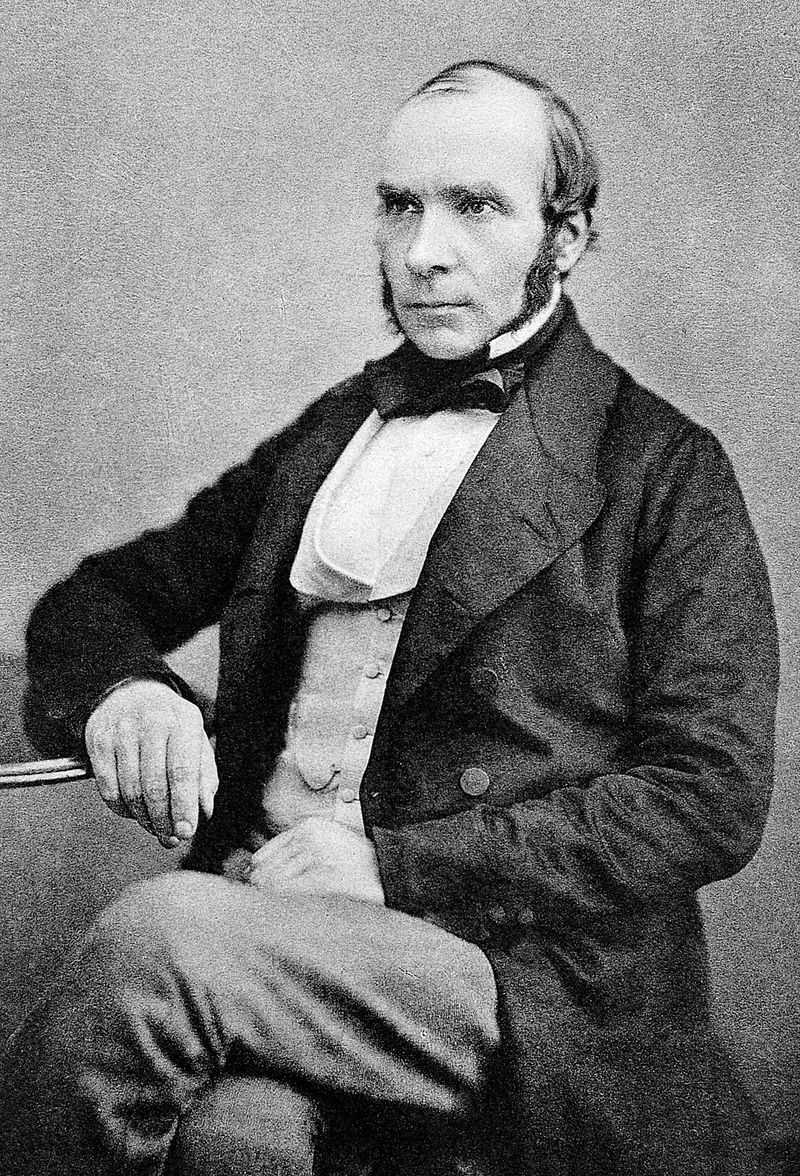
In 1854, London was in the grip of a deadly cholera outbreak and the leading scientific theory blamed bad air, called miasma, for spreading disease. John Snow had a different hunch.
He started mapping every cholera death in the Soho neighborhood and noticed something striking: cases clustered tightly around a single water pump on Broad Street.
Snow convinced local authorities to remove the pump handle, and the outbreak slowed. It was one of the earliest and most elegant examples of epidemiological detective work in history.
His waterborne transmission theory directly challenged the dominant miasma view, which made him deeply unpopular with many colleagues.
The miasma crowd held on for a while, but germ theory eventually proved Snow correct. He is now considered a founding father of modern epidemiology, and his dot map of the 1854 outbreak is still taught in public health courses worldwide.
All because one doctor trusted a map more than conventional wisdom. The pump handle removal remains iconic.
Lynn Margulis
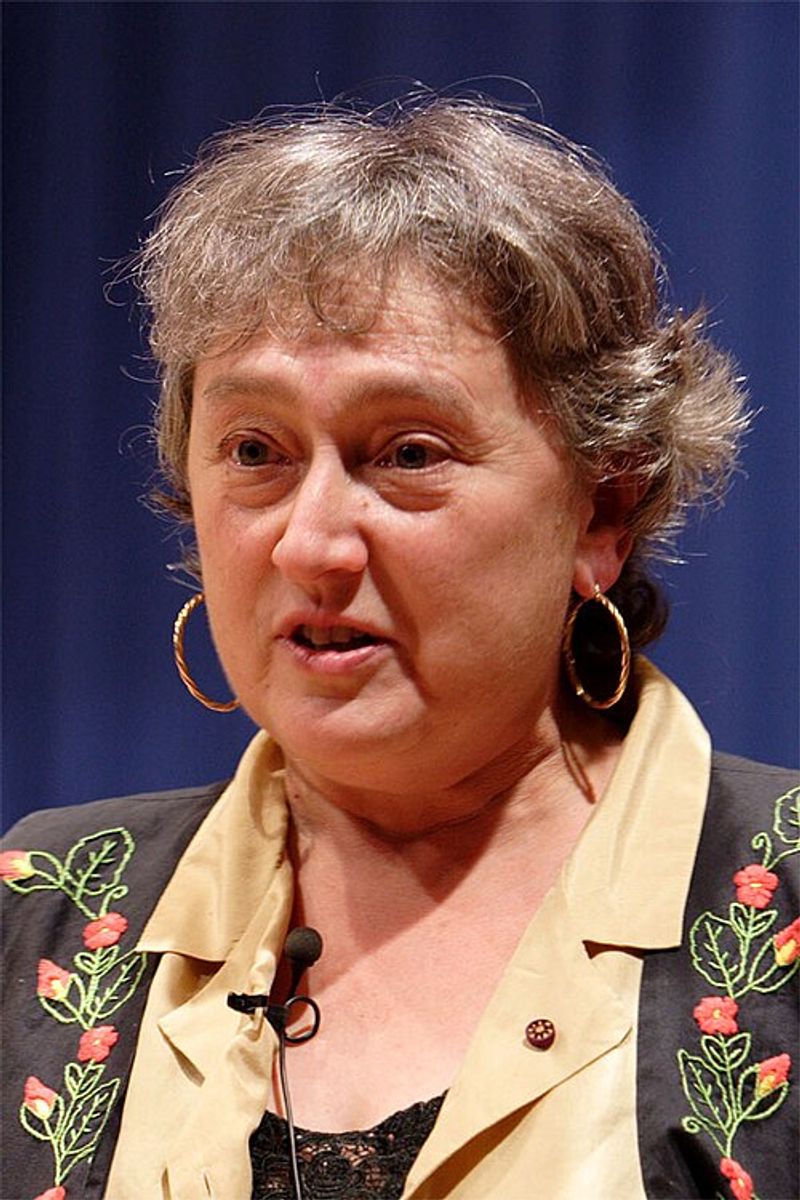
Lynn Margulis proposed that the tiny power plants inside your cells, the mitochondria, were once free-living bacteria that got absorbed into larger cells billions of years ago. The scientific community’s initial reaction was somewhere between baffled and dismissive.
Her landmark paper was rejected by about 15 journals before it was finally published in 1967.
The idea of endosymbiosis, that complex cells evolved through ancient mergers rather than gradual mutation alone, felt too radical for mainstream biology at the time. Margulis spent years defending her theory against heavy skepticism from colleagues who considered it fringe science.
She was persistent in a way that most people simply are not built to be.
Genetic evidence eventually confirmed her core argument. Mitochondria and chloroplasts carry their own DNA, separate from the cell’s nucleus, which is exactly what her theory predicted.
Endosymbiotic theory is now a cornerstone of evolutionary biology. Margulis did not just push back against the scientific consensus; she rewrote it from the ground up.
Barbara McClintock
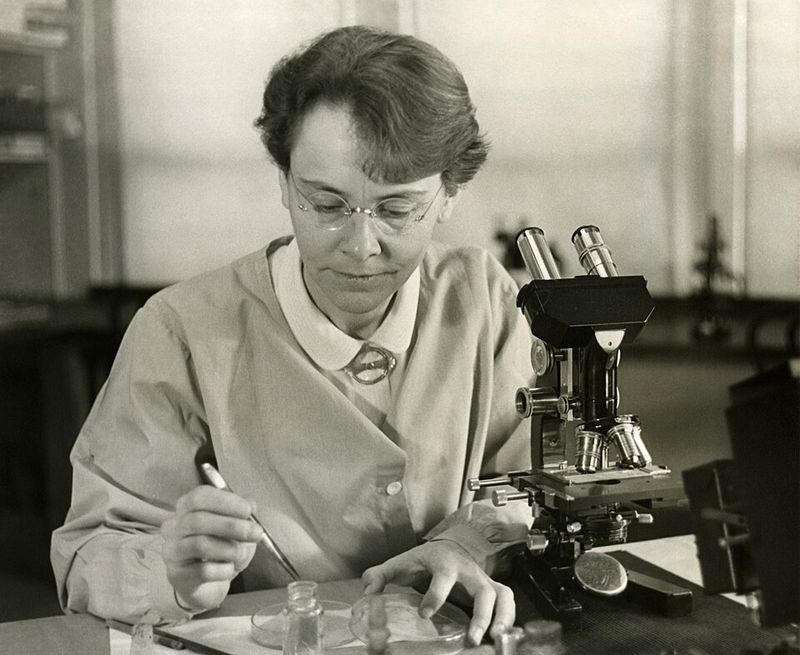
Barbara McClintock spent years studying corn genetics and discovered that genes could actually jump around within a chromosome. She called them transposable elements.
When she presented her findings in 1951, the genetics community largely stared at her like she had just announced corn could talk. The idea of mobile genetic elements did not fit neatly into the existing model.
Rather than fight a losing battle for recognition, McClintock largely retreated from major conferences and kept working quietly. She never stopped doing the research, even as the scientific world moved on without her.
It takes a remarkable kind of confidence to keep going when almost nobody is paying attention.
Decades later, molecular biology caught up and confirmed that jumping genes, now called transposons, are found in virtually every organism on Earth. McClintock received the 1983 Nobel Prize in Physiology or Medicine, becoming the first woman to win that prize unshared.
She was 81 years old and had been right the whole time. Worth the wait?
Absolutely.
Clair Patterson
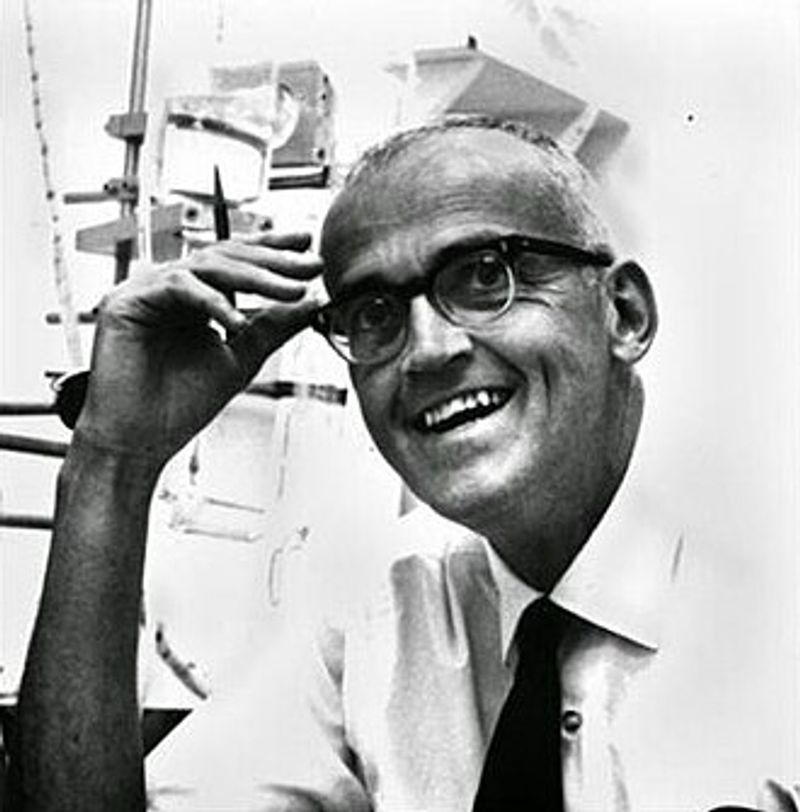
Clair Patterson originally set out to calculate the age of the Earth using lead isotopes. What he found along the way was far more alarming: lead contamination was everywhere, at levels far higher than any natural baseline.
His research in the 1960s pointed directly at leaded gasoline and industrial lead as the culprits. The lead industry was not pleased.
Companies lobbied to have him removed from advisory committees. Funding was pulled.
His career faced serious professional retaliation from industries that had enormous financial stakes in keeping lead in gasoline. Patterson kept publishing anyway, which required a stubborn streak most scientists do not possess.
His work helped build the scientific case that eventually led to the phase-out of leaded gasoline in the United States by 1996. Blood lead levels in Americans dropped dramatically afterward.
Patterson never got a Nobel Prize, which many scientists consider a significant oversight. He did get something arguably better: measurably cleaner blood in millions of people.
That is a legacy worth more than any medal.
J. Harlen Bretz
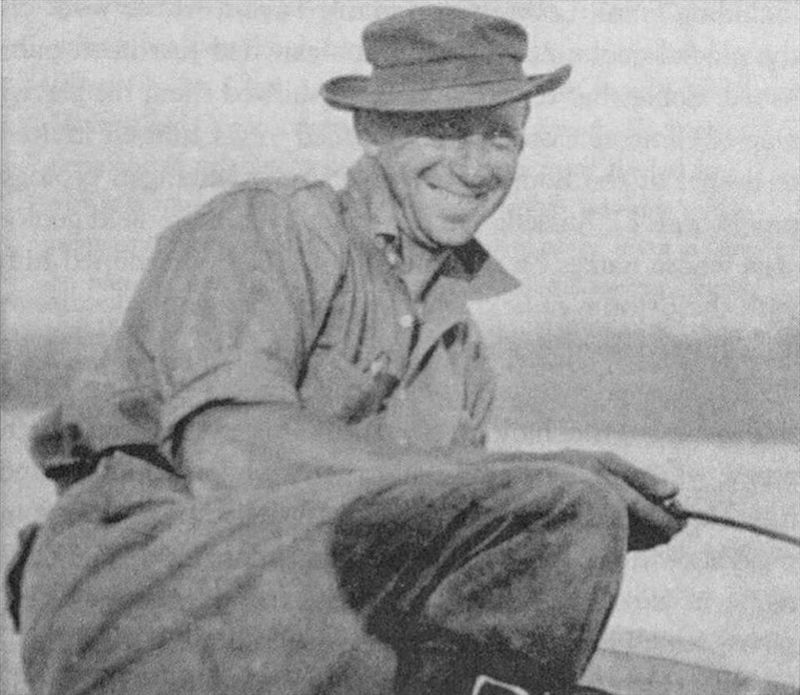
J. Harlen Bretz stood in the middle of the Channeled Scablands of eastern Washington and saw something that made no sense under conventional geology.
The landscape was carved with enormous channels, dry waterfalls, and boulders the size of houses scattered across miles of terrain. In 1923, he proposed a catastrophic flood of unimaginable scale had done the carving.
Geologists called it outrageous.
The problem was that catastrophism had a bad reputation in geology at the time. The field had worked hard to move away from dramatic, one-off events as explanations.
Bretz’s flood idea felt like a step backward to many colleagues, and they spent decades pushing back against him.
Eventually, evidence for Glacial Lake Missoula emerged, a massive Ice Age lake whose periodic dam failures sent walls of water across the Pacific Northwest. The floods were real, and the scablands were exactly what Bretz said they were.
He received the Penrose Medal, geology’s highest honor, at age 96.
His acceptance speech reportedly included the line, “I told you so.”



