The 1980s were a wild, wonderful, and slightly chaotic time to grow up. Before smartphones, streaming, and instant everything, kids had to actually work for their entertainment.
Some of these habits sound completely unhinged by today’s standards, but back then, they were totally normal. Get ready for a trip down memory lane that might just make Gen Z break into a cold sweat.
Rewinding VHS Tapes Before Returning Them
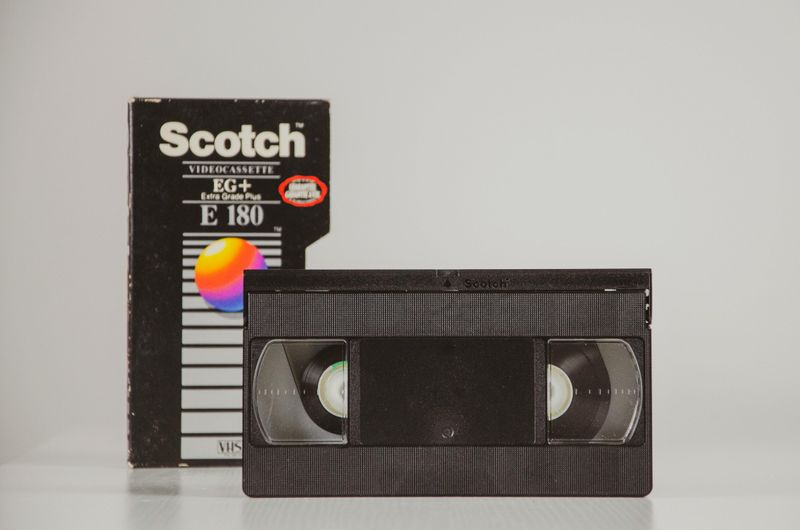
Be kind, rewind. That phrase was printed on stickers slapped onto every rental tape at Blockbuster, and it was basically the law.
Skipping the rewind meant fees, dirty looks from the clerk, and a personal reputation as a monster.
I once returned a tape without rewinding it and got a lecture that felt longer than the actual movie. The video store clerk stared me down like I had personally offended his entire family tree.
VHS tapes could hold about two hours of film, which meant rewinding took a solid few minutes. Some households owned a dedicated rewinder shaped like a race car or a spaceship.
Yes, really. Gen Z would probably spend more time Googling what a VHS tape is than actually rewinding one.
The whole ritual of renting, rewinding, and returning was a weekend event in itself, complete with family debates over which movie to pick.
Making Mixtapes on Cassette
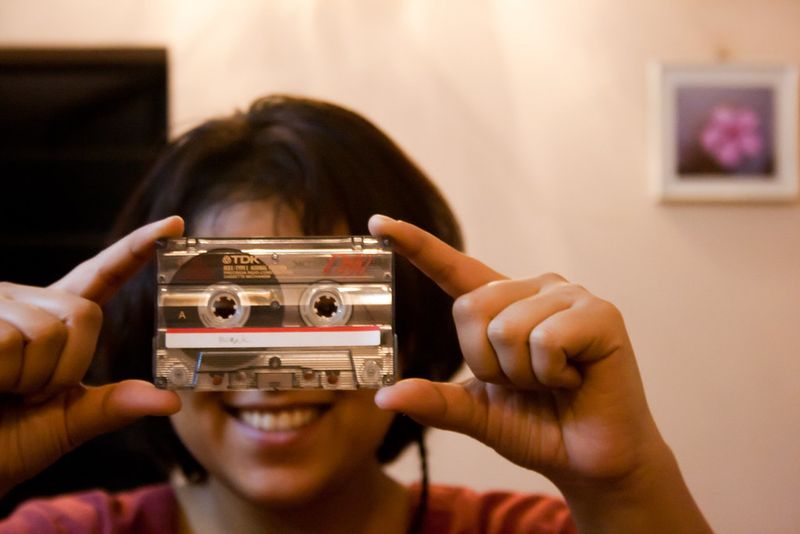
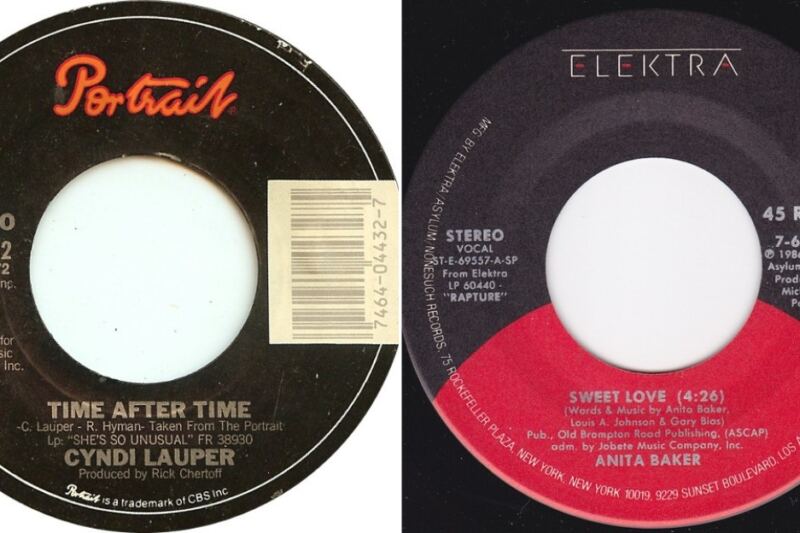
Forget Spotify playlists. Crafting a mixtape in the 80s was a full-time job that required patience, strategy, and nerves of steel.
One wrong move and you recorded over your favorite song with a detergent commercial.
The process started with hunting down blank cassettes, then camping next to the radio for hours. You had to hit record at exactly the right second.
Miss the intro? Start over.
DJ talks through the whole thing? Restart.
It was maddening and somehow still magical.
Giving someone a mixtape was basically writing them a love letter. The song choices said everything words couldn’t.
Each track was carefully curated to send a very specific message, usually something along the lines of “I like you, please notice me.” Gen Z has Spotify wrapped for that, but honestly, nothing hits quite like a hand-labeled cassette with a little heart drawn in marker. Nothing.
Waiting All Week for Saturday Morning Cartoons
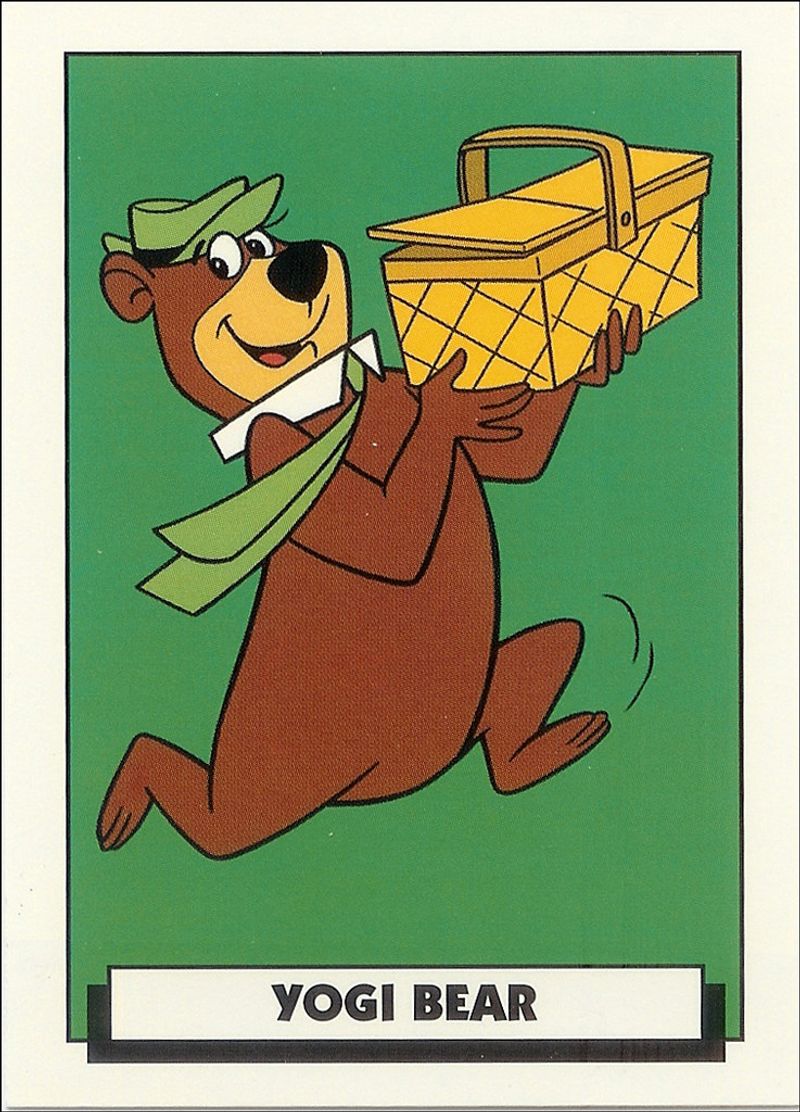
Saturday mornings in the 80s had the energy of a national holiday. Kids woke up before their parents, poured an enormous bowl of cereal, and planted themselves in front of the TV like it was sacred ground.
Because honestly, it was.
There was no catching up later. No DVR, no streaming, no YouTube uploads.
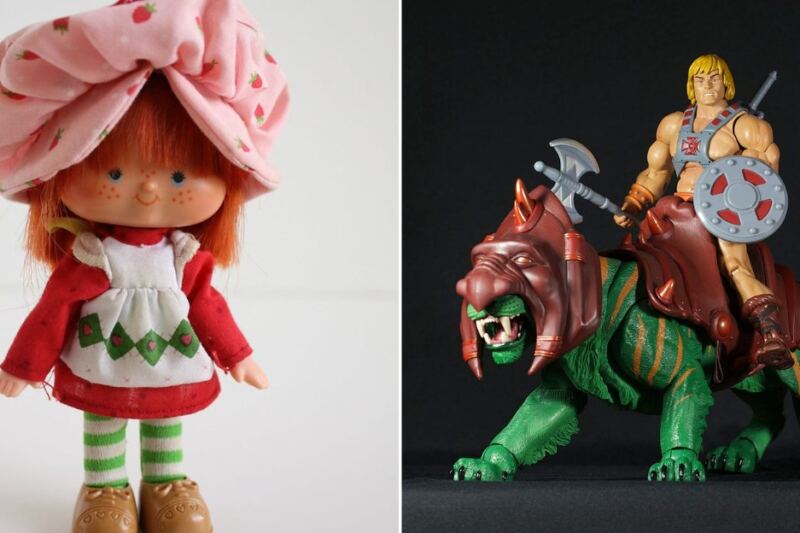
If you slept in and missed the first half of He-Man, that episode was gone forever. The anticipation built all week long at school. “Did you see what happened last Saturday?” was the hottest conversation topic at recess.
Networks packed the morning with back-to-back cartoons, knowing kids would sit glued to the screen for hours. It taught an underrated life skill: delayed gratification.
Gen Z can queue up any episode of anything in three seconds flat. That convenience is amazing, sure.
But it also erased the pure, fizzy joy of finally getting the thing you waited seven whole days for.
Using Pay Phones (and Memorizing Numbers)
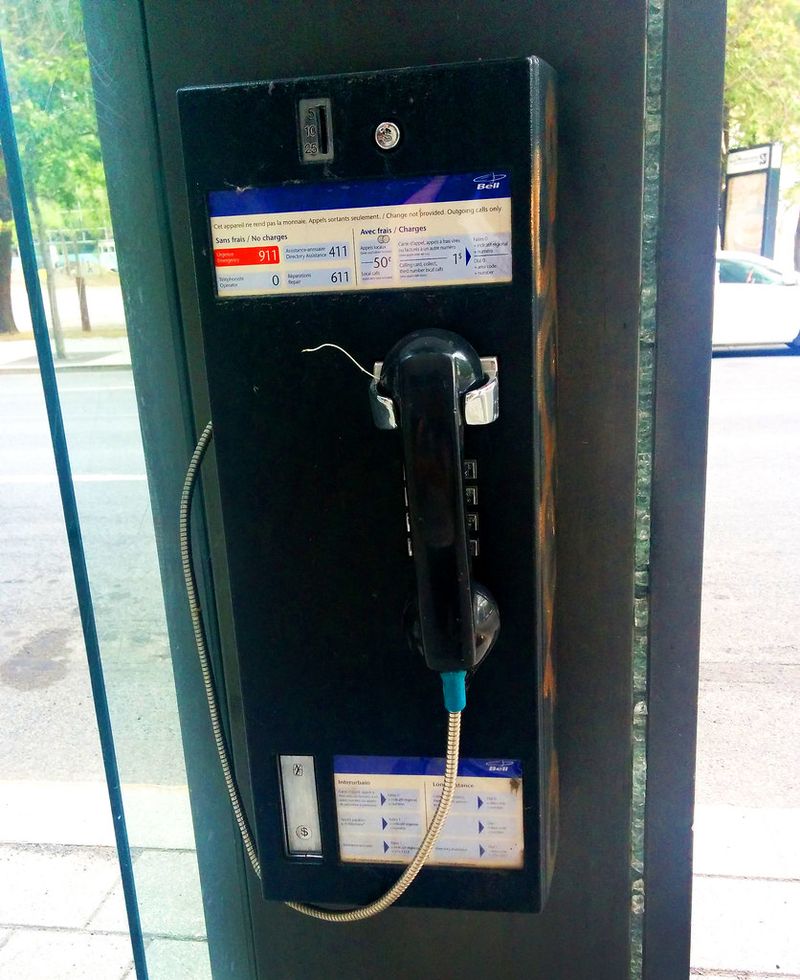
Here is a fun party trick from the 80s: memorize ten phone numbers by heart or simply cease to function as a human being. Pay phones were the lifeline of the era, tucked into every mall, gas station, and street corner imaginable.
Calling someone cost a dime, then a quarter. You needed exact change.
Running out of coins mid-conversation meant the call dropped, and that was just your problem. No callback, no text, no way to explain yourself until you got home.
Kids memorized numbers the way Gen Z memorizes TikTok sounds, effortlessly and without thinking. My dad still rattles off his childhood best friend’s number like a reflex.
Meanwhile, most people today don’t even know their own mobile number. Pay phones also came with a certain mystery.
You never knew who had used that receiver before you, and honestly, it was better not to think about it too hard.
Carrying a Walkman Everywhere
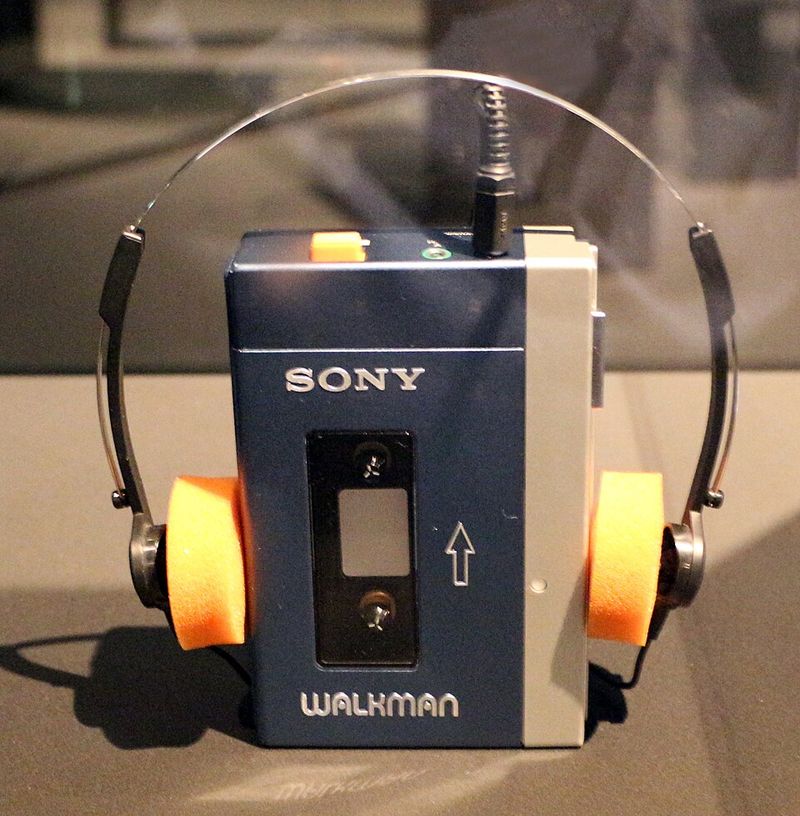
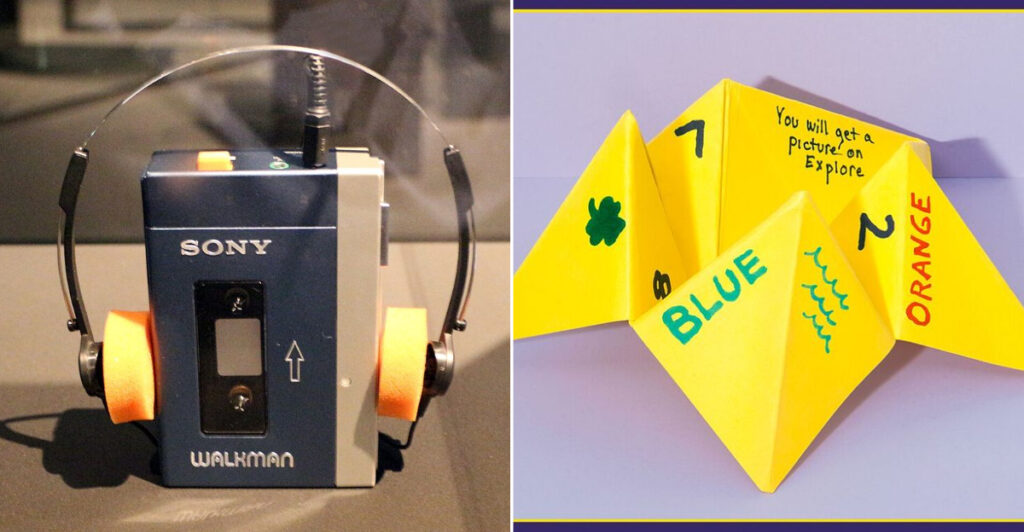
The Walkman was the iPhone of 1980. It was sleek, revolutionary, and made you look incredibly cool walking down the street with foam pads clamped over your ears.
Sony launched it in 1979, and by the early 80s, everyone wanted one.
The catch? Batteries died constantly.
A standard Walkman chewed through AA batteries faster than a kid through Halloween candy. Serious listeners carried spares in their jacket pockets like tiny musical survival kits.
Cassette tapes also had a dramatic flaw: they could unspool at any moment, leaving a ribbon of magnetic tape tangled inside the machine. The fix was sticking a pencil into the spool and winding it back manually.
Every 80s kid knew that trick. Gen Z has lossless audio and 100,000 songs in their pocket, which is genuinely incredible.
But there was something deeply satisfying about physically flipping a tape to side B, knowing the next set of songs was waiting right there for you.
Paper Fortune Tellers (Cootie Catchers)
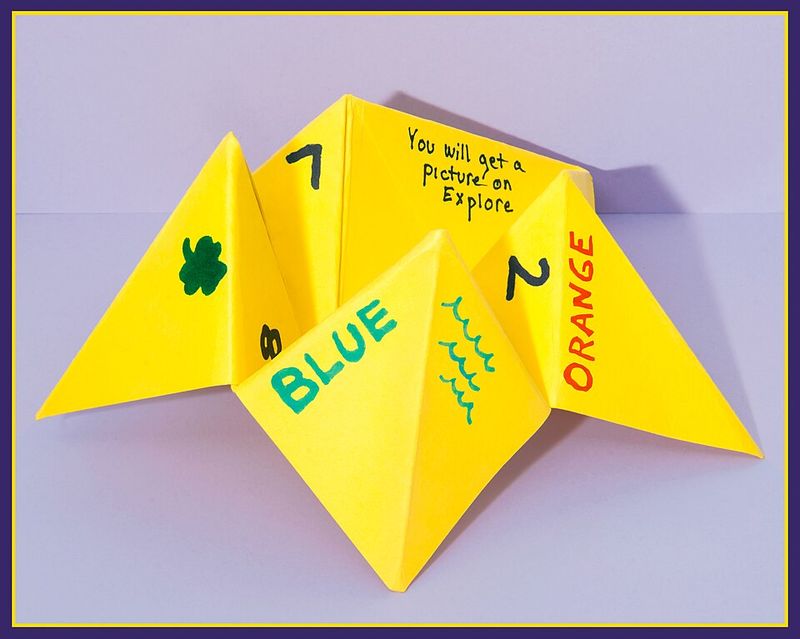
Long before personality quizzes lived on the internet, the cootie catcher ruled the schoolyard. Folded from a single sheet of notebook paper, this low-tech oracle decided your future crush, your career, and occasionally your doom.
Making one was practically a rite of passage. You folded, you colored, you wrote mysterious fates inside.
Then you performed the elaborate open-and-close ritual while someone counted, and the suspense was genuinely real. Would you marry your crush or move to Antarctica?
The paper knew.
The beauty of the cootie catcher was its total accessibility. Zero cost, zero batteries, zero Wi-Fi required.
Just a sheet of paper and a willingness to believe that folded origami could predict your romantic future. Gen Z has astrology apps, personality tests, and AI chatbots for that.
But nothing beats the handmade charm of a cootie catcher decorated in purple marker by your best friend during math class when the teacher wasn’t looking.
Velcro Wallets: The Loudest Fashion Statement
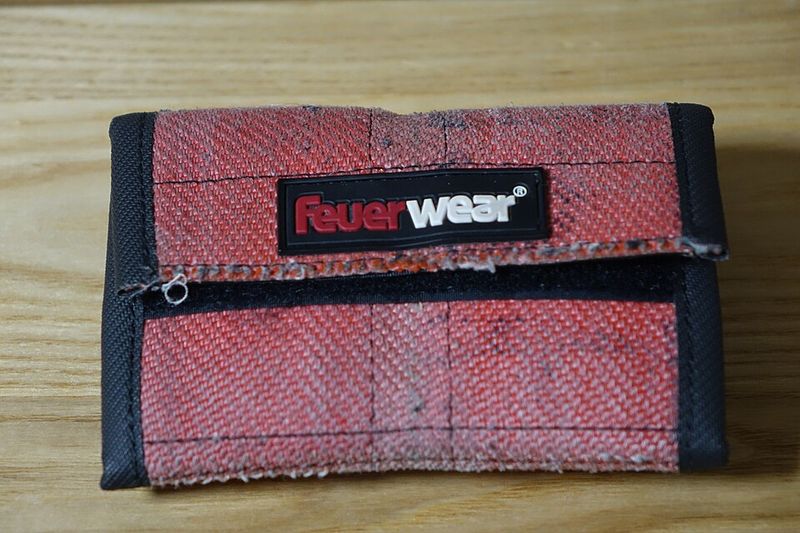
Nobody in the 80s opened their wallet quietly. That iconic ripping sound announced your financial transaction to everyone within a twenty-foot radius.
Velcro wallets were the unofficial soundtrack of every school cafeteria and arcade visit.
They came in every neon color imaginable. Hot pink, electric blue, lime green.
Some had cartoon characters on them. Some had sports logos.
All of them were equally, magnificently loud. The Velcro wallet was not interested in being subtle.
Functionality-wise, they were actually solid. Hard to lose, easy to spot, and nearly indestructible.
Mine survived three years of elementary school, a washing machine cycle, and one very unfortunate puddle incident. Gen Z carries sleek leather card holders or just taps their phone to pay.
Completely sensible. But there is something undeniably satisfying about the dramatic RIIIP of a Velcro wallet that no contactless payment can ever replicate.
Sometimes loud is exactly right.
Mall Arcades Were the Place to Be
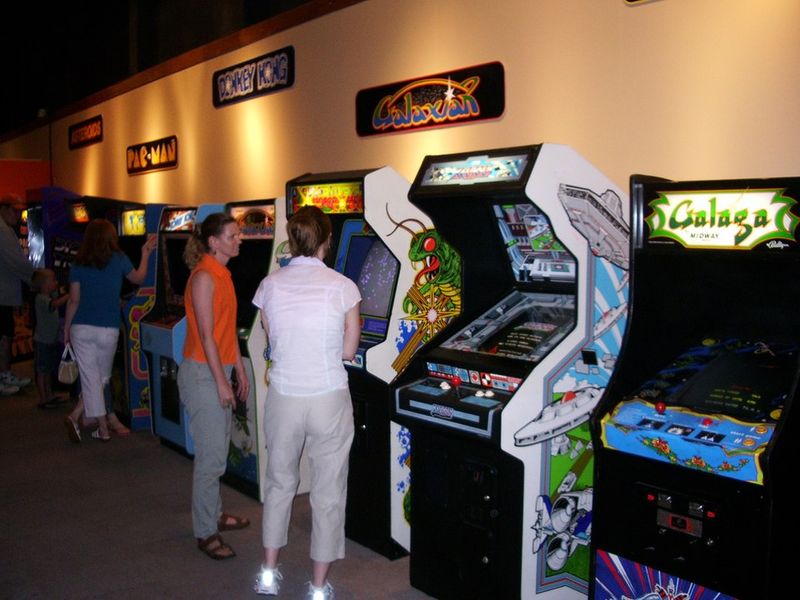
The mall arcade was not just a place to play games. It was the social headquarters of 1980s youth culture.
Walking through those flashing, beeping doors felt like entering another dimension, one where quarters were currency and high scores were status symbols.
Pac-Man, Donkey Kong, Galaga, Street Fighter. These weren’t just games; they were community events.
A crowd gathered whenever someone was crushing a high score. Strangers cheered.
Rivals watched. Friendships formed over shared joysticks and mutual respect for skill.
Parents dropped kids off at the mall and trusted the arcade to babysit them for a few hours. It worked surprisingly well.
The arcade had its own social hierarchy: the regulars who held machine records, the newcomers fumbling through their first game, and the watchers who hovered behind, waiting for a turn. Gen Z has online multiplayer with strangers worldwide, which is cool.
But nothing matched the electric, sweaty, quarter-fueled chaos of a packed 80s arcade on a Friday night.
Recording Songs Off the Radio
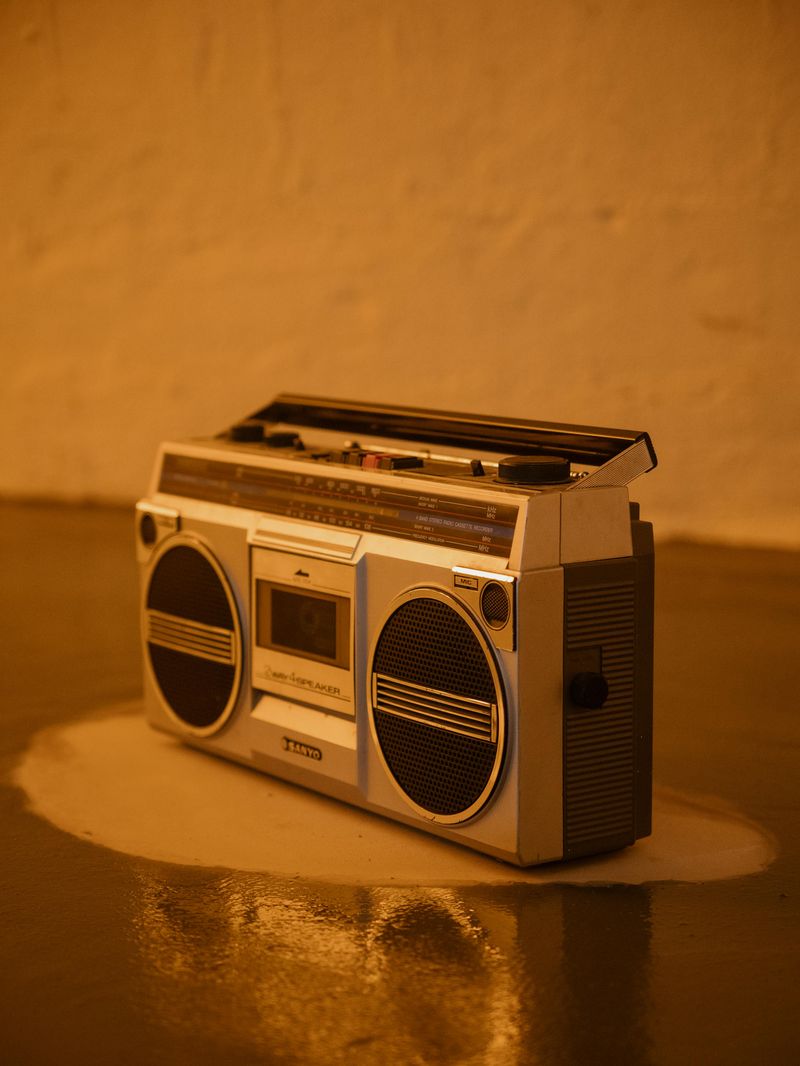
Radio recording was a sport. An actual competitive sport that required focus, quick reflexes, and a deep tolerance for disappointment.
You waited. You listened.
You hovered over that record button like a hawk.
The moment the DJ stopped talking and the song started, you slammed record. But sometimes the DJ kept chatting right through the intro.
Sometimes a commercial snuck in at the last second. Sometimes your sibling walked in and started talking loudly at the worst possible moment.
The struggle was real and deeply personal.
The reward, though, was pure gold. A perfectly recorded song on a cassette felt like catching lightning in a bottle.
You labeled it carefully, maybe drew a little star next to the title, and played it until the tape wore thin. Streaming has made music so accessible that the thrill of the hunt is basically gone.
There is no effort, no waiting, no victory. Just tap and play.
Convenient? Yes.
Legendary? Absolutely not.
Busy Signals Were Basically Rejection
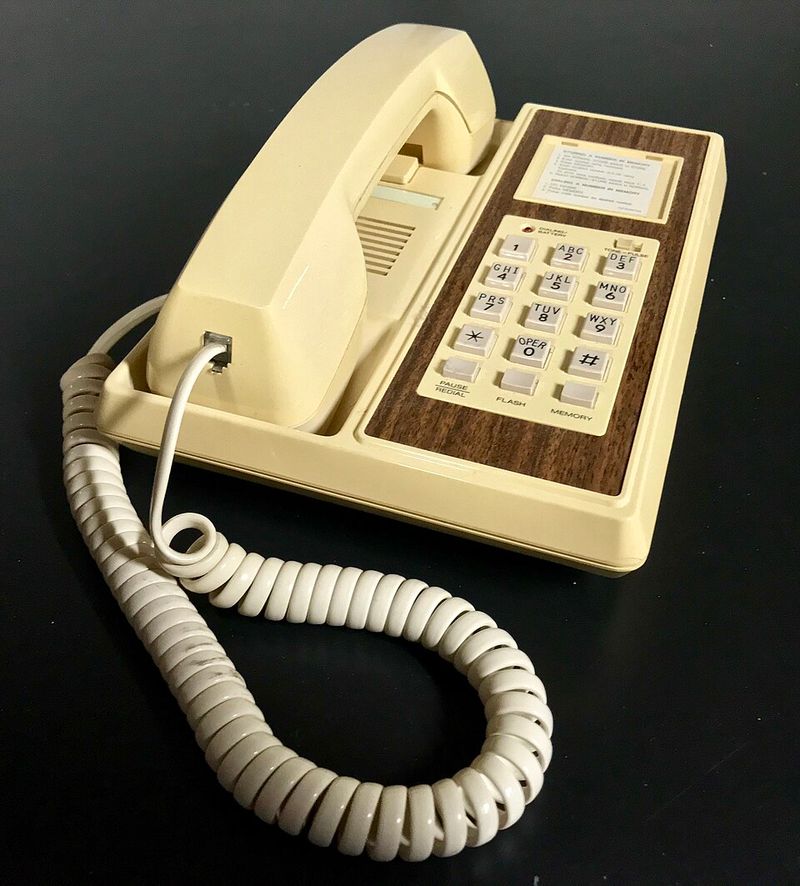
That horrible sound. Beep.
Beep. Beep.
The busy signal was the 80s version of being left on read, except louder and more maddening. You called your friend.
The line was busy. You hung up and tried again.
Still busy. Again.
Again. Again.
Most households had exactly one phone line. If someone was already on a call, you were completely locked out.
Mom chatting with Aunt Linda for forty-five minutes? Forget it.
You were not getting through until she decided to stop.
There was no voicemail, no callback notification, no way to signal that you were trying. You just kept redialing and hoping for a miracle.
It built character, allegedly. Gen Z texts and gets a read receipt within seconds.
The idea of manually redialing a number fifteen times sounds like a medieval punishment. And honestly, looking back, it kind of was.
But we did it without complaint, because what choice did we have?
Only Three Channels and You Were Grateful
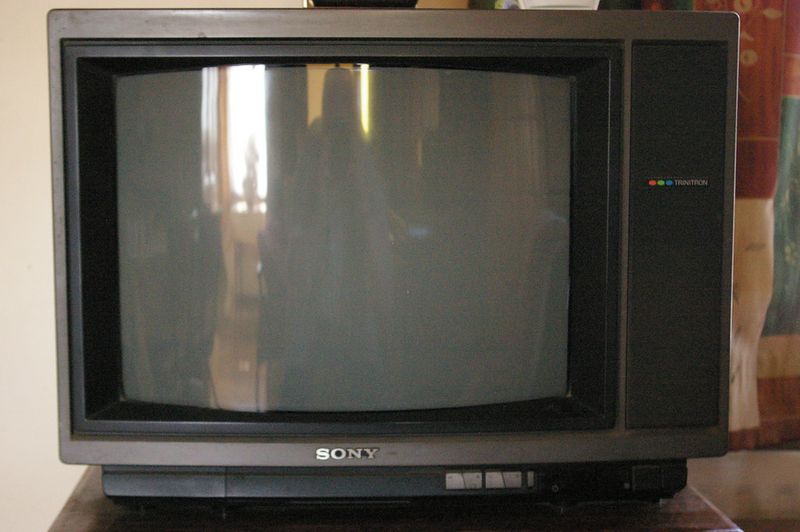
Three channels. Sometimes four if the antenna cooperated and you held it at exactly the right angle while standing on one foot.
That was the entire television universe for most 80s households, and nobody thought it was unusual.
You watched what was on. Full stop.
No algorithm suggested shows based on your mood. No personalized queue.
The TV guide was a physical magazine you flipped through to plan your week around specific shows. Miss your program?
Gone forever. No second chances.
Families actually sat together and watched the same thing, not because it was their first choice, but because it was the only choice. Compromise was built into the system.
Dad wanted the news, Mom wanted a sitcom, kids wanted cartoons, and someone always lost. Gen Z has thousands of streaming options and still spends twenty minutes deciding what to watch.
More choices, somehow less satisfaction. The 80s kept it simple, and honestly, simple worked just fine.
Handwritten Notes Were the Original DMs

Passing notes in class was an extreme sport with real consequences. You wrote your message in your best handwriting, folded it into an elaborate shape, and launched it across three desks without getting caught.
The adrenaline was genuinely something else.
Notes had to be concise because paper was limited and getting caught meant the teacher read it out loud to the entire class. That threat alone made 80s kids natural editors.
Every word counted. No filler, no fluff, just the essential gossip delivered efficiently.
Writing letters to pen pals or distant friends was a whole separate ritual. You picked out stationery, chose your best pen, and actually thought about what you wanted to say before writing it down.
Gen Z types and deletes and retyped endlessly in a chat box. There is something to be said for committing your thoughts to paper permanently.
Handwritten notes carried weight because they took real effort, and the recipient always knew it.
Glow-in-the-Dark Stars: DIY Galaxy Ceiling
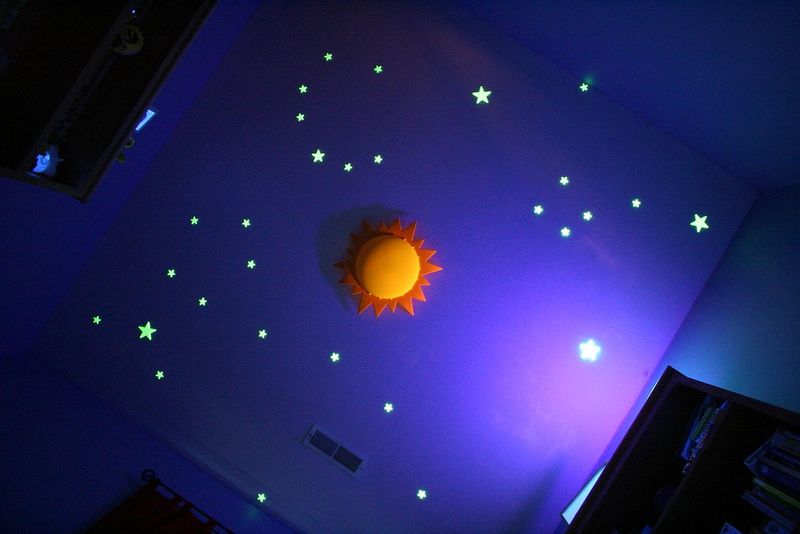
At some point in the 80s, someone decided that plain ceilings were a crime and glow-in-the-dark star stickers were the solution. They were absolutely right.
Those little plastic stars transformed every kid’s bedroom into a personal planetarium for about three dollars.
The setup ritual was half the fun. You spent an afternoon carefully peeling and sticking stars across the ceiling, arranging them into constellations or just random clusters based on vibes.
Then you charged them under a lamp and waited for darkness to reveal your masterpiece.
The glow faded after an hour or so, which was actually perfect timing for falling asleep. No screens, no noise, just softly glowing stars and the quiet of bedtime.
Glow stars are still sold today, which proves that some ideas are simply timeless. Gen Z has LED strip lights and smart bulbs that change color on command.
Cool, sure. But there is a specific kind of childhood magic in a ceiling full of hand-placed glowing stars that no app can replicate.
Calling Radio Stations to Request Songs
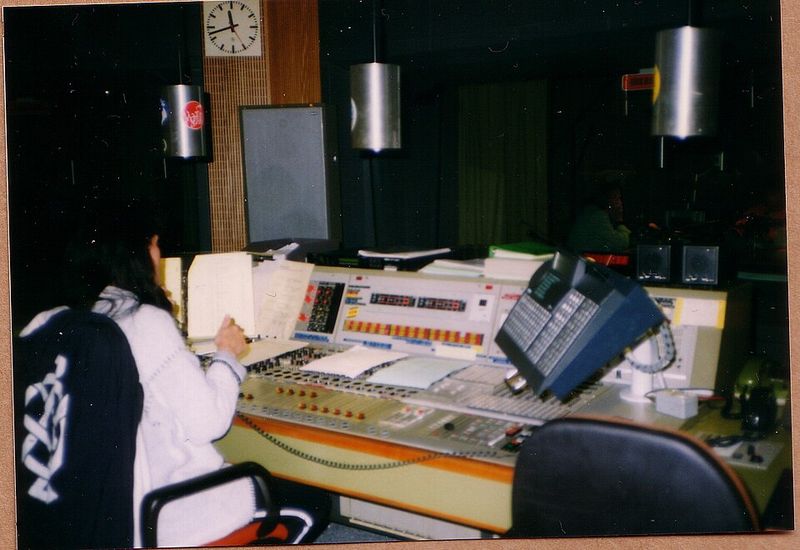
Getting through to a radio station felt like winning a contest before the contest even started. The line was almost always busy.
You redialed for twenty minutes straight, heart pounding, until someone finally picked up. Then you had about four seconds to name your song before they moved on.
Radio DJs were celebrities in the 80s. Getting your request played meant your song went out to the entire listening area.
Your name on the radio, your song on the air. It was a tiny slice of fame that felt enormous at the time.
Some stations had call-in contests tied to requests. Guess the artist, win concert tickets.
The stakes were high and the competition was fierce. My cousin once won backstage passes by being the ninth caller with the right answer.
She never let anyone forget it. Gen Z can request songs from AI-generated playlists without talking to a single human.
Efficient, yes. But it completely misses the sweaty, exciting, heart-in-your-throat thrill of finally getting through.
Share this story