Europe has long held the crown when it comes to world-class wine, but South America has been quietly building a case that is hard to ignore. Countries like Argentina, Chile, Uruguay, Brazil, Bolivia, and Peru are producing bottles that earn top scores from critics and turn heads at international competitions.
What makes these regions so compelling is the sheer variety on offer, from high-altitude vineyards sitting above the clouds to cool coastal valleys shaped by Pacific breezes. The geography alone is enough to make any wine lover curious.
Add in centuries of tradition mixed with modern winemaking techniques, and you have a continent that does not just imitate Europe but offers something genuinely different. Read on to discover 14 South American wine regions that are rewriting the global conversation, one glass at a time.
1. Mendoza, Argentina
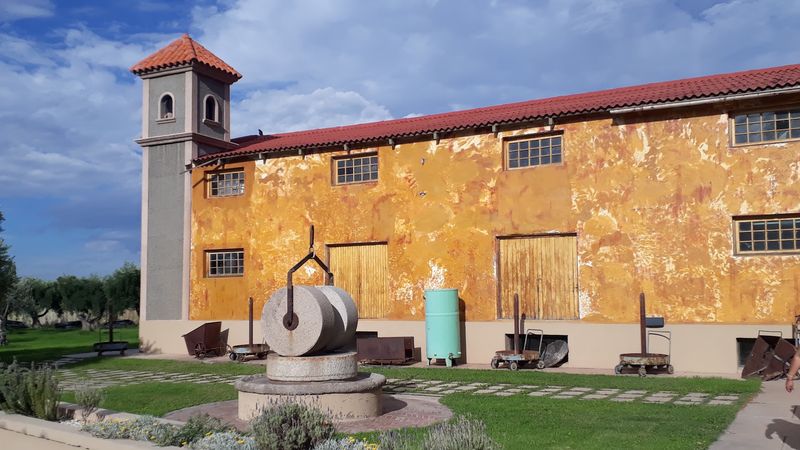
Argentina’s most celebrated wine address sits at the foot of the Andes, and it has absolutely earned that spotlight. Mendoza produces more than 70 percent of Argentina’s total wine output, yet quantity has never come at the cost of quality here.
The region’s secret weapon is its altitude. Most vineyards sit between 600 and 1,100 meters above sea level, creating hot days and dramatically cool nights that help grapes develop concentrated flavor and bright acidity at the same time.
Malbec is the undisputed star, producing bold, structured reds that regularly outperform European competitors in blind tastings. Cabernet Sauvignon and Chardonnay also thrive here.
Luxury wine lodges, world-class restaurants attached to estates, and guided horseback tours through the vines make Mendoza a full travel destination, not just a tasting stop.
2. Uco Valley, Argentina
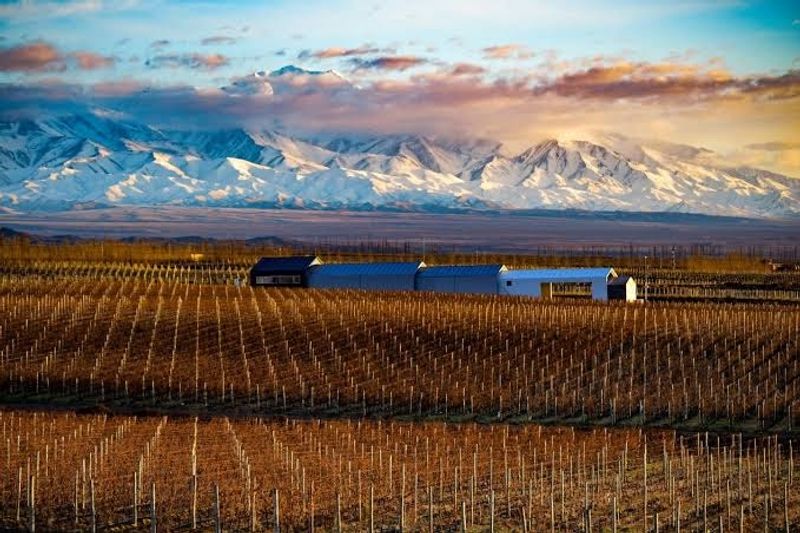
Tucked inside Mendoza province but operating on an entirely different level, Uco Valley has become the name serious wine collectors drop when they want to sound like they really know their stuff. Vineyards here push above 1,000 meters, and some plots climb even higher.
The altitude creates growing conditions that are almost extreme, with intense UV exposure and temperature swings of up to 20 degrees Celsius between day and night. Those conditions translate directly into wines with remarkable structure and minerality.
Cabernet Franc from Uco Valley has drawn comparisons to France’s Loire Valley, while the Malbecs here tend to be more refined and complex than the fruit-forward styles found at lower elevations. Several of Argentina’s most architecturally striking wineries are based here, drawing design-minded travelers alongside the dedicated wine crowd.
3. Cafayate, Argentina
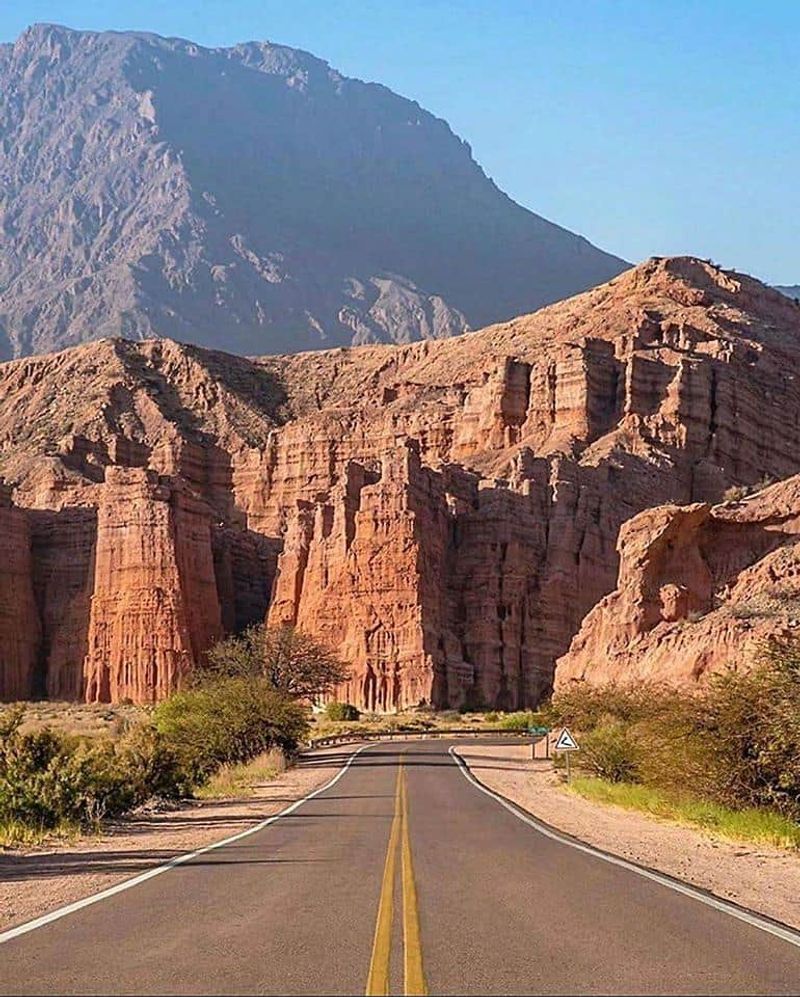
Red-rock canyons, desert silence, and vineyards sitting above 1,700 meters make Cafayate one of the most visually dramatic wine destinations on the planet. This small town in Salta province punches well above its weight in terms of both scenery and grape quality.
Torrontés is the grape that put Cafayate on the international map. It produces a white wine with bold floral character and crisp acidity that feels unlike almost anything grown in Europe.
The extreme altitude and intense sun concentrate the flavors in ways that lower-elevation regions simply cannot replicate.
Tannat also performs surprisingly well here, producing dense, structured reds that benefit from the dry mountain climate. The town itself is compact and charming, with family-run bodegas that welcome visitors without requiring an appointment, which is a refreshing rarity in the wine world.
4. Patagonia, Argentina
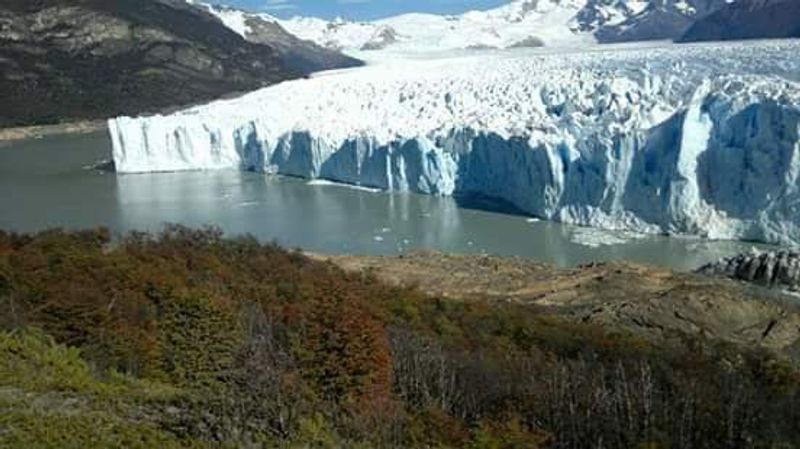
Most people associate Patagonia with glaciers, hiking trails, and wind that could relocate a small car. What fewer people expect is that this remote southern region also produces some of Argentina’s most elegant wines.
The cool climate here is shaped by Patagonia’s far southern latitude, and that cold air is exactly what Pinot Noir needs to develop its characteristic delicacy and earthy complexity. Producers in the Rio Negro and Neuquen areas have been quietly refining their craft for decades.
Persistent winds actually help the vines by reducing humidity and keeping disease pressure low, which means many producers can farm with minimal chemical intervention. Chardonnay from Patagonia tends to show a fresh, mineral-driven style that feels closer to Burgundy than to the richer versions found further north.
The sense of remoteness here adds a genuine edge to every tasting experience.
5. Maipo Valley, Chile
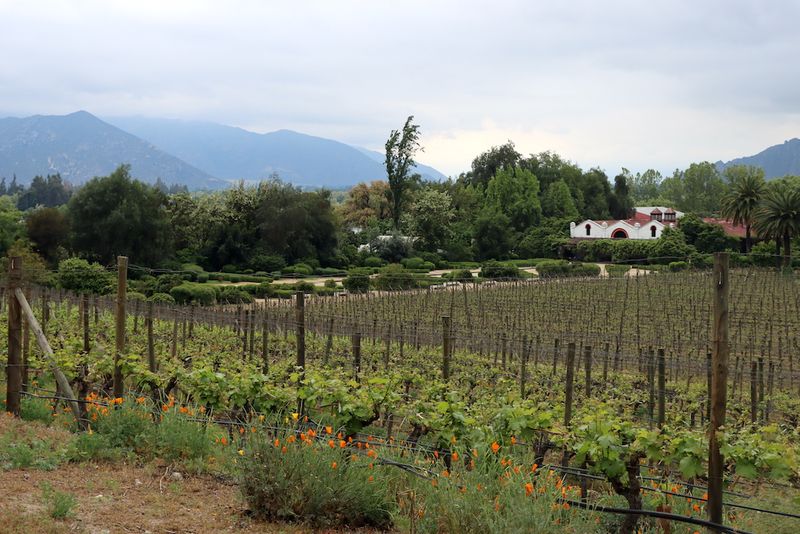
Chile’s wine story essentially starts here. Maipo Valley, located just south of Santiago, is the oldest and most historically significant wine region in the country, and it still sets the standard for Chilean Cabernet Sauvignon.
The combination of warm, dry summers and cool nights fed by cold air rolling down from the Andes creates near-perfect conditions for Bordeaux-style reds. Several of Chile’s most iconic wine estates, some dating back to the 19th century, call Maipo home.
Critics frequently compare the valley’s top Cabernet Sauvignons to Bordeaux in terms of structure and aging potential, though Maipo wines tend to show more generous fruit upfront. Carmenere also thrives here, adding another layer of interest for visitors exploring the region.
The valley’s proximity to Santiago makes it the most accessible major wine region in Chile, which helps explain its enduring popularity.
6. Colchagua Valley, Chile
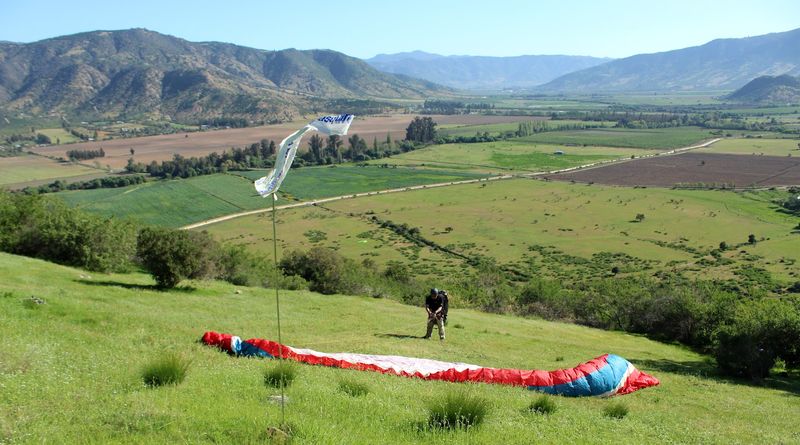
If Maipo is Chile’s classic, Colchagua is its showstopper. Located about 180 kilometers south of Santiago, this valley has built a reputation as one of the most dynamic red wine regions in the entire Southern Hemisphere.
Carmenere, a grape variety that was nearly extinct in its original home of Bordeaux, found its second life here and thrives in Colchagua’s warm Mediterranean climate. The wines tend to be deeply colored, with herbal notes and a velvety texture that makes them immediately recognizable.
The valley has also invested heavily in wine tourism infrastructure. Horse-drawn carriage tours through estates, a dedicated wine train connecting key wineries, and boutique hotels nestled among the vines give Colchagua a polished, visitor-friendly character.
Several international wine publications have ranked it among the top wine destinations in the world, and the accolades keep coming.
7. Casablanca Valley, Chile
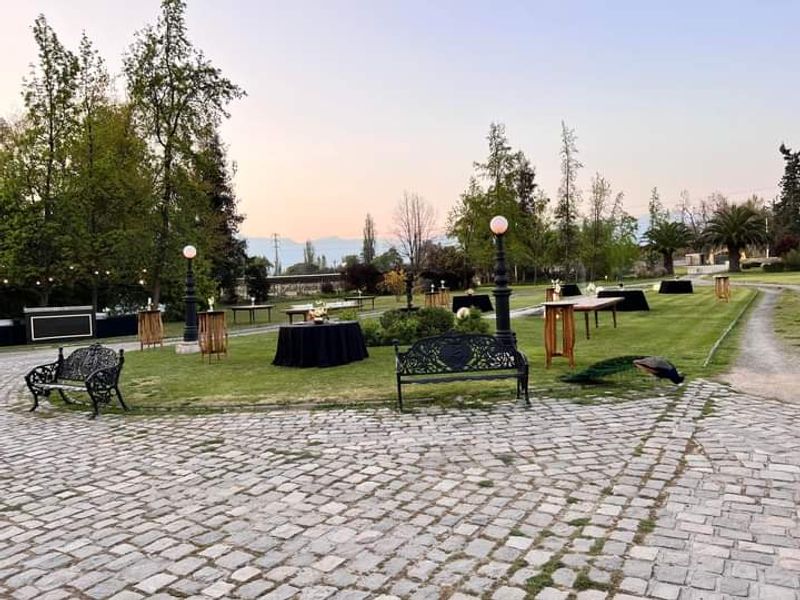
Casablanca Valley rewrote the Chilean wine rulebook when it emerged as a serious white wine region in the 1980s, proving that the country could do much more than bold reds. Its secret is geography: the valley sits just 20 kilometers from the Pacific Ocean.
Cold marine air rolls in each morning, keeping temperatures low enough for Sauvignon Blanc and Chardonnay to develop the kind of crisp acidity and bright fruit character that previously seemed exclusive to France’s Loire Valley or New Zealand’s Marlborough region.
Pinot Noir also performs well here, producing lighter, more elegant styles than those from warmer Chilean valleys. Many wineries have built impressive tasting facilities with views across the valley, attracting visitors who want a quieter, more refined experience than the busier wine routes closer to Santiago.
The wines here age gracefully and reward patience.
8. Cachapoal Valley, Chile
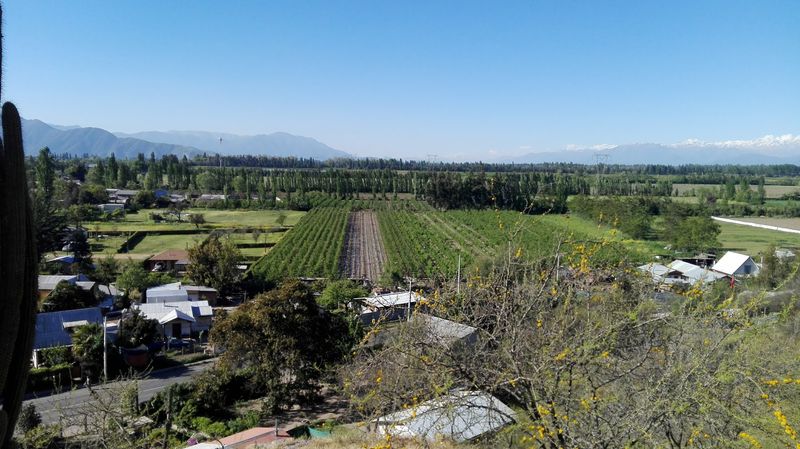
Sandwiched between the more famous Maipo and Colchagua valleys, Cachapoal tends to fly under the radar for casual wine tourists, which is honestly a gift for those who discover it. The valley’s warm Mediterranean climate and rich alluvial soils are particularly well-suited to red varieties.
Carmenere is the headline act, and Cachapoal produces some of Chile’s most structured and age-worthy versions of this grape. A handful of estates here specialize in 100 percent Carmenere, offering a focused, single-variety experience that is rare even within Chile.
Merlot and Malbec also find a comfortable home in the valley’s fertile floor, while higher elevation plots on the Andean foothills add freshness to the wines. The pace of life in Cachapoal is noticeably slower than in tourist-heavy regions, and that relaxed energy carries over into how wineries receive their guests, with unhurried, personal attention being the norm rather than the exception.
9. Aconcagua Valley, Chile
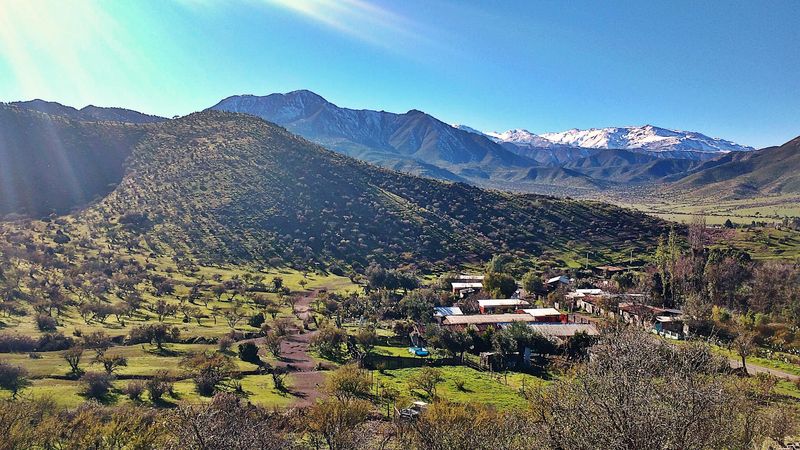
Named after the highest peak in the Americas, Aconcagua Valley carries its namesake’s reputation for going big. This northern Chilean valley produces some of the country’s most powerful and acclaimed red wines, shaped by a warm, dry Mediterranean climate that delivers long, sun-drenched growing seasons.
Cabernet Sauvignon dominates the valley floor, producing wines with deep color, firm tannins, and the kind of concentration that allows them to age comfortably for a decade or more. Syrah has also been gaining ground, adding a spicy, full-bodied option to the regional lineup.
What makes Aconcagua particularly interesting is the diversity within the valley itself. The lower zones near the coast benefit from Pacific cooling, while the inland areas near the Andes run significantly warmer, allowing producers to grow a wider range of varieties than most single valleys can support.
That internal complexity keeps the region’s wines surprising.
10. Canelones, Uruguay
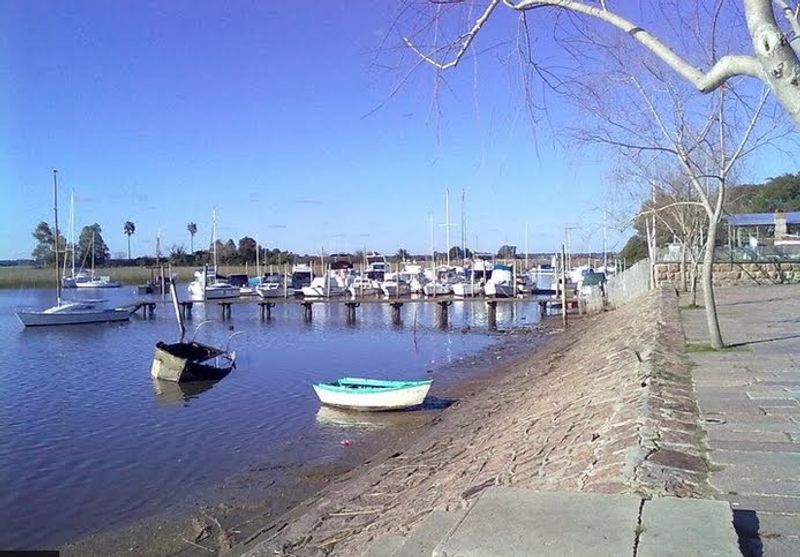
Uruguay is the kind of wine country that rewards people who pay attention. While the world fixates on Argentina and Chile, Canelones has been quietly producing some of the most distinctive red wines in South America, built around a grape that most people outside France have barely heard of.
Tannat, the same variety used in the Madiran region of southwest France, produces wines of extraordinary depth and structure in Canelones. The Uruguayan versions tend to be more polished than their French counterparts, with dark fruit, firm tannins, and a long finish that wine lovers find genuinely exciting.
The region is dominated by family-run operations that have been farming the same land for generations, many of them founded by Basque and Italian immigrants who arrived in the late 19th century. That generational continuity gives the wines a sense of place and authenticity that is increasingly hard to find at this price point.
11. Serra Gaucha, Brazil

Brazil producing world-class wine might raise a few eyebrows, but Serra Gaucha has been making a compelling argument since the early 20th century, when Italian immigrant families planted the first serious vineyards in the highlands of Rio Grande do Sul.
The region’s cooler temperatures and higher humidity create ideal conditions for sparkling wine production, and that is exactly where Serra Gaucha has built its strongest international reputation. Bottles made using both the traditional method and the Charmat method have earned praise at global competitions, competing credibly with European sparkling wines.
The towns dotting the valley, including Bento Goncalves and Garibaldi, have a distinctly Italian character, with stone architecture, family-run restaurants, and a genuine pride in local produce. The wine route connecting these towns is one of Brazil’s most popular tourist trails, attracting visitors who arrive expecting novelty and leave genuinely impressed by what is in their glass.
12. Tarija, Bolivia
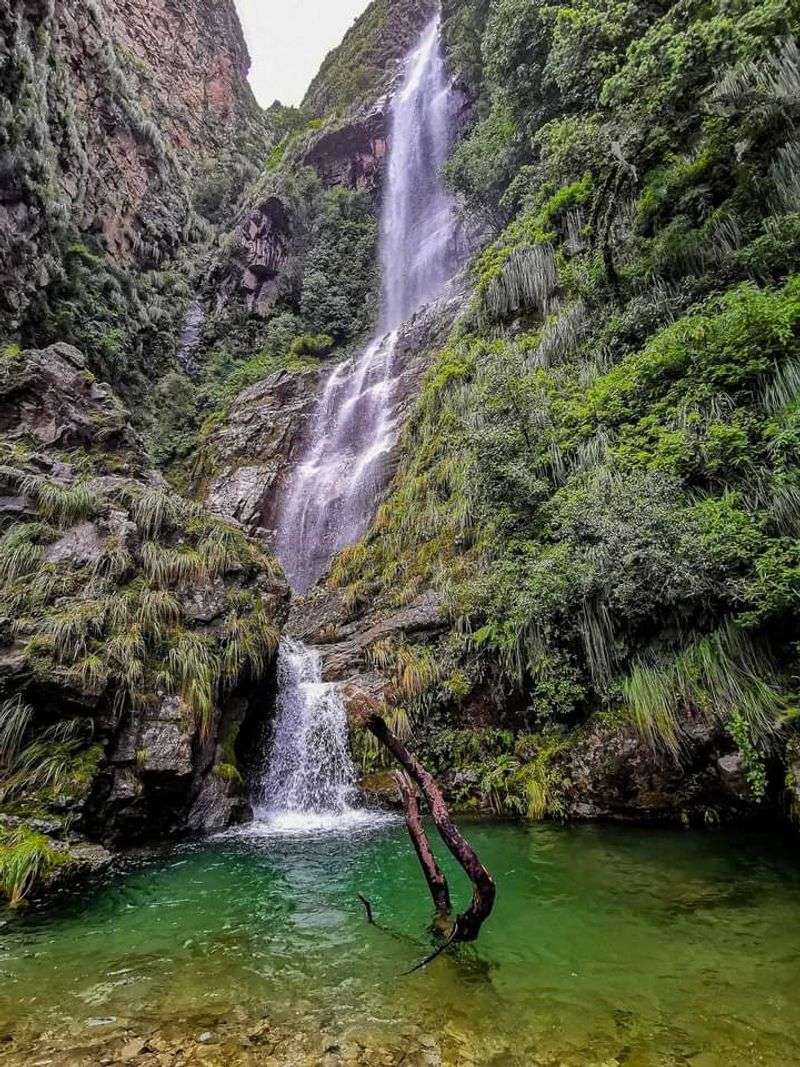
Bolivia is not the first country that comes to mind in a wine conversation, but Tarija is working hard to change that, and its argument is built on altitude. Vineyards here regularly sit above 1,700 meters, with some plots pushing past 3,000 meters, making this one of the highest wine-growing zones on Earth.
Tannat thrives in Tarija’s extreme conditions, producing wines with intense color and a firm tannic backbone that needs time in the bottle to fully reveal its character. Cabernet Sauvignon and Syrah also perform well, benefiting from the intense sun exposure that accelerates phenolic ripeness even in a relatively cool climate.
The local wine industry is still developing its tourism infrastructure, which means visitors currently get an unfiltered, behind-the-scenes experience that more established regions can no longer offer. For adventurous travelers willing to make the journey, Tarija rewards curiosity with wines that taste like nowhere else on Earth.
13. San Juan, Argentina
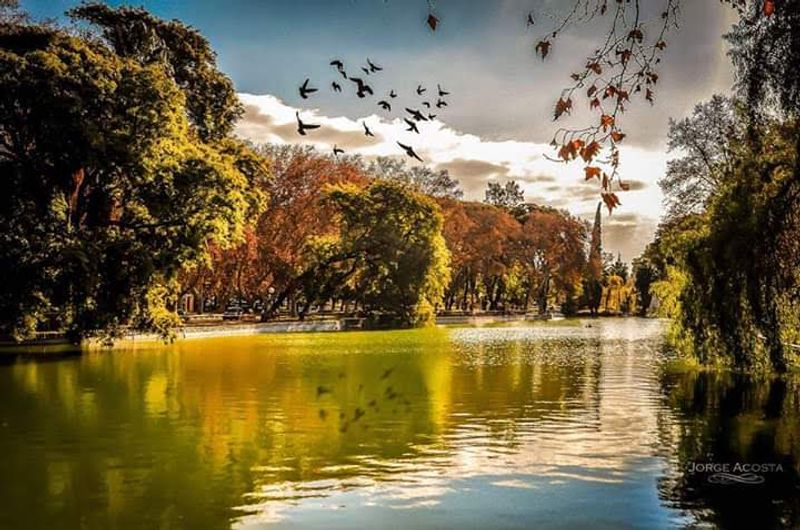
San Juan sits directly north of Mendoza and shares many of the same geographic advantages, yet it remains one of Argentina’s most underappreciated wine regions. That oversight is starting to look like a serious miscalculation by the broader wine world.
The climate here is even hotter and drier than Mendoza, which means Syrah in particular reaches a level of ripeness that produces wines of impressive body and complexity. Several San Juan Syrahs have outperformed more expensive bottles in comparative tastings, which has helped put the region on the radar of value-focused collectors.
Malbec is also grown widely, and while the style tends toward riper, more generous fruit than Mendoza’s more structured versions, that approachability makes San Juan wines easy to enjoy without requiring years of cellaring. The region’s wineries are less crowded and more casual than their southern neighbors, which makes the whole visit feel refreshingly unhurried.
14. Itata Valley, Chile
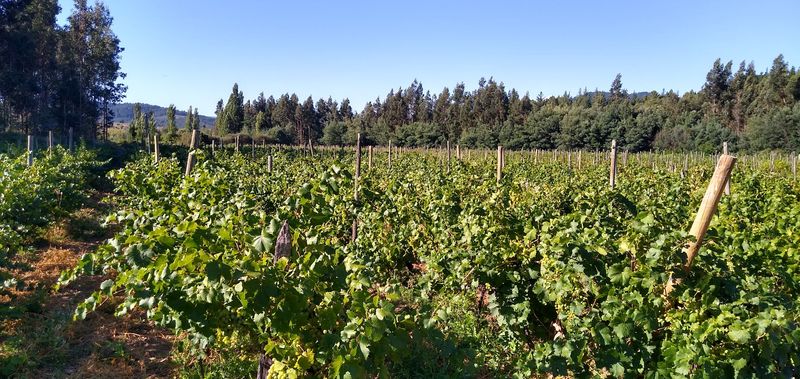
Old vines, minimal intervention, and a generation of young winemakers with something to prove have turned Itata Valley into one of the most talked-about wine regions in Chile right now. Located in the Bio-Bio region, Itata is actually one of Chile’s oldest wine areas, with some vines dating back over 200 years.
Cinsault and Muscat are the traditional varieties here, grown on dry-farmed, ungrafted vines that have never seen the kind of modern viticultural intervention common in Chile’s more commercial regions. The resulting wines are lighter, more aromatic, and distinctly different from the bold reds that dominate Chilean wine exports.
A new wave of producers, many of them trained in Europe, has recognized the extraordinary raw material these old vines provide and is bottling wines with minimal additions and no new oak. The results have attracted serious attention from sommeliers and wine writers globally, who see Itata as a window into what authentic, pre-industrial Chilean wine might have tasted like.
Share this story