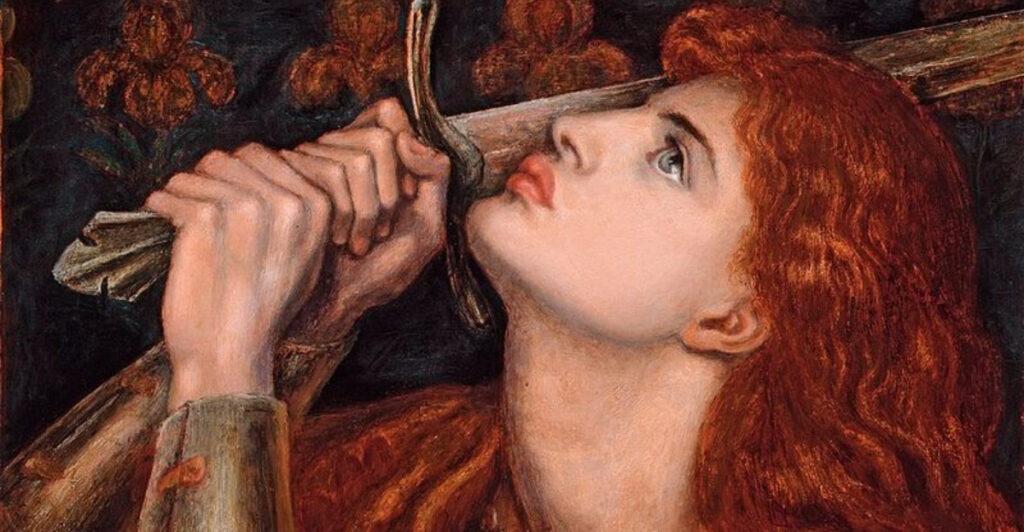
Throughout history, many women found themselves in a world that refused to give them equal opportunities, so they did something remarkable: they disguised themselves as men. Whether driven by survival, ambition, love, or a sense of duty, these women took enormous risks to serve in armies, pursue careers, and live freely.
Their stories are not just fascinating, they are proof of extraordinary courage in the face of impossible odds. Here are 14 real women who lived as men to survive and succeed.
1. Deborah Sampson (1760-1827)
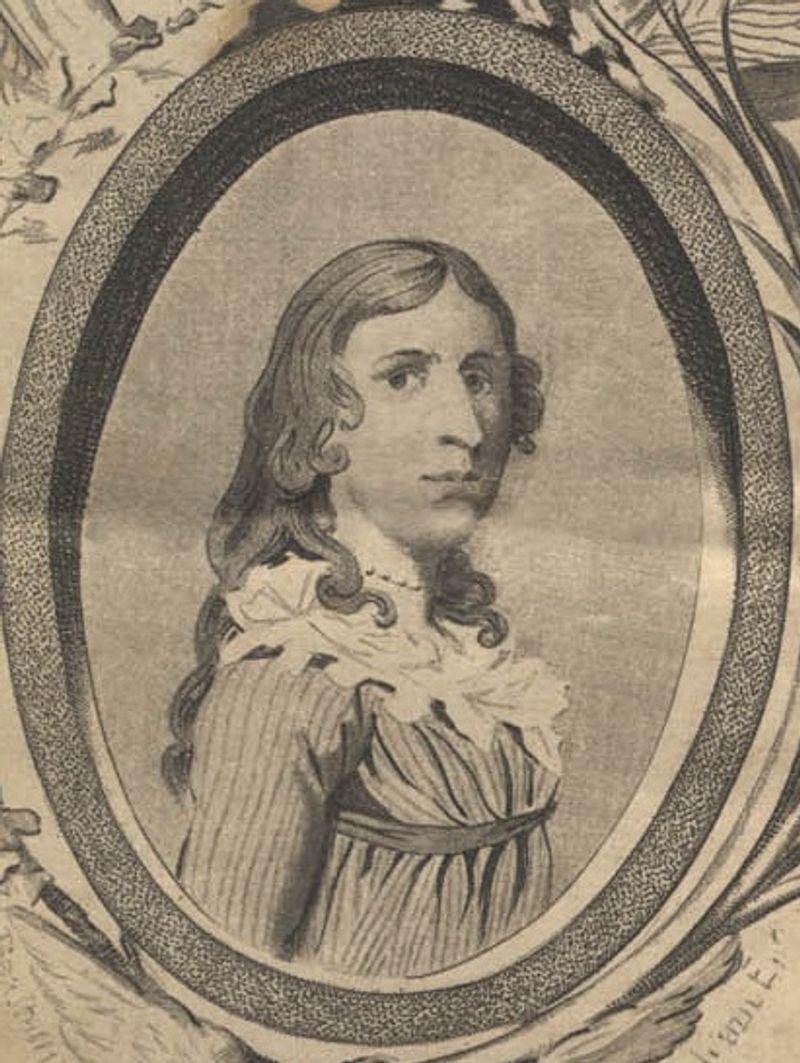
Deborah Sampson did something that very few people in 18th-century America would dare to attempt. She bound her chest, put on a uniform, and enlisted in the Continental Army under the name Robert Shurtliff.
For over a year, she fought alongside men who had no idea she was a woman.
Sampson was wounded twice during her service. The first time, she secretly removed a musket ball from her own leg to avoid being examined by a doctor.
Her identity was eventually discovered when she fell ill with a fever and a physician found out the truth.
Rather than facing punishment, she was honorably discharged in 1783. She later received a pension for her military service, becoming one of the first women in American history to earn that recognition.
Her bravery helped pave the way for future generations of women in the military.
2. Dr. James Barry (c. 1789-1865)
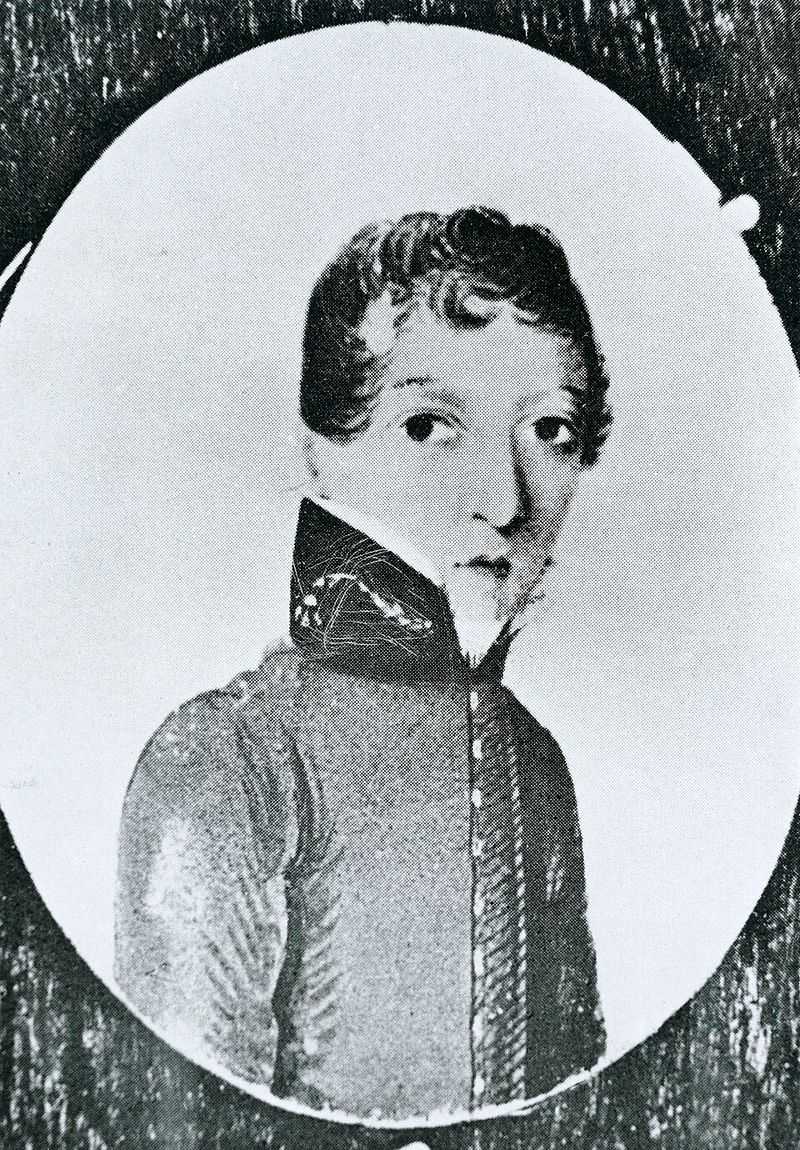
Born Margaret Ann Bulkley, Dr. James Barry pulled off one of history’s most remarkable long-term disguises. To pursue a career in medicine at a time when women were completely banned from medical schools, Bulkley adopted a male identity and enrolled at the University of Edinburgh.
Barry went on to become one of the most respected surgeons in the British Army, performing one of the earliest successful cesarean sections in which both the mother and baby survived. For over 40 years, Barry served across multiple continents, earning a reputation for both skill and a fiery personality.
The truth about Barry’s birth sex was only discovered after death in 1865. The revelation shocked the British military establishment.
Barry’s story raises powerful questions about identity, ambition, and the lengths someone must go to simply do the work they were born to do.
3. Catalina de Erauso (1592-1650?)
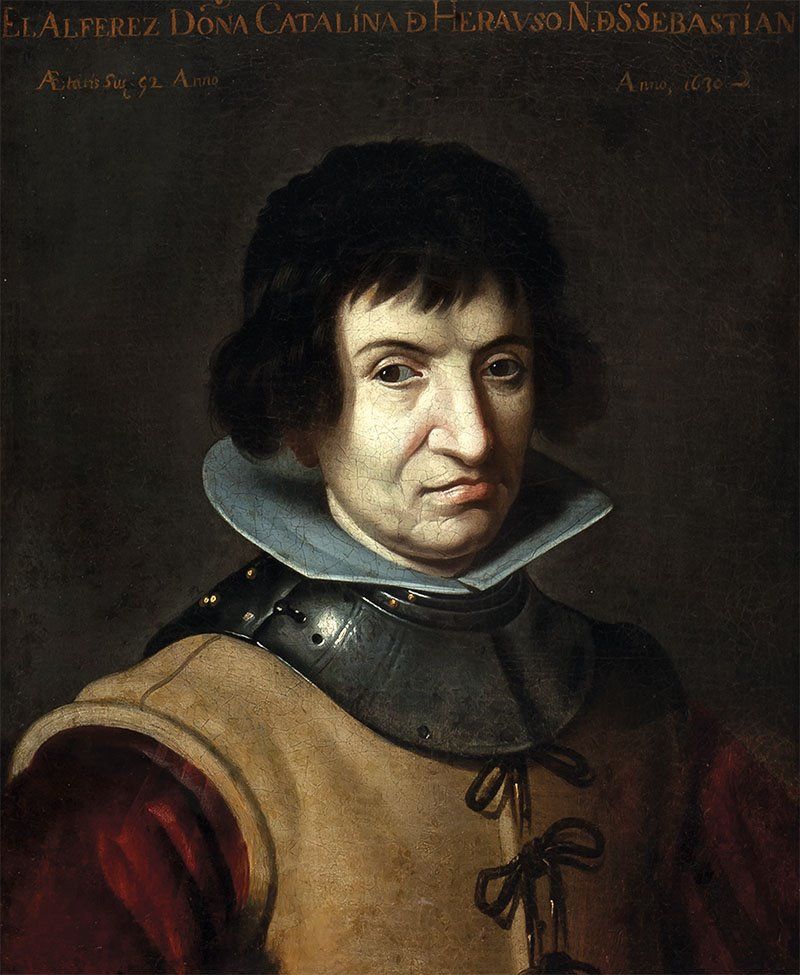
Catalina de Erauso’s story reads like something out of an adventure novel. At around 15 years old, she escaped from a Spanish convent where she had been placed as a young girl and cut her hair, sewed herself a new set of clothes, and walked out into the world as a man.
She traveled to the Spanish colonies in South America and enlisted as a soldier, serving in several military campaigns. Known for her fearlessness and skill with a sword, Erauso got into numerous fights and duels, sometimes killing opponents.
She kept her identity hidden for over a decade.
When her birth sex was finally revealed, the Catholic Church was so impressed by her story that the Pope granted her special permission to continue dressing as a man. She is remembered today as the “Lieutenant Nun,” a truly one-of-a-kind figure in colonial history.
4. Sarah Edmonds (1841-1898)
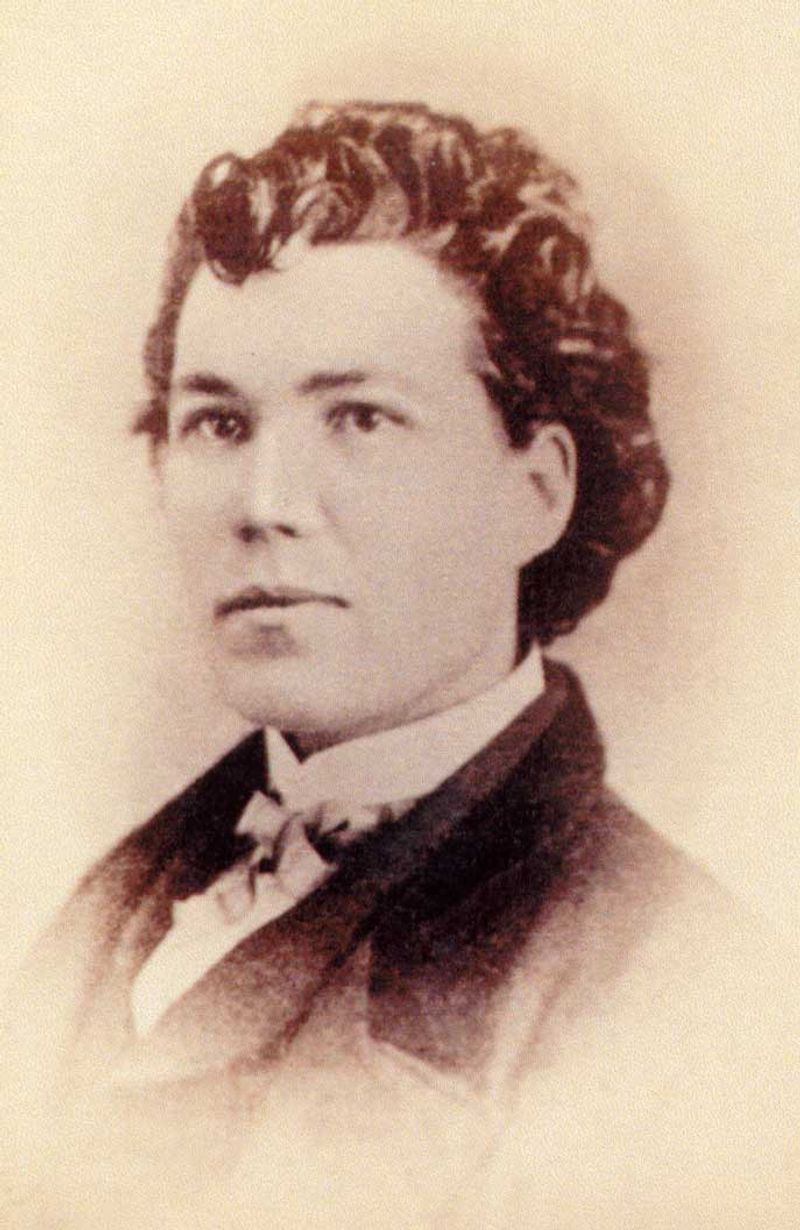
Sarah Edmonds was already living as a man named Frank Thompson before the Civil War even started. She had fled an abusive father in Canada and reinvented herself in the United States, working as a Bible salesman under her assumed male identity.
When war broke out in 1861, she enlisted in the Union Army as Franklin Thompson. She served as a field nurse and soldier, and some accounts suggest she also worked as a spy, disguising herself in multiple identities during intelligence missions behind Confederate lines.
When she contracted malaria, she feared a medical examination would expose her, so she deserted in 1863. Years later, she applied for and received an honorable discharge and a veteran’s pension.
She also became the only woman accepted as a full member of the Grand Army of the Republic, the Union veterans organization. Her life was genuinely extraordinary.
5. Hannah Snell (1723-1792)
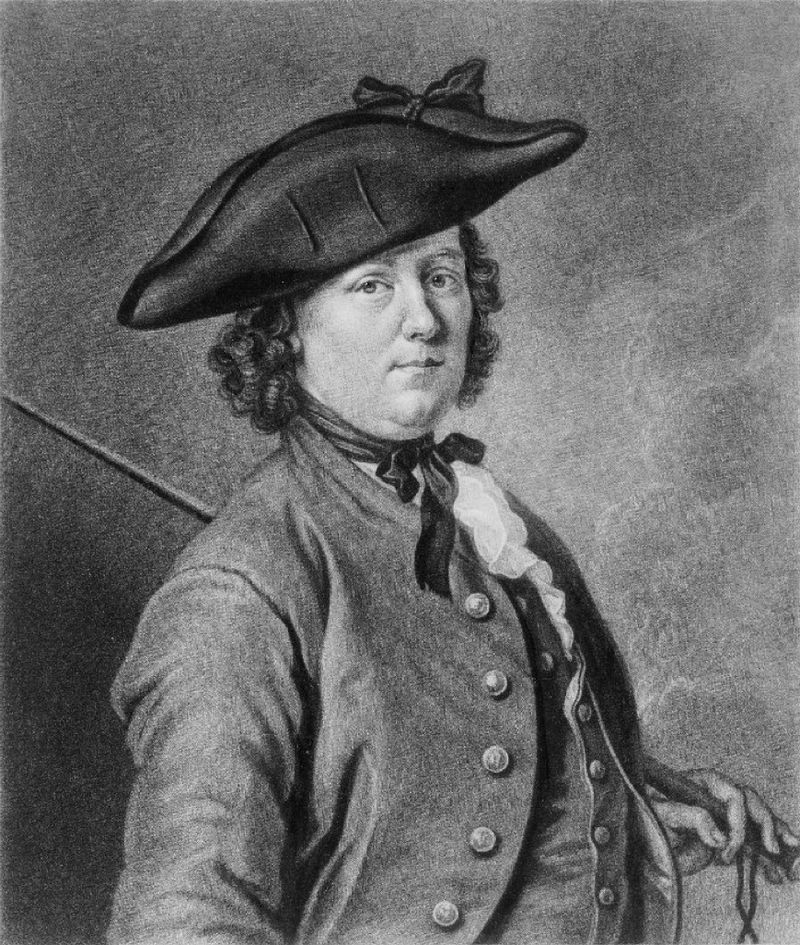
Hannah Snell had every reason to stay home and grieve. Her husband had abandoned her, and she had lost a child shortly after birth.
Instead of giving up, she borrowed a man’s suit, took the name James Gray, and set out on one of the most daring adventures of the 18th century.
Snell joined the British Army and later the Royal Marines, sailing to India and taking part in the siege of Pondicherry. She was wounded multiple times in battle, including receiving musket fire to her legs.
Remarkably, she treated her own wounds to keep her identity secret from military surgeons.
After returning to England, she revealed her true identity and became something of a celebrity. She even performed her military drills on stage at a London theater.
The Duke of Cumberland awarded her a pension. Her story was published and widely read across Britain during her lifetime.
6. Albert Cashier (1843-1915)
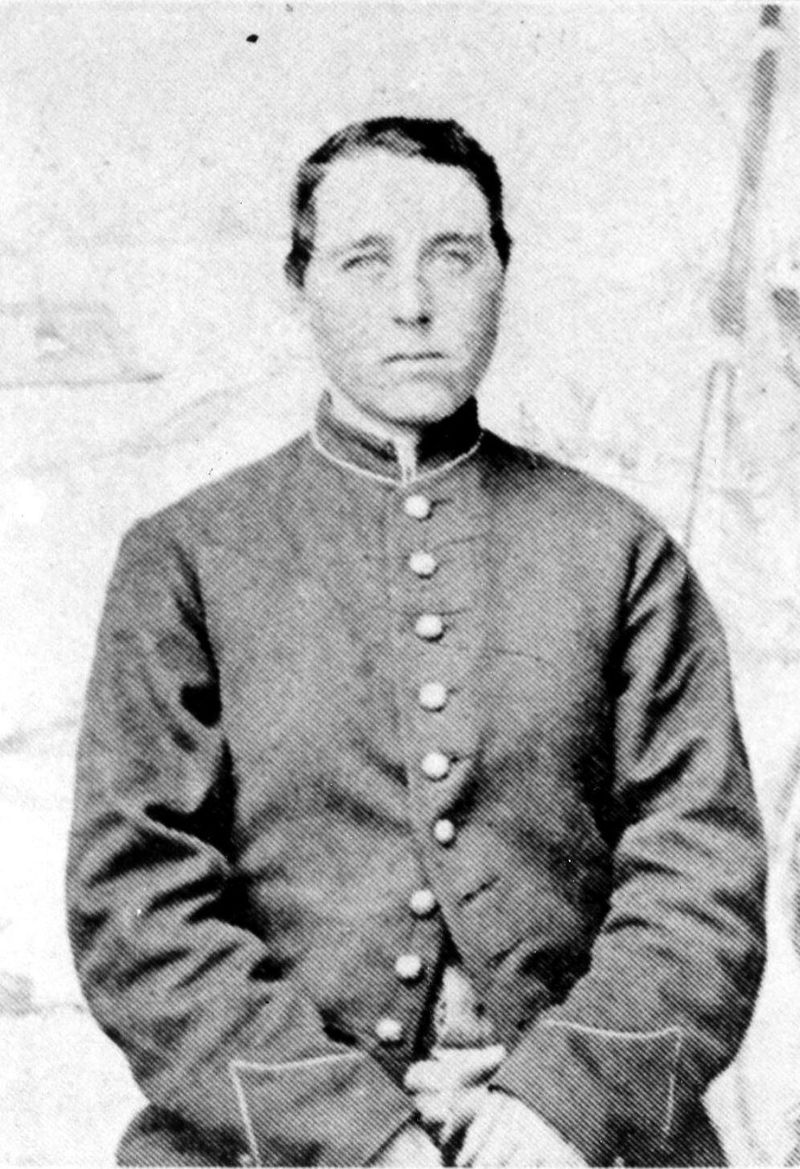
Albert Cashier was born Jennie Hodgers in Ireland and immigrated to the United States as a teenager. At some point, Hodgers began living as a man full-time, and that identity became simply who Albert Cashier was for the rest of his life.
Cashier enlisted in the 95th Illinois Infantry in 1862 and served for the entire duration of the Civil War, participating in over 40 engagements, including the Siege of Vicksburg. Fellow soldiers described him as small but tough and never doubted his commitment to the fight.
After the war, Cashier continued living as a man in Illinois for decades. His birth sex was only discovered in 1911 after a car accident required medical attention.
Even then, many of his former comrades defended him and insisted he be buried in his uniform. His story is now recognized as one of early American transgender history.
7. Joan of Arc (1412-1431)
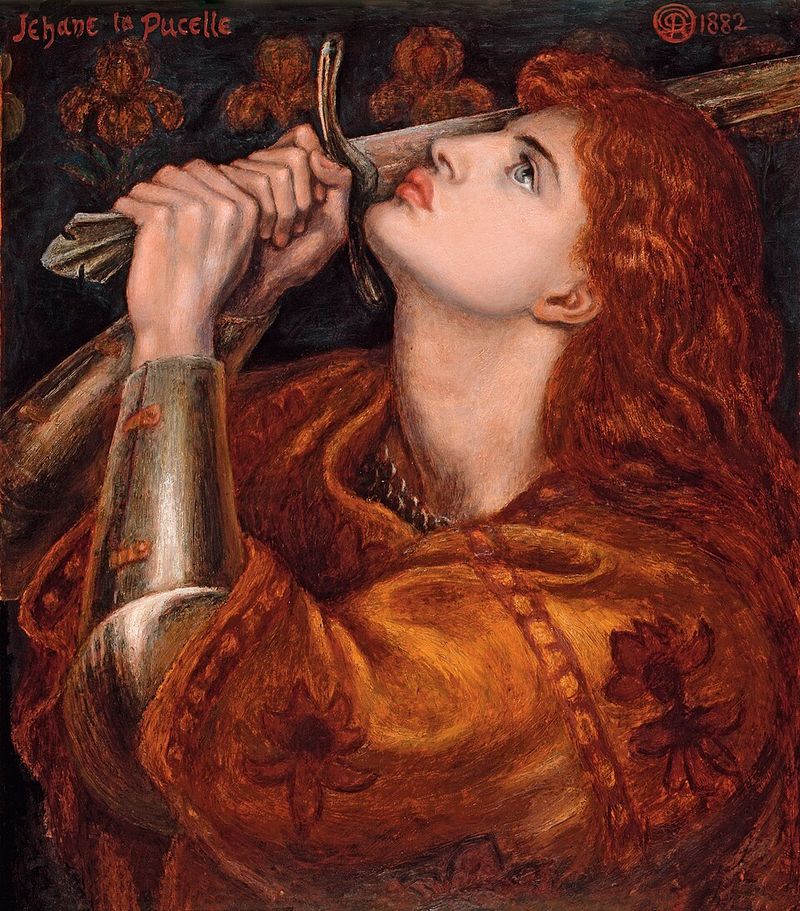
Few names in history carry as much weight as Joan of Arc. Born into a peasant family in northeastern France, she claimed to hear the voices of saints urging her to help drive the English out of France.
What made her stand out, apart from her faith, was what she wore.
Joan dressed in full male military armor and rode into battle at the head of French armies. In a society where gender roles were strictly enforced, her choice to wear men’s clothing was considered deeply controversial and was even used as a charge against her during her trial.
She was captured by the English and burned at the stake in 1431 at just 19 years old. One of the formal accusations against her was wearing men’s clothing, which the church called heresy.
She was later canonized as a saint in 1920 and remains France’s most celebrated national heroine.
8. Hua Mulan
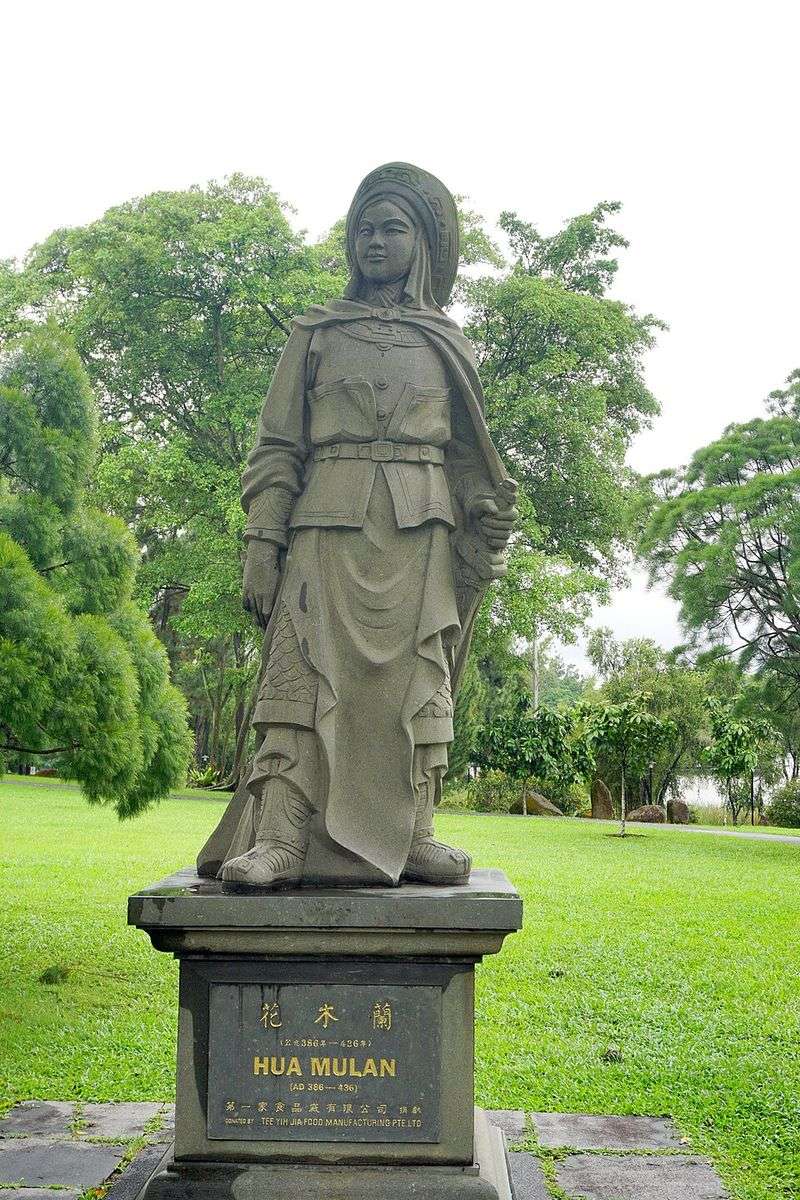
Hua Mulan’s story has been told and retold for over a thousand years, originating in a Chinese poem called the Ballad of Mulan, likely written during the Northern Wei dynasty around the 4th to 6th centuries. Whether she was a real person or a legendary figure, her story has never lost its power.
According to the tale, Mulan disguised herself as a man to take her aging father’s place in the imperial army, since he had no sons old enough to serve. She fought for years without anyone discovering she was a woman, earning honor and recognition for her courage.
When her identity was finally revealed, she was offered a government position but chose to return home to her family. Her story speaks to themes of sacrifice, loyalty, and quiet strength.
Mulan remains one of the most beloved figures in Chinese culture and a global symbol of female bravery.
9. Mary Read (1685-1721)
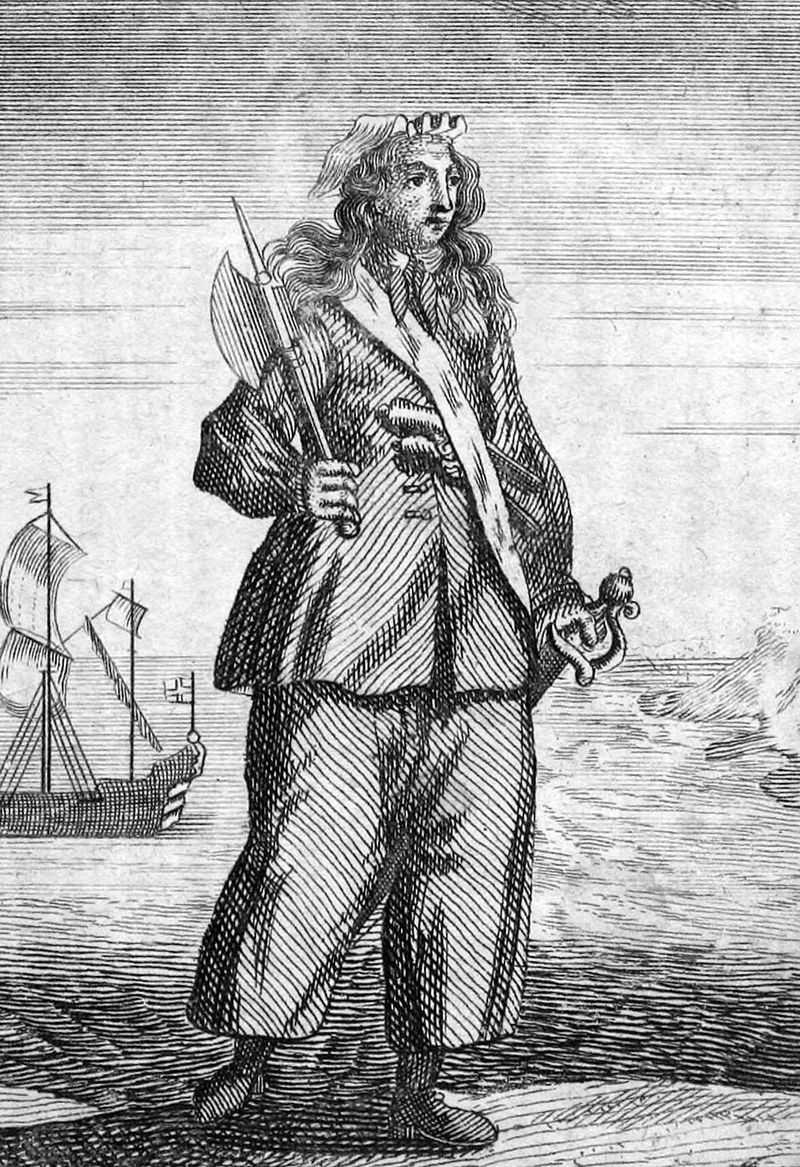
Mary Read had been dressing as a boy since childhood. Her mother raised her in male clothing to pass her off as a deceased older brother, hoping to claim financial support from a grandmother.
That early experience of living as a boy shaped Read’s entire life.
She later enlisted in the British military as a man and served in Flanders before eventually ending up in the Caribbean. After her ship was captured by pirates, she joined the crew of the infamous pirate Calico Jack, where she also met Anne Bonny.
Read was known as one of the most fearless fighters on the ship. When the crew was captured in 1720, witnesses at the trial noted that only Read and Bonny had actively fought while the men hid below deck.
She was sentenced to hang but died in prison, reportedly from fever, before the sentence could be carried out.
10. Anne Bonny (c. 1697-after 1721)
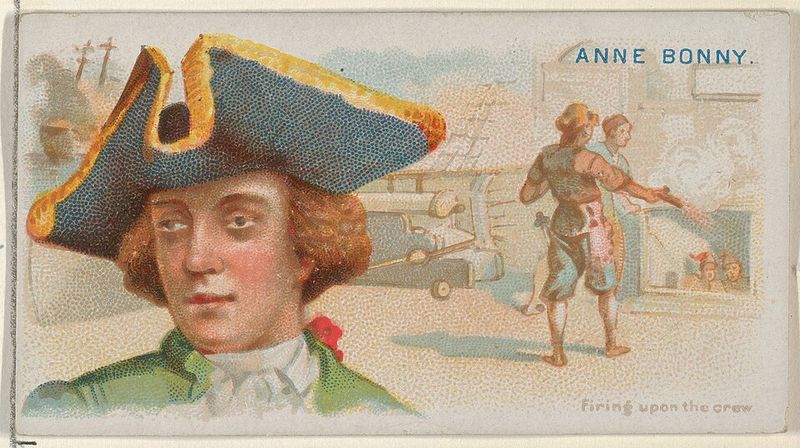
Anne Bonny did not stumble into piracy by accident. She grew up in South Carolina, married a small-time sailor against her father’s wishes, and then left him for the charismatic pirate captain Calico Jack Rackham.
From there, her life took a sharp turn toward the open sea.
Bonny dressed as a man while sailing and fighting alongside the crew, and she was considered one of the most dangerous members aboard. She reportedly had a fierce temper and was not afraid to draw a weapon during confrontations, earning respect from hardened pirates.
When their ship was taken by a British sloop in 1720, Bonny and Mary Read were among the only crew members who put up a real fight. Her reported last words to the captured and condemned Calico Jack were cutting: she said she was sorry to see him there, but if he had fought like a man, he need not have been hanged like a dog.
11. Dorothy Lawrence (1896-1964)
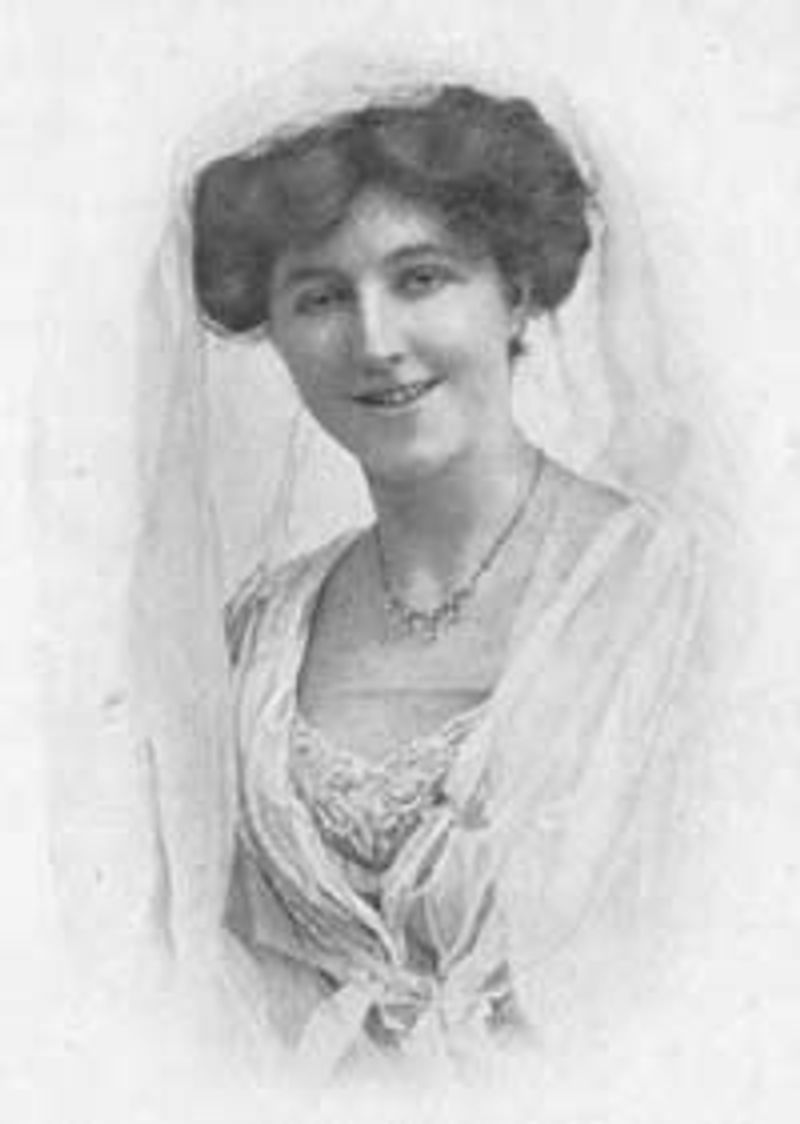
Dorothy Lawrence wanted to be a war correspondent, but no newspaper would send a woman to the front lines of World War I. So she decided to go on her own terms.
She cropped her hair, got hold of a British soldier’s uniform with the help of sympathetic soldiers, and trained herself to walk and act like a man.
She made her way to the Somme region of France and worked as a sapper, digging tunnels near the front lines, for about ten days before she gave herself up to military authorities. She was terrified of being mistaken for a spy and wanted to make sure her story was told correctly.
The military forced her to sign an agreement not to publish her story until after the war ended. When she finally did publish her memoir in 1919, it received little attention.
Lawrence spent her later years in poverty and died in a psychiatric institution. Her remarkable story went largely unrecognized for decades.
12. Phoebe Hessel (1713-1821)
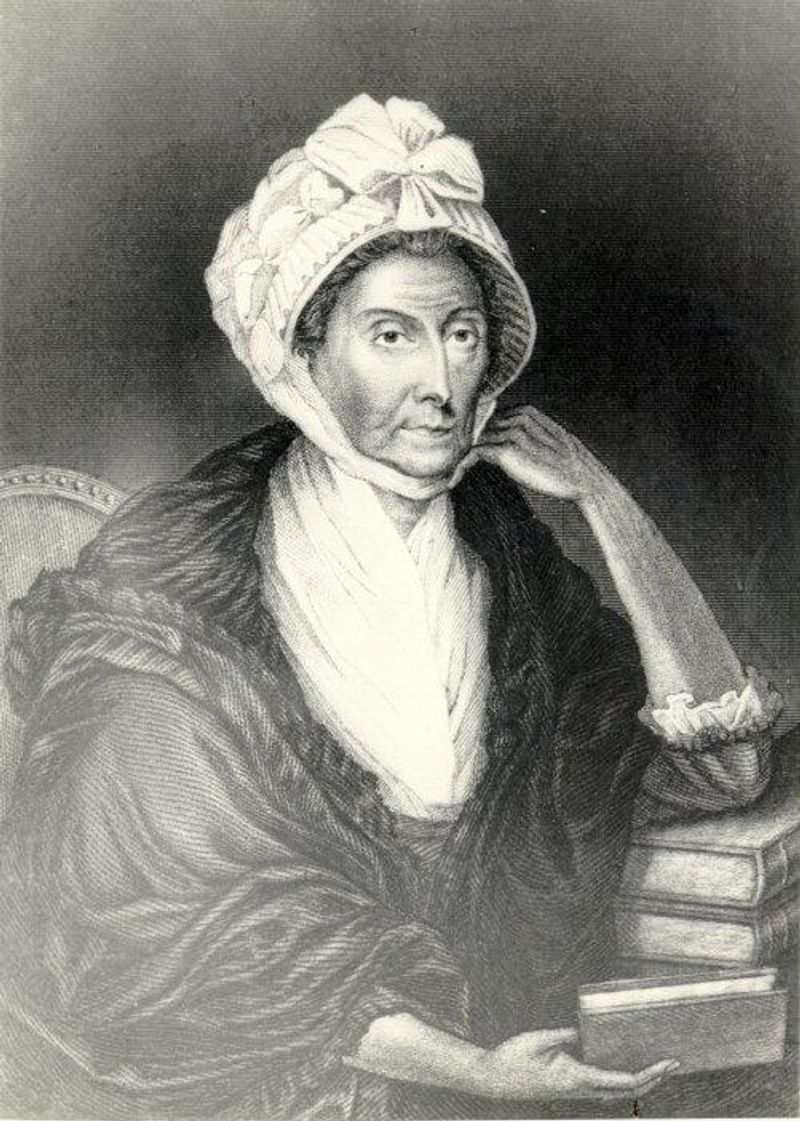
Phoebe Hessel reportedly lived to be 108 years old, which is extraordinary on its own. But what makes her story truly unforgettable is what she did as a young woman in the 1720s and 1730s.
She disguised herself as a man to serve in the British Army alongside Samuel Golding, the soldier she loved.
According to accounts, she served in the 5th Regiment of Foot for several years and was even wounded at the Battle of Fontenoy in 1745. She managed to keep her identity secret for years, reportedly only revealing herself to her commanding officer when she was about to be flogged for a minor offense.
After her military service, she eventually married Golding. She later became a well-known street vendor in Brighton, selling fish and gingerbread.
King George III reportedly gave her a small allowance in recognition of her service. She was buried in Brighton’s St. Nicholas churchyard with great local honor.
13. Nadezhda Durova (1783-1866)
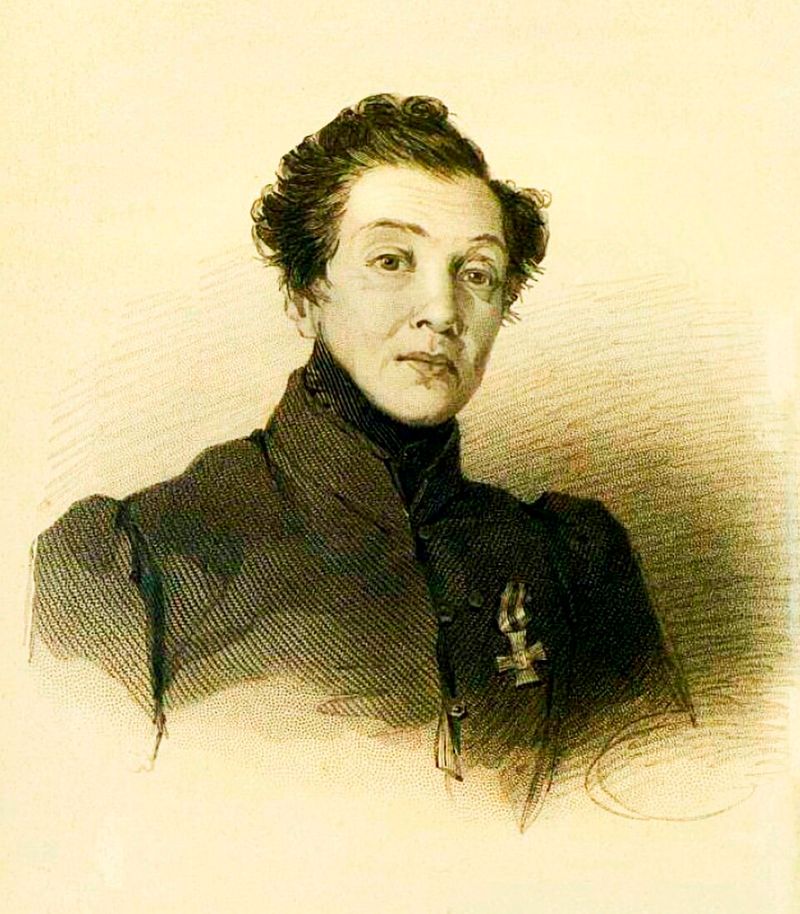
Nadezhda Durova grew up feeling deeply out of place in the life that Russian society had planned for her. She hated the domestic expectations placed on women and felt a powerful pull toward military life.
In 1806, she cut her hair, put on a Cossack uniform, and rode off to join the Russian cavalry.
She served with distinction during the Napoleonic Wars, participating in major battles including Heilsberg and Friedland. When Tsar Alexander I discovered her identity, he was so impressed by her bravery that he allowed her to continue serving under the male name Alexander Andreevich Alexandrov and even awarded her the Cross of St. George for valor.
After leaving the military, Durova wrote her memoirs, which were published in 1836 with the encouragement of the famous Russian poet Alexander Pushkin. Her autobiography became a celebrated piece of Russian literature and offered a rare firsthand account of a woman’s experience in 19th-century warfare.
14. Viktoria Savs (1899-1979)
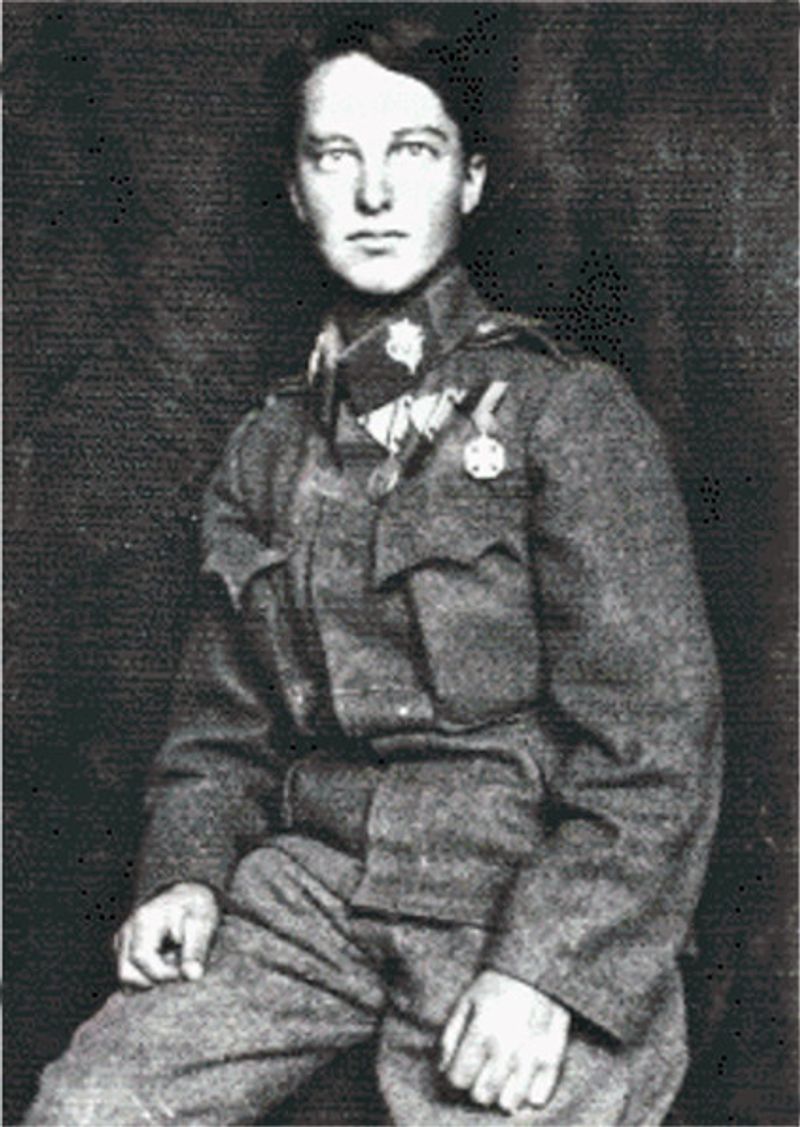
Viktoria Savs was only a teenager when World War I broke out, but her connection to the military was personal. Her father served in the Austro-Hungarian Army, and she wanted to stay close to him.
At around 16 years old, she disguised herself as a boy and joined his regiment in the Dolomite Alps.
She reportedly served for a period of time before being wounded by an artillery explosion that resulted in the amputation of part of her leg. It was during her medical treatment that her true identity was discovered.
Rather than being punished, she was recognized for her unusual courage.
Savs was awarded several military honors for her service, which was a remarkable acknowledgment given the era. She is considered one of the few fully documented cases of a woman fighting in the Austro-Hungarian Army during the First World War.
Her story remained relatively obscure for decades but has since attracted growing historical interest.
Share this story