 Unearth The Voyage
World War II shaped the modern world, but many of its bravest figures never made it into our textbooks. While we remember generals and presidents, countless ordinary people risked everything to save lives, resist tyranny, and fight for freedom. Their courage deserves to be celebrated just as much as any famous leader.
1. Witold Pilecki (Poland)
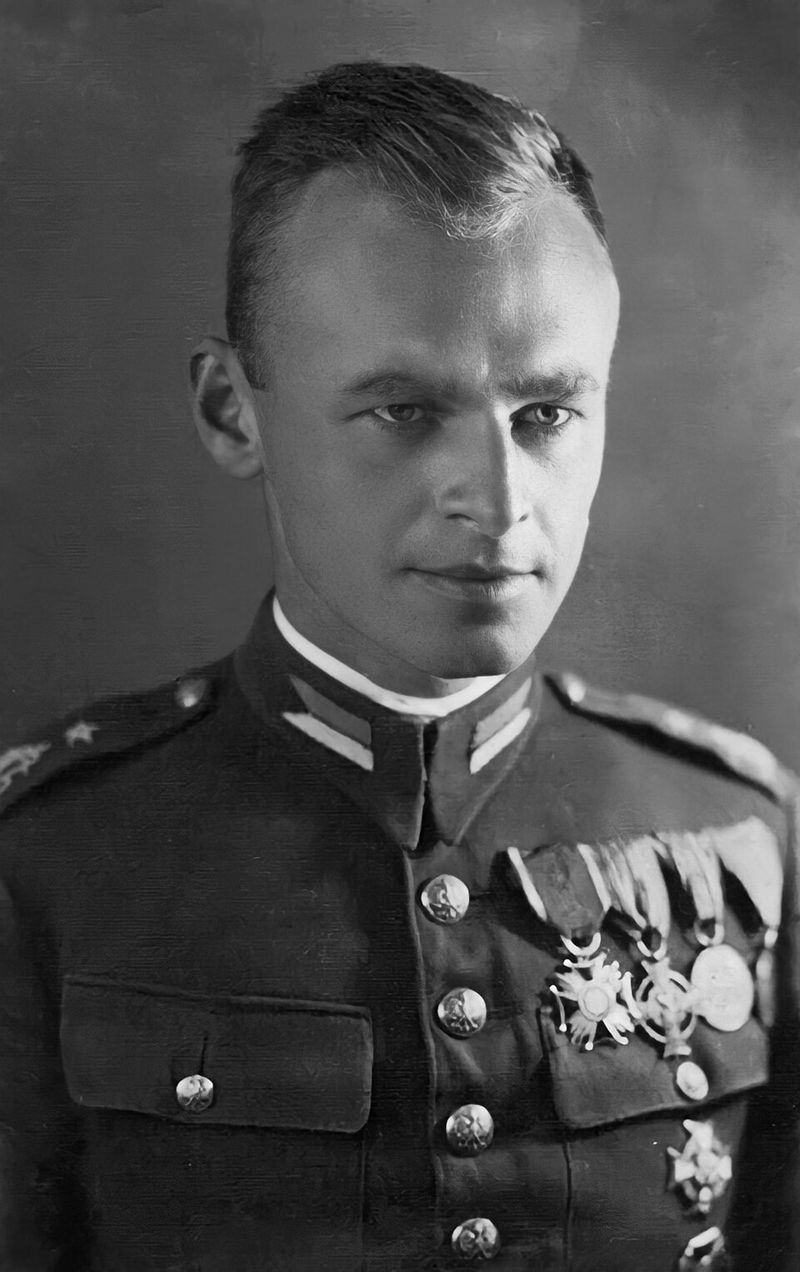
Imagine volunteering to be imprisoned in Auschwitz. Witold Pilecki volunteered to be imprisoned in Auschwitz in 1940, allowing himself to be captured so he could document Nazi atrocities from the inside. He built a secret resistance network among prisoners and smuggled out reports about mass murder.
His intelligence reached Allied leaders, giving them early warnings about the Holocaust. After nearly three years, he escaped and continued fighting. Sadly, Poland’s communist government later suppressed his story, and he was executed in 1948 on false charges.
2. Irena Sendler (Poland)
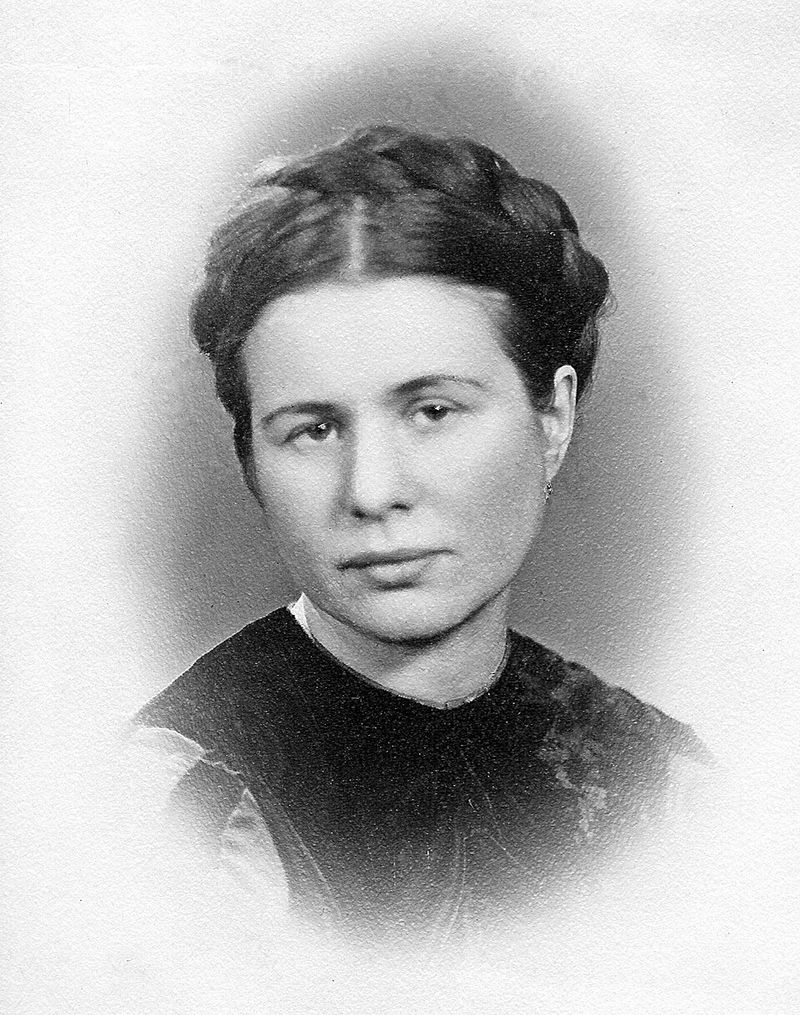
While working for Warsaw’s social services, Irena Sendler led one of the war’s most daring rescue operations. She headed the children’s section of Żegota, a Polish underground organization helping Jews. Using ambulances, toolboxes, and even coffins, she smuggled around 2,500 Jewish children out of the Warsaw Ghetto.
Each child was placed with Catholic families or in convents under false identities. Sendler kept their real names hidden in glass jars buried in her garden, hoping families could reunite after the war.
3. Nancy Wake (New Zealand/Australia)
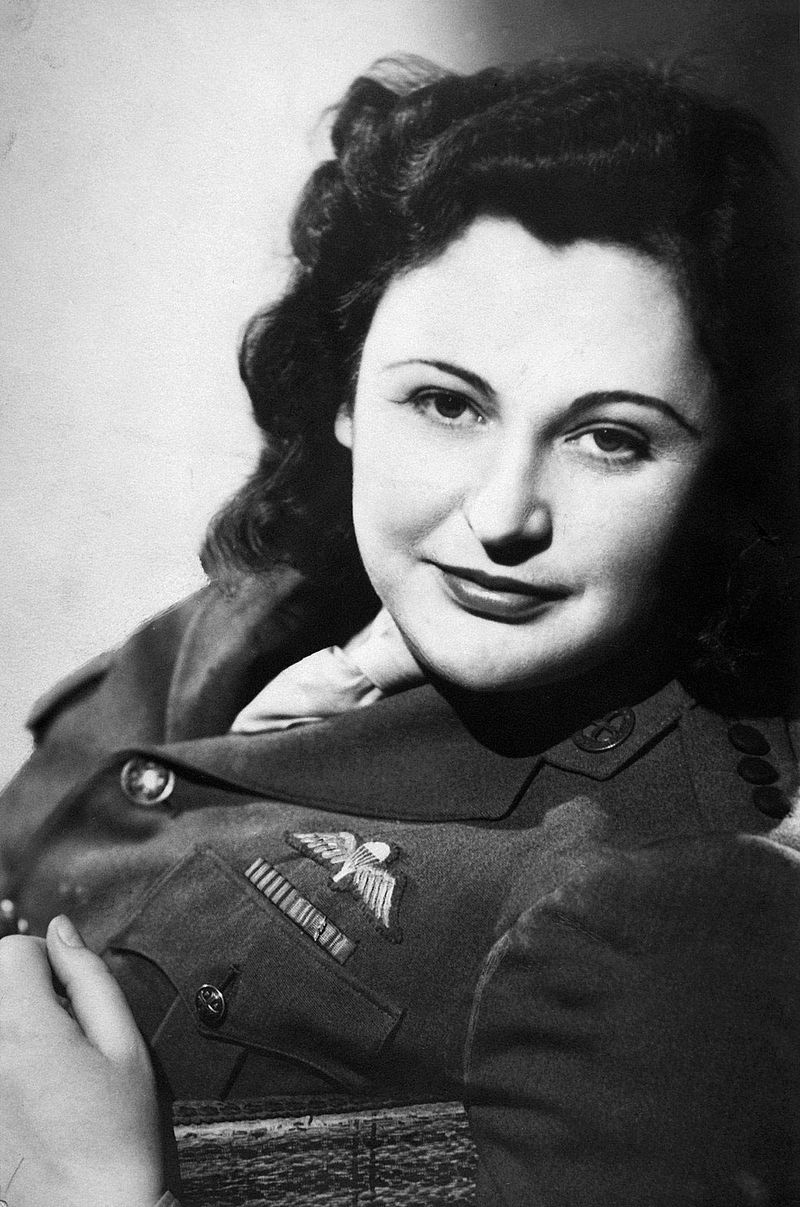
The Gestapo nicknamed her the White Mouse because she was so hard to catch. Nancy Wake ran escape routes helping Allied soldiers and refugees flee occupied France. When the net closed in, she escaped to Britain and trained with the Special Operations Executive.
She parachuted back into France in 1944, leading guerrilla fighters and coordinating weapon drops to resistance groups. Her fearlessness in combat became legendary. After the war, though, her incredible contributions faded from public memory.
4. Noor Inayat Khan (Britain)
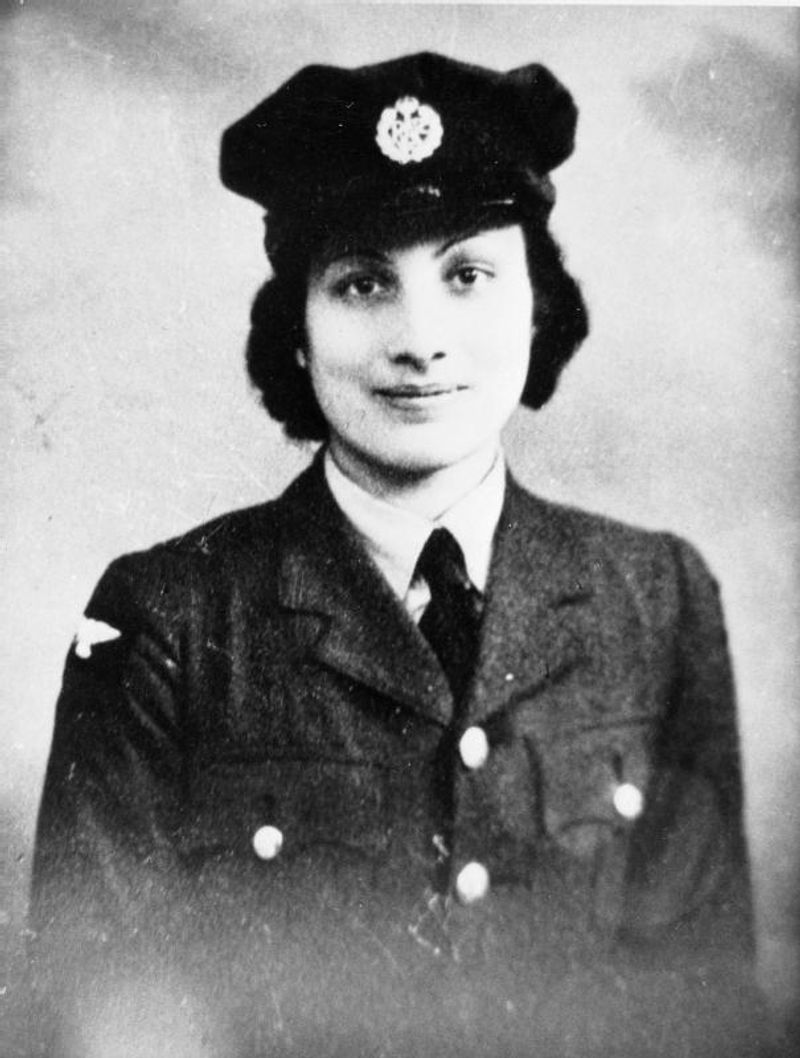
A children’s book author and musician, Noor seemed an unlikely spy. Yet she became the first female wireless operator the SOE sent into occupied Paris. When the Gestapo arrested her entire network, she refused to flee and kept transmitting vital intelligence from hiding.
Eventually captured, she never revealed secrets despite brutal interrogation. The Nazis executed her at Dachau concentration camp in 1944. Britain posthumously awarded her the George Cross for extraordinary courage.
5. Chiune Sugihara (Japan)
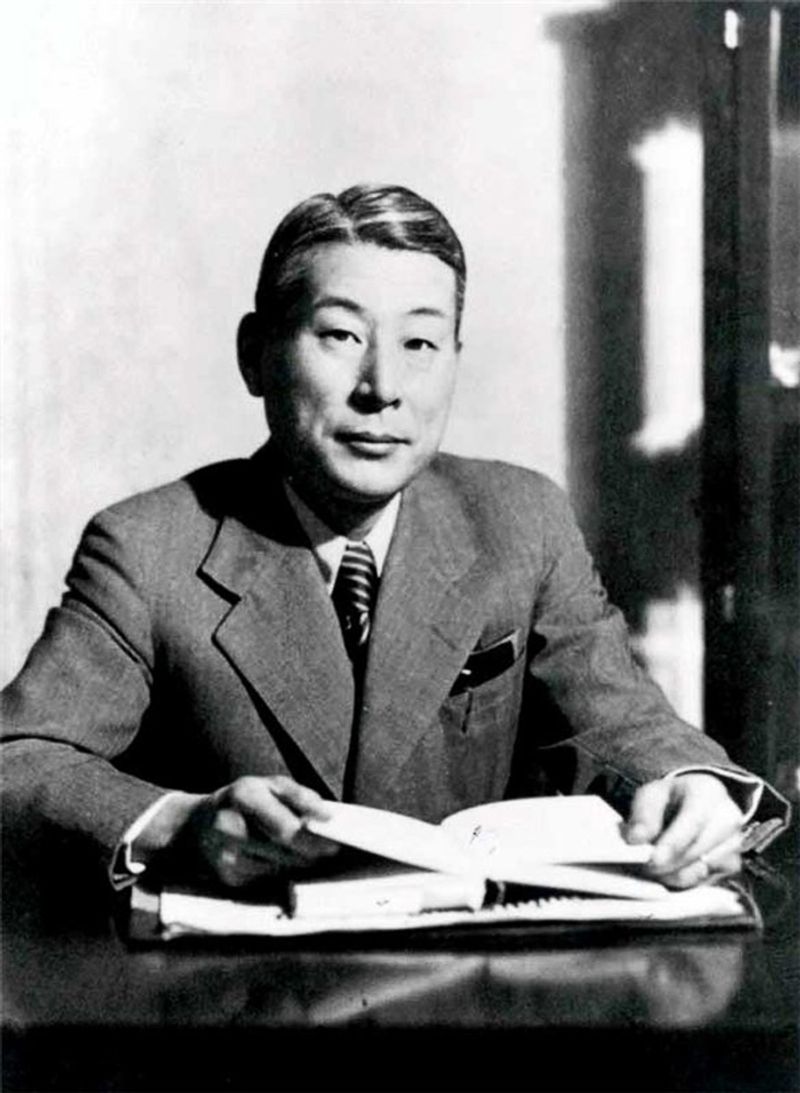
Sometimes disobedience saves lives. As Japanese vice-consul in Lithuania, Chiune Sugihara received desperate pleas from Jewish refugees trying to escape Nazi-occupied Poland. Tokyo ordered him to refuse, but his conscience wouldn’t allow it.
For weeks in 1940, he hand-wrote thousands of transit visas, working until his train literally pulled away from the station. Those documents allowed several thousand people to escape through Japan to safety. His government punished him, but history remembers his humanity.
6. Jan Zwartendijk (Netherlands)
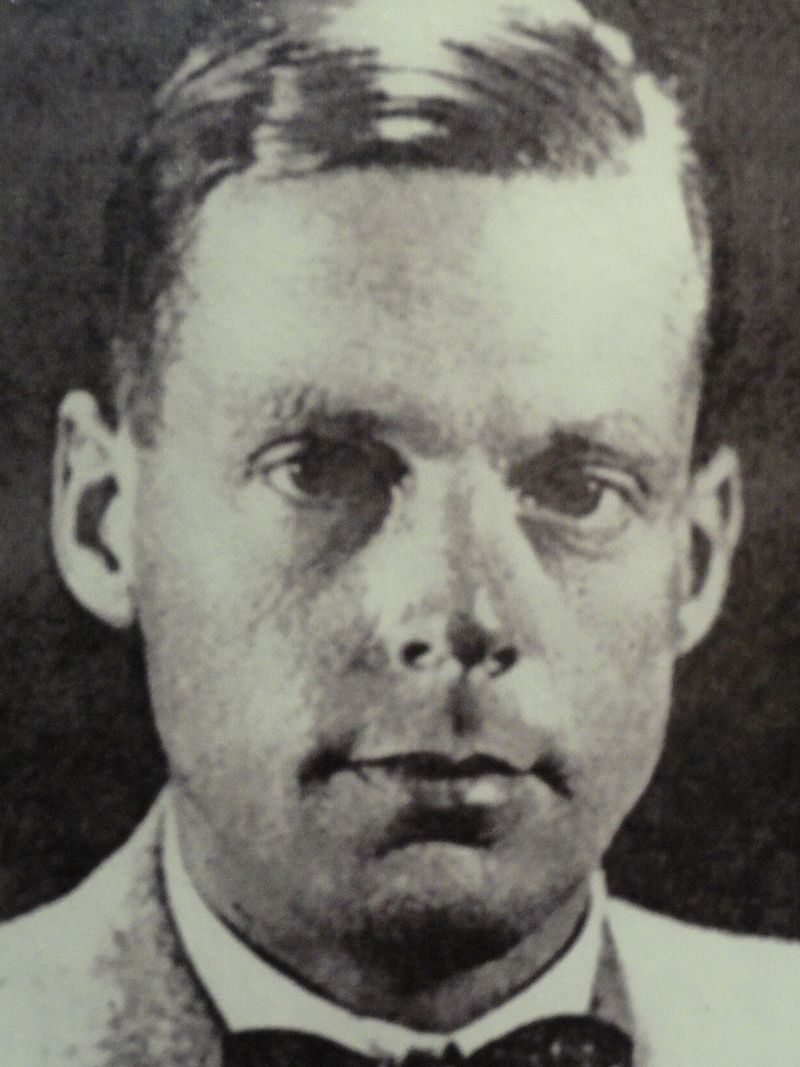
Working as a Philips manager and part-time Dutch consul in Lithuania, Jan Zwartendijk found a clever loophole. He issued documents stating that Curaçao (a Dutch colony) required no entry visa. Technically true, but practically meaningless since you still needed permission to land there.
Paired with Sugihara’s Japanese transit visas, though, these papers created an escape route. Together, the two men saved thousands of Jewish families in 1940. Zwartendijk’s role remained almost unknown for decades.
7. Frank Foley (United Kingdom)
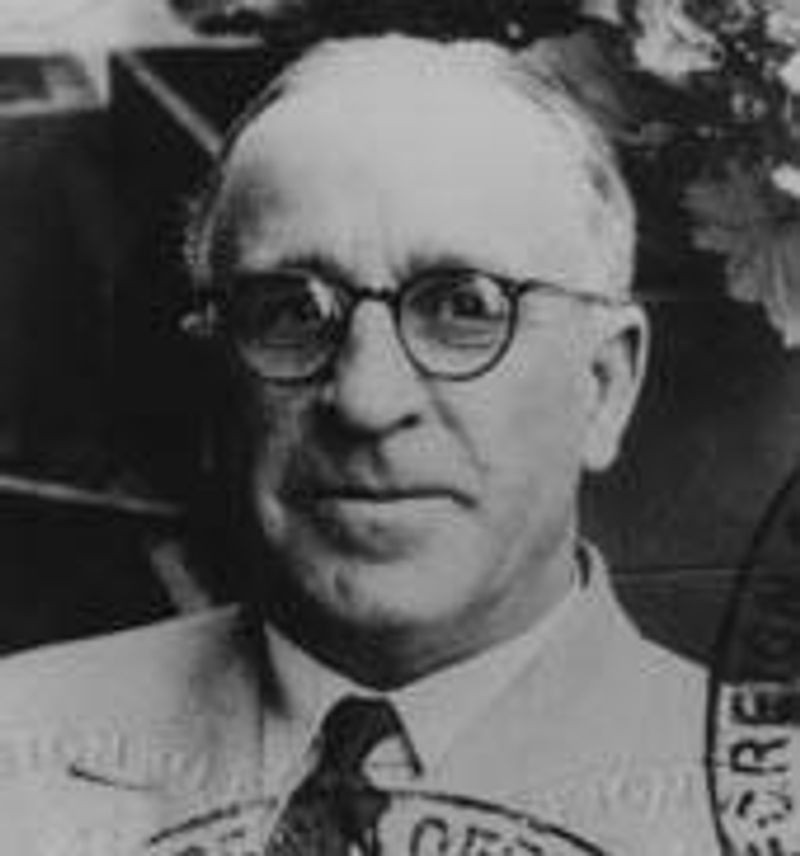
Behind the cover of a British passport officer in Berlin, Frank Foley actually worked for MI6. His real job was gathering intelligence, but he used his position to save lives. He bent immigration rules, hid families in his home, and issued travel documents to Jews desperate to leave Germany.
Operating without diplomatic immunity, he risked arrest every day. After the war, Britain named him a Hero of the Holocaust, and Israel recognized him as Righteous Among the Nations.
8. Andree de Jongh (Belgium)
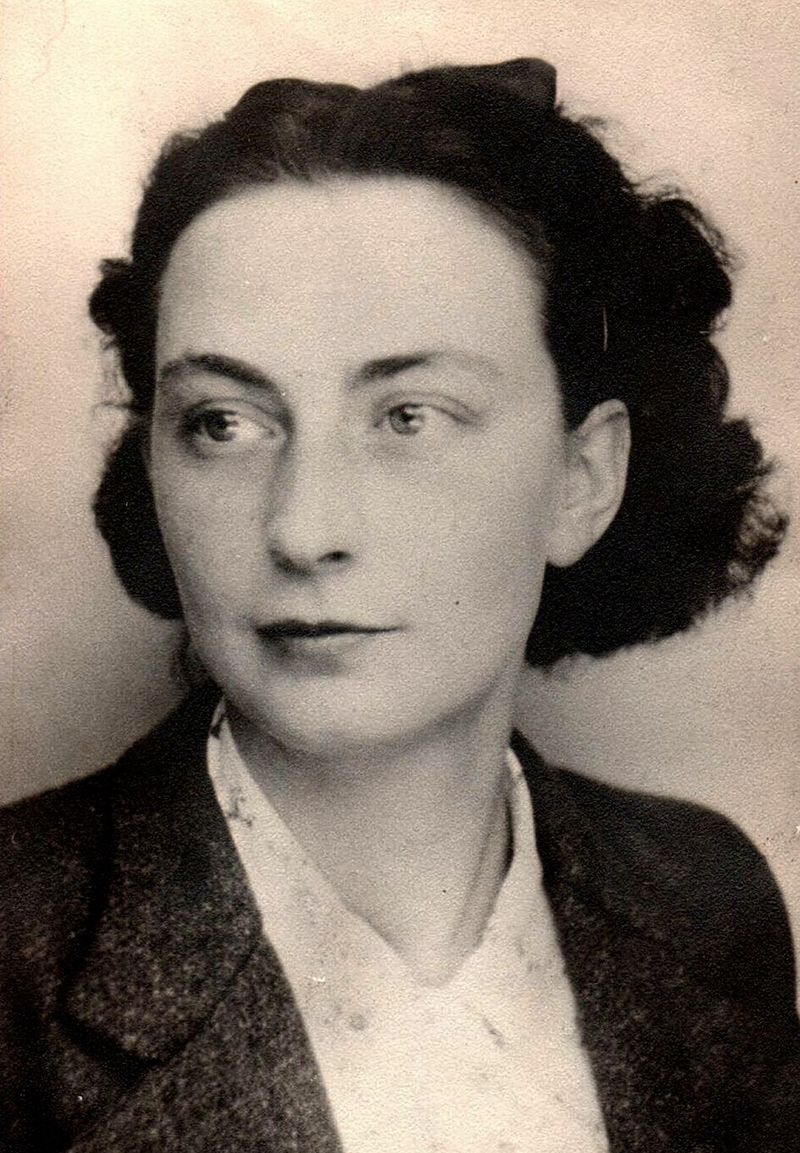
At just 24, Andrée de Jongh founded the Comet Line, an escape network that guided shot-down Allied airmen from Belgium to Spain. She didn’t just organize it; she personally led dozens of dangerous journeys. Disguised as ordinary travelers, they crossed occupied territory and hiked over the Pyrenees mountains at night.
The Gestapo finally caught her in 1943 and sent her to concentration camps. She survived the war and lived to see grateful pilots honor her courage.
9. Faye Schulman (Belarus/Poland)
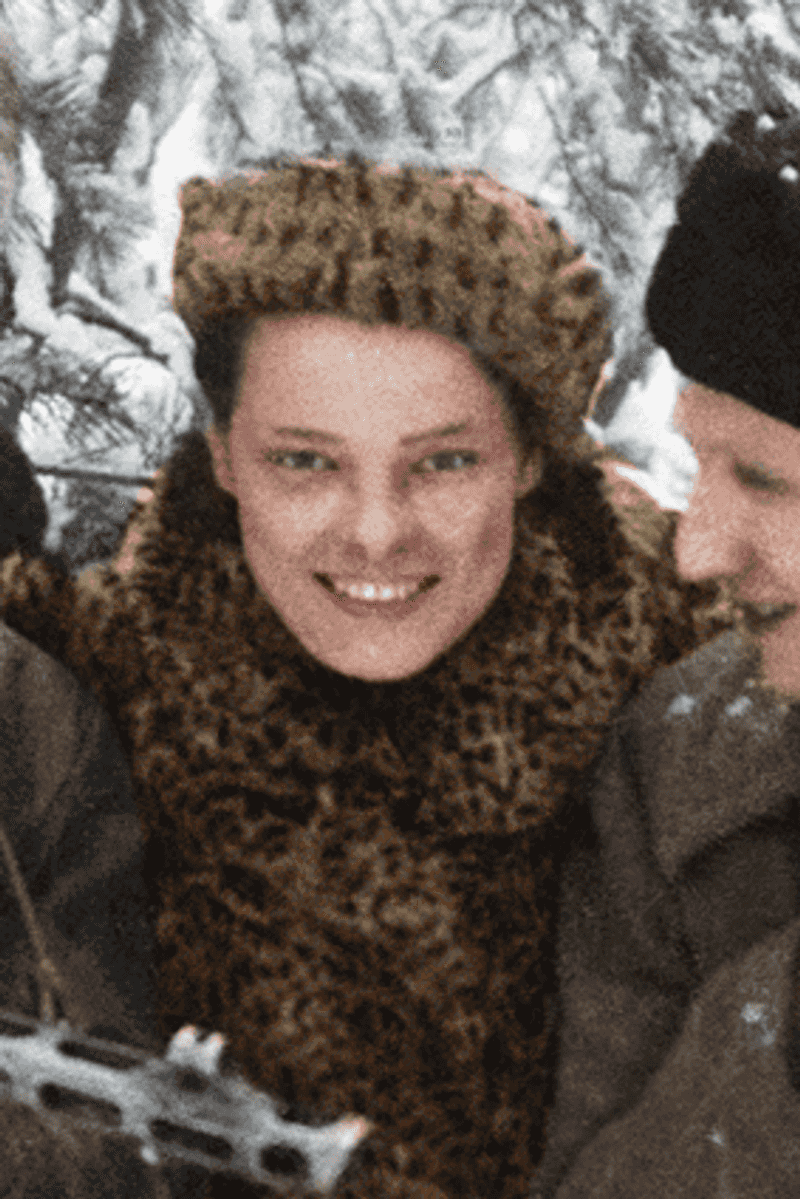
After Nazis murdered her family, Faye Schulman joined Soviet partisan units fighting in the forests of Eastern Europe. She carried both a rifle and a camera. Her photography skills, learned in her family’s studio, made her invaluable for documenting operations and creating identification papers.
She’s the only known Jewish partisan photographer from that era. Her images prove that Jews didn’t just suffer during the Holocaust; they fought back. She survived the war and later shared her remarkable story.
10. Lachhiman Gurung (Nepal)
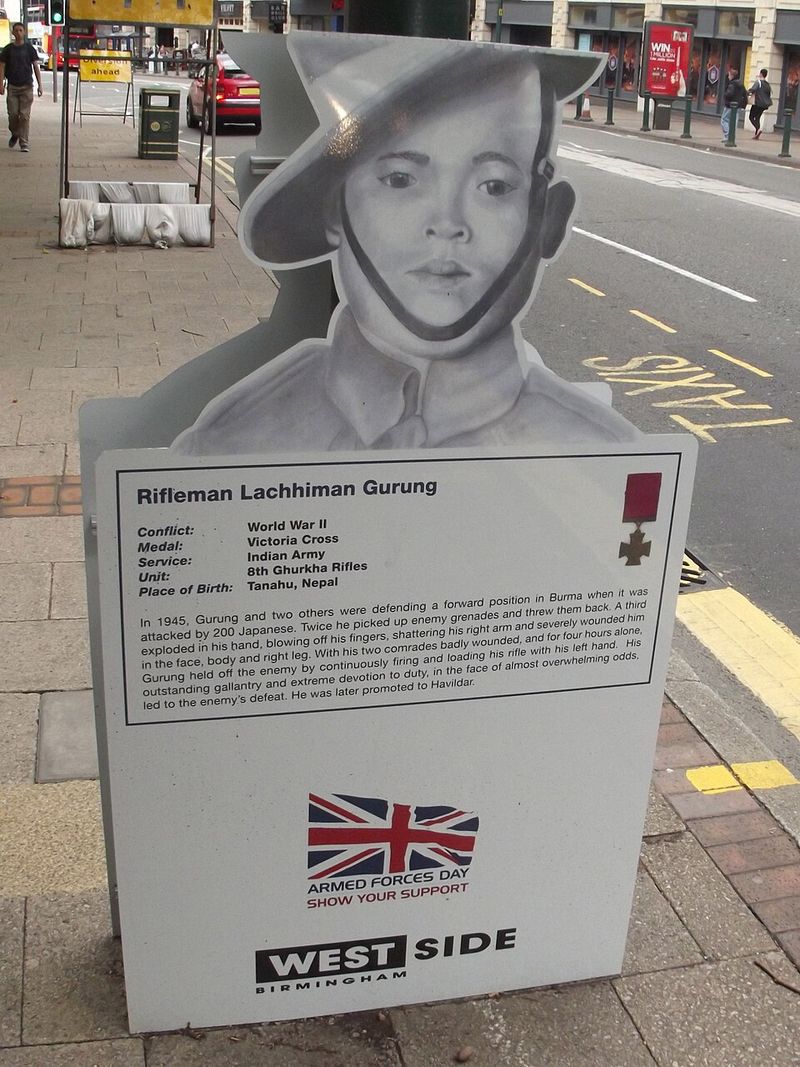
When a Japanese grenade landed in his trench in Burma, Lachhiman Gurung tried to throw it back. It exploded in his hand, destroying his fingers and severely wounding him. Most soldiers would have collapsed.
Instead, this Gurkha rifleman kept fighting with his other hand. For four hours, he held his position alone against wave after wave of enemy attacks. He survived and received the Victoria Cross, Britain’s highest military honor. His story is legendary among Gurkhas but rarely known elsewhere.
11. Mariya Oktyabrskaya (Soviet Union)
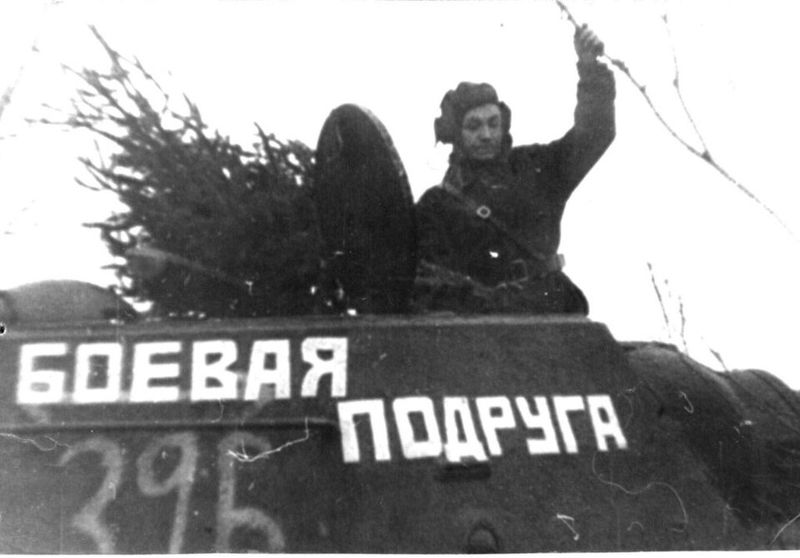
Grief can fuel extraordinary determination. When her husband died fighting the Nazis, Mariya Oktyabrskaya sold everything she owned to buy a T-34 tank. She donated it to the Red Army with one condition: she would drive it herself.
She named her tank Fighting Girlfriend and trained as a mechanic and driver. In battle, she proved fearless, repairing her tank under fire and fighting with remarkable skill. She was mortally wounded in 1944 and posthumously awarded Hero of the Soviet Union.
12. Haviva Reik (Palestine/Slovakia)
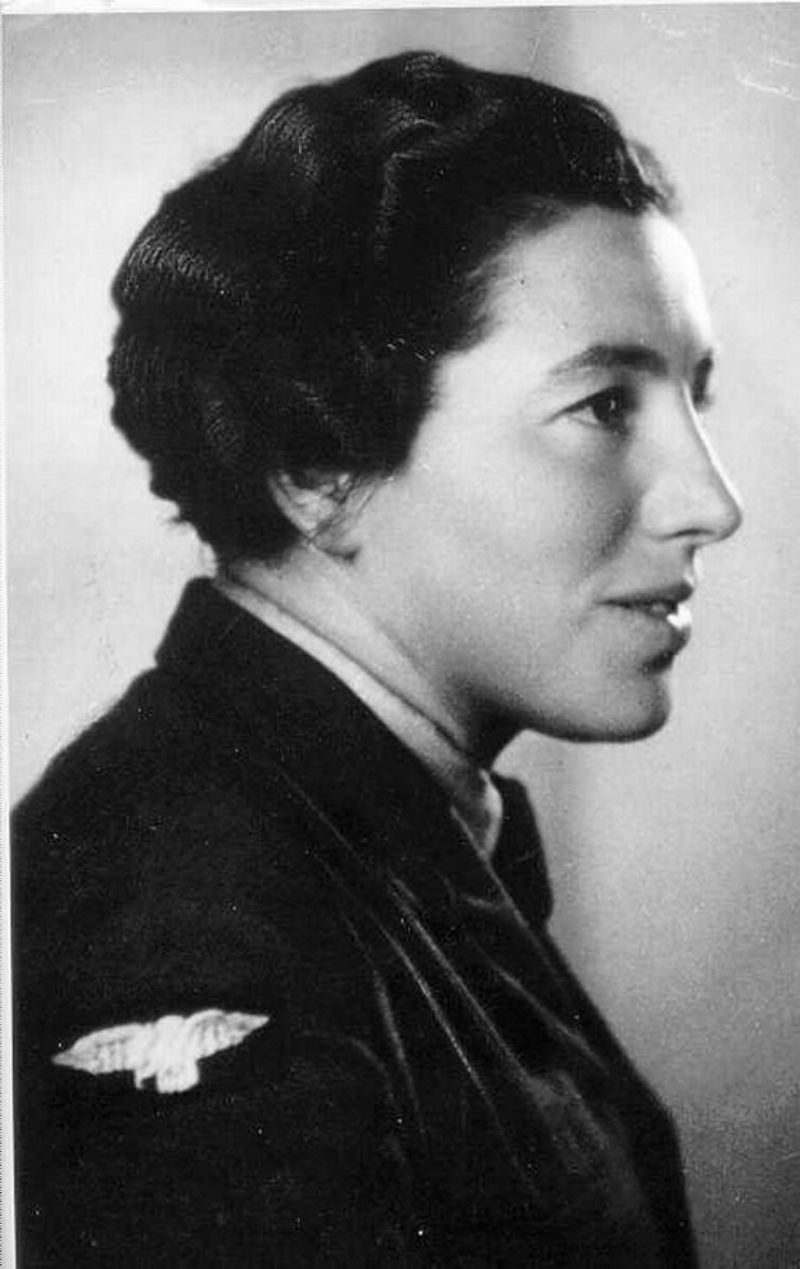
Haviva Reik volunteered for one of the war’s most dangerous missions. Trained by British intelligence, she parachuted into Nazi-occupied Slovakia in 1944 as part of a team from Palestine. Their goal was to help Jewish communities and organize resistance.
She coordinated aid for local Jews and escaped Allied prisoners of war. When the Slovak National Uprising failed, she went into hiding but was eventually captured. The Nazis executed her in November 1944. She was only 29 years old.
13. Jose Arturo Castellanos (El Salvador)
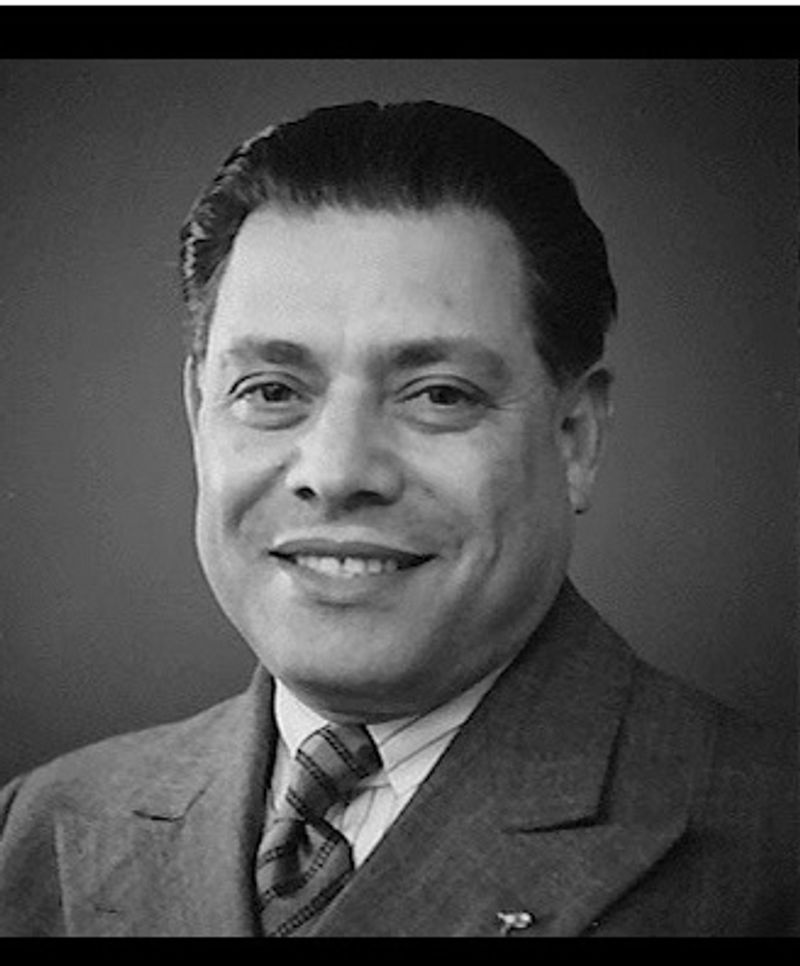
From his small consulate in Geneva, José Arturo Castellanos ran a massive life-saving operation. Working with a Hungarian Jewish businessman named George Mandel-Mantello, he created and distributed thousands of Salvadoran citizenship certificates.
These papers declared the holders were under Salvadoran protection, which often prevented deportation to death camps. The exact number saved is uncertain, but estimates run into the tens of thousands. His quiet heroism remained largely unknown for decades after the war ended.
14. Ho Feng-Shan (China/ROC)
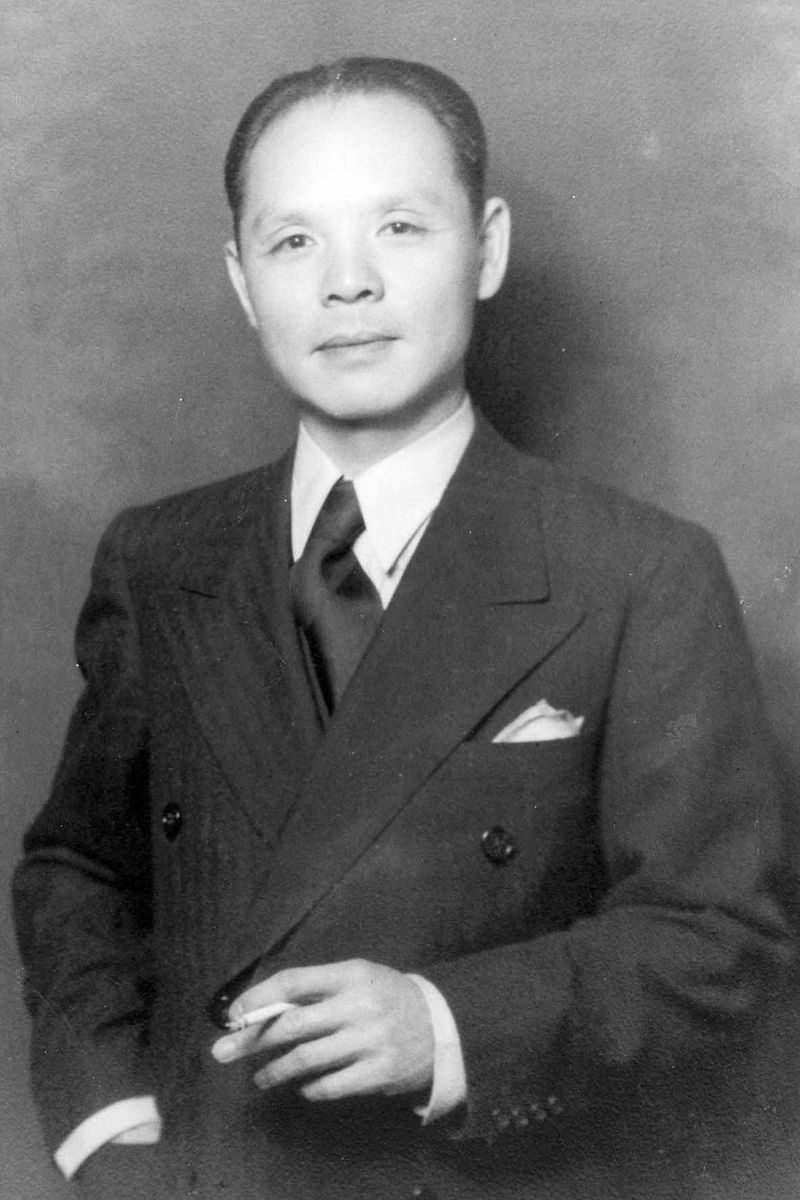
After Nazi Germany annexed Austria in 1938, Austrian Jews desperately sought escape routes. Ho Feng-Shan, China’s consul-general in Vienna, defied his own government’s orders and issued thousands of visas to Shanghai.
These documents allowed Jewish families to flee, even though many never actually traveled to China. The visas simply proved they had somewhere to go, satisfying requirements for exit permits. Israel later honored him as Righteous Among the Nations. His courage saved an estimated 5,000 lives.



