The ’80s were a decade that never whispered when it could shout. From neon belts to jelly bangles, accessories were not just finishing touches, they were the whole point.
I still remember raiding my older sister’s jewelry box and thinking I had unlocked some secret level of cool. Whether you lived through it or just wish you had, these 15 accessories capture everything gloriously over-the-top about the era.
Jelly Bangles
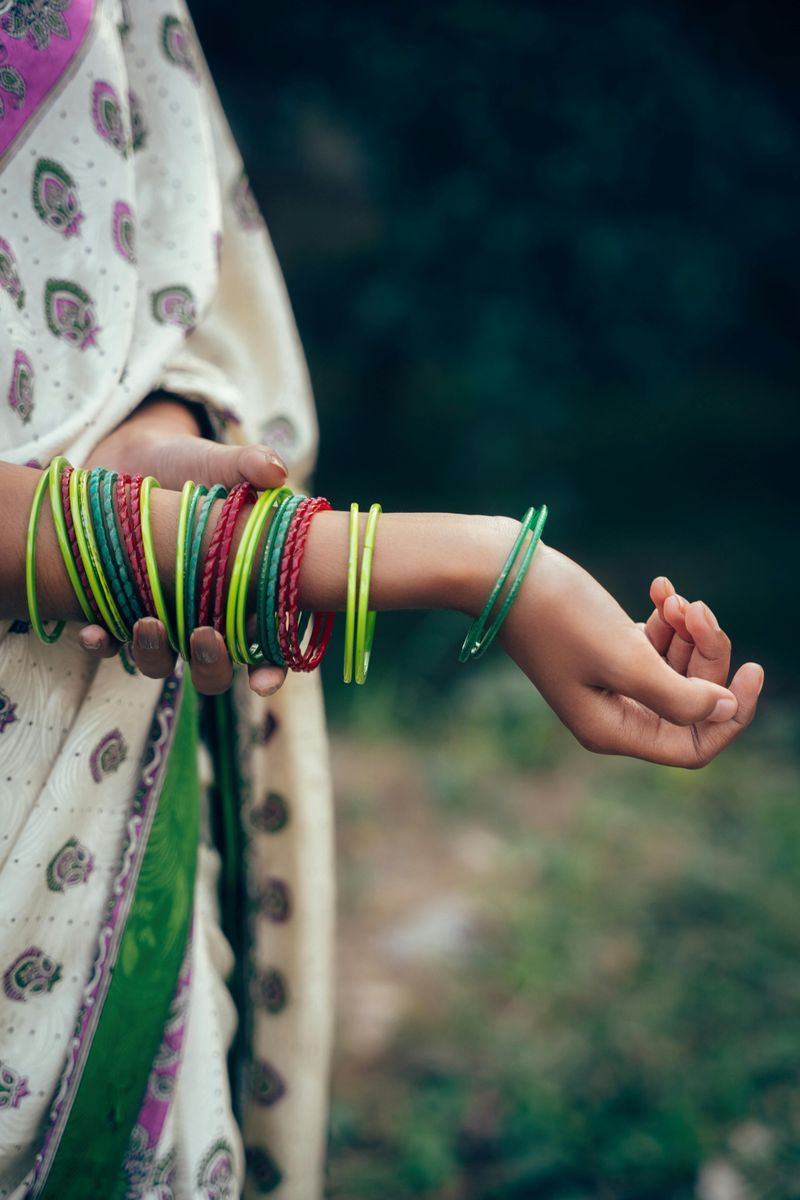
Jelly bangles had one rule: more was more. Wearing just one was basically a fashion crime in the ’80s.
The whole point was to stack them up your arm until they clinked together every time you moved.
Made from soft, flexible plastic, they came in every color a factory could produce. Translucent pink, opaque yellow, swirled purple, you name it.
They were cheap enough to buy in bulk, which meant nobody had an excuse to wear fewer than ten at a time.
The fun part was trading them with friends at school, turning lunch break into a small accessories market. There was something genuinely satisfying about the soft clacking sound they made.
Jelly bangles were not trying to be elegant or refined. They were purely, joyfully playful, and in a decade that rewarded boldness, that was more than enough to earn a permanent spot in every accessory drawer.
Slap Bracelets
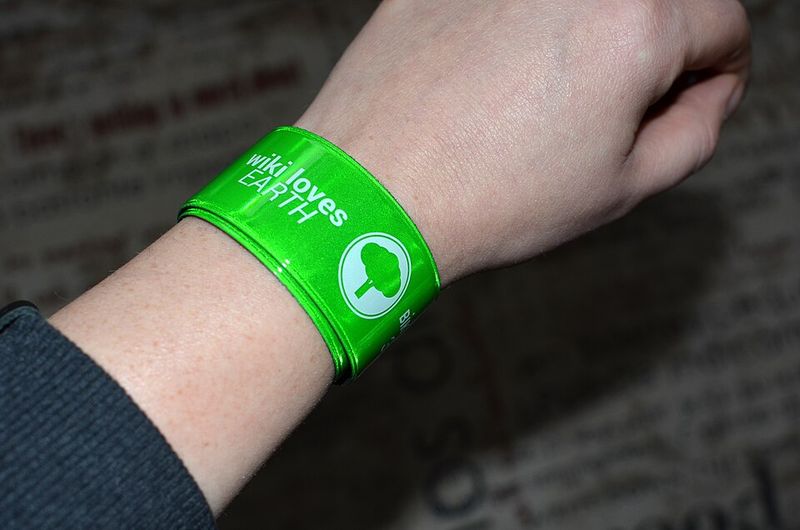
Few accessories have ever matched the pure, unhinged joy of a slap bracelet. You held it flat, swung it at your wrist, and watched it curl around your arm in one deeply satisfying snap.
Then you did it again. And again.
Invented in 1983 by a shop teacher named Stuart Anders, slap bracelets did not hit their peak fad status until the late ’80s and into the early ’90s. They came in metallic prints, neon colors, and eventually licensed patterns featuring cartoon characters.
Schools eventually banned them after reports of the metal inside cutting through worn fabric and scratching wrists. That only made them cooler, obviously.
Nothing elevated an accessory’s status faster than a school memo telling you not to wear it. Slap bracelets were not just jewelry.
They were a tiny act of rebellion wrapped in holographic foil, and every kid in the ’80s wanted one badly.
Fingerless Lace Gloves
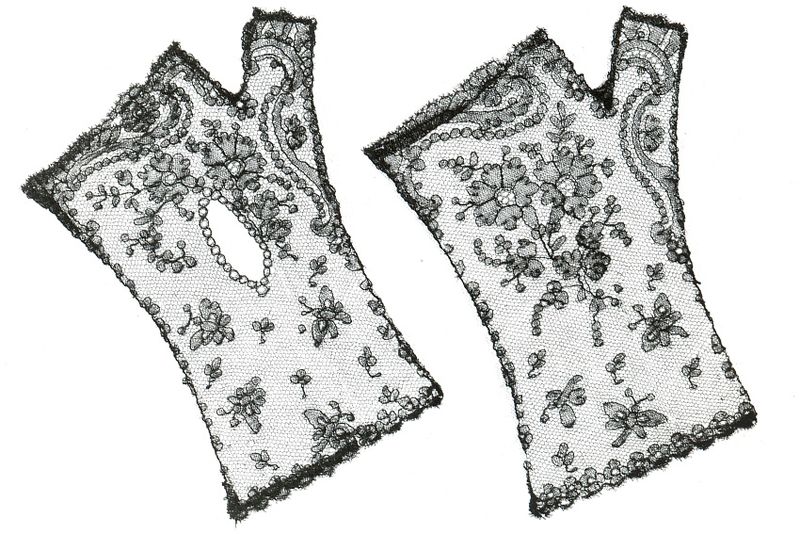
Fingerless lace gloves did not just accessorize an outfit. They transformed whoever was wearing them into a pop star, at least in their own mirror.
Madonna made them iconic, and an entire generation took notes immediately.
The lace detail gave them a theatrical, almost bridal quality, while the fingerless cut kept things edgy. That combination of soft and tough was very on-brand for mid-’80s fashion, which loved mixing contradictions into one look.
I wore a pair to a school dance and felt genuinely untouchable. They went with everything: ripped jeans, oversized blazers, tulle skirts layered three deep.
The genius of fingerless gloves was that they added drama without getting in the way of anything practical, like eating pizza at said school dance. They were pure performance dressing.
The ’80s understood that fashion was theater, and these gloves were absolutely front-row material.
Oversized Scrunchies
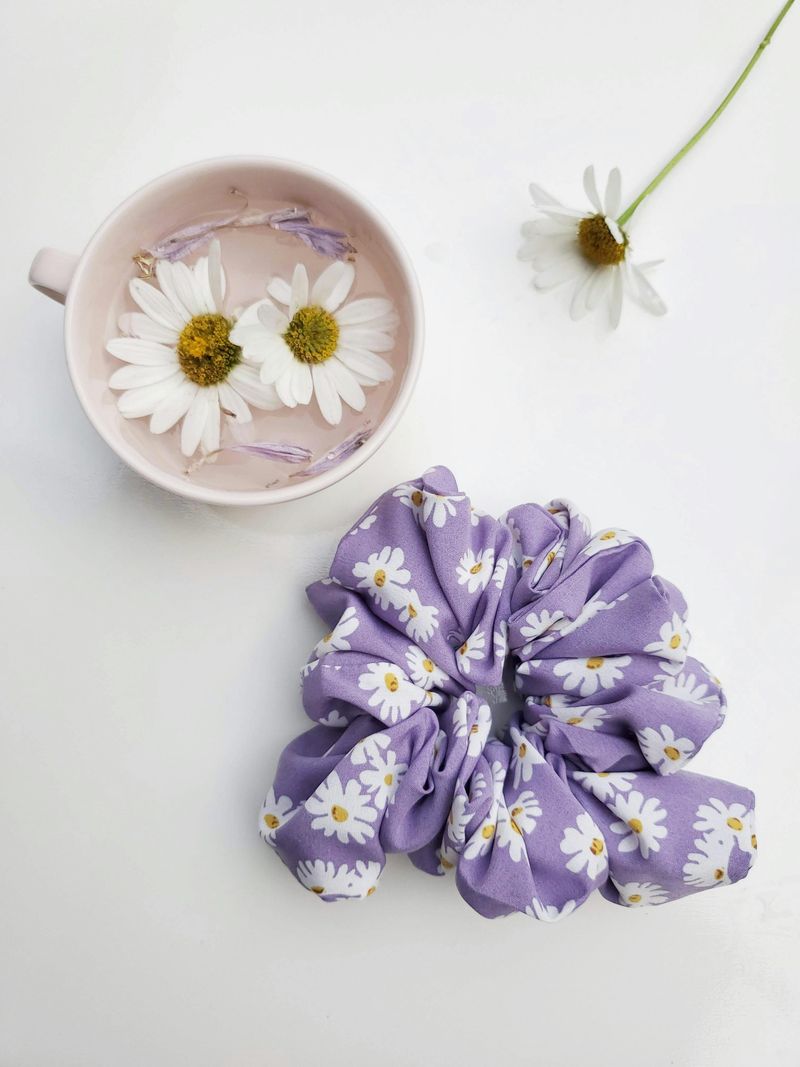
The scrunchie was not just a hair tie. It was a commitment to volume.
In the late ’80s, hair was big, and the accessories holding it together had to match that energy completely.
Oversized scrunchies came in velvet, satin, cotton prints, and novelty fabrics that matched or deliberately clashed with whatever outfit was happening below. The bigger the scrunchie, the better the ponytail.
That was simply the rule, and nobody argued with it.
Wearing one on your wrist when your hair was down was also acceptable, functioning as a bracelet that doubled as emergency hair equipment. Practical and stylish in one move.
The scrunchie has had several comeback moments since the ’80s, which honestly makes sense. It is soft on hair, easy to spot in a bag, and comes in enough varieties to match any mood.
The original oversized version, though, will always belong to the decade that invented excess.
Swatch Plastic Watches
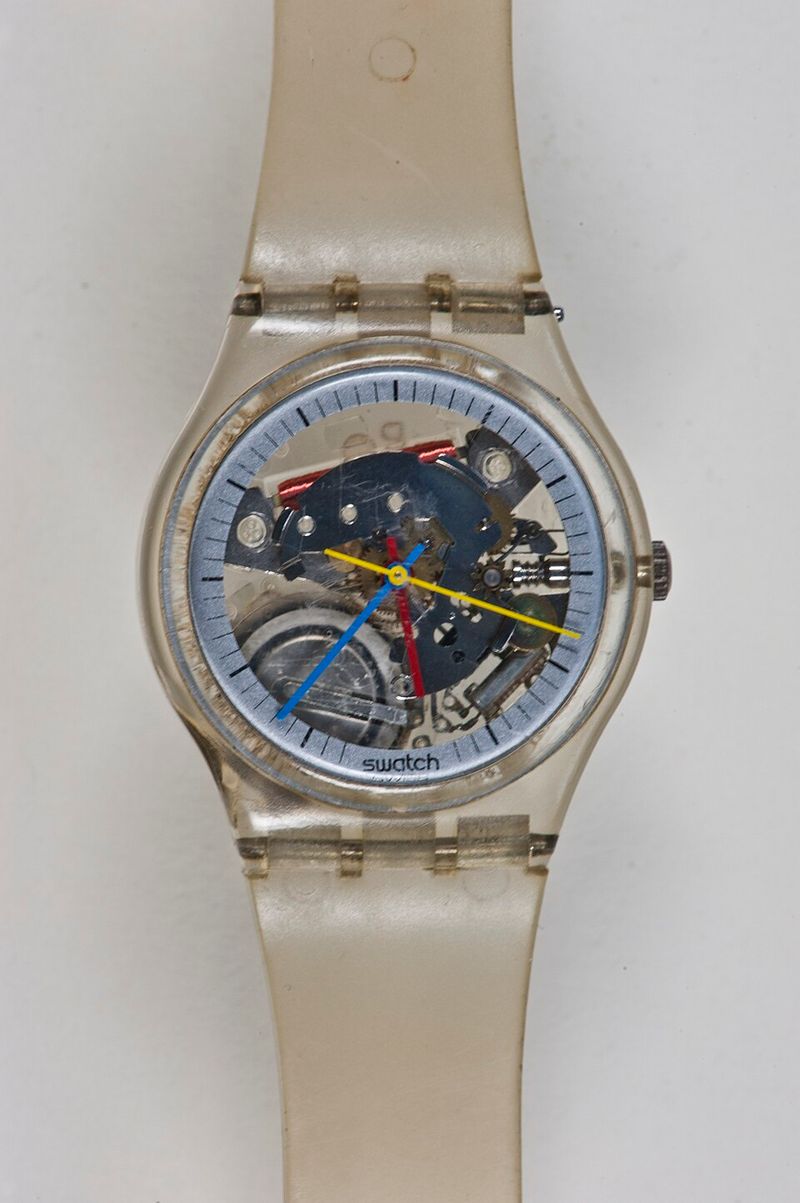
Before Swatch came along, a watch was just a watch. Then the Swiss brand launched in 1983 and turned a functional timepiece into a collectible fashion statement that people stacked up their wrists.
Each Swatch design was limited, colorful, and graphic in a way that felt more like art than accessories. Collectors bought multiples of the same design to wear one and keep one sealed in its box.
That is not normal watch behavior. That is fandom.
The genius move was making them affordable enough that a kid with birthday money could actually own one. You did not have to be wealthy to look like you had taste.
Swatch democratized style in a decade that often gatekept it behind price tags. They also collaborated with artists and designers, which was ahead of its time.
A Swatch watch said you were fun, fashion-forward, and definitely not wearing your dad’s old Timex.
Fanny Packs
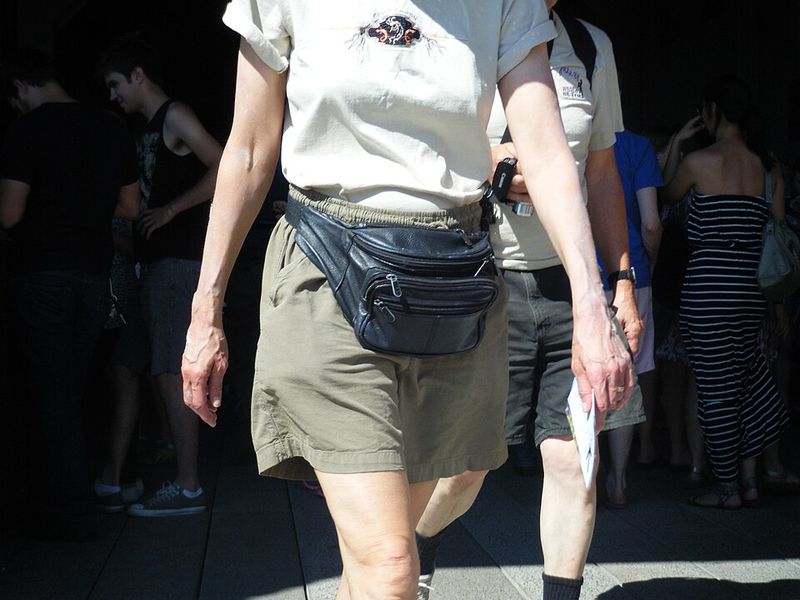
Fanny packs were the original hands-free accessory, and the ’80s wore them with zero irony and maximum confidence. Strapped around the waist in the most visible color available, they announced themselves before you even walked into the room.
They were genuinely useful. Keys, cash, a lip gloss, maybe a folded-up note from someone you liked at school.
Everything important fit inside, and your hands stayed completely free for more important tasks like pointing at things and looking cool.
The fanny pack fell out of favor in the ’90s and became a punchline for a while, which was unfair. It came roaring back in the 2010s as a streetwear staple, proving the ’80s were just ahead of schedule.
The neon versions with adjustable straps and multiple zippered pockets were peak ’80s engineering. Form met function met fluorescent color, and somehow it all worked beautifully.
Ray-Ban Wayfarers
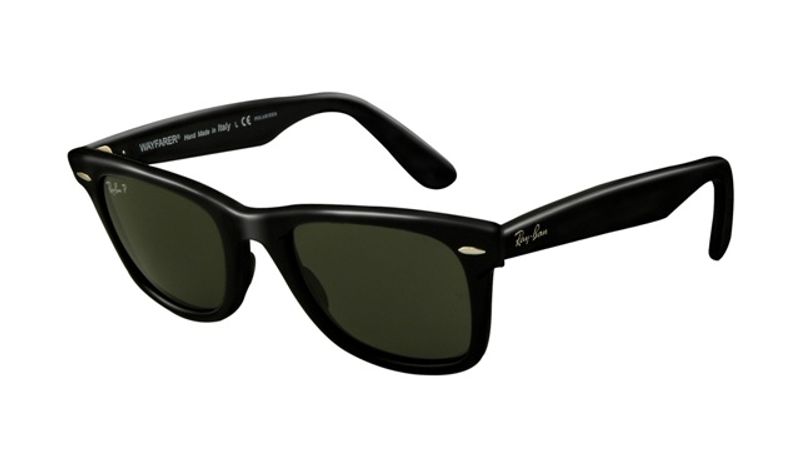
Ray-Ban Wayfarers were technically invented in 1956, but the ’80s adopted them so aggressively that most people assume they were born in that decade. Tom Cruise wore them in Risky Business in 1983 and sales reportedly jumped by 50 percent almost overnight.
That kind of cultural power is hard to overstate. A single movie scene turned a decades-old sunglass design into the must-have accessory of a generation.
Musicians, actors, and anyone trying to look effortlessly cool reached for the same thick plastic frames.
The Wayfarer’s shape was bold without being flashy, which made it work across every style tribe of the decade. Preppy, punk, new wave, it did not matter.
The frames fit every aesthetic because they had enough attitude to hold their own anywhere. Owning a pair felt like a rite of passage.
Losing them felt like a personal tragedy. They were just sunglasses, but they were never just sunglasses.
Fingerless Cycling Gloves
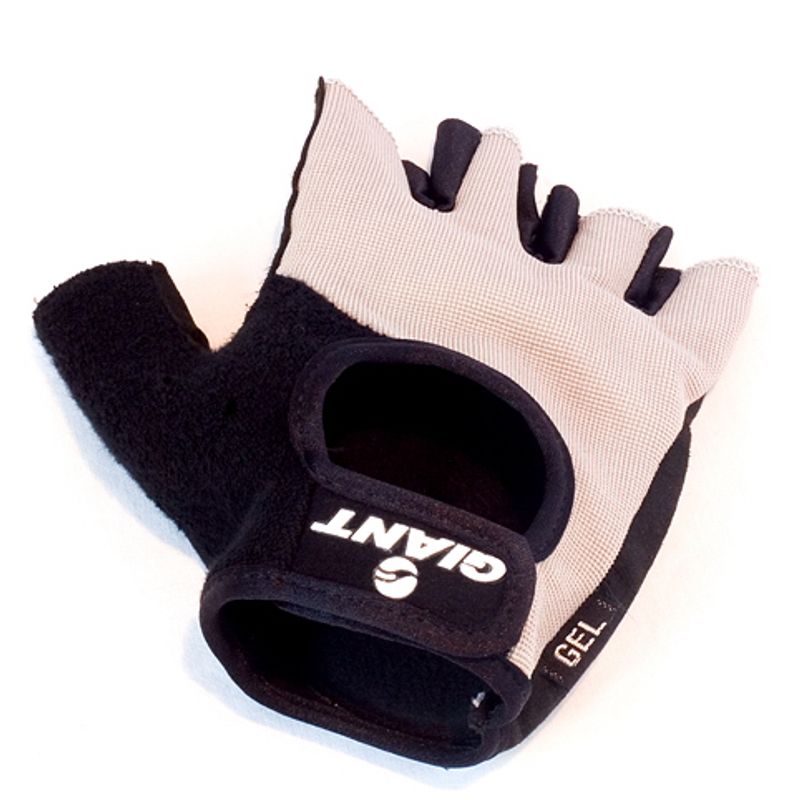
Fingerless cycling gloves made the jump from sport to street in the ’80s without anyone questioning it for even a second. You did not need a bicycle.
You needed the look, and the look was athletic, purposeful, and slightly mysterious.
The padded palm and exposed fingers gave off a very specific energy: someone who was ready for action at any moment, even if that action was just browsing a record store. The practical origins of these gloves made them feel more credible than purely decorative accessories.
Paired with a bandana, some rolled-up jeans, and a pair of high-tops, fingerless cycling gloves completed an entire ’80s character arc. They crossed gender lines easily, which was part of their appeal.
Both boys and girls wore them as part of the decade’s obsession with sporty-casual crossover dressing. Athletic wear was becoming streetwear, and these gloves were right at the intersection of both worlds.
Charm Necklaces
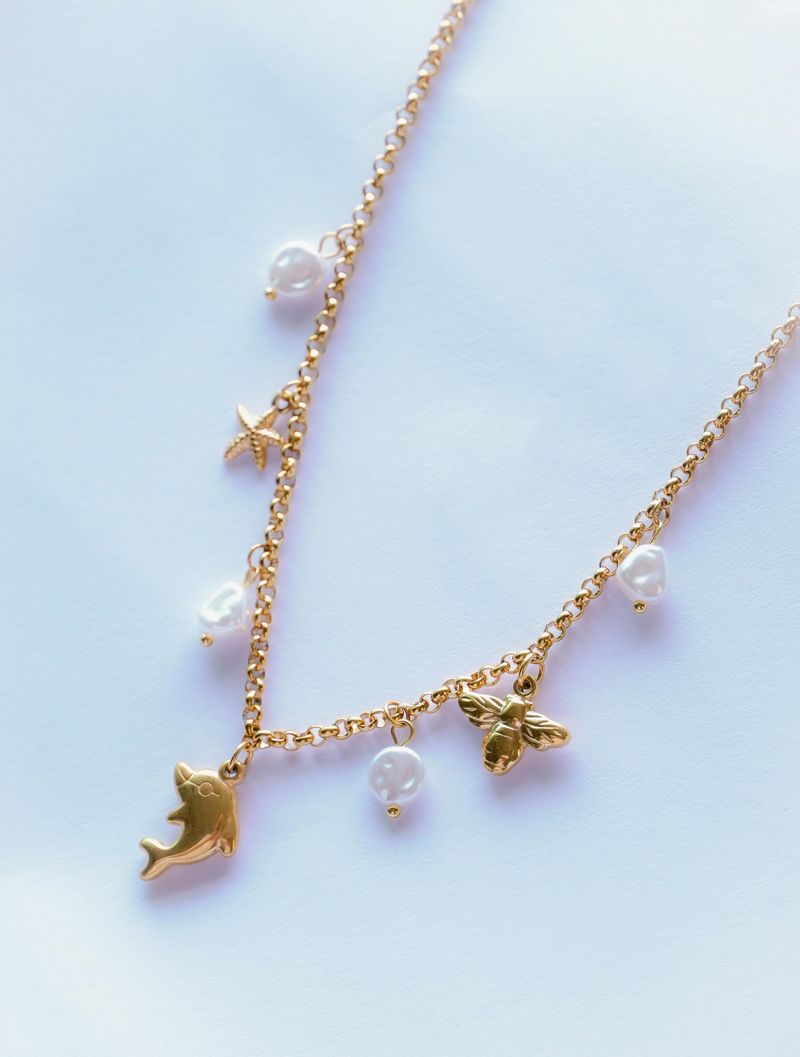
Charm necklaces were basically a personality test you wore around your neck. Every tiny pendant told a story, a miniature piano for the music kid, a soccer ball for the athlete, a tiny phone for the person always on the line.
The beauty of charm jewelry was how personal it felt. Unlike a plain chain or a standard pendant, a charm necklace grew over time.
Birthdays, holidays, and random Tuesday trips to the mall all became opportunities to add something new.
In the ’80s, charm collecting was serious business. Specialty stores sold them in spinner racks, and trading charms with friends was a whole social economy.
The necklaces could get heavy fast, which only proved you had been collecting longer than everyone else. There was a quiet pride in a fully loaded charm necklace.
It was wearable autobiography, and in a decade obsessed with self-expression, that made it one of the most genuinely meaningful accessories around.
Mood Rings
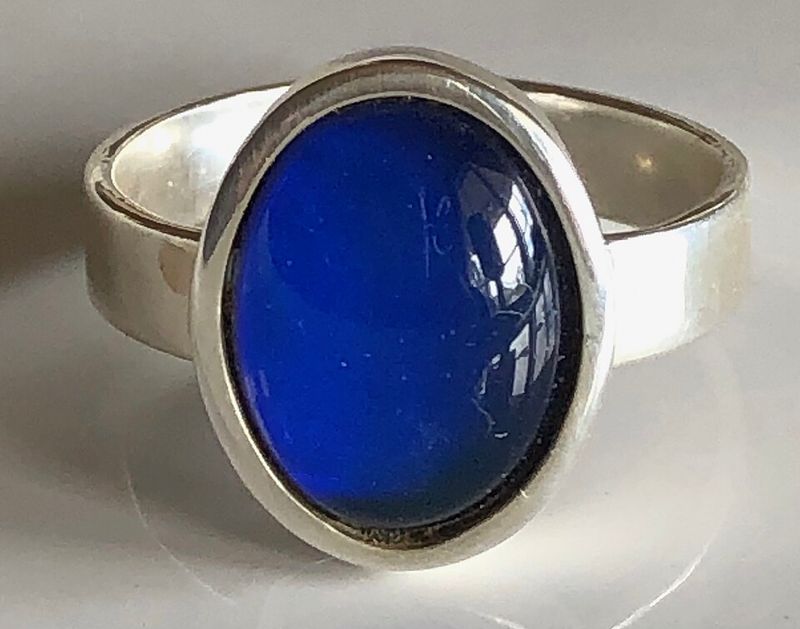
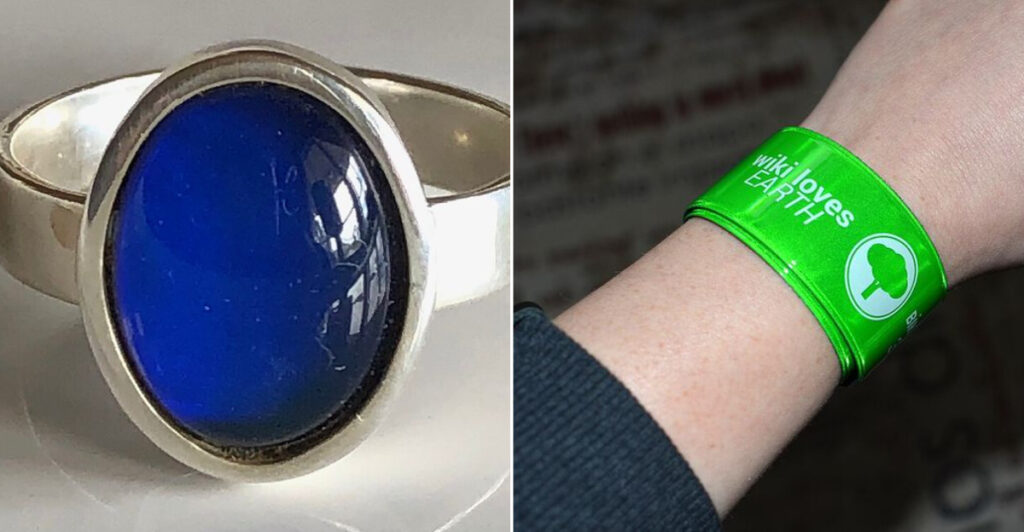
Mood rings promised something no other piece of jewelry ever dared: emotional transparency. The liquid crystal stone changed colors based on your body temperature, and the color chart told you exactly what you were feeling, whether you agreed or not.
Blue meant calm. Green meant normal.
Black meant stressed or cold, which covered basically every Monday morning of my entire childhood. The pseudo-science was thin, but the drama was absolutely real.
Mood rings were actually invented in 1975, but they had a major revival in the ’80s when they became a staple of mall jewelry kiosks everywhere. For a few dollars, you got both a ring and a conversation starter.
People spent entire lunch periods staring at their rings and arguing about whether the color matched how they actually felt. It was jewelry as interactive experience, which was a surprisingly forward-thinking concept for an accessory you bought next to a pretzel stand.
Hoop Earrings, the Bigger the Better
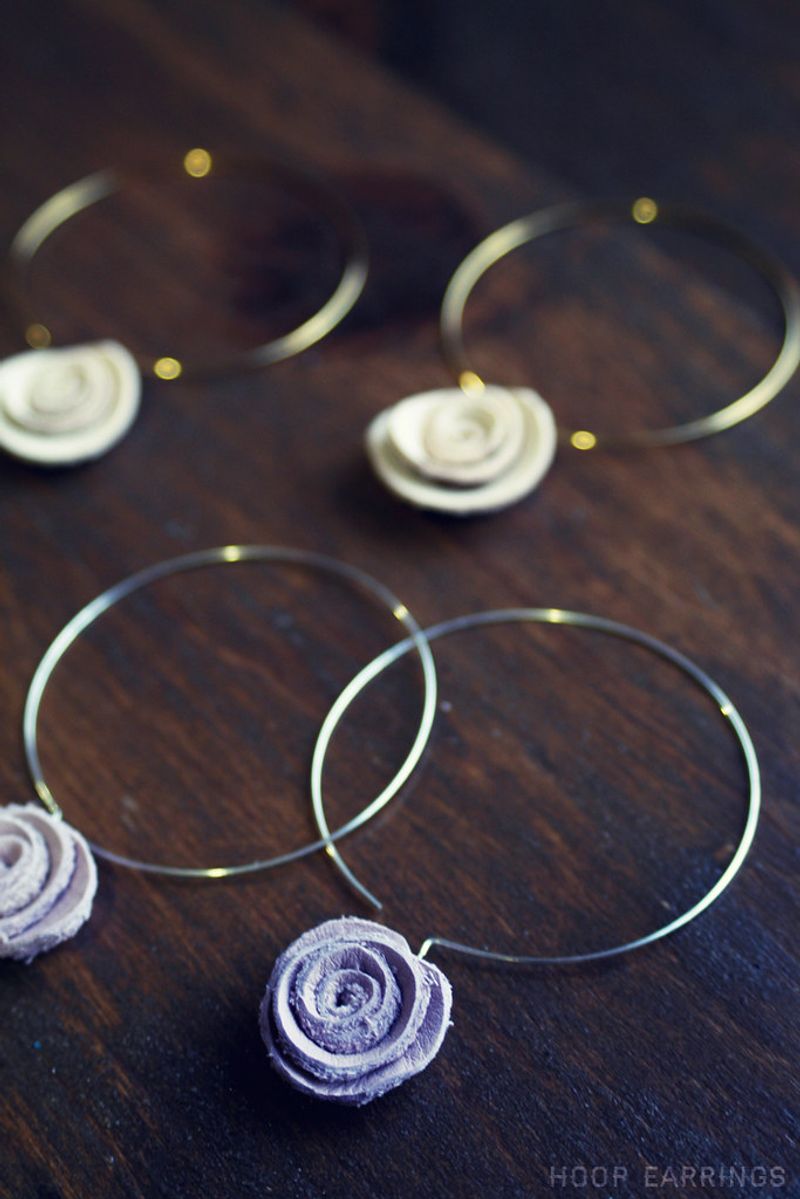
The ’80s looked at hoop earrings and had one note: bigger. Then bigger again.
By the middle of the decade, hoop earrings had grown large enough to double as bracelets in a pinch, and nobody thought that was excessive.
Large hoops framed the face in a way that smaller jewelry simply could not. They moved when you moved, caught the light from across the room, and finished off a bold outfit with the kind of punctuation it deserved.
They were not subtle, and that was entirely the point.
Gold was the dominant choice, though silver and painted versions were everywhere too. Door-knocker styles with geometric shapes inside the hoop became especially popular by the late ’80s, particularly in hip-hop and R&B fashion circles.
Those styles influenced mainstream accessories deeply and quickly. Big hoop earrings were not just a trend.
They were a statement about taking up space confidently, loudly, and with excellent taste in jewelry.
Keychain Beaded Lanyards
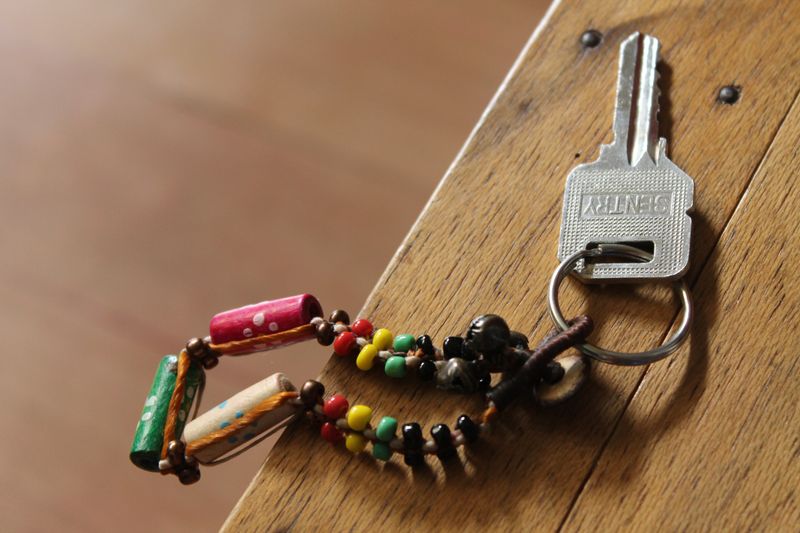
Keychain beaded lanyards turned the most boring item in your bag into something worth showing off. Strung with bright plastic beads in patterns that ranged from simple stripes to surprisingly complex designs, they dangled from backpacks and belt loops like tiny trophies.
Making your own was a rite of passage at summer camp and after-school programs throughout the decade. The plastic lacing came in every color, and the bead patterns could spell out names, words, or just create satisfying color combinations.
It was functional craft at its best.
Gifting a beaded lanyard to a friend carried real weight. It meant someone sat down and made something specifically for you, which felt meaningful at any age.
Bought versions existed too, but handmade ones had more personality. They were imperfect in the best possible way.
In a decade when customization was everything, a beaded lanyard was a small, colorful declaration that even your keys deserved a little extra attention and flair.
Leg Warmers Worn as Arm Warmers
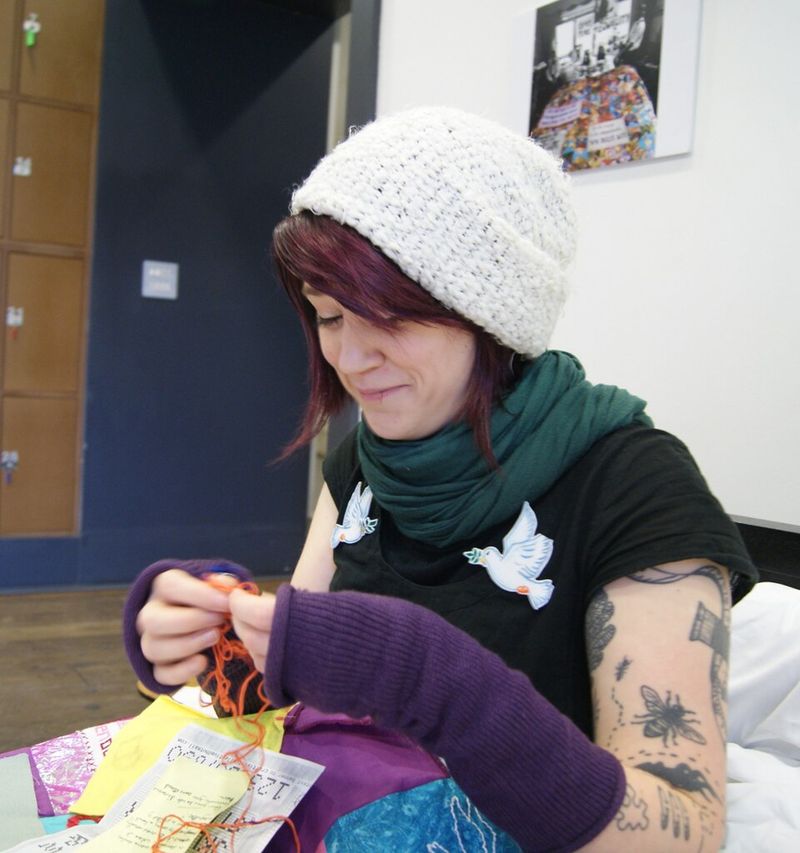
The ’80s had a creative relationship with clothing labels. If something was designed for one body part, that was merely a suggestion.
Leg warmers were the ultimate example of this philosophy applied in the wildest possible way.
Originally born from the dance world, leg warmers crossed into street fashion after movies like Flashdance made them unavoidable. Pulling them up over your arms instead of your legs was a natural next step for a decade that treated fashion rules like optional guidelines.
The look worked surprisingly well. Bunched up at the wrists or stretched to the elbow, arm warmers added texture and color to any outfit without much effort.
Knit versions in striped or solid colors were especially popular. There was something genuinely clever about the repurposing.
It was thrifty, creative, and visually interesting all at once. The ’80s did not always need new accessories.
Sometimes it just needed a new way to wear the ones already in the drawer.
Puka Shell Necklaces
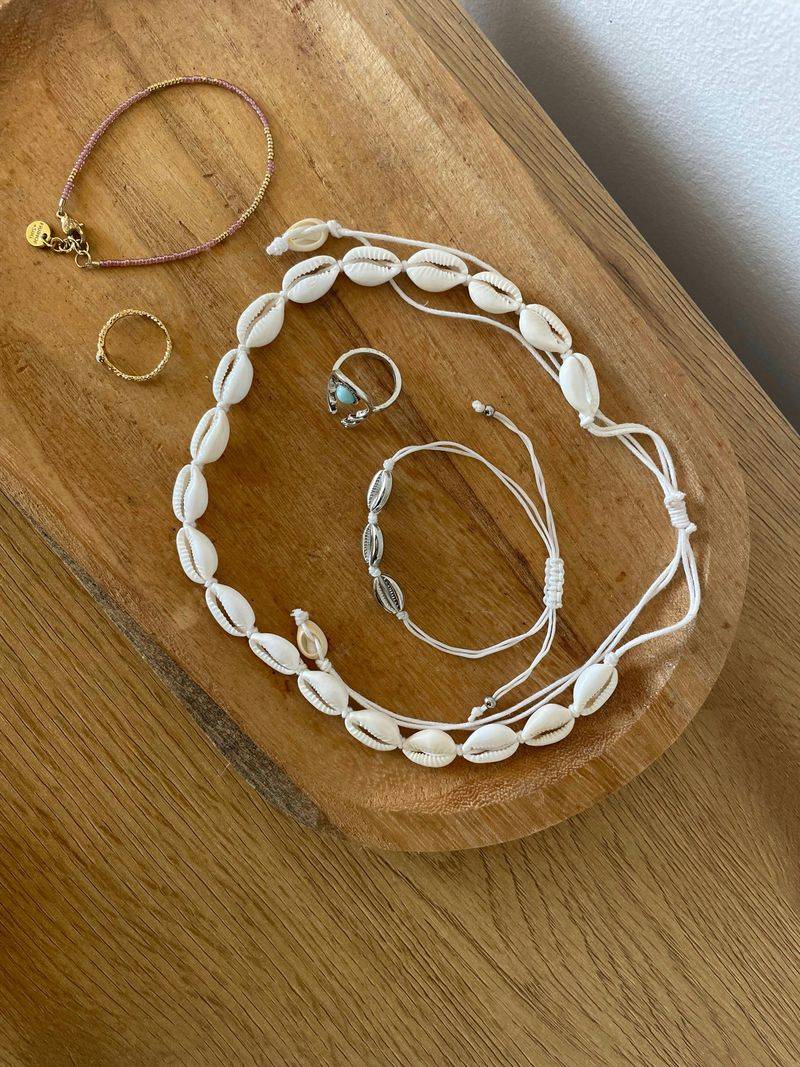
Puka shell necklaces carried the entire vibe of a beach vacation without requiring you to actually live near water. One strand of white shells around the neck and suddenly your landlocked suburb had a coastal energy it absolutely did not earn.
The shells used in traditional puka necklaces come from Hawaii, where they were considered good luck charms long before they became a mainland fashion trend. By the ’80s, mass production had made them widely available and very affordable at surf shops and beach boardwalks everywhere.
They worked with almost everything: tank tops, open button-downs, even layered over a plain white tee. The casual, sun-worn aesthetic of puka shells was a nice contrast to the decade’s louder, shinier accessories.
Not every ’80s look needed neon. Sometimes the right move was understated and breezy, like you just stepped off a surfboard and had somewhere better to be.
Puka shells delivered that energy reliably and without any effort at all.
Mirror Sunglasses
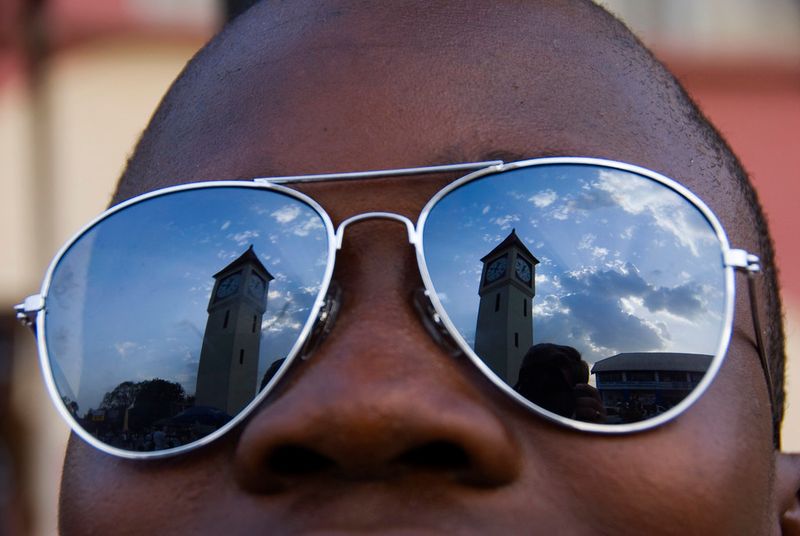
Mirror sunglasses did something no other accessory could quite pull off: they made you look mysterious while also being extremely visible. The reflective lenses hid your eyes completely, which gave you an air of cool detachment that regular tinted lenses simply could not replicate.
They came in every lens color imaginable: blue, gold, red, green, and gradient versions that shifted from dark at the top to lighter at the bottom. Aviator and wraparound shapes were especially popular, leaning into the futuristic, slightly intimidating aesthetic.
Top Gun came out in 1986 and effectively made reflective aviators a cultural phenomenon for the rest of the decade. Every kid who saw that movie immediately wanted a pair, and the sunglasses industry was very happy to oblige.
Mirror lenses also had a practical bonus: nobody could tell where you were looking. In a decade full of people trying to look effortlessly unbothered, that feature was genuinely priceless and endlessly useful.
Share this story