Back in the ’90s, teen magazines were basically the internet. Tiger Beat, Teen Beat, and Seventeen were packed with glossy posters of the guys who made our hearts skip a beat every single week.
I still remember carefully peeling out a centerfold poster and deciding which wall got the honor. These 15 heartthrobs were the reason allowances disappeared at the magazine rack.
Leonardo DiCaprio
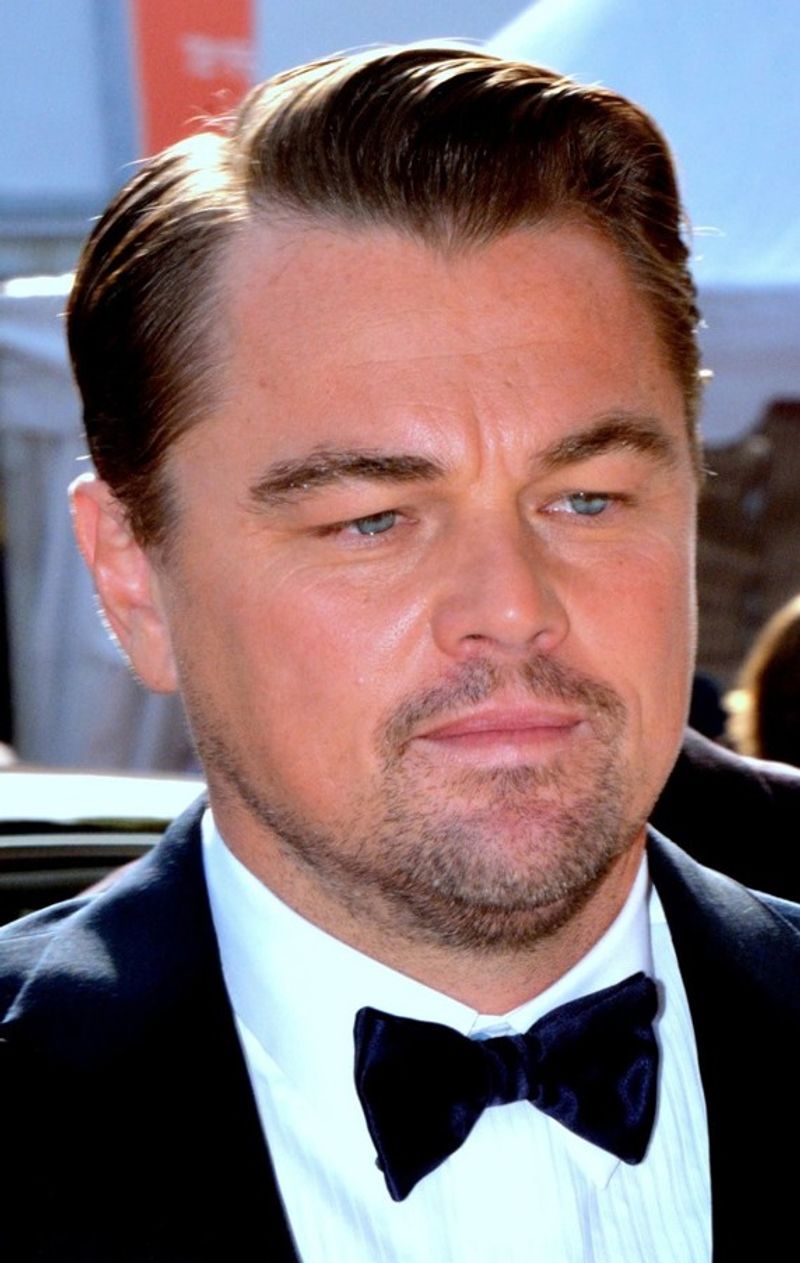
No one sold more teen magazines in the late ’90s than Leo. After stealing scenes in Growing PainsWhat’s Eating Gilbert GrapeRomeo + Juliet and earning serious acting cred in , he hit a whole new level with .
Then Titanic happened, and the world collectively lost its mind.
“Leo-mania” was a real, documented phenomenon. Posters of Jack Dawson covered bedroom walls from California to Tokyo.
Girls cried at screenings. Some reportedly saw the film over twenty times just to watch him on the big screen.
What set DiCaprio apart from the typical heartthrob crowd was that he actually had the talent to back up the hype. He was not just a pretty face on a glossy page.
His smart role choices post-Titanic proved that this was never just a moment. It was the start of one of Hollywood’s most enduring careers.
Jonathan Taylor Thomas

JTT was basically a religion in the mid-’90s. As Randy Taylor on Home Improvement, he had that perfect combination of witty sarcasm and genuine sweetness that made him the ultimate TV crush.
Every episode felt like a visit from the cute kid next door.
His voice role as young Simba in The Lion King only made things worse for anyone trying to resist the charm. Suddenly even animated lions had a fan club.
The guy could do no wrong.
What makes JTT’s story uniquely interesting is what he did after all that fame. Instead of riding the wave into questionable reality TV or tabloid drama, he quietly stepped back and focused on his education.
That decision made him even more fascinating to fans who grew up with him. Some heartthrobs fade.
JTT just became a mystery, and mysteries never go out of style.
Freddie Prinze Jr.
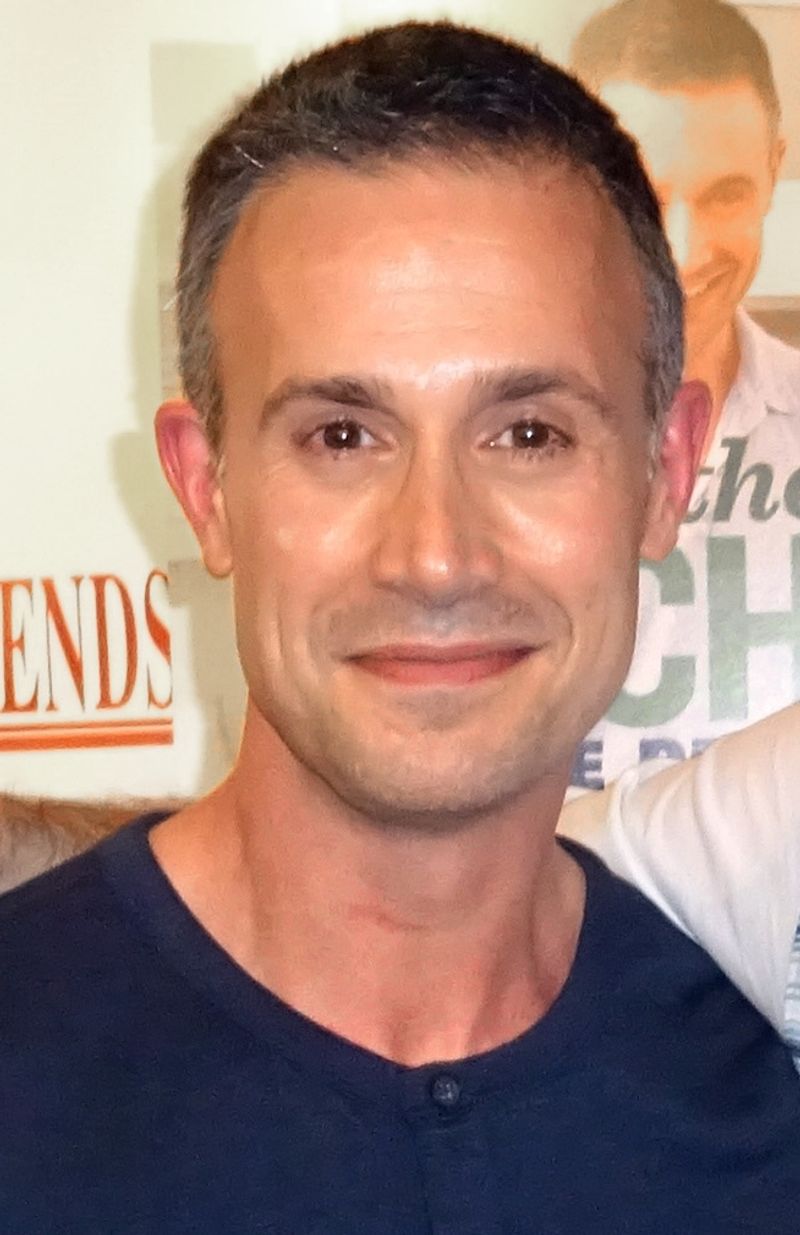
Late-’90s teen movies had a whole roster of leading men, but Freddie Prinze Jr. was the one who kept showing up and somehow getting even more likable. I Know What You Did Last Summer put him on the map, and She’s All That turned him into a full-blown romantic-comedy staple.
He had this easygoing, approachable quality that felt different from the brooding or dangerous heartthrobs of the era. Freddie was the guy you actually wanted to hang out with, not just stare at.
That distinction mattered more than people gave him credit for.
His name became practically synonymous with the teen-film wave that dominated the final years of the decade. Where there was a prom scene, a dramatic hallway moment, or a slow-motion makeover reveal, Freddie Prinze Jr. was probably nearby looking effortlessly charming.
A whole generation of rom-com fans owes him a thank-you card.
Devon Sawa
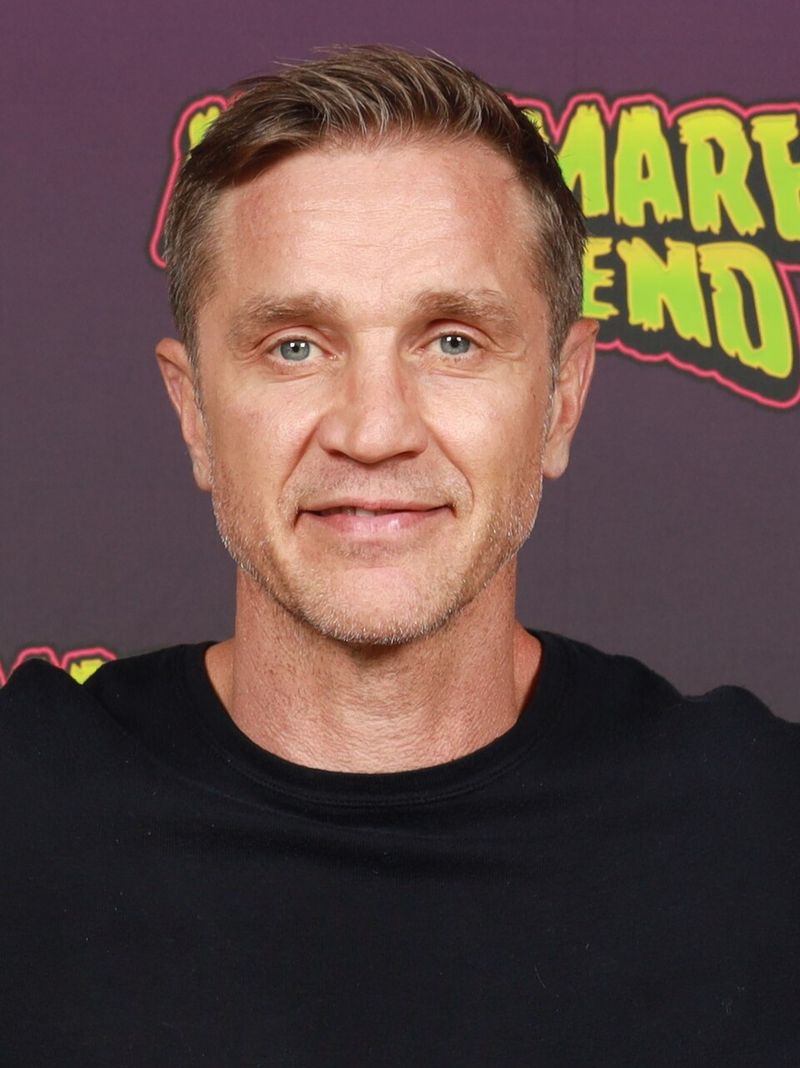
Devon Sawa became a certified crush the moment he walked out of a sheet in Casper as a human boy. That one scene sent an entire generation into a spiral.
It was a brief moment in a kids’ movie, and somehow it launched a full-blown teen idol career.
He followed that with Now and Then, Wild America, and then leaned into darker territory with Idle Hands and Final Destination. The range was genuinely impressive for someone who started as a friendly ghost’s alter ego.
Sawa had the classic magazine-cover look: cheekbones, floppy hair, and a slightly mysterious expression that worked in every genre. Family film?
Sure. Horror thriller?
Absolutely. Coming-of-age drama?
No problem. That versatility kept him relevant through multiple phases of ’90s pop culture.
Not every heartthrob could survive jumping between genres. Devon Sawa made it look easy.
Rider Strong
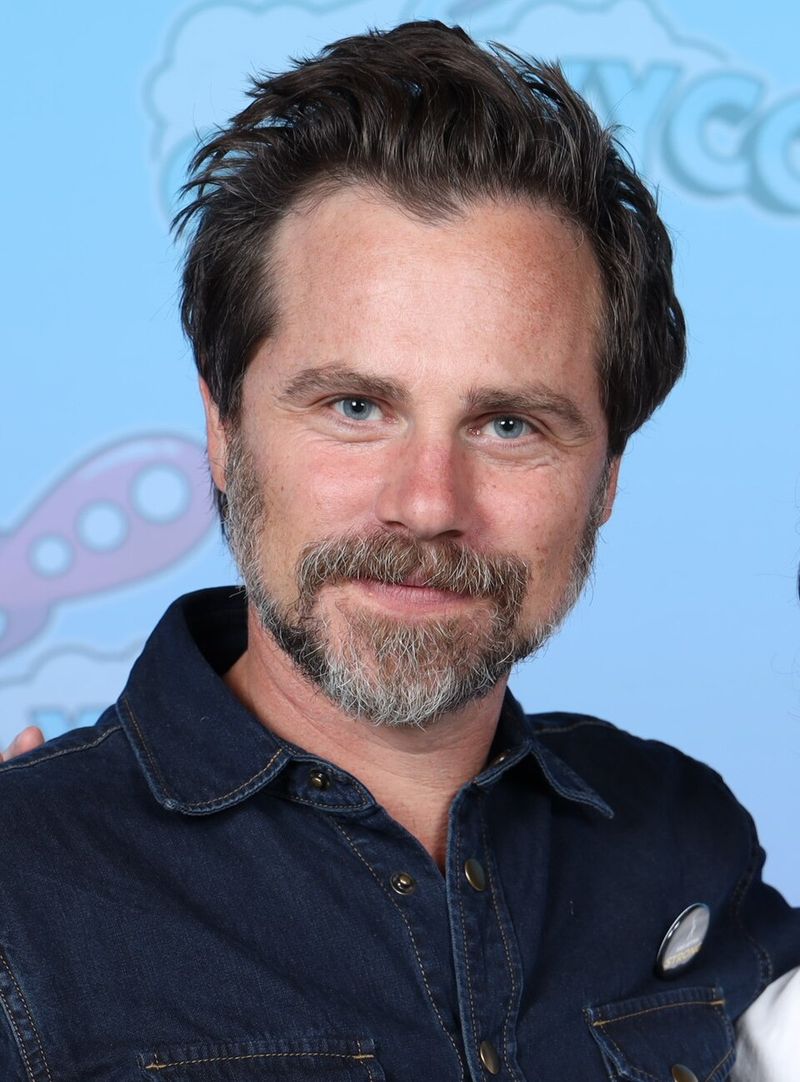
Shawn Hunter was not your average sitcom sidekick, and Rider Strong was not your average teen heartthrob. While other ’90s crushes came wrapped in perfect hair and easy smiles, Shawn showed up in a leather jacket with actual emotional baggage.
That was a bold choice for a Friday-night family sitcom.
Boy Meets World gave his character real storylines: family problems, identity questions, and a friendship with Cory Matthews that genuinely felt like it mattered. Viewers did not just crush on Shawn.
They rooted for him, worried about him, and cheered when things went right.
That emotional investment is exactly why Rider Strong’s heartthrob status has aged better than most. When the nostalgia wave hit and Girl Meets World brought Shawn back, fans went absolutely wild.
Some crushes fade with the decade. Shawn Hunter just kept getting more interesting with time, and so did the actor who played him.
Joshua Jackson
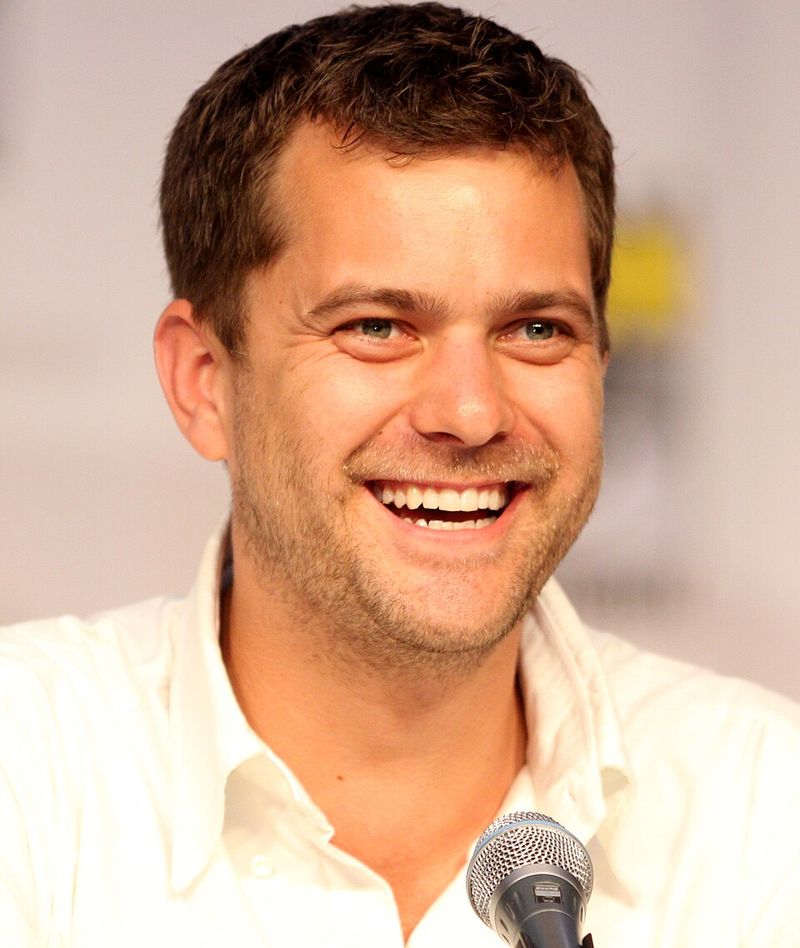
Pacey Witter was the guy everyone claimed they did not have a crush on and then absolutely did. Joshua Jackson brought a rare warmth to Dawson’s Creek that made Pacey feel like a real person instead of a TV archetype.
He was funny, a little self-deprecating, and fiercely loyal. Basically impossible not to like.
Before the Creek, Jackson was already a familiar face from The Mighty Ducks, where he played Charlie Conway with that same likable, slightly scrappy energy. He had been winning audiences over since the early part of the decade without anyone making a big fuss about it.
The Pacey-versus-Dawson debate became one of the defining pop-culture arguments of the late ’90s. Most people who claimed to be Team Dawson eventually came around.
Jackson’s performance gave Pacey a genuinely human quality that outlasted the show’s most melodramatic moments. That is the kind of screen presence no amount of magazine coverage can manufacture.
Mark-Paul Gosselaar
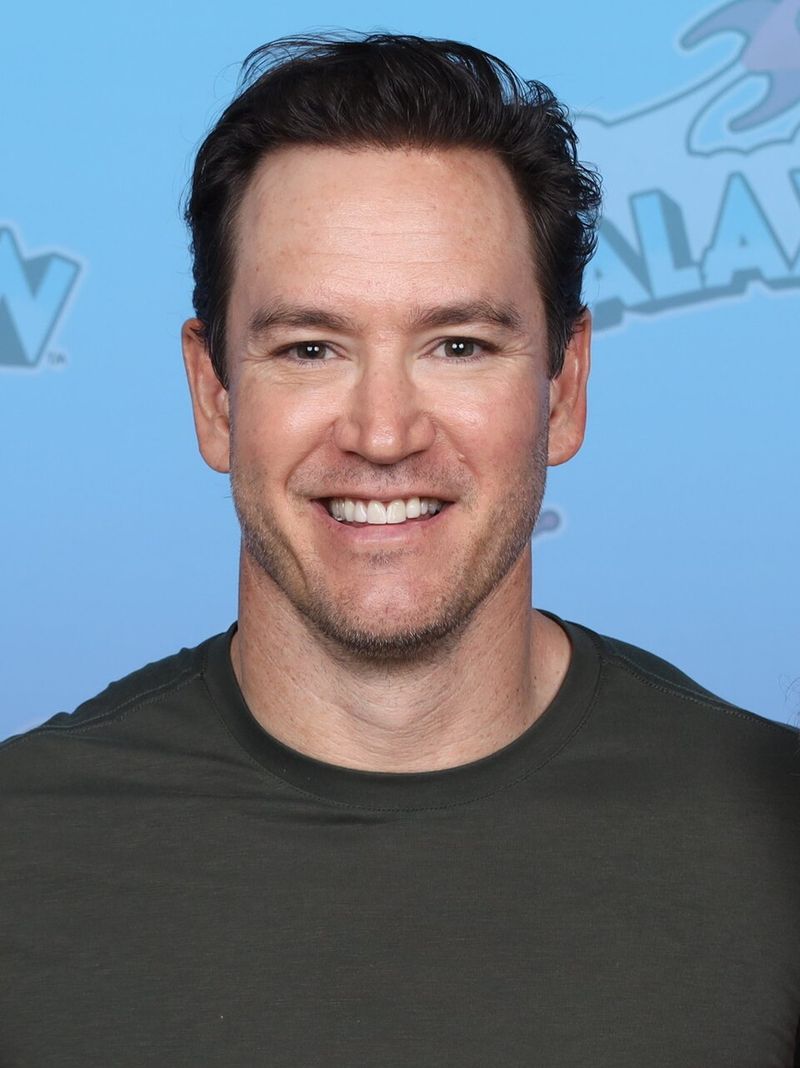
Zack Morris was not a good person, and yet somehow everyone loved him anyway. Mark-Paul Gosselaar played the scheming, smooth-talking king of Bayside High with such effortless charm that viewers forgave him every single episode, usually within the first commercial break.
The blond hair, the brick-size cell phone, the ability to freeze time and wink directly at the camera. Zack Morris was a whole aesthetic.
Saved by the Bell basically invented the early-’90s teen-TV template, and Gosselaar was right at the center of it all.
What made his heartthrob status interesting was that Zack was never the “safe” choice. He was the fun choice, the chaotic choice, the guy your fictional parents would probably not approve of.
That little edge made him endlessly watchable. Gosselaar has since built a solid adult acting career, but Zack Morris remains the role that defined a generation’s idea of TV cool.
No timeout needed to appreciate that legacy.
Mario Lopez
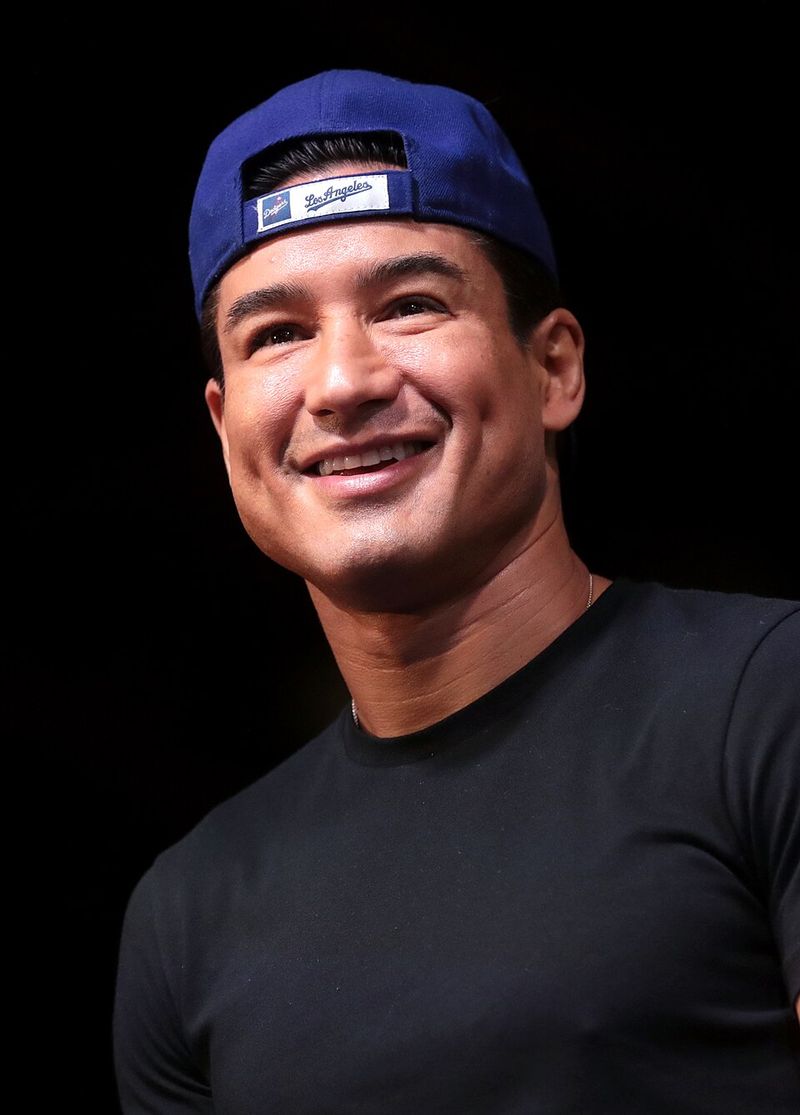
Those dimples should have their own Wikipedia page. Mario Lopez as A.C.
Slater on Saved by the Bell was the show’s resident jock, and he played that role with a kind of enthusiastic confidence that made even wrestling singlets look somehow appealing. A genuine feat.
Where Zack Morris was all schemes and smirks, Slater was straightforward and competitive. He was the guy who actually showed up to practice, won the match, and still had time to flex in the hallway.
Teen magazines adored him for it, and so did viewers.
Lopez parlayed that early fame into a decades-long entertainment career that includes hosting, acting, and enough TV appearances to fill a highlight reel. But the foundation was always Bayside.
Slater and Zack together gave Saved by the Bell a dynamic that kept fans coming back, and Lopez’s easy charisma was a huge part of why the show felt so endlessly rewatchable.
Andrew Keegan
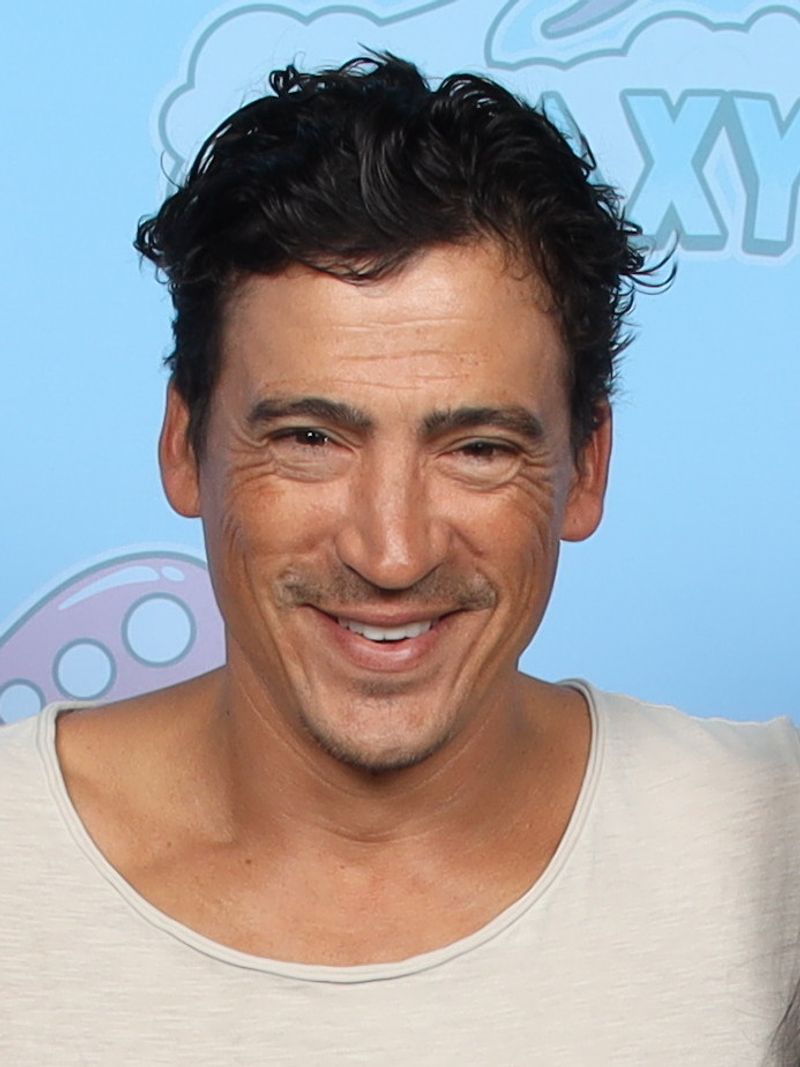
Andrew Keegan had a very specific superpower in the late ’90s: he could play the guy you were supposed to dislike and still end up on your bedroom wall. His role as Joey Donner in 10 Things I Hate About You was technically the villain, but the teen magazine industry did not seem to care about that detail.
He also had recurring spots on 7th Heaven and Party of Five, which kept him visible across multiple popular shows throughout the decade. That kind of multi-show presence built a recognition factor that went beyond any single role.
Keegan fit perfectly into the late-’90s teen-movie ecosystem, where slightly arrogant, impossibly good-looking characters were basically their own genre. He had the bone structure for it and the screen presence to make it work.
Sometimes a heartthrob does not need to be the hero. Sometimes showing up confidently in every frame is more than enough to earn a poster spot.
Joseph Gordon-Levitt
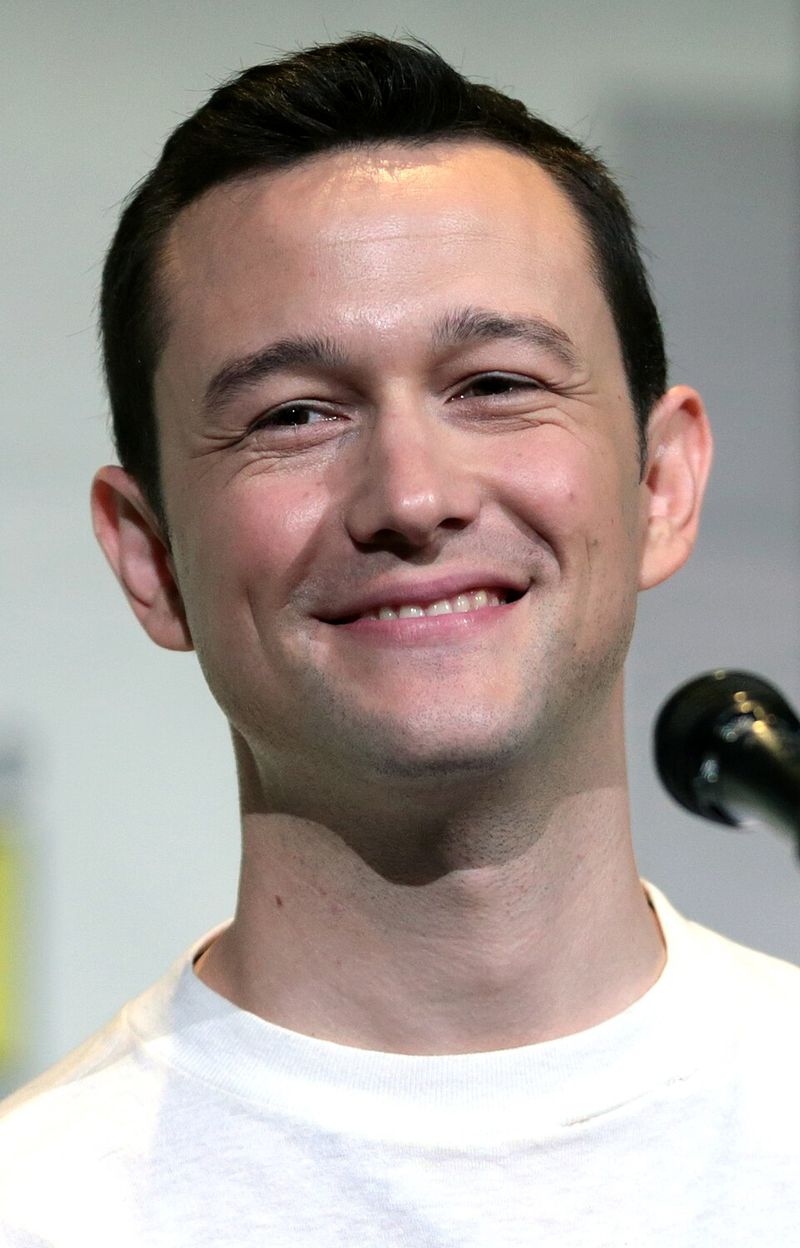
Not every ’90s heartthrob came with a leather jacket and a brooding stare. Joseph Gordon-Levitt was the guy who made being smart and slightly awkward genuinely attractive, which was honestly a more impressive trick than looking good in a magazine spread.
On 3rd Rock from the Sun10 Things I Hate About You, he played Tommy Solomon with a deadpan wit that made the show genuinely funny. Then gave him a romantic lead role that felt completely natural.
He was the sensitive, clever guy who quietly became everyone’s favorite without ever trying to be flashy about it.
His ’90s appeal was built on relatability rather than untouchable glamour. Fans did not want to hang a poster of him so much as they wanted to sit next to him in English class and argue about books.
That is a very different kind of crush, and honestly a more lasting one. His post-’90s career absolutely confirmed the talent was always there.
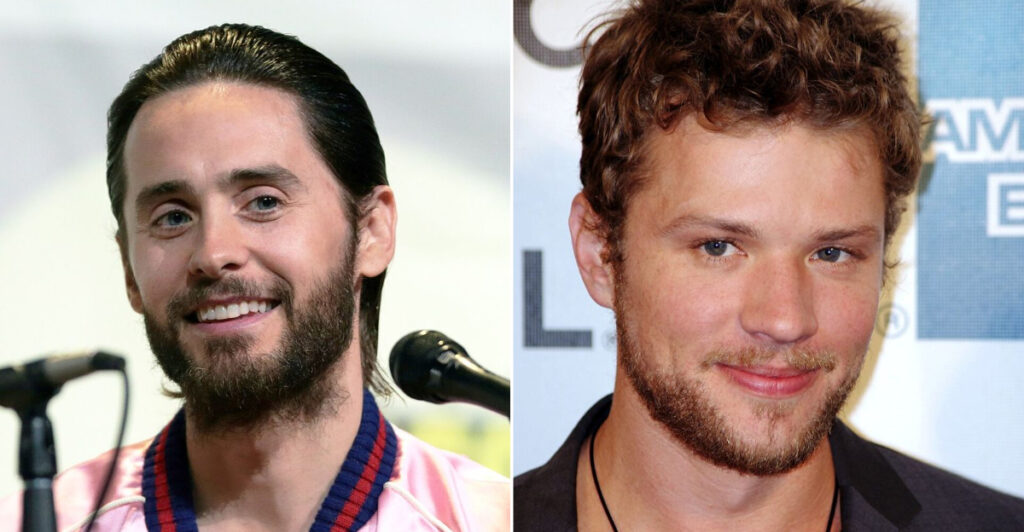
Jared Leto
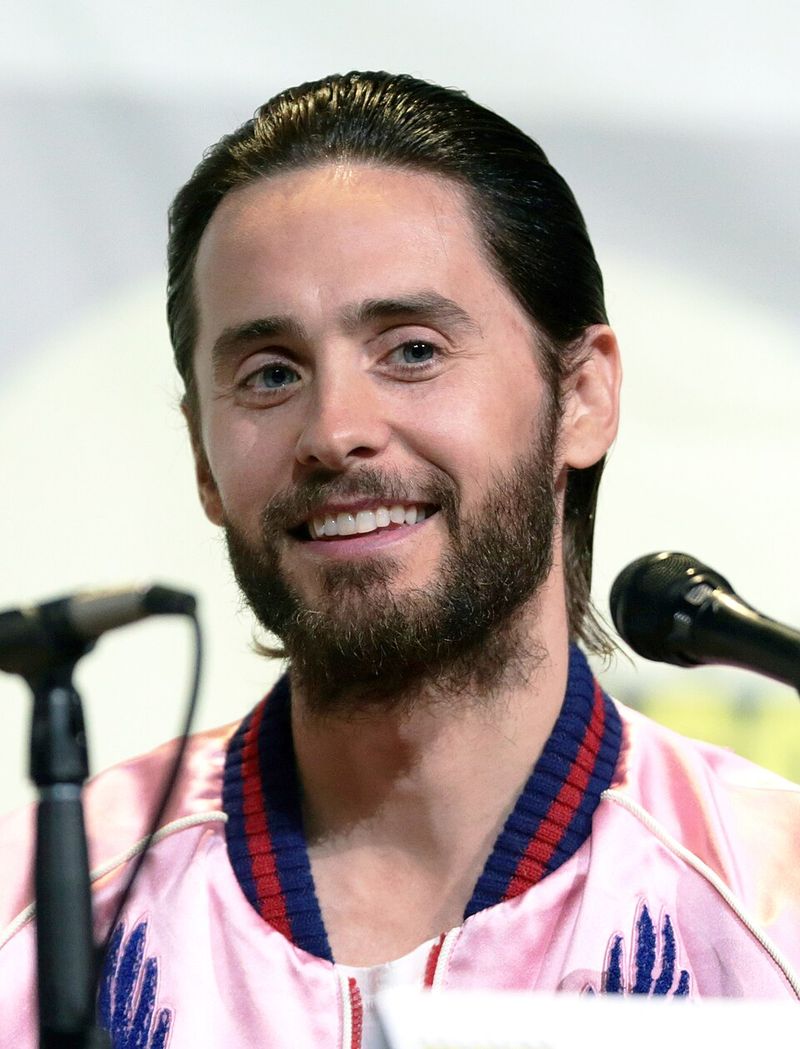
Jordan Catalano barely spoke, and that was somehow the whole point. Jared Leto’s character on My So-Called Life communicated almost entirely through meaningful silences, floppy hair, and the ability to lean against a locker like it was an Olympic sport.
The show ran for one season and left a mark that lasted decades.
The flannel, the band, the tortured-artist energy. Jordan Catalano was the mid-’90s grunge crush distilled into one fictional teenager.
Angela Chase’s obsession with him felt completely understandable to anyone who watched the show, which is a credit to how effectively Leto inhabited that role.
Leto went on to have a genuinely wild career in both film and music, collecting awards and controversies in roughly equal measure. But Jordan Catalano remains a very specific kind of cultural artifact: the quintessential brooding alternative heartthrob of a very particular moment.
My So-Called Life fans will argue about many things. Jordan’s appeal is not one of them.
Ryan Phillippe
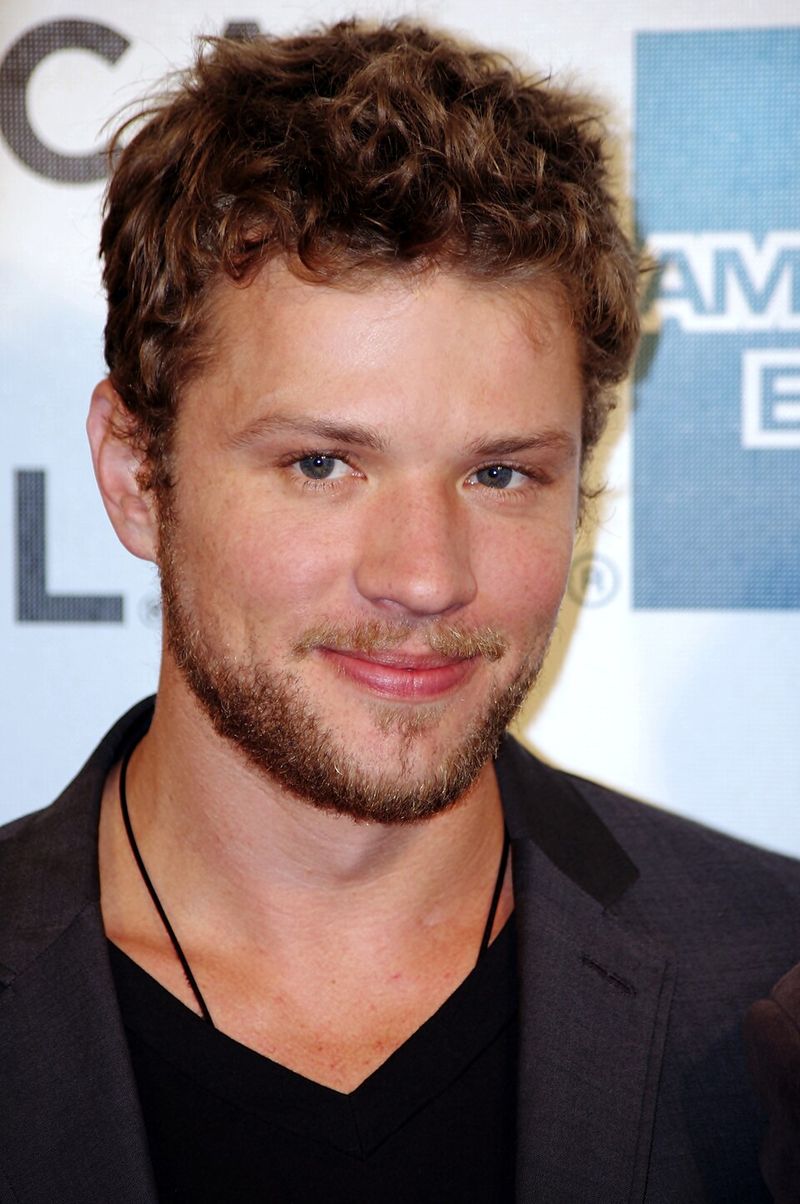
Ryan Phillippe had the kind of face that looked like it was designed specifically to cause problems in teen movies, and his filmography leaned into that completely. I Know What You Did Last Summer introduced him to a wide audience, and then Cruel Intentions turned him into something genuinely fascinating to watch on screen.
He played Sebastian Valmont with a calculated coldness that somehow still managed to be magnetic. That is a very specific skill, and Phillippe pulled it off with a confidence that made the character both insufferable and completely compelling at the same time.
His heartthrob status was built on a sharper, glossier edge than most of his peers. Where other late-’90s crushes were warm and approachable, Phillippe played characters with real moral complexity.
Fans who liked their screen crushes a little unpredictable found exactly what they were looking for. Cruel Intentions alone secured his place in the decade’s pop-culture memory permanently.
Erik von Detten
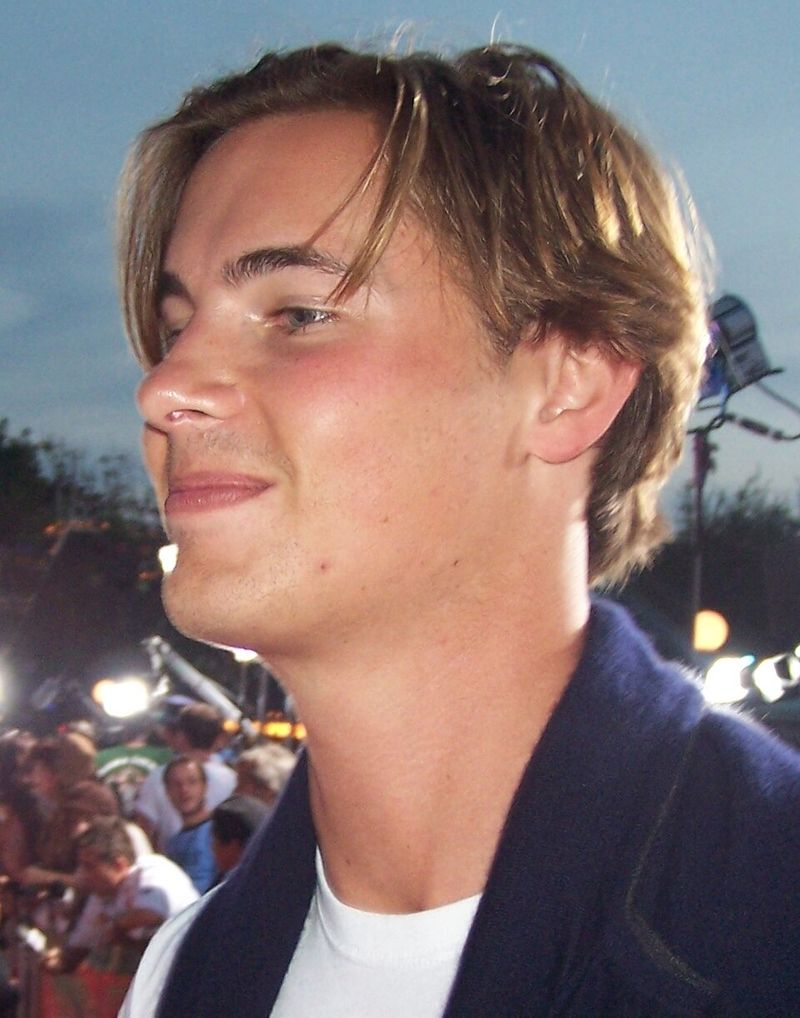
Ask any kid who grew up watching Disney Channel on Saturday mornings and the name Erik von Detten will get an immediate reaction. He starred in Brink!, the rollerblading movie that somehow became required viewing for an entire generation of ’90s kids who had never touched a pair of aggressive inline skates in their lives.
He also voiced Sid in the original Toy Story, appeared in So Weird, and later showed up in The Princess Diaries. That is a surprisingly well-rounded resume for someone whose main claim to fame involved aggressive rollerblading and a very ’90s haircut.
Von Detten occupied a very specific niche in the heartthrob landscape. He was not the Hollywood blockbuster star or the primetime TV regular.
He was the Disney Channel crush, which meant he belonged entirely to a generation that watched weekend afternoon movies with a bowl of cereal. That connection made him feel personal in a way big stars rarely did.
Joey Lawrence
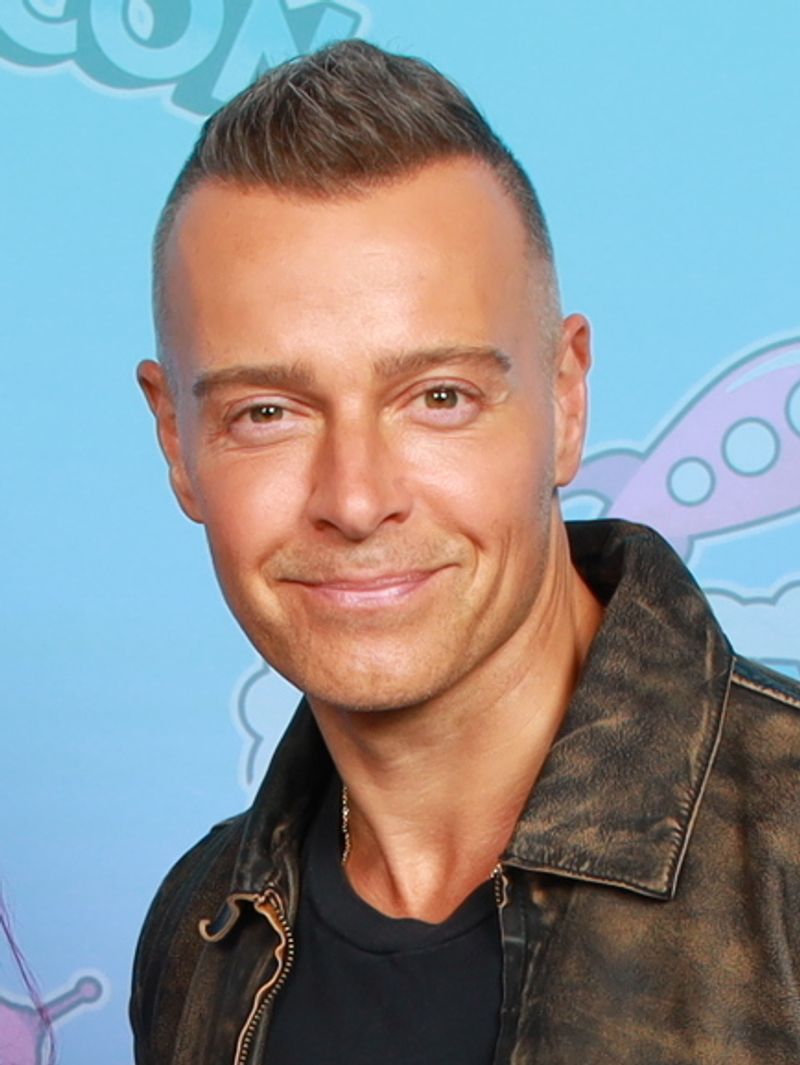
“Whoa.” One word. That is the entire legacy summary for Joey Lawrence’s character on Blossom, and honestly it holds up better than most ’90s catchphrases.
Joey Russo delivered that line with such committed enthusiasm that it became one of the decade’s most quoted moments, completely unavoidable and weirdly endearing.
Lawrence was a sitcom heartthrob in the truest sense: he showed up every week, made people laugh, looked great doing it, and never took himself too seriously. That combination worked perfectly for early-’90s TV audiences who wanted their crushes funny and familiar.
He extended his visibility through Brotherly Love, which brought his actual brothers into the mix and kept the Lawrence name circulating through the mid-decade years. Teen magazines loved the family angle.
Fans loved the relatable, living-room energy that made Joey feel less like a celebrity and more like the funniest kid at school who happened to be on television every week.
Skeet Ulrich
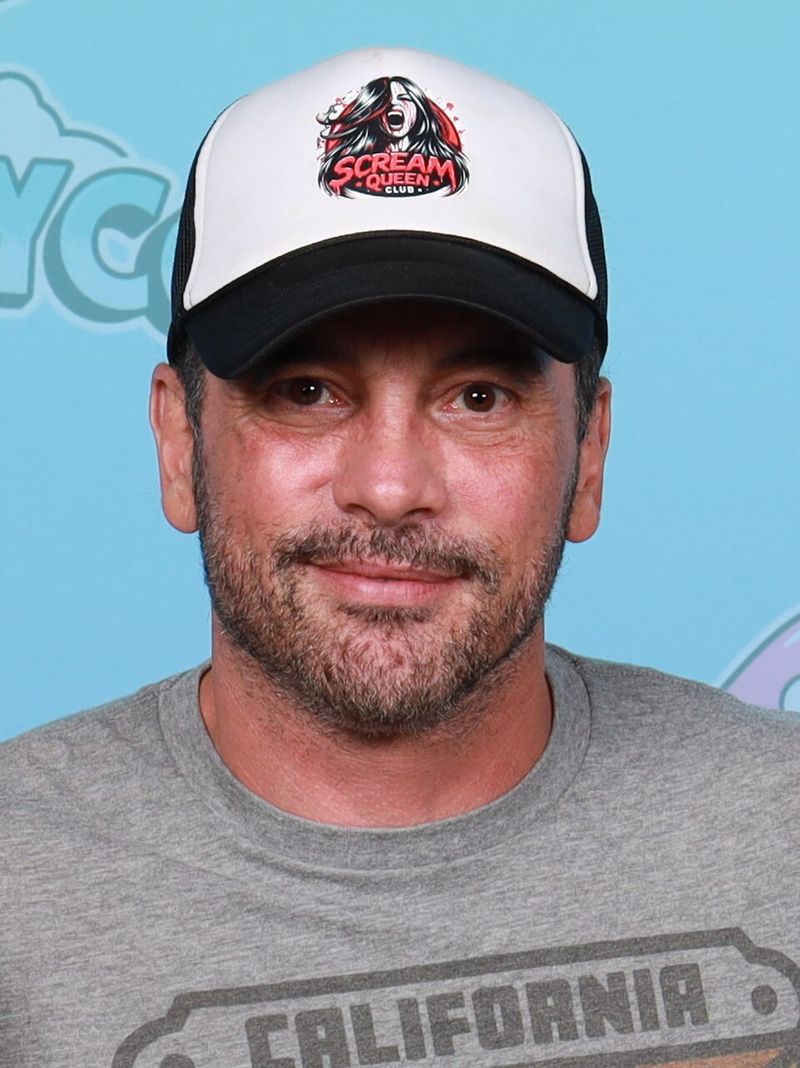
Skeet Ulrich was the ’90s heartthrob for people who thought the other ’90s heartthrobs were too cheerful. With roles in The Craft and Scream, he became the face of the decade’s teen-horror and thriller boom, which was a very specific and very cool corner of ’90s pop culture to own.
He had a dark, brooding screen presence that felt genuinely different from the sitcom stars and rom-com regulars dominating Tiger Beat at the time. Ulrich’s look was more flannel and shadows than bright colors and winning smiles.
That contrast made him stand out immediately.
Comparisons to a young Johnny Depp followed him through the decade, which was not exactly a bad problem to have. For fans of Scream specifically, his role as Billy Loomis delivered one of the genre’s most memorable performances of the era.
Ulrich proved that a heartthrob did not need to be the hero of the story to leave a lasting impression on an entire generation of movie fans.
Share this story