Some places feel more alive after people leave them behind. Empty streets, rusted rides, crumbling castles, and rooms filled with sand can tell stories louder than any museum plaque.
These abandoned places are haunting because they remind you how quickly ordinary life can stop, yet they are beautiful because time, weather, and nature keep creating something new.
1. Pripyat, Ukraine
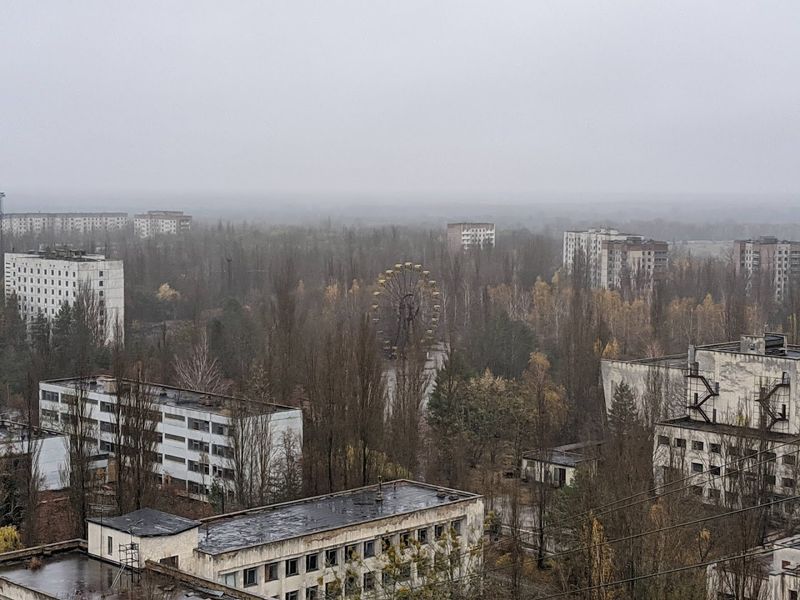
Pripyat is one of those places that feels impossible to forget once you see it. Built for the workers of the Chernobyl Nuclear Power Plant, the city was evacuated in 1986 after the disaster changed life there overnight.
Apartment blocks, schools, sports halls, and public squares still hold the shape of a normal Soviet city paused mid-breath.
The famous ferris wheel, never fully enjoyed by the residents it was meant to entertain, has become a symbol of sudden departure. Nature has pushed through pavement, wrapped courtyards in green, and softened the hard edges of concrete.
You can almost imagine footsteps in the corridors, even though silence owns them now.
What makes Pripyat hauntingly beautiful is not just decay, but interruption. It reminds you that daily routines can vanish in hours.
The city remains a stark, emotional monument to human error, resilience, and time.
2. Hashima Island, Japan
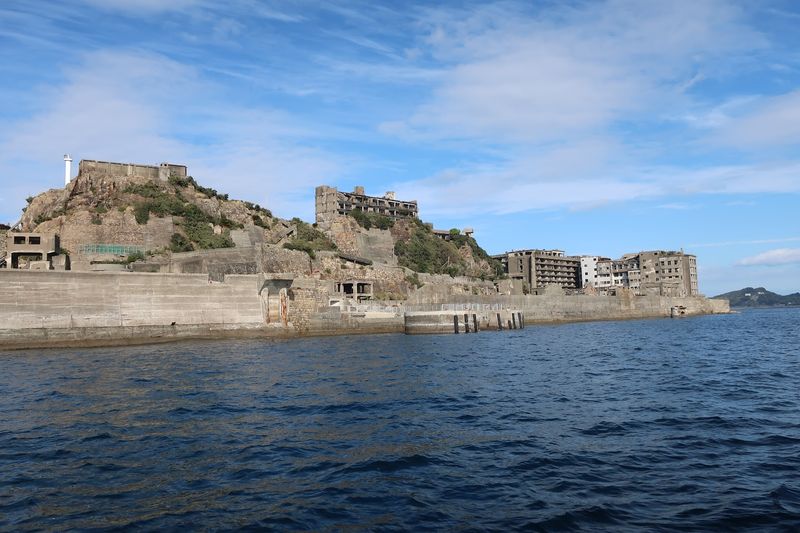
Hashima Island, often called Battleship Island, rises from the sea off Nagasaki like a stranded warship. Its tight concrete skyline once housed a busy coal mining community, with families, schools, shops, and workers packed into a tiny offshore world.
Today, those same buildings stand cracked, roofless, and exposed to salt wind.
The island was abandoned after the coal mine closed, leaving behind a dense maze of apartments and industrial remains. Waves slap against the seawalls while windows stare out like empty eyes.
From a distance, it looks powerful and futuristic, but up close it feels fragile and exhausted.
What pulls you in is the contrast between ambition and abandonment. Hashima shows how quickly a place built for industry can become a relic.
Its severe geometry, ocean setting, and ruined towers create a beauty that feels both harsh and strangely elegant.
3. The Crooked Forest, Poland
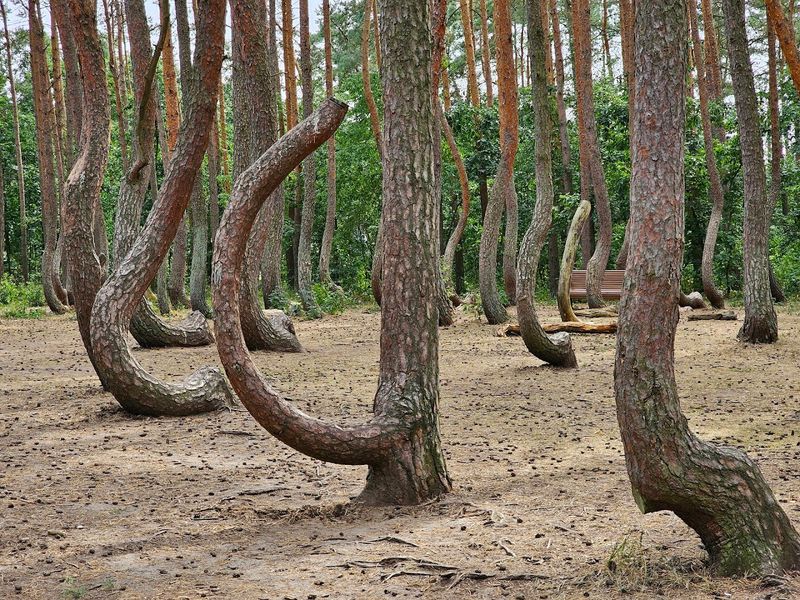
The Crooked Forest in Poland is not abandoned in the usual sense, but it feels like a place people stopped being able to explain. Around 400 pine trees grow with strange, sweeping bends near their bases, as if someone gently pressed each trunk toward the earth before letting it reach upward.
The result is quiet, uncanny, and deeply memorable.
No one knows for certain why the trees formed this way. Some theories point to human shaping for timber, while others blame snow damage or unknown environmental forces.
That uncertainty makes the grove feel like a riddle planted in the soil.
Walking through it, you notice how orderly and unnatural the curves seem, especially against the straight trees nearby. It is beautiful because it is simple, green, and almost sculptural.
It is haunting because the forest keeps its secret perfectly, no matter how long you stare.
4. Kolmanskop, Namibia
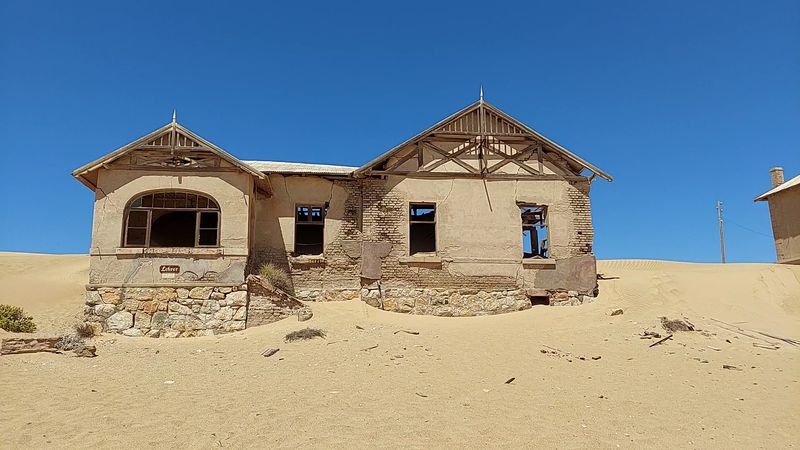
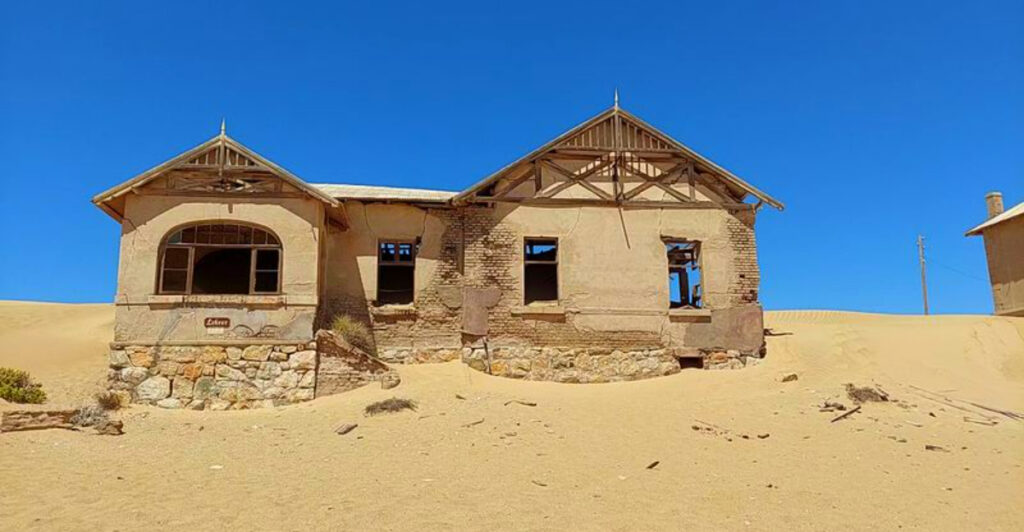
Kolmanskop is a ghost town where the desert does not just surround the buildings – it enters them. Located near Lüderitz in the Namib Desert, it began as a diamond settlement after a railway worker found a diamond in 1908.
At its peak, the town had grand homes, a ballroom, an ice factory, and even a hospital with an early X-ray machine.
When richer diamond fields were discovered elsewhere and local deposits faded, Kolmanskop slowly lost its purpose. By 1956, it was abandoned, leaving the Namib to claim what people had built.
Sand now pours through windows, climbs staircases, and fills rooms like soft, golden water.
Its beauty is almost dreamlike, especially when sunlight cuts across peeling wallpaper and dune-filled floors. You feel both wealth and emptiness in every room.
Kolmanskop turns human ambition into a quiet, desert-wrapped poem about impermanence.
5. Bannerman Castle, USA
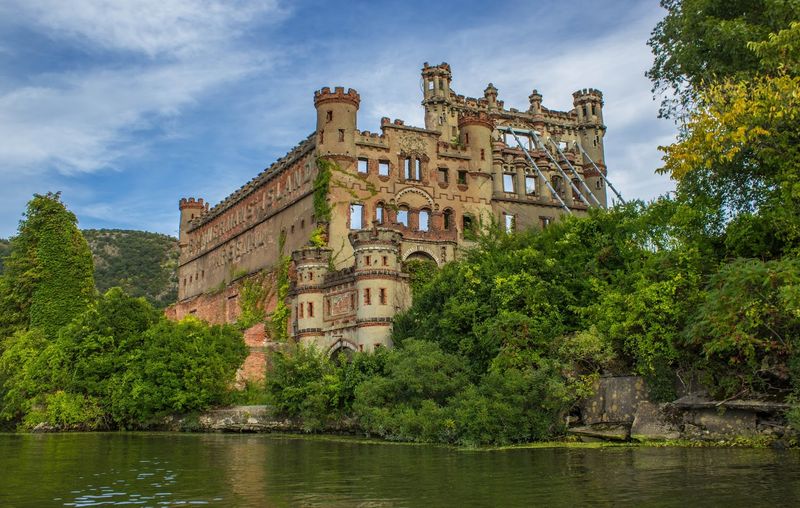
Bannerman Castle looks like it should belong to an old legend, yet it sits on Pollepel Island in New York’s Hudson River. Its towers and walls were built by Francis Bannerman VI, not as a royal residence, but as a dramatic military surplus warehouse.
That practical origin makes the crumbling fantasy silhouette even more surprising.
Fire, explosions, weather, and neglect have reduced much of the structure to ruins. From the river, the castle appears romantic and mysterious, with broken walls rising above trees and water.
Up close, you sense how unstable and vulnerable beauty can become when maintenance stops.
The setting is what makes Bannerman Castle especially captivating. The island isolates it just enough to feel unreachable, like a story you can only glimpse from a boat.
It is haunting because it mixes romance, danger, and decay in one unforgettable Hudson River scene.
6. Craco, Italy
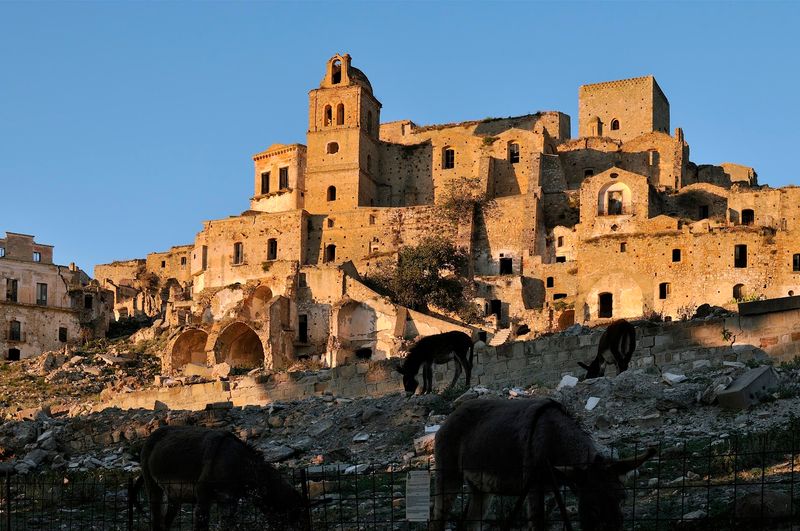
Craco sits high above the Cavone River valley in Basilicata, looking like a medieval village cut from stone and placed against the sky. Its narrow streets, old churches, and weathered houses once held generations of daily life.
Landslides, instability, and earthquakes eventually forced residents to leave, turning the town into a silent hilltop shell.
Because Craco remains so visually striking, it has appeared in films including The Passion of the Christ and Quantum of Solace. Empty lanes twist between pale stone walls, and the landscape below spreads out in dusty, cinematic layers.
You do not need much imagination to understand why directors love it.
What makes Craco haunting is the feeling that the village still has a posture, even without people. It stands proud despite abandonment.
The beauty comes from its age, its height, and the way sunlight makes the ruins glow like memory.
7. Angkor Wat Hidden Corners, Cambodia
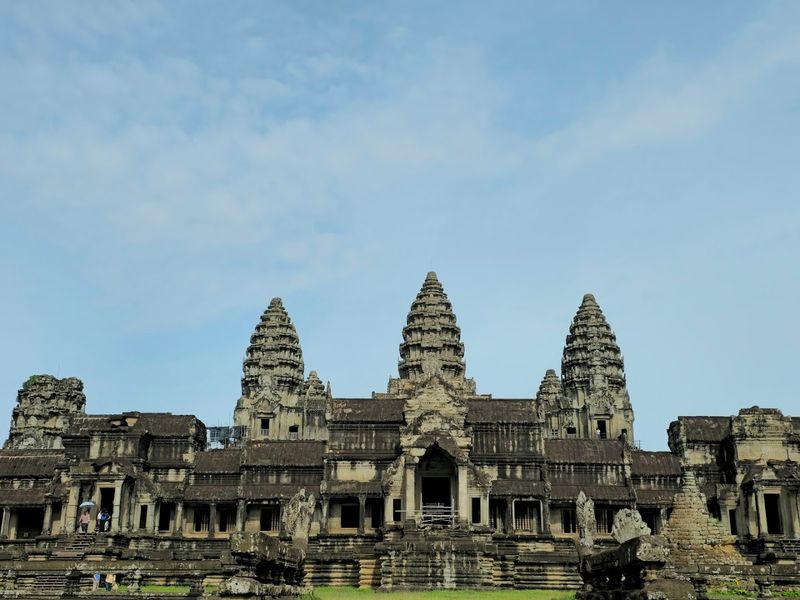
Angkor Wat itself is famous, restored in many areas, and visited by travelers from around the world. But within the larger Angkor archaeological landscape, hidden corners still feel half-lost to the jungle.
Ancient stones, carved doorways, and collapsed passages share space with roots that move slowly but powerfully through everything.
In these quieter sections, nature does not simply decorate the ruins – it becomes part of them. Tree roots grip temple walls like giant hands, splitting blocks while also holding them together.
Moss, shade, and filtered sunlight give the stones a living, breathing presence.
The beauty here comes from balance rather than emptiness. You see human devotion, royal ambition, spiritual art, and tropical growth locked in a patient conversation.
These hidden corners are haunting because they suggest that even the grandest monuments eventually become material for the forest, and somehow that feels peaceful.
8. Beelitz-Heilstätten Hospital, Germany
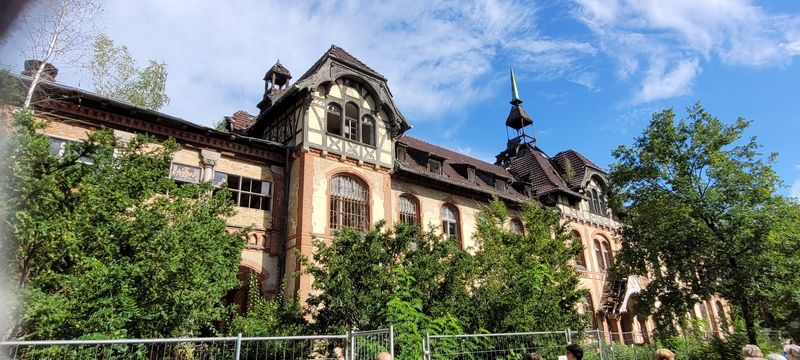
Beelitz-Heilstätten near Berlin is a sprawling hospital complex with a history that feels heavy in every corridor. Originally built as a tuberculosis sanatorium, it later served as a military hospital, including during periods of conflict and political upheaval.
Its architecture is grand, practical, and strangely graceful, even where the paint has peeled away.
Long hallways stretch into shadow, tiled rooms sit empty, and old treatment spaces seem to hold their breath. Some buildings have been restored or repurposed, but many abandoned sections keep the atmosphere that draws photographers and urban explorers.
The place feels unsettling because healing and suffering are layered so tightly together.
Its beauty is not cheerful, but it is powerful. Soft light through broken windows can make a ruined ward look almost sacred.
Beelitz-Heilstätten reminds you that hospitals collect human stories quietly, and when they empty, those stories seem to echo even louder.
9. Centralia, Pennsylvania, USA
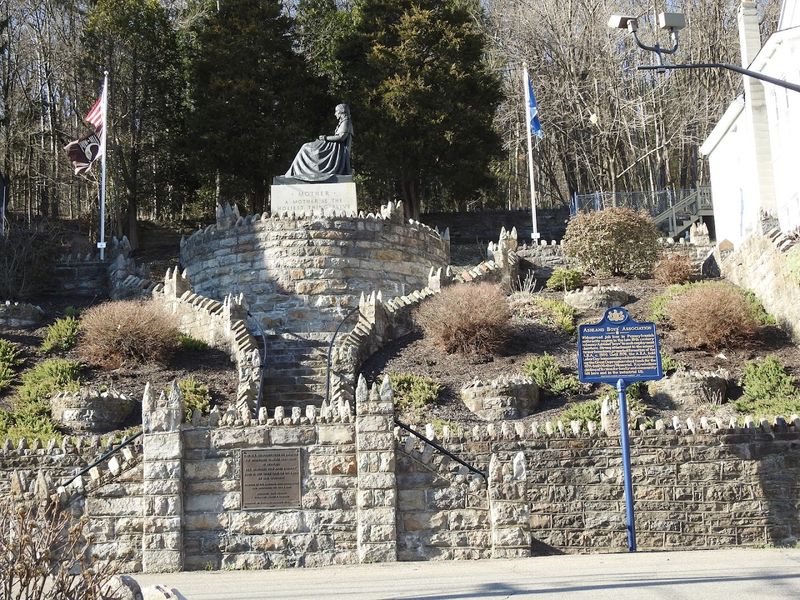
Centralia is haunting because the danger is not only visible above ground – it burns beneath your feet. An underground coal fire has been burning there since 1962, after flames reportedly ignited a coal seam below the town.
What had been a Pennsylvania community gradually became unsafe as fumes, heat, and sinkhole risks spread.
Most residents left in the 1980s, and only a handful remained decades later. Roads cracked, smoke rose from fissures, and empty lots replaced homes.
The landscape feels apocalyptic, not because of dramatic ruins, but because the earth itself seems restless.
Centralia’s beauty is stark and uncomfortable. Trees and quiet streets soften the scene, yet the invisible fire gives everything a sense of tension.
It is a place that makes you think about what lies below familiar ground, and how a single hidden disaster can erase a town slowly.
10. Varosha, Cyprus
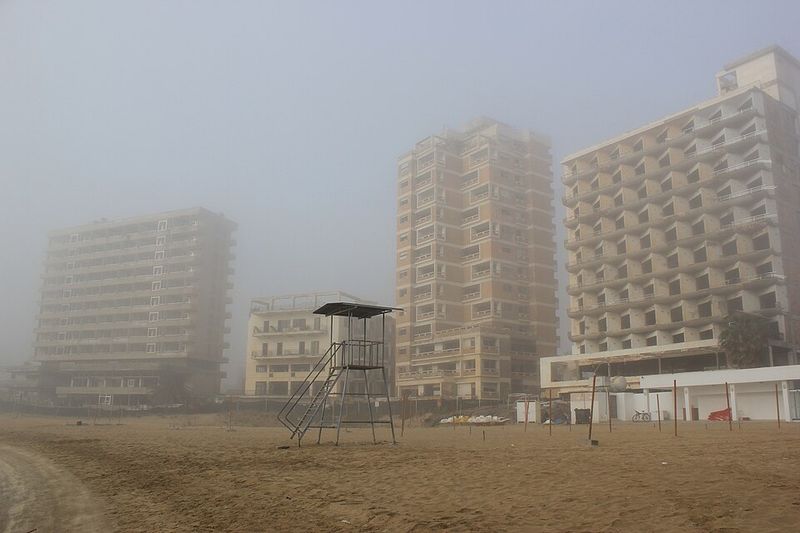
Varosha was once a glamorous resort district in Famagusta, Cyprus, known for hotels, beaches, and modern holiday life. In 1974, its Greek Cypriot inhabitants fled during the Turkish military intervention, expecting they might return soon.
Instead, the area was sealed for decades, leaving homes, businesses, and resort towers trapped behind barriers.
That sudden abandonment gives Varosha its strange emotional weight. Beachfront hotels still face the sea, but their windows are broken, their interiors decayed, and their streets partly overgrown.
A limited reopening of some areas began in 2020, yet much of the district remains a symbol of displacement and unresolved history.
Varosha is beautiful in a painful way because the Mediterranean setting is still bright and inviting. Sunshine falls on buildings that once promised leisure and escape.
The contrast between vacation dreams and frozen loss makes the place unforgettable, especially when you imagine people leaving keys behind.
11. Château Miranda, Belgium
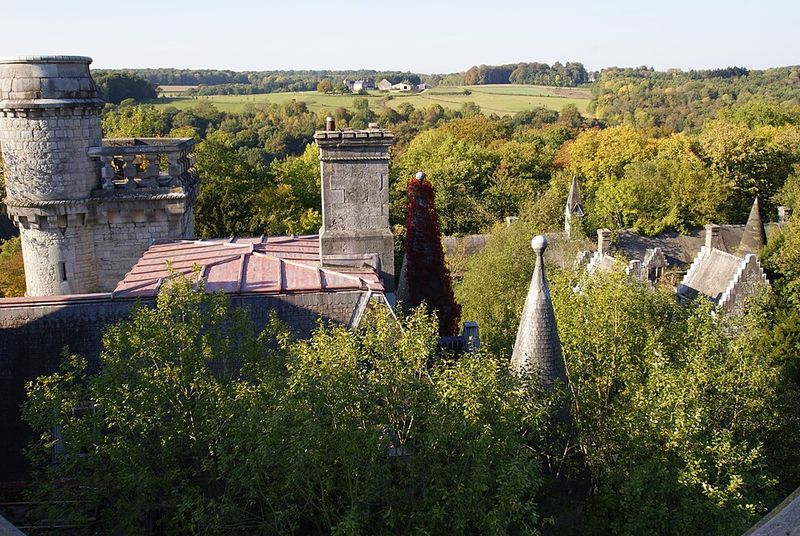
Château Miranda, also called Château de Noisy, looked like a fairytale castle that had wandered into a darker story. Built in the 19th century in Celles, Belgium, it featured neo-Gothic towers, ornate details, and a dramatic central spire.
The Liedekerke-De Beaufort family commissioned it, and architect Edward Milner helped shape its romantic appearance.
Later, the castle served as a holiday camp for children connected to Belgium’s national railway company. By 1991, maintenance costs and failed investment efforts left it abandoned, and urban explorers soon made it famous online.
Its cracked halls, empty rooms, and collapsing ceilings became icons of beautiful decay.
Sadly, demolition began in 2016 and was completed in 2017, with the central tower among the last pieces removed. That makes Château Miranda especially haunting now.
Its beauty survives mainly in photographs, memories, and the ache of knowing some ruins disappear too.
12. Fordlândia, Brazil
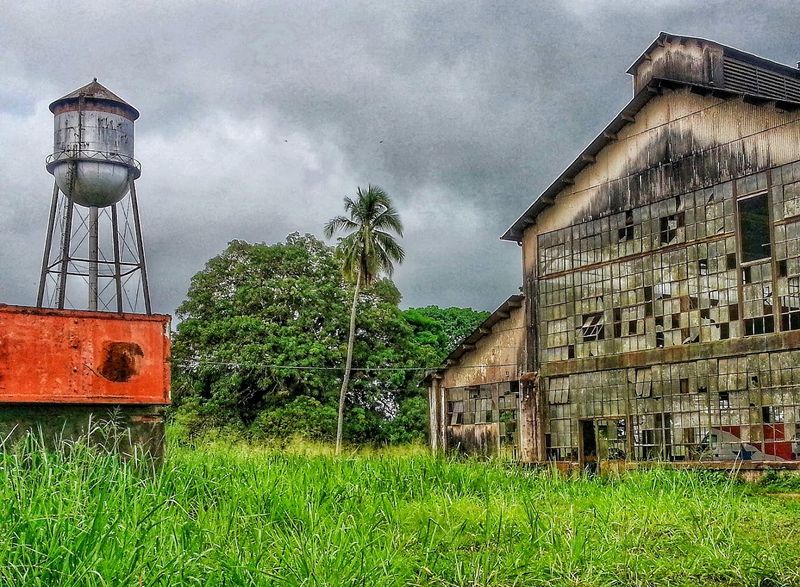
Fordlândia was Henry Ford’s bold attempt to build an industrial rubber town in the Brazilian Amazon. Established in 1928, it was meant to supply rubber for Ford’s automotive empire while importing a slice of American-style planning into the rainforest.
Streets, houses, factories, and social rules all reflected a vision that never truly fit the place.
The project struggled with disease, unsuitable agriculture, labor tensions, and the immense complexity of the Amazon environment. By 1945, Fordlândia was abandoned as a corporate dream, leaving behind buildings that now feel both ambitious and misplaced.
Nature has steadily reclaimed roads, walls, and open spaces.
What makes Fordlândia fascinating is the collision between industry and jungle. You can sense the confidence of modern planning, but the rainforest feels older, stronger, and more patient.
The abandoned town is haunting because it shows how landscapes resist being forced into someone else’s idea of progress.
13. Maunsell Sea Forts, England
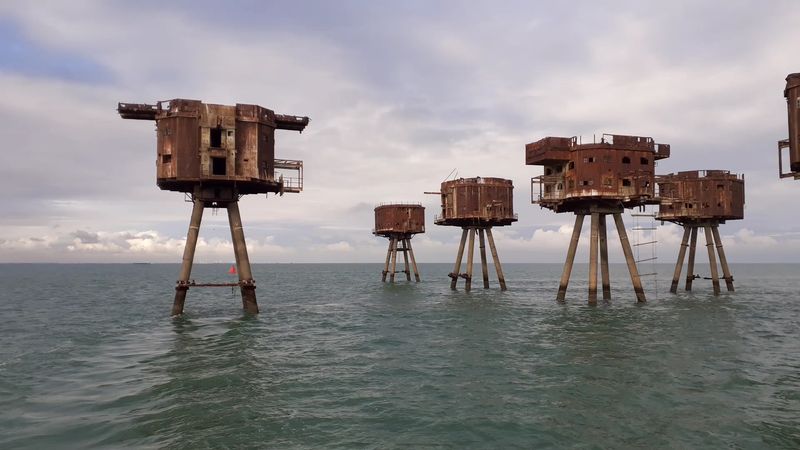
The Maunsell Sea Forts stand offshore like rusting machines from another planet. Built during World War II in the Thames and Mersey estuaries, they helped defend Britain from enemy air and naval attacks.
Designed by engineer Guy Maunsell, the forts included army clusters on stilts and naval towers rising from the water.
After decommissioning in the late 1950s, some were later used by pirate radio stations in the 1960s. Today, their metal legs, platforms, and broken catwalks sit exposed to wind, salt, and waves.
They look too strange to be real, especially when mist turns them into silhouettes on the horizon.
Their beauty comes from their isolation and brutal geometry. They were built for war, yet now they feel almost sculptural, floating between history and science fiction.
The Maunsell Sea Forts are haunting because they seem abandoned by land itself, left standing in conversation with the sea.
14. Houtouwan Village, China
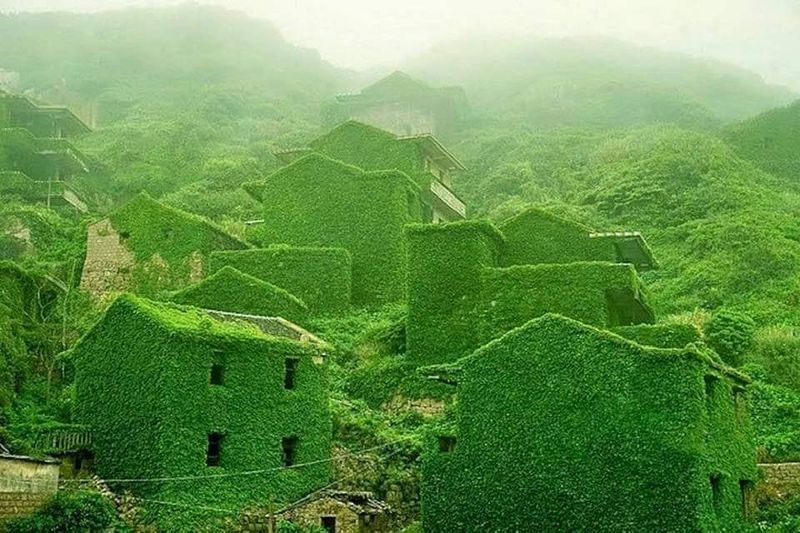
Houtouwan Village on Shengshan Island may be one of the greenest abandoned places on Earth. Once a prosperous fishing community in China’s Shengsi Archipelago, it had more than 2,000 residents at its height.
Over time, limited access, a shallow harbor, and better opportunities elsewhere pushed people away.
By the early 2000s, the village had largely emptied, and nature quickly took over. Vines climbed walls, roofs, windows, and staircases until entire houses seemed wrapped in living fabric.
From above, the settlement looks less like a ruin and more like a hillside transformed into a green dream.
Houtouwan is haunting because the homes are still clearly homes, even under the leaves. You can imagine kitchens, bedrooms, and doorways hidden beneath the growth.
Its beauty feels generous rather than grim, as if nature did not destroy the village but carefully tucked it away.
15. Six Flags New Orleans, USA
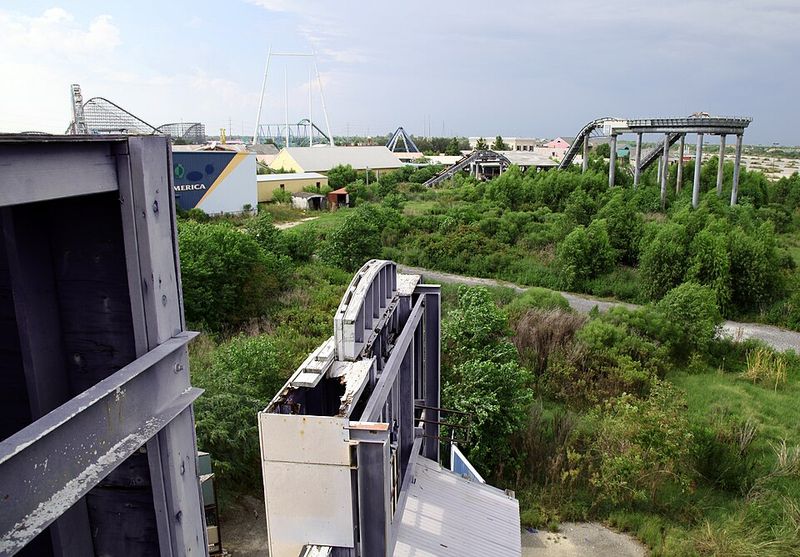
Six Flags New Orleans is unsettling because amusement parks are designed to feel loud, colorful, and alive. After Hurricane Katrina struck in 2005, the park suffered severe flooding and damage, and it never reopened.
Rides, signs, ticket booths, and themed areas were left behind in a silence that feels completely unnatural.
Faded roller coasters still trace loops against the sky, while rust and weeds cover places once packed with families. The emptiness hits harder because everything was built for excitement.
A deserted street is sad, but a deserted theme park feels like laughter cut off mid-sound.
Its beauty comes from the strange contrast between playful design and slow decay. Bright colors remain in fragments, softened by weather and time.
Six Flags New Orleans is haunting not because it is ancient, but because it reminds you how recent disasters can turn joy into a ghost story.
Share this story