 Unearth The Voyage
Volcanoes are some of the most powerful forces on Earth, and visiting one feels like stepping into another world entirely. The good news is that you don’t have to be a daredevil scientist to get close — many volcanic islands around the world welcome tourists safely every single year.
From glowing lava flows in Hawaii to steaming craters in Italy, these destinations combine raw natural beauty with smart safety systems. Pack your sense of adventure, because these 15 volcanic islands prove that fire and fun can absolutely coexist.
Hawai’i (Big Island), USA
Nowhere else on Earth can you watch a volcano actively reshaping the land beneath your feet while standing in a national park with a gift shop nearby. Kilauea, on the Big Island, has been erupting almost continuously since 1983, earning its reputation as one of the most active volcanoes on the planet.
Scientists monitor it around the clock, so visitors always know what’s safe to approach.
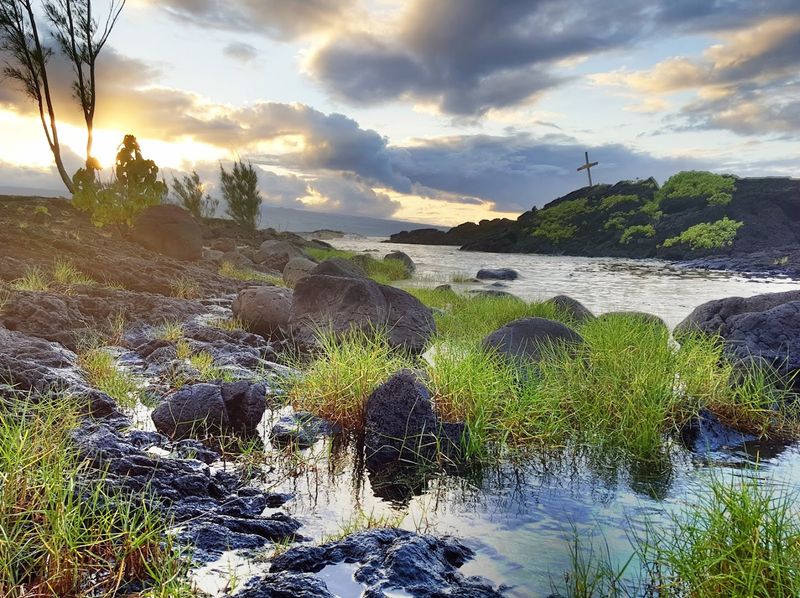
Inside Hawai’i Volcanoes National Park, you can walk across cooled lava fields that look like twisted black sculptures. Steam vents hiss dramatically along the trails, and the Kilauea Overlook offers views of the glowing crater after dark.
During active flow periods, rangers set up designated viewing areas so tourists can safely watch molten rock meet the ocean.
The park covers over 330,000 acres and has options for every fitness level, from easy boardwalk strolls to challenging backcountry hikes. Air quality warnings are posted regularly because volcanic smog — called “vog” — can irritate lungs.
Checking the park’s official website before your visit is always a smart move. The Big Island isn’t just a destination; it’s a living, breathing geological event you can experience firsthand.
Iceland (Reykjanes Peninsula)
Iceland sits on top of the Mid-Atlantic Ridge, meaning the ground there is literally being pulled apart — and that geological drama is exactly what makes it so spectacular. The Reykjanes Peninsula became a global sensation when Fagradalsfjall erupted in 2021, drawing thousands of curious visitors who hiked out to watch glowing lava spill across the landscape.
It was the region’s first eruption in 800 years, and people lined up for the show.
Iceland’s emergency management agency does a fantastic job of marking safe trails and issuing real-time updates. Mobile apps, roadside signs, and official websites keep tourists informed about access zones.
The country’s experience managing geothermal energy means its safety infrastructure is genuinely world-class.
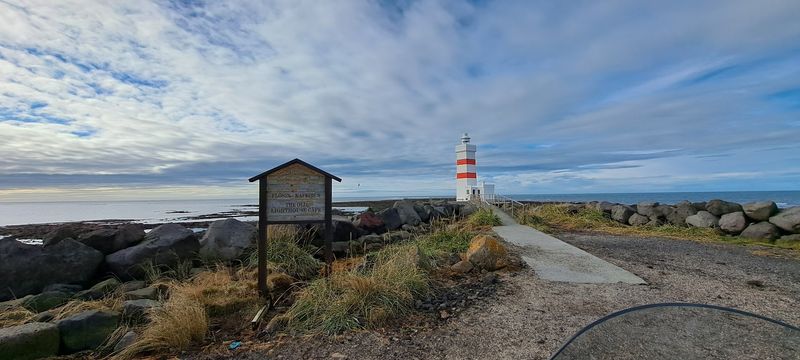
Beyond active lava, the peninsula offers steaming fumaroles, cracked lava plains, and eerie black-rock coastlines that feel like a sci-fi movie set. The nearby Blue Lagoon geothermal spa — sitting right in the middle of a lava field — is proof that Icelanders have mastered the art of turning volcanic activity into luxury.
Winters bring the Northern Lights dancing above eruption zones, making the whole experience even more surreal. Few places on Earth reward curious travelers quite this generously.
Santorini, Greece
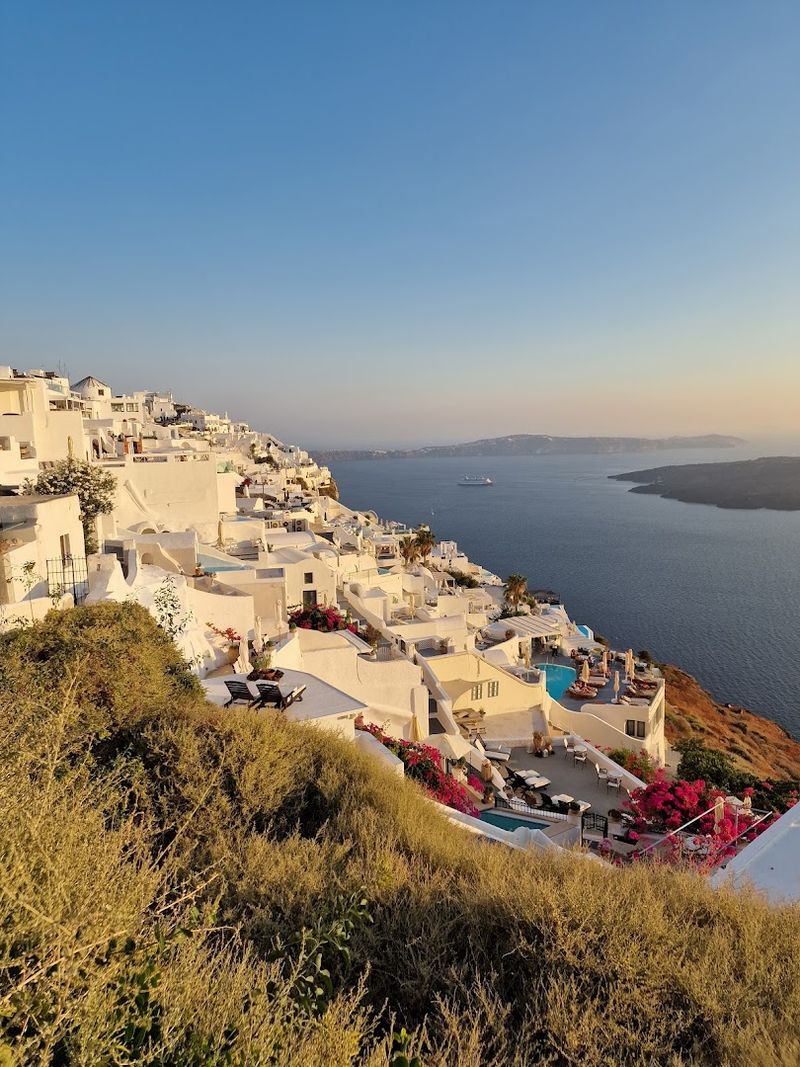
About 3,600 years ago, Santorini experienced one of the most catastrophic volcanic eruptions in human history — an explosion so massive it may have influenced myths about the lost city of Atlantis. Today, the same caldera that was violently hollowed out is one of the most photographed places on Earth, filled with turquoise water and ringed by white-walled villages clinging to clifftops.
The volcanic story isn’t over, though. Nea Kameni, a small island sitting in the center of the caldera, is still geologically active.
Boat tours depart regularly from Fira and Oia, taking visitors across the caldera to hike Nea Kameni’s rocky terrain and sniff the sulfurous steam vents up close. It’s genuinely strange-smelling, but absolutely fascinating.
The hike to the summit takes about 20 minutes and rewards you with sweeping views of the entire caldera. Geologists monitor the island continuously, and tours are paused if any unusual activity is detected.
Afterward, boats often stop at the nearby hot springs, where warm, mineral-rich water turns the sea a milky yellow-green. Santorini proves that catastrophe, given enough centuries, can transform into breathtaking beauty — and the volcano responsible is still very much part of the experience.
Tenerife, Canary Islands (Spain)
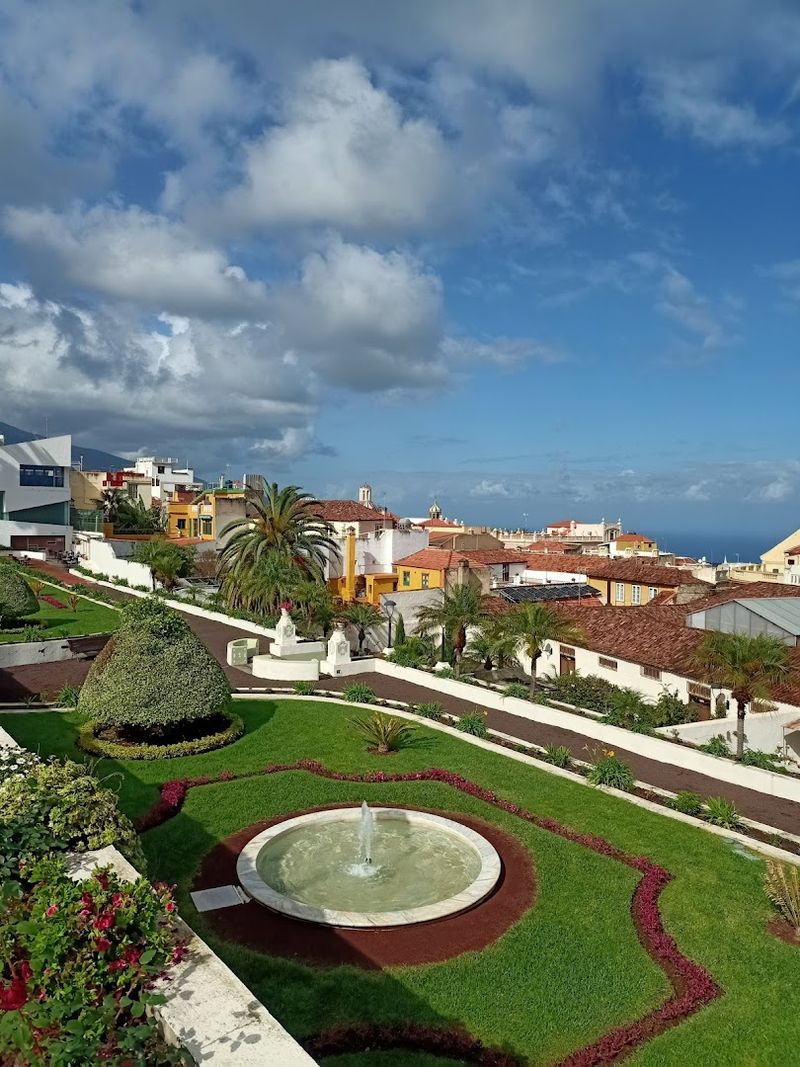
Standing at 3,715 meters, Mount Teide is not only Spain’s highest peak but also the third-tallest volcano on Earth measured from its oceanic base. That’s a seriously impressive resume for a mountain that you can reach partly by cable car in under ten minutes.
Tenerife’s most famous landmark dominates the island’s skyline and is visible from neighboring islands on a clear day.
Teide National Park, a UNESCO World Heritage Site, surrounds the volcano with a landscape that looks more like Mars than Spain. Jagged lava formations, rust-colored rock fields, and ancient craters stretch across the plateau at nearly 2,000 meters elevation.
The park attracts over four million visitors annually, making it one of Europe’s most visited national parks.
While Teide last erupted in 1909, it is classified as active and is monitored by the Spanish National Geographic Institute. Scientists watch for any signs of awakening, but the current risk level remains very low.
Hikers who want to reach the very summit need a special permit — only 200 people per day are allowed at the top. Booking that permit well in advance is essential.
The views from the summit on a cloudless morning, with the Atlantic stretching endlessly below, are worth every bit of planning effort.
São Miguel, Azores (Portugal)
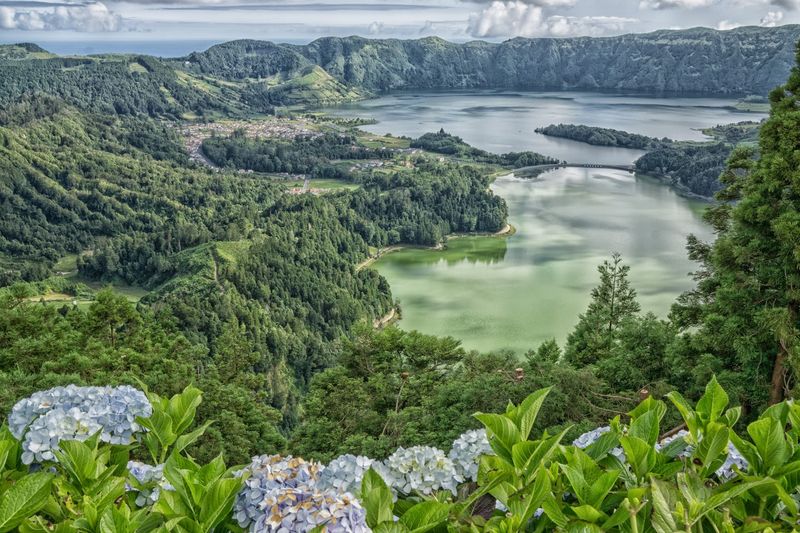
Imagine soaking in a naturally heated outdoor pool while surrounded by misty green mountains and the smell of sulfur drifting on the breeze — that’s just a Tuesday morning on São Miguel. The largest island in the Azores archipelago is a volcanic wonderland packed into a space just 65 kilometers long.
Everything here, from its bright blue lakes to its bubbling hot springs, was shaped by fire beneath the surface.
Furnas Valley is the geothermal heart of the island, where the ground literally boils. Locals cook a traditional stew called Cozido das Furnas by burying pots in the volcanic soil for six hours — the heat from underground does all the work.
Visitors can watch this process and taste the results at nearby restaurants, which is both delicious and genuinely impressive.
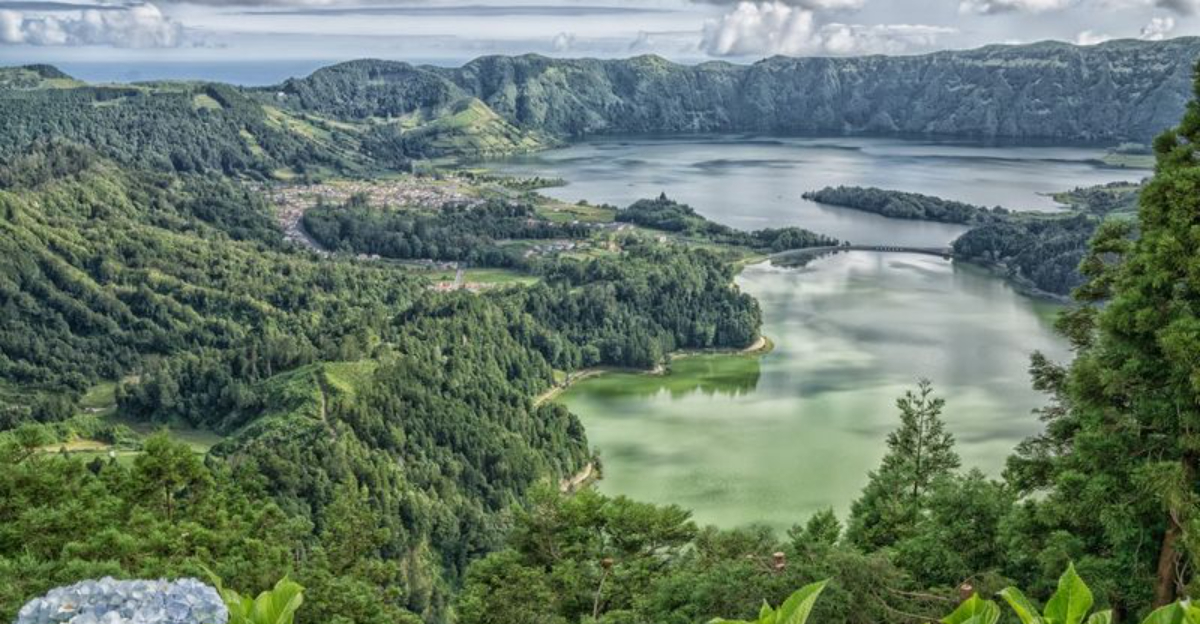
The Sete Cidades caldera features two lakes of different colors — one blue, one green — sitting side by side inside an ancient volcanic crater. Scientists believe the color difference is caused by varying algae and light reflection.
Hiking trails around the caldera reward walkers with jaw-dropping panoramic views. The thermal pools at Terra Nostra Garden are another highlight, with warm, iron-rich water staining everything a rusty orange.
São Miguel offers volcanic tourism at its most relaxed and rewarding.
Sicily (Mount Etna), Italy
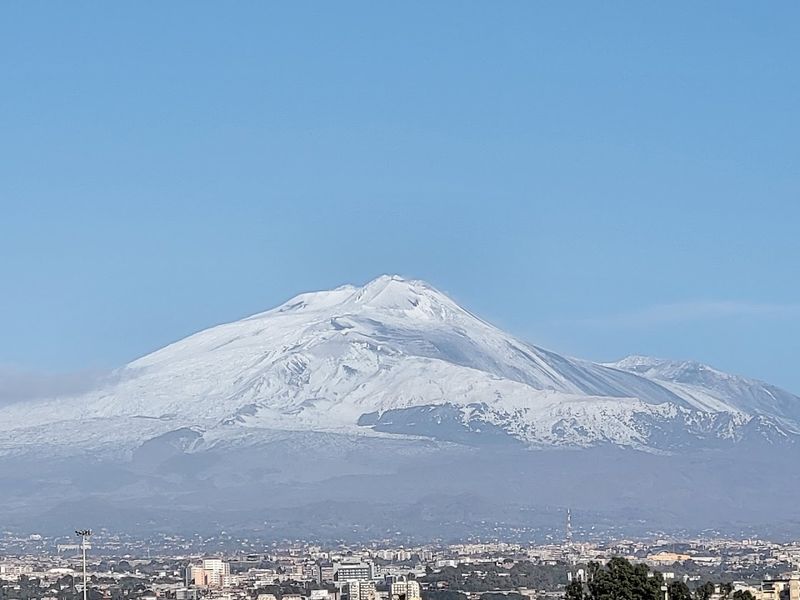
Europe’s most active volcano has been erupting almost continuously for at least 2,700 years, and the ancient Greeks believed it was the forge of Hephaestus, god of fire. Mount Etna towers over eastern Sicily at nearly 3,350 meters, and its eruptions — though frequent — are closely tracked by Italy’s National Institute of Geophysics and Volcanology.
The result is a destination that feels thrillingly wild but is carefully managed.
Guided excursions to Etna’s summit craters depart daily from the base station, taking visitors up by cable car and then 4×4 jeep before the final hike on foot. Licensed guides are required above a certain elevation, and they carry radios connected directly to monitoring stations.
If activity increases unexpectedly, groups are turned around immediately.
The lower slopes of Etna are covered in vineyards producing some of Sicily’s most prized wines — the volcanic soil is extraordinarily fertile. Towns like Nicolosi and Zafferana Etnea offer charming bases for exploration, with great local food and views of the steaming summit.
Lava tube caves on the mountain’s flanks are another unique attraction, offering cool underground tunnels formed by ancient flows. Etna is proof that living next to an active volcano can be both nerve-wracking and absolutely delicious.
Stromboli, Italy
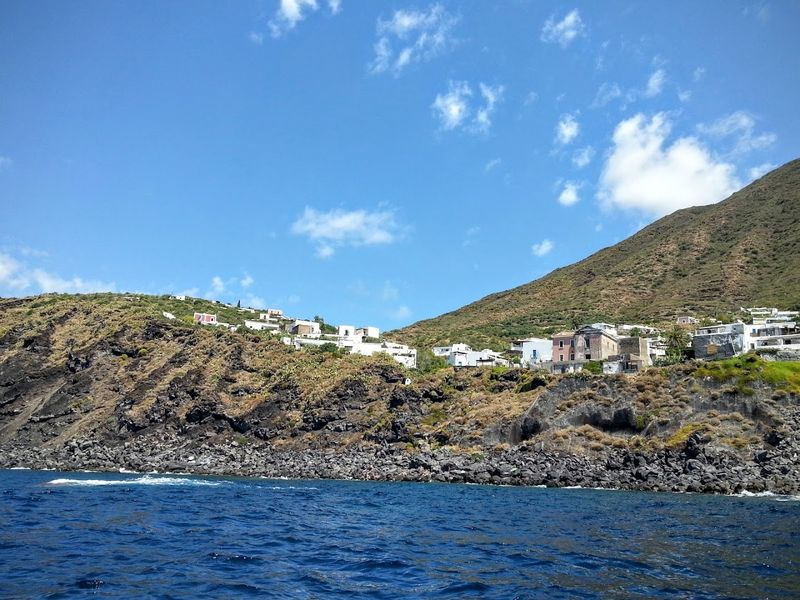
For over 2,000 years, sailors crossing the Tyrrhenian Sea used Stromboli’s regular eruptions as a natural lighthouse — a fiery beacon visible for miles in the dark. The “Lighthouse of the Mediterranean” still earns that nickname today, with minor explosions occurring roughly every 15 to 20 minutes from the summit craters.
Watching them from a designated viewpoint at night is one of the most unforgettable experiences in all of European travel.
The island itself is tiny, with just a few hundred permanent residents living in whitewashed villages at the base of the cone. Most visitors arrive by ferry from Naples or the Aeolian Islands for a day or overnight stay.
The hike to the summit viewing area takes about three hours and is only permitted with a licensed guide after 5 PM.
From the Pizzo sopra la Fossa viewpoint at 290 meters, you can watch glowing rocks arc through the night sky with a safety buffer that keeps everyone well protected. The Italian National Institute of Geophysics monitors Stromboli continuously, and access is restricted whenever activity intensifies above normal levels.
For those who prefer staying lower, boat tours circle the volcano at night to watch the “Sciara del Fuoco” — the lava channel — from the water. Either way, Stromboli delivers pure volcanic theater.
Vulcano Island, Italy
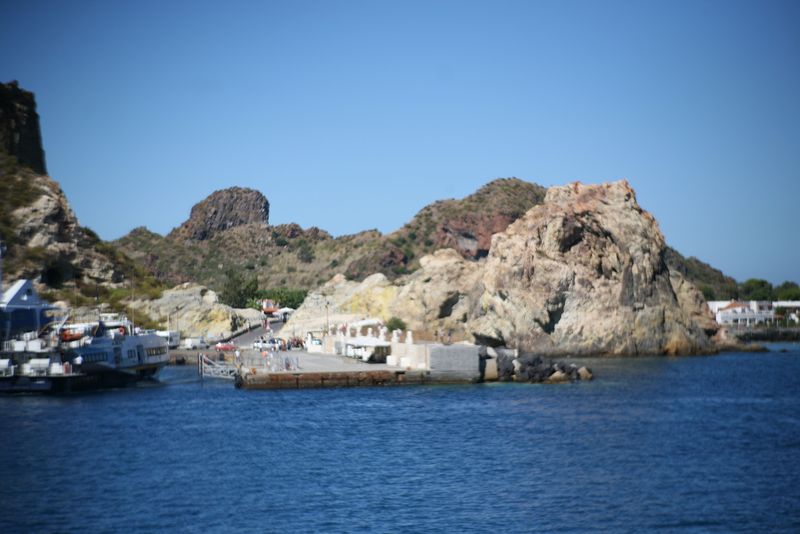
Here’s a fun piece of trivia: the word “volcano” actually comes from Vulcano, this small Italian island in the Aeolian archipelago. The ancient Romans believed it was the chimney of Vulcan’s underground forge, and honestly, standing near its steaming fumaroles, you can see why that story stuck.
The island smells strongly of sulfur — imagine rotten eggs with ambition — but that’s part of the charm.
The Gran Cratere, Vulcano’s main crater, sits at about 386 meters and can be hiked in roughly 30 minutes from the port. The trail winds past vivid yellow sulfur deposits crusted around fumarole vents that hiss and steam dramatically.
No guide is required for this hike, though checking current conditions before heading up is always wise.
Down at sea level, the famous mud baths near the port draw visitors looking to coat themselves in warm, mineral-rich volcanic sludge — supposedly great for the skin, though the smell lingers for a while afterward. The surrounding sea also has natural hot spots where warm water bubbles up from the volcanic floor.
Vulcano is part of the Aeolian Islands chain, making it easy to combine with visits to Stromboli or Lipari. It’s quirky, smelly, and completely wonderful in its own sulfurous way.
Saint Vincent (La Soufrière), Caribbean
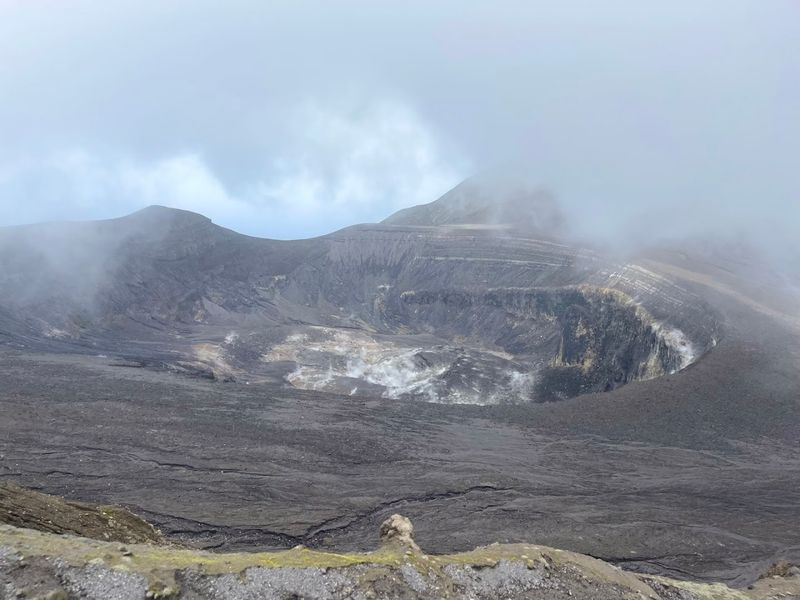
La Soufrière roared back to life spectacularly in April 2021, sending massive ash clouds 8 kilometers into the sky and forcing the evacuation of 16,000 residents. It was the most powerful eruption in the Caribbean in decades.
Fast-forward to today, and the volcano has calmed enough that guided hikes to the summit have resumed — making Saint Vincent one of the most remarkable comeback stories in volcano tourism.
The hike to La Soufrière’s crater rim is not easy. It takes about three to four hours of climbing through lush rainforest before the vegetation gives way to raw volcanic rock near the top.
The reward is a dramatic view into the crater, where steam still rises from the vents below. Licensed guides are required, and they carry up-to-date information from the University of the West Indies Seismic Research Centre.
Saint Vincent itself is a genuinely beautiful island that sees far fewer tourists than nearby Caribbean hotspots, which means you’ll likely have the trails nearly to yourself. The black sand beaches created by previous eruptions are striking and largely uncrowded.
Local communities are rebuilding and welcoming visitors with warmth and pride. Visiting La Soufrière now means witnessing a landscape in real recovery — raw, powerful, and deeply moving in equal measure.
Dominica, Caribbean
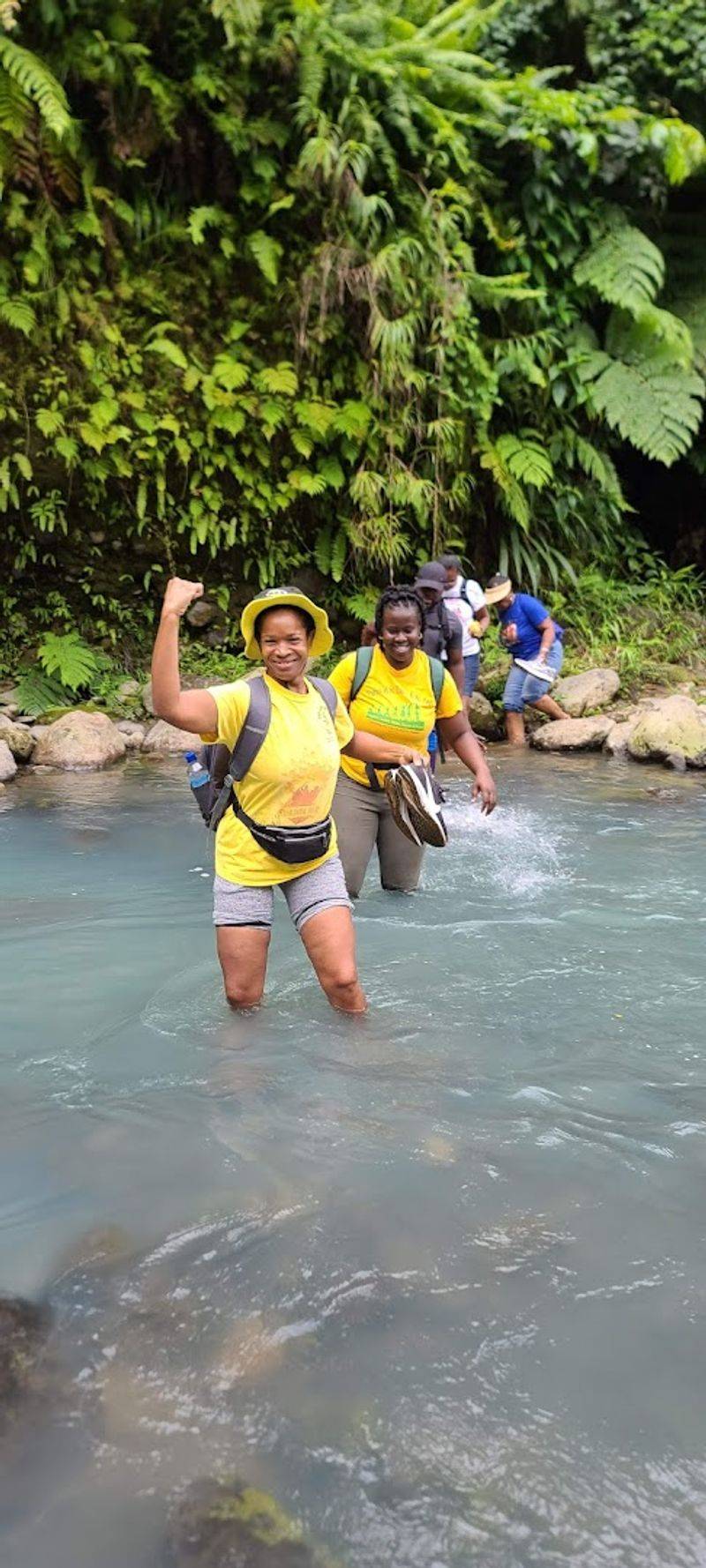
Dominica is the kind of place that makes other Caribbean islands look a little underdressed. While its neighbors compete on beach quality, Dominica goes full geological spectacle — boiling lakes, hissing fumaroles, and hot springs tucked inside some of the most dramatic rainforest scenery in the region.
It’s earned the nickname “Nature Island” for very good reason.
The Boiling Lake is the star attraction and one of the largest naturally boiling bodies of water on Earth. Getting there requires a challenging 6-to-7-hour round-trip hike through Morne Trois Pitons National Park, a UNESCO World Heritage Site.
The trail passes the eerie Valley of Desolation, where the ground bubbles and steams like something out of a fantasy novel.
Despite all this volcanic energy, Dominica’s activity is primarily geothermal rather than eruptive, meaning the risk profile for visitors is relatively manageable. The island has well-maintained trails, experienced guides, and a strong eco-tourism culture that prioritizes safety.
Wotten Waven village near Roseau is famous for its natural hot spring pools where visitors can soak after a long hike. Dominica offers volcanic adventure without the drama of eruptions — just raw, steaming, primordial nature doing its thing.
It’s genuinely one of the Caribbean’s most underrated treasures.
White Island (Whakaari) — New Zealand (restricted access)
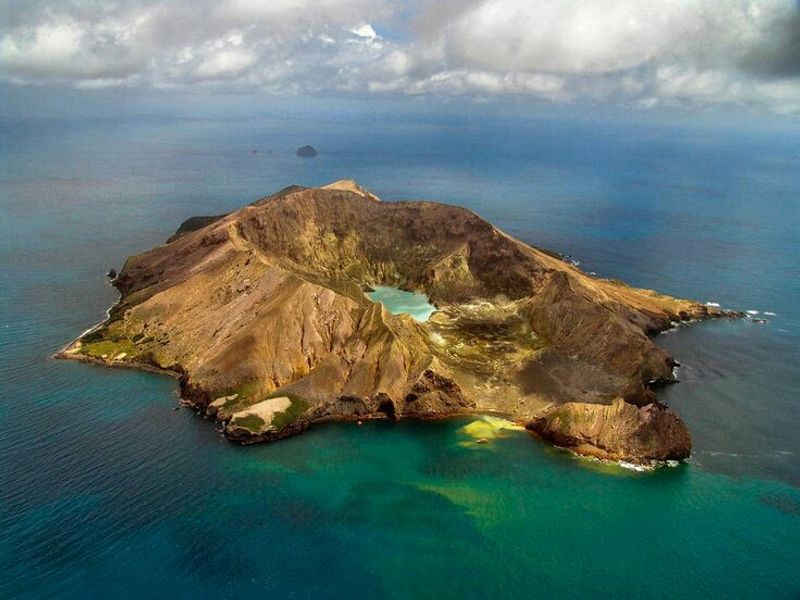
White Island is dramatic, raw, and a little humbling — a volcanic cone that juts out of the Bay of Plenty like nature’s most intense science experiment, permanently wrapped in plumes of steam and gas. It’s New Zealand’s most continuously active volcano, and it has been producing geothermal activity for over 150,000 years.
The island sits about 48 kilometers offshore from Whakatane on the North Island.
Following a deadly eruption in December 2019 that tragically claimed 22 lives, direct land access to White Island has been restricted. The New Zealand government and local iwi (Maori tribe) who own the island have worked together to reassess visitor safety protocols.
Today, boat tours and scenic flights allow visitors to observe the volcano respectfully from a safe distance.
Seeing the island from the water or air is still a genuinely powerful experience. The scale of the eruption column, the vivid yellow sulfur staining the rock, and the sheer isolation of the island make it unforgettable.
White Island’s story is also an important reminder that volcanic environments demand deep respect and that safety must always come before spectacle. The restricted access model here has become an example for how tourism can adapt thoughtfully when circumstances change.
Nature sets the terms — we just follow them.
Deception Island, Antarctica
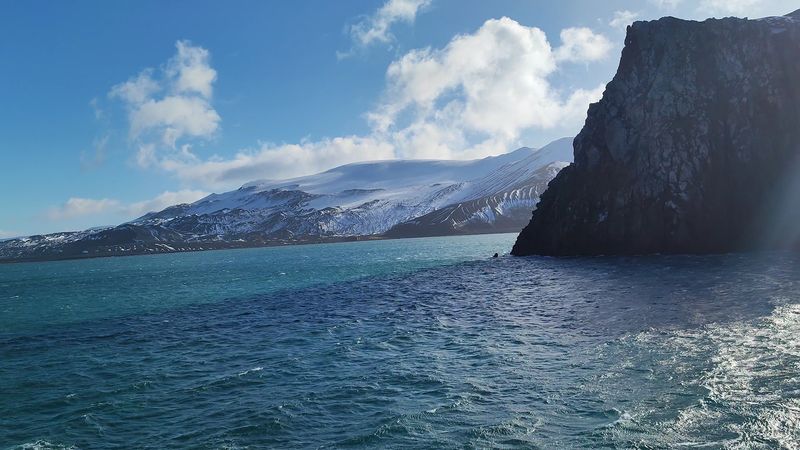
Not many places on Earth let you swim in geothermally heated water while surrounded by Antarctic glaciers and penguin colonies, but Deception Island pulls off exactly that trick. The island is a flooded volcanic caldera — essentially a collapsed volcano that the ocean has filled — forming one of the safest natural harbors in Antarctica.
Ships sail directly into the caldera through a narrow gap called Neptune’s Bellows.
Deception Island last erupted in 1970, but geothermal activity keeps the ground warm and the water near the beaches noticeably heated in spots. Visitors on expedition cruises can dig shallow holes in the black volcanic sand and watch warm water seep in — a strange and delightful geological party trick.
The beach is called Pendulum Cove, and it’s one of the most surreal swimming spots in the world.
The island also has a fascinating human history, having served as a whale processing station and scientific base before eruptions forced its abandonment. Rusting machinery and crumbling buildings give it a wonderfully atmospheric ghost-town quality.
Access is managed through the Antarctic Treaty system, ensuring that visitor numbers stay low and environmental impact is minimal. Deception Island is remote, cold, and utterly unlike anywhere else — a volcanic experience wrapped in ice at the bottom of the world.
Reunion Island (Piton de la Fournaise), France
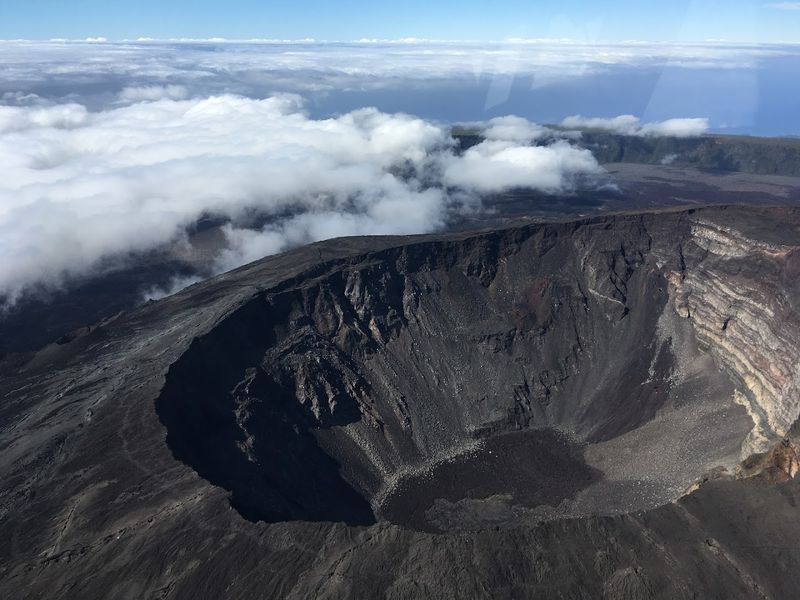
Piton de la Fournaise erupts roughly three to four times per year, which sounds alarming until you realize that its lava flows almost always stay within a designated zone called the Enclos Fouque — a massive natural caldera that acts like a containment bowl. The French scientists at the Volcanological Observatory of Piton de la Fournaise monitor every tremor and gas emission, making it one of the most thoroughly studied volcanoes on the planet.
Reunion Island sits in the Indian Ocean about 700 kilometers east of Madagascar, and it’s an overseas territory of France — meaning visitors get French infrastructure and pastries alongside their volcanic adventure. The hike across the Enclos Fouque to the base of the active cone is otherworldly: a vast, empty plain of black lava stretching toward a smoking summit.
When an eruption is active and safely within the enclosed zone, authorities sometimes open specific viewing roads so visitors can watch lava flows from a safe distance. It’s one of the few places in the world where you can legally and safely observe an active eruption with that level of access.
The island also has dramatic waterfalls, lush cirques, and excellent Creole food to round out the experience. Reunion rewards adventurous travelers with both fire and paradise in a single destination.
Japan (Sakurajima, Kyushu)
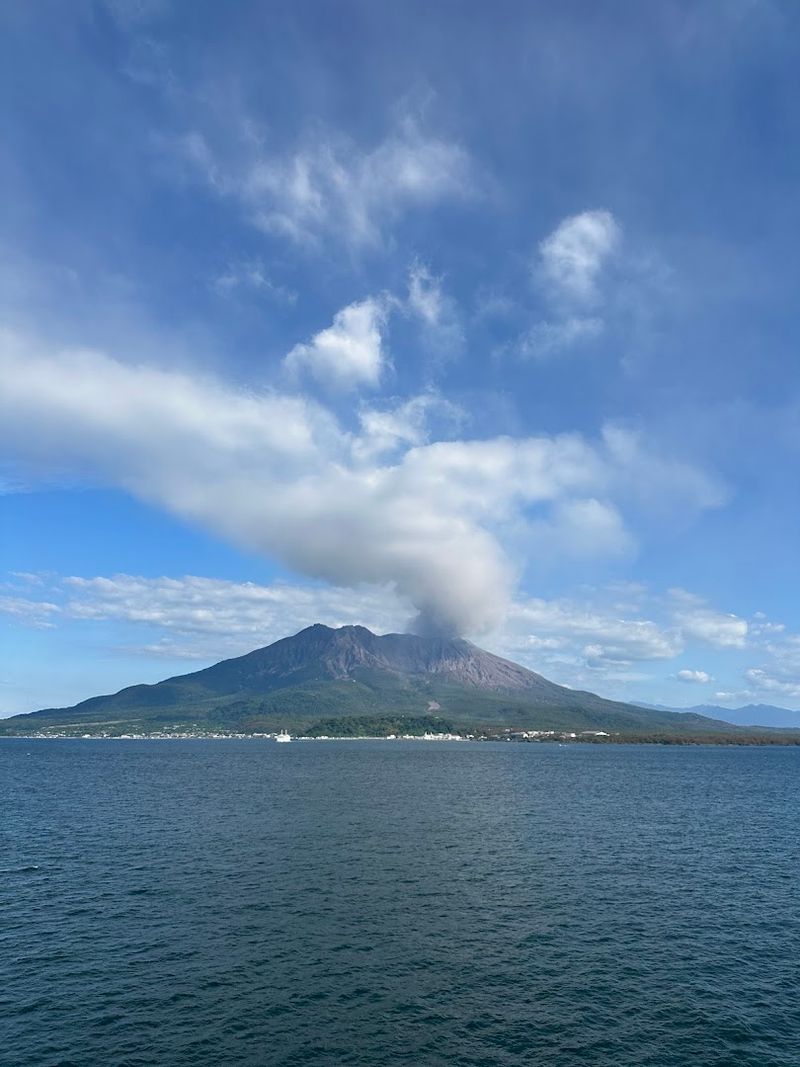
Sakurajima erupts hundreds of times per year, dusting the nearby city of Kagoshima with ash so regularly that locals carry umbrellas for it. Residents check the volcanic activity forecast alongside the weather report every morning — just a completely normal part of life in one of Japan’s most unique cities.
Despite being one of Japan’s most active volcanoes, Sakurajima is also one of its most accessible tourist attractions.
The volcano sits on a peninsula (it used to be a true island before a 1914 eruption connected it to the mainland with lava) and is reachable by a 15-minute ferry ride from Kagoshima. Observation decks at Yunohira and the Hakatama crater area offer close-up views of the smoking cone, while the visitor center provides detailed information about eruption history and monitoring systems.
Japan’s evacuation infrastructure around Sakurajima is genuinely impressive. Concrete bunkers dot the roads for emergency shelter, and real-time alerts are pushed to residents’ phones within seconds of any significant activity.
For tourists, this means safety is taken extremely seriously. The Kirishima-Kinkowan National Park surrounding the area adds hiking trails and hot spring baths to the mix.
Watching ash clouds billow from the summit while soaking in an onsen with a view of the bay might just be the most uniquely Japanese experience imaginable.
Bali (Indonesia – Mount Batur area)
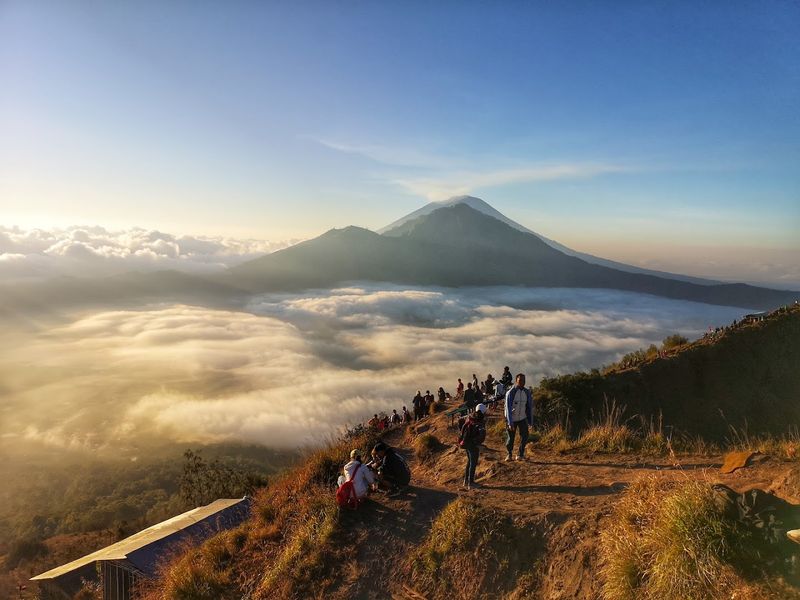
The alarm goes off at 2 AM, you pull on a headlamp, and you start climbing a volcano in the dark — and somehow, by the time you reach the top, it’s the best decision you’ve ever made. Mount Batur’s sunrise hike is one of Bali’s most beloved experiences, drawing thousands of visitors each year to its 1,717-meter summit for views that are genuinely worth losing sleep over.
The sky turns pink and gold, Lake Batur glows below, and Mount Agung looms in the distance like a postcard that’s too beautiful to be real.
Batur last erupted in 2000 and remains an active volcano, but activity is closely monitored by Indonesia’s Center for Volcanology and Geological Hazard Mitigation. The hiking routes are well-established, and local guides — required for the trek — know the mountain intimately and track conditions continuously.
At the summit, guides often cook eggs in the natural steam vents, producing the most geothermally prepared breakfast you’ll ever eat. The hike takes about two hours up and is considered moderate in difficulty — challenging enough to feel like an achievement, but manageable for most reasonably fit travelers.
Bali’s spiritual culture adds another layer to the experience, with small offerings left at the summit honoring the mountain’s sacred status. Mount Batur is adventure, beauty, and culture all rolled into one volcanic package.



