Some actors play a role. Others completely disappear into one.
The performances on this list are so committed, so deeply felt, that you forget you are watching someone act at all. From dramatic physical changes to total psychological immersion, these 15 actors did not just show up on set, they became someone else entirely.
Anthony Hopkins as Hannibal Lecter (The Silence of the Lambs)
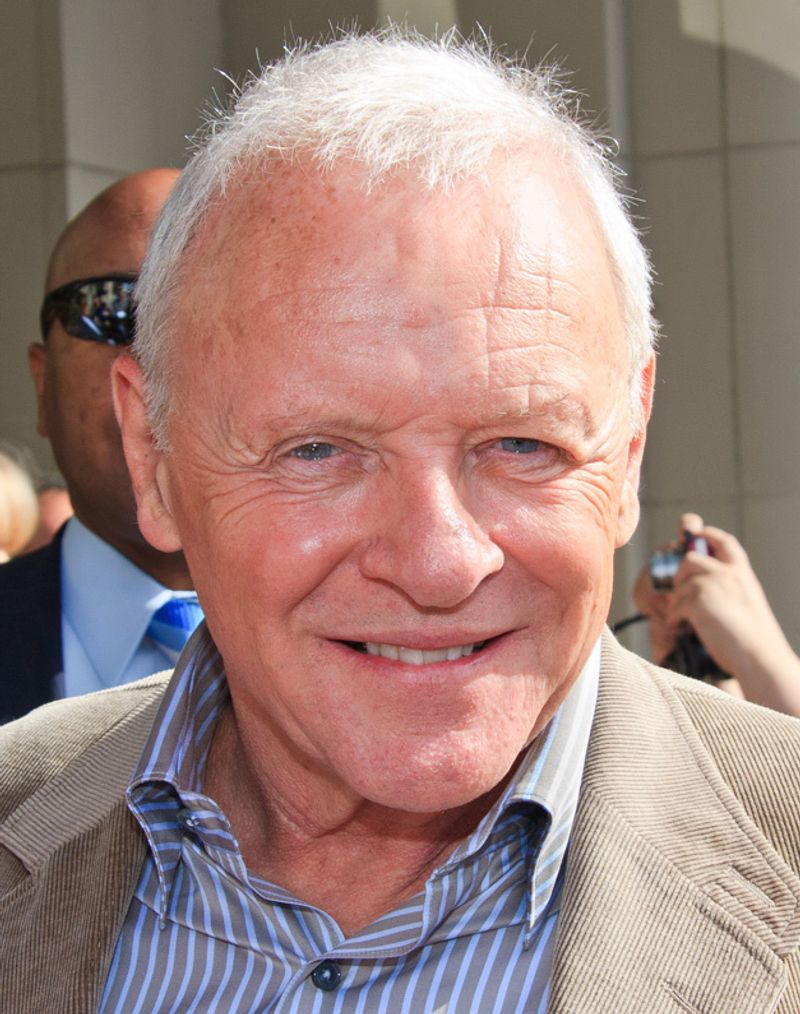
Anthony Hopkins appears on screen for only about 16 minutes in The Silence of the Lambs. Yet somehow, Hannibal Lecter owns every single scene he is in.
That is not luck. That is surgical precision in acting.
Hopkins barely moves. His hands are still, his posture is perfect, and his voice stays eerily calm no matter what disturbing thing he says.
That unnerving stillness is scarier than any jump scare. He makes you feel like the character is studying you right back through the screen.
I watched this film at age fourteen and could not sleep for three nights. I blamed the plot, but honestly it was Hopkins.
He won the Academy Award for Best Actor despite his brief screen time, which tells you everything. Most actors need hours of footage to build a character.
Hopkins needed sixteen minutes and one unforgettable stare to create cinema history.
Heath Ledger as The Joker (The Dark Knight)
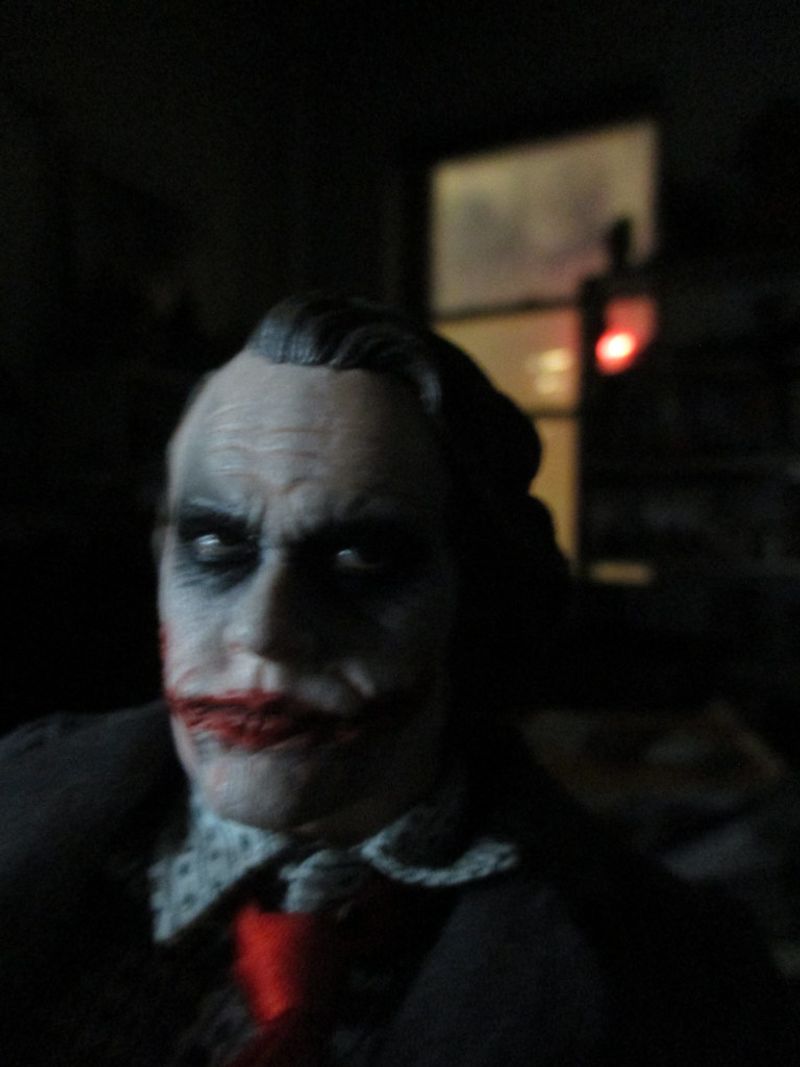
Heath Ledger locked himself in a hotel room for six weeks to prepare for The Joker. He kept a journal in character, studied punk anarchists, and experimented with voices until he found that unpredictable, lilting chaos that made audiences genuinely uncomfortable.
What made his Joker different was the total absence of vanity. Ledger was not trying to look cool.
He was trying to be genuinely unsettling, and he succeeded beyond anyone’s expectations. The licking of lips, the hunched walk, the sudden shifts from calm to violent, all of it felt disturbingly real.
Director Christopher Nolan has said he barely recognized Ledger on set. That says it all.
Ledger passed away before the film released, and the Academy awarded him a posthumous Oscar for Best Supporting Actor. His Joker remains one of the most studied and referenced villain performances in modern cinema, and probably always will be.
Marlon Brando as Vito Corleone (The Godfather)
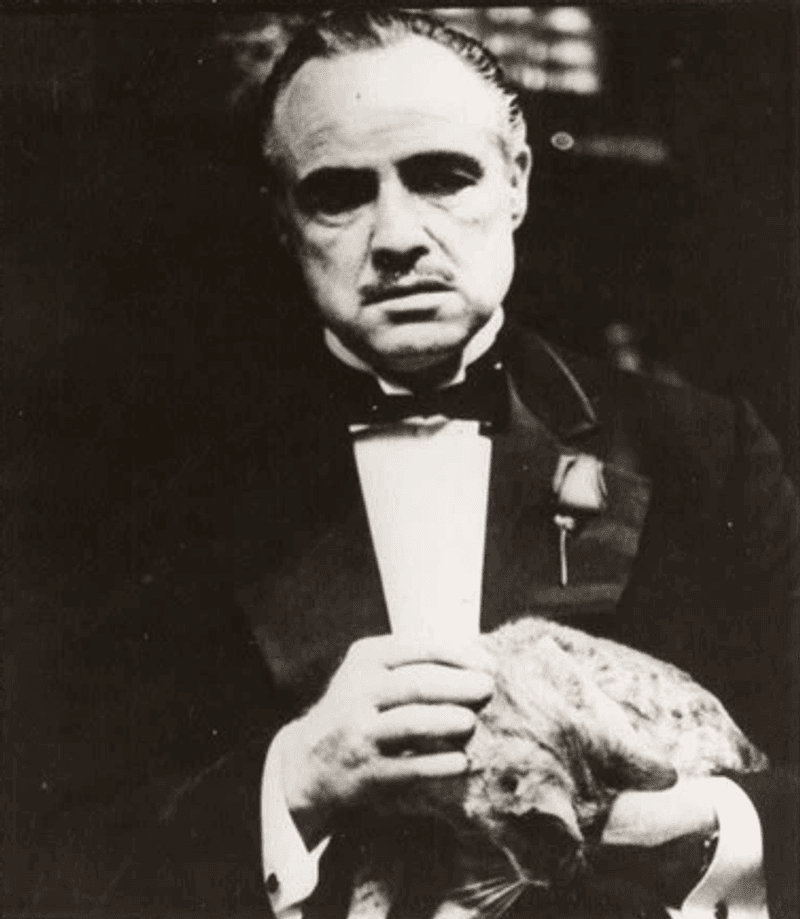
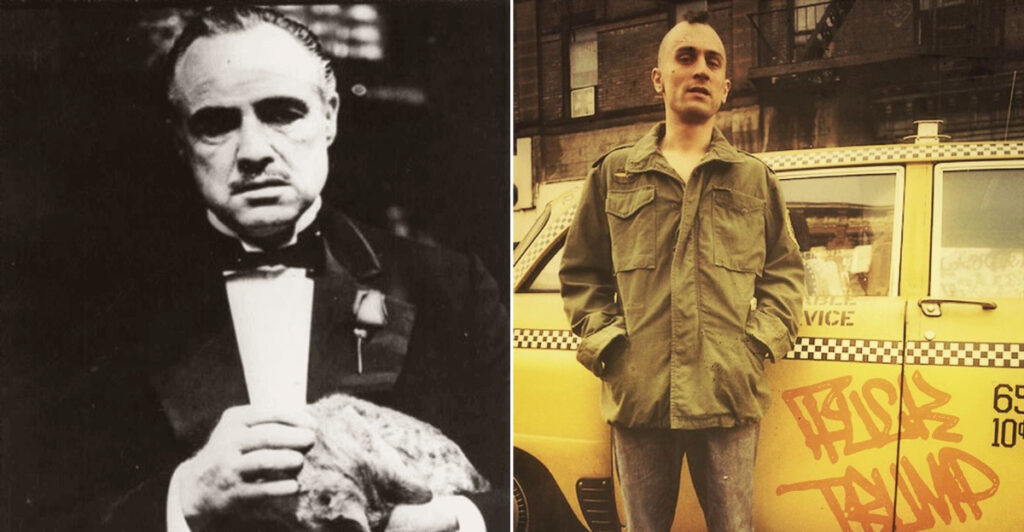
Nobody reinvented the mob boss quite like Marlon Brando did in 1972. He stuffed his cheeks with cotton to create that iconic jaw, then lowered his voice to a gravelly whisper that somehow carried more menace than any shout ever could.
The result was a character so convincing, real mobsters reportedly admired it.
Brando did not just memorize lines. He studied human power, the kind that does not need to raise its voice.
Every slow pause, every half-smile, every quiet refusal told you exactly who Vito Corleone was without spelling it out. That restraint is what made the performance legendary.
He won the Academy Award for Best Actor, then famously sent someone else to refuse it on his behalf. Even his Oscar moment was a statement.
Brando did not just play the Godfather. For those two hours and fifty minutes, he absolutely was him.
Robert De Niro as Travis Bickle (Taxi Driver)
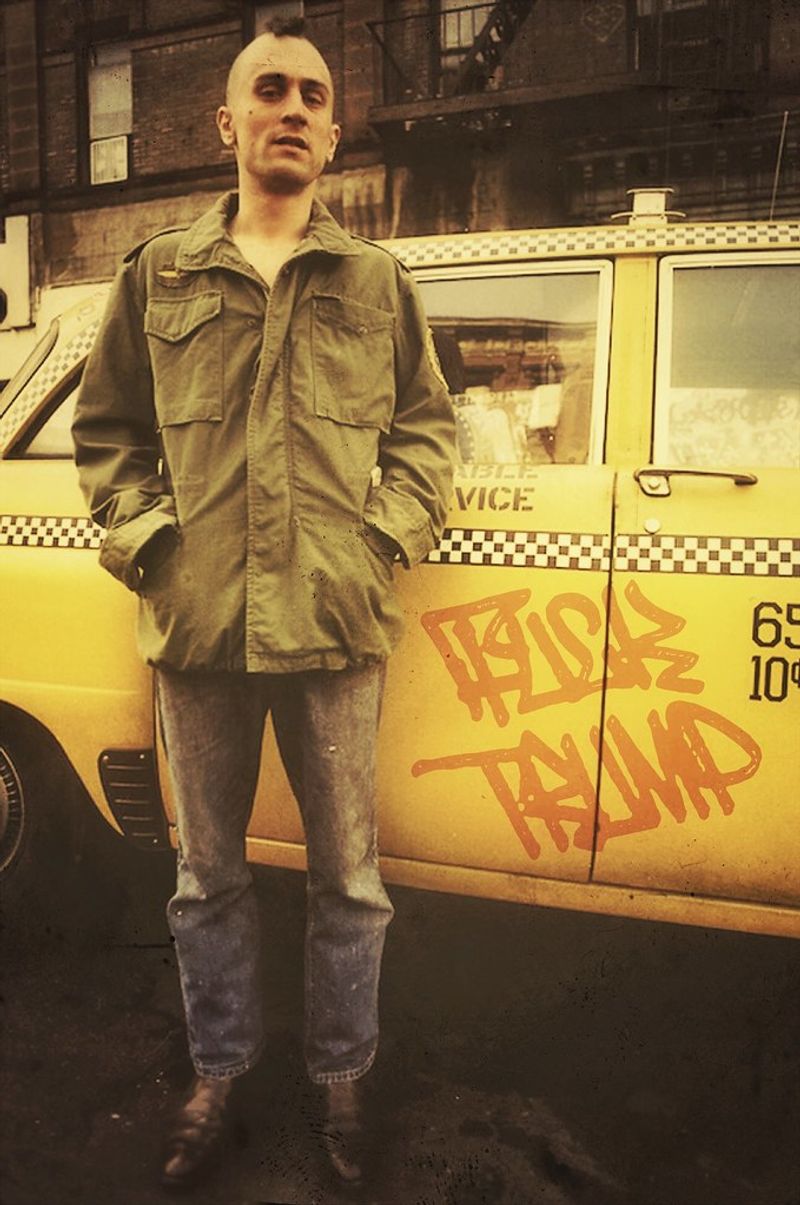
Before filming began, Robert De Niro actually got a taxi driver’s license and worked real night shifts across New York City. He wanted to know what isolation felt like from the inside, not just act it from the outside.
That dedication shows in every frame of Taxi Driver.
Travis Bickle is not a likable character. He is paranoid, volatile, and deeply disconnected from the world around him.
De Niro made him feel uncomfortably human anyway. You understand Travis even when you should not, and that is a genuinely difficult acting trick to pull off.
The famous “You talkin to me?” scene was largely improvised, with De Niro riffing in front of a mirror. It became one of the most quoted lines in film history.
Director Martin Scorsese called the performance the closest he had ever seen an actor get to complete psychological truth. High praise from a director who does not give it lightly.
Daniel Day-Lewis as Daniel Plainview (There Will Be Blood)
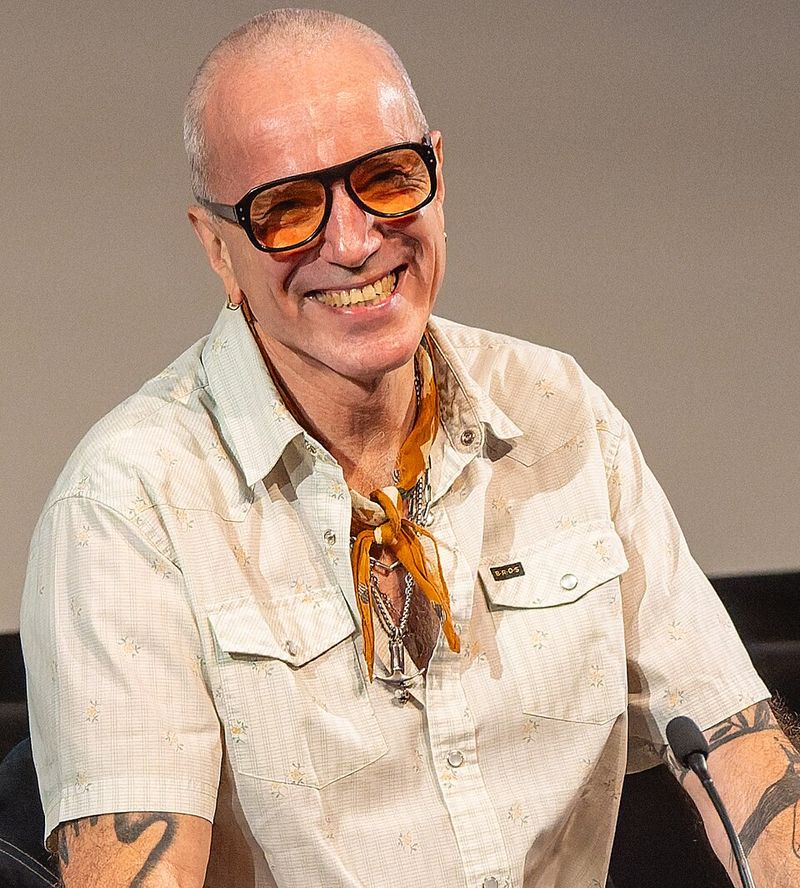
Daniel Day-Lewis does not act in movies. He inhabits them.
For There Will Be Blood, he based his voice on silent film actor John Huston, refused to break character between takes, and reportedly communicated only through letters with director Paul Thomas Anderson during pre-production.
His Daniel Plainview is greed made flesh. Cold, calculating, and terrifyingly magnetic, the character feels like he crawled out of American history rather than a screenplay.
The famous “I drink your milkshake” scene became a cultural moment entirely because of how Day-Lewis delivered it with such manic conviction.
He won his second Academy Award for Best Actor for this role, which is remarkable on its own. But what is more remarkable is that every single time Day-Lewis commits to a role, critics run out of superlatives.
There Will Be Blood is widely considered his masterpiece, and that is saying something given a career full of masterpieces.
Jack Nicholson as Jack Torrance (The Shining)
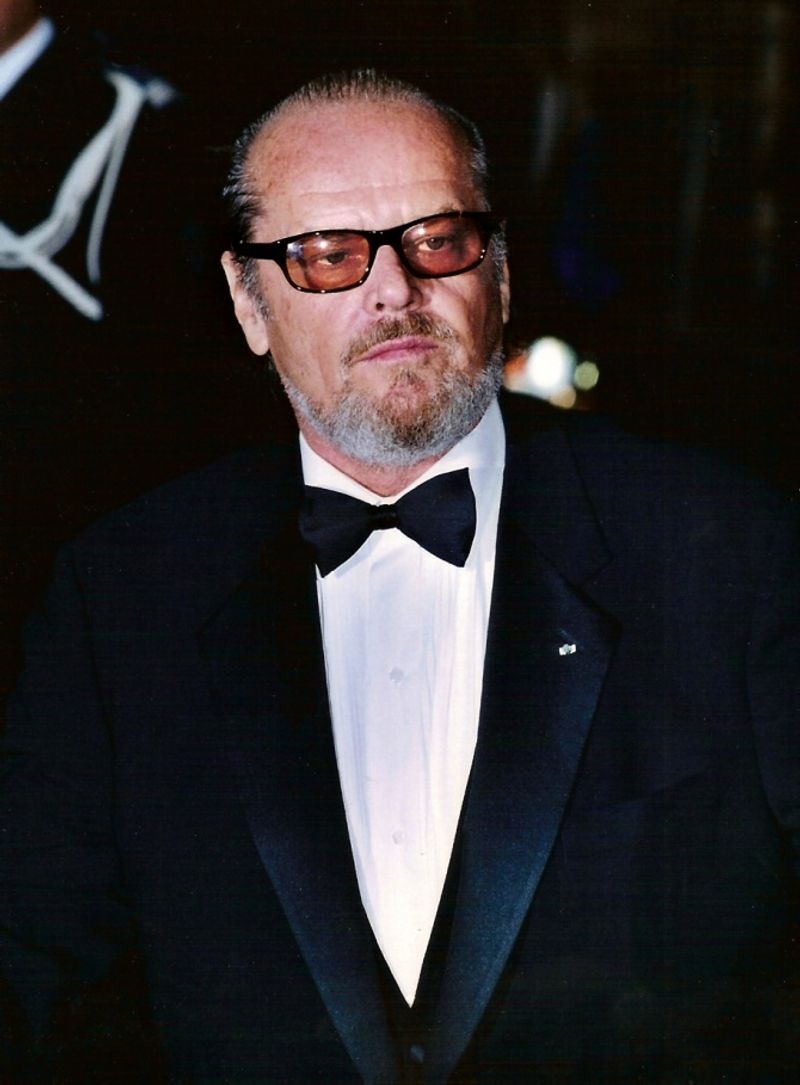
Jack Nicholson did not need much convincing to go full unhinged for Stanley Kubrick. The real question was whether Kubrick could keep up with him, and the answer was an iconic horror film that still terrifies audiences over four decades later.
Nicholson reportedly chopped through sixty actual doors during filming of the axe scene because he kept breaking through them too fast. The production crew had to keep replacing them with sturdier ones.
That level of physical commitment tells you exactly how deep he went into Jack Torrance’s madness.
What makes the performance so effective is the slow burn. Early Nicholson is twitchy and uncomfortable.
Then the hotel gets to him, and you watch the last screws come loose in real time. His wild eyes, the grinning delivery, and the sudden explosive rage are all perfectly calibrated.
Kubrick and Nicholson gave horror cinema its most iconic unraveling in film history.
Al Pacino as Michael Corleone (The Godfather)
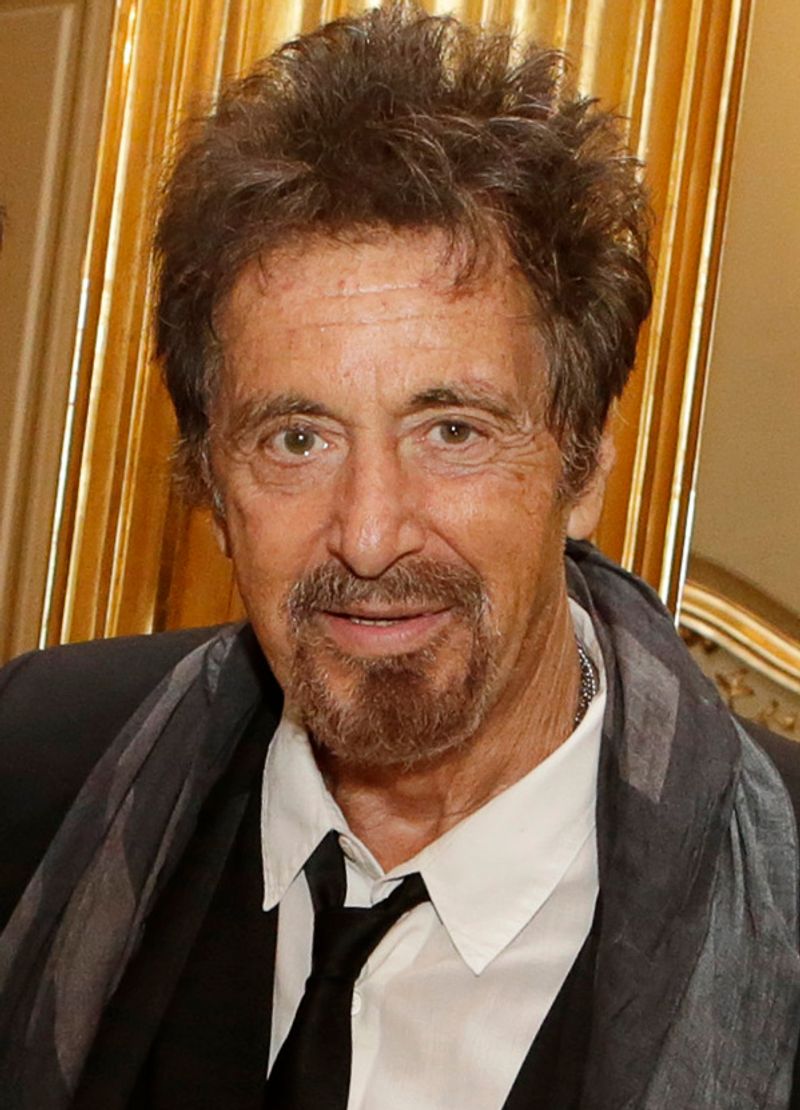
At the start of The Godfather, Michael Corleone is the good son. By the end, he is something far colder.
Al Pacino played that transformation with such quiet control that you almost miss the exact moment Michael stops being redeemable.
Pacino was actually a relatively unknown actor when he was cast, and studio executives pushed back on the choice. Director Francis Ford Coppola fought for him anyway.
Good call. Pacino delivered one of the most layered character arcs in cinema history, saying more with a single look than most actors manage with a full monologue.
The baptism scene near the film’s end is particularly stunning. Pacino stands there, calm and almost serene, while the audience watches Michael fully become his father’s successor.
No explosion of emotion, just quiet inevitability. It is the kind of performance that rewards rewatching because you notice something new every single time you see it.
Joaquin Phoenix as Arthur Fleck (Joker)
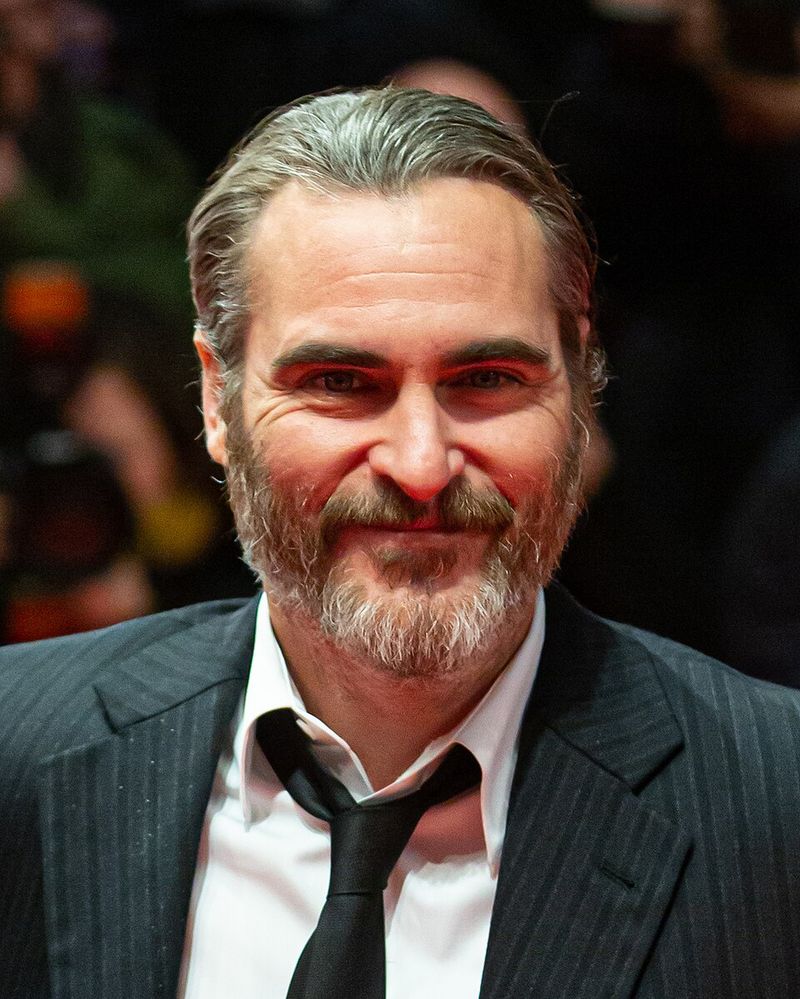
Joaquin Phoenix lost 52 pounds for Joker. That is not a typo.
He shed over a fifth of his body weight to portray Arthur Fleck, and the physical transformation is just the surface of what makes his performance so deeply unsettling.
Phoenix worked with a movement coach to develop Arthur’s strange, involuntary laugh, a laugh the character cannot control even when he is in pain. Watching it, you feel the cruelty of a world that finds a suffering man funny.
That complexity is what separates great acting from good acting.
The bathroom dance scene, improvised by Phoenix on the day of filming, became one of the most discussed moments in recent cinema. Director Todd Phillips says he nearly did not include it.
Thankfully, he did. Phoenix won the Academy Award for Best Actor and delivered a speech as raw and unpredictable as the character himself.
Fitting, honestly.
Charlize Theron as Aileen Wuornos (Monster)

Charlize Theron is one of the most conventionally glamorous actors working in Hollywood. Which made her transformation into serial killer Aileen Wuornos in Monster all the more shocking.
She gained 30 pounds, bleached her eyebrows, wore prosthetic teeth, and stripped away every trace of movie star polish.
But the physical changes were just the beginning. Theron studied Wuornos extensively, watching interviews and absorbing the real woman’s pain, desperation, and warped sense of logic.
The result is a performance that makes you feel deeply uncomfortable about feeling sympathy for someone so dangerous.
Co-star Christina Ricci later said working with Theron felt like acting opposite a completely different human being. That kind of feedback from a fellow professional means everything.
Theron won the Academy Award for Best Actress, and it was one of those rare wins where literally nobody argued with the decision. Sometimes the right person wins.
This was one of those times.
Christian Bale as Trevor Reznik (The Machinist)
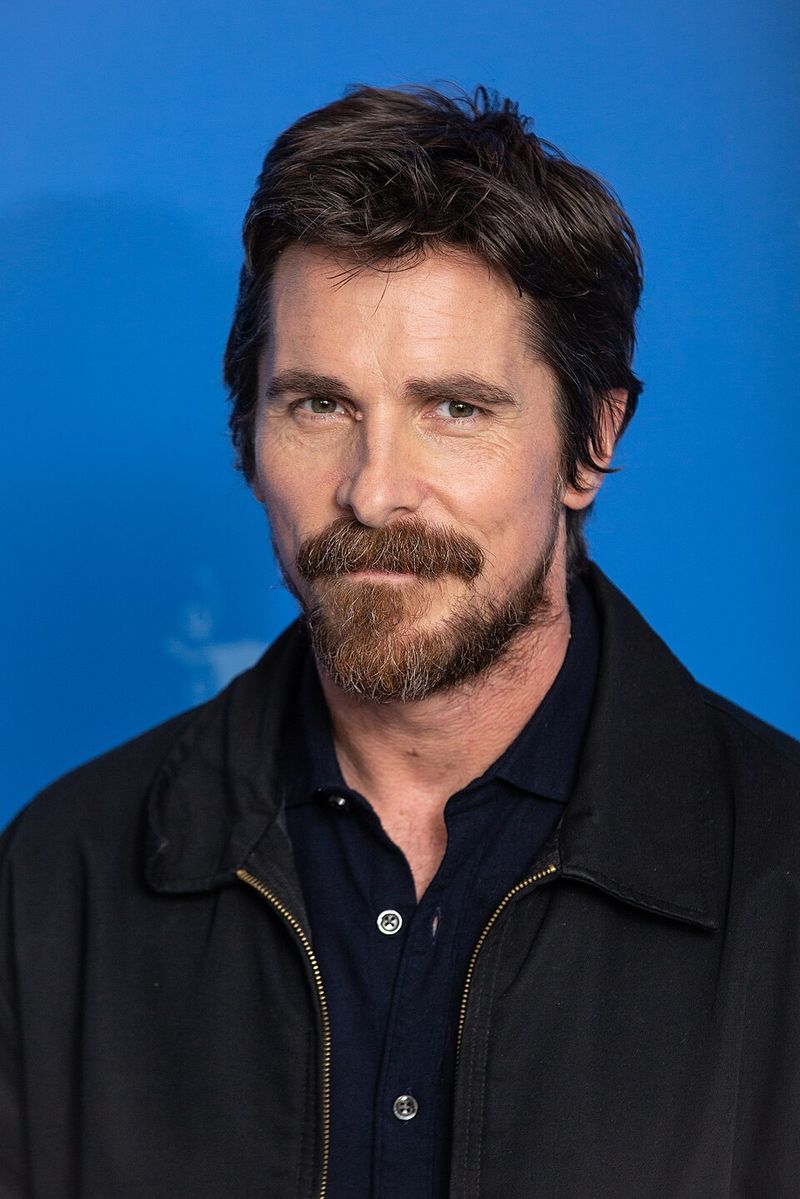
Christian Bale dropped to 121 pounds for The Machinist. His diet reportedly consisted of one can of tuna and an apple per day.
Doctors were worried. His co-workers were worried.
The audience, watching the finished film, were absolutely horrified in the best possible way.
Trevor Reznik is a factory worker who has not slept in a year and cannot figure out why. Bale’s physical state made the psychological unraveling feel devastatingly real.
You did not need visual effects to show this man falling apart. His body told the whole story.
What is wild is that after filming wrapped, Bale immediately began training for Batman Begins and gained over 100 pounds of muscle in just a few months. His body became a professional instrument he tuned to whatever the role demanded.
Most actors prepare mentally. Bale prepares like a sculptor working on his own body as the raw material.
Heath Ledger as Ennis Del Mar (Brokeback Mountain)
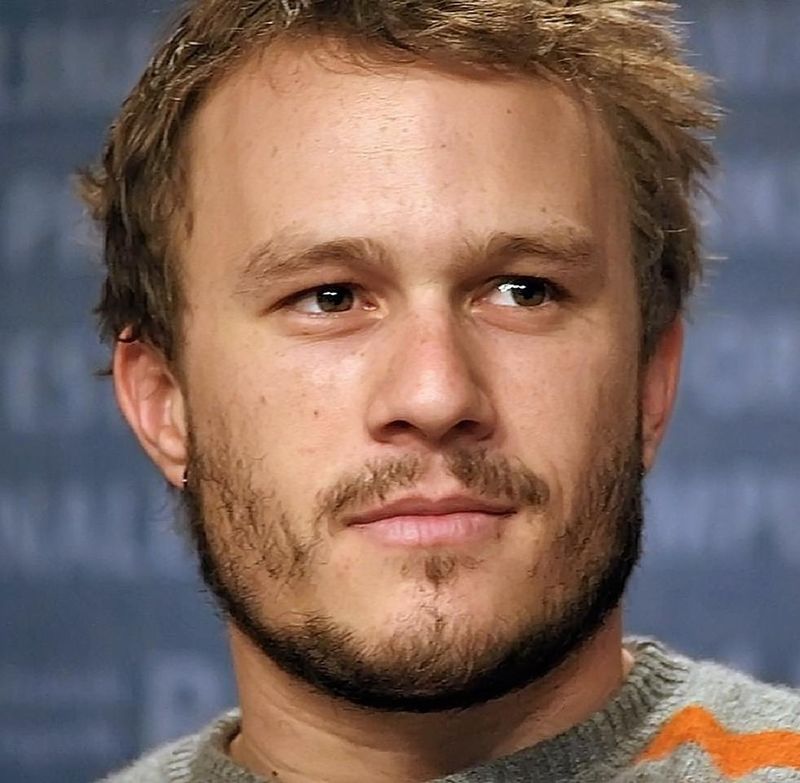
Before the green hair and smeared makeup, Heath Ledger gave a completely different kind of unforgettable performance. Ennis Del Mar barely speaks.
He holds everything in, communicates through body language, and carries decades of repressed emotion in his jaw and his shoulders. It is breathtaking to watch.
Ledger researched the character by studying real ranch hands in Wyoming. He adopted a specific walk, a specific stillness, a specific way of dropping his chin when something hurt too much to say out loud.
The physicality was so precise that it felt like watching a real person rather than a performance.
Director Ang Lee called it one of the greatest performances he had ever witnessed on a film set. Ledger was nominated for the Academy Award for Best Actor and many felt he should have won.
His Ennis proved that the most powerful emotions are often the ones an actor never lets you fully see. Restraint, done right, is devastating.
Dustin Hoffman as Raymond Babbitt (Rain Man)
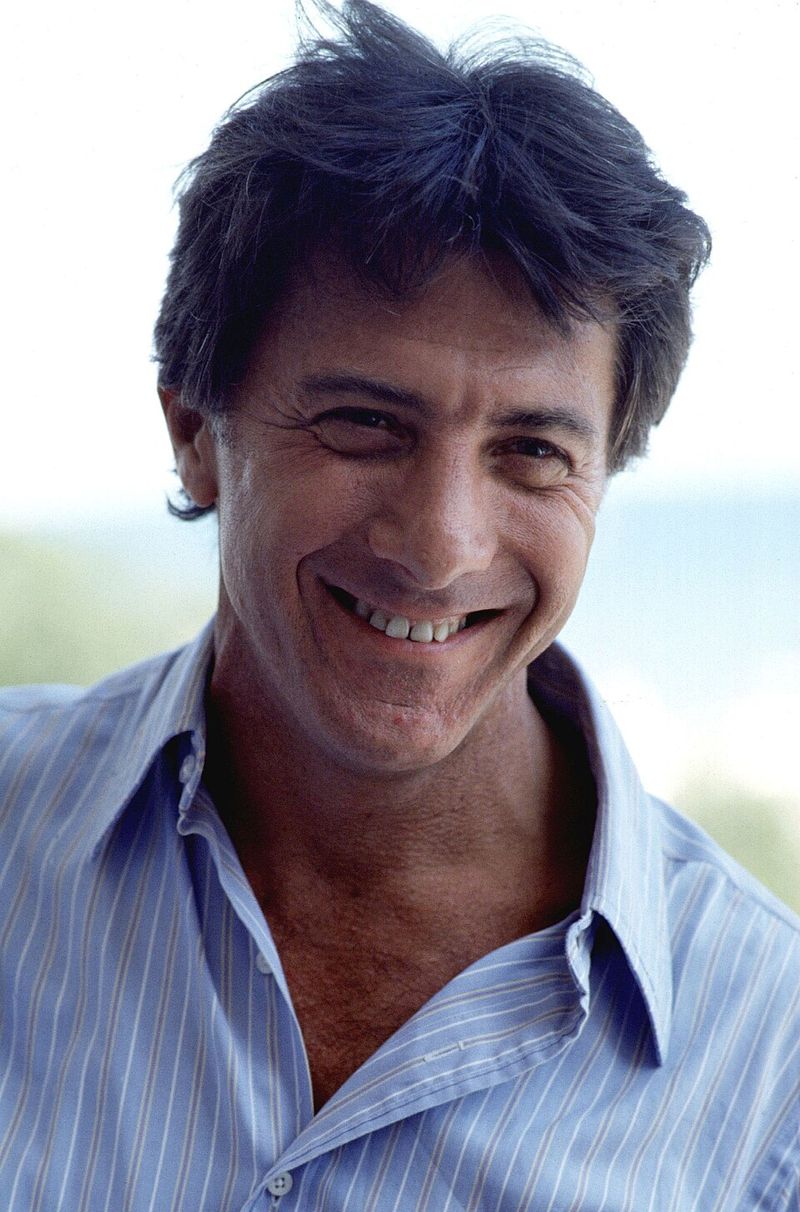
Dustin Hoffman spent months living alongside people with autism before filming a single scene of Rain Man. He visited group homes, studied behavioral patterns, and worked closely with experts to understand not just the condition but the specific humanity behind it.
That research paid off enormously.
Raymond Babbitt could have easily become a caricature. Hoffman refused to let that happen.
Every repeated phrase, every rigid routine, every burst of unexpected emotion was grounded in real observation rather than theatrical exaggeration. The character felt like someone you might actually know.
His co-star Tom Cruise has said working with Hoffman on Rain Man was one of the most educational experiences of his career. Audiences agreed.
Hoffman won the Academy Award for Best Actor, and Rain Man sparked a broader cultural conversation about autism representation that still matters today. Good acting, at its best, does more than entertain.
It teaches you something about being human.
Natalie Portman as Nina Sayers (Black Swan)
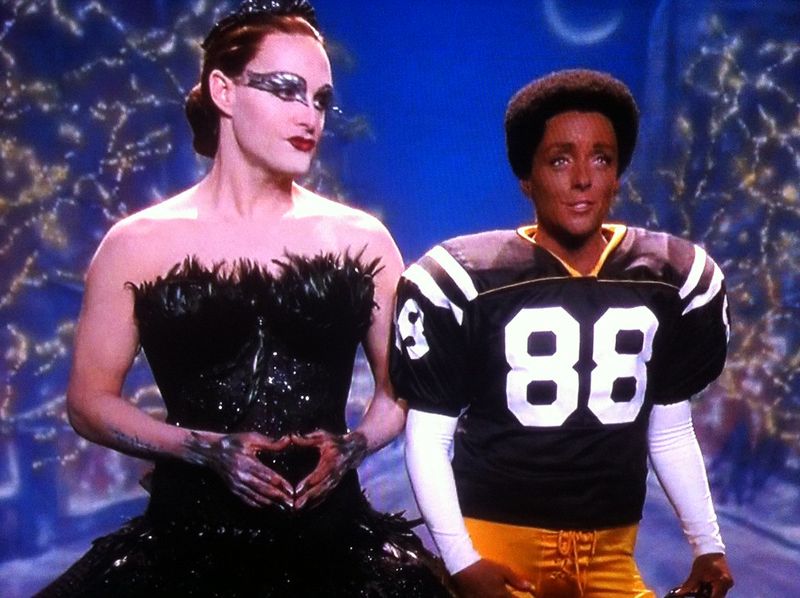
Natalie Portman trained in ballet for a full year before Black Swan began filming. She worked with former New York City Ballet dancer Mary Helen Bowers for eight hours a day, six days a week.
By the time cameras rolled, Portman had lost 20 pounds and could actually perform most of the choreography herself.
But the physical training was matched by emotional excavation. Nina Sayers is a perfectionist consumed by obsession, and Portman captured the psychological unraveling with terrifying precision.
The line between Nina losing her mind and Portman simply performing blurs completely by the film’s final act.
Director Darren Aronofsky pushed Portman to places most directors would not dare go with an actor. She later described the shoot as the most challenging experience of her professional life.
The Academy Award for Best Actress that followed was not just recognition of a great performance. It was acknowledgment of genuine artistic sacrifice.
Few performances demand that much from a human being.
Russell Crowe as Maximus (Gladiator)
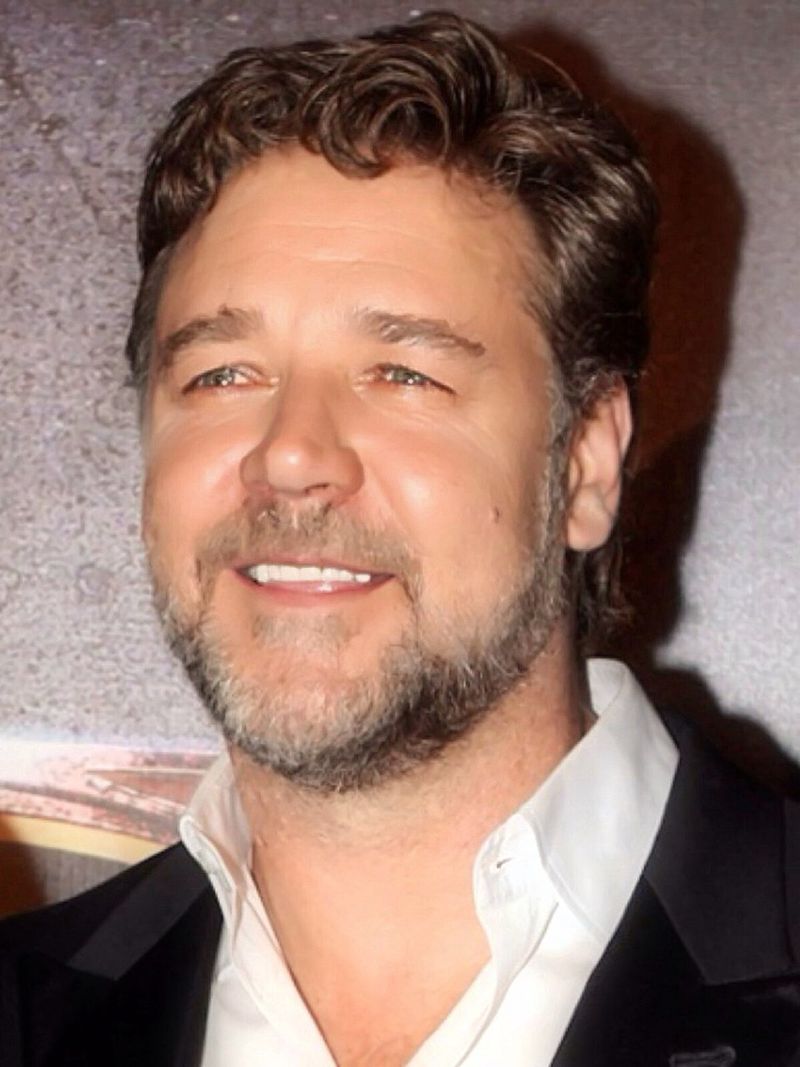
Russell Crowe brought something rare to Gladiator: genuine emotional weight underneath all the action. Maximus is not just a warrior seeking revenge.
He is a grieving man, a displaced father, and a reluctant hero, and Crowe played all three layers simultaneously without making it feel crowded or forced.
Crowe trained rigorously for months with swords, shields, and combat choreographers. He also reportedly rewrote several of his own lines on set when the script did not feel authentic to the character he had built in his head.
Director Ridley Scott let him do it because the results were clearly better.
The line “Are you not entertained?” was not delivered as a triumph. Crowe played it as exhaustion and contempt, which made it land far harder than a victory cry ever would have.
He won the Academy Award for Best Actor, and Gladiator became the kind of film that gets watched again every few years and still holds up completely.
Leonardo DiCaprio as Hugh Glass (The Revenant)
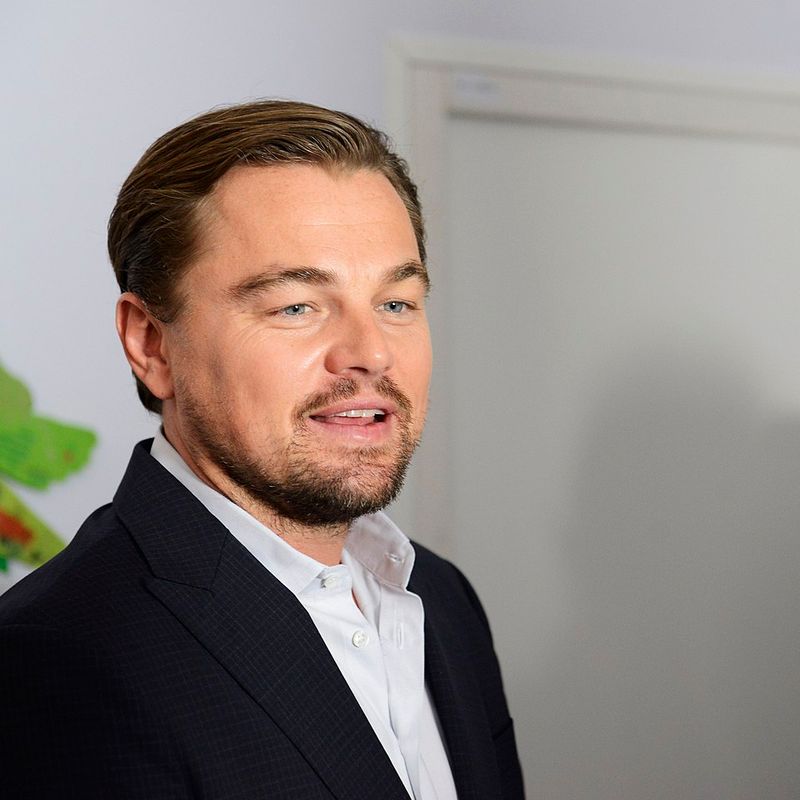
Leonardo DiCaprio ate raw bison liver on camera in The Revenant. He is a vegetarian.
That single fact tells you almost everything you need to know about how committed he was to portraying Hugh Glass, the real-life frontiersman who survived a bear attack and crawled hundreds of miles through frozen wilderness.
Filming took place in genuinely brutal conditions across Canada and Argentina. The crew endured freezing temperatures, remote locations, and a director in Alejandro Gonzalez Inarritu who insisted on using only natural light.
DiCaprio never complained publicly. He just kept showing up and suffering for the role.
After four previous Oscar nominations without a win, DiCaprio finally took home the Academy Award for Best Actor for The Revenant. The internet collectively celebrated like a sports team had just won a championship.
His acceptance speech was gracious and passionate. The performance itself was proof that sometimes the most powerful thing an actor can do is simply endure.
Share this story