Sometimes, a beloved actor steps away from a franchise, leaving fans wondering what went wrong behind the scenes. Whether it was a disagreement over pay, a dislike of the script, or simply a change in direction, these decisions shaped movie history in surprising ways.
From action blockbusters to horror classics, the reasons actors walked away are often more interesting than the films themselves. Here is a look at 15 actors who said no to returning for sequels and why they made that choice.
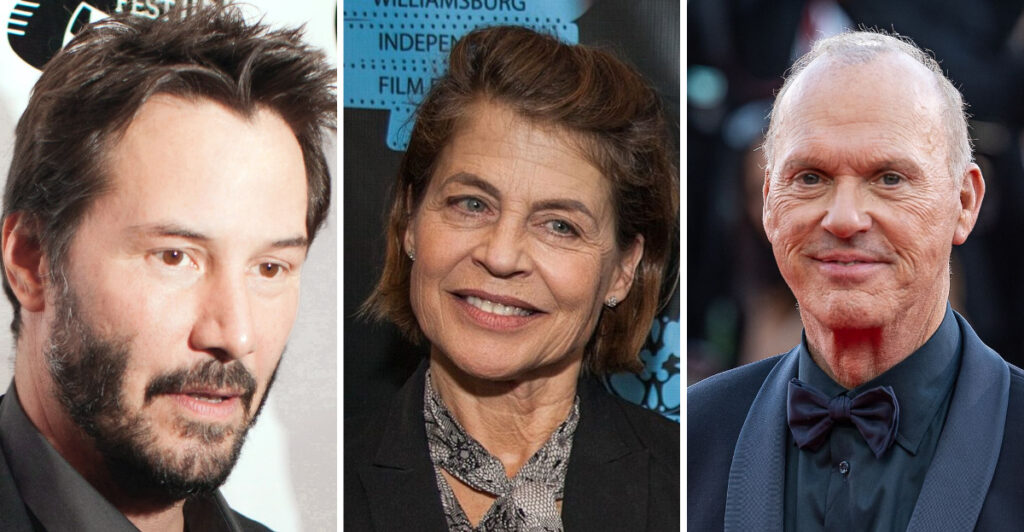
1. Keanu Reeves: Speed 2 Cruise Control
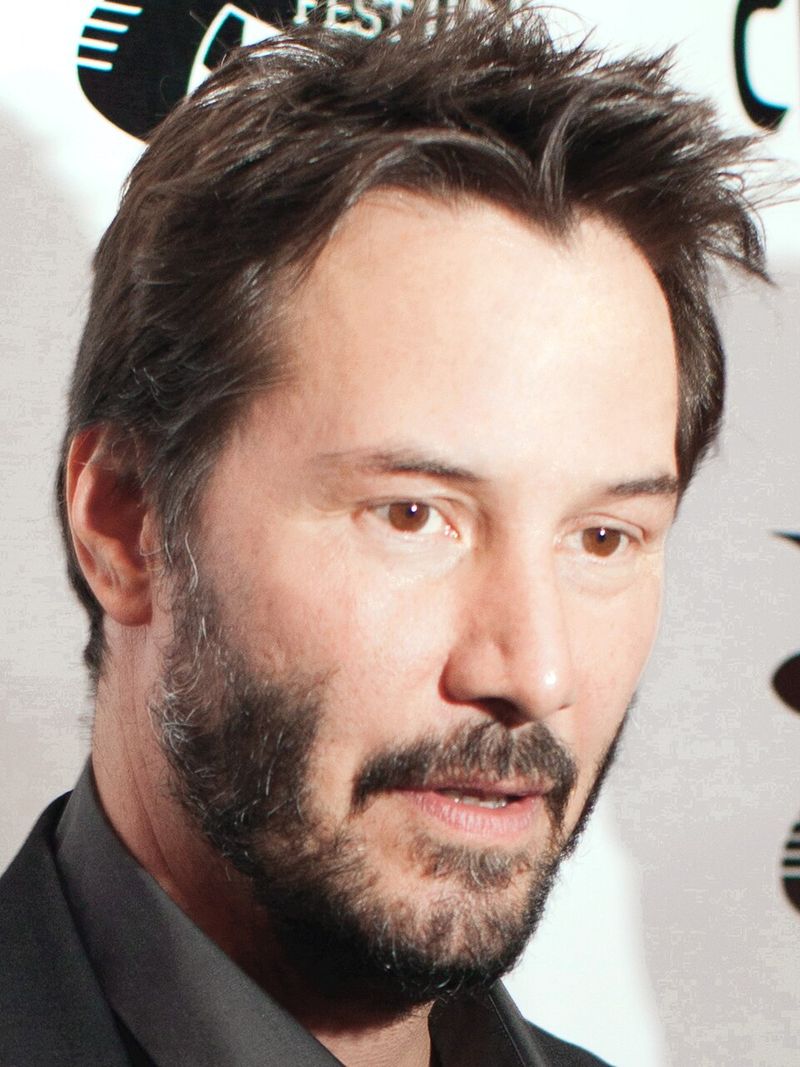
Keanu Reeves was one of the biggest action stars of the 1990s, and his role in the original Speed made him a household name. So when a sequel was announced, fans naturally expected him to return.
Instead, Reeves made the surprising choice to walk away from the project entirely.
His reason was straightforward: he read the script and simply did not like it. Reeves felt the story did not make sense, and he was not willing to attach his name to something he did not believe in.
That kind of artistic integrity is rare in Hollywood, especially when big paychecks are involved.
The sequel went ahead without him, replacing his character with Jason Patric. Critics and audiences largely agreed the film was a disappointment.
Looking back, Reeves made the right call, and his instincts about the script proved to be completely accurate.
2. Rachel Weisz: The Mummy Tomb of the Dragon Emperor
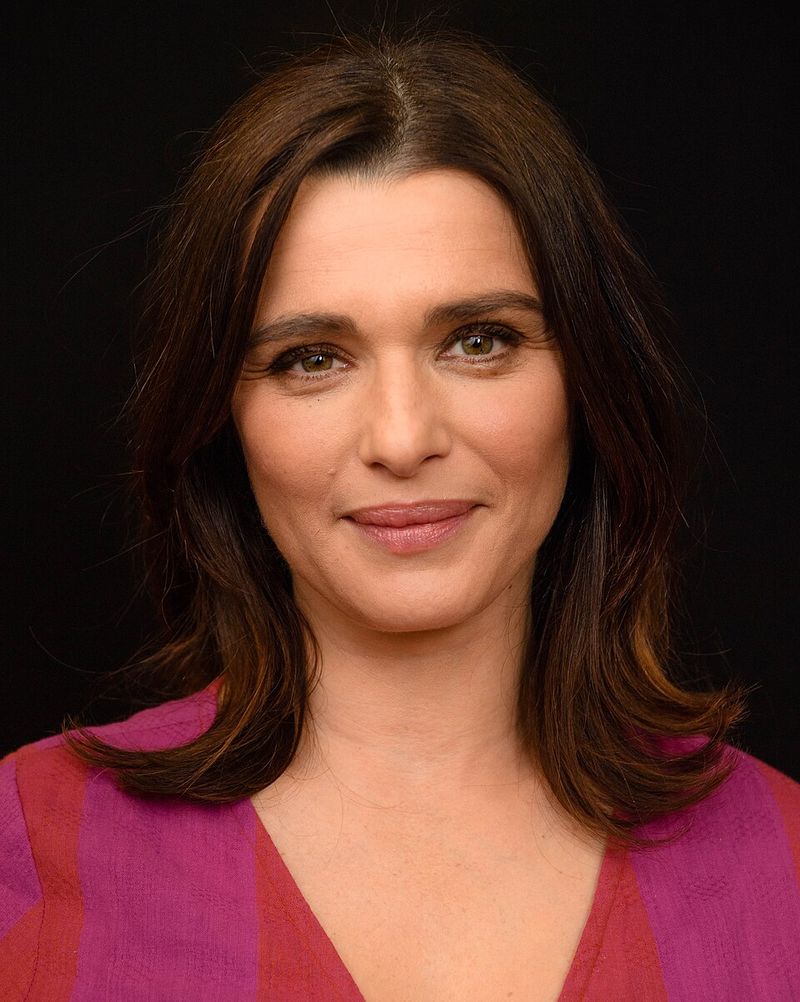
Rachel Weisz brought a sharp wit and undeniable charm to Evelyn O’Connell across the first two Mummy films, making the character a fan favorite. When the third installment came around, many assumed she would return without question.
That assumption turned out to be wrong.
Weisz made the personal decision not to reprise the role, and she has been fairly candid about it over the years. She reportedly felt the script was not strong enough and did not feel compelled to return for a project she was not excited about.
The studio moved forward anyway, recasting the role with Maria Bello.
Audiences noticed the difference immediately, and the film received a noticeably cooler reception than its predecessors. Weisz went on to win an Academy Award and build an impressive career, proving her instincts about choosing quality projects were well worth trusting.
3. Linda Hamilton: Terminator 3 Rise of the Machines
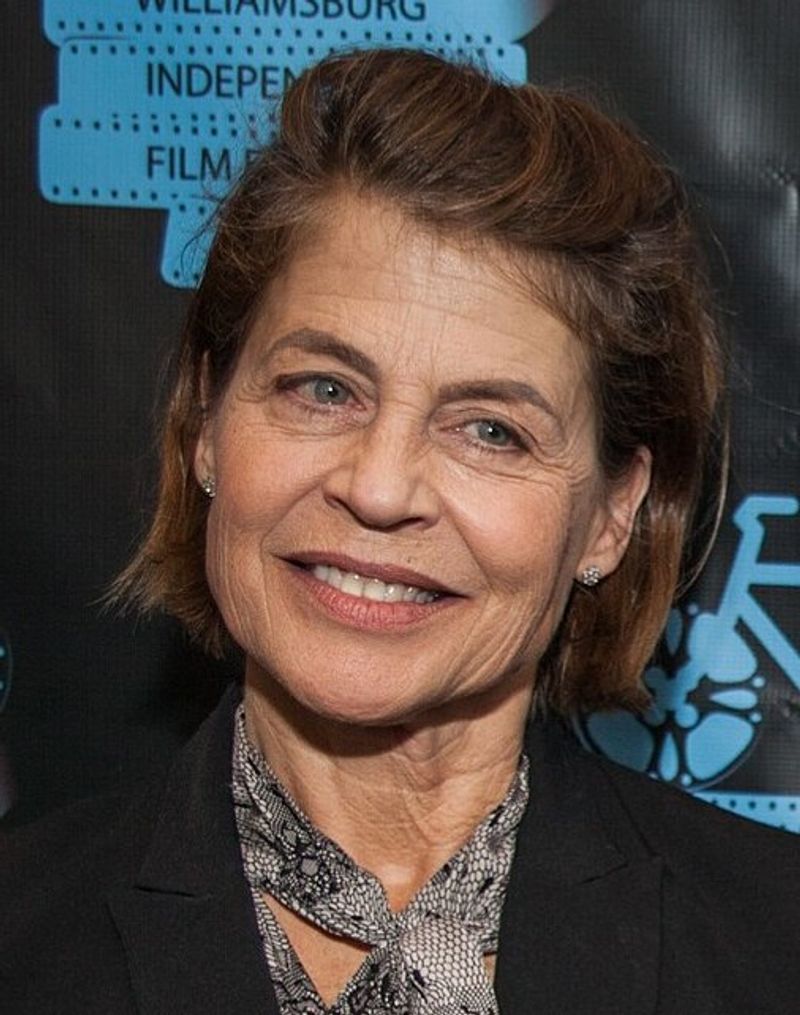
Few characters in science fiction history are as iconic as Sarah Connor, and Linda Hamilton’s fierce portrayal of her in Terminator 2: Judgment Day is a big reason why. When the third film entered development, returning to that role seemed like an obvious move.
Hamilton saw things very differently.
She turned down the opportunity after reading the script and feeling deeply unsatisfied with how Sarah Connor was written. The storyline did not honor the character she had worked so hard to build, and she refused to compromise that legacy for a paycheck.
It was a bold decision that showed real respect for the role.
Terminator 3 went ahead without her, and the character was written out of the story early on. Hamilton eventually returned to the franchise in Terminator: Dark Fate in 2019, on her own terms, delivering exactly the kind of comeback fans had been waiting for.
4. Neve Campbell: Scream VI
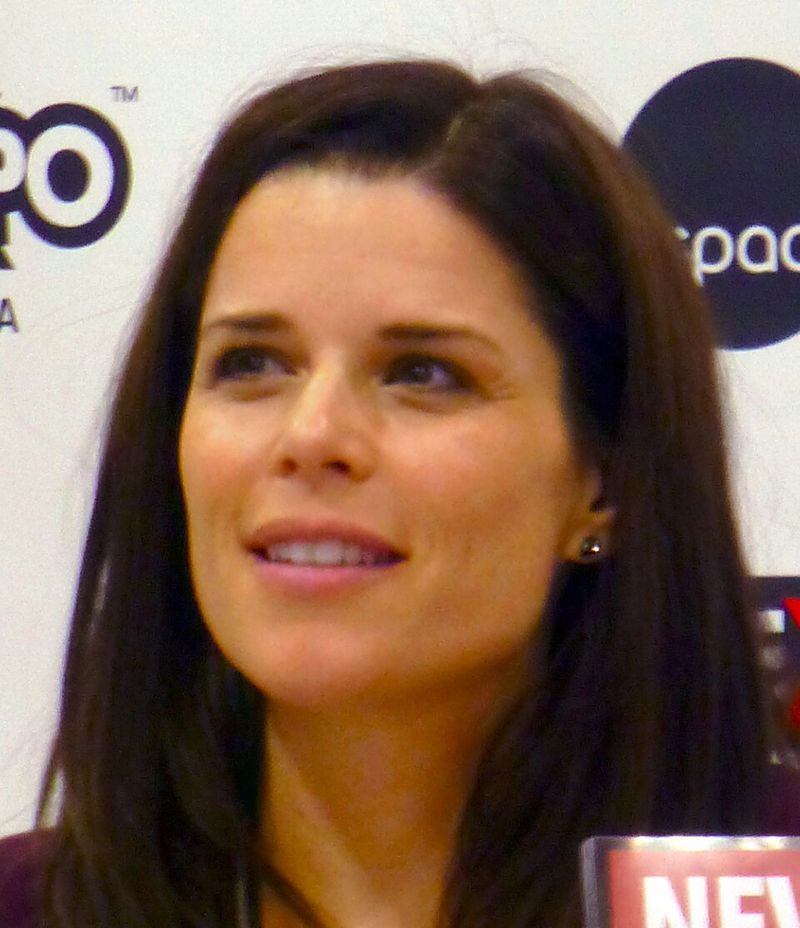
Sidney Prescott is the heartbeat of the Scream franchise, and Neve Campbell has played her with quiet strength across five films. When the sixth entry was announced, it seemed unthinkable that Campbell would not be part of it.
Then she spoke up, and everything changed.
Campbell publicly confirmed she would not return for Scream VI, and she was refreshingly honest about her reason. She felt the salary she was offered did not reflect the value she brought to the franchise.
After years of anchoring the series, she believed she deserved to be compensated accordingly and chose to walk away rather than accept less than she was worth.
Her statement resonated with many in the industry and sparked a wider conversation about how actresses are valued in long-running franchises. Campbell later reached an agreement to return for Scream VII, suggesting the studio ultimately recognized what they had lost by undervaluing her in the first place.
5. Crispin Glover: Back to the Future Part II
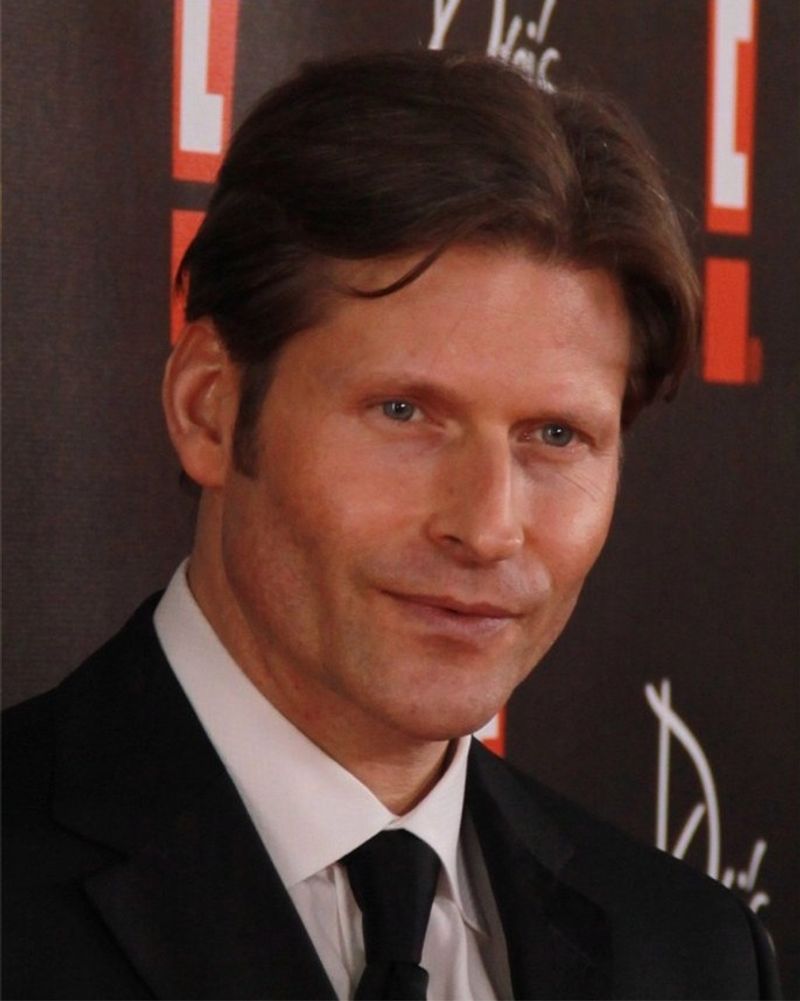
Crispin Glover gave one of the most memorable performances in Back to the Future as the awkward and lovable George McFly. His chemistry with Michael J.
Fox was a huge part of what made the original film so enjoyable. When the sequel came around, fans expected to see him back.
They were in for a surprise.
Glover declined to return after salary negotiations fell apart. He also had concerns about certain themes in the planned sequel.
The situation became more complicated when the filmmakers used a prosthetic likeness of Glover to portray the character without his consent, leading to a lawsuit that resulted in new Screen Actors Guild rules protecting actors from this kind of practice.
His case actually changed Hollywood in a meaningful way. The guidelines that came out of his legal battle now give actors more control over how their likeness can be used, a legacy far more significant than any sequel appearance could have been.
6. Sean Connery: James Bond Franchise
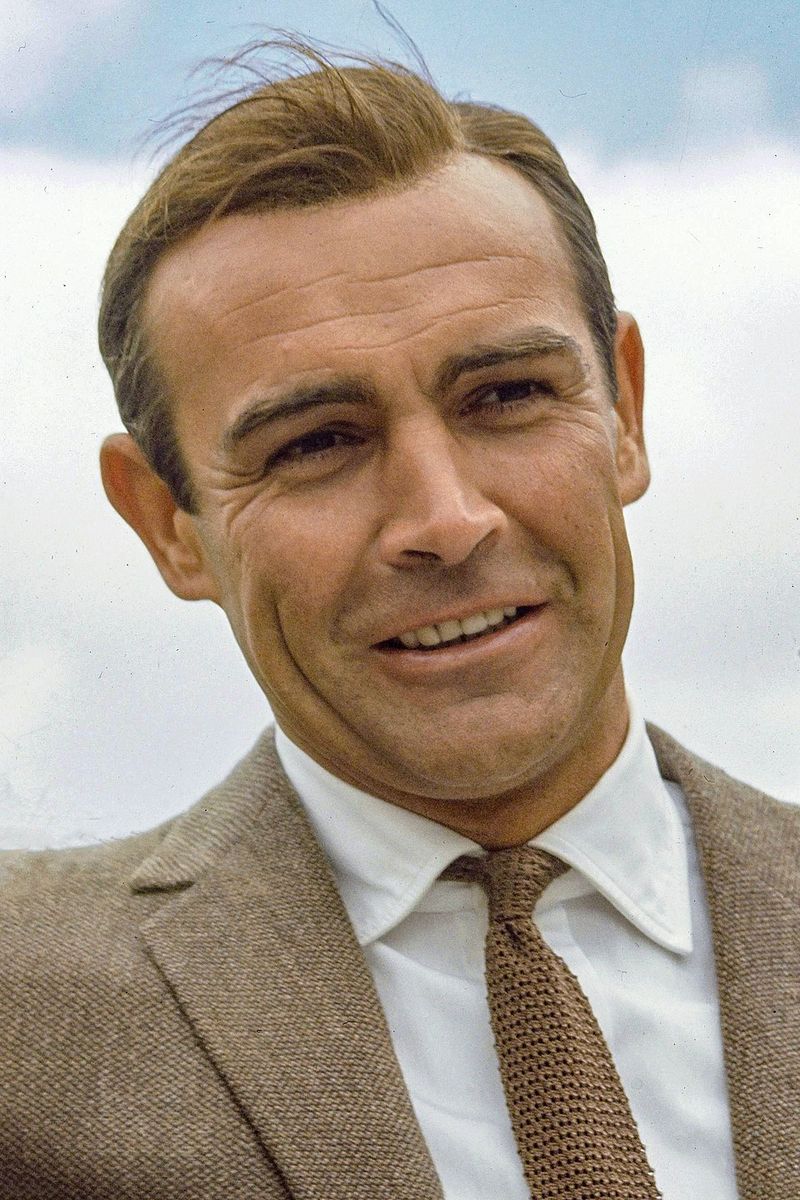
Sean Connery did not just play James Bond. In many ways, he invented the modern action hero.
His cool confidence and magnetic screen presence defined the character for a generation. Yet Connery walked away from the role multiple times, and his reasons say a lot about the pressures of being that famous.
He grew exhausted by the relentless attention that came with the Bond franchise. The fame felt suffocating, and he was frustrated by the creative limitations the role placed on his career.
After You Only Live Twice in 1967, he stepped away, only to return once more for Diamonds Are Forever before leaving for good.
Connery went on to have a remarkable second chapter in Hollywood, winning an Oscar for The Untouchables and starring in beloved films like Indiana Jones and the Last Crusade. His willingness to leave Bond behind ultimately freed him to become an even more respected and versatile actor.
7. Will Smith: Independence Day Resurgence
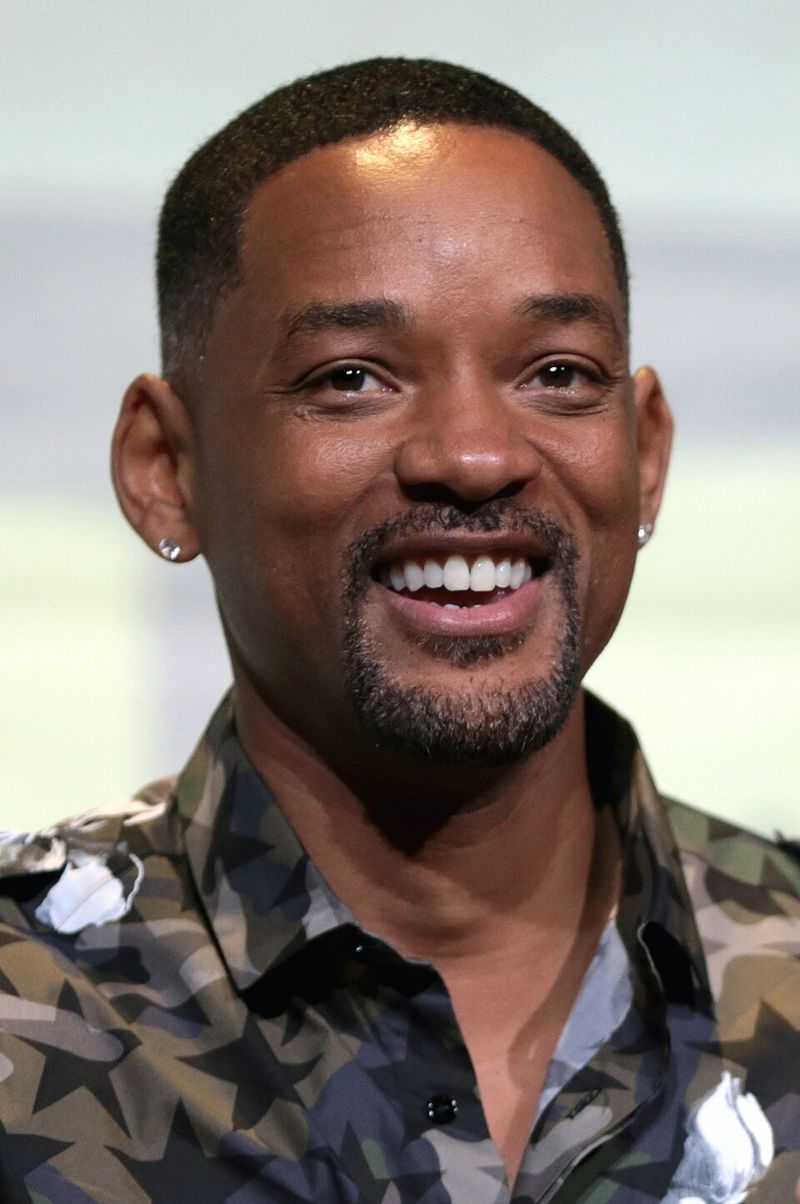
Captain Steven Hiller was the beating heart of Independence Day, and Will Smith’s performance turned the 1996 blockbuster into one of the most beloved summer movies ever made. When a sequel finally arrived twenty years later, Smith was noticeably absent.
His character was written out with an offscreen death, leaving a massive gap in the story.
Reports at the time pointed to scheduling conflicts and uncertainty on Smith’s part about the direction of the sequel. He had several other major projects lined up, and the timeline simply did not work out.
Some accounts also suggested salary expectations played a role in the final decision.
Independence Day: Resurgence opened to a mixed response from critics and a disappointing box office performance compared to the original. Many reviewers specifically noted that Smith’s absence hurt the film.
It is a strong reminder of just how much a single charismatic lead can carry an entire franchise on their shoulders.
8. Michael Keaton: Batman Forever
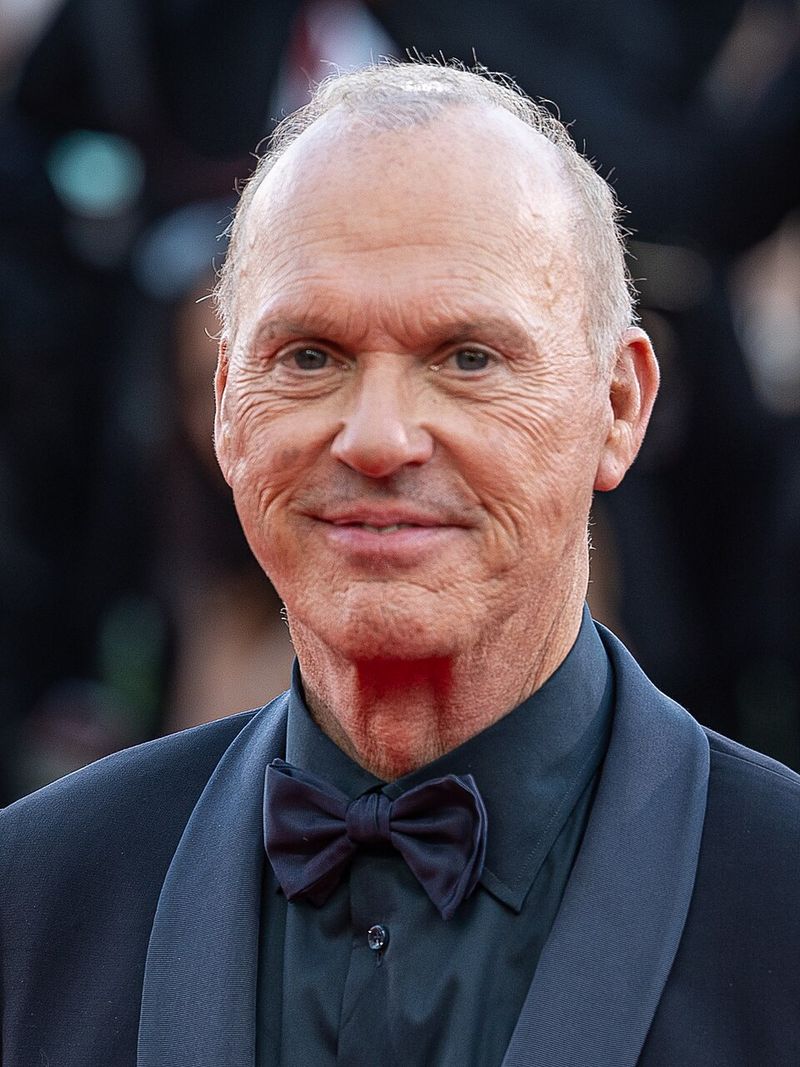
Michael Keaton defined Batman for a whole generation of moviegoers with his brooding, offbeat take on the Dark Knight. His performances in Tim Burton’s two Batman films were widely praised for bringing real psychological depth to a superhero.
When Batman Forever came along, Keaton had every reason to stay. He chose to leave instead.
The key factor was the departure of director Tim Burton from the franchise. Keaton and Burton had a strong creative partnership, and without that anchor, the project felt different to him.
The tone of the new film was shifting toward something brighter and more commercial, which did not match Keaton’s vision for the character.
Val Kilmer stepped into the role for Batman Forever, followed by George Clooney in Batman and Robin. Keaton eventually returned to the character decades later in The Flash, and his comeback was celebrated as one of the most exciting moments in recent superhero cinema.
9. Arnold Schwarzenegger: Predator 2
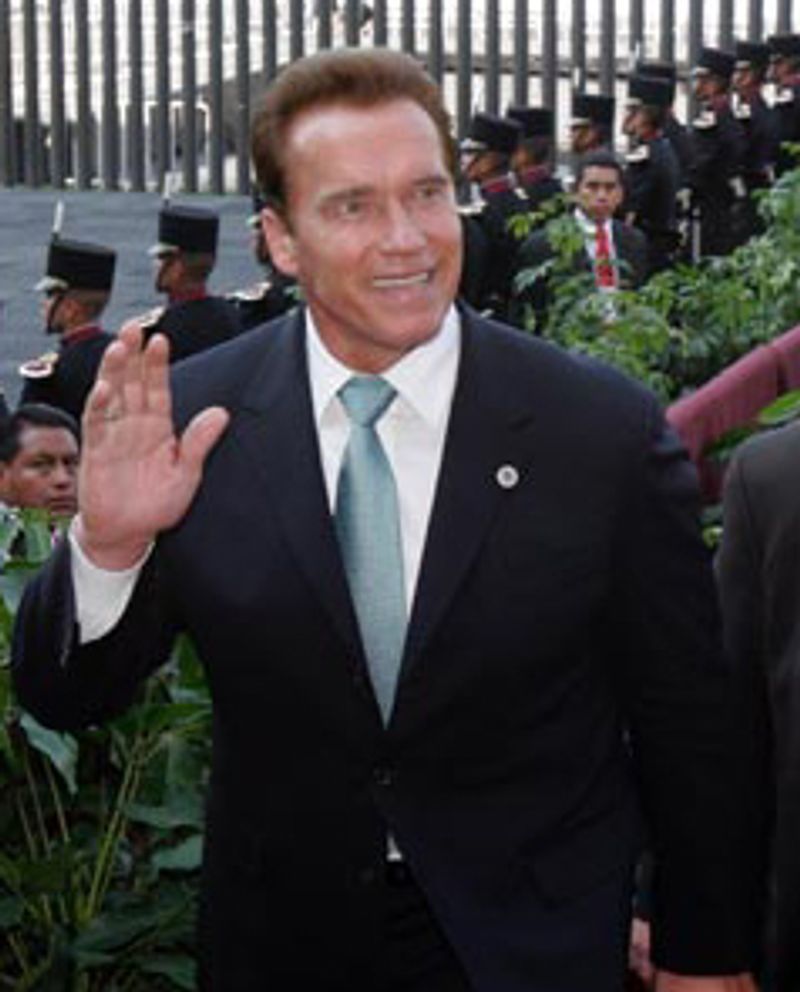
Arnold Schwarzenegger’s showdown with the alien hunter in Predator is one of the most thrilling action sequences of the 1980s. His Dutch Schaeffer was tough, resourceful, and completely unforgettable.
A sequel was inevitable, and Schwarzenegger seemed like the natural choice to anchor it. Salary negotiations told a different story.
The breakdown in talks between Schwarzenegger and the studio over his compensation meant the sequel moved forward without its original star. Rather than recast the same character, the filmmakers created an entirely new story set in Los Angeles with Danny Glover leading the cast.
Predator 2 received a mixed reception and never quite captured the intensity of the original. Schwarzenegger himself acknowledged years later that money was the core issue.
It is a fairly common Hollywood scenario, but it remains notable because the original film’s success was so tied to his specific energy and physical presence on screen.
10. Terrence Howard: Iron Man 2
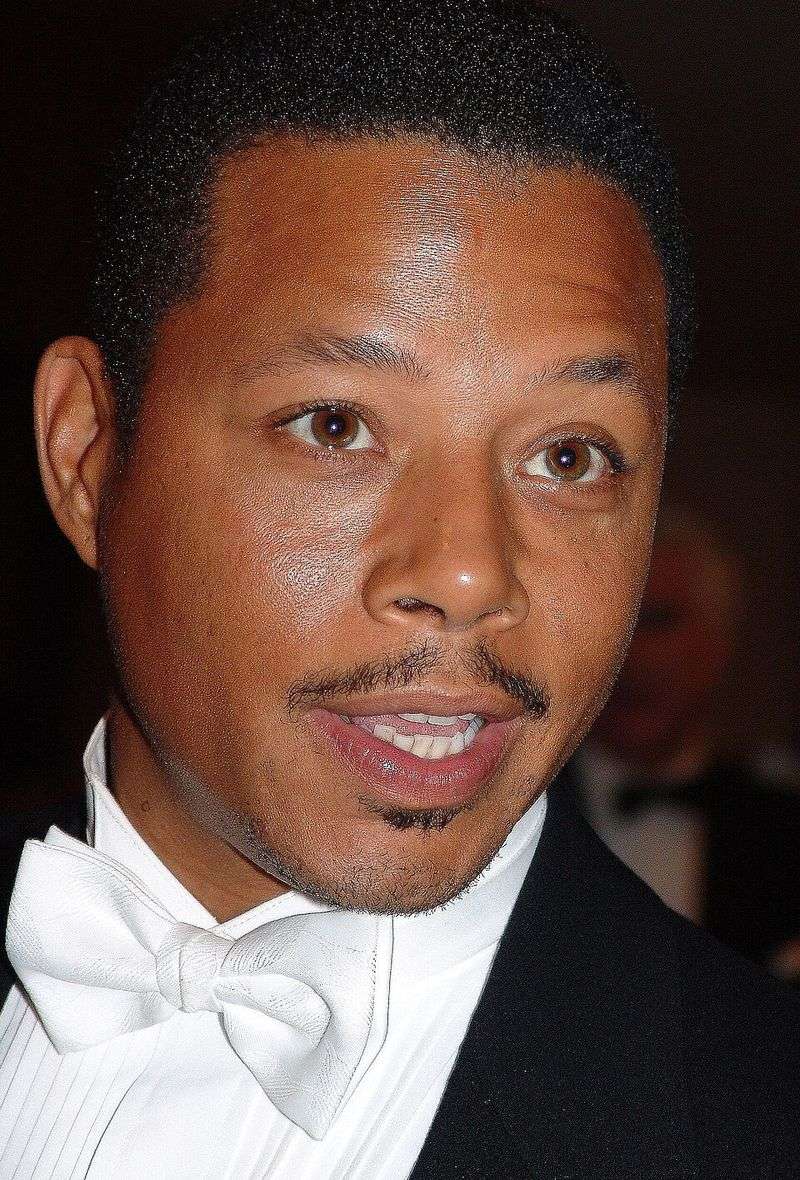
Terrence Howard played James Rhodes in the first Iron Man with a cool authority that made fans genuinely excited to see the character suit up. His friendship with Tony Stark felt real, and there was every expectation that he would grow into a major part of the Marvel Cinematic Universe.
That future never materialized for him.
Howard has spoken about the situation in interviews, describing a significant pay cut from what he had originally been promised. He also suggested that Robert Downey Jr. received a dramatically larger salary, which created tension.
Marvel and Howard could not reach an agreement, and Don Cheadle was brought in to take over the role.
Cheadle went on to play Rhodes across many Marvel films and became a fan favorite in his own right. Howard’s departure remains one of the more openly discussed casting changes in MCU history, partly because Howard himself has been so candid about what happened.
11. Emily Blunt: Iron Man 2
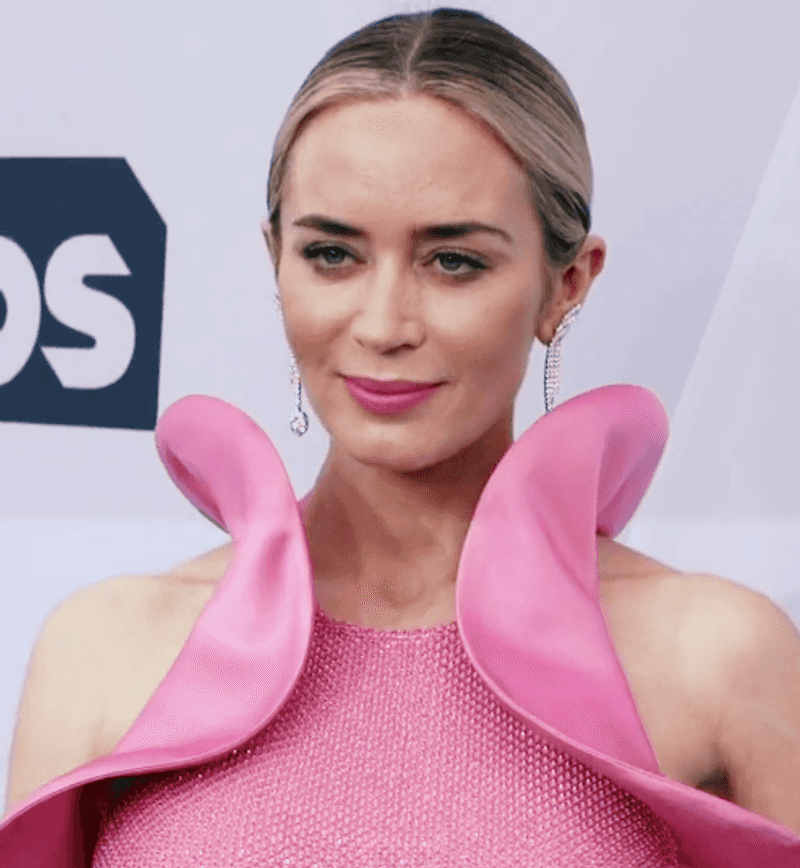
Emily Blunt is now one of the most celebrated actresses working in Hollywood, but her early career had a frustrating detour connected to the Marvel universe. She had been strongly considered for the role of Black Widow in Iron Man 2, and many insiders expected her to land the part.
A prior commitment got in the way.
Blunt was contractually obligated to appear in Gulliver’s Travels due to her deal with a different studio, which made it impossible for her to take on Iron Man 2 at the same time. The scheduling conflict was simply too significant to work around, and Scarlett Johansson ultimately stepped in and made the role her own.
Blunt has since spoken about missing out on the opportunity with good humor, and her career trajectory has been nothing short of outstanding. From A Quiet Place to Oppenheimer, she has proven she does not need a superhero cape to command the screen.
12. Rick Moranis: Ghostbusters Sequels
Rick Moranis brought a nerdy, endearing charm to Louis Tully in the original Ghostbusters films that audiences absolutely adored. He was a comedic gem in a cast full of talented performers.
When sequels and reboots began circulating over the years, his name always came up as someone fans desperately wanted to see return.
Moranis made the deeply personal decision to step back from Hollywood in the mid-1990s following the death of his wife. He chose to focus on raising his children rather than continuing his acting career, turning down many offers along the way.
That decision earned him enormous respect from fans and colleagues alike.
He made a brief return to the spotlight in a 2020 Super Bowl commercial and later appeared in a small role in Shrunk, signaling that the door was not completely closed. But his years away from the industry were clearly about family first, a priority that is hard to argue with.
13. Doug Bradley: Hellraiser Sequels
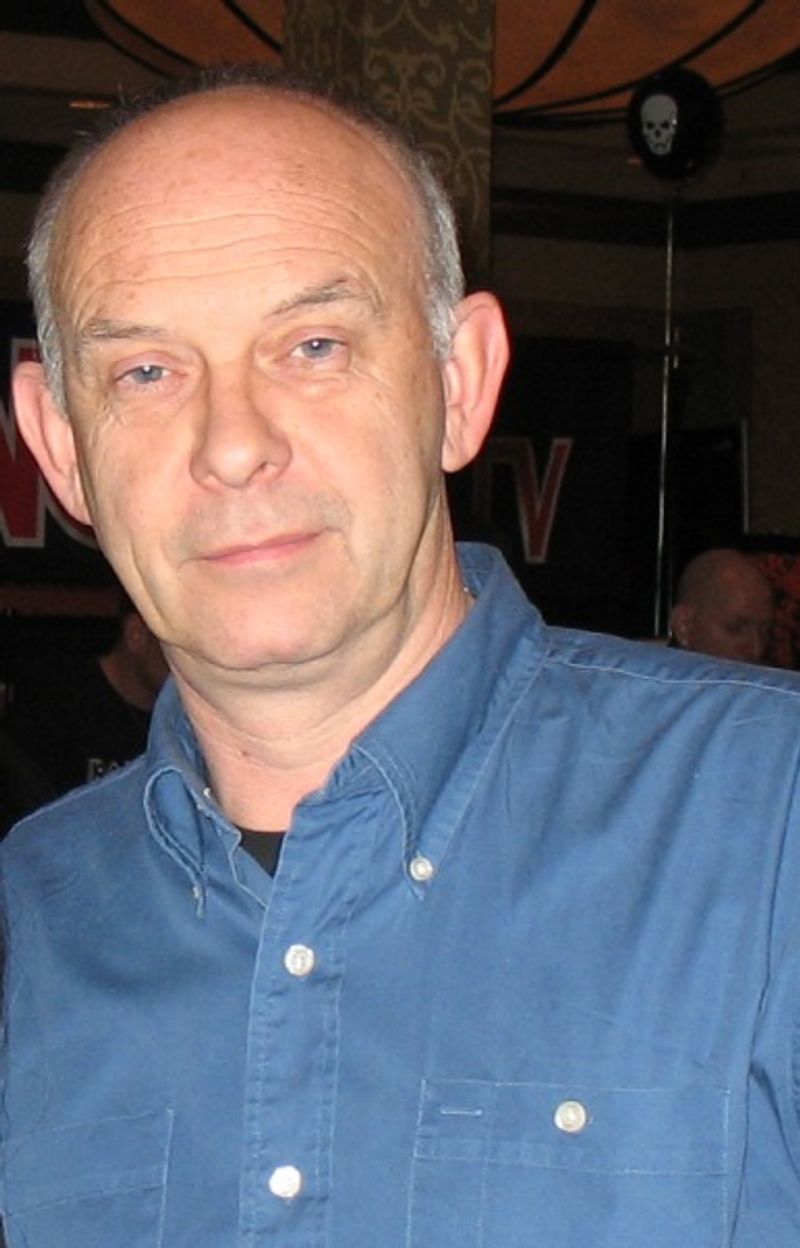
Doug Bradley gave horror fans one of the most terrifying and iconic villains ever put on film with his portrayal of Pinhead in the Hellraiser franchise. His deep voice, commanding presence, and genuinely unsettling performance made the character legendary.
Naturally, the studio wanted to keep using Pinhead in sequel after sequel.
Bradley appeared in eight Hellraiser films before finally drawing the line. When he was presented with the scripts for subsequent entries, he found them to be poorly written and unworthy of the character he had spent years carefully building.
The production budgets had also shrunk dramatically, and the quality of the projects reflected that decline.
He walked away rather than continue lending his talents to films he believed would damage the character’s legacy. Bradley has been open about his decision in interviews, expressing that protecting Pinhead’s integrity mattered more to him than simply staying in a franchise for the sake of it.
That kind of loyalty to craft is admirable.
14. Val Kilmer: Batman and Robin
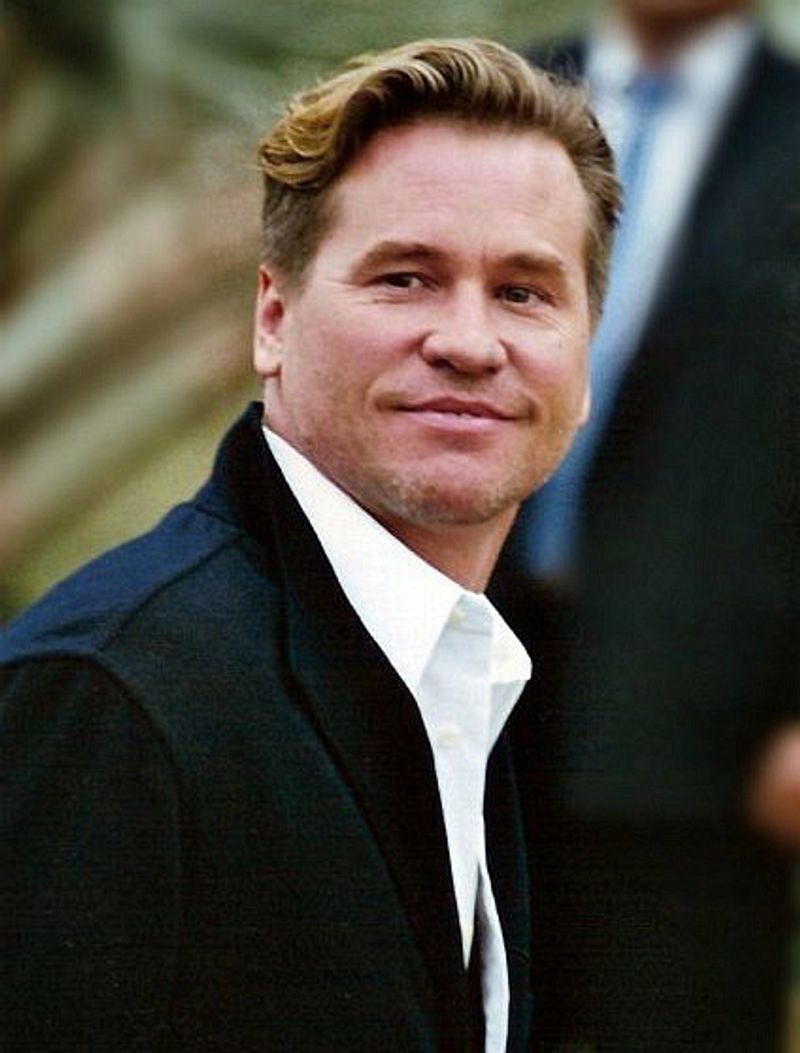
Val Kilmer brought an unexpectedly moody and introspective quality to Bruce Wayne in Batman Forever, and while the film had its critics, his casting was generally considered one of its stronger elements. A sequel was on the way, and the studio was ready to move forward.
Kilmer was not ready to go with them.
By most accounts, the production of Batman Forever was a difficult experience for Kilmer. Reports of clashes with director Joel Schumacher circulated widely, and Kilmer himself acknowledged that the environment on set was not a pleasant one.
When Batman and Robin entered production, he chose not to return.
George Clooney stepped into the role and has since joked that he may have single-handedly killed the Batman franchise with that film. Kilmer later reflected on his time as Batman with some warmth, and his turn in the role has gained a more appreciative audience over the years as tastes have shifted.
15. Bruce Willis: The Expendables 3
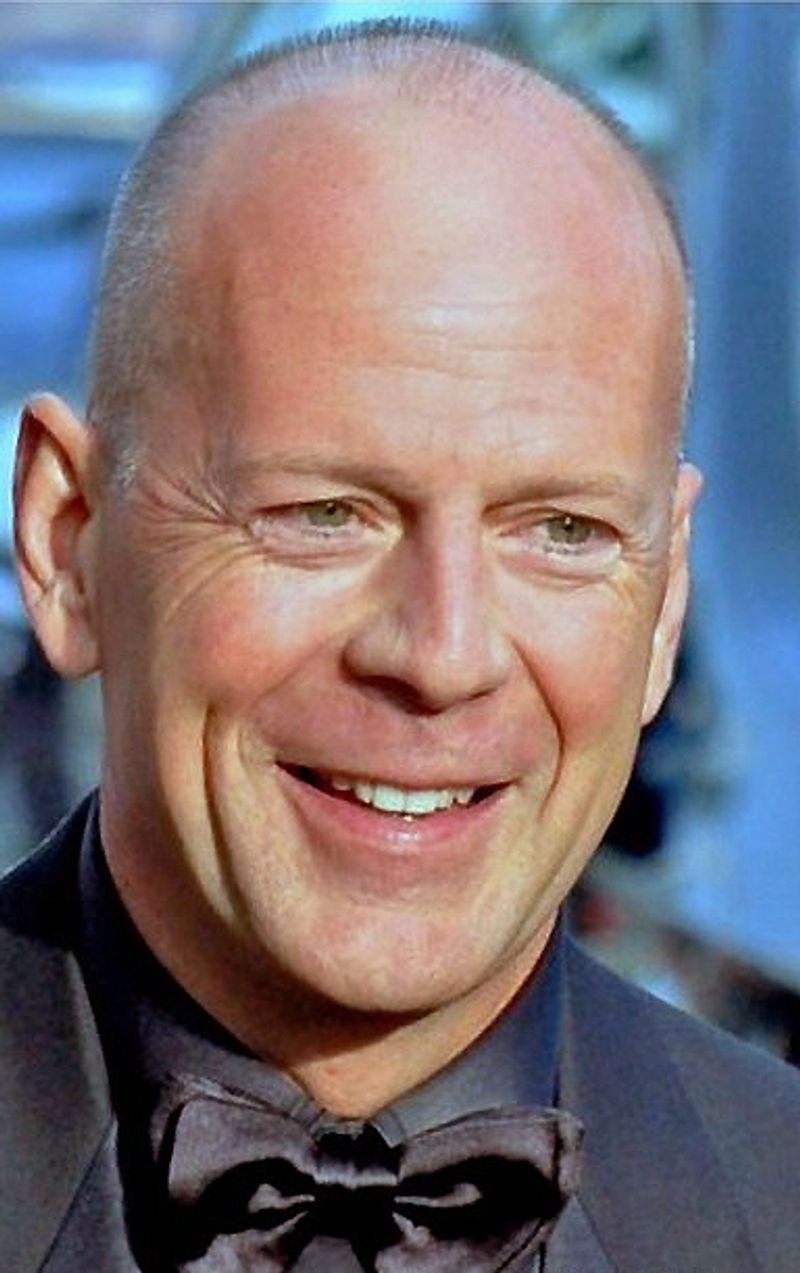
Bruce Willis was a natural fit for The Expendables franchise, a series built around celebrating old-school action movie legends. He appeared in the first two films and seemed like a permanent fixture in the ensemble.
Then salary negotiations for the third film broke down in a very public and dramatic way.
Producer and star Sylvester Stallone did not hold back when Willis exited the project, famously calling him greedy on social media after Willis reportedly demanded a significantly higher daily rate than the rest of the cast. The falling out was public, messy, and left little room for a graceful exit.
Harrison Ford was brought in as a replacement, and Stallone made clear he preferred the new arrangement. The dispute highlighted how quickly relationships in Hollywood can sour when money becomes the central issue.
Willis’s reputation took a hit from the incident, which stood in contrast to the team-first spirit the franchise liked to promote.
Share this story