 Unearth The Voyage
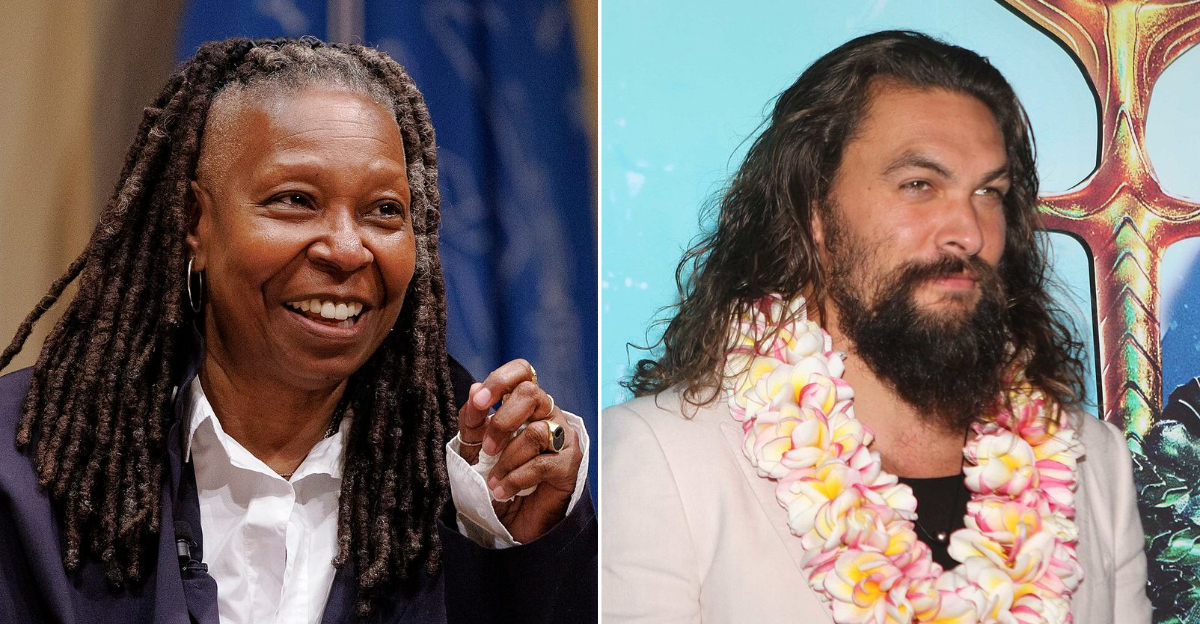
Hollywood loves a good comeback story, but some actors didn’t just bounce back, they started from nearly nothing and clawed their way to the top. From selling dogs to pay rent to getting their big break at 50, these stars prove that talent and stubbornness are a powerful combo.
I’ve always been fascinated by the idea that the person bagging groceries next to you could one day win an Oscar. These 15 actors did exactly that, and their stories are absolutely wild.
Sylvester Stallone
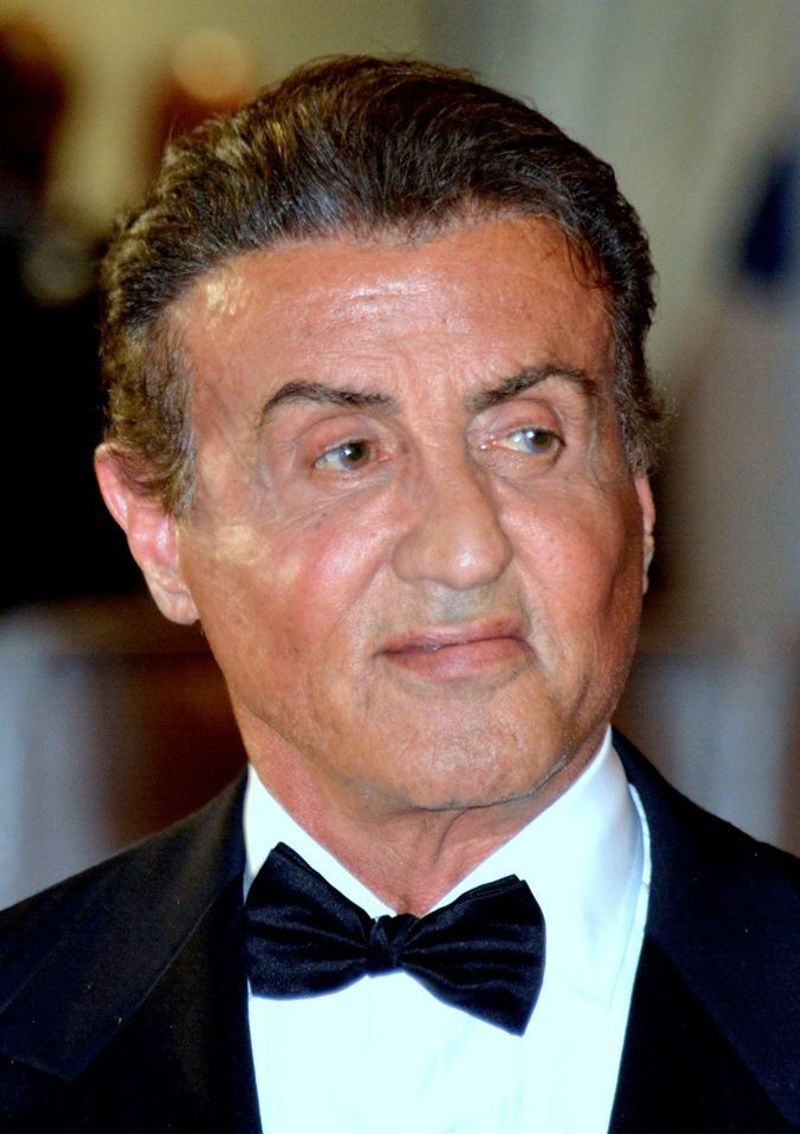
Stallone once sold his best friend, his dog, just to buy food. That’s not a movie plot, that actually happened.
He was so broke in the mid-1970s that he stood outside a liquor store trying to sell his bull mastiff Butkus for $25. A stranger bought the dog, and Stallone walked away heartbroken.
Then he wrote the screenplay for Rocky in about three and a half days. Studios loved the script but wanted an established star to lead it.
Stallone refused every offer unless he could play Rocky himself. He was an unknown with an empty fridge, negotiating like he owned the place.
The gamble paid off. Rocky won the Academy Award for Best Picture in 1977.
And yes, he tracked down Butkus and bought his dog back. The man turned rock-bottom into a Rocky-shaped rocket ship, and Hollywood has never quite recovered from the impact.
Danny DeVito
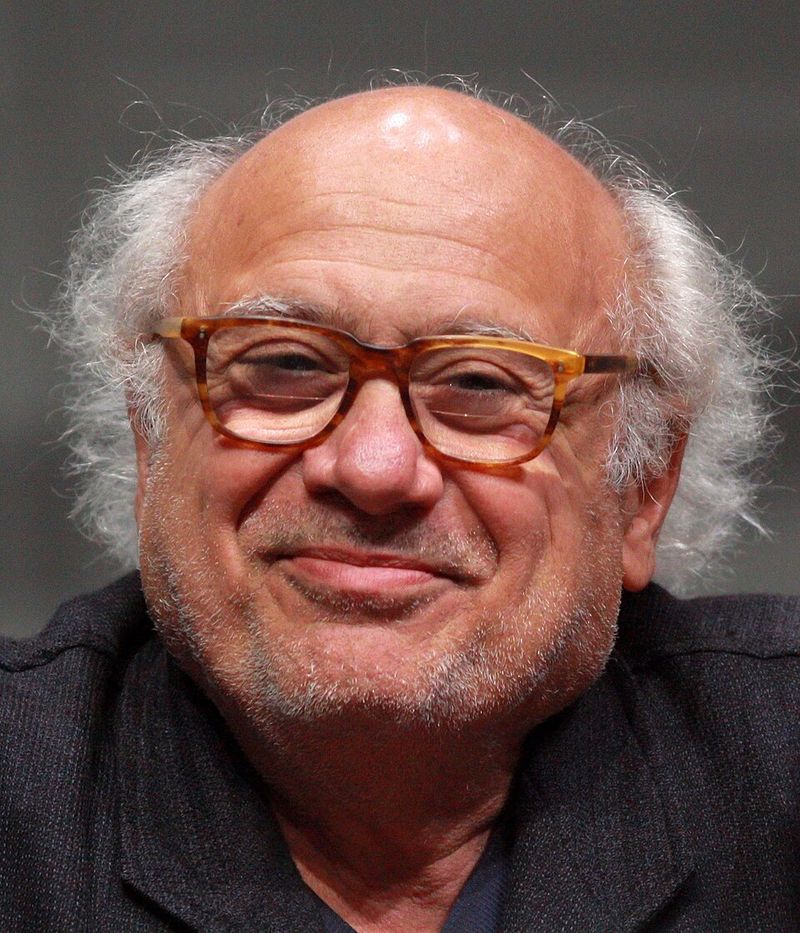
At just five feet tall, Danny DeVito was never exactly what casting directors had in mind for a leading man. But that gap between expectation and reality became his secret weapon.
When he landed the role of Louie De Palma on the sitcom Taxi in 1978, he turned a grumpy dispatcher into pure television gold.
The role earned him major awards attention, including a Golden Globe win. DeVito played Louie with such gleeful nastiness that audiences couldn’t look away.
He wasn’t the hero, but he absolutely owned every scene he walked into. Short in stature, enormous in presence.
Years later, he joined It’s Always Sunny in Philadelphia as Frank Reynolds, becoming a beloved fixture of one of TV’s longest-running comedies. What started as a guest appearance turned into a decade-plus run.
DeVito basically proved that the funniest person in the room doesn’t need to be the tallest one in it.
Melissa McCarthy
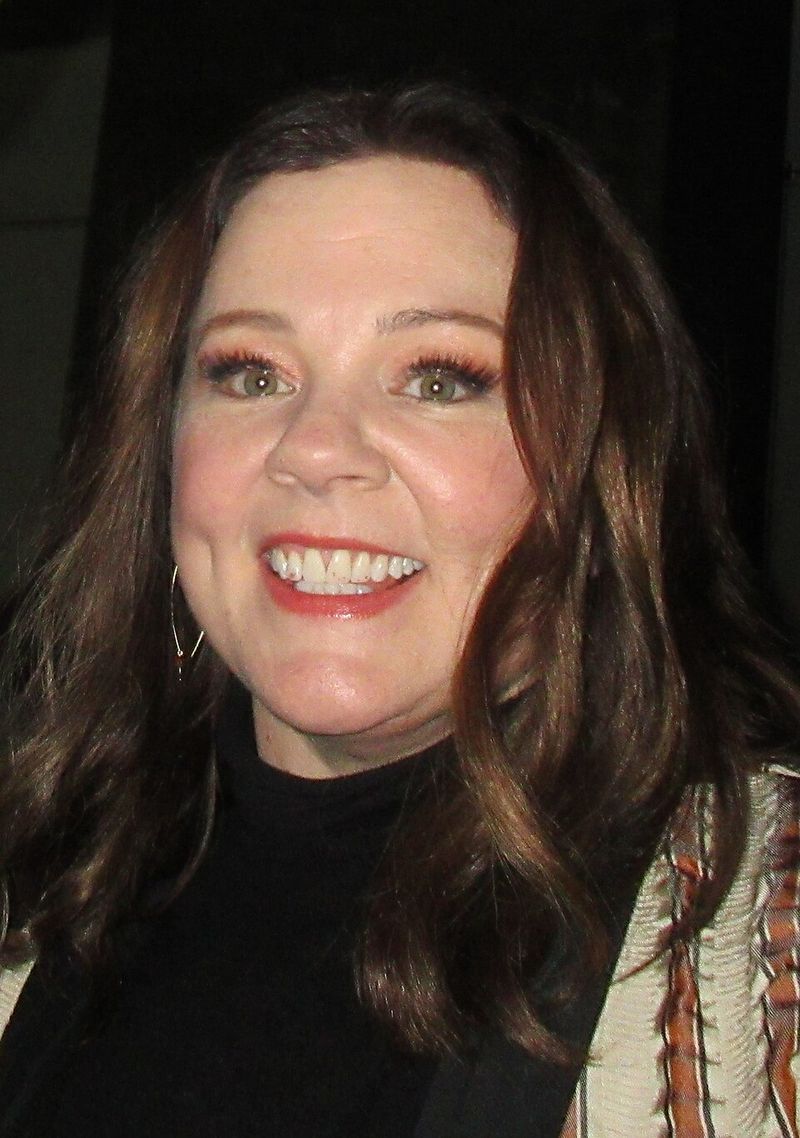
Before Melissa McCarthy was throwing punches in action comedies and collecting Oscar nominations, she was stirring soup in Stars Hollow. Her role as Sookie St. James on Gilmore Girls made her a fan favorite, but Hollywood still wasn’t exactly rolling out the red carpet for her film career.
Then Bridesmaids happened. Her 2011 performance as Megan was so outrageously funny and unexpectedly layered that the Academy nominated her for Best Supporting Actress.
Critics who had overlooked her for years suddenly had a lot of explaining to do.
McCarthy has spoken openly about the rejection she faced early on, including being told she didn’t have the right look for leading roles. She responded by becoming one of the highest-paid comedic actors in Hollywood.
Her career arc is less a slow climb and more a full-speed sprint past everyone who said no. Sookie would absolutely bake a victory cake for that.
Morgan Freeman
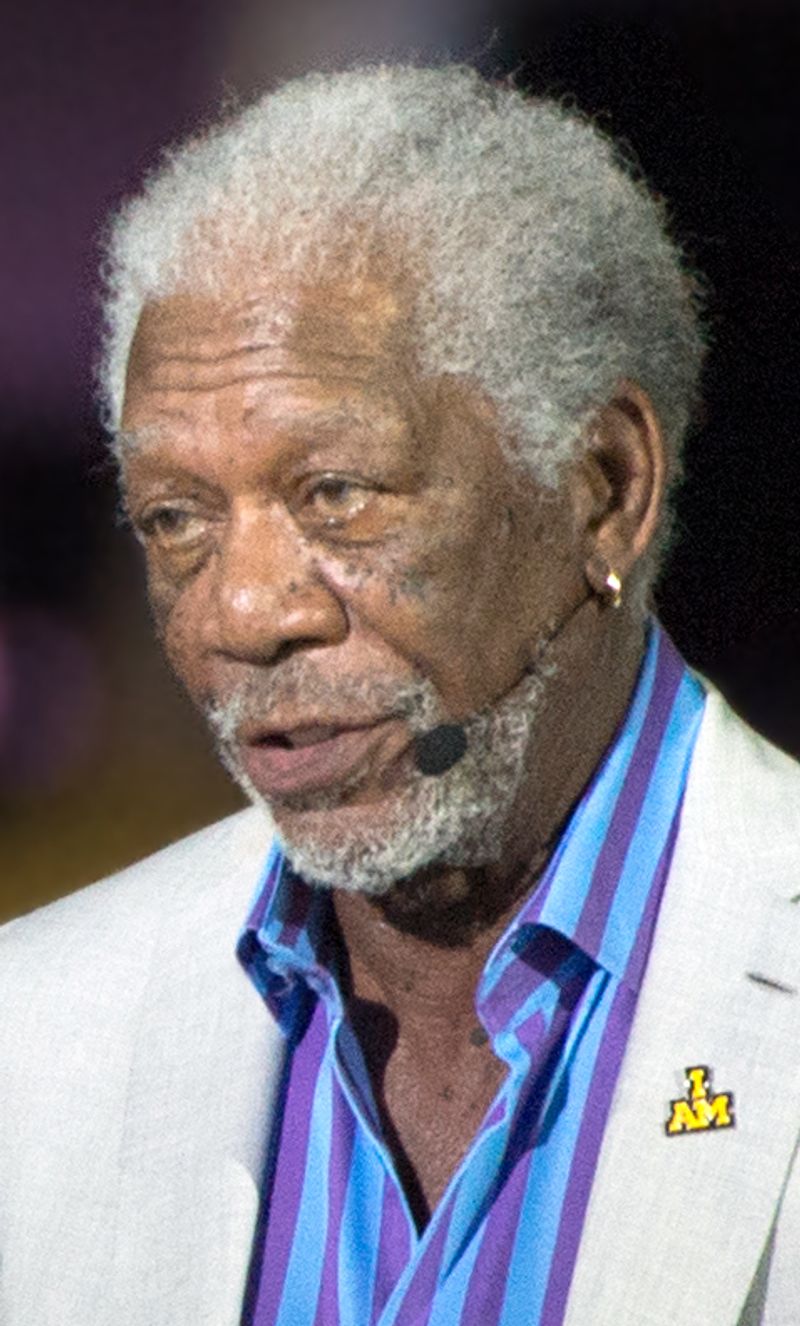
Most actors are desperate for their big break before they hit 30. Morgan Freeman waited until he was nearly 50.
Born in 1937, he spent decades doing stage work and small TV roles before his film performance in Street Smart (1987) made Hollywood sit up and pay attention.
Better late than never doesn’t quite cover it.
Harrison Ford
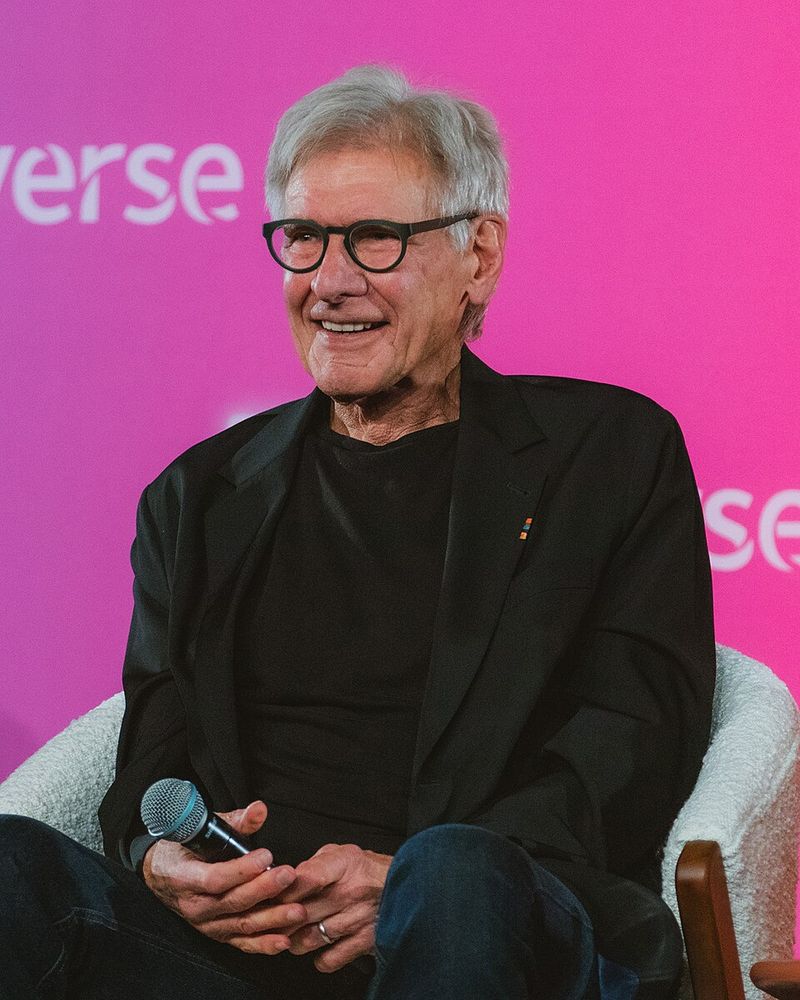
Harrison Ford was literally installing a door when George Lucas spotted him. That’s not a metaphor.
Ford had taken up carpentry to pay bills while grinding away at a stalling acting career. He was working at the studio when Lucas brought him in to read lines opposite other actors auditioning for Star Wars.
Ford wasn’t even officially auditioning. He just happened to be there, sawdust and all.
Lucas cast him as Han Solo, and the rest is cinematic history. Ford went from fixing door frames to piloting the Millennium Falcon in what might be the greatest career pivot in Hollywood history.
What makes his story so satisfying is the stubbornness behind it. He refused to quit acting even when the bills piled up.
Carpentry kept the lights on, but he never let go of the dream. Turns out the Force was with him the whole time, even when he was holding a hammer.
Steve Buscemi
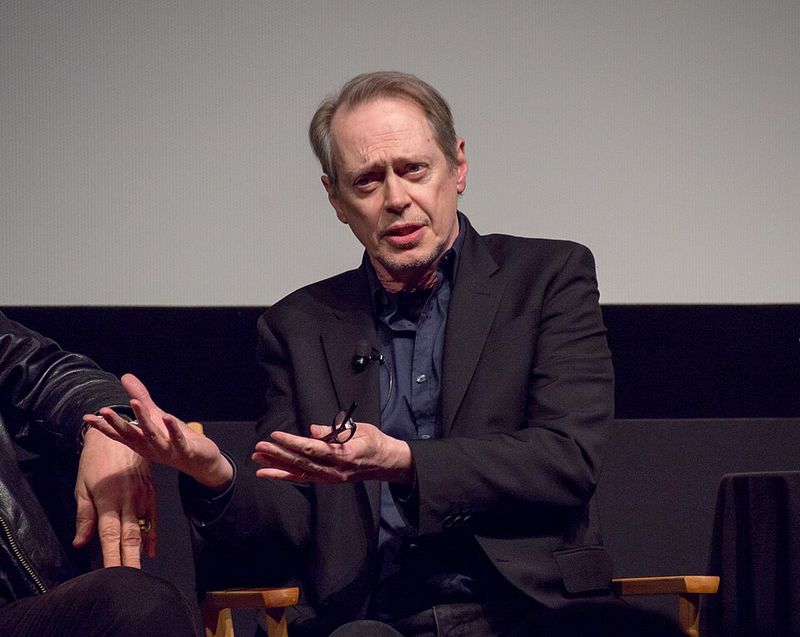
Steve Buscemi has one of the most distinctive faces in Hollywood, and for years, that worked against him. He spent time as a New York City firefighter before pursuing acting full-time, which is both fascinating and completely on-brand for a guy who always looked like he’d seen some things.
His film breakthrough came in Quentin Tarantino’s Reservoir Dogs in 1992, where he played the stubborn, whining, and oddly compelling Mr. Pink. The role showed that Buscemi could carry serious dramatic weight wrapped in dark comedy.
Audiences couldn’t stop watching him, even when he was being deeply annoying on purpose.
Fargo in 1996 cemented his reputation as one of indie cinema’s most reliable scene-stealers. He’s never been a conventional leading man, and he never tried to be.
Buscemi carved out a niche so uniquely his own that Hollywood eventually had to build a special category just to contain him.
Whoopi Goldberg
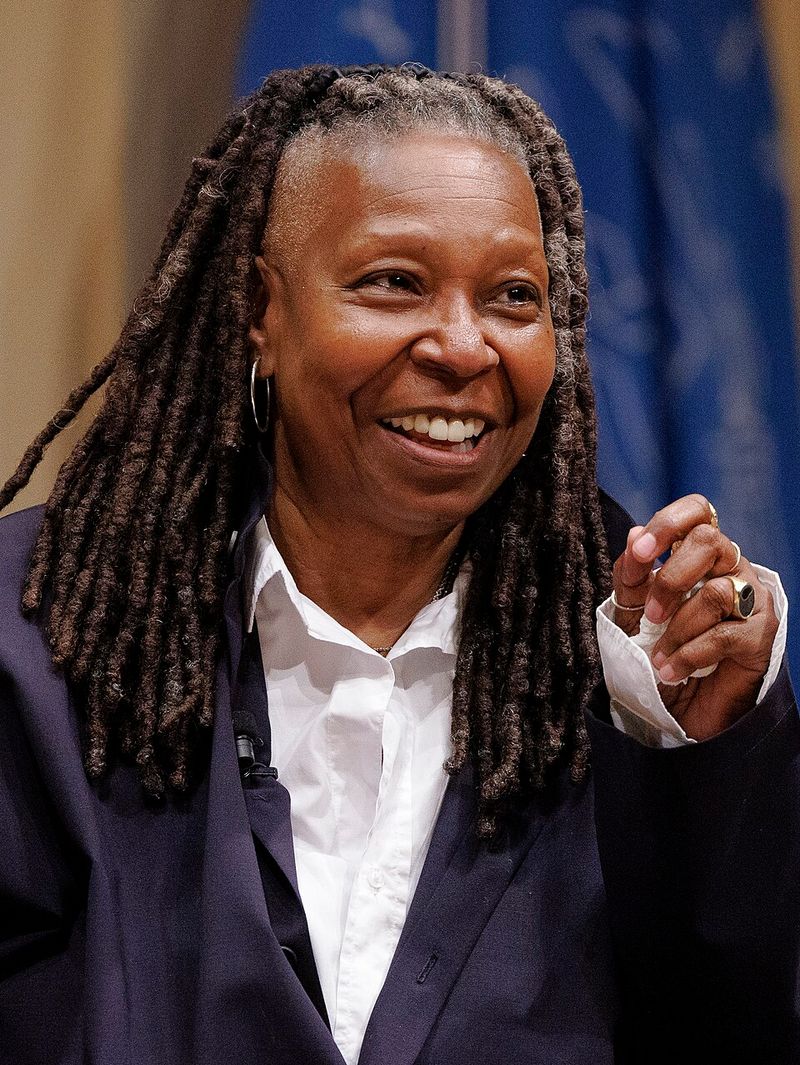
Whoopi Goldberg’s path to Hollywood ran straight through a one-woman show performed in a small San Francisco theater. Steven Spielberg saw it and immediately cast her in The Color Purple (1985).
For a woman with no major film credits, landing a Spielberg drama as a debut was like skipping every rung on the ladder entirely.
The performance earned her an Oscar nomination for Best Actress. Then, five years later, she won the Academy Award for Best Supporting Actress for Ghost.
That’s two landmark nominations within a handful of years for someone Hollywood had never heard of before the mid-1980s.
She went on to achieve EGOT status, meaning she has won an Emmy, Grammy, Oscar, and Tony. Only a tiny group of entertainers have ever pulled that off.
Goldberg didn’t just beat the odds, she collected all four trophies and displayed them like a very classy mic drop. Absolutely iconic.
Jack Black
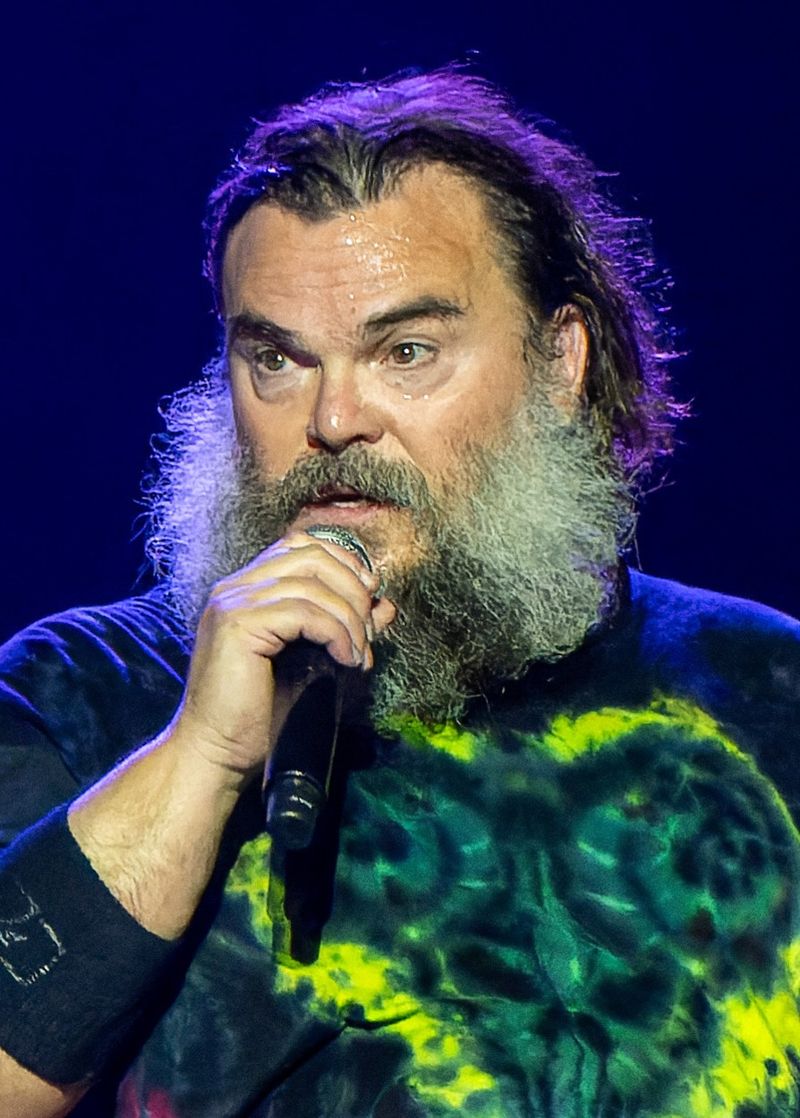
Jack Black spent years being the funniest guy in every room who somehow wasn’t the star of the movie. He popped up in small roles and supporting parts throughout the 1990s, being reliably hilarious while the main credits went to someone else.
High Fidelity in 2000 gave him a taste of real recognition, but the full explosion came three years later.
School of Rock in 2003 handed him the keys and said, go wild. He went very wild.
The film showcased his genuine musical talent alongside his comedic chaos, and audiences absolutely loved it. Critics who had written him off as a bit-part guy suddenly had a lot of catching up to do.
Black is also one half of Tenacious D, a comedy rock duo that has its own devoted fanbase. He built his career by being unapologetically, exhaustingly, brilliantly himself.
In Hollywood, that kind of authenticity is rarer than a quiet Jack Black performance.
Alan Rickman
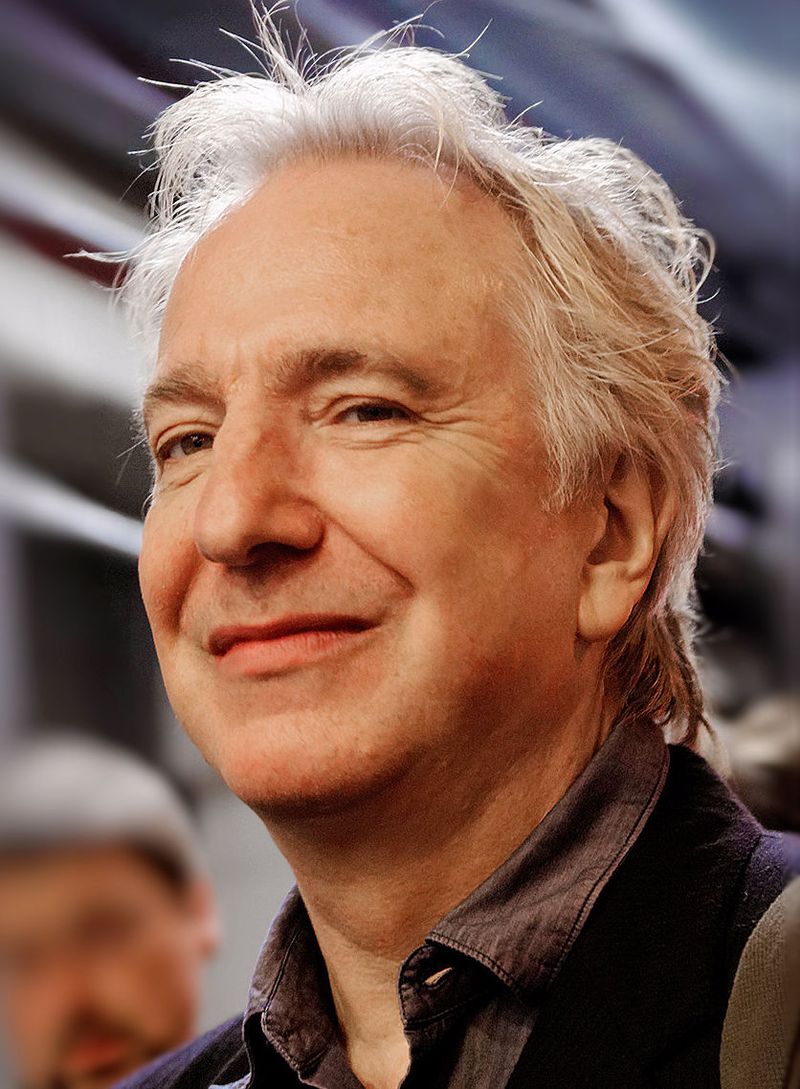
Alan Rickman was 41 years old when he filmed his very first feature movie role. Most actors that age are either established stars or quietly changing careers.
Rickman, however, walked onto the set of Die Hard in 1988 and delivered one of the most memorable villain performances in action movie history. Hans Gruber remains a masterclass in effortless menace.
He had spent years building a serious stage career in Britain, which gave him the depth and precision that made Gruber so compelling. The theatrical training wasn’t wasted time, it was prep time.
He came to film fully formed and completely ready to steal every scene he entered.
Rickman went on to play Professor Snape in the Harry Potter franchise, a role beloved by millions worldwide. His late start never slowed him down.
If anything, it gave him a patience and intentionality that younger actors often lack. He proved that timing in Hollywood can be everything, even when it arrives fashionably late.
Jennifer Lopez
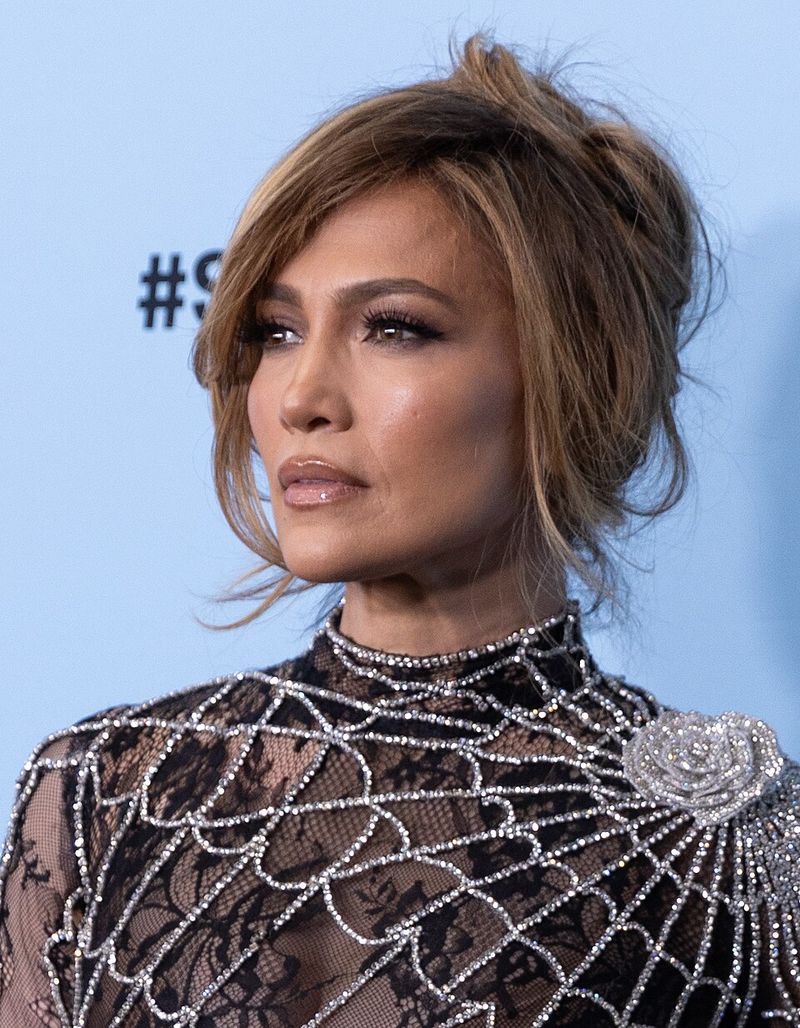
Before Jennifer Lopez became a global pop icon, she was a dancer auditioning for a sketch comedy show. Footage of her early In Living Color audition shows a young, determined performer who clearly had something special, but nobody had handed her a red carpet yet.
She earned every inch of hers.
Her casting as Selena Quintanilla-Perez in the 1997 biopic Selena was a turning point. Lopez reportedly beat out thousands of other hopefuls for the role, and her performance was both emotionally powerful and deeply respectful to Selena’s legacy.
It announced her as a serious dramatic force, not just a dancer with good timing.
Lopez went on to become one of the most bankable stars in Hollywood while simultaneously building a record-breaking music career. She’s one of very few entertainers who conquered both industries at the same time.
The girl who danced her way into an audition room ended up owning the whole building.
Michael B. Jordan
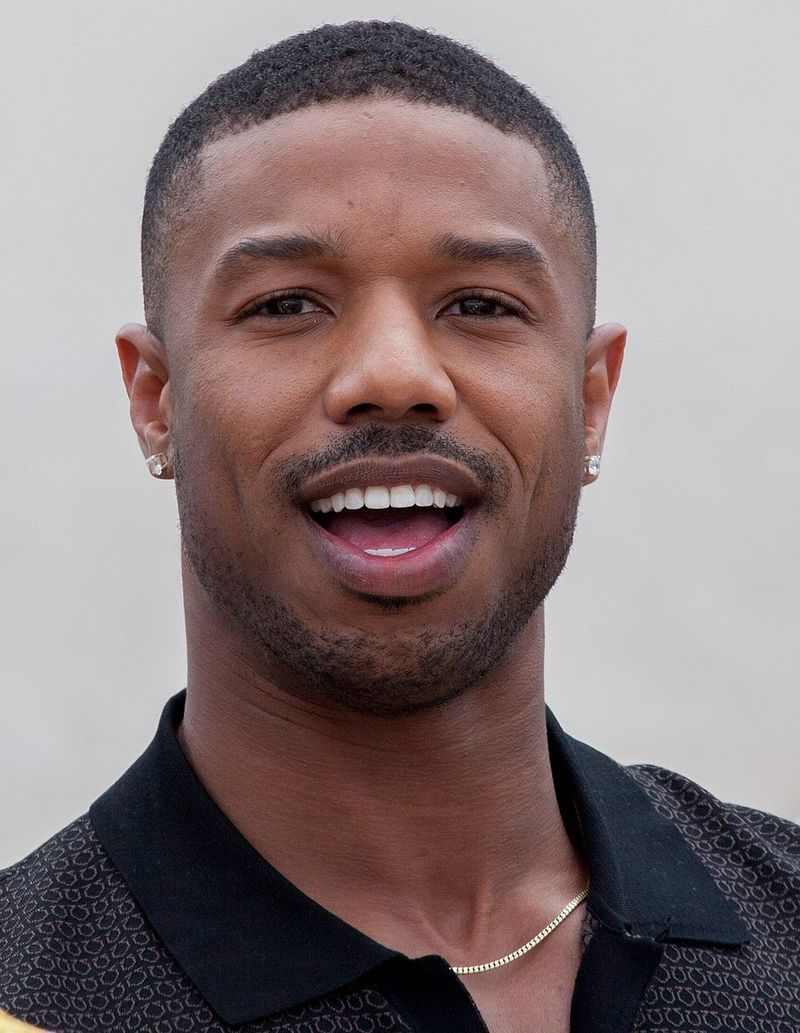
Michael B. Jordan’s first major exposure came through TV, and not the glamorous kind.
His role as Wallace on The Wire put him in one of TV’s most critically acclaimed but modestly watched dramas. Great work, limited spotlight.
That pattern continued for years before the film world finally caught up with what television already knew.
Fruitvale Station in 2013 changed everything. Jordan’s raw, grounded performance as Oscar Grant earned widespread critical praise and signaled that a major film career was incoming.
The role required emotional honesty that not many actors his age could deliver, and he delivered it without flinching.
Then came Creed, then Black Panther, and suddenly Jordan was one of the most talked-about actors of his generation. His rise wasn’t overnight.
It was built on years of consistent, serious work that most people missed the first time around. The film world eventually showed up, fashionably late to a party Jordan had been hosting for years.
Kristen Stewart

For years, Kristen Stewart was the punchline of a certain kind of internet joke. The Twilight franchise made her one of the most recognizable faces on the planet, but critical respect was harder to come by.
Playing Bella Swan earned her a massive fanbase and an equally massive wave of backlash from people who confused the character with the actress.
Then she quietly started making extraordinary films. Personal Shopper, Certain Women, Clouds of Sils Maria.
Critics began paying closer attention. Something was clearly happening beneath the surface of all that teenage vampire drama.
Spencer arrived in 2021, and the conversation shifted completely. Her portrayal of Princess Diana earned her an Academy Award nomination for Best Actress, one of the most respected categories in film.
Stewart didn’t just silence her critics. She made them feel a little embarrassed for underestimating her.
From Forks, Washington to the awards circuit is quite the commute.
Jason Momoa
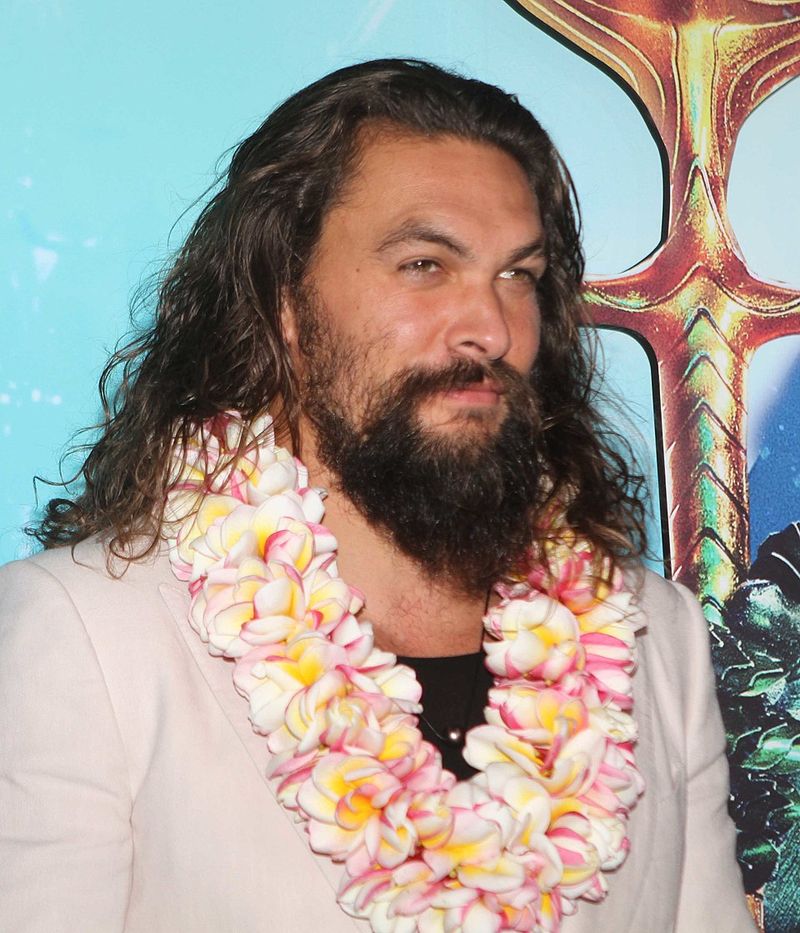
Jason Momoa’s acting career kicked off on Baywatch: Hawaii back in 1999, when he was a teenager with a big smile and very little acting experience. It was not exactly the launching pad for prestige drama.
But Momoa treated it like the first chapter of a much longer story, which, to his credit, it absolutely was.
Game of Thrones gave him the role of Khal Drogo in 2011, a character with very few lines but an overwhelming physical and emotional presence. Momoa made Drogo unforgettable without saying much at all.
It was a performance built on intensity, physicality, and a surprising amount of quiet vulnerability.
He then became Aquaman in the DC Extended Universe, leading a franchise that grossed over a billion dollars worldwide. Not bad for a guy who started his career patrolling a fictional beach in Hawaii.
Momoa’s journey proves that sometimes the slow burn produces the biggest fire.
Florence Pugh
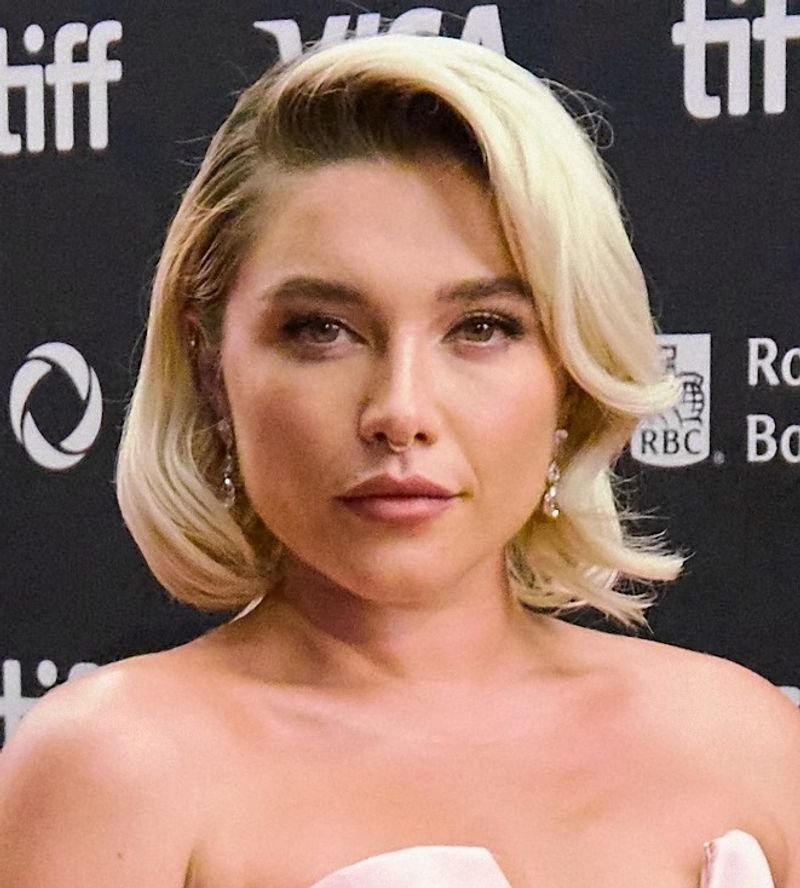
Florence Pugh has a voice you don’t forget, partly because of her distinctive tone, which she’s openly linked to a breathing condition called tracheomalacia. She’s talked about it with refreshing honesty, turning something that could have been a source of insecurity into just another interesting fact about herself.
That kind of confidence tells you a lot about her.
Her 2019 double punch of Midsommar and Little Women announced her as one of the most exciting actors of her generation. Both films were completely different in tone, and she was brilliant in both.
Midsommar required raw psychological terror. Little Women required warmth, wit, and period-perfect charm.
She nailed them back to back.
An Academy Award nomination for Best Supporting Actress for Little Women followed shortly after. Pugh is still in her twenties and already collecting the kind of credits most actors spend entire careers chasing.
The industry is basically just trying to keep up with her at this point.
Keanu Reeves
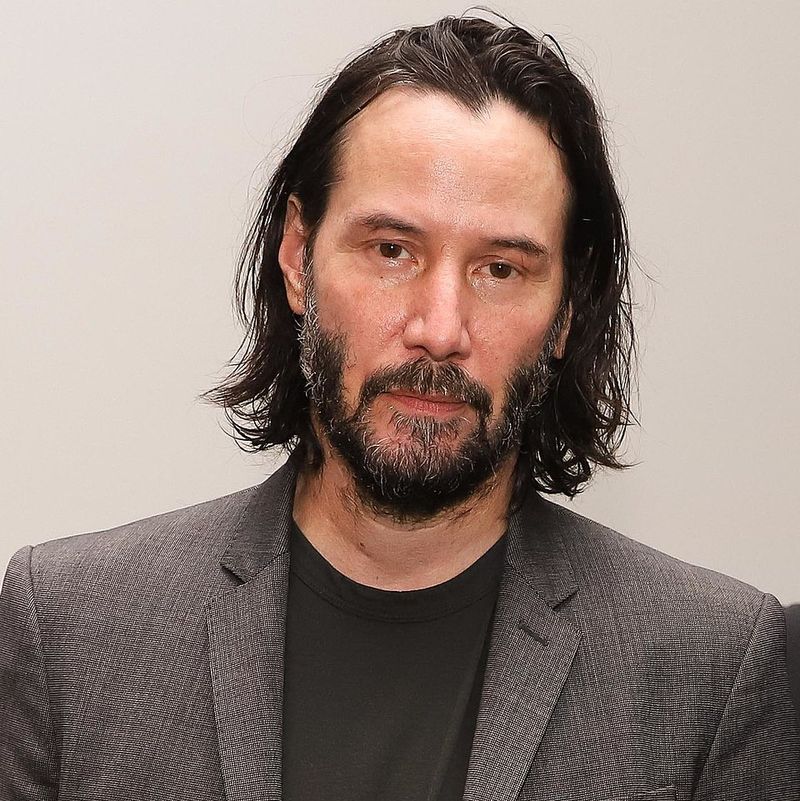
Keanu Reeves once went through a stretch of career setbacks so rough that Hollywood insiders were ready to write him off entirely. Films flopped, roles dried up, and the hot streak that followed Speed in 1994 had cooled considerably.
Then The Matrix arrived in 1999 and rewrote his entire story in bullet time.
Playing Neo turned Reeves into a global action icon and one of the defining faces of late-1990s cinema. But the real twist came fifteen years later.
When John Wick landed in 2014, Reeves was 50 years old and doing his own stunts in one of the most intense action franchises ever made.
The John Wick series became a phenomenon, and Reeves became a genuine internet hero beloved for his reported kindness and humility off-screen. He didn’t just have a second act, he had a third, fourth, and fifth.
Turns out the best revenge really is a very well-choreographed action sequence.



