 Unearth The Voyage
Hollywood loves a flawless success story, but the truth is usually messier, funnier, and way more interesting. I have always been weirdly inspired by performers who heard “no” and treated it like background noise.
These 15 actors did not just recover from setbacks, bad timing, or brutal criticism – they built careers so big they practically needed their own zip codes. If you enjoy grit with a side of swagger, you are in the right place.
Sylvester Stallone
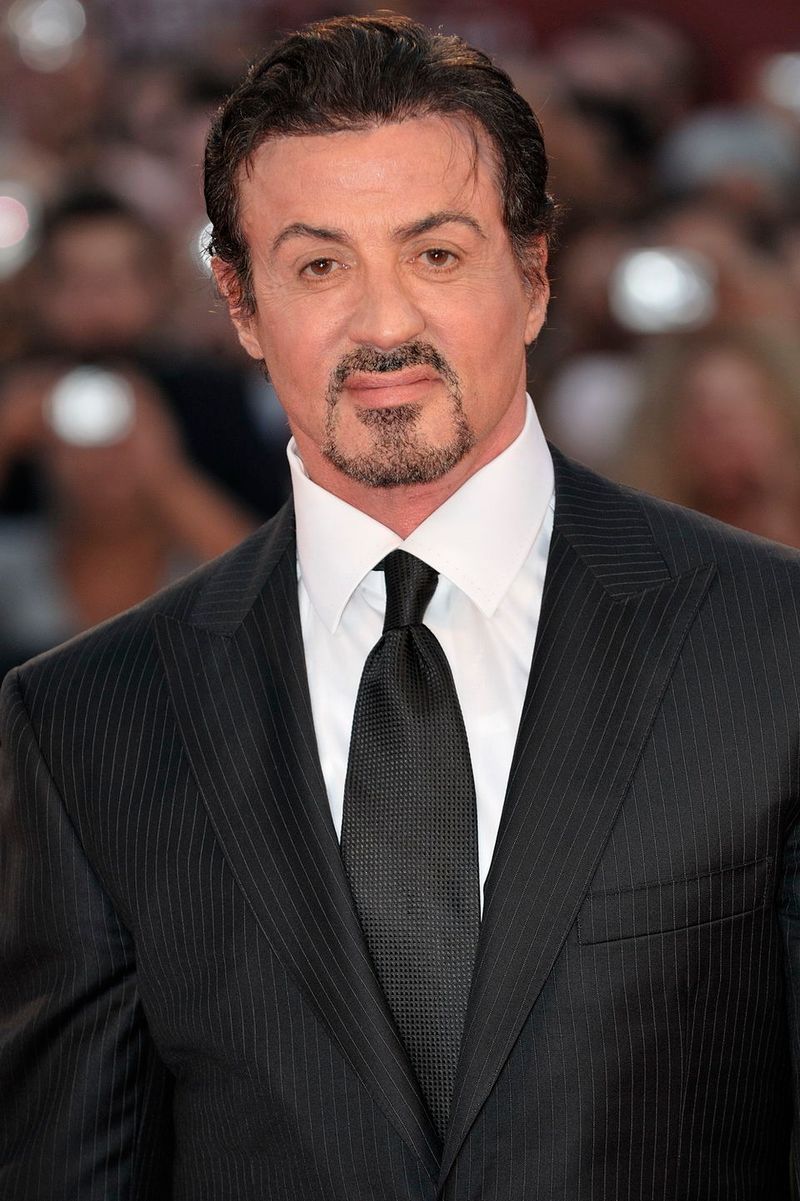
Lightning struck only after Sylvester Stallone refused to blink. He wrote Rocky fast, but the real power move came after the pages were done.
He would not sell the script unless he got to play Rocky himself.
That demand sounded ridiculous to people with checks to sign. Stallone was broke, underestimated, and easy to dismiss.
Still, he clung to the role like it was oxygen, and that stubborn streak became his business plan.
I have always admired that kind of nerve because most people, me included, are tempted to take the safer deal. Stallone took the hard road and turned it into a franchise, a brand, and a full mythology of perseverance.
Rocky made him a star, but his refusal made him an empire. Later came Rambo, producing power, writing credits, and the kind of cultural staying power that punches through generations.
Sometimes the boldest line in a script is the word no.
Danny DeVito
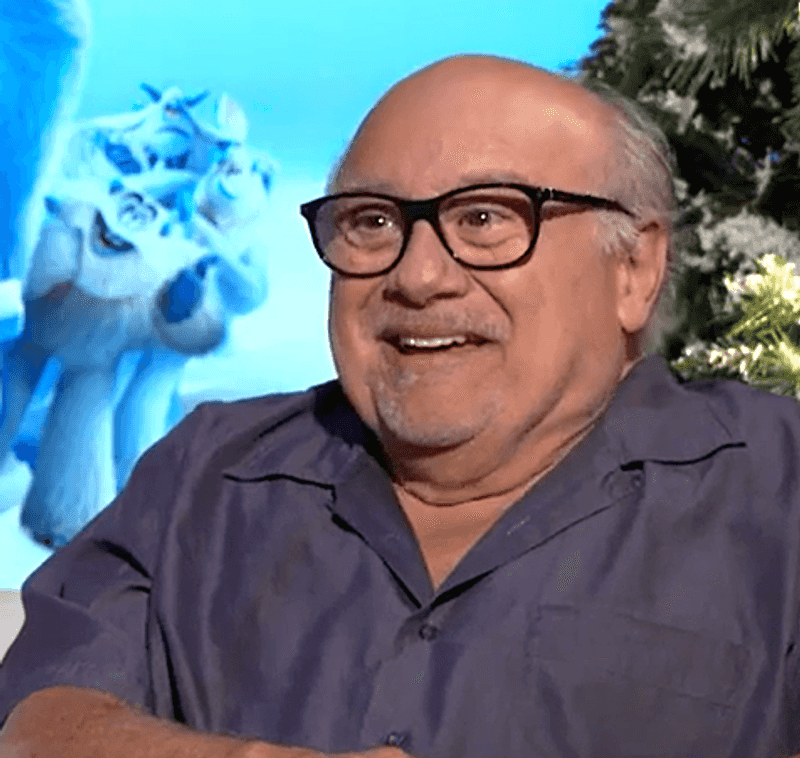
Danny DeVito walked into a business obsessed with tall, polished leading men and basically said, cute rule, I will ignore it. His height did not fit the old blueprint.
His talent bulldozed right past it.
Taxi gave him the role that changed everything. Louie De Palma was funny, sharp, obnoxious, and impossible to look away from.
DeVito turned scene stealing into an art form, then kept cashing that skill across film, television, and producing.
What I love about his rise is how little it depended on fitting in. He made being distinct the whole point, and audiences rewarded him for it.
One minute he is delivering chaos on screen, the next he is helping shape projects behind the camera. That is not just career survival.
That is empire behavior. From Twins to Batman Returns to It’s Always Sunny in Philadelphia, DeVito built a long game out of qualities gatekeepers once treated like obstacles.
Joke ended up on them, and he got the last laugh.
Melissa McCarthy

Melissa McCarthy heard the usual Hollywood nonsense about changing her body before changing her life. Instead, she let talent do the talking, and talent has a very loud voice.
Once audiences caught on, there was no stuffing that genie back in the bottle.
Her breakthrough on television opened doors, but she did not stop at being funny in one lane. Bridesmaids proved she could own a movie.
Then came bigger leads, sharper dramatic turns, and an Oscar nominated performance that reminded everyone she was never just one thing.
I remember watching her scenes and thinking she had that rare ability to make chaos look effortless. That skill became an empire because she did not bend to the industry’s narrow math.
She turned wit, timing, and complete fearlessness into box office power and producing muscle. McCarthy also built a career that feels like a rebuttal every time it grows.
The message is simple and deliciously petty: if the room underestimates you, buy the building later. She practically did, with better jokes and better shoes.
Morgan Freeman
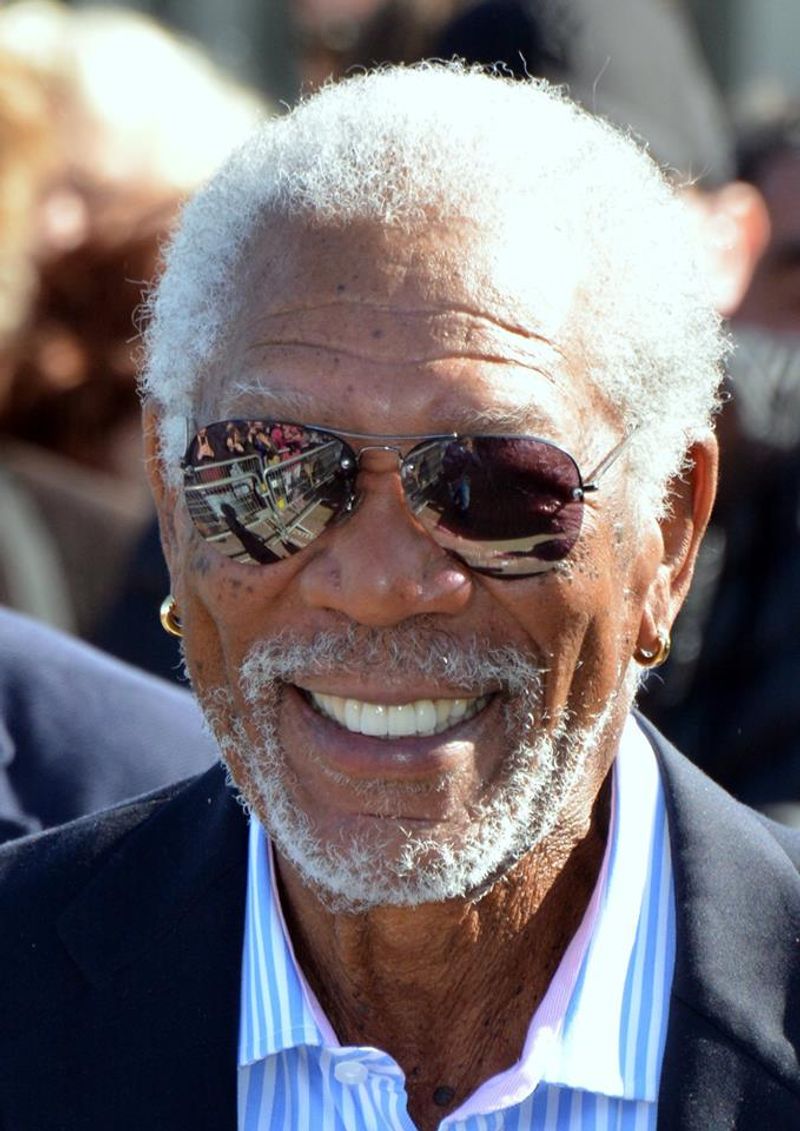
Morgan Freeman is living proof that late does not mean lost. He was working for years before major film stardom finally arrived.
Then Street Smart hit in 1987, and suddenly the industry had to act like it had noticed him all along.
He was around 50 when that momentum really kicked in, which makes his story extra satisfying. Hollywood loves youth like it is a magic coupon.
Freeman showed up with gravity, patience, and a voice that could make grocery lists sound profound.
I find his rise oddly comforting because it ruins the fantasy deadline so many people panic over. His career did not explode early, but when it did, it stayed exploded.
Oscar nominations, unforgettable performances, and roles that made him feel instantly legendary followed one after another. He built trust with audiences and then turned that trust into one of the most durable careers in film.
The empire part is not just his awards shelf. It is the respect, consistency, and authority he earned without rushing the clock.
Harrison Ford
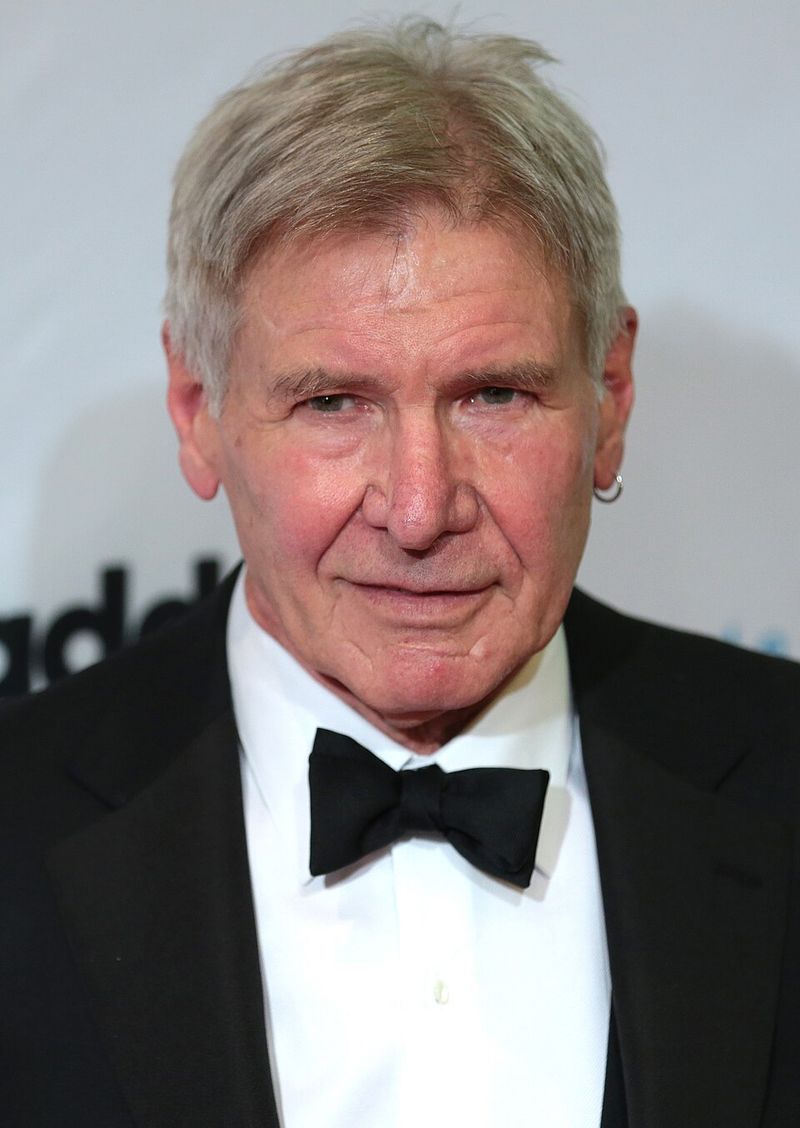
Before Harrison Ford flew the Millennium Falcon, he was building cabinets and trying to keep the acting dream alive. That detail alone deserves a standing ovation.
The man had a hammer in one hand and future movie history waiting in the other.
His carpentry years were not some cute side note. They were the stretch where survival came first and stardom looked very uncertain.
Then Star Wars casting changed everything, and the working actor became Han Solo, global icon, and eventual franchise king.
I have always liked career stories with practical shoes on the ground, and Ford’s definitely has sawdust on it. He did not arrive with instant magic.
He kept going until the right role met the right timing, and then he ran with it harder than most people run to free snacks. After that came Indiana Jones, thrillers, prestige, and leading man status that lasted for decades.
His empire rests on grit as much as charisma. Turns out the day job was not a detour.
It was the setup.
Steve Buscemi
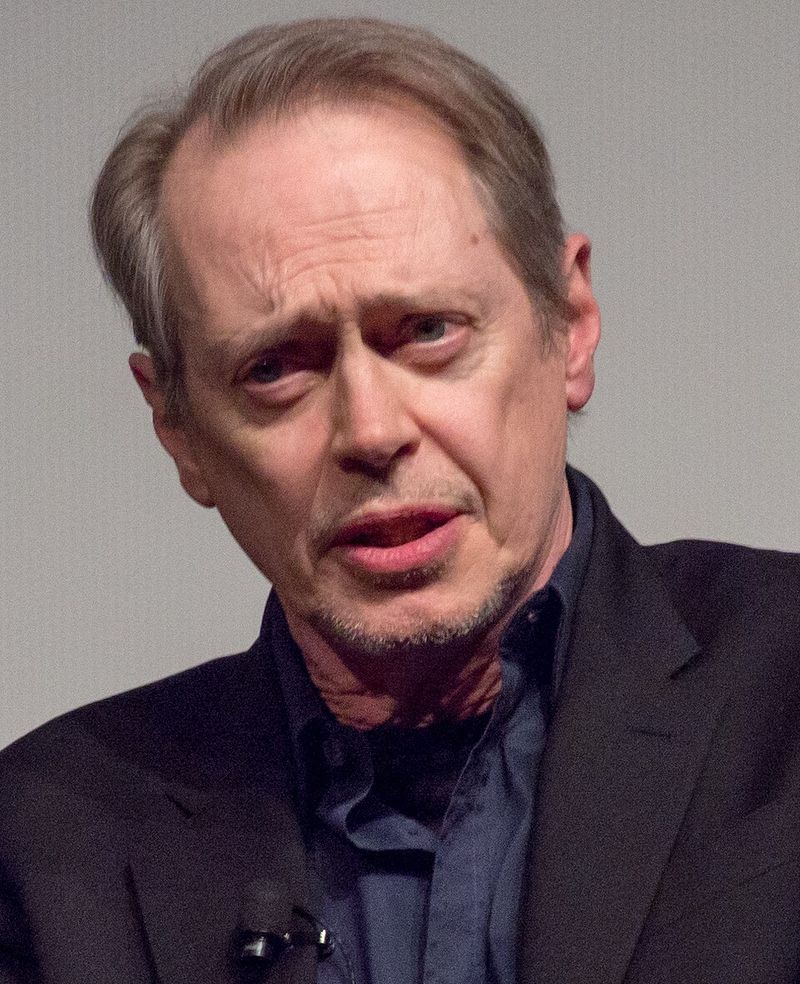
Steve Buscemi never looked like the industry’s standard issue movie star, and that is exactly why he stuck. Before the films, he served as a New York City firefighter.
That alone gives his story a backbone most fame narratives cannot fake.
When he broke through in indie films, he brought something sharper than polish. He was unpredictable, funny, tense, and deeply human all at once.
Directors knew they could drop him into a scene and watch it wake up instantly.
I once spent an evening rewatching Buscemi performances and realized he has the rare gift of making oddness feel essential. He turned character acting into a kingdom.
From Reservoir Dogs to Fargo to Boardwalk Empire, he built a career on not being glossy, and the result was oddly glamorous. His path proves that recognizability does not require conventional packaging.
It requires truth, timing, and the confidence to lean into your own wiring. Buscemi did that, and now his face alone can sell menace, heartbreak, comedy, or all three before the opening credits settle down.
Whoopi Goldberg
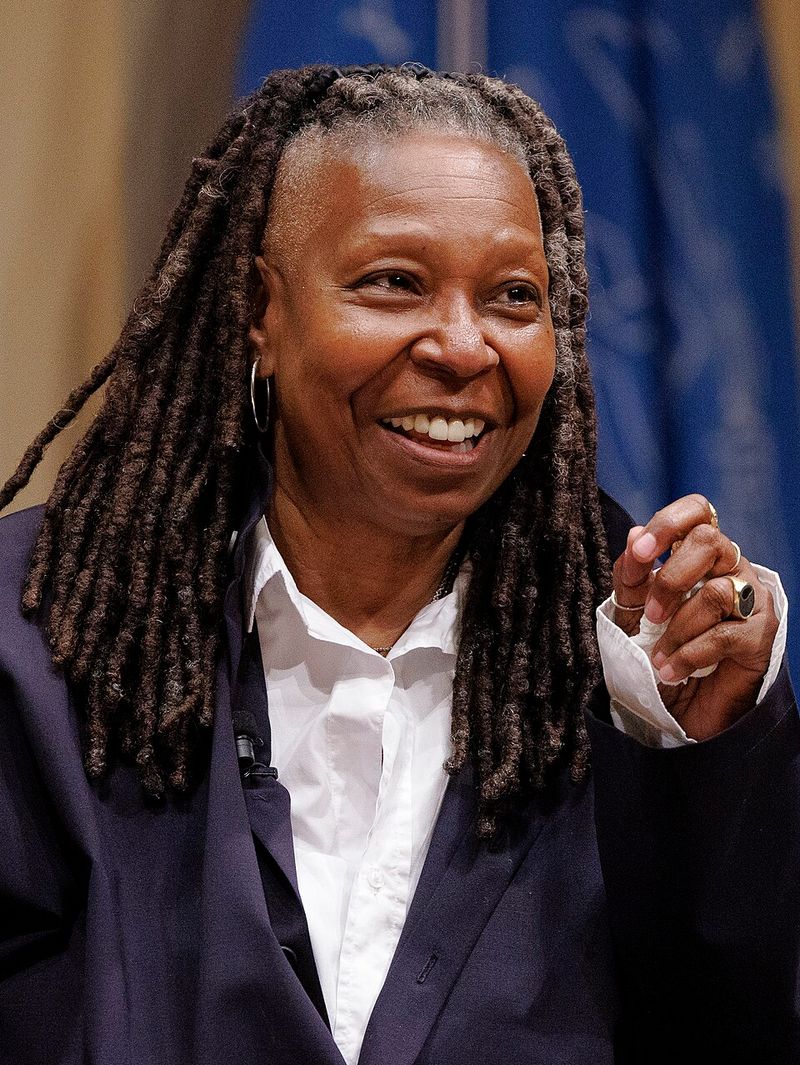
Whoopi Goldberg did not wait for a lane to open. She built one under a spotlight and dared people to keep up.
Her one woman show became the launchpad, and The Color Purple turned that momentum into a major film breakthrough.
From there, she kept collecting wins in places most performers only visit once. Comedy, drama, hosting, producing, television, film, and eventually EGOT status.
That is not a hot streak. That is a master plan wearing comfortable shoes.
What makes her story so satisfying is how impossible she was to reduce. She was too smart, too funny, too distinct, and too fearless to be squeezed into one category.
I remember growing up seeing her pop up everywhere, which made success look less like a straight line and more like a very confident takeover. Goldberg transformed bold individuality into a cultural empire, one project at a time.
She did not just beat setbacks. She outgrew them.
When the industry could not neatly define her, she turned that confusion into power and walked off with the trophies anyway.
Jack Black
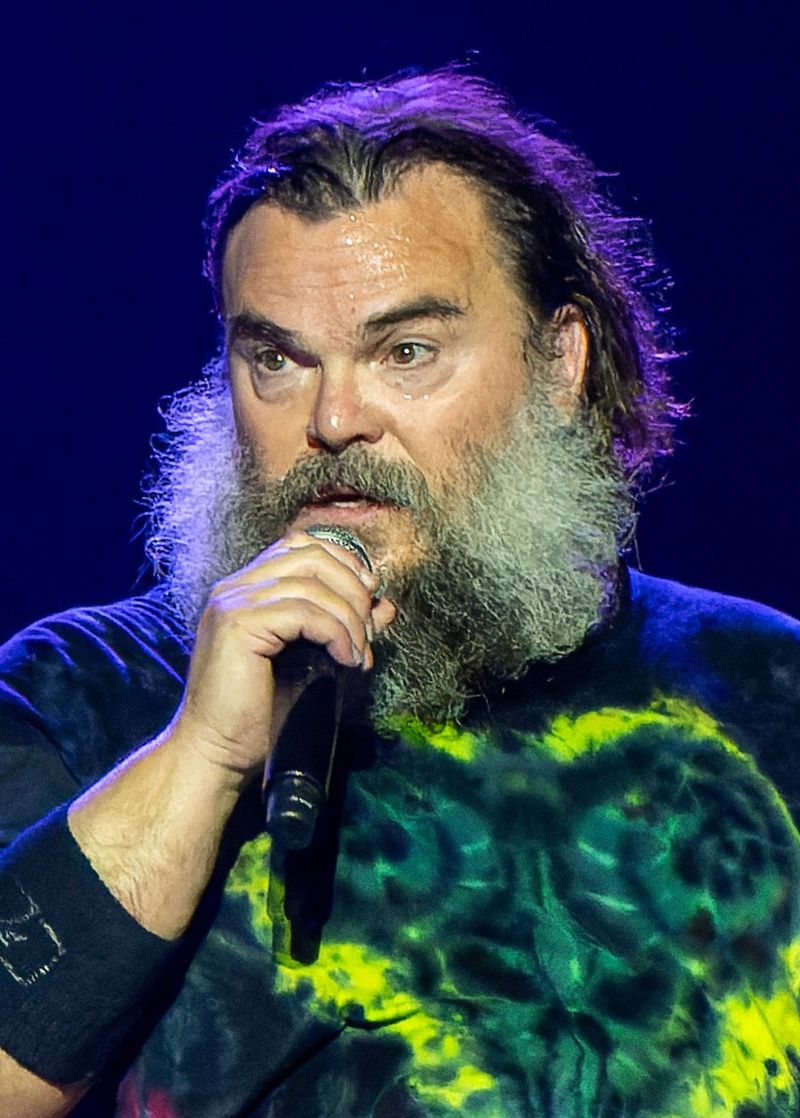
Jack Black spent years being the loud guy in the corner of the frame, and thank goodness he stayed there long enough to be noticed. His energy was never subtle.
It was a fireworks show in human form.
For a while, that made him a memorable supporting player rather than the main event. Then School of Rock arrived and settled the argument.
His so called too much quality turned out to be exactly right, and audiences were more than ready to enroll.
I have a soft spot for performers who win by refusing to become less themselves. Black did not sand off the weird parts.
He amplified them, added music, comedy, voice work, and built a brand that feels instantly recognizable across generations. That is how a niche becomes an empire.
One minute he is scene stealing, the next he is headlining films, voicing animated icons, fronting a band, and becoming internet catnip without trying too hard. His career says a beautiful thing: if the room thinks you are extra, maybe the room just needs better taste.
Alan Rickman
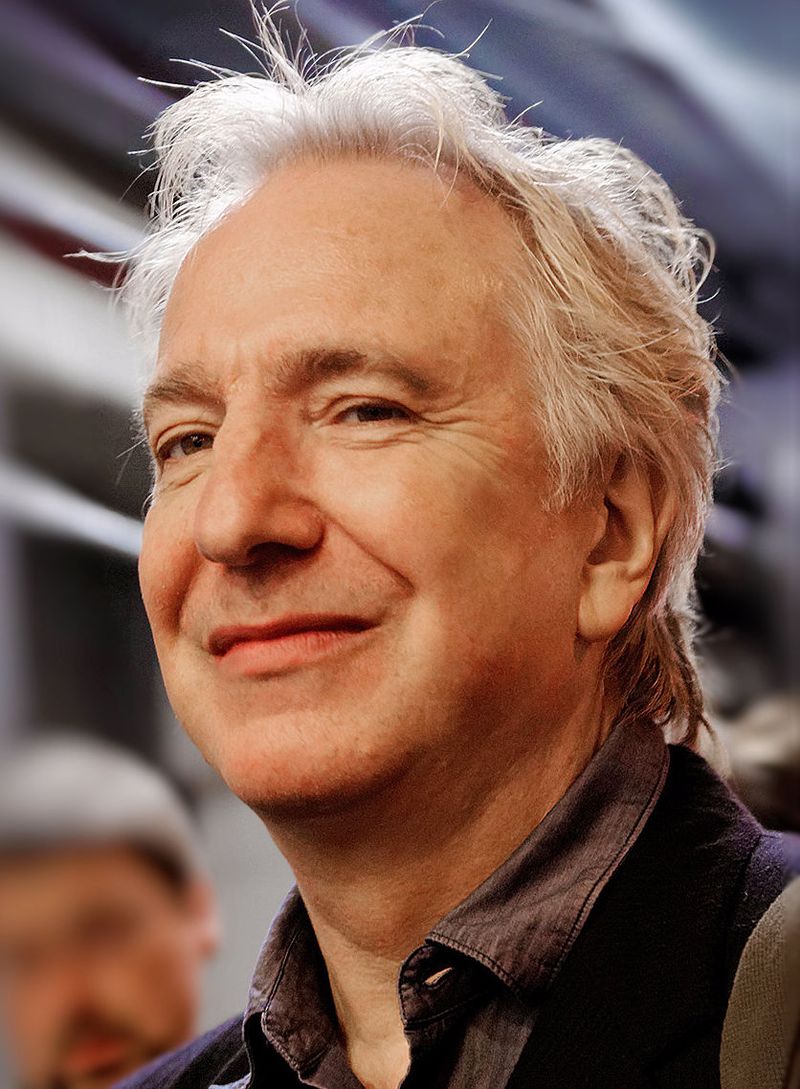
Alan Rickman arrived in film like he had been waiting backstage for the perfect entrance. He was not launched as a young movie heartthrob.
His first feature film role was Die Hard, and he used it to create one of cinema’s great villains.
That is an absurdly efficient debut. Hans Gruber was cold, witty, polished, and unforgettable.
Rickman turned precision into charm, and suddenly a late start looked less like a problem and more like dramatic timing with excellent tailoring.
I love stories like his because they quietly mock the obsession with early arrival. He did not need a decade of film warmup to matter.
He stepped in, dominated, and then built a career full of stage work, romantic roles, comedies, period pieces, and blockbuster magic. The empire was never about volume alone.
It was about authority. Rickman could make a pause feel expensive.
He could make restraint feel thrilling. From Sense and Sensibility to Harry Potter, he proved reinvention and range can grow from one perfectly delivered breakthrough.
Late bloomers everywhere owe that man a thank you note.
Jennifer Lopez

Jennifer Lopez did not start at the top of the call sheet. She started dancing, hustling, and making herself impossible to ignore.
That early grind mattered because it taught her how to move through entertainment like it had multiple doors.
She gained visibility as a dancer, including on In Living Color, but Selena changed the scale of the conversation. Suddenly, Lopez was not just promising.
She was a movie star. Then she doubled down and built a music career that became huge in its own right.
I still think her rise is one of the clearest examples of ambition meeting stamina. Plenty of people can cross into one lane.
Lopez built a full traffic system. Film, pop music, tours, fashion, producing, business ventures, and a public image sturdy enough to survive scrutiny that would flatten lesser brands.
Her empire works because she treated reinvention like part of the job description. Every phase expanded the map instead of replacing the last one.
That is not a pivot. That is a takeover with better choreography.
Michael B. Jordan
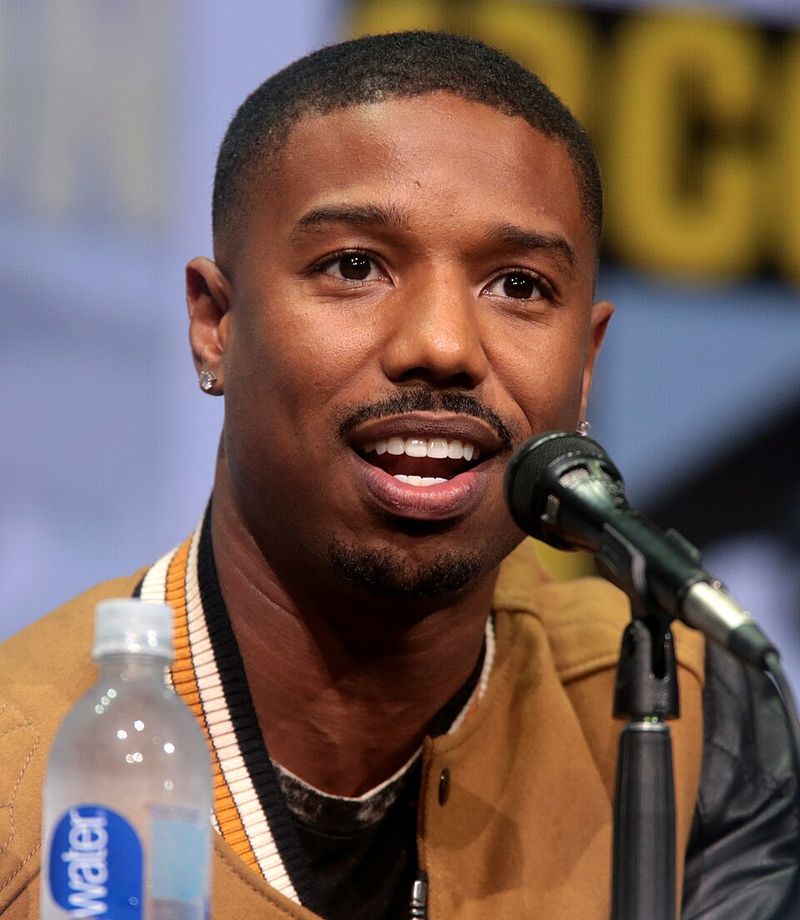
Michael B. Jordan grew up on screen, which sounds glamorous until you remember growing pains are rarely cinematic.
He had strong early roles, including The Wire, but early promise does not automatically become lasting superstardom. Plenty of talented actors learn that the hard way.
Jordan’s leap required reinvention, patience, and a sharper sense of identity. Fruitvale Station showed serious dramatic force.
Creed then turned that force into a global star image with discipline, vulnerability, and movie star electricity all working together.
What stands out to me is how intentionally he scaled his career. He did not chase visibility for its own sake.
He built credibility, then expanded into producing and leadership, making sure the brand around his name had muscle beyond the poster. That is how empires are made now.
You act, yes, but you also shape what gets made and who gets seen. Jordan transformed from talented kid actor into one of the defining stars of his generation.
Not bad for someone who had to reintroduce himself to the world before owning it.
Kristen Stewart

Kristen Stewart survived the kind of public scrutiny that can turn fame into a full time headache. Twilight made her massively visible, but visibility and respect are not always roommates.
For a while, critics seemed more interested in mocking her than watching her work.
Instead of begging for approval, Stewart got strategic. She took bold roles, leaned into risk, and built credibility through quieter, sharper choices.
By the time Spencer arrived, the conversation had changed, and so had her standing.
I find that career turn delicious because it came without pandering. She did not perform a neat redemption arc for anyone’s comfort.
She simply kept choosing work that stretched her, then let the results do the arguing. An Oscar nominated transformation later, the old dismissal looked very flimsy.
Stewart turned a heavily watched phase of public doubt into a stronger, stranger, more respected career. That is empire material in a modern key.
She moved from franchise lightning rod to serious artist with taste, control, and the kind of edge that makes future choices feel worth following.
Jason Momoa
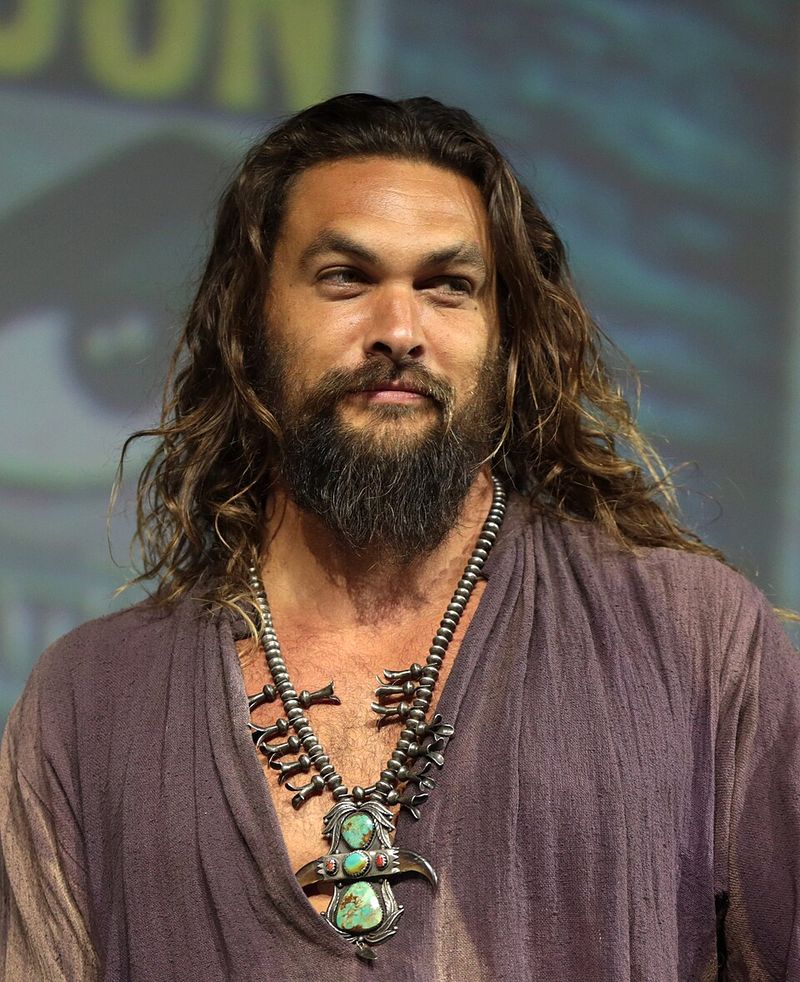
Jason Momoa looks like he was built in a superhero lab, but his career path was much less shiny. He has spoken openly about being broke and in debt even after Game of Thrones gave him recognition.
Fame, it turns out, does not always arrive with a healthy bank account.
That rough stretch could have flattened the story. Instead, later casting changed his trajectory in a major way.
Aquaman turned him into a full scale box office force and finally brought the financial shift that recognition alone had not delivered.
I appreciate how honest his story feels because it punctures the fantasy that exposure equals security. Sometimes the audience knows your face while your bills still know your full government name.
Momoa pushed through that awkward gap and converted charisma into a franchise, endorsements, producing power, and a sturdier seat in Hollywood. He also made his distinct presence the point rather than the obstacle.
The empire came after the struggle, not instead of it. That makes the win feel bigger, and frankly, a lot more interesting.
Florence Pugh

Florence Pugh entered the industry with talent, confidence, and the unfortunate knowledge that confidence in young women often gets mislabeled. Too outspoken.
Too sure of herself. Too difficult.
It is amazing how often excellence gets assigned a bad attitude when it arrives in the wrong package for someone else.
Pugh kept moving anyway. Her performances had bite, warmth, control, and enough emotional precision to silence lazy criticism.
With each role, she expanded her range while making it clearer that her career would run on her terms, not on anyone’s comfort level.
I admire that kind of steadiness because it is easy to confuse approval with progress. Pugh seems to know the difference.
She built stardom without sanding herself down, and that choice now looks like the smartest move in the room. Prestige projects, blockbusters, fashion presence, and cultural influence followed because the work kept landing.
Her empire is still growing, which makes it especially fun to watch. She is not just succeeding.
She is setting the terms, and that tends to last longer than trends or timid advice ever will.
Keanu Reeves
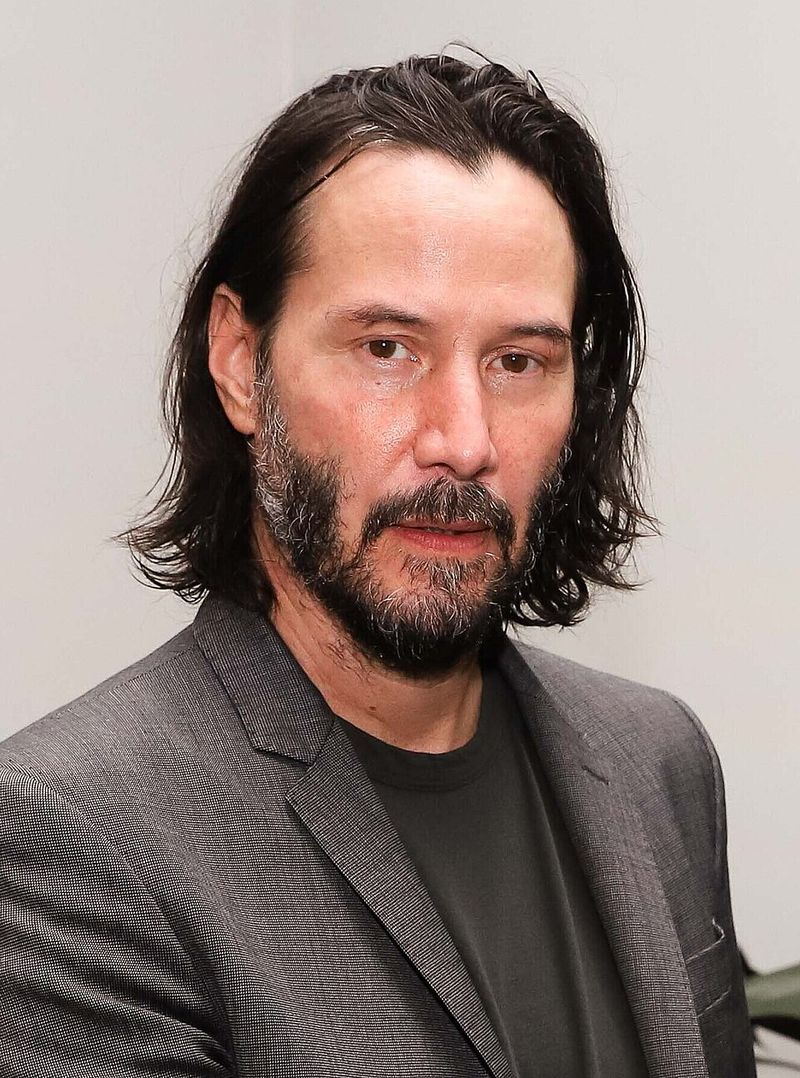
Keanu Reeves has spent years hearing the same lazy critique tossed in his direction: wooden. Lesser careers have been buried under smaller insults.
Reeves kept working, kept evolving, and eventually made the criticism look older than dial up internet.
He already had major hits, of course, but longevity is the real flex here. Instead of fading into nostalgia, he found fresh momentum.
The John Wick era reminded everyone that presence, commitment, and star power do not need a committee’s approval to be real.
I have always thought his career makes a great case for patience. Public opinion is noisy, but time can be very funny.
Reeves outlasted ridicule and turned endurance into one of the most beloved resurgences in modern film. Action hero, internet favorite, franchise anchor, and cultural comfort figure is a pretty strong final score.
He did not win by arguing with every bad take. He won by staying in the game long enough for the work to stack up and the doubters to run out of clever things to say.
That is a wonderfully quiet empire.



