 Unearth The Voyage
Fame can feel like a permanent spotlight until it flickers off without warning. These actors once dominated screens, magazine covers, and red carpets, only to step back, switch lanes, or disappear altogether.
You probably remember their faces vividly, yet their exits were quiet, personal, or shockingly sudden. Let’s revisit the stories behind the vanishings and why disappearing sometimes takes more courage than staying visible.
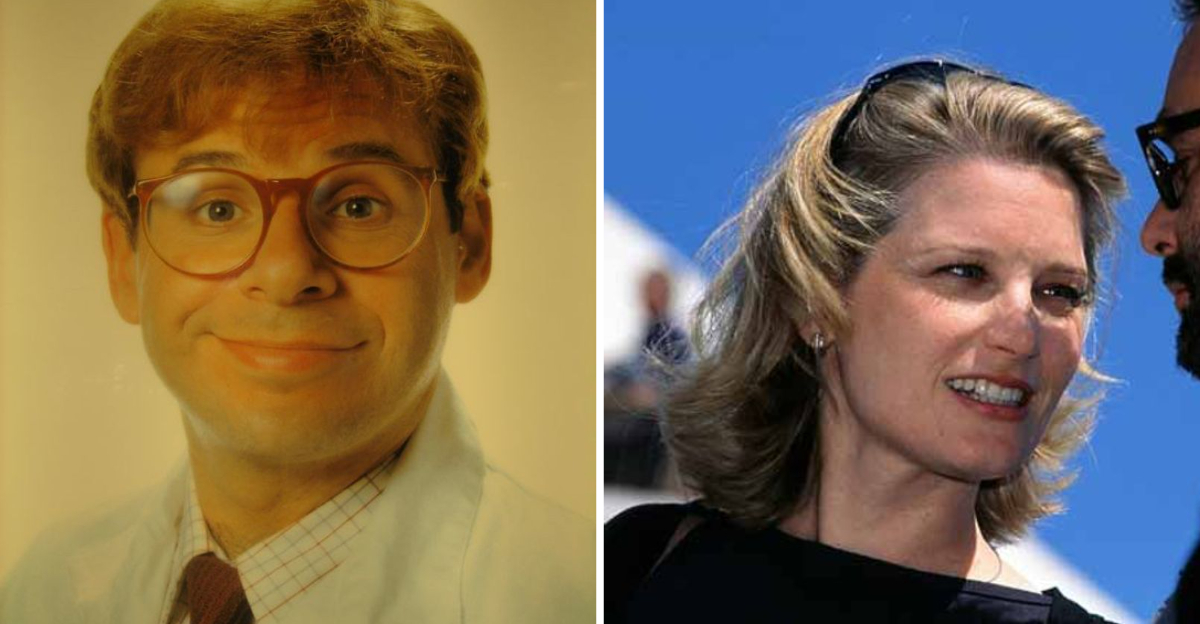
Rick Moranis — Family Comedy Star Walked Away

At his comedic peak, Rick Moranis was everywhere, the gentle, nerdy heart behind Ghostbusters, Spaceballs, and Honey, I Shrunk the Kids. Then, at a moment many would double down on fame, he stepped back to raise his children after the loss of his wife.
That decision shifted his trajectory from constant visibility to compassionate privacy, and Hollywood simply adjusted around the absence.
You still hear him sometimes, a voice cameo here, a commercial there, a reminder of timing and choice. Moranis never framed it as a dramatic goodbye, just a recalibration toward life that mattered most.
You can respect that clarity even if part of you misses the familiar spark he brought to the screen.
His story reframes success as something beyond constant output or red carpet saturation. The work remains, evergreen and rewatchable, while the man chose presence over performance.
In an industry loud with reinventions, his quiet exit feels like the rarest move.
Bridget Fonda — From Leading Roles to Life Out of the Spotlight
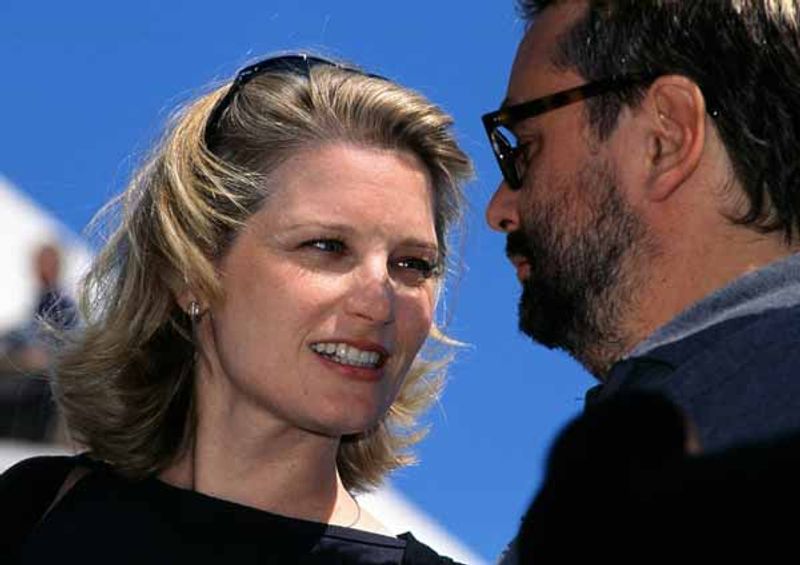
Bridget Fonda’s 1990s run felt inevitable, a smooth glide from Single White Female’s intensity to Jackie Brown’s cool charisma. With Hollywood lineage and a knack for textured roles, she looked set for decades of leads.
Then, quietly, she stepped away in the early 2000s, prioritizing life outside the machinery of constant auditions and sets.
You can sense how intentional that pause became a pivot. Not a scandal, not a flameout, just the decision to live privately and invest in relationships and stability.
Her filmography remains compact yet potent, proof that longevity is not the only metric.
When photos surface, the internet buzzes, trying to connect the person to a celluloid memory. But her choice resists our demand for updates.
Sometimes you leave at the top because the top is no longer the point.
Jonathan Taylor Thomas — Teen Icon Who Walked Away
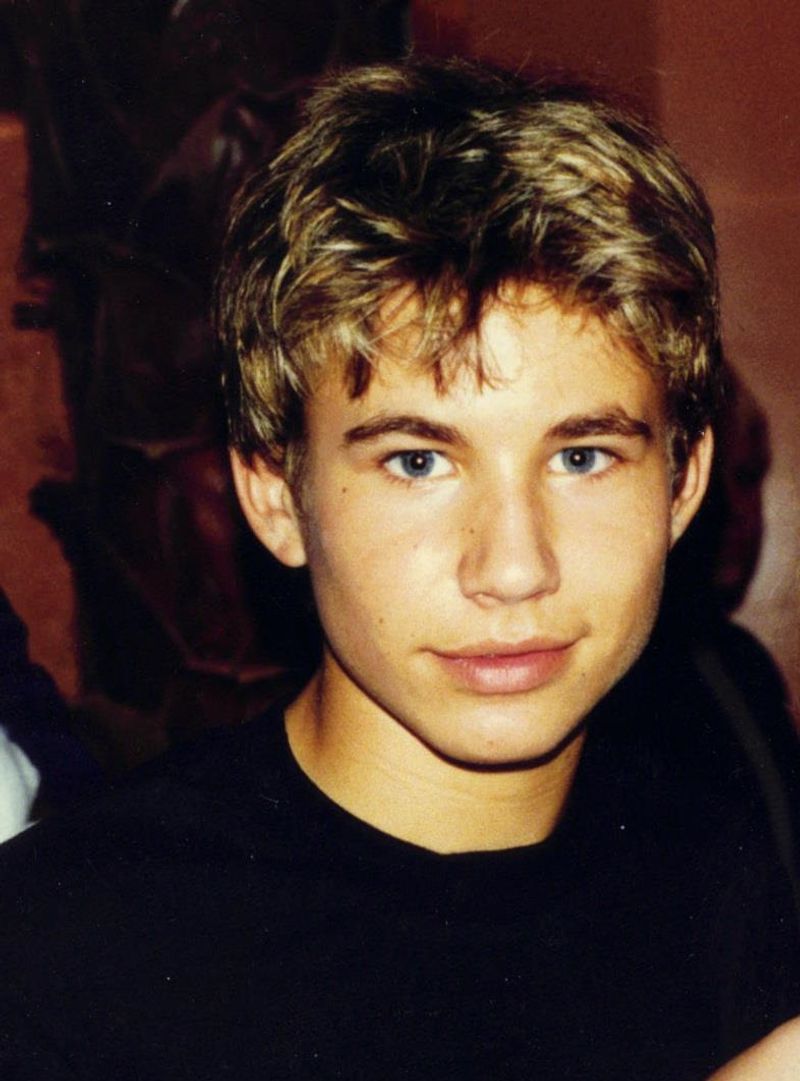
Jonathan Taylor Thomas was once the poster on bedroom walls everywhere, wisecracking on Home Improvement and voicing young Simba. Then he did something almost radical for a teen idol: he left to focus on school.
Education, not premieres, became the priority, and the roar of fame turned into library quiet.
You might have expected a triumphant comeback arc, yet he kept things sporadic, measured, and selective. That restraint made his disappearance feel intentional rather than tragic.
It is a reminder that opting out can be a form of authorship over your own narrative.
The curiosity around him never faded, because time freeze-frames a teen star for fans. But he allowed himself to grow in private, away from the lens.
Sometimes the bravest thing is declining the next spotlight.
Mischa Barton — From The O.C. Star to Quiet Life

Mischa Barton exploded into the zeitgeist with The O.C., a face synonymous with mid-2000s teen drama. When the show ended, her trajectory was less linear, marked by starts, stops, and industry turbulence.
The once omnipresent paparazzi lens cooled as her choices shifted toward smaller projects and personal recalibration.
You might remember the tabloid swirl and expect a big reboot. Instead, Barton kept working on her terms, tucking into indie corners and selective gigs.
Fame can be a weather system, and she seemed to choose calmer skies over predictable storms.
Her presence today feels more local than global, more grounded than breathless. That distance can look like disappearance from afar, but it reads as self-preservation up close.
If you watched the show religiously, you probably root for her to find whatever feels healthy and sustainable.
Michael Vartan — Popular TV Leading Man Who Stepped Back

Michael Vartan’s suave ran through Alias like a live wire, the steady counterpart to high-stakes espionage. He turned that goodwill into a string of roles, from romantic comedies to procedural dramas.
After 2018, though, the screen time thinned, and public sightings shifted toward everyday life rather than press tours.
You can sense a man comfortable with the dial turned down. Not a disappearance in shame, just a quieter chapter with space for privacy.
The craft is still there, simply not chasing the churn of perpetual visibility.
For fans, the reruns scratch the itch, and his work holds up with easy charm. If he reappears, it will likely be deliberate and specific.
Until then, the fade is gentle, like a scene cutting to black without melodrama.
Alison Lohman — From Rising Star to Private Life

Alison Lohman looked set for a long run, combining delicacy with steel in films like White Oleander and Flicka. Around 2009, marriage and family reoriented her path, and she stepped back from the churn of auditions and sets.
The industry noticed the quiet, even as she appeared here and there with carefully chosen work.
You can respect the recalibration, the sense that life off-camera deserved center stage. Not every rising star wants the treadmill of momentum.
Her disappearance feels less like absence and more like reprioritization.
Fans sometimes revisit those early performances and wonder about the road not taken. But the point is the road she chose, measured and private.
In a culture obsessed with comebacks, she modeled the dignity of staying home.
Jessica Alba — From Screen Star to Entrepreneur

Jessica Alba’s early 2000s output was relentless, from Dark Angel to Sin City and Fantastic Four. Then she did not vanish so much as reroute, channeling discipline into The Honest Company and a life built on purpose and product.
Her presence shifted from film sets to boardrooms and parenting, quietly redefining what celebrity bandwidth looks like.
You might miss the constant movie cycle, but the reinvention carries its own gravity. Entrepreneurial seasons rarely produce tabloid fireworks, and that is the point.
She stepped into impact and ownership, where success is measured differently.
When she acts now, it feels additive, not compulsory. The arc reminds you that a career can expand by contracting one arena.
For many, that trade reads as maturity rather than retreat.
Rick Schroder — Child Star Who Quieted Down
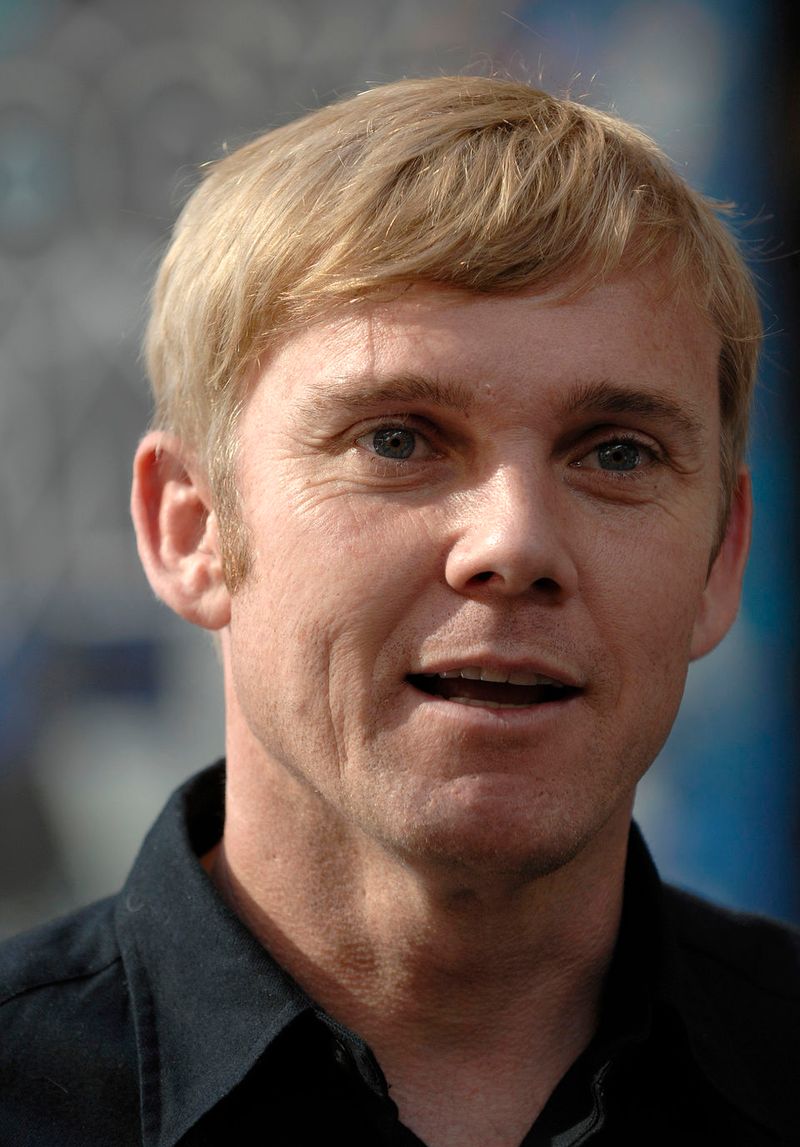
Rick Schroder’s face anchored childhood television, then grew into adult drama with steady craft. The heat cooled over time, as directing, producing, and selective acting replaced mainstream ubiquity.
That gentle decrescendo is common for child stars who outpace public appetite and find quieter lanes.
You might remember the bright smile and wonder where the spotlight went. It did not disappear so much as dim to a comfortable level.
Work continued, just without splashy campaigns or weekly magazine covers.
There is a dignity in evolving without a press release. Schroder’s path shows how celebrity can stretch into longevity behind the camera.
Not every career needs a second crescendo to matter.
Jack Gleeson — Game of Thrones Royal Who Opted Out

Jack Gleeson delivered one of television’s most memorable villains, then promptly walked away. After Game of Thrones, he chose academics and theater over mass-market visibility.
The choice startled fans who assumed he would cruise into blockbuster franchises.
You can admire the decisiveness, especially given how fame can cling. He kept performance alive in smaller venues, where the work stays intimate and the noise stays outside.
That recalibration speaks to a desire for control and a life measured by more than ratings.
When he pops up, it is novel, not needy. The distance makes the original performance feel even bolder.
Sometimes you step off the throne to avoid the crown’s weight entirely.
Emilio Estevez — From Screen Star to Behind-the-Scenes
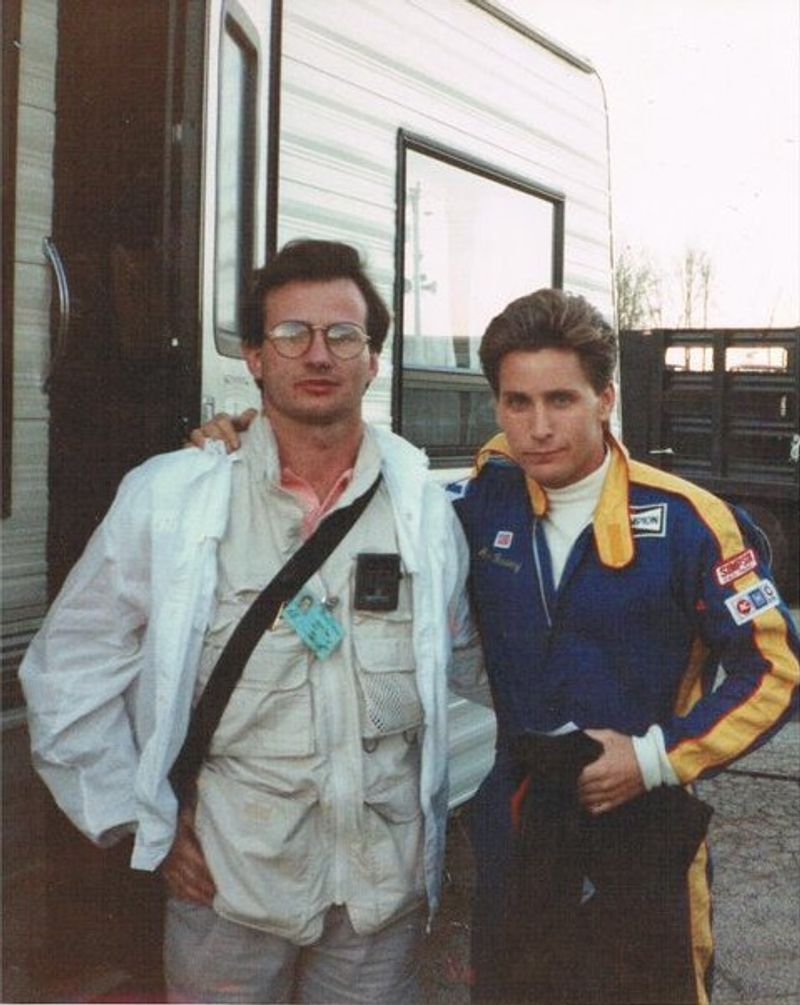
Emilio Estevez was everywhere once, a Brat Pack anchor who later skated into The Mighty Ducks. Over time, he shifted behind the camera, trading front-facing frenzy for the quiet authority of writing and directing.
The on-screen output slowed, but the creative engine kept humming in more personal projects.
You can feel the satisfaction in authorship, the sense of making work that answers to vision, not algorithms. It is not disappearance so much as reorientation.
For fans, seeing him pop up occasionally is a bonus rather than an expectation.
His path hints at what aging in the industry can look like when ego takes a back seat. There is grace in picking your battles and mediums.
Sometimes retreat is simply strategy.
Luise Rainer — Golden Age Exit
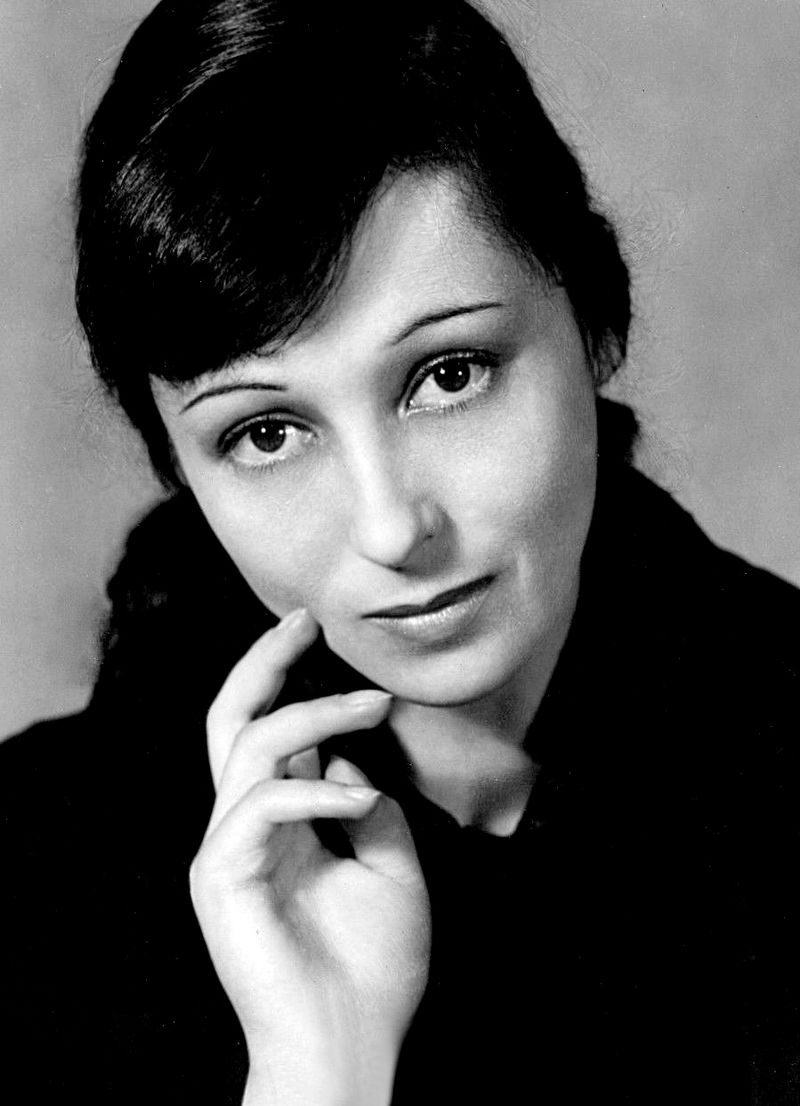
Luise Rainer made history with back-to-back Oscars in the 1930s, then shocked the system by stepping away. Disillusioned with studio control, she prioritized a private life and selective stage work over the grinding contract machine.
Even now, her exit reads like a manifesto about autonomy.
You might expect the industry to pull her back with prestige bait. Instead, she kept distance, letting myth grow where filmography paused.
The decision reframed success as freedom, not frequency.
Rainer’s story shows that quitting at the top predates modern celebrity fatigue. The choice resonates because it feels fearless.
She wrote her legacy in bold strokes, then set the pen down.
Armie Hammer — Fall From Ubiquity to Hiatus
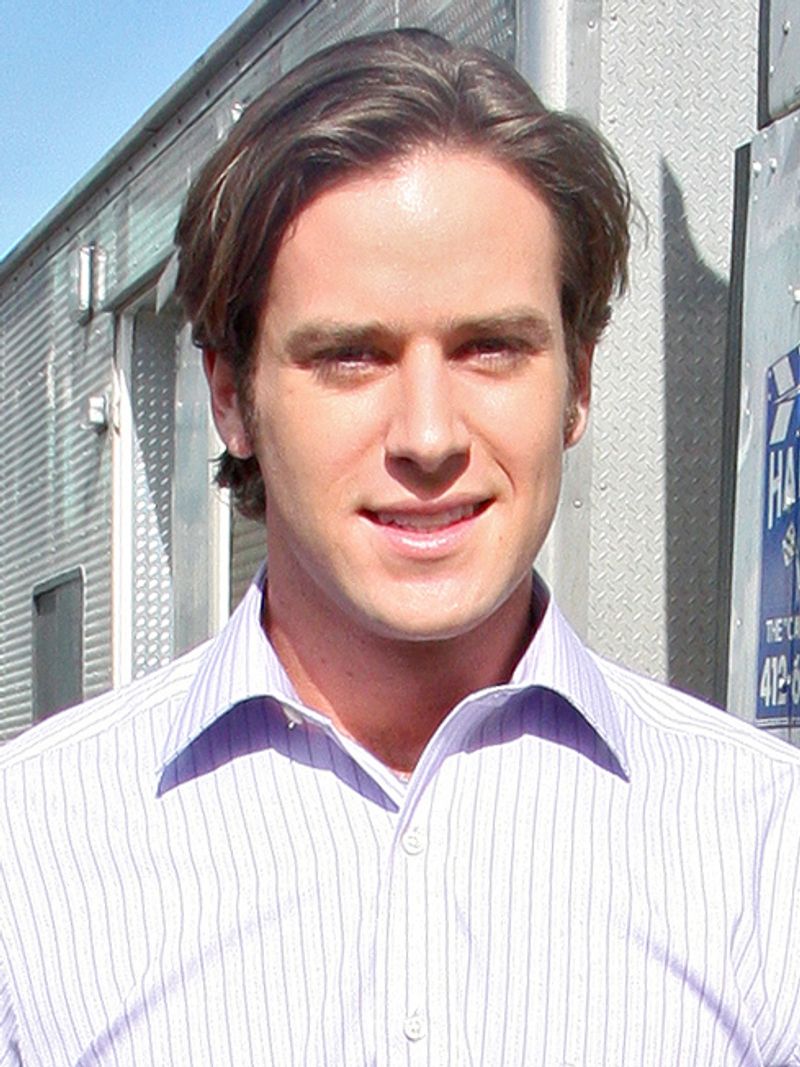
Armie Hammer seemed positioned for sustained leading man status, with high-profile roles and studio momentum. Then allegations and controversy detonated projects and paused a seemingly unstoppable trajectory.
The industry reaction was swift, and his presence diminished to a near-silence.
You can see how a career can hinge on public trust as much as performance. Comeback whispers surface, but they are tentative and complicated.
The gap in his filmography tells a story of fallout and recalibration.
For audiences, it is a reminder that fame’s scaffolding is fragile. Whether he returns or not, the break marks a definitive before and after.
Ubiquity can evaporate in a headline cycle.
Brandon Routh — Superman’s One Big Moment
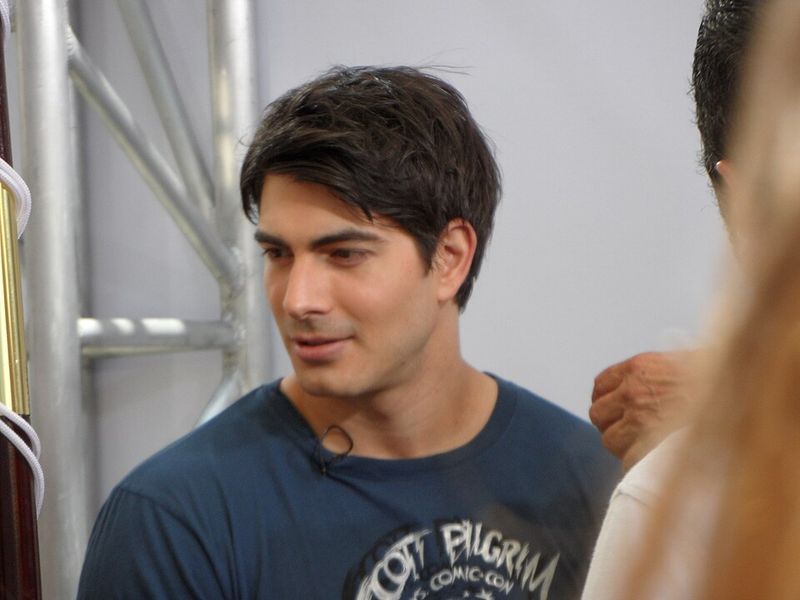
Brandon Routh stepped into the cape with reverence, delivering a clean-cut, earnest Superman that felt like a bridge to earlier eras. The role was a summit few ever reach, yet it did not unlock the next mountain of blockbusters.
He kept working steadily, especially on television, but the tidal wave of early attention receded.
You can sense the grace in how he handled that reality, leaning into craft and ensemble work. Not every iconic costume guarantees a permanent orbit.
Sometimes it is one brilliant flare, followed by a quieter constellation.
Fans still cheer his returns to the role in special appearances, a sweet loop of nostalgia. Beyond that, he seems content to let the symbol rest.
The career continues, simply at a human scale.



