Hollywood is full of surprises, and not all of them happen on screen. Some of the most famous roles in movie history almost belonged to completely different actors.
Whether due to creative clashes, personal issues, or sudden recasting decisions, many actors were let go from iconic parts at the very last minute. These behind-the-scenes stories reveal just how unpredictable the film industry can really be.
1. Eric Stoltz – Back to the Future
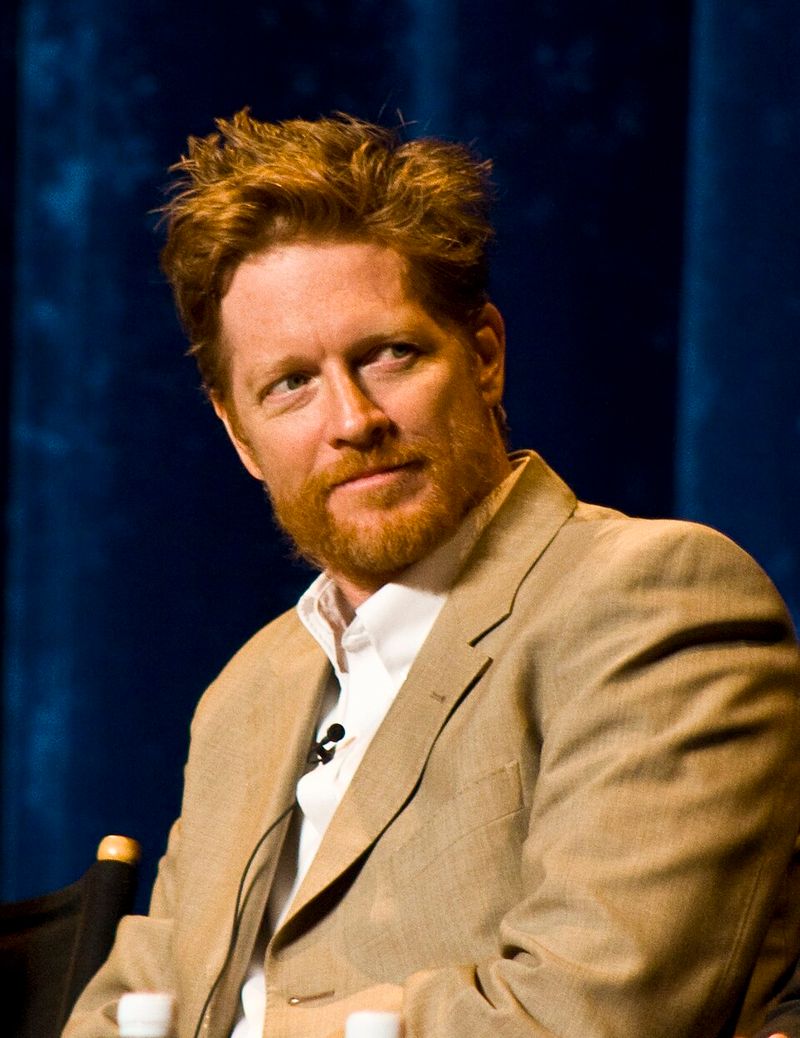
Few casting switches in Hollywood history are as well-documented as the one that changed Back to the Future forever. Eric Stoltz filmed for several weeks as Marty McFly before director Robert Zemeckis grew concerned that his dramatic acting style clashed with the film’s light, comedic tone.
Zemeckis and producer Steven Spielberg agreed the movie needed someone with natural comedic timing. Michael J.
Fox, already a beloved TV star from Family Ties, was brought in to reshoot nearly every scene. The production had to work around Fox’s busy television schedule, filming his movie scenes mostly at night.
Stoltz reportedly handled the situation with professionalism, and crew members later praised his dedication on set. Still, the switch proved to be the right call.
Michael J. Fox turned Marty McFly into one of cinema’s most beloved characters, making the film a blockbuster classic that defined a generation.
2. Stuart Townsend – The Lord of the Rings
Stuart Townsend trained hard for months to play Aragorn in Peter Jackson’s epic Lord of the Rings trilogy. He worked on sword fighting, horseback riding, and physical conditioning to prepare for one of fantasy cinema’s most demanding roles.
Then, just days before principal photography began, he was replaced. Peter Jackson reportedly felt Townsend looked too young for the character and that Aragorn needed someone with a more weathered, commanding presence.
The decision was made quickly, leaving little time for adjustment.
Viggo Mortensen stepped in at extremely short notice, famously receiving his script on the plane ride to New Zealand. Despite the rushed preparation, Mortensen became so deeply connected to the role that fans now cannot imagine anyone else playing Aragorn.
Townsend later spoke publicly about how painful and confusing the experience was, calling it one of the hardest moments of his career.
3. Kevin Spacey – All the Money in the World
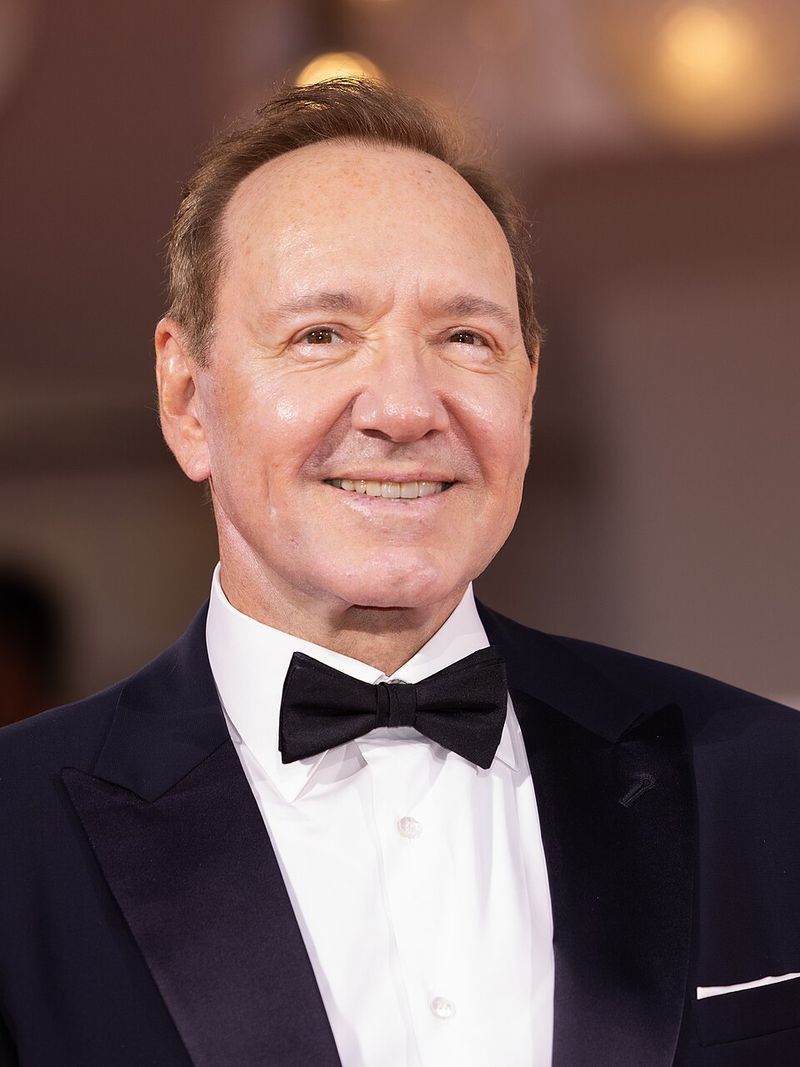
Director Ridley Scott made one of the most dramatic decisions in modern Hollywood history when he removed Kevin Spacey from All the Money in the World after the film was already finished. Serious allegations against Spacey surfaced just weeks before the movie’s scheduled release date.
Rather than delay or cancel the release, Scott took the extraordinary step of recasting and reshooting every one of Spacey’s scenes in just nine days. Christopher Plummer, who was 88 years old at the time, replaced him in the role of J.
Paul Getty. The reshoot happened in secret and with remarkable speed.
Plummer earned an Academy Award nomination for his performance, which critics praised as nuanced and powerful. The situation became a defining moment in Hollywood’s response to misconduct allegations, demonstrating that studios could act quickly when necessary.
Scott’s bold move ultimately saved the film’s release and reputation entirely.
4. Harvey Keitel – Apocalypse Now
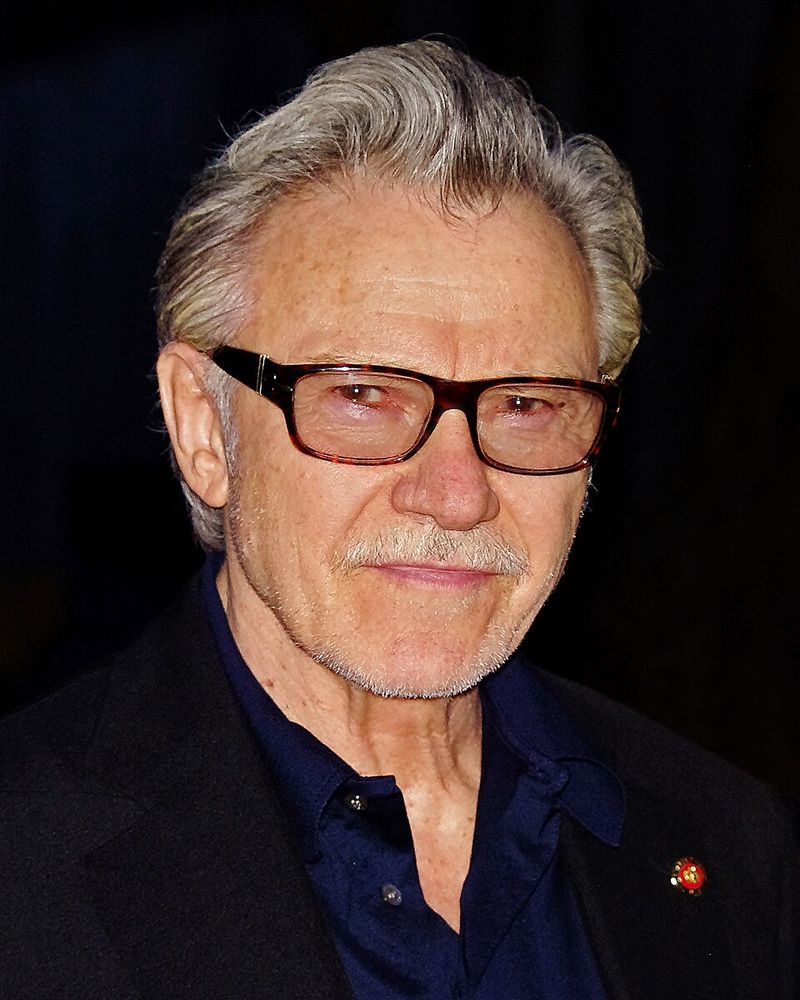
Apocalypse Now is remembered as one of the most troubled productions in film history, and Harvey Keitel’s departure was one of its earliest crises. Keitel had been cast as Captain Willard and had already begun filming when director Francis Ford Coppola decided his interpretation of the character was not working.
Coppola felt Keitel’s approach was too aggressive and lacked the quiet, haunted quality the role required. Martin Sheen was brought in as a replacement, and the production continued its notoriously chaotic journey through the Philippine jungle.
Sheen delivered a performance that became legendary, particularly the raw opening scene filmed in a Saigon hotel room. Keitel has spoken about the experience over the years with measured reflection, acknowledging the difficult circumstances without bitterness.
The film went on to win the Palme d’Or at Cannes and remains a landmark of American cinema to this day.
5. James Remar – Aliens
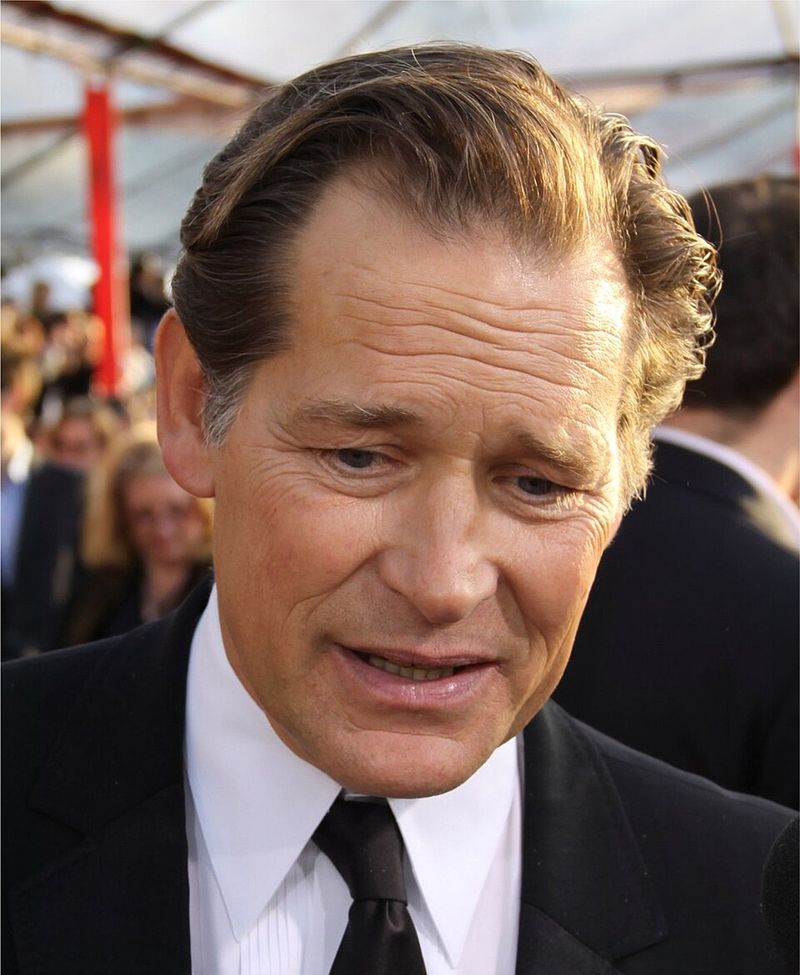
James Cameron’s Aliens is celebrated as one of the greatest action sequels ever made, but the cast almost looked very different. James Remar had already started filming the role of Corporal Hicks when he suddenly departed from the production under difficult personal circumstances.
Remar later admitted in interviews that drug-related issues played a role in his exit from the film. The situation required a quick solution, and Michael Biehn was brought in to take over the role.
Biehn had previously worked with Cameron on The Terminator, so the director already trusted his abilities.
Biehn delivered a memorable performance as the steady, reliable Hicks, earning him a lasting place in science fiction history. Remar has been candid about that period of his life, acknowledging his personal struggles openly.
He went on to have a strong career afterward, appearing in numerous films and television series over the following decades.
6. Lisa Kudrow – Frasier

Before the world fell in love with Phoebe Buffay on Friends, Lisa Kudrow had already experienced a significant setback in her television career. She was originally cast as Roz Doyle during the early development stages of the hit NBC sitcom Frasier in 1993.
Producers worked with Kudrow during the development process but eventually concluded that the chemistry between her and Kelsey Grammer was not quite right for the show’s dynamic. The decision was made to recast the role, and actress Peri Gilpin stepped in to play Roz instead.
Gilpin brought a sharp, witty energy to the character that became central to Frasier’s identity over its eleven-season run. Meanwhile, Kudrow landed the role of Phoebe on Friends just a short time later, becoming one of the most recognized comedic actresses of the 1990s.
Sometimes a door closing really does lead to a much better opportunity.
7. Lori Petty – Demolition Man
Demolition Man paired Sylvester Stallone and Wesley Snipes in a flashy 1993 sci-fi action film, but the female lead role had a rocky start before cameras even got rolling properly. Lori Petty was originally cast as Lenina Huxley and began working on the production before being let go.
Reports from the time pointed to creative differences and tension during early production as the main reasons behind her departure. The specifics were never fully detailed publicly, but the exit happened quickly enough to require an immediate replacement.
Sandra Bullock stepped in and took on the role of Lenina Huxley.
Bullock’s performance in the film helped raise her profile just before her career-defining turn in Speed the following year. Petty continued working steadily in Hollywood, starring in Tank Girl and other projects.
The casting change is now remembered mostly as a footnote in what became a cult classic action film.
8. Megan Fox – Transformers 3
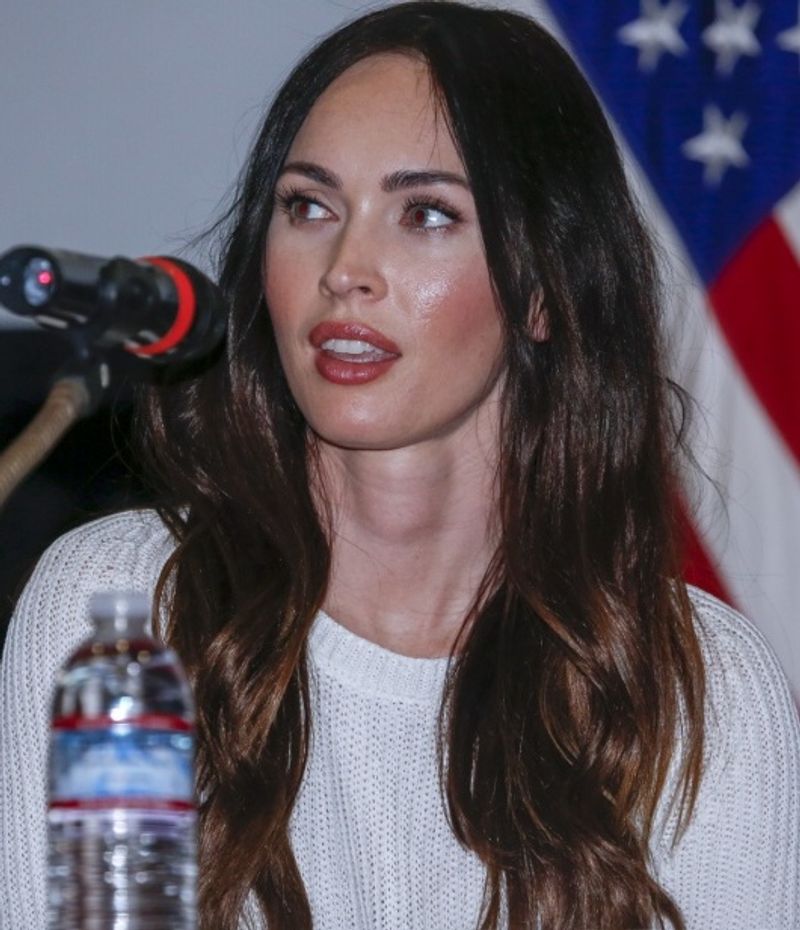
Megan Fox’s exit from the Transformers franchise before the third film was one of the most talked-about Hollywood departures of 2009. Fox had publicly compared director Michael Bay to Adolf Hitler in a magazine interview, and the fallout from those comments was swift and significant.
Accounts differ on whether she was officially fired or chose to walk away, but the end result was the same. Fox was out, and the production moved forward without her.
Model and actress Rosie Huntington-Whiteley was cast as the new female lead in Transformers: Dark of the Moon.
Bay and Fox later reconciled professionally, and she returned to the franchise in a later installment. Still, the incident remains one of Hollywood’s more memorable examples of how public statements can have very real professional consequences.
Fox has since reflected on the situation with more perspective, acknowledging the comments were made carelessly during a difficult time.
9. Samantha Morton – Her
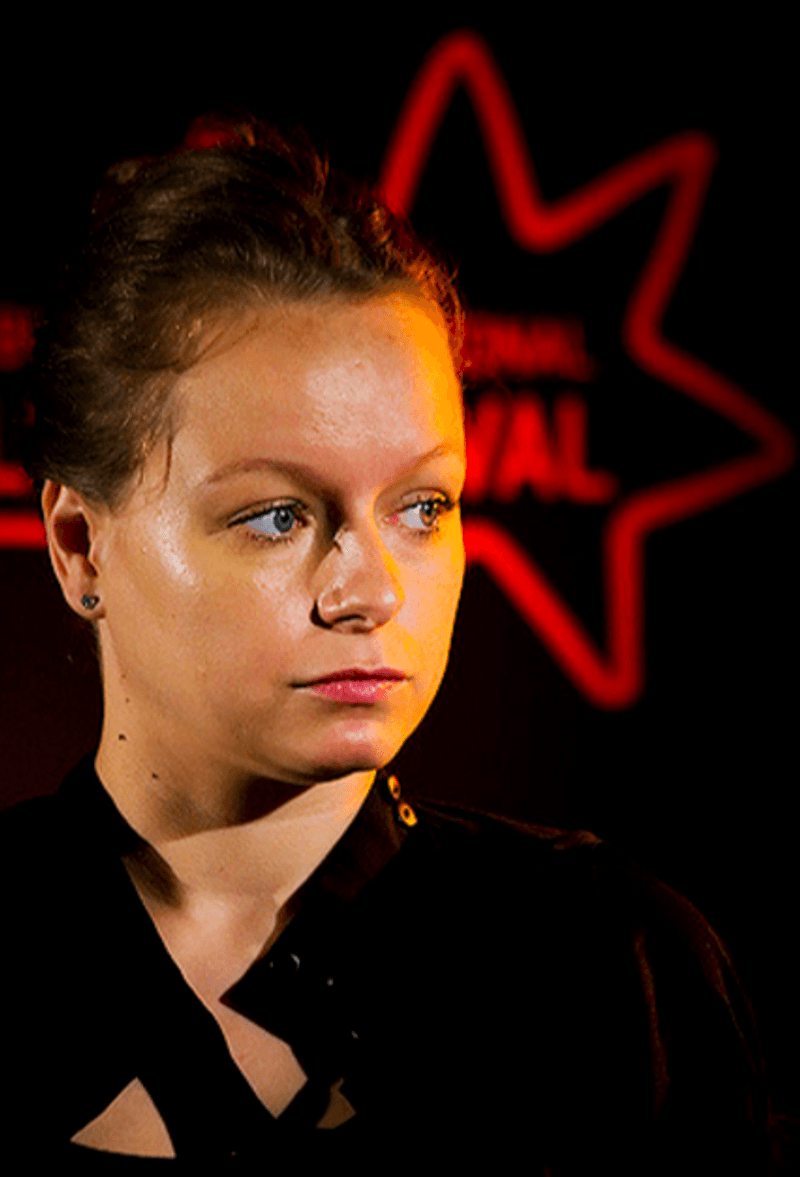
Samantha Morton spent considerable time and effort recording the voice of Samantha, the AI operating system at the heart of Spike Jonze’s film Her. Her work was completed during principal photography, and Joaquin Phoenix performed his scenes responding to her recorded voice on set.
During the editing process, however, Jonze felt something was missing. He believed the emotional connection between Phoenix’s character and the AI voice needed a different quality, something warmer and more immediately engaging.
The decision was made to recast the voice role entirely.
Scarlett Johansson came in and re-recorded all of the dialogue, bringing a distinctive warmth and intimacy that Jonze felt better matched his vision. Johansson’s performance earned widespread critical praise, and many considered her voice work one of the film’s greatest strengths.
Morton has spoken about the experience thoughtfully, noting it was a genuinely strange situation to navigate as a performer.
10. Terrence Howard – Iron Man 2
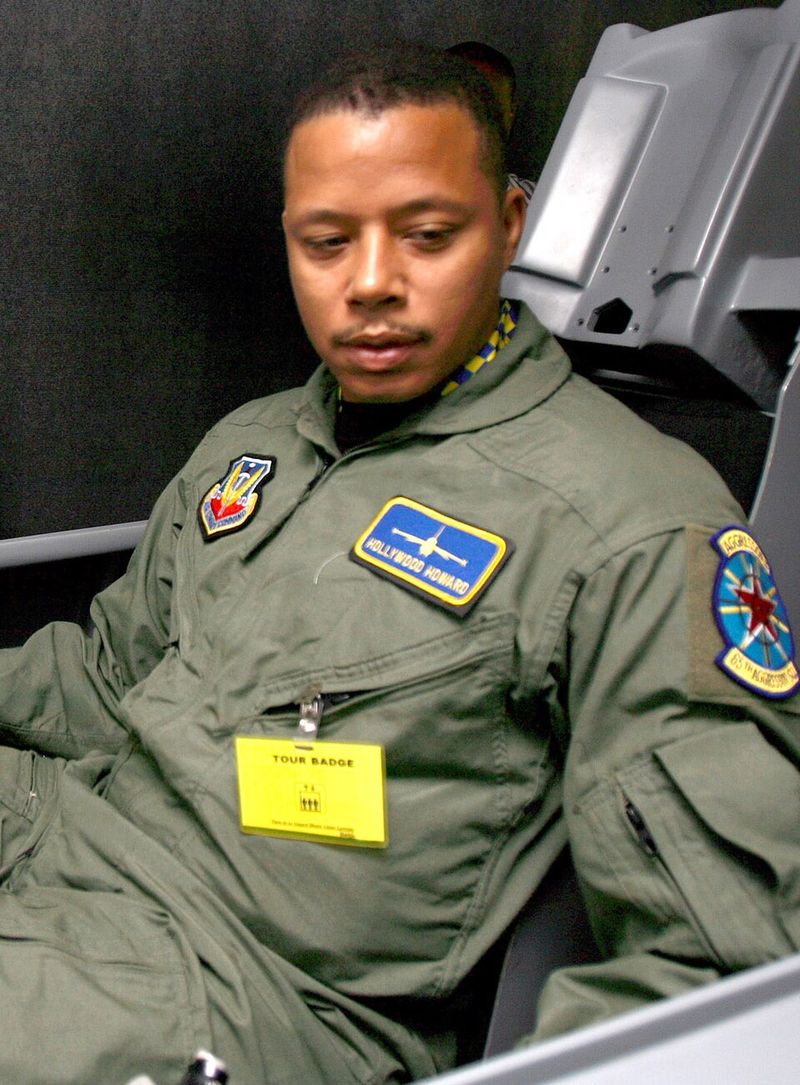
Terrence Howard played James Rhodes in the original Iron Man, sharing significant screen time with Robert Downey Jr. and helping establish the tone of what would become the Marvel Cinematic Universe. His chemistry with Downey was strong, and audiences responded well to the character.
Behind the scenes, however, contract negotiations for the sequel became contentious. Reports indicated that Marvel offered Howard a substantially lower salary for Iron Man 2 than he had earned on the first film.
Disagreements over compensation led to a breakdown in talks, and the studio moved on without him.
Don Cheadle was brought in to replace Howard as Rhodey, a role he has continued playing across multiple MCU films ever since. Howard later spoke about the situation publicly, expressing frustration over how the contract discussions unfolded.
Cheadle’s relaxed and dependable screen presence ultimately made the recasting feel natural to most audiences watching the sequel.
11. Richard Gere – The Lords of Flatbush
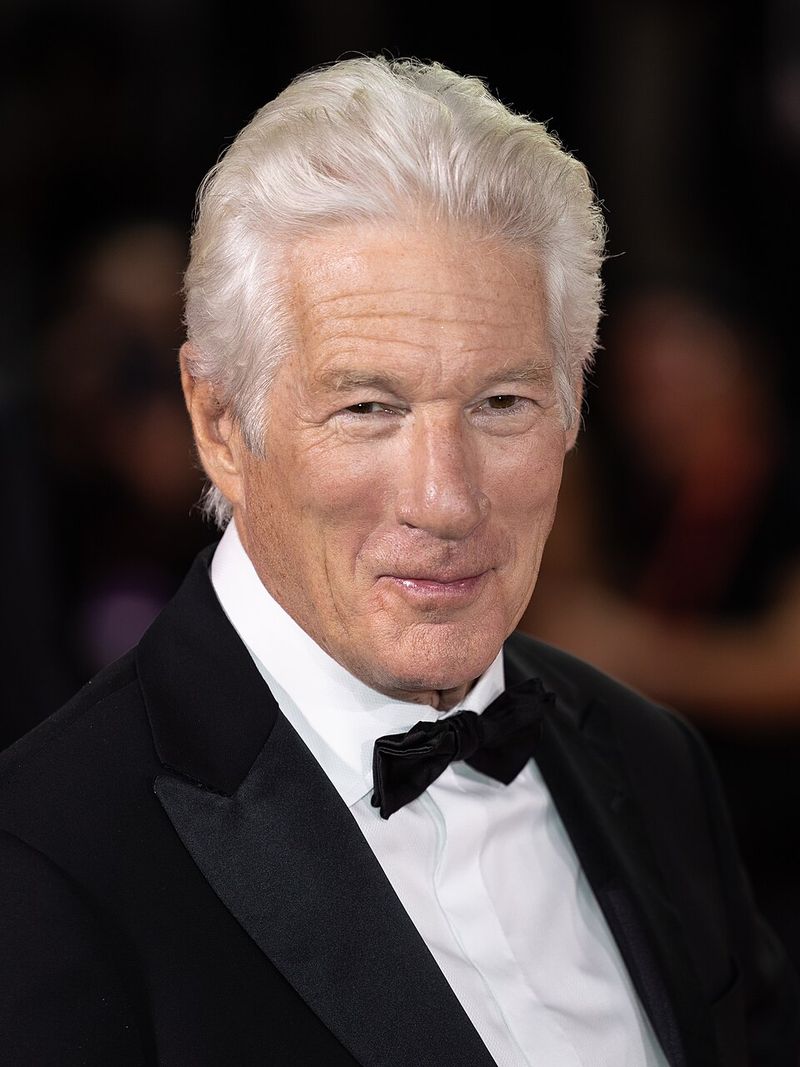
Long before Richard Gere became a Hollywood superstar, he found himself removed from a low-budget film due to a personality clash that has since become one of Tinseltown’s most retold behind-the-scenes stories. The film was The Lords of Flatbush, a 1974 drama about Brooklyn street gang members.
The source of the tension was Gere’s co-star, a then-unknown actor named Sylvester Stallone. According to Stallone, the two simply could not get along on set.
Stallone later recalled that the friction between them made the working environment genuinely uncomfortable for the entire crew.
Stallone reportedly told producers it was either Gere or him, and the filmmakers chose Stallone. Perry King stepped in to take over Gere’s role.
Both actors went on to become major stars independently, but the two have never worked together since. The story is often shared as a reminder that personal chemistry between actors matters just as much as individual talent.
12. Nicole Kidman – Panic Room
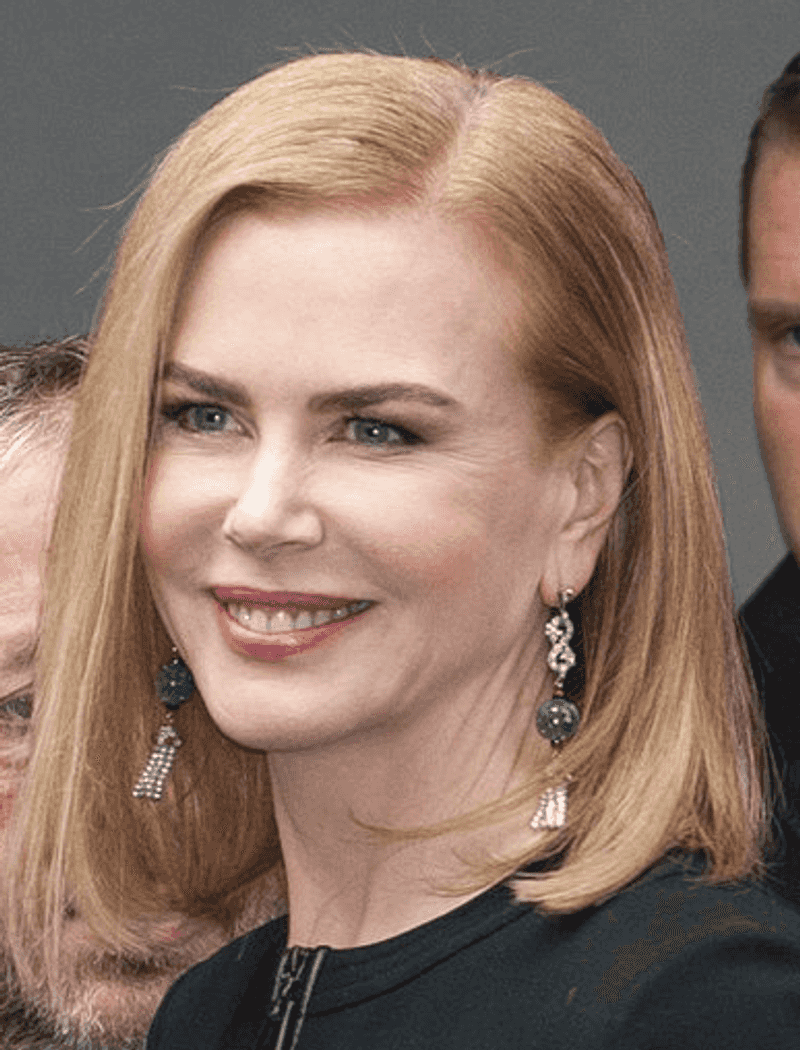
David Fincher’s Panic Room had a high-profile start when Nicole Kidman was cast as the lead character, a mother who must protect herself and her daughter inside a fortified safe room. Kidman was one of the biggest stars in Hollywood at the time, and her involvement generated significant early buzz for the project.
Shortly after filming preparations began, Kidman suffered a knee injury that made it physically impossible for her to continue with the demanding role. The injury forced her to step away from the production entirely, leaving Fincher to find a replacement quickly.
Jodie Foster stepped in and delivered a focused, intense performance that became one of her most praised roles of that decade. Kidman later said she was genuinely disappointed not to have completed the film.
Panic Room went on to become a box office success, proving that Foster was more than capable of carrying the thriller on her own.
13. Dougray Scott – X-Men
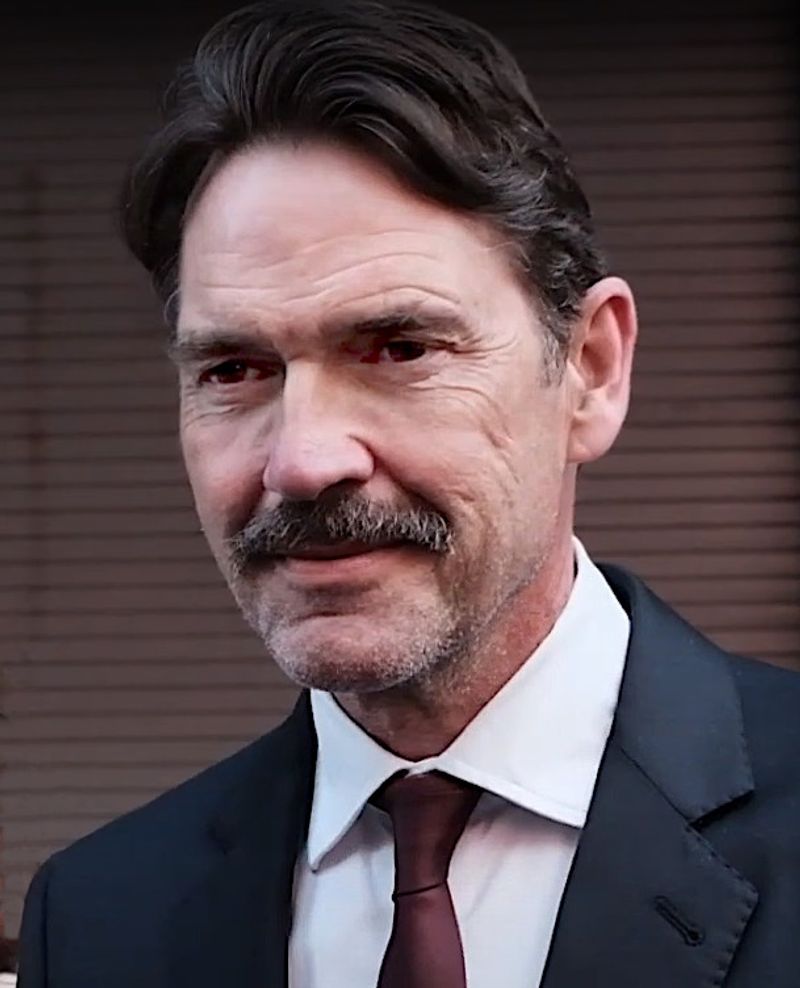
Dougray Scott was set to make comic book history as Wolverine in Bryan Singer’s X-Men, a role that seemed perfectly matched to his rugged screen presence. He had been officially cast and was preparing for the character when scheduling problems began to interfere in a major way.
Scott was simultaneously committed to Mission: Impossible 2, and production on that film ran significantly over schedule. The delays meant he could not be released in time to begin work on X-Men.
The X-Men production could not wait, and Scott was forced to give up the role.
Hugh Jackman, a relatively unknown Australian theater actor at the time, was brought in as a last-minute replacement. Jackman went on to play Wolverine in nine films over nearly two decades, becoming one of the most iconic superhero portrayals in cinema history.
Scott has acknowledged the situation graciously, noting that the timing simply did not work out in his favor.
14. Jean-Claude Van Damme – Predator
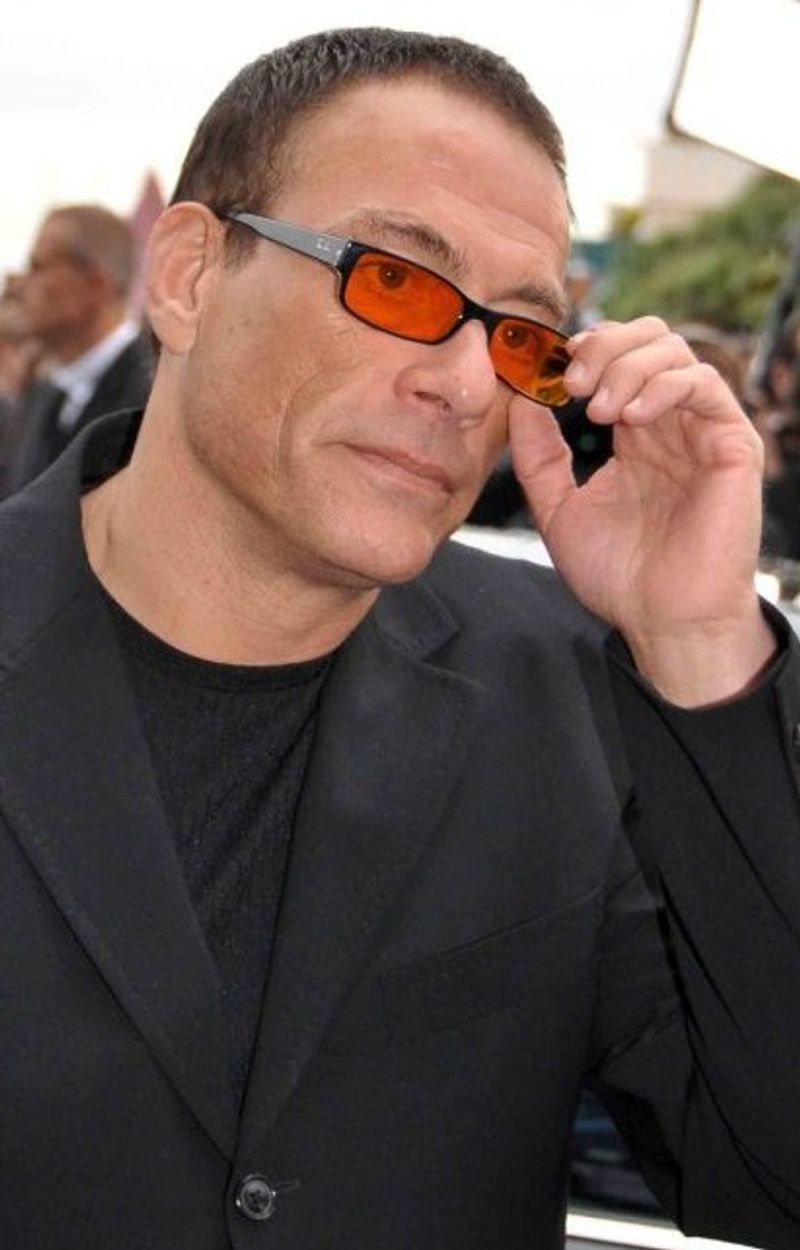
Jean-Claude Van Damme was hired to physically portray the alien creature in the original Predator, and he showed up to the set in the full original suit design ready to work. The plan seemed straightforward enough, but problems emerged almost immediately once filming got underway in the Mexican jungle.
Van Damme reportedly struggled with the extreme heat inside the suit and found the costume difficult to move in effectively. There were also creative concerns about whether the creature’s movements and overall appearance were working the way the filmmakers had envisioned.
The original suit design was also scrapped entirely and rebuilt.
Kevin Peter Hall, a seven-foot-two-inch actor with remarkable physical grace, replaced Van Damme and brought the redesigned Predator to life in a way that felt genuinely threatening and otherworldly. Hall’s movements gave the creature a memorable, stalking quality that became iconic.
Van Damme rarely discussed the experience publicly for many years before eventually opening up about it.
15. Ryan Gosling – The Lovely Bones
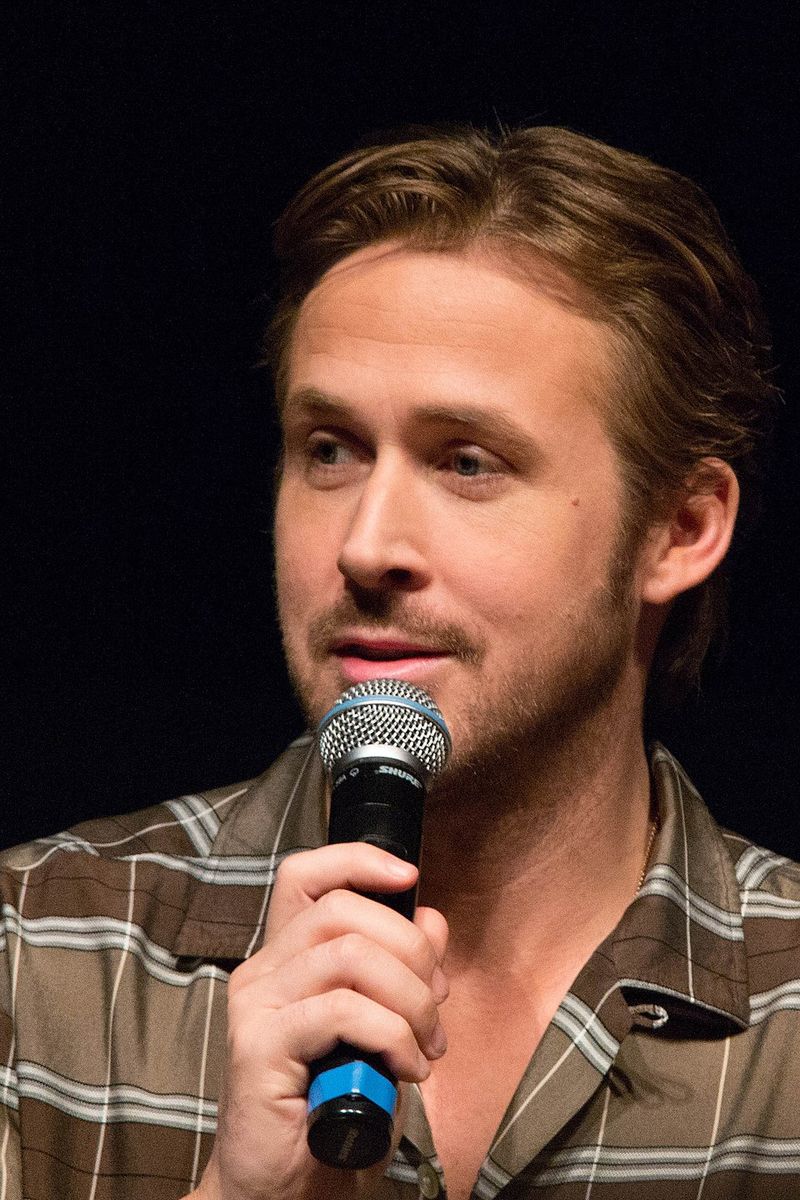
Ryan Gosling committed deeply to his preparation for The Lovely Bones, going so far as to gain a significant amount of weight for the role of Jack Salmon, a grieving father at the center of the story. He believed the physical transformation was essential to capturing the emotional weight of the character.
Director Peter Jackson saw things differently. As pre-production progressed, Jackson concluded that Gosling’s interpretation of the character no longer aligned with his vision for the film.
The two reportedly had different ideas about how the role should be approached, and the disagreement could not be resolved.
Mark Wahlberg was brought in as a replacement and played the role in a more restrained, straightforward manner. Gosling has spoken about the experience candidly, admitting he was blindsided by the decision after investing so much of himself into the preparation.
It remains one of the more surprising behind-the-scenes stories from that era of Hollywood filmmaking.
Share this story