 Unearth The Voyage

Some actors are celebrated for unforgettable performances and complicated work styles. This list looks at well known names whose on set behavior has been widely reported as challenging by colleagues and media.
You will find context behind each reputation, from tense clashes to creative control battles. The goal is to understand where these stories come from and what they meant for productions.
1. Christian Bale
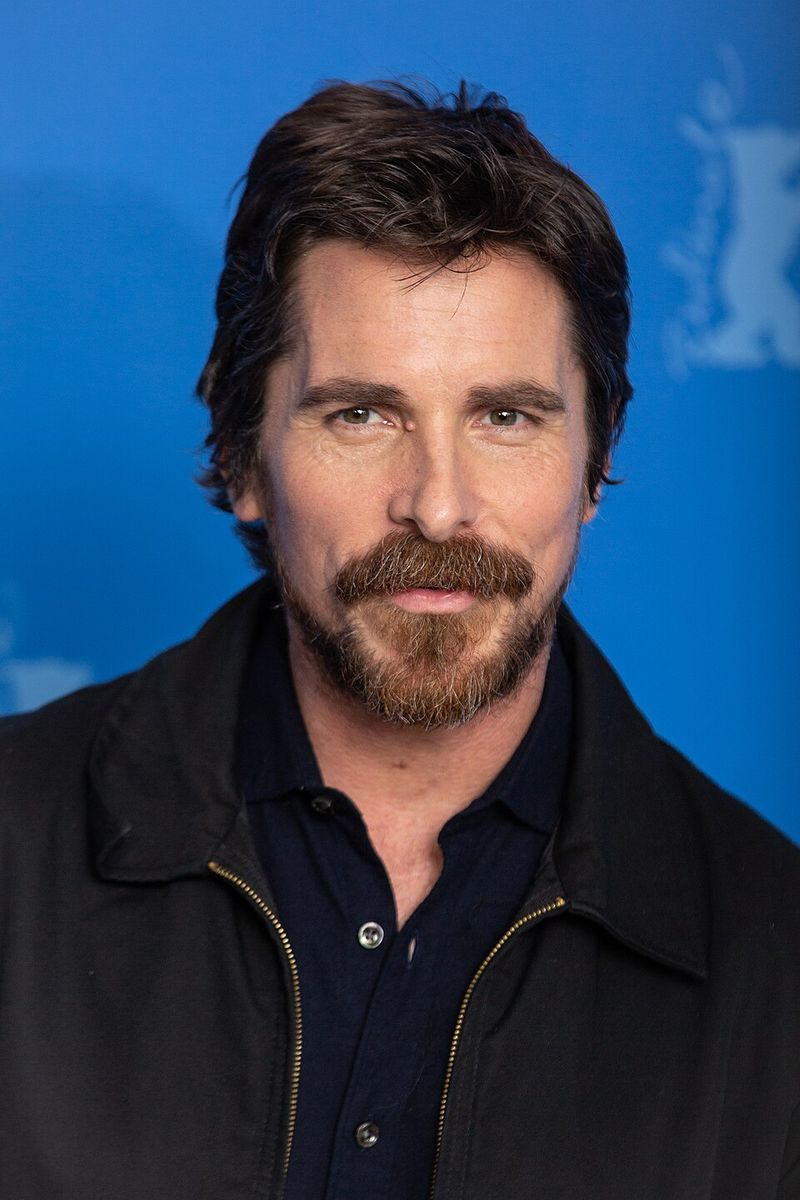
Christian Bale’s reputation for intensity sharpened after widely circulated audio captured him berating a crew member during Terminator Salvation. The outburst became a defining moment in public perception, even as Bale apologized and explained the pressure of staying in character for a high stakes scene.
Many colleagues still describe him as professional and exacting, yet the incident continues to shadow discussions of his on set presence.
Reports often frame Bale as a committed performer who demands focus and precision. Directors and co stars have praised his preparation, but also acknowledge a working environment where tension can spike under time and budget constraints.
The line between immersive craft and abrasive conduct has been debated, especially in productions requiring extreme physical transformation and emotional range.
Despite the controversy, Bale’s work has earned awards and critical respect. His performances frequently anchor complex films, suggesting crews maintain standards to support his process.
The larger takeaway is that a single incident can shape narratives for years, yet collaborators still sign on, weighing the challenges against proven results and the value of his disciplined, deeply researched approach.
2. Edward Norton
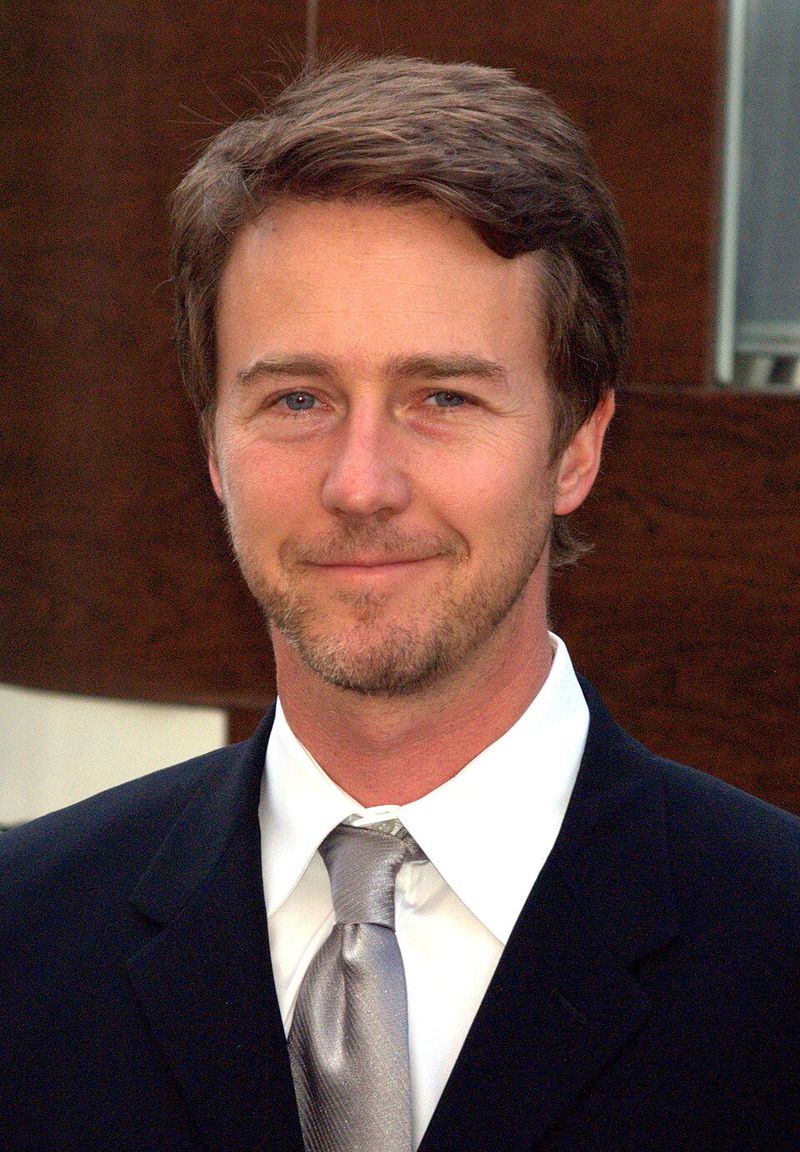
Edward Norton’s reputation centers on strong creative control. Reports from American History X and The Incredible Hulk describe him rewriting scenes, shaping edits, and pushing for different tones than studios preferred.
Such assertiveness can strain timelines and budgets, but supporters argue his interventions aim to protect story coherence and character depth.
Directors and producers have publicly noted disagreements over final cuts. Industry coverage often cites screenings where Norton’s preferred versions diverged from studio mandates, leading to friction over marketing and runtime.
While not every account matches, the pattern frames him as a meticulous collaborator who sometimes steps beyond a typical actor’s lane to influence key decisions.
Critically, Norton’s work has earned acclaim, fueling debate about boundaries in film authorship. Some teams value his input for elevating performances and structure, while others view it as disruptive to agreed workflows.
The result is a nuanced legacy: a respected actor whose hands on approach can deliver refined outcomes, yet occasionally complicates production politics and schedules when visions collide.
3. Katherine Heigl

Katherine Heigl’s difficult reputation grew during peak TV years tied to Grey’s Anatomy and various film promotions. She publicly withdrew from Emmy consideration one year, citing material concerns, which many interpreted as criticism of writers.
Interviews also referenced dissatisfaction with certain projects, fueling headlines about conflict with showrunners and producers.
Industry reports described strained relationships over creative direction and scheduling. While Heigl later clarified her remarks and expressed regret about tone, the earlier coverage cemented a narrative of friction.
Colleagues have offered mixed accounts, with some noting professionalism and warmth, and others pointing to challenging negotiations that impacted timelines.
The broader lesson is how publicity cycles can influence workplace dynamics. Comments made during press tours can reverberate across seasons, shaping perceptions that persist long after contracts end.
Heigl continues to work steadily, and recent roles highlight commitment to craft, but the period remains a reference point whenever discussions surface about actor writer producer relations on major television sets.
4. Chevy Chase
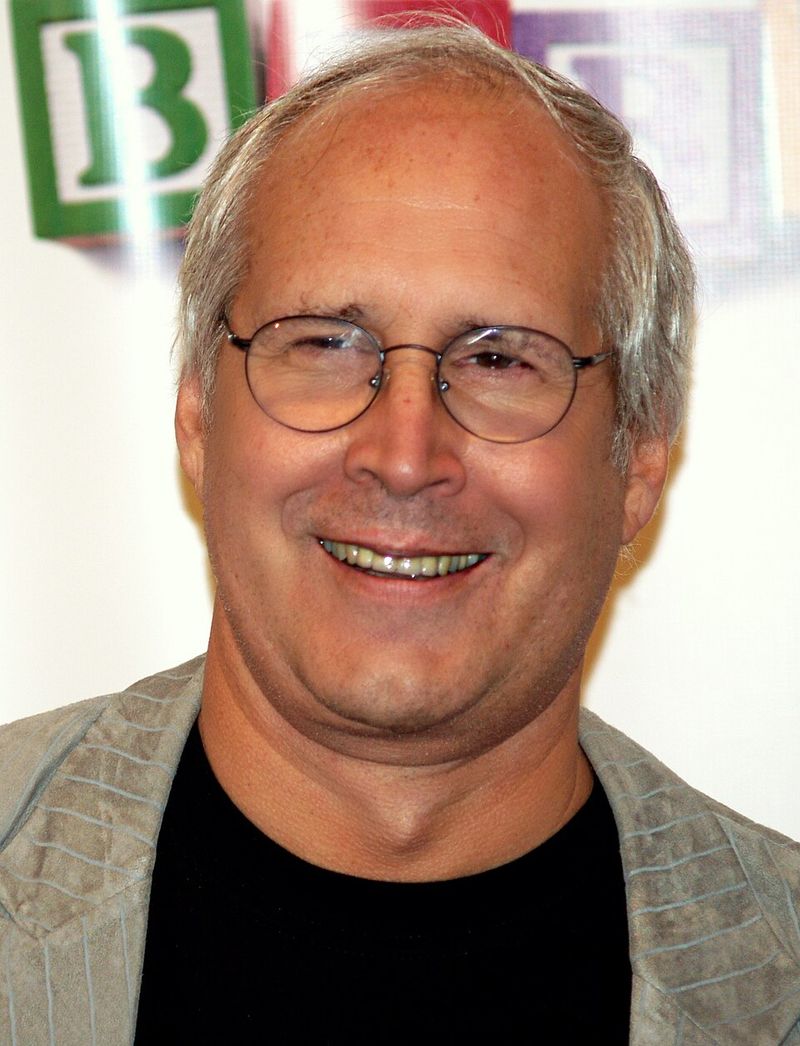
Chevy Chase has long been described by colleagues as combative on set. Accounts from Saturday Night Live alumni and Community cast members detail clashes, abrupt remarks, and walkouts.
Showrunners have publicly discussed difficulties addressing notes or tone, which sometimes spilled into press coverage and fueled a narrative of recurring friction.
Despite the controversies, Chase’s comedic legacy remains significant. His timing and physical humor shaped several eras of television and film, yet the reported conflicts complicated writers’ room dynamics and table reads.
The duality is striking: comedic impact coexisting with behind the scenes tension that producers had to manage carefully week to week.
Multiple productions reportedly adapted workflows to anticipate potential issues, altering call times or limiting overlap between contentious personalities. Such strategies can keep cameras rolling but increase stress on crew.
As a result, Chase stands as a case study in balancing standout comedic talent with the practical needs of ensemble collaboration, budget constraints, and a predictable daily set rhythm.
5. Val Kilmer
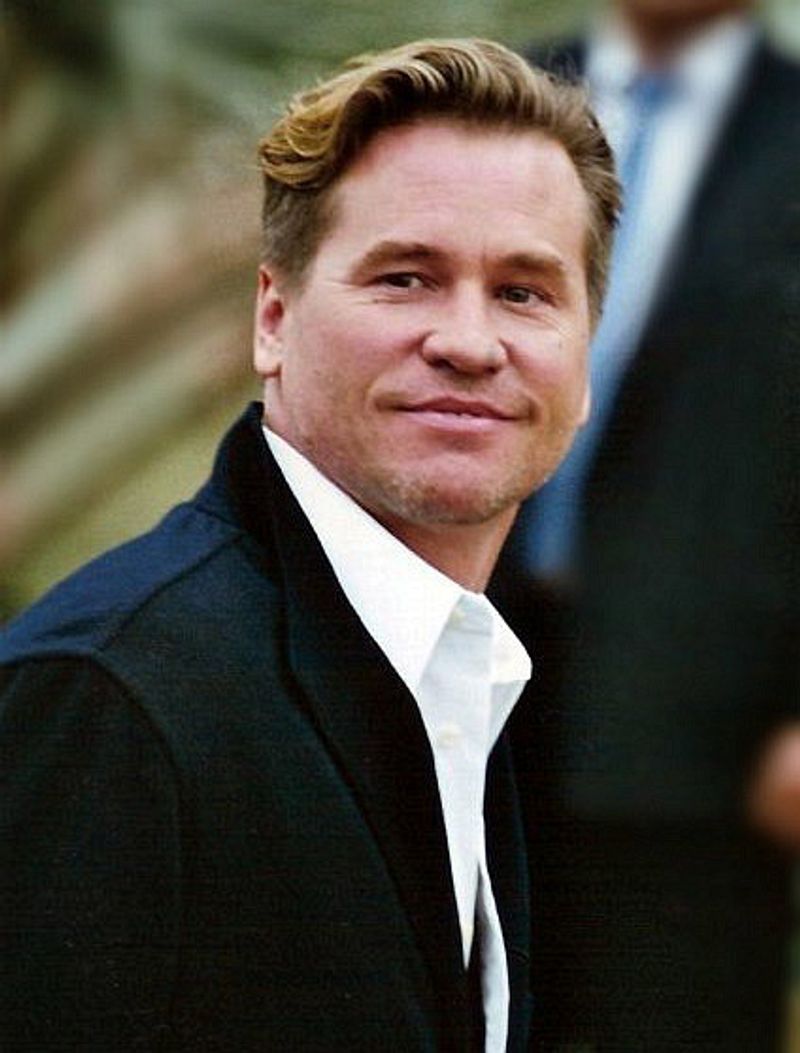
Val Kilmer’s talent and intensity have been praised by directors, yet numerous collaborators recall difficult periods. Reports from The Island of Dr. Moreau and Batman Forever describe clashes over direction, punctuality, and communication.
These accounts suggest a driven performer whose standards and methods sometimes clashed with production logistics.
Colleagues note that Kilmer could be generous and deeply prepared, but also unyielding when disagreeing with choices. Documentaries and memoirs revisit those sets as examples of how star power can collide with schedule pressures.
In chaotic shoots, even small conflicts can escalate quickly, magnifying reputations that endure across decades.
In recent years, Kilmer’s personal health journey reframed public perception, highlighting resilience and reflection. Archival footage and interviews offer a more rounded view, acknowledging both challenging moments and meaningful collaborations.
The takeaway is complexity: a formidable screen presence whose demanding approach sometimes unsettled teams, yet also delivered memorable work that continues to draw audience interest.
6. Marlon Brando
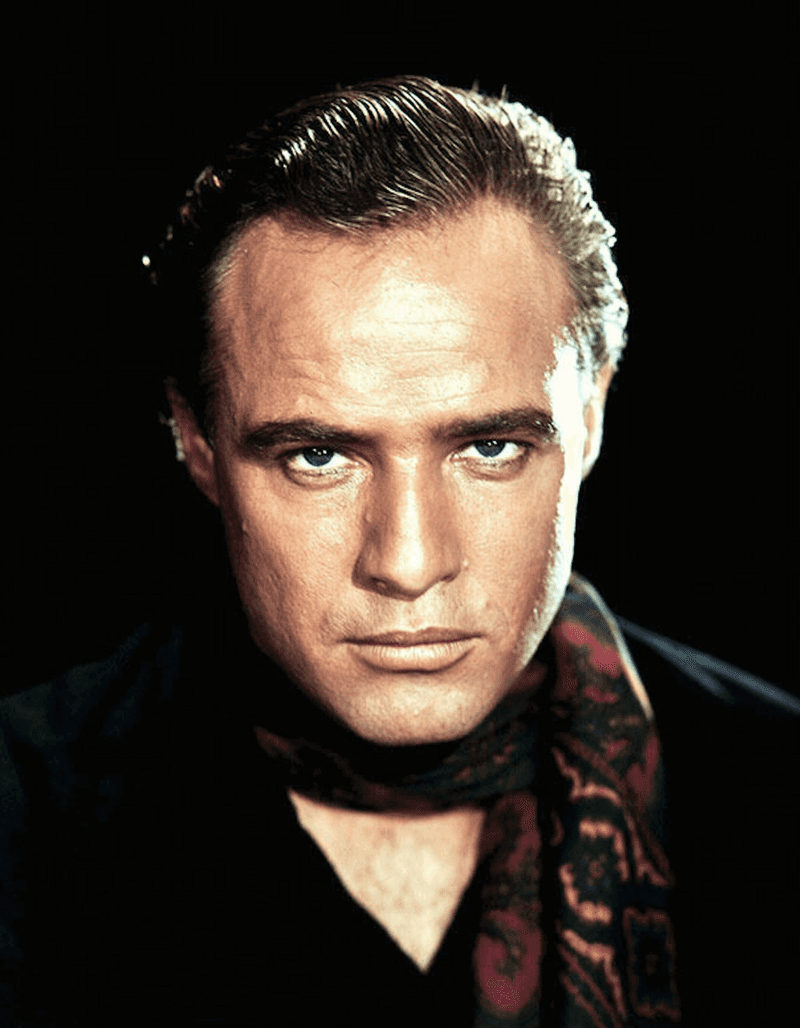
Marlon Brando’s legend includes brilliance and unpredictability. Reports describe him refusing to learn lines, leaning on cue cards, and surprising directors with improvised choices.
Productions sometimes struggled to keep pace, yet the results could be extraordinary on screen, reinforcing his status while complicating daily operations.
Stories from The Godfather and Apocalypse Now highlight scheduling delays, creative disputes, and shifting demands. Crews adapted by rewriting blocking, hiding prompts within set pieces, and restructuring call sheets.
These workarounds preserved momentum but increased costs, illustrating how an actor’s process can reshape an entire shoot.
Brando’s influence on modern acting remains profound. He championed naturalism and emotional spontaneity that many successors emulate.
Still, his difficult reputation persists as a cautionary tale about balancing artistic freedom with collective responsibility, reminding productions to plan contingencies when collaborating with singular, fiercely independent talents.
7. Russell Crowe
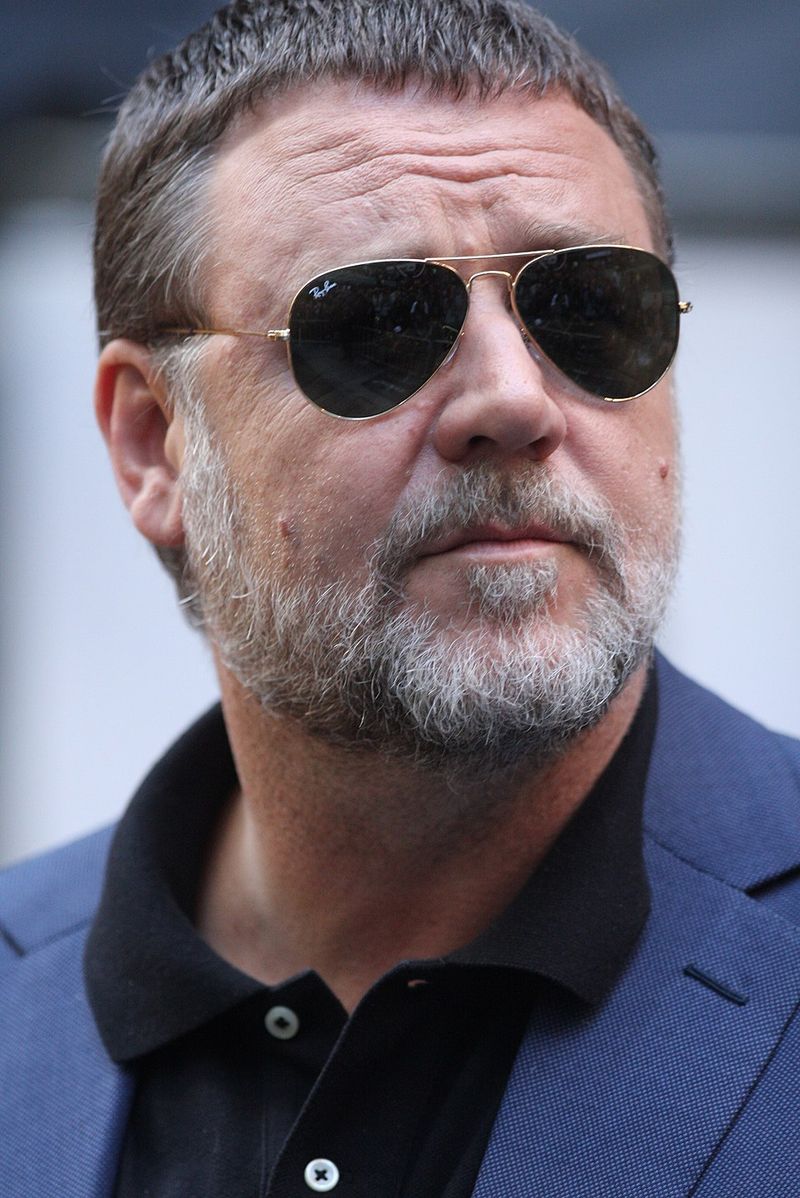
Russell Crowe’s 2000s era featured acclaimed performances alongside reports of volatility. Incidents off set sometimes bled into press narratives about his on set demeanor.
Colleagues have described intense focus and high expectations, which can elevate a scene yet risk confrontations when stress spikes or directions shift suddenly.
Accounts from large scale productions cite disagreements over script changes and staging. With tight schedules for epic sequences, even brief halts can ripple across departments.
Producers often plan buffers for complex days, but flashes of temper can compress rehearsal windows and heighten pressure on stunts, makeup, and camera crews.
In recent interviews, Crowe has reflected on maturity and perspective. His body of work demonstrates sustained discipline, suggesting lessons learned from earlier controversies.
The contrast underscores how demanding environments test communication and how reputations can evolve when craft and collaboration align more consistently.
8. Charlie Sheen
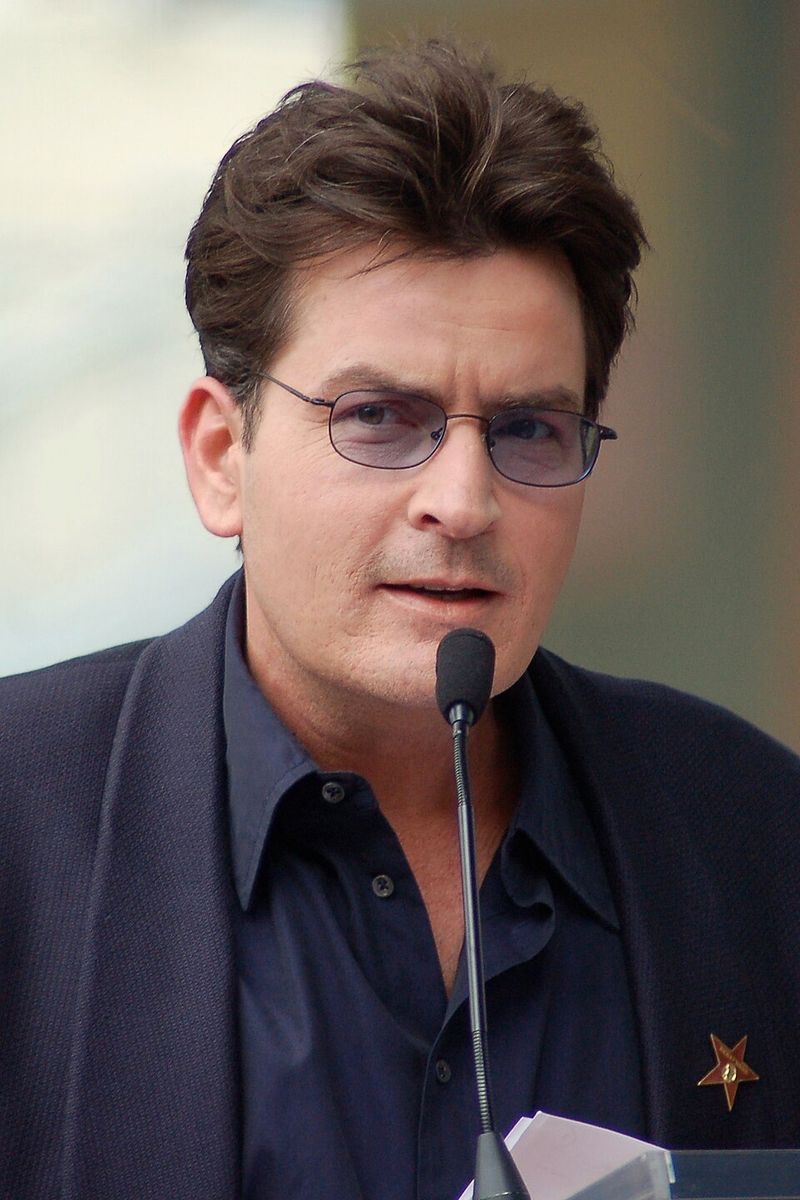
Charlie Sheen’s turbulent period during his TV peak became headline material. Public disputes with producers, erratic interviews, and abrupt departures defined coverage.
On set, reports described interruptions, missed calls, and morale challenges as crews attempted to keep episodes on schedule.
Two and a Half Men became the focal point for these issues. Negotiations, hiatuses, and public statements complicated planning for writers and network executives.
When a star in a multi camera sitcom destabilizes, the entire weekly pipeline struggles, affecting guest casting, marketing, and syndication timelines.
Sheen later pursued new projects with renewed messaging about stability. The legacy from that era remains instructive for showrunners balancing creative output with risk management.
It illustrates how high ratings and strong brand recognition can still be vulnerable when behind the scenes turbulence overwhelms routine production rhythms.
9. Shia LaBeouf

Shia LaBeouf’s career includes praised performances and reported clashes. Accounts from studio and indie sets mention heated disagreements, unpredictable choices, and occasional shutdowns to recalibrate.
Public legal disputes and behind the scenes complaints added layers to questions about reliability and working conditions.
Directors have noted his commitment to immersion and risk taking. In practice, that can produce raw results but also strain coordination across departments like stunts and continuity.
When improvisation outpaces planning, safety meetings and coverage strategies must adjust, sometimes expanding schedules and insurance oversight.
Recent years brought reflections, apologies, and ongoing controversies. Some filmmakers still seek his intensity, while others avoid potential disruption.
The mixed response underlines how reputations evolve project by project, influenced by accountability, consistency, and whether a production can support boundary pushing methods without sacrificing crew welfare.
10. Jared Leto
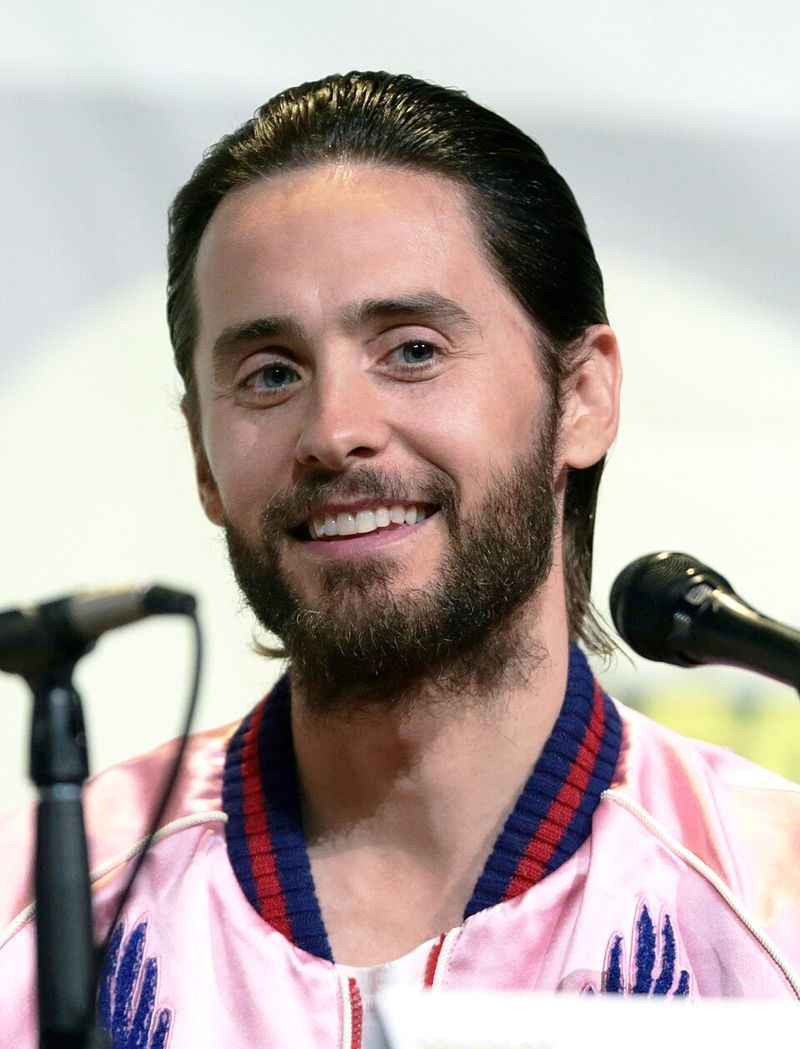
Jared Leto’s method approach has drawn criticism from colleagues who found the behavior disruptive. Reports from Suicide Squad described unusual gifts and immersive tactics that unsettled co stars.
Advocates argue such methods protect character focus, but crews sometimes struggle when boundaries blur in shared workspaces.
Production teams value predictability to manage safety and pace. When an actor’s process introduces surprises, departments like props, makeup, and intimacy coordination must recalibrate.
Even well intentioned experiments can distract, complicating coordination during complex scenes with heavy stunt or VFX elements.
Leto’s performances have earned awards and passionate fan interest. The challenge is aligning individual technique with ensemble needs.
Industry conversations increasingly emphasize consent and communication, encouraging actors to coordinate methods with department heads early so immersion enhances rather than disrupts collaborative production goals.
11. Mike Myers
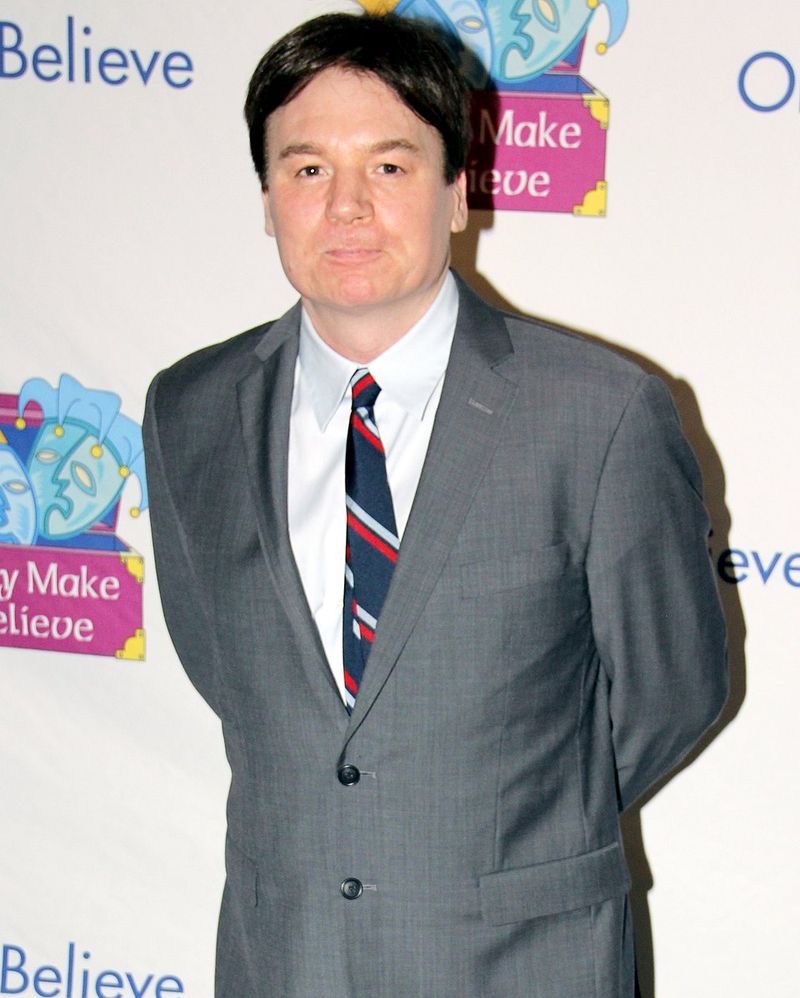
Mike Myers is known for meticulous control over comedic tone. Reports from Wayne’s World and The Love Guru eras mention script overhauls, extensive reshoots, and tense studio negotiations.
Crew members have described long hours refining bits, which can help precision but also extend schedules and budgets.
Directors and producers have spoken about disagreements on pacing, character emphasis, and editorial choices. Myers’s commitment to specific rhythms sometimes conflicts with broader commercial strategies.
When comedy hinges on exact timing, even minor changes can trigger cascading revisions across marketing and music clearances.
His successes show how that rigor can pay off culturally. Still, the working style can be demanding, requiring patient collaborators and flexible postproduction plans.
The reputation that follows is of a talented architect of humor whose high standards can either elevate a project or strain teams when consensus proves elusive.
12. Sean Young

Sean Young’s career includes memorable roles and a long standing reputation for erratic behavior. Reports from sets in the late 1980s and 1990s mention conflicts, unexpected absences, and public controversies that complicated casting.
Producers sometimes cited insurance concerns and reliability when explaining decisions to move forward without her.
Accounts vary, with some collaborators acknowledging professionalism and others recalling stressful days. Media attention frequently amplified incidents, which can make reentry into major projects harder.
The cycle of coverage and opportunity can become self reinforcing, shaping what roles are offered and under what conditions.
In later interviews, Young has challenged parts of the narrative, arguing certain depictions were unfair. The broader industry lesson is how quickly reputations harden, especially for women in eras with narrower margins for perceived missteps.
Her story remains a case study in how public perception and risk calculations intersect during casting and production.
13. Bruce Willis
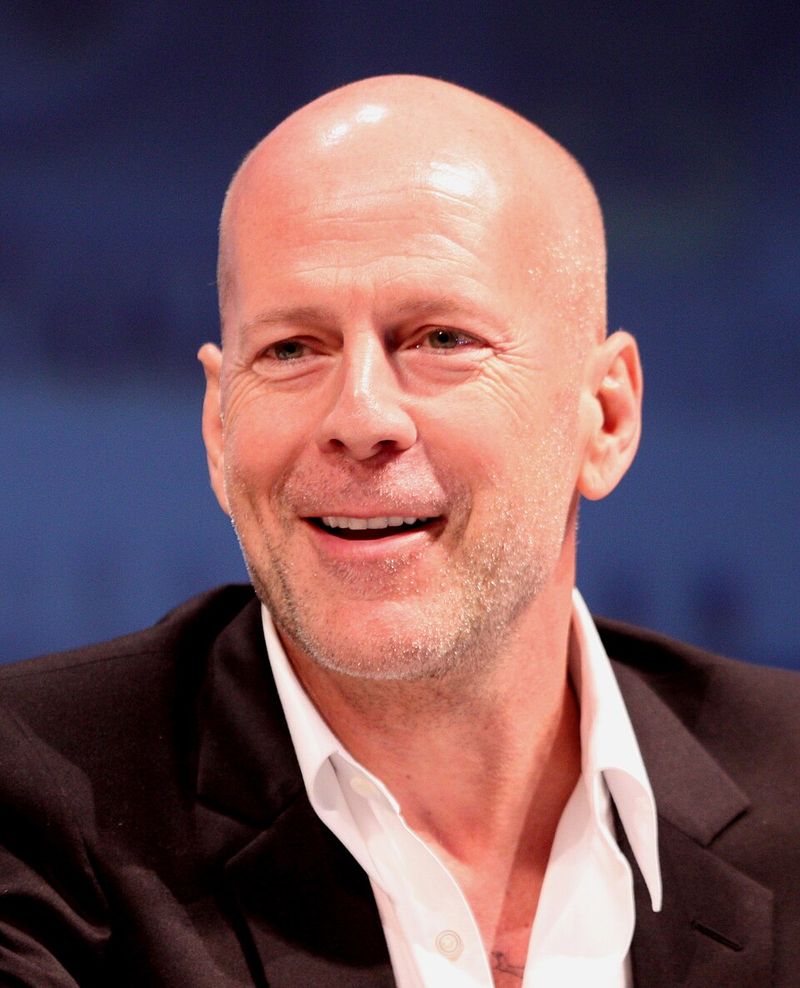
Bruce Willis developed a late career reputation for being hard to work with. Directors of low budget action films reported challenges with availability, limited takes, and reluctance to adjust blocking.
These constraints can compress creative options, pushing editors to assemble scenes from minimal coverage.
Colleagues from earlier eras also recounted friction, though balanced with respect for star power that sold tickets worldwide. In fast turnaround productions, however, limited time on set can burden stunt teams, camera operators, and continuity supervisors.
Schedules contract, forcing departments to prepare contingencies to capture essential beats quickly.
In recent years, health disclosures reframed some behavior. Understanding context matters when evaluating past reports and expectations.
Even so, the industry conversation points to how transparency and planning are crucial, particularly when marquee names anchor tight budgets and aggressive delivery windows.
14. Bill Murray
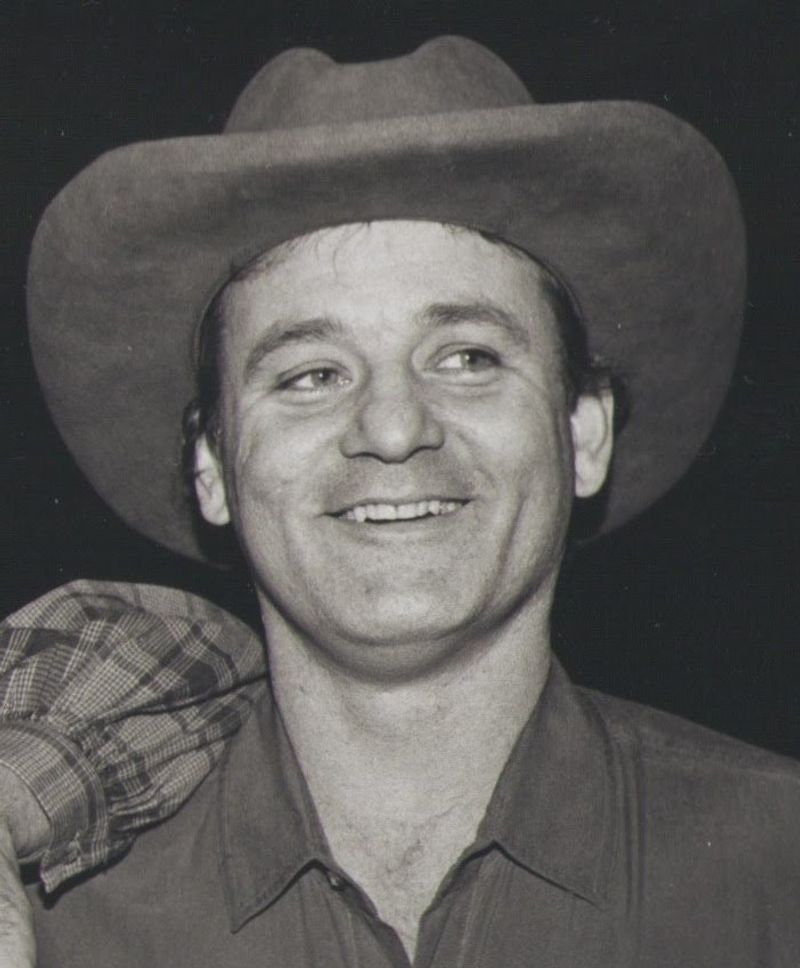
Bill Murray’s on set reputation is a mix of spontaneity and unpredictability. Directors and co stars have shared stories of last minute changes, disappearing acts, and sudden inspiration.
This mercurial approach can create memorable moments but also strain schedules when communication lapses.
Accounts from productions like What About Bob? and Charlie’s Angels mention conflicts over direction and tone. Some collaborators praise his instincts, while others describe avoidant habits that complicate notes and call times.
In ensemble films, reliable coordination is essential, and surprises can ripple through departments quickly.
Murray remains widely admired for unique screen presence and comedic timing. The industry has adapted by building flexible plans when he signs on.
Clear agreements and patient leadership help harness his strengths while minimizing disruptions that feed the difficult label attached to several past shoots.
15. Wesley Snipes
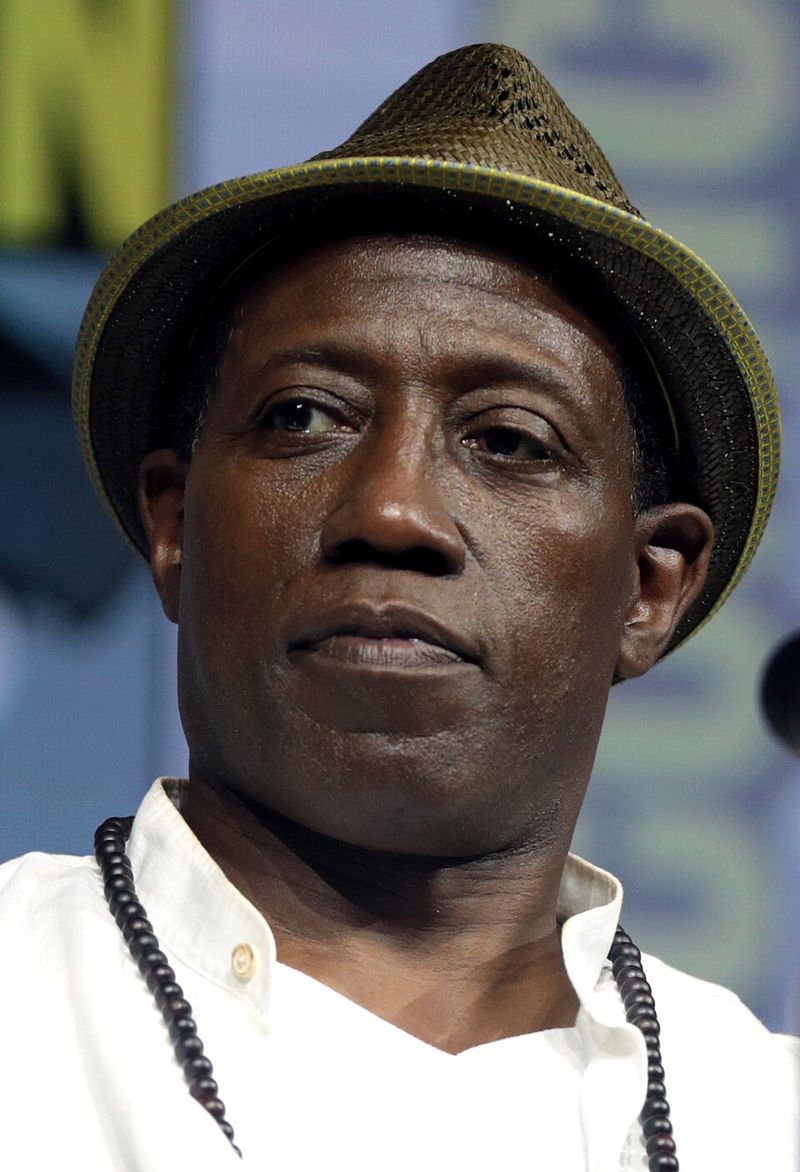
Wesley Snipes’s most cited controversy centers on Blade: Trinity. Reports from cast and crew described intense disagreements, limited communication, and reliance on stand ins for certain shots.
Production notes suggest strained relationships that made coordination across stunts and effects more difficult than expected.
When a franchise lead becomes distant, downstream teams like lighting and second unit absorb extra pressure. Scenes may be restructured to work around availability or participation.
That can change narrative emphasis and inflate costs, particularly in effects heavy sequences with tight delivery deadlines.
Snipes has contested some depictions, and subsequent work shows continued professionalism. The Blade: Trinity experience remains a reference point in discussions about star contracts, set culture, and conflict resolution.
It highlights the importance of clear communication pathways so large scale action films can run smoothly despite creative tension and complex logistics.



