Latin America is home to some of the most fascinating and adorable wildlife on the planet. From the misty cloud forests of the Andes to the lush Amazon rainforest, this region shelters creatures that seem almost too cute to be real.
Many of these animals are found nowhere else on Earth, making them truly one-of-a-kind. Get ready to meet 15 incredible animals that make Latin America one of the most biodiverse places in the world.
1. Capybara
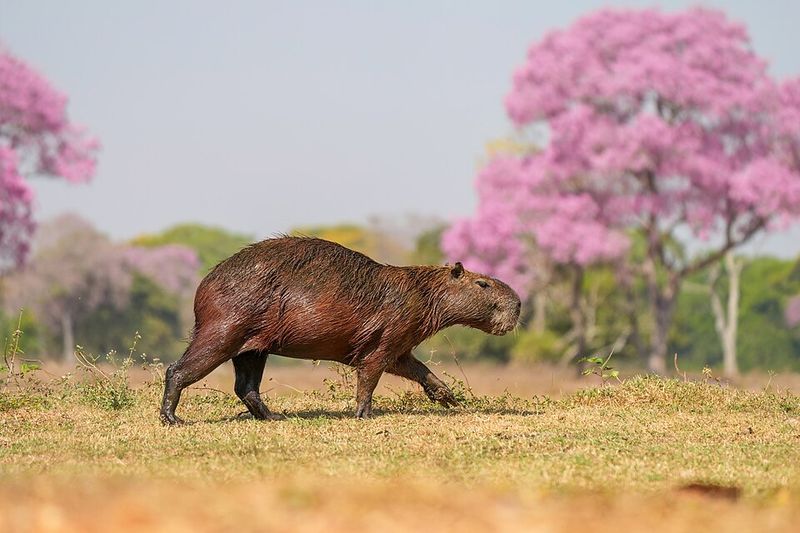
Meet the world’s largest rodent, and arguably one of its most laid-back. The capybara looks like a giant guinea pig and is famous for being incredibly calm around other animals.
Videos of capybaras hanging out with birds, monkeys, and even crocodiles have gone viral across the internet.
Found throughout South America, capybaras love water and are excellent swimmers. They live in groups called herds and spend their days grazing on grasses near rivers and lakes.
Their semi-aquatic lifestyle helps them stay cool in the hot tropical climate.
Capybaras are social animals that communicate through barks, whistles, and purrs. They are so easygoing that many animals treat them like living sofas.
In some parts of Brazil, they are considered a cultural symbol of peaceful coexistence in nature.
2. Southern Pudu
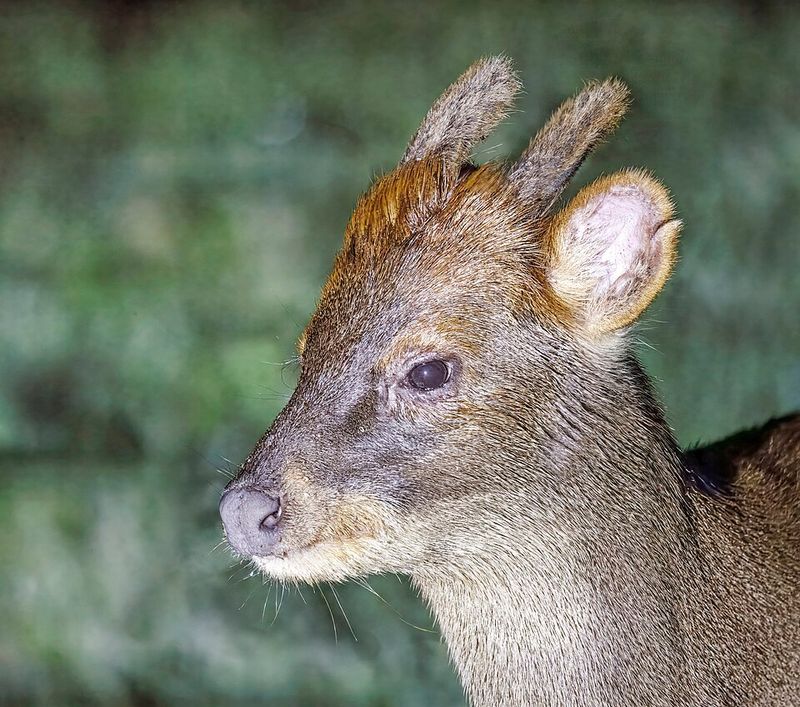
Standing at just 12 to 14 inches tall, the Southern Pudu holds the title of the world’s smallest deer. Native to the temperate rainforests of southern Chile and Argentina, this little creature looks like something straight out of a fairy tale.
Its big, round eyes and compact frame make it one of the most endearing animals in the region.
Pudus are shy and solitary by nature. They prefer dense forest cover where they can hide from predators like pumas and foxes.
Despite their small size, they are surprisingly agile and can climb fallen logs and run in a zigzag pattern to escape danger.
Sadly, habitat loss and hunting have pushed the Southern Pudu to near-threatened status. Conservation efforts in Chile and Argentina are working to protect these magical miniature deer before their populations decline further.
3. Golden Lion Tamarin
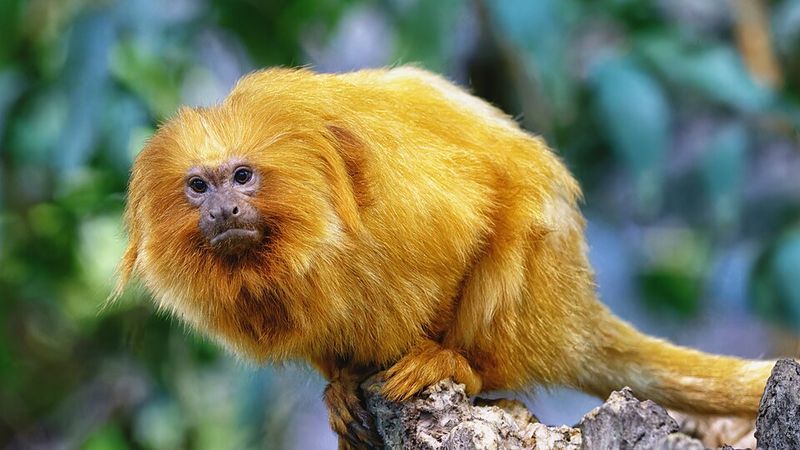
Wrapped in a coat of brilliant orange-gold fur, the Golden Lion Tamarin is one of the most visually striking primates on Earth. Named for the lion-like mane framing its small face, this tiny monkey lives in the Atlantic Forest of southeastern Brazil.
Adults weigh less than two pounds, yet they carry an undeniable air of royalty.
Golden Lion Tamarins are highly social animals that live in family groups. Both parents and older siblings help raise newborns, making them one of the few primate species with such cooperative parenting.
They communicate through a wide range of vocalizations and scent markings.
Once critically endangered due to deforestation, conservation programs have successfully increased their numbers. Today, around 3,700 individuals live in the wild, a hopeful comeback story driven by dedicated scientists and local communities working together to restore their forest habitat.
4. Cotton-top Tamarin
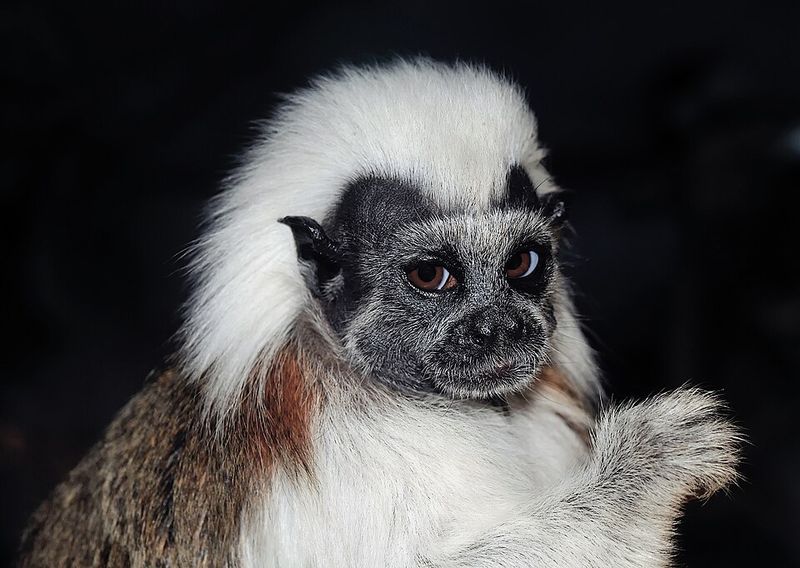
One look at the Cotton-top Tamarin and you will understand how it got its name. A wild explosion of white hair fans out from the top of its tiny head, giving it the look of a punk rock musician from the animal kingdom.
This charismatic little primate lives in the tropical forests of northwestern Colombia.
Cotton-tops are energetic and curious creatures. They spend their days leaping through the forest canopy in search of insects, fruit, and nectar.
Family units are tight-knit, and older offspring often help care for younger siblings, showing a strong sense of community within the group.
Critically endangered, fewer than 6,000 Cotton-top Tamarins are believed to remain in the wild. Deforestation and the illegal pet trade have severely reduced their numbers.
Organizations in Colombia are working tirelessly to protect remaining forest patches and educate local communities about their conservation.
5. Emperor Tamarin
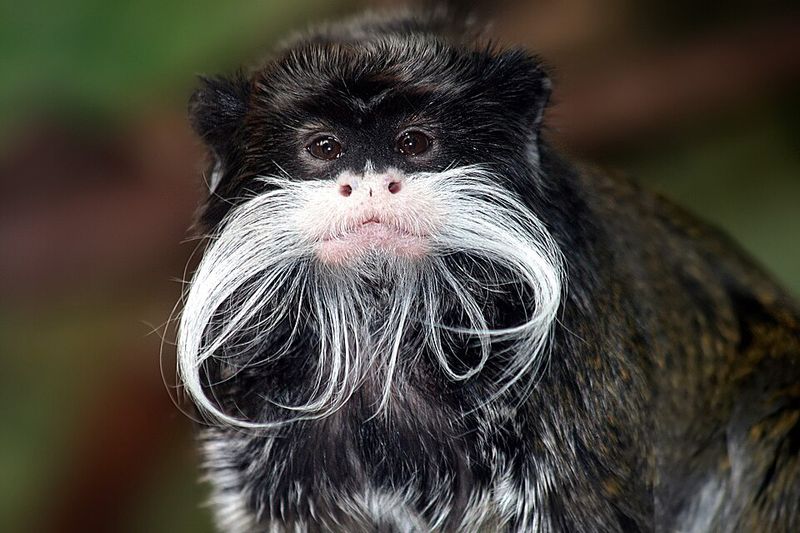
Legend has it that the Emperor Tamarin was named after German Emperor Wilhelm II because of its impressively long white mustache. Whether that story is true or not, this tiny monkey absolutely owns the look.
Found in the Amazon rainforest across Brazil, Bolivia, and Peru, it is one of the most recognizable primates in South America.
Emperor Tamarins are active during the day and spend most of their time high in the forest canopy. They have a varied diet that includes fruit, flowers, insects, and small vertebrates.
Their sharp claws, rather than nails, help them grip tree bark while foraging.
These tamarins often share their territory with Saddleback Tamarins and the two species frequently travel and forage together. This unusual cross-species partnership gives both groups better protection from predators and broader access to food resources throughout the rainforest.
6. Silky Anteater
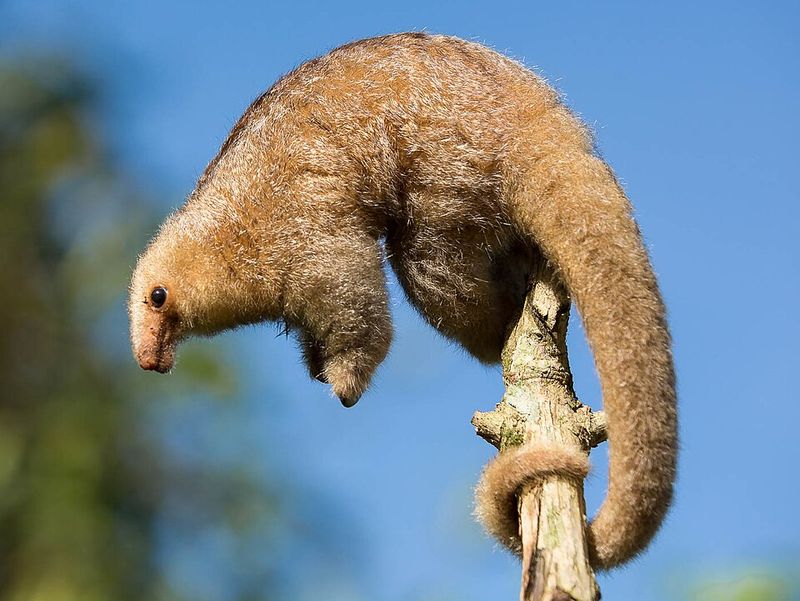
Wrapped in silky, golden fur and small enough to fit in the palm of your hand, the Silky Anteater is the tiniest anteater in the world. Also called the pygmy anteater, this nocturnal creature lives in the tropical forests stretching from southern Mexico down through Central and South America.
Its soft coat helps it blend in with the silky cotton fibers of the Ceiba tree.
Silky Anteaters are slow-moving but surprisingly strong. They use their curved claws to grip branches tightly and curl into a ball when threatened, protecting their softer underside.
Their long, sticky tongue darts in and out to catch ants and termites hiding in tree bark.
Because they are nocturnal and live high in the canopy, Silky Anteaters are rarely seen in the wild. Scientists still have much to learn about their behavior, making them one of the more mysterious animals in Latin America.
7. Patagonian Mara
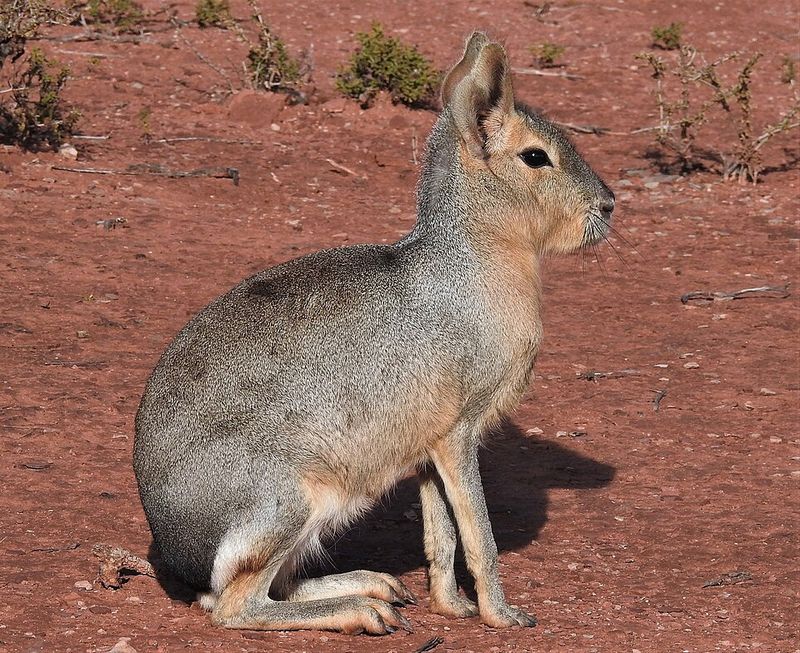
At first glance, the Patagonian Mara looks like someone mixed a rabbit with a small deer. It has the long ears of a hare, the body shape of an antelope, and the personality of a loyal companion.
Native to the open shrublands and grasslands of Argentina, this large rodent is the fourth-largest in the world.
Maras are monogamous, meaning they mate for life, which is quite rare among rodents. Pairs stay close together and raise their young in communal dens where multiple families share childcare duties.
This cooperative lifestyle helps protect young pups from predators like foxes and birds of prey.
Speedy and agile, Maras can reach speeds of up to 45 kilometers per hour when startled. They are herbivores that graze on grasses, cacti, and other plants.
Despite being widespread, habitat loss from farming is reducing their numbers across Patagonia.
8. Andean Mountain Cat
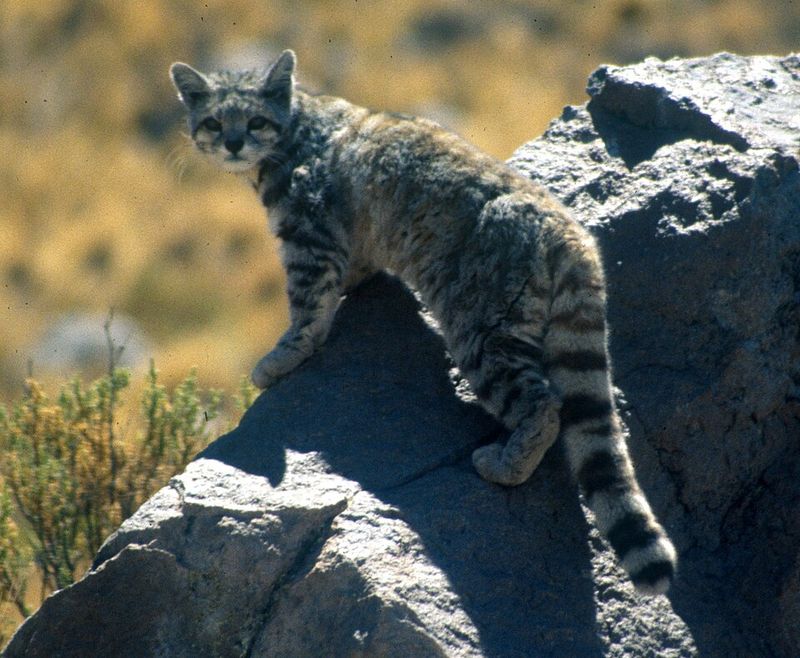
Few wildcats are as elusive and breathtaking as the Andean Mountain Cat. Living at elevations between 3,000 and 5,000 meters in the Andes mountains of Argentina, Bolivia, Chile, and Peru, this medium-sized cat is one of the rarest felines in the world.
Fewer than 1,400 adults are estimated to remain in the wild.
Its thick, ash-gray fur patterned with rust-colored spots and stripes keeps it warm in the freezing mountain climate. Its long, bushy tail makes up more than half its body length and helps with balance on rocky slopes.
The Andean Mountain Cat is so secretive that most local communities rarely see one.
Mountain viscachas, a type of chinchilla relative, make up the bulk of its diet. Because this cat depends so heavily on one prey species, any decline in viscacha populations directly threatens the survival of this magnificent high-altitude predator.
9. Margay
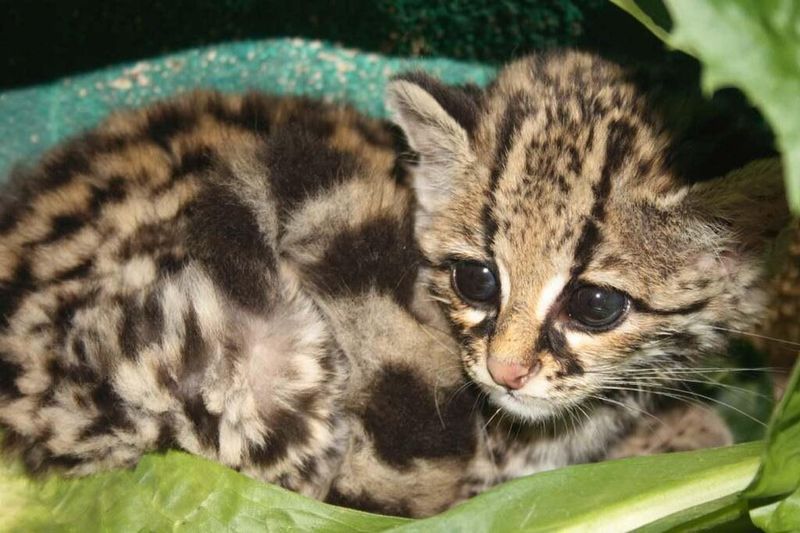
The Margay is a master of the treetops. Unlike most cats, it has flexible ankles that can rotate 180 degrees, allowing it to run headfirst down tree trunks and hang from branches using just its hind feet.
This remarkable adaptation makes it one of the most agile climbers in the animal kingdom.
Slightly smaller than an ocelot, the Margay has enormous, luminous eyes adapted for night vision. Its tawny, spotted coat provides perfect camouflage in the dappled light of the rainforest canopy.
It ranges from Mexico through Central America and into much of South America.
Perhaps the most remarkable trick in its playbook is vocal mimicry. Researchers in Brazil documented Margays imitating the calls of baby pied tamarins to lure curious adult monkeys closer.
This level of strategic hunting behavior was previously thought to be unique to humans and great apes.
10. Olinguito
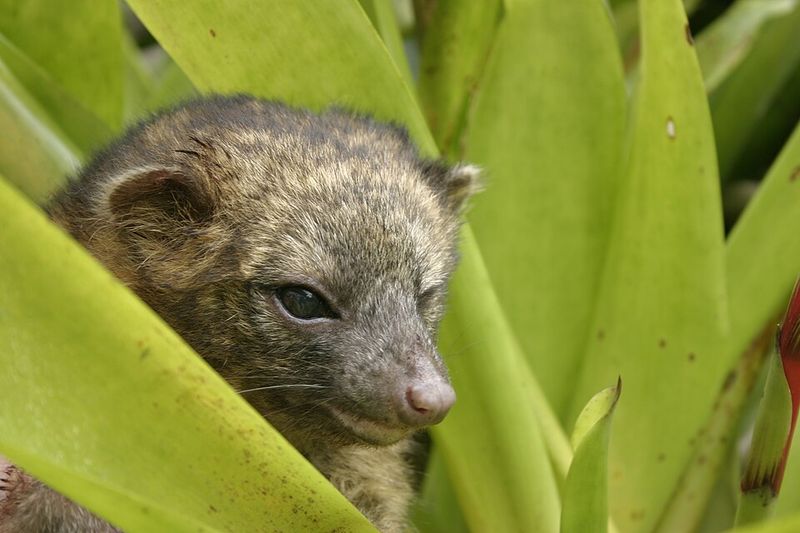
Scientists did not officially describe the Olinguito until 2013, making it the first new carnivorous mammal discovered in the Western Hemisphere in 35 years. This fluffy, wide-eyed creature lives in the cloud forests of the Andes in Colombia and Ecuador, and it looks like the adorable offspring of a teddy bear and a house cat.
Olinguitos are nocturnal and spend nearly their entire lives in the trees. They feed mainly on fruit, but also eat nectar and insects.
Their round faces, dense reddish-brown fur, and oversized eyes give them an almost cartoon-like appearance that captured hearts around the world when they were first revealed to science.
Because cloud forests are among the most threatened ecosystems in the Andes, protecting the Olinguito means protecting its entire habitat. Researchers are still learning about its behavior, population size, and the full extent of its range in the wild.
11. Cozumel Raccoon
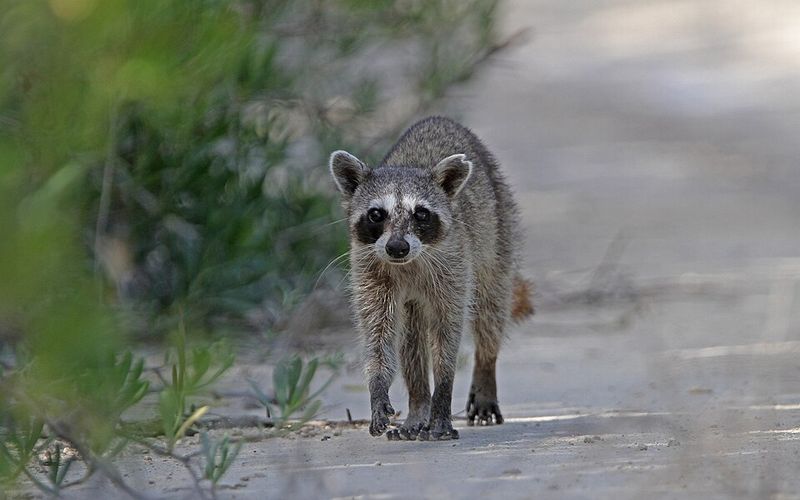
Tucked away on the island of Cozumel off the coast of Mexico, the Cozumel Raccoon is a unique island species found nowhere else on Earth. Smaller and more compact than its mainland relatives, it has adapted to island life in the Caribbean over thousands of years.
Its shorter snout and smaller size set it apart from the common raccoon most people recognize.
Cozumel Raccoons are opportunistic omnivores that eat crabs, fruit, insects, and whatever else the island provides. They are most active at night and tend to forage near the coastline and in the island’s interior forests.
Their small population makes them especially vulnerable to human activity.
Listed as critically endangered, the Cozumel Raccoon faces serious threats from habitat destruction, feral animals, and tourism development. With only a few hundred individuals believed to remain, conservation attention for this island endemic is more urgent than ever.
12. Black-handed Titi Monkey
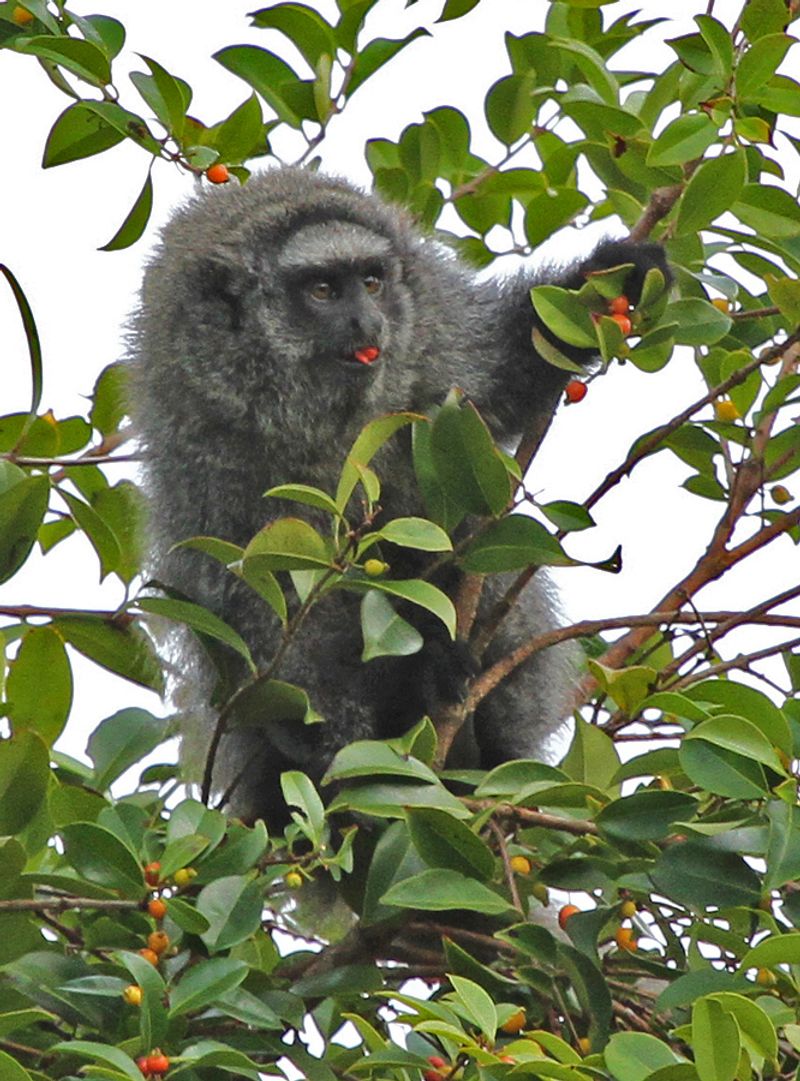
Titi monkeys are famous for something that sets them apart from most primates: they are devoted partners. Black-handed Titi Monkeys form lifelong pair bonds and spend hours sitting side by side with their tails intertwined, a behavior that signals trust and affection.
Watching a bonded pair perch together in the morning sun is genuinely heartwarming.
Native to the Atlantic Forest of Brazil, these small monkeys have soft, fluffy fur in shades of reddish-brown and gray, with notably dark hands. They wake up early each morning and call out in coordinated duets with their partner, reinforcing their bond and defending their territory.
Black-handed Titi Monkeys are highly sensitive to forest fragmentation. Because they rely on large, connected patches of forest, deforestation hits them especially hard.
Brazil’s ongoing Atlantic Forest restoration projects offer some hope for this quietly devoted little primate’s long-term survival.
13. Marine Otter
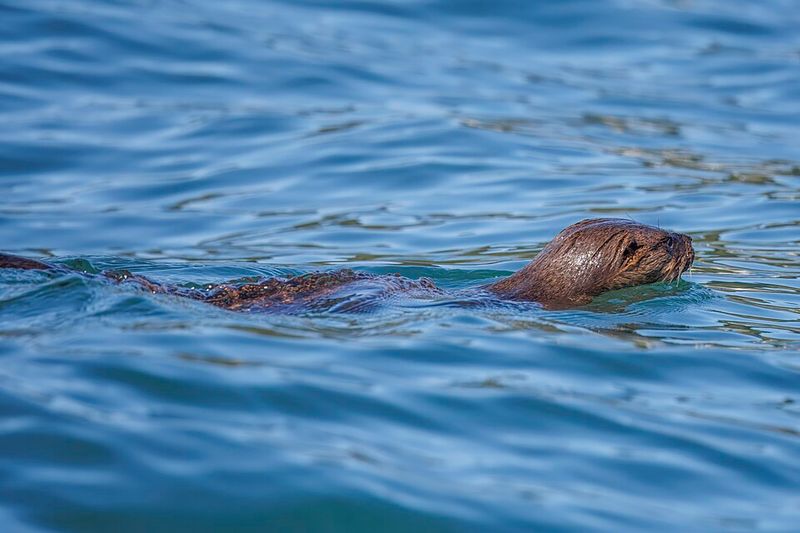
While sea otters get most of the attention, the Marine Otter is a lesser-known gem living along the rocky Pacific coastline of South America. Found from Peru down through Chile and occasionally into Argentina, this small otter navigates crashing waves and rugged shores with surprising ease.
It is the only truly marine otter species in South America.
Marine Otters are smaller than their North American relatives and tend to live in smaller family groups. They feed on crustaceans, mollusks, and fish, using their strong paws to crack open shells against rocks.
Their thick, waterproof fur keeps them insulated in the cold Pacific waters.
Classified as endangered, Marine Otters have suffered from hunting for their fur and competition with local fisheries. Recovery has been slow, but increased legal protections in Peru and Chile have helped stabilize some populations along protected coastal stretches.
14. Darwin’s Fox
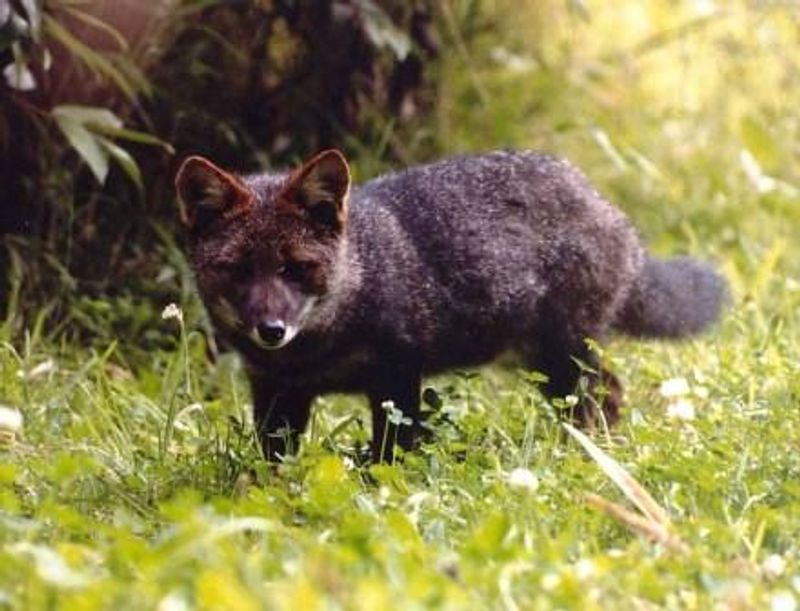
Charles Darwin himself collected the first specimen of this fox during his famous voyage on the HMS Beagle in 1834. Named in his honor, Darwin’s Fox is a small, dark-coated canid found only in the temperate forests of Chile, primarily on Chiloe Island and in the Nahuelbuta mountain range on the mainland.
Its connection to one of history’s greatest naturalists makes it extra special.
This fox is notably bolder than most wild canids and has been known to approach humans with curiosity rather than fear. It is omnivorous, eating berries, insects, small mammals, and carrion.
Its broad diet helps it survive in the dense, wet forests it calls home.
With fewer than 1,000 individuals estimated in the wild, Darwin’s Fox is critically endangered. Threats include habitat loss, domestic dog attacks, and roadkill.
Targeted conservation programs on Chiloe Island are working to protect this rare and historically significant species.
15. Long-tailed Chinchilla
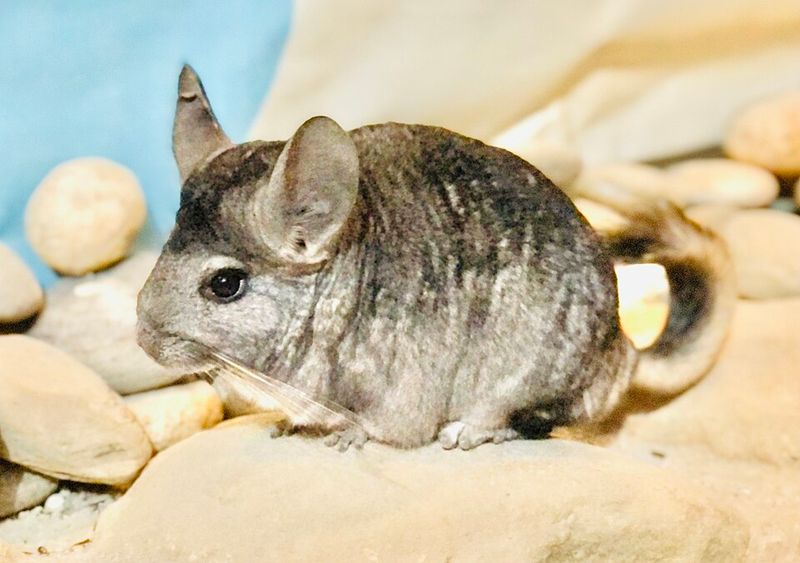
Long before chinchillas became popular pets, wild Long-tailed Chinchillas were thriving in the rocky slopes of the Chilean Andes. Known for having some of the softest fur of any mammal on Earth, these small rodents were hunted so heavily for the fur trade that they nearly disappeared entirely from the wild.
Today, they are critically endangered.
Wild chinchillas are social animals that live in colonies called herds. They are most active at dusk and dawn, using their large ears to detect predators and their powerful hind legs to leap across rocky terrain.
Their thick fur is not just beautiful; it serves as essential insulation against freezing Andean nights.
Conservation reserves in Chile, particularly the Las Chinchillas National Reserve, now protect remaining wild populations. Efforts to reduce illegal trapping and restore their rocky shrubland habitat are giving this fluffy Andean survivor a fighting chance at long-term recovery.
Share this story