 Unearth The Voyage
Europe does not have to drain your bank account to leave you speechless. Central Europe is packed with cities that offer stunning history, delicious food, and unforgettable experiences at prices that feel almost too good to be true.
From medieval market squares to thermal baths and baroque fountains, these destinations punch way above their weight. Whether you are planning your first trip abroad or looking for a fresh adventure, these 15 cities deserve a spot on your travel list.
Kraków, Poland
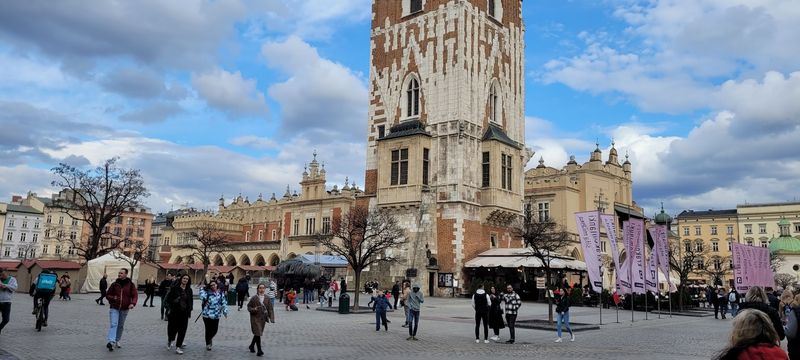
Step onto Kraków’s enormous Main Market Square and you might forget what century you are in. The medieval architecture wrapping around the square has stayed remarkably intact, and the lively mix of street performers, flower vendors, and café-goers makes every visit feel like a celebration.
It is one of the largest medieval squares in all of Europe.
Wawel Castle sits proudly on a hilltop overlooking the city, offering sweeping views and centuries of royal history. Just a short walk away, the Kazimierz district blends Jewish heritage with a booming arts scene, quirky bookshops, and some of the best street food in Poland.
Pierogies here cost next to nothing and taste absolutely incredible.
Budget travelers will appreciate that most of Kraków’s major sights are free or very cheap to enter. The nearby Wieliczka Salt Mine is one of the most unique underground attractions in the world and well worth the small admission fee.
Accommodation options range from cozy hostels to stylish boutique hotels, all at prices that feel refreshingly reasonable compared to Western European cities.
Budapest, Hungary
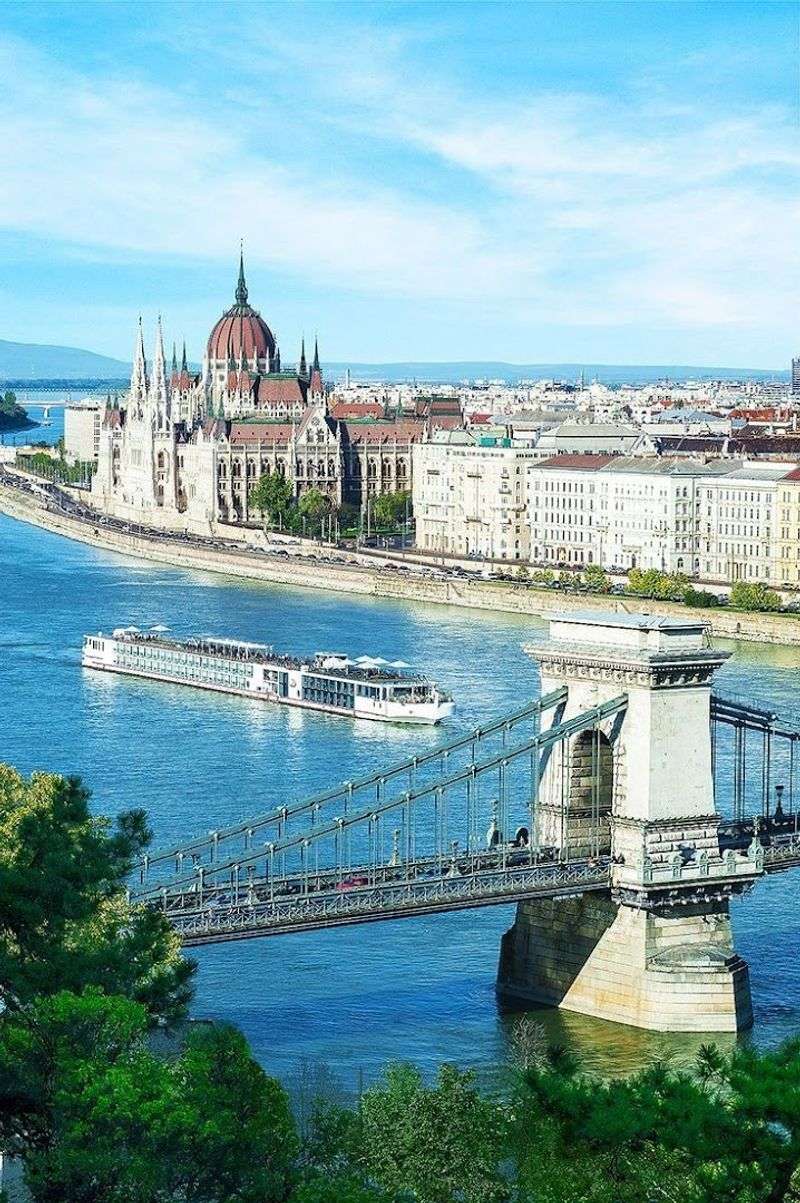
Few cities in the world can compete with Budapest when it comes to sheer visual drama. The Hungarian Parliament building glowing along the Danube at night is the kind of image that stops you mid-scroll every single time.
It is genuinely one of the most photogenic capitals on the entire continent.
Beyond the postcard views, Budapest delivers experiences that are hard to beat. Soaking in the ornate Széchenyi thermal baths feels like stepping into a living museum, and admission is surprisingly affordable.
Buda Castle on the western bank offers a completely different vibe, with cobblestone streets and panoramic views that stretch for miles.
Food and drink in Budapest lean heavily in the traveler’s favor. A hearty bowl of goulash at a local étterem will rarely cost more than a few euros, and the city’s famous ruin bars offer cheap drinks inside creatively decorated abandoned buildings.
Public transport is efficient and inexpensive, making it easy to hop between neighborhoods without burning through your budget. Budapest rewards curious travelers generously, and it does so without asking much in return.
Bratislava, Slovakia
Bratislava has a bit of an underdog reputation, and honestly, that works in your favor as a visitor. While tourists pour into neighboring Vienna and Budapest, Slovakia’s capital quietly offers its own brand of charm without the crowds or inflated prices.
The compact Old Town is so walkable you can cover most of it comfortably in a single afternoon.
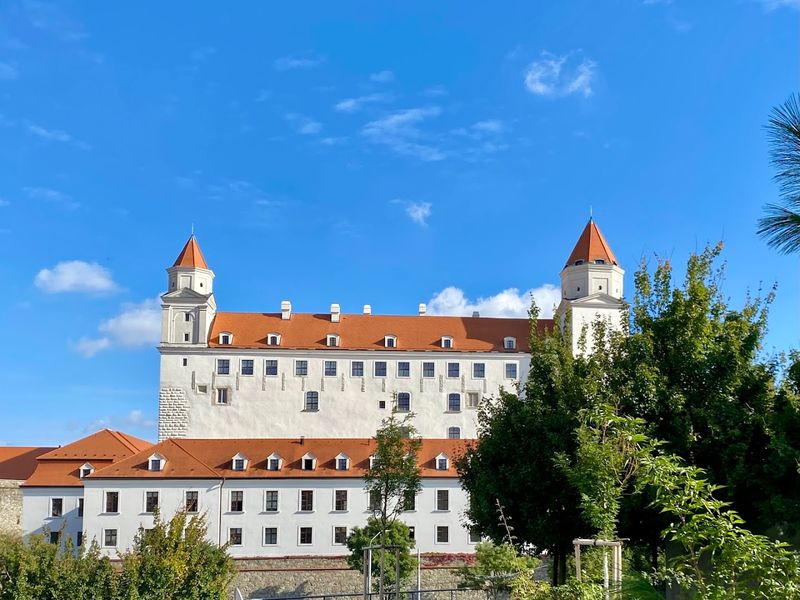
Bratislava Castle dominates the skyline with its distinctive four-tower silhouette, and the climb up rewards you with gorgeous views over the Danube. Wander back down through narrow medieval lanes lined with pastel-colored buildings, and you will stumble across quirky statues, cozy wine bars, and history around every corner.
The city has a wonderfully relaxed energy that is hard to manufacture.
Eating and drinking here will leave your wallet surprisingly happy. Slovak cuisine features hearty dishes like bryndzové halušky, a potato dumpling dish with sheep cheese that is both cheap and deeply satisfying.
Day trips to nearby castles like Devín add even more value to your stay. For travelers who enjoy discovering places before they hit the mainstream radar, Bratislava is an absolute find worth prioritizing.
Ljubljana, Slovenia
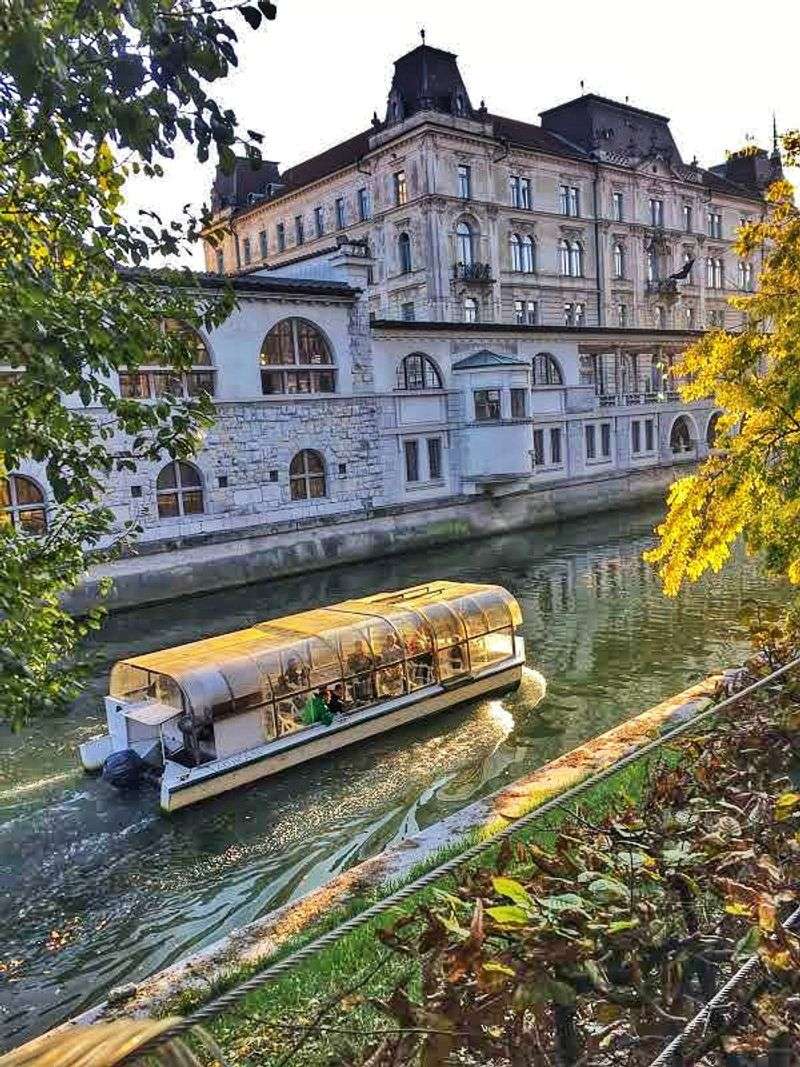
Ljubljana might just be the most livable city you have never seriously considered visiting. Slovenia’s capital earned the title of European Green Capital back in 2016, and the car-free city center proves exactly why that recognition was deserved.
Walking along the Ljubljanica River on a warm afternoon feels effortlessly pleasant in a way that few cities manage to pull off.
The Triple Bridge connecting the old and new parts of the city is a favorite gathering spot for locals and visitors alike. Above it all, Ljubljana Castle perches on a forested hill and offers free access to its grounds, with a funicular available for those who prefer not to hike.
The views from the top are genuinely worth the short journey.
Markets play a big role in daily life here, and the open-air Central Market along the river is a wonderful place to grab fresh local produce, cheese, and honey at very reasonable prices. Restaurant meals in Ljubljana are noticeably cheaper than in Vienna or Zurich despite Slovenia being considered one of the more prosperous smaller nations in Central Europe.
The city’s relaxed, friendly atmosphere makes it ideal for travelers who want culture without chaos.
Brno, Czech Republic
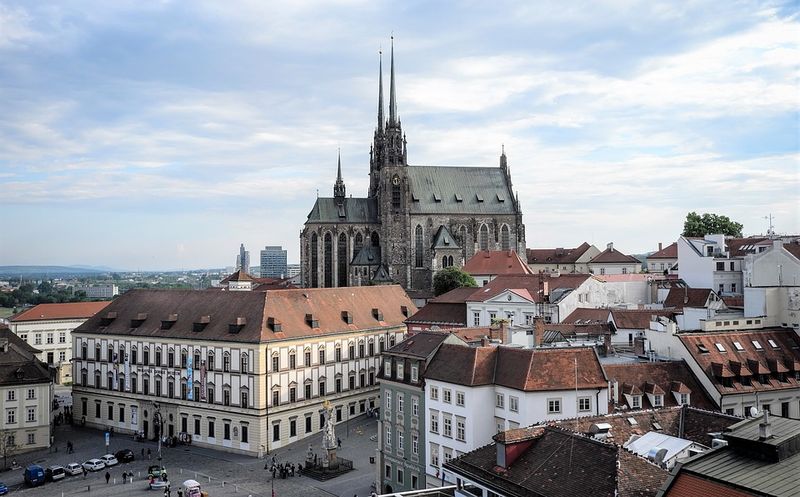
Brno does not bother competing with Prague, and that confidence is exactly what makes it so appealing. The Czech Republic’s second city has its own identity built around a buzzing student population, a thriving café culture, and a surprisingly rich architectural heritage.
Prices across the board are noticeably lower than in the capital, which makes exploring here feel like a genuine bargain.
Špilberk Castle looms over the city with a history that swings between royal residence and infamous prison. Today it houses museums and hosts outdoor events that draw locals out in full force during summer.
The Villa Tugendhat, a UNESCO-listed modernist masterpiece, is another must-see that regularly surprises visitors who expect only Gothic spires from Czech cities.
Brno’s nightlife scene is legendary among locals and well worth experiencing. Craft beer bars, live music venues, and late-night kebab stands create an energetic atmosphere that feels genuine rather than touristy.
The city also hosts a Formula 1 Grand Prix circuit just outside town, which brings a different kind of excitement to the region. Whether you come for the history, the beer, or the vibe, Brno consistently delivers more than most travelers expect from it.
Wrocław, Poland
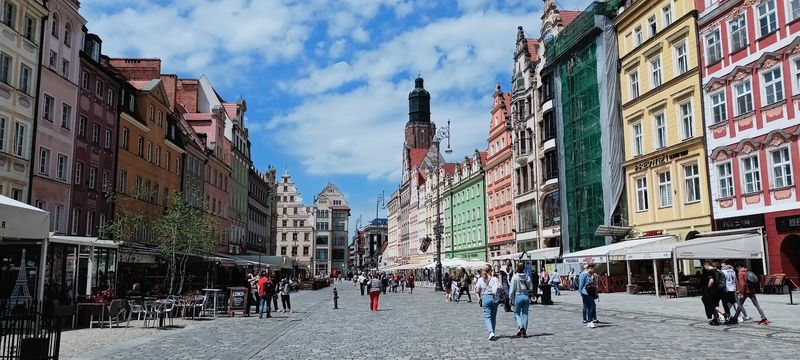
Somewhere around your third bronze dwarf statue spotted on a Wrocław sidewalk, you realize this city has a seriously playful personality. Over 300 of these tiny gnome figurines are hidden throughout the city, turning an ordinary walk into an unexpectedly fun treasure hunt.
It is the kind of quirky detail that perfectly captures Wrocław’s spirit.
The Market Square at the heart of the city is one of the most beautiful in all of Poland, ringed by brightly painted Gothic and Baroque buildings that practically beg to be photographed. The Gothic Town Hall standing in the center is a masterpiece of medieval architecture and houses a fascinating museum inside.
Cafés and restaurants spilling out onto the square make it a brilliant spot to spend an afternoon.
Wrocław sits along the Oder River, which winds through the city and creates a network of islands connected by charming bridges. The Cathedral Island, or Ostrów Tumski, is the oldest part of the city and feels like stepping into a different era entirely.
Food and accommodation here are affordable even by Polish standards, and the city’s lively arts and music scene ensures there is always something interesting happening nearby.
Gdańsk, Poland
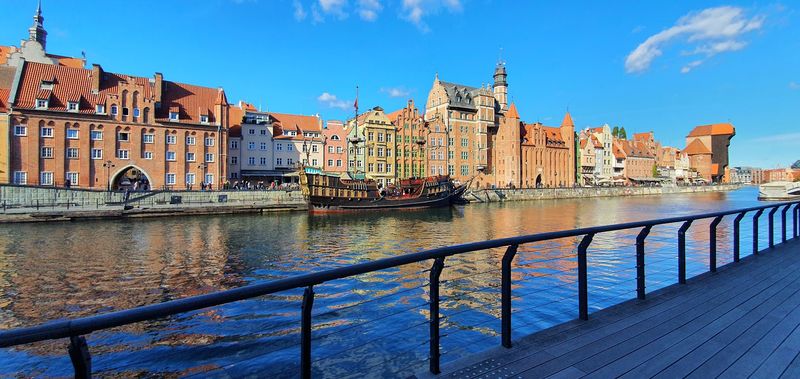
There is something almost theatrical about Gdańsk’s Long Lane waterfront, where tall, narrow merchant houses in bold shades of red, gold, and green line the Motława River like a perfectly staged backdrop. The city’s Baltic location gives it a maritime soul that feels distinct from inland Polish cities.
Wind off the sea, cobblestones underfoot, and history everywhere you look — Gdańsk delivers atmosphere in generous quantities.
The city played a pivotal role in 20th-century history as the birthplace of the Solidarity movement that helped bring down communism across Eastern Europe. The European Solidarity Centre is one of the most thoughtfully designed and genuinely moving museums in the region.
Visiting it adds serious depth to any trip here beyond the pretty waterfront photos.
Seafood features prominently on local menus, with smoked fish from market stalls being a beloved local snack that costs almost nothing. The nearby beach resort of Sopot is just a short train ride away, making Gdańsk an ideal base for a few days of mixed city and coastal exploration.
Accommodation prices remain significantly lower than comparable port cities in Western Europe, which makes planning a longer stay here an easy and financially sensible decision.
Olomouc, Czech Republic
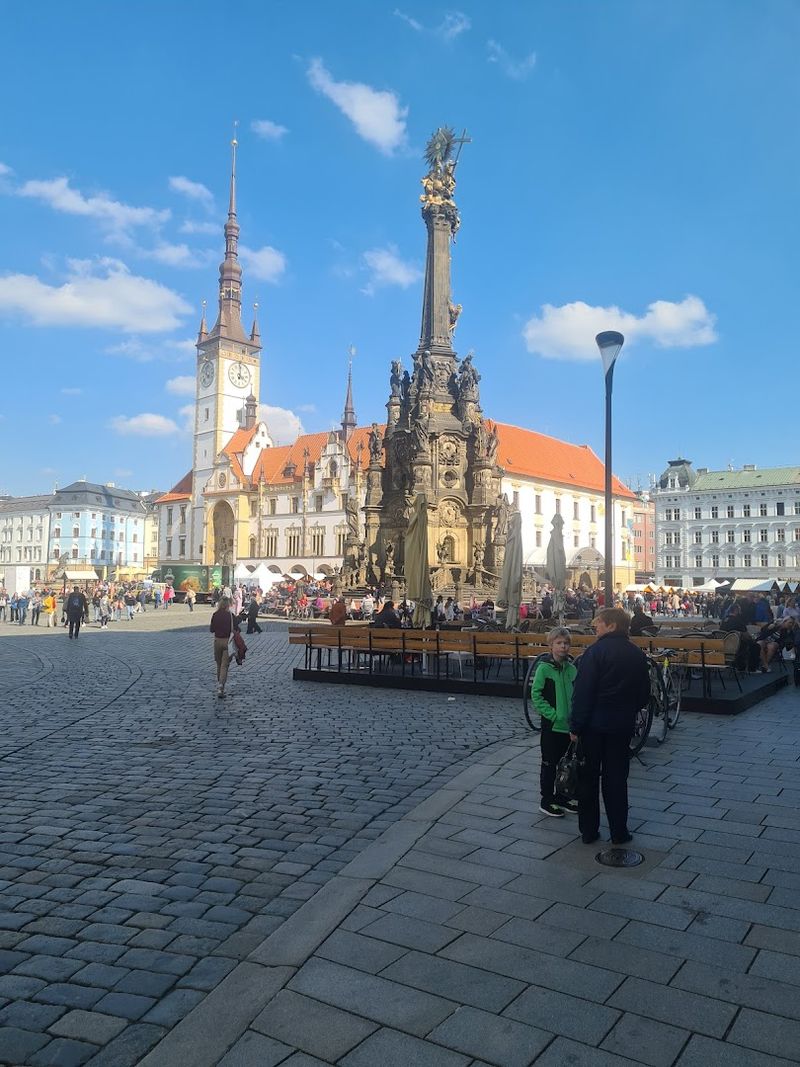
Most travelers who visit Olomouc do so by accident — a detour from the train schedule, a recommendation from a stranger — and they almost universally leave wishing they had stayed longer. This compact Moravian city packs an extraordinary amount of baroque grandeur into a very small space.
Six monumental fountains, a UNESCO-listed Trinity Column, and some of the most ornate church interiors in Central Europe all sit within comfortable walking distance.
The Holy Trinity Column is the undisputed star of the main square, a towering gilded baroque sculpture that took 38 years to complete and still manages to stop visitors in their tracks today. Surrounding it, the city’s café scene hums with the energy of thousands of university students who keep prices happily low.
A good coffee and a slice of cake here will rarely set you back more than a couple of euros.
Olomouc also produces its own regional specialty, a pungent cheese called Olomoucké tvarůžky, which locals are fiercely proud of and visitors find either fascinating or alarming depending on their relationship with strong smells. The city’s relaxed pace, affordable restaurants, and genuine lack of mass tourism make it one of the most rewarding off-the-beaten-path stops in the Czech Republic.
Graz, Austria
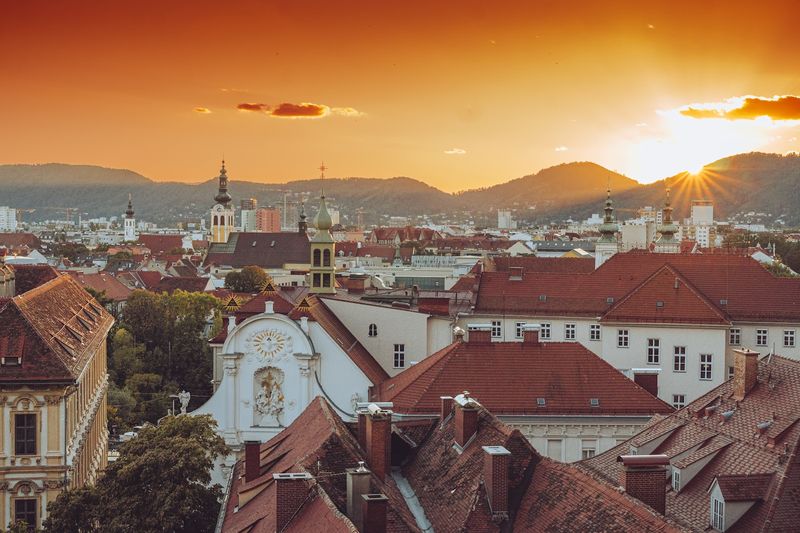
Austria and cheap travel rarely appear in the same sentence, but Graz quietly breaks that rule. The country’s second-largest city offers a genuinely affordable alternative to Vienna and Salzburg, with a historic center so beautiful it earned UNESCO World Heritage status.
Renaissance courtyards, pastel facades, and a hilltop clock tower create a setting that feels more like a film set than an actual functioning city.
The Schlossberg, a forested rocky hill rising right from the city center, is free to climb and rewards the effort with panoramic views over the terracotta rooftops below. At its summit, the old clock tower has become an unofficial symbol of Graz and a favorite spot for both locals and visitors to watch the sunset.
The contrast between this medieval landmark and the futuristic Kunsthaus art museum just steps away says a lot about the city’s personality.
Graz has a thriving food scene driven partly by its proximity to the fertile Styrian countryside. Local specialties include pumpkin seed oil, which gets drizzled over everything from salads to ice cream with considerable enthusiasm.
The city’s farmers markets, student-friendly bars, and regular cultural festivals create an atmosphere that feels lively without being overwhelming. Graz rewards travelers who are willing to look slightly beyond the obvious Austrian destinations.
Pécs, Hungary
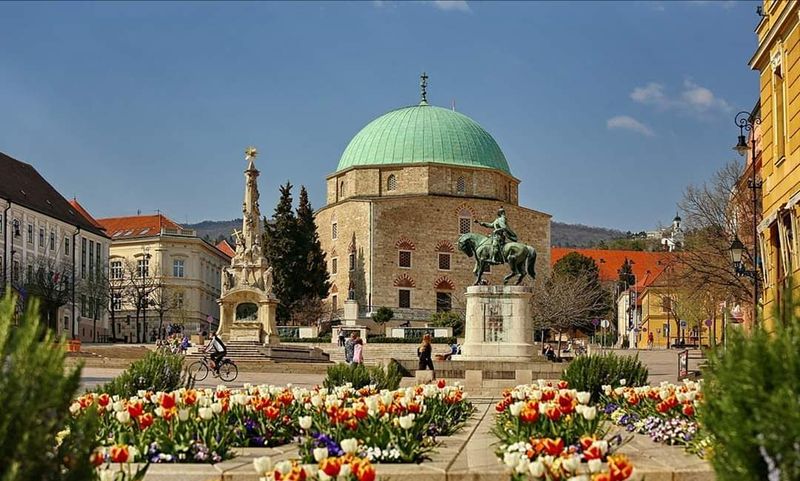
Pécs has the kind of sunny, relaxed atmosphere that makes you want to linger over a coffee for two hours without feeling guilty about it. Situated in southern Hungary near the Croatian border, the city enjoys one of the warmest climates in the country, which gives it a vaguely Mediterranean mood that sets it apart from Budapest’s grander, more formal energy.
Locals seem to have genuinely mastered the art of taking it easy.
The city’s history reads like a layered archaeological cake. Roman ruins sit beneath Ottoman mosques that were later converted into Christian churches, creating a unique architectural blend you will not easily find elsewhere in Europe.
The main square’s Mosque of Pasha Qasim, now a functioning Catholic church, is one of the most visually striking examples of this cultural layering. History fans will find plenty to keep them occupied for days.
Pécs earned the title of European Capital of Culture in 2010, and its vibrant arts scene has continued growing ever since. Galleries, festivals, and open-air performances fill the city’s calendar, particularly during summer months.
Prices for food, drinks, and accommodation remain very budget-friendly, making Pécs an excellent choice for travelers who want rich cultural experiences without the financial strain that often comes with major European capitals.
Plzeň (Pilsen), Czech Republic
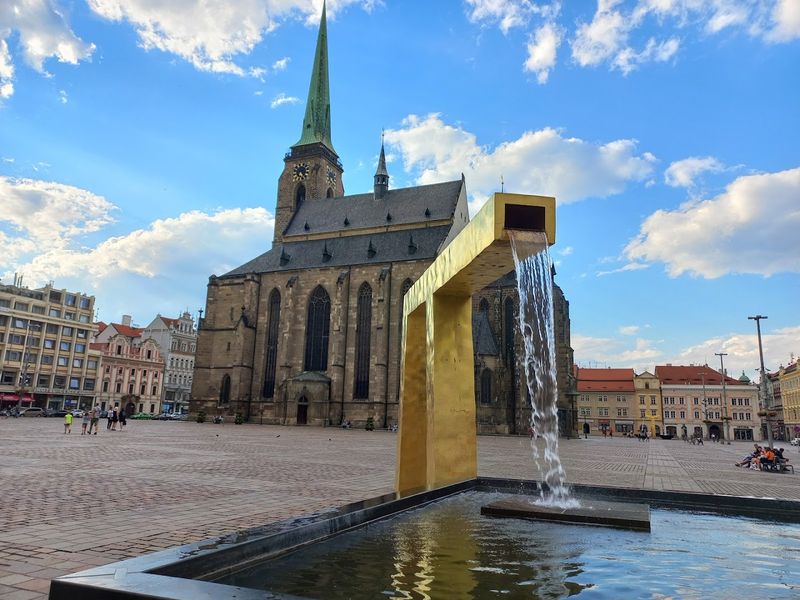
Every sip of Pilsner lager anywhere in the world traces its roots back to one specific city: Plzeň. The birthplace of the world’s most popular beer style takes that heritage seriously, and the Pilsner Urquell Brewery tour is hands down one of the most entertaining factory visits you will ever do.
The underground cellars where fresh unfiltered beer flows straight from wooden barrels are reason enough to book a train ticket.
Beyond the beer, Plzeň has a handsome historic center anchored by the Gothic St. Bartholomew’s Cathedral, which boasts the tallest church tower in Bohemia. The main square surrounding it is pleasantly lively without feeling overrun, and the city’s Great Synagogue is one of the largest in Europe and absolutely worth a visit.
There is more architectural substance here than most passing travelers give the city credit for.
Prices in Plzeň are consistently lower than in Prague, sometimes significantly so, making it an ideal day trip or overnight stop for budget-conscious visitors. Local restaurants serve classic Czech dishes like svíčková, a creamy beef sirloin with bread dumplings, at prices that feel almost suspiciously affordable.
The city’s relaxed, unpretentious character makes it a refreshing contrast to the tourist-heavy capital just 90 minutes away by train.
Košice, Slovakia
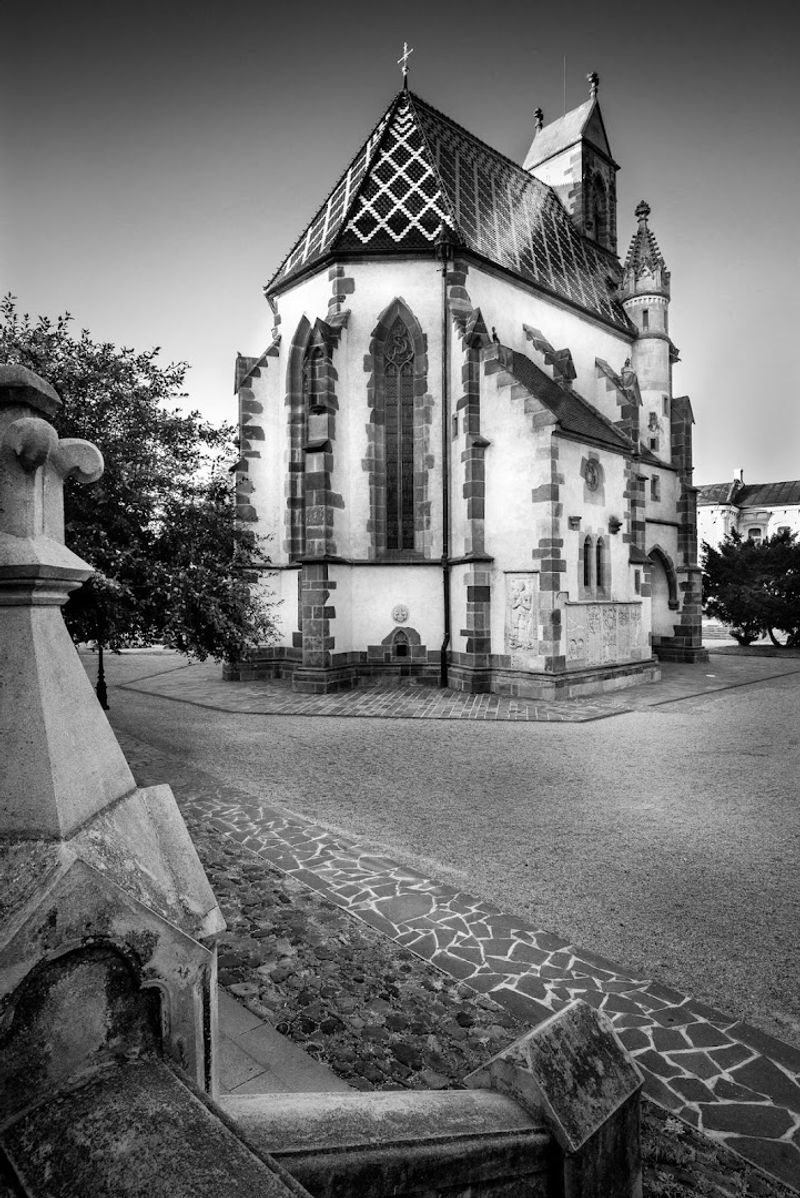
Walking down Košice’s long, pedestrianized main street feels like flipping through a very well-illustrated history book. Gothic cathedrals, Baroque palaces, and Art Nouveau facades all share the same thoroughfare in a way that somehow feels completely natural rather than chaotic.
Slovakia’s second city has been quietly building one of the most impressive historic centers in the region without making nearly enough noise about it.
St. Elisabeth Cathedral is the undisputed centerpiece, a magnificent Gothic structure that dominates the skyline and holds the distinction of being the easternmost Gothic cathedral in Europe. Inside, the scale and detail of the stonework is genuinely breathtaking, and admission is minimal.
The surrounding streets are lined with museums, galleries, and the kind of independent cafés that encourage long, unhurried visits.
Košice served as the European Capital of Culture in 2013, and the investment in cultural infrastructure from that period is still very visible today. The city has a warm, welcoming energy that feels authentic rather than performed for tourists, which makes spending time here feel genuinely rewarding.
Accommodation and dining costs are among the lowest of any culturally significant city in Central Europe, making Košice an ideal destination for travelers who want substance without spending a fortune.
Maribor, Slovenia
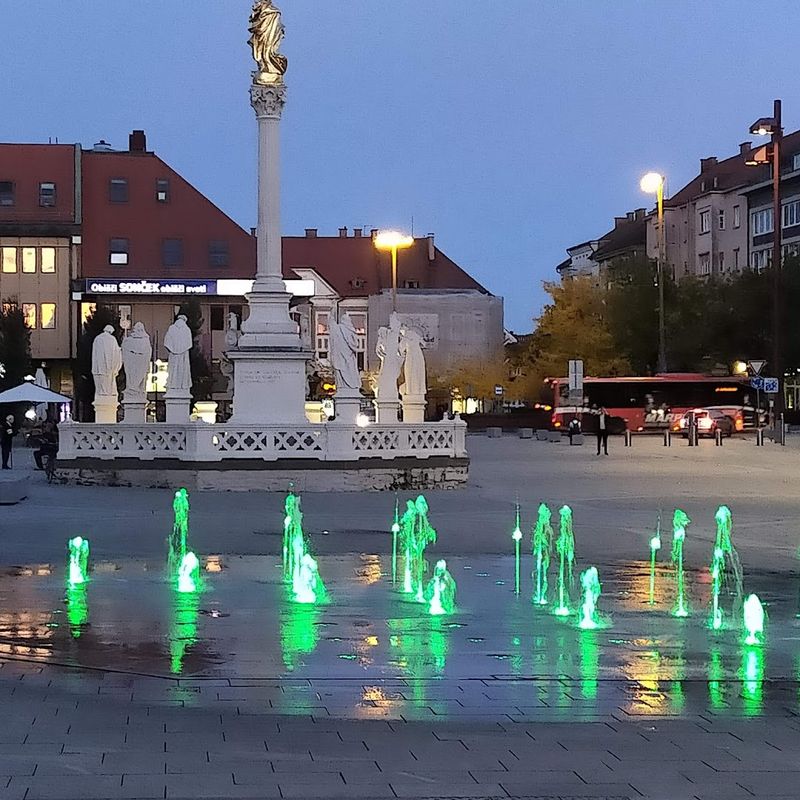
Maribor holds a record that no other city in the world can claim: it is home to the oldest known living grapevine, a remarkable plant that has been producing grapes for over 400 years and still does so today. The Old Vine House where this legendary plant grows along the Drava River is free to visit, and it sets the tone for a city that takes its winemaking heritage very seriously indeed.
The surrounding Styrian wine region produces some of Slovenia’s finest whites, and wine tastings at local cellars are both accessible and affordable for visitors. Beyond the vineyards, Maribor’s medieval castle and picturesque Lent district along the riverbank create a charming setting for leisurely exploration.
The city has an easy, unhurried quality that makes it a genuinely pleasant place to slow down and simply exist for a few days.
Outdoor enthusiasts will find plenty to love here too, as the nearby Pohorje mountain range offers hiking and cycling trails that are easily accessible from the city center. In winter, the same slopes become a popular ski destination for locals.
Maribor’s overall cost of living is low, which translates directly into affordable meals, cheap wine, and reasonably priced accommodation for visitors exploring this underrated Slovenian gem.
České Budějovice, Czech Republic
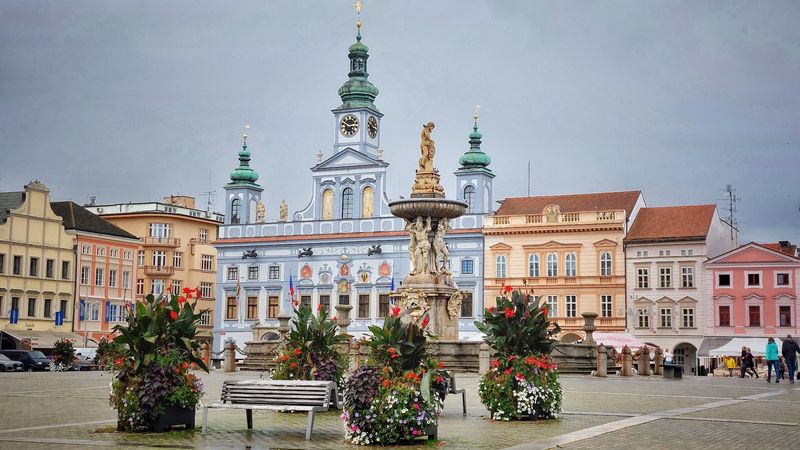
České Budějovice owns one of the most impressive town squares in Bohemia, and the locals know it. Přemysl Otakar II Square, named after the medieval king who founded the city, is lined with elegant arcaded buildings and anchored by a central Samson Fountain that has been gurgling away since the 18th century.
Climbing the neighboring Black Tower rewards visitors with sweeping rooftop views that stretch across the South Bohemian countryside.
Beer is woven deeply into the city’s identity, and České Budějovice has a legitimate claim to brewing fame as the original home of Budvar, the Czech lager that inspired the name Budweiser. A tour of the Budějovický Budvar brewery is a popular and affordable activity that includes generous tastings at the end.
Local pubs serve fresh draught Budvar at prices that make the experience feel almost too good to be true.
Just a short bus ride from the city center, Hluboká Castle rises above the surrounding landscape like something plucked straight from a fairytale. Its white neo-Gothic towers and manicured gardens make it one of the most photographed landmarks in the Czech Republic.
Combining a visit to both the city and the castle makes for a wonderfully full day without putting any meaningful dent in your travel budget.
Mostar, Bosnia and Herzegovina
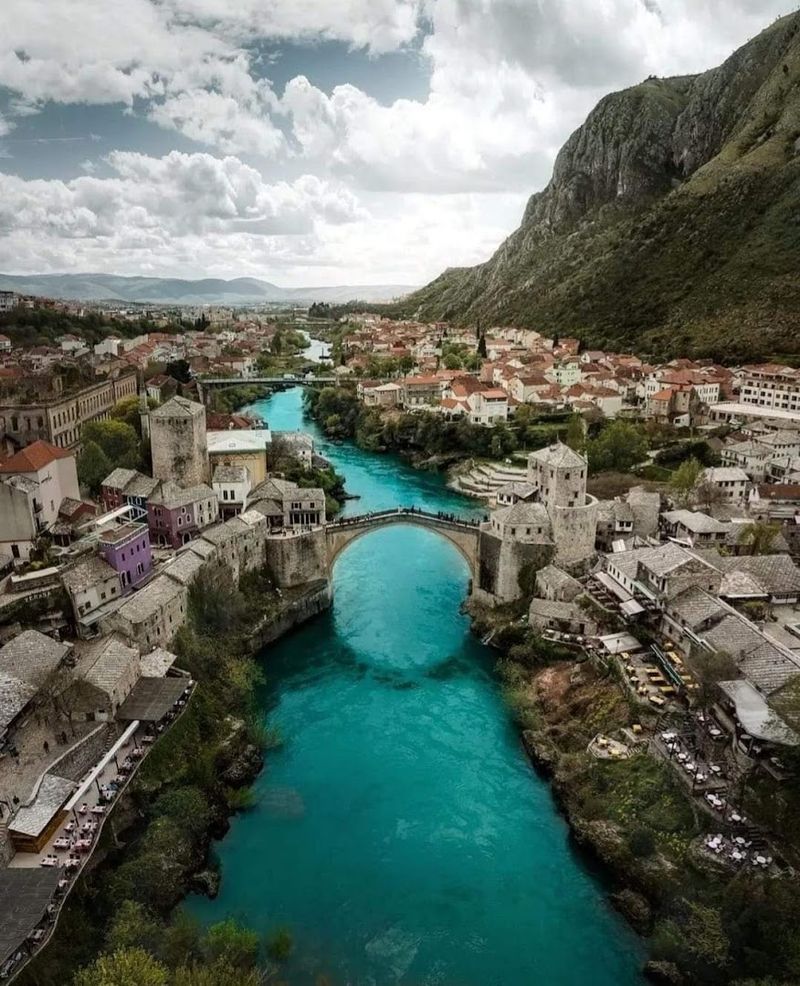
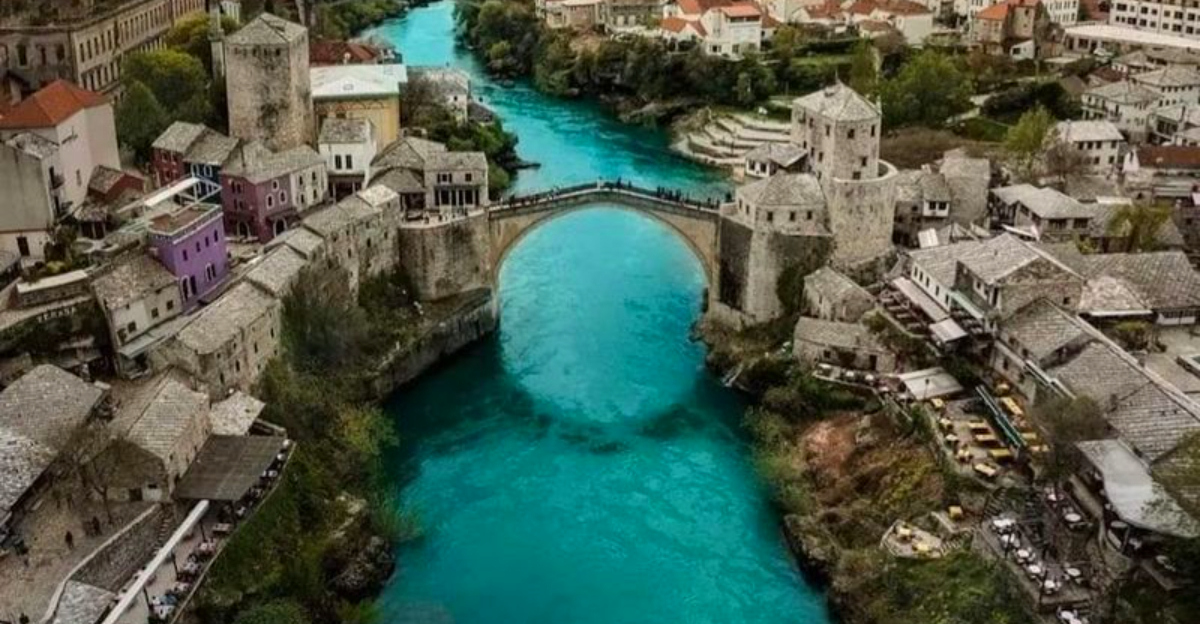
The turquoise water of the Neretva River below and the elegant arc of the Stari Most bridge above create one of the most striking images in all of the Balkans. Mostar’s iconic stone bridge, rebuilt after its destruction during the 1990s war, has become a powerful symbol of resilience and reconnection.
Watching local divers leap from its peak into the cold river below is a dramatic and unforgettable spectacle.
The cobblestoned bazaar district surrounding the bridge is a sensory experience worth savoring slowly. Copper craftsmen hammering away in tiny workshops, the smell of grilled cevapi drifting from nearby restaurants, and the sound of the call to prayer echoing across rooftops all combine to create an atmosphere that feels genuinely unique in Europe.
Ottoman architecture and Austro-Hungarian buildings share the same streets in a fascinating cultural mix.
Mostar is one of the most affordable destinations covered in this entire list, with meals, accommodation, and local transport all coming in at prices that seem almost impossibly low compared to Western European standards. The surrounding region offers day trips to the stunning Kravice Waterfalls and the ancient town of Počitelj, both within easy reach by car or local bus.
For budget travelers with an appetite for genuine history and beauty, Mostar is an unmissable stop.



