South America is one of the most biodiverse places on Earth, home to thousands of species found nowhere else in the world. From the thick Amazon rainforest to the towering Andes Mountains, this continent has shaped some truly extraordinary creatures.
Many of these animals have developed unique traits to survive in their wild and varied habitats. Get ready to meet 15 remarkable animals that call South America home.
1. Capybara
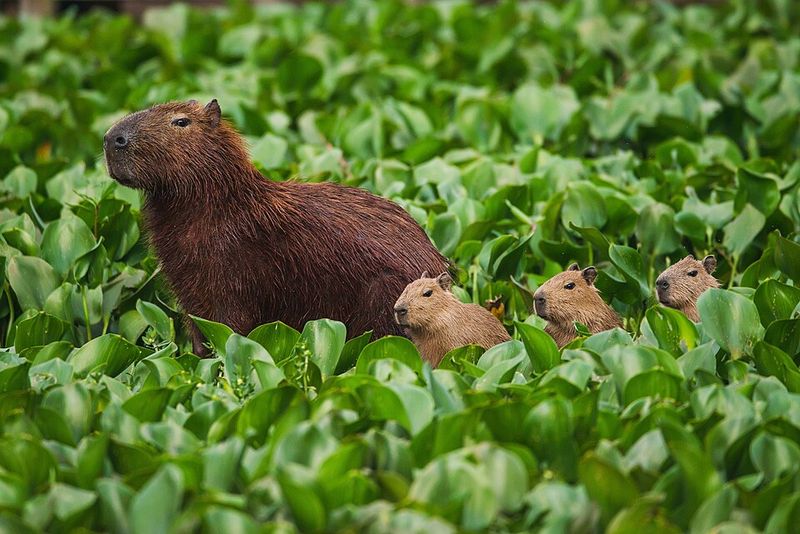
The world’s largest rodent, the capybara looks like a giant guinea pig and acts like one too. These hefty, barrel-shaped animals can weigh up to 150 pounds and are surprisingly calm and social.
They live in groups near rivers, lakes, and swamps across South America.
Capybaras are semi-aquatic, meaning they spend a lot of time in the water to stay cool and escape predators. Their webbed feet make them excellent swimmers.
They can even hold their breath underwater for several minutes, which helps them hide from jaguars and caimans.
One of the most interesting things about capybaras is how friendly they are with other animals. Birds often perch on their backs, and they have been spotted lounging alongside monkeys and even crocodiles.
Their easygoing personality has made them beloved animals across the continent and beyond.
2. Andean Condor
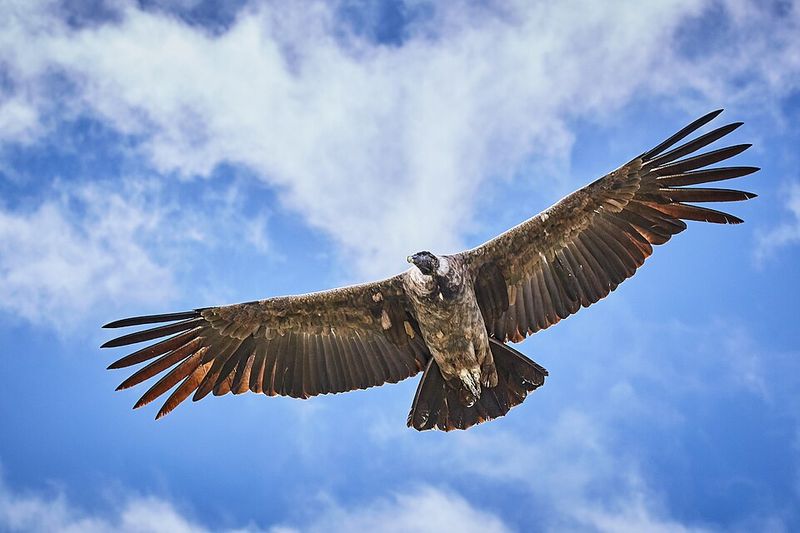
Few birds command as much respect as the Andean condor. With a wingspan stretching up to 10.5 feet, it is one of the largest flying birds on the planet.
These magnificent birds soar over the Andes Mountains, riding warm air currents for hours without flapping their wings.
Andean condors are scavengers, feeding on the carcasses of large animals like deer and livestock. They play a vital role in their ecosystem by cleaning up dead matter and preventing the spread of disease.
A condor can go days without eating and then consume several pounds of food in one sitting.
Unfortunately, this iconic bird is listed as vulnerable due to habitat loss and poisoning from contaminated carcasses. Conservation programs across countries like Peru and Colombia are working hard to protect them.
The Andean condor holds deep cultural significance for many Indigenous communities throughout South America.
3. Spectacled Bear
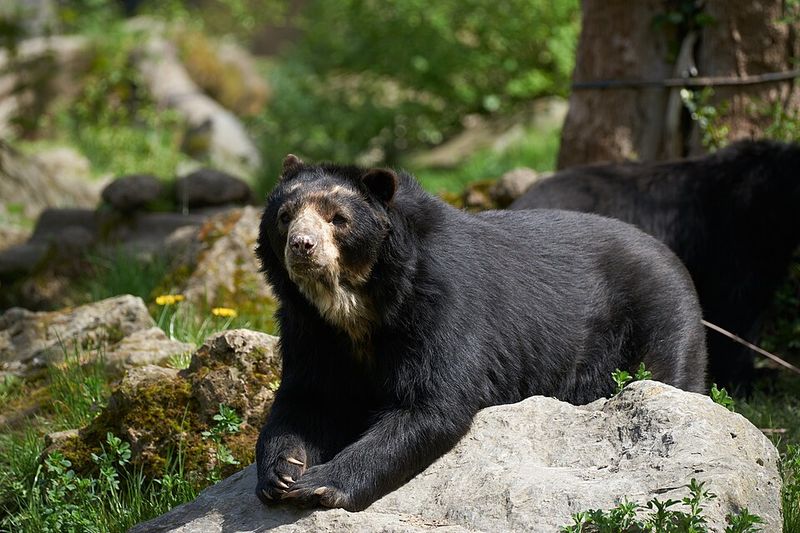
Named for the pale, circular markings around its eyes that look like eyeglasses, the spectacled bear is the only bear species native to South America. It lives in the cloud forests and mountain slopes of the Andes, ranging from Venezuela down to Bolivia.
Unlike many bears, the spectacled bear is mostly plant-based in its diet. It loves bromeliads, cactus fruits, and sugarcane, though it will occasionally eat small animals or insects.
This bear is also an excellent climber and often builds platforms in trees to rest or feed high off the ground.
Spectacled bears are solitary and shy, making them difficult to spot in the wild. Their population is shrinking due to deforestation and hunting, and they are currently listed as vulnerable.
Protecting the Andean forests where they live is essential to ensuring their survival for future generations.
4. Pink River Dolphin
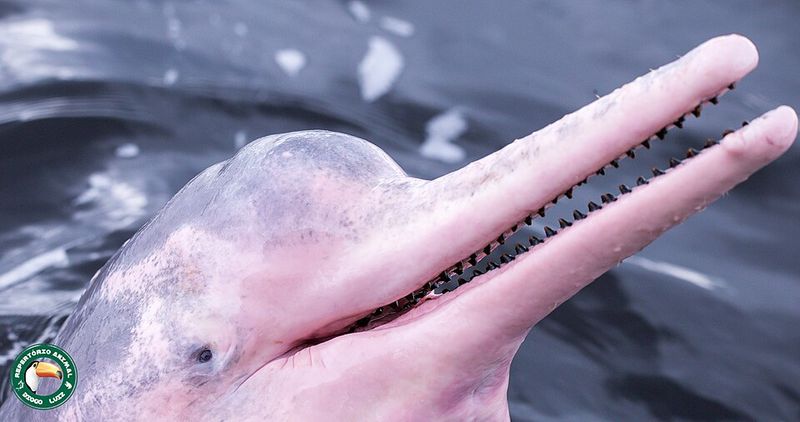
Imagine spotting a bright pink dolphin swimming through the Amazon River. That is exactly what you would see with the boto, also known as the pink river dolphin.
These creatures are the largest freshwater dolphins in the world, and their rosy color deepens as they age and get excited.
Pink river dolphins have a flexible neck, which allows them to turn their heads 180 degrees, something ocean dolphins cannot do. This helps them navigate through flooded forests and tangled underwater roots in search of fish, crabs, and turtles.
They rely on echolocation to find prey in the murky river water.
In local Amazonian folklore, the boto is said to transform into a handsome man at night to woo villagers. This legend has actually helped protect the species for years, as many communities consider it bad luck to harm one.
Today, habitat loss and fishing nets remain their biggest threats.
5. Maned Wolf
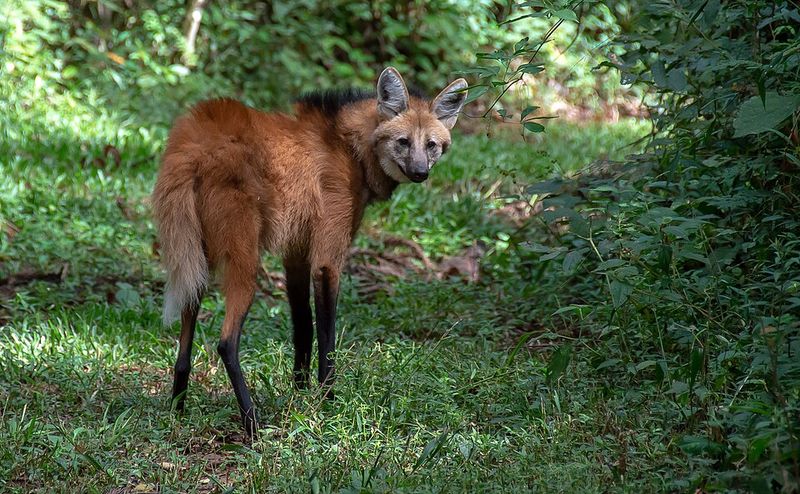
At first glance, the maned wolf looks like a fox on stilts. Its long, slender legs are perfectly designed for peering over the tall grasses of the Brazilian cerrado, a vast tropical savanna.
Despite its name, it is not actually a wolf or a fox, but belongs to its very own genus.
The maned wolf has an unusual diet for a canine. About half of what it eats is fruit, particularly a tomato-like fruit called the wolf apple.
It also hunts small animals like rodents, birds, and armadillos. This mix of plant and animal food makes it an important seed disperser in its ecosystem.
One quirky detail about the maned wolf is its scent. Its urine smells remarkably similar to cannabis, which has reportedly confused zookeepers in the past.
The species is listed as near threatened, largely because the cerrado is one of the most endangered biomes in South America.
6. Southern Tamandua
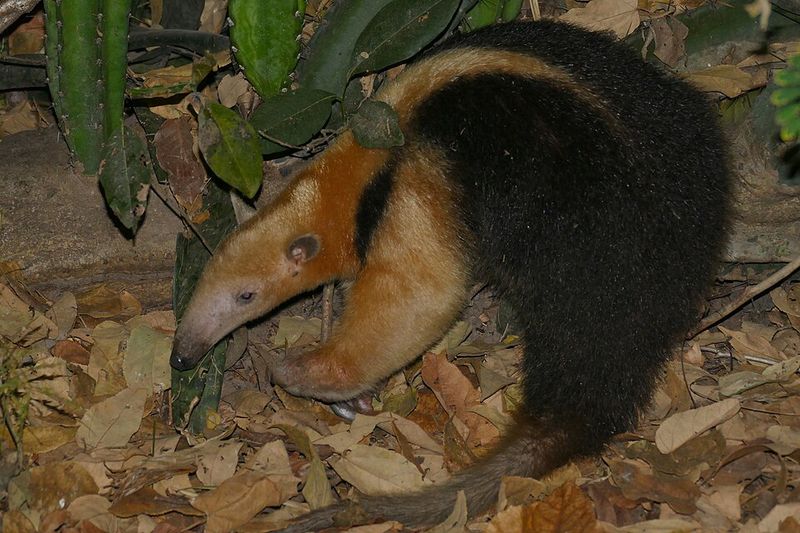
With its long, tube-like snout and sticky tongue that can stretch up to 16 inches, the southern tamandua is built for one thing: eating ants and termites. This medium-sized anteater lives in forests and grasslands across South America, from Venezuela to Argentina.
The tamandua has no teeth at all. Instead, it uses its powerful claws to tear open insect mounds and its tongue to lap up thousands of bugs in a single day.
Those same claws make it an impressive climber, and it spends a good portion of its life up in the trees.
Despite its unusual appearance, the southern tamandua has a surprisingly tough side. When threatened, it stands on its hind legs and uses its strong forelegs to deliver a powerful bear hug that can seriously injure a predator.
It is a small animal with a fierce sense of self-defense that earns it plenty of respect in the wild.
7. Hoatzin
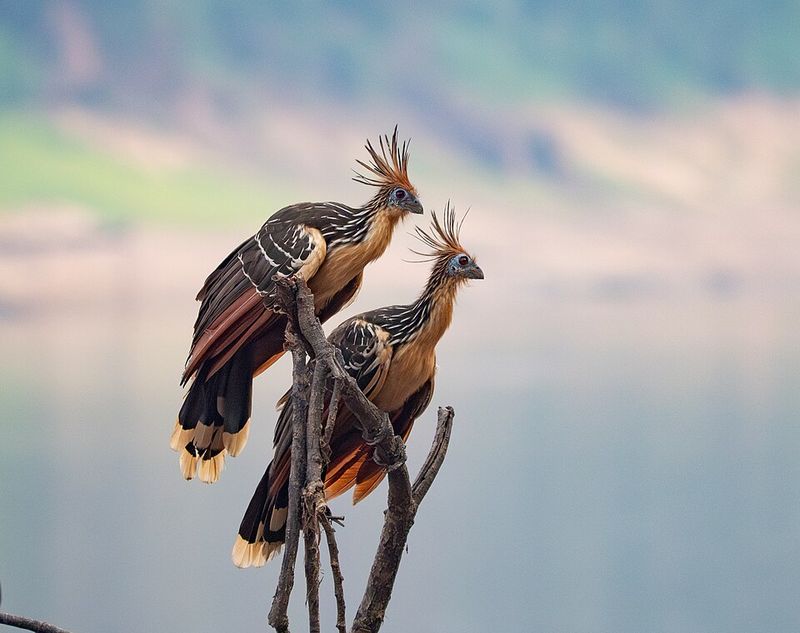
The hoatzin is one of the strangest birds you will ever come across. Sometimes called the stinkbird, it gives off a strong, manure-like odor caused by its unusual digestive system.
Unlike most birds, the hoatzin ferments its leafy diet in a specialized crop, much like a cow chewing cud.
Found in the swamps and forests of the Amazon and Orinoco river basins, hoatzins are clumsy fliers but agile climbers. Their chicks are born with tiny claws on their wings, which they use to grip branches and escape predators.
Once they mature, these wing claws disappear entirely.
Scientists have long debated where the hoatzin fits on the bird family tree. Its bizarre biology and ancient features have earned it comparisons to Archaeopteryx, a prehistoric bird-like dinosaur.
Whether perched lazily by a riverbank or fanning its spiky crest, the hoatzin always looks like it wandered in from another era.
8. Pudu
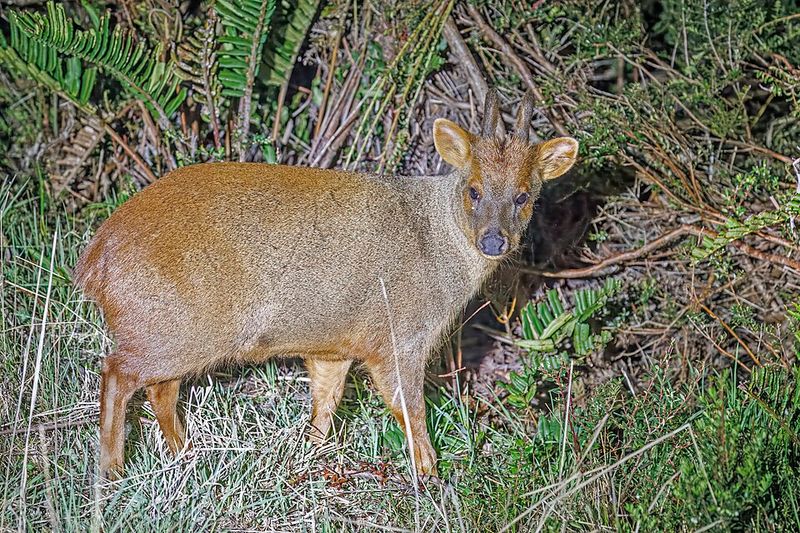
Meet the world’s smallest deer. The pudu stands only about 12 to 17 inches tall at the shoulder, making it roughly the size of a medium dog.
There are two species of pudu, both found in South America, with the southern pudu living in Chile and Argentina’s temperate rainforests.
Despite their tiny size, pudus are surprisingly nimble. They can climb fallen trees and zigzag rapidly through dense underbrush to escape predators like pumas and foxes.
When startled, they bark like a small dog, which is a sound you would not expect from such a delicate-looking animal.
Pudus are solitary and secretive, which makes them hard to study in the wild. They mark their territory using scent glands near their eyes and between their hooves.
Their population is declining due to habitat destruction and hunting, and both species are currently listed as vulnerable by conservation organizations worldwide.
9. Marine Otter
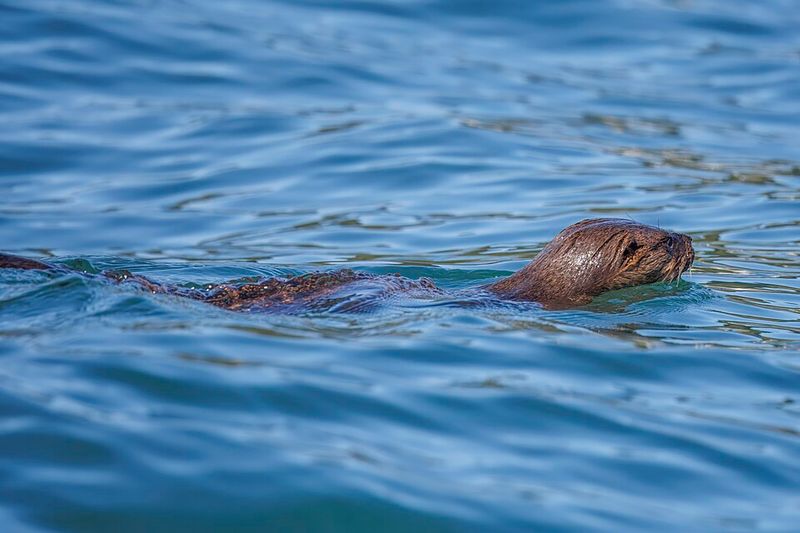
The marine otter is the smallest otter species in the world, and unlike its freshwater relatives, it makes its home along the rocky Pacific coasts of South America. Found mainly in Peru and Chile, it navigates cold, choppy ocean waters with surprising ease and agility.
This otter feeds primarily on crustaceans, mollusks, and fish, which it catches by diving near the shoreline. It uses its paws to crack open shellfish and often eats while floating on its back.
Its thick, water-resistant fur keeps it warm in the chilly Pacific waters, but that same fur has made it a target for poachers for centuries.
Marine otters are listed as endangered, with only a few thousand individuals estimated to remain in the wild. They are highly sensitive to pollution, fishing net entanglement, and coastal development.
Protecting their rocky shoreline habitat is critical to giving this rare and overlooked species a fighting chance at survival.
10. Yellow-tailed Woolly Monkey
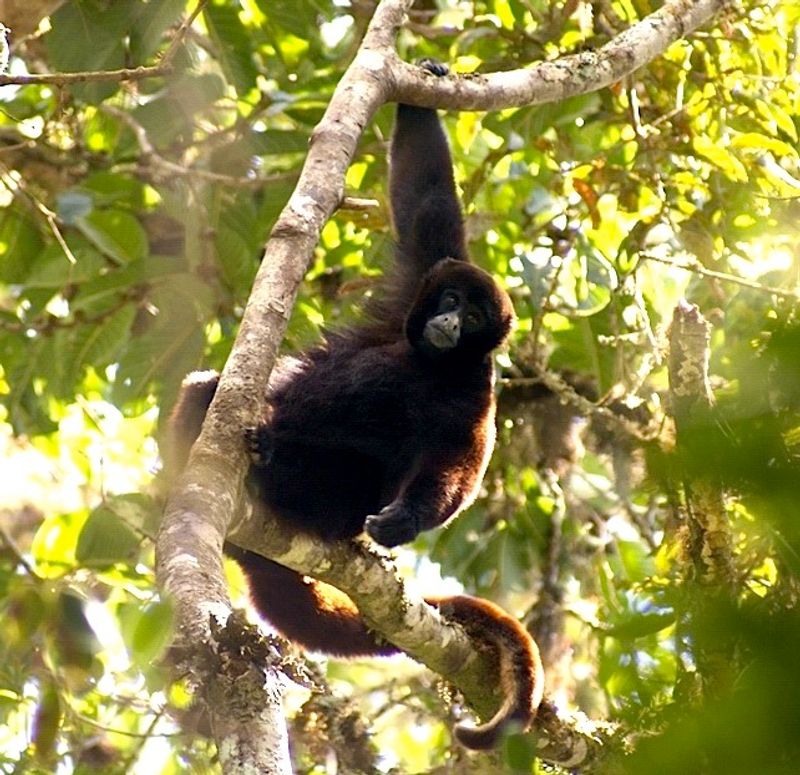
Hidden in the cloud forests of northern Peru lives one of the rarest primates on Earth: the yellow-tailed woolly monkey. Its dense, reddish-brown fur and the pale yellow patch on the underside of its tail make it instantly recognizable, though very few people have ever seen one in the wild.
These monkeys live in large social groups and spend most of their lives high in the forest canopy. They use their prehensile tails like a fifth limb, gripping branches while feeding on fruits, leaves, and flowers.
Strong family bonds hold their groups together, and individuals communicate through a range of vocalizations and facial expressions.
The yellow-tailed woolly monkey is critically endangered, largely due to deforestation and illegal hunting for bushmeat. The forests they depend on in the Amazonas and San Martin regions of Peru are disappearing rapidly.
Conservation groups are racing to protect remaining habitat before this remarkable primate disappears entirely from the planet.
11. Mountain Viscacha
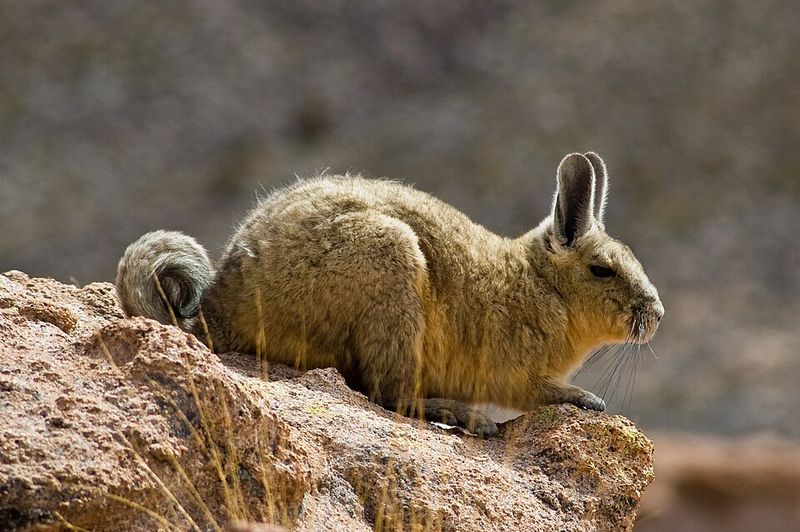
Perched on rocky Andean cliffs at altitudes above 16,000 feet, the mountain viscacha looks like a cross between a rabbit and a squirrel. It has long, fuzzy ears, a curled bushy tail, and thick fur that keeps it warm in the freezing high-altitude air.
Many travelers hiking through the Andes stumble across these animals sunbathing on boulders without a care in the world.
Mountain viscachas live in colonies and communicate with sharp whistles to warn each other of danger. They are herbivores, grazing on grasses, mosses, and lichens that grow in their rocky environment.
Their digestive systems are built to extract maximum nutrition from sparse, tough vegetation.
Closely related to chinchillas, viscachas are often hunted for their fur and meat in some regions. However, they remain relatively stable in population compared to other Andean species.
Their ability to thrive in such extreme conditions makes them one of the Andes’ most resilient and endearing residents.
12. Darwin’s Frog
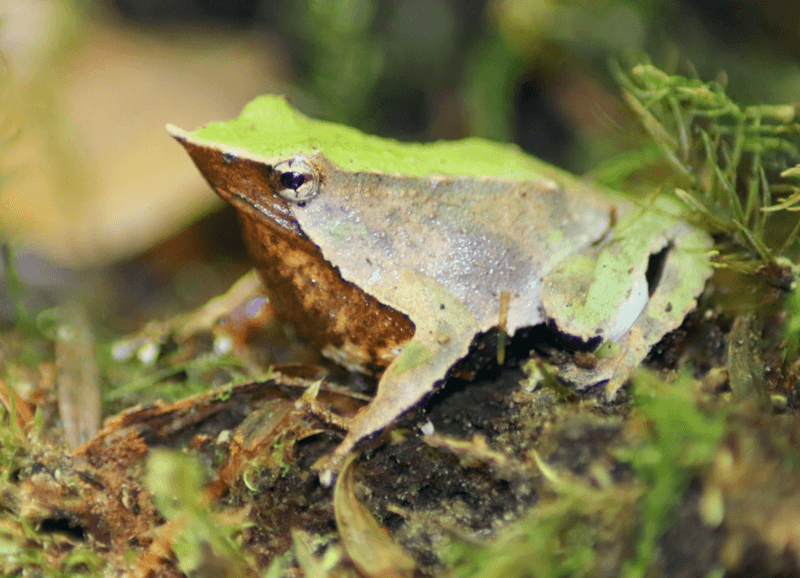
Charles Darwin himself discovered this tiny frog during his famous voyage to South America in the 1830s, and it has been fascinating scientists ever since. Darwin’s frog lives in the cool, leaf-littered forests of Chile and Argentina, where its triangular body and mottled brown coloring make it nearly invisible among dead leaves.
What truly sets this frog apart is its extraordinary parenting method. After the female lays eggs, the male guards them until they begin to move.
He then swallows up to 40 tadpoles, carrying them in his vocal sac until they fully develop into froglets and hop out of his mouth.
This remarkable reproductive strategy is one of the most unusual in the animal kingdom. Sadly, Darwin’s frog is now listed as vulnerable, with one of the two known species likely already extinct.
Chytrid fungus and habitat loss are the primary threats driving their rapid population decline across southern South America.
13. Three-Banded Armadillo
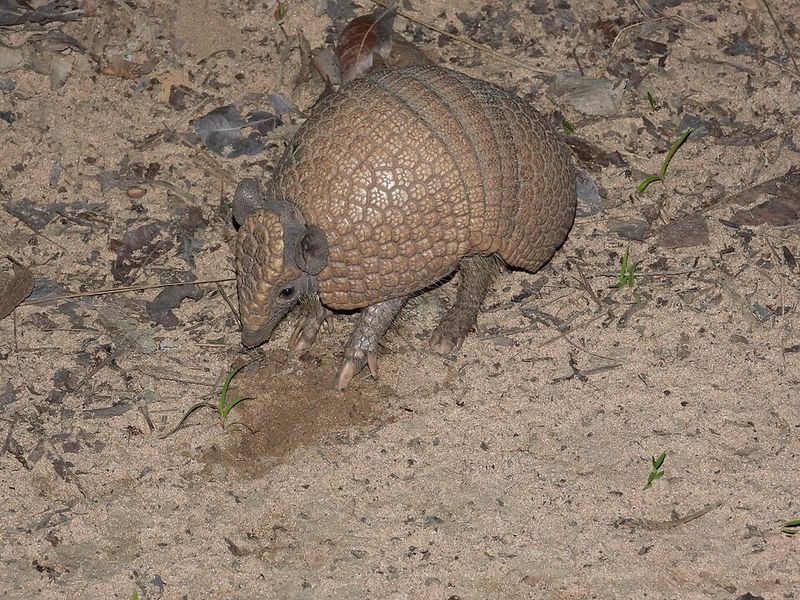
Of all the armadillo species in the world, only the three-banded armadillo can roll itself into a nearly perfect, sealed ball. When threatened, it tucks its head and feet inside its hard shell and closes up tight, leaving predators with nothing to grip or bite.
It is nature’s version of a living puzzle box.
Found in the dry grasslands and scrublands of Brazil, Bolivia, and Paraguay, this armadillo feeds on ants, termites, and other small invertebrates. Its strong claws help it dig through hard soil and break open insect mounds with ease.
Unlike many armadillos, it does not burrow, preferring to shelter in dense brush instead.
The three-banded armadillo became globally famous when it was chosen as the mascot for the 2014 FIFA World Cup in Brazil. Despite this fame, the species is listed as vulnerable.
Habitat loss driven by agricultural expansion continues to shrink the dry savanna ecosystems it depends on for survival.
14. Andean Cock-of-the-Rock
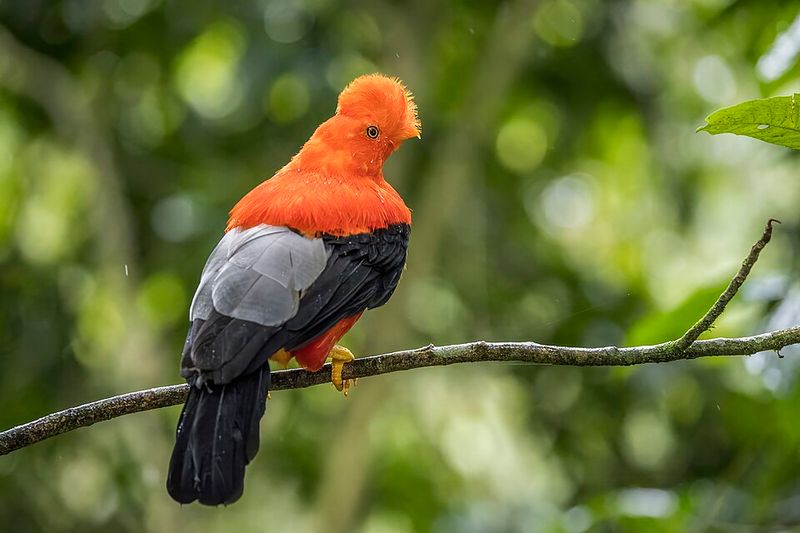
If there were a contest for most dramatic bird in South America, the Andean cock-of-the-rock would be a top contender. The male sports a blazing orange-red body and a large, fan-shaped crest that covers most of its bill, giving it one of the most flamboyant appearances in the bird world.
These birds live in the cloud forests of the Andes and are famous for their elaborate mating displays. Males gather in groups called leks, where they bob, flap, and screech loudly to impress females.
The females, dressed in dull brown feathers, watch carefully and choose only the most impressive performers.
The Andean cock-of-the-rock is the national bird of Peru and holds a special place in Andean culture. It nests on rocky cliff faces near streams, cementing its nest to the rock with mud.
Birdwatchers travel from around the world just to witness its spectacular courtship performances in the misty mountain forests.
15. Bush Dog
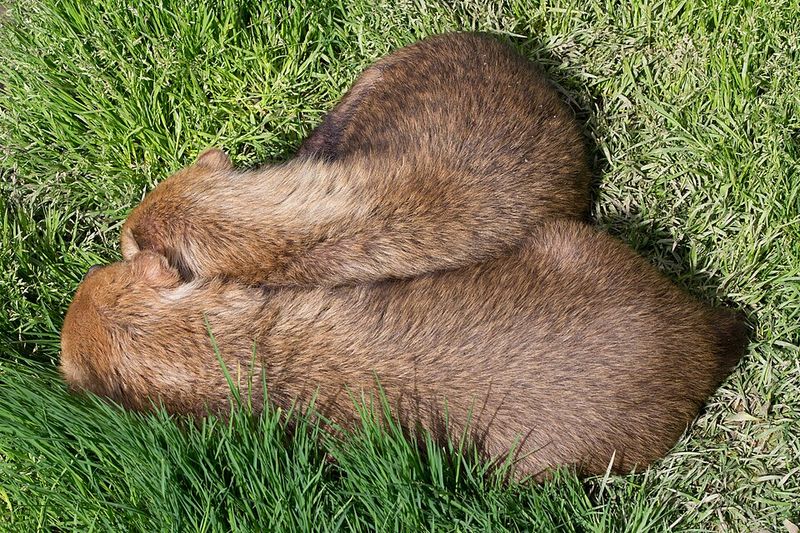
The bush dog looks more like a small, stubby bear than a canine, but it is very much a wild dog. With its short legs, rounded ears, and compact body, it cuts an unusual figure among South America’s predators.
It lives in tropical forests and wetlands stretching from Panama down to northern Argentina.
What makes bush dogs stand out in the dog world is their highly cooperative hunting style. They live and hunt in packs of up to 12 individuals, working together to chase prey much larger than themselves, including capybaras and rheas.
They are also excellent swimmers and will readily pursue prey into rivers and streams.
Bush dogs are rarely seen in the wild because of their secretive habits and low population density. They communicate through a wide range of squeaks, whines, and howls that help keep the pack coordinated during hunts.
Listed as near threatened, they face pressure from habitat fragmentation and the decline of prey species across their range.
Share this story