 Unearth The Voyage
Olympic history is full of cities that got close enough to print plans, pitch venues, and picture the opening ceremony, only to watch another name get called. In the United States, those near-misses reveal a lot about changing politics, stadium dreams, transportation plans, and the public mood in different decades.
Some campaigns were polished and global, while others were scrappy, persistent, and a little ahead of their time. Keep reading and you will see how these cities nearly joined the Olympic club, and why their unsuccessful bids still changed local history.
1. Chicago, Illinois
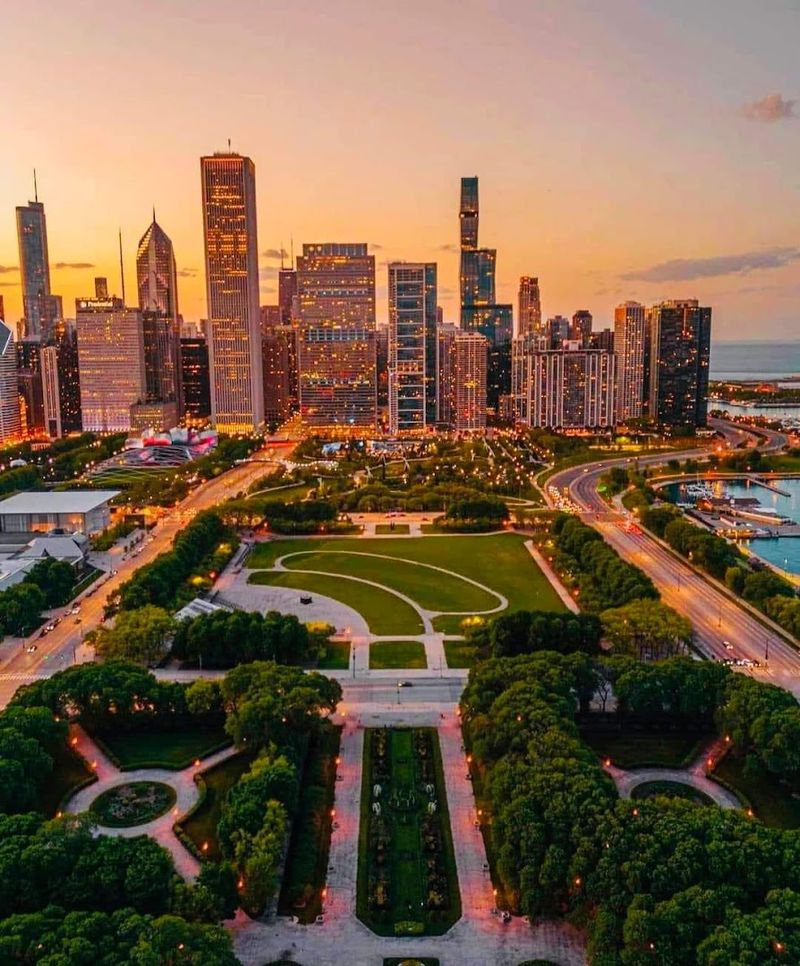
Chicago came to the 2016 race dressed like a front-runner and left with a very expensive almost. The city reached the final shortlist for the Summer Games and promoted a compact plan centered on Washington Park, the lakefront, and existing cultural assets.
City leaders argued that transit, hotels, and international visibility made Chicago a practical choice, while supporters highlighted private fundraising and a polished presentation. President Barack Obama even traveled to Copenhagen for the final push, which showed how seriously the bid was taken at every level.
Then the voting ended quickly, and Chicago was eliminated in the first round before Rio de Janeiro won the right to host. Even in defeat, the bid exposed big questions about public trust, financial guarantees, and what mega events actually promise a city.
It also left behind a revealing snapshot of Chicago in the late 2000s, when civic ambition was still very willing to swing for the fences.
2. New York City, New York
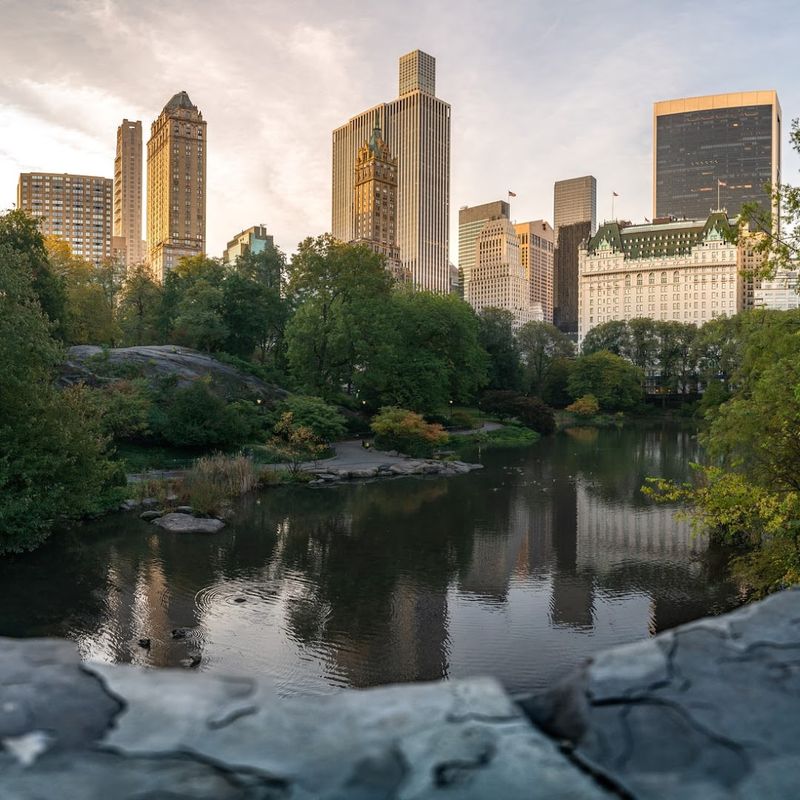
Nothing says early 2000s confidence quite like New York trying to turn the 2012 Olympics into a five borough showcase. The bid promised a globally recognizable backdrop, major transit connections, and a centerpiece stadium planned for Manhattan’s West Side.
That stadium became the bid’s most debated feature, because it needed political approval and huge coordination among city and state leaders. Supporters saw it as a transformative project tied to broader development goals, while critics questioned cost, priorities, and whether the plan was moving too fast.
When the stadium proposal stalled, the Olympic campaign lost a major piece of its pitch, even though New York remained a serious contender. London ultimately won the 2012 Games, helped by a strong regeneration story around East London and a tighter political consensus.
New York’s effort still mattered, because it captured the city’s post-September 11 desire to project resilience, relevance, and scale. It also showed that even a world capital cannot outbid uncertainty at home.
3. Detroit, Michigan
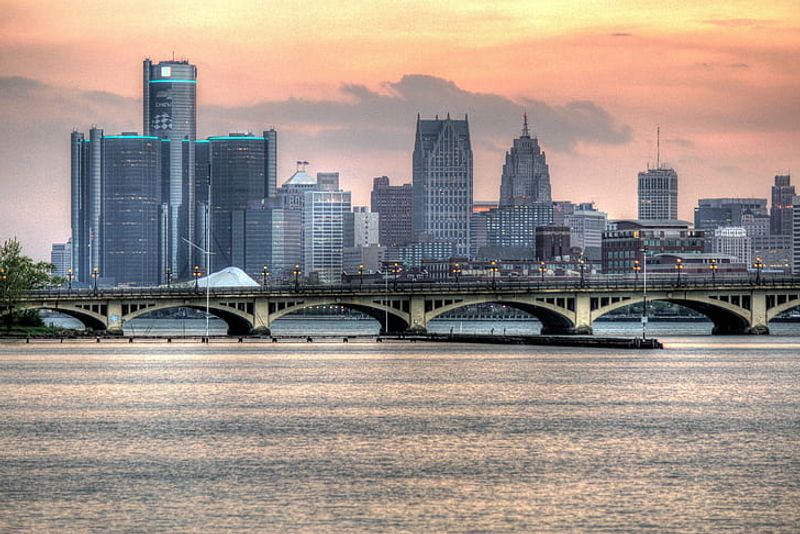
If persistence earned medals, Detroit would have needed a larger trophy case. The city submitted an extraordinary run of Olympic bids across the mid twentieth century, entering contests from the 1940s through the 1970s and becoming the textbook example of determined ambition.
Detroit’s boosters believed its industrial power, large population, and infrastructure made it worthy of the Summer Games. During those decades, the city was still presenting itself as a center of production, engineering, and big-event capability, even as urban competition inside and outside the United States kept getting tougher.
What makes Detroit especially interesting is not one dramatic final loss but the sheer number of attempts that never quite broke through. Bid after bid reflected changing eras in the city’s identity, from peak manufacturing confidence to a more complicated national image.
The repeated efforts also show how hosting the Olympics once seemed like a plausible route to prestige and renewal. Detroit never got the Games, but it absolutely earned a place in Olympic bidding folklore through volume alone.
4. Philadelphia, Pennsylvania
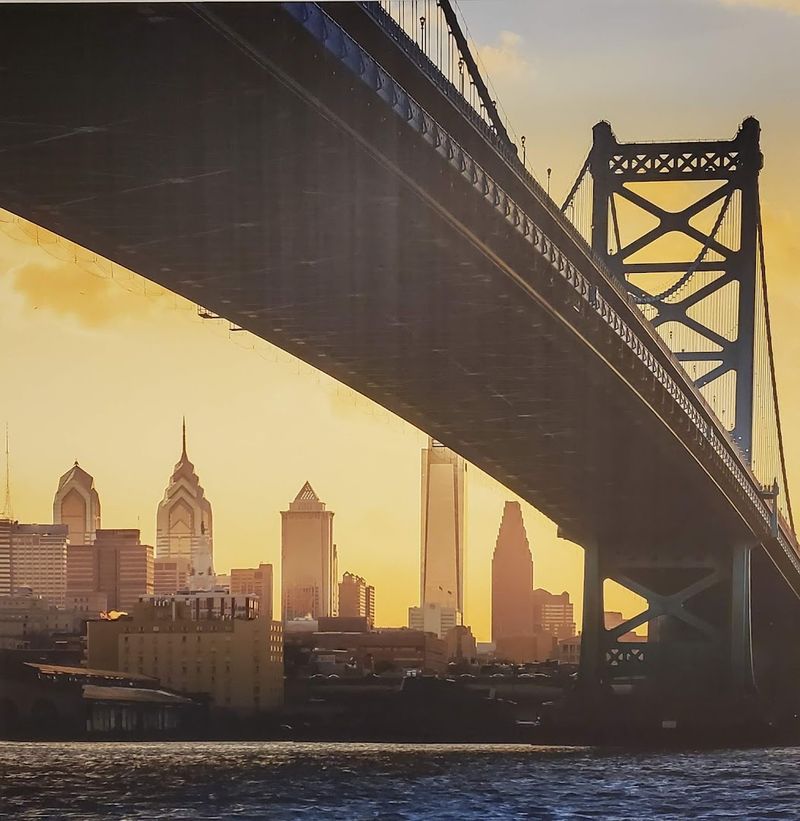
Philadelphia treated Olympic bidding like a civic exam it kept retaking with excellent handwriting. The city entered several mid century Summer Games races, including bids connected to the 1952 and 1956 cycles, hoping its historic stature and urban assets would translate into international votes.
On paper, Philadelphia had a strong case to make. It could point to established institutions, a recognizable American identity, and a location within the dense Northeast corridor, where transportation links and regional population were obvious advantages long before planners loved the word connectivity.
Still, the city never built enough momentum to become the final favorite, which says a lot about how crowded and political Olympic selection already was. Bids in that era depended on national influence, international relationships, and a persuasive story about facilities that did not always align in Philadelphia’s favor.
The near misses are easy to overlook now, but they reveal a city that regularly saw itself as ready for a global role. That confidence was real, even if the IOC never fully bought it.
5. Minneapolis, Minnesota
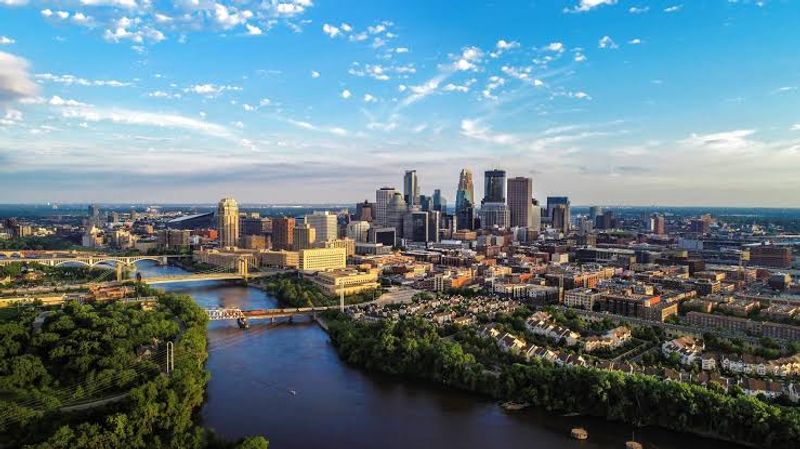
Minneapolis kept showing up in Olympic discussions like a candidate who had done all the homework. During the 1940s and 1950s, the city appeared repeatedly in bidding rounds, trying to convert its growing profile and organized civic leadership into a winning Summer Games campaign.
The appeal was understandable. Minneapolis had a reputation for efficiency, active local institutions, and the kind of practical planning language that sounds very attractive when international committees start asking about venues, transportation, and where exactly everyone is supposed to go after landing.
Yet practical strengths do not always become Olympic magic, and Minneapolis kept falling short in early voting. Part of the challenge was scale, since larger or more internationally prominent cities often carried stronger symbolic weight.
Another issue was timing, because the postwar decades produced intense competition as countries used the Olympics to project modernity and influence. Minneapolis never became the chosen stage, but its repeated presence in the conversation tells you how seriously civic leaders viewed the event.
It was not fantasy. It was a real strategy, just one that never quite clicked.
6. San Francisco, California
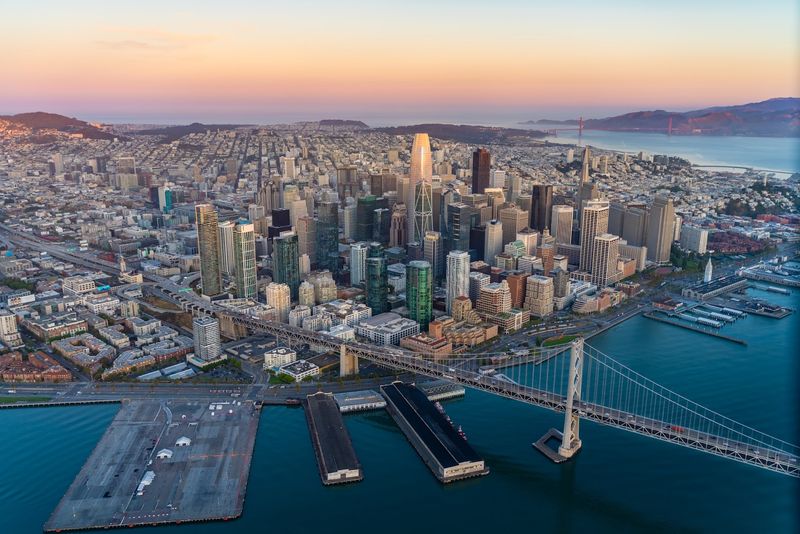
San Francisco looked like the kind of city that belonged on Olympic postcards before postcards were even ready. In the 1950s, it pursued Summer Games bids, including a run connected to the 1956 Olympics, hoping its international image and Pacific location would stand out.
The city had genuine advantages to advertise. It offered a famous waterfront setting, established tourism appeal, and a West Coast identity that felt outward looking at a time when global connections across the Pacific were becoming increasingly important to business and diplomacy.
But charm and geography only go so far when the field is crowded, and San Francisco was knocked out early. That result underscores how Olympic decisions often turn on institutional support, venue confidence, and broader geopolitical storytelling rather than simple name recognition.
The bid also belongs to a fascinating chapter in local history, when San Francisco was balancing postwar growth, regional competition, and the challenge of presenting itself as both practical and glamorous. It did not get the Games, yet the attempt captured a moment when the city was eager to prove it could host more than conventions, tourists, and cable car photographs.
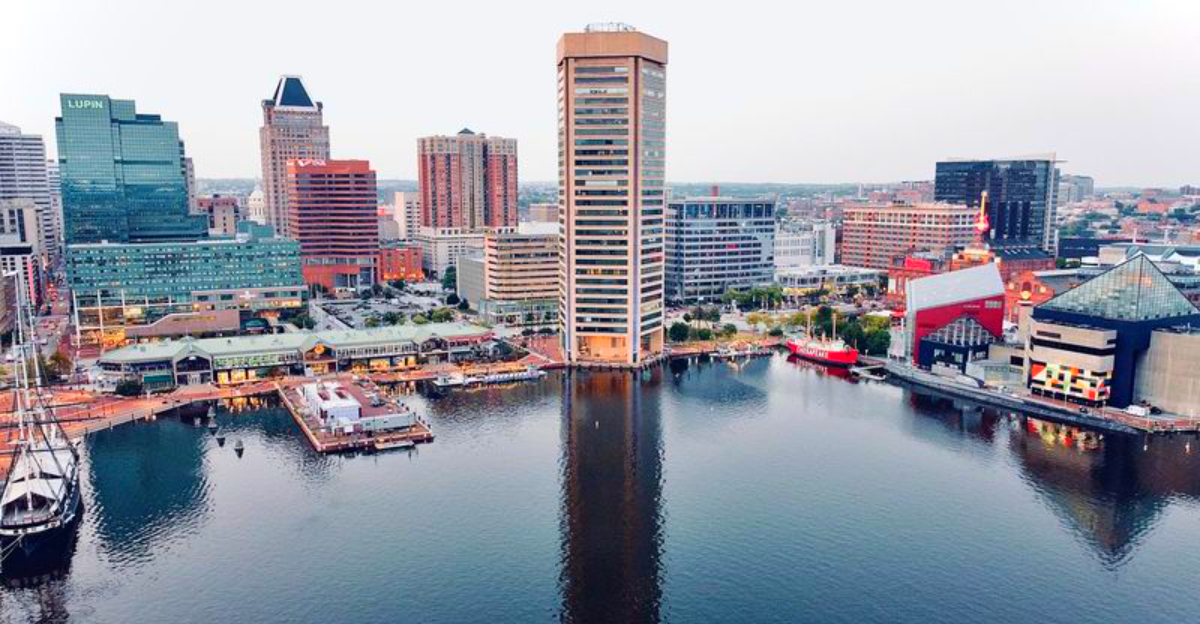
7. Baltimore, Maryland
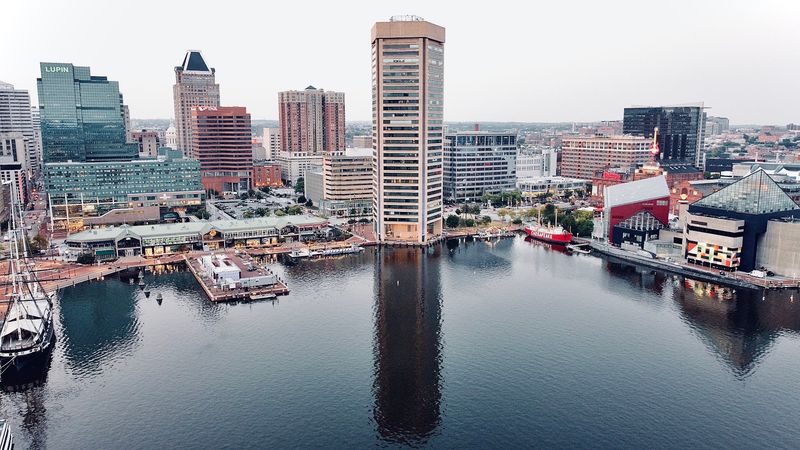
Baltimore’s Olympic bid arrived with the quiet confidence of a city that thought it had a solid case. It submitted a proposal for the 1948 Summer Olympics, entering a postwar competition in which many cities wanted to signal readiness, competence, and international standing.
Baltimore could point to its port, its established institutions, and a strategic East Coast location. In an era when transportation, accommodations, and municipal organization mattered enormously, those were not trivial assets, and local boosters had reason to think the city deserved consideration.
London ultimately won, and Baltimore’s campaign slipped into the category of interesting footnotes rather than defining civic milestones. Still, the bid reveals how American cities outside the largest national spotlight also imagined themselves on the Olympic map.
Baltimore was not simply copying bigger rivals. It was making a claim about regional importance and metropolitan capability at a moment when such claims carried real civic weight.
Even without a final triumph, the effort belongs to the city’s broader story of twentieth century ambition, when ports, rail links, and institutional pride combined into a very serious case for hosting a global event.
8. Cleveland, Ohio
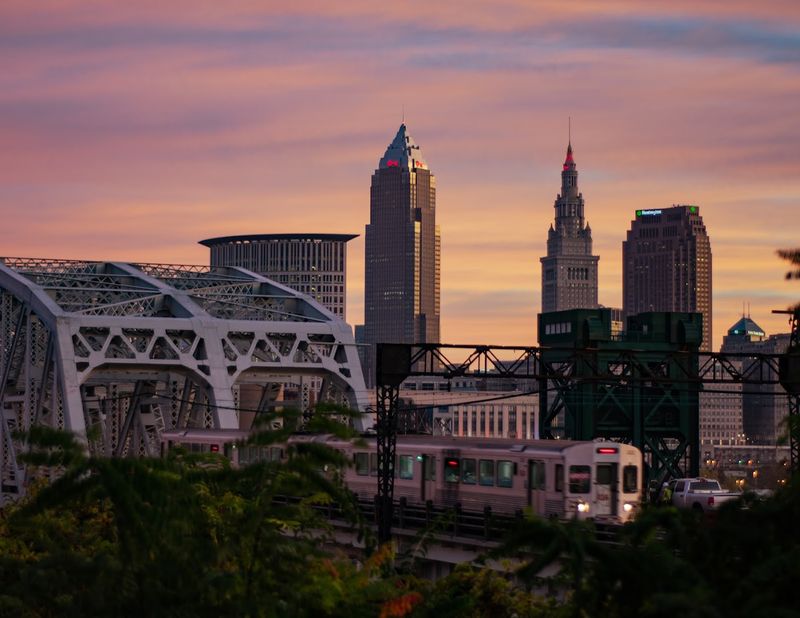
Cleveland entered the Olympic conversation early, which is a polite way of saying it was ambitious before the process became a global spectacle. The city pursued bids in the 1910s and 1920s, placing itself among American contenders at a time when Olympic hosting still felt comparatively fluid.
That timing matters because cities were making their case with a different set of assumptions than later bidders. Cleveland could promote industrial strength, transportation networks, and the broader confidence of a growing Great Lakes metropolis that expected to be taken seriously on the world stage.
It never gained enough traction to land the Games, but the bids themselves say a lot about how Cleveland saw its future. This was a city thinking in large civic terms, well before modern branding consultants turned every proposal into a slogan.
The attempts also remind you that Olympic history includes many serious contenders that later generations barely remember. Cleveland was not a novelty candidate.
It was part of an era when rising American cities believed international sporting prestige belonged within reach. The Games went elsewhere, but the aspiration was completely real and unmistakably local.
9. Denver, Colorado
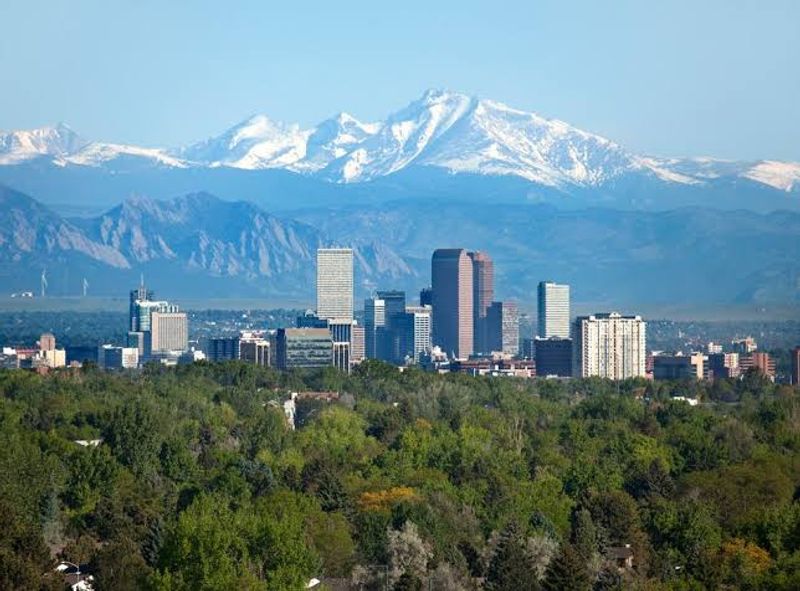
Denver did something rarer than losing an Olympic bid. It won the 1976 Winter Olympics, then stepped away after Colorado voters rejected public spending tied to the event, turning the city into one of the most unusual chapters in Olympic history.
At first, Denver seemed like a sensible Winter Games choice. The Rocky Mountain setting, skiing reputation, and broader appeal of Colorado made the award understandable, especially during a period when winter sports were gaining cultural visibility and regional boosters saw big events as development tools.
Then public skepticism changed the script. Concerns about costs, environmental impact, and growth pressures became impossible to ignore, and the referendum result forced organizers to give up the Games.
They eventually moved to Innsbruck, Austria. Denver’s story matters because it anticipated debates that later cities would face repeatedly, often with even bigger budgets and more complicated promises.
The episode also gave the city a peculiar distinction: nearly every bidder dreams of hearing yes, while Denver became famous for saying no after hearing it. That reversal still stands as a remarkably modern warning delivered ahead of schedule.
10. Los Angeles, California (1976 & 1980 bids)
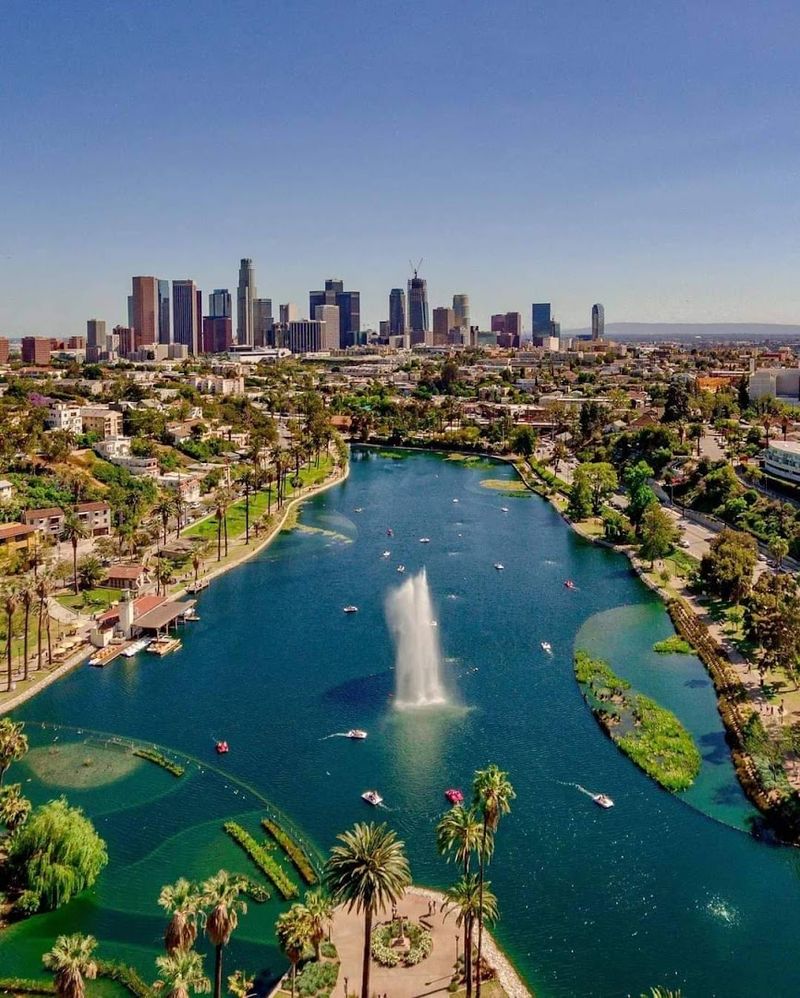
Before Los Angeles became the comeback story everyone remembers, it had to absorb a couple of awkward no-thank-yous. The city bid for the 1976 and 1980 Summer Olympics and lost those races before eventually landing the 1984 Games under very different circumstances.
The 1976 campaign ended with Montreal getting the nod, despite Los Angeles already having major facilities and prior hosting experience from 1932. That defeat showed that existing venues and sunshine were not enough on their own, especially when other cities offered stronger international momentum or more compelling political narratives.
Los Angeles also entered the 1980 cycle but did not emerge as the host, as Moscow won that contest. Those setbacks are easy to forget because the 1984 Olympics later became such a defining civic and financial success.
Yet the earlier losses matter. They helped shape the city’s more disciplined, privately funded model for 1984, which leaned heavily on existing infrastructure and cautious budgeting.
In other words, Los Angeles did not simply become Olympic savvy overnight. It learned through rejection, revised the formula, and then changed the hosting conversation for decades.
11. Boston, Massachusetts
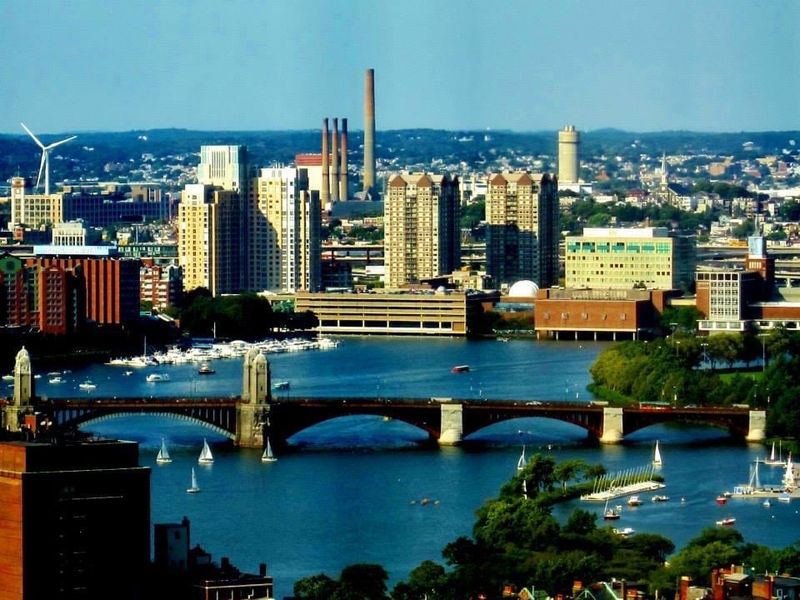
Boston’s 2024 bid moved from official favorite to polite retreat with remarkable speed. The city was chosen by the U.S.
Olympic Committee as the American candidate, but growing public opposition and persistent questions about cost eventually pushed the plan off the table.
Supporters pitched Boston as a compact, educated, transit-friendly host with strong universities and a dense urban fabric suited to temporary venues. Critics responded with detailed concerns about budgets, governance, infrastructure strain, and whether optimistic planning documents were doing too much wishful thinking.
What makes Boston’s case so useful is how clearly it reflects the modern Olympic problem. Winning over the IOC is one challenge, but winning over your own residents may be the harder assignment.
As local scrutiny intensified, the bid lost political footing, and Boston withdrew before the international vote reached its final stage. That outcome did not suggest the city lacked prestige.
It suggested that contemporary voters wanted firmer answers than glossy renderings could provide. Boston nearly became the next American Olympic hopeful on the global stage, then became a case study in why caution now travels faster than civic boosterism.
12. Washington, D.C.
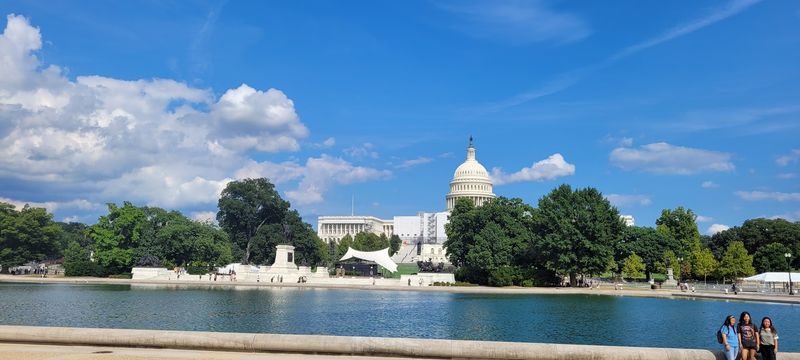
Washington has flirted with Olympic ambition the way some cities flirt with high-speed rail: often, publicly, and without a final ribbon cutting. Over the years, the nation’s capital explored and floated various bid concepts, but it never reached the decisive final vote needed to become host.
On one level, the appeal seems obvious. Washington offers global name recognition, abundant symbolism, strong hotel capacity, and an existing ecosystem for managing huge international gatherings.
If the Olympics love a backdrop with diplomatic credentials, this city can provide them in bulk.
Yet obvious advantages can hide difficult logistics. Security, governance complexity, regional coordination, and the challenge of fitting major venue plans into an already layered metropolitan landscape made any bid a complicated exercise.
There was also the persistent question of whether the city wanted the Olympics badly enough to marshal a unified, durable campaign. That hesitation matters, because Olympic bids thrive on clear political alignment and relentless follow through.
Washington never quite assembled the full package at the right moment. Even so, its repeated flirtations reveal how naturally the capital imagines itself as a world stage, even when the torch keeps choosing another route.
13. Dallas, Texas
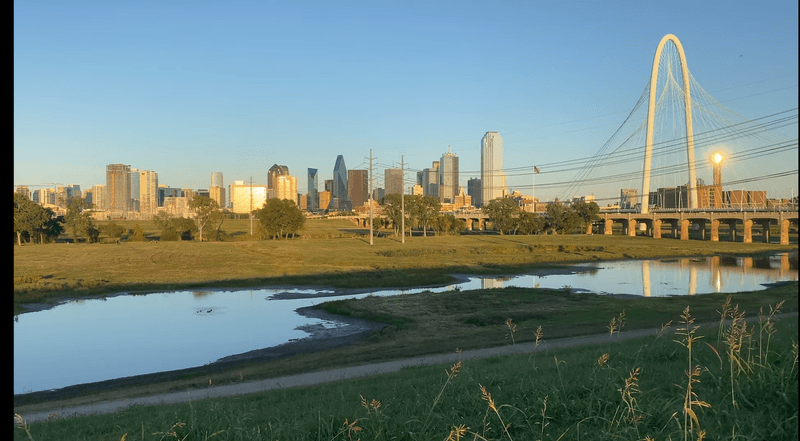
Dallas entered the Olympic conversation with the brisk confidence of a city that likes large projects and larger headlines. It was part of the U.S.
Olympic Committee’s internal competition for the 2012 Summer Games, hoping to represent the country before the global contest even began.
The pitch had logic behind it. Dallas could offer major sports infrastructure, broad metropolitan scale, and a business-friendly image that matched the era’s enthusiasm for growth, convention traffic, and event-driven development.
In practical terms, it looked capable of staging something very large.
But internal Olympic selection is its own contest, and Dallas was beaten out by New York before the international round. That result highlights an important truth about near-miss bids: many cities never lose to the IOC directly because they are first screened out at home.
Dallas therefore belongs to a quieter category of Olympic almosts, the domestic contenders that were plausible but not preferred. Even without advancing, the effort reflects how the city wanted to position itself in the early twenty first century, not just as a national business center, but as a place prepared for a fully global spotlight.
14. Houston, Texas
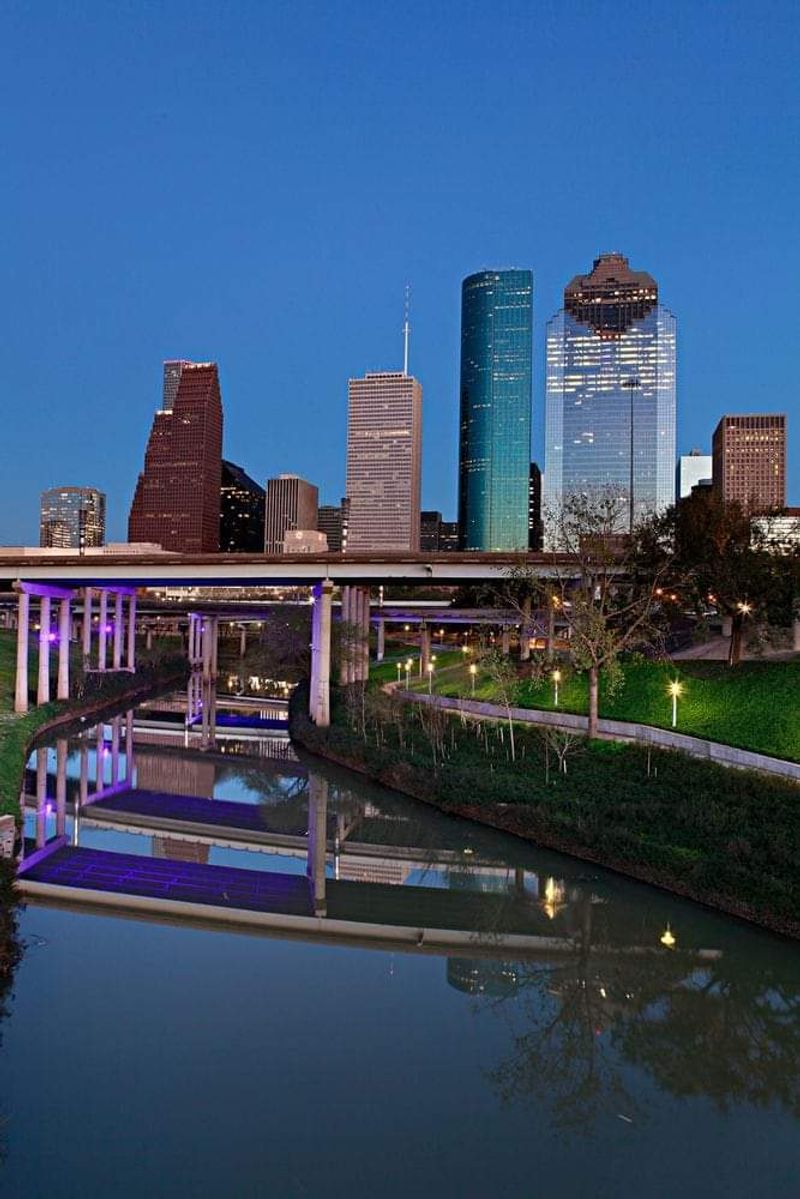
Houston approached Olympic consideration like a city used to handling scale as a daily habit. It was among the American cities considered during the early U.S. bidding rounds for the 2012 Summer Olympics, though it did not make the final national cut.
That interest was not random. Houston had population, international business ties, a major airport system, and experience with large venues and major events.
It could present itself as modern, expansive, and operationally confident, which are exactly the traits bid committees love to place in presentation folders.
Still, not every capable city becomes the chosen representative, and Houston fell behind in the internal competition. Part of that came down to storytelling.
Olympic bids need a narrative as much as they need facilities, and other contenders offered more distinctive images or stronger political pathways. Houston’s near miss shows how the process often rewards a mix of symbolism, urban form, and timing rather than raw capacity alone.
The city had the ingredients for a serious discussion, but not the exact recipe that decision makers wanted in that moment. In Olympic terms, Houston was qualified, credible, and ultimately left waiting in the lobby.
15. Anchorage, Alaska
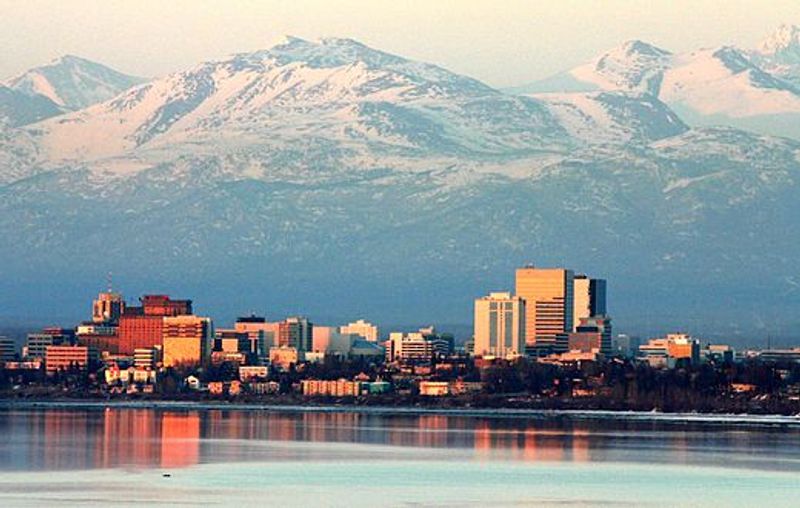
Anchorage had the kind of winter credentials that made Olympic brochures practically write themselves. The city put forward bids for the Winter Games, notably in the 1992 and 1994 cycles, aiming to translate Alaska’s setting into a compelling international case.
There was plenty to sell. Anchorage could offer authentic winter conditions, outdoor sports culture, and a location unlike any standard lower forty-eight contender.
For organizers, though, distinctiveness can be both a selling point and a logistical headache, especially when travel, venue concentration, and infrastructure depth come under close review.
More established winter destinations ultimately got the edge, and Anchorage remained an intriguing outsider rather than a final winner. That does not make the bids frivolous.
They reflected real local ambition and a belief that Alaska deserved a larger role in global sporting culture. The campaigns also highlighted a recurring Olympic tension between scenic suitability and operational convenience.
Anchorage had the first in abundance, while rivals often looked stronger on the second. Even so, the city’s efforts remain memorable because they imagined a version of the Winter Games that felt geographically bold, distinctly American, and just unconventional enough to stay interesting decades later.



