 Unearth The Voyage
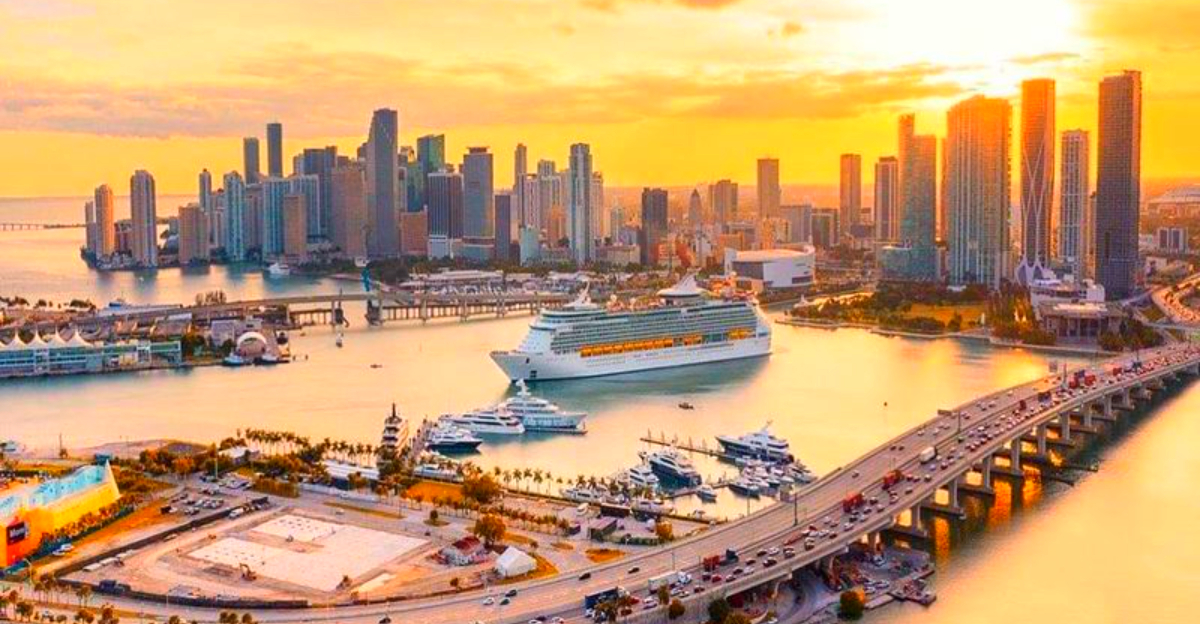
Some American places never seem fully finished, and that is exactly what makes them interesting. A factory town becomes a startup corridor, a music capital adds glass towers, and a waterfront once tied to shipping finds a second career in tourism and design.
These are the kinds of places where old street grids, new money, local memory, and ambitious planning keep bumping into one another. Keep reading if you want a sharper look at how reinvention actually works on the ground, one city block and one regional identity shift at a time.
1. Detroit, Michigan
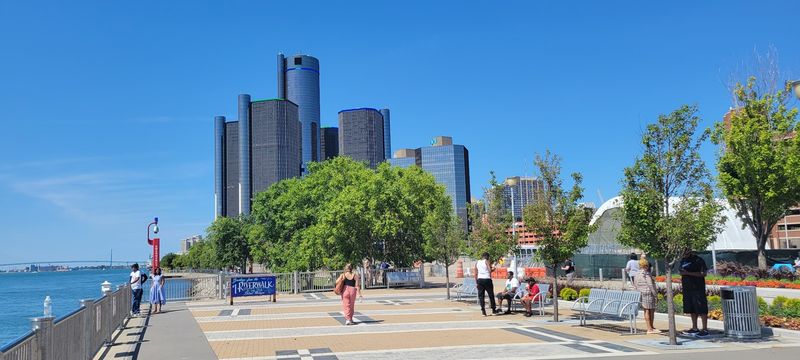
Nothing about Detroit stays frozen for long, which is part of its unusual power. Founded in 1701, the city grew into the center of American automobile manufacturing in the early 20th century, then faced decades of population decline, disinvestment, and hard questions after factory jobs moved or disappeared.
Today, downtown towers restored by major investors stand near neighborhoods where redevelopment remains uneven. The RiverWalk, Eastern Market, Midtown, and Corktown show how preservation, entrepreneurship, and arts funding have reshaped public perception, while landmarks tied to Motown, labor history, and industrial design still anchor the city’s identity.
Detroit keeps revising its own script without fully discarding earlier chapters. That tension gives visitors something more interesting than a simple comeback story: a place where manufacturing legacy, community activism, architecture, and new technology all keep negotiating the next version of the city.
2. Austin, Texas
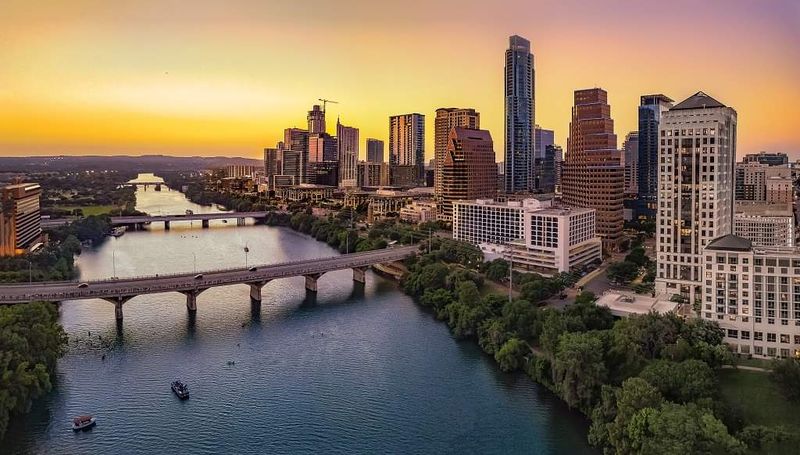
Austin has turned rapid change into a local debate, a business model, and a civic headache all at once. For much of the 20th century, it was known as a government and university town, with the University of Texas, state offices, and a lively music scene shaping a looser identity than larger Texas cities.
That balance shifted dramatically in the 1990s and especially after 2010, when tech firms, venture capital, and waves of newcomers accelerated construction. Glass towers now define the skyline, while rising housing costs and transportation strain have pushed long-running arguments about affordability, zoning, and whether the city can keep its independent streak.
The phrase “Keep Austin Weird” survives because people keep testing what it still means. Food trailers, music clubs, old bungalows, and startup campuses all share the same map, making Austin feel less like a finished city than a very public negotiation about what comes next.
3. Pittsburgh, Pennsylvania
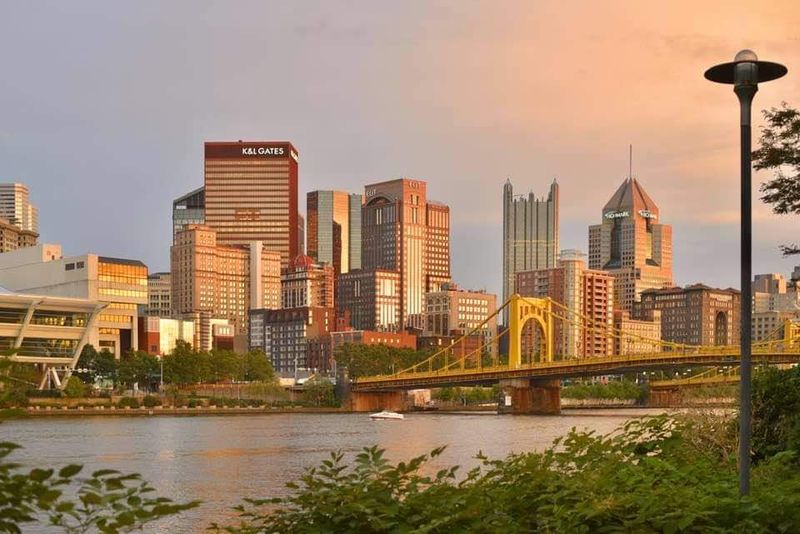
Pittsburgh practically wrote the manual on industrial reinvention, then kept editing it. In the late 19th and early 20th centuries, steel production made the city one of the country’s most important manufacturing centers, filling its valleys with mills, rail lines, and neighborhoods built around shift work and immigrant labor.
When steel collapsed in the 1970s and 1980s, Pittsburgh had to rethink nearly everything. Universities like Carnegie Mellon and Pitt, combined with strong medical institutions, helped create a new economy centered on robotics, healthcare, education, and research, while former industrial sites slowly became offices, housing, parks, and mixed-use districts.
Yet the old framework never disappeared completely, which is why the city feels layered rather than replaced. Brick rowhouses, steep streets, legacy ethnic neighborhoods, and famous bridges still frame a place where autonomous vehicle testing and century-old church festivals can exist in the same afternoon without seeming especially strange.
4. Las Vegas, Nevada
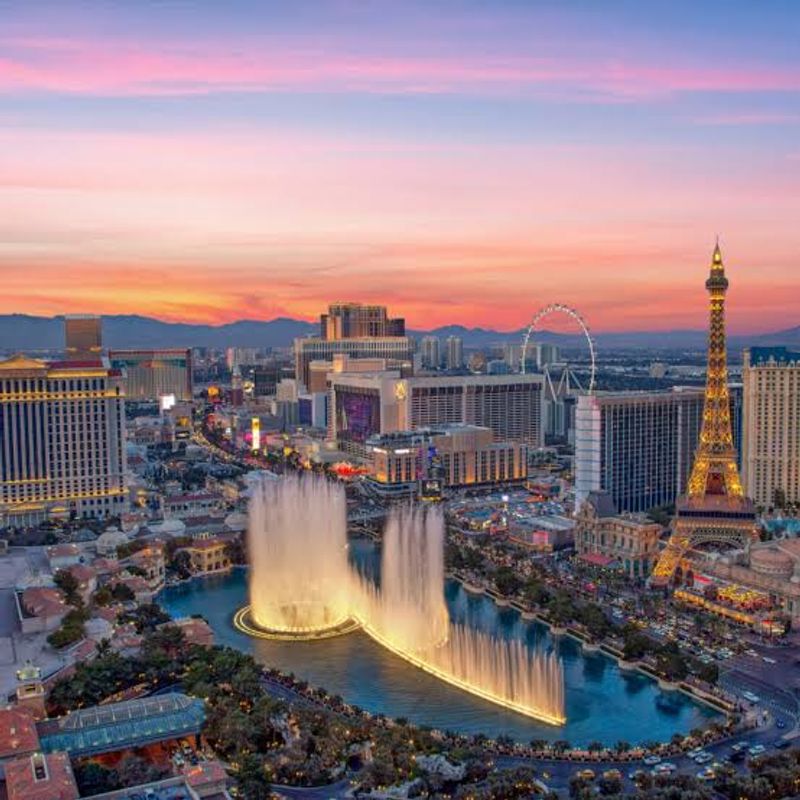
Las Vegas treats reinvention less like a strategy and more like a standing appointment. Since legal gambling expanded the city’s economy in the 1930s, its identity has depended on continual novelty, from mob-era casinos to corporate megaresorts, themed hotels, sports arenas, and entertainment complexes designed to refresh the skyline every few years.
Unlike older cities that preserve a stable downtown narrative, Las Vegas often erases and rebuilds its own icons. Classic properties have been imploded, rebranded, or reimagined, while the city has also diversified with convention business, professional sports, suburban growth, and a service economy that stretches well beyond the Strip.
That constant reset gives Las Vegas an oddly honest relationship with change. It rarely pretends permanence is the goal, which makes the place fascinating to watch as architecture, tourism trends, water concerns, and regional expansion keep rearranging what counts as the current version of America’s most self-updating city.
5. New Orleans, Louisiana
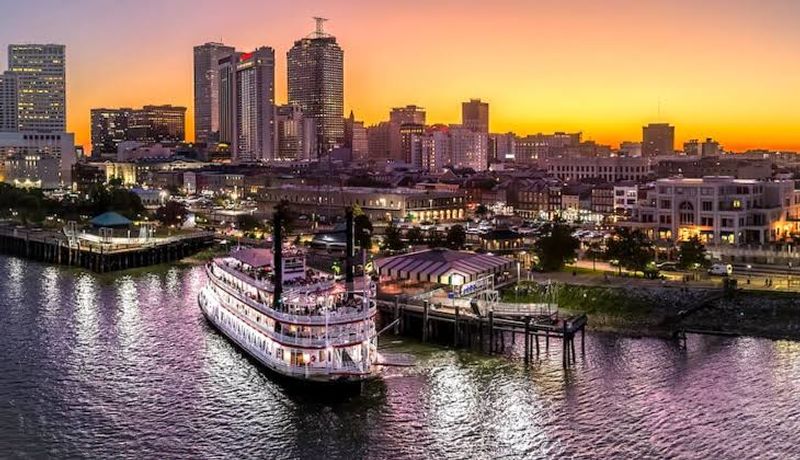
Few cities carry their past so visibly while still being forced to improvise their future. Founded by the French in 1718 and shaped by Spanish rule, river commerce, Caribbean influence, and deep cultural traditions, New Orleans developed a civic identity unlike anywhere else in the United States.
That identity has never meant stasis. Port activity, tourism, preservation battles, housing shifts, and major rebuilding efforts after Hurricane Katrina all changed neighborhood demographics, infrastructure priorities, and public conversations about who the city is for, even as music, food traditions, and Carnival culture remained central to local life.
What makes New Orleans feel permanently in transition is the way continuity and change operate side by side without canceling each other. Creole cottages, streetcar corridors, new restaurants, drainage projects, and debates over short-term rentals all signal a place still defining how to protect historic character while adapting to economic pressure and environmental reality.
6. Nashville, Tennessee
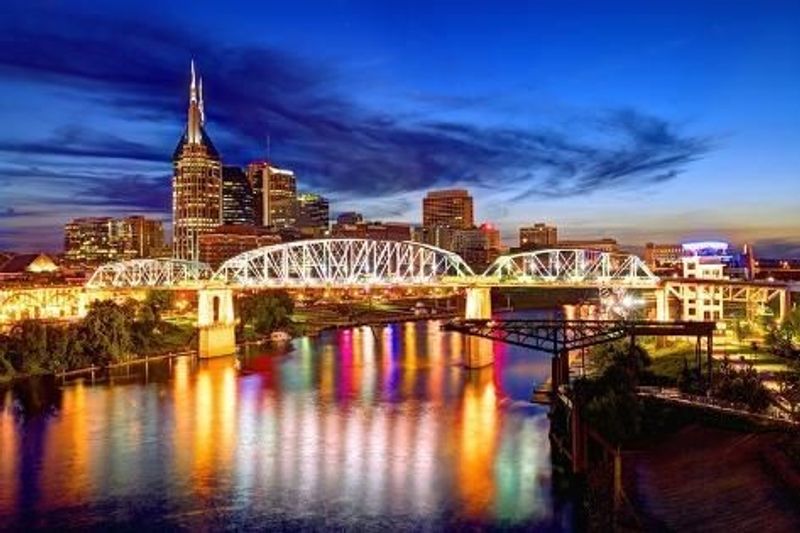
Nashville went from music capital to development case study in remarkably little time. Long known for the Grand Ole Opry, Music Row, and a publishing industry that helped define country music, the city spent decades building a cultural brand tied to studios, songwriters, and performance venues rather than flashy urban growth.
Then the skyline started climbing. Since the early 2000s, population increases, corporate relocations, healthcare expansion, and tourism have produced new towers, hotel projects, entertainment districts, and heated arguments over affordability, transit, and how much of old Nashville can survive a market that rewards constant construction.
The result is a city where historic recording spaces and branded luxury developments share very close quarters. Nashville still sells authenticity, but it now does so inside a much larger economic machine, making every neighborhood change feel like part of a bigger question about culture, commerce, and who gets to define the next chorus.
7. Buffalo, New York
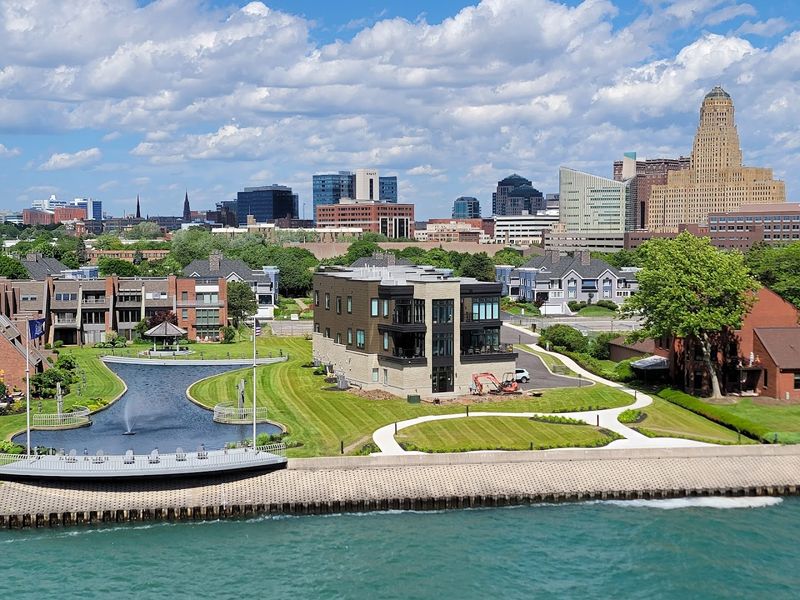
Buffalo has spent years proving that a city can look backward intelligently without staying stuck there. In the late 19th and early 20th centuries, it thrived as a transportation and industrial center, thanks to the Erie Canal, Great Lakes shipping, rail connections, and major manufacturers that made it one of the nation’s busiest urban economies.
When shipping patterns changed and industry contracted, population fell and confidence followed. More recently, preservationists, planners, and local institutions have pushed waterfront redevelopment, adaptive reuse, and new appreciation for Buffalo’s remarkable architecture, including work by Frederick Law Olmsted, Louis Sullivan, and Frank Lloyd Wright.
That mix gives the city a distinctive in-between quality. Grain elevators become cultural backdrops, former warehouses find new tenants, and neighborhoods continue to debate investment, equity, and identity, so Buffalo feels less like a revival slogan and more like a long, practical conversation about what a postindustrial American city can become.
8. San Francisco, California
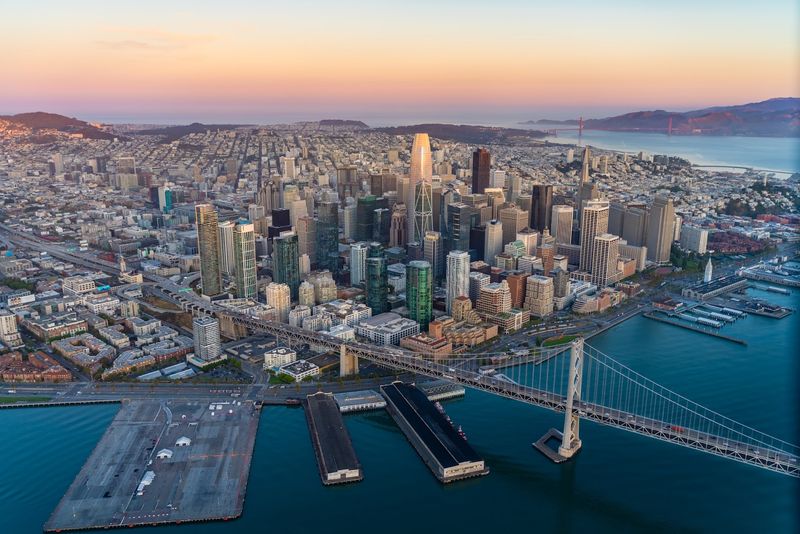
San Francisco has reinvented itself so many times that instability is practically part of the brand. The Gold Rush transformed it almost overnight in the 1850s, and later eras brought banking, shipping, counterculture, gay rights activism, finance, and successive technology booms that kept remaking both its economy and its self-image.
In recent decades, the tech industry has been the strongest force, driving wealth creation alongside rising housing costs and intense pressure on neighborhood character. Longtime commercial corridors, Victorian residential blocks, transit systems, and office districts have all been affected by remote work, redevelopment plans, and ongoing debates about density and public space.
What makes San Francisco feel unsettled is not just change, but the speed with which each wave claims historic significance. One generation preserves warehouse lofts, another fills them with startups, and a third asks whether the city can still function for teachers, artists, service workers, and everyone else outside a stock-options brochure.
9. Miami, Florida
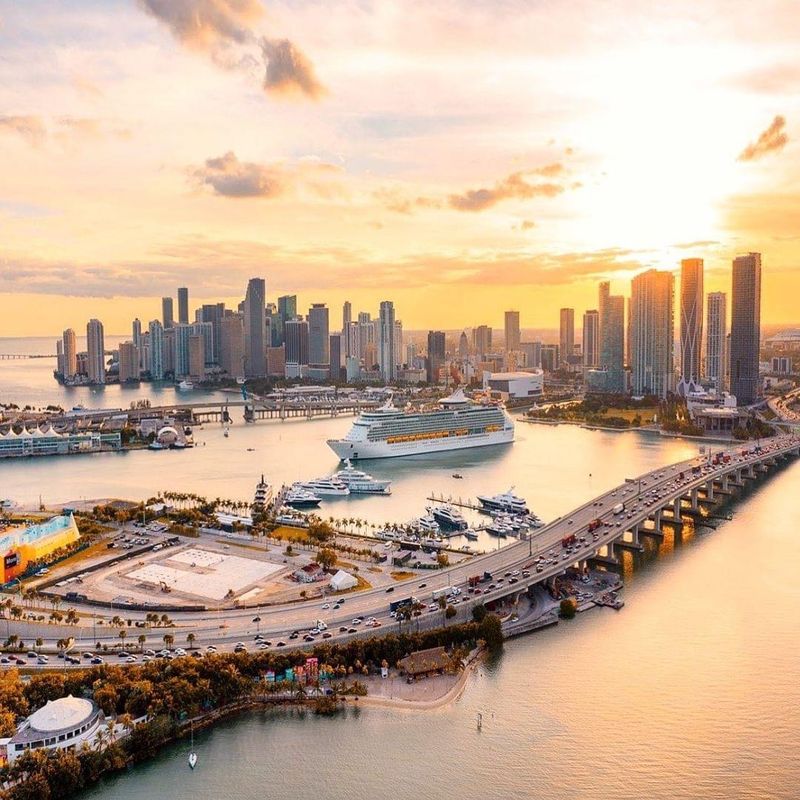
Miami often looks like tomorrow arrived early and then immediately filed new plans. Although its major growth came in the 20th century, the city’s identity has been shaped by repeated surges of migration, tourism, finance, and real estate speculation that turned a regional destination into a global crossroads with unusually fluid cultural boundaries.
Latin American and Caribbean influence is central to that story, not a decorative side note. New towers continue to rise in Brickell, Edgewater, and beyond, while older districts confront redevelopment pressure, transportation demands, and climate adaptation questions tied to sea level rise, stormwater management, and long-term infrastructure planning.
Miami feels permanently in transition because nearly every success creates a new set of complications. International capital changes the skyline, new residents alter local habits, and preservation fights protect pieces of Art Deco or neighborhood history, all while the city keeps negotiating how to stay livable, connected, and recognizable under relentless growth.
10. Boise, Idaho
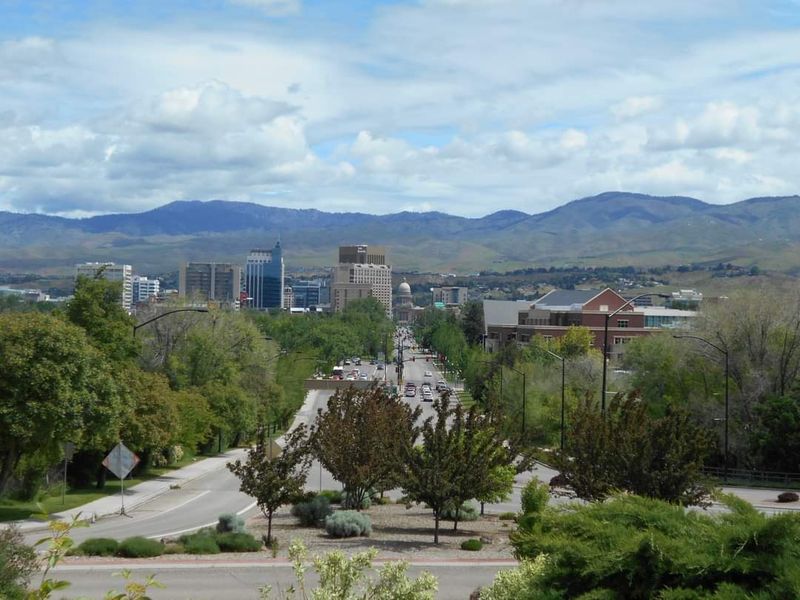
Boise has become one of those cities people mention with equal parts enthusiasm and concern. For much of the 20th century, it functioned as a relatively modest state capital and regional business center, with agriculture, government, and local industry shaping a quieter identity than larger western metros chasing national attention.
That changed as population growth accelerated in the 2010s, bringing new housing subdivisions, office development, rising home prices, and a fresh stream of arrivals from more expensive states. Downtown investment, outdoor recreation branding, and expanded food and cultural scenes gave Boise a more visible profile, while locals began asking how much growth the city could absorb gracefully.
The interesting part is that Boise still feels mid-conversation rather than transformed beyond recognition. Older neighborhoods, state government functions, and a strong connection to nearby open land remain central, even as infrastructure, schools, and planning policies are pushed to keep up with a city that no longer qualifies as anyone’s quiet little secret.
11. Cleveland, Ohio
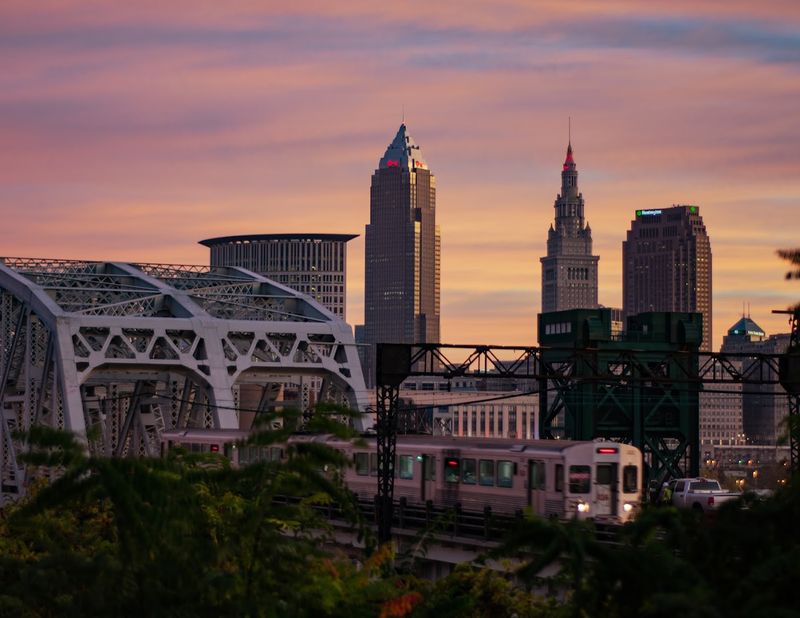
Cleveland knows a thing or two about second acts, and also about paperwork for a possible third. Built on manufacturing, lake shipping, and railroad connections, the city became a major industrial center in the 19th and early 20th centuries, with dense neighborhoods and a broad working- and middle-class base tied to factory employment.
As industry declined, Cleveland faced the familiar Great Lakes mix of population loss, downtown vacancies, and uneven neighborhood investment. Yet the city also leaned on serious cultural assets, including major medical institutions, museums, sports venues, and historic commercial districts that helped support a long, uneven effort to reposition the urban core.
Today, restored theaters, waterfront ambitions, apartment conversions, and university-linked development suggest steady movement, though not a neat transformation. Cleveland feels permanently in transition because progress arrives block by block, with visible reminders of industrial strength still shaping local expectations about jobs, infrastructure, and what genuine renewal ought to look like.
12. Denver, Colorado
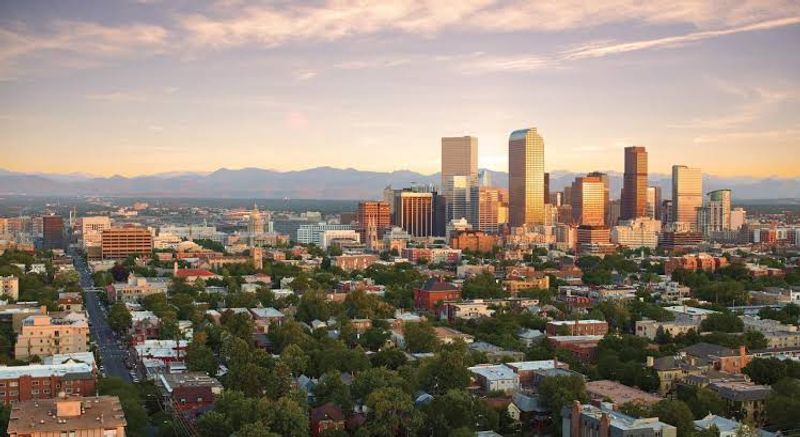
Denver has been expanding so quickly that even its self-image has had to keep up. Once defined largely by railroads, mining finance, and its role as a gateway to the Rocky Mountain region, the city spent much of the 20th century as a western hub with a manageable downtown and a strong outdoor-oriented reputation.
In the last two decades, population growth, corporate investment, and regional migration have accelerated redevelopment across central neighborhoods and suburbs alike. Transit expansion, apartment construction, office towers, and debates over water, traffic, and affordability now shape civic life as much as old frontier mythology ever did.
What keeps Denver in a constant state of adjustment is the gap between expectation and scale. People still arrive looking for mountain access and a laid-back western city, then encounter a booming metro area trying to balance density, preservation, and infrastructure demands, all while deciding how much growth fits the version of Denver residents actually want.
13. Tulsa, Oklahoma
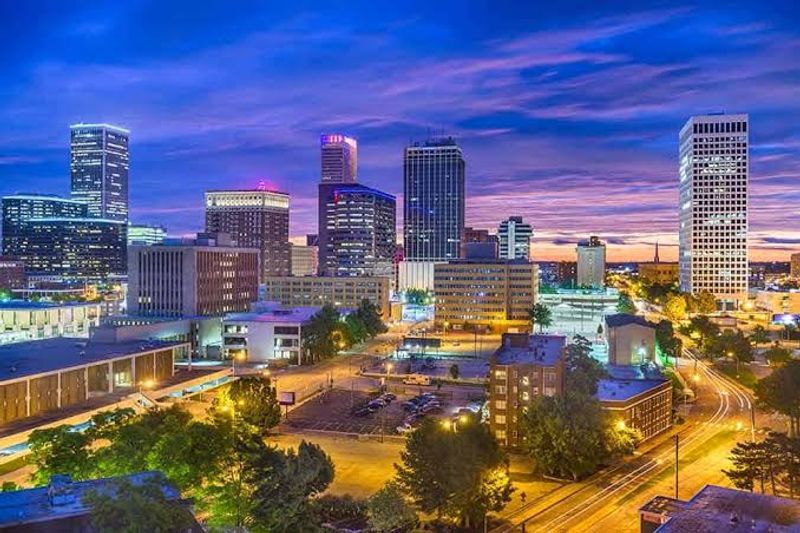
Tulsa keeps finding new ways to argue that a city built on oil can still surprise you. Its major growth came in the early 20th century, when petroleum wealth funded striking Art Deco architecture, business expansion, and cultural institutions that gave the city an urban ambition larger than many outsiders expected from Oklahoma.
Later economic shifts forced Tulsa to diversify, and recent years have brought visible reinvention through arts initiatives, downtown housing, park development, and programs aimed at attracting entrepreneurs and remote workers. Historic preservation has become part of the strategy rather than an afterthought, with older commercial buildings reused as apartments, offices, and event spaces.
The city feels permanently in transition because it is balancing memory and marketing in real time. Tulsa celebrates its architectural heritage and oil-era prominence, yet it increasingly sells quality of life, creative energy, and flexibility, making it a place where civic identity is being revised without pretending the earlier draft never existed.
14. Anchorage, Alaska
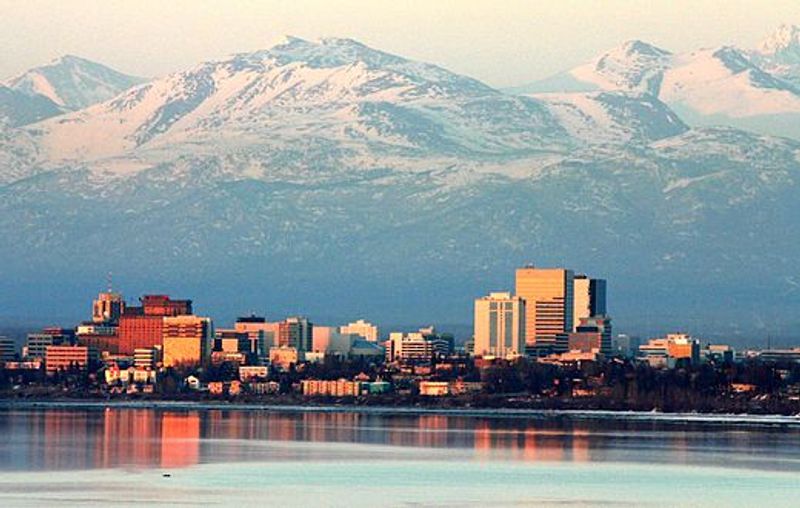
Anchorage feels like a headquarters still being assembled, even though it has been Alaska’s largest city for decades. Its modern growth accelerated during the 20th century through military investment, transportation links, and later energy development, making it less an old settled town than a strategic hub connecting remote regions, commerce, and government services.
That role keeps changing as global markets, tourism patterns, shipping needs, and climate-related shifts affect everything from infrastructure planning to local employment. Anchorage is also where urban Alaska becomes most visible, with suburban expansion, Indigenous presence, port modernization, and debates over development all shaping how the city presents itself to residents and visitors.
Unlike places with a fixed historical script, Anchorage still feels open-ended. It sits between wilderness branding and everyday metropolitan concerns, which means road projects, housing pressures, airport activity, and environmental adaptation all matter at once, giving the city an in-progress quality that seems less temporary than built into its character.
15. Reno, Nevada
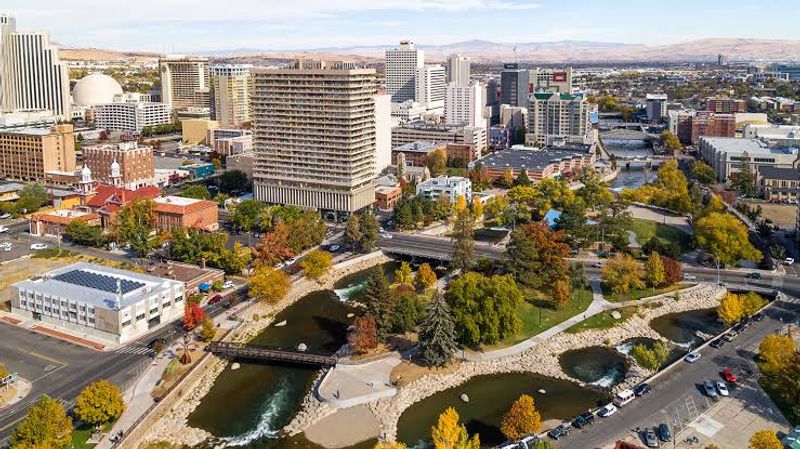
Reno has spent years stepping out of somebody else’s shadow and into a more complicated spotlight. Long known for casinos, quick weddings, and a looser image than many western cities, it built a tourism identity that was profitable but narrow, especially when compared with the larger spectacle and branding power of Las Vegas.
In the 21st century, logistics, manufacturing, and technology investment began to reshape the local economy. Companies tied to distribution and advanced industry moved into the region, housing demand increased, and downtown redevelopment tried to connect the old gaming city with a newer vision centered on riverfront improvements, arts spaces, and outdoor access.
Reno now feels like a city editing its biography in public. Casino history still matters, but so do industrial jobs, university influence, and migration from California, creating a place where old signage and new business parks coexist while residents debate whether Reno is becoming a polished success story or simply a different kind of gamble.



