 Unearth The Voyage
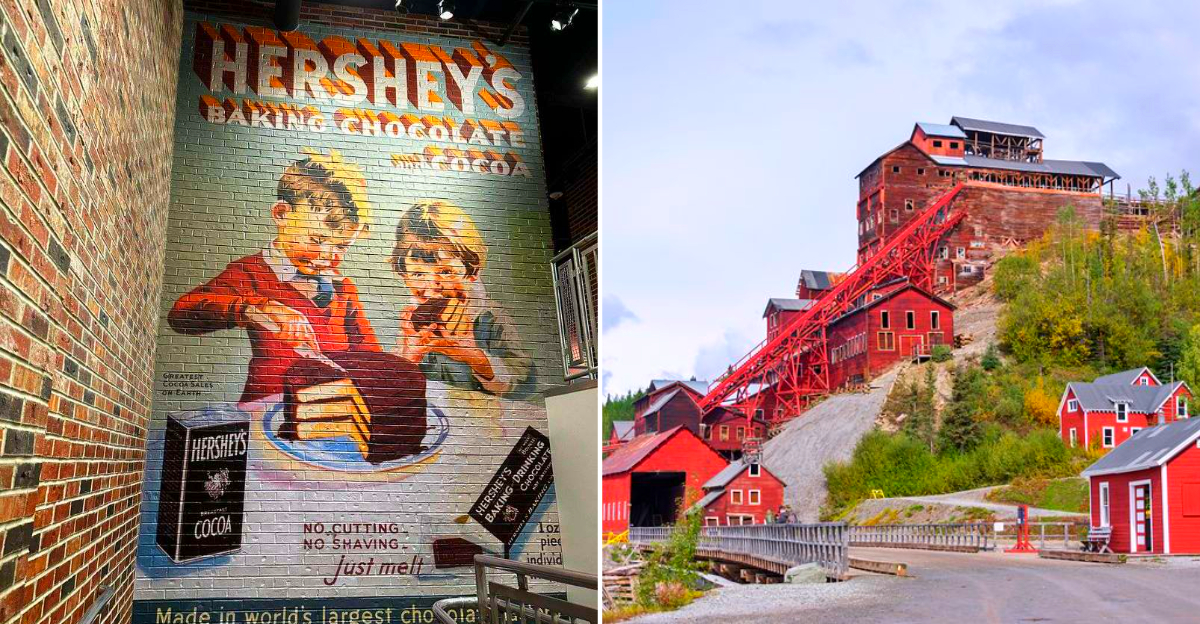
Imagine living in a place where your paycheck, your landlord, your grocery options, and your weekend ballfield all trace back to the same company. That was daily life in dozens of American company towns, purpose built to keep workers close and operations humming.
Some felt like model villages with parks, schools, and shiny storefronts, while others reminded residents who held the keys. Let’s tour 15 unforgettable examples that shaped work, home, and community in strikingly direct ways.
1. Pullman, Illinois – Pullman Palace Car Company
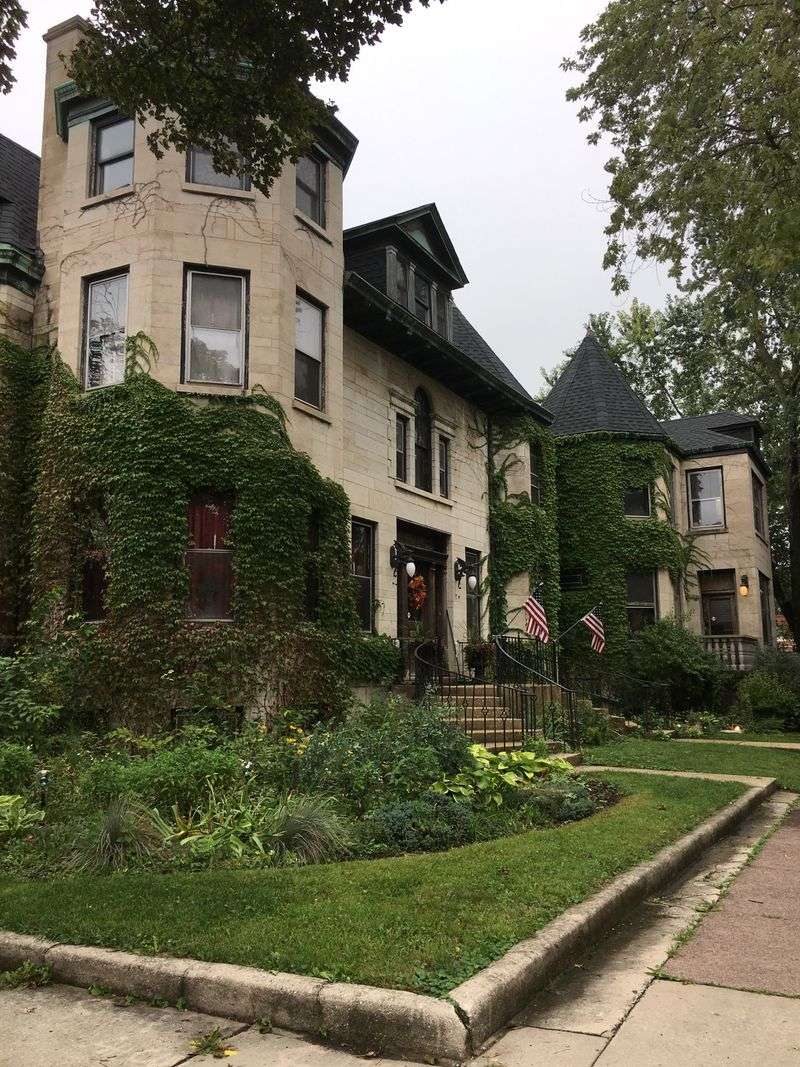
Start with a showpiece of ambition: Pullman looked like a catalog of tidy brick houses and civic pride. Designed as a model town near Chicago, it offered libraries, markets, and landscaped streets that felt almost theatrical.
Yet rent, rules, and reputations all ran through the company office, binding daily life to the time clock.
You can still walk the avenues and imagine railcar craftsmen heading to shifts beneath the great arcade. The beauty masked tension during the infamous strike that rippled across the nation.
Pullman proves how paternal planning could produce comfort alongside constraint.
Touring today, you notice the careful geometry, the hierarchy of homes, and the grand public hall. It tells a complicated story about work and dignity in the industrial age.
The lesson lands clearly as footsteps echo on brick: when one firm owns everything, prosperity and power share the same front porch.
2. Gary, Indiana – U.S. Steel
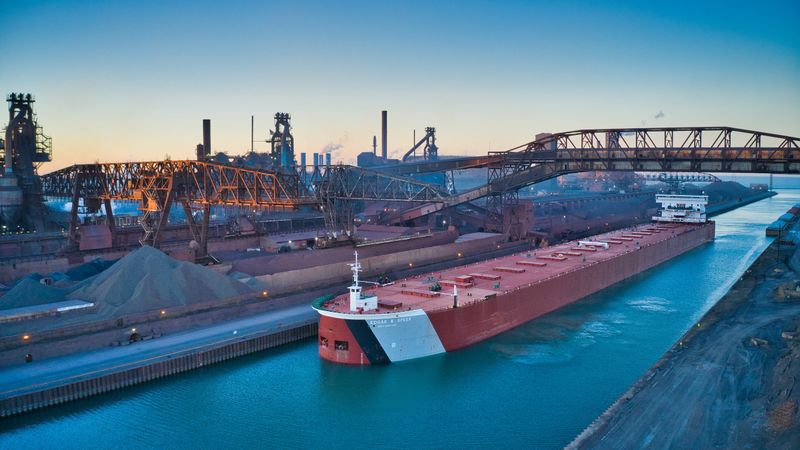
Steel built Gary with thunderous certainty, staking out miles of lakefront for blast furnaces and payrolls. Founded by U.S.
Steel, the city sprang up almost overnight to feed a modern colossus. Streets stretched toward mills that glowed after dusk, sketching skylines in furnace light.
Life revolved around shifts, union halls, and storefronts that mirrored production cycles. Housing clustered by job status, and neighborhoods pulsed to the rhythm of orders.
Prosperity rose and fell with the steel market’s temper.
Walk the avenues and you feel the weight of decisions made in boardrooms far away. Cultural life blossomed despite the grit, carried by schools, churches, and marching bands.
The boom was dazzling, the busts unforgiving. Gary’s story reads like steel itself: shaped under heat, cooled with resolve, and etched permanently into the industrial memory of America.
3. Roebling, New Jersey – John A. Roebling’s Sons Company
Bridges begin here, in a town spun from steel wire and big ideas. Roebling housed workers who braided the cables that carried America’s spans across impossible distances.
The factory roared while tidy brick homes stood shoulder to shoulder, steady as pylons.
Daily life moved between the mill gates and the corner store, where gossip traveled as fast as orders. The company shaped rules, but community spirit welded neighbors together.
You feel pride in the sidewalks, like a quiet hum beneath the clatter.
Museums and preserved streets tell the tale with satisfying clarity today. Names like Brooklyn and Golden Gate echo through exhibits about tensile strength and sweat.
It was labor with a skyline payoff. Roebling shows how a precise product can build an equally precise town, calibrated around craft, reliability, and the daring math of suspension.
4. Hershey, Pennsylvania – Hershey’s chocolate enterprise
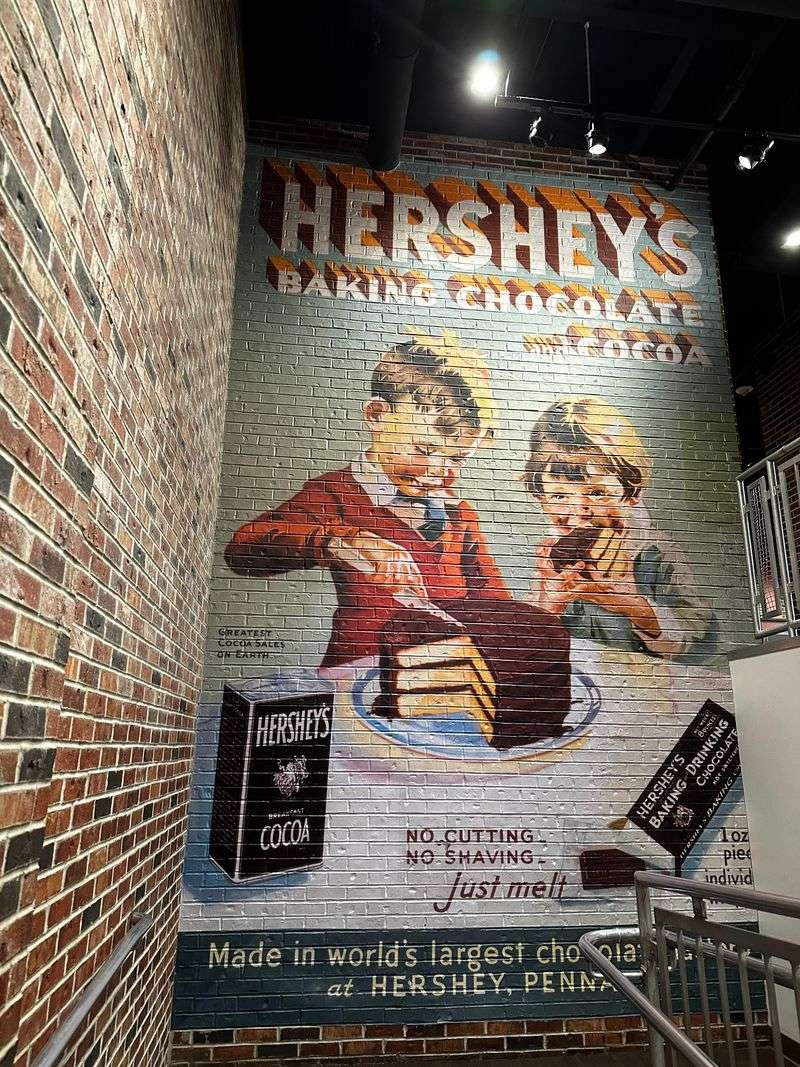
Sweet beginnings never felt so literal as in Hershey, where cocoa scented the breeze and optimism flavored policy. Milton Hershey built housing, schools, parks, and entertainment, creating a town that felt generous without being flashy.
It invited families to settle, grow roots, and cheer at the ballpark after shifts.
Walking through, you find gardens, a theater, and a community built with well being in mind. Wages met amenities, and the company organized much of public life.
It was paternalism wrapped in milk chocolate, with clear rules and implied loyalty.
Today, the brand’s legacy still frames the streets, from factory heritage to roller coasters nearby. You sense how a single vision can turn a plant into a hometown.
Even skeptics admit the infrastructure endured. Hershey stands as a reminder that thoughtful planning can be both strategic and sincerely people focused, without losing sight of profit.
5. Scotia, California – Pacific Lumber Company

Redwoods tower like cathedral columns over Scotia’s mill town story. Pacific Lumber anchored everything here, from the whistle that set breakfast times to the ballfield lit by long summer sun.
Houses wore wood proudly, as if grown from the same forest they fed.
Work meant precision and danger, with logs thundering through mills at relentless pace. The company provided stores, schools, and repairs, keeping life close to the yard.
Saturdays smelled like sawdust and coffee, an unmistakable local perfume.
Driving in, you sense a frontier that never fully left. Conservation debates and corporate shifts reshaped outcomes, but community remained stubbornly rooted.
Scotia feels like a handshake between timber and town. It stands as a living archive of West Coast lumber culture, where every porch step seems cut from the region’s history and each street writes another ring into the story.
6. Kohler, Wisconsin – Kohler Company
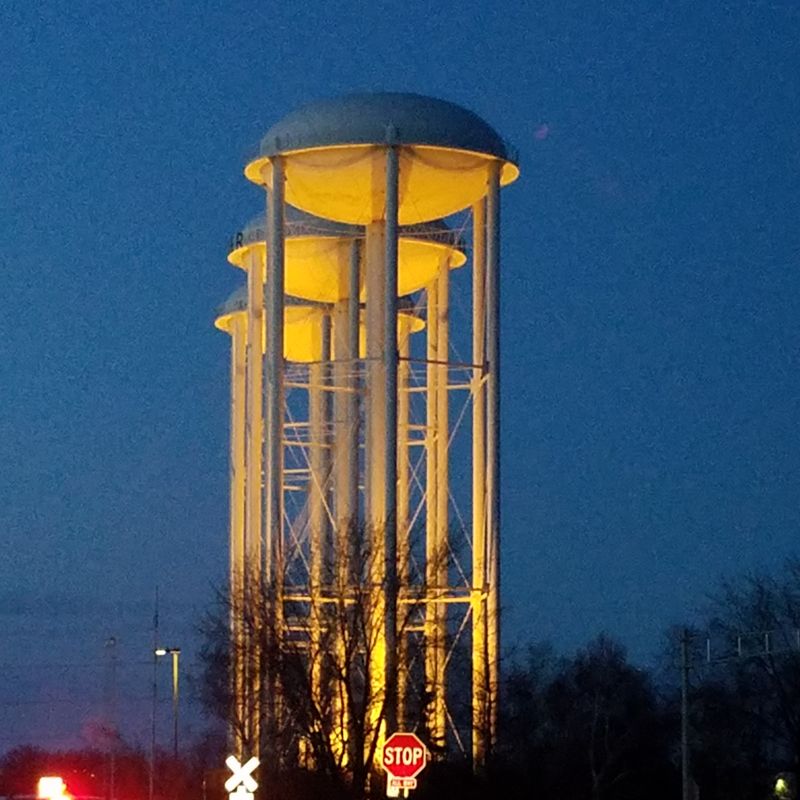
Elegance meets industry in Kohler, where factory whistles share space with sculpture gardens and fairways. The company shaped neighborhoods with a refined aesthetic, borrowing European cues to soften industrial edges.
Streets feel intentional, as if every curve anticipated a Sunday stroll.
Residents enjoyed amenities that raised expectations for worker housing. Schools, recreation, and a civic center created civic glue beyond the timecard.
Yet the company’s guiding hand remained steady, steering policy and property lines alike.
Visitors clock the juxtaposition quickly: sinks, tubs, and fixtures given showroom treatment, while lawns look gallery ready. It is a rare case where brand identity polished the whole town.
You leave thinking about craftsmanship not just in products but in place making. Kohler’s example shows how design can humanize production, and how a company’s aesthetic can turn a mill village into a destination.
7. Vandergrift, Pennsylvania – Apollo Iron & Steel
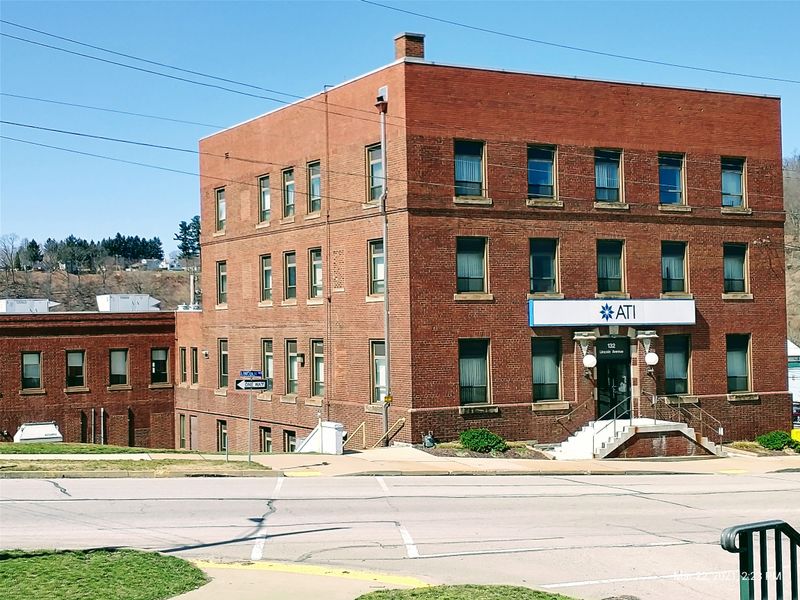
Here’s a rarity: a steel town shaped with landscape artistry in mind. Vandergrift’s curving streets and parks came from professional planning, softening the clang of Apollo Iron & Steel.
Workers lived within a thoughtful grid that favored views, not only smokestacks.
Community amenities encouraged stability, inviting families to settle rather than shuffle. The company’s influence remained firm, but the town breathed easier thanks to green pockets and graceful blocks.
You notice pride in flowerbeds and porch rails.
Strolling the plan reveals how design can dial down industrial intensity. A bend in the road catches light, and suddenly the mill feels more neighbor than overlord.
Vandergrift illustrates that a company town could be livable by intent, not accident. It is proof that blueprints matter, especially when they aim to balance paychecks with parks and shift whistles with quiet streets.
8. Morgan Park, Minnesota (Duluth) – U.S. Steel / Minnesota Steel

A tidy order rules Morgan Park, where streets line up like a well drilled crew. Built for Minnesota Steel, the community limited residency to employees for a time, tightening company ties.
Houses, schools, and a clubhouse stitched daily routines into a compact map.
Snow softened the edges each winter, but policy stayed crisp. The company set expectations around conduct, maintenance, and taxes, keeping operations close to home.
Residents swapped recipes and shift stories over shared fences.
Even now, the neighborhood’s bones reveal its origins in efficiency and care. You see the logic in block placements and public spaces.
The result feels pragmatic rather than grand, a worker focused solution to industrial distance. Morgan Park demonstrates how a remote plant can grow a complete community, with rules that once defined belonging and sidewalks that still remember those lines.
9. Sugar Land, Texas – Imperial Sugar Company

Yes, Sugar Land was once exactly what it sounds like: a refinery town with sweetness on the ledger. Imperial Sugar built homes, utilities, and services that clustered around cane processing and refining.
Streets bore the rhythms of harvest, transport, and boil.
Workers found stability in company infrastructure, along with rules that tethered daily life to the plant. The town’s identity crystallized into a brand long before modern marketing.
Community life mixed church picnics with plant alarms.
Growth eventually outpaced the original footprint, but the company town roots still flavor local history. Walk the older districts and you sense pragmatic planning beneath suburban polish.
Sugar Land’s arc tracks from company necessity to regional hub. It shows how a product can mint a place, then leave behind a civic spine sturdy enough to carry generations beyond the refinery gates.
10. Cass, West Virginia – West Virginia Pulp and Paper Company
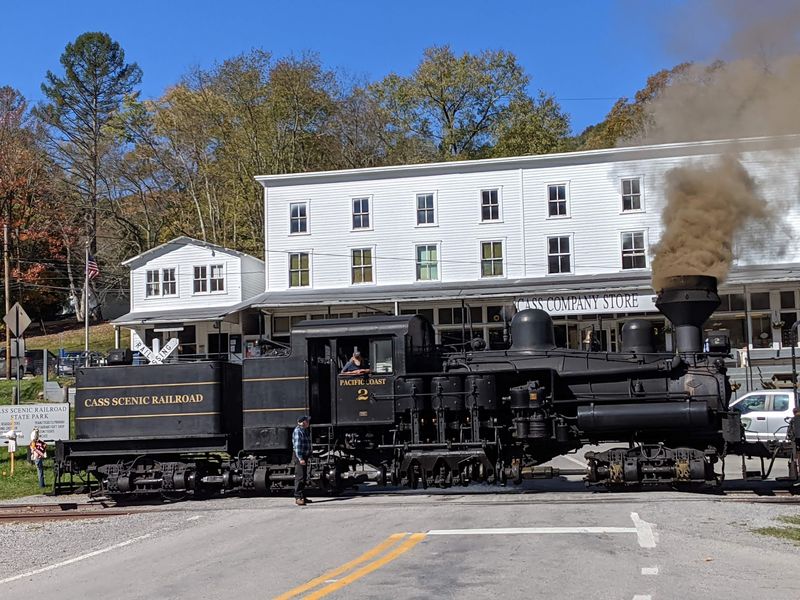
Steam whistles still echo in Cass, where geared locomotives once clawed up mountainsides for timber. The company laid tracks, homes, and bunkhouses, tightening a rail loop around daily life.
Workdays were steep and muddy, but the town felt close knit and purposeful.
Today, trains carry visitors instead of logs, preserving the cadence of the old economy. You hear stories in the station about night runs and winter repairs.
Company rules shaped housing and routines, keeping families tethered to the mill’s fortunes.
Stand on the platform and feel the ground hum with remembered labor. Cass turns industrial grit into living heritage without sanding off the edges.
It is a place where engines, forests, and families formed a tough triangle. The town’s survival proves that well kept rails can carry history forward as surely as they once hauled timber downhill.
11. Johnson City, New York – Endicott Johnson (the “Square Deal” era)
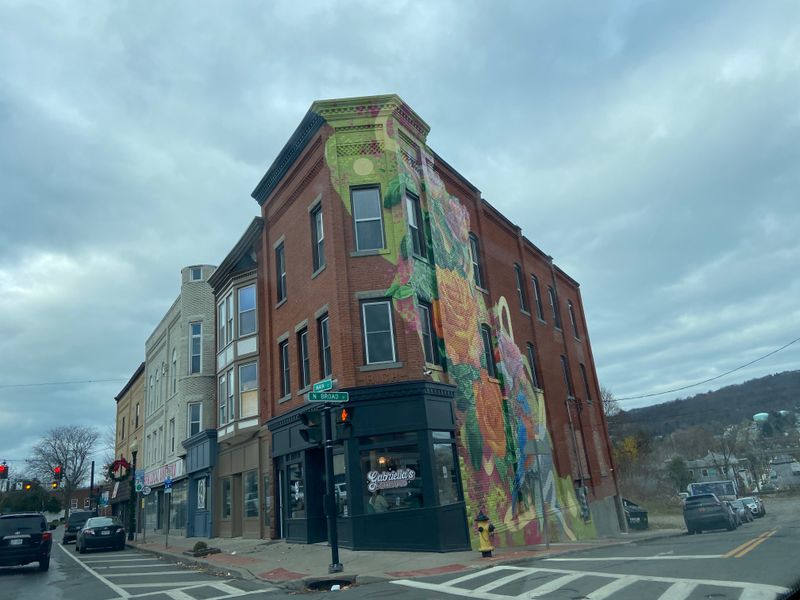
Promises were printed on playgrounds in Johnson City, where Endicott Johnson’s Square Deal shaped civic life. The company offered parks, clinics, and social halls to match its shoe output, pitching dignity alongside jobs.
Streets carried the brand as if it were a neighbor.
Housing followed the paternal template: decent, orderly, and close to the line. Workers found security and boundaries in equal measure.
The result was loyalty that looked almost ceremonial during parades and picnics.
Wander today and you still spot initials on archways and stories in brickwork. The Square Deal left more than slogans; it left infrastructure and traditions.
Johnson City captures the complicated generosity of company paternalism, generous yet directive. It is a place where benefits and expectations shook hands daily, and the imprint remains visible on both sidewalks and memory.
12. Endicott, New York – Endicott Johnson (and later IBM roots in the region)
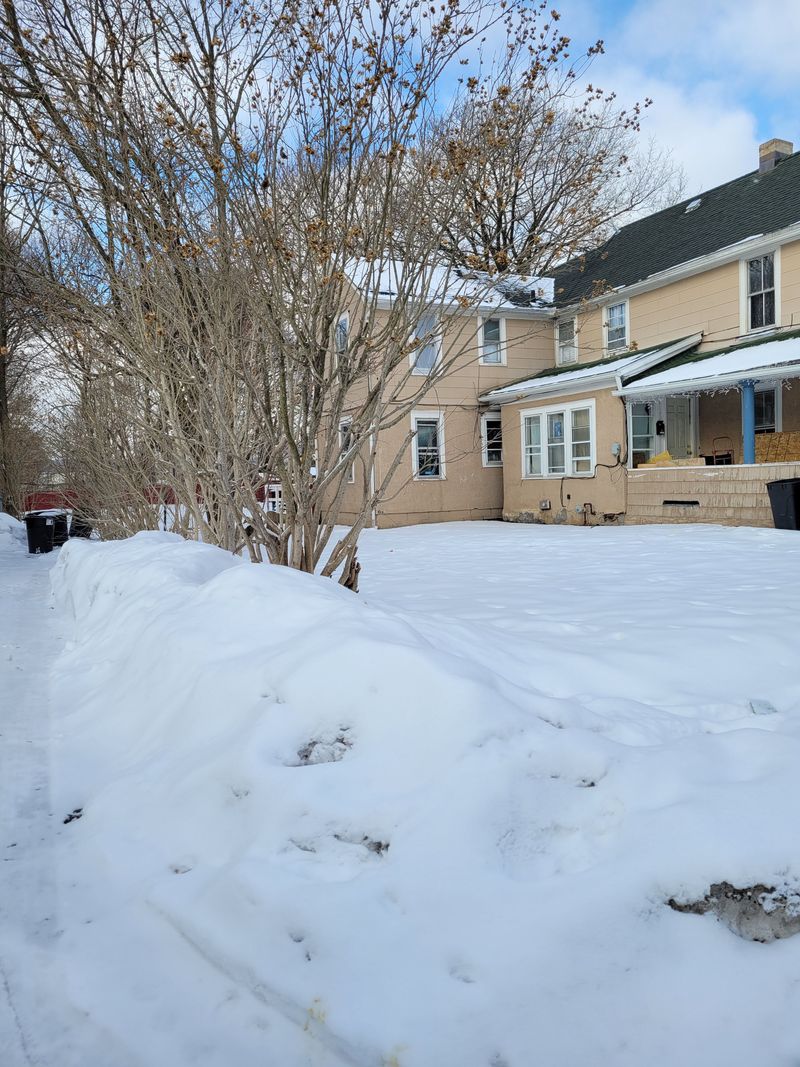
Shoes set the stage in Endicott, but technology later borrowed the spotlight. Endicott Johnson built homes and amenities that tightened bonds between line and living room.
The layout gave workers proximity, predictability, and a sense of shared purpose.
Later, IBM’s regional roots added a new chapter, layering research pride over industrial grit. Cafes served both bootmakers and engineers, sometimes on the same block.
The town learned to translate from leather to logic without losing its cadence.
Strolling the streets, you notice continuity in brickwork and community institutions. The company town pattern proved flexible enough to host a new economy.
Endicott reminds you that place can outlast product cycles. Its bones were built for work, and they keep finding new ways to hold livelihoods together.
13. Alcoa, Tennessee – Aluminum Company of America (ALCOA)
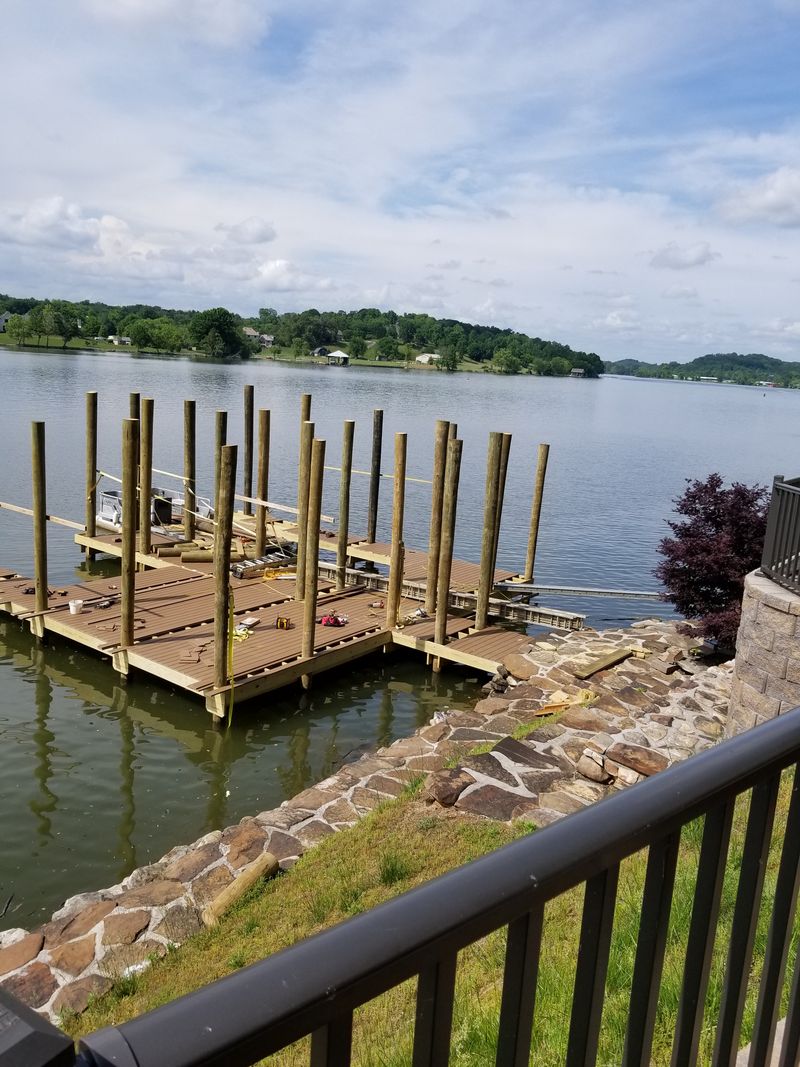
Aluminum shaped a city name and a horizon of tidy roofs in Alcoa. The company planned neighborhoods, utilities, and civic buildings to support round the clock production.
You can almost hear shift changes in the steady grid of streets.
Residents lived close to the plant but found parks and schools within easy reach. Rules and rents reflected the corporate ledger, while community events stitched people together.
The town wore practicality proudly, trading frills for function.
Drive through today and you see industrial legacy meeting Appalachian scenery with surprising grace. The company imprint persists in street patterns and sturdy houses.
Alcoa’s story is about materials and people moving in sync. It proves that a well built support system can endure, even as markets fluctuate and technology refines the shine.
14. Bauxite, Arkansas – ALCOA and the bauxite boom
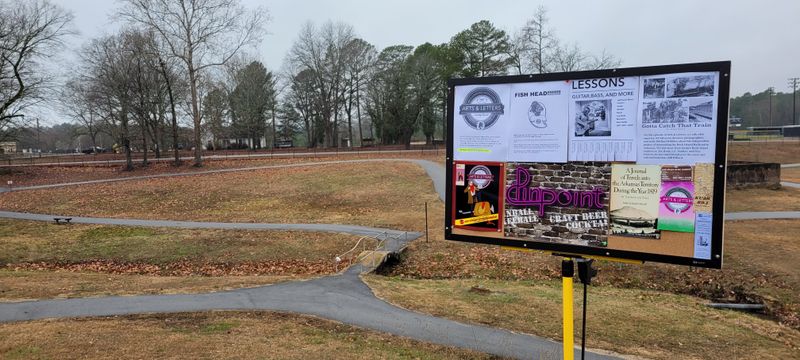
Red soil tells the tale in Bauxite, where ore defined both landscape and livelihood. ALCOA’s influence carved housing rows and company services from ground rich with aluminum’s raw promise.
Workdays began with dust and ended with neighborhood chatter on shaded steps.
The boom brought paychecks and a particular pride in the element that lightened airplanes and kitchens. Company oversight was constant, from leases to leagues.
Families adapted to shifts, storms, and market swings with practiced resolve.
Museums now map the geology to the human story with satisfying clarity. You leave with pockets dusty and mind buzzing about how a mineral can blueprint a town.
Bauxite stands as a mineral narrative rendered in streets and memories. It shows how extraction economies stamp color, cadence, and character on everyday life.
15. Kennecott, Alaska – Kennecott Mines Company
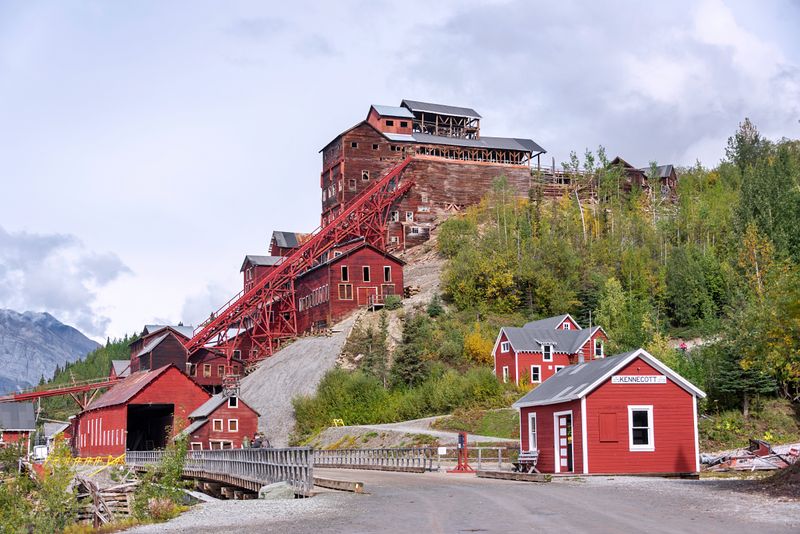
A mountainside of red timber buildings makes Kennecott feel like a postcard from hard duty. Copper funded everything here, hauled across glaciers and ravines with audacious engineering.
The company built bunkhouses, a hospital, and a mill that clung to the slope like a barnacle.
Isolation amplified control, tightening the loop between work and rest. Supplies arrived by rail and pack, and rules traveled just as surely.
Yet camaraderie grew in the shadow of ice, with stories traded over lantern light.
Today the preserved site stuns with scale and scenery. Boardwalks lead past machinery that refuses to go quiet.
You sense bravery and calculation in every beam. Kennecott captures the drama of remote extraction, where a company had to create a town before it could extract a fortune from stone.



