 Unearth The Voyage
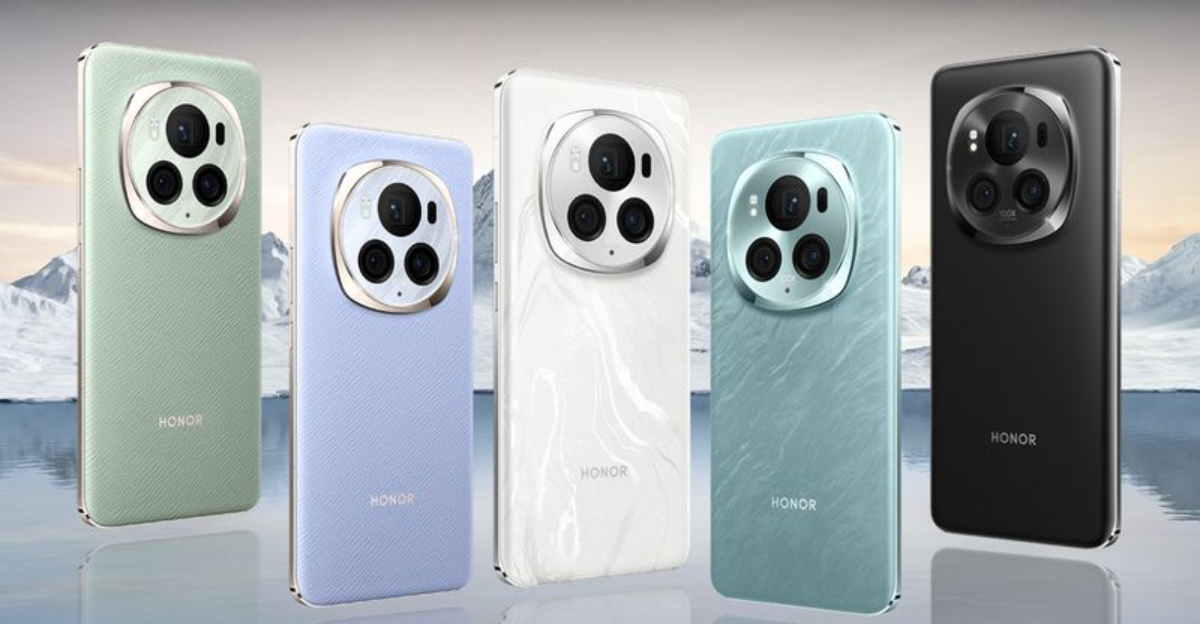
Smartphone cameras have become so good that many people no longer need a separate camera. Android phones now pack incredible photo technology, from massive zoom lenses to smart AI that fixes your shots automatically. Whether you love taking portraits, wildlife pictures, or just want your vacation photos to look amazing, there’s an Android phone built for you. Here are the best camera phones you can buy right now.
1. Samsung Galaxy S25 Ultra
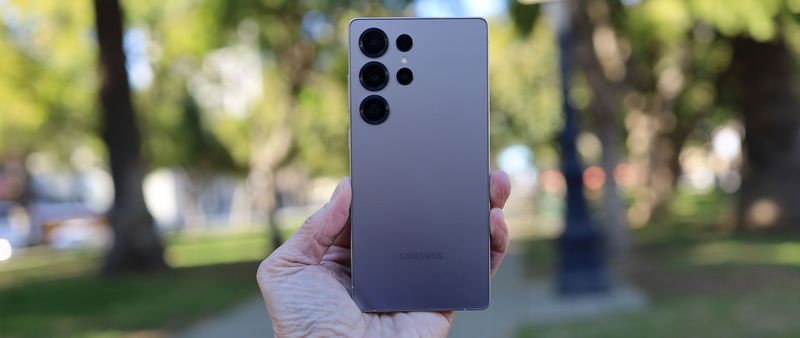
Samsung’s newest flagship dominates when you need serious zoom power. Two stabilized telephoto cameras work together, a 50-megapixel sensor at 5x zoom and a 10-megapixel at 3x—giving you crystal-clear shots of faraway subjects. The 200-megapixel main camera captures tons of detail in every frame.
Processing has matured beautifully, balancing colors and shadows without looking fake. Dynamic range stays impressive even when shooting into bright skies. This phone handles everything from close-up food shots to distant wildlife with confidence, making it the safest bet for most photographers.
2. Google Pixel 9 Pro XL
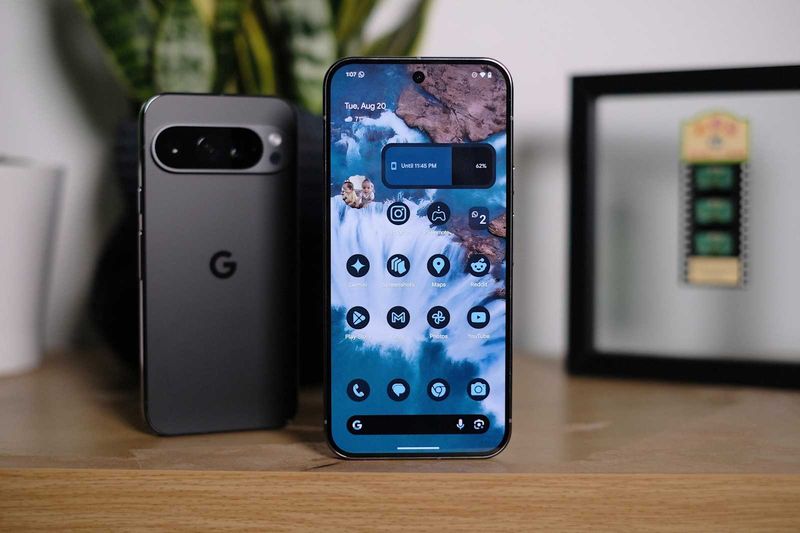
Google’s magic lies in how easy this phone makes photography. Point, tap, and you’re done—no fiddling with settings required. The newest HDR pipeline pulls detail from shadows and highlights simultaneously, creating balanced images that look natural, not overprocessed.
Face tones stay accurate across different skin colors, something many phones still struggle with. Stabilization keeps video smooth even when you’re walking quickly. DXOMARK rankings confirm what users already know: Pixel delivers share-worthy results straight out of the camera. Perfect for anyone who wants great photos without becoming a photography expert.
3. Google Pixel 9 Pro
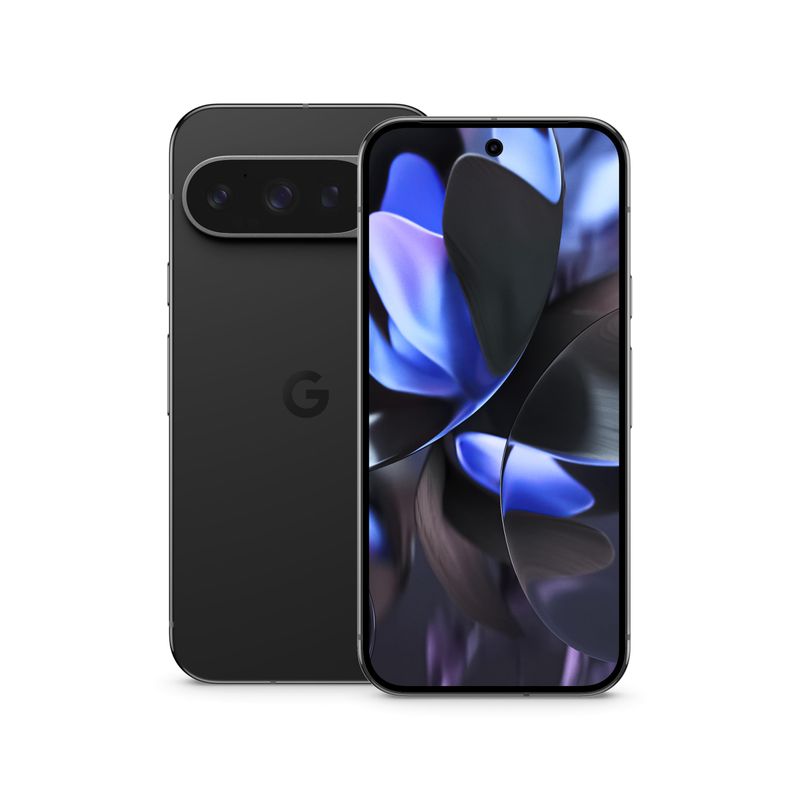
All the Pixel camera goodness fits into a smaller package here. You get identical triple cameras and the same powerful editing tools as the XL model, just in a phone that’s easier to hold and pocket.
The compact body doesn’t sacrifice photo quality one bit. Google’s computational photography still shines, fixing exposure and color automatically. Magic Editor, Best Take, and other AI features come standard. If the XL feels like too much phone in your hand, this delivers the exact same imaging experience. Size becomes your only real decision between these two excellent shooters.
4. vivo X100 Ultra
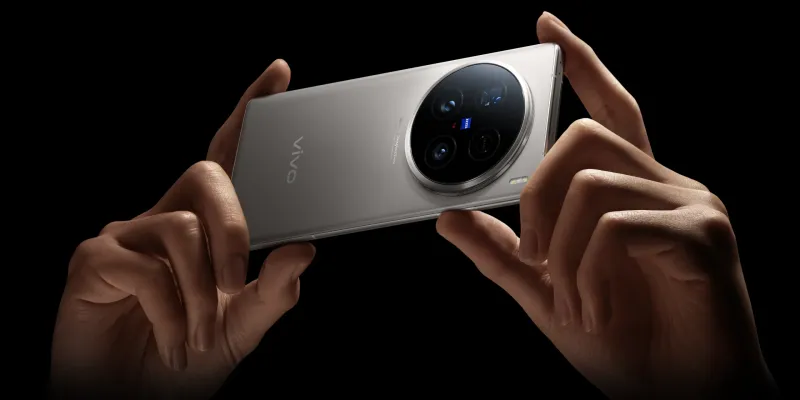
Nobody else has tried this: a 200-megapixel telephoto camera hidden inside a periscope design. Zoom shots capture striking detail that rivals stand-alone cameras, with texture and sharpness that surprises even experienced photographers.
Color science at long focal lengths looks more natural than competitors who over-saturate distant subjects. The engineering achievement alone impresses, but the real-world results back up the specs. Wildlife, sports, and concert photography benefit enormously from this wild setup. It’s a specialty tool that excels at what it’s built for, pushing smartphone zoom into new territory.
5. vivo X100 Pro
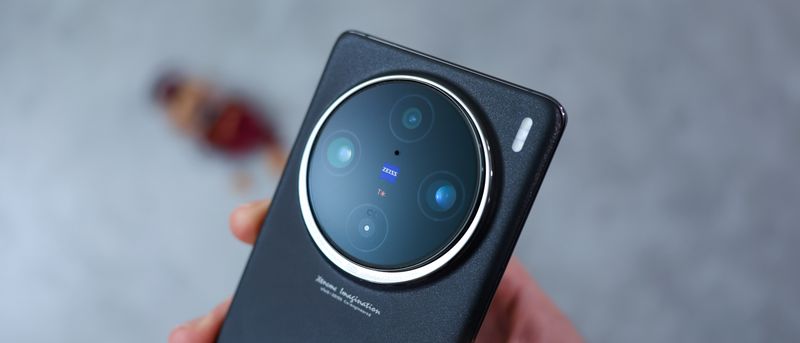
ZEISS glass elevates this camera above typical smartphone optics. The APO floating periscope design reduces color fringing and maintains sharpness across the frame, something photo enthusiasts immediately notice.
Tele-macro shots reveal tiny details with pleasing micro-contrast and smooth bokeh. Close-ups of flowers, insects, or textures look remarkably clean and three-dimensional. Zoom quality stays unusually consistent across different distances. If you appreciate optical quality and love exploring small subjects up close, this phone rewards careful composition. It’s built for people who actually care about lens character, not just megapixel counts.
6. Xiaomi 15 Ultra
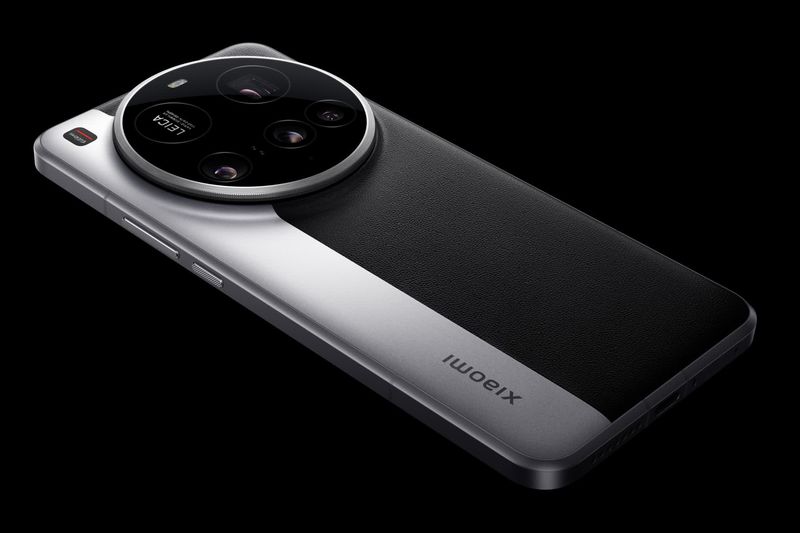
Leica partnership brings distinctive color profiles and support for pro accessories like grips and filters. The one-inch-class main sensor captures more light than smaller competitors, improving low-light shots and giving you more editing flexibility later.
You can switch between Leica Authentic (natural colors) and Leica Vibrant (punchier tones) depending on your mood. Physical accessories transform the phone into something closer to a real camera. Image quality impresses even if lab rankings don’t always crown it champion. For photographers who want creative control and that Leica look, this delivers.
7. Xiaomi 14 Ultra
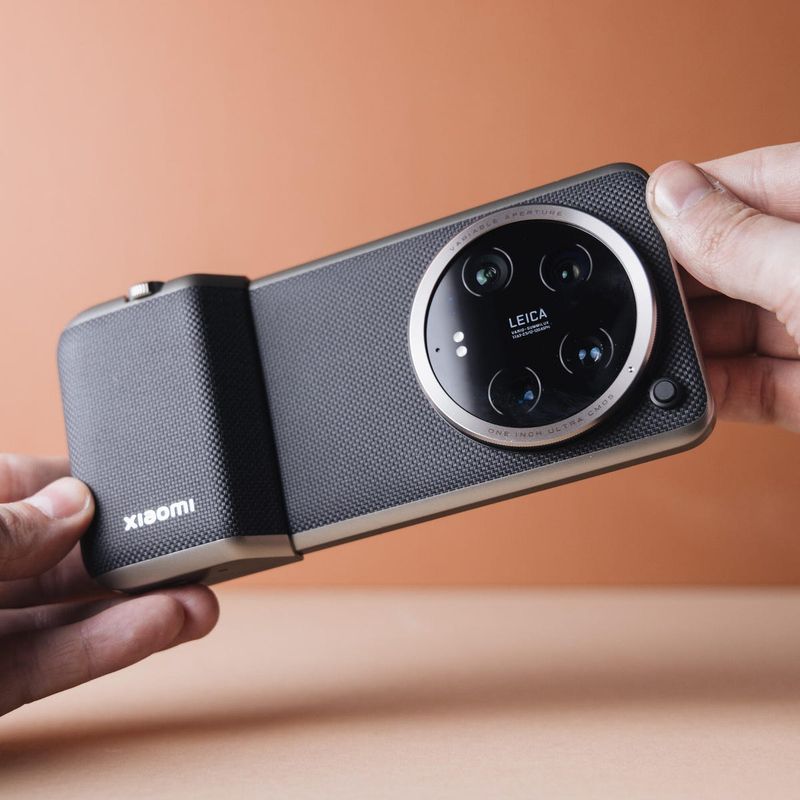
Variable aperture technology lets you adjust how much light enters the one-inch main sensor, giving creative control over depth-of-field. Shoot wide open for blurry backgrounds or stop down for sharper landscapes—just like a real camera.
Leica color profiles add character to your images, moving beyond the typical smartphone look. Multiple focal lengths cover most shooting situations without quality drop-off. Rich image files hold up well when you edit them later. Photography enthusiasts still consider this a top choice despite being a year old. It remains a photographer’s phone in the truest sense.
8. OPPO Find X7 Ultra
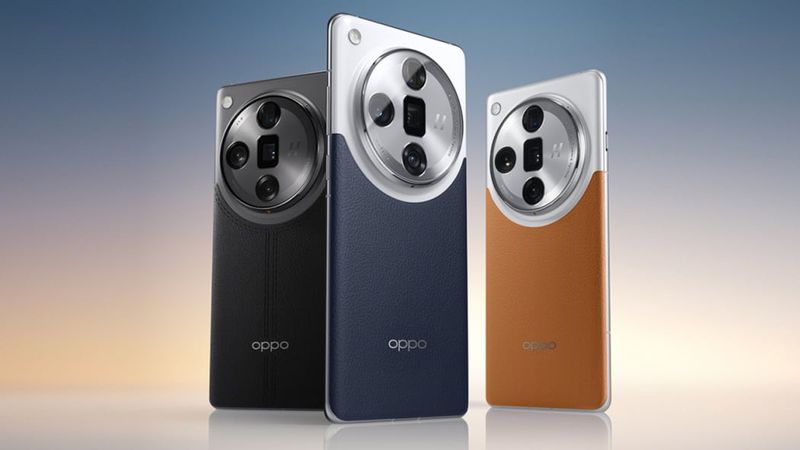
Two periscope telephoto cameras working together create unusually consistent zoom quality. Most phones show quality drop-off as you zoom further, but this maintains sharpness and color accuracy from 3x all the way past 10x magnification.
Zoom nerds finally have their dream phone—no more choosing between different zoom levels. Switching focal lengths feels seamless, with each zoom range properly optimized. The engineering required to fit two periscopes inside one phone body deserves applause. If you constantly find yourself zooming in and out, this specialized setup delivers better results than single-telephoto designs.
9. Honor Magic 7 Pro
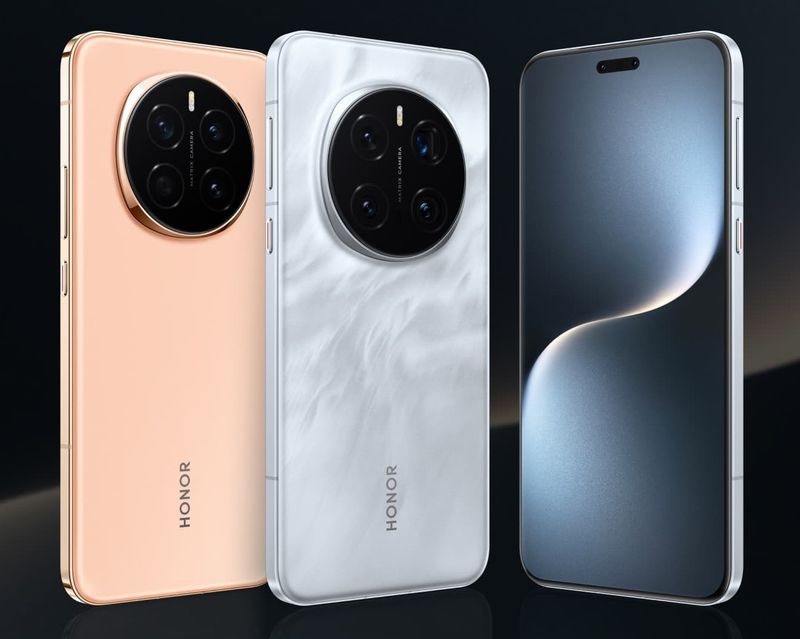
AI imaging assistance reaches new heights here, with smart features that recognize scenes and optimize settings automatically. Upgraded telephoto hardware combines with software smarts to improve distant subjects noticeably.
Honor’s processing strikes a good balance between enhancement and natural look. Motion detection helps freeze action without blur. Low-light performance stays competitive with better-known brands. Availability limits this phone to certain regions, but if it’s sold where you live, consider it seriously. The combination of powerful hardware and intelligent software assistance makes photography easier without dumbing down the results.
10. Honor Magic 6 Pro
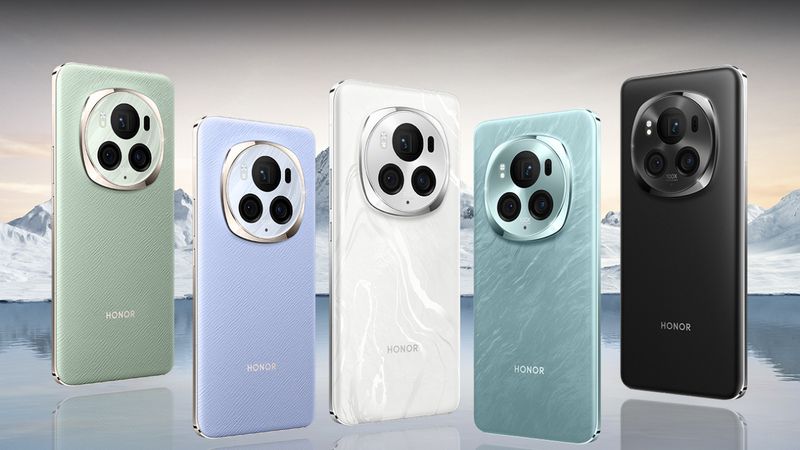
Motion capture stands out as this phone’s superpower. Fast-moving kids, pets, or sports stay sharp thanks to excellent shutter response and smart processing that reduces blur.
Low-light performance earns consistent praise, pulling usable images from dim scenes where other phones struggle. Overall image quality remains impressive despite being last year’s model. Hunt for discounts and you’ll find excellent value here. It’s especially worth considering if you photograph active subjects or shoot often after sunset. The combination of action-freezing ability and low-light strength makes it a practical choice for real-world photography challenges.
11. Sony Xperia 1 VI
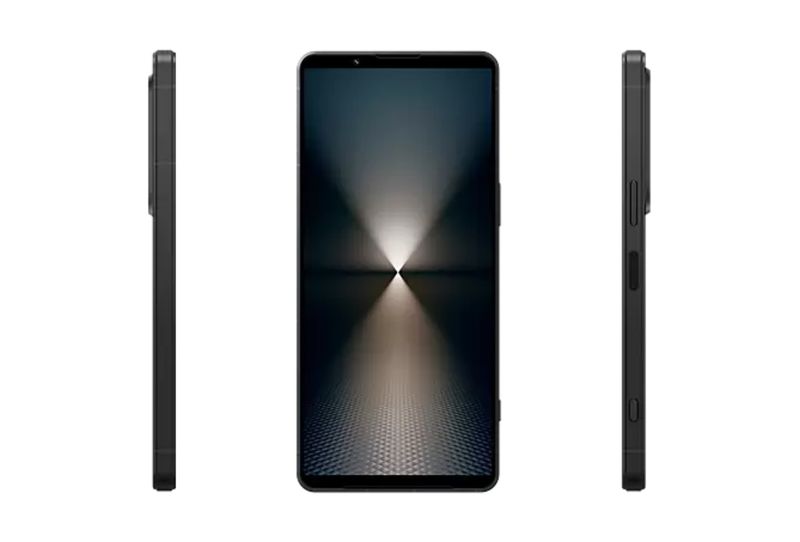
Manual controls dominate this phone’s camera experience. Pro-style apps give you the same control you’d have with a DSLR—adjust shutter speed, ISO, focus points, and more.
Variable telephoto lens adapts focal length smoothly rather than jumping between fixed zooms. Reliable autofocus keeps up with moving subjects, important when you’re manually controlling other settings. This phone suits serious photographers who want creative control, not those seeking automatic perfection. Video creators appreciate the professional features too. If you’ve outgrown automatic smartphone cameras and crave hands-on control, Sony delivers the tools you need.
12. OnePlus 13
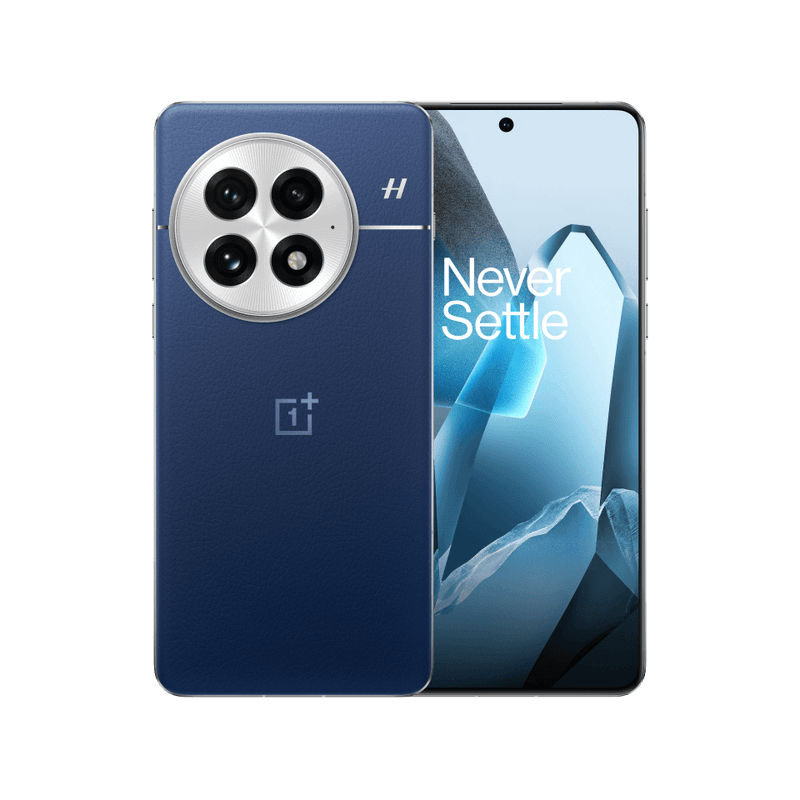
OnePlus finally joins the top tier with this 2025 flagship. Hasselblad tuning has evolved beyond just color adjustments—portraits show better subject separation and more pleasing skin tones now.
Low-light results improved dramatically, with less noise and better detail retention in shadows. Processing feels more mature and confident, competing directly with Samsung and Google instead of trailing behind. Portrait mode edges look more natural, and color science stays consistent across different lighting. This represents a big leap forward for OnePlus photography. If you’ve dismissed OnePlus cameras before, this phone demands a fresh look.
13. OnePlus 12

Last year’s model still holds up beautifully if you’re watching your budget. The Hasselblad-tuned triple camera produces balanced shots with good detail and accurate colors across most situations.
You miss some of the processing improvements from the newer model, but image quality remains solid. Prices have dropped significantly since launch, making this a value champion. The main camera handles everyday photography confidently, while telephoto and ultrawide fill out the focal range nicely. For anyone who doesn’t need the absolute latest, this delivers excellent bang-for-buck. Photography quality far exceeds what you’d expect at current prices.
14. ASUS Zenfone 11 Ultra

A big sensor main camera delivers clean daylight shots with good dynamic range and natural colors. This phone won’t win zoom competitions, but it handles travel and everyday photography capably.
Compact design philosophy (despite the Ultra name) makes it easier to carry than some competitors. Image processing stays relatively neutral, appealing to those who dislike heavy AI intervention. It’s not a specialist tool for wildlife or sports, but rather a reliable all-arounder. If you prioritize a large sensor for the main camera over extreme zoom reach, this represents a solid choice that won’t disappoint in typical shooting scenarios.
15. Google Pixel 9 Pro Fold
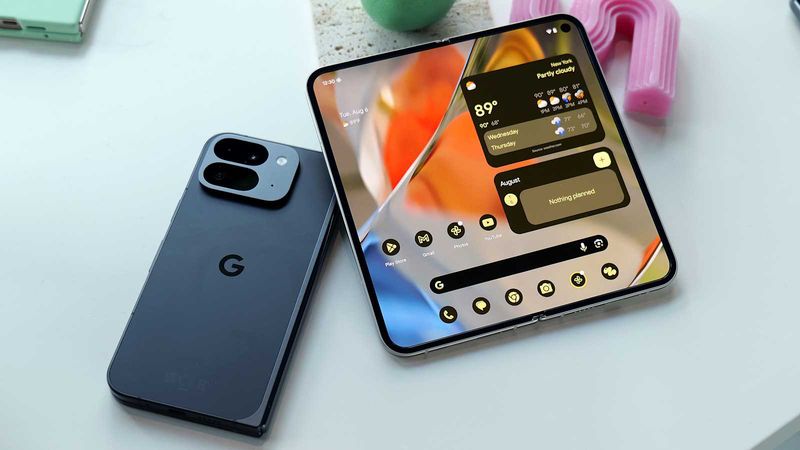
Foldable design meets Google’s camera expertise in the best photography-focused foldable available. Sensors run smaller than slab Pixels, but photo quality still impresses thanks to Google’s processing magic.
The folding form factor enables creative shooting angles impossible with regular phones. Google’s full editing suite comes along, including Magic Editor and other AI tools. You can preview shots on the large inner screen or use the cover display for quick captures. For creators who want both foldable versatility and strong camera performance, nothing else comes close right now. It’s the first foldable where camera quality doesn’t feel like a major compromise.



