 Unearth The Voyage
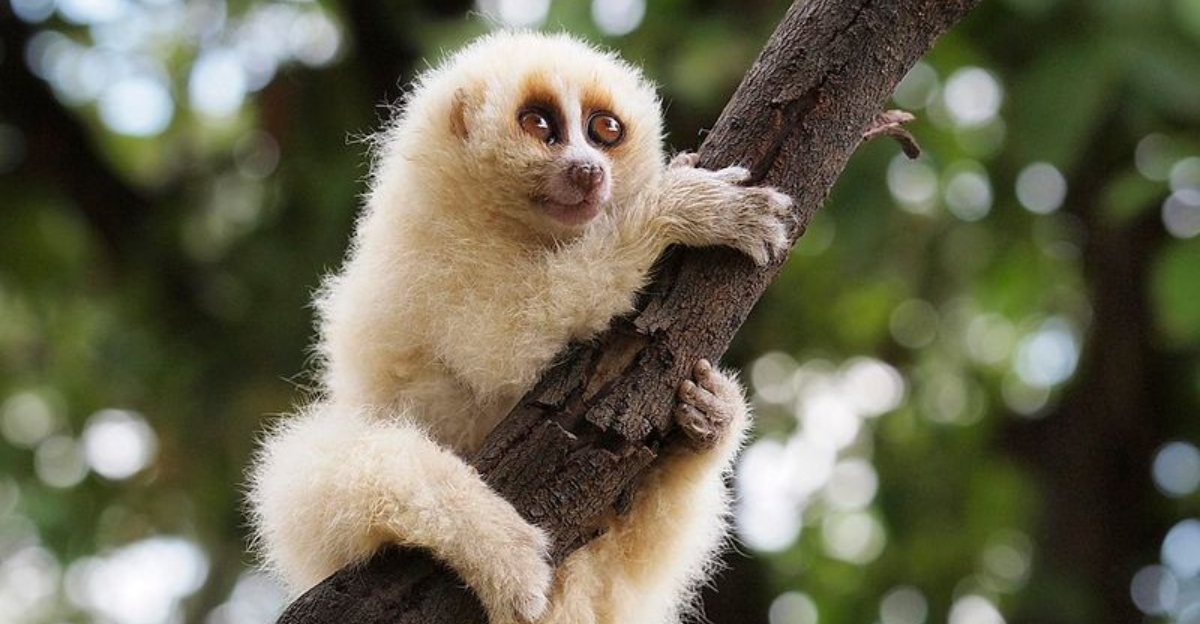
Some animals look completely harmless, even adorable, but getting too close can put you in serious danger. Nature has a way of disguising some of its most toxic and aggressive creatures behind pretty colors, soft appearances, or slow movements.
Knowing which animals to admire from a distance could literally save your life. Here are 15 animals that are far more dangerous than they appear.
1. Blue-Ringed Octopus
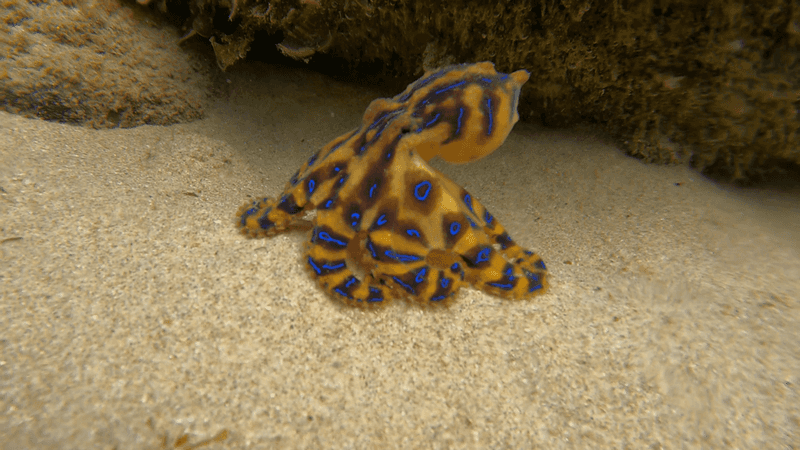
Smaller than a tennis ball and almost jewel-like in appearance, the blue-ringed octopus is one of the ocean’s most deceptive killers. Those glowing blue rings are not just for show.
They are a warning that this tiny creature carries enough venom to kill 26 adult humans.
Found in tide pools and shallow reef areas across the Pacific and Indian Oceans, this octopus is often picked up by curious beachgoers who mistake it for a harmless sea creature. The bite is painless at first, which makes it even more dangerous because symptoms of paralysis can set in before a person realizes something is wrong.
There is no antivenom available for its venom. Medical treatment relies entirely on keeping the victim breathing until the toxin wears off.
Admire it from a safe distance and never pick one up, no matter how tempting it looks.
2. Poison Dart Frog
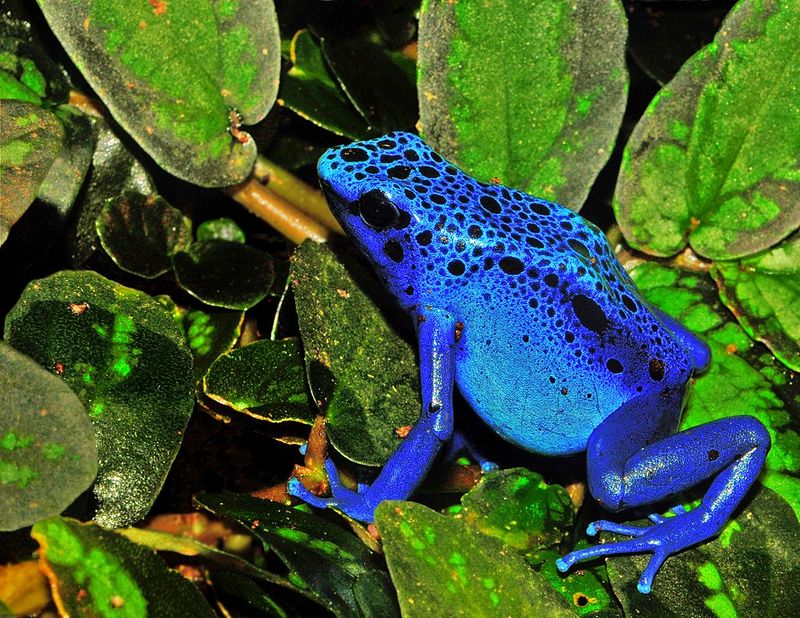
Bright colors in nature often carry one clear message: stay away. Poison dart frogs have mastered this warning system, displaying bold patterns of red, yellow, blue, and orange that signal extreme toxicity to any predator or curious human nearby.
Native to Central and South American rainforests, these tiny frogs carry toxins on their skin that can cause paralysis, heart failure, and even death. Indigenous hunters historically used the frogs’ secretions to coat blowgun darts, which is exactly where the name comes from.
Even brief skin contact can transfer toxins, especially if you have a small cut or touch your face afterward. Interestingly, captive-bred poison dart frogs raised on a controlled diet lose much of their toxicity because their poison comes from the wild insects they eat.
Wild ones, however, remain extremely dangerous and should never be handled under any circumstances.
3. Box Jellyfish
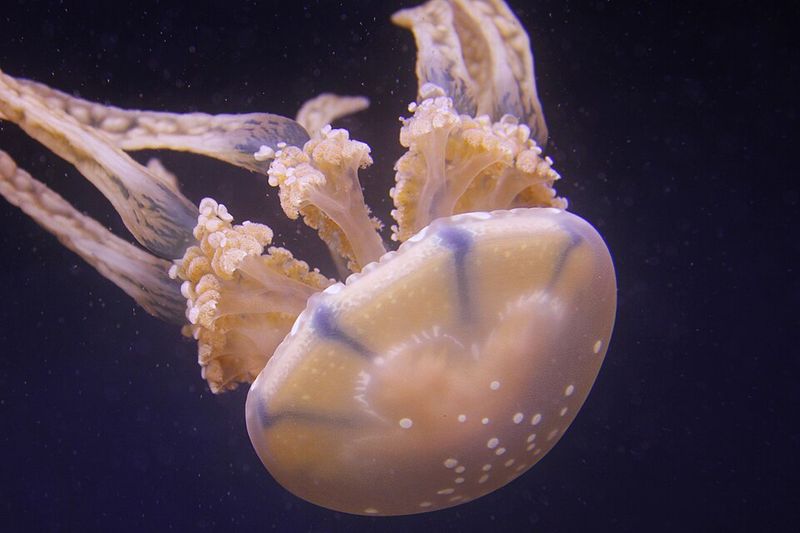
Box jellyfish have earned a grim reputation as one of the most venomous marine animals on Earth. Their nearly transparent bodies make them almost invisible in the water, which is part of what makes them so dangerous to unsuspecting swimmers along Australian and Indo-Pacific coastlines.
Contact with their tentacles triggers an immediate and intense burning sensation, and severe stings can lead to cardiac arrest within minutes. Unlike most jellyfish that drift passively, box jellyfish can actually swim and steer themselves, making them harder to avoid.
Each tentacle is lined with thousands of microscopic stinging cells that fire automatically upon contact, even from tentacles that have detached from the body. If you are stung, pouring vinegar on the affected area can help neutralize remaining stingers before seeking emergency medical care.
Swimming in areas known for box jellyfish without protective gear is a risk not worth taking.
4. Cone Snail
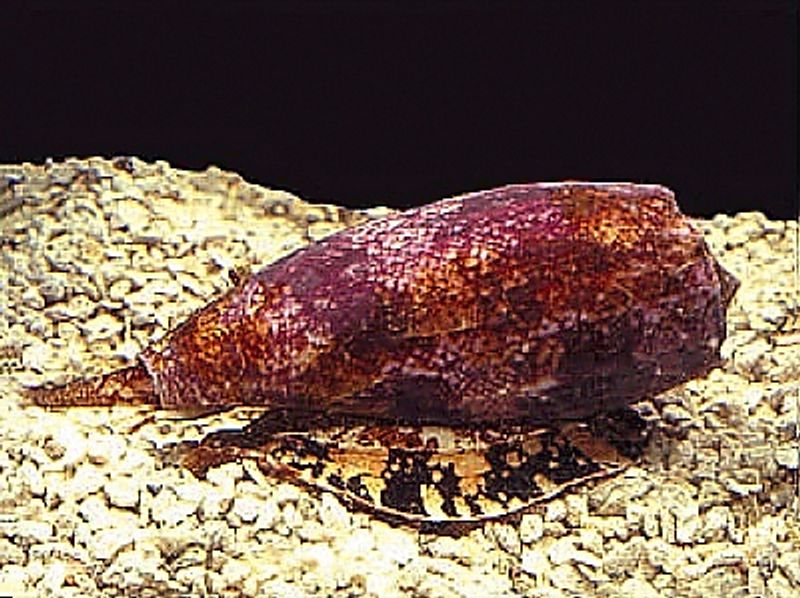
Few things on a beach look as harmless as a pretty shell, but picking up a live cone snail could be one of the last mistakes you ever make. Beneath that elegantly patterned exterior is a highly evolved predator with a flexible, harpoon-like tooth called a proboscis that can reach any part of the shell.
Cone snails inject a complex venom called conotoxin, which attacks the nervous system and can cause paralysis, respiratory failure, and death. There is currently no antivenom, and even small species carry enough toxin to be lethal to humans.
Found in warm ocean waters around the world, cone snails are often accidentally picked up by shell collectors who do not realize the animal is still alive inside. The sting is described as feeling like a mild bee sting at first, which gives a false sense of security.
Always leave shells on the ocean floor if they look occupied.
5. Pufferfish
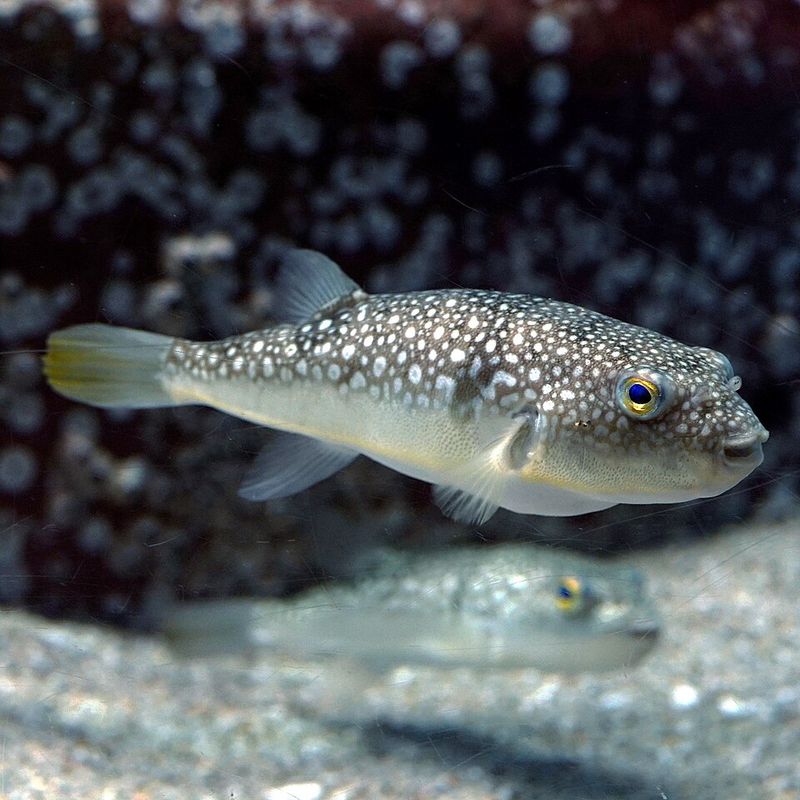
Pufferfish are undeniably fascinating to watch, puffing up into spiky little balls when threatened and drifting slowly through tropical waters. But behind that almost cartoonish appearance is one of the most potent biological toxins known to science, called tetrodotoxin.
Tetrodotoxin is found in the liver, skin, and reproductive organs of pufferfish and is roughly 1,200 times more poisonous than cyanide. Even handling a pufferfish with bare hands carries risk because the toxin can be absorbed through small cuts or transferred when you touch your mouth or eyes.
In Japan, pufferfish is served as a delicacy called fugu, but only by chefs who have undergone years of specialized training to prepare it safely. Despite those precautions, accidental poisonings still occur.
There is no antidote for tetrodotoxin poisoning. If you spot one in the wild while snorkeling or swimming, keep your hands firmly to yourself and enjoy the view.
6. Portuguese Man o’ War
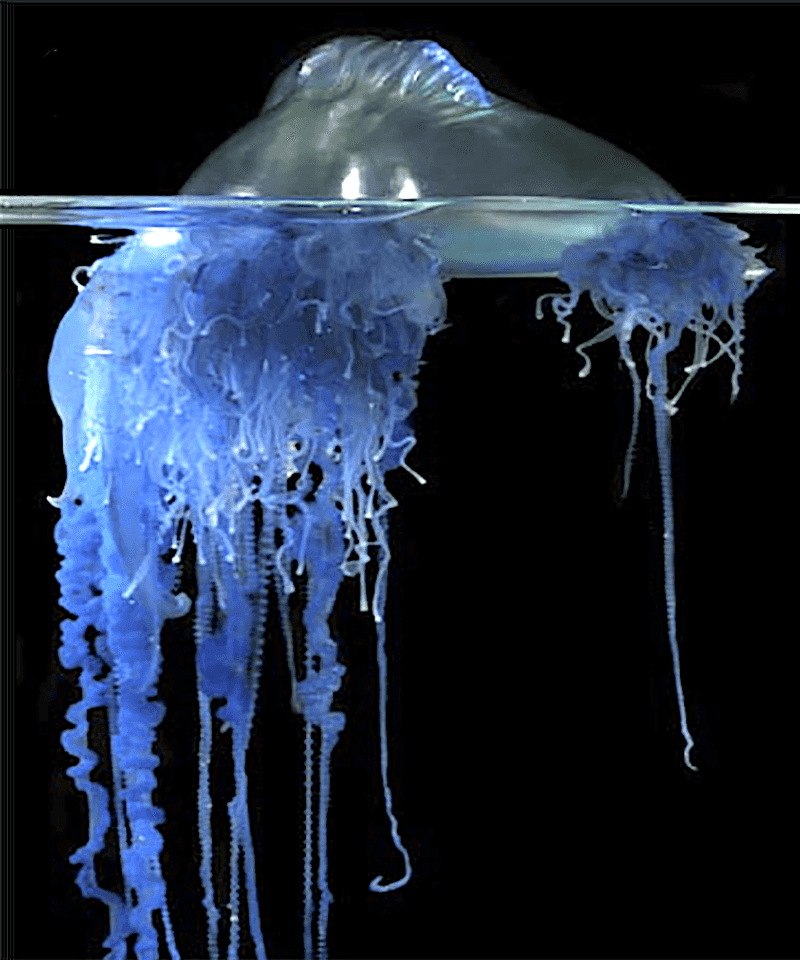
At first glance, the Portuguese man o’ war looks like a colorful balloon drifting lazily on the ocean surface. Many beachgoers mistake it for a simple jellyfish or even a piece of plastic.
In reality, it is a colonial organism made up of thousands of individual creatures working together, and its tentacles can trail up to 165 feet below the surface.
Those tentacles deliver a sting that causes immediate, searing pain and can leave long, whip-like welts on the skin. In rare cases, stings have led to fever, shock, and cardiac complications.
What makes it especially tricky is that detached tentacles washed up on the beach can still sting for hours after separating from the organism.
Never poke or pick up what looks like a deflated balloon on the sand. If stung, rinse with seawater rather than fresh water, and remove any visible tentacles using a card or stick, never bare fingers.
7. Slow Loris
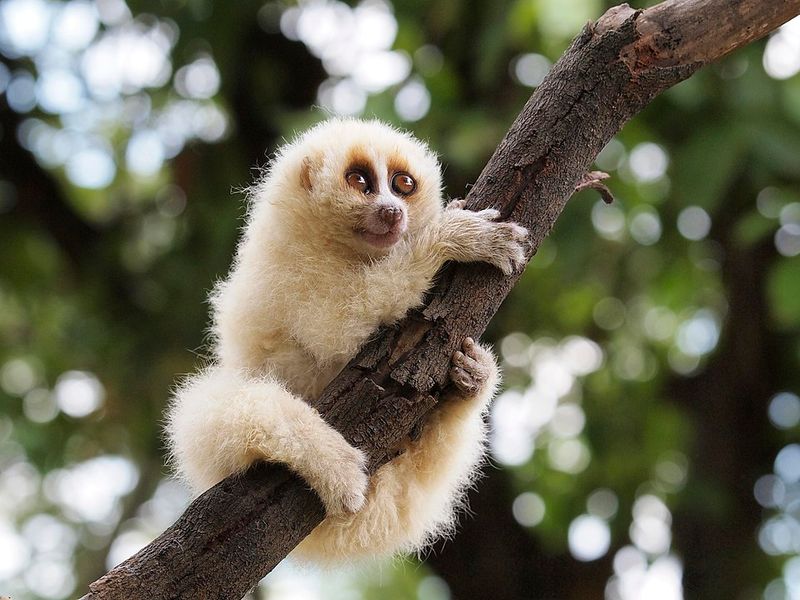
With enormous round eyes and slow, deliberate movements, the slow loris is one of the most visually endearing animals in Southeast Asia. Videos of them being tickled or held as pets have gone viral online, but that popularity has come at a serious cost to both the animals and the people handling them.
The slow loris is one of the only venomous primates in the world. It produces a toxin from a gland near its elbow, which it licks and mixes with saliva before delivering a painful, venomous bite.
The bite can cause anaphylactic shock in humans, and in rare cases has been life-threatening.
Beyond the physical danger, slow lorises are endangered and keeping one as a pet is illegal in most countries. Animals seen in those cute viral videos have often had their teeth removed, which is a cruel and painful procedure.
These animals belong in the wild, not in someone’s living room.
8. Cassowary
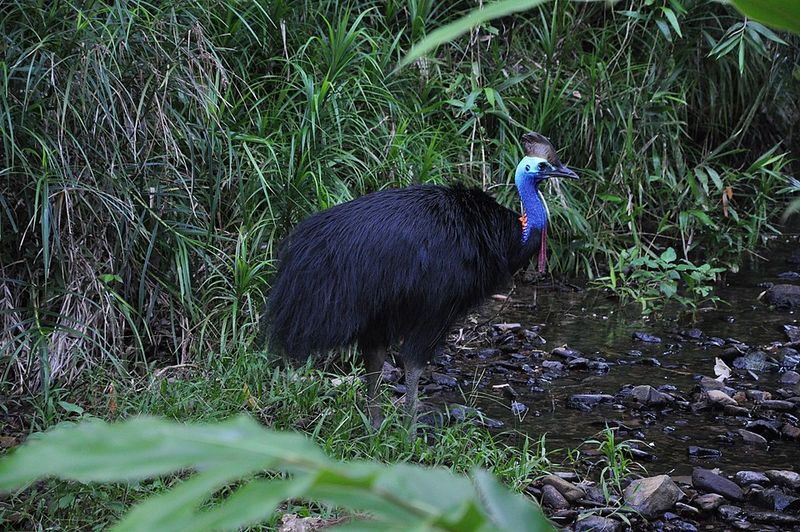
Standing nearly six feet tall with a bright blue and red neck and a bony helmet-like crest on its head, the cassowary looks like something out of a prehistoric era. That impression is not far off.
These birds are considered among the most dangerous in the world, capable of delivering kicks that can disembowel a person.
Native to the rainforests of Australia and New Guinea, cassowaries have three-toed feet armed with dagger-like claws that can reach up to four inches long. They are typically shy and prefer to avoid humans, but when cornered or provoked, they attack with surprising speed and force.
Feeding cassowaries in the wild is strongly discouraged because it causes them to lose their natural fear of humans, which leads to more frequent and dangerous encounters. If you ever cross paths with one, back away slowly and do not run.
Sudden movement can trigger an aggressive response that you will deeply regret.
9. Platypus (Male)
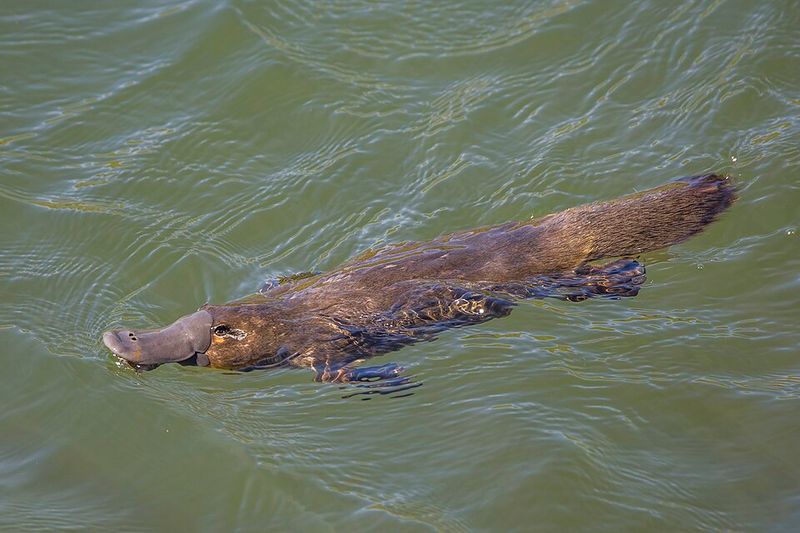
The platypus already seems like an animal designed by committee, with a duck’s bill, a beaver’s tail, and otter-like feet. But here is a detail that surprises most people: male platypuses have venomous spurs on their hind legs, making them one of the few venomous mammals on the planet.
The venom is delivered through hollow spurs located on the ankle and causes immediate, excruciating pain that standard painkillers cannot relieve. Swelling can spread rapidly up the affected limb, and pain has been reported to last for months in some cases.
The venom is not typically fatal to humans, but the level of suffering it causes is not something anyone should risk.
Platypus venom is most potent during mating season when males compete with one another. Researchers who have been accidentally spurred describe the pain as almost unbearable.
These animals may look like gentle, awkward little swimmers, but handling one without proper training is a genuinely bad idea.
10. Irukandji Jellyfish
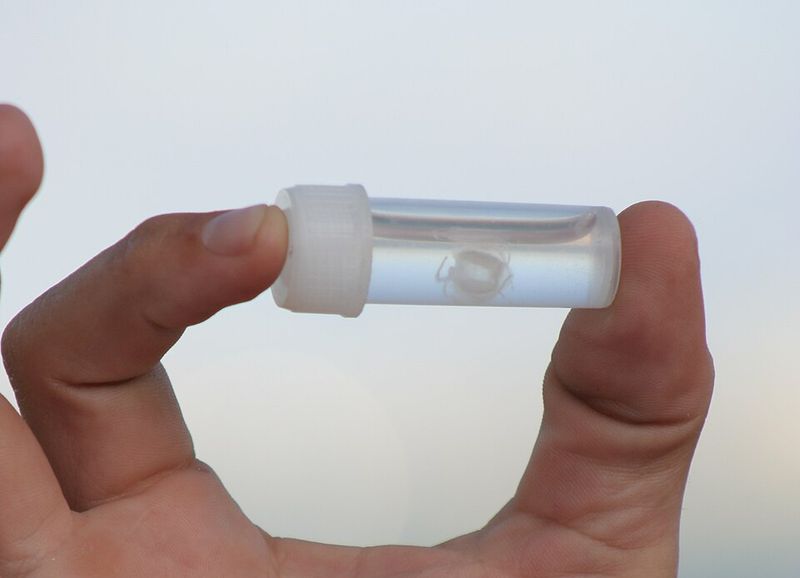
About the size of a thumbnail, the Irukandji jellyfish is nearly invisible in the ocean and causes a condition so severe it has its own medical name. Irukandji syndrome includes catastrophic back pain, vomiting, muscle cramps, a feeling of impending doom, and in rare cases, fatal brain hemorrhage.
Found primarily in Australian waters but also reported in other tropical oceans, this tiny jellyfish is particularly dangerous because its sting is initially so mild that victims often do not realize they have been stung until symptoms escalate dramatically 20 to 30 minutes later.
Unlike most jellyfish, the Irukandji can sting using not just its tentacles but also the surface of its bell-shaped body. Standard protective swimwear may not be enough to prevent a sting from such a small creature.
If you are swimming in known Irukandji waters, wearing a full-body stinger suit significantly reduces your risk and is strongly recommended by marine safety experts.
11. Fire Coral
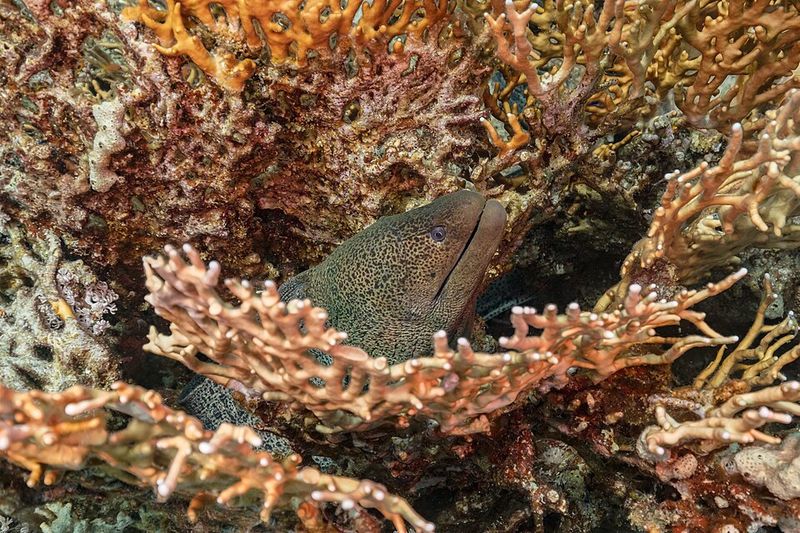
Many snorkelers and divers have reached out to touch what looked like a pretty, branching coral formation, only to pull their hand back in burning pain seconds later. Fire coral is not a true coral at all.
It belongs to the same family as jellyfish and sea anemones, and its surface is covered in tiny stinging cells called nematocysts.
Contact with fire coral causes an immediate burning and stinging sensation, followed by red welts, itching, and sometimes blistering. The reaction can last for days, and scratching the affected area can introduce infection and make symptoms significantly worse.
Fire coral is found on reefs throughout the Caribbean, the Red Sea, and the Indo-Pacific. It is particularly common in shallow, popular snorkeling areas where visibility is good but awareness is low.
Wearing a full wetsuit or rash guard while snorkeling provides meaningful protection. When in doubt around any reef formation, look with your eyes and keep your hands tucked safely at your sides.
12. Stingray
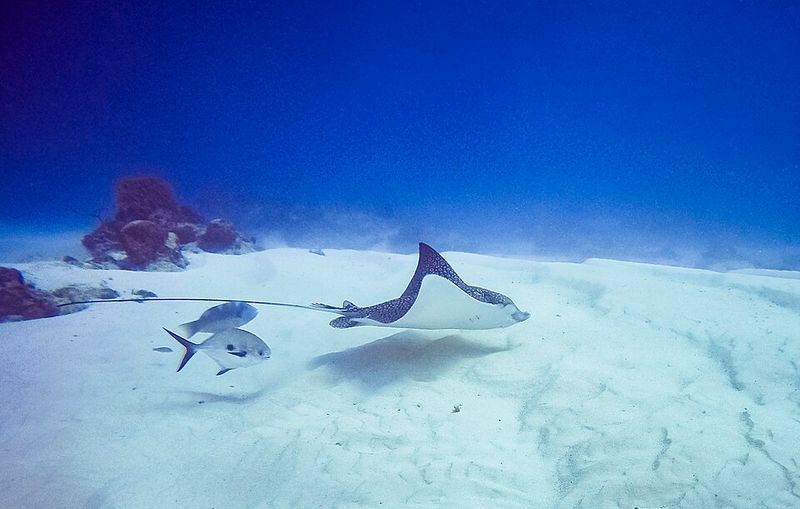
Stingrays are generally peaceful animals that spend most of their time resting on sandy ocean floors, partially buried and out of sight. They have no interest in attacking humans.
The danger comes when someone accidentally steps on one and the ray responds with a reflexive defensive thrust of its barbed tail.
The barb is serrated and coated in venom, and it can puncture deeply, especially in the foot or ankle. Steve Irwin, the beloved wildlife presenter, died tragically in 2006 after a stingray barb pierced his heart, a rare but sobering reminder of the damage these creatures can cause even unintentionally.
A simple technique called the stingray shuffle, where you slide your feet along the sand rather than lifting and stepping, alerts rays to your presence and gives them time to swim away. Most injuries happen because people step directly onto a resting ray without warning.
Respect their space and they will almost always avoid you without incident.
13. Gila Monster
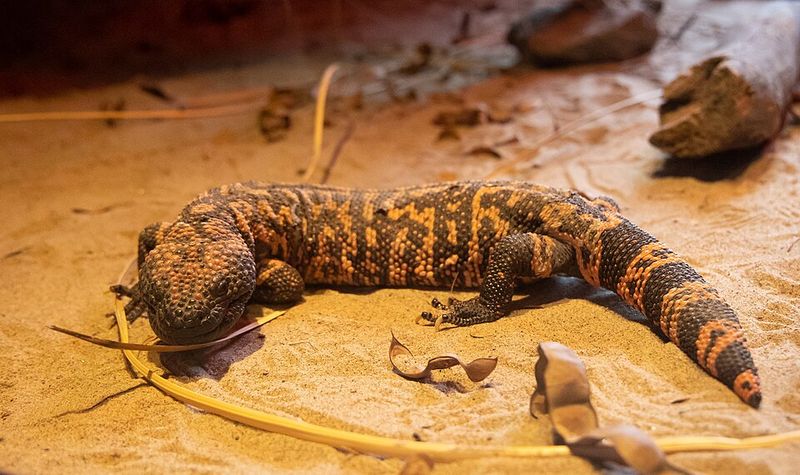
Moving slowly across the desert floor with its thick, beaded body covered in orange and black patterns, the Gila monster looks almost docile. Do not be fooled.
It is one of only a handful of venomous lizards in the world, and its bite is both powerful and persistent in a way that makes it uniquely difficult to deal with.
Unlike venomous snakes that inject and release, Gila monsters chew their venom into the wound and clamp down with a vice-like grip that is notoriously hard to break. The venom causes severe pain, swelling, and low blood pressure.
While deaths in healthy adults are rare, the experience is described as agonizing.
Found in the desert regions of the southwestern United States and northwestern Mexico, Gila monsters are protected by law in several states. They are slow-moving and generally avoid confrontation, but they can lunge surprisingly fast when provoked.
Giving them a wide berth is the only smart option when you encounter one.
14. Africanized Honey Bees
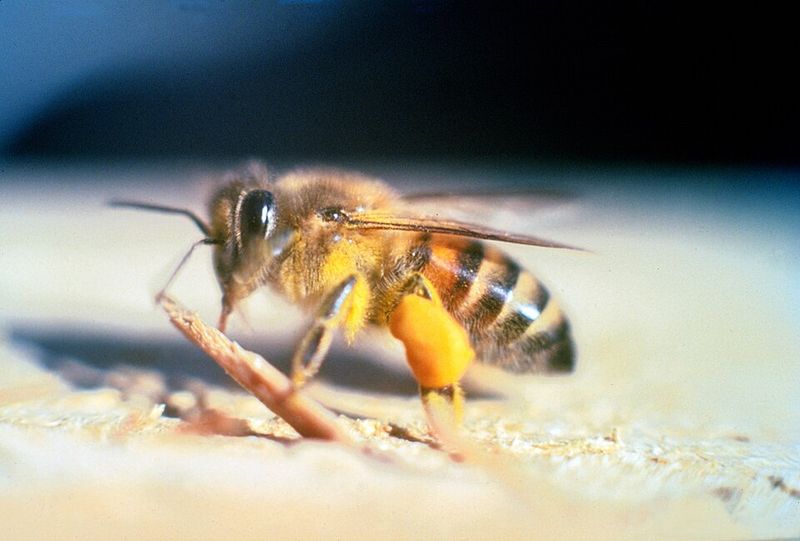
Nicknamed killer bees, Africanized honey bees look virtually identical to the common European honey bee that pollinates gardens and produces honey. The difference lies entirely in behavior.
These bees are extraordinarily defensive and respond to perceived threats with a speed and scale that makes them genuinely life-threatening.
A disturbed colony can mobilize thousands of bees within seconds and pursue a threat for up to a quarter mile. Their venom is no more potent than that of regular honey bees, but the sheer volume of stings in a swarm attack delivers enough venom to kill even large animals and healthy adults.
Originally bred in Brazil in the 1950s as part of an effort to increase honey production in tropical climates, they escaped into the wild and have since spread through South America, Central America, and into the southern United States. If you accidentally disturb a hive, run in a straight line to shelter immediately and cover your face.
Do not jump into water as they will wait for you to surface.
15. Giant African Millipede
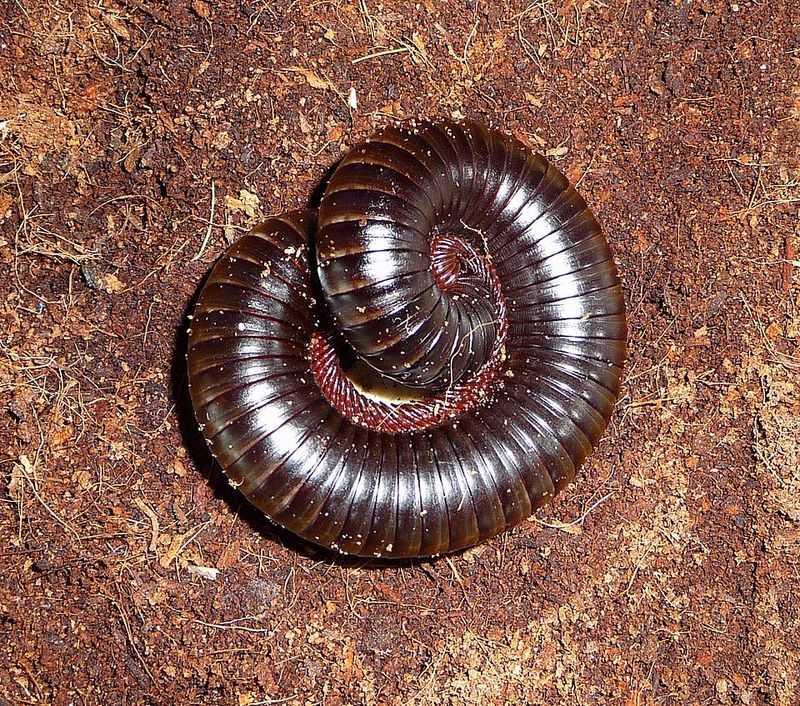
At first glance, the giant African millipede seems like a slow, harmless creature. They are even sold as exotic pets in some places, and children are often fascinated by their dozens of tiny legs rippling in coordinated waves as they move.
But when threatened, these millipedes release a chemical defense that is far from harmless.
Their bodies produce hydrogen cyanide compounds and other irritating secretions that can cause chemical burns, skin discoloration, and serious eye irritation. Rubbing your eyes after handling one without washing your hands is particularly dangerous and can cause temporary blindness in some cases.
Found across sub-Saharan Africa, giant African millipedes play an important role in breaking down decaying plant material in forest ecosystems. They are not aggressive and will curl into a ball when scared rather than attack.
But their chemical defenses are nothing to dismiss. If you handle one, wash your hands thoroughly with soap and water immediately afterward and keep your hands away from your face.



