 Unearth The Voyage
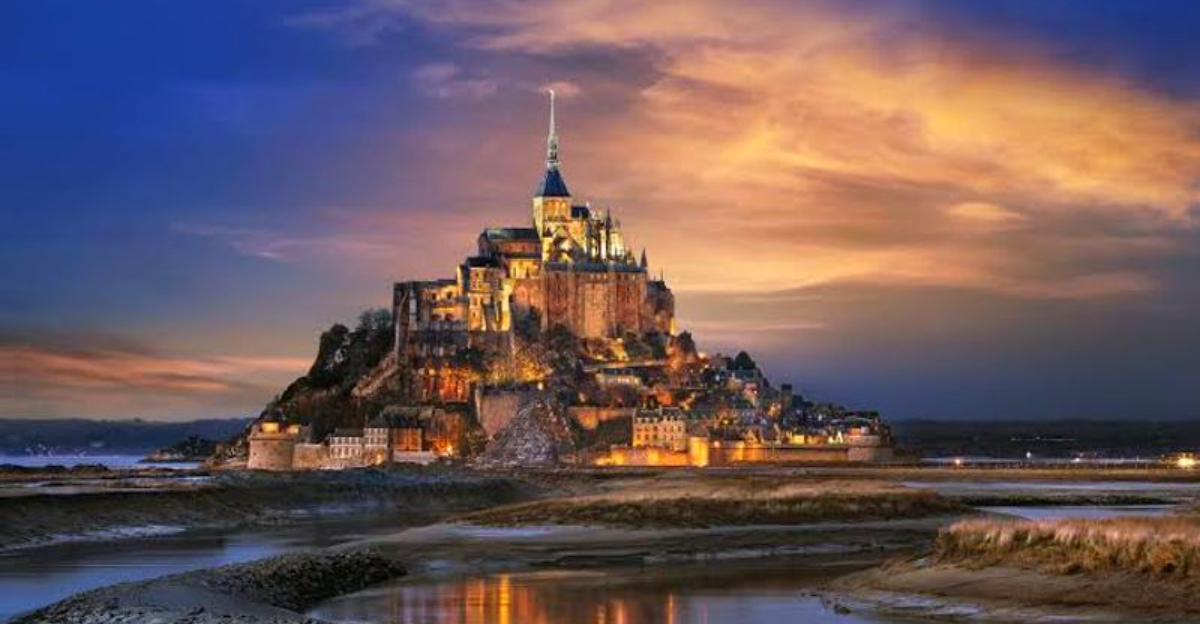
Europe is home to some of the most breathtaking buildings ever created by human hands. From ancient temples that have stood for thousands of years to modern structures that look like they belong in a sci-fi movie, the continent is basically one giant open-air museum.
Whether you love history, art, or just really cool buildings, Europe has something that will stop you in your tracks. Pack your bags and get ready to have your mind blown by these 15 architectural masterpieces you absolutely have to see.
Sagrada Família — Barcelona, Spain
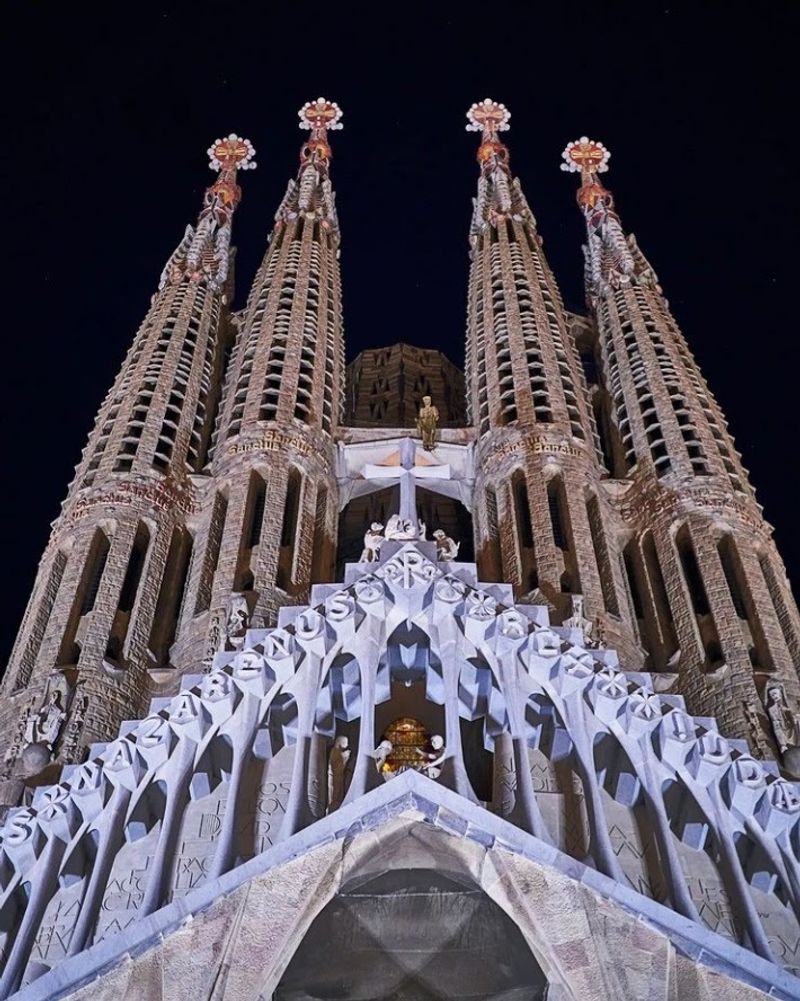
Still under construction after more than 140 years, the Sagrada Família is probably the world’s most famous building site — and somehow, that makes it even more magical. Antoni Gaudí designed this basilica to look like it grew straight out of the earth, with spires that twist upward like giant stone trees reaching for the sky.
Every surface is covered in intricate carvings that tell biblical stories, and the stained glass windows flood the interior with waves of golden and blue light. The effect inside is so stunning that first-time visitors often stop dead in their tracks the moment they walk through the doors.
Gaudí was so dedicated to this project that he lived on-site toward the end of his life. He died in 1926, knowing the basilica would not be finished in his lifetime.
Construction is expected to wrap up around 2026, marking 100 years since his death. Booking tickets in advance is a must — this place sells out fast, and skipping the line means more time to stare at the ceiling in awe.
The Colosseum — Rome, Italy
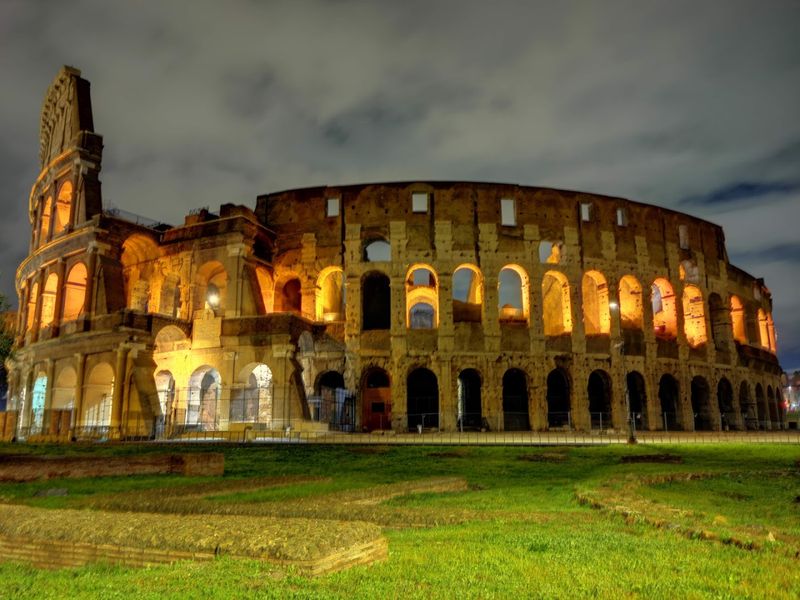
Nearly 2,000 years old and still standing strong, the Colosseum is the kind of building that makes you feel genuinely small in the best possible way. The ancient Romans built this enormous amphitheater without cranes, computers, or power tools — just sheer ingenuity and a whole lot of manpower.
At its peak, the Colosseum could hold up to 80,000 spectators who came to watch gladiator battles, animal hunts, and even staged naval battles. The underground chambers, called the hypogeum, were used to store animals and equipment before they were dramatically lifted up through trapdoors into the arena above.
Today, walking through those ancient archways gives you an unmistakable chill — history literally surrounds you from every angle. The elliptical design was so clever that the building could be evacuated in just minutes through a system of exits called vomitoria.
Yes, that is the actual term. Visiting at sunrise or sunset gives you the best light for photos and slightly smaller crowds.
A guided underground tour is worth every penny for the extra access and stories.
Eiffel Tower — Paris, France
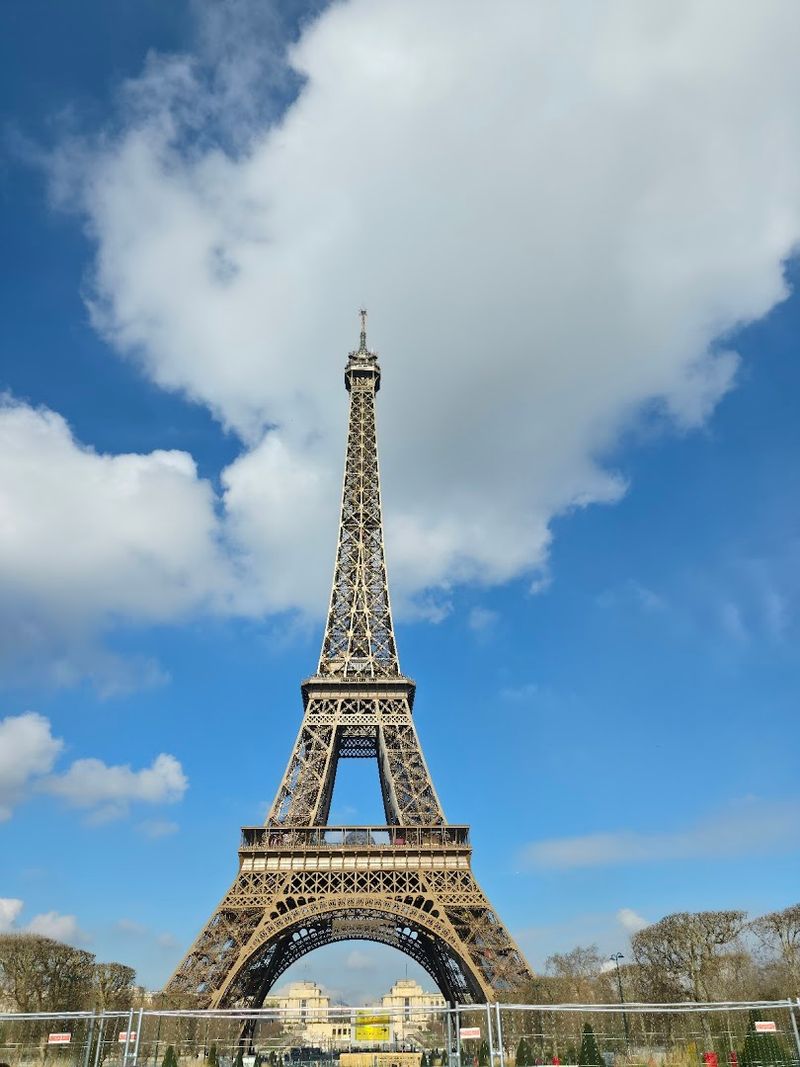
When the Eiffel Tower was first built in 1889, thousands of Parisians signed a petition demanding it be torn down. Fast forward 135 years, and it is the most visited paid monument on the entire planet.
Funny how opinions change.
Gustave Eiffel’s iron masterpiece was originally built as a temporary structure for the World’s Fair. Engineers of the time were skeptical that 18,000 individual iron pieces could be assembled into something so tall and stable.
They were very wrong. The tower sways slightly in strong winds — by design — and actually grows about six inches taller in summer heat due to metal expansion.
Riding the elevator to the top on a clear day gives you views stretching up to 70 kilometers in every direction. The first floor now has a glass floor section that lets you look straight down — not for the faint-hearted.
Evening visits are magical because the tower sparkles with thousands of lights every hour after dark. Grab a crepe from a nearby vendor, find a good spot on the Champ de Mars lawn, and enjoy one of the best free shows in Europe.
Notre-Dame Cathedral — Paris, France
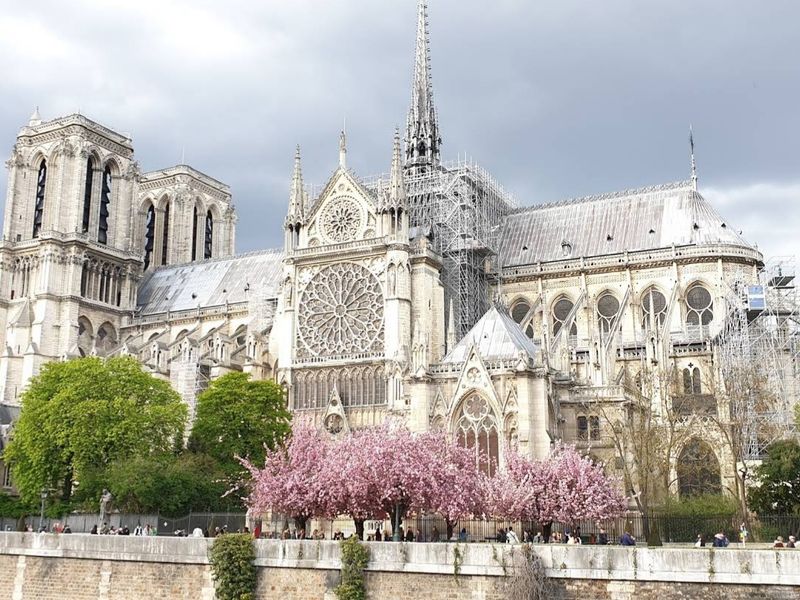
On April 15, 2019, millions of people around the world watched in horror as Notre-Dame Cathedral’s iconic spire collapsed in flames. What followed was one of the most remarkable restoration efforts in modern architectural history, with craftspeople and engineers working tirelessly to bring this 850-year-old Gothic masterpiece back to life.
Notre-Dame’s flying buttresses are basically the engineering superheroes of the medieval world. These external stone arches transfer the weight of the massive walls outward, allowing the interior to have enormous stained-glass windows instead of thick, heavy stone walls.
The result is a cathedral that feels almost impossibly light and airy inside.
The famous rose windows are a highlight that no photograph fully captures — you need to stand in front of them to understand just how breathtaking they are. Construction on the original cathedral began in 1163 and took about 200 years to complete.
The restored cathedral reopened in December 2024, drawing visitors from across the globe eager to see its renewed glory. Arrive early in the morning for a quieter experience and better lighting for photos of the stunning facade.
The Parthenon — Athens, Greece
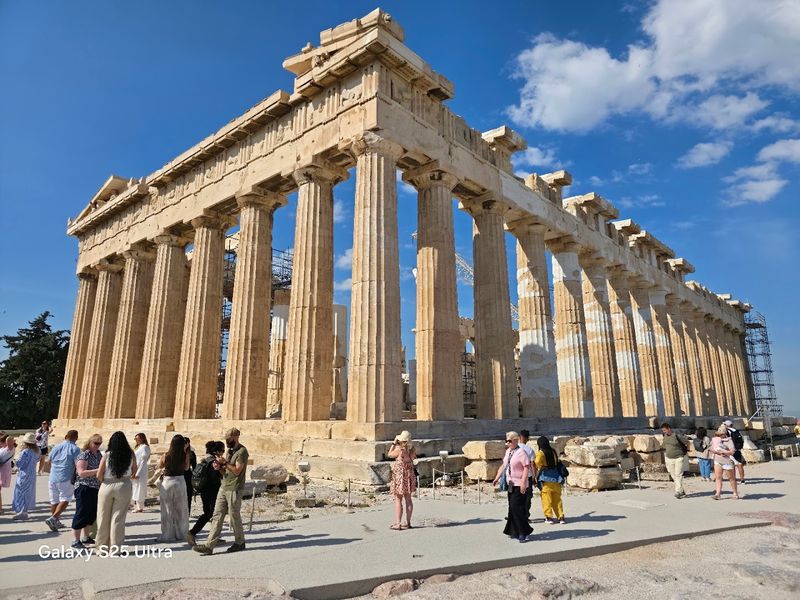
Sitting on top of a rocky hill above Athens like it owns the place — because it kind of does — the Parthenon has been staring down at the city for about 2,500 years. Built between 447 and 432 BC as a temple to the goddess Athena, it remains one of the most perfectly proportioned buildings ever constructed.
Here is a fun trick the ancient Greek architects pulled off: the Parthenon has almost no perfectly straight lines. The columns bulge slightly in the middle and lean slightly inward, and the floor curves upward at the center.
These subtle adjustments were made so the building would look perfectly straight to the human eye — an optical illusion engineered in marble.
Climbing the Acropolis in the early morning is the smartest move you can make as a visitor. The crowds thin out, the light is softer, and the views over Athens are genuinely spectacular.
The nearby Acropolis Museum houses many original sculptures and artifacts and is one of the best archaeological museums in Europe. Comfortable shoes are non-negotiable — the path up is steep and the ancient stones can be slippery.
St. Peter’s Basilica — Vatican City
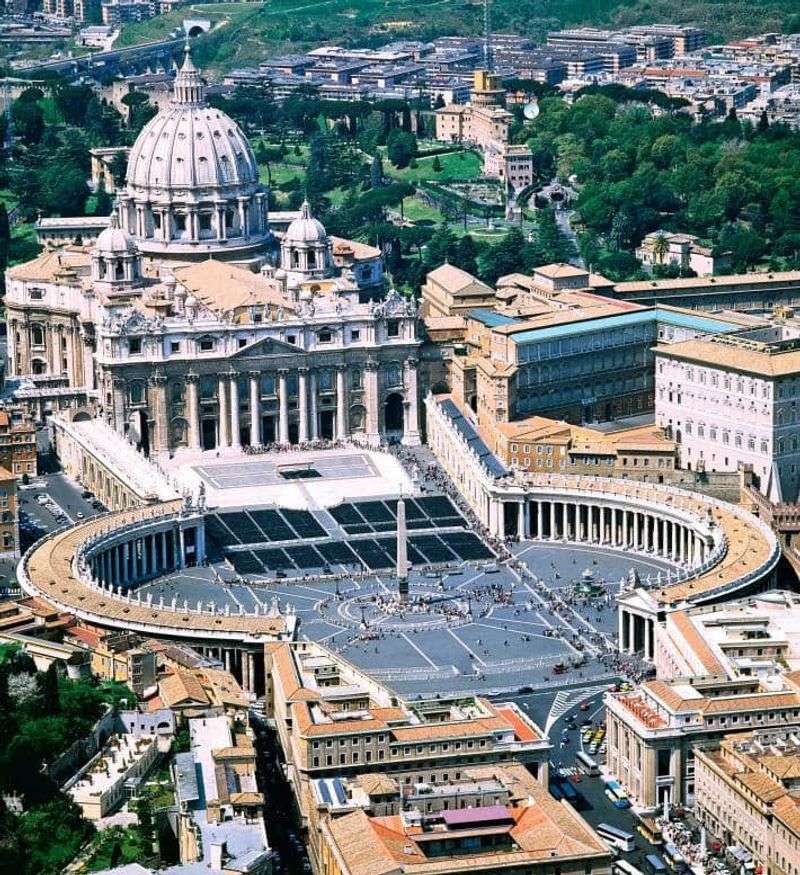
Standing in St. Peter’s Square and looking up at that enormous dome for the first time is the architectural equivalent of getting a standing ovation — your jaw drops and you do not quite know what to do with yourself. Michelangelo designed the dome when he was in his 70s, and it remains one of the greatest engineering achievements of the Renaissance.
The basilica took more than 120 years to build, with contributions from some of the greatest architects in history, including Bramante, Raphael, and Bernini. Inside, the scale is almost impossible to process at first.
The nave stretches for 187 meters, and the interior is packed with astonishing artwork at every turn. Michelangelo’s Pieta — a marble sculpture of Mary holding Jesus — is displayed behind protective glass and draws enormous crowds daily.
Climbing to the top of the dome is an experience worth every one of the 551 steps. The view over Rome from up there is unmatched.
Entrance to the basilica is free, but there is a dress code — shoulders and knees must be covered. Arriving before 8 a.m. means shorter lines and a more peaceful experience inside one of the world’s most magnificent buildings.
Palace of Versailles — Versailles, France
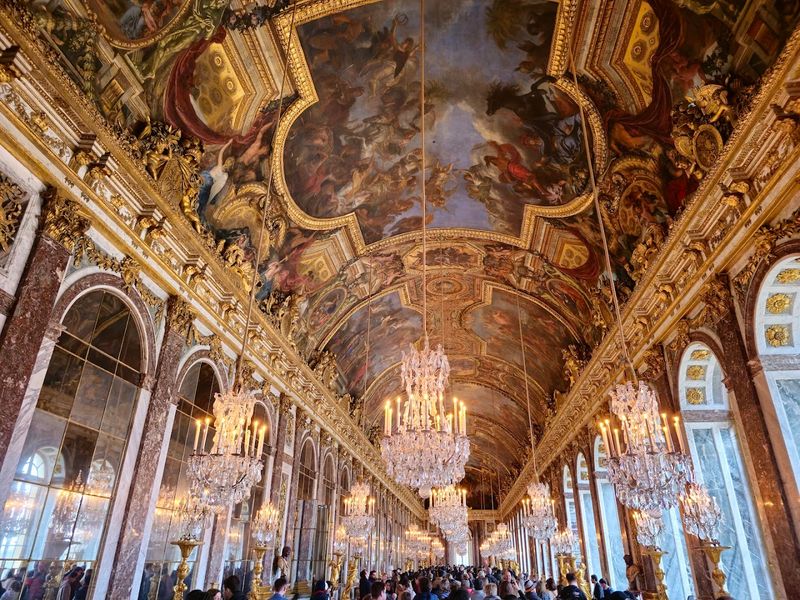
King Louis XIV did not just build a palace — he built a statement. The Palace of Versailles was designed to show the entire world that France was the most powerful and cultured nation on earth, and honestly, it is hard to argue with the results even 350 years later.
The Hall of Mirrors alone is worth the entire trip. This 73-meter-long gallery features 357 mirrors reflecting light from 357 windows overlooking the gardens, and it was used for state banquets, royal ceremonies, and even the signing of the Treaty of Versailles in 1919.
The sheer amount of gold leaf and painted ceilings inside the palace can feel genuinely overwhelming.
The gardens stretch across 800 hectares and were designed by landscape architect Andre Le Notre with mathematical precision. On certain weekends, the famous Musical Fountains show runs, syncing the garden’s spectacular water features to classical music.
Visiting on a weekday helps avoid the largest crowds. Renting a golf cart or bicycle to explore the gardens is a smart move — the grounds are far too large to cover comfortably on foot alone.
Leaning Tower of Pisa — Pisa, Italy
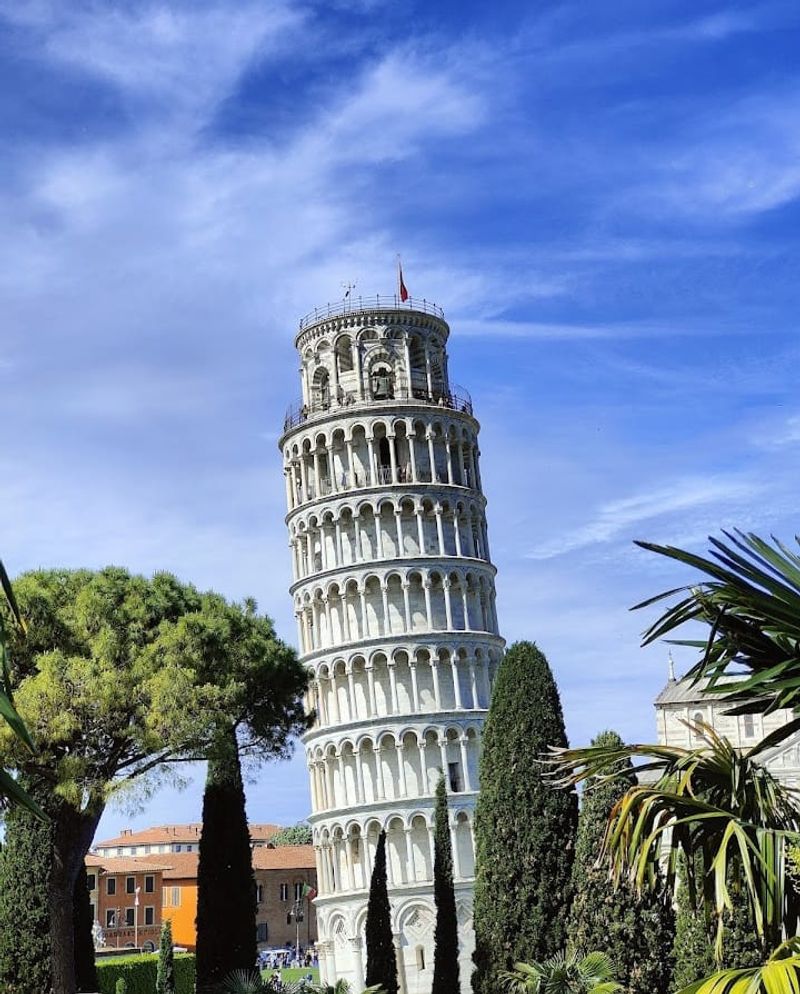
What started as a construction mistake in 1173 ended up becoming one of Italy’s most beloved landmarks — proof that sometimes things going wrong can turn out very, very right. The Leaning Tower of Pisa began tilting during construction because the ground on one side was too soft to properly support the structure’s weight.
The tower leans at about four degrees from vertical, which sounds modest until you are standing right next to it and suddenly realize how genuinely off-kilter the whole thing is. Engineers spent years in the 1990s carefully removing soil from the higher side to reduce the lean from nearly five degrees — enough to stabilize it for another 300 years without ruining its famous wonky charm.
Climbing the 294 steps to the top is a quirky experience because the staircase spirals around the outside of the tower, and the lean makes your balance feel slightly off the whole way up. The view from the top over Pisa and the Piazza dei Miracoli is worth every dizzy step.
The whole cathedral square surrounding the tower is a UNESCO World Heritage Site and deserves at least a couple of hours to explore properly.
Guggenheim Museum Bilbao — Bilbao, Spain
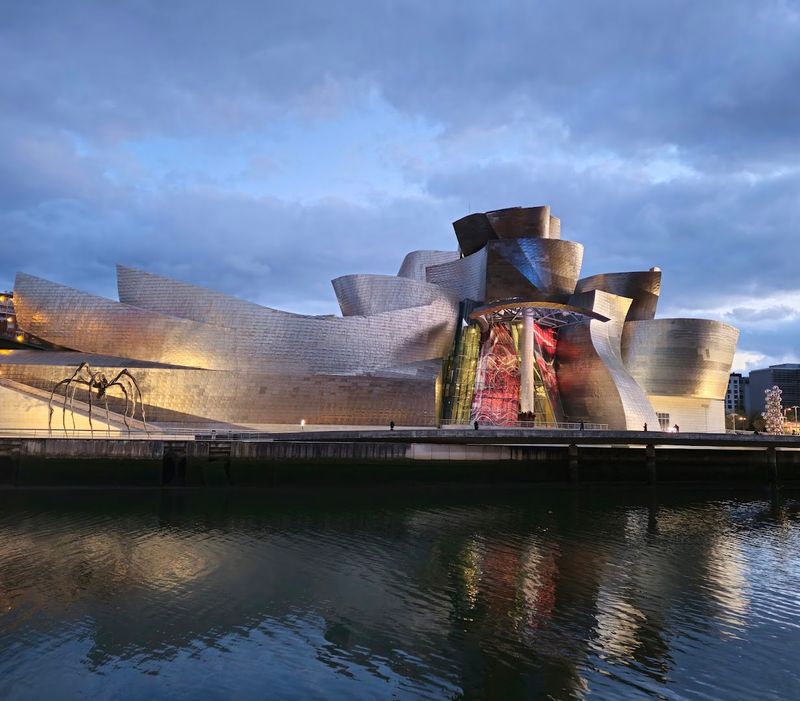
Before the Guggenheim Museum opened in Bilbao in 1997, the city was a struggling industrial port town that most tourists skipped entirely. Within a decade of the museum’s opening, Bilbao had transformed into one of Europe’s trendiest cultural destinations — a phenomenon now studied in architecture and urban planning schools worldwide.
Frank Gehry designed the building using software originally developed for aerospace engineering, which is why the titanium-clad curves look like something dreamed up by a futuristic robot with excellent taste. The building itself has become as famous as anything inside it.
Gleaming panels of titanium catch sunlight differently throughout the day, giving the structure an almost living quality as its appearance shifts with the light.
Inside, the permanent collection includes major works by artists like Jeff Koons, Richard Serra, and Mark Rothko. Serra’s massive steel sculpture series, called The Matter of Time, fills an entire gallery and is one of the most physically immersive art experiences you can have anywhere in Europe.
Outside, Jeff Koons’ giant floral puppy sculpture has become an iconic photo spot. The museum’s riverside setting makes the surrounding neighborhood a pleasure to walk through before or after your visit.
Hagia Sophia — Istanbul, Türkiye
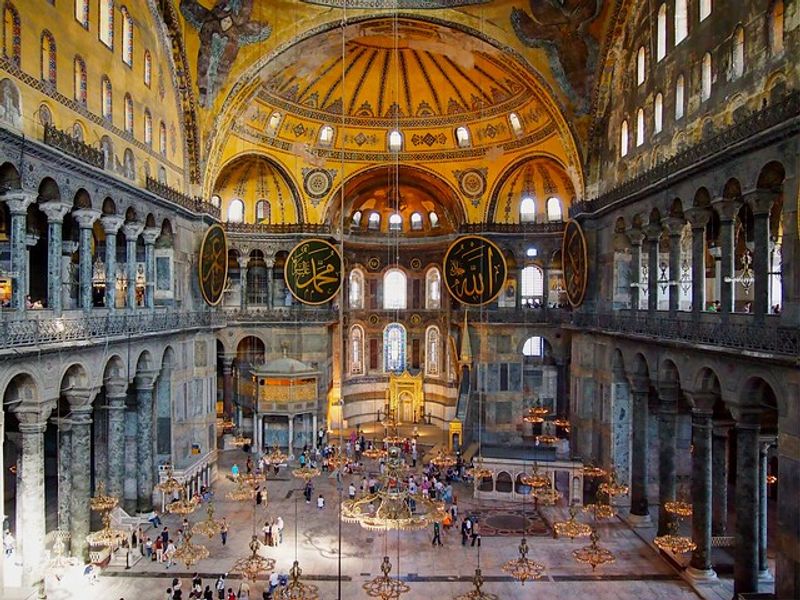
Completed in just five years in AD 537, the Hagia Sophia was so revolutionary that Emperor Justinian reportedly exclaimed upon entering it: ‘Solomon, I have surpassed thee.’ Whether or not that quote is accurate, the building absolutely earns the boast.
The enormous central dome appears to float above the interior, suspended by a ring of 40 windows that flood the space with natural light. Byzantine architects achieved this by using lightweight hollow clay pots in the dome’s construction — a trick that was far ahead of its time.
The dome spans 31 meters and remained the world’s largest for nearly a thousand years after its completion.
The building’s layered history is part of what makes it so fascinating. It served as a Christian cathedral for nearly 1,000 years, then as an Ottoman mosque for nearly 500 years, then as a secular museum for most of the 20th century, and since 2020 has functioned as a mosque again.
Visitors of all faiths are welcome during non-prayer hours. The mosaics and the scale of the interior are genuinely awe-inspiring.
Visiting early in the morning gives you the best light inside and a calmer, more reflective atmosphere.
Cologne Cathedral — Cologne, Germany
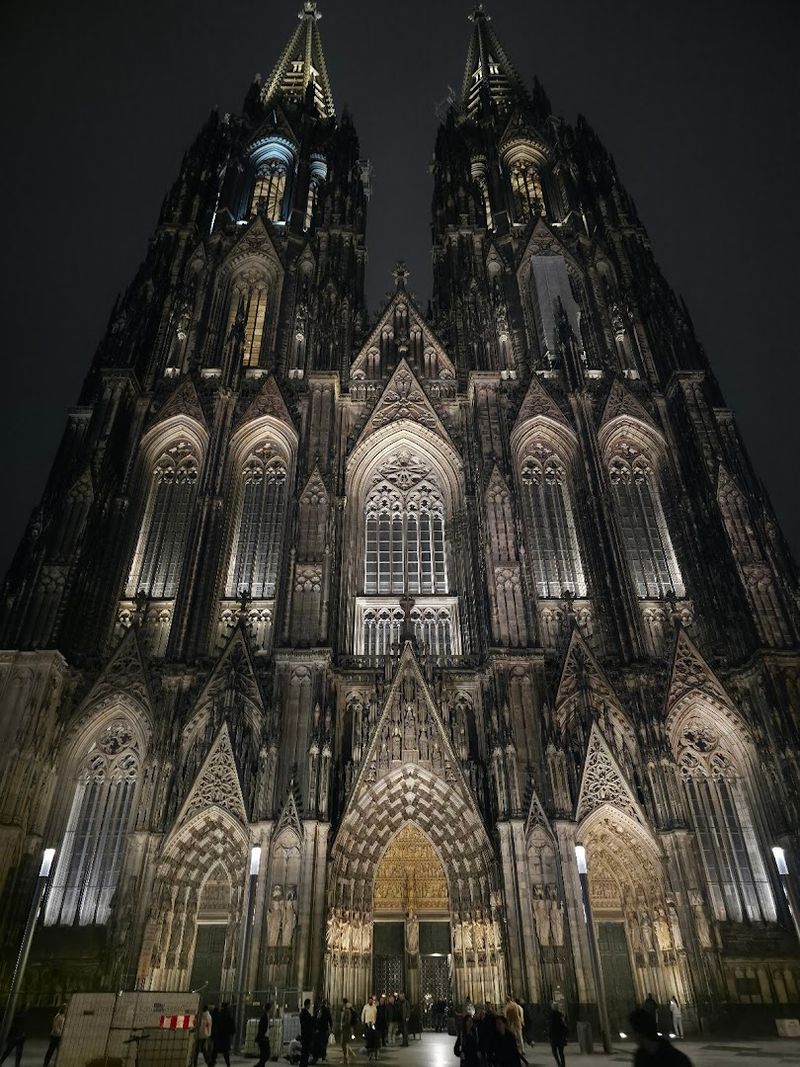
Cologne Cathedral’s twin spires top out at 157 meters, making it one of the tallest churches in the world — and it held the record as the world’s tallest structure for four years after its completion in 1880. The wild part?
Construction started in 1248 and was abandoned for 300 years before anyone picked it back up again.
The cathedral’s Gothic style is so elaborately detailed that up close it looks almost impossibly intricate, like someone spent centuries carving every square centimeter of stone by hand — because they essentially did. The flying buttresses, pointed arches, and gargoyles all work together to create a sense of soaring verticality that feels almost aggressive in the best way.
Inside, the Shrine of the Three Kings is one of the most important reliquaries in the Christian world and has drawn pilgrims for 800 years. The medieval stained-glass windows cast jewel-colored light across the stone interior, especially beautiful on sunny mornings.
Climbing the south tower’s 533 steps rewards you with panoramic views over Cologne and the Rhine River. The cathedral survived World War II bombing raids largely intact — a fact that still astonishes historians today.
Neuschwanstein Castle — Bavaria, Germany
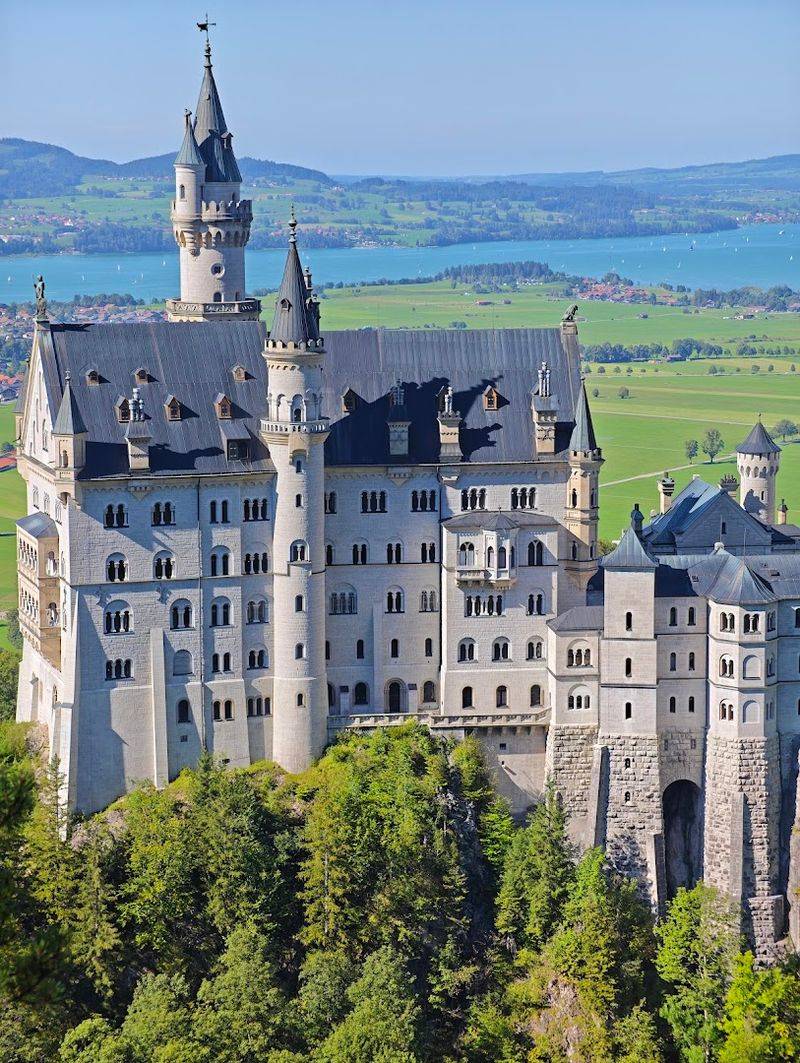
King Ludwig II of Bavaria was so obsessed with medieval romance and fairy-tale aesthetics that he spent his entire personal fortune building a castle that he never actually finished — and somehow, 130 years later, it is the most visited castle in all of Germany. Neuschwanstein is basically the ultimate passion project gone spectacular.
Built from 1869 onward, the castle was designed not by a traditional architect but by a theatrical set designer, which explains why it looks more like a stage backdrop than a real fortification. Ludwig intended it as a private retreat where he could live out his fantasies of a mythological medieval world.
He spent a total of only 172 days there before his mysterious death in 1886.
Walt Disney reportedly drew inspiration from Neuschwanstein when designing Sleeping Beauty’s Castle, meaning this Bavarian hilltop has indirectly shaped the visual identity of one of the world’s most recognizable brands. The views from the Marienbrucke bridge nearby give you the most iconic angle of the castle against the Alpine backdrop.
Book tickets well in advance — around 1.5 million visitors show up annually, and timed entry slots fill up months ahead during peak season.
Mont-Saint-Michel — France
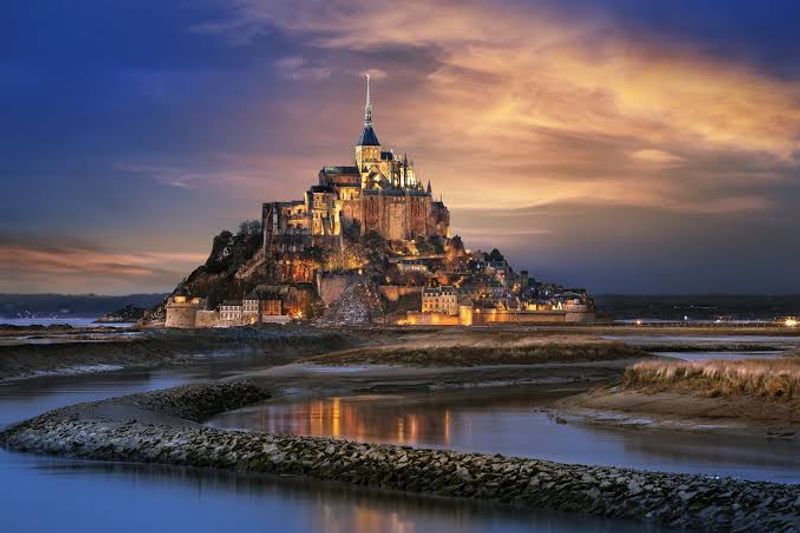
Twice a day, the sea rushes in around Mont-Saint-Michel at one of the fastest tidal speeds in Europe, cutting the island off from the mainland like nature is drawing its own dramatic curtain. For centuries, pilgrims made the dangerous crossing through tidal mudflats to reach the abbey perched at the top — and people are still making pilgrimages here today, just with better footwear.
The abbey itself is a stunning mix of Romanesque and Gothic architecture that took centuries to build. Different sections were constructed in different eras, creating a layered architectural history that tells the story of medieval building techniques evolving over hundreds of years.
The higher you climb through the island’s narrow streets, the more dramatically the architecture shifts around you.
At low tide, you can walk across the tidal flats with a guided tour to experience the island from the outside — an unforgettable perspective. At high tide, the water surrounds the island completely, making the whole thing look like it is floating.
Staying overnight is one of the best decisions you can make as a visitor. Once the day-trippers leave in the evening, the island takes on an eerie, atmospheric quiet that feels genuinely medieval.
Dancing House — Prague, Czech Republic
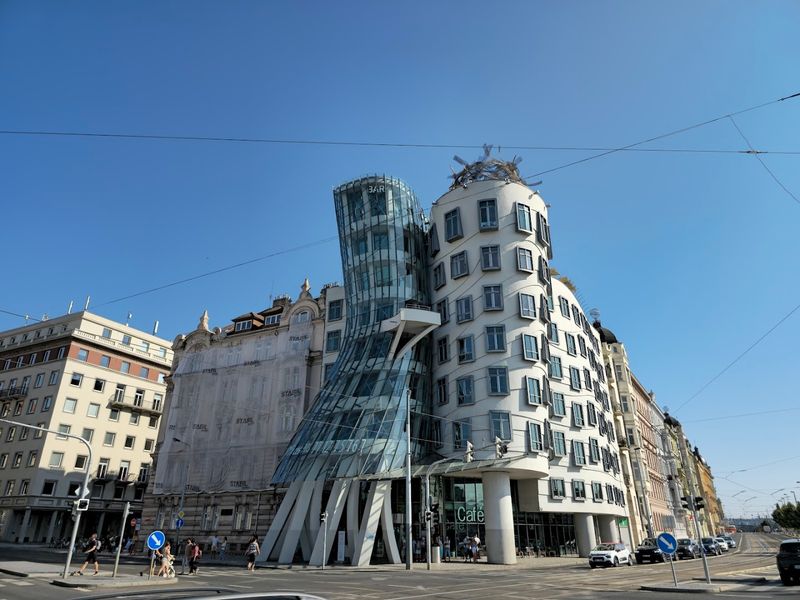
Squeezed between traditional early-20th-century apartment buildings on a quiet Prague street corner, the Dancing House looks like it wandered in from a completely different dimension — and that is exactly the point. Completed in 1996, this building was controversial from day one, with critics calling it an eyesore and fans calling it a revolution.
Architects Frank Gehry and Vlado Milunic designed the building to represent a pair of dancers — one figure made of glass that appears to sway and bulge, the other a more solid concrete form beside it. The contrast between the curving glass tower and the rigid cylindrical one creates a genuine sense of movement that changes depending on where you stand.
The building houses offices, a hotel, and a rooftop restaurant with one of the most memorable views in Prague — looking straight out over the Vltava River toward Prague Castle. Unlike most of Prague’s architectural gems, which are centuries old, the Dancing House proves the city is still capable of producing buildings that make people stop and stare.
Visiting the rooftop bar at sunset is a legitimately excellent idea. The surrounding neighborhood is full of great cafes and riverside walks worth exploring before or after.
Westminster Abbey — London, United Kingdom
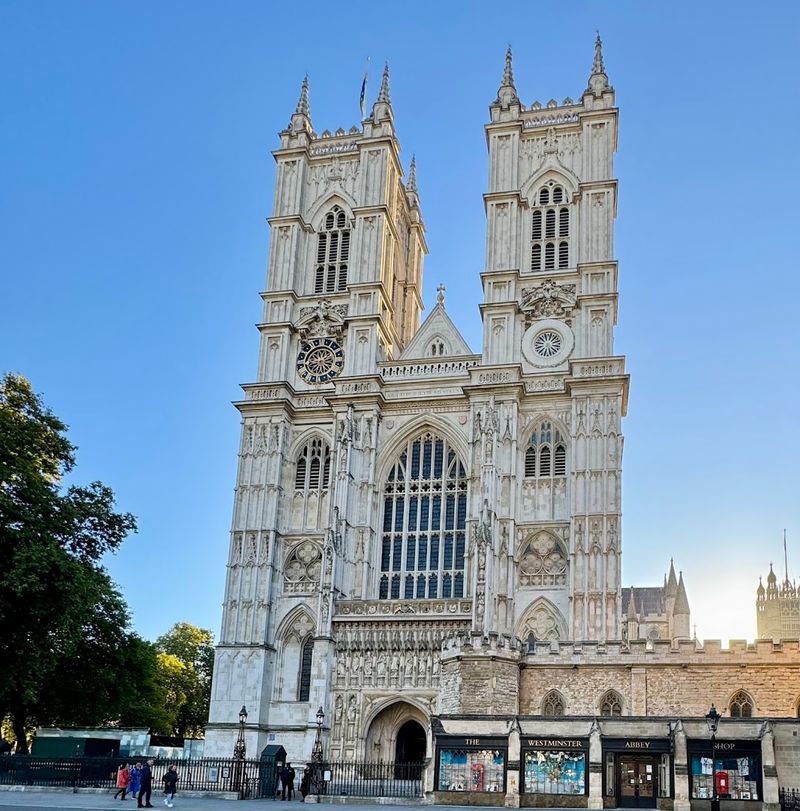
Thirty-nine kings and queens of England have been crowned inside Westminster Abbey since 1066, which means this building has witnessed more history than almost any other structure in the English-speaking world. The current Gothic building was largely constructed in the 13th century under King Henry III, who wanted a church grand enough to rival the great cathedrals of France.
Walking through Westminster Abbey is like strolling through a who’s who of British history. Scientists, poets, monarchs, and military heroes are all buried here, including Isaac Newton, Charles Darwin, Geoffrey Chaucer, and dozens of British monarchs.
Poets’ Corner alone is worth the entrance fee — the sheer concentration of literary greatness buried in one small section of floor is genuinely staggering.
The fan vaulting in the Henry VII Lady Chapel is considered some of the finest stone carving in England, and the late Gothic ceiling looks almost impossibly delicate for something carved from solid rock. Audio guides are included with admission and are genuinely excellent — packed with stories that make the history feel alive rather than dusty.
Visiting on a weekday morning is the best strategy for avoiding school groups and tour buses. The Abbey is still an active place of worship, which adds a layer of quiet reverence to the whole experience.



