Argentina is one of those countries that makes your jaw drop at every turn. From thundering waterfalls and ancient glaciers to lively cities and colorful mountain valleys, this South American giant has something for every kind of traveler.
Whether you are chasing adventure, history, wildlife, or just a really good glass of wine, Argentina delivers in a big way. Pack your bags and get ready to explore 15 destinations that are absolutely worth the trip.
Perito Moreno Glacier – Patagonia
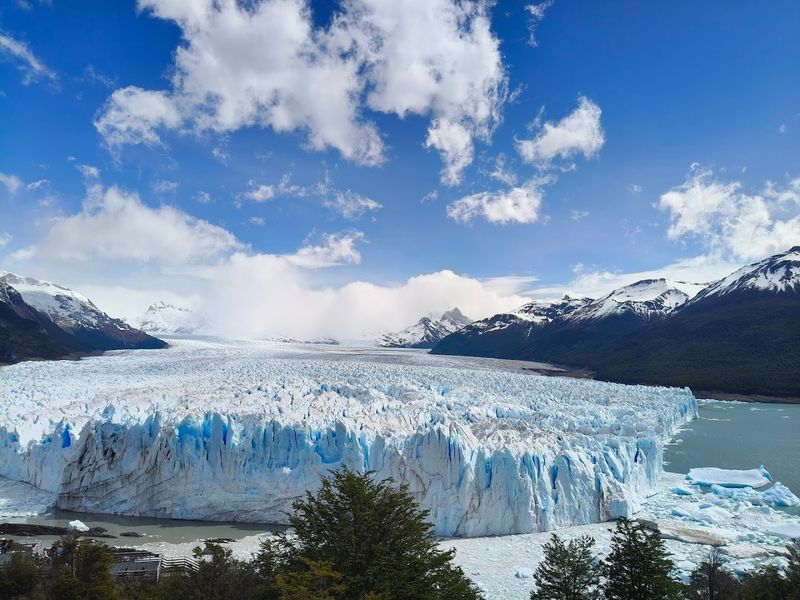
Few things on Earth are as loud as a glacier. At Perito Moreno, massive slabs of ice the size of apartment buildings crack and thunder as they crash into the water below.
It sounds like a cannon firing from the sky, and the crowd on the viewing platforms always gasps in unison.
Stretching 30 kilometers long and rising up to 60 meters above the lake surface, this glacier is a genuinely rare natural wonder. Unlike most glaciers around the world that are retreating due to climate change, Perito Moreno is still actively advancing.
Scientists are still trying to fully understand why, which makes it scientifically fascinating on top of being visually stunning.
Los Glaciares National Park surrounds the glacier with jaw-dropping Patagonian scenery. Guided ice-trekking tours let visitors strap on crampons and walk directly on the glacier surface, which is an experience unlike anything else.
The nearest town is El Calafate, about 80 kilometers away, and it makes a comfortable base for visiting. Go in the morning when the light hits the ice at its most vivid blue.
Perito Moreno is absolutely worth every long-haul flight to get here.
El Chaltén – Patagonia’s Hiking Capital
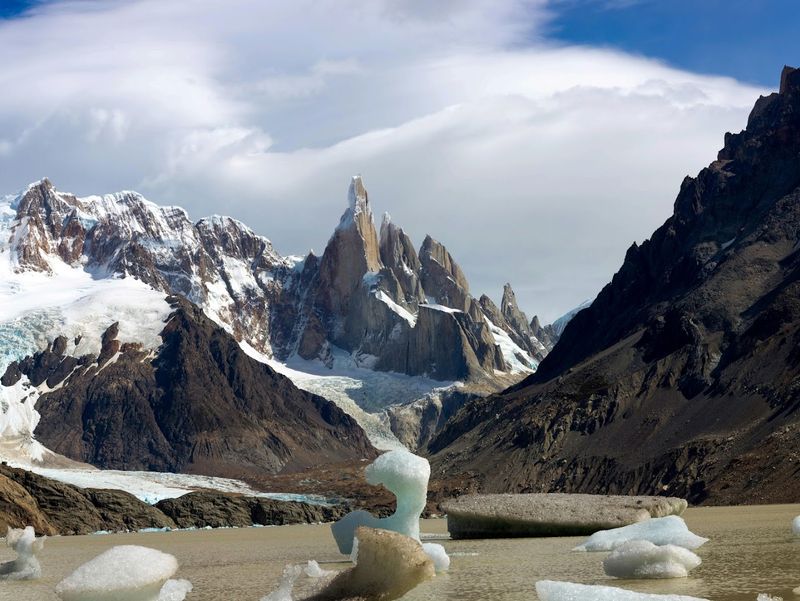
Mount Fitz Roy does not look real. The jagged granite spires shoot straight up from the valley floor like something a fantasy novelist would sketch, and on a clear day, the reflection in the glacial lakes below is almost too perfect.
El Chaltén sits right at the base of this mountain, making it the best starting point for some of the most scenic hikes in all of South America.
The village itself is tiny, with a main street lined with cozy hostels, gear shops, and warming soup restaurants. There are no entrance fees to the national park here, which is a welcome surprise for budget-conscious hikers.
Trails range from moderate half-day walks to full multi-day treks that push even experienced hikers to their limits.
Laguna de los Tres is the crown jewel trail, a steep but rewarding climb that ends at a glacial lake directly beneath Fitz Roy’s summit. Start early to catch the legendary alpenglow that turns the granite peaks a fiery orange at sunrise.
The weather in Patagonia changes within minutes, so layered clothing and waterproof gear are non-negotiable. El Chaltén is small in size but enormous in what it offers to anyone willing to lace up their boots.
Mendoza – Argentina’s Wine Region
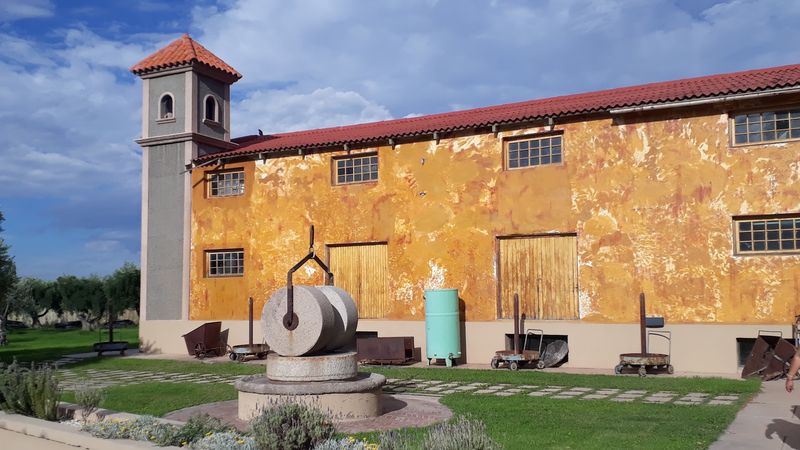
Mendoza smells like sunshine and freshly cut grass, with just a hint of oak barrel drifting through the warm afternoon air. This is Argentina’s wine capital, and the Malbec grown here is considered among the finest in the world.
The secret is the altitude. Mendoza’s vineyards sit between 700 and 1,500 meters above sea level, which gives the grapes intense flavor and beautiful color.
Wine tours here are an experience in themselves. Many bodegas, or wineries, are architectural masterpieces set against the backdrop of the snow-capped Andes.
Cycling between wineries is a popular and wonderfully relaxed way to spend a full day, especially in autumn when the vine leaves turn gold and orange. Olive oil tastings and gourmet lunches are often included in winery visits.
Beyond wine, Mendoza is also a gateway to outdoor adventure. White-water rafting, horseback riding through the foothills, and skiing at Las Leñas resort in winter are all within reach.
The city center has great restaurants, lively plazas, and a relaxed pace that encourages lingering over long lunches. Mendoza proves that the best wine experiences are not just about the glass.
They are about the whole world surrounding it.
Bariloche – Lakes and Mountains
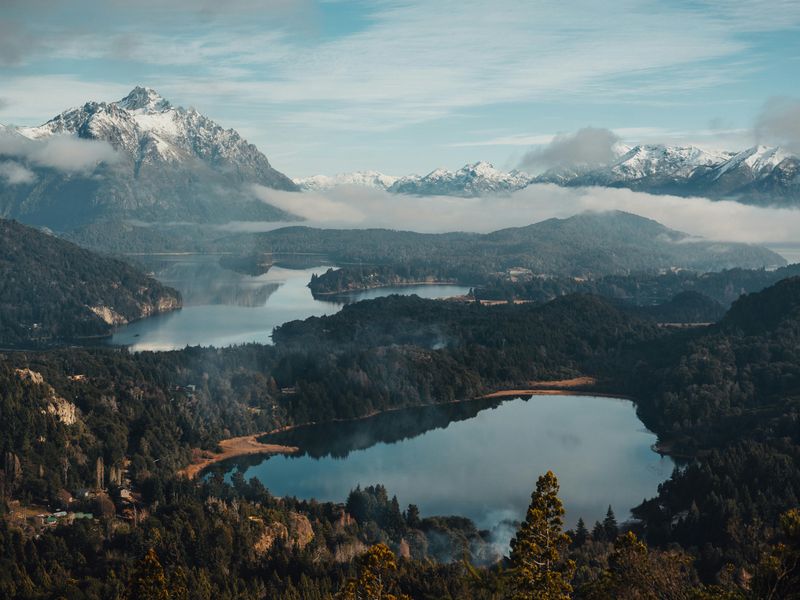
Chocolate shops line the main street, the air carries a faint scent of pine, and the lake shimmers in about seventeen different shades of blue depending on the time of day. Bariloche has a charm that is hard to explain until you are actually standing in it, and then it becomes completely obvious why people come back year after year.
Nahuel Huapi Lake is the centerpiece of the region, surrounded by national park wilderness that stretches for kilometers in every direction. Kayaking, sailing, and boat tours give you access to hidden coves and forested islands.
In winter, Cerro Catedral ski resort transforms the area into one of South America’s top skiing destinations, drawing powder enthusiasts from across the continent.
The Circuito Chico is a classic scenic drive that loops around the lake and through forests, with several viewpoints that deliver postcard-worthy panoramas. Bariloche’s chocolate culture is genuine and delicious.
Local chocolatiers have been perfecting their craft for generations, and sampling your way down the main street is a perfectly acceptable afternoon activity. The blend of outdoor adventure and cozy mountain-town atmosphere makes Bariloche equally appealing in every season, for every type of traveler.
Iguazú Falls – Misiones Province
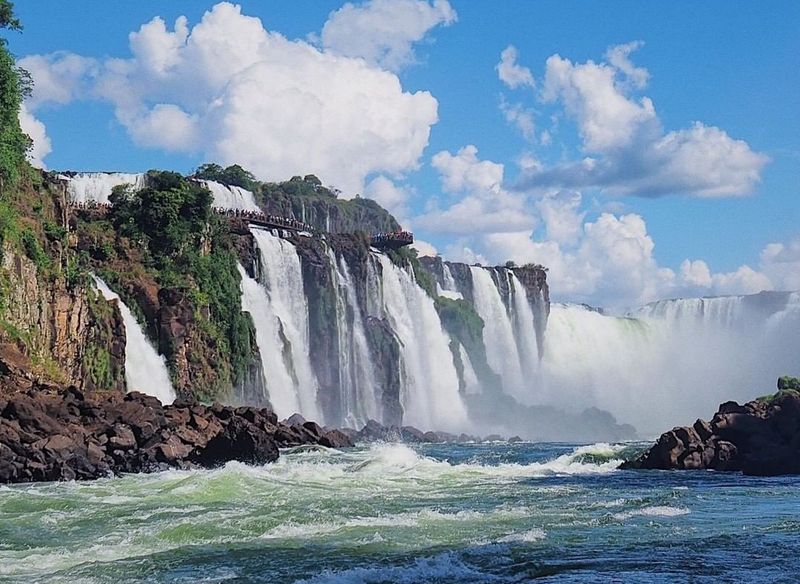
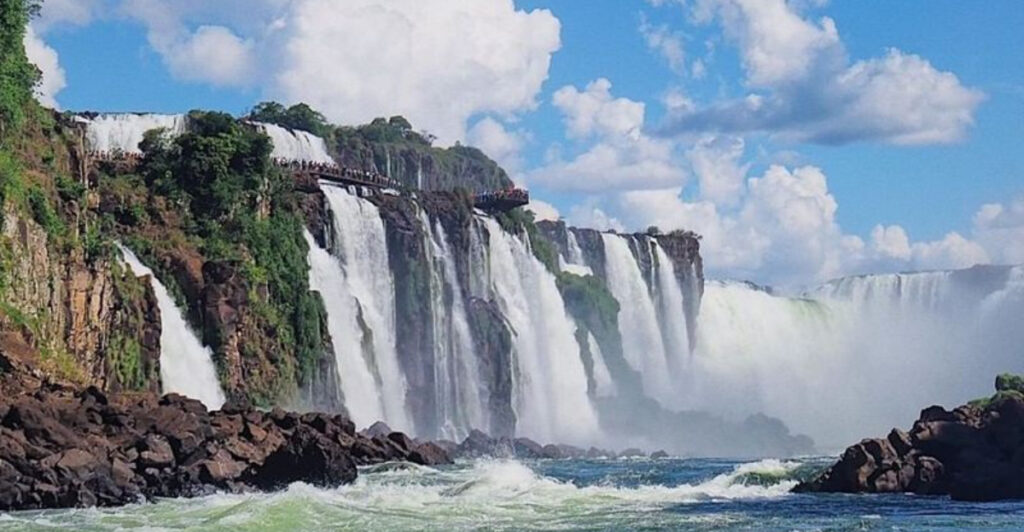
Standing at the edge of Devil’s Throat, with water crashing down so hard the ground shakes beneath your feet, you quickly realize that no photo has ever done Iguazú Falls justice. Stretching nearly three kilometers wide across the Argentina-Brazil border, this is the largest waterfall system on Earth.
The scale alone is enough to make your brain short-circuit.
The Argentine side gives you the most immersive experience, with elevated boardwalks that zigzag right over the water. You will get soaked.
Bring a poncho and zero regrets. Early morning visits reward you with fewer crowds and better lighting for photos.
The surrounding national park is a wildlife paradise packed with toucans, coatis, butterflies, and capuchin monkeys. Guided boat tours take thrill-seekers directly under the falls for a full-body drenching that is somehow both terrifying and joyful.
Stay at least two days to explore both the upper and lower trails properly. Iguazú is not just a waterfall stop on a bucket list.
It is the kind of place that rewires how you think about the natural world entirely.
Ushuaia – The End of the World
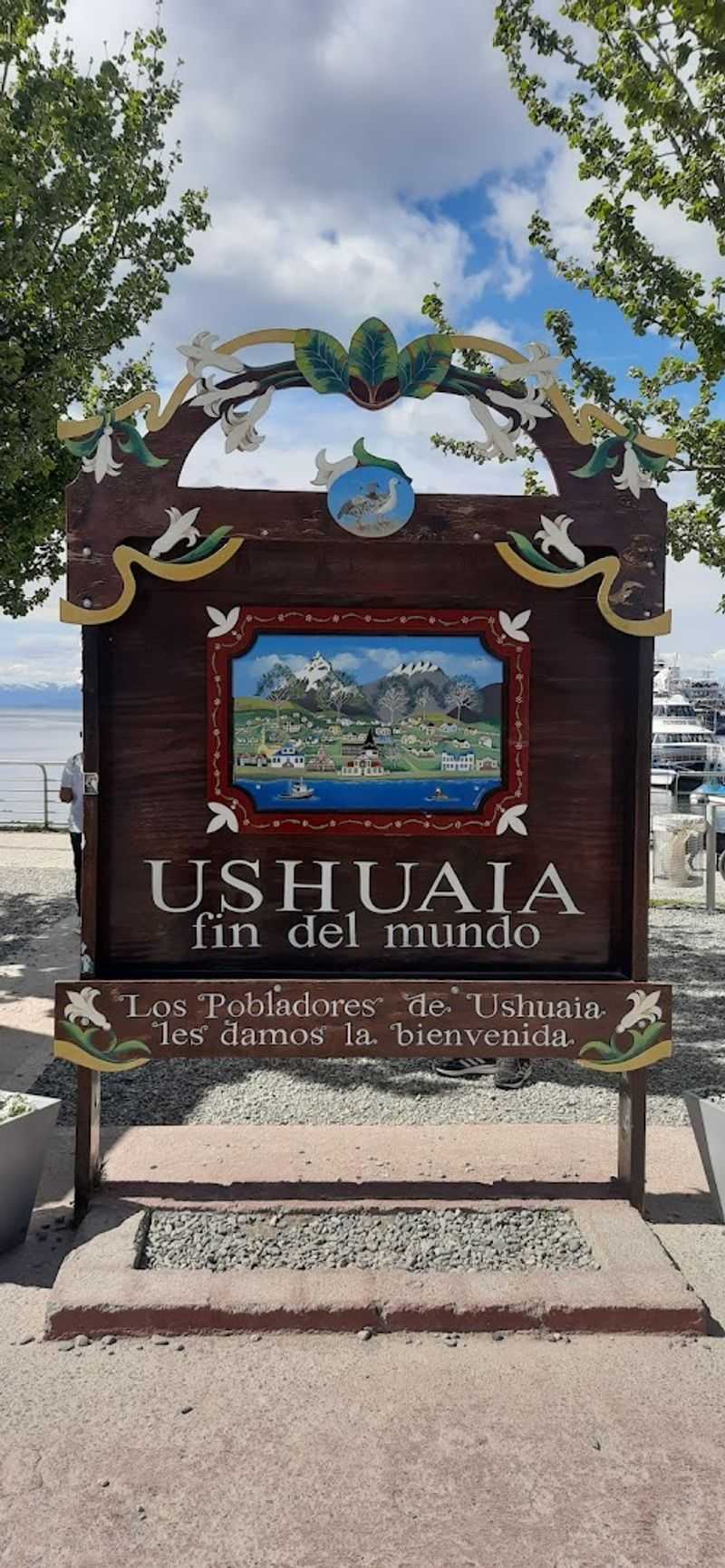
There is something genuinely thrilling about standing at the southern tip of the Americas and knowing that the next stop south is Antarctica. Ushuaia wears the title of the world’s southernmost city with enormous pride, and the surrounding landscape backs up every bit of that reputation.
The Beagle Channel cuts through in front of the city, and boat trips along it offer sightings of sea lions, cormorants, and Magellanic penguins lounging on rocky outcrops. Tierra del Fuego National Park is just minutes from downtown and offers trails through ancient lenga beech forests, beaver dams, and pristine lakes.
The park is accessible and rewarding even for casual walkers.
Ushuaia is also the main departure point for Antarctic expedition cruises, which run from November through March. Even if a full Antarctic voyage is beyond your budget, the atmosphere of a city that serves as a launching pad for one of the world’s most extreme adventures is exciting all on its own.
Dog sledding in winter, skiing at Cerro Castor, and crab feasts at local restaurants round out the experience. Ushuaia is remote, raw, and completely unforgettable.
The long journey to get there is absolutely part of the appeal.
Salta and Jujuy – Northern Argentina
The Hill of Seven Colors in Purmamarca looks like someone took a paintbrush and dragged it across the mountain in bold, unapologetic stripes of red, orange, purple, white, and green. It is one of the most genuinely surreal landscapes in all of South America, and seeing it in person stops most people completely in their tracks.
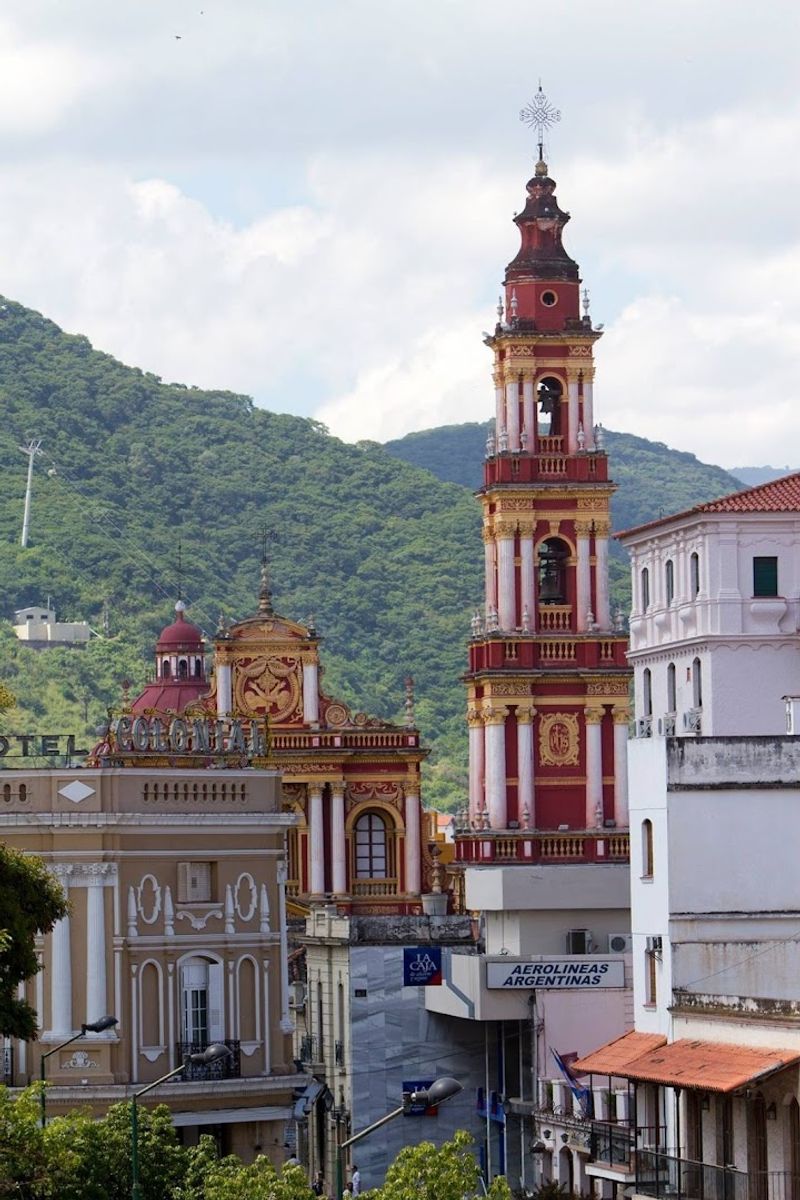
Salta city, known as Salta la Linda or Salta the Beautiful, is a colonial gem with well-preserved Spanish architecture, lively plazas, and an excellent food scene built around empanadas, locro stew, and regional wines from the Cafayate valley. The city makes a comfortable and charming base for exploring the wider northwest region.
The drive from Salta through the Quebrada del Toro on the historic Tren a las Nubes route climbs to over 4,000 meters above sea level through dramatic desert canyons and viaducts. The salt flats near Salinas Grandes are blinding white and vast, creating mirror-like reflections after rain.
Indigenous Andean culture is deeply present throughout this region, from traditional textiles sold at roadside markets to ancient ruins scattered across the hillsides. Northwest Argentina feels like a completely separate country from the rest of Argentina, and that contrast makes it unforgettable.
Buenos Aires – The Cultural Heart
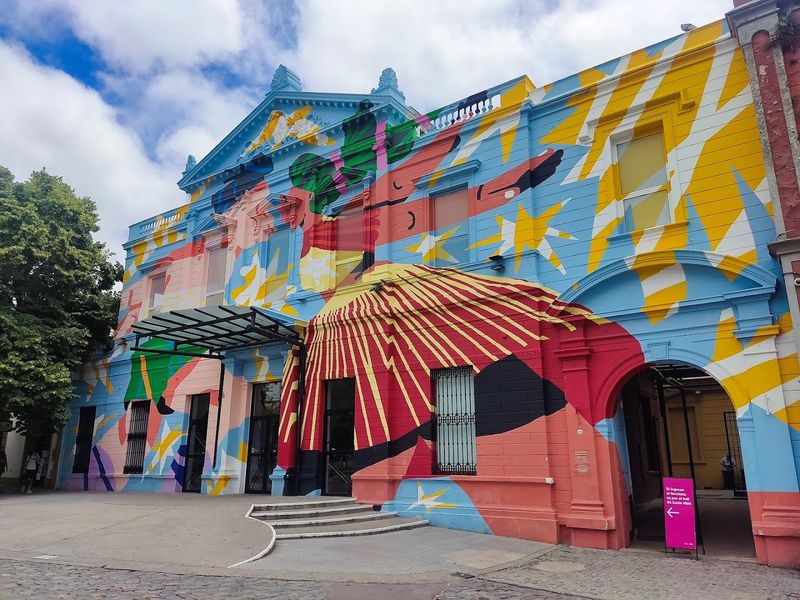
Buenos Aires operates on its own schedule, and that schedule involves dinner at midnight, tango until 3 a.m., and coffee that would make an espresso blush. This city moves fast, dresses well, and takes its food very seriously.
Porteños, as locals are called, are proud of their city and happy to show it off.
The neighborhoods each have their own personality. La Boca is colorful, loud, and full of street art.
Palermo has trendy restaurants and leafy parks. San Telmo offers antique markets, cobblestone streets, and a slightly bohemian energy that feels wonderfully old-fashioned.
Recoleta is home to one of the most famous cemeteries in the world, where elaborate marble mausoleums make history feel very present.
The food scene here is seriously impressive. Steakhouses called parrillas serve beef that has been raised on the Pampas grasslands, and the quality is extraordinary.
Empanadas, dulce de leche pastries, and freshly baked medialunas round out the snack game beautifully. Book a tango show at a traditional milonga for a night you will not forget.
Buenos Aires rewards curious travelers who wander without a plan just as much as those with a packed itinerary.
El Calafate – Gateway to Glaciers
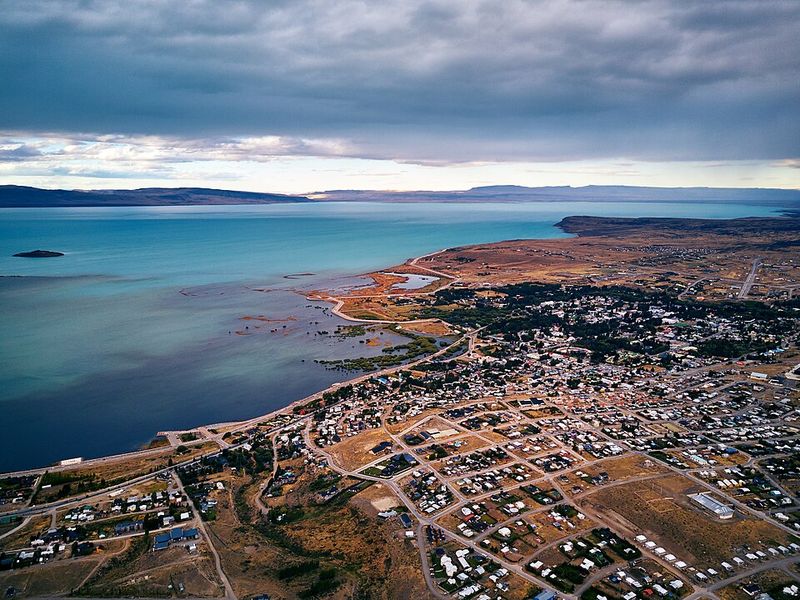
El Calafate is the kind of town where the main street feels like it was built specifically for people who just spent all day staring at glaciers and now need a warm meal and a strong drink. It is small, friendly, and surprisingly well-equipped for a remote Patagonian outpost that sits at the edge of one of the largest ice fields outside the polar regions.
Lake Argentino, one of the largest freshwater lakes in South America, spreads out just beyond the town with an otherworldly turquoise color caused by glacial silt suspended in the water. Boat tours on the lake take visitors close to floating icebergs and the faces of smaller glaciers that are difficult to reach by land.
The sunsets over the lake are quietly spectacular.
El Calafate is the essential base for visiting Perito Moreno Glacier, but it also connects travelers to other glaciers within Los Glaciares National Park, including Upsala and Spegazzini. The town has a solid selection of restaurants serving Patagonian lamb, fresh trout, and king crab.
The calafate berry, a local fruit that grows on thorny bushes throughout the region, appears in jams, liqueurs, and desserts everywhere. Local legend says anyone who eats the berry will always return to Patagonia.
Valdés Peninsula – Wildlife Haven
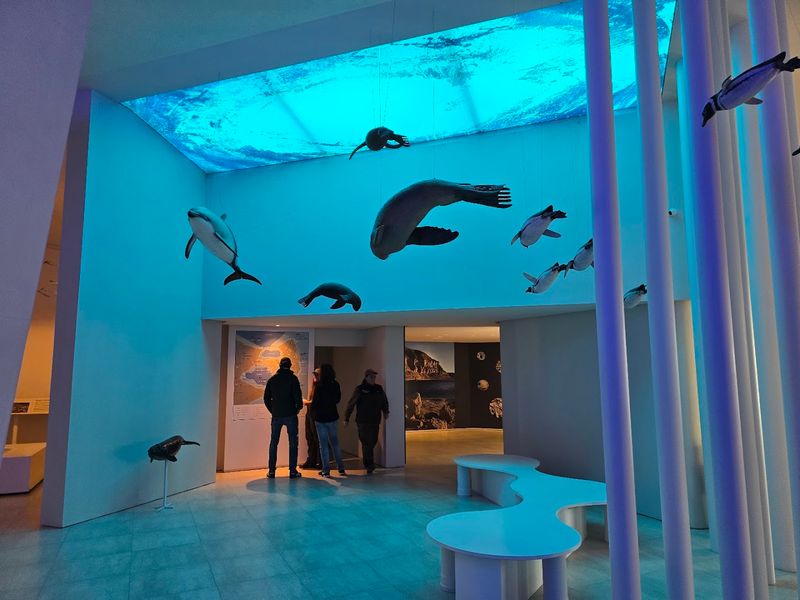
Between June and December, southern right whale mothers bring their newborn calves into the calm bays of the Valdés Peninsula to nurse and rest, and watching this from a small inflatable boat just meters away is one of the most moving wildlife experiences on the planet. The sheer size of these animals, some reaching 15 meters long, is humbling in the best possible way.
The peninsula is a UNESCO World Heritage Site and one of the most important marine wildlife reserves in the Southern Hemisphere. Beyond whales, the coastline is packed with enormous colonies of southern elephant seals and South American sea lions, which laze around on the beaches in impressively chaotic piles.
Magellanic penguins nest in burrows just inland from the shore and waddle around with complete indifference to human observers.
Orcas hunt sea lions here with a dramatic technique called intentional stranding, where they surge directly onto the beach to grab prey. It is terrifying, breathtaking, and completely unforgettable if you happen to witness it.
The gateway town of Puerto Madryn has good hotels and tour operators who run daily excursions to the peninsula. Valdés is proof that Argentina’s wildlife experiences rival anything Africa or the Galapagos has to offer.
Quebrada de Humahuaca – UNESCO Landscape
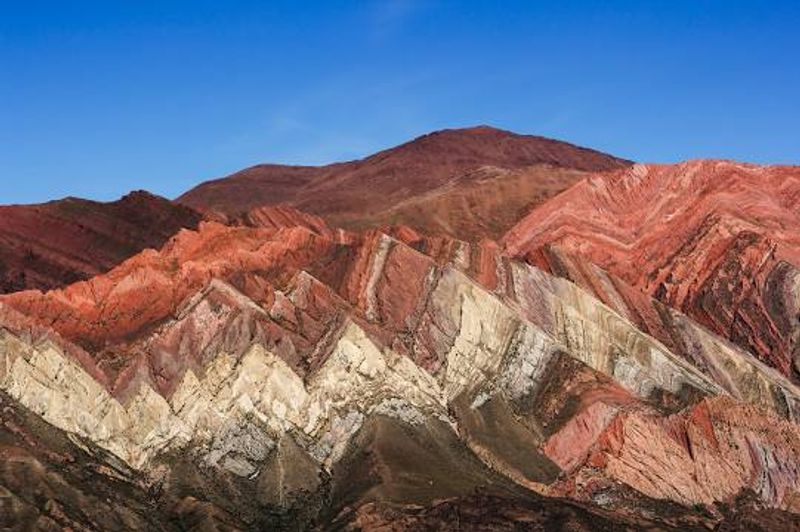
Thousands of years of wind and water have carved the Quebrada de Humahuaca into one of the most visually striking valleys on Earth, with rock walls striped in deep reds, burnt oranges, and chalky whites that glow brilliantly in the late afternoon sun. The valley runs for about 155 kilometers through the Andes in northern Argentina and has been a major trade and cultural route since pre-Columbian times.
The UNESCO World Heritage designation recognizes both the extraordinary geology and the living indigenous Andean culture that has thrived here for millennia. Villages like Tilcara, Purmamarca, and Humahuaca each have their own character, with adobe churches, artisan markets, and local festivals that follow ancient calendars.
The Pucará de Tilcara, a pre-Inca hilltop fortress, is one of the most important archaeological sites in Argentina.
Travel here by local bus for the most authentic experience, stopping at small towns along the route and buying fresh goat cheese and quinoa bread from roadside vendors. The altitude ranges from about 2,000 to over 3,000 meters, so take it slowly if you are not acclimatized.
The Quebrada rewards patient travelers who look closely at every rock face, every doorway, and every woven textile for sale along the road.
Córdoba – Colonial Charm Meets Nature
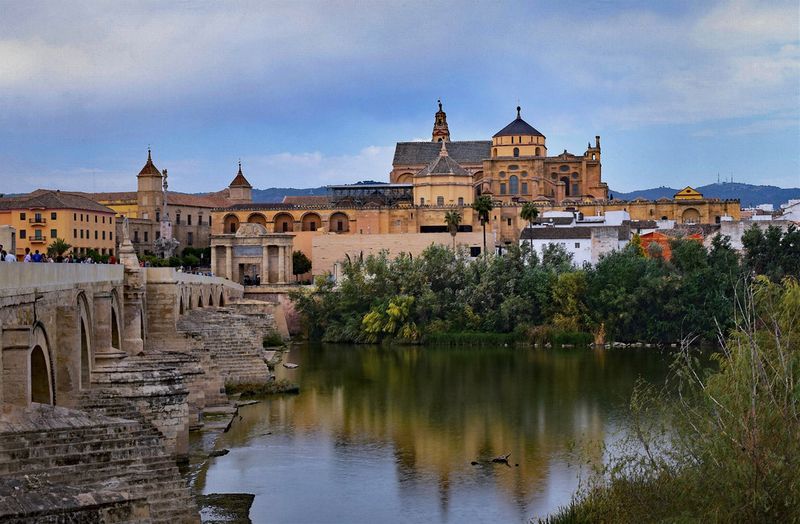
Córdoba is Argentina’s second-largest city, and it has spent years quietly building one of the country’s best food and nightlife scenes without making nearly enough noise about it. Students from the National University of Córdoba, one of the oldest universities in South America, keep the city young, creative, and surprisingly affordable compared to Buenos Aires.
The Jesuit Block in the city center is a UNESCO World Heritage Site, featuring a beautifully preserved complex of colonial-era buildings including a church, university, and residence that date back to the 1600s. Walking through it feels like stepping into a different century, especially in the early morning before the tour groups arrive.
The surrounding streets are full of cafes, bookshops, and street murals.
Just outside the city, the Sierras de Córdoba offer rolling green hills, clear rivers, and small resort towns like Villa General Belgrano, a village founded by German settlers that holds a famous Oktoberfest each year. The Camino de las Altas Cumbres, a mountain road connecting several scenic viewpoints, is one of the most beautiful drives in central Argentina.
Córdoba is the kind of city that surprises people who expected nothing and leaves them planning a return trip before they have even finished their first medialunas.
Mar del Plata – Coastal Escape
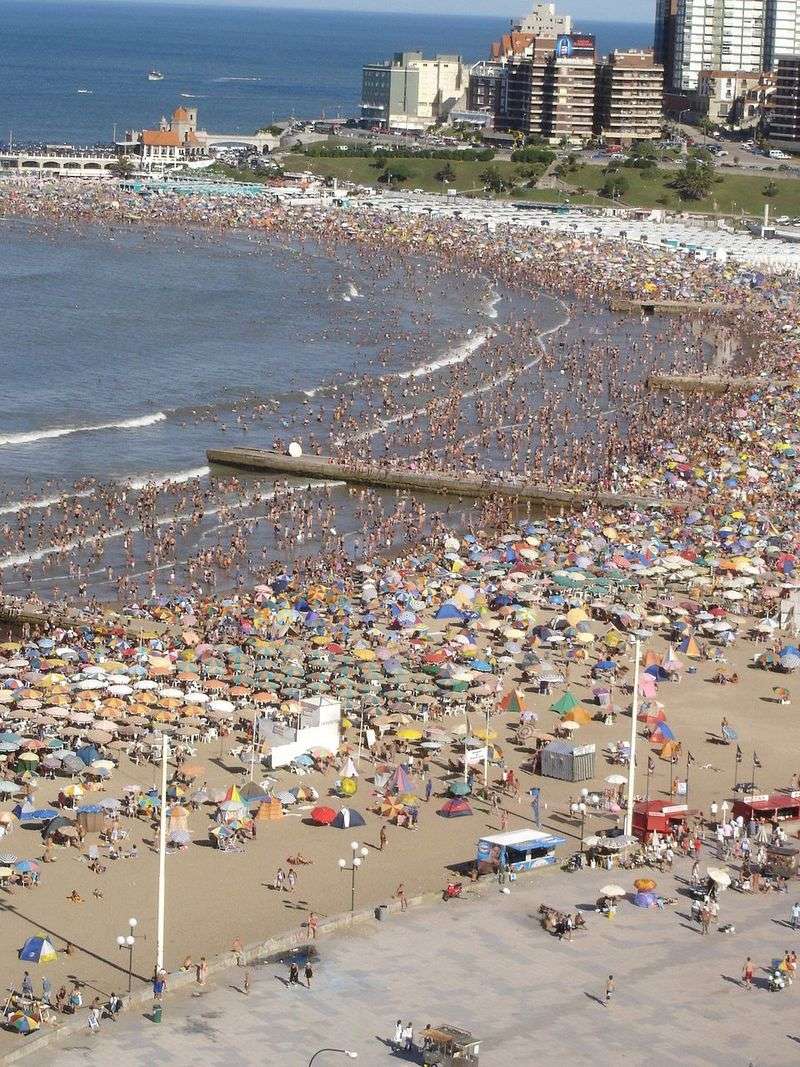
Every January, roughly eight million Argentines descend on Mar del Plata with folding chairs, thermoses of mate, and the collective intention of doing absolutely nothing productive for two weeks. Argentina’s most beloved beach city has a relaxed summer energy that is genuinely contagious, and the Atlantic waves rolling in from the south give the beaches a lively, slightly dramatic character.
The city is not just beaches and sunburn. Mar del Plata has a thriving cultural scene with a strong tradition in theater, cinema, and literature.
The Mar del Plata International Film Festival, held in November, is one of the most important film events in Latin America and draws serious cinema lovers from across the continent. The port area is filled with excellent seafood restaurants where fishing boats unload their catch just meters from your table.
Sea lions have colonized the rocks near the port and lounge there year-round, entirely unbothered by the tourists photographing them from above. The Bosque Peralta Ramos is a lovely forested park on the southern edge of the city, perfect for morning runs or picnics away from the beach crowds.
Mar del Plata works in every season. Summer brings the masses, but spring and autumn offer a quieter, more personal version of the city that many travelers find even more enjoyable.
Cueva de las Manos – Patagonia
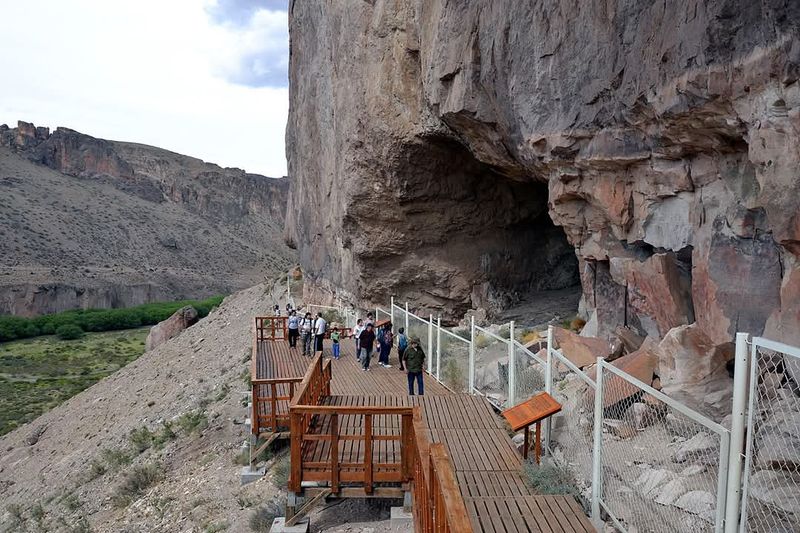
Nine thousand years ago, someone pressed their hand against a cave wall in Patagonia, blew pigment around it, and left a mark that would still be clearly visible in the 21st century. The Cueva de las Manos, which translates to Cave of Hands, contains one of the most remarkable collections of prehistoric rock art anywhere in the world, and standing in front of it produces a strange, quiet feeling of connection across an enormous stretch of time.
Over 800 hand stencils cover the cave walls in shades of red, orange, black, white, and yellow, created using minerals like iron oxides and manganese. Alongside the handprints are paintings of guanacos, rheas, and geometric shapes that researchers believe were used in hunting rituals.
The site is located within the Pinturas River canyon, which is itself a stunning landscape of layered red rock and open Patagonian sky.
Getting here requires some effort. The nearest town is Perito Moreno, not to be confused with the glacier, about 100 kilometers away.
Tours run from both Perito Moreno town and El Calafate. The remoteness is part of what makes the experience feel so special.
No crowds, no noise, just you and thousands of years of human history pressed into stone. Cueva de las Manos is a UNESCO World Heritage Site and one of Argentina’s most underrated treasures.
Misiones Jungle Beyond Iguazú
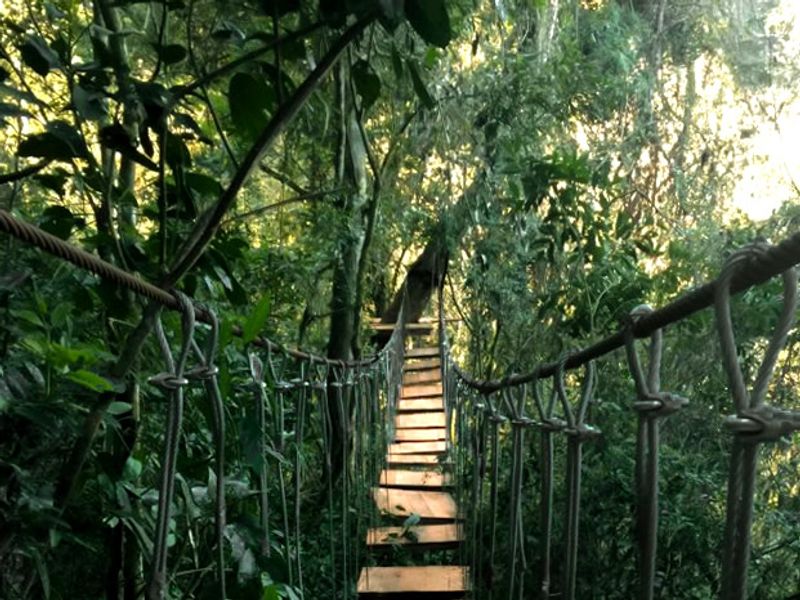
Most travelers fly into Misiones, see Iguazú Falls, and fly straight back out. The ones who linger discover that the surrounding jungle holds just as much wonder as the falls themselves, spread across a landscape so green and alive it almost hums.
The Misiones rainforest is part of the Atlantic Forest biome, one of the most biodiverse ecosystems on the planet and one of the most threatened.
The ruins of San Ignacio Miní are among the best-preserved Jesuit mission sites in South America, with towering red sandstone walls rising dramatically from the jungle floor. Built in the 1600s by Jesuit priests and Guaraní people, the mission once housed thousands of residents in a self-sufficient community.
Walking through the ruins at sunset, when the stone glows deep orange, is a genuinely moving experience.
Wildlife watching in Misiones rewards patience. Toucans, howler monkeys, capybaras, and even jaguars live within the protected areas, though spotting the latter requires serious luck and a good guide.
The Moconá Falls, where the Uruguay River drops in a rare longitudinal waterfall stretching three kilometers, is another hidden highlight that most visitors never find. Misiones is the kind of destination that rewards travelers who choose to stay one more day, and then one more after that.
Share this story