 Unearth The Voyage
From skyscrapers that pierce the clouds to artificial islands visible from space, the modern world is full of jaw-dropping creations that push the limits of human imagination. Engineers, architects, and visionaries from every corner of the globe have built structures and landmarks that would seem like science fiction just a century ago.
These incredible achievements remind us how creative and determined people can be when they set their minds to something extraordinary. Get ready to explore 15 modern wonders that are guaranteed to leave you speechless.
Burj Khalifa — Dubai, United Arab Emirates
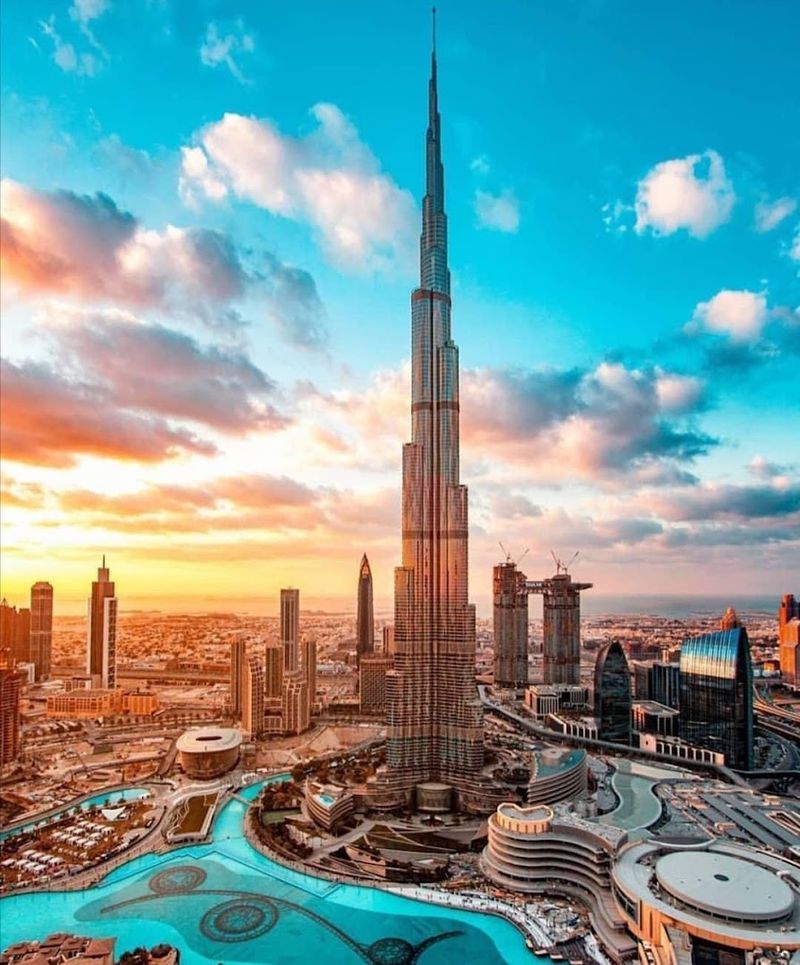
At 828 meters tall, the Burj Khalifa doesn’t just touch the sky — it owns it. Completed in 2010, this steel and glass giant took over 22 million man-hours to build and required concrete strong enough to withstand the scorching Dubai heat.
Standing at its base, you genuinely cannot see the top without craning your neck all the way back.
The tower holds multiple world records, including the highest occupied floor, the highest outdoor observation deck, and the tallest freestanding structure on Earth. Over 12,000 workers from 100 countries helped make it a reality.
The Burj Khalifa is proof that when ambition meets engineering genius, gravity barely stands a chance.
Visitors can ride the world’s fastest elevators to reach the observation decks at floors 124 and 148. On a clear day, you can see nearly 95 kilometers in every direction.
Fun fact: the building sways slightly at the top to handle wind loads — so yes, the world’s tallest building does a tiny, slow dance every single day.
Sydney Opera House — Sydney, Australia
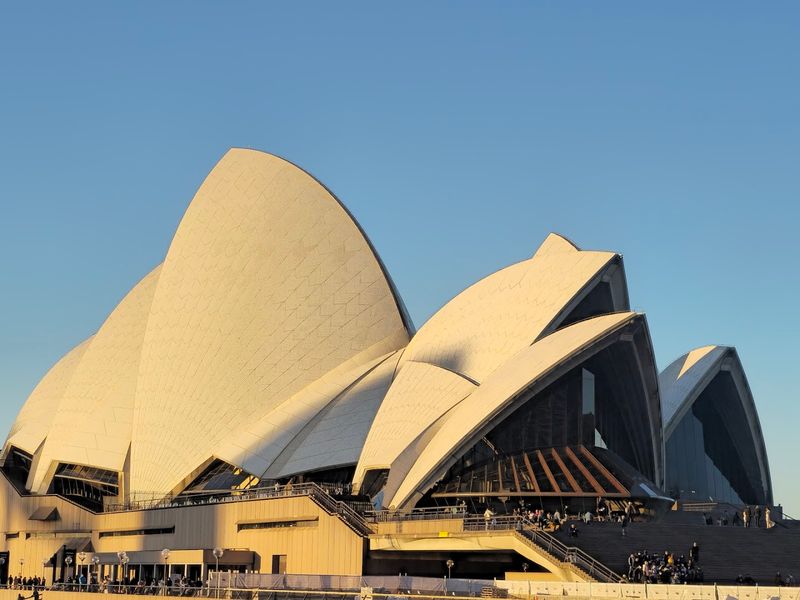
Honestly, no building on Earth looks quite like the Sydney Opera House. Those sweeping white shells rising above Sydney Harbour look like something a very talented sea creature might have designed.
Danish architect Jorn Utzon won a 1957 international design competition with his bold concept, beating out over 230 other entries from around the world.
Construction was far from smooth — the project ran 14 years late and cost 15 times its original budget. Despite the chaos, the result is one of the most photographed buildings on the planet.
UNESCO recognized it as a World Heritage Site in 2007, cementing its place in architectural history forever.
Inside those dramatic shells, you’ll find concert halls, theatres, and studios hosting over 1,500 performances each year. More than 10 million people visit the site annually, making it Australia’s most recognized landmark.
The roof tiles? There are over one million of them, arranged in a self-cleaning pattern that keeps the shells sparkling white.
Utzon never actually saw the finished building in person — a bittersweet detail that adds a quiet, poignant chapter to one of architecture’s greatest stories.
Guggenheim Museum Bilbao — Bilbao, Spain
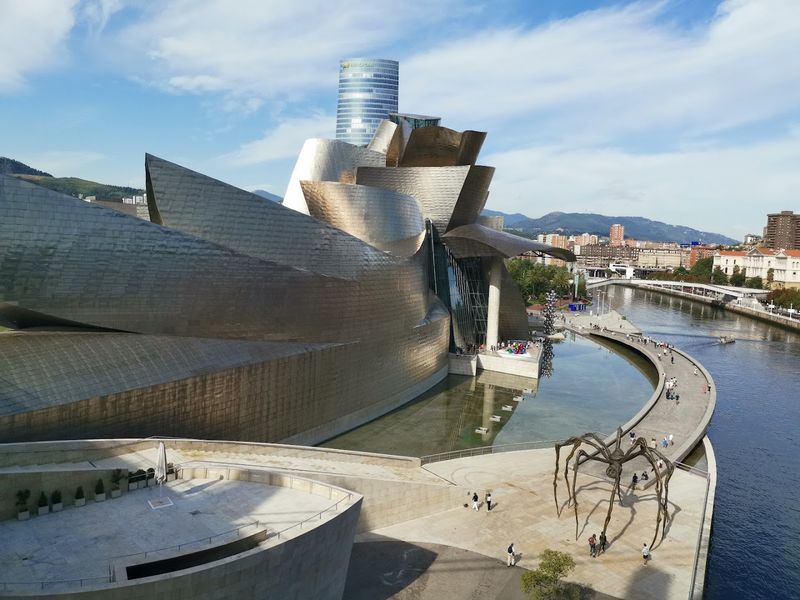
Frank Gehry’s Guggenheim Museum Bilbao looks less like a building and more like a giant piece of crumpled, shining origami dropped beside a Spanish river. When it opened in 1997, critics weren’t sure what to make of it.
The public, however, absolutely loved it — and visitors flooded into Bilbao almost overnight.
The museum’s exterior is clad in 33,000 titanium panels that shift color depending on the light, glowing silver, gold, and even pink at different times of day. Gehry reportedly used aerospace software to design the curves, which were so complex that traditional architectural tools simply couldn’t handle them.
That’s right — a museum that needed rocket science to draw its blueprints.
The so-called Bilbao Effect describes how this single building transformed a struggling industrial city into a thriving cultural destination. Tourism tripled within just a few years of opening.
Inside, the museum houses a rotating collection of modern and contemporary art, including a permanent giant spider sculpture outside called Maman by Louise Bourgeois. It’s both a little creepy and completely unforgettable — much like the building itself.
Gardens by the Bay — Singapore
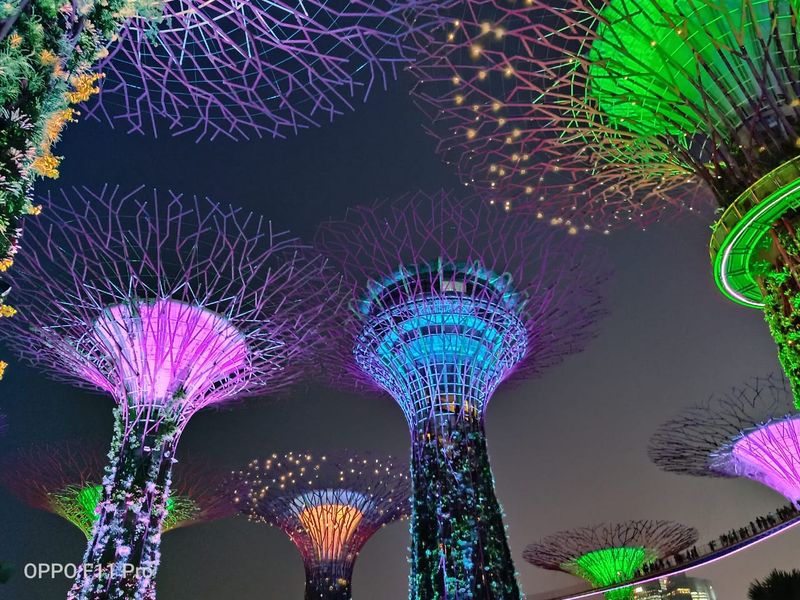
Picture a forest where the trees are 16 stories tall, covered in plants, and light up like Christmas decorations every night — welcome to Gardens by the Bay. Opened in 2012 on reclaimed land along Singapore’s waterfront, this 101-hectare park is one of the most creative green spaces ever built.
The Supertrees aren’t just pretty; they actually function as environmental engines.
Each Supertree collects rainwater, generates solar energy, and acts as a ventilation system for the nearby climate-controlled domes. The two giant conservatories — the Flower Dome and Cloud Forest — maintain entirely different ecosystems inside.
One mimics a cool Mediterranean climate, while the other recreates a misty tropical mountain environment complete with a 35-meter indoor waterfall.
Over 50 million plants from every continent except Antarctica call this park home. The elevated walkway between the Supertrees, called the OCBC Skyway, gives visitors a bird’s-eye view of the entire garden.
Every night, the Supertree Grove puts on a free light and music show called Garden Rhapsody. Singapore built this entire complex to show the world that a city can grow upward and green at the same time — and it absolutely delivers on that promise.
The Shard — London, United Kingdom
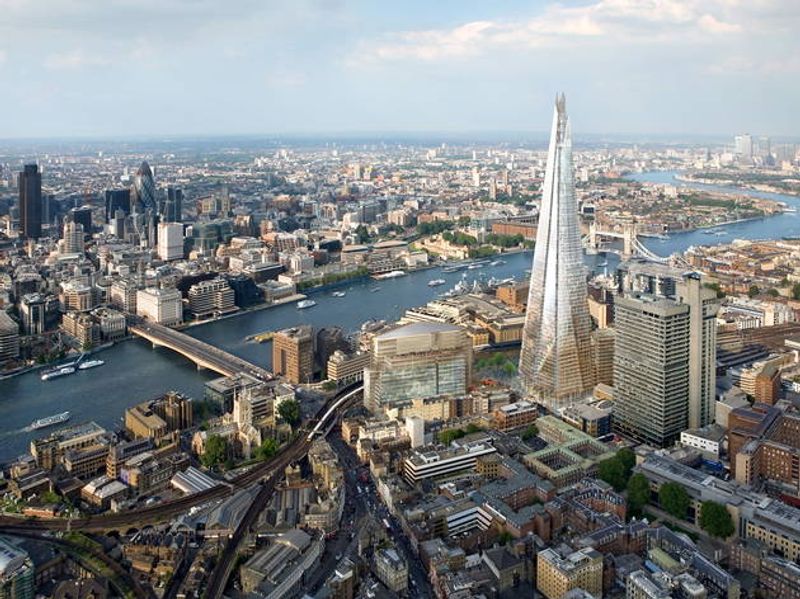
Renzo Piano’s The Shard slices into London’s skyline like a giant glass icicle, and Londoners had very strong feelings about it when it was proposed. Some called it ugly.
Others called it brilliant. Today, it is the tallest building in the United Kingdom at 310 meters, and most people have made their peace with its pointy presence above the Thames.
The building was designed to look different from every angle. As you walk around it, the glass panels reflect the sky, the clouds, and the city below in constantly shifting patterns.
Piano wanted the tower to feel like it was dissolving into the sky rather than cutting it — hence the tapered, asymmetric top that ends in an open-air spire.
Inside, The Shard is practically a small vertical city. It contains offices, restaurants, a five-star hotel, private apartments, and The View from The Shard observation deck on floors 68 to 72.
On a clear day, visitors can spot landmarks up to 64 kilometers away. The building also sits directly above London Bridge station, one of the city’s busiest rail hubs, making it one of the most accessible skyscrapers in the world.
Not bad for a building that started life as a very controversial sketch.
Museum of the Future — Dubai, United Arab Emirates
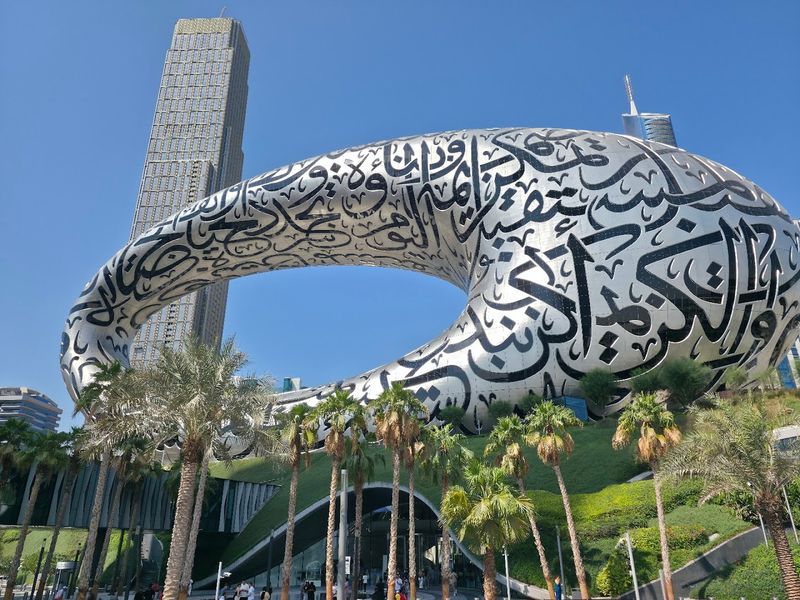
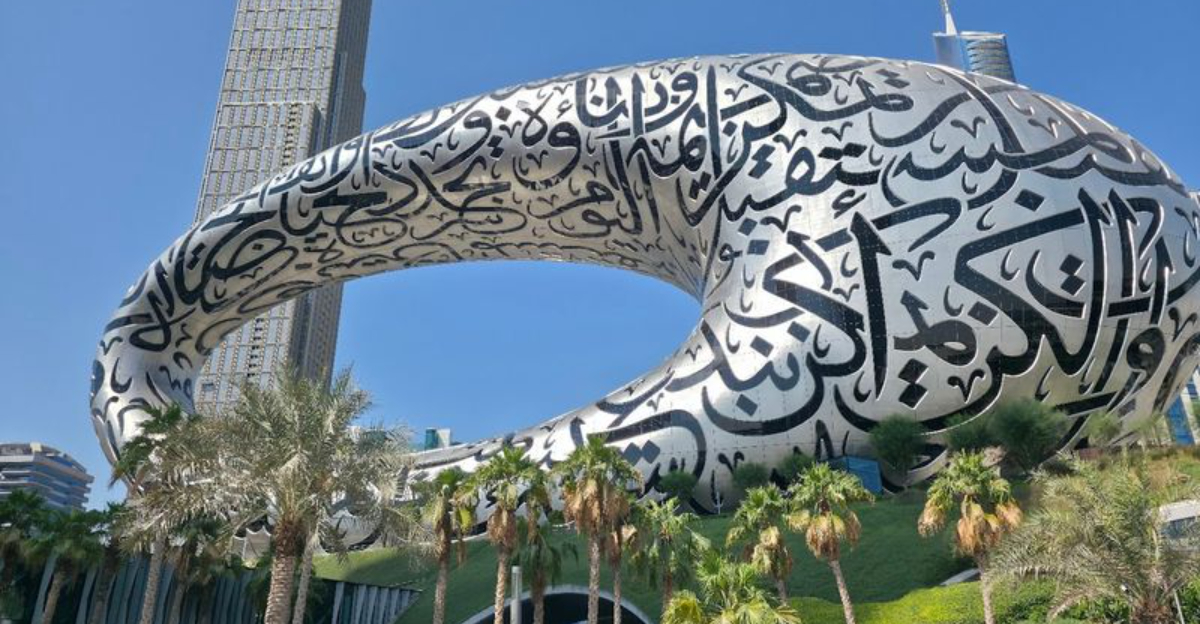
No building in the world looks quite like the Museum of the Future — a windowless, torus-shaped ring covered entirely in glowing Arabic calligraphy. Opened in 2022 in Dubai, it was immediately declared one of the most beautiful buildings on Earth by several major architectural publications.
The quote inscribed on its facade reads: “We may not live for hundreds of years, but the things we create can.”
The 14,000 pieces of calligraphy on the exterior aren’t painted on — they’re actually structural steel panels laser-cut with such precision that the words also serve as windows and air vents. The engineering behind this feat took years to perfect.
Inside, the museum contains immersive exhibits that let visitors experience possible futures, from space habitats to redesigned ecosystems.
There are no permanent collections here; the exhibits change regularly to reflect new ideas and emerging technologies. One floor simulates life aboard a space station orbiting Earth in 2071.
Another explores how nature might be restored through biotechnology. The museum doesn’t tell you what the future will look like — it invites you to imagine it yourself.
For a building dedicated to tomorrow, it’s already doing a spectacular job of dazzling people today.
Bosco Verticale — Milan, Italy
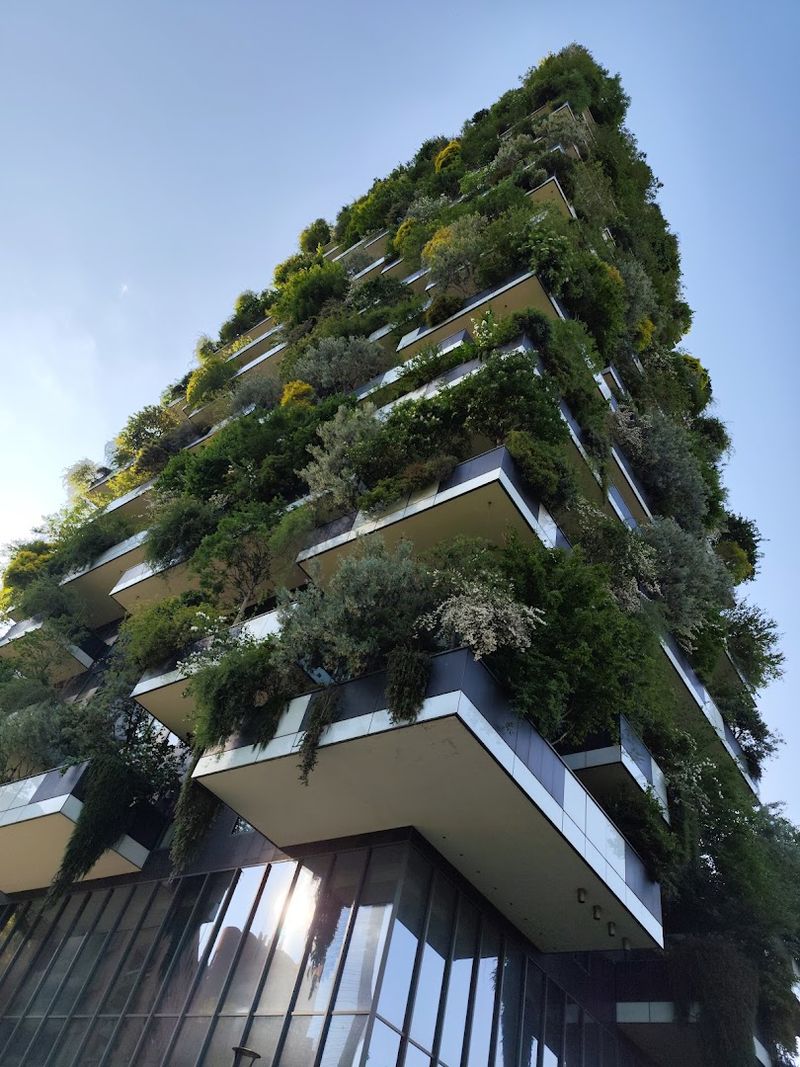
Two residential towers in Milan are doing something no apartment building has ever done quite so dramatically — growing an entire forest on their balconies. Bosco Verticale, which translates to Vertical Forest, opened in 2014 and hosts more than 900 trees, 5,000 shrubs, and 11,000 ground-cover plants spread across the facades of both towers.
The tallest tower stands 111 meters high.
Architect Stefano Boeri designed the project to address urban pollution and biodiversity loss in one of Italy’s most densely built cities. Each balcony was specially reinforced to support trees weighing up to 800 kilograms.
The plants are maintained by specially trained arborists who abseil down the building’s exterior — surely one of the world’s most unusual gardening jobs.
The greenery absorbs CO2, produces oxygen, reduces noise pollution, and creates natural insulation that lowers energy costs for residents. Birds and insects have colonized the towers, creating a small but thriving urban ecosystem 100 meters above street level.
Bosco Verticale has inspired similar projects in cities from Utrecht to Nanjing. It won the International Highrise Award in 2014, and it continues to prove that concrete jungles don’t always have to be short on actual jungle.
Louvre Abu Dhabi — Abu Dhabi, United Arab Emirates
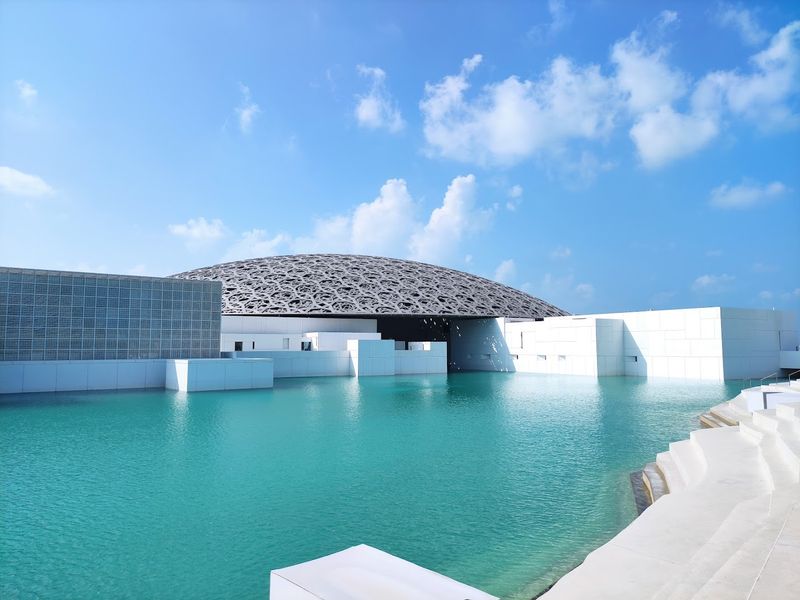
Architect Jean Nouvel had a poetic idea when designing the Louvre Abu Dhabi: what if a building could make it rain light? The museum’s massive dome — 180 meters wide and made from 7,850 unique geometric stars in eight interlocking layers — filters sunlight into thousands of shifting golden rays that dance across the water and pavilions below.
Locals call it the “rain of light,” and the nickname is absolutely earned.
Opened in 2017, the Louvre Abu Dhabi is the first universal museum in the Arab world, bringing together art, artifacts, and objects from civilizations across thousands of years and dozens of cultures. The galleries are arranged not by geography but by shared human themes — love, belief, trade, and power — encouraging visitors to find connections between cultures that rarely share the same wall space.
The museum sits on its own artificial island in the Persian Gulf, surrounded by water on three sides. Smaller pavilions are connected by shaded walkways that let sea breezes flow through.
It houses over 600 permanent works alongside major loans from the original Louvre in Paris. The entire complex feels less like a museum and more like a small, beautifully shaded civilization — which, given its mission, seems entirely appropriate.
National Museum of Qatar — Doha, Qatar
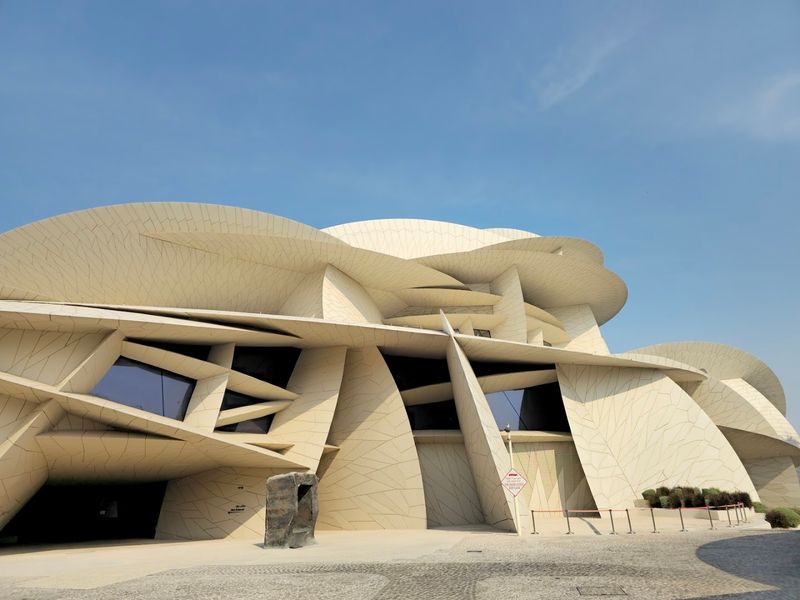
Desert rose crystals form naturally in the sands of Qatar — flat, disc-shaped petals of gypsum that cluster into intricate blooms. Jean Nouvel used this natural phenomenon as his blueprint for the National Museum of Qatar, and the result is a building that looks like it erupted organically from the earth rather than being constructed by human hands.
It opened in 2019 to widespread international acclaim.
The museum’s interlocking discs — 539 of them in total — vary in size and angle, creating an ever-changing silhouette depending on where you stand. The construction required entirely custom engineering solutions, since no two discs are identical.
Workers used 3D printing and robotic fabrication techniques to produce the curved concrete panels that clad each disc’s surface.
Inside, the galleries tell the story of Qatar from its ancient past through its oil-rich present and into its ambitious future. Immersive light installations, soundscapes, and multimedia exhibits bring Qatari culture to life in surprisingly emotional ways.
The building wraps around the original palace of Sheikh Abdullah bin Jassim Al Thani, preserving history at the very heart of a futuristic structure. It’s a rare building that manages to honor the past while looking unmistakably forward.
Heydar Aliyev Center — Baku, Azerbaijan
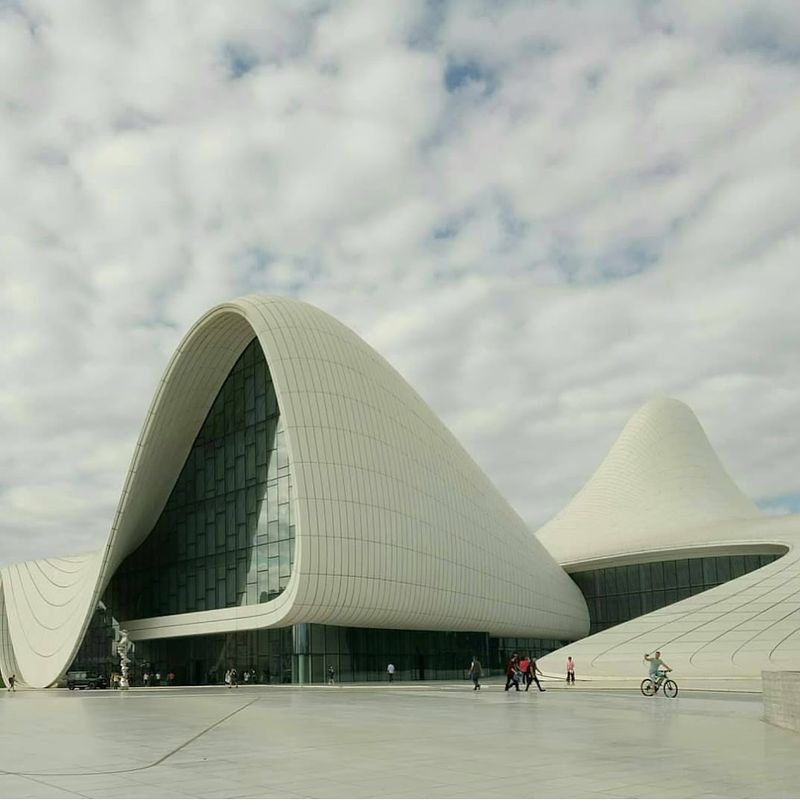
Zaha Hadid once said she wanted to create architecture that had no beginning and no end — and the Heydar Aliyev Center in Baku is perhaps her most complete expression of that idea. Completed in 2012, the building flows from the ground like a wave frozen mid-motion, its seamless white surface folding upward into a series of curves that seem to defy the usual rules of construction entirely.
There is not a single straight line visible on the building’s exterior. Every wall, every overhang, every fold was computed using parametric design software and then built using specially molded fiberglass panels.
The result is a structure that looks almost too fluid to be real — visitors frequently describe feeling like they’ve walked into a three-dimensional painting.
Inside, the center houses a concert hall, a museum, and a conference facility, all wrapped within those extraordinary curves. The interior spaces continue the flowing aesthetic, with staircases and balconies that seem to pour naturally from one level to the next.
Hadid won the Design Museum’s Design of the Year award for this project in 2014. The Heydar Aliyev Center stands as one of the most purely expressive buildings of the 21st century — bold, beautiful, and unlike anything else on Earth.
World Trade Center Oculus — New York City, USA
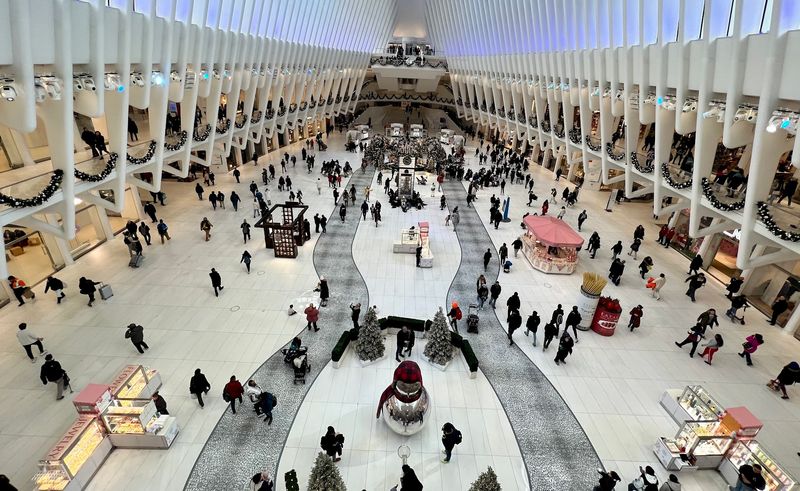
Spanish architect Santiago Calatrava reportedly designed the Oculus after watching his young son release a bird from his hands — and that moment is written all over the building. The structure’s soaring white ribs spread outward like wings caught mid-flight, rising dramatically from the ground at the World Trade Center site in Lower Manhattan.
It’s one of the most striking transit hubs ever built anywhere in the world.
Opened in 2016 after years of construction delays, the Oculus serves as the main hall for the PATH train station and connects to the broader New York subway network. On a daily basis, over 50,000 commuters pass through its gleaming interior.
The main hall stretches 107 meters long with a retractable skylight that opens on September 11 each year, allowing sunlight to flood the space in a quiet act of remembrance.
The building cost approximately 3.9 billion dollars, making it one of the most expensive transit stations ever constructed. Critics debated whether the price tag was justified.
Standing inside beneath those towering white ribs, with light pouring down from above, it’s hard to argue that the result isn’t extraordinary. The Oculus turned a commuter hub into a cathedral of movement — and Lower Manhattan is better for it.
Three Gorges Dam — China
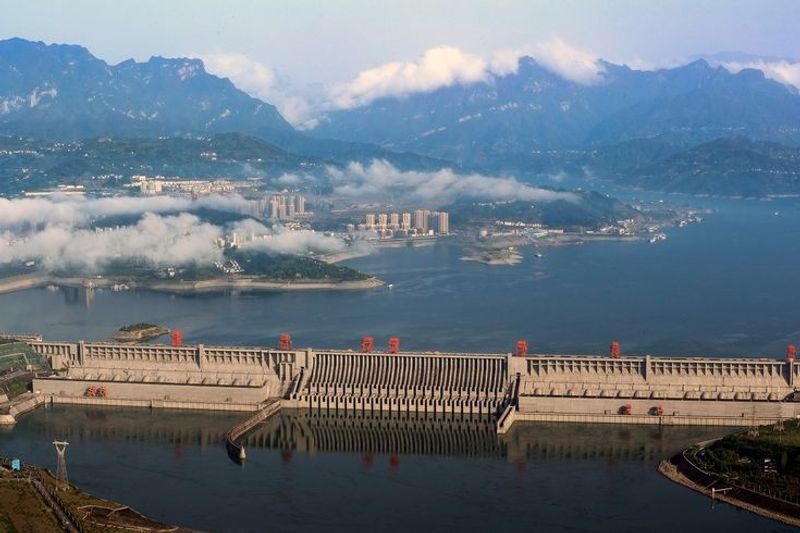
The numbers surrounding the Three Gorges Dam are so large they barely feel real. Stretching 2,335 meters across the Yangtze River in central China, it is the largest hydroelectric power station ever built on Earth.
When its reservoir filled completely, the water level rose by 175 meters above the natural river — submerging over 1,300 archaeological sites and displacing approximately 1.3 million people from their homes.
Construction began in 1994 and was officially completed in 2012 after nearly two decades of work. The dam generates roughly 88.2 billion kilowatt-hours of electricity per year, powering the equivalent of millions of homes.
It also controls devastating floods that historically killed thousands of people along the Yangtze’s lower reaches every few decades. On that front, the dam has already proven its worth several times over.
The project remains deeply controversial. Environmentalists point to the loss of river ecosystems, the extinction pressure placed on the Yangtze River dolphin, and ongoing concerns about geological instability caused by the enormous weight of the reservoir.
Supporters argue the dam prevents far more damage than it causes. The Three Gorges Dam is neither purely heroic nor purely harmful — it is simply one of the most consequential structures humans have ever built.
Panama Canal Expansion — Panama
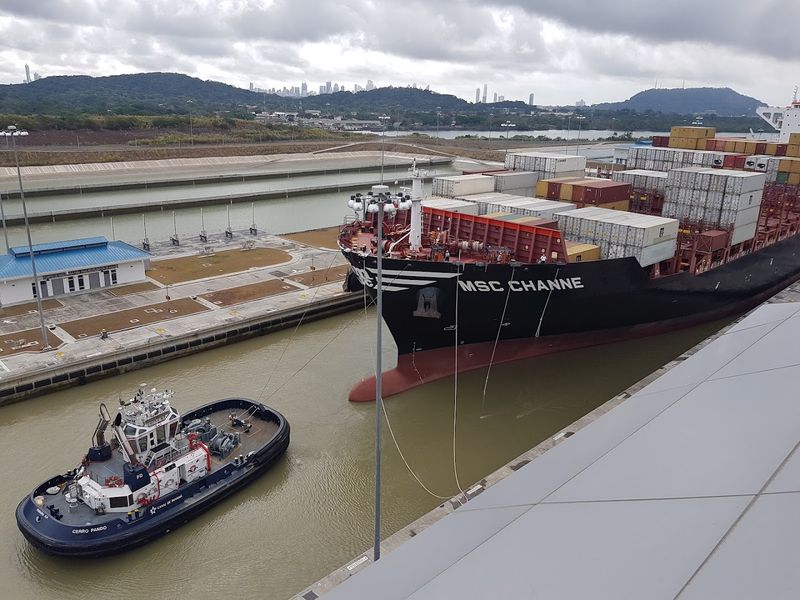
The original Panama Canal, opened in 1914, was already considered one of the greatest engineering achievements in history. So when engineers decided to expand it a century later, the pressure to deliver something equally impressive was enormous.
The Panama Canal Expansion, completed in 2016, added a brand-new set of locks that can handle ships nearly three times larger than the originals could accommodate.
The new Neopanamax locks are each 427 meters long and 55 meters wide — big enough to fit the entire Empire State Building laid on its side inside one chamber. Water-saving basins recycle 60 percent of the water used in each transit, reducing the freshwater demand significantly.
The expansion took nine years and cost approximately 5.25 billion dollars to complete.
Before the expansion, many of the world’s largest container ships simply couldn’t use the canal and had to take much longer routes around South America. Now, over 14,000 vessels pass through annually, carrying everything from grain and cars to natural gas and electronics.
The expanded canal has reshaped global shipping routes and trade economics in ways still being fully understood. It is infrastructure as world-changer — unglamorous in name, extraordinary in impact.
Palm Jumeirah — Dubai, United Arab Emirates
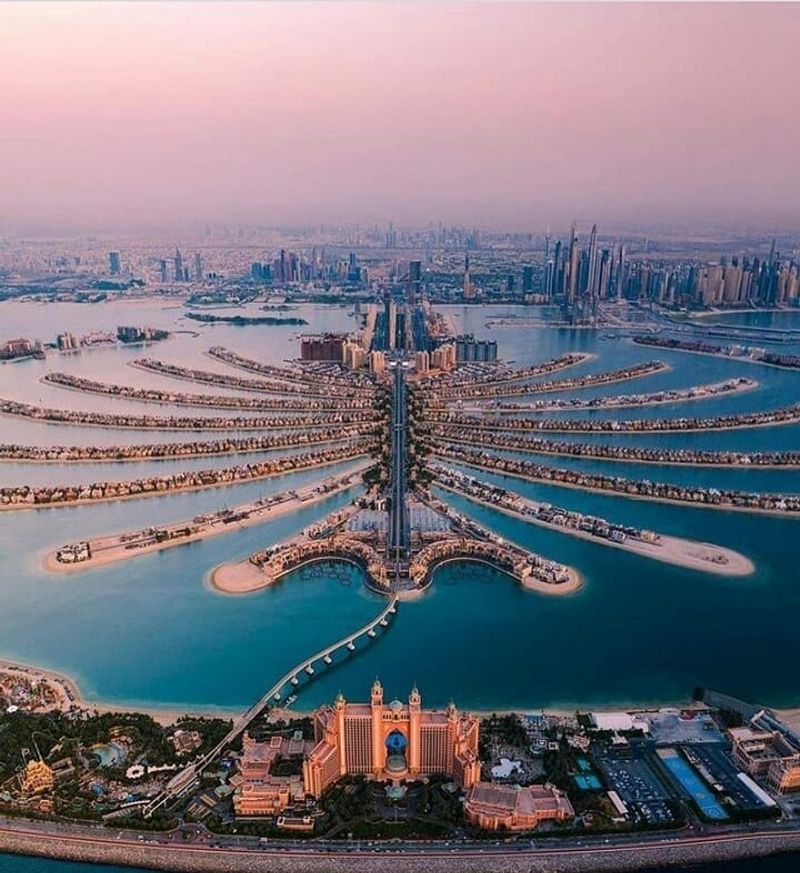
Someone in Dubai once looked at the ocean and thought: what if we built a palm tree in it? The result, Palm Jumeirah, is one of the most audacious land-reclamation projects in human history.
Visible from space with the naked eye, this artificial island extends 5 kilometers into the Persian Gulf and added 78 kilometers of new beachfront to Dubai’s coastline — a city that was already not short on ambition.
Construction began in 2001 using 94 million cubic meters of sand and 7 million tons of rock. Engineers used a technique called rainbowing — spraying sand from ships in carefully calculated arcs — to build the island to precise specifications without any permanent structures to anchor it.
A crescent-shaped breakwater surrounds the outer edge, protecting the palm’s fronds from wave erosion.
Today, Palm Jumeirah is home to over 20,000 residents, dozens of luxury hotels including the iconic Atlantis, and hundreds of restaurants and shops. The Monorail connecting the island to the mainland gives residents and tourists a scenic elevated ride across the water.
Critics raised valid concerns about marine ecosystem disruption during construction. Even so, Palm Jumeirah stands as one of the most staggeringly ambitious things one city has ever decided to build — and somehow actually finished.



