 Unearth The Voyage
The Balkans are calling, and your wallet will actually thank you for answering. While much of Europe continues to stretch travel budgets thin, this southeastern corner offers rich history, stunning coastlines, mountain adventures, and vibrant cities at prices that feel almost too good to be true.
From medieval fortresses to crystal-clear lakes, these fifteen destinations prove you don’t need to sacrifice experience for affordability in 2026.
Sarajevo, Bosnia & Herzegovina — Culture on a Budget
Sarajevo wraps you in layers of history the moment you step into its streets. Ottoman minarets rise alongside Austro-Hungarian facades, creating a skyline that tells stories of empires and resilience.
The city’s café culture thrives in every corner, where locals linger over Bosnian coffee that costs less than a fancy latte back home. Food here is ridiculously affordable and absolutely delicious.
You’ll find ćevapi, burek, and other hearty traditional dishes for just a few euros, while local beers and spirits won’t dent your budget. Accommodation options range from cozy guesthouses to modern hostels, all priced to keep your wallet happy for extended stays.
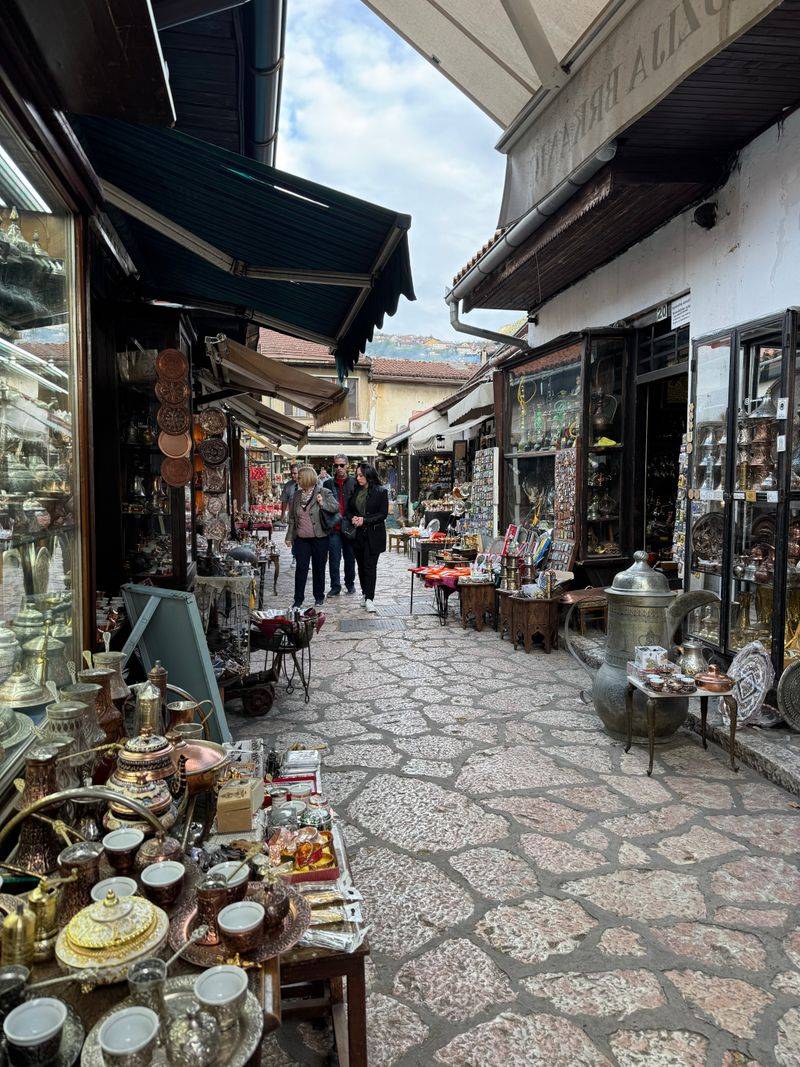
Museums like the War Tunnel and the Historic Museum offer profound insights into Bosnia’s complex past, with entry fees that are refreshingly modest. The Baščaršija bazaar invites endless wandering through copper shops and craft stalls without pressure to spend.
Sarajevo proves that profound cultural experiences don’t require deep pockets, just curiosity and an appetite for authentic connection.
Belgrade, Serbia — Urban Life With Wallet-Friendly Value
Energy pulses through Belgrade like nowhere else in the region. Serbia’s capital doesn’t sleep, doesn’t slow down, and definitely doesn’t empty your bank account.
The city’s legendary nightlife scene—floating river clubs called splavovi and underground bars—operates on prices that would make Western European clubbers weep with envy. Getting around costs practically nothing, with reliable trams, buses, and trolleys connecting every neighborhood.
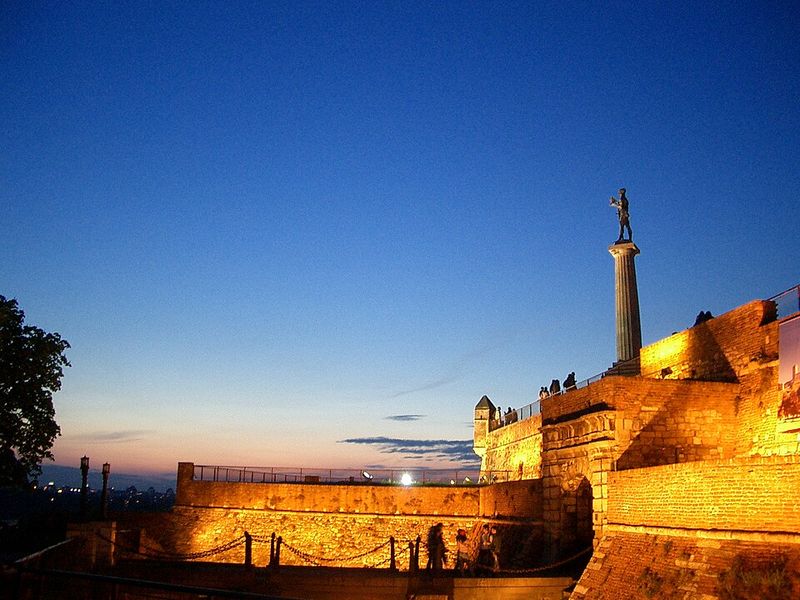
Kalemegdan Fortress sits majestically where the Sava meets the Danube, offering free panoramic views and centuries of history without an entrance fee. The fortress park becomes Belgrade’s living room, where locals picnic, stroll, and watch spectacular sunsets.
Food culture here celebrates hearty portions and honest flavors at honest prices. Traditional kafanas serve grilled meats, fresh salads, and local rakija in atmospheres thick with conversation and laughter.
Mid-range hotels and hostels deliver comfort and character for fractions of what you’d pay in Zagreb or Vienna. Belgrade rewards the budget traveler with authenticity, excitement, and warmth that money can’t actually buy.
Ohrid, North Macedonia — Lake Beauty on a Budget
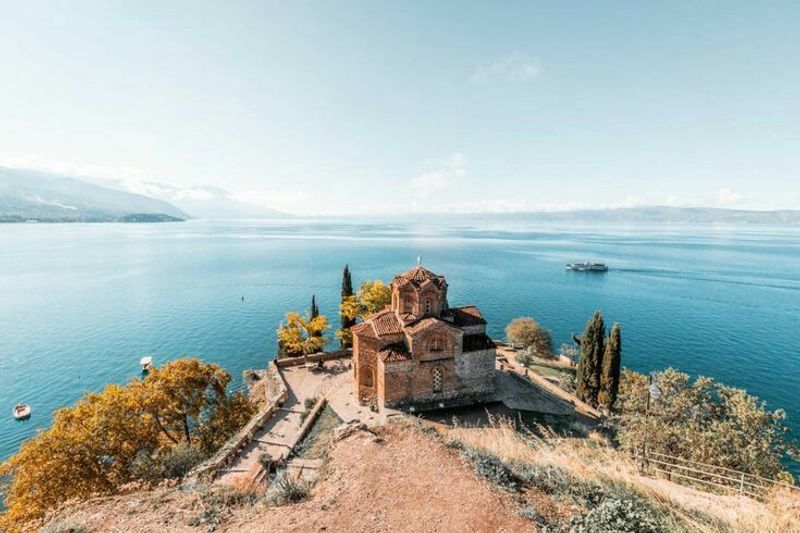
Ancient waters stretch before you, holding secrets from before recorded history began. Lake Ohrid is one of Europe’s oldest and deepest lakes, its shores dotted with Byzantine churches that have watched centuries pass.
The town itself cascades down hillsides in terracotta waves, where narrow lanes reveal hidden courtyards and family-run tavernas. Swimming, boating, and lakeside lounging come with price tags that seem almost apologetic compared to Italy’s Como or Switzerland’s Geneva.
Fresh trout caught that morning appears on your plate for less than a fast-food meal elsewhere. Accommodation options hug the waterfront and hillsides, offering stunning views without the usual lakeside premium.
The Church of St. John at Kaneo perches on a cliff above the water, providing Instagram-worthy scenes for the price of a short walk. Ohrid’s ancient theater still hosts performances under stars that have shone on this same spot for millennia.
Entry fees to historical sites remain remarkably low, making cultural exploration accessible to every traveler. North Macedonia’s gem sparkles brightest for those who appreciate beauty without the markup.
Mostar, Bosnia & Herzegovina — Historic Charm Under Budget
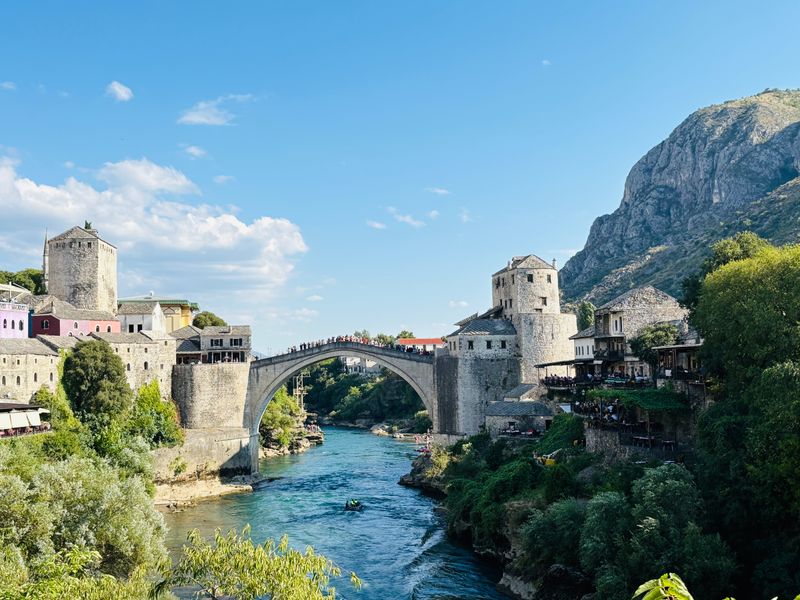
That iconic bridge steals your breath before you even reach it. The Stari Most arches gracefully over the Neretva River’s emerald waters, reconstructed stone by stone after war destroyed the Ottoman original.
Brave divers plunge from its apex into the cold river below, a tradition that draws crowds but costs nothing to witness. Mostar’s old bazaar unfolds in cobblestoned lanes where copper craftsmen hammer traditional designs and vendors sell pomegranate juice squeezed fresh before your eyes.
Meals here deliver generous portions of Balkan classics—stuffed peppers, grilled meats, flaky pita—at prices that encourage you to try everything. Local guesthouses offer authentic hospitality and comfortable beds without the international hotel chains’ inflated rates.
Beyond the bridge, the old town reveals layers of Ottoman architecture, mosques with slender minarets, and stone houses clinging to hillsides. Walking tours through these historic quarters cost considerably less than similar experiences in Dubrovnik or Kotor.
Day trips to nearby Kravice waterfalls or the dervish house in Blagaj extend your adventure without straining your budget. Mostar packages profound beauty and resilient history into an affordable, unforgettable experience.
Plovdiv, Bulgaria — Ancient History for Less
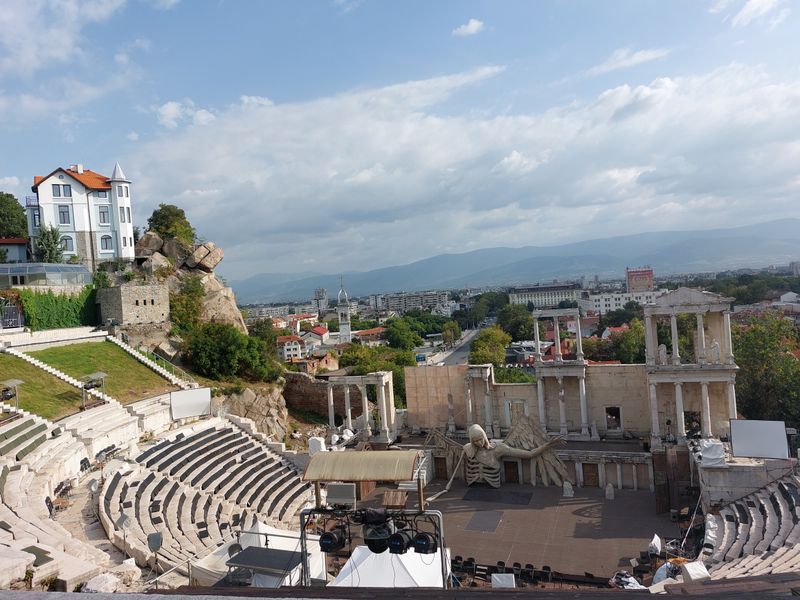
Romans built a theater here that still echoes with performances two thousand years later. Plovdiv’s ancient amphitheater sits perfectly preserved in the heart of the city, hosting concerts and plays under open skies while modern life buzzes in the streets below.
Bulgaria’s second city wears its age proudly, layering Roman ruins with medieval churches and Ottoman mosques. The old town climbs steep hills in a riot of colorful Revival-era houses, their distinctive architecture now housing galleries, cafés, and boutique shops.
Artists have claimed entire neighborhoods, transforming Kapana district into a creative hub thick with murals, craft workshops, and experimental restaurants. Coffee culture thrives here, with specialty roasters and cozy cafés charging prices that would barely cover a to-go cup in Western capitals.
Bulgaria consistently ranks among Europe’s most budget-friendly destinations, and Plovdiv exemplifies why. Museum entry fees hover around a couple of euros, traditional taverns serve multi-course meals for less than ten, and accommodation ranges from hostels to boutique hotels at accessible rates.
The city’s compact center makes walking the best transportation, saving money while revealing hidden courtyards and unexpected vistas around every corner.
Tirana, Albania — Capital With Authentic Flavor
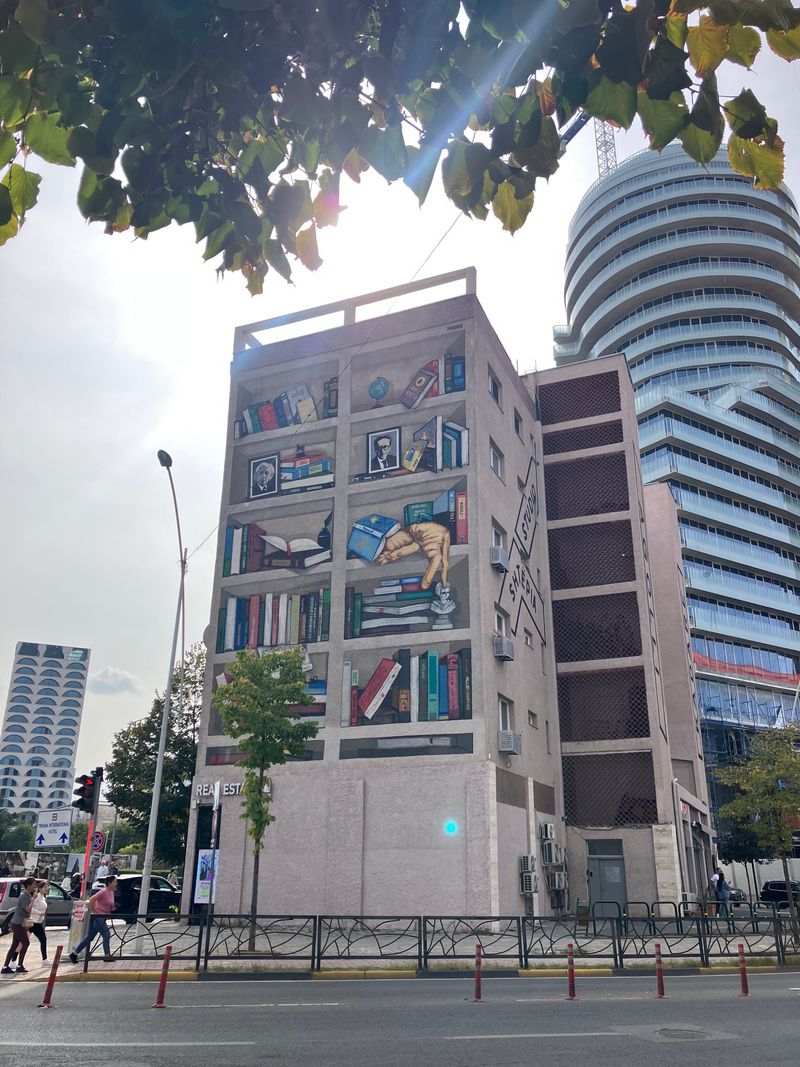
Buildings explode with color in Albania’s capital, their facades painted in bold patterns that refuse to let you look away. Tirana shakes off its communist past with vibrant energy, transforming former bunkers into art spaces and grey boulevards into pedestrian zones lined with cafés.
Skanderbeg Square anchors the city, surrounded by museums, mosques, and the distinctive pyramid-shaped former museum. Albania consistently surprises travelers with how far their money stretches.
Traditional byrek pastries cost pocket change, full restaurant meals with drinks rarely break ten euros, and espresso culture rivals Italy’s at a fraction of the price. The city’s museums tell compelling stories of Albania’s isolated communist era and ancient Illyrian roots, with entry fees that barely register as expenses.
Markets burst with fresh produce, spices, and local cheeses, while newer neighborhoods showcase Tirana’s rapid modernization alongside Ottoman-era landmarks. Public transportation costs almost nothing, though the compact center makes walking perfectly practical.
Tirana serves as an affordable base for exploring Albania’s beaches, mountains, and archaeological sites, but the capital itself rewards those who linger with authentic experiences, warm hospitality, and prices that feel like stepping back in time.
Berat, Albania — UNESCO Beauty on a Budget
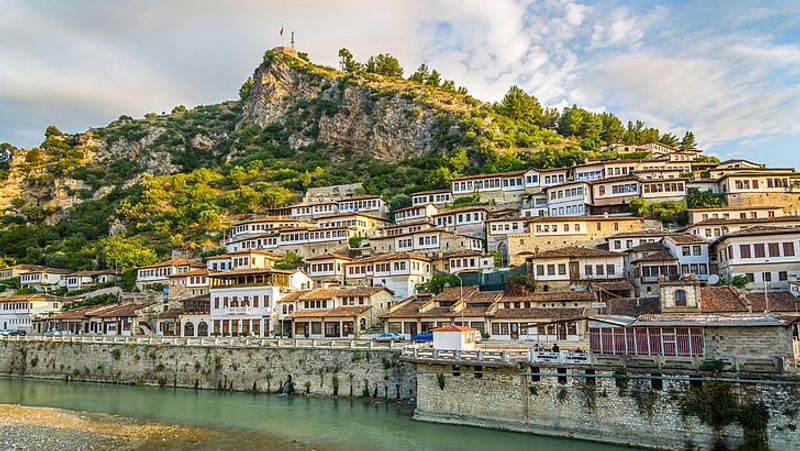
Windows climb the hillside in impossible numbers, their white frames gleaming against stone walls. Berat earned its nickname honestly—the Town of a Thousand Windows—as Ottoman-era houses stack up the slopes like architectural honeycombs.
UNESCO recognized this visual symphony, but the town hasn’t used that status to inflate prices like so many heritage sites do. The fortress crowning Berat’s hill remains a living neighborhood where families still occupy ancient houses within Byzantine walls.
Churches hide medieval frescoes, while the climb up rewards you with sweeping valley views and the satisfaction of free exploration. Guesthouses throughout the old quarters offer authentic Albanian hospitality, home-cooked meals, and comfortable rooms at rates that encourage extended stays.
Local restaurants serve traditional dishes like tavë kosi and fërgesë with generous portions and modest checks. The riverside promenade invites evening strolls past Ottoman bridges and beneath the illuminated hillside houses.
Berat’s charm lies partly in what it hasn’t become—a tourist trap where prices rise with visitor numbers. Instead, it remains genuinely affordable, genuinely welcoming, and genuinely beautiful, making it essential for budget-conscious travelers seeking UNESCO-worthy experiences without the usual premium.
Kotor, Montenegro — Coastal Views Without Coastal Prices
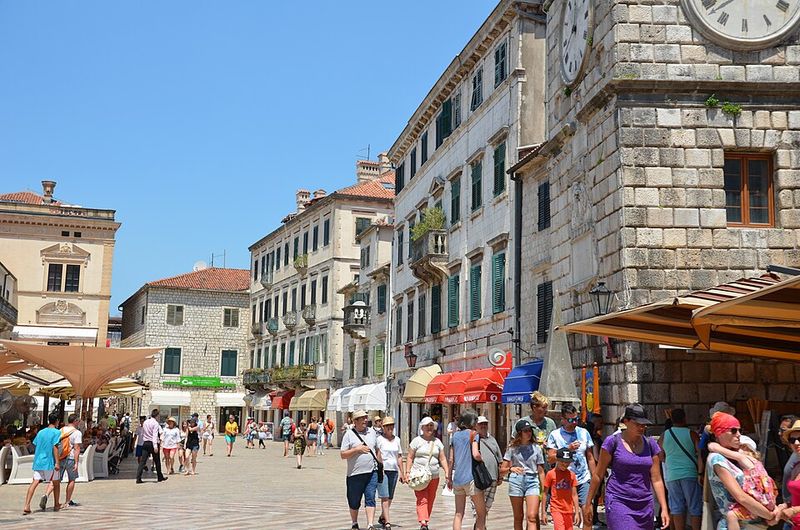
Mountains plunge into water so blue it seems photoshopped, but this dramatic scenery costs nothing to admire. Kotor Bay rivals Norway’s fjords for sheer natural drama, yet Montenegro’s Adriatic coast operates on Balkan pricing rather than Scandinavian rates.
The medieval old town huddles within Venetian walls, its maze of lanes and squares preserved like a stone time capsule. Walking Kotor’s fortress walls challenges your calves with 1,350 steps climbing the mountainside behind town.
The effort rewards you with panoramic views over the bay’s serpentine waters and tile-roofed buildings far below. Entry costs a few euros, a bargain for one of Europe’s most spectacular vantage points and a workout that saves gym fees.
Summer brings crowds and higher prices, but shoulder seasons—spring and fall—deliver pleasant weather and significant savings on accommodation and dining. Local konobas serve fresh seafood, grilled meats, and Montenegrin wines at prices well below what you’d encounter in Croatia’s Dubrovnik, just up the coast.
Kotor’s compact old town makes exploration easy on foot, while the bay’s other villages and beaches remain accessible by cheap local buses. Mediterranean beauty meets affordability where mountains meet the sea.
Zadar, Croatia — Adriatic History Without High Costs
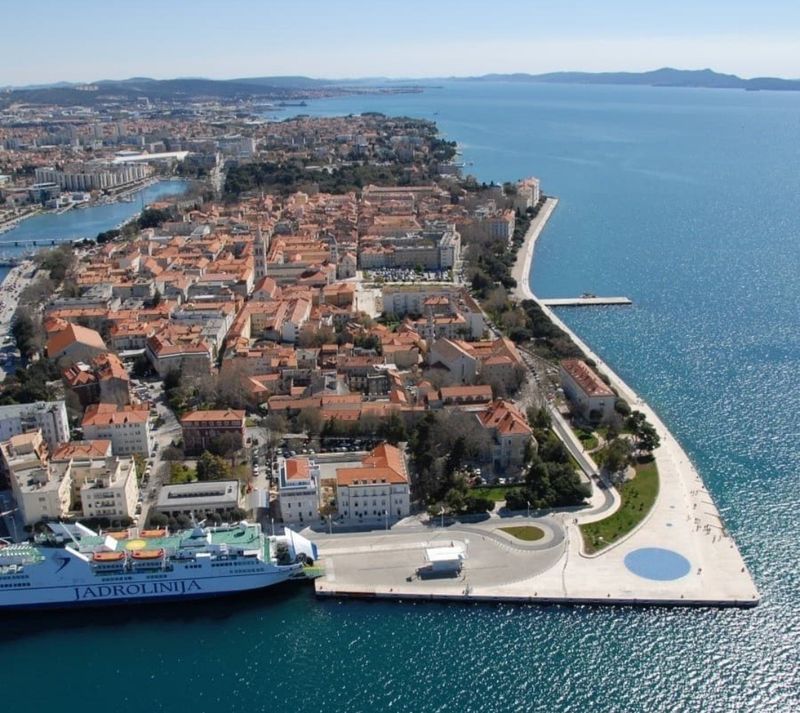
Waves create music here, pushing air through underwater pipes to produce haunting melodies. Zadar’s Sea Organ turns the waterfront into an instrument played by the Adriatic itself, while nearby, the Sun Salutation installation transforms solar energy into a lightshow after dark.
Both attractions cost absolutely nothing, yet they’ve become symbols of the city’s creative spirit. Croatia gained a reputation for rising prices, especially along its tourist-heavy coast, but Zadar remains refreshingly affordable compared to Split or Dubrovnik.
Visit outside peak summer months and you’ll find excellent deals on apartments and hotels, plus shorter lines at Roman ruins and medieval churches. The old town occupies a peninsula jutting into the sea, its marble streets polished by centuries of footsteps.
Roman forums, Byzantine churches, and Venetian gates layer history throughout compact, walkable neighborhoods. Local konobas tucked down side streets serve Dalmatian specialties—black risotto, grilled fish, peka—at prices that don’t assume you’re on a cruise ship schedule.
Zadar’s location makes it a perfect base for exploring nearby Plitvice Lakes or Kornati Islands without paying premium coastal accommodation rates. Sunsets here have legendary status, best viewed from the waterfront with gelato in hand and money still in your pocket.
Skopje, North Macedonia — Capital Culture With Value
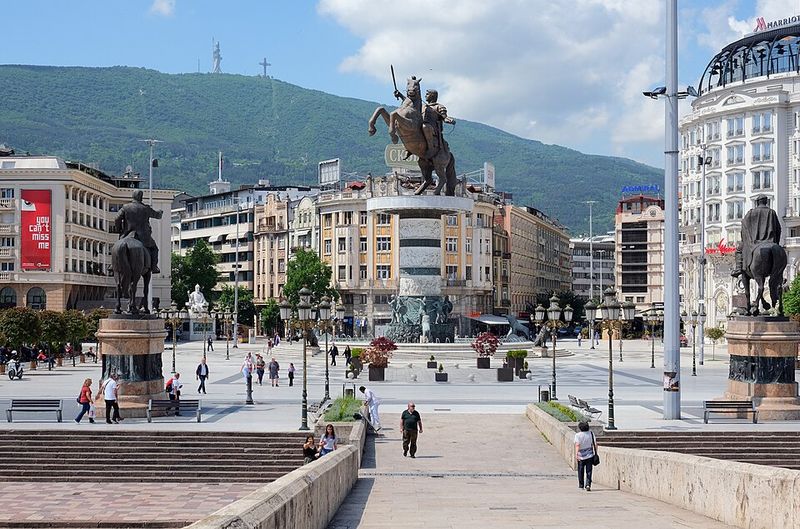
Statues dominate this capital in numbers that border on surreal. Skopje’s recent makeover added monuments, fountains, and neoclassical facades in a controversial transformation that divided opinions but certainly created visual drama.
The Stone Bridge arches over the Vardar River, connecting the modern center with the Ottoman-era Old Bazaar, where lanes twist between mosques, caravanserais, and craft workshops. North Macedonia’s affordability extends throughout its capital, where meals at traditional taverns cost a fraction of European averages.
The Old Bazaar invites hours of wandering through spice shops, jewelry stalls, and tea houses serving Turkish coffee with lokum sweets. Skopje’s fortress crowns a hill overlooking the city, offering free entry and excellent views over the eclectic architectural mix below.
Museums covering everything from Macedonian struggle to contemporary art charge minimal admission, while the Holocaust Memorial Center provides powerful education at no cost. Street food culture thrives here—grab a grilled kebab or burek pastry from vendors who’ve perfected their recipes over decades.
Public transportation runs efficiently and cheaply, though the compact center makes walking perfectly practical. Skopje may not be conventionally beautiful, but it’s undeniably interesting, surprisingly affordable, and genuinely welcoming to curious travelers.
Sofia, Bulgaria — Urban Life With Low Costs
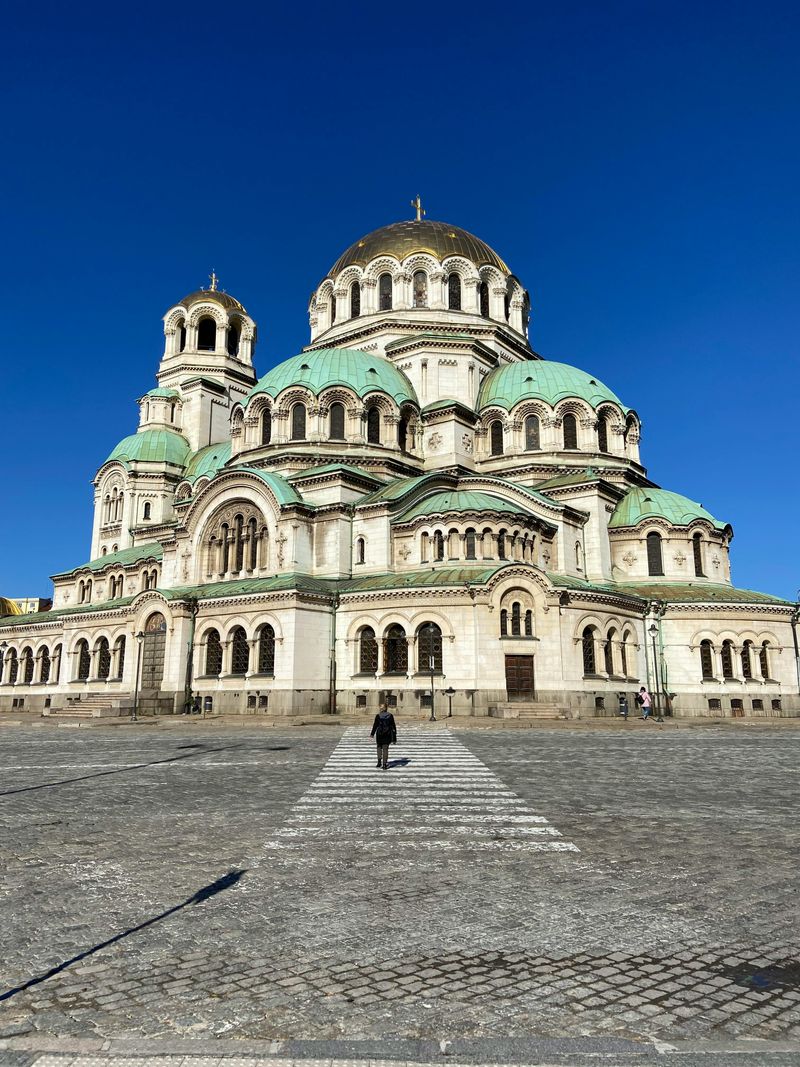
Golden domes catch morning light above Bulgaria’s capital, where the Alexander Nevsky Cathedral dominates the skyline with Byzantine grandeur. Sofia blends layers of history casually—Roman ruins sit beneath modern streets, Soviet monuments share squares with Ottoman mosques, and the nearby Vitosha Mountain provides a dramatic backdrop to urban life.
This mix creates a capital that feels substantial yet refreshingly unpretentious. Bulgaria’s cost-friendly reputation shines brightest in Sofia, where even tourist-oriented restaurants charge prices that would barely cover appetizers elsewhere.
The city’s public transportation system—metro, trams, and buses—costs pocket change, connecting neighborhoods efficiently. Museums like the National History Museum and the Archaeological Museum house impressive collections with entry fees around three to five euros.
Sofia’s nightlife thrives in underground clubs, rooftop bars, and traditional taverns where live folk music accompanies your meal. The city’s parks and gardens provide green spaces for free relaxation, while nearby hiking trails on Vitosha offer mountain air and views just a short bus ride away.
Markets throughout the city sell fresh produce, cheeses, and baked goods at prices that make self-catering incredibly economical. Sofia delivers capital city culture, convenience, and energy without the financial strain typical of European urban destinations.
Budva (Off-Peak), Montenegro — Beach Town Bargains
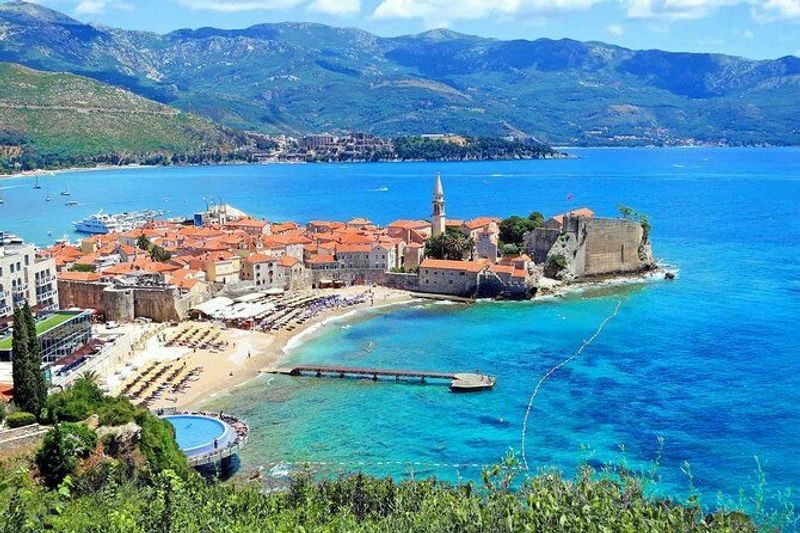
Summer transforms Budva into a crowded beach party where prices climb with temperatures. But visit during shoulder seasons—late spring or early fall—and you’ll discover a completely different town.
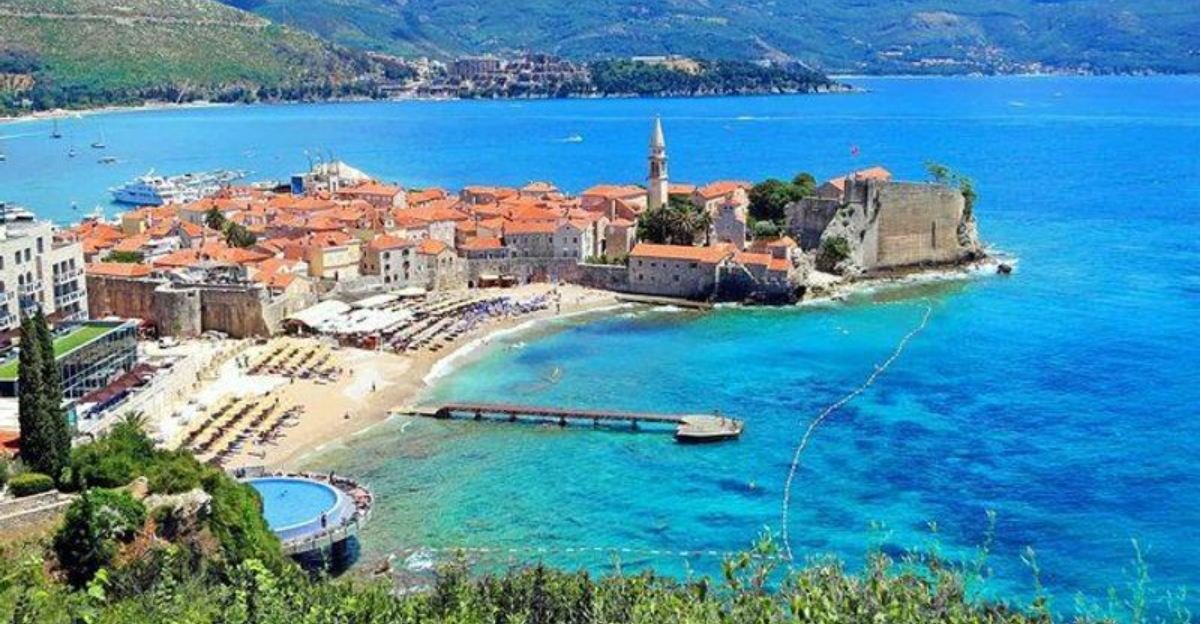
The medieval citadel still guards its peninsula, beaches still curve along turquoise waters, and the coastal promenade still invites sunset strolls, but without the summer crowds and inflated rates. Off-peak Budva offers accommodation deals that make extended stays tempting, with sea-view apartments and boutique hotels dropping rates significantly.
Restaurants catering to summer tourists suddenly compete for your business with reasonable prices and attentive service. The old town’s maze of stone lanes, small churches, and harbors retain all their charm without the shoulder-to-shoulder tourist traffic.
Montenegro’s Adriatic coast rivals Croatia’s in beauty but generally undercuts it in price, especially outside peak season. Beach clubs and water sports operators offer discounts, while boat trips to nearby islands and coves become more affordable and less crowded.
The weather remains pleasant through May and September, with warm days perfect for swimming and exploring. Budva demonstrates how timing transforms affordability—same stunning location, same medieval atmosphere, dramatically different price tag when you choose your dates wisely.
Split (Shoulder Season), Croatia — Split Without the Splurge
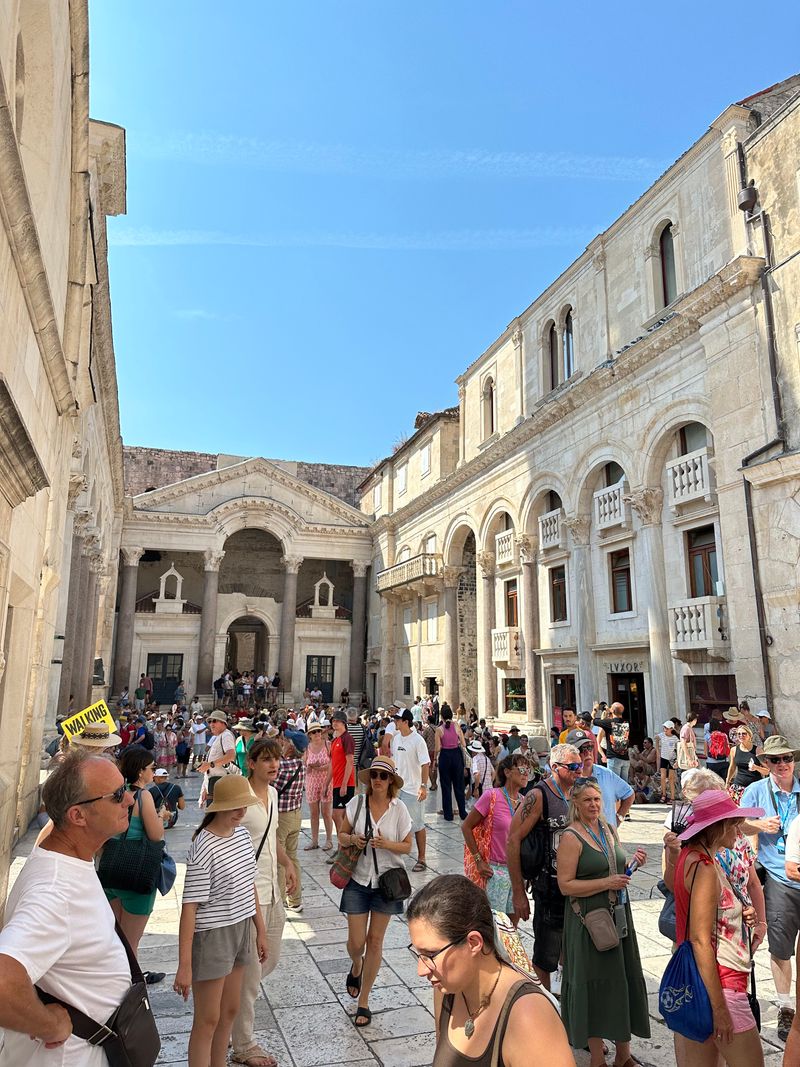
A Roman emperor built his retirement palace here, and now you can wander through it for free. Diocletian’s Palace forms the living heart of Split, its ancient walls and cellars now housing shops, restaurants, and apartments where locals actually live.
Summer sees the palace and waterfront promenade packed with cruise ship crowds and corresponding prices, but shoulder seasons tell a different story. Visit Split in April, May, September, or October, and you’ll find the city at its best—warm weather, manageable crowds, and significantly lower accommodation costs.
The Riva promenade still buzzes with café culture, but tables are actually available and prices drop noticeably. Markets selling fresh produce, local cheeses, and Dalmatian olive oil operate year-round with consistently reasonable prices.
Split serves as the gateway to Croatia’s islands, and shoulder season brings cheaper ferry tickets and better deals on island accommodation. The city’s beaches, including popular Bačvice, remain swimmable well into fall and warm up by late spring.
Museums, galleries, and the cathedral charge the same modest fees year-round, but without summer lines. Split proves that timing matters tremendously—the same coastal beauty and Roman history become dramatically more affordable when you avoid peak season crowds.
Bansko, Bulgaria — Budget Mountain Escape
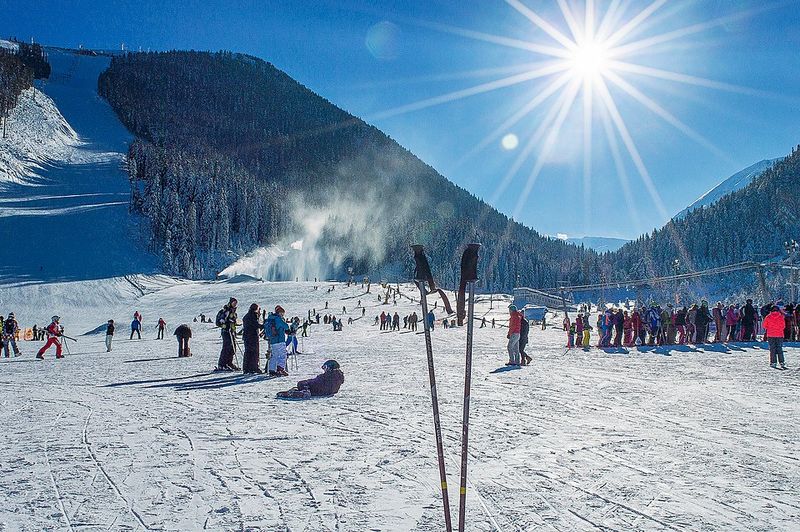
Powder falls on slopes where your money actually lasts. Bansko carved out a reputation as Europe’s most affordable ski destination, offering alpine experiences without the Swiss or Austrian price tags.
Lift passes, equipment rentals, and ski schools all cost considerably less here, while the slopes themselves deliver varied terrain suitable for beginners through advanced skiers. The old town preserves traditional Bulgarian architecture in stone houses and cobbled lanes that contrast sharply with the modern resort area.
Mehanas (traditional taverns) serve hearty mountain food—grilled meats, bean stews, local wines—at prices that encourage après-ski indulgence without guilt. Accommodation ranges from budget hotels to spa resorts, all priced well below Western European equivalents.
Beyond winter, Bansko transforms into a base for exploring Pirin National Park, where hiking trails wind through pristine forests and alpine meadows. Summer and fall bring wildflowers, clear mountain air, and even lower prices than ski season.
The town’s proximity to ancient sites and other Bulgarian attractions makes it useful year-round. Whether you’re carving turns in January or hiking ridges in July, Bansko delivers mountain experiences with Balkan affordability, proving you don’t need to choose between alpine beauty and budget consciousness.
Plitvice Outskirts & Zadar Riviera — Budget Nature Getaway
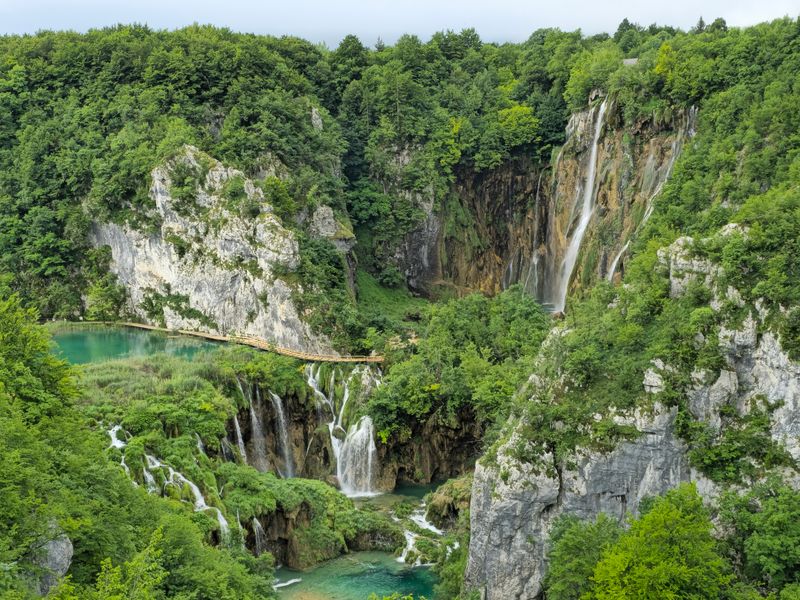
Waterfalls cascade in impossible numbers, connecting sixteen lakes in shades of turquoise that seem too vivid to be real. Plitvice Lakes National Park ranks among Europe’s most stunning natural sites, but peak season brings crowds and higher prices for both park entry and nearby accommodation.
The smart budget traveler’s solution lies in timing and location—visit off-peak and stay in surrounding villages rather than park-adjacent hotels. The Zadar Riviera’s small towns and villages offer affordable guesthouses and apartments within easy driving distance of Plitvice.
Spring and fall bring fewer visitors, lower accommodation rates, and nature at its most photogenic—spring wildflowers or autumn colors enhancing the lakes’ natural drama. Local families rent rooms in their homes for fractions of hotel costs, often including homemade breakfasts featuring local cheeses, honey, and bread.
Combining Plitvice with coastal Zadar creates an affordable nature-and-culture itinerary. Spend mornings hiking wooden walkways above crystal waters, afternoons exploring villages and sampling local cuisine, and evenings on Zadar’s waterfront watching the sun sink into the Adriatic.
This region proves that Croatia’s most famous natural wonder becomes accessible to budget travelers who plan strategically, choosing when and where to stay for maximum value.



