 Unearth The Voyage
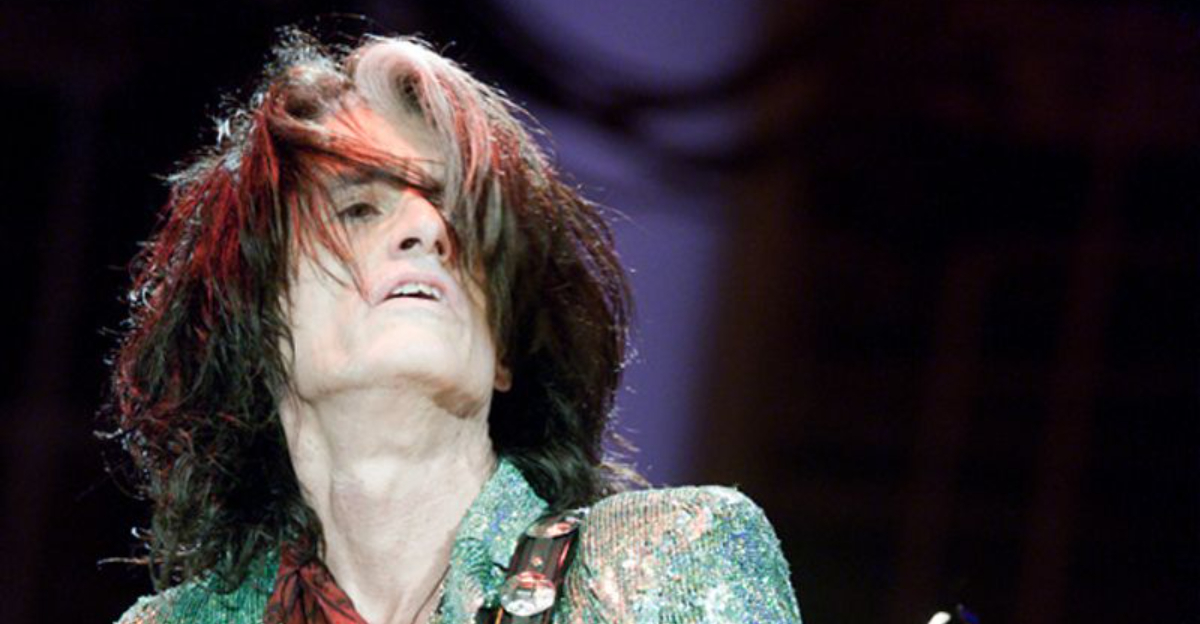
When a famous band breaks up or a member steps out on their own, fans expect big things. After all, if someone helped create some of the greatest music ever made, their solo work should be just as amazing, right?
But that is not always how it turns out. Many talented musicians have discovered that the magic of a great band is hard to recreate alone.
Ringo Starr (The Beatles)
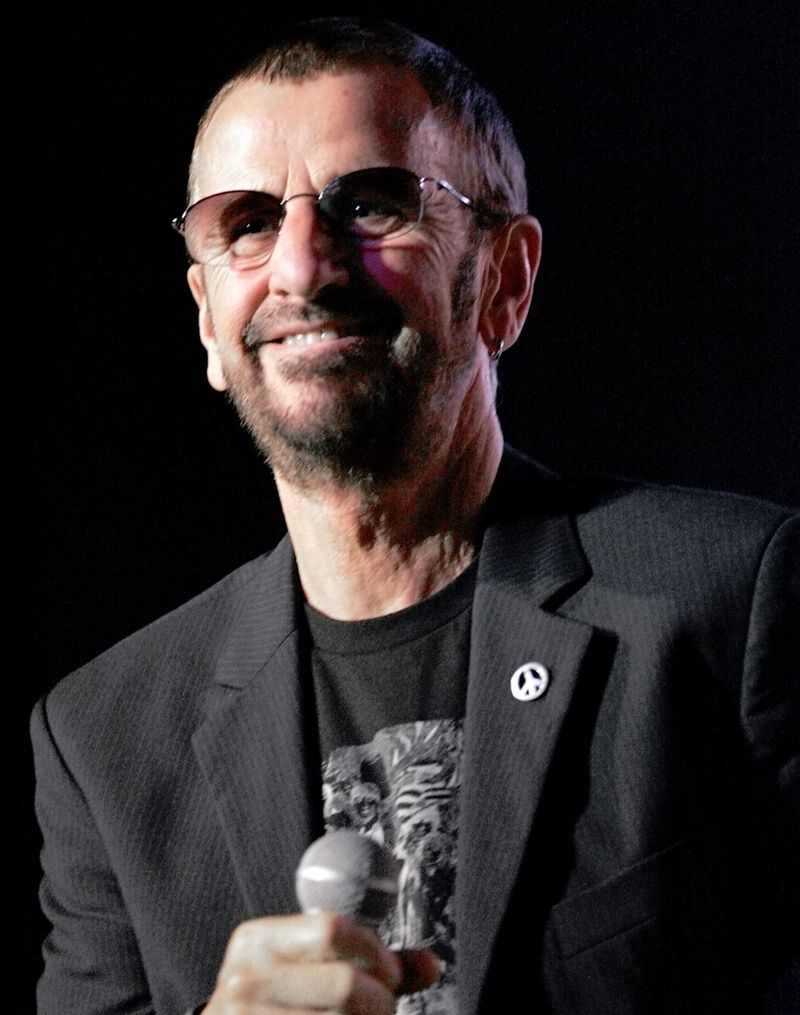
Being the drummer for the most famous band in history sets an almost impossible standard. Ringo Starr managed to score a genuine early solo hit with “Photograph” in 1973, and fans were genuinely excited about what might come next.
The song topped charts and showed real promise for a long solo run.
Over time, though, his output became more of a passion project than a pop force. His All-Starr Band tours attracted loyal fans, but mainstream chart success faded significantly after the mid-1970s.
Critics noted his charm but often pointed out the missing spark that made Beatles records feel timeless.
Ringo never seemed too bothered by the comparison, and he kept making music on his own terms. Still, measured against the Beatles catalog, almost anything would fall short.
His solo journey is a reminder that even genuine talent can be overshadowed by an extraordinary past.
Roger Daltrey (The Who)
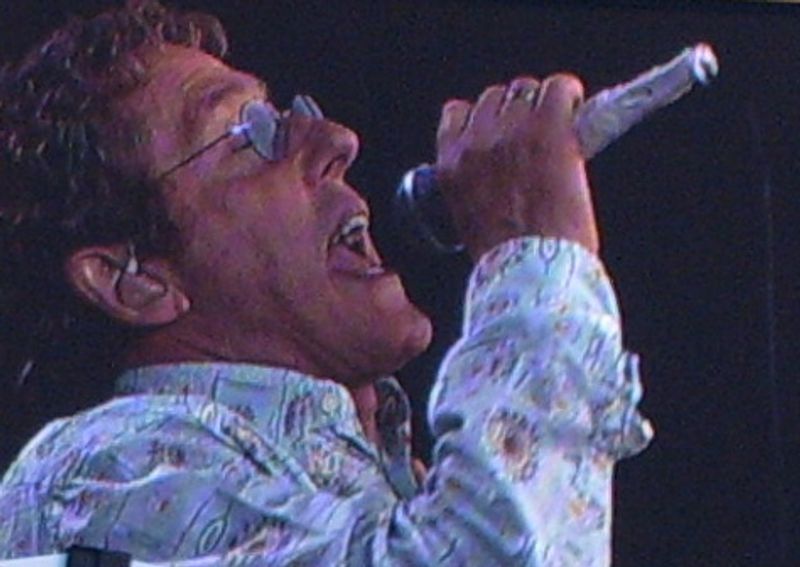
Roger Daltrey had one of rock’s most powerful voices, and when The Who were at their peak, he was untouchable as a frontman. So when he launched a solo career, the anticipation was real.
His 1973 debut album showed he could carry a record on his own, and the single “Giving It All Away” charted well in the UK.
But subsequent albums struggled to find the same footing. Without Pete Townshend’s sharp songwriting driving the material, Daltrey’s solo records often felt like they were missing something essential.
The emotional weight that made “Won’t Get Fooled Again” legendary simply did not transfer to his solo output.
He continued releasing music through the decades, and his acting work in the film “Tommy” earned praise. Yet his solo catalog never came close to matching The Who’s cultural footprint.
It turns out great voices still need great songs behind them to truly shine.
Pete Townshend (The Who)
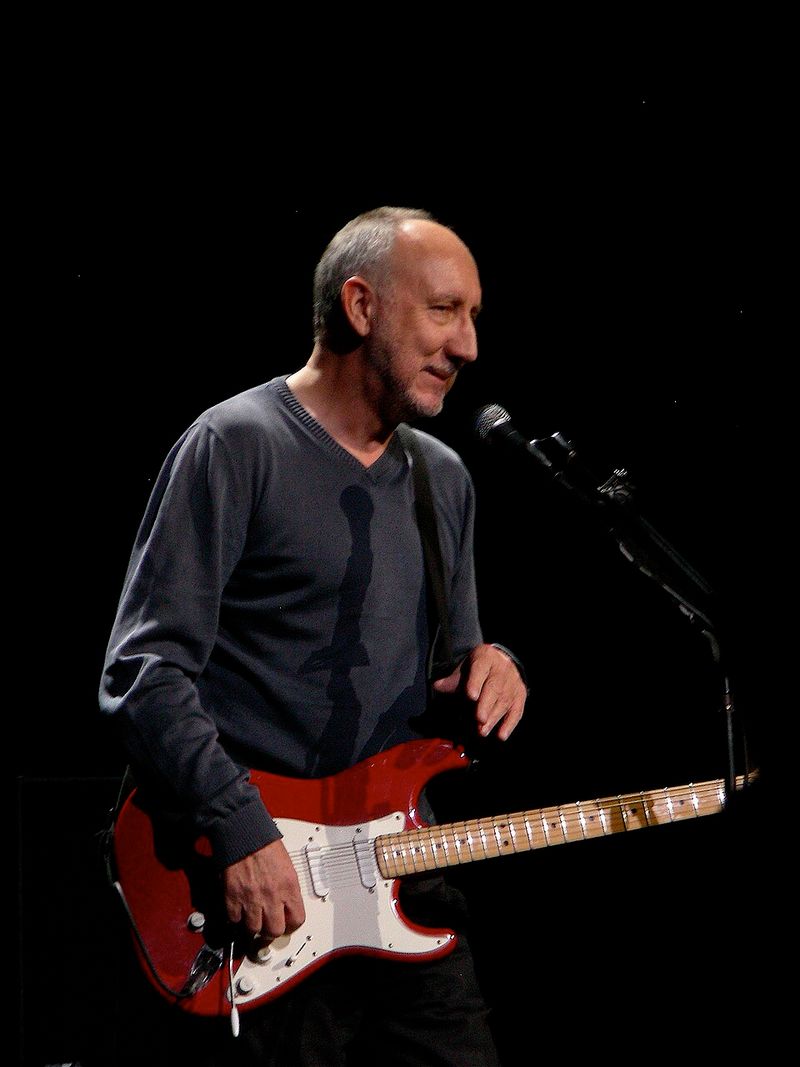
Pete Townshend wrote some of rock history’s most enduring songs, from “My Generation” to “Baba O’Riley,” so expectations for his solo work were sky-high. Critics did treat his albums with respect, especially “Empty Glass” from 1980, which received strong reviews and produced the minor hit “Let My Love Open the Door.”
Commercially, though, his solo records never matched the scale of The Who’s success. Townshend himself seemed more interested in artistic exploration than chasing radio hits, which earned him credibility but limited his mainstream reach.
His solo albums often felt like thoughtful experiments rather than crowd-pleasing blockbusters.
The contrast between his massive reputation and modest solo sales is striking. He remained a respected figure in rock circles and wrote a well-received memoir, but the albums rarely moved the needle the way fans hoped.
Sometimes the best songwriters are most powerful when working within a band’s creative tension.
Steven Tyler (Aerosmith)
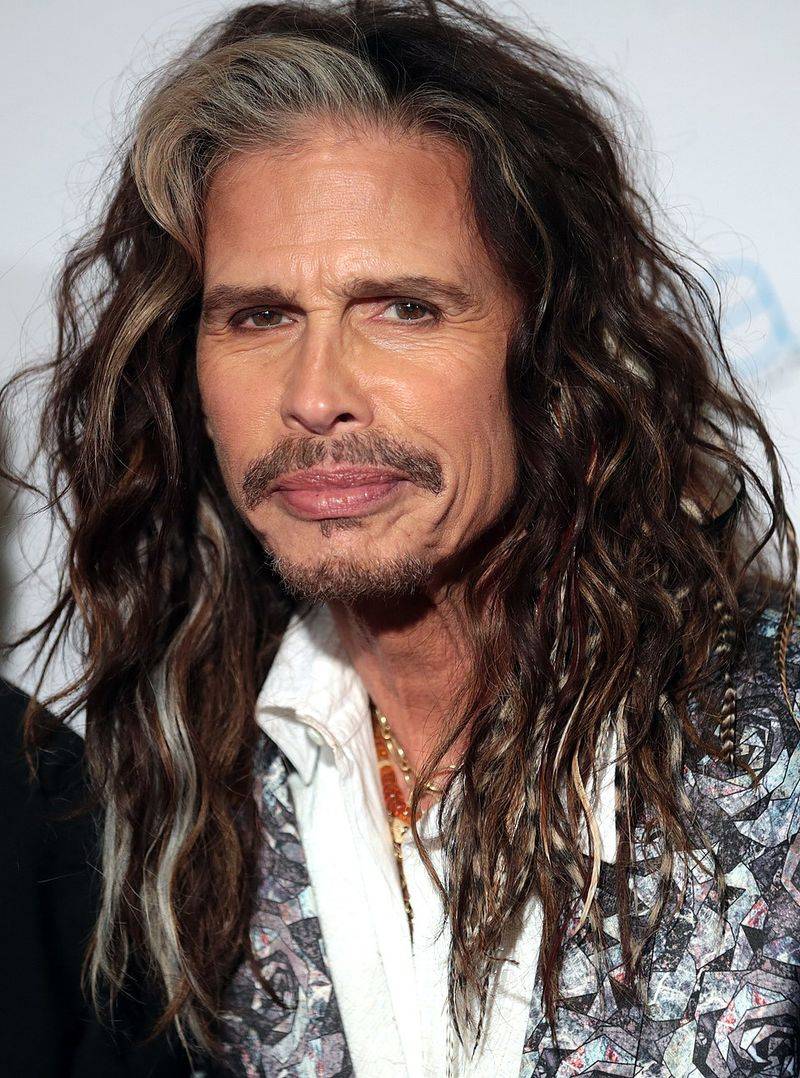
Few rock voices are as instantly recognizable as Steven Tyler’s. His wild energy and powerhouse screams helped make Aerosmith one of the best-selling rock bands of all time.
So when he announced a country-pop solo direction, it genuinely surprised a lot of people.
His 2016 single “Love Is Your Name” got some country radio airplay and showed he was serious about the pivot. But the reception was lukewarm at best.
Country fans were not fully sold, and rock fans felt a little confused about the direction. The debut country album never arrived as planned, leaving the project feeling incomplete.
Tyler eventually returned to Aerosmith, which probably tells you everything you need to know. His solo detour felt more like a curious footnote than a bold new chapter.
It was an interesting experiment, but it proved that his real power lived inside the Aerosmith machine, not outside of it.
Mick Jagger (The Rolling Stones)
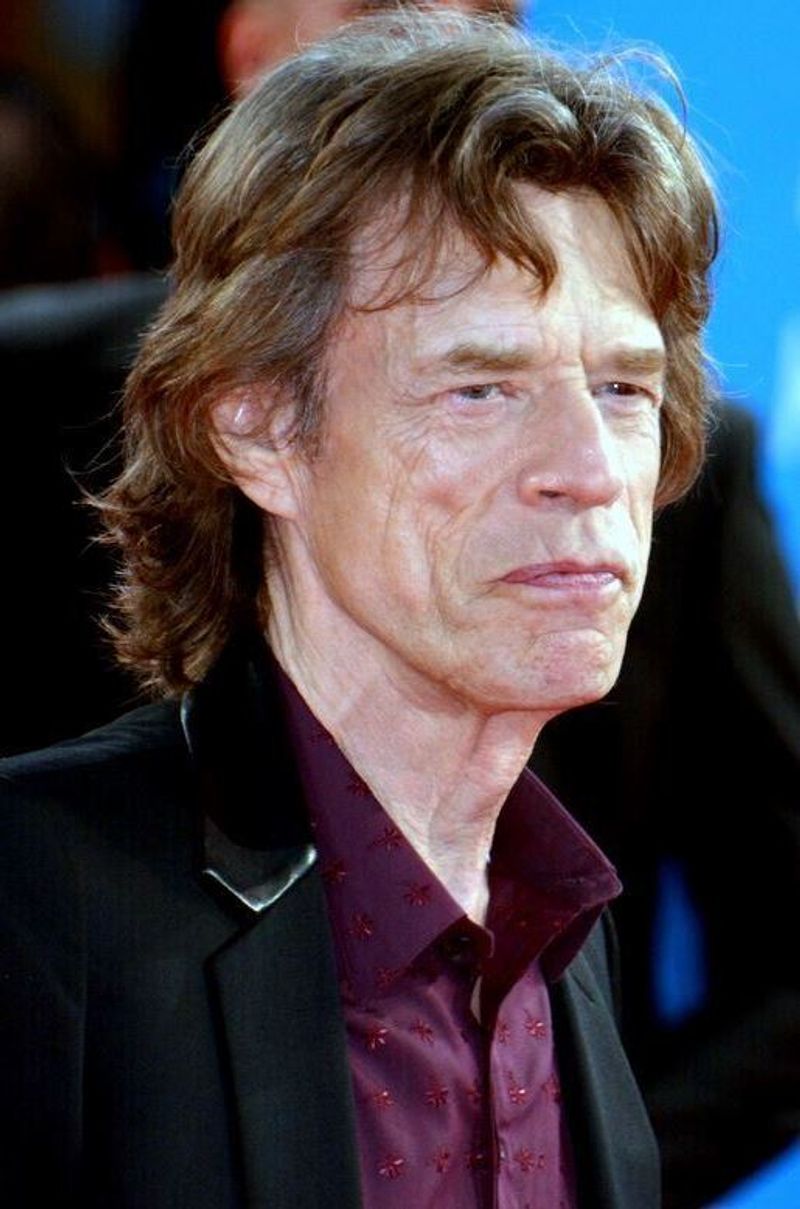
Mick Jagger is one of rock’s greatest performers, a true original with charisma that few artists have ever matched. When he released his first solo album “She’s the Boss” in 1985, it debuted with strong marketing and genuine curiosity from fans worldwide.
The record sold reasonably well and even produced a video that got MTV airtime.
But follow-up albums struggled to build on that momentum. Critics and fans noticed that the Stones’ chemistry was missing, and Jagger himself later admitted that the band’s collective energy was something he could not replicate alone.
Keith Richards famously called the solo project a distraction, and their public feud during that period was well documented.
Jagger released four solo studio albums in total, but none of them left a lasting cultural mark the way Stones records did. His solo work is competent and occasionally inspired, but it underlines how much the Stones are greater than any one member.
Keith Richards (The Rolling Stones)
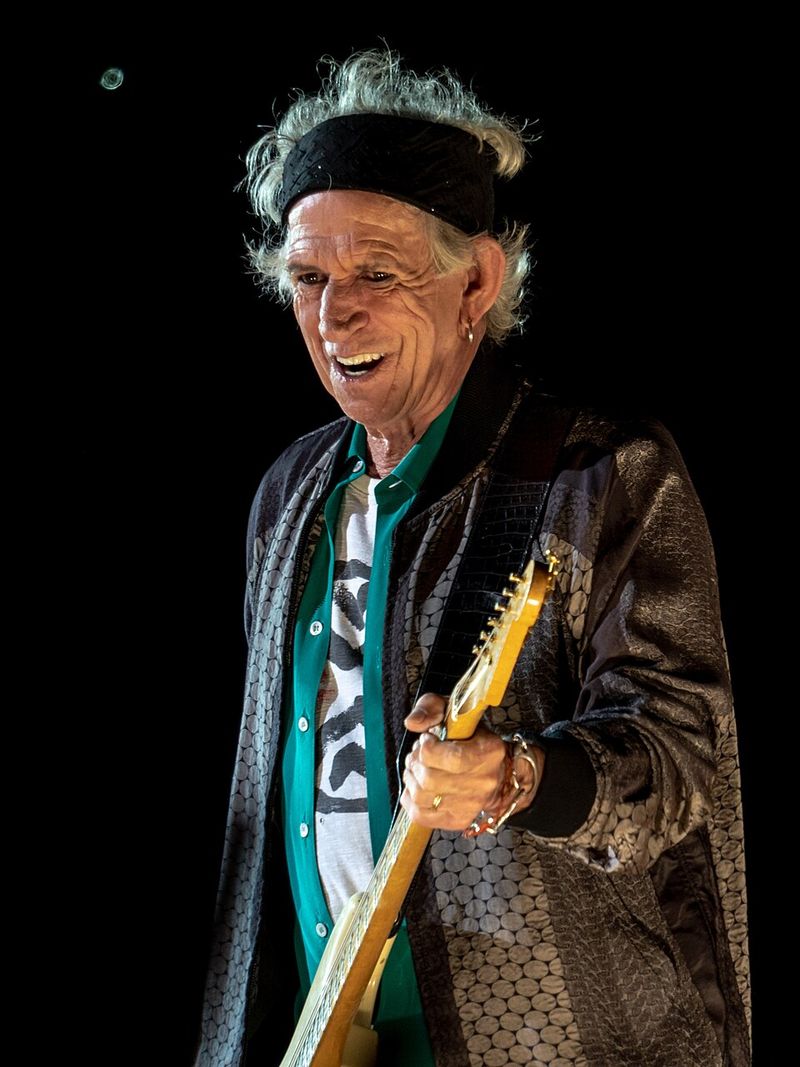
Keith Richards is rock royalty, the riff master behind some of the most iconic guitar lines ever recorded. When he finally released a solo album, “Talk Is Cheap” in 1988, the rock world paid close attention.
Critics actually praised it warmly, calling it raw, loose, and authentically Keith.
The problem was that mainstream audiences did not follow in large numbers. The album sold modestly but never cracked the top 20 in the US.
His cult following was devoted, but devotion does not always translate into chart dominance or long-term solo momentum.
A second solo album, “Main Offender,” arrived in 1992 and performed even more quietly. Richards seemed content with the results, but for someone of his legendary status, the commercial footprint was surprisingly small.
His story is a classic example of critical respect and commercial reality pulling in completely different directions. The Stones stage is simply where he belongs.
Dennis DeYoung (Styx)
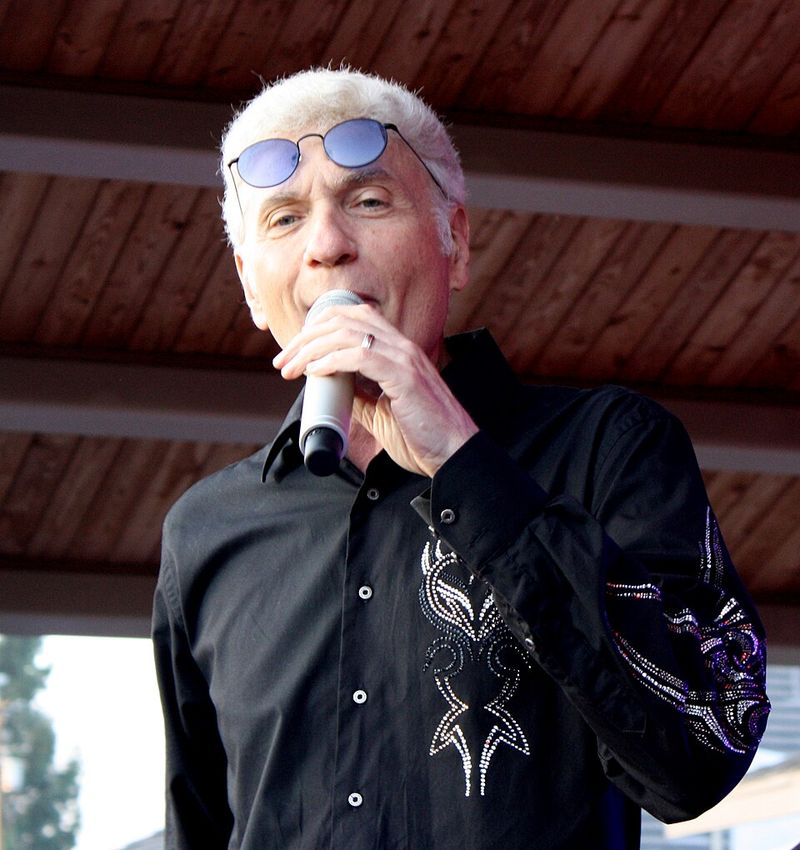
Dennis DeYoung was the emotional heart of Styx, writing and singing some of the band’s biggest arena anthems including “Come Sail Away” and “Babe.” When he went solo, fans expected a continued run of bombastic, hook-driven rock that could fill stadiums. His debut solo album “Desert Moon” in 1984 actually charted and produced a modest hit.
But the momentum did not last. Subsequent releases failed to recapture that early buzz, and his theatrical style started to feel out of step with changing musical trends.
The split from Styx also became messy and public, which complicated his reputation and limited reunion opportunities that might have boosted his profile.
DeYoung continued touring and performing Styx music, which kept him visible but also highlighted the gap between his solo work and the band’s legacy. Arena rock has a very specific energy, and it turns out that energy is much harder to generate with a solo act than with a full band behind you.
Art Garfunkel (Simon and Garfunkel)
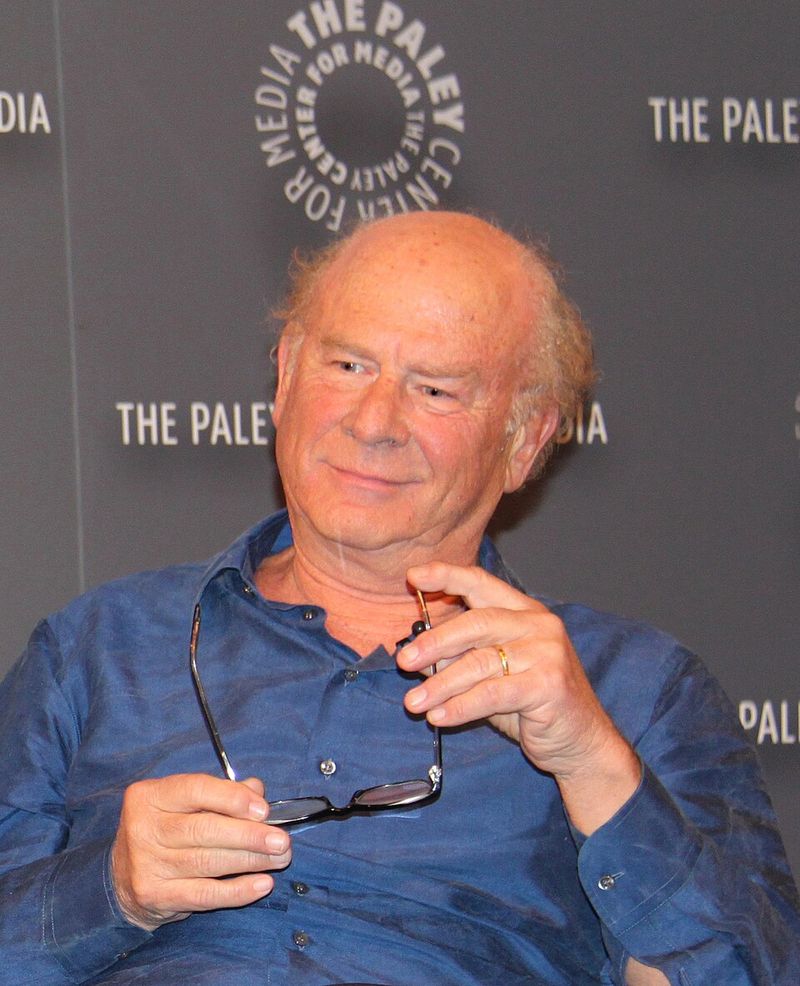
Art Garfunkel had one of the most beautiful voices in pop history, and the harmonies he created with Paul Simon felt genuinely magical. After their split, he launched a solo career that actually started well. “I Only Have Eyes for You” reached number one in the UK in 1975, and “Bright Eyes” from the Watership Down soundtrack was a massive hit in 1979.
Still, the overall solo arc never matched the emotional depth or cultural impact of the Simon and Garfunkel years. Critics often pointed out that without Simon’s exceptional songwriting, Garfunkel’s albums leaned heavily on covers and lacked original identity.
His voice remained stunning, but the material did not always match its quality.
By the 1980s, his chart presence had faded considerably. He has spoken openly about how the partnership with Simon brought out something in him that solo work simply could not replicate.
A gorgeous voice deserves equally great songs.
Don Henley (Eagles)
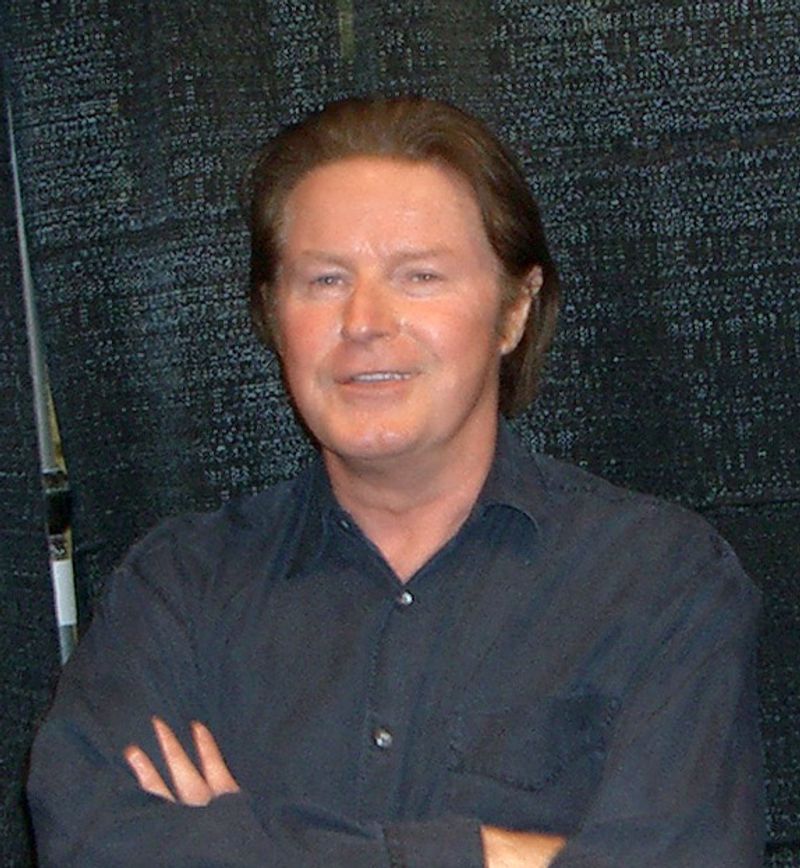
Don Henley’s solo career is probably the strongest on this list, which is exactly why his inclusion feels worth discussing. “Boys of Summer” is a certified classic, and “The End of the Innocence” showed real artistic depth. He proved he could write and perform at a high level without the Eagles around him.
But here is the thing: expectations after the Eagles were enormous, and Henley’s output slowed to a crawl after the early 1990s. Fans waited years between albums, and his 2000 release “Inside Job” arrived after an eleven-year gap.
The momentum that should have built never fully materialized.
His solo peak was genuinely impressive, but it was also relatively brief. When you are coming off a band that produced “Hotel California,” sustained excellence is the only acceptable standard.
Henley came close, but the overall solo body of work did not quite match the weight of that legacy.
Joe Perry (Aerosmith)
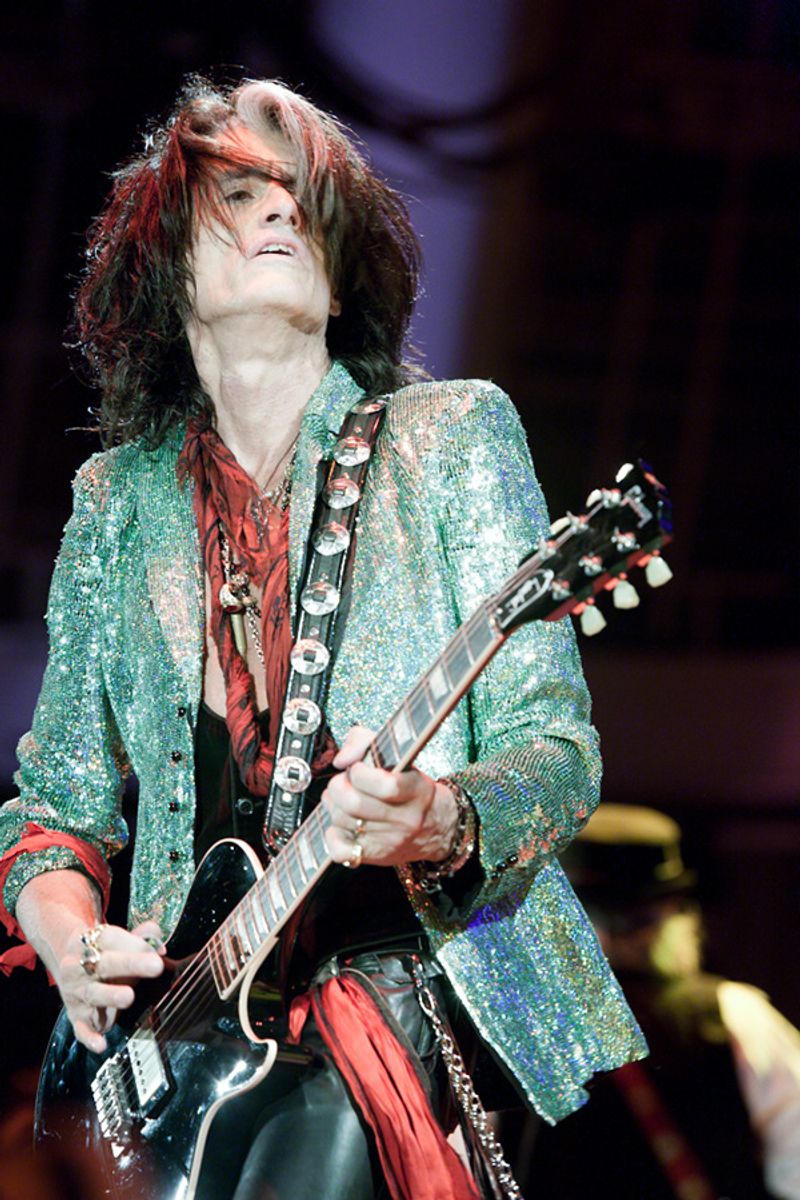
Joe Perry is one of rock’s most celebrated guitarists, and when he left Aerosmith in 1979 after internal tensions, he formed The Joe Perry Project with real ambition. The band released three albums and built a following among hardcore rock fans who respected Perry’s guitar work and wanted to see what he could do on his own.
Commercially, though, the project never came close to Aerosmith’s reach. None of the albums cracked the mainstream in any meaningful way, and the touring circuit remained far smaller than the arenas Aerosmith filled.
The band dissolved by 1983, and Perry eventually rejoined Aerosmith, which quickly became relevant again.
The reunion produced some of Aerosmith’s biggest commercial successes, making the solo years look even smaller by comparison. Perry’s story is a straightforward case of a musician discovering that his greatest creative outlet was the band he originally left.
Sometimes going back is the smartest move you can make.
Nick Lachey (98 Degrees)
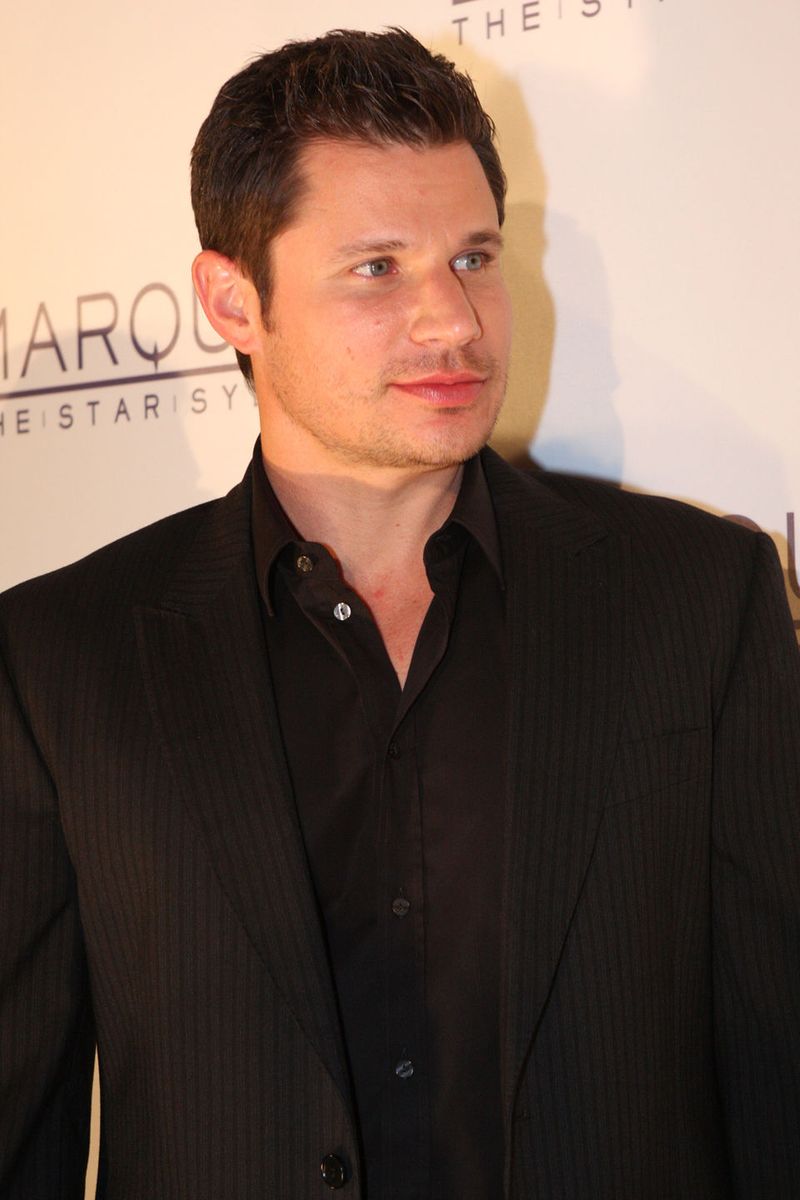
Nick Lachey was the face and voice of 98 Degrees, a boy band that competed seriously with NSYNC and Backstreet Boys during the late 1990s pop explosion. When the group went on hiatus, Lachey launched a solo career that got a real boost from his high-profile marriage to pop star Jessica Simpson, which played out on a popular MTV reality show.
His 2003 solo debut “SoulO” produced the single “This I Swear,” which performed modestly on the charts. But the follow-up album struggled to find traction, and by the mid-2000s his music career had stalled.
The reality TV spotlight helped his name recognition but did not translate into sustained record sales.
Lachey eventually found success as a television host, which suited his warm personality well. But as a solo recording artist, the promise of his 98 Degrees days never fully carried over.
Pop stardom is a narrow window, and it closed faster than expected.
JC Chasez (NSYNC)
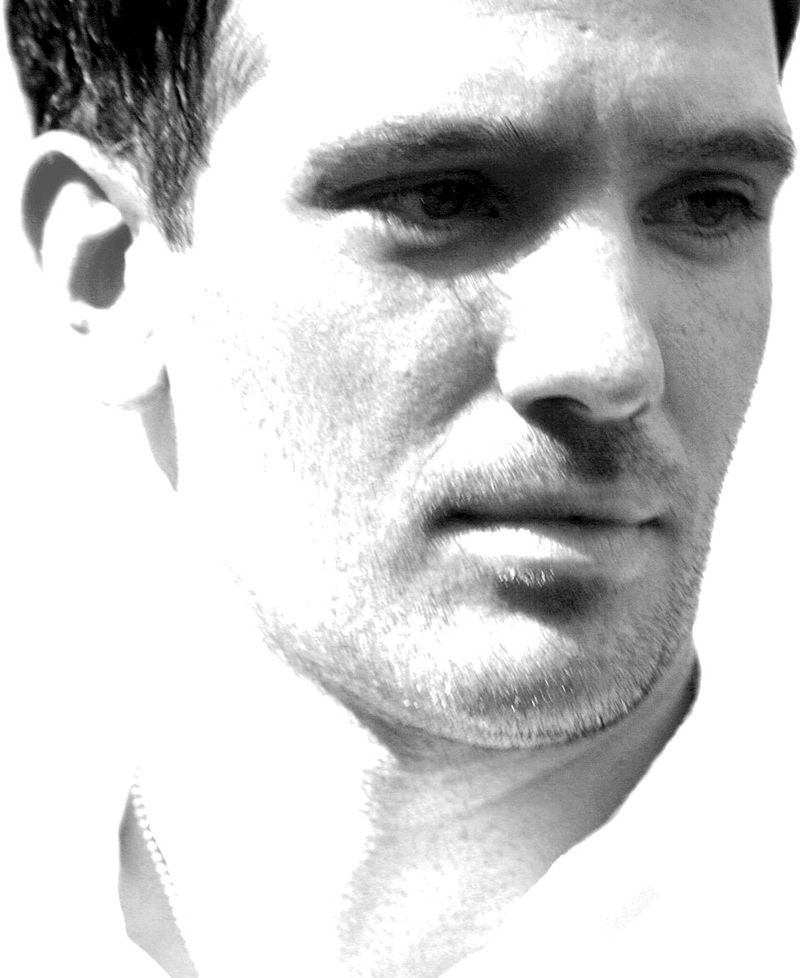
When NSYNC went on hiatus in 2002, most people expected the two frontmen to launch competing solo careers. Justin Timberlake moved quickly, releasing “Justified” later that year to massive acclaim.
JC Chasez took a bit longer, and the music world was watching to see if he could match his bandmate’s momentum.
His 2004 debut “Schizophrenic” got decent reviews for its adventurous production and Chasez’s vocal range, but it underperformed commercially in a big way. The lead single “Some Girls” received limited radio support, and the album sold far below expectations for a former member of one of the best-selling groups in pop history.
A second album was planned but never officially released, marking a quiet end to his major label run. Chasez remained active in the industry as a songwriter and producer, but his moment as a solo pop star passed quickly.
The comparison to Timberlake’s trajectory made the gap feel even wider.
Ashley Parker Angel (O-Town)
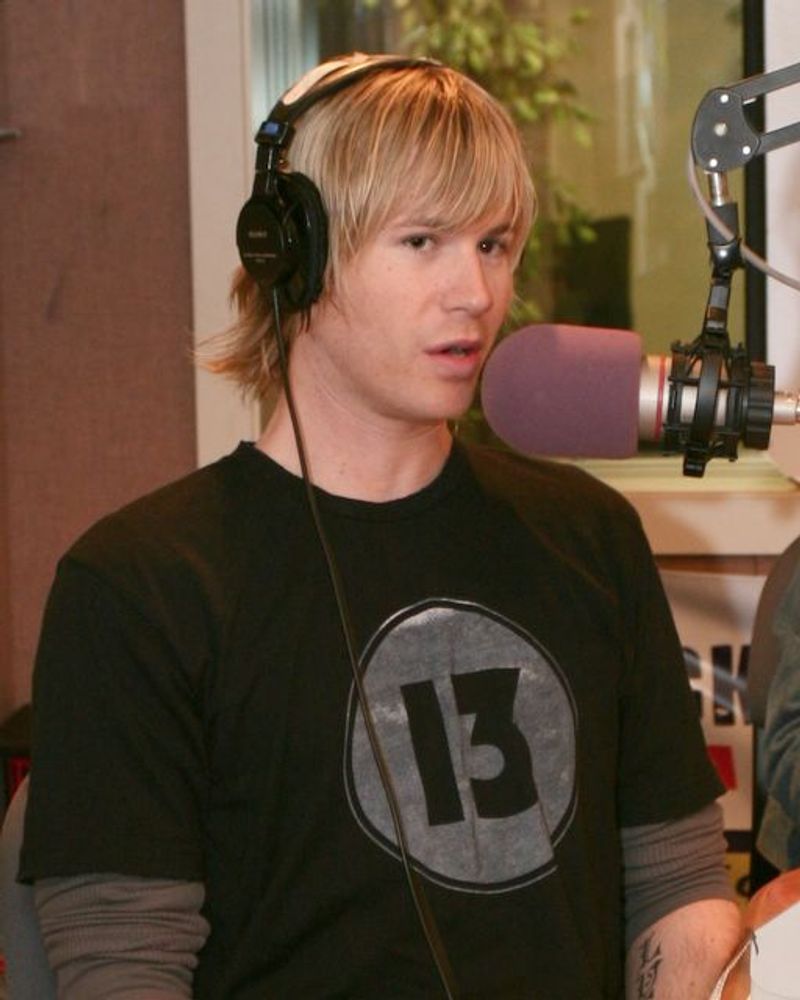
O-Town was one of the first boy bands assembled on television, formed during the first season of the reality show “Making the Band” in 2000. Ashley Parker Angel was the group’s most conventionally pop-star-looking member, and when the band faded, there was mild optimism that he might carve out a solo lane.
A WE tv reality show called “There and Back” followed his attempts to launch a solo career in 2006, which gave him a visibility boost. His single “Let U Go” got some airplay and chart activity, but the momentum was short-lived.
The album it was meant to support never received a proper release.
Without sustained label backing and shifting pop trends, his solo profile faded quickly after the show ended. Angel has stayed connected to music in various ways over the years, but the solo breakthrough never came.
His story reflects how hard it is to convert reality TV exposure into a lasting music career.
David Lee Roth (Van Halen)
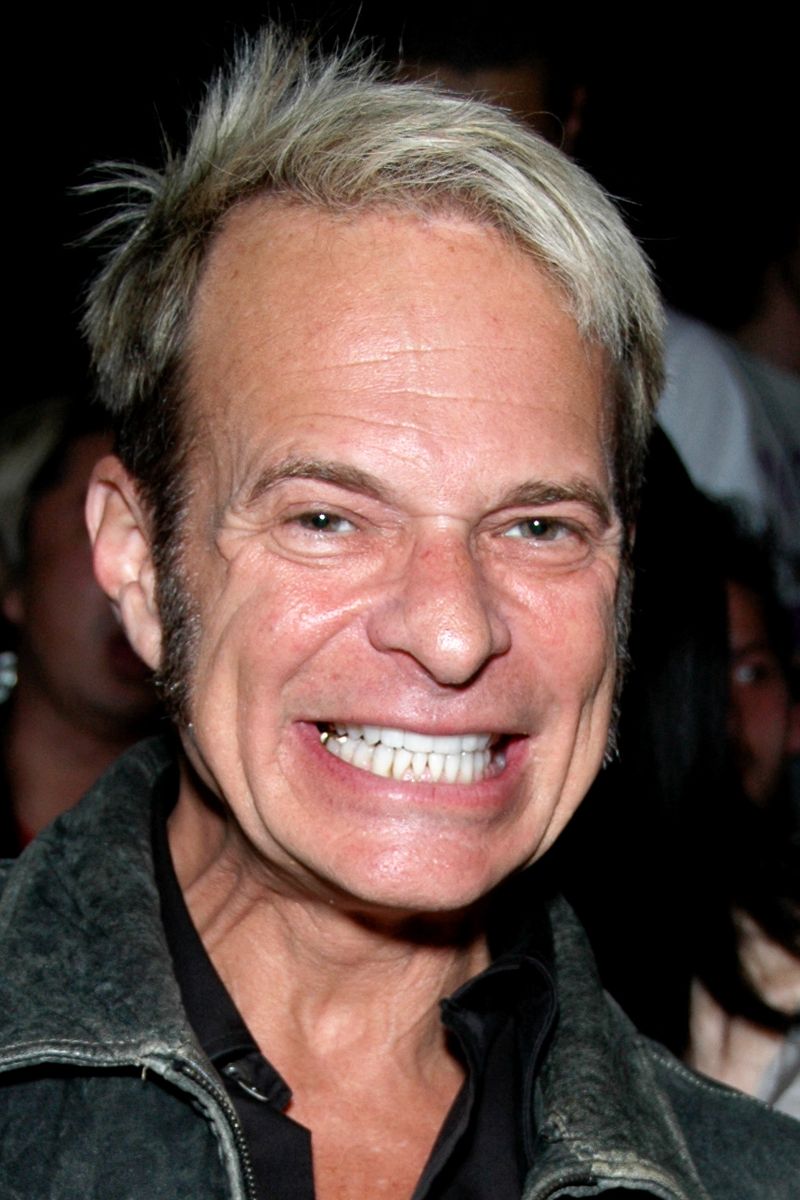
David Lee Roth leaving Van Halen in 1985 was one of rock’s biggest stories of that decade. His departure was dramatic, and his early solo work actually suggested he might thrive on his own.
The “Crazy from the Heat” EP was a genuine hit, and his debut album “Eat ‘Em and Smile” reached the top five in the US with serious critical buzz.
But consistency proved elusive. Follow-up albums varied wildly in quality and commercial performance, and by the early 1990s his cultural relevance had dropped considerably.
The flashy persona that worked perfectly within Van Halen started to feel excessive when the musical backing was not as strong.
Two Van Halen reunion stints later confirmed what fans suspected: Roth was most electrifying inside that specific band context. His solo highs were real, but the lows dragged the overall legacy down.
Few rock departures have produced such a mixed long-term result.
John Frusciante (Red Hot Chili Peppers)
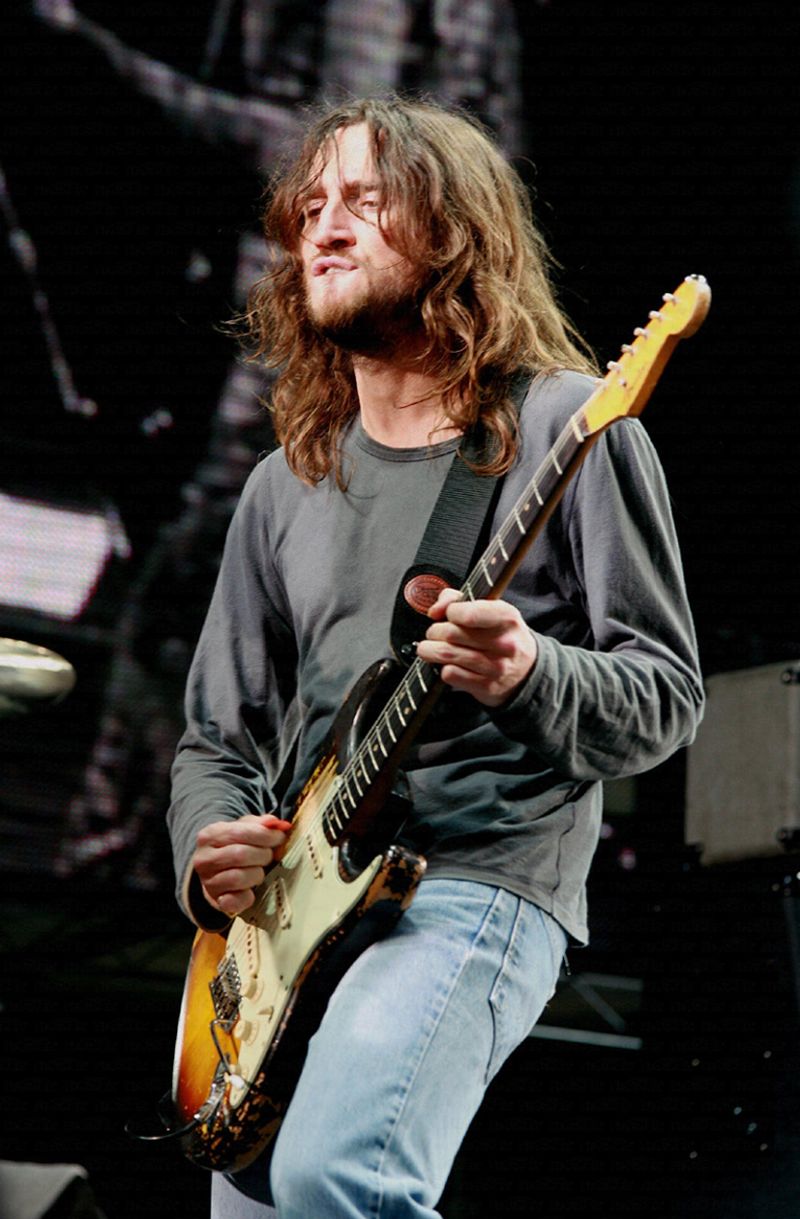
John Frusciante is widely considered one of the most gifted guitarists of his generation, and his work on Red Hot Chili Peppers albums like “Blood Sugar Sex Magik” and “Californication” helped define a generation of rock. When he released solo music, it was clear he was following a deeply personal creative vision rather than chasing radio success.
Albums like “Niandra Lades and Usually Just a T-Shirt” and “The Empyrean” earned devoted followings among musicians and critics who appreciated their experimental nature. But mainstream audiences largely did not connect with the abstract, introspective direction his solo work took.
Sales were modest, and radio play was essentially nonexistent.
Frusciante has never seemed concerned with commercial metrics, which makes his solo career feel more like an artistic statement than a commercial pursuit. That integrity is admirable, but it also means his solo reach remains tiny compared to the global audience the Chili Peppers command.
Art and commerce rarely walk the same path.



